Biodiversity Action Plan 2021-25 - Clane - County Kildare LEADER ...
←
→
Page content transcription
If your browser does not render page correctly, please read the page content below
Clane
Biodiversity Action Plan 2021-25

Plan produced by:
Contents
Acknowledgements & Contact Details ............................................................................................................ ii

Section 1: Introduction........................................................................................................................................... 1

    Process to Produce This Plan ......................................................................................................................... 2

    What is Biodiversity? .......................................................................................................................................... 2

Section 2: Biodiversity in Our Area ................................................................................................................ 3

    Main Biodiversity Sites .................................................................................................................................... 4

    Recent Progress ................................................................................................................................................... 5

    Wildlife of Kildare ................................................................................................................................................ 6

Section 3: A Call to Action ................................................................................................................................ 7

    Objective 1: Making Clane biodiversity friendly ....................................................................................... 8

    Objective 2: Raising awareness of local biodiversity & how to protect it ........................................ 12

    Objective 3: Collecting evidence to track change & measure success ............................................. 14

    Objective 4: Build local capacity to manage & record biodiversity ................................................... 15

    Mapping the Actions....................................................................................................................................... 16

Section 4: Resources .......................................................................................................................................... 17

    Links to useful online resources.................................................................................................................... 18

    Potential project funders................................................................................................................................. 19

    Useful contacts & sources ............................................................................................................................. 20

    Habitat Management Guidelines................................................................................................................ 22

    Planting for Biodiversity ................................................................................................................................. 24

    Invasive Alien Species .................................................................................................................................... 27

    Equipment Checklist....................................................................................................................................... 28

    Mood Board ...................................................................................................................................................... 30

Section 5: Results of Questionnaire ............................................................................................................. 34

                                                                                                                                                                         i
Acknowledgements & Contact Details
This action plan was produced as part of the Kildare Community Biodiversity Project
(14LDRKLD110901) which received grant aid from Kildare LCDC through the LEADER
programme. This programme is financed by the Government of Ireland under the Rural
Development Programme 2014-2020 and by the European Agricultural Fund for Rural
Development.

The project represented a collaboration between the Rural Development Team in County
Kildare LEADER Partnership CLG and the Heritage Section in Kildare County Council. The
project launched in February 2020 and culminated in February 2021.

County Kildare LEADER Partnership CLG and Kildare County Council would like to thank
members of the community for their involvement and engagement with the process to
develop this action plan. We would also like to thank Clane Tidy Towns for nominating Clane
to take part in the project when expressions of interest were initially sought and for their role
in encouraging others in the community to get involved.

Finally, we would like to thank Brian Gaynor from Green Pine Consultants and consultant
ecologist and botanist, Dr. Fiona MacGowan, for their commitment and dedication to the
project and for sharing their expertise generously with the community. They liaised directly
with communities, delivered a dedicated programme of training sessions, produced a very
helpful series of newsletters, and brought this plan together.

We hope that the Biodiversity Action Plan will be beneficial in guiding local actions to promote
and protect biodiversity in the coming years.

Getting Involved:
If you wish to get involved with any of the actions outlined in this Plan, please contact either:
Clane Tidy Towns by email to clanetidytowns@gmail.com
or
Kildare County Council Heritage Officer:
Phone: 045 980791
Fax: 045 980835
Email: heritageofficer@kildarecoco.ie
Website: http://www.kildare.ie/countycouncil/Heritage/index.html
If you would like to apply for LEADER funding towards implementing some actions in the
Plan, please email the LEADER team on info@countykildarelp.ie or call us on 045 895450.
You can also check out our website: https://www.countykildarelp.ie/

Photographs: Photos used in this Plan are courtesy of members of Clane Tidy Towns, Dr
Fiona MacGowan, Suzanne Behan and Brian Gaynor.

                                                                                               ii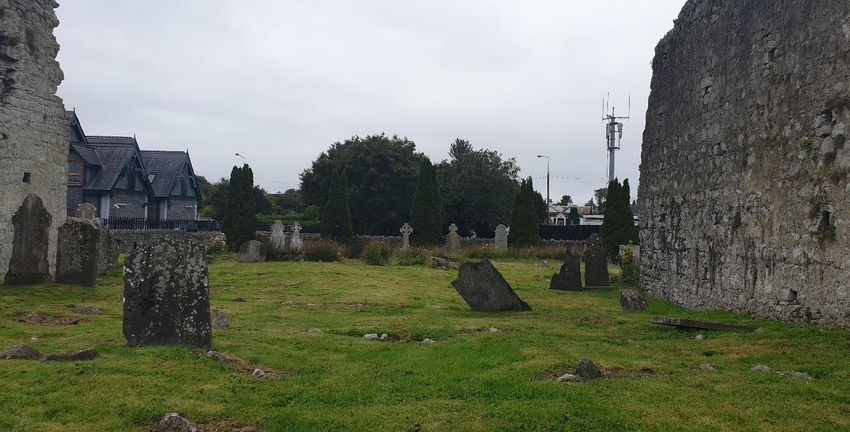
Section 1:
Introduction
Clane, in County Kildare, is a bustling small town on the banks of the River Liffey boasting a wonderful sense
of community. Located on a natural fording point of the river, historic sites include a Norman Motte on a hill
formed during the ice age, an Abbey said to be established by St. Ailbe around 520 AD, and a Friary dating
back to 1258. Remains of The Pale can still be seen near Clongowes Wood College.
Although the population of Clane has increased substantially in recent decades, Main Street retains much of
its traditional charm, and nearby amenities such as the Liffeyside Walk, the Grand Canal and Donadea Forest
Park are being appreciated by more visitors than ever. The people of Clane also maintain a rich tapestry of
community groups. Clane Tidy Towns has organised Clane’s entry in the national competition since 1973,
achieving numerous Bronze medals in recent years.
Biodiversity has featured prominently in these activities, with a waste treatment facility converted into the
Liffeyside Nature Park in the early 2000’s, the John Sullivan Resource Centre developing a rich biodiversity
and garden trail, and the parish recently establishing a wildflower labyrinth to the rear of the church – ideal
for those who might like to step out of the hustle and bustle on Main Street and enjoy a quieter moment.
This Biodiversity Action Plan aims to guide the local community and stakeholders in their efforts to protect
and restore some of this natural heritage and maximise the benefits that nature can provide for the people
of Clane. The Plan is not intended to be a static document but rather to be regularly reviewed and updated
over its life.

  A healthy natural world is crucial to our way of life; it provides
     us with clean air & water, food, shelter, and much more!

                                                                                                             1
Process to Produce This Plan
At the end of 2019, Clane Tidy Towns submitted an Expression
of Interest to be part of an upcoming initiative entitled the
Kildare Community Biodiversity Project. The project was an
initiative between County Kildare LEADER Partnership and the
Heritage Officer in Kildare County Council. It was funded by the
LEADER programme for 2014-2020. Green Pine Consultants and
Dr. Fiona MacGowan were contracted to deliver the project. The
team brought together qualifications in biology, ecology,
botany, and landscape architecture, as well as skills in working
with community groups.
The project kicked off in February 2020 with a launch night in Newbridge Town Hall. There were over 75
people in attendance from the ten communities that were selected to take part. The project involved recce
visits to assess biodiversity in each community, as well as a series of free public training workshops, and the
development of local Biodiversity Action Plans. Due to Covid 19 restrictions, the training sessions took place
in September and October via Zoom Meetings. These were open to all stakeholders and members of the
public with an interest in making their locality a better place for people and nature. During this process, the
views of all participants were sought during the workshops and through a questionnaire. Several community
groups attended the training sessions and their input was invaluable to the production of this Plan.

What is Biodiversity?
Biodiversity refers to the variety and variability of all living things including plants, animals, microbes, fungi
and people. It also includes the places where plants and animals live (known as habitats), the interactions
among living things (the web of life) and their environment (ecology).
Biodiversity is all around us, everywhere and in our everyday life. It forms complex systems that sustain life
on Earth. Each part of the system is important no matter how small or trivial it may seem to us. Think of it
as a puzzle; having a biodiverse system allows us to see the full puzzle but when we start to remove different
pieces, or species, the picture loses important parts.
We rely completely on biodiversity to provide us with the basic elements we need such as clean air and
water, food, fuel, building products and medicines. We also rely on it for the many free ‘services’ such as
nutrient recycling, pollination and water filtration etc. It is therefore vital that we make space for nature in
our towns, villages and countryside for us to continue living full and healthy lives.

“Biodiversity underpins the functioning of the ecosystems on which we depend for
food and fresh water, health and recreation, and protection from natural
disasters. Its loss also affects us culturally and spiritually. This may be more
difficult to quantify, but is nonetheless integral to our wellbeing”

                                                  Ban Ki-moon, Secretary General of the United Nations
                                                                                                                2
Section 2:
Biodiversity in
Our Area
Clane has ancient origins as a settlement on a bend of the River Liffey
meanders. The town has since developed like many Irish towns by turning
its back on the river. However, a recent housing development along the
river incorporates a lovely riverside walk. The walker will be rewarded with
beautiful views across the Kildare plains with graceful Willow trees and the
occasional sapphire glimpse of a Kingfisher. Clane is situated in the fertile
lands of northeast Kildare in the Liffey Plain and is surrounded by rich
farmland to the east of the Bog of Allen which stretches away to the west.
The town has developed rapidly in recent decades due to its proximity to
Dublin City but luckily there are still several sites of rich biodiversity within
Clane’s locality. Clane has a tremendous variety of habitats within its
locality, such as Donadea Wood, Ballynafagh Bog and Ballynafagh Lake. The
bog is an acidic raised bog habitat whereas Ballynafagh Lake features
alkaline fen and lake habitats thus hosting a different set of species and
furthering the biodiversity riches of this north Kildare area. Please note that
further details on your local conservation sites can be found at:
www.npws.ie/protected-sites/

Clane, which lies along the banks of the River
 Liffey, is rich in historic sites and features of
      natural heritage interest such as the
                 Franciscan Friary.

                                                                                    3
Main Biodiversity Sites
There are numerous places of important biodiversity value in Clane. The following are some of the main
ones in and around the town.

 Site of Biodiversity Interest
 River Liffey & Alexandra Park: This river is famous as
 the river of Dublin city but before that it rises in the
 Wicklow Mountains and meanders its way through
 much of the plains of Kildare. Although not given
 conservation status, the Liffey is a font of biodiversity
 for the many villages and towns such as Clane as it flows
 through them. The park at Alexandra has pockets of
 woodland and grassy margins that are important
 habitat for wildlife along the river. The larger grass spaces have the potential to be managed in a way
 that supports even more wildlife and add interest for the local community.
                                               Franciscan Friary & Graveyard: The old stone walls and
                                               headstones support a variety of plants and animals with
                                               particularly noticeable moss and lichen species. The high
                                               tops of the walls feature plant species that would have been
                                               used medicinally by the Clane friars centuries ago. The
                                               descendants of these plants have managed to survive at
                                               Clane Friary thus providing a window to the past. A good
 example is Mallow (Malva sylvatica), a species associated with old ruins in Ireland, it was extensively
 used for medicinal and veterinary purposes in the past. The grassy areas around the Friary would make
 a pretty backdrop rich in biodiversity if they were to be managed as a wildflower meadow.
 John Sullivan Resource Centre Biodiversity Garden (Irish Wheelchair Association): Thanks to the work
 of a local horticulturist, centre members, centre staff and local volunteers, a section of the grounds has
 been developed into a Biodiversity Garden which has become a haven for wildlife. Its main features are
 a heritage orchard, wildflower meadow, wildlife pond, native beehives, native and wildlife friendly
 hedging, native woodland, and a butterfly corner. The activities in the garden can be seen online
 here: https://iwaclanebiodiversitygarden.wordpress.com/. There is a garden trail through the garden
 for visitors to explore!
 Donadea Wood (pNHA 001391): a jewel in north Kildare’s crown, this forest hosts a wonderful variety
 of mature conifers and deciduous trees. The site is a proposed Natural Heritage Area (pNHA) which
 gives it protection under Irish law for its biodiversity value. It is a Coillte forest and therefore there is
 public access all year round so its biodiversity can be enjoyed by all.
 Ballynafagh Bog (SAC 000391): a raised bog of international conservation value lying just 5km to the
 west of Clane, this bog is a Special Area of Conservation (SAC). This site features good examples of
 actively peat-forming bog sub-habitats along with cutover bog edged with scrub and birch and willow
 dominated woodland.
 Ballynafagh Lake (SAC 001387): This SAC is a great example of an original man-made site turning into
 a site rich in biodiversity. The site was originally constructed as a reservoir for the Grand Canal and is
 still linked to the canal via the Blackwood Feeder. Over time the open water has filled in from the edges
 with a great mix of plant species followed by a wonderful variety of insects including beautiful
 Dragonflies, Damselflies and Ireland’s only protected butterfly species the Marsh Fritillary. Birdlife is
 also great here and best of all, the site has a looped walk ensuring the public can also share in the
 wildlife wonders of the area.

                                                                                                                 4
Recent Progress
A lot of work has been carried out in recent years already to enhance the town’s biodiversity. The
following are some examples of these:

   •   Planting native hedgerows and trees to screen bare walls and along approach roads. In the
       2020-21 tree planting season, 750 native trees were planted for this purpose.
   •   Establishing pollinator friendly maintenance regimes in several prominent locations.
   •   Hosting talks and walks featuring local biodiversity in the schools and for the general public.
   •   Contributing to targeted wildlife surveys including those for the Daubenton Bat, Swift, and
       Yellowhammer.
   •   Removing invasive Himalayan Balsam from tributaries of the Liffey.
   •   Promoting spawning habitat for trout in the village stream.
   •   Supporting development and enhancement of sites including the Biodiversity Garden at
       the John Sullivan Centre, the wildflower Labyrinth to the rear of the church, and the
       Liffeyside Nature Park.
   •   In autumn 2020, members of the local community took part in the Kildare Community
       Biodiversity Project. It involved three biodiversity training sessions (all online) and led to
       the production of this Action Plan.

  ‘900 native trees were planted in the 2020-21 tree
  planting season’

    ‘Local volunteers have led efforts to tackle invasive
    species on local rivers and streams’
                                                                                                         5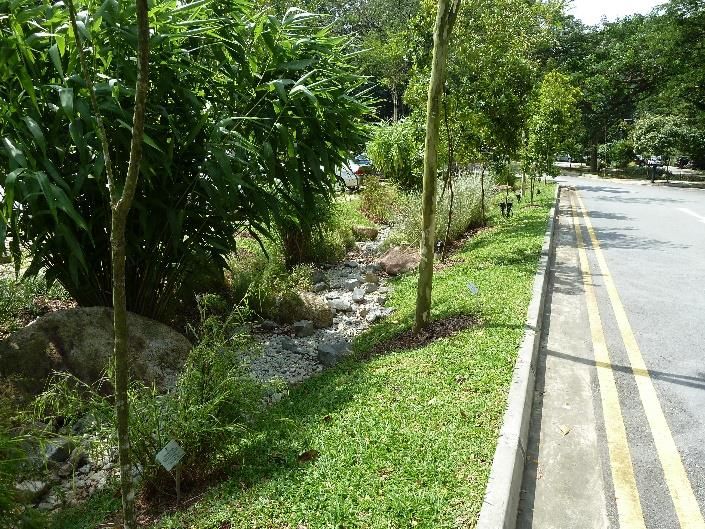
Wildlife of Kildare
Badger

Robin

                                                 Great Spotted
                                                 Woodpecker

                                      Red
                                      Squirrel

Rabbit      A collection of photos courtesy of
              Kildare wildlife photographer
                      Suzanne Behan

                                      Grey                       Red Fox
                                      Wagtail

Mute Swan                                                        Kingfisher

                                                                              6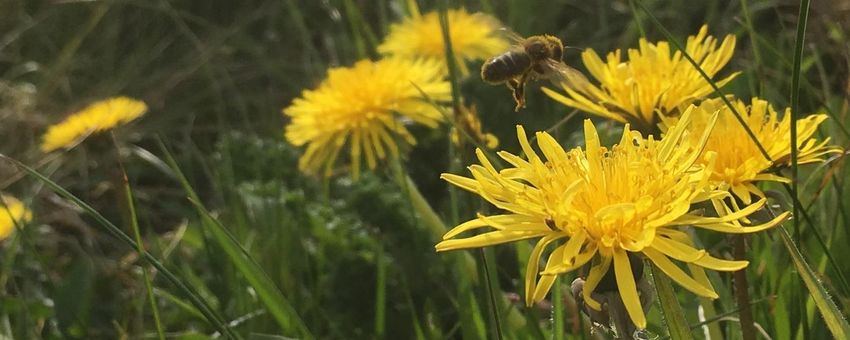
Section 3: A
Call to
Action
This is a shared plan of action for the town to build on the recent progress made to improve areas for
biodiversity and to start developing other opportunities to maximise the town’s full biodiversity potential.
In doing so this will hopefully engage new people and groups in managing their local green space with
biodiversity in mind. The plan has four main objectives, each with several targets and actions:
1. Objective 1: Making Clane wildlife friendly
2. Objective 2: Raising awareness of local wildlife and how to protect it.
3. Objective 3: Collecting evidence to track change and measure success.
4. Objective 4: Build local capacity to manage and record biodiversity.

 Did you know: Irish pollinators are estimated to contribute €59
            million annually to the Irish economy!
                                                                                                          7
Objective 1: Making Clane biodiversity
friendly
All types of land can be used to increase the levels of biodiversity in the town including built features and
green spaces. Each landowner whether public or private can also play their part in enhancing their lands for
biodiversity.
Target 1.1 Make the town’s public spaces more biodiversity friendly
No. Action Who When
1.1.1 Explore the opportunity to increase areas of wildflower meadow and CTT 2023
native woodland habitat along the green space of the Liffeyside Nature KCC
Park / Alexandra Walk. It is recommended that a landscape plan be Alexandra
developed for this space. Walk/Manor
1.1.2 Explore the opportunity to carry out the following biodiversity habitat CTT 2021
enhancement works within the ‘Stream Park & Playground’: CCC
A. Design and implement a woodland / rain garden in place of the KCC
flagstone paving and incorporating the lawn area. This should
include native shade tolerant herbaceous planting (wildflowers
and ferns), paths, seating, sensory garden elements and a
sculptural feature.
B. Design and implement a natural play area in the southern
section of the playground.
C. Augment the herbaceous perennial bed with additional
pollinator friendly plants.
D. Use alternative tree friendly methods of hanging ornaments.
1.1.3 Convert the entire traffic island at the Millicent Road-Main Street CTT 2021
Junction into a pollinator friendly flower bed. Plant @ 11 plants / m² at p9 KCC
pot size. In parallel with 1.1.2.
1.1.4 Explore the opportunity to manage part of the lawn space beside Westgrove 2022
Franciscan Friary & Graveyard as a wildflower meadow. This can be Shopping Centre,
created as part of the reinstatement of the green area once construction CTT
works in the area have been completed. Use free draining, nutrient poor
soil to create the meadow. Also explore the opportunity to plant a native
hedgerow along the fence.
1.1.5 Consider managing the lawn space in front of the Abbey Community CTT 2021
Centre as a wildflower meadow. This should continue into the graveyard. CCC
In parallel with 1.1.2.
1.1.6 Explore the opportunity to plant a native hedgerow along the front CTT 2022
boundary of UPMC Kildare Hospital. UPMC
1.1.7 Enhance existing or create new pollinator friendly flower beds on the CTT 2021
three roundabouts on the Ring Road. Include art features on each KCC
depicting aspects of local heritage. Supervalu
1.1.8 Plant pollinator friendly bulbs into the daffodil planting on the wider CTT 2021
green spaces at the Tesco Metro roundabout. Maintain as a wildflower
meadow during the summer.
1.1.9 Manage wider grass verges on approach roads as wildflower meadow. KCC 2022
1.1.10 Explore the opportunities to enhance the green space in the Garda Gardai 2021: A
Station for community and biodiversity by: OPW 2022: B
A. Removing selected trees along the front boundary and installing CTT 2023: C
a railing and new native hedgerow.
B. Managing the lawn spaces as wildflower meadow.
C. Developing a pollinator friendly ornamental flower bed in the
front lawn.
8Target 1.1 Make the town’s public spaces more biodiversity friendly
No. Action Who When
1.1.11 Reinstate a native hedgerow along Nancy’s Lane lost due to development. KCC 2021
Abbottfield
1.1.12 Promote biodiversity considerations into future redevelopment of public KCC 2021-2025
realm in Clane (e.g. progressing from town health-check) CTT
CCC
Target 1.2 Make the town’s private lands more biodiversity friendly
No. Action Who When
1.2.1 Run a ‘Free Garden Tree Giveaway’ each year on a Saturday morning in CTT 2021-2025
Feb/March. Tree mix (whips only) to include: Rowan, Birch, Hazel and
Wild Cherry.
1.2.2 Explore the opportunity to carry out the following habitat and visual CTT 2021: Hillview
enhancement works in residential estates in the town: Residents’ Assoc. Heights and
● Plant native hedgerows or climbers against internal boundary Green
concrete walls and along the front boundaries of residential
estates in the town. Loughbollard
● Manage sections of residential green spaces as wildflower
meadows, either bulb, shortcut or hay meadows. For bulb
meadows species such as Snowdrops, Bluebells, Wood
anemones, Crocus spp., Muscari, etc. can be planted.
● Create pollinator friendly planting beds by renovating existing
shrub / flower beds or creating new ones at suitable locations in
estates. The management of these should be taken on by the
local residents.
● Plant copses of trees on residential green spaces and manage
the grass underneath as bumblebee nesting habitat (left uncut).
Plant bulbs and wildflowers into these areas to add colour and
increase the biodiversity value.
● Install bird and bat boxes at suitable locations.
● Where possible create a wildlife pond. Secure with fencing if
necessary.
Target 1-2 residential estates each year of the Action Plan to work with
(all actions should be agreed with the residents). In Year 1, engage with
estates that have taken part in the process of developing this plan such as
Hillview Heights. These can then act as ‘champions’ within the town for
other estates in subsequent years.
1.2.3 Explore the opportunity to replace the dying Cypress hedge along the KCC 2021-2023
front boundary of Abbeycourt estate with a native Yew hedge as per Yew Abbey Court R.A.
Tree Square.
1.2.4 Explore the opportunity to maximise the potential of the Hazel Hall CTT 2025
Nursing Home grounds for residents and for biodiversity by: Hazel Hall
A. Planting a native hedgerow along the front boundary for
screening.
B. Managing the grass verge on the front boundary as a bulb and
shortcut wildflower meadow. Cut and lift every 6 weeks.
C. Developing the lawn space to the back as a garden space for
residents that incorporates biodiversity planting, other
biodiversity features, new paths and seating.
1.2.5 Explore the opportunity with Aldi to manage their lawn space adjacent to CTT 2021
Main Street as a wildflower meadow. In parallel with 1.1.2. ALDI
9Target 1.2 Make the town’s private lands more biodiversity friendly
No. Action Who When
1.2.6 Explore the opportunity to enhance biodiversity within Clane GAA CTT 2021-2023
grounds including: GAA
A. Plant an avenue of trees in the front boundary hedgerow.
B. Infill planting using pollinator friendly herbaceous plants into the
new planting bed at the entrance.
C. Plant a beech hedge in place of the removed Leyland hedge.
D. Install Swift boxes and a calling system on the club house (see
Action 1.4.1).
1.2.7 Continue to maintain the wildlife garden in the Irish Wheelchair IWA 2021-2025
Association grounds. KCC (Heritage)
1.2.8 Explore the opportunity to plant additional native trees on the roadside CTT 2022
at the entrance to Clane Business Park KCC
1.2.9 Explore the opportunity to plant a hedgerow with trees between the CTT 2021-2022
pitches of Clane United AFC and Clane RFC. Clane RFC
Clane Utd AFC
Plant 60m native hedge between Otomy and Clane United AFC.
1.2.10 Explore maximising the potential of Scoil Mhuire grounds for outdoor CTT 2022
learning and biodiversity including the following: Scoil Mhuire
A. Plant a native woodland trail along the northern boundary.
Explore the potential to use local provenance Hazel tree saplings
sourced from the Old Quarry nearby.
B. Plant a row of Birch (Betula pendula) between the two pitches.
C. Plant trees into the grass verges. Ensure the planting pits are
backfilled with good quality topsoil.
D. Remove the circular raised beds at the entrance and manage the
lawn as wildflower meadow. Manage the grass verge opposite as
wildflower meadow as well. Alternatively plant native trees into
the beds and underplant with pollinator friendly herbaceous
perennials.
E. Install Swift boxes on the school building (see Action 1.4.1).
1.2.11 Maximise the potential of Scoil Bhride for outdoor learning and CTT 2021
biodiversity including the following: Scoil Bhride
A. Develop a wildlife garden & outdoor learning classroom in the
fenced area with the water harvesting tank. This could include a
wildlife pond, meadow and signs on the fence.
B. Plant a row of native trees along the boundary with Scoil
Phádraig Claonadh.
C. Manage sections of the lawn area as wildflower meadow.
D. If required, increase the number of Swift boxes on the school
buildings.
E. Replace the existing dying sections of the hedge at the front
boundary with appropriate hedging.
1.2.12 Ensure that best practice green infrastructure design and biodiversity CTT 2021-2023
enhancement features (e.g. Swift bricks, natural play, rain Scoil Phadraig
gardens/bioswales) are included in the redevelopment plans for Scoil
Phadraig Claonadh.
1.2.13 Explore the opportunity with the Church of St Patrick and St Bridget to CTT 2021
enhance their green space for community use and biodiversity by: Parish
A. Replace the Laurel (Prunus laurocerasus ‘Otto Luyken’) beside
the car park and the row of dead trees
B. Planting an orchard using local heritage fruit and nut trees to the
back half. Allow the grass underneath to grow as a meadow with
mown paths.
C. Managing the front section on the car park side as a wildflower
meadow with the Labyrinth path design. A simple management
plan for the space would be beneficial.
D. Possible replacement of trees in courtyard.
10Target 1.2 Make the town’s private lands more biodiversity friendly
No. Action Who When
1.2.14 Explore the opportunity with Clongowes College to enhance their campus CTT 2025
for outdoor learning and biodiversity. Clongowes
1.2.15 Explore the opportunity to plant a Yew hedge along the front boundary of CTT 2021
Campbell’s Tyre Yard. Campbell’s
Target 1.3 Make the town’s surrounding lands more biodiversity friendly
No. Action Who When
1.3.1 Participate in a Himalayan Balsam control project for the River Liffey KCC, Clane TT, KCC to start
catchment area. The study should include other Invasive Species with other local planning 2020
recorded. communities,
LAWCO Officer,
Local Angling
Groups, Inland
Fisheries
Ireland/National
Biodiversity Data
Centre, ESB
1.3.2 Carry out a hedgerow resilience project by augmenting existing CTT 2024
hedgerows in the surrounding landscape with new trees such as Oak, Landowners
Wild Cherry, etc. This will future-proof hedgerows against the potential
impacts of Ash Dieback. If following a survey of local Ash trees in Clane, it
is noted that there are some Ash with resilience to Ash dieback then
propagate these.
1.3.3 Explore the potential to create a tree line along Loughbollard berm KCC, Loughbollard 2022
Residents’
Association
1.3.4 Explore the potential to create a native orchard opposite Credit Union in KCC 2021
the Hillview estate CTT
Target 1.4 Deliver species-specific conservation projects
No. Action Who When
1.4.1 Promote the town as a ‘Swift Town’ by creating nesting opportunities CTT, Local wildlife 2021-25
(Swift boxes on existing buildings and bricks for new developments charities such as
including new residential and industrial sites), raising awareness locally of Wild Kildare
the issues facing the species and monitoring existing and new nest box
sites.
This could be delivered in partnership with local wildlife charities such as
Wild Kildare who require local people to monitor population numbers.
1.4.2 Carry out a Brimstone butterfly project: plant their larval food plant the CTT 2021
native Buckthorn bush and run a promotional event about the species /
project. Source native Purging buckthorn (Rhamnus cathartica). May be
suitable ground along riverbanks.
1.4.3 Explore the potential to carry out conservation measures for the Black KARE, CTT, 2021
Poplar (Populus nigra) tree within the Liffeyside Park. Tennis Club,
Central Park,
Contact NPWS
1.4.4 Carry out a conservation project on the local provenance Hazel (Corylus CTT 2022
avellana) found near the Old Quarry. Grow saplings harvested from the
trees and use these in local woodland and hedgerow planting schemes.
11Objective 2: Raising awareness of local
biodiversity & how to protect it
It is important to raise awareness so that the public, community & residential groups, and businesses know
how to help our wildlife.
Target 2.1 Increase the number of people within the community who are aware of their
local biodiversity and who understand the need to conserve it
No. Action Who When
2.1.1 Install 2 or 3no. interpretation posts at selected locations in the ‘Liffey Park’. CTT 2023
These can cover the following topics: nettles and butterflies, wildflower KCC
meadows, woodland plants and animals, bird life and local cultural and built Alexandra
heritage, aquatic life, crayfish etc Walk/Manor
2.1.2 Explore the potential for a series of urban looped walks around the town CTT 2023
connecting various sites of natural, built and cultural heritage. Any trail CCC
should include interpretation of local biodiversity. Erect a central sign about Local History
the Heritage trail (see Action 2.1.6). Group
2.1.3 Run a minimum of 2 wildlife related events (e.g. walks, talks, workshops, CTT 2021-2025
webinars) each year. This should use the results of the questionnaire in the IWA
back of this Plan as a guide for topics of interest and how to deliver them Schools
during Covid 19. Events could include: Scouts etc
● A talk on the Black Poplar tree
● Wildflower seed harvesting session
● Gardening for Biodiversity in your back garden
These can be delivered as Clane only events or in partnership with other
neighbouring communities where appropriate.
2.1.4 Use vacant shop fronts on Main Street to display / interpret the local natural, CTT, Local 2022-2023
built and cultural heritage of Clane. Heritage Group,
Local Schools
2.1.5 Continue to use local social media to raise awareness of local biodiversity and CTT 2021
conservation issues.
Include short features on local wildlife – all types flora and fauna
2.1.6 Install an interpretation panel in the ‘Stream Park’ that covers aspects of local CTT, CCC, KCC 2021
heritage (e.g. forge) including biodiversity. In parallel with 1.1.2.
2.1.7 Encourage Clane GAA to join the ‘GAA Green Club’ project: CTT 2021
https://www.gaa.ie/stories/green-club-toolkit-questionnaire/ GAA
2.1.8 Raise awareness of local species of significance in Clane through Biodiversity CTT 2021-2025
Week talks and on information signs: Crayfish, Yellowhammer, Daubenton’s
Bat, Buzzard, Yew and Black Poplar.
2.1.9 Nancy Lane Heritage awareness project: install small information posts CTT, CCC, 2021
highlighting the natural and social history of this historic lane Local Heritage
Group
Target 2.2 Support education opportunities in schools at all levels
No. Action Who When
2.2.1 Ensure the local schools have copies of the All-Ireland Pollinator Plan guides CTT, Green 2021
for schools and the Junior All-Ireland Pollinator Plan and are aware of all the Schools Liaison
resources available at www.pollinators.ie/resources
2.2.2 Support the local schools with wildlife events / activities. Where possible this CTT, Green 2021-2025
should utilise the different areas of habitat on the campus. This can be a Schools Liaison
12Target 2.2 Support education opportunities in schools at all levels
No. Action Who When
wildlife walk, talk, or workshop. Could include wildlife painting/drawing
activities.
2.2.3 Install signage to maximise outdoor learning about the different areas of CTT, Green 2021-2025
biodiversity habitat on the school grounds. These can be created by the Schools Liaison
school pupils as part of art class activities. See 1.2.10/11/12
2.2.4 Explore LEADER partnership biodiversity project across local schools CTT, Green 2021-2025
Schools Liaison
Target 2.3 Provide clear information to different sectors within the community on how
they can take actions to enhance their spaces for biodiversity
No. Action Who When
2.3.1 Run a half day workshop to raise awareness of the harmful effects of herbicide KCC 2021-2022
use on human health and for biodiversity to different landowners around the CTT
town. This workshop should also cover alternative solutions where vegetation TidyTowns
control is necessary and encourage a change of mindset in other situations Network
where wildflowers could be allowed to grow.
Consider organising this event in partnership with other local communities.
2.3.2 Participate in, and if necessary, help organise, a series of county wide farm talks TidyTowns 2024
(min. of 2 per year) that will positively enhance biodiversity in the landscape e.g. Network
utilizing farm green infrastructure for the farm business, farm woodland grants, CTT
etc. Communicate the details of each event with the local farming community. IFA
Wildlife
Charities
2.3.3 Develop an Estate Mentoring Scheme for residential committees on how they CTT 2022
can enhance biodiversity in their estates. This would be similar to the scheme
run by Ennis Tidy Towns. (http://ennistidytowns.com/project/estate-mentoring-
programme/).
Develop a list of ‘champions’ from residential estates who have delivered actions
that improve their estates for residents and biodiversity who can support other
interested residential groups.
2.3.4 Run a native wildlife patch competition in private gardens – integrate with CTT 2021
citizen science - record and publish on the Biodiversity Data Centre. Note
backyard biodiversity project. Raise awareness of the ‘Gardening for
Biodiversity’ booklet:
http://kildare.ie/CountyCouncil/Heritage/Publications/GardeningforBiodiversity/
2.3.5 Ensure the different sectors within the community have copies of the relevant CTT 2021
All-Ireland Pollinator Plan resource guides e.g. sporting organisations, faith
communities, etc.
2.3.6 Post links to the All-Ireland Pollinator Plan guides on local social media each year. CTT 2021-2025
2.3.7 Implement a policy of no Invasive plant species in new planting schemes in the CTT 2021
town e.g. encourage alternatives to Cherry laurel (Prunus laurocerasus)
2.3.8 Engage with Kildare County Council to ensure that all new developments in the CCC 2021-2025
town incorporate best practice green infrastructure design principles (e.g. use of
bioswales) and biodiversity features (e.g. Swift bricks, see Action 1.4.1).
Green infrastructure design should ideally be done at the planning and design
stage. Where plans have developed beyond planning, engage with the
developers about the benefits that green infrastructure design can deliver for
them.
2.3.9 Participate in any discussions on the setting up of a River Liffey Trust. Engage KCC 2021-2024
with Kildare Co. Co. Heritage Office, other Liffey-side villages and towns and the CTT
Liffey Valley Alliance in this process. CCC
13Objective 3: Collecting evidence to
track change & measure success
To ensure that our actions are making a difference we need to gather a baseline of data on our wildlife and
then measure our success or lack thereof against this. This data can be gathered through regular surveys and
Citizen Science efforts. This plan sets out the following targets to achieve this:
Target 3.1 Build a baseline of data on local biodiversity and track changes
No. Action Who When
3.1.1 Monitor the Swift population numbers in the town annually and the Local wildlife 2021-2025
uptake of newly installed Swift boxes. charities such as Wild
Kildare, CTT
3.1.2 Facilitate Wild Kildare’s ‘Moth Atlas’ for the county Wild Kildare, CTT 2023-2025
3.1.3 Develop at least 2 bumblebee transects in the town and submit records CTT 2024
to the NBDC
3.1.4 Develop at least 2 butterfly transects in the town and submit records to CTT 2024
the NBDC
3.1.5 Develop a green infrastructure map of the town that identifies the CTT 2024
various green spaces and biodiversity features within the town. This will
identify existing ecological corridors, and any gaps, that will help guide
future planning and development.
3.1.6 Record all biodiversity records onto the National Biodiversity Data CTT 2021-2025
Centre app. Encourage other members of the community to do likewise.
3.1.7 Record and map all biodiversity actions delivered at: CTT 2021-2025
https://pollinators.biodiversityireland.ie/
3.1.8 Continue the Daubenton’s bat survey annually Local wildlife charities 2021-2025
such as Kildare Bat
Group
Target 3.2 Measure progress of this Plan on a regular basis
No. Action Who When
3.2.1 Set up a sub-committee that will be responsible for carrying out an BAP Workshop 2021
annual review and steering the delivery of this BAP. This should include attendees
representatives of different sectors within the community.
3.2.2 The sub-committee shall carry out an annual review of the Action Plan. BAP subcommittee 2021, 2022 &
2024
3.2.3 Carry out a more detailed mid-term review of the Action Plan. BAP Workshop 2023
attendees
3.2.4 Carry out a full detailed review of the Action Plan in the final year. BAP Workshop Summer 2025
attendees
3.2.5 Plan for the updating / renewing of a subsequent 5-year plan to run BAP Workshop 2025
from 2026-2030. attendees
14Objective 4: Build local capacity to
manage & record biodiversity
The following targets and actions aim to ensure that we have the resources and capacity to carry out the
actions identified in Objectives 1-3.
Target 4.1 Build the capacity within the community to manage and record biodiversity
No. Action Who When
4.1.1 Identify all wildlife groups active in Clane and make contact and offer help CTT 2021
/ partner on local projects.
4.1.2 Identify sources of native wildflowers (this should include Yellow Rattle) CTT 2021
as places for community seed collections - this can include other donor
sources in the county
4.1.3 Create an email list of local volunteers who can be called upon for CTT 2021
practical conservation volunteering events throughout the year such as
management of wildflower meadows, invasive species removal, tree
planting, etc. (ensure GDPR guidelines are taken)
4.1.4 Hold an event to communicate this BAP to the local community. BAP Workshop 2021
Attendees
4.1.5 Participate in a meeting of all 10 Kildare 2020 BAP applicants to discuss BAP Workshop 2021
opportunities for collaboration to deliver selected projects outlined in this Attendees
Plan.
Target 4.2 Build up local resources of materials and equipment to manage and record
biodiversity
No. Action Who When
4.2.1 Install a community polytunnel at a secure location. This will be used to CTT 2021-2022
grow all the town's flowers, plants, trees for use in new community Men’s Shed
planting schemes. This will create the opportunity to raise funds by selling Local landowners
native plants, trees and pollinator friendly plants.
4.2.2 Source meadow maintenance equipment for community use. Options CTT 2021
available are to 1) purchase equipment, potentially in partnership with KCC
other neighbouring towns and villages; 2) work with the private sector to Residents’
build up their capacity for managing meadows (hire companies and / or Associations
local landscape contractors), or 3) to work with KCC for them to build Other Tidy Town
internal capacity / resources. Groups
If working with other neighbouring groups then an annual schedule for its
use, maintenance /servicing plans, insurance & other costs should be
agreed in advance.
4.2.3 Build up a stock of biodiversity educational resources. Liaise with the local CTT 2022
library. Library Service
4.2.4 Build up a stock of biodiversity recording equipment such as bat CTT 2022/2023
detectors, moth traps, etc. Library Service
4.2.5 Explore the opportunity to run a composting workshop in order to gain CTT, KCC, 2022
expertise in dealing with the cuttings from the hay/wildflower meadows. Residents’
Associations
Other Tidy Town
Groups
15Mapping the Actions
16Section 4: Resources
It is not necessary to re-invent the wheel in order to deliver this plan. There are numerous people,
organisations, publications and online resources available to achieve the best possible outcomes. Some of
these are outlined in this section, although this is not intended to be an exhaustive list. It will also be
important that as new information becomes available that this should be considered and actions delivered
or adjusted accordingly.
Did you know: Of the 62,000 townland names in Ireland,
13,000 have reference to trees and 1,600 have some derivation
of ‘dair’ the Irish word for oak. For example, Cill Dara (Kildare)
meaning ‘Church of the Oak’ Kildare.
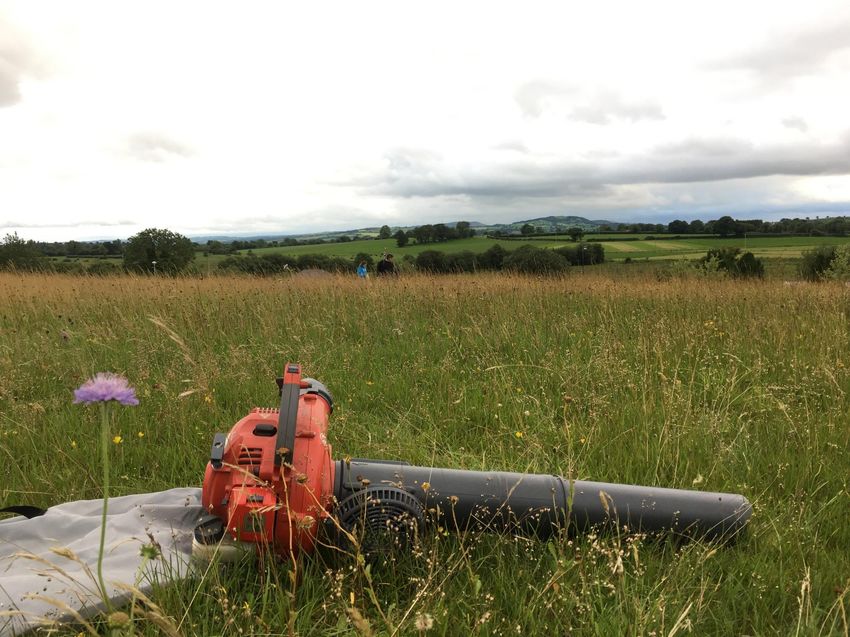
This leaf vacuum can be used to
harvest native wildflower seed from
local meadows which can then be
used to increase diversity in new
community meadows.
17Links to useful online resources
The following is a list of useful links to guides on a range of common biodiversity subjects.
Subject Link(s)
Bats • https://www.batconservationireland.org/
• https://kildarebatgroup.wordpress.com/
Birdwatching • http://www.birdwatchkildare.com/?page_id=23
• https://birdwatchireland.ie/irelands-birds-birdwatch-ireland/
• www.irishbirding.com
Children’s Biodiversity • https://birdwatchireland.ie/our-work/fun-learning/for-kids/
Activities • https://www.woodlandtrust.org.uk/blog/2020/03/kids-nature-activities-self-isolation/
• https://www.rspb.org.uk/fun-and-learning/
General Biodiversity • https://www.biodiversityireland.ie/
Issues • www.npws.ie
Habitat Boxes • https://www.biodiversityireland.ie/wordpress/wp-content/uploads/Pollinator-How-to-Guide-
1-ALT_FINAL.pdf
• https://birdwatchireland.ie/app/uploads/2019/09/Nestboxes-factsheet.pdf
• https://www.batconservationireland.org/wp-
content/uploads/2015/05/BCIrelandGuidelines_BatBoxes.pdf
Hedgerows • https://www.biodiversityireland.ie/wordpress/wp-content/uploads/Pollinator-How-to-Guide-
3-FINAL-1.pdf
• https://www.heritagecouncil.ie/content/files/conserving_hedgerows_2mb.pdf
• https://63273-649646-raikfcquaxqncofqfm.stackpathdns.com/wp-
content/uploads/2019/04/Hedgerow-CasestudyASPaul21-Send-for-New-Website.pdf
• https://mosart.ie/wp-content/uploads/2016/02/Irish-Hedgerows-Networks-for-Nature.pdf
• www.hedgelaying.ie
Interpretative Signage • https://www.nature.scot/sites/default/files/2019-11/Guidance%20-
%20Natural%20heritage%20interpretation_1.pdf
• https://www.heritagecouncil.ie/content/files/bored_of_boards_1mb.pdf
• https://pollinators.ie/resources/signage-templates/
Invasive Alien Species • https://invasivespeciesireland.com/
• https://www.fisheriesireland.ie/Invasive-Species/invasive-species.html
Local Biodiversity • https://www.facebook.com/Wild-Kildare-1437313092971392/
News • http://www.birdwatchkildare.com/
• https://kildarebatgroup.wordpress.com/
• http://www.kildare.ie/CountyCouncil/Heritage/Biodiversity/
Nature Trails • http://www.walkingroutes.ie/WalkingTrails/Kildare
Orchards • http://www.irishseedsavers.ie/blog/wp-content/uploads/2014/10/CreatingAnOrchard.pdf
• https://assets.publishing.service.gov.uk/government/uploads/system/uploads/attachment_da
ta/file/11466/1973262.pdf
• http://www.wetlandsystems.ie/goephow.html
• https://www.theorchardproject.org.uk/
Peatlands • www.ipcc.ie
• www.bordnamona.ie/transform/biodiversity
• www.abbeyleixbog.ie
Pollinator Friendly • https://pollinators.ie/resources/
Planting Schemes • https://pollinators.ie/wordpress/wp-content/uploads/2018/04/Planting-Code-2018-WEB.pdf
• www.rhs.org.uk
Pollinators • https://pollinators.ie/
Recording Biodiversity • https://www.biodiversityireland.ie/record-biodiversity/
Reducing Herbicide • https://greensideup.ie/16-natural-alternatives-to-herbicide-why-you-should-use-them/
Use
Schools & Biodiversity • https://greenschoolsireland.org/biodiveristy/
• https://pollinators.ie/schools/
• http://www.heritageinschools.ie/teachers-resources/strand/living-things-science/p3?q=&c=
18Subject Link(s)
• https://www.eckilkenny.ie/images/Biodiversity_Plan_for_Schools.pdf
• http://www.heartoftheglens.org/cms/wp-content/uploads/2017/12/Teachers-Outdoor-
Learning-Resource.pdf
• http://www.ipcc.ie/discover-and-learn/resources/
Swifts • https://birdwatchireland.ie/our-work/surveys-research/research-surveys/swift-surveys/
• www.swiftconservation.ie/
Tree Identification & • https://www.treecouncil.ie/nativeirishtrees
Selection • https://drive.google.com/file/d/0B-qemRFHRDRSVnh3bmxGOEVaMHc/edit
• http://www.clarecoco.ie/services/planning/publications/tree-design-guide-for-towns-and-
villages-in-co-clare-2017-28115.pdf
Wildflower Meadows • https://pollinators.ie/wordpress/wp-content/uploads/2018/04/How-to-guide-Wildflower-
Meadows-2018-WEB.pdf
Wildflowers • http://www.wildflowersofireland.net/index.php
• www.bsbi.org
Wildlife Ponds • https://www.wildlifetrusts.org/actions/how-build-pond
• https://invasivespeciesireland.com/wp-content/uploads/2017/10/AQUATICS_BOOK5.pdf
Woodland • http://www.woodlandsofireland.com/sites/default/files/Management%20Guidelines%20for%
20Ireland%27s%20Native%20Woodlands%202017.pdf
• https://www.forestryfocus.ie/social-environmental-aspects/biodiversity-and-nature-
conservation/biodiversity-in-forests/conservation-and-restoration/
• http://www.woodlandsofireland.com/sites/default/files/Silvicultural%20Guidelines%20for%20
Native%20Trees.pdf
• https://www.wildlifetrusts.org/wildlife-advice/how-manage-woodland-wildlife
Potential project funders
The following table outlines some of the potential sources of funding to help deliver the actions outlined in
this Plan. It is also worth remembering other traditional forms of fundraising such as working with local
businesses, bucket collections, table quizzes, etc.
Fund / Funding Body Description
LEADER Programme, County To discuss potential project ideas and the availability of funding, contact the County
Kildare LEADER Partnership CLG Kildare LEADER Partnership offices at (045) 895 450 or email info@countykildarelp.ie.
Website: www.countykildarelp.ie/
Kildare County Council For additional information in relation to funding for biodiversity and heritage projects,
contact the Heritage Officer - Tel. 045 980791 or email heritageofficer@kildarecoco.ie
Community Environment Action Formerly known as LA21, this fund covers small community environmental projects.
Fund – Kildare County Council
Community Foundation for The Community Foundation for Ireland has funded biodiversity surveys and action plans
Ireland under their Environment and Nature programme.
https://www.communityfoundation.ie/insights/news/environment-and-nature-fund-2019
Heritage Council The Heritage Council supports a wide range of heritage projects throughout the country
through our annual grants programme.
https://www.heritagecouncil.ie/funding
Waters & Communities Their aim is to support communities and stakeholders in the delivery of local water quality
projects and initiatives and have an annual grant package available. Contact your local
officer to discuss potential projects by searching:
http://watersandcommunities.ie/community-water-officers/
Trees on the Land This charity aims to increase the amount of native Irish trees across Ireland.
https://www.treesontheland.com/
NeighbourWood Scheme This Forestry Service grant supports the creation and enhancement of new native
community woodland schemes over 1ha in size (up to 12ha size) including the
improvements to woodland facilities such as trail infrastructure.
https://www.agriculture.gov.ie/media/migration/forestry/grantandpremiumschemes/201
5/NeighbourWoodScheme240717.pdf
19Useful contacts & sources
To help deliver the actions it will be important to work with a range of local and national stakeholder groups.
The following outlines some of these. It is worth remembering that there may also be local individuals in
your community who have particular interests and skillsets worth tapping into to deliver the actions.
Remember that skills other than ecological skills can be an important asset when delivering certain actions.
Organisation / Area of Expertise Contact Details
Group
Kildare County The local Heritage Officer is available Tel. 045 980791 or email heritageofficer@kildarecoco.ie
Council to discuss and provide information on
biodiversity and heritage related
matters and projects.
Kildare Public Public Participation Networks (PPNs) Telephone: 045 980700
Participation act as an independent structure to Email: admin@kildareppn.ie
Network facilitate public participation in policy Website: https://www.kildareppn.ie/
and decision making with the local
authorities.
Community and voluntary, social
inclusion, and environmental groups
are encouraged to join Kildare PPN.
County Kildare If your idea is eligible in principle for Telephone: (045) 895 450. Email info@countykildarelp.ie.
LEADER LEADER funding, a Project Website: www.countykildarelp.ie/
Partnership CLG Development Officer will work with
you to develop specifications of your
project, help you with procurement,
and assist in bring forward an
application for funding. Funding is
available in the following categories:
capital, training, marketing, and
analysis and development
Wild Kildare Local volunteer environmental https://www.facebook.com/Wild-Kildare-1437313092971392/
organisation.
Irish Wildlife National environmental charity https://iwt.ie/
Trust covering all aspects of biodiversity.
BirdWatch For information on Ireland’s birds. https://birdwatchireland.ie/
Ireland Kildare
National Parks Responsible for managing the Irish https://www.npws.ie/
and Wildlife State's nature conservation
Service responsibilities.
All-Ireland National Plan with the aim of creating https://pollinators.ie/
Pollinator Plan an Ireland where pollinators can
survive & thrive.
National National centre for the collection, https://www.biodiversityireland.ie/
Biodiversity Data collation, management, analysis and
Centre dissemination of data on Ireland’s
biological diversity.
Vincent Wildlife National environmental charity with https://www.vincentwildlife.ie/
Trust the aim of conserving and research
into selected Irish mammals.
Botanical Society National organisation that promotes https://bsbi.org/ireland
of Britain & the study, understanding and
Ireland enjoyment of British and Irish botany.
The Local A shared service working with Local http://watersandcommunities.ie/
Authority Waters Authorities and State agencies to meet
20Programme obligations under the EU Water
(Waters & Framework Directive for the
Communities) development and implementation of
River Basin Management Plans in
Ireland.
Clane Tidy Towns Local Tidy Towns group. clanetidytowns@gmail.com;
https://www.facebook.com/ClaneTidyTowns/
Bat Conservation An all-Ireland charity that promotes https://www.batconservationireland.org/
Ireland the conservation of bats and their
habitats.
Kildare Bat Group Members of Bat Conservation Ireland https://kildarebatgroup.wordpress.com/
with a particular interest in Kildare
bats.
Kildare Animal A local non-profit organisation https://animalfoundation.ie/
Foundation dedicated to the welfare of cats, dogs
and small animals.
Irish Peatland A national charitable organisation with http://www.ipcc.ie/
Conservation the aim of conserving and protecting a
Council representative sample of Irish bogs,
and to campaign on bog-related
issues.
Kildare This is a network of groups and https://www.facebook.com/KildareC4CA/
Community 4 individuals who are working together
Climate Action for climate action and community
resilience in Kildare. The network
originated as a result of the LEADER-
funded “Communities 4 Climate
Action” training programme that was
held in 2019.
Zero Waste Local community eco-garden. https://www.facebook.com/zerowastegardenrathcoffey/
Community
Garden
Irish Wheelchair Care providers to people with physical http://kildare.ie/Voluntary/irish-wheelchair-
Association John and sensory disabilities based in Clane. association/clane.htm
Sullivan Centre
The All-Ireland Pollinator Plan is
one of the best sources of
information on how to make our
community spaces better for
pollinators and wildlife in general.
Check out the resources section of
their website here:
https://pollinators.ie/resources/
21Habitat Management Guidelines
Wildflower Meadows:
Before creating any new meadows, it is important to consider and plan for the maintenance requirements.
If the proper planning is not done at the outset it may cause considerable hassle down the line. This is
particularly important for the end of season cut of a hay meadow as the grass could be knee height.
Remember meadows are managed landscapes! You will need to consider the following:
• Who is going to cut the meadow?
o Is it volunteers, the local authority or a contractor?
o Or for larger meadows can it be conservation grazed?
• How are they going to cut it?
o Have they got the right equipment suitable for the site?
• How are you going to gather and remove the cuttings from the site?
• What are you going to do with the cuttings after they have been removed from the site?
There are a few different types of wildflower meadows that you may consider depending on your site and
preferences. Each requires different management. We have listed two such types of meadows here:
Hay Meadows: Short Cut Meadows:
• Cut 1-2 times per year, once at the beginning of the • Cut approximately every 6 weeks from mid-April
season to remove any winter growth and a final cut in through to autumn
mid-August to September (if there are late flowering • Mow the fringes along paths, car parks and roadsides
species then you may consider delaying the cut) • Mow paths through larger meadows to encourage
• Mow the fringes along paths, car parks and roadsides people to use them
• Mow paths through larger meadows to encourage • Put up simple signs to let people know what you are
people to use them doing
• Put up signs to let people know what you are doing • Increase species diversity as needed by harvesting local
seed and either over-seeding it on the grass after it has
• Increase species diversity as needed by harvesting local
been cut or by growing the seed on as plug plants for
seed and either over-seeding it on the grass after it has
planting out the following spring.
been cut or by growing the seed on as plug plants for
planting out the following spring.
• Control listed noxious weeds.
For more information visit the All-Ireland Pollinator Plan website and resources page:
https://pollinators.ie/wordpress/wp-content/uploads/2018/04/How-to-guide-Wildflower-Meadows-2018-WEB.pdf
22You can also read


