Parks and open spaces strategy 2020-2025 - 'To be the heart and lungs for Lewisham, connecting active, healthy and vibrant local communities' ...
←
→
Page content transcription
If your browser does not render page correctly, please read the page content below
Parks and open spaces
strategy 2020–2025
‘To be the heart and lungs for Lewisham, connecting
active, healthy and vibrant local communities’

           f                   t
        ra
D
Parks and open spaces strategy 2020–2025

  ‘It is important that the parks         ‘The creation of spaces for           ‘When I was recovering from
     belong to everyone in the            outdoor education – forest           post-natal depression I found
   community and where there               schools, school visits - is             the Park invaluable, the
        are no social barriers’                   important’                     playground gave me a non-
                                                                              threatening place to meet other
                                                                              local families and make friends,
      ‘Biodiversity is really            ‘Use fewer           ‘Not all           the community that meets
  fundamental – knowing that             pesticides’        parks need           round the café is incredibly
   bees and other species can                                to be the             supportive and friendly’
 thrive and breed. Provision of                                same’
 shade on hot days – and trees              ‘Zero
 to help ‘cleanse’ the air – is a       tolerance to                               ‘Better dog facilities,
 real respite from the crowded          dog fouling           ‘Provide          accessible water fountains,
        and polluted road                 but not          closed picnic          park attendants would
          of Lewisham’                      dogs’              areas’                improve my park’

‘Make it easy
               f                                t
                      ‘I am now a pensioner and have been going to my local park for 45
                       years – in the seventies to relax after work, in the eighties to play
                     in the park with my children, in the nineties finding a natural space          ‘Don’t
            ra
  to report           with my teenager and since then for relaxation, exercise and sheer           neglect
  problems’          enjoyment of the open space, the lack of pollution, the friendliness         micro open
                        of the other park users. If anything, I value the open space more          spaces’
                                    now than I ever did when I was younger’

     ‘Areas that provide the             ‘Improve connections linking           ‘I love the variety of parks in
    opportunity for off-lead                    green spaces’                    Lewisham. Each is different
D
  exercise for dogs have fewer                                                    and unique. As I get older,
   problems with dogs due to                                                   feeling safe is also important,
 dogs being able to learn correct         ‘I like to be able to watch          and access to well-run public
  social behaviour off the lead’         wildlife, especially birds, and           toilets; seating for those
                                         see the seasons changing in           unable to walk far; and being
                                                    the park’                      close to public transport’
 ‘A diversity of areas will attract
       a diversity of people’
                                         ‘Parks are for everybody and           ‘The best parks have a good
                                        should be versatile. Sport one          café, they are clean and safe
 “Zero tolerance to dog fouling            day, relaxing the next…’               and community focused’
         but not dogs”

                                           ‘Invest in parks and you’ll         ‘I love exercise, running on my
  “Improve connections linking             probably have a healthier            own but also group activities
         green spaces”                            community’                             like park run’
Parks and open spaces strategy 2020–2025

Contents
Scope and Limitations of the Parks and open space strategy..................................................... 7

Key themes: social, economic, environmental............................................................................ 9

Strategic social aims ................................................................................................................ 10

Strategic economic aims............................................................................................................12

Strategic environmental aims.....................................................................................................14

Delivery plan............................................................................................................................. 16

Open Space distance standards................................................................................................ 22

Responding to open space deficits........................................................................................... 23

                                                                           t
Open Space overview borough wide......................................................................................... 25

                      f
Sub-area strategies................................................................................................................... 41

Heritage.................................................................................................................................... 58
                   ra
Rivers........................................................................................................................................ 62

Appendix: 1....................................................................................................................... 63–84
  Supporting evidence
  Strategic context: National, regional and local
D
  National and regional planning policy
  Regional policy context
  Local policy context
  Open space needs

Appendix: 2
 Open space assessment May 2019

Appendix: 3
 A new strategy for parks and open spaces In Lewisham report Nov 2018 –
  Your chance to have your say

Appendix: 4
 Parks and open space strategy 2012-2107

                                                                                                                                                    3i
Parks and open spaces Strategy 2020–2025

Introduction and forward by Councillor Sophie McGeevor,
Cabinet Member for Environment and Transport

                                    This parks and open spaces strategy has been developed
                                    as tool to identify, communicate, map out and monitor a
                                    course of actions to reflect the shared vision: ‘to be the
                                    heart and lungs for Lewisham, connecting active, healthy,
                                    and vibrant local communities.’
                                    The network, number, size and quality of parks and
                                    open spaces provide an essential ecosystem service that
                                    regulates our immediate environment and helps protect us
                                    from the effects of the climate emergency.

                                            t
                                    They give clean air, regulate temperature and provide
                                    flood storage. They are an important home for wildlife

               f                    and biodiversity, and have direct social value providing
                                    health and wellbeing for local residents. They do this by
            ra
                                    encouraging recreational opportunities and supporting
                                    active lifestyles.
                                    They can connect and shape an area and improve the
                                    visual attractiveness of where we live and work. Our
                                    parks and open spaces define the character of our
                                    neighbourhoods and their unique identity. They improve
                                    the economic performance of the borough by supporting
D
                                    town centres, retaining employment, and attracting new
                                    businesses and skills; and by increasing the value of
                                    domestic and commercial properties.
                                    The benefit from this green infrastructure has been
                                    calculated to a value of up to £2.1 billion. This equates to
                                    an annual value per resident of the borough of £393. The
                                    value of these benefits across Lewisham outstrip the cost
                                    of maintaining these assets by a factor of 25:1. (Mayor
                                    of London/HLF/National Trust (2017): Natural Capital
                                    Accounts for public greenspace in London).
                                    This document provides the strategic framework for the
                                    management and development of open spaces within
                                    the borough that seeks to protect, create, enhance,
                                    and connect spaces and people. It intends to maximise

                                                                                                   4i
Parks and open spaces strategy 2020–2025

                                      the benefit of every £ spent, taking into account the future
                                      anticipated population growth in the Borough and the areas of
                                      the Borough where population increases are likely to be greatest.
                                      This will enable the whole community - residents, community
                                      organisations, voluntary and statutory agencies and businesses –
                                      to work in partnership to obtain the maximum benefit from our
                                      open spaces.
                                      The strategy builds on the previous Open Space Strategy
                                      2012–2017 and the recent Open Space Assessment 2019 (OSA).
                                      It is, however, taking a new approach by presenting the vision,
                                      priorities, goals and delivery plan in a readily accessible way.
                                      Themes, priorities and goals are presented so that they can be
                                      easily understood and more widely used. The objective evidence
                                      base strategy is then presented.

                                               t
                                      In setting out the strategy, we are stressing the importance

               f                      we place on our desire to involve both partners and the whole
                                      community in shaping the future of our open space. We
                                      recognise that open space affects the lives of almost everyone
            ra
                                      that lives and works in the borough, and believe that sustainable
                                      management and community involvement of our open spaces
                                      offers considerable potential for helping to make Lewisham the
                                      best place to live, work and learn.
D
 Our Baseline
 47 Parks, 18 Nature Reserves, 6 designated Local Nature Reserves, 5 Churchyards, 37 Allotments
 15 Green Flag Parks and 3 Community Green Flag Award Spaces
 1st Place ‘Good Parks for London’ benchmarking in 2017, 2018 and 3rd in 2019
 Support 25 formalised park user ‘Friends’ groups
 Won Heritage Lottery Grant to invest £5m in Beckenham Place Park
 In the last 4 years delivered 2,951 nature conservation events, with 24,437 volunteers who’ve
 achieved 73,311 hours of work, worth £773,431
 Over 96% of respondents to the 2018 Parks and Open Space consultation thought that the
 current condition of Lewisham’s parks was either ‘good’ or ‘fair’
 74% felt that the standard had improved or stayed the same over the last 3 years

                                                                                                     5i
Parks and open spaces strategy 2020–2025

                                           The Vision
                                           ‘To be the heart and lungs for
                                           Lewisham, connecting active, healthy
                                           and vibrant local communities’

              f                            t
           ra
D

                                                                                  6i
Parks and open spaces strategy 2020–2025

Scope and limitations of the parks and
open space strategy
This parks and open space strategy focuses on areas that fall within the current Parks Team’s
management responsibility. This includes publicly owned parks and gardens, council-owned
allotments, ‘maintained’ churchyards, and numerous highway enclosures.

This strategy is not intended to strategically deliver policy recommendations for amenity green
spaces, housing land, private sports grounds, private allotments, green corridors, natural or
semi-natural urban greenspace or Lewisham cemeteries, although some of the same evidence
base has been used and is discussed in the following sections. Policy recommendations for
these open space types can be found in other studies, such as the Strategic Open Space
Assessment 2019 or the Lewisham habitat surveys 2015-16.

The strategy has a number of themes, and certain priorities are cross-cutting as they can
deliver on more than one theme.

                f                                t
             ra
D

                                                                                                  7i
Parks and open spaces strategy 2020–2025

Open spaces in Lewisham

              f                            t
           ra
D

                                               8i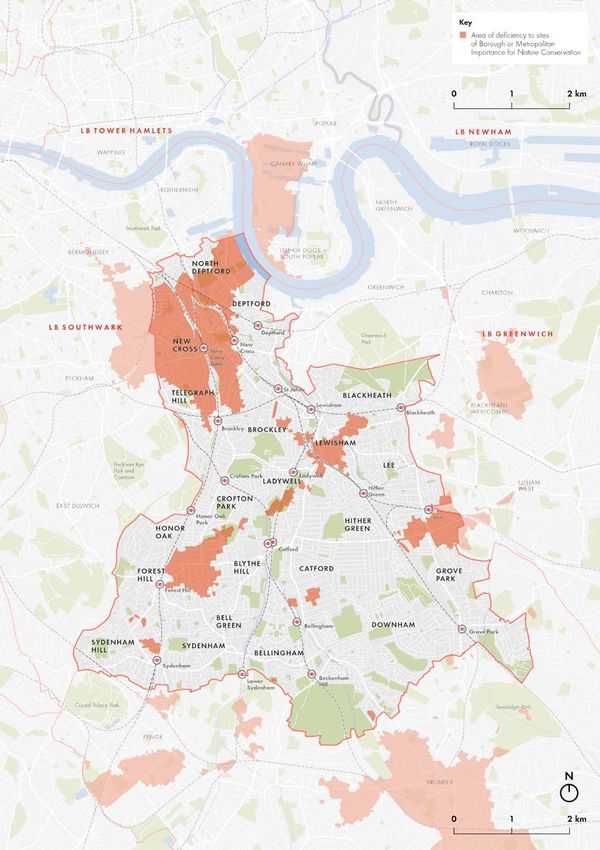
Parks and open spaces strategy 2020–2025

Key themes: social, economic, environmental
Public responses to the ‘Parks and Open Space survey’ (November 2018) identified three
broad themes or areas of benefit that our parks deliver for our residents and visitors:

   l Social
   l Economic
   l Environmental.

This strategy therefore acknowledges the three themes as areas where we aim to deliver
positive benefits.

Following from evaluation of the survey and further consultation, the strategy sets out:

   Priority statements – these statements provide the direction of travel that, if achieved,
   will deliver the positive social, economic and environmental aims and benefits.

                                                  t
   Goals – these are identified actions that provide the finer details of what this strategy

                 f
   aspires to achieve. These goals or outputs will then be monitored and tracked, to
   demonstrate progress or identify where further work is required to ensure our parks
   meet our future needs.
              ra
   Delivery plan – this sets out the goals, measures and undertakings required. It also
   provides an anticipated time scale and/or milestone for the undertaking identified.

The word cloud below represents what Lewisham residents think are the most important
features that should be maintained and enhanced in our parks, according to the Parks and
Open Space survey in November 2018.
D
                                              ‘for everybody’
                                   peaceful & relaxing
               biodiversity & wildlife
              children’s play equipment
                                                                                   varied landscape
                                                                                               park rangers
      supporting good mental healthopportunity to be involved
                                          dog free areas
  well maintained          & clean
     toilets
        place to socialise
                                                                  nice    café
  clean air           feeling safe
        interesting planting
                                                                  sport & fitness
                                                                       better & more seating
                         protect open space
                                        dog provision – off lead area
                                                                                                              9i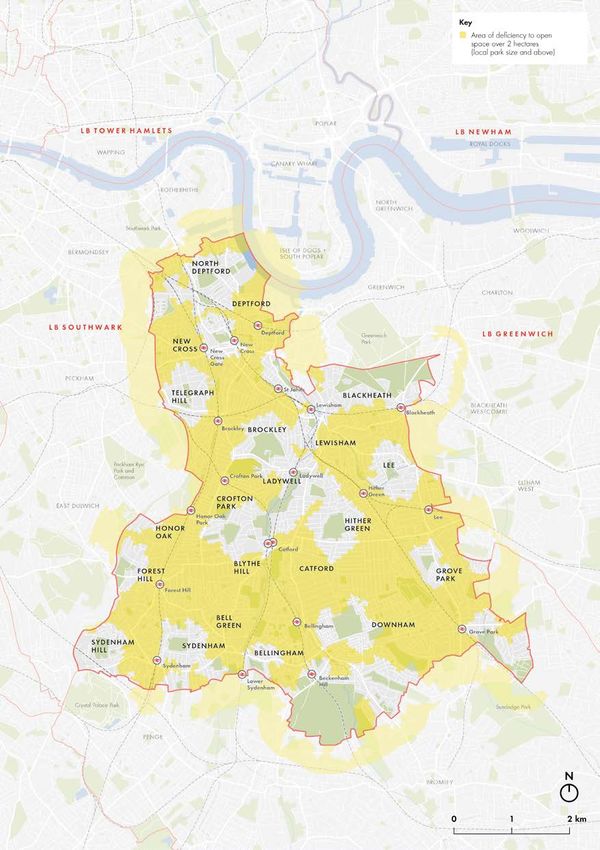
Parks and open spaces strategy 2020–2025

Strategic social aims
Over 95% of respondents expressed the view that quality parks and open spaces made
neighbourhoods good places to live in. Feeling safe, providing good sports areas and facilities
such as toilets, cafés and good infrastructure (e.g. bins and benches) and good play provision
for children were all highly important and deemed to encourage greater use by the whole
community. The value of, and need for, good quality maintenance, cleanliness and safety
attracted the most written comments. Formally protecting parks and the enforcement of
bye-laws and Public Space Protection Orders were considered important, as was providing a
visible presence in parks to combat antisocial behaviour. It is widely recognised that well-kept
and maintained areas attract greater use. This is the key ingredient to enable the broadest
appeal for users and for these spaces be successfully self-policed. Overall, the value of the
parks as places for quiet relaxation and access to nature and wildlife was the fourth most
significant comment from respondents who ranked spending to support nature conservation
as the highest priority.

 Priorities
 l

                 f                                   t
     To preserve and increase the number of Green Flag Award Parks
              ra
 l    o improve, protect and provide clean and safe parks, allotments and nature reserves
     T
     by seeking inward investment prioritising neglected and rundown areas

 l    o deliver ‘wellbeing’ by putting parks and open spaces at the heart of outdoor
     T
     activities and healthy lifestyles for all

 l   To promote and support active citizens and the ethos, ‘My space, my responsibility’
D
 l   To get nature to people and people to nature

                                                                                                   10i
Parks and open spaces strategy 2020–2025
Goals
l o work in partnership with park user ‘friends’ groups, Local Assemblies, Neighbourhood
T
Forums, the Lewisham Biodiversity Partnership and Allotment Committees to deliver the
‘Greening Fund’ and other grants and initiatives to provide additional facilities and make
improvements to parks and open spaces
l To promote more public involvement and engagement with the formal user ‘friends’
groups so that they can broaden their appeal and capacity
l o target and deliver investment for parks, pocket parks and small open spaces that
T
are classified as fair or poor in the Open Space Assessment (OSA) 2019
l o improve and maintain the highest feasible standards of grounds maintenance
T
for formal sports areas to maximise their use and appeal
t
l o develop a park events strategy that supports active, cultural or artistic events that
T
f
take account of environmental sustainability using the ‘right time, right place and right
space’ principles
ra
l o work with colleagues in Public Health and community services to support and
T
encourage walking, cycling and other active travel modes that link open spaces, such
as the South East London Green Chain, Waterlink Way, the Thames Path and other local
elements of the All London Green Grid
l o protect, develop and enhance the nature conservation, wildlife habitats and species -
T
where appropriate - in parks by supporting nature conservation volunteering initiatives
and environmental education
D
l o support and encourage the cultural, physical and mental health benefits and
T
opportunities that our Parks and Open Spaces offer
l o consult with and seek the views of young people via available networks and the
T
Young Mayor’s forum to ensure that park improvements deliver safe, well-used and
respected spaces
l o seek advice through the new Disabled People’s Commission and identify the best way
T
to engage with disabled young people, their parents and carers to ensure that our parks
and open spaces are designed to enable children of all abilities, to access and enjoy
l o respond to antisocial behavioural (ASB) issues in parks by exploring opportunities to
T
provide a greater formal presence in parks and by working in partnership with formal user
groups, the Safer Neighbourhoods Team and Lewisham enforcement officers to promote
the bye laws and encourage respectful use
11iParks and open spaces strategy 2020–2025
Strategic economic aims
Catford, Lewisham town centre, New Cross and south west Deptford will be the principle
regeneration areas for the borough over the next 20 years. As a consequence, existing
greenspace within this part of the borough will come under increasing pressure from intensified
use. Improving the quality of parks and open spaces and providing robust, diverse spaces that
can deliver a range of economic, social and environmental outcomes will be essential, as will
adopting measures to enhance the multi-functionality of greenspaces. New developments
within these areas are required to include adequate provision of green and open spaces, based
on the needs of the residents and occupiers of the development, and the particular deficiencies
identified in the local area.
Priorities
t
l To protect parks and open space
l
f
o preserve and, where possible, enhance the quality of existing green and open spaces,
T
to deliver eco-system services and a range of public benefits – including play, habitat
creation, landscape improvements and flood storage
ra
l o achieve a cost-effective, high-quality parks service that delivers continuous
T
improvement
l o promote the concept of Corporate Natural Capital Accounting (CNCA) as a
T
methodology used to assess the value of economic, social and environmental benefits
accruing from green infrastructure
D
l o ‘green the grey’ by developing partnerships to deliver active green travel links
T
through highways infrastructure projects
12iParks and open spaces strategy 2020–2025
Goals
l P
arks and Open Space Officers to recommend the refusal of planning permission for all
insensitive development, on site or on surrounding land that significantly erodes the
biodiversity value, quality, use, access or enjoyment of designated green and open spaces
l o support sustainable development and urban regeneration that delivers enhancements
T
to the quality of existing open spaces to deliver a range of benefits and uses, that
embrace its long-term maintenance
l o successfully in-source the current park management service, and maintain standards
T
by winning 15 Green Flag Awards and continue to rank highly in the ‘Good Parks for
London’ benchmarking exercise
l o explore the value of commissioning a Corporate Natural Capital Account (CNCA) for
T
t
the borough so that decision- and policy-makers are better apprised of the collective
value of decisions that relate to the natural environment
l T
f
o support the partnerships by working with Highways colleagues on ‘Cycleways,’
‘Legible London’ and ‘Healthy Neighbourhood’ transport programmes, to promote
ra
‘pathways to parks’ and ‘greening the grey’ by developing sustainable travel links
that use planting and greening as a tool to reduce carbon emissions
l o actively support and encourage partnerships that seek to deliver important green
T
infrastructure/eco-system services, such as: appropriate Environment Agency flood
alleviation schemes; the All London Green Grid; the London Environment Strategy 2018;
National Park City and the Grove Park Urban National Park initiative
D
13iParks and open spaces strategy 2020–2025
Strategic environmental aims
Action to conserve and enhance Lewisham’s natural environment has a long tradition. Much
of what Lewisham has now is the result of the endeavours of a number of committed local
residents and voluntary organisations who have given their support for over 25 years. Along with
organisations like the Environment Agency and the Lottery Fund, ecological restoration work
has taken place on many of our greenspaces, such as at Chinbrook Meadows, Beckenham Place
Park, Brookmill Park, Cornmill Gardens, Ladywell Fields and along the River Pool Linear Park and
Riverview walk. The 2016 Sites of Importance for Nature Conservation (SINC) habitat assessment
(the evidence base that underpins the SINC designations) demonstrated a 35% reduction in Areas
of Deficiency for access to nature over the previous 10 years. Spending more money on managing
sites for wildlife and nature conservation has been endorsed by consultation. It is clear that
supporting biodiversity is a principle function of our parks and is important for many people, for
our collective understanding and for the guardianship of the environment.
t
Priorities
l
f
o balance functionality and local needs for parks and open space to serve the
T
broadest diversity of people without compromising their value as a place to relax
and enjoy being in nature
ra
l o manage the spaces sustainably and recycle wherever reasonably practical and
T
as close to the source as possible
l To explore a reduction in the use of herbicides where economically viable and practical
l o develop, with user groups, management and improvement plans that seek
T
to enhance nature and people’s connection with it
D
l o reduce carbon emissions and the reliance on fossil fuels by using electric
T
machinery where reasonably practical
l o plant more trees and hedgerows where appropriate, and where this does
T
not conflict with balancing environmental and social uses/needs
l To support existing and new greening of active travel links so both people
and wildlife benefit
l o contribute to regional partnerships that are working to maintain and enhance
T
the environment such as the Ravensbourne Catchment Improvement Group, and
the Green Chain Walk
l o facilitate and support the work of the Lewisham Biodiversity Partnership so that
T
it can continue to develop strategies and projects that enhance the borough for
people and wildlife
14iParks and open spaces strategy 2020–2025
Goals
l o promote the different features and facilities available in Lewisham’s parks, including
T
via the Council’s website
l To encourage recycling, promote home recycling and discourage single-use plastic
l W
here new planting is implemented, these will be designed – where appropriate – to be
sustainable planting schemes e.g. hardy and drought-tolerant
l o compost green waste in the park it was generated in, leave fallen trees and standing
T
dead wood in situ, where appropriate and safe to do so
l o develop and trial an integrated weed control policy to avoid, explore alternatives
T
to, and reduce the use of herbicide
t
l o work with ‘Friends of’ user groups to support the implementation of projects
T
l
f
designed to benefit locally appropriate biodiversity and engagement
To trial electric machinery to understand its performance and cost-benefits
ra
l o prohibit ice cream van idling and work towards installing electric points to improve
T
air quality in and around parks
l To increase the parks’ tree stock and linear metres of hedgerow
l o achieve new green linkages and work with neighbouring boroughs to address
T
regional environmental issues
D
l o improve water quality in the Ravensbourne, Pool and Quaggy rivers so that they
T
can achieve ‘Good ecological potential’
l o continue to partner the ‘Street Trees for Living’ initiative to plant and care for
T
more street trees
15iParks and open spaces strategy 2020–2025
Delivery plan
Social aims Delivery plan measures and undertakings Timescales/
milestones
Goal – To work in partnership with Greening Fund successfully delivers £360k of improvements April 2021
park user ‘friends’ groups, Local by April 2021
Assemblies, Neighbourhood Forums, Greening Fund successfully delivers £0.5m May 2022
the Lewisham Biodiversity Partnership
Three completed rounds of the Greening Fund May 2022
and Allotment Committees to deliver
the ‘Greening Fund’ and other grants Successful delivery of the Greening Fund leading to its June 2022
and initiatives to provide additional adoption post-2022
facilities and make improvements to Number of successful applicants + 70 January 2025
parks and open spaces £250k additional match funding delivered January 2025
Greening Fund successfully delivers £1m May 2025
Goal – To promote more public Explore and, if feasible, provide umbrella PLI insurance March 2021
involvement and engagement with for running events
t
the formal user ‘friends’ groups,
broadening their appeal and capacity
Develop a memorandum of understanding, for the March 2021
f functioning of Park User Groups and a model constitution
for new groups
Maintain updated information on the Lewisham website Every 6 months
ra
for all groups so that contact details, web links and other
information can be provided
Explore and, if feasible, facilitate training and/or advice sheets One training/
on topics such as: ‘Effective methods of communication, seminar every year
consultation and social media use’‘Promotion of the
“Lewisham Way” ethos of collaboration’
Goal – To target and deliver Deliver investment to: Annual review
investment for parks, pocket parks 1. Durham Hill 21. Margaret McMillan Park monitoring report
and small open spaces that are 2. Southend Park 22. Sayes Court Park x5 March 2022
D
classified as fair or poor in the Open 3. Forster Memorial Park 23. Lewisham War x15 March 2023
Space Assessment (OSA) 2019 4. Riverview Walk Memorial Gardens x25 March 2025
5. Folkestone Gardens 24. The Common and x35 March 2027
6. Home Park Summerhouse Field
7. Lewisham Park 25. Deptford Memorial
8. Blythe Hill Fields Gardens
9. Riverdale Sculpture Park 26. Westbourne Drive
10. Lewisham Way Enclosure
11. Hatcham Gardens 27. Grove Park
12. Ferranti Park Library Gardens
13 Friendly Gardens 28. Laywell Green/
14. Luxmore Gardens Slagrove Place
15. Broadway Fields 29. Wickham Gardens
16. Evelyn Green 30. Beachborough Gardens
17. Baxter’s Fields 31. Beaulieu Avenue Green
18. Ravensbourne 32. Kirkdale Green
Park Gardens 33. St Norbert Green
19. Edith Nesbitt Gardens 34. Turnham Road green
20. Eckington Gardens 35. Culverley Green
16iParks and open spaces strategy 2020–2025
Target and spend the £54k grant from the Office Communities March 2021
and Local Government in Lewisham’s parks and open spaces
that are outside the identified growth area where there is less
Section 106 availability
Next Open Space Assessment to validate the upgrade in the March 2025
status of all the listed sites above
Goal – To improve and maintain the To support Lewisham’s Playing Pitch Strategy (June 2019) Annual review
highest feasible standards of grounds and its action plan where funds are available and do not monitoring report
maintenance for formal sports areas conflict with the varying requirements to provide a broad
to maximise their use and appeal range of activity and appeal for our park users
Number of new facilities and external grants achieved Annual review
monitoring report
Goal – To develop a park events To achieve an endorsed and adopted strategy March 2023
strategy that supports active, cultural
or artistic events that take account
of environmental sustainability using
the ‘right time, right place and right
t
space’ principles
Goal – To work with colleagues Ensure that all new interpretative initiatives and appropriate Annual review
in Public Health and Community infrastructure promote the linking of parks and open spaces monitoring report
f
Services to support and encourage
walking, cycling and other active
travel modes that link open spaces,
across the borough
Provide interpretation and way marking to link River Pool All by March 2025
ra
Linear Park and Ladywell Fields Park with:
such as the South East London Green
1. Manor House Gardens 3. Mountsfield Park
Chain, Waterlink Way, the Thames
2. Manor Park 4. Lewisham Park
Path and other local elements of the
All London Green Grid The Greening Fund will finance improvements to parks. This Annual review
will include new bike locking points, new water drinking monitoring report
fountains, new signs and way-finding posts, new benches and
bins. The implementation of these improvements will improve
and refresh parks, and increase use
Goal – To protect, develop and Deliver 52 Natures Gym sessions engaging 550 volunteers Annual review
D
enhance the nature conservation, per year monitoring report
wildlife habitats and species - where To facilitate and support 10 forest schools
appropriate - in parks by supporting
Nature Conservation Team to deliver x10 sessions per year
nature conservation volunteering
(300 children)
initiatives and environmental
education Lead the 3 Rivers Clean Up initiative in June/July each year
Goal – To support and encourage the Install new outdoor gym equipment x4 March 2022
cultural, physical and mental health Install new outdoor gym equipment x8 March 2025
benefits and opportunities that our
Install new table tennis tables x2 March 2022
Parks and Open Spaces offer
Install new table tennis tables x4 March 2025
Maintain and update the Lewisham website so that the Annual review
information on parks remains current monitoring report
Monitor and maintain the Natures Gym and Rivers and
People websites
Increase the number of licensed boot camps from 25 30 by March 2022
35 by March 2025
Increase the number of community events facilitated in parks 714 by March 2022
from 694 734 by March 2025
17iParks and open spaces strategy 2020–2025
Goal – To consult with, and seek Where major park projects take place, monitor the number Annual review
the views of, young people via and outcome of any young people consulted monitoring report
available networks and the Young
Mayor’s forum to ensure that park
improvements deliver safe, well-used
and respected spaces
Goal – To seek advice through the Where major park playground projects take place: Annual review
new Disabled People’s Commission, l m
onitor the number and outcome of consultation with monitoring report
and identify the best way to engage disabled stakeholders and the application of inclusive play
with disabled young people, their principles in their design, layout and equipment choices
parents and carers to ensure that our l d
evelop a play strategy that balances inclusive play for By March 2023
parks and open spaces are designed children of all abilities and age ranges
to enable children of all abilities, to l e
nsure that the design brief builds on best practice in terms
access and enjoy
of intergenerational design
Goal – To respond to antisocial Seek to maximise the static presence in major parks November 2021
behavioural (ASB) issues in parks through the process of in-sourcing the parks’ Grounds
by exploring opportunities to provide Maintenance Service
t
a greater formal presence in parks Provide customer care training to all new and transferring November 2022
and by working in partnership staff so they can perform frontline duties as the face of
with formal user groups, the Safer the Park Service
f
Neighbourhoods Team and Lewisham
enforcement officers to promote
the bye-laws and encourage
Develop a reporting process/protocol to train staff to capture
essential information on ASB occurrence & patterns
November 2022
ra
respectful use. Develop a database of antisocial behaviour patterns, November 2022
and deliver joint enforcement events where feasible Annual review
and appropriate monitoring report
Address all antisocial casework issues within the Annual review
10-day timescale monitoring report
Record any metrics/improvements in perception of safety Annual review
monitoring report
D
18iParks and open spaces strategy 2020–2025
Economic aims Delivery plan measures and undertakings Timescales/
milestones
Goal – Parks and Open Space Number of planning applications refused from 2019-2025 Annual review
Officers to recommend the refusal monitoring report
of planning permission for all Amount in hectares and/or number of parks and open spaces No net loss by
insensitive development, on site or on lost to development 2025
surrounding land, that significantly
erodes the biodiversity value,
quality, use, access or enjoyment of
designated green and open spaces
Goal – To support sustainable Number and monetary value of park enhancements that Annual review
development and urban regeneration derive from S106 agreements or Community Infrastructure monitoring report
that deliver enhancements to the Levy receipts
quality of existing open spaces £1m of investment from Development Control sources March 2025
to deliver a range of benefits and
£300k of external investment target for non-Development March 2025
uses, that embrace their long-term
Control sources
maintenance
t
Goal – To in-source the current park 15 Green Flag Awards July 2022
management service successfully, 17 Green Flag Awards July 2025
and maintain standards by winning
f
15 Green Flag Awards and continuing
to rank highly in the Good Parks for
London benchmarking exercise
ra
Goal – To explore the value of Present a briefing paper and potential business case to the March 2023
commissioning a Corporate Natural Sustainable Development Select Committee to seek political
Capital Account (CNCA) for the support and steer so that policy-makers are better appraised
borough so that decision- and of the collective value of decisions that relate to the natural
policy-makers are better apprised of environment
the collective value of decisions that
relate to the natural environment
Goal – To support the partnerships The Healthy Neighbourhood programme is part of Lewisham’s x3 Healthy
by working with Highways colleagues transport strategy. It will create streets that encourage more neighbourhoods
D
on, ‘Cycleways’, ‘Legible London’ and people to walk and cycle. An element of the program is by April 2021
‘Healthy Neighbourhood’ transport to make areas greener and to reduce air pollution. We are x2 Healthy
programmes, to promote ‘pathways delivering the first tranche of Healthy Neighbourhoods in neighbourhoods
to parks’ and ‘greening the grey’ by the Lewisham Lee Green, East Sydenham, Telegraph Hill and per FY thereafter
developing sustainable travel links Bellingham areas.
that use planting and greening as a The Cycleways program is designed to encourage and 2 Cycleways
tool to reduce carbon emissions promote safe cycling routes not dominated by vehicles. A by April 2021
key element of this is promoting our green spaces to provide 4 Cycleways
a well-designed network of neighbourhoods. An important by April 2022
element of this is more street planting and sensitive grounds
maintenance throughout the routes.
Provide interpretation and way-marking to link River Pool All by March
Linear Park and Ladywell Fields Park with: 2025
1. Manor House Gardens 3. Mountsfield Park
2. Manor Park 4. Lewisham Park
19iParks and open spaces strategy 2020–2025
Goal – To actively support and Play an active role in all appropriate forums and Annual review
encourage partnerships that partnerships, such as the Lewisham Biodiversity Partnership, monitoring report
seek to deliver important green Ravensbourne Catchment Improvement Group, Environment
infrastructure/eco-system services, Agency Flood Alleviation consultations, Thames Tideway,
such as: appropriate Environment All London Green Grid, London Parks and Open Spaces
Agency flood alleviation schemes; the benchmarking group, Allotment Officers Association, and
All London Green Grid; the London the London Tree Officers forum.
Environment Strategy 2018; National
Park City and the Grove Park Urban
National Park initiative
Environmental aims Delivery plan measures and undertakings Timescales/
milestones
Goal – To promote the different Update and review all web-based information Complete overhaul
features and facilities available by 2021
in Lewisham’s parks so that the Explore with the web team some interactive search element Annual review
characteristics of each park are
t
or map that the public can access to illustrate park features monitoring report
fully promoted via the LBL website and facilities, such as: toilets; cafes; sports (field, tennis, table
tennis, bowls, rugby, cricket, kite-ing and frisby); horticultural
f features e.g. trees and bedding; play provision including water
play; relaxation; walking for health; events; linkages; formal
and historic elements, memorials and monuments
ra
Goal – To encourage recycling, To install H20 drinking water fountains 3 per year,
promote home recycling and 15 by 2025
discourage single use plastic Install signs on all newly installed bins and on noticeboards to Annual review
encourage and promote home recycling monitoring report
Monitor amount of green waste disposed of offsite and Annual review
reduce quantity every year monitoring report
Goal – Where new planting is Monitor the number of new planting schemes that deliver an Annual review
implemented these will be designed, integrated approach to fertiliser, weed control and watering monitoring report
where appropriate, to be sustainable by using drought-tolerant plants, recycled mulches and that
D
planting schemes e.g. hardy and minimise the need for all chemical applications
drought tolerant
Goal – To compost green waste in the Monitor the amount of mulch imported from suppliers and Annual review
parks it was generated in, leave fallen reduce quantity every year monitoring report
trees and standing dead wood in situ, Actively work with tree contractors to co-ordinate the use Annual review
where appropriate and safe to do so of chipped bark for local parks and open spaces when monitoring report
contractors are working in the vicinity
Goal – To develop and trial an Target specific locations within key parks where alternative Interim report
integrated weed control policy to methods would have the greatest benefit and monitor by May 2023
avoid, explore alternatives and reduce effectiveness and cost. Final report
the use of herbicide by May 2025
Goal – To work with ‘Friends of’ Measure the number of distinct biodiversity projects Annual review
user groups to support the Measure the number of volunteers monitoring report
implementation of projects designed
to benefit locally appropriate
biodiversity and engagement
20iParks and open spaces strategy 2020–2025
Goal – To trial electric machinery Measure the area/features managed with electric machinery, Interim report
to understand its performance and and monitor the effectiveness and cost by May 2023
cost benefits Final report
by May 2025
Goal – To prohibit ice cream van idling Monitor the number of ice cream concessions and the Annual review
and work towards installing electric installation of electric points monitoring report
points to improve air quality in and
around parks
Goal – To increase the parks tree stock Record the number of newly planted trees and tree losses. Annual review
and linear metres of hedgerow Achieve a greater than 2:1 ratio. Record the establishment monitoring report
of 150 metres of hedgerow per year.
Goal – To achieve new green Deptford Parks Liveable Neighbourhood (DPLN) – new April 2021
linkages and work with neighbouring greening areas on Rolt Street, Scawen Road and Woodpecker
boroughs to address regional Road following community engagement
environmental issues
Goal – To improve water quality in Deliver over 40 river-related volunteer sessions Annual review
t
the Ravensbourne, Pool and Quaggy Lead the 3 Rivers Clean Up initiative in June/July each year monitoring report
rivers so that they can achieve ‘Good Work in partnership with the Ravensbourne Catchment
ecological potential’ Improvement Group to identify projects that will enhance the
f
Goal – To continue to partner the
‘Street trees for Living’ initiative to
biological quality of the rivers and river corridors
Deliver the £48k Street Trees for Schools project in
partnership
Plant 100 trees
by 2022
ra
plant and care for more street trees Plant an additional 200 street trees per year in partnership Annual review
monitoring report
D
21iParks and open spaces strategy 2020–2025
Open Space distance standards
Distance standards for the provision of different sizes of publicly accessible greenspace, types
of playspace and types of natural greenspace set out in The London Plan and Supplementary
Planning Guidance. These standards specify what should be provided at maximum walking
distances from the location of any home in the Borough.
Publicly accessible greenspace
Minimum size Maximum walking distance from homes Name of size of greenspace
of greenspace (guide)
2 hectares 400m / approximately 5 minutes Local park and open spaces
20 hectares 1.2km / approximately 15 minutes District park
60 hectares 3.2km / approximately 15 minutes Metropolitan park
Distance to playspace
t
Type of playspace Walking distance and Minimum size Description
approximate time
f
Local Area for Play
Play area for ages 0–6
100m / 1 minute 0.01 hectare A stimulating landscape that
encourages play, however, it
won’t necessarily include play
Mapping
Open Space
ra
equipment. Distance
Local Equipped Area 400m / 5 minutes 0.04 hectare A stimulating landscape that Standards
for Play Playground for encourages play that includes Maps
ages 0–8 play equipment. illustrating
which areas of
Neighbourhood 1,000m / 15 minutes 0.1 hectare A stimulating landscape that the Borough
Equipped Area for encourages play that includes meet the
Play Playground for play equipment with some distance
ages 0–12+ equipment for teenagers. standards and
D
where there
Natural Greenspace are areas of
Natural Greenspaces are also known as Sites of Importance for Nature Conservation (SINCs). deficit are
They are designated as Sites of Importance for Nature Conservation for their nature and provided on
page 36.
biodiversity value.
Distance
There are three different categories of Sites for Importance for Nature Conservation – Sites standards do
of Local Importance for Nature Conservation, Sites of Borough Importance for Nature not currently
Conservation and Sites of Metropolitan Importance for Nature Conservation. exist for the
provision of
other types
Types of publicly accessible Walking distance and approximate time of open
Natural Greenspace spaces such
Borough or Metropolitan Site of Importance 1,000m (approximately 15 mins) as allotments,
for Nature Conservation community
gardens and
outdoor sports
Access to Sites of Local Importance for Nature Conservation do not have a distance standard facilities.
in the London Plan.
22iParks and open spaces strategy 2020–2025
Responding to open space deficits
Where deficits of open space provision are identified there will most often not be the land
availability to create new open spaces, given the need for land for housing. Therefore it will
be necessary to consider the following mitigation strategies for the areas of deficit:
l I mproving the quality of the nearest open spaces
l I mproving walking and cycling routes to the nearest open spaces
l I ntroducing ‘pocket parks’ on streets where small sections of roads are closed
and replaced with public amenity space. (See precedents below).
lS ecuring planning contributions from strategic sites to contribute to the continued
improvements of open spaces.
New developments in Areas of Deficiency in Access to Open Space
For new developments in areas of deficit to open space the Council will strongly resist the
location of communal amenity spaces and playspaces on rooftops instead of on the ground.
t
In addition very high quality soft landscaping including tree planting will be required.
f
Occasionally, the Council will seek to negotiate the provision of publicly accessible open space
on a development site taking into account the following factors:
ra
lT
he size of the site and the practicality of making on-site provision of open space
lT
he additional open space users which the development of the site will generate
lT
he accessibility of the site to existing publicly accessible open space
lT
he need for open space, taking into account factors including child population
density and the health and deprivation levels of the local population
lE
nsuring that there is a sustainable mechanism for maintaining the space after
it has been provided
lT
he Local Plan will identify sites on which on-site provision of open space
D
will be required.
23iParks and open spaces strategy 2020–2025
Precedents
A New Open Space: Charlottenburg Park, Temporary Pocket Park, Prince Street,
Deptford Deptford
This pocket park scheme was implemented in August
2019 as part of Transport for London’s ‘Liveable
t
Neighbourhoods’ project, to test the impact of
removing traffic from the street and creating more
f pedestrian-friendly amenity spaces.
ra
A Pocket Park, Northcote Road, Part of the recently implemented
Waltham Forest Surrey Canal Linear Park
D
This pocket park has reduced vehicular use of
residential streets and increased public space.
24iParks and open spaces strategy 2020–2025
Open Space overview borough wide
This document assesses publicly accessible open space and does not include assessment
of private housing land, private sports pitches and private allotments. An audit of current open
space provision and the quality of this provision was carried out in the summer of 2018. A total
of 349 sites were surveyed, and categorised in accordance with the following typologies.
Typology (PPG17) Area (ha)
Parks and Gardens 47
Children and Teenagers (play) 43
Natural and Semi-natural Urban Greenspace 26
Outdoor Sports facilities 25
Amenity 88
Allotments and Community Gardens 47
Green Corridors 62
t
Cemeteries and Churchyards 11
Total 349
Parks and Gardens
f
ra
In the hustle and bustle of modern inner-city life the significance of local parks and gardens
cannot be underestimated. They provide an essential ecosystem service by moderating the
ambient temperature of our inner city, providing clean air, attenuating rainfall to prevent
flooding, and supporting important biodiversity and wildlife. For many residents they have
a crucial impact on both quality of life and the perception of the area where they live and
work. Good quality parks are what make an area attractive and this in turn supports the local
economy. Parks and gardens provide accessible opportunities for a range of informal recreation,
formal sporting opportunities and a place for peace and relaxation. They provide space to walk
D
the dog, look at the flowers and meet friends, and opportunities for children of all ages to play.
The Parks and Open Space Assessment (OSA) identified 50 sites ranging from Metropolitan
Parks (Beckenham Place Park and Blackheath), District Parks and Local Parks.
Parks and gardens cover 273ha, 7.8% of the borough. Whilst the borough is fortunate to have
a good geographic spread of parks and gardens, certain areas are found to be deficient.
Lewisham is well-served with open spaces of ‘Metropolitan’ scale. There are small areas of
deficiency to the west of Forest Hill and to the south-east of Grove Park. Lewisham has a
significant deficit in ‘District’ parks. Only Beckenham Place Park Common and Summerhouse
Fields in the extreme south of the borough lie within this definition. ‘District’ parks in
neighbouring boroughs create some provision on the western fringes of the borough.
Local park provision is good but there are corridors of under-provision between New Cross and
Forest Hill and between Lewisham, Grove Park and Bellingham. Given these gaps, the retention
and enhancement of several individual sites is of particular significance. These include Forster
Memorial Park, Blythe Hill Fields, Mayow Park and Manor House Gardens.
25iParks and open spaces strategy 2020–2025
Quality assessment
Quality by area
0.7%
% Area (ha)
Good 65.1 168.41
34.2% Fair 34.2 88.41
Poor 0.7 1.9
Total 100 258.72
65.1%
f t
The Quality Assessment for Lewisham’s parks and gardens based on area shows 65% is
ra
of ‘good’ quality, 34% is of ‘fair’ quality and just under 1% of the area is of poor quality.
The assessment suggests, in the context of the London Plan typology, there are no local
parks judged as being ‘poor.’ 45% are assessed as ‘good’ and 55% as ‘fair’.
London Plan
D
28%
Good
Fair
72%
‘Good’ quality sites are mostly local parks with only 17% being ‘small’ open spaces.
‘Fair’ quality parks are evenly distributed between ‘local’ and ‘small open space.’
‘Poor’ quality open spaces are evenly distributed between ‘small’ open spaces and ‘pocket’ parks.
26iParks and open spaces strategy 2020–2025
Summary of quality assessment findings
Local park typology
Poor
None listed
Fair
Durham Hill, Home Park, Folkestone Gardens, Southend Park,
Lewisham Park, Forster Memorial Park, Riverview Walk, Blythe Hill Fields
and Beckenham Place Park – The Common and Summerhouse Field
Beckenham Place Park i
Small open space typology
Poor
t
Friendly Gardens (Lewisham), Lewisham War Memorial Gardens
and Luxmore Gardens
Fair
f
Baxter’s Fields, Edith Nesbitt Gardens, Grove Park Library Gardens,
ra
Evelyn Green, Eckington Gardens, Ladywell Green/Slagrove Place,
Broadway Fields, Sayes Court Park, Ravensbourne Park Gardens,
i
Pocket park typology
Poor
D
Riverdale Sculpture Park, Deptford Memorial Gardens,
Westbourne Drive Enclosure, Wickham Gardens,
Beachborough Gardens, Beaulieu Avenue Green,
Kirkdale Green, St Norbert Green, Turnham Road Green
Fair
Lewisham Way, Hatcham Gardens, Ferranti Park, Culverley Green
i
27iParks and open spaces strategy 2020–2025
Horniman Triangle
t
Far left: Ladywell
Fields
Left: Pepys Park
f
ra
Children’s Play
Providing facilities for children and young people is important because it offers opportunities
for play and physical activity, and this helps with the development of movement and social
D
skills. Provision for children consists of equipped play areas and specialised provision for young
people, including skate parks, multi-use games areas (MUGAs) and teen shelters.
The OSA audit of facilities identified 78 areas. Lewisham has good levels of provision of
‘Neighbourhood Equipped Areas for Play’ (NEAP) but there is a swathe of under-provision
along the eastern edge of the borough. The potential influence of NEAPs outside the borough
on provision in this area was not assessed.
‘Local Equipped Areas for Play’ (LEAP) are evenly distributed across the borough but there are
areas of relative under-provision in a corridor between New Cross and Forest Hill and between
Catford and Grove Park. Local Areas for Play are also broadly distributed but there are similar
geographical gaps in provision to those affecting access to LEAP sites.
Overall, play site provision across the borough is satisfactory apart from the area to the
south-east of Catford where there is a lack of provision.
The upgrading of Northbrook Park and Mountsfield Park to achieve NEAP status would help
alleviate some of the lack of provision in an area of deficiency.
28iParks and open spaces strategy 2020–2025
The lake at
Beckenham
Place Park
f
Natural and Semi-natural Urban Greenspace
t
Natural green spaces are open spaces that include woodland and scrub, grassland, wetlands,
ra
open and running water, and wastelands. They provide valuable habitat for wildlife and
biodiversity but also opportunities for environmental education and nature conservation
volunteering.
In 2015–16 Lewisham Planning Policy commissioned a borough wide ‘Habitat and Sites of
Importance for Nature Conservation (SINCs) survey’. The survey was required to inform the
preparation of a new integrated Local Plan to replace the Lewisham Core Strategy.
D
For the full report see: https://lewisham.gov.uk/myservices/planning/policy/ldf/evidence-
base/ldf-evidence-base--environment
The report found that all 64 SINCs maintained their ecological interest for which they were
designated and made a number of recommendations including:
l t he identification of six new proposed SINCs
lu
pgrading of four sites from Sites of Local Importance to Sites of Borough Importance
lb
oundary changes to 28 SINC sites that increase the area by 12.8ha.
If adopted by the new Local Plan there will be new additions to existing SINCs: six new
proposed SINCs. This will increase the SINC area from 595ha to 614ha. This represents
a 3% increase in ten years.
29iParks and open spaces strategy 2020–2025
Access to nature is a key component of living in an urban environment. Although Lewisham
has good access to green spaces, in some parts of the borough people do not enjoy easy
access to green spaces with wildlife value. Localities where people are further than 1km walking
distance from a publicly accessible site of Metropolitan or Borough level significance for nature
conservation are defined by the GLA as ‘Areas of Deficiency’ (AoD).
Previously Lewisham had five AoD covering 14% of the Borough. The largest of these was
located in the north-west, spreading from the River Thames in the north to Brockley in the
south and the boundary with Southwark in the east. The other four are smaller and discrete.
Their broad location and extent are listed below:
lA
large area in the north-west around Deptford – 319ha
lC
entral, around Lewisham town centre – 55ha
lE
ast, around Lee – 48ha
t
lS
outh west, Forest Hill – 77ha
f
Following the 2015-16 study, the AoD in nature has reduced from 520ha to 337.4ha, a fall
or drop of 182.6ha or 35%. This is the result of improvements at Bridgehouse Meadows and
ra
Ladywell Fields, creating wildlife-rich habitats valued at the borough level. Improved access
into the River Quaggy and Manor Park Site of Borough Importance has also helped to reduce
the AoD.
A proposed boundary extension to Beckenham Place Park has alleviated the AoD by 28.5ha
in the London Borough of Bromley to the south. A further 45.5ha of AoD is also alleviated in
Southwark as a result of Bridgehouse Meadows recommendations.
D
Of strategic ecological importance to Lewisham are the railway lines and naturalised stretches
of the River Ravensbourne, River Pool and River Quaggy. These form habitat corridors and
are contiguous with a large number of other SINCs of borough importance. The size, maturity
and variety of habitats are integral to the sustainability of populations of bats, birds and
invertebrates.
Five SINCs were assessed as meeting their current level of designation, but are in decline.
These are Grove Park Cemetery; Hillcrest Estate Woodland; Hither Green Cemetery, Lewisham
Crematorium and Reigate Road Open Space; Mayow Park; and St Paul’s Churchyard and
Crossfield Street Open Space. Since the publication of this study, Crossfield Street Open
Space has been lost to development to facilitate the Tideway Tunnel.
30iParks and open spaces strategy 2020–2025
Ladywell Fields
f
Outdoor sports Facilities
t
This category includes stand-alone sports facilities such as public, private, leisure and
ra
educational sports grounds and playing fields. They also include sports facilities listed under
other typologies, for example public parks. A dedicated ‘Playing Pitch Strategy’ (PPS) and
needs assessment has been prepared (June 2019), that provides a robust evidence base and
identifies if the supply and demand of playing pitches within the Local Authority is sufficient to
meet the current and future needs for sport.
Amenity Green Space
Amenity green space is classified as housing area green space, roadside enclosures and verges,
D
and other sites usually near to people’s homes, which may include facilities such as play areas.
Many of these sites are simple and less formal, but in their own way they provide valuable and
aesthetic spaces.
The housing amenity sites are managed by a number of housing providers in the borough and
many sites are currently being improved, reflecting recognition of the important role quality
green space can play, alongside improvements to the housing stock.
31iYou can also read


