Birding the Manu Biosphere Reserve, Peru - Neotropical Bird ...
←
→
Page content transcription
If your browser does not render page correctly, please read the page content below
>> Birding Sites Birding The Manu Biosphere Reserve, Peru

Birding the Manu Biosphere
Reserve, Peru
     Barry Walker

     Manu has always been close
     to the Neotropical Bird Club’s
     heart, forming the destination for
     our first-ever Club tour in 1997.
     More than a decade on, who better
     to help us explore the ‘new’ Manu
     than the leader of that seminal trip
     who had already been birding Manu
     for 15 years—and who will also co-lead
     the Club’s forthcoming tour to Guyana?

P
        eru stands at the top of many an international birder’s
        agenda. Complex patterns of biogeography and
        topography have blessed the country with some of the
world’s greatest avian diversity and density. Approximately
1,700–1,750 bird species are known to occur in Peru; 45%
of all Neotropical birds and 18% of the world’s avifauna!
Only Colombia and Brazil have (slightly) greater avian
diversity. Many species new to science have been
discovered recently in Peru (including from the
Manu region upon which I focus this article),
some of which await formal description.
Moreover, unlike some other top-ranking
Neotropical birding destinations, Peru
retains extensive tracts of little-disturbed
habitat. Throw into the mix Peru’s
rich history and culture, and the
country becomes unmissable.
Little wonder that virtually
all well-known bird tour
companies have Peru on their
menu of birding holidays.

                                                                                 Golden-headed Quetzal
                                                                       Pharomachrus auriceps is one of
                                                                     the star attractions of Manu’s mid-
                                                                  altitude cloud forests (Roger Ahlman;
                                                                              www.pbase.com/ahlman)

                                                                       Neotropical Birding 5        49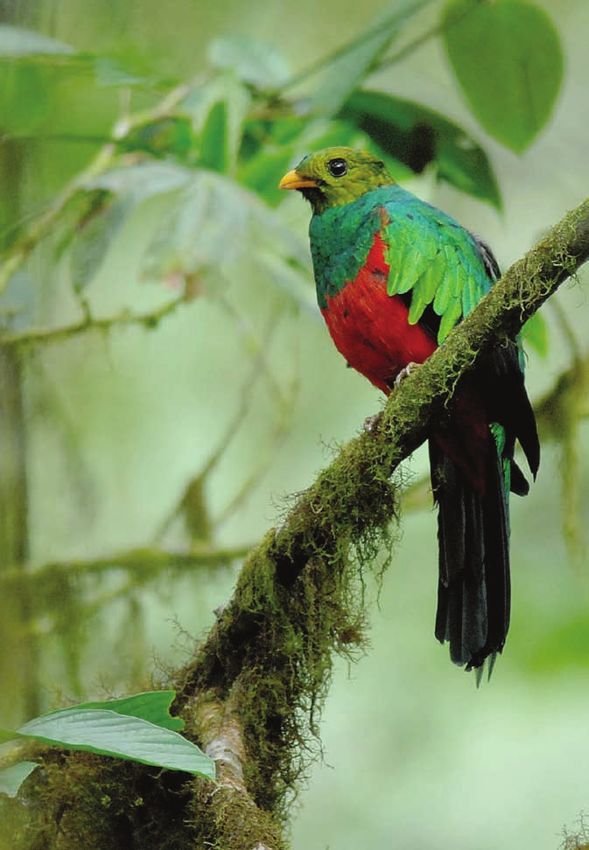
>> Birding Sites Birding The Manu Biosphere Reserve, Peru

Manu Biosphere Reserve                               Tapir Tapirus terrestris and other mammals
                                                     by night at clay-licks, bump into a Giant Otter
Nowhere is this amazing diversity more evident       Pteronura brasilensis family on an oxbow lake, and
than in the tropical and temperate forests and       frequently see Jaguar Panthera onca along rivers.
associated habitats of the Reserva Biosfera de           But it is the avian richness that tends to
Manu (hereafter called Manu Biosphere Reserve,       enthrall most visitors to Manu. The total of
the name by which most birders know it) in           1,020 species so far recorded is not only higher
south-east Peru. A UNESCO World Heritage             than that of any other protected area worldwide
Site of nearly 1.9 million ha, comprised of the      but also eclipses that of many entire countries
Manu National Park, associated multiple-use          (even favoured birding destinations such as
zones and native community lands. Manu lies          Costa Rica). Moreover, two-thirds of the reserve
on the east slope of the Andes and protects          remain unexplored; many additional bird species
almost the entire watershed of the río Manu          and, remarkably, uncontacted indigenous tribes
and most tributaries of the río Alto Madre de        are likely to inhabit these remote areas.
Díos. The reserve encompasses a vast range of
altitudinal zones and habitat types, peaking at
more than 4,000 m in the chilly high Andes, and      Visiting Manu
descending to hot, humid lowland Amazonian           Some 5,000 visitors make the trip to Manu each
forests at 350 m. Up to ten types of lowland         year, roughly 5% being dedicated birders. On a
forest have been identified in this part of the      typical 2–3 week trip covering all altitudes, birders
south-west Amazon, and these can be further          accompanied by experienced leaders regularly
subdivided into many distinctive microhabitats.      record 550–650 species. There is something for
     This biological wealth is also evident at the   everyone at Manu. Some birders start early, finish
species level. Some 300 species of tree are often    late and ‘bird until they drop’. Others come for a
crammed into a single hectare of lowland forest.     relaxed birding holiday, staying at comfortable
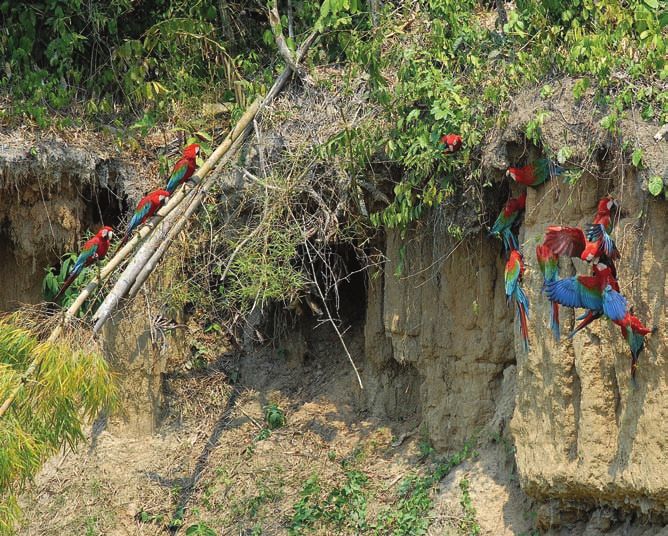
More than 1,300 butterfly species have been          lodges, visiting macaw licks (called collpas),
recorded in one area of Manu (Pakitza). During a     paddling on oxbow lakes and passing a leisurely
typical tour, wildlife-watchers encounter at least   morning atop one of the many canopy towers.
eight species of primate, enjoy South American       As access is restricted, almost all visitors come
                                                     on a tour: only authorised operators can take
                                                     visitors into Manu National Park and all must
                                                     be accompanied by an official guide. Granted,
                                                     almost all Manu bird specialities and much
                                                     other wildlife can be seen in adjacent areas, but
                                                     even these are remote, so access is really only
                                                     feasible as part of a tour or if you are sponsored
                                                     by a lodge or NGO working in the area.

                                                     Highlights of a typical tour
                                                     A typical Manu trip starts from Cusco at 3,300 m,
                                                     crosses the last Andean mountain range, drops
                                                     down the east slope of the Andes into the lowland
                                                     Amazon forests, and returns by air from the
                                                     frontier town of Puerto Maldonado to Lima or
                                                     Cusco. Cusco is a major hub for exploring Inca
                                                     culture, most famously at the ruins of Machu
                                                     Picchu, and for adventure sports (so there is
                                                     plenty to interest a non-birding spouse!). On
                                                     the first day of a trip, birders usually visit the
                                                     wetlands of Huacarpay, 30 minutes drive from
                                                     Cusco, the ancient Inca capital of Peru, where
                                                     Andean waterfowl and marshbirds abound.
                                                     Here the beautiful Bearded Mountaineer
Map of Manu Biosphere Reserve, showing location of   Oreonympha nobilis, a restricted-range species
lodges mentioned in the article                      endemic to southern Peru, can be seen feeding

50     Neotropical Birding 5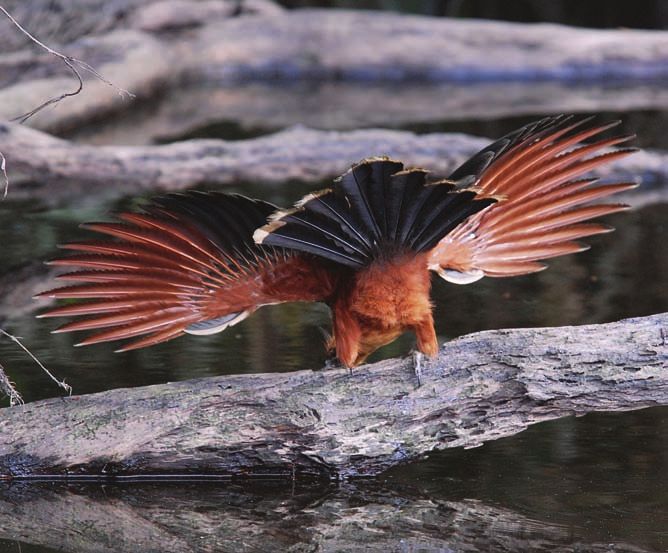
on tree tobacco. (For a taster of this splendid          Mid-altitude cloud forests are under pressure
hummingbird, see Joe Tobias’s photospot in           in much of South America, being replaced by tea,
Neotropical Birding 2: 83–85.) The endemic Rusty-    coffee and coca plantations. In Manu, however,
fronted Canastero Asthenes ottoni is also here.      cloud forests remain intact and birds abound.
     The route then proceeds to the humid            Birding can be fantastic as large foraging flocks
eastern Andean slopes where the grasslands           containing several dozen species move through,
at Ajcanacu pass at 3,500 m hold high-altitude       some sally-gleaning or probing crevices, others
tinamous, the recently described Diademed            climbing tree trunks or branches. Birders should
Tapaculo Scytalopus schulenbergi and Scribble-       see scores of woodpeckers, woodcreepers,
tailed Canastero Asthenes maculicauda at its         furnariids, tyrant-flycatchers and tanagers.
northernmost limit. The stunted elfin forest         Star species include Golden-headed Quetzal
along the roadside hosts several tanagers,           Pharomachrus auriceps and Crested Quetzal P.
flowerpiercers and the restricted-range Puna         antisianus, Blue-banded Toucanet Aulacorhynchus
Thistletail Schizoeaca helleri, found nowhere else   coeruleicinctis, Versicolored Barbet Eubucco
in the reserve. Ornithologically, this is one of     versicolor, Lanceolated Monklet Micromonacha
the poorest-known sectors of Manu; additional        lanceolata, Chestnut-breasted Wren Cyphorhinus
species are bound to be discovered in due course.    thoracicus, the endemic Cerulean-capped
Using Wayquecha Biological Station, Esperanza,       Manakin Pipra coeruleocapilla, Slaty Gnateater
as a base, you can work the area comfortably.        Conopophaga ardesiaca and Peruvian Piedtail
     Descending from 3,400 m to 2,500 m, elfin       Phlogophilus harterti, a Near Threatened endemic.
forest grades into upper elevation humid cloud           Leaving behind the Andean foothills, the
forest characterised by treeferns and Chusquea       road passes through a populated area between
bamboo stands. The narrow, little-used road          Chontachaca and Pilcopata, a region cultivated
provides excellent birding. Highlights include       since the Inca period. This is Manu’s sole area for
Gray-breasted Mountain Toucan Andigena               open-country birds such as Scissor-tailed Nightjar
hypoglauca (Near Threatened; relatively common),     Hydropsalis torquata and Yellow Tyrannulet
Swallow-tailed Nightjar Uropsalis segmentata,        Capsiempis flaveola. Moving on, birders soon
Mountain Cacique Cacicus chrysonotus, the            reach the near-pristine forests of the western
stunning Barred Fruiteater Pipreola arcuata,         Amazon, which have the world’s highest diversity
the endemic Marcapata Spinetail Cranioleuca          of birdlife per hectare of terrestrial habitat. Here
marcapatae and White-collared Jay Cyanolyca          the ríos Manu and Alto Madre de Díos meander
viridicyana. To get into the understorey and         slowly in a broadly easterly direction and it is
search for its elusive inhabitants, head to          time to take to the water in motorised canoes.
Wayquecha Biological Station. With patience and          In June–October (the dry season), exposed
luck, birders may see the endemic and localised      white-sand and pebble beaches provide valuable
Red-and-white Antpitta Grallaria erythroleuca,       and undisturbed nest-sites for Orinoco Goose
Undulated Antpitta Grallaria squamigera and          Neochen jubata (Near Threatened), Black
Hooded Tinamou Nothocercus nigrocapillus.            Skimmer Rynchops niger, Large-billed Tern
     Continuing down the ‘Manu road’ through         Phaetusa simplex, Yellow-billed Tern Sterna
unbroken humid forest, visitors will perceive        superciliaris, Pied Plover Hoploxypterus
a shift in the bird community with every 500         cayanus, Collared Plover Charadrius collaris
m drop in altitude. Forests below 1,900 m (and       and Sand-colored Nighthawk Chordeiles
particularly at 900–1,500 m) are home to Peru’s      rupestris. Jabiru Jabiru mycteria, Wood Stork
national bird, Andean Cock-of-the-rock Rupicola      Mycteria americana, Roseate Spoonbill Ajaia
peruviana. Manu has to be the easiest place to       ajaja and a variety of egrets and herons also
witness the remarkable lek of this species, one of   gather on the beaches. In late July and August,
the world’s great ornithological spectacles. Just    they are joined by Nearctic waders on their
four minutes’ walk from the breakfast table at       southbound post-breeding migration.
Cock-of-the-Rock Lodge, a comfortable 20-person          Due to natural river dynamics, many oxbow
hide provides stunning views of this cotinga         lakes have been created. Their development varies
and offers great photographic opportunities.         considerably from recently formed waterbodies to
This is one of Manu’s magical moments: to be         very old, overgrown lakes with almost no water.
in the hide as dawn breaks, hear the birds start     On the many oxbows that flank the rivers, look
their manoeuvres and watch proceedings build         for Anhinga Anhinga anhinga, Agami Heron
up to a raucous dancing climax. The lodge also       Agamia agami, Boat-billed Heron Cochlearius
offers a small but interesting trail system.         cochlearius, Sunbittern Eurypyga helias, Sungrebe

                                                                            Neotropical Birding 5     51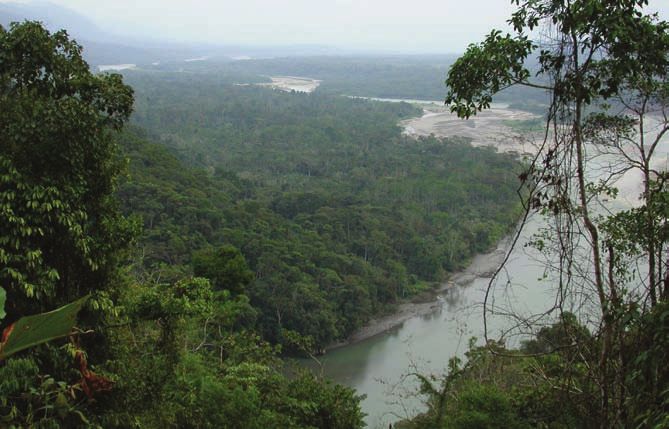
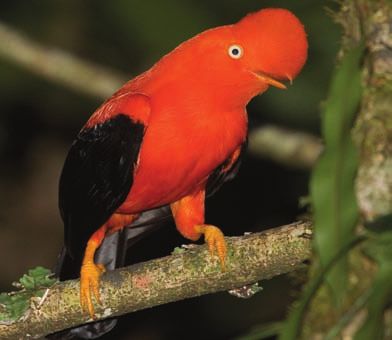
Right: The stunning Andean Cock-of-the-
rock Rupicola peruviana is easily seen
lekking at the lodge that bears its name
(Ian Merrill)
Along oxbow lakes in Manu, look for
(bottom) the unique Hoatzin Opisthocomus
hoazin (Roger Ahlman; www.pbase.com/
ahlman) and (below, inset) delightful
Sungrebe Heliornis fulica (James C. Lowen;
www.pbase.com/james_lowen)

52     Neotropical Birding 5
In lowland forests along the río Madre de
Díos, search the canopy for Curl-crested Aracari
Pteroglossus beauharnaesii (right: Alejandro Tabini)
and Plum-throated Cotinga Cotinga maynana (below
left: Hadoram Shirihai/The photographic handbook to
taxonomy of birds of the world)

Right, top to bottom
With patience and luck, birders may see the localised
Red-and-white Antpitta Grallaria erythroleuca at
Wayquecha Biological Station (Ian Merrill)
You will need to get into Guadua bamboo thickets to
look for (middle) Peruvian Recurvebill Simoxenops
ucayalae and (bottom) Manu Antbird Cercomacra
manu (Daniel J. Lebbin)

                                                        Neotropical Birding 5   53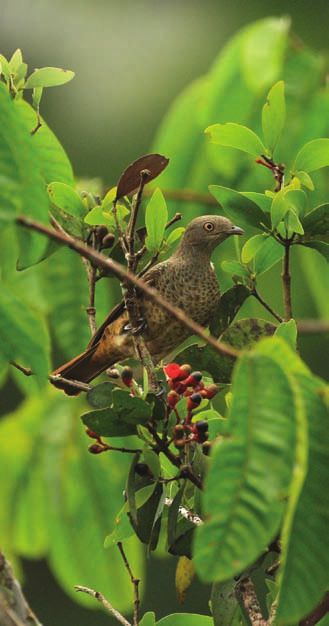
>> Birding Sites Birding The Manu Biosphere Reserve, Peru

Heliornis fulica, Wattled Jacana Jacana jacana,        Birders should ensure that they visit seasonally
Muscovy Duck Cairina moschata, Rufous-sided            flooded, terra firme and transitional floodplain
Crake Laterallus melanophaius, the prehistoric-        forests, bamboo patches, oxbow lakes and river
looking Hoatzin Opisthocomus hoazin, Silvered          margins, and use any canopy towers or viewing
Antbird Sclateria naevia, Amazonian Streaked           platforms available. Birds in the cloud forests
Antwren Myrmotherula multostriata, Red-                and highlands are active through most of the day
capped Cardinal Paroaria gularis and Pale-             with no discernable peak in activity, particularly
eyed Blackbird Agelaius xanthophthalmus.               if there is mist or light drizzle. In the lowland
    Finally, we reach the pristine lowland forests     rainforests, birds are most active from dawn
that hold more than 580 species and offer              until about 10h00 so early starts are essential.
some of the trickiest but most exciting birding        The remainder of this article gives snapshots
on the continent. In large stands of woody             of the lodges of greatest interest to birders.
bamboo Guadua, birders target Rufous-headed
Woodpecker Celeus spectabilis, the near-endemic        The Manu road
Manu Antbird Cercomacra manu, the endemic              Wayquecha Biological Station is the only
White-cheeked Tody-Flycatcher Poecilotriccus           accommodation in the higher temperate cloud
albifacies, Peruvian Recurvebill Simoxenops            forest. Run by a Peruvian NGO, Wayquecha lies
ucayalae (Near Threatened and endemic) and             at 2,800 m and is c.5 hours drive from Cusco.
Large-headed Flatbill Ramphotrigon megacephala.        Developed for researchers, the Biological Station
    Certain bamboo patches in Manu are known           also takes a very limited number of birders in
to hold the recently described and restricted-         twin-rooms. You must book through a tour
range Rufous Twistwing Cnipodectes superrufa.          operator that has an existing agreement with the
Recently formed islands and river-edge habitats        station. Golden-plumed Parakeet Leptosittaca
hold willow-dependent and restricted-range             branickii (Vulnerable), the much-desired
species such as River Tyrannulet Serpophaga            Red-and-white Antpitta and White-throated
hypoleuca and Rufous-breasted Antthrush                Screech Owl Megascops albogularis occur.
Formicarius rufipectus (Near Threatened) as well           Manu Cloud Forest Lodge, owned by Manu
as more widespread species such as Orange-             Nature Tours, is two hours slow drive further
headed Tanager Thlypopsis sordida and Hooded           along the road. At 1,550 m altitude, it lies between
Tanager Nemosia pileata. Transitional floodplain       cloud forest-covered slopes and is adjacent to a
and terra firme forest hold a bewildering variety of   narrow 120-m-high waterfall and two streams
antbirds, foliage-gleaners and tyrant-flycatchers,     that descend to the río Qosñipata. There is en-
sometimes in mixed flocks of 60–80 species.            suite accommodation for 16 guests, private
                                                       verandas and a sauna in which to relax after a
Choosing your Manu trip                                hard day’s birding. The river noise is frustrating
                                                       for hearing birdsong but the bridge is a good
When choosing a tour to Manu, birders should
                                                       vantage point for Sharp-tailed Streamcreeper
consider a number of issues, including the
                                                       Lochmias nematura. The area is good for
following. Are the areas visited protected? Do large
                                                       Crested Quetzal and there is tall forest nearby.
indicator species such as curassows, macaws or
                                                           Cock-of-the-Rock Lodge is located 180 km
trumpeters still occur there? Does the tour visit
                                                       (5–6 hours drive) from Cusco and is owned by
a site with an oxbow lake that can be accessed
                                                       the NGO Peru Verde. It lies in cool, mosquito-
by canoe? Does the tour provide access to the
                                                       free cloud forest at 1,300 m near the Kosñipata
rainforest canopy by visiting sites with canopy
                                                       Valley, which is just 15 minutes drive below
towers? Do trails at the sites visited traverse a
                                                       the lodge. As its name suggests, the lodge is
series of high-quality forest types, particularly
                                                       a great site for lekking Rupicola. Other good
bamboo? Is there a collpa or other salt-lick
                                                       birds include Wattled Guan Aburria aburri
nearby? Are the boats and vehicles reliable?
                                                       (Near Threatened), Andean Guan Penelope
Does the tour leader know the birds and their
                                                       montagnii, two Near Threatened eagles (Black-
calls? If the answer to all these questions is yes,
                                                       and-chestnut Eagle Oroaetus isidori and Solitary
then you should have a very good birding tour.
                                                       Eagle Harpyhaliaetus solitarius), Black-streaked
                                                       Puffbird Malacoptila fulvogularis and Yellow-
An overview of Manu lodges                             rumped Antwren Terenura sharpei (Endangered
On a typical Manu tour, birders base themselves        and restricted-range). Accommodation comprises
at three or more lodges to be sure of covering         eight double bungalows arranged around a tropical
the gamut of habitats at different elevations.         garden with well-established hummingbird-

54     Neotropical Birding 5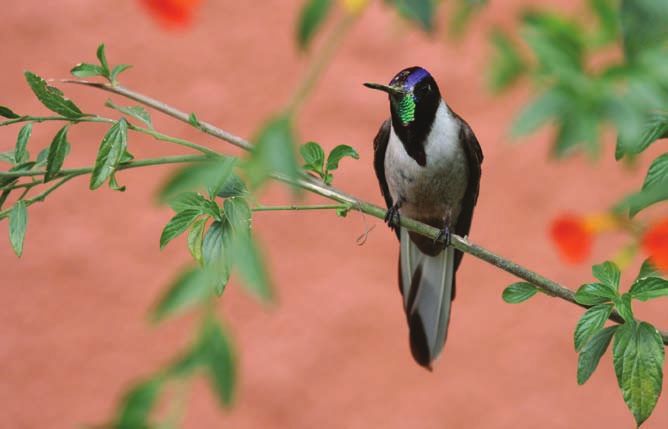
and other bird-feeders. A small trail system is
good for Black Tinamou Tinamus osgoodi.                               Getting to Manu
    The adjacent Paradise Lodge, owned by             From Lima, the Peruvian capital, you need to get to
a Cusco-based consortium, is an alternative           Cusco. Airlines flying this route are LAN, Star Peru and
base for birding the cloud forest. The lodge has      TACA. From Cusco it is possible to hire a vehicle in
panoramic views, accommodation for 16 people          Cusco and self-drive as far as Atalaya but not beyond.
and a restaurant. The garden is good for birding,     There is also an intermittent and unreliable air service
with feeders providing close views of many            from Cusco to Boca Manu Aerodrome in the lowlands,
species included Many–spotted Hummingbird             from where boats reach Romero Rainforest Lodge in an
Taphrospilus hypostictus and the rare endemic         hour and Manu Wildlife Centre in 90 minutes. In reality,
Rufous-webbed Brilliant Heliodoxa branickii.          however, access and logistics are so complex and
There are no trails. A few bends below the lodge      time-consuming that it makes sense to take a tour with
birders including the author have found a tanager
                                                      a reliable operator. A number of foreign and national
new to science that is awaiting formal description!
                                                      companies run birding trips to Manu: Amazonia Lodge,
Along the río Alto Madre de Díos                      American Birding Association, Audubon Society,
                                                      Birdfinders, Birdquest, Birdtreks, Cheesemans’
Amazonia Lodge is 90 minutes straight drive
                                                      Ecology Safaris, Field Guides Inc., Kolibri Expeditions,
from the last two mentioned lodges, at 500 m in
                                                      Inkanatura Travel, Manu Expeditions Birding Tours,
the Manu foothills. This charming former working
                                                      Ornitholidays, Pantiacolla Tours, Rockjumper Birding
hacienda is owned and managed by the Yabar
                                                      Tours, Sunbird, Tanager Tours, Toucan Tours, Tropical
family, who have two avid birder sons. The lodge is
                                                      Birding, Ultimate Voyages, Ventures, Victor Emmanuel
located in Atalaya at the end of the Manu road on
                                                      Nature Tours, Wildside Birding and WINGS.
the opposite bank of the río Alto Madre de Díos.
To get to the lodge, take a 10-minute boatride                               Timing
across the river then walk for 15 minutes. There is
                                                      Birding in Manu is good year-round. The area has a
good accommodation for 24 people, with shared
                                                      wide range of climates, from the cold, dry Andes to
bathrooms and hot showers. All rooms have a
                                                      the hot, humid Amazon forests. Cold snaps (friajes)
balcony overlooking a lush tropical garden with
                                                      occur in May–July and can reduce birdsong. June is the
Vervania bushes full of butterflies and feeders for
                                                      coldest month and October to March the warmest. The
hummingbirds and tanagers. There is a good trail
                                                      rainy season is December–April: rain is heavier in the
system giving access to various habitats. The old
                                                      lowlands than the highlands and more birding time may
‘jeep track’ is a must because of its Band-tailed
Manakin Pipra fasciicauda and Fiery-capped            be lost. Mist and drizzle are common all year round in
Manakin Machaeropterus pyrocephalus leks.             montane forest regions, where the temperature can
Trails rise into the hill forest where Foothill       drop to just a few degrees above zero. During May–
Antwren Myrmotherula spodionota, Rufous-tailed        June large macaws only infrequently visit the clay licks.
Antwren M. erythrura, Hairy-crested Antbird
Rhegmatorhina melanosticta and Sooty Antbird
Myrmeciza fortis can be found. The lodge is           parrots, parakeets (Dusky-headed Aratinga
one of the best places to see Koepcke’s Hermit        weddellii and White-eyed A. leucophthalma),
Phaethornis koepckeae (Near Threatened and            guans, pigeons and doves. The gathering attracts
endemic). Nightbirding is excellent with many         raptors such as Ornate Hawk-Eagle Spizaetus
owls and three species of potoo Nyctibius. In         ornatus. Another attraction is two terrestrial
total, more than 600 species have been recorded.      clay-licks that attract mammals such as large
    Manu Learning Centre is located on the            herds of White-lipped Peccary Tayassu pecari
río Alto Madre de Díos about one hour by river        and occasionally predators such as Jaguar.
from Amazonia Lodge. The Centre serves field               Pantiacolla Lodge, run by Pantiacolla tours,
researchers, educational groups, volunteers           is set in beautiful rainforest on bluffs overlooking
and guests alike. It has large bedrooms and a         the río Alto Madre de Díos at the base of the
comfortable communal kitchen and dining room.         Pantiacolla Mountains. These rise behind the
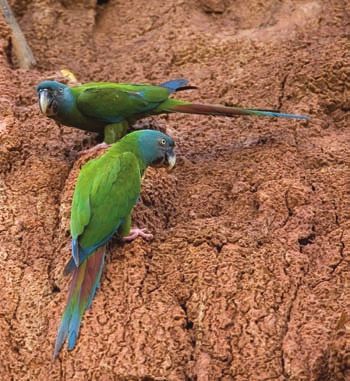
The lodge area attracts an array of parrots and       lodge to over 1,200 m and contribute to the area’s
macaws thanks to the spectacular red mineral          highly diverse wildlife. Accommodation comprises
lick carved out by the río Alto Madre de Díos.        bungalows with a total of 14 double rooms;
The lodge has one of the few collpas along the        separate bathrooms are nearby as is a spacious,
río Alto Madre de Díos. Blue-headed Macaws            comfortable dining area and bar. There is a good
Ara couloni (Vulnerable) visit daily, as do various   network of trails, hides and viewing platforms

                                                                                Neotropical Birding 5        55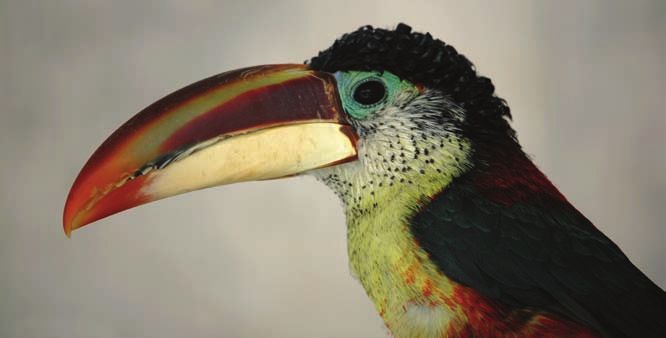
>> Birding Sites Birding The Manu Biosphere Reserve, Peru

Top, both pages: Red-and-green Macaw Ara chloropterus are usually seen in flight (above: with Cobalt-winged
Parakeets Brotogeris cyanoptera in the background) or (right) at a collpa (Roger Ahlman; www.pbase.com/ahlman)
Inset: The Vulnerable Blue-headed Macaw Ara couloni visits the collpa at Manu Learning Centre (Mark Stafford/www.
parrotsinternational.com)

Río Alto Madre de Díos at Atalaya (Barry Walker/Manu Expeditions)

56     Neotropical Birding 5
Occurring at high altitude near Cusco, Bearded Mountaineer
Oreonympha nobilis is one of the first targets for birders on a
Manu trip (Fabrice Schmitt/Manu Expeditions)
                                                                  Neotropical Birding 5   57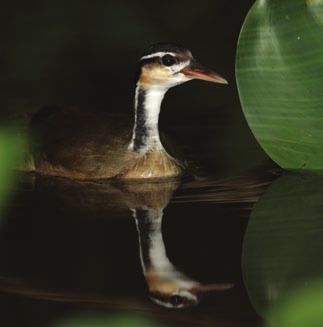
>> Birding Sites Birding The Manu Biosphere Reserve, Peru

that the owners are continually expanding.          Expeditions Birding Tours and a local conservation
Some 500 species have been recorded here. This      group Peru Verde. The lodge is strategically
is a good place to see bamboo specialists such      located amidst a variety of forest types including
as White-cheeked Tody-Tyrant Poecilotriccus         bamboo, terra firme, transitional floodplain
albifacies and Brown-rumped Foliage-gleaner         and varzéa. The lodge bird list is 580 species.
Automolus melanopezus. Hill forest trails               The collpa at Blanquillo, 25 minutes away by
produce similar species to the previous lodge.      boat, attracts hundreds of parrots and macaws,
                                                    notably Red-and-green Macaw Ara chloropterus,
Up the río Manu and into the National Park          Orange-cheeked Parrot Pionopsitta barrabandi,
Romero Rainforest Lodge is due to re-open in        Mealy Parrot Amazona farinosa, Yellow-crowned
late 2009 after being refurbished. Owned by Manu    Parrot A. ochrocephala and Blue-headed Parrot
Expeditions Birding Tours and run in conjunction    Pionus menstruus. Floating platforms provide
with Manu Learning Centre, this lodge lies along    access to four oxbow lakes, where visitors can
the río Manu one hour from the confluence           see three Giant Otter families and birds such as
with the río Madre de Díos and the Boca Manu        Sungrebe, Horned Screamer Anhima cornuta,
Aerodrome. Tastefully decorated, the lodge has      Band-tailed Antbird Hypocnemoides maculicauda
eight twin rooms and two singles with private       and Silvered Antbird. South American Tapir
bathroom facilities and hot water. An extensive     regularly visits a salt lick one hour’s walk from
trail network covers all kinds of micro-habitats,   the lodge through pristine forest. At noon, small
including oxbow lakes. With Black-faced Cotinga     forest parrots visit to eat clay; these include
Conioptilon mcilhennyi in the garden and more       Rose-fronted Parakeet Pyrrhura roseifrons, Black-
than 550 bird species already recorded, this will   capped Parakeet P. rupicola and Dusky-billed
become one of the best birding lodges in Peru.      Parrotlet Forpus sclateri. A viewing platform with
     Manu Lodge, owned by Manu Nature Tours,        sleeping facilities is available at the salt lick.
is constructed from fine mahogany cut from              Two canopy towers, one just ten minutes
driftwood that lines the río Manú following         walk from the lodge, provide access to the upper
the annual floods. It is the only lodge in Manu     strata of the forest. These are good places from
located on the shores of an oxbow lake. The         which to look for Plum-throated Cotinga Cotinga
lodge is supported by reinforced stilts and         maynana, Spangled Cotinga C. cayana, Purple-
contains accommodation for up to 24 people          throated Cotinga Porphyrolaema porphyrolaema,
with shared bathrooms plus a large dining           Yellow-shouldered Grosbeak Parkerthraustes
room and lounge. The elusive Rufous-fronted         humeralis, Striolated Puffbird Nystalus striolatus,
Anthrush Formicarius rufifrons is here and          White-necked Puffbird Notharchus hyperrhynchus,
this is the best place in Manu to see White-        Curl-crested Aracari Pteroglossus beauharnaesii,
throated Jacamar Brachygalba albogularis.           Lettered Aracari P. inscriptus, Sclater’s Antwren
     Casa Machiguenga lies near the remote          Myrmotherula sclateri, Chestnut-shouldered
Cocha Salvador, a lake as deep within Manu          Antwren Terenura humeralis and much more.
National Park as tourists are allowed to visit.
Matsiguenka Indians established, own and            ACKNOWLEDGMENTS
manage the lodge which has excellent access to      Special thanks to Huw Lloyd for comments on the article
primary forest and oxbow lakes. More than 500       and to James Lowen for knocking it into a readable style.
species occur, including Razor-billed Curassow      Roger Ahlman, Nick Athanas, James Lowen, Ian Merrill,
                                                    Fabrice Schmitt, Hadoram Shirihai/The photographic
Mitu tuberosum, Agami Heron and Black-faced
                                                    handbook to taxonomy of birds of the world, Mark
Cotinga, plus many furnariids and antbirds.
                                                    Stafford/www.parrotsinternational.com and Alejandro
Accommodation is in ten simple, rustic double       Tabini kindly offered photographs for inclusion. I thank
bungalows with communal bathrooms, but visitors     all the people who have accompanied me into Manu over
must bring their own food and towels. The Cocha     the years (too many to list here) and my long-suffering
Salvador area is a popular destination for non-     family, Charo and Alicia.
birding tourism and there are several basic camps
run by local tour operators based in Cusco.
                                                    BARRY WALKER
Down the río Madre de Díos to the macaw lick        Manu Expeditions Birding Tours, Cusco, Peru. E-mail:
                                                    birding@manuexpeditions.com
Manu Wildlife Centre consists of 22 double
bungalows built in the style of the local
Machiguenga indigenous communities and
with en suite bathrooms. It is owned by Manu

58    Neotropical Birding 5
You can also read


