Butterflies of the
Northwest Territories
←
→
Page content transcription
If your browser does not render page correctly, please read the page content below
Butterflies of the Northwest Territories
This identification booklet includes all species of butterflies known to be present in the
Northwest Territories.

© 2013 Government of the Northwest Territories
Recommended citation : Environment and Natural Resources. 2012. Butterflies of the
Northwest Territories. ENR, GNWT, Yellowknife, NT. 40 p.

Government of the Northwest Territories (GNWT) would like to acknowledge
the help of many individuals and organizations for their contribution to this
booklet. Yukon was the first jurisdiction in northern Canada to produce a
booklet for its butterflies. The Yukon Government graciously provided much
of the text for the present booklet. Photos of upper and under wings were
crafted by John Fowler for the book “The Butterflies of Canada” and are repro-
duced here, with permission. Details on the biology of butterflies not men-
tioned in the Yukon booklet are from The Butterflies of Canada online. All
errors remain our own. We would like to thank Chloe Smith for putting to-
gether the wonderful layout of this very first booklet on all the butterflies of
the NWT. Extra text and maps were provided by Dr. S. Carrière, Wildlife Biol-
ogist (Biodiversity), ENR, Yellowknife. Funding for this booklet was provided
by GNWT. We would like to acknowledge the efforts of dedicated butterfly
enthusiasts in the NWT who contributed to the knowledge of butterfly distri-
bution. GNWT would like to extend special thanks to Ross Layberry. His pas-
sion for butterflies is shared by many NWT residents, and his deep knowledge
is used every year to identify specimens collected here.

                                                                                         2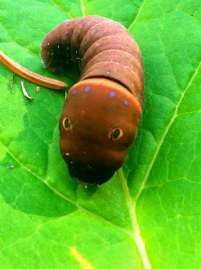
A GUIDE TO THE NWT’S
                BUTTERFLIES
Where to find them: Butterflies are a common sight in many places around
the NWT each summer. They occur in every habitat. Currently, 92 species of
butterflies, representing five families, are known to occur in the NWT. We
expect to discover more. The official list is available on www.enr.gov.nt.ca;
follow the NWT General Status Ranking Program link.

                                        Viewing and Catch-Release tips:
                                        Finding butterflies in the NWT is
                                        easy. Just look in any natural, open
                                        area on a warm, sunny day. This
                                        booklet gives you information on
                                        every butterfly found in the NWT. In
                                        some cases, you will need a detailed
                                        book, such as The Butterflies of Cana-
                                        da, to identify the exact species that
                                        you have seen. As you will be able to
                                        tell by the illustrations later on in the
                                        handbook, some species can be very
                                        similar in appearance.

                                        Northern Blue—female © L Hargreaves
                                       Some NWT butterflies, such as the
large swallowtails, are bright to advertise their presence to mates. Others
have earth tones that allow them to hide from bird predators. Many are mas-
ters at both advertising and camouflage, with bright uppersides and dull un-
dersides. You can improve your chances by approaching the butterfly from
behind or while it is busy feeding or mud-puddling (drinking salt water). Try
using binoculars or a camera with a powerful lens to get a closer look without
disturbing them. Some species are so similar that to separate species, butter-
fly specialists must examine them under a microscope.

                                                                               3
BUTTERFLY CONSERVATION AND COLLECTION
Habitat conservation is critical for a species to persist. When viewing or
catching butterflies, watch where you step. You could be damaging other
butterflies or trampling habitat in your pursuit.
Collecting butterflies may require a permit from federal and territorial gov-
ernment agencies. You will require permission to access private lands.
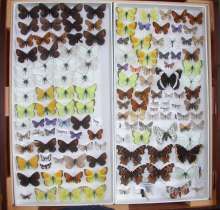
Part of the Sahtu collection .
© R Layberry
If you collect butterflies, consider how your collection might benefit a broader
audience. Putting your work to good educational use may help conserve but-
terfly populations through awareness and understanding.
The Butterflies of Canada online can be found at: www.cbif.gc.ca, follow
SpeciesBank link.
4Report your findings:
Please report any new species, or new range extension. Send a photograph to
NWTBUGS@gov.nt.ca or even share it on the Facebook group “NWT Spe-
cies”.
Detailed instructions on how to photograph or collect butterflies in a conser-
vation-minded manner are available by also contacting the e-mail above.
Edward Oudzi with butterfly in net—contributing to All known collection locations for butterflies in the
the knowledge of Sahtu butterflies. Godlin Lake NWT. Many specimens are housed at the Canadian
June 2007 . National Collection of Insects, Arachnids and Nema-
todes in Ottawa. Other specimens are in museums
© GNWT/A Veitch across North America, or in private collections.
Compilation by R. Layberry based on data on file at
GNWT and Agriculture and Agri-Food Canada in
Ottawa. Updated to 2011.
5A BUTTERFLY’S LIFE
A butterfly usually lives 10 to 14 days as an adult, and spends the rest of its one- to
two-year life as an egg, caterpillar (larva), or pupa (chrysalis). The egg hatches into a
small caterpillar, which typically
sheds its skin five times as it grows
before becoming a pupa. After about
six weeks, the adult butterfly emerg-
es from the pupa, or the pupa over-
winters. As the butterfly ages, its
wings become worn and torn, and
the colours fade and change.
A few species of brush-footed butter-
flies (e.g., tortoiseshells, and mourn-
ing cloaks) hibernate over the winter
as adults; other species spend the
winter in one of the other life stages.
Caterpillars eat leaves, flowers, fruit
or seeds. Each species focuses on
only one, or at most , a few, food
plants. These larval food plants are
described in this booklet. Adult but-
terflies feed mostly on nectar and sap ( for sugar). Some eat Caterpillar of a Cana-
dian tiger swallowtail.
less appetizing meals such as carrion and dung ( for proteins
They are usually bright
and amino acids). Others congregate on wet soils to drink green, but turn brown
water containing salt (for sodium). just before they pupate.
The spruce needle
provides a scale. The
Mourning Cloaks are
« eyes » are fake.
often the first butterflies
seen in spring in the © C Smith (caterpillar)
NWT. They survive
winter as adults. © B Fournier (adult)
© B Fournier
6HOW to USE this booklet
To identify butterflies, it helps to know the colour pattern on both sides of the wings.
This is because many will only rest with their wings spread wide open (upperwings
visible), yet others with them closed tightly over their backs (underwings visible).
In this book, both have been provided for you. Wings on the left are upperwings, and
wings on the right (unattached to the body) are underwings. If only half the butterfly
is shown, the orientation of the single wing will allow you to determine whether the
upper or under wing is displayed.
All sizes provided are for the wingspan.
Up
gs
pe
in
rw
rw
ing
s
de
Un
Forewing
Hindwing
Preferred foodplants are described for the larval stage only. Adults are less particular.
None of the information given in this (or any) guide can identify butterflies with 100%
confidence. This makes your identification endeavor much like a puzzle - do your best
to piece together the information and find a species that fits as many of the criteria as
possible. If you are uncertain about a species, ask us how to proceed at NWT-
BUGS@gov.nt.ca.
Go forth and IDENTIFY!!!
7SKIPPERS (Family Hesperiidae)
Small; grey, black or brown; caterpillars frequently feed on grass.
Persius Duskywing -Erynnis persius
Size: Small, 2.8 cm
Flight: Fast, low to the
ground. Foodplants:
Willow, lupine and proba-
bly poplar. Habitat:
Open forest, clearings,
meadows; below treeline
at low elevations.
Grizzled Skipper -Pyrgus centaureae
Size: Small, 2.8 cm
Flight: Moderately fast,
with blurred wing-beats;
low to the ground.
Foodplants: Wild
strawberry; cloudberry;
cinquefoil. Habitat:
Bog, roads, meadow,
forest clearings.
Arctic Skipper -Carterocephalus palaemon
Size: Small, 2.8 cm
Flight: Fast, low to the
ground, tends to return
to original perch after
flight.
Foodplants: Grass.
Habitat: Forest trails
and clearings, roadsides,
moist meadows.
8Common Branded Skipper - Hesperia comma
Size: Small,
Male 3.0 cm.
Flight:
Fem
Fast, low to
a
the ground.
le
Food-
plants: Grasses.
Habitat: Roads, mead-
ows, bogs, low hilltops.
Long-dash
Skipper–
Male
Polites mys-
tic
Size: Small,
Fem
2.3 cm.
ale
Foodplants:
Grasses.
Habitat: Meadows and area
with lush cover of grasses.
Dreamy Duskywing -
Erynnis icelus
Size: Small, 2.5 cm.
Foodplants: Poplar,
aspen, willow, birch.
Habitat: Wood edges,
clearings, damp areas
where willows are com-
mon; on sand/mud.
Northern Cloudywing -
Thorybes pylades
Size: Medium, 4.0 cm.
Foodplants: Pea family
plants, types of clover.
Habitat: Boreal woodland/
9Peck’s Skipper - Polites peckius
Size: Small, 3.0 cm wing-
span
Foodplants: Grasses
Habitat: Any open
grassy areas.
Notes: Female is darker,
the hindwing has a patch
of yellow spots surround-
ed by dark brown (in
both sexes).
Common Roadside Skipper—Amblyscirtes vialis
Not found yet, but expected to be present in the NWT.
?¿?………..…Did you know…..……..?¿?
Skippers are named because of the
way they fly. They dart around quick-
ly, skipping from place to place. They
can be tricky to net!
There are about 3500 species of
skippers worldwide! That is a lot of
skippers.
As skippers have large bodies com-
pared to their wings, and can have
drab colouring, they can be mistaken
for moths. Ross Layberry with a friend. © GNWT/A Veitch
Males of this family are feisty, and will aggressively defend a territory. The attack of a
tiny skipper is not too scary for us humans, but imagine if you were another butterfly,
or another insect! This butterfly packs a punch. It is a great group of species to find
and study.
10SWALLOWTAILS (Family Papilionidae)
Large with bright colours; only a few species in the NWT
Eversmann’s Parnassian - Parnassius eversmanni
Fe
ma
Size: Large, Male
le 5.0 cm.
Flight: Fast,
low to the
ground.
Food-
plants:
Unknown in North Amer-
ica, but probably corydalis. Habitat: Mountainous wil-
low and grass tundra. Taiga Cordillera. Notes: Males:
pale yellow; females: white.
Phoebus Parnassian - Parnassius phoebus
Size: Large, 5.0 cm.
Flight: Fast, low to the
ground.
Foodplants: Stone-
crop
Habitat: Alpine mead-
ows and grass tundra.
Notes: Beringian spe-
cies, occurring in Asia,
Alaska, Yukon and NWT. Males: pale yellow; females:
white. May be one generation every two years.
The first Phoebus Parnassian
ever collected in the NWT—
Mackenzie Mountains ,
Rabbitkettle Creek, 2004
© R Layberry
11Canadian Tiger Swallowtail -Papilio canadensis
Size: Large, 8.2 cm.
Flight: Moderate
speed, various
heights.
Foodplants: Aspen,
cottonwood, willow.
Habitat: Roadside,
forest clearings, along
streams.
Notes: The less com-
mon Old World Swallowtail is similar but has more
black, less yellow, and usually flies at higher elevations.
Old World Swallowtail -Papilio machaon
Size: Large, Fe
7.0 cm. m
Male ale
Food-
plants:
Sagebrush-
es, Arctic
wormwood
Habitat:
Wide variety - com-
monly found on ex-
posed hills or cliffs. Tundra. Notes: Found up to the
Arctic coast. Flies from late May until July.
Canadian tiger swallowtail feeding on
nectar from a Siberian pea-tree
(Caragana arborescens), an alien shrub
used for landscaping and somewhat
spreading along roads and disturbed
areas near communities in southern
NWT.
© L. Hargreaves
12WHITES & SULPHURS (Family Pieridae)
Medium size; white, yellow and orange; many caterpillars eat mustards.
Cabbage White - Pieris rapae
Size: Medium, 4.0 cm.
al e
Foodplants: Plants of
m
Fe
the mustard family, in-
cluding cabbage. Consid-
ered a pest in gardens.
Habitat: Can be found in
almost any habitat. Likes
gardens. Notes: Distin-
Male guished by the black
spots on its upperwings and yellow-
toned underwings. Introduced into
North America in the 1860s, this species
is the only “alien” butterfly in the NWT.
Arctic White - Pieris angelika
Size: Medium, 3.8 cm.
e
Flight: Slow, up to 2 m
al
m
Fe
above ground.
Foodplants: Leaves of
wild mustards, parrya.
Habitat: Wet riparian
areas, willow shrub areas,
wet meadows. Notes:
Ma Females have grey mark-
le
ings on the upperside.
13Mustard White - Pieris oleracea
Size: Medium, 4.0 cm.
al
e Foodplants: Mus-
m tards, especially rock
Fe
cress. Habitat: Wood-
lands, or just outside of
woodlands, marshes and
lakeshores. Notes:
Ma Arctic white is similar
le
but smaller.
Western White - Pontia occidentalis
Ma
Size: Medium, 4.0 cm.
le Flight: Fast, zigzag; flies
around hilltops. Food-
plants: Leaves of wild
mustards, especially rock
cress. Habitat: Roads,
dry rocky areas, hilltops
e
Notes: Spring White is
al similar but rare.
m
Fe
Spring White - Pontia sisymbrii
Size: Medium, 4.0 cm.
Foodplants: Mus-
ale tards. Habitat: Dry
m
Fe
slopes, rock canyons
and outcrops. Open
coniferous forests.
Notes: Veins of the
underside of the
Ma hindwing may be edged
le with olive. South Slave region.
14Large Marble - Euchloe ausonides
Size: Medium, 4.1 cm.
Flight: Moderate, zig-
zag. Foodplants:
Flowers and leaves of
wild mustards, especially
rock cress. Habitat:
Sandy areas in pine
forest or rocky areas.
Notes: Green Marble
have darker underside, and the Northern Marble are
smaller.
Northern Marble - Euchloe creusa
Size: Small, 3.0 cm.
Fooplants: Uncertain,
but possibly mustards.
Habitat: Dry tundra,
rocky outcrops in moun-
tains. Tundra-like habi-
tats in southern NWT.
Notes: Hindwing un-
derside appear band-
ed—unlike other marbles.
Green Marble - Euchloe naina
Size: Small, 3.2 cm.
Flight: About 15 cm
from surface
Foodplants: Un-
known.
Habitat: Limestone
scree mountain slopes.
Notes: Often confused
with the Large Marble.
Look for a duller grey-green in this species. No yellow
flecks. So far, found only in the Sahtu. Species was de-
scribed only recently (1990s). Also found in Yukon and
possibly Alaska. 15Christina Sulphur - Colias christina
Size: Medium, 4.7 cm.
Flight:
Fast,
zigzag.
Food-
plants: Fe
m
le Legumes: ale
ma
Fe
Male lupines, vetch,
liquorice-root.
Habitat: Forest
openings or along
roadsides if legumes are present. Notes: There are at
least three subspecies, the Yukon one (C. c. kluanensis)
is shown. In most of Canada, this species is bright
yellow at the
base of the A Sulphur in a Yellowknife
hindwing. garden—
Can you identify it?
© B Fournier
Booth’s Sulphur -
Colias tyche
Size: Small,
3.0 cm.
Flight: Ma
le
Food-
plants: Leg-
umes. Habitat: Boggy arctic
tundra. Alpine areas. Notes: Varia-
ble, a pale green subspecies occurs
on Banks, Melville, Victoria islands.
16Canada Sulphur - Colias canadensis
Size: Medium, 4.0 cm.
Foodplants: Leg-
e
al
M
umes. Habitat: Open
taiga and wet shrub
tundra at the treeline.
Notes: Can look like a
pale version of the
Hecla Sulphur. Fe-
e
al males are very pale,
m
Fe even white.
Giant Sulphur - Colias gigantea
Size: Large, 5.2 cm.
Foodplants: Wil-
e
al lows
M
Habitat: Northern
boreal forest, in moist
areas with willows
ale
m
Fe
Giant sulphur visiting from
the nearby willow habitat.
© M. Fournier
17Hecla Sulphur - Colias hecla
Size: Medium, 4.0
e
cm.
al
m
Flight: Low and
Fe
swift. Food-
plants: Arctic
legumes, Alpine
Milk-vetch.
Habitat: Wet tun-
dra.
e
al Notes: A true arctic butter-
M
fly—very dark orange. Com-
mon in northern locations, to
the tip of Ellesmere Island in
Nunavut, less common in
southern NWT.
Pink-edged Sulphur - Colias interior
Size: Medium, 4.2
cm. Food-
le plants: Blueber-
Ma
ry
Habitat: Scrub-
by openings in
forests/bogs.
Cleared or burnt
areas.
e Notes: Pink edge
al
m is very bright. Occurs in the
Fe
boreal zone, so far seen only
in southern NWT, Fort Smith
and Little Buffalo River..
?
You may find a butterfly that is male on one side...and female on the other. ¿?
These individuals are called “gynandromorphs”. This usually is caused by
errors during cell division in early development.
18Labrador Sulphur - Colias nastes
Size: Smaller than most
sulphurs, 3.4 cm.
Flight: Low, rapid, moth-
like.
Foodplants: Arctic
legumes, Alpine Milk-
vetch. Habitat: A north-
ern species. Windswept
rocks; dry gravelly hilltops.
Palaeno Sulphur - Colias palaeno
Size: 3 to 5 cm.
Foodplants: Blueberries
Habitat: Taiga and pro-
tected stream valleys in
open tundra, where blue-
berries and bilberries are
found. Notes: Known also
as Heath Sulphur (Colias
chippewa).
Pelidne Sulphur - Colias pelidne
Size: Small , 3.9 cm.
Foodplants: Blueberry.
Habitat: Tundra.
Notes: Spot in centre of
upper hindwings is faint.
Pink-edged Sulphur is simi-
lar but has an orange spot
in the center of the
hindwing instead of yellow.
Clouded Sulphur - Colias philodice
e
Size: Medi- al
e M
al um, 4.5 cm.
m
Fe Flight: Fast,
zigzag.
Foodplants: Lupines,
vetch, liquorice-root.
Habitat: Dry roadsides,
forest openings; low ele-
vation NWT.
19GOSSAMER WINGS (Family Lycaenidae)
Small; grey, brown, blue, metallic blue or copper.
Brown Elfin - Callophrys augustinus
Size: Small, 2.2 cm.
Flight: Often with other
elfins. Foodplants: Blue-
berries, bearberries, leath-
erleaf, and Labrador tea.
Habitat: Acidic soils -
bogs, barrens, conifer
forest. Notes: Generally
the most common elfin.
Western Pine Elfin - Callophrys eryphon
Size: Small, 2.5 cm.
Male Foodplants: Fe
Young nee- ma
le
dles of pines
and spruce.
Habitat:
Lodgepole
pine or other
pine forests,
specially in west Notes: Black v-shaped marks form continu-
ous zigzag line.
Eastern Pine Elfin - Callophrys niphon
Size: Small, 2.5 cm.
Male
Foodplants: Pines,
specially Jack pine.
Habitat: Sandy areas
with pine trees. Males
found along the ground
and on roads, females
sitting on trees. Both
sexes at flowers. Notes:
Black v-shaped marks form discontinuous series of black
peaks, each capping a brown spot. 20Hoary Elfin - Callophrys polios
Size: Small, 2.5 cm.
Flight: Fast, short flights.
ale
Flies in early spring.
M
Foodplants: Bearberry
(kinnikinnik).
Habitat: Dry grassy or rocky
areas, dry forest
openings.
Dorcas Copper - Lycanena dorcas
Size: Small, 2.3 cm.
Foodplants: Fe
m
Cinquefoil. ale
al
e Habitat: Wet
M spruce forest,
bogs and other
wetlands.
Bronze Copper - Lycaena hyllus
Size: Large, 3.1 Fe
cm. m ale
Foodplants:
Docks (Rumex)
ale and Knotweed
M
(Polygonum).
Habitat: Wet-
lands and
meadows.
Note: Old record in the NWT.
American Copper - Lycaena phlaeas Fe-
Size: Small, 2.5 cm.
Foodplants:
Mostly Mountain
Sorrel in our area.
Habitat: Many
subspecies. De-
fends its territory from other
butterflies.
21Northern Spring Azure - Celastrina lucia
Size: 1.8 to 2.8 cm.
Foodplants: White-
flowered shrubs, blue-
berries.
Habitat: Open wood-
lands. Notes: Was
consid-
Female
ered a
subspe-
cies of Spring Azure (C. ladon). Larva
may be tended by ants.
Western Tailed Blue - Cupido amyntula
Size: Small, 2.5 cm.
Flight: Slow, low to
the ground
Foodplants: Lupine,
vetch, wild pea
Habitat: Roadside,
mead- Male
ows,
open
forest. Notes: This is the only blue with
“tails” on the hindwing. Males blue
above, females brown.
Silvery Blue - Glaucopsyche lygdamus
Size: Small, 2.6 cm.
Flight: Slow, low to
the ground
Foodplants: Lupine,
vetch, wild pea
Habitat: Roadside,
meadows, open forest.
Notes: Metallic sil-
very.
22Northern Blue - Plebejus idas (anna)
Size: Small, 2.6 cm.
Flight: Slow, low to
the ground.
Foodplants: Crow-
berry, blueberry,
bilberry, Labrador
Female
tea. Habitat: Forest clearings.
Notes: Many subspecies. The only
blue with a full row of orange spots
on the underside.
Not all Blues are blue: - females
can sport a rich chocolate colour.
This is a female Arctic Blue. Do
you see the heavy bar on the
wing?
© B Founier
Fe
m ale
Arctic Blue - Plebejus glandon
ale
M
Size: Small, 2.0 cm.
Foodplants: Primu-
laceae, Fabaceae,
Saxifragaceae.
Habitat: Dry open spaces and outcrops in tundra or
tundra-like habitats. Notes: Heavy bar on forewings.
Also called Agriades glandon.
23Greenish Blue - Plebejus saepiolus
Size: Small, 2.7 cm.
Flight: Slow, low to
the ground. Food-
plants: Clovers.
Habitat: Roadsides,
moist meadows.
Notes: Similar to
the Arctic Blue and
Fe
m Cranberry Blue -
ale
location can help differentiate them.
The former lives in bogs, wet open
forest and tundra. The latter prefers
dry rocky areas. F
em
al
e
Cranberry Blue - Plebejus optilete
Size:
Small,
2.1 cm.
Flight: Weak, near
to ground.
Foodplants:
Blueberry, Cranber-
ry.
Habitat: Bogs and
wet tundra.
Notes: Also known as Vacciniina optilete. Has a large orange spot on the underside
of hindwing.
?¿?…Did you know..?¿?
Many species of blues form relationships with
ants. The ants nourish the butterfly larvae, and
in turn, the ants get sugar rich honey dew
from them.
Artwork by Bonnie Fournier
24BRUSHFOOTS (Family Nymphalidae)
Small to large; grey, brown, orange-brown or black.
Milbert’s Tortoiseshell - Aglais milberti
Size: Medium, 4.8 cm.
Flight: Fast, frequently
on dirt roads and alpine
ridges in the south.
Foodplants: Stinging
nettle. Habitat: Open
forests, meadows, ripari-
an areas. Notes: Can
spend the winter in the
adult stage. Also known as Nymphalis milberti.
Compton Tortoiseshell - Nymphalis j-album
Size: Large, 6.0 cm.
Foodplants: Willow,
birch and poplar.
Habitat: Forests.
Notes: Hibernates in
tree cavities, or in cabins,
outhouses, where it can.
Long adult life: pupates
in July, then hibernates
as an adult until June.
Mourning Cl0ak - Nymphalis antiopa
Size: Large, 6.1 cm.
Flight: Fast, frequently
patrols a single path.
Foodplants: Willows.
Habitat: Forest open-
ings, riparian areas.
Notes: The caterpillars
live in large masses.
Hibernates as adult.
Usually the very first butterfly seen in early spring. 25Hoary Comma - Polygonia gracilis
Size: Medium, 4.5 cm.
Foodplants: Currants.
Habitat: Boreal forests.
Notes: Similar to the Grey
Comma, but has sharp con-
trast on underwings.
Grey Comma - Polygonia progne
Size: Medium, 4.2 cm.
Flight: Remarkably slow
flying. Foodplants: Cur-
rants and gooseberries.
Habitat: Often seen feed-
ing on sap, carrion or dung.
Notes: Found south of the
tundra.
Satyr Comma - Polygonia satyrus
Size: Large, 5.0 cm.
Foodplants: Nettles, pref-
erably stinging nettle.
Habitat: Woodland clear-
ings with streams nearby.
Notes: Comma on
hindwings highly visible.
Green Comma - Polygonia faunus
Size: Medium, 4.7 cm.
Flight: Fast, erratic.
Foodplants: Birch, wil-
low, alder, blueberries.
Habitat: Boreal-taiga for-
est. Notes: Sits on rocks
or gravel, will chase intrud-
ers from territory.
26Red Admiral - Vanessa atalanta
Size: Large, 5.1 cm.
Flight: Aggressive, fast.
Foodplants: Stinging net-
tle, wood nettle.
Habitat: Varied, seen in
gardens and any sort of clear-
ing. Notes: Often claims a
territory and defends it.
Painted Ladies and Red Admi-
rals are rare migrants.
Painted Lady - Vanessa cardui
Size: Large, 5.5 cm. Flight:
Fast. Foodplants: Thistles,
knapweed, wormwood, bur-
docks. Habitat: Varied.
Notes: Does not overwinter
in Canada; they rare migrants
to the NWT.
White Admiral - Limenitis arthemis
Size: Large, 6 to 8 cm.
Foodplants: Willows, as-
pen, poplar.
Habitat: Clearings.
Notes: Overwinters as small
larva then builds a rolled-leaf
nest on tip of a leaf.
Viceroy - Limenitis archippus
Size: Large, 6.0 cm.
Flight: Flies as “flap and
glide”. Foodplants: Willow
and poplar. Habitat: Wet
willowy areas. Notes: Mimic
of the Monarch, but it is small-
er. Monarch itself was collect-
ed only in NT: near Fort Simp- 27
son.Mountain Fritillary - Boloria alaskensis
Size: Small. 3.3 cm.
ale Flight: Males fast and
m
Fe close to the ground. Fe-
males slower.
Foodplants: Unknown.
Habitat: All through the
western Arctic.
Notes: Distinguishable
by the white crescent on
the hindwing and the
le
angled hindwing. Females are larger. Also
Ma
known as Boloria napaea
Astarte Fritillary - Boloria astarte
Size: Medium, 4.5 cm.
Flight: Swift and
wary flyer. Food-
plants: Saxifrage.
Habitat: Windy and
rocky ridges, rock-
slides. Mostly in the
mountains. Notes:
Beringian species
from NE Siberia to NW
North America.
Meadow Fritillary - Boloria bellona
Size: Medium, 4.0 cm.
Flight: Meandering
zigzag flight.
Foodplants: Violets.
Habitat: Wide varie-
ty, seems to like yel-
low flowers. Notes:
Squared off tip to
forewings.
28Arctic Fritillary - Boloria chariclea
Size: Small, 3.8 cm.
e
al Foodplants: Wil-
m
Fe lows, Western bistort.
Habitat: Cool and
moist meadows.
Notes: Taiga forms
(female shown) have
purplish hindwing
e undersides; Tundra forms (male
al
M shown) have white band across
mid hindwing underside.
Bog Fritillary - Boloria eunomia
Size: Small, 3.7 cm.
Flight: Strong and low.
Foodplants: Alpine
e
bistort, willows, violet.
al
M
Habitat: Bogs, wet
tundra, wet alpine
meadows. Notes: The
underside hindwings
with margin of pearly
e
al spots with black rim.
m
Fe
Freija Fritillary - Boloria freija
Size: Medium, 3.7 cm.
Foodplants: Blueberry,
al e
M bearberry.
Habitat: Open pine for-
est, tundra, rocky mead-
ows. Notes: Flies very
e
early, smaller, lighter.
al
m
Fe
29Frigga Fritillary - Boloria frigga
Size: Small, 3.6 cm.
Foodplants: Willows,
e
al
Arctic Avens.
M
Habitat: Wet shrubby
tundra, willow
swamps.
Notes: Tundra forms
are larger and more
ale yellow than taiga
m
Fe forms. Quite dark at the base.
Dingy Fritillary - Boloria improba
Size: Small to medium, 3.5
cm. Flight: Moderate, low
to the ground. Appears
brown in flight. Food-
plants: Probably willows.
Habitat: Moist tundra,
with dwarf, prostrate
willows. Notes: A true
tundra butterfly: one of the first to appear in spring in
alpine tundra.
Beringian Fritillary - Boloria natazhati
Size: Large for a Fritillary,
4.0 cm.
Foodplants: Unknown.
le
Ma
Habitat: Dry rocky areas
on hills. Notes: Larger and
darker than the Freija Fritil-
lary, its most similar spe-
cies. Can appear silky or
shiny. The only butterfly in
e the NWT considered rare in
al
m the world (ranked as G3, NatureServe
Fe
Canada). Also found in Richardson
Mountains in Yukon, in Nunavut, and in northern BC.
30Polaris Fritillary - Boloria polaris
Size: Small to medium,
4.0 cm.
e
al
Flight: Moderate, low
m
Fe
to the ground.
Foodplants: Probably
Mountain-avens, blue-
berries.
Habitat: Alpine and
arctic tundra. Distinctive
hour-glass shaped white spots on the
under-margins of the hindwings.
Silver-bordered Fritillary - Boloria selene
Size: Medium, 4.0 cm.
Flight: Fast, regularly
visiting flowers.
Foodplants: Violets.
Habitat: Wet areas.
Notes: Distinct under-
side with silver metallic
spots on orangey brown
backing.
Common Ringlet - Coenonympha tullia
Size: Small, 3.2 cm.
Foodplants: Grasses.
Habitat: Grassy areas,
clearings, roadsides,
prairies, bogs, tundra,
and open areas in taiga
forest.
Notes: Highly variable in
colour and number of eye
-spots. The mackenziei
subspecies mostly present in the NWT is pale ochre with
white fringes.
31Northwestern Fritillary - Speyeria hesperis
Size: Medium, 5.0 cm.
Foodplants: Violets.
Habitat: Dry open mead-
ows or forests.
Notes: Subspecies beani
found here. Most similar
to S. atlantis but smaller
and lighter reddish-brown
colour under hindwings.
Mormon Fritillary - Speyeria mormonia
Size: Medium, 4.5 cm.
Flight: Slow to fast, zig-
al
e zags. Foodplants: Vio-
M lets. Habitat: Open for-
est and also meadows; all
elevations. Notes: Con-
fused with the Northwest-
ern Fritillary and the Atlan-
tis Fritillary, but has larger
e
al
silver spots under the hindwings. .
m
Fe
Atlantis Fritillary - Speyeria atlantis
Size: Large, 5.8 cm.
Foodplants: Violets.
Habitat: Boreal habi-
tats. Notes: Most
common fritillary in the
north. Often seen on
flowers.
32Tawny Crescent - Phyciodes batesii
Size: Small, 3.0 cm.
e
Foodplants: Asters.
al
m
Fe
Habitat: Dry boreal
clearings.
Notes: Lives in colo-
nies. le
a
M
Northern Crescent
- Phyciodes cocyta
e
al
m
Size: Small, 2.9 cm.
Fe
Flight: Distinguishing
flap– glide pattern.
Foodplants: Asters.
Habitat: Meadows,
disturbed sites, any-
e where with asters.
al
M Notes: Females are larger. Visits
mud puddles in large numbers.
Field Crescent - Phy-
ciodes pulchella
e
al
m
Size: Small to medium,
Fe
3.4 cm.
Flight: Moderate, close
to the ground.
Foodplants: Asters.
Habitat: Roadsides,
al
e meadows.
M Notes: The Northern Crescent is
similar, but has more orange-brown and less black on the upper-
sides of the wings.
33Disa Alpine - Erebia disa
Size: Medium, 3.9 cm.
Foodplants: Proba-
bly grasses and sedges.
Habitat: Boggy tun-
dra. Notes: Light grey
spots on the hindwing
underside, as well as a
banded appearance.
Red-disked Alpine - Erebia discoidalis
Size: Medium, 4.0 cm.
Flight: Weak and close
to the ground.
Foodplants: Grasses,
sedges. Habitat: Moist
prairies, fens, forest
edges. Notes: No eye-
spots.
Banded Alpine - Erebia fasciata
Size: Medium, 4.5 cm.
Foodplants: Un-
known, but adults are
found on cotton-grass.
Habitat: Arctic and
subarctic wet tundra.
Notes: Beringian spe-
cies, found also in
Nunavut, Yukon, Alas-
ka, and Siberia. Loca-
tion on Great Slave Lake is on an island with tundra-like
habitat.
34Reddish Alpine - Erebia lafontainei
Size: Small, 3.5 cm.
Foodplants: Un-
known.
Habitat: Arctic and
alpine tundra, shrubby
areas.
Notes: Rests in be-
tween patches of wil-
lows to avoid the wind.
Found as far east as Tuktoyuktuk. Only found in Alaska,
Yukon and the NWT. It is closely related to the Siberian
species E. kozhantshikovi
Mt. Mckinley Alpine - Erebia mackinleyensis
Size: Medium, 4.5 cm.
Foodplants: Grass-
es. sedges, and rush-
e
al
M
es.
Habitat: High eleva-
tion boulder field or
scree slopes.
Notes: Similar to the
Magdalena Alpine,
but has pale forewing
le
ma patches.
Fe
Yellow-dotted Alpine -
Erebia pawlowskii
Size: Medium, 3.5 cm.
Flight: Slow and weak.
Mostly found sitting on the
ground.
Foodplants: Probably
grasses, sedges, or rushes.
Habitat: Grassy ridges of
wet tundra, meadows, lakeshores. Notes: The sub-
35Magdalena Alpine - Erebia magdalena
Size: Medium, 4.2 cm.
Flight: Rapid, in sun-
shine. Foodplants:
Probably grasses.
Habitat: High elevation
boulder fields, scree
slopes. Notes: A high
elevation species. Habit
of laying eggs on rocks. Range extends south to New
Mexico. So far in the NWT found only near Katherine
Creek in 2006. This species is globally rare.
Taiga Alpine - Erebia mancinus
Size: Medium, 3.9 cm.
Flight: Slow and leisure-
ly.
Foodplants: Probably
grasses or sedges.
Habitat: Black spruce or
tamarack bogs.
Notes: Distinguishable by
the two grey spots on the
hindwing underside.
Scree Alpine - Erebia occulta
Size: Medium, 3.8 cm.
Foodplants: Unknown.
Habitat: Dry rocky
areas, prefers gravel and
smaller rocks, rather
than boulders like many
similar butterflies.
Notes: No black pupils
in the orange forewing
spots. A Beringian species, occurring in Siberia, and in
Alaska, northern Yukon and the Richardson Mountains in
the NWT.
36Ross’s Alpine - Erebia rossii
Size: Medium, 3.6 cm.
Foodplants: Sedges.
Habitat: Boggy and
shrubby tundra.
Notes: A northern spe-
cies. Very dark upper-
sides.
Four-dotted Alpine - Erebia youngi
Size: Small to medium,
4.0 cm.
Flight: Moderate.
Foodplants: Probably
grasses or sedges.
Habitat: Dry tundra
with short, dense grass,
such as frequently oc-
curs along scree slope
edges). A species found only in Alaska, Yukon, and the
NWT.
Eyed Brown - Lethe eurydice
Size: Medium, 4.5 cm.
Flight: Slow weak flight.
Foodplants: Sedges.
Habitat: Marshes.
Notes: Old record south
of Great Slave Lake. At
its extreme northern
limit in the NWT.
37Sentinel Arctic - Oeneis alpina
Size: Medium, 4.1 cm.
al
e Foodplants: Unknown.
m
Fe Habitat: Breeds in
grassy tundra. Males
seen on dry rocky
hilltops. Notes: Distin-
guishable by the two
subtle hindwing eye-
spots. In general adults
e
al are seen every two years: fly in
M
even years (e.g., 2012) from the
Mackenzie Delta eastward and in
odd years westward. Range from
northern Alaska, Yukon and NWT.
White-Veined Arctic - Oeneis bore
Size: Medium, 4.7 cm.
Flight: Fast, erratic.
e
al Foodplants: Grasses,
M
sedges. Habitat: Wet,
hummocky alpine and
arctic tundra. Notes:
Similar to the Melissa
and Polixenes
al
e Arctic. The White-veined
m is distinguishable by its dark transverse
Fe
lines near the middle of the forewing
underside, and of course, the white lined veins on the hindwing.
Chryxus Arctic - Oeneis chryxus
Size: Medium, 4.5 cm.
Flight: Fast, erratic.
Foodplants: Grasses.
Habitat: Dry meadows,
open pine forest. Notes:
Will land then lean side-
ways to minimize its
shadow and “disappear”.
38Jutta Arctic - Oeneis jutta
Size: Medium, 4.7 cm.
Flight: Fast, erratic;
al e
m
lands on tree trunks.
Fe
Foodplants: Sedg-
es, possibly cotton
grass.
Habitat: Black
spruce bogs, wet
tundra.
e
Notes: Orange bor-
al dered eye-spots.
M
e
al
m
Fe
Macoun’s
Arctic - Oe-
al e
M
neis ma-
counii
Size: Large, 5.2 cm.
Flight: Weak, laboured
flight.
Foodplants: Un-
known. Habitat: Dry and sandy Jackpine forests. Notes:
Flies in odd years in our region.
Uhler’s Arctic - Oe-
nies uhleri
Size: Medium, 4.0 cm.
Flight: Can be seen
hovering; an unusual
behavior for a butterfly.
Foodplants: Grasses.
Habitat: Forest clear-
ings, tundra. Notes: Very similar to the Chryxus Arctic,
but flies later in the year. The nahanni subspecies is dark
grey. 39Philip’s Arctic - Oenies rosovi (O. philipi)
Size: Medium, 4.6 cm.
Foodplants: Cotton
grass. Habitat: Black
spruce bogs. Notes:
Male and female are very
similar in appearance.
Occurs on a few loca-
tions in BC, Yukon and
NWT. Previously known
as O. philipi, but now merged with P. rosovi from eastern
Siberia.
Polixenes Arctic - Oenies polixenes
Size: Medium, 4.6 cm.
Flight: Fast, erratic.
e Foodplants: Uncer-
al
M
tain,
possibly grasses and/or
sedges.
Habitat: Alpine and
arctic tundra.
Notes: Prefers tundra
e
al
m
or tundra-like habitats, whereas the
Fe
extremely similar Philip’s Arctic is
found in black spruce bogs.
Melissa Arctic - Oe-
nies melissa
e
al
Size: Medium, 4.8 cm.
m
Fe
Flight: Fast, errat- ic.
Food- Ma
le
plants:
Uncertain,
possible
grasses or sedges.
Habitat: Dry alpine and arctic tundra.
Notes: Can have dark or light forms.
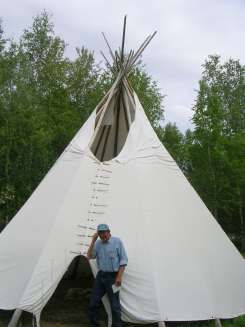
40“ ....I have found that everybody love butterflies in the
Northwest Territories!” Ross Layberry
© GNWT/ A Veitch
41Print on demand
Version January 2013
© 2013 Government of the Northwest Territories
For free copies, contact
NWTBUGS@gov.nt.ca
42You can also read


