Brexit and the future of EEA doctors working in the UK - Paul Buckley Director of Strategy & Policy - Paul Buckley, Brexit and the future of EEA ...
←
→
Page content transcription
If your browser does not render page correctly, please read the page content below
Brexit and the future of EEA
doctors working in the UK
Paul Buckley
Director of Strategy & Policy
General Medical Council
We are the UK competent authority for doctors - an independent
organisation that helps to protect patients and improve medical
education and practice across the UK:
We decide which doctors are qualified to work here and we oversee UK
medical education and training
We set the standards that doctors need to follow, and make sure that
they continue to meet these standards throughout their careers
We take action when we believe a doctor may be putting the safety of
patients, or the public’s confidence in doctors, at risk
Number of EEA graduates on the UK medical register
UK medical register

                Region of         Number of          Percentage of
                Primary Medical   licensed doctors   licensed doctors
                Qualification
                UK                161,070            66%

                EEA               21,791             9%

                IMG               59,572             25%

Data as of 30 June 2018
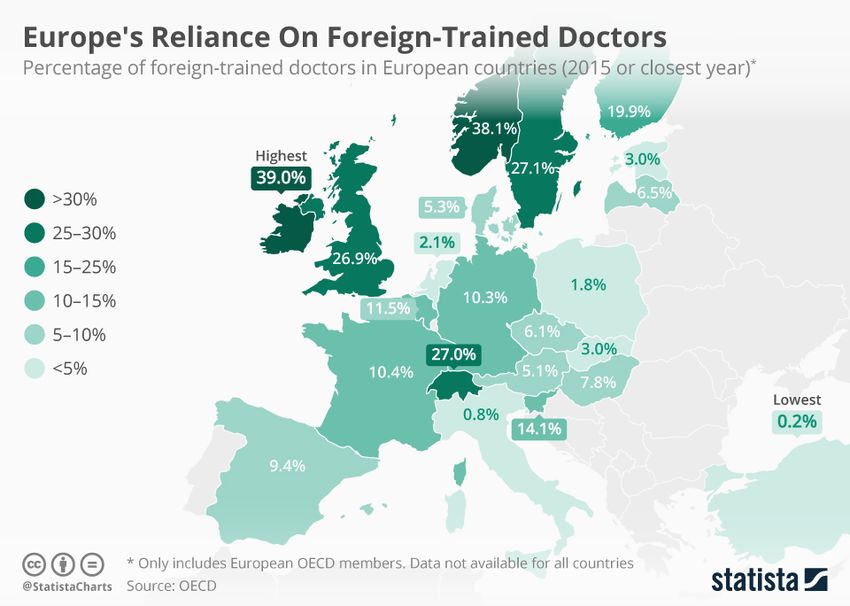
https://www.statista.com/chart/16072/percentage-of-foreign-trained-doctors-in-european-
countries   /

PMQ by EEA country as at 30 June 2018

          Rank   PMQ Country       Licensed Doctors
           1      Ireland                     3,210
           2      Greece                      2,444
           3      Romania                     2,178
           4      Italy                       2,162
           5      Germany                     2,028
           6      Poland                      1,776
           7      Spain                       1,244
           8      Czech Republic              1,170
           9      Hungary                     1,062
           10     Bulgaria                     738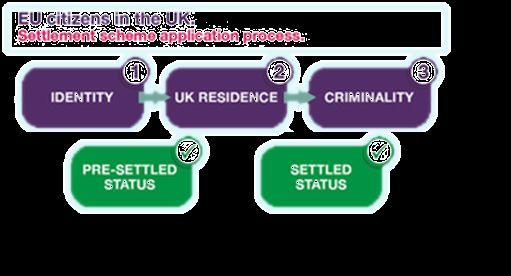
Specialties with dependency on EEA graduates

                                                 9%             14%

         Other or multiple speciality groups                                          25.3%

                            Ophthalmology                                            24.4%

                                    Surgery                                  18.4%

                                  Pathology                          13.9%

                Obstetrics and Gynaecology                           13.9%

                                  Radiology                          13.8%

                                 Paediatrics                         12.9%

                                   Medicine                      12.8%

   Anaesthetics and Intensive Care Medicine                     12.4%

                                 Psychiatry                    11.9%

                     Occupational medicine                   11.1%

                              Public Health           8.6%

                       Emergency Medicine      6.7%
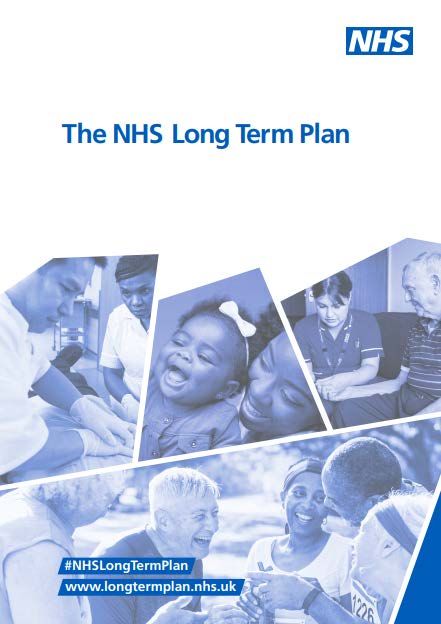
NHS long term plan in England – growing
the medical workforce
Increase numbers trained in the UK
More undergraduate places, exploring
part-time study, accelerated study
options
International recruitment
New national arrangements
Focus on retention
CPD investment
Addressing concerns about culture
Making working patterns more flexiblePlanning for Brexit – GMC priorities
To minimise any risk to patient safety either due to workforce
shortages or an inability to ensure that only doctors who are safe and
fit to practise obtain registration
To minimise any disruption in the supply of EEA graduates to the UK
medical workforce – avoiding a cliff edge in the short term
Improved information exchange with relevant European and
International counterparts for both registration checks and sharing
fitness to practise sanctions for doctors on the GMC registerWe welcome EEA doctors in the UK
It is essential that exiting the EU does not either deliberately or
inadvertently deter the approximately 2,000 EEA qualified doctors
who come here each year and contribute to the NHS
Our health service benefits considerably from the contribution of
overseas doctors and this has not changed because of the vote
to leave the EURight to remain in the UK
EU citizens living in the UK and their family members will need to
apply under the settlement scheme to obtain their new UK
immigration status
Those who have not yet lived in the UK for five years will be
granted pre-settled status and be able to apply for settled status
once they reach the five-year point
The deadline for applications will be 30 June 2021Potential Brexit scenarios
Withdrawal agreement signed – transition until 31 December 2020
Status quo for mutual recognition professional qualifications until end of 2020
No access to IMI after transition period
Withdrawal agreement fails – ‘no deal’ Brexit’ as of 29 March 2019
No mutual recognition of professional qualifications
No access to IMI as of 29 March 2019Next steps in UK parliamentary process
UK Parliament will vote on a resolution approving both the
Withdrawal Agreement and the political declaration on the future
relationship
If it is approved, the UK Government will introduce a Withdrawal
Bill to implement the agreement in domestic law – this must be
passed by exit day
The European Parliament must then approve the dealNo deal - what is the UK planning?
Medical Act amendments laid before Parliament on 20 December 2018
including:
A new international medical graduate route for registration that covers all EEA
qualifications (EU and EFTA)
Applies to any primary or specialist qualification set out in Annex V on 29 March
2019 – these will be recognised as evidence of knowledge, skill and experience
regardless of the nationality of the holder
Competent authorities can seek to remove this presumption of comparability for
any qualification if there is evidence of a patient safety risk
Removal of temporary & occasional registration
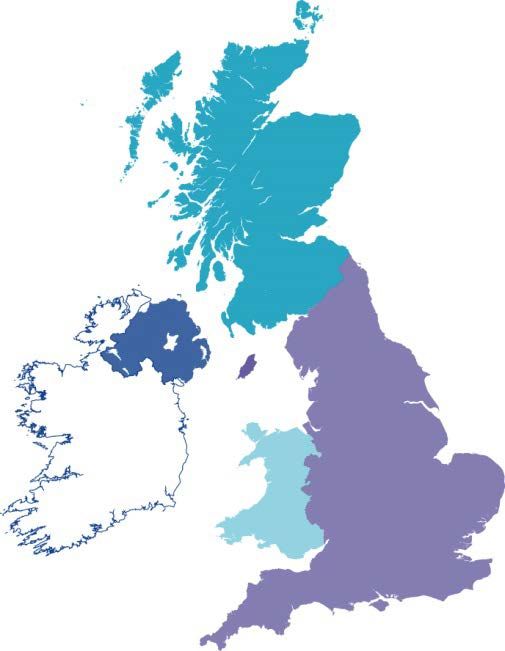
System to be reviewed two years after coming into forceWhat about the island of Ireland?
EEA graduates in Northern Ireland
Importance of cross-border Number – 544
services % of Northern Ireland’s doctors – 8.7%
• Cooperation and Working Together % Male – 56.4%
(CAWT) - partnership between % BME – 4.0%
Northern Ireland and Republic of Average age – 47.5
Ireland which facilitates cross border Average UK experience – 18.3 years
collaborative working in health and
social care.
• Cross-border Paediatric Cardiology
Services
• Proposed medical college planned for
Ulster University.Looking ahead – trade agreement?
UK government called for a new RPQ framework that:
Covers the same range of professions as the Mutual Recognition of
Qualifications Directive
Includes those operating either on a permanent or temporary basis
Provides transparency, with cooperation between regulators to facilitate
the exchange of information about breaches of professional standards,
and to review changes to professional qualifications over timeAny questions?
You can also read


