BRI and SDGs progress in Lao PDR (Work in Progress) - United Nations ESCAP
←
→
Page content transcription
If your browser does not render page correctly, please read the page content below
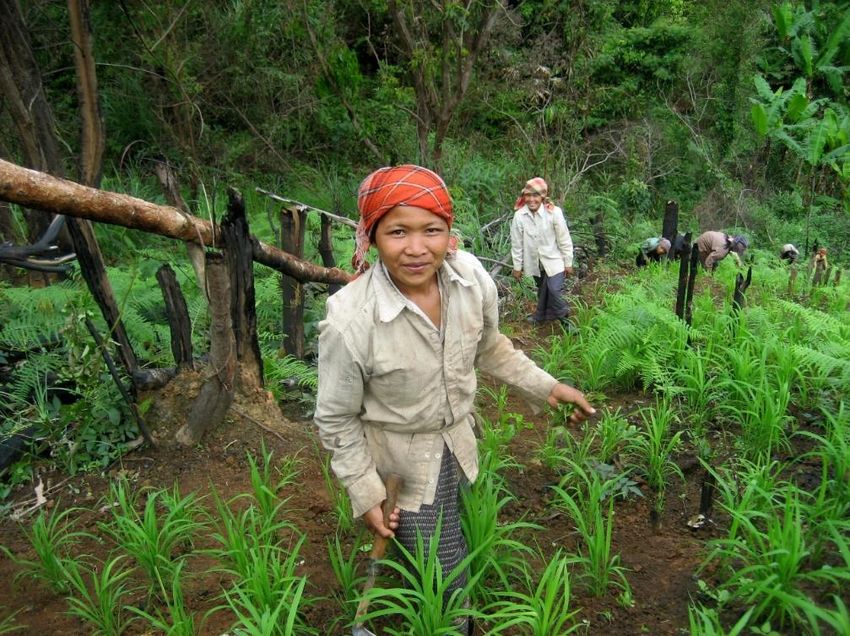
BRI and SDGs progress in Lao PDR
         (Work in Progress)
                                Vanxay Sayavong
          Researcher, National Institute for Economic Research (NIER)
      National consultant, UN Department of Economics and Social Affairs

At Workshop on Assessing the Potential Impact of the Belt and Road Initiative on
   sustainable Development Goals in Asian Economies. Organizers: UN DESA
                               And UN ESCAP
                  25-27 September 2019, Bangkok, Thailand

                                                                                   1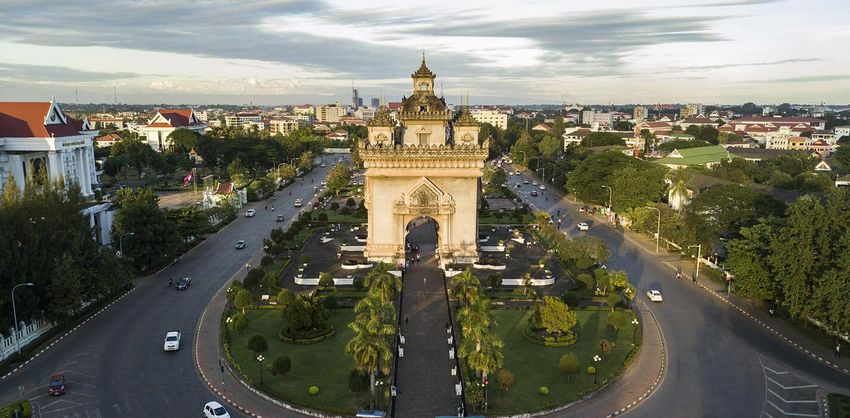
Background
Pakistan                Nepal
                           25.2%
                                     Bhutan                China                                  •   Many development indicators: poor in ASEAN
24.3%                                 8.2%                     3.1%

                                   Bangladesh                          National Poverty
                India                24.3%
                                                32.1%           5.8%                              •   Long-term goals to upgrade Income Status.
                21.9%
                                                          22.7%
                                                                                                       •   Low-middle-income to upper-middle income by
                                                        7.9%                                               2030 (Lao PDR)

                                                               14%                        21.6%
                                                                                                  •   Implemention of Sustainable Development
                                                                                                      Goals (SDGs) is challenging
                    Sri Lanka
                        4.1%

    Natural disasters                                    0.4%                                     •   Belt and Road Initiative (BRI) as the
                                                                                                      alternative resource for development but
                                                                               9.8%                   currently not well understood

                          Inequality                                                              •   BRI may entail trade-offs between short-
                                                                                                      term and long-term costs and gains within
                                                                                                      various economic sectors and social groups.

                                                                                                  •   Its impact especially on SDGs.           2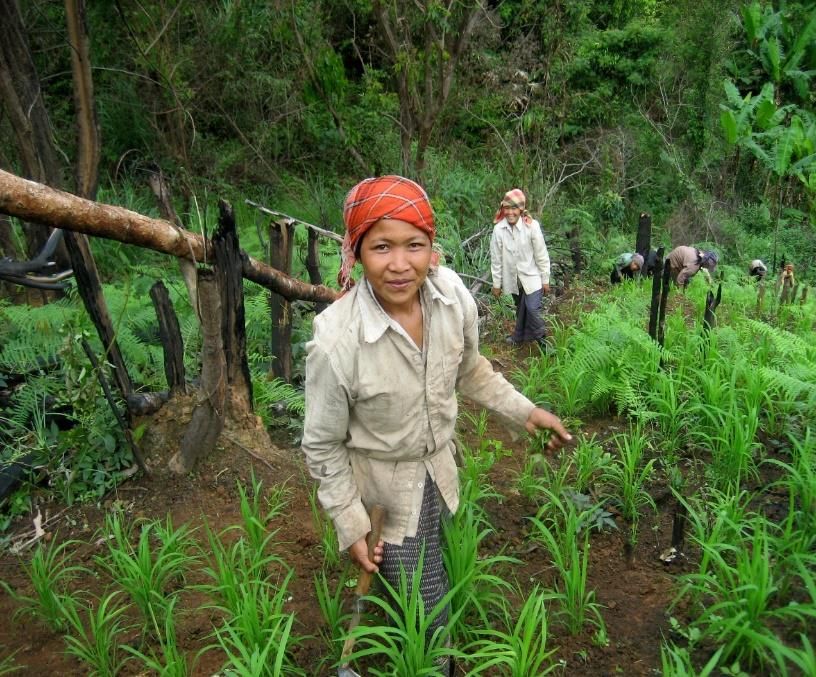
Selected projects under BRI Cooperation in Lao PDR
        Laos-China railway project

                                                                                                                    Beautiful Boten Special Economic Zone (Lao side-
Total Investment     5.9 billion USD or 35% of                                                                      under construction) in Mohan-Boten Economic
                     GDP                                                                                            Cooperation Zone

Timeline             2016-2021
Construction         Distance 414 km,

Speed                mountain: 160 km/h,
                     flatland: 200 km/h,
                     freight: 120 km/h
Stations             32 stations
Travel time          10 hours (currently 24+by
(kunming to          road)
Vientiane)

                                                                                                                           Model of Vientiane Saysettha Development Zone
Progress: 74.8% complete (July 2019)
                                                 Source: edited from Boten Economic Zone Office and google search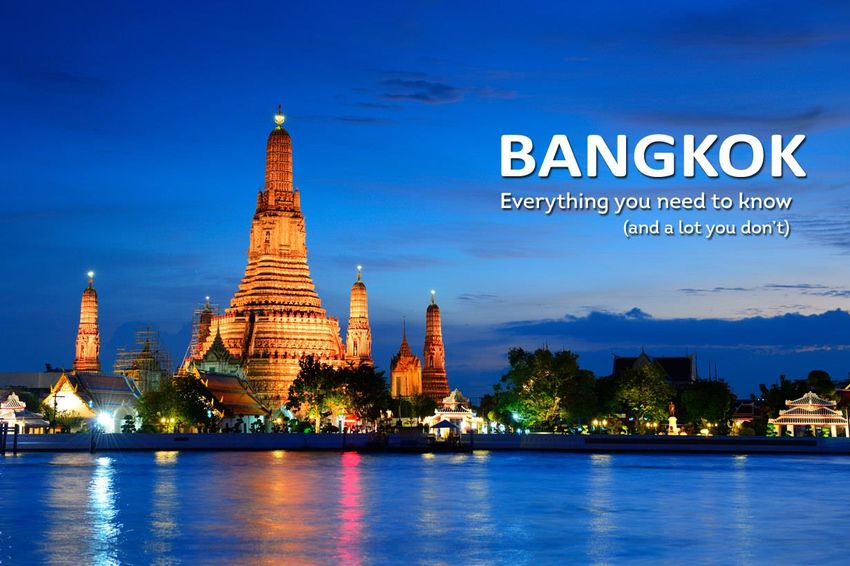
Potential Impact of Lao-China railway

• During construction:
    • Domestic value added: 174-290 million USD per                                    Contribution to GDP Growth (%)
      year                                                         8.0%         7.0%         6.9%                                    6.8%
    • Contribute to GDP growth: 0.4-1.0% per year.                 7.0%                                   6.3%       6.5%
    • Construction materials are almost imported.                  6.0%
                                                                                            1.8%
                                                                   5.0%        1.9%
    • Spill-over effects: Cement, electricity and others.                                                 2.7%                        2.9%
                                                                                            0.9%                      2.8%
                                                                   4.0%
    • Employment: 28,234 workers (July 2019).
                                                                   3.0%                                   1.0%        0.4%
    • Provide training to workers                                  2.0%        2.6%         2.9%
                                                                   1.0%                                   1.3%        1.2%            1.5%
• After the complete of construction:                              0.0%                                                              -0.1%
    • Lao export to China up 60% but more imports                  -1.0%       2016         2017          2018       2019_P          2020_P
    • Increase of passengers via railway:                                  Agriculture          Mining & Quarrying     Electricity
                                                                           Manufacturing        Construction           Lao-China Railway
         • 380,000-1,150,000 Chinese tourists
                                                                           Services             Net tax                GDP
         • Domestic passengers expected to pick up
    • Transport, logistic and other services follow                    Source: Lao Statistics Bureau (LSB) but the projection for 2019
    • Employment: around 6,180 employees for railway                   and 2020 is from the author
      operation
    • Education: the establishment of railway college/university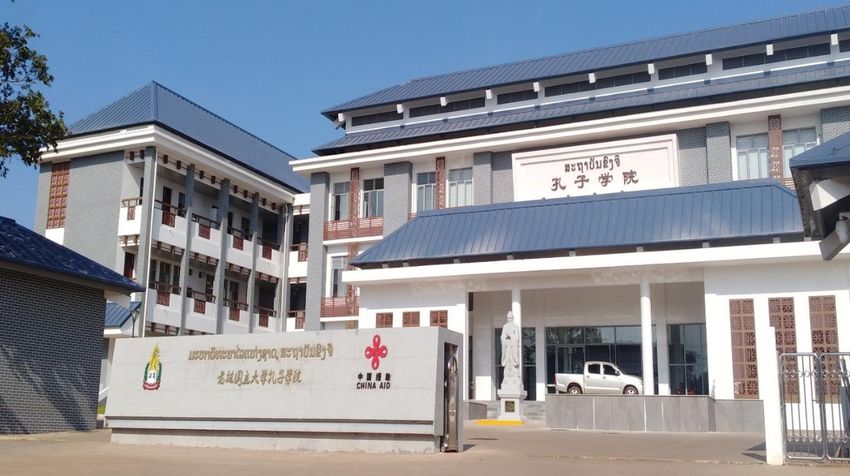
In Local Communities: During Construction

                                     • Health
                                     • Estimated 400 sex workers
                                       (HIV/AIDS or other
                                       transmission diseases)

                                   • Limited local employment
                                     due to barrier of language
                                   • 23,471 foreign workers        • Compensation and resettlement

                                   • 4,763 local workers           • To 4,000 local households at 167
                                                                     villages in 13 districts within 4
                                                                     provinces

Source of Photo: google search and a photo taken by the author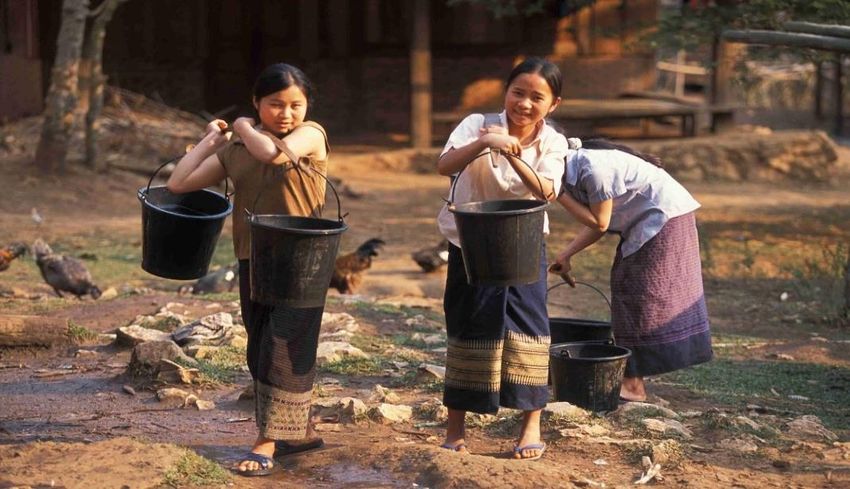
Sustainable Development Goals (SDGs) in Lao PDR

SDGs - No One Left Behind        Pushing BRI towards SDGs in Laos: the case of railway project
                                                  Poor Performance                             Opportunity   Risk
                            Goal 1: No poverty                                                       Yes     Yes
                            Goal 2: Zero hunger
                            Goal 5: Achieving gender equality
                            Goal 7: Ensuring access to the affordable and clear energy               Yes
                            Goal 9: Industry, innovation and infrastructure                          Yes
                            Goal 10: Reduced inequalities                                            Yes     Yes
                                                  Good Performance                             Opportunity   Risk
                            Goal 3: Ensuring good health and well-being                                      Yes
                            Goal 11: Sustainable cities and communities                                      Yes
                            Goal 12: Responsible consumption and production                          Yes     Yes

                            Source: The initial assessment by the author based on information from
                            the report by ADB (2018, pp. 30–65) and author’s assessment

                                                                                                                    6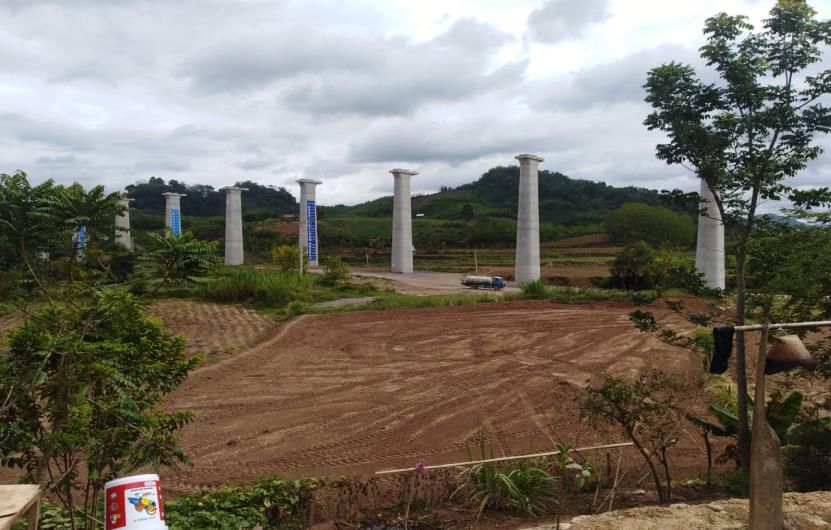
Sustainable Development Goals (SDGs) in Laos
National SDG Goal 18: Lives Safe from Unexploded Ordnance (UXO)

                                                            • About 459 UXO booms and related 463.536 pieces in
                                                              2,931 ha had been cultivated during the construction of
                                                              Lao-China railway during January 2017-July 2019

                                                            • But 80 million bombs remain unexploded and many
                                                              people who lives in the outside of investment areas
                                                              under BRI

               Expected area of
             railway construction

                                                                                                            7
                                    Source: edited from google search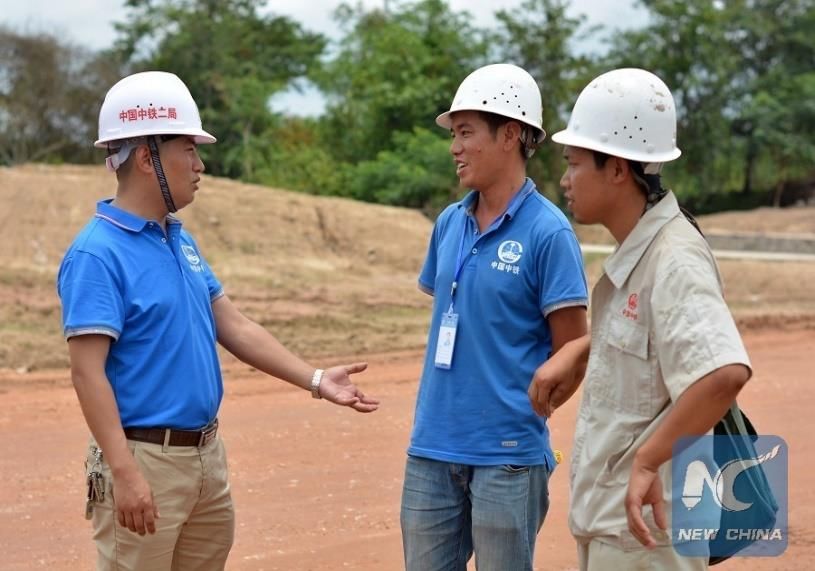
Chinese Official Development Assistance (ODA)
         Chinese grant of 6.57 billion Yuan or                                                     Goal 17: Global Partnership
           950 million USD (6.2% of GDP in
                                                                                           • Indicator 17.9.1: financial and technical assistance to
         2017) for more than 1,100 projects                                                  developing countries
                                                                                                • 46 million USD on average during 2000-2008 to 74.5 million USD annually
                                                                                                  during 2009-2016

                      Capacity Building, 5%                                                • Indicator of 17.19.1: value of all resources made available to
                                                                                             strengthen statistical capacity in developing countries (current
                                                                                             USD)
        Technology and                                    Education and
          Science, 9%                                      related, 21%

                                                                   Health and
                                                                 sanitation, 12%
Infrastructure, 47%
                                                                Agricultur
                                                                  e, 8%
 Source: Author summarizes the announcement letter from Lao prime minister’s office 2018
                                                                                                Source: Photo taken by the author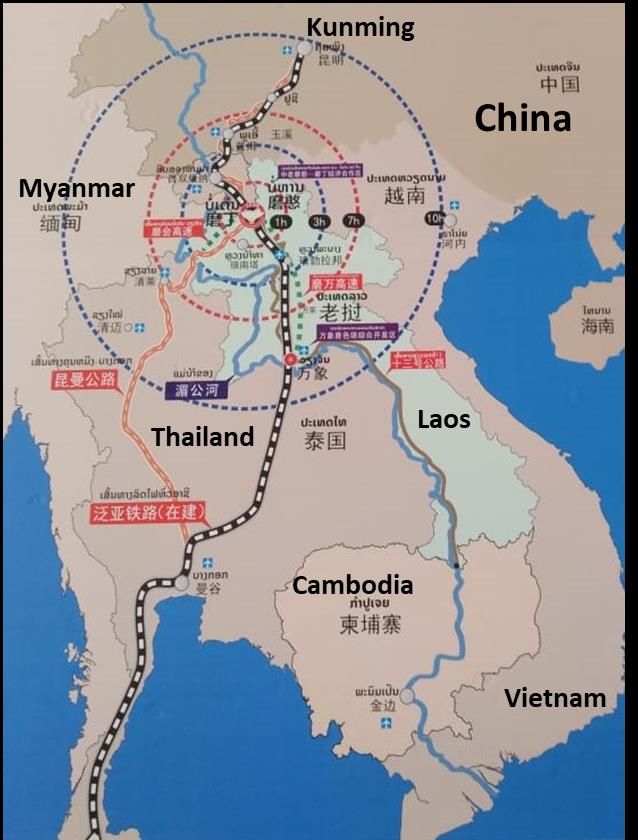
Conclusion
                                 • Rapidly increase of activities (opportunities and challenges) under
                                   BRI cooperation, the domestic capacity both public and private
                                   sectors? Transparency, accountability and efficiency.

                                 • To maximize the opportunity and minimize the risk on SDGs
                                   particularly at the local communities.
                                     • Requires strong political will
                                     • Requires strong participation of local communities.
                                     • Requires the intervention programs on health and
                                       environment at the local community
                                     • Requires the social and environmental responsibility from
                                       firms
                                 • Designing BRI towards SDGs and other national long term goals by
                                   2030
                                     • Especially the SDGs with poor performance and Goal 18 life
                                       save from UXOs
Source of Photo: google search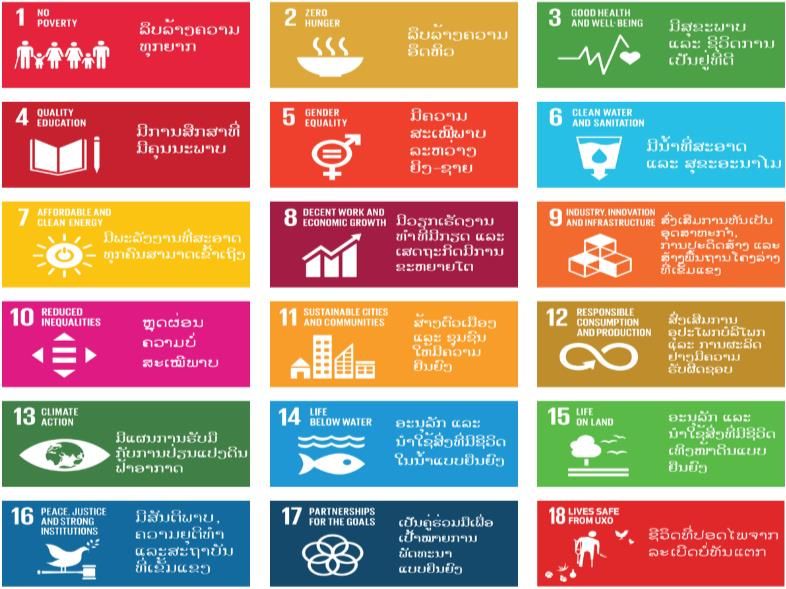
Vientiane, Lao PDR               Bangkok, Thailand

                     Thank you
You can also read


