Building a Sustainable Society in Harmony with Nature
←
→
Page content transcription
If your browser does not render page correctly, please read the page content below
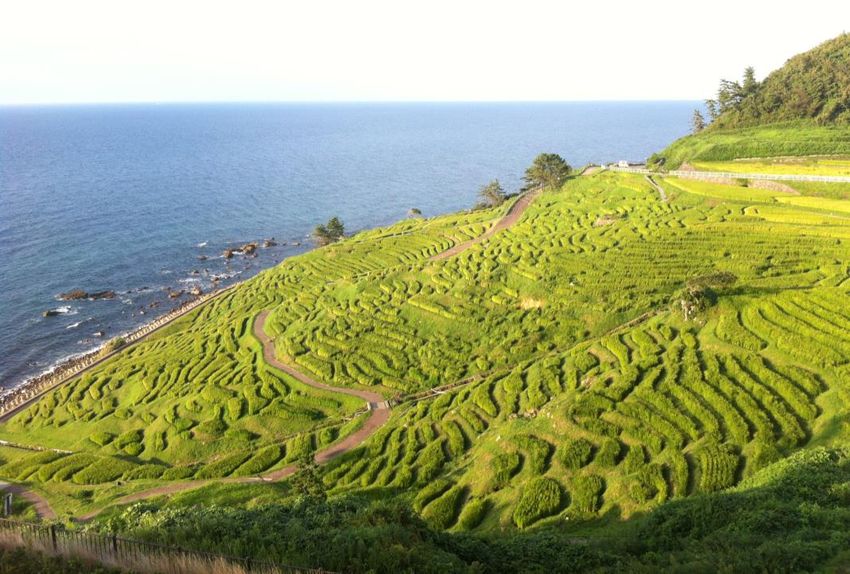
Building a Sustainable Society
   in Harmony with Nature

              Prof. Dr. Kazuhiko TAKEUCHI
 Director, Integrated Research System for Sustainability Science (IR3S),
     The University of Tokyo Institutes for Advanced Study (UTIAS)
            Senior Visiting Professor, United Nations University
       Institute for the Advanced Study of Sustainability (UNU-IAS)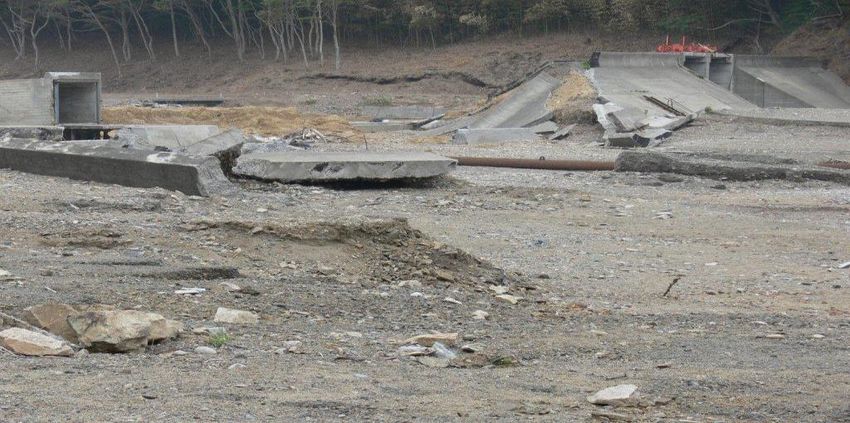
1   Millennium Ecosystem Assessment
    (MA) and the Japan Satoyama
    Satoumi Assessment (JSSA)

                                      2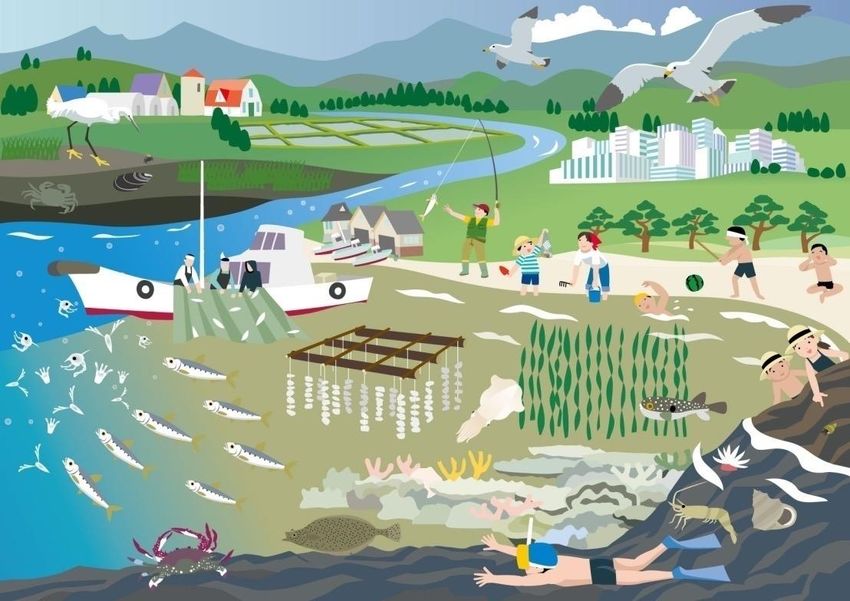
Japan Satoyama Satoumi
Assessment (JSSA)
An assessment of ecosystem services provided by
satoyama landscapes and satoumi seascapes, and
their contributions to human wellbeing.
                                             JSSA was
                                             launched in
                                             2007 as a
                                             follow up on
                                             the MA, and
                                             the JSSA
                                             findings were
                                             reported in
                                             2010 during
                                             the CBD
                                             COP10.
                                            (JSSA, 2012)     3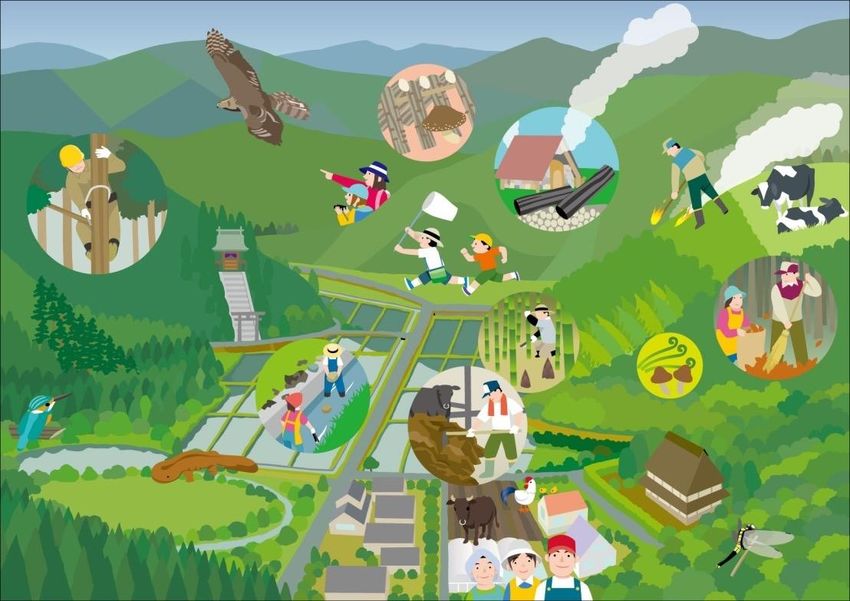
The Concepts of Satoyama Landscapes
and Satoumi Seascapes
 Socio-Ecological Production Landscapes and Seascapes
 (SEPLS): composed of dynamic mosaics of managed
 social-ecological systems producing a bundle of ecosystem
 services for human wellbeing.

      Satoyama Landscape               Satoumi Seascape
                                       (JSSA, 2010, 2012)    4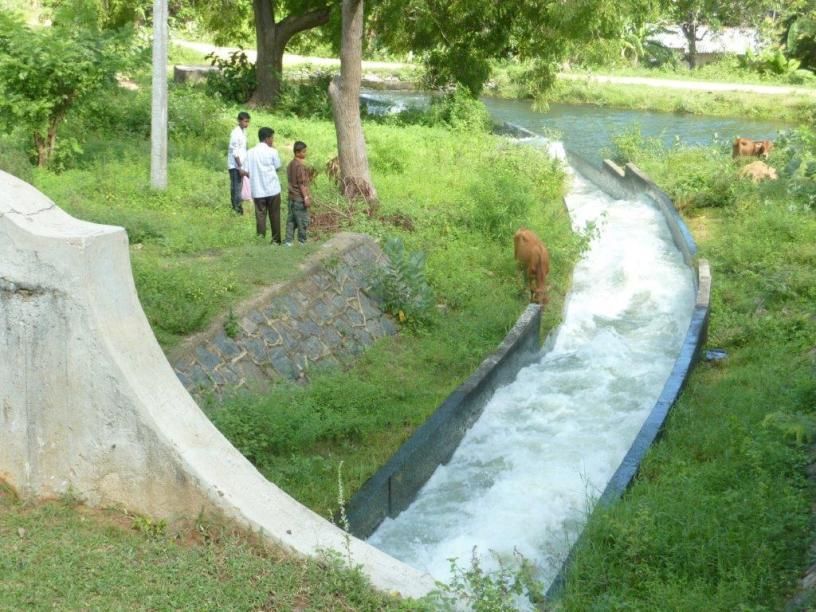
Changes in Satoyama Landscapes
  in the past 50 years
• Physical loss, such as conversion of
  woodlands to housing areas, and
  degradation caused by reduced
  capacity to manage satoyama
  landscapes with decreased rural
  populations, resulting from rapid
  urbanization and super-aging society.
• Monoculture plantations made up of    Abandoned Farmlands
  shallow-rooted coniferous trees       in Niigata Prefecture
  causing decline in disaster           (Photo by Dr. Yonezawa)
  prevention functions, coupled with
  change in demand for timber.

                                                                  5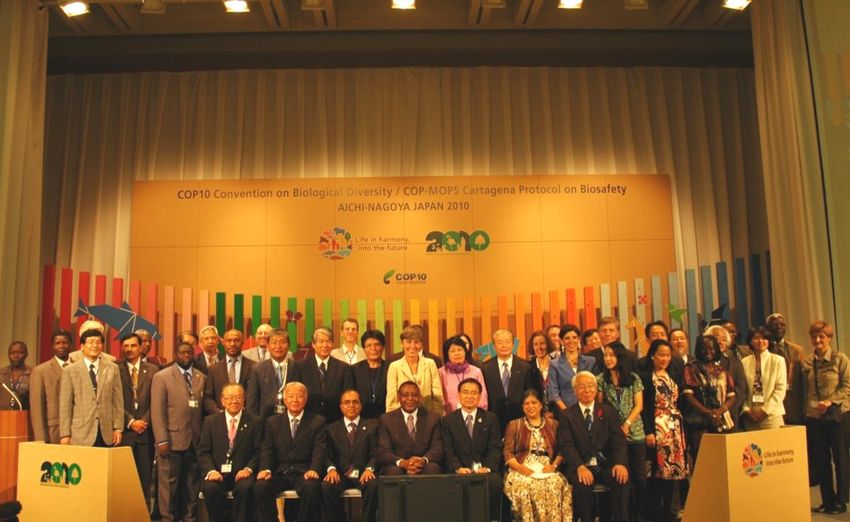
Changes in Satoumi Seascapes
in the Past 50 Years
• The diversity and population of
  marine organisms have declined
  since the 1960’s, and recovered
  since the mid 1990’s but are still far
  lower than their original levels.
• Fishing catches initially increased
  due to technological and economic
  development, but decreased over
  time due to over-fishing and
  declining domestic fisheries.
                                           Seto Inland Sea
• Satoumi resources have depleted
                                           with Red Tide
  by pollution: some species’ stocks       Source: Ministry of the
  decreased with climate change.           Environment "Setouchi Net"

                                                                    6
For Revitalizing Satoyama and Satoumi
Farmlands and rivers          Mountains              Oceans
● Land use plans              ● Conversion to multi- ● Water quality
● Ordinance for satoyama        storied forest         regulations
  conservation                ● Appropriate          ● Ordinance for
● System of direct              management of          satoumi
  payment to hilly and          forests                conservation
  mountainous areas           ● Biomass utilization  ● Ocean pollution
● Action plan for landscape   ● Forest environmental   prevention
  improvement                   taxes
Biodiversity           All areas
● National & Local    ● Environmental Impact Assessment
  Biodiversity       ● Certification systems for primary products
  Strategy           ● Rebuilding of "New Commons"
● Nature restoration ● Scientific research by local university and
  projects             government

 ● Legal       ●Economic         ● Technological   ● Cognitive

                                           (Modified after JSSA, 2010) 7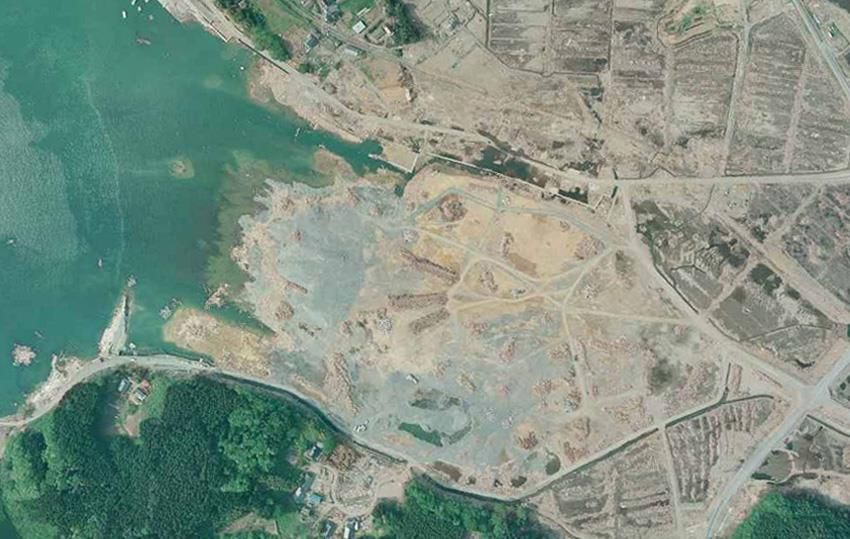
IPSI Secretariat, UNU

2   The Convention on
    Biological Diversity (CBD) and
    the International Partnership for
    the Satoyama Initiative (IPSI)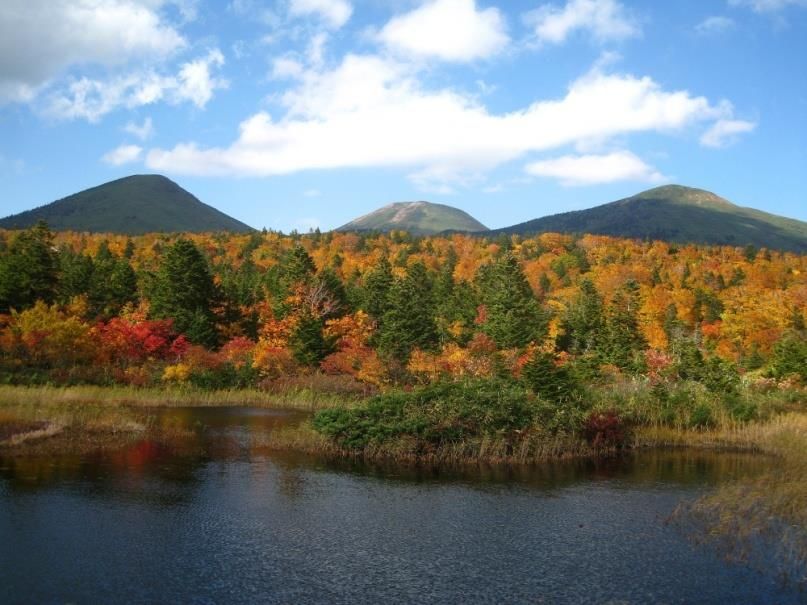
CBD Objectives and COP 10
Three objectives:
1. Conservation of biological diversity
2. Sustainable use of biodiversity
3. Access and benefit sharing (ABS) of
genetic resources
IPSI Secretariat, UNU
The Strategic Plan for Biodiversity
Decision X/32
2011–2020 and the Aichi Biodiversity “Recognises the
Targets (20 targets to be achieved by Satoyama Initiative as
a potentially useful
2020) were adapted. tool to better
understand and
A decision recognizing the Satoyama support human-
Initiative (X/32) (related to objective 2) influenced natural
environments for the
Nagoya Protocol on ABS (related to benefit of biodiversity
objective 3) and human wellbeing
9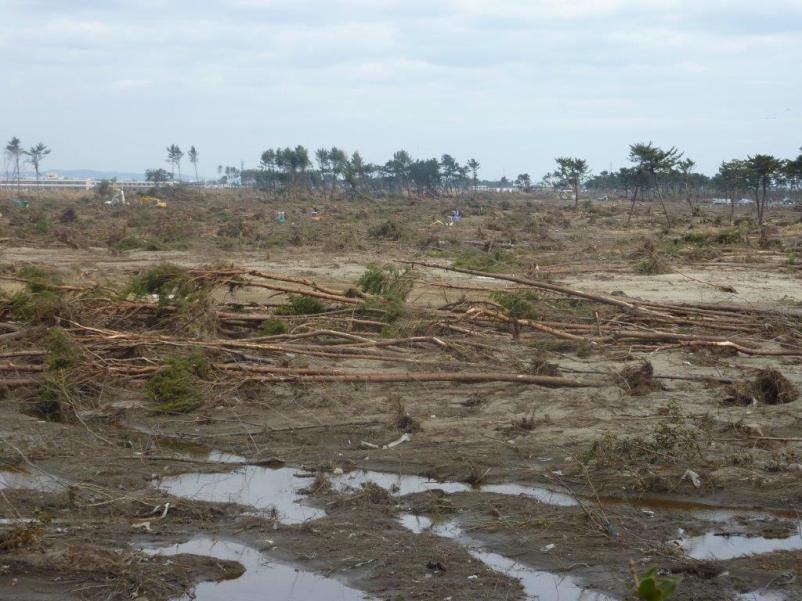
The Satoyama Initiative
• A global effort to realize “societies in harmony with nature”
• Contributes to the CBD’s second objective: “Sustainable use
  of biodiversity”
• Socio-Ecological Production Landscapes and Seascapes
  (SEPLS)
 • Dynamic mosaics of habitats and land uses
 • Providing humans with the goods and services for their
   wellbeing while conserving biodiversity

Paddy-dominated landscape in Bali   Agroecological system in Peru       Satoyama in Japan
   (Photo: Kazuhiko Takeuchi)           (Photo: Akira Nagata)       (Photo: Kazuhiko Takeuchi)

                                                                                          10
Vision: Societies
in harmony with nature
Three-fold Approach:
1. Consolidate wisdom on securing diverse
ecosystem services and values
2. Integrate traditional ecological knowledge
and modern science
3. Explore new forms of co-management
Resource use systems as “new commons”
within the Improved
carrying community
capacity resilience
Cyclical use of
natural Socio-economic
Recognition contributions
resources of the value of Multi-
stakeholder
local traditions participation
and cultures
(Modified after IPSI Secretariat, UNU, 2016) 11Plantation vs. Agroforestry Systems
in Yunnan Province, Southern China
• Mono-cropping • Multi cropping
• Homogeneous • Mosaic landscape
landscape • Small volume
• Mass production production
• Lower price • Added value
Tea terraces Tea forests
(Photos: L. Liang)
12Activities of IPSI
On-the-ground Resource mobilization
activities / Capacity building
(Photo: Kaoru Ichikawa) (Photo: IPSI Secretariat, UNU)
Networking
(Photo: IPSI Secretariat, UNU)
(Photo: IPSI Secretariat, UNU)
Knowledge facilitation/ Research & develop-
Policy research ment on indicators
133 Globally Important Agricultural
Heritage Systems (GIAHS) and
Japanese Socio-Ecological
Production Landscapes and
Seascapes(SEPLS)
14Definition of GIAHS
GIAHS are defined as “remarkable land use systems and
landscapes which are rich in globally significant biological
diversity evolving from the co-adaptation of a community
with its environment and its needs and aspirations for
sustainable development (FAO, 2002)”
• GIAHS are selected on the 5 key criteria, which collectively
promote a holistic, integrated system approach of adaptive
management and dynamic conservation.
• They emphasize the importance of appropriate human
activities and their role in dynamic conservation.
• If well conserved, GIAHS are resilient to ecological and
socio-economic changes.
15GIAHS Selection Criteria (from Jan. 2017)
Characteristics of Global Importance
Historical and contemporary relevance;
Sustainable development; Biocultural diversity
Food & Local & Culture, Landscape
Agro-
livelihood traditional value & & seascape
biodiversity
security knowledge social org- features
systems anizations
Action Plan
Policies, strategies & actions for dynamic conservation;
Multi-stakeholder involvement; Monitoring and evaluation 16
(Source: FAO, 2016) 1637 GIAHS Sites around the World
Region (No. of Sites) Country (No. of Sites)
Asia (28) China (11), Japan (8), India (3), Korea (2), the Philippines (1),
Iran (1), Bangladesh (1), UAE (1)
Africa (7) Tanzania (2), Kenya (1), Morocco (1), Tunisia (1), Algeria (1),
Egypt (1)
Latin America (2) Chile (1), Peru (1)
(Photo: FAO/
Liana John)
(Photo: FAO/
M.S. Swaminathan)
(Photo: FAO/
David Boerma)
• Apart from Japan and Korea, GIAHS are mostly located
in developing countries. However the GIAHS concept is
relevant and applicable to developed countries too.
17GIAHS in Japan
Total of 8 GIAHS Sites (as of Nov 2016)
Noto’s
Sado Satoyama
Satoyama
with Crested Ibis
& Satoumi
◆ Designated in 2011
Traditional Tea-Grass
◆ Designated in 2013
Integrated System
◆ Designated in 2015
Managing
Aso Ayu Fish of the
Grasslands Nagara River
Ume System of
Minabe & Tanabe
Integrated Forestry & Mountainous Agriculture &
Agricultural System Forestry System
18Strengthening the Functions of
19
SEPLS through GIAHS
Establish New Create New Business
Enhance Resilience
Commons Models
• Integrating
• Adding value to
traditional & modern • Revitalizing
agricultural products
scientific knowledge traditional culture
and branding
• Enhancing • Bringing together
• Promoting
resilience to multi-stakeholders
agritourism and
ecological and from local as well
alternative
socio-economic as from urban areas
livelihoods
changes
Irrigation ponds system Rice terrace conservation Branding of rice
194 Enhancing Resilience in Socio-
Ecological Production Landscapes
and Seascapes (SEPLS) in South-
East Asia and Sub-Saharan AfricaConcept of Mosaic Systems
Traditional bio-production Modern bio-production
systems systems
Small input from outside of Large input from outside of
the system the system
Paddy field Farm house
Farm house
Paddy field
High Traditional system Traditional
(high biodiversity) Low biodiversity
biodiversity system
Small external output Large external output
Improvement of economic Improvement of ecological
efficiency sustainability
Mosaic bio-production systems for enhancing resilience
21VAC system and Paddy Production:
Viet Nam
• The VAC system, which is a traditional home garden system,
is more resilient but not economically efficient.
• Integrating high yielding and traditional variety, which can
respond to salinization around the Hong River in Viet Nam.
Vuon Compost 1 2 3
(Garden, Fruits)
Chuong
(Livestock) Salinization
Fruit Leaking
Manure
from dyke
Ao
House (Aquaculture pond) Hong River
1 2
Fish Eggs Rush Glutinous
Meat
3 Response to salt
VAC system intrusion
High Yield 22Integration of Irrigation Systems:
Sri Lanka 100
90
Tank Only Normal Reservoir Only (Dry year) Tanks+Reservoir (Dry Year)
80
• Integration of traditional and 70
Coverage %
60
50
modern systems can meet 40
30
demand in a normal year, 20
10
0
but it is not sufficient in 1 2 3 4 5 6 7
Month of the year
8 9 10 11 12
drought years (approx. 1 Integration of traditional and modern
every 5 years). irrigation systems
• It is possible to meet total Reservoir+Tanks (Joint Management - Sept.)
New Reservoir Dry Year
Tanks + New Reservor (Independent Management)
Tanks Only Normal Year
water demand by 100
preferentially using water Demand Coverage %
80
60
stored in traditional tanks, 40
20
and then operating these in 0
1 11 21 31 41 51 61 71 81 91 101 111 121 131
combination with a new Tradi onal Tank No.
Joint management to meet demand
reservoir. in September of a drought year
(Modifying Takeuchi et al., 2016) 23Climate/Ecosystem Changes
in Northern Ghana
• Long term climate and ecosystem
changes are expected to increasing
frequency of droughts and floods.
• Increasing scarcity of water for
agriculture and domestic uses linked to
climate/ecosystem changes. Severe droughts
• Negative effects on agricultural
practices are being experienced
(reduction in yields of maize and millet )
• Need for developing strategies for
enhancing resilience of local
communities.
Risk of floods
24Diversification of Livelihoods
• Household members —
both men and women —
look for diverse livelihood
opportunities inside and
outside of their Promoting pepper and okra
communities. (crop diversification)
• Livelihood diversity (on-
farm, off-farm, non-farm
opportunities) can enhance
the resilience of the
community.
• Expanding the value chain
Selling honey
to sell products in the
(livelihood diversification)
community.
25Shea Butter and Women’s Empowerment
• Access to ecosystem services
in local community are
continuously suffering from
land degradation, and
unpredictable rainfall.
• Women are disadvantaged Shea tree and fruit
in accessing fertile land and
other income sources.
• Shea butter:
– strong in droughts & floods
– generating additional value
– women’s empowerment Women’s empowerment and
shea
26Co-Creating Drama
with Communities Key Messages in Theatre
• There are major challenges in Past Present
effectively engaging communities • Predictable • Unpredictability in
weather weather
and disseminating scientific • Fertile land • Shortage of fertile
findings where illiteracy rates are farmlands
high. Future • Integrating
• Extreme weather knowledge
• Locals draw on traditional culture • Multiple livelihood • Climate-smart
and practices to tell stories of sources agriculture
changes in their community.
• An opportunity to empower local
communities to understand
research findings and promote
self-action beyond immediate
project interventions.
275 Ecosystem-Based Disaster Risk
Reduction (Eco-DRR) after the
Great East Japan Earthquake and
Tsunami of 2011
28The Pacific Ring of Fire and a
Society in Harmony with Nature
•29 The Pacific Ring of Fire provides us with
scenic natural beauty and rich nature.
• But it also causes sudden natural
disasters which pose a great threat to
people.
• It is important to recognize the
coexistence of both the blessings and
The Northern Hakkoda mountain
threats of nature.
• We must recognize the limits of relying
just on artificial physical structures to
prevent and mitigate the effects of natural
disasters.
• We should aim to create a resilient
society in harmony with nature, which is
able to mitigate natural disasters.
The limits of structural measures
29Blessings and Threats of Nature in Japan:
Case in Aso Grassland (Takeuchi et al., 2016)
Blessings Grazing in
of Nature Aso
Grassland
Scenic Beauty Nutrient-rich Vegetation landscape
Volcanic Sediments Water
Aso Caldera
Geothermal Biodiversity Four seasons
Geophysical Hot springs Meteorological
Events Events
Landslides
Great
Storm
Earthquake Kumamoto
Kumamoto s Heavy rain Regional
Earthquake Flood
April 2016 Droughts Sea-level rises July 2012
Tsunami Threats of
Nature (Source: MLIT
Hazardous volcanic events HP)
(Disasters) Climate
Change
30What is a Resilient Society?
• Disasters can be unexpected (short- 1977
31 term), such as earthquakes and
volcanic activity, or regular (long-
term), such as climate/ecosystem
changes.
• It is vital for communities to develop
adaptation measures to deal with 2011
both sudden and gradual disasters.
• Fragile environments can be naturally
restored, which creates new value.
• In Japan in particular, we need to
combine establishing a resilient
society with addressing other Rikuzentakada City, Iwate Pref.
challenges such as depopulation and Under the restoration plan, the
a super-aging society. state of tidal flats after the 2011
tsunami will be maintained
31The Sanriku Fukko National Park
and Green Reconstruction Projects
• The “Sanriku Fukko
(Reconstruction) National Park”
was established in May 2013.
• The national park emphasizes
the close relationship between
people and nature.
• The Green Reconstruction
Project includes the
establishment of a Satoyama
/Satoumi Field Museum.
• We need to pass on
experience of the disasters to
the next generations.
32Case Study of Kesennuma Oshima
Island in the Sanriku Fukko National Park
• Many nature experience
opportunities were provided on the
island before the GEJE.
• After the GEJE, it was decided at
Tanakahama beach not to
construct a high seawall. Tanakahama Beach in
Kesennuma Oshima Island
• They decided to establish disaster
prevention forests behind the coast.
• MOEJ redeveloped a centre for
nature experience programs near
the beach and developed an
emergency evacuation route to
reduce tsunami risks. Emergency evacuation route
at Tanakahama Beach
336 Establishing a Sustainable and
Resilient Society in Harmony
with Nature for Enhancing
Inclusive Human WellbeingJapan’s National Biodiversity Strategy
2012–2020
• Adoption of the Aichi Biodiversity Targets
under CBD/COP10 prompted a review of
Japan's National Biodiversity Strategy
Action Plan (NBSAP).
• The Great East Japan Earthquake in 2011
was also a major factor in the review of
the NBSAP.
• Recognition that nature in Japan is both a
blessing and a threat, to be approached
with gratitude and respect.
• Japan’s NBSAP was submitted to
CBD/COP11 held in Hyderabad in 2012
as a "Roadmap for Creating a Prosperous
Society in Harmony with Nature“.
(MOEJ,
35 2012) 35Changing Relationships between
People and Nature
Nature People
Past Closed and Ecosystem services
coupled social-
ecological systems
Natural resource
Open and management
Present decoupled
systems
Toward
i.e., Intensification of i.e., Migration to
multi-level
monoculture urban areas
governance:
Future Cross-scale,
connected and
coupled social-
ecological systems
Ecological Systems Social Systems
(Takeuchi et al., 2016) 36Multi-Level Nested Governance
of Ecosystems
• Collaborative management in Global / Regional / National
Aid Int’l
order to avoid degradation of UN agencies NGOs Multinational
companies
Nations Regional
ecosystems and to promote communities
sustainable provision of Global and national initiatives
ecosystem services. Stake Stake
Stake
Stake holder holder Stake
holder Stake
• Exploring new governance holder Stake
holder
Stake
holder
holder
holder
structures or “new commons” Multi-level nested governance
through the participation of of ecosystems
various stakeholders.
Urban Small
Local gov’t
• Building multi-level and nested
Farmers, residents enterprises Universities
foresters,
Local
fishers Co-ops
communities
NPOs
governance structures that value Local collaboration
bottom-up activities while
connecting with global networks. Local / Community-based
37Promoting the Social-Ecological Sphere
through Rural–Urban Linkages
Disaster risk
reduction
Network of
decentralized Daily ecosystem
Rural self-sustaining services such as
Forests areas communities
food & water
provisioning &
recreation
Social-ecological
Farmland sphere
Network of Urban
decentralized areas Rivers
self-sustaining
communities
Participatory
approach Oceans
(MOEJ, 2012) 38A Sustainable Society in Harmony
with Nature and SDGs
Agriculture Sustainable
and fisheries production
and
consumption
Society in
Harmony with
Nature
Sustainable Revitalization
use and of industry
conservation
of resources
Sustainable energy
39Conclusion (I)
1. Strengthening the connection between people and
nature leads to the recovery of degraded ecosystems
and at the same time improvement of human wellbeing
to enrich life for all.
2. In order to reestablish the linkage between people and
nature that has been weakened by the processes of
modernization and globalization, it is necessary to create
a new society that makes full use of ecosystems.
3. At the same time, to build a society open to the world we
need to create a society in harmony with nature through
local production and consumption, and also actively
interact with the people of the world through networking.
40Conclusion (II)
4. The Satoyama Initiative led by MOEJ, Japan and United
Nations University (UNU), and the GIAHS programme led
by FAO will greatly contribute to the creation of such a
sustainable society in harmony with nature.
5. Re-naturalization of environments that are vulnerable to
natural disasters contributes to ecosystem-based disaster
risk reduction (Eco-DRR) and also leads to an increase in
the value of the community through regeneration of nature.
6. Realizing a sustainable society in harmony with nature
requires the creation of “new commons” through the
participation of multiple, diverse stakeholders to
coordinate international and local activities.
41You can also read


