Building Science Mastery with BrainPOP: Three Dimensional Research-Based Learning Unlocked
←
→
Page content transcription
If your browser does not render page correctly, please read the page content below

Building Science Mastery
    with BrainPOP®:
    Three Dimensional Research-Based
    Learning Unlocked

    Co-authors:
    Yigal Rosen, Ph.D.
    Laurel Ozersky, M.A.
    Melissa Whitehead, Ed.D.
    Ilia Rushkin, Ph.D.
    Maneeza Dawood, Ph.D.
    Elizabeth O’Riordan, B.A.

    Certified by Digital Promised as Research-
    Based Designed Product1

1
    BrainPOP® has earned the Research-Based Design product certification from Digital Promise

    in August 2020. The new product certification is intended to serve as a rigorous, reliable signal

    for consumers, including school administrators, educators, and families, looking for evidence

    of research-based educational technology products. BrainPOP® submitted evidence to Digital

    Promise confirming a link between research on how students learn and the design of our

    products (Hubert, & Rosen, 2020).
Building Science Mastery

 Introduction
 Advances in science, technology, and engineering, as well as changes in the science education landscape, create opportunities
 to engage the new generation of scientific thinkers in more powerful real-world learning experiences. Becoming scientifically
 competent embodies the idea that the objectives of science education should be both broad and applied. Thus, within this
 framework, BrainPOP Science provides an opportunity for educators to build student mastery through three-dimensional learning
 that refers both to a knowledge of science, cross-cutting concepts, and scientific and engineering practices. Research-based
 scientific inquiry introduced by BrainPOP involves scaffolded interactive investigations, embedded assessments, and actionable
 diagnostic tools designed to inform differentiated learning and instruction.

 In this paper, we provide an overview of the key learning and assessment design principles that guided the development of
 BrainPOP Science and supporting evidence from efficacy studies conducted over the years in collaboration with researchers,
 educators, and students.

                            BrainPOP is currently one of the most widely used
                                    science resources in US schools
                                             (usage between August 2020 to March 31, 2021)

       3,108,916 students                                149,117 teachers                               77,703 teachers
      have completed one or more                      have completed one or more                       have created one or more
  Science activity (median activities = 4)                  Science activity                        assignment with Science activity

                                             Five most popular topics in Science: Scientific Method,
                                             States of Matter, Ecosystems, Water Cycle, and Forces

 Changing Landscape of
 Science Education
 The landscape of education has gone through a major                       form the foundation of scientific and engineering thought
 transformation for K-12 science and has fundamentally                     and the degree to which such knowledge is supported
 changed its focus. Historically, K-12 science standards                   by evidence. The role of science education is to prepare
 and instruction were focused on students memorizing                       students with core knowledge that they can build upon,
 facts about science and the physical act of doing science                 on their own, in the future. Preparing our students with a
 was minimal. A growing body of evidence in science                        set of core ideas and practices allows them to continue
 learning has shown that engaging students in scientific                   their development as scientific learners, users of scientific
 inquiry is critical for the development of scientific                     knowledge, and possibly as producers of new knowledge
 competency (National Academy of Science, 1995; 2018;                      and new scientific practices.
 National Research Council, 2006; OECD, 2017). Scientific
 competency requires not just a knowledge of the concepts                  This major transformation in science has shifted the role
 and theories of science, but also a knowledge of the                      of both teachers and students. Instead of learning through
 common processes and practices associated with scientific                 teacher lectures, students are engaging in sense-making
 inquiry. Scientifically competent students have a deep                    and the cycle of inquiry through exploring and discussing
 understanding of the major conceptions and ideas that                     phenomena in the natural world. The separation of

                                                                                                                               © BrainPOP 2021   2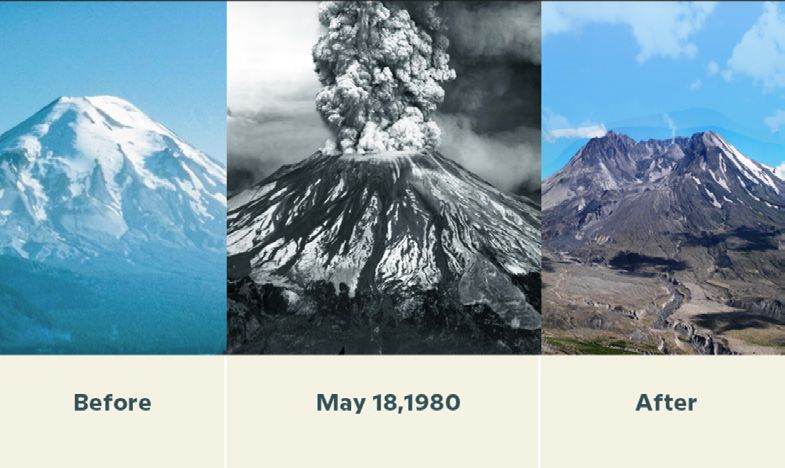
Building Science Mastery

 science content and the physical act of doing science is in             take ownership of the evidence they have gathered (Rosen
 the past, and students are now engaging simultaneously                  et al., 2020). This process contributes to student agency as
 with the three dimensions outlined in the Framework:                    they make sense of phenomena and designs and extend
 Science and Engineering Practices, Disciplinary Core Ideas              their understanding of the natural and designed world.
 and Crosscutting Concepts (National Research Council,
 2012). The integration of the three dimensions into science             Scientific argumentation is an important competency for
 curriculum, instruction and assessment are crucial to this              scientifically literate laypeople as well as scientists. This
 necessary shift to science education. Next generation                   competency requires not only understanding how data
 science requires students to have a sense of context                    or evidence could support a specific claim or conclusion
 understanding with regard to scientific knowledge, how                  but also evaluating multiple possible interpretations to
 it is acquired and applied, and how science is connected                devise a compelling argument for one explanation over
 through a series of concepts that further the understanding             another. Engaging in scientific argumentation involves
 of the natural world. The introduction of a Framework                   combining content, procedural, and epistemic knowledge,
 for K-12 Science Education, the Next Generation Science                 and supports both learning new scientific knowledge and
 Standards and state standards consistent with the                       participating in scientific debates (Osborne et al., 2016).
 Framework has provided a structure for rethinking how                   Mechanistic reasoning is an important component of
 students engage in science and engineering and how                      scientific argumentation (Odden, & Russ, 2019), requiring
 they can use investigations/design to engage deeply                     thinking about the potential cause of a phenomenon.
 with phenomena, gather and analyze data to support                      Rather than stating a description of the events that took
 explanations of the causes of phenomena and to design                   place, mechanistic thinking involves following the causal
 solutions. It has moved teaching science away from                      chain of events that give rise to the observations.
 covering many isolated facts toward helping students build
 a rich network of connected ideas. This network serves                  Incorporating modeling into science education is an
 as a conceptual tool for explaining phenomena, solving                  effective method to teach students about the nature of
 problems, making decisions, and acquiring new ideas.                    science (Berland et al., 2016). Students who understand
 In addition to content knowledge, both procedural and                   scientific models know that models are a representation
 epistemic knowledge are necessary to identify questions                 or an abstraction of a phenomenon that details the
 that are critical to scientific inquiry, to judge whether               hypothesized reason for why a phenomenon occurs
 appropriate procedures have been used to ensure that the                (Namdar & Shen, 2015). Models engage students’
 claims are justified.                                                   mechanistic reasoning by encouraging them to articulate
                                                                         explicitly their hypothesized causal chain that leads to
 Investigations provide the evidence that students need                  the phenomenon (Krist et al., 2019). Additionally, by being
 to construct explanations for the causes of phenomena.                  simplified representations of the phenomenon at hand,
 Constructing understanding by actively engaging in                      students need to use systems thinking to identify the most
 investigation and design also creates meaningful and                    relevant factors among a myriad of potential variables
 memorable learning experiences for all students. These                  (Yoon et al., 2018). The ubiquity of scientific models in all
 experiences pique students’ curiosity and lead to greater               fields of science also makes them an important cross-
 interest and identity in science (Baldeh, Dawood & Purdie-              cutting skill, as it might help students integrate different
 Greenaway, 2018). When investigation and design are at                  topics in science (Park et al., 2017).
 the center of learning, students can gather evidence and

 BrainPOP Science
 BrainPOP Science is designed to help 6-8th grade science teachers navigate changes to standards, assessments, and learning
 environments. Scaffolded investigations, embedded interactive tools, and actionable diagnostics are designed for three-dimensional
 learning, drive student mastery, and inspire the next generation of scientific thinkers. Each investigation covers up to one week of
 instruction and includes key activities such as examining phenomena, collecting evidence, articulating claims and reasoning, and
 checking for understanding along the way. The investigations provide opportunities for students to interact with data manipulatives,
 simulations, 3D Worlds, exclusive science movies, and checks-for-understanding. When used in tandem, every investigation aligns
 with the 5Es of Science Instruction: Engage, Explore, Explain, Elaborate and Evaluate (Carin, Bass & Contant, 2003).

                                                                                                                             © BrainPOP 2021   3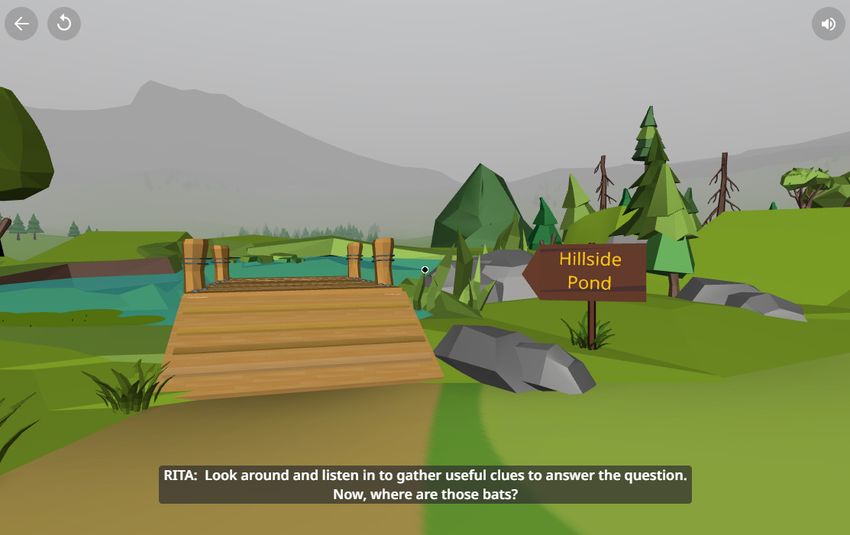
Building Science Mastery

 Design for Deeper Learning and Formative Assessment
 BrainPOP Science content, tools, and educator support resources are guided by learning science research on how to effectively
 meet the needs of a diversity of learners. Online learning platform design must also center learning science research on cognitive
 and affective learning outcomes, like the development of transferable thinking skills.

 As our guiding design framework for the development of BrainPOP Science we used a combined Evidence Centered Design
 (ECD) and Universal Design (UD) approach. The integration and application of ECD+UD increases the likelihood that learning and
 assessment activities will be well-aligned with the competency model while also being accessible to all students, including students
 with disabilities. The advantage of following an integrated ECD+UD-principled design is particularly evident when the goal is to
 develop and assess complex competencies such as scientific argumentation and modeling by using complex performance tasks
 (e.g., multidimensional tasks such as simulations or games). It is important to explicitly identify how the relevant competencies
 and behaviors are connected because the complexity of the focal competencies and/or the rich data the tasks provide might
 pose difficulties in making inferences from behaviors to competencies. ECD formulates the process of development to ensure
 consideration and collection of validity evidence from the onset of the learning and assessment design (Arieli-Attali et al., 2019;
 Kim, Almond, & Shute, 2016; Mislevy et al., 2006). ECD is built on the premise that a learning and assessment system with specific
 claims about the associated evidence and that a good learning and assessment system is a good match of the activities and
 students’ knowledge and skills. The ECD Framework defines several interconnected models, including competency or student
 model, evidence model, task model, and assembly model. Using ECD as an organizing framework for learning and assessment can
 help address important design questions: What are the relationships between learning and assessment within the system? Which
 constructs or processes does each task reveal? Do the proposed scoring methods effectively recognize and interpret the evidence
 generated by students’ responses and interactions? How is all of the evidence that is generated by students’ choices synthesized
 across multiple tasks? Is all the evidence for a particular construct comparable when different students attempt different tasks? How
 do learning and assessment relate within an integrated system?

 Measurement models, combined with the learning sciences perspective in the development of assessment tasks and items, provide
 the essential foundation for the BrainPOP Science approach to assessment design. The latent competencies that are articulated and
 defined in the NGSS and state standards establish the conceptual basis of the assessments; based on a theory or previous empirical
 research related to assessment goals (e.g., valid and reliable measure of students’ competencies. Since we cannot tap directly into
 the latent competencies, we designed tasks and items to elicit behaviors that can reflect on or provide indications about the latent
 competencies. The task/item model specifies the task features that are supposed to elicit the observables, and only them, in order to
 allow inferences about the latent competencies.

 Students’ responses to the assessment tasks and items provide the evidence for this reasoning process, and psychometric analyses
 establish the sufficiency of the evidence for evaluating each claim as illustrated in the following figure (Rosen, 2013; Rosen, Ferrara,
 & Mosharraf, 2015; Rosen et al., 2020).

                                                             Task Model
                                                         What Tasks will engage
                                                         a learner and elicit the
                                                         evidence on mastery?

                                  Competency                                        Evidence Model
                                    Model                                            What a learner can
                               What knowledge, skills                               demonstrate to show
                                or abilities are being                                    mastery
                                     targeted?

                                                                                                                                © BrainPOP 2021   4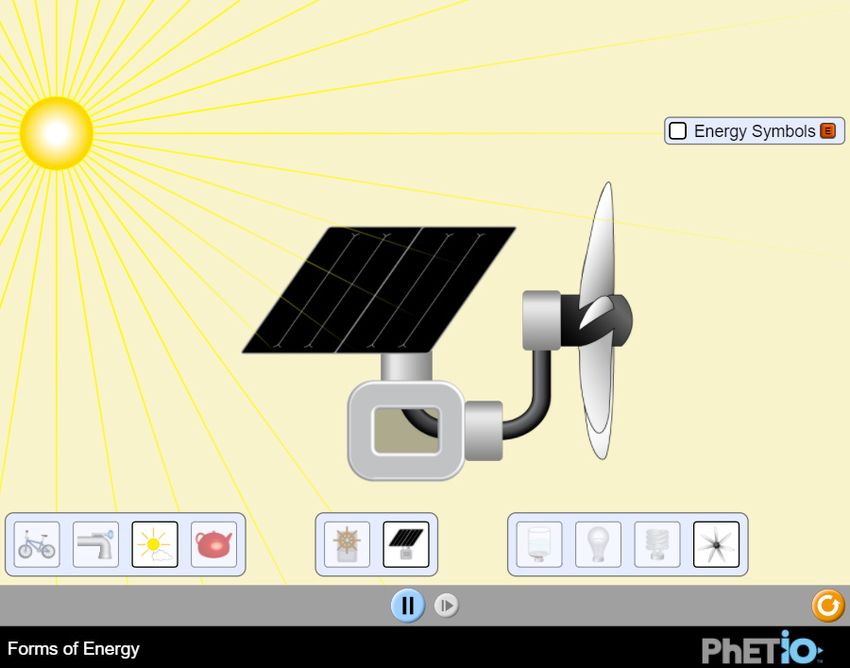
Building Science Mastery

 Adopting the ECD process for the Science learning and assessment requires the following sequence of steps:

 1.   Domain analysis: reviewing NGSS and Science state standards and engaging with experts to define measurable knowledge,
      skills and attributes in the educational context of grades 6-8 students. This foundational work clarifies the critical competences
      policy makers and educators wish to promote, and the types of performance indicators that students in grade 6-8 contexts can
      achieve and that can be most meaningfully and feasibly assessed.

 2.   Competency model: reviewing the precise measurable definitions in the NGSS and state standards and specifying the claims
      that can be made about the relevant attributes of students based on the assessment.

 3.   Evidence model: describing the evidence that needs to be generated in the assessment to support the subsequent claims
      made about students (i.e., the behaviors or performances that demonstrate the skills being assessed).

 4.   Task/item design: identifying, conceptualizing, and prototyping tasks and items that provide the desired evidence within the
      constraints of test specifications.

 5.   Assessment development: assembling the tasks into a range of formats that support all the stated assessment claims with
      sufficient evidence.

 6.   Validation: ensuring all assessment instruments provide valid and reliable evidence within and across selected groups. This
      step is typically implemented in the intended assessment setting and provides opportunities to refine the assessment tasks.
      Validation studies data provides initial evidence on specific tasks and items that yield the most information on the targeted
      knowledge and skills. This evidence is typically used for optimization of the tasks and is addressed through assessment design.

 7.   Analysis and reporting: illustrating appropriate, meaningful and easy-to-communicate representations of the assessment results
      and recommendations for personalized learning and instruction.

 Investigation Design

 BrainPOP Science uses multi-day investigations designed to support three-dimensional learning and enhance traditional curricula.
 Each investigation includes all the elements of a complete lesson cycle, including: relevant and engaging hooks, hands-on scientific
 explorations, primary sources, related readings, and varied forms of assessment. These resources encourage students to make
 sense of natural phenomena and develop explanations for those phenomena by investigating high-interest Guiding Questions
 using BrainPOP resources. Importantly, these lessons address the four aspects of relevancy that are crucial for contextual learning:
 personal, professional, social, and societal (Van Aalsvoort, 2004; Dawood & Purdie-Greenaway, 2017; 2018). Students explain
 phenomena by developing and applying the Disciplinary Core Ideas (DCIs) and Crosscutting Concepts (CCCs) through use of the
 Science and Engineering Practices (SEPs). The embedded formative assessments and end-of-unit summative assessments combine
 to provide students, teachers, and administrators with robust mastery tracking, recommendations, and supporting resources.

 Phenomena and Guiding Questions

 Investigations support learning by starting with a phenomenon and having students elicit prior knowledge as they respond to
 questions about the phenomenon. Phenomena-driven instruction helps students engage in practices that develop the knowledge
 necessary to explain or predict the observable, real-world phenomena. Per the NGSS, using phenomena shifts the focus of learning
 from learning about a topic to figuring out why or how something happens (2016). It is important that all students—including English
 language learners and students from cultural groups underrepresented in STEM—are supported in working with phenomena that are
 engaging and meaningful to them. Not all students will have the same background or relate to a particular phenomenon in the same
 way. BrainPOP Science considers many different student perspectives when choosing phenomena.

                                                                                                                               © BrainPOP 2021   5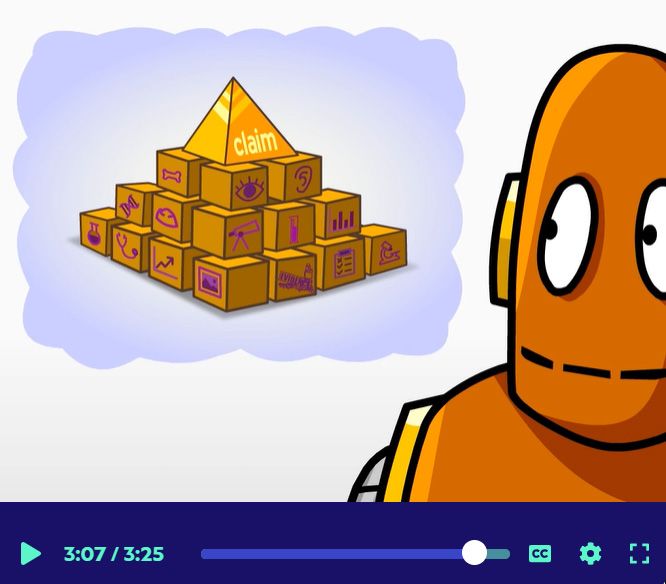
Building Science Mastery

 Each phenomena is paired with an image, video, or other resource. Investigation phenomena include:

                       What do you think the Hoover Dam is used for?              How do sneezes spread diseases?

                           How do volcanoes change over time?              What do you notice about the difference between
                                                                                      the ice and liquid water?

 Some investigations also use a custom BrainPOP movie to introduce and contextualize the guiding question. For example, an
 investigation about natural versus artificial selection opens with a movie showing two dog owners walking their vastly different
 dogs (one very big, one very small) and wondering “how are they related?”

 Collecting Evidence

 Scientific reasoning uses thinking skills (inductive and deductive
 reasoning) to develop scientific knowledge. Some of these thinking
 skills include reading and evaluating scientific evidence, deducing
 and inferring conclusions from evidence, creating claims backed
 by evidence, being open to new evidence, seeing both sides of an
 issue, and communicating and justifying proposed explanations.
 The bulk of a BrainPOP Science investigation provides students the
 opportunity to learn by collecting evidence from a variety of resource
 types.

 Most investigations include a simulation to support hands-on,
 interactive learning. Simulations allow students to observe science
 principles in action, manipulate models to test hypotheses, and
 collect evidence all while strengthening students’ conceptual
 understanding. Experimentation with the simulation enacts
 constructivist principles of learning by doing while building new or
 enhanced understanding

                                                                                                                             © BrainPOP 2021   6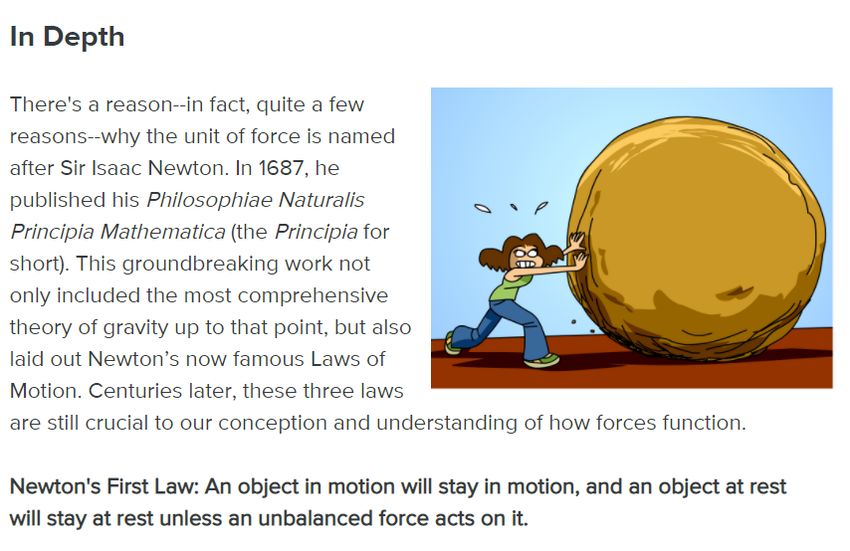
Building Science Mastery

 of the scientific concept. This strategy also elicits intrinsic motivation, as the student explores the concept and learns autonomously
 (Rosen, et al., 2020). In the “Forms of Energy” simulation shown above, students manipulate the source, mechanism, and output to
 see how different forms of energy are related.

Data Manipulatives utilize a simple user interface that allows students to observe the effect of changing one variable at a time. In
the data manipulative shown above, students can quickly toggle between the graphs of “Percent of Dark Moths That Died” and
“Percent of Dark Moths That Lived” over time. These manipulatives use real data distilled to a form that is easily interpreted by
young scientists.

The 3D Worlds feature, shown below, enables students to
explore virtual worlds that reflect real-world phenomena
and encourage scientific practices. Through their self-driven
investigation of the world, students are prompted to wonder
about various questions related to the world as posed by
in-world characters. The broad questions posed by these
characters further empower students to explore the world
through the lens of the investigation’s guiding question, but
without narrowing student curiosity within the topic. This
open-endedness drives a more authentic and immersive
experience for students.

BrainPOP Science leverages the power of BrainPOP’s
signature animations to explain some of the hardest-
to-teach concepts with new videos, available in English
and Spanish, embedded every lesson. These videos
included important images and diagrams through

                                                                                                                               © BrainPOP 2021   7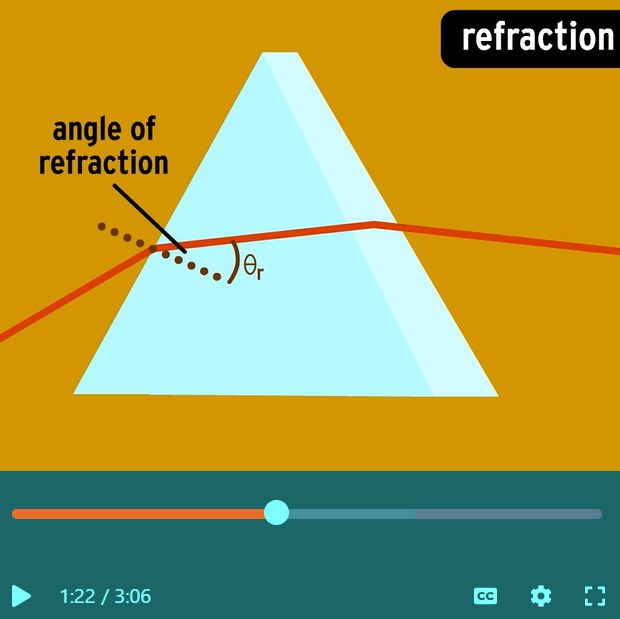
Building Science Mastery

 a character-driven narrative. In doing so, abstract
 concepts are clearly represented in easily digestible,
 student-friendly visuals. Additionally, videos cue to
 important keywords and concepts which makes each
 video an effective tool throughout the entire lesson
 sequence. Videos are typically introduced earlier in the
 investigation,but are a valuable resource later when
 reviewing the investigation as a whole.

                                                               Each investigation contains between one and three related
                                                               readings. Readings are grade-level appropriate and target
                                                               the key concepts within the investigation. These resources
                                                               also provide opportunities to practice important reading
                                                               comprehension skills such as making inferences, identifying main
                                                               ideas and details, and comparing & contrasting. Some readings
                                                               are required for the investigation, while others can be additionally
                                                               assigned by the instructor in order to scaffold or differentiate the
                                                               investigations for each students’ needs.

 Finally, in addition to the available content resources,
 BrainPOP Science provides students with short, informative
 movies that support the science and engineering
 practices. For example, accompanying every resource in
 an investigation is a link to watch the “How do I Collect
 Evidence” movie. In this three-minute movie, Moby learns
 that evidence is facts and information, and the best
 evidence can be used to support a claim. These movies
 also cover how to use data (e.g. recognizing patterns and
 organizing/displaying data based on the research question).
 These movies remind students how to collect relevant
 evidence as they progress through the investigation.

                                                                                                                         © BrainPOP 2021   8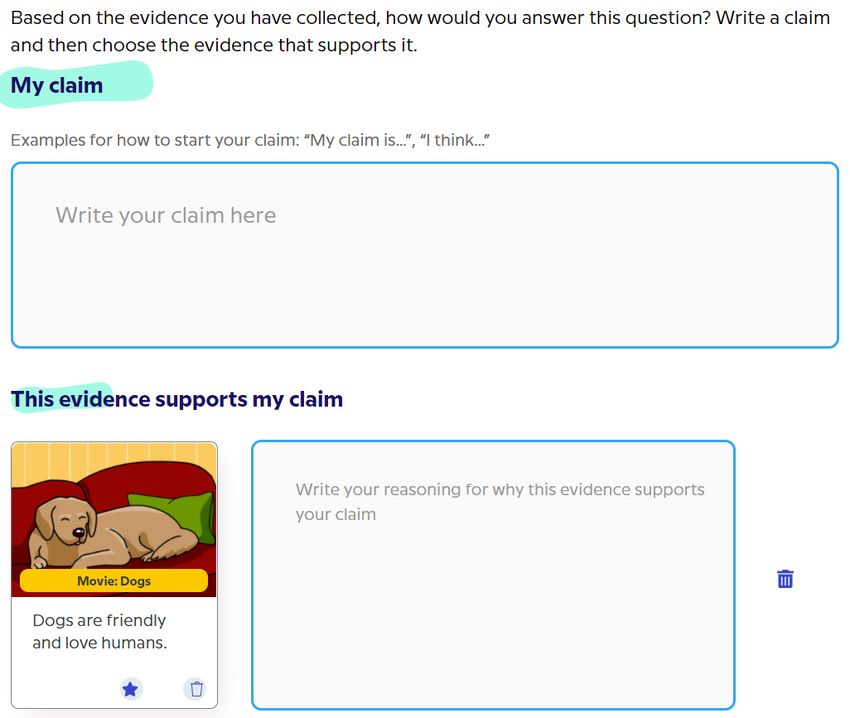
Building Science Mastery

 Formative Assessment

 BrainPOP Science offers students two types of formative assessment in
 each investigation: an auto-scored Check-For-Understanding (CFU) and a
 teacher-graded Claim-Evidence-Reasoning (CER) paragraph.

 The Check-For-Understanding is an integral part of the BrainPOP Science
 investigation. These quick, low-stakes checks serve as both a learning and
 assessment tool. Through CFUs students, teachers, and administrators
 have multiple opportunities to evaluate students’ learning as they progress
 from resource to resource within the investigation. Each CFU is NGSS-
 aligned with an emphasis on the DCIs and CCCs, and incorporating SEPs
 when possible. Additionally, these varied data points contribute to the
 students’ estimated mastery level, which will inform automated resource
 recommendations in future releases of BrainPOP Science.

 CFUs utilize a multitude of autoscored item types. In addition to the standard multiple response and matching types, CFUs use a
 variety of drag-and-drop items to assess more advanced depth of knowledge (DOK) levels. These include Venn diagrams (pictured
 below), cloze reading texts, and concepting mapping. Each investigation exposes students to a mixture of item types in order to
 prepare them for: the investigation CER, the culminating unit assessment, and relevant state assessments.

 Some CFUs combine item types in multi-step questions to better understand students’ thought processes and misunderstandings. For
 instance, a CFU provides students with a claim to answer a research question and a related text. In part one, the student must highlight
 a sentence or two from the text which best supports the given claim. In part two, they need to choose a line or two of reasoning which
 best connect their chosen evidence to the given claim. The choices in part two include distractors that highlight misunderstandings
 when answered incorrectly - did the student correctly parse the text passage? Did the student understand the relevant vocabulary?
 Is the student struggling with the science concept or with the writing/CER structure? Here the CFU provides valuable feedback that a
 teacher or recommendation engine can use to adjust instruction as necessary.

 When a student finishes collecting evidence from the investigation resources, they are ready to answer the Guiding Question in the
 form of a Claim-Evidence-Reasoning paragraph. Students construct a claim that answers the question and generate reasoning to
 connect each piece of collected evidence to the claim. CERs must be manually scored by teachers in the current release of BrainPOP
 Science; however auto-scored CERs are on the project roadmap for future versions. Current investigations come with sample CER
 responses and a grading rubric in the Teaching Guide to support instructors.

                                                                                                                            © BrainPOP 2021   9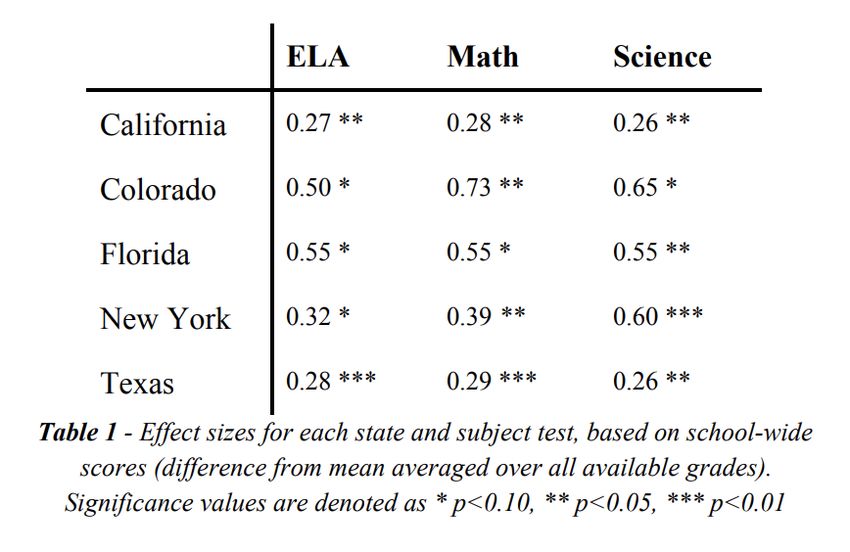
Building Science Mastery

 Reflection
 Each investigation concludes with a brief reflection
 question and rating for students. This step requires
 students to pause and reflect on their experience
 and understanding throughout the investigation. This
 also provides instructors with additional insight into
 the student experience and supplements the CFU
 and CER by providing informal data on the student’s
 understanding of the investigation’s material.

 Unit-Level Assessments
 In addition to the formative assessments, BrainPOP
 Science also includes summative assessments at the
 end of each instructional unit. Unit-Level Assessments
 are intentionally designed to provide administrators and
 teachers with actionable diagnostic insight on students’ mastery of knowledge and skills aligned to the NGSS and state
 science standards. Utilizing assessment best practices, these high-quality assessments were developed to provide quality
 data that can be used to make sound educational decisions for instruction.

 The Unit-Level Assessments target all DCIs, CCCs, and SEPs covered by the unit and provide a comprehensive three-
 dimensional view on student mastery, including strengths and weaknesses. These summative assessments are driven by
 state-level assessment rigor and design so that measurements are highly correlated with summative outcomes. Unit-Level
 assessments are intended to be completed in one class period (40 – 45 minutes) and include a diverse set of auto-scored
 item types. Each Unit-Level Assessment item was designed to measure the breadth and depth of NGSS and State-specific
 standards while also integrating all 3-dimensions.

 Our intentional design and use of assessment best practice for the Unit-Level Assessments will result in highly actionable
 classroom data that can greatly impact instruction and learning.

 Actionable Diagnostics
 In diagnostics, we estimate the learner’s levels of mastery on a number of different skills. Action then can be taken based
 on these estimates: a high mastery on a skill suggests that the learner does not need any more content for that skill, and
 a low mastery on a skill suggests remediation. The word “skill” here is an umbrella term for any component of a standard
 (any of the Disciplinary Core Ideas, or Cross-cutting Concepts, or Science and Engineering Practices, or Performance
 Expectations in the NGSS, and likewise for any other system of standards).

 The mastery level estimation is done via a proprietary machine-learning algorithm from the family of knowledge-tracing
 models. Such models have been used for decades in intelligent tutoring systems and similar learning environments,
 especially where personalization of instruction is the goal (Corbett & Anderson, 1995; Hawkins, et al., 2014; Rosen et
 al., 2018; Rushkin et al., 2017). They track each learner’s actions in the learning environment and revise the individual
 mastery levels after each new interaction of the learner with relevant content. The degree of relevance of content
 elements to this or that skill is provided by content-tagging. Initially, we rely on the tagging done by Subject Matter Experts
 (SMEs) manually, or in an automated but SME-supervised way. Once a substantial amount of data about learner-content
 interactions is collected, the content tagging can be refined based on that data, using machine-learning methods. The
 user model, underlying the knowledge-tracing algorithm, contains a number of parameters, which likewise can be regularly
 updated based on the incoming data. As a result, the mastery estimation adapts to the changing learning conditions, and
 its accuracy improves.

 The diagram below illustrates the mastery tracing for a single skill and a single simulated learner. The learner responded
 to a number of assessment questions over a period of more than 50 days and received a score on the 0-to-1 scale for each

                                                                                                                        © BrainPOP 2021   10
Building Science Mastery
each response, shown by the circles. Since the questions were of varying difficulty and targeted this particular skill to a
varying degree, their contributions to the mastery estimates are not equal, as shown by the circle sizes. The red line shows
the outcome of the algorithm: the skill mastery level evolving in time. You can see how the mastery level jumps every time
a new assessment score has been received.
Our mastery-tracing algorithm allows incorporating the evidence from content types other than assessment questions. In fact,
even with the assessment questions, it treats them not merely as a measurement of mastery but also as a learning experience.
In addition to tracing the individual mastery level on every skill as illustrated in the diagram, our system also traces mastery on
combinations of certain skills to account for multi-dimensional learning. For instance, in NGSS, we trace combinations of Core
Ideas and Cross-cutting Concepts, or Core Ideas and Science and Engineering Practices. The mastery of such a 2-dimensional
skill is not simply derived from the mastery levels of its constituent 1-dimensional skills. The reason is that it takes into account
the evidence only from the learner’s interaction with 2-dimensional content, whereas each constituent 1-dimensional skill also
takes in evidence from 1-dimensional content. While we note in passing that our model is capable of tracing 3-dimensional
mastery as well, the main challenge is rather how to present it to an administrator.
The mastery estimates can be presented to teachers and administrators, both on the level of individual learners and on
a group level, to inform teaching and remediation. Another goal is to use it as one of the inputs for adaptive learning: a
recommendation engine built into BrainPOP, which suggests the optimal path for a learner to go through content. The real-
time “mastery profile” of a learner (their current mastery estimates on all skills) is important evidence in determining what
content elements would be best for that learner to see next.
Efficacy Research Evidence
Prior findings provide evidence for the effectiveness of BrainPOP in improving learning outcomes in Science.
Study 1: Increased impact on learning outcomes and Study 2: Students in experimental group (BrainPOP Study 3: BrainPOP subscribers perform better in
science learning motivation in the experimental (BrainPOP) movies) had higher scores on a science thinking Science compared to non-subscribers.
group compared to the control group (no BrainPOP). skills assessment compared to the control group
(textbooks with still images).
4 80 0.2
3 60 0.0
BrainPOP
BrainPOP
BrainPOP
2 40 -0.2
1 20 -0.4
Control
Control
Control
0 0 -0.6
PRE POST PRE POST PRE POST
Learning outcomes: 5th grade Effect Size = 1.00; 7th grade 4th grade Effect Size = 0.72; 5th grade Effect Size = 0.56) Science: Average Effect Size across 5 states = 0.46
Effect Size = 0.93
Science learning motivation: 5th grade Effect Size = 1.70; 7th
grade Effect Size = 0.91
© BrainPOP 2021 11Building Science Mastery
Efficacy Study I: Effects on Transfer of Knowledge and Learning Motivation
The first study to assess the efficacy of BrainPOP addressed the following research questions (Rosen, 2009):
1. What is the effect of learning with BrainPOP on the transfer of knowledge, within the context of science and technology learning?
2. What is the effect of learning with BrainPOP on motivation for science and technology learning?
Participants
This study was conducted in five elementary schools and 3 secondary schools. All participating schools integrated teaching
and learning based on the BrainPOP animation environment in their standard curriculum on a subject matter “Science and
Technology.”
418 students participated in the study: 250 from 5th grade and 168 from 7th grade. Students in the experimental group
participated in science and technology lessons at least once a week and used BrainPOP for two to three months depending
on the topic being taught. None of the students had participated in this type of instruction in the past. The students had full
access to BrainPOP during after-school hours as well. Eight science and technology teachers volunteered to participate in
the study. To eliminate or reduce the teacher effect, in most cases the same teacher taught both the experimental and the
control group. All teachers had at least seven years of seniority.
Method
The study consisted of performance-based assessment tasks and a questionnaire administered using the pre-post method:
Pre-test: Before participation in classes integrating BrainPOP into the learning process.
Post-test: After the end of the learning period (2–3 months) of the relevant topics for each grade.
Results
The research revealed the following key findings:
• Learning with BrainPOP significantly increased the ability to transfer scientific and technological knowledge of
elementary-school students (ES = 1.00, t = 11.50, p < .001) and secondary-school students (ES = .93, t = 8.41, p < .001).
During the same period, the findings showed only a low increase in the same ability of the control group.
• Learning with BrainPOP into the learning process significantly increased science and technology learning motivation
of elementary-school students (ES = 1.70, t = 15.28, p < .001) and secondary-school students (ES = .91, t = 9.90, p < .001).
During the same period, the findings showed a decrease in motivation in the control group.
• Pre-post qualitative analysis of students’ drawings showed that most of the elementary-school students showed the
learner at the center of classroom interactions (58.1% compared with 20.7 before the experiment and 19.6% in the control
group during the same period). The drawings illustrated the use of technology (63.6%) and showed greater emphasis
on scientific equipment (38.8%). Most of the students’ figures that appear in the drawings showed interest in learning
(64.5% compared with 32.4% before the experiment and with 28.3% in the control group during the same time). Only
small differences were found in the control group between pre- and post-test drawings. Similarly to elementary-school
students, after the integration of BrainPOP animations into the learning experience, most of the secondary-student
drawings placed the students in the center of the classroom interaction (51.2% compared with 6% before the experiment
and with 13.6% in the control group during the same period). The drawings illustrated technology (45.8%) and emphasized
scientific equipment (52.1%). Most of the students’ figures in the drawings showed happiness and interest in learning (52.5%).
Only small differences were found in the control group between pre- and post-test drawings.
© BrainPOP 2021 12Building Science Mastery
Efficacy Study II: Integrating Animated Movies into Teaching
The goal of the second efficacy study was to examine how and when teachers integrated animated movies into their
instruction and their perspectives on the role of animation in enhancing critical thinking skills (Barak, & Dori, 2011).
Additionally, they explored the effect of animated movies on 4th and 5th grade students’ academic performance. This study
asked three primary research questions:
1. What methods do teachers use to integrate animated movies into their instruction?
2. What are teachers’ views about the role of animations in enhancing students’ thinking skills?
3. How does learning through animated movies affect students’ conceptual understanding of science and reasoning ability?
Participants
Data were collected from 15 science teachers and 1335 students. Using stratified sampling to obtain an even distribution
of ages and classes, 926 students from 5 elementary schools were included in the experimental group, and 409 students
from two elementary schools were included in the control group. Experimental classes were sampled as those who utilized
BrainPOP movies and supplementary activities in their science classes at least once a week. Control classes were sampled
by classes that only used textbooks and still-images in their science classes.
Method
A mixed-methods approach was used, beginning with informal interviews with teachers during classroom breaks. Following this,
the research was conducted in two stages: beginning with a pilot study to assess the reliability and validity of the instruments,
followed by the main study. Animated movies were presented to the experimental group at least once a week, and teachers
were trained to integrate web-based animations into their teaching by BrainPOP experts. In the control group, teachers used
traditional teaching methods by following a textbook sequence that included colored images of science topics.
Results
Teachers’ methods for integrating animated movies into their instruction: Before the study, 20% of teachers did not use
computers at all in their instruction, 32% used educational technology for classroom demonstrations, 20% grouped students
by teams for computer usage, 18% used education technology for home assignments, and only 10% used a combination of
the three methods. After the study, 35% of teachers used a combination of methods to integrate education technology in
their teaching.
Teachers’ views about the role of animated movies in enhancing students’ thinking skills: Qualitative responses found
three primary perspectives on how teachers’ view the role of animated movies in enhancing students’ learning skills:
enhancing scientific curiosity, acquiring scientific language, and fostering scientific thinking. Animated movies can increase
motivation and incentives to study science and connect the material to their own lives. They also promote a greater
understanding of science vocabulary through the movie narrator’s explanations. Animated movies were also viewed by
teachers as tools to help students think systematically, gather data, and solve complex problems.
Students’ understanding of science concepts and reasoning ability: Science thinking skills were assessed through a pre/
post ‘scientific thinking skills’ questionnaire. The study found that students who used animated movies as part of their
science learning had improved understanding and implementation of science concepts compared to students who only used
textbooks with pictures (F = 127.50, p < 0.001). Eta Squared analysis indicated that 9.3% of the growth in students’ science
thinking skills could be attributed to animated movies. Both 4th and 5th grade students in the experimental group had
significantly higher scores on the ‘science thinking skills’ questionnaire compared to the control group (4th grade: ES = .72, F
= 81.6, p < 0.001; 5th grade: ES = .56, F = 53.3, p < 0.001). 4th grade students also had more correct explanations to science
reasoning problems than the control group (F = 7.10, p < .05), although these results were not significant for 5th graders in
either the experimental or control groups.
© BrainPOP 2021 13Building Science Mastery
Efficacy Study III: Effects on State Test Scores
The third efficacy study was conducted using BrainPOP subscriber usage data. It addressed research questions associated
with the impact of BrainPOP as an educational platform on students’ state test scores in Math, English Language Arts, and
Science in grades 3-8 (see BrainPOP, 2018 for further details). This efficacy study takes a broad perspective on the use of
BrainPOP in schools. Considering the non-prescriptive nature of BrainPOP’s relationship to teaching practices, it’s difficult
to consider what implementation with fidelity may look like. For the purposes of this research, we considered the broadest
use case—simply being a BrainPOP subscriber—to be the most inclusive intervention category that best accommodates the
multitude of use cases that occur with BrainPOP. Research that considers which use cases of BrainPOP are most effective
at fostering student achievement will be left to further studies. This study determined whether the use of BrainPOP in some
form generally leads to higher student performance.
The approach to efficacy used in this paper also allows a determination of product value at a large scale. Studies of efficacy
or effectiveness frequently focus on a single district or state. In contrast, this analysis extended the methodology across five
states, each with a different achievement test. We chose five states for the analysis that best fit a mix of the following criteria:
available and easily accessible public test score data, public test score data that used raw numbers rather than percentiles
for schools, states with a significant BrainPOP subscriber base, and states with a relatively large number of schools. The last
two criteria were intended to ensure relatively large sample sizes in both the intervention and control groups to best aid
statistical testing. These criteria led to the selection of the following five states: California, Colorado, Florida, New York, and
Texas.
For this study, we included data from the 2015-2016 school year. A school was considered a BrainPOP subscriber
(intervention group) if it had an active subscription to BrainPOP for the entire school year (September 2015 to June 2016).
The non-subscriber group (control group) included schools that did not subscribe to BrainPOP, as well as those that had a
subscription that either started or ended mid-way through the school year. BrainPOP offers multiple products, but only a
subscription to the flagship BrainPOP product was used to segment schools into the intervention and control groups. It is
worth noting that many of these schools had a “Combo” subscription, which included BrainPOP Jr. (K-3), BrainPOP Español,
and BrainPOP Français. This analysis was also limited to K-8 public schools due to ease of access to public school test
scores; private schools (both subscribers and non-subscribers) were excluded from the analysis.
The results qualify as Moderate ESSA Evidence, showing that schools with a BrainPOP subscription had a greater increase
in standardized state test scores than a matched control group in all three subject tests: Math, ELA, and Science. The effect
was always positive, always statistically significant, and verified in five states. To further validate the results, two additional
correlational analyses that qualify as Promising ESSA Evidence were also performed. These analyses found generally
positive results that were often statistically significant. The strongest effects were in grade 3-6 and in Math and Science.
© BrainPOP 2021 14Building Science Mastery
Summary
Science education is among those showing the highest importance in the 21st century economy. Yet, many U.S. schools
and students fall behind international peers on measures of science literacy, notably in scientific inquiry (OECD, 2017). In
order to be competitive in an increasingly global workforce, the U.S. school system needs to prepare its students for higher
levels of scientific literacy, deeper understanding of the core scientific concepts, and better mastery of the scientific process
of developing and testing hypotheses (National Academies of Sciences, Engineering, and Medicine, 2019). Furthermore,
incomplete or inaccurate perceptions of the practices of science and engineering can preclude students from making
informed determinations about their interest and competencies in these fields. A better understanding of what scientists and
engineers do—gained in part through investigative science and engineering tasks—might help middle school students to see
these fields as relevant to them.
We believe that BrainPOP Science is well-positioned to provide teachers with critical tools to drive deeper learning with all
students through innovation, holistic approaches, and evidence-based practices.
References
Arieli-Attali, M., Ward, S., Thomas, J., Deonovic, B., & von Davier, A. A. (2019). The Expanded Evidence-Centered Design (e-ECD)
for Learning and Assessment Systems: A Framework for Incorporating Learning Goals and Processes Within Assessment Design.
Frontiers in Psychology, 10.
Baldeh, M., Dawood, M. & Purdie-Greenaway, V. J. (2018). Striving for more: exploring social identity and academic motivation
through possible selves theory. Presented at the Society for Personality and Social Psychology Annual Convention; 2018 Mar 1-3;
Atlanta, GA.
Barak, M., & Dori, Y. J. (2011). Science education in primary schools: Is an animation worth a thousand pictures?. Journal of Science
Education and Technology, 20(5), 608-620.
Berland, L. K., Schwarz, C. V., Krist, C., Kenyon, L., Lo, A. S., & Reiser, B. J. (2016). Epistemologies in Practice: Making Scientific
Practices Meaningful for Students. Journal of Research in Science Teaching, 53, 1082–1112.
BrainPOP (2018). The Impact of BrainPOP on state assessment results: A study of the effectiveness of BrainPOP in grades 3 - 8.
https://content.brainpop.com/rs/567-ANS-609/images/The%20Impact%20of%20BrainPOP%
20on%20State%20Assessment%20Results%202018.pdf
Carin A. A., Bass J. E., Contant T. L. (2003). Methods for teaching science as inquiry. (9th Ed.,) Upper Saddle River, NJ: Prentice Hall
pp 111–123.
Corbett, A. T.; Anderson, J. R. (1995). Knowledge tracing: Modeling the acquisition of procedural knowledge. User Modeling and
User-Adapted Interaction, 4 (4): 253–278.
Dawood, M. & Purdie-Greenaway, V. J. (2017). An identity and belonging based approach to educational attainment among Muslim
adolescents. Presented at the Five Colleges Conference; 2017 May 5; New York, NY.
Dawood, M. & Purdie-Greenaway, V. J. (2018). Adolescent religious identity, school belonging and educational attainment.
Presented at the Society for Personality and Social Psychology Annual Convention; 2018 Mar 1-3; Atlanta, GA.
Hawkins, W.J., Heffernan, N.T., & Baker, R.S. (2014). Learning Bayesian knowledge tracing parameters with a knowledge heuristic
and empirical probabilities. In International Conference on Intelligent Tutoring Systems (pp. 150-155). Springer, Cham.
Hubert, B. & Rosen, Y. (2020). Equity in Learning with BrainPOP: Fostering Access and Impact for All. BrainPOP. https://cdn-about.
brainpop.com/wp-content/uploads/2020/07/Equity-in-Learning-with-BrainPOP.pdf.
Kim, Y. J., Almond, R. G., & Shute, V. J. (2016). Applying evidence-centered design for the development of game-based assessments
in physics playground. International Journal of Testing, 16(2), 142-163.
© 2018 BrainPOP. All rights reserved. 15Building Science Mastery
Krist, C., Schwarz, C. V., & Reiser, B. J. (2019). Identifying Essential Epistemic Heuristics for Guiding Mechanistic Reasoning in Science
Learning. Journal of the Learning Sciences, 28(2), 160–205.
Mislevy, R. J., Steinberg, L. S., Almond, R. G., & Lukas, J. F. (2006). Concepts, Terminology, and Basic Models of Evidence-Centered
Design. In D. M. Williamson, R. J. Mislevy, & I. I. Bejar (Eds.), Automated Scoring of Complex Tasks in Computer-Based Testing (pp.
15–47). Lawrence Erlbaum Associates, Inc.
Namdar, B., & Shen, J. (2015). Modeling-Oriented Assessment in K-12 Science Education: A synthesis of research from 1980 to 2013
and new directions. International Journal of Science Education, 37(7), 993–1023.
National Academy of Science. (1995). National Science Education Standards. Washington, D.C.: National Academy Press.
National Academies of Sciences, Engineering, and Medicine. (2018). How people learn II: Learners, contexts, and cultures.
Washington, DC: The National Academies Press.
National Research Council. (2006). America’s Lab Report: Investigations in High School Science. Washington, DC: The National
Academies Press.
National Research Council. (2012). A Framework for K-12 Science Education: Practices, Crosscutting Concepts, and Core Ideas.
Washington, DC.: Committee on a Conceptual Framework for New K-12 Science Education Standards.
OECD. (2017). PISA 2015 assessment and analytical framework: Science, reading, mathematics, financial literacy, and
collaborative problem solving. Paris, France: OECD Publishing.
Odden, T. O. B., & Russ, R. S. (2019). Vexing Questions that Sustain Sensemaking. International Journal of Science Education,
41(8), 1052–1070.
Osborne, J. F., Henderson, J. B., MacPherson, A., Szu, E., Wild, A., & Yao, S.-Y. (2016). The Development and Validation of a
Learning Progression for Argumentation in Science. Journal of Research in Science Teaching, 53(6), 821–846.
Ozersky, L. & Rosen, Y. (2020). Integrate computational thinking in your classroom using free digital resources.
Creation Lab to be presented at the Annual Conference of the International Society for Technology in Education (ISTE),
Anaheim, CA.
Park, M., Anderson, E., & Yoon, S. (2017). Learning Biology Coherently Through Complex Systems, Scientific Practices, and
Agent-Based Simulations. Philadelphia, PA: International Society of the Learning Sciences.
Rosen, Y. (2009). The effects of an animation-based on-line learning environment on transfer of knowledge and on
motivation for science and technology learning. Journal of Educational Computing Research, 40(4), 451-467.
Rosen, Y. (2013). Measuring 21st century skills in a common core era: How to address both CCSS and 21st century skills
assessments. Workshop conducted at The National Conference on Student Assessment (NCSA), National Harbor, MD.
Rosen, Y., Arieli-Attali, M., Ward, S., Seery, J., Simmering, V., & Ozersky, L. (2020). HERA: Exploring the power of adaptive
scaffolding on scientific argumentation and modelling competencies in online learning systems. Paper presented at The
International Conference of the Learning Sciences (ICLS), Nashville, TN.
Rosen, Y. Ferrara, S., & Mosharraf, M. (2015). Handbook of research on technology tools for real-world skill development. IGI
Global.
Rosen, Y., Rushkin, I., Rubin, R., Munson, L., Ang. A., Weber, G., Lopez, G., & Tingley, D. (2018). The effects of adaptive
learning in a massive open course on learners’ skill development. Proceedings of the Fifth ACM Conference on Learning @
Scale. UK: London.
Rosen, Y., Stoeffler, K., & Simmering, V. (2020). Imagine: Design for creative thinking, learning, and assessment in schools.
Journal of Intelligence, 8(2), 16
Rushkin, I., Rosen, Y., Ang, A. M., Fredericks, C., Tingley, D., Blink, M. J., & Lopez, G. (2017). Adaptive Assessment Experiment
in a HarvardX MOOC. In EDM.
© BrainPOP 2020 16Building Science Mastery
Using Phenomena in NGSS-Designed Lessons and Units. (2016). Retrieved April 2, 2021, from https://www.nextgenscience.
org/sites/default/files/Using Phenomena in NGSS.pdf
Van Aalsvoort, J. (2004). Logical positivism as a tool to analyse the problem of chemistry’s lack of relevance in secondary
school chemical education. International Journal of Science Education, 26(9), 1151-1168.
Yoon, S. A., Goh, S.-E., & Park, M. (2018). Teaching and Learning About Complex Systems in K–12 Science Education: A
Review of Empirical Studies 1995–2015. Review of Educational Research, 88(2), 285–325.
© 2018 BrainPOP. All rights reserved. 17You can also read


