CANADIAN NETWORK FOR ADVANCED INTERDISCIPLINARY METHODS FOR COMPARATIVE EFFECTIVENESS RESEARCH - CanPath
←
→
Page content transcription
If your browser does not render page correctly, please read the page content below
CANADIAN NETWORK FOR ADVANCED
  INTERDISCIPLINARY METHODS FOR COMPARATIVE
               EFFECTIVENESS RESEARCH

                          http://canaim.ca/

     National research team funded by the Drug Safety and
Effectiveness Network through a partnership between CIHR and
                        Health Canada.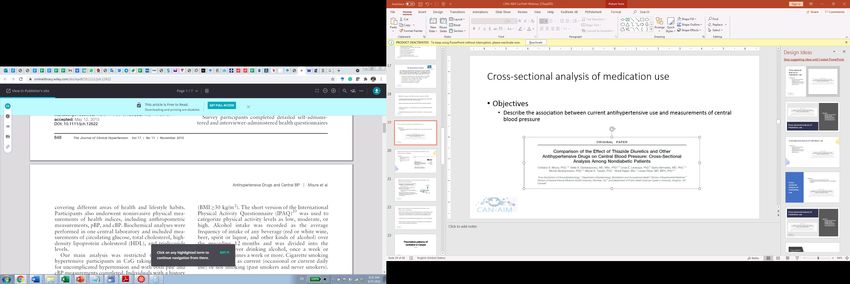
What questions will we answer today?
• Why study drug safety and effectiveness?
• What is DSEN?
• Who is CANAIM?
• How is CanPath helping provide answers for regulators regarding
  optimizing medication-related outcomes in Canada?
• What challenges do we face when using CanPath and other secondary
  data sources, to study drug safety and effectivenesss
  • Drug exposure: Getting it right
  • Examples from real projects
Why study drug safety and effectiveness?
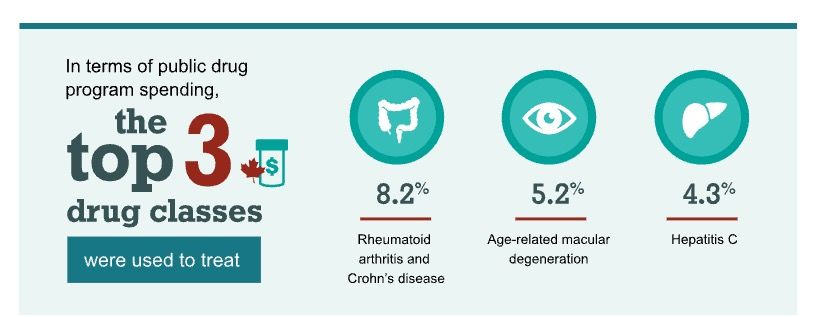
• Public drug program spending
   • >$15 billion in 2019 (cihi.ca)

• Each 200,000 severe adverse drug
  reactions in Canada
   • 10,000 to 22,000 Canadian deaths
   • Costs to Canadian healthcare system up to
     $17.7 billion.
• All are affected by drug safety and
  effectiveness at some point in our lives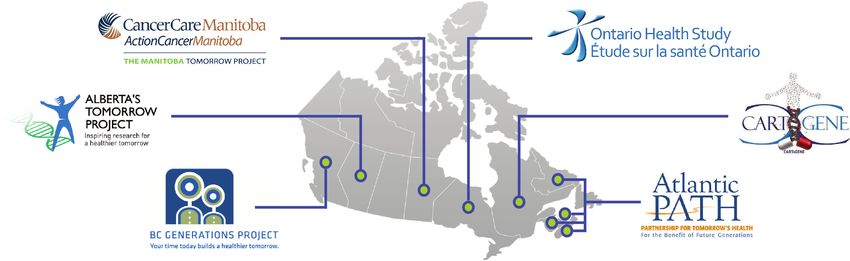
Drug Safety & Effectiveness Network (DSEN)

 • Established by CIHR in collaboration with Health Canada and other
   stakeholders to:
     • Improve evidence on drug safety and effectiveness for regulators, policy-
       makers, providers, patients
     • Enhance capacity within Canada for high-quality post-market research on
       drug safety and effectiveness
 • Up to the present, DSEN was hosted at CIHR; in 2022, the role of CIHR will be
   taken over by the Canadian Agency for Drugs & Technologies in Health, CADTH

                            11/1/21                                           4 4
Initiation of new DSEN projects (‘queries’)

 Potential new projects
                           Stakeholder decides
 from Health Canada,       if they will ask DSEN
 formulary bodies, etc     to release a request
                               for application

        DSEN

               Feasible?
                                  Feedback

DSEN
Teams                                              DSEN Teams
                                    If
                                 approved
CAN-AIM Mission                                 Some CAN-AIM PIs
                                                Michal Abrahamowicz PhD McGill
Mission: Enhance Canadian research on real-     Louise Pilote MD MSc, McGill
world drug effectiveness and safety (cohorts)   Corinne Hohl MD MSc, UBC
                                                Cristiano Moura Pharm PhD, McGill
• Challenges with observational data            Anick Berard, PhD, U de Montreal
   • Non-random allocation
   • Drug exposure definitions
   • ‘Interval-censored data’
• Novel statistical methods, to avoid bias
• Vulnerable populations (e.g. pregnancy)
• Build and enhance capacity (trainees and
  highly qualified personnel)
CAN-AIM Projects
• 2011-2014 Team Grant - Demonstration project: Drugs for Rheumatoid Arthritis
• 2015-2019 Team Grant - Renewal: Method development and capacity building
• 2020-2022 Team Grant - Renewal: Enhancing capacity building
To date, over 20 projects:
       • Safety-adverse drug events
               o Vulnerable population (age, sex, comorbidity, SES)
               o Specific approaches for exposures during pregnancy
       • Drug effectiveness: osteoporosis, DM, hypertension
       • Special topics
               o Social media
               o Strategies to optimize prescription patterns
               o Opioid-related harms
     • Biosimilars registry
     • COVID-19 Projects:
          o Reliability of COVID-19 case definitions in administrative and clinical databases
          o COVID-19 infection and medicines in pregnancy
          o Safety and immunogenicity of COVID-19 vaccines in pediatric autoimmune diseases
Drug exposures in
pharmacoepidemiology
Drug exposures in pharmacoepidemiology
• Scope
  • Quantify the association between a drug exposure and a health outcome
  • Test causal relationship

                             Observation period

                          Drug           Outcome

                                  Time
Drug exposures in pharmacoepidemiology
• Randomized Controlled Trial   • Observational study (cohort)
  (RCT)

           Random allocation                Natural allocation

         Drug A        Drug B             Drug A          Drug B

        Outcome       Outcome            Outcome         Outcome
Drug exposures in pharmacoepidemiology
e.g. NSAIDs
• Time-fixed exposure • Time-varying exposure
• Ex.: Ever vs Never user • Current vs non-use
A D
B Ever Time
users
D1
C Current use D2
Never
user
Time
Non-use D3
Current useData Linkage
Data Linkage: Key to optimizing CanPath data for drug
safety and effectiveness research
• Cohort study
   • Baseline and follow-up assessments via survey (key info on smoking, BMI, etc.)
   • Linkage with administrative health data (e.g. drugs dispensed, etc)

           Baseline assessment                             Follow-up assessment

                                        Time
Data Linkage
• CanPath
• Participants provided consent to follow-up through linkage with
administrative health databases
• Links to health care administrative data: additional information on participants’ health
from health care administrative databases (use of health services, such as physician visits
or hospitalizations, drug use, and health outcomes, such as new diagnoses of cancer).Data Linkage
CARTaGENE
• Data on 43,043 participants linked to Quebec
provincial health administrative databases
(1998 to 2021):
• Regie de l’assurance maladie du Quebec (RAMQ)
o Registered Persons Database
o Drug Insurance Eligibility Period
o Pharmaceutical services (Services pharmaceutiques)
o Physician services
• Ministère de la Santé et des Services sociaux (MSSS):
o Hospital Stays, diagnostics, Services, ICU, Interventions
o Death dataData Linkage
Ontario Health Study (OHS)
• OHS data on 225,000 participants linked to IC/ES databases
(from 2006 to 2016*):
• Discharge Data Abstracts (DAD)
• National Ambulatory Care Reporting System (NACRS)
• Same Day Surgery (SDS)
• Ontario Health Insurance Plan (OHIP)
• Ontario Cancer Registry (OCR)
• Registered Persons Database (RDP)
• Ontario Drug Benefit (ODB)
• New Drug Funding Program (NDFP)
• Ontario Laboratory Information System (OLIS)
*2020 data expected Fall 2021
Disclaimer: This study contracted ICES Data & Analytic Services (DAS) and used de-identified data from the ICES Data Repository, which is managed by ICES with
support from its funders and partners: Canada’s Strategy for Patient-Oriented Research (SPOR), the Ontario SPOR Support Unit, the Canadian Institutes of
Health Research and the Government of Ontario. The opinions, results and conclusions reported are those of the authors. No endorsement by ICES or any of its
funders or partners is intended or should be inferred. Parts of this material are based on data and information provided by Cancer Care Ontario (CCO). The
opinions, results, view, and conclusions reported in this paper are those of the authors and do not necessarily reflect those of CCO. No endorsement by CCO is
intended or should be inferred.Data Linkage
BC Generations Project
• Data on ~30,000 participants was linked to
Population Data BC (2020 data expected Fall
2021):
• Population Data BC Medical Service Plan (Apr
1985 to Dec 2019)
• Discharge Abstract Database (Apr 1985 to Dec
2019)
• Consolidation File (Jan 1986 to Dec 2019)
• Vital Statistics (Jan 2009 to Dec 2019)
• Pharmanet (Jan 1996 to Dec 2019)
Disclaimer: All inferences, opinions, and conclusions drawn in this presentation are those of the authors, and do not reflect
the opinions or policies of the Data Stewards.Different ways CanPath can be used for drug safety and effectiveness research • A single point drug exposure (without using linkage with drug admin data) Cartagene -Hypertension analyses • Agreement between self-reported information and claim database- Cartagene-Drugs • Patterns of drug use – Illustration case with Ranitidine and other H2-blockers • Longitudinal drug exposure and risk of outcomes – Non- melanoma skin cancer project
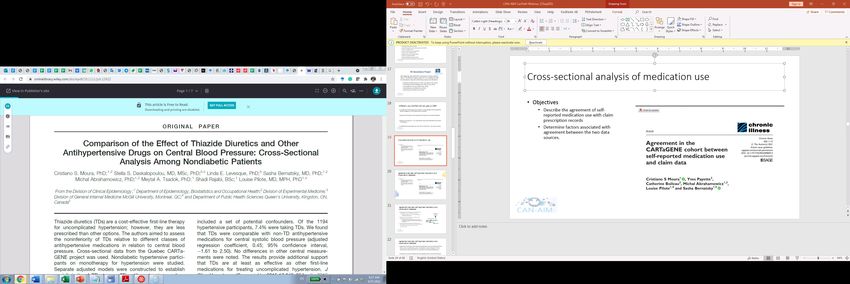
Cross-sectional analysis of antihypertensive use and blood
pressure
• Objectives
   • Describe the association between current antihypertensive use and measurements of central
     blood pressure
Cross-sectional analysis of antihypertensive use and
blood pressure
• CARTaGENE 1st wave (20,000 participants)
• Hypertensive, nondiabetic participants (self-reported)
• Monotherapy use of one of four antihypertensive class of interest
• Thiazide diuretics (TDs);
• Calcium channel lockers (CCBs);
• Angiotensin-converting enzyme inhibitors (ACEIs)
• Angiotensin receptor blockers (ARBs)
• Blood pressure measurements
• Peripheral and central measurements
• Arterial stiffness (Augmentation Index [Aix])
• Multivariable linear models were used to compare means values of central
blood pressure of TDs versus other antihypertensive monotherapiesCross-sectional analysis of antihypertensive use and
blood pressure
• TD monotherapy was not associated with either statistically or
clinically significantly higher levels of either pBP or cBP
measurements when compared with monotherapy with other
antihypertensive classes
• These findings highlighted the importance of diuretic agents as
one of the first- line therapies for uncomplicated hypertension
• Inexpensive, effective drugs: Important knowledge for regulators,
physicians, and patientsAgreement between self-reported medication and
dispensation database
• Objectives
• Describe the agreement of
self-reported medication use
with claim prescription
records
• Very important because at
least 60% of patients don’t
take drugs as prescribed; and
many also take drugs OTC
• Determine factors associated
with agreement between the
two data sources.Agreement between self-reported medication and
dispensation database
• Self-reported medication data was obtained from
CARTaGENE 1st wave (20,000 participants) CARTaGENE
• Original question: “Are you currently taking any assessment
prescribed medications?
• Data from CaG participants were linked to the
RAMQ dispensation database. Observation period
• This database contains data on outpatient prescribed 90d
medication, including name and dose, the date medication
was dispensed.
• We compared all medications reported by CaG
participants with prescription claims data extracted
for the 90-day period previous to the CaG
assessment dateAgreement between self-reported medication and dispensation database • Agreement between self-reported medication use and administrative data varied considerably across medication classes (kappa 0.54 for respiratory system and 0.91 for systemic hormonal preparations). • Female sex was associated with low agreement for some ATC groups • High number of reported medications and heavy user of healthcare were associated with low agreement
Prescription patterns of
  ranitidine in Canada
          CanPath
Original query
• Background
• Histamine H-2 receptor blockers, including ranitidine, are used to treat gastric
reflux acid and ulcers (available over the counter and by prescription).
• New safety concerns with ranitidine emerged in 2019, following the detection
of N nitrosodimethylamine (NDMA), a potential human carcinogen, in some
batches of that drug.
• More evidence on the extent of exposure and utilization patterns could help
estimate the risk of NDMA exposure attributable to the use of these drugs.Cohort selection
• Objectives
• What are prescription patterns of ranitidine, nizatidine, famotidine, and
cimetidine in Canada?
• Cohort selection
• Individuals from CanPath ever exposed to ranitidine, nizatidine, famotidine,
and cimetidine (all histamine H2-receptor antagonists or H2 blockers) after
cohort enrolment.
• Individuals with drug coverage at the date of the 1st prescription.Definition of period of use – Main analysis
• Follow-up started at the first dispensation of one drug of interest
• Dispensation records issued during the follow-up time were used to create periods
of use, defined as continuous use with no interruption and no change in dose.
• Individuals could contribute with multiple periods of use until the end of follow-up (end of
coverage in the drug plan, death, or cohort end date).
• Overlapping periods between dispensations (due to early refill) were considered for the
calculation of the end period.
• In case a new period of use was initiated because of a change in the dose, any remaining “days”
were added at the end of the previous period of use.
• The end of period occurred either when there was a gap of one or more days between
dispensations (after the correction for early refill) or a change in dose.Analyses
• Baseline description of studied individuals.
• Patterns of use during follow-up and 1st year of use
• Observed period since first prescription;
• Number of periods of uninterrupted use;
• Cumulative duration of use, in days;
• The average duration of periods of use, in days;
• Cumulative dose, total amount of drug dispensed, in mg;
• The Prescribed Daily Dose (PDD);
• The Defined Daily Dose (DDD).
• “The assumed average maintenance dose per day for a drug used for its main indication
in adults.” (WHO)Sensitivity analyses
• Doses (in DDD)
• A change in dose would immediately result in the end of the period of use
(i.e., disregarding any remaining stockpiling of the old prescription);
• A new period of use starting because of change in dose was only initiated if
the difference between current and new dose > |0.3|;
• Gaps allowed between prescriptions;
• 14, 30, or 90 daysResults – baseline characteristics • In OHS, 3538 users of H2 blockers (7.1% of eligible participants) • 93.8% were ranitidine users (considering the 1st drug being dispensed • 53.9% women, and 63% were 65 years or older (at cohort enrollment date) • In CaG, there were 1,042 users (6.4% of eligible participants) • 94.0% were ranitidine users • 63.4% women, , with mean age of 58.5 years (SD=7.6) • In BCGP, there were 2,340 users (7.8% of eligible participants) • 96.4% were ranitidine users • 74.1% were women, with mean age of 57.4 years (SD=8.7)
Results – patterns of use
• All H2 blockers - OHS
                                                    Observation period (mean = 1,068 days)
                                         1st Year

Cohort enrollment

          Non-use    1st Period of use    Non-use        2nd Period of use      Non-use      3rd Period of use   Non-use    4th Period of use

                             In the 1st Year                                                  During the entire follow-up
       • There were 1.9 periods of use                                       • There were 3.4 periods of use
       • Total duration of use was 141 days, with 133 DDDs                   • Total duration of use was 384 days, with 361 DDDs
       • Each period of use lasted for 76 days, with 71 DDDs                 • Each period of use lasted for 110 days, with 104 DDDs
Conclusions • Describing patterns of drug use for regulators is feasible using CanPath data: Illustrates a great use of linked drug data • In all three cohorts, ranitidine was the H2 blocker most largely used by participants with drug coverage in provincial drug plans • Participants were intermittent users of these drugs • Intercalated periods of use and non-use • Doses were mostly within recommended dose • Information has been reported back to Health Canada for their use
Potential limitations
• With linked data, we are able to study only those with provincial drug
  benefits (e.g. in ON-seniors) not data from private sectors
• Current analysis restricted to prescribed medication and does not
  include over-the-counter drugs.
• Self-reported CanPath medication data could potentially help address
  these points?
Summary
• All are affected by drug safety and effectiveness at some point
• CanPath data can be used to help regulators regarding
  optimizing medication-related outcomes in Canada…
• However, many challenges when using CanPath and other
  secondary data sources, to study drug safety and effectiveness
• This highlights the importance of DSEN teams like CANAIM, to
  thoughtfully consider potential limitations of data and use best
  practices in attempts to overcome these
• Building and enhancing capacity (trainees and highly qualified
  personnel) is key to ensuring that Canada continues to be a
  leader in drug safety and effectiveness research
Thank you – Merci – Obrigado
You can also read


