Cavanagh Ravine May 2021 - ARCHITECTURAL GUIDELINES Phase 1 - MLC
←
→
Page content transcription
If your browser does not render page correctly, please read the page content below

Cavanagh Ravine

         Phase 1
ARCHITECTURAL GUIDELINES

       May 2021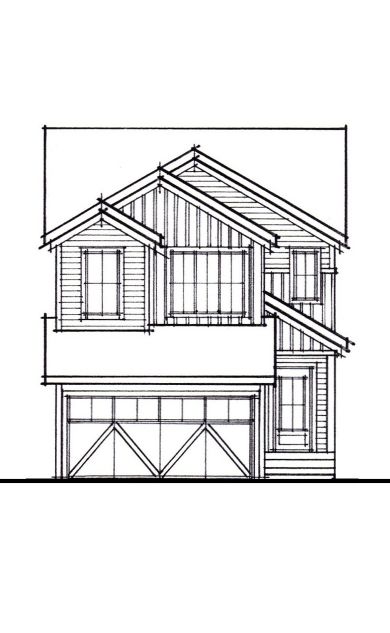
TABLE OF CONTENTS
CONTENT                                                                           PAGE
DIRECTORY                                                                           3
1.0 INTRODUCTION                                                                    4
2.0 ARCHITECTURAL THEME                                                             4
3.0 HOUSE SIZE, MASSING                                                             4
3.1 STREETSCAPE                                                                     4
3.2 MINIMUM HOUSE WIDTH                                                             4
4.0 MODEL/STYLE SELECTION                                                           4
5.0 STYLE PROFILES                                                                  5
6.0 SITE PLANNING AND GRADING                                                       6
6.1 CONFORMANCE TO GRADING PLAN                                                     6
6.2 PARGING                                                                         6
6.3 RISERS AND ENTRY STEPS                                                          6
7.0 REPETITION                                                                      7
8.0 SPECIAL DESIGN CONSIDERATION                                                    7
8.1 CORNER LOTS                                                                     7
8.2 REAR ELEVATION, MODERATE VISIBILITY                                             8
9.0 DRIVEWAYS, GARAGES, WALKWAYS                                                    8
9.1 FRONT DRIVE GARAGE                                                              8
9.1a DRIVEWAY CONFIGURATION                                                         8
9.1b OVERSIZED GARAGES                                                              8
9.2 OVERHEAD DOORS                                                                  9
9.3 GARAGE MASSING                                                                  9
10.0 ROOFING                                                                        9
10.1 MATERIALS                                                                      9
10.2 STYLE AND SLOPE                                                                9
10.3 OVERHANGS/EAVES                                                                9
10.4 CHIMNEYS                                                                       9
10.5 SOLAR PANELS AND SKYLIGHTS                                                    10
11.0 EXTERIOR CLADDING                                                             10
11.1 DETAIL RETURNS                                                                10
11.2 STONE AND BRICK                                                               10
12.0 DEFINING DETAILS AND ENTRANCE TREATMENT                                       10
13.0 WINDOW STYLES AND PLACEMENT                                                   11
14.0 ACCESSORIES                                                                   11
15.0 COLOURS                                                                        1
16.0 LANDSCAPING                                                                   12
16.1 FRONT YARD MINIMUM REQUIREMENTS                                               12
16.2 DEPOSIT                                                                       13
16.3 CONDITION OF LANDSCAPING                                                      13
17.0 FENCING                                                                       14
18.0 ANCILLARY BUILDINGS/GARDEN SHEDS                                              14
19.0 INTERPRETATION                                                                14
20.0 CITY REGULATION                                                               14
                               Cavanagh Ravine Phase 1 Architectural Guidelines
                                           Mariah Consulting Ltd.
                                                      1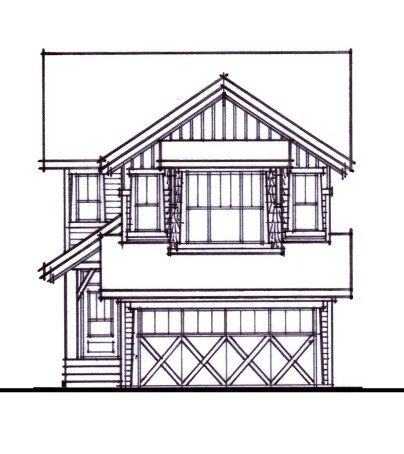
21.0 PLOT PLANS                                                                  14
22.0 SUBDIVISION APPEARANCE                                                      14
22.1 SIGNAGE                                                                     14
22.2 EXCAVATION MATERIAL                                                         14
22.3 CLEAN UP                                                                    14
22.4 CONSTRUCTION ACTIVITY                                                       15
23.0 APPROVAL PROCESS                                                            15
23.1 PRELIMINARY SUBMISSION                                                      15
23.2 FINAL APPLICATION                                                           15
24.0 SECURITY DEPOSIT                                                            16
24.1 SECURITY DEPOSIT RETURN PROCEDURE                                           16
APPENDIX “A” COMMUNITY & PHASE PLANS                                             17
APPENDIX “B” FENCE DETAIL PLAN                                                   18
APPENDIX “C” SOLAR READY REQUIREMENTS                                            19
APPENDIX “D” STYLE SUMMARY                                                       21

                              Cavanagh Ravine Phase 1 Architectural Guidelines
                                          Mariah Consulting Ltd.
                                                     2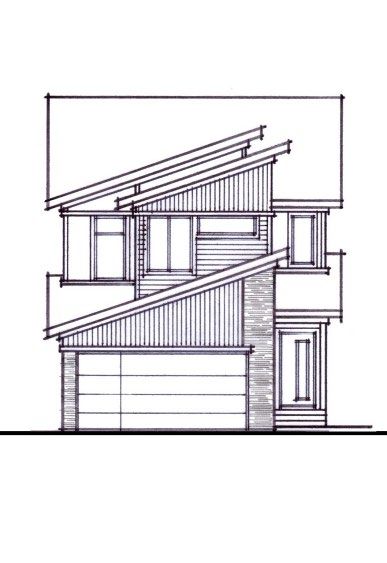
DIRECTORY

Developer:
7 Oaks Developments Inc.
1000, 10104 – 103 Avenue
Edmonton, AB. T5J 0H8
Ph: 780-420-0044 Fax: 780-423-0044
Contact: Chris Nicholas / Shawna Devlin

Engineers:
Stantec Consulting
10160 - 112 Street
Edmonton, AB. T5K 2L6
Ph: 780-917-7000 Fax: 780-917-7289
Contact: Jim Merkle

Architectural Consultant / Applications:
Mariah Consulting
#301, 10368 – 82 Avenue NW
Edmonton AB T6E 1Z8
Ph: 780-437-3443
Contact: Laurie Lebirk

Surveyor:
Stantec Geomatics
10160 - 112 Street
Edmonton, AB. T5K 2L6
Ph: 780-917-7000 Fax: 780-917-7289
Contact: Joel Corcoran

Solicitor:
Oshry & Company
#1004, 10104 – 103 Avenue
Edmonton, AB. T5J 0H8
Ph: 780-428-1731 Fax: 780-425-9358
Contact: Karen Oshry

Geotechnical:
J.R. Paine & Associates
17505- 106 Avenue
Edmonton AB T5S 1E7
Ph: 780-489-0700 Fax: 780-489-0800
Contact: Rick Evans

                                           Cavanagh Ravine Phase 1 Architectural Guidelines
                                                       Mariah Consulting Ltd.
                                                                  3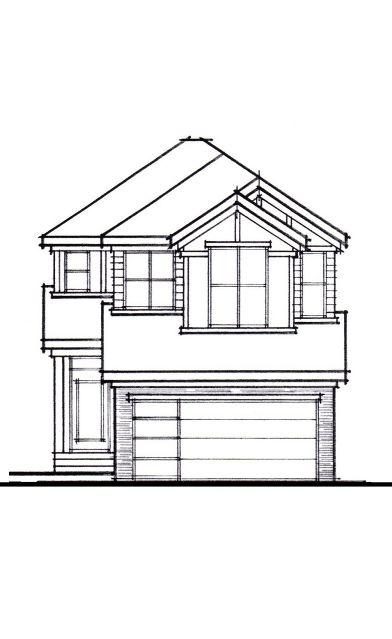
1.0 Introduction
The objective of these architectural guidelines is to ensure the highest standard of visual appeal and image, ensuring
compatibility and integration within the community. Outlining the opportunities and constraints of building, these guidelines will
assist builders, designers, and home buyers in achieving a positive building experience.

2.0 Architectural Theme
The theme of this community is diversity and relaxed styling. Streetscapes will be an eclectic blend of contemporary and classic
with five distinctive architectural styles. Encouraging originality and individual expression, style preferences will be selected from
Heritage, Contemporary, Modern Farmhouse, Prairie and Modern design styles.

        Heritage                 Contemporary             Modern Farmhouse                Prairie                   Modern

3.0 House Size, Massing

3.1 Streetscape
Houses are to have a consistency of mass and volume within the streetscape. As such, house widths and sizes must relate
proportionately to the lot width and neighboring houses. Massing, style and setback may be adjusted on a lot to lot basis, to
enhance the streetscape. Entranceways will be covered at the first level.

3.2 Minimum House Width
Minimum house width is: 22’ (without offset of garage).

A garage offset of more than 3’ will require extension of the second-floor development above to no less or more than 50% of the
offset

Homes with an oversized garage (24’+ wide) must include articulation in the form of a jog, to break up the expanse of flat wall
plane and roof line.

4.0 Model/Style Selection
Each builder will market product of no less than three different architectural styles. All homes will be two story design.

                                           Cavanagh Ravine Phase 1 Architectural Guidelines
                                                       Mariah Consulting Ltd.
                                                                  4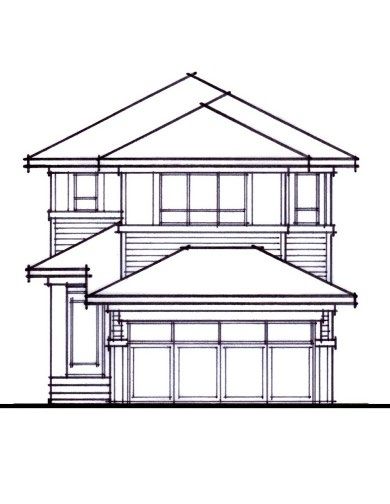
5.0 Style Profiles
                      Heritage:
                     • Gabled or hip roofs with inset front facing gables, minimum 5/12 main roof pitch with
                       minimum 8/12 pitch at front facing gables and 1’6” to 24” overhangs
                     • Massing reflects an articulated façade with variations in plane and roof lines
                     • Enclosed veranda or porch entrance
                     • Columns/posts are 6” to 10” metal or panel clad in a wide variety of traditional styles
                     • Lap profile siding will be installed with shakes as an accent finish at all visible elevations.
                       Flat panel and vertical B & B may be installed as an additional finish
                     • Detailing is decorative and reinforces the styling with 5” to 8” trims
                     • Windows are vertical in orientation and ample, with 5/8” grills in traditional pattern
                     • Stone or brick are suited and if installed must be to a minimum height of 5’
                     • Colors are mid to dark earth tones or historical colors. Fascia and trim must be
                       contrasting in light or dark hues

                     Modern Farmhouse:
                     • Gabled roof lines with cottage roofs restricted to garage or entry only. Dutch gables not permitted
                     • Minimum roof pitch 7/12 with 12” overhangs
                     • Massing may present a flat façade or include variation in wall plane at the second floor
                     • Entry is covered at the first level with a shed or cottage roof. An awning style shed may be a feature
                     • Columns/posts are 6” or 8” metal or panel clad, without collar trims or separate bases
                     • Lap profile siding with vertical siding (flat panel and shakes are not suited)
                     • The absence of ornamentation is evident, horizontal and vertical sidings dominate the facade
                       and emphasize the simple lines and even planes. Asymmetric elements may add interest.
                       Openings are trimmed with 3” or 4” surrounds. Gable ends will include 4” shadow band
                     • Simple window groupings and placements punctuate the style and include a single 5/8”
                       horizontal and vertical grill
                     • Stone or brick may be applied in panel effect and if installed must be to a minimum height of
                       5’. Stone is suited in ‘Stacked’ profile or brick
                     • Colors suited to the Modern Farmhouse are light tones in natural hues with tonal fascia/trim
                       and black or white windows & grills or historical colors with a light contrast at the fascia and
                       trim and white windows & grills only. Stone should be variegated and either tonal or a darker
                       contrast and brick must be solid (non-variegated) and may be tonal, a dark contrast, or red-
                       toned

                       Contemporary:
                      • Front facing gables will intersect with hip or side facing main gable. Roof slope will be
                        minimum 7/12 for side facing gable and 8/12 for hip, with 12” overhang.
                      • Secondary roof lines may be shed, hip, or flat
                      • Unique variations in building form are combined with conventional roof lines for a renewed
                        and vertical presentation. 6” to 12” box outs may be incorporated without a roof line
                      • Entry is covered at the first level and integrated into the massing
                      • Columns/posts are 4” to 8” metal or panel, without collar trims or separate bases
                      • Lap profile siding and at least one alternate finish will be applied to emphasize the
                        staggered façade. Such finishes include stone, brick, longboard, and flat panel.
                      • Detailing will include simple surrounds or trims at 3” or 4”
                      • The ratio of window to wall surface is high, with variations in shape, grouping and
                        placement. Windows may be uncluttered by grills or include a single horizontal grill
                      • Stone or brick may be applied in panel effect, or as a substantial accent and if installed
                        must be to a minimum height of 5’
                      • Colors are warm earth tones with subtle contrasts at fascia and trim
                             Cavanagh Ravine Phase 1 Architectural Guidelines
                                         Mariah Consulting Ltd.
                                                    5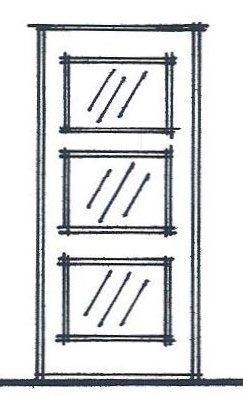
Modern:
                                  • Simple shed roofs and front facing gables will intersect gabled or hipped main roof line,
                                    dominating the façade. Main roof slopes will be minimum 5/12. Roof overhangs are 12” to
                                    18”.
                                  • Combination roof forms may be utilized and must be integrated at both the main and upper
                                    levels - main roof gable with single slope and/or flat roof, and main roof cottage/hip with flat
                                    roof only
                                  • Unique variations in building form may include asymmetric elements, applied in an organized
                                    fashion
                                  • Entrances are simple and uncluttered porticos, framed by unique cover
                                  • Lap profile siding is utilized with alternate finishes dominating the front elevation. Finishes
                                    include smooth or textured panels, vertical siding, Longboard siding, corrugated aluminum
                                  • Detailing is minimal and may include 3” or 4” trim surrounds
                                  • Windows are expansive with variations in shape and placement, and may include a single
                                    horizontal or vertical grill
                                  • Stone or brick may be applied in panel effect or as an accent and if installed must be to a
                                    minimum height of 5’
                                  • Colors are warm dark earth tones with bold rich contrasts in smooth or reflective finishes.

                                  Prairie:
                                  • Hip roofs only at a 6/12 pitch with 24” overhangs.
                                  • The Prairie home has a simplified form, with one or two variations in the façade and roof lines
                                  • Windows are large, organized and consistent in shape. A single horizontal grill/mullion
                                    defines the style
                                  • Detailing is simple but weighted (minimum 5”) with a horizontal emphasis. Lap profile siding
                                    with flat panels and/or wide profile Board & Batten reinforce styling
                                  • Stone or brick may be applied in panel effect and if installed must be to a minimum height of
                                    5’. Stone profiles suited are ‘Stacked’, ‘Ledgestone’, ‘Cliffstone’, and Brick
                                  • The entry is recessed, and columns are 10” or wider with trims. Entry doors are simple, with
                                    plain glass insert
                                  • Colors suited are mid to dark earth tones with monochromatic or darker contrasting trims and
                                    stone

6.0 Site Planning and Grading

6.1 Conformance to Grading Plan
Site planning and grading must accommodate the natural slope of the land with variations in grade absorbed within the building
mass. The Purchaser shall be responsible for the design, construction and costs of any retaining structures and must ensure
design grades and lot drainage is not compromised.

6.2 Parging
Exposed concrete and parging will be restricted to a maximum of 2’ at all visible elevations.

6.3 Risers and Entry Steps
The number of risers at the entry steps may be varied by grade and design. Entry steps of more than four risers must be
constructed of wood, Composite board or exposed aggregate precast in Dark Brown or Charcoal

The base of wood verandas/porches will be enclosed to grade. Verandas/porches must be painted or stained in a finished state,
in a color blending with the cladding or trim. The landing and treads at the veranda/porch may be left in a natural state.

                                           Cavanagh Ravine Phase 1 Architectural Guidelines
                                                       Mariah Consulting Ltd.
                                                                  6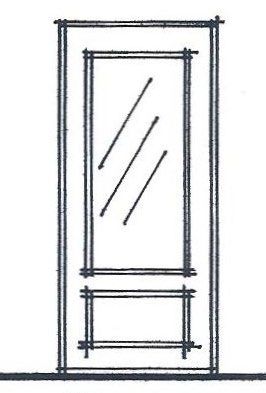
7.0 Repetition
Similar or approximately identical elevations must not be repeated within two lots (XOAX) or directly across the street. To be
sited adjacent, homes must be markedly different in all elements.

On lots designated moderate visibility, repetition must be addressed at both the front and rear elevations.

Predominance of style will be no more than fifty percent of the streetscape. Example: A 12 lot eyebrow or cul de sac could
include a maximum of 6 homes in a single style and in no case will a style be repeated more than two lots in a row.

8.0 Special Design Considerations

8.1 Corner Lots
Special design consideration is required, with a higher standard at corner lots on or visible from collector roadways. Flanking
side elevations on corner lots must have full front elevation treatment, reflecting appropriate massing, number of openings,
detailing, and stylistic distinction consistent with the front elevation

Variation in wall plane is required on all models. Two story models also require substantial roof mass between floors.

                Corner Before ‘Contemporary’                                        Corner After ‘Contemporary’

          Corner Before ‘Modern Farmhouse’                                     Corner After ‘Modern Farmhouse’

                 Corner Before ‘Prairie’                                               Corner After ‘Prairie’

                 Corner Before ‘Modern’                                           Corner After ‘Modern’

                                               Cavanagh Ravine Phase 1 Architectural Guidelines
                                                           Mariah Consulting Ltd.
                                                                      7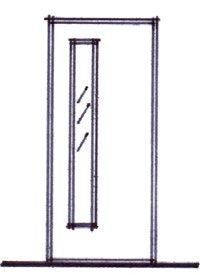
Corner Before ‘Heritage’ Corner After ‘Heritage’
8.2 Rear Elevation, Moderate Visibility (Lots backing onto the MR and shared use path)
Moderate visibility rear elevations require special consideration at both the 1st and 2nd floors. These elevations must reflect
stylistic distinction and detailing consistent with the front elevation. Openings of a number and size appropriate to the wall area
are required with variation in wall plane and roof line. Second floor cantilevers must be anchored by a roof line or appropriate
treatment.
Rear Before ‘Contemporary’ Rear After ‘Contemporary’
9.0 Driveways, Garages, Walkways
Driveways and walkways may be constructed of the following materials:
concrete, broom finish
stamped and coloured concrete
exposed aggregate concrete
concrete pavers, coloured
In all cases where coloured concrete or pavers are used, the colours must be expressly approved at time of application.
Walkway to the house must be at minimum, poured concrete in broom finish, 2’6” wide. Individual patio blocks will not be
permitted.
9.1 Front Drive Garage
Single or double attached, front drive garages, located in accordance with the street furniture plan, will be standard.
9.1a) Driveway Configuration
Minimum width of driveway must span the width of the garage, but not exceed the garage width, where it may then flare to
include a walkway to the front and/or rear yard.
9.1b) Oversized Garages
Oversized (24’+ wide) garages will require articulation in the way of a jog with a separate roofline and front facing window.
Cavanagh Ravine Phase 1 Architectural Guidelines
Mariah Consulting Ltd.
89.2 Overhead Doors
Garage overhead doors will be painted to blend with the exterior and enhance the presentation. Corners of overhead doors must
be straight or curved. Angled corners will not be permitted. An upgraded overhead door is required appropriate to style, as
illustrated below:
Heritage & Modern Farmhouse Modern Farmhouse & Heritage Contemporary & Prairie
Prairie & Modern Farmhouse Modern & Contemporary
9.3 Garage Massing
The area above the attached garage must include a bonus room or some development of the second floor to balance the overall
massing.
Homes will be designed to integrate the garage and minimize its appearance while enhancing the mass of the house itself. Some
architectural measures that can achieve this are proportionate development of the second floor above the garage and an
emphasis on entrance treatment.
For the Heritage, Modern Farmhouse and Prairie styles, the development above the garage must provide for roof mass between
levels and should not exceed 75% of the garage projection. Models with thoughtfully articulated facades and roof lines may
extend to within 4’ of the garage front.
For the Contemporary and Modern styles, development of the area above the garage may be pulled forward to be flush or
overhanging the garage below. This alteration of scale and massing will include features such as layering of finishes, beam
details, pergola framing and bump outs to reorder the scale.
10.0 Roofing
10.1 Materials
Approved roofing materials include a standard 3 tab shingle in variegated earth tone shades. Architectural shingles may be
utilized in the same colors. Green, red, blue, etc. are not considered earth tones.
10.2 Style and Slope
Roof form and slope are specific to architectural style – see style profiles.
10.3 Overhangs/Eaves
Eave overhangs are style specific as set out in style profiles.
Fascia, minimum 6”
Cantilevers and box outs on visible elevations must include a separate roofline and minimum overhang.
10.4 Chimneys
Any flues or chimneys must be contained in a corbelled chase, appropriate to style.
Cavanagh Ravine Phase 1 Architectural Guidelines
Mariah Consulting Ltd.
910.5 Solar Panels and Skylights
All homes built in Cavanagh Ravines must be constructed “solar ready” for future installation of solar panels.
Skylights permitted in a flat design, installed inconspicuously.
Solar panels may be installed. When utilized on a garage roof, the panels must be installed at the side yard rather than the entry
side. Panels must be operational in a flat mount position only. The shingle must be selected carefully to blend with the colour of
the solar panel.
See Appendix “C” for detailed Solar Ready Requirements.
11.0 Exterior Cladding
Siding in Traditional or Bevel profile only will be utilized. Stucco as the ambient finish is not permitted.
All homes will include an additional finish at the front and high visibility elevations.
Appropriate to design, this finish will be applied to enhance and reinforce the styling. Materials will include but are not limited to:
Smooth or textured flat panel
Vertical Siding
Board and Batten
Decorative shakes
Corrugated Aluminum
Longboard siding
These additional finishes may be a tone of the ambient siding or highlighted by a contrasting color.
11.1 Detail Returns
All trim, accent finishes and masonry details must be returned 24” at side elevations
11.2 Stone and Brick
Brick or stone is not a requirement. If utilized, profile and application will be design appropriate – see style profiles. Minimum
height when applied at garage front will be 5’.
The following are examples of style appropriate profiles in Eldorado:
• Heritage – Mountain Ledge, Shadow Rock, Cliffstone, Rustic Ledge, Bluffstone, River Rock, Country Rubble, Brick
• Modern Farmhouse – Stacked, Brick
• Contemporary – Stacked, Brick, Cliffstone
• Modern – Stacked, Ledgecut, Brick, Cliffstone
• Prairie – Stacked, Mountain Ledge, Cliffstone, Brick
12.0 Defining Details and Entrance Treatment
See individual style profiles. Entranceways will be covered at the first level and street facing. The entry width and approach will
be no less than 4’.
Entry doors will be style appropriate.
Cavanagh Ravine Phase 1 Architectural Guidelines
Mariah Consulting Ltd.
10The base of wood verandas/porches will be enclosed to grade. Verandas/porches must be painted or stained in a finished state,
in a color blending with the cladding or trim. The landing and treads at the veranda/porch may be left in a natural state.
13.0 Window Styles and Placement
See style profiles. Window grills will be minimum 5/8”, in the same color as the window sash.
14.0 Accessories
Railings will be traditional picket style at the front elevation for the Heritage, and Modern Farmhouse styles.
Railings may be glass panel design for the Contemporary, Modern and Prairie styles.
At rear elevation, railings may be picket style or glass panel, regardless of style.
Homeowners will be responsible to install permanent address numbers prior to final inspection. The selection of house numbers
should be appropriate to the architectural design and a personal style statement.
15.0 Colours
Colors will be appropriate to architectural style as set out in the Style Profiles. Colors will not be repeated on adjacent lots. Trim
and fascia will be a single color. A third accent color is required in a bright/bold selection that is not a tone of the primary colors.
Streetscapes will be diverse without the predominance of one colour or tone.
Colour Sample Selections by Style:
Prairie - Colors are mid to dark earth tones with monochromatic or darker contrasting trims and stone.
Suited Stone Profiles: Mountain Ledge, Stacked Stone, Cliffstone, Brick
Siding Fascia & Trim Panels Shakes Entry Door Stone
Harvard Slate Ironstone CL3236A Estate N/A CL2276A Bay of Black Bear Mountain
Many Ledge
Brownstone Cactus CL2936A Grass N/A CLC1212N Fuji Castaway Stacked
Clipping
Granite* Commercial CL3226N Berlin N/A CLC1286N Banff Springs Cliffstone
Brown Dynamite
Toasted Antique CL2877N Diesel N/A CH002 Canadian Saddle Brown Stacked
Almond* Brown Bacon
Modern - Colors are warm dark earth tones with bold rich contrasts in smooth or reflective finishes.
Suited Stone Profiles: Stacked Stone, Ledgecut, Brick, Cliffstone
Siding Fascia & Trim Longboard/Vertical Panels/Accent Entry Door Stone
siding siding
Pebble Clay Cobblestone Walnut Evening Blue CLC1279N Bull Chapel Hill Stacked
Shot
Cypress Commercial N/A Woodstock Brown CLC1287N Onyx Ironspot (Hebron
Brown Woody Brick)
Stratus^ Sable^ Cordoba Cherry^^ Rich Espresso CH005 French Slate Grey Stacked
River
Granite* Clay N/A Countrylane Red CL3217N Topsoil Banff Springs Cliffstone
Contemporary - Colors are warm earth tones with subtle contrasts at fascia and trim.
Suited Stone Profiles: Stacked Stone, Brick, Cliffstone
Siding Fascia & Trim Crezone/Panels Shakes Accent Stone
Harvard Slate Charcoal CL3215D Elf N/A CH085 Barkley Slate Grey Stacked
Sound
Pebble Clay Cobblestone CL2865D Exile N/A CH011 Spirit Lantana Cliffstone
Bear
Flagstone Cactus CL3014D Diego N/A CH005 French Silverado Brick
(Sage) River (Hebron Brick
Natural Cedar* Chocolate CL2657N Asteroid N/A CLC1290N Santa Fe Stacked
Cowabunga
Cavanagh Ravine Phase 1 Architectural Guidelines
Mariah Consulting Ltd.
11Heritage – Colors are mid to dark earth tones or historical colors. Fascia and trim must be contrasting in light or dark hues.
Suited Stone Profiles: Mountain Ledge, Shadow Rock, Cliffstone, Rustic Ledge, Bluffstone, River Rock, Country Rubble, Brick
Siding Fascia & Trim Crezone/Panels Shakes Accent Stone
Brownstone White Timberbark Sandalwood CL2997N Soiree Montecito Cliffstone
#821
Harvard Slate Ironstone Aged Pewter Vintage Taupe CLV1171N Coos Bay Bluffstone
#820 Working Class
Cypress Royal Linen Mountain Sage Red Cedar #834 CH003 Maple Mountain Ledge, Bitteroot
Syrup
Redwood* Wicker Monterey Taupe Harvest Wheat CH004 Buffalo Saddleback Rustic Ledge
#822 Narrows
Modern Farmhouse - Colors suited to the Modern Farmhouse are light tones in natural hues with tonal fascia/trim and black or
white windows & grills or historical colors with a light contrast at the fascia and trim and white windows & grills only. Stone should
be variegated and either tonal or a darker contrast and brick must be solid (non-variegated) and may be tonal, a dark contrast or
red-toned
Suited Stone Profiles: Stacked Stone, Pro-fit stone, Brick
Siding Fascia & Trim Vertical Siding Shakes Accent Stone
White White White N/A CLC1280N Brown Brandywine Brick
Sugar (Hebron Brick)
Linen Linen Linen N/A CL3087A Jennet Alderwood Stacked
Estate Grey Grey Estate Grey N/A CL2397N Tatoo Nantucket Stacked
Midnight Surf* White Midnight Surf N/A CH090 Mayne N/A
Island
*Denotes premium siding colour
Siding colours referenced are manufactured by Royal, unless noted ^Mitten, ^^Mitten Longboard siding
Stone referenced is manufactured by Eldorado, unless noted
Shake colours referenced are manufactured by Foundry
Entry door/Accent colours referenced are manufactured by General Paint
16.0 Landscaping
Landscaping must be in a healthy state to pass final inspection. When the landscaping has been completed by the
Builder, responsibility for the healthy condition of such landscaping is a matter to be addressed between the Builder and
the Homeowner. If the landscaping failed inspection, it will be the Builders responsibility to ensure compliance prior to
reinspection.
When the landscaping is provided by the Builder, it is strongly recommended the Builder secure a small deposit from
the homeowner, to ensure the landscaping is maintained in a healthy state.
16.1 Front Yard Minimum Requirements
It is the responsibility of the homeowner or builder (Refer to Paragraph 16.2 to determine whom) to landscape the front yard. In
the case of corner lots, the front yard shall include the flanking side yard to the sidewalk, curb or boulevard and to the rear corner
of the house.
The objective of the landscape requirements is to achieve greenery.
The minimum landscape standard for all lots shall consist of:
• Sod in the front yard to the front corner of house and/or garage.
Cavanagh Ravine Phase 1 Architectural Guidelines
Mariah Consulting Ltd.
12• One tree - Coniferous trees (smaller varieties such as weeping spruce, mugo pine, lodgepole pine, etc.) are the
preference, minimum size 5’ height (or spread if mugo pine). Deciduous tree size minimum 2” caliper
• Six shrubs (3 deciduous and 3 coniferous) minimum 18” height or spread in a separate bed, defined by edging
(vinyl, brick, landscape block, etc.) Shrub bed must be located in the front half of the yard and forward of an
attached garage. Perennials may be planted in lieu of deciduous shrubs. Four (4) perennials will be considered
equal to one (1) deciduous shrub.
• The sideyard at the driveway may be finished in sod or rock/bark mulch
Alternate materials to sod (rock and/or bark mulch) will be permitted if the alternate plan meets the objective of these guidelines
to achieve greenery in all front yards within the neighbourhood. The use of hard surface landscaping will require:
• The planting of an additional ten (10) shrubs, minimum
• A variety of rock sizes as well as obvious variations in contours and materials for interest. Colored shale and
white landscape rock will not be permitted.
Note: Landscaping plans cannot be reviewed prior to implementation.
The landscaping must be completed, in accordance with these requirements, within six months of occupancy (subject to seasonal
limitations).
Please be advised that the City of Edmonton has Landscape Requirements that can be found here:
https://www.edmonton.ca/city_government/urban_planning_and_design/tree-and-shrub-planting-requirements.aspx
16.2 Deposit
The Landscape Deposit will be paid to ensure, inter alia, compliance with these guidelines.
The homeowner is responsible for the landscaping and deposits are as follows:
a) $2,500.00 for each Lot purchased pursuant to the Lot Purchase and Sale Agreement; or
b) If the Purchaser forms part of the Vendor’s builder group (which determination is to be made by the Vendor in its
sole discretion), the sum of $1,500.00 for each Lot which sum will be paid to the Purchaser (builder) by each
homeowner as set out in the Standard Terms and Conditions.
The Landscape Deposit will be held and dealt with in accordance with the Standard Terms and Conditions.
Upon completion of landscaping, the builder shall call for inspection by the Vendor’s Consultant. Upon approval of the
landscaping requirements herein and satisfaction of other terms relating to the Landscape Deposit, subject to deductions made,
the Vendor will refund the Landscape Deposit to the Purchaser, or if the Landscape Deposit is collected by the Purchaser from its
homeowner, the Vendor will authorize the Purchaser to release the Landscape Deposit.
When a re-inspection is required, the bottom portion of the original failed report must be signed and dated by the builder, to
confirm deficiencies have been rectified, prior to resubmission to the Architectural Consultant. The developer provides for a final
inspection and a single re-inspection if required. If additional inspections are requested, a charge will be incurred by the builder,
in the amount of $250.00 (two hundred fifty dollars) plus GST, payable to Mariah Consulting at time of the request.
Completion of fencing is not a requisite to the final inspection, however if fencing is in place at time of final inspection it will be
assessed for compliance with the guideline standard for the neighbourhood. Non-compliance will be treated as a deficiency,
affecting the refund of landscaping deposit.
16.3 Condition of Landscaping
Landscaping must be in a healthy state to pass final inspection. When the landscaping has been completed by the Builder,
responsibility for the healthy condition of such landscaping is a matter to be addressed between the Builder and the Homeowner.
If the landscaping failed inspection, it will be the Builders responsibility to ensure compliance prior to reinspection.
When the landscaping is provided by the Builder, it is strongly recommended the Builder secure a small deposit from the
homeowner, to ensure the landscaping is maintained in a healthy state.
Cavanagh Ravine Phase 1 Architectural Guidelines
Mariah Consulting Ltd.
1317.0 Fencing
All wood screen fencing must be consistent in design and colour with the fencing style established for the subdivision. See
Appendix ‘B’ for fencing details.
Lots backing onto the path and MR may utilize wood screen fence at the side property lines. The fence may be full height to a
point 10’ forward of the rear property line, where the fence must be ANGLED down to match the height of the developer installed
fence at the rear.
18.0 Ancillary Buildings/Garden Sheds
Where such structures are visible from public adjacencies, (perimeter lots, corner lots and lots designated high visibility) exterior
finish style and colour shall compliment the house. Roof style and materials are to match the materials used on the house.
The side wall elevations of accessory buildings/sheds shall not extend higher than adjacent fencing.
Accessory buildings on lots designated high visibility must be a minimum of three (3) metres from the rear fence line.
19.0 Interpretation
The enforcement, administration and interpretation of these guidelines shall be at the discretion of MLC Group or its designated
consultant. The unfettered application of these guidelines shall be without notice or precedent.
Homes will be reviewed on their individual merits of design, massing, proportion and compatibility, and where the Architectural
Consultant considers the plan to be exceptional, and provided that the house conforms with the general trend of the
neighborhood, exceptions may be considered.
20.0 City Regulations
Formal standards for development will be those established in the City of Edmonton Land Use Bylaw. Conformity with these
architectural requirements does not supersede the required process of The City of Edmonton. However, it shall be the Builder’s
responsibility to consider the implications of zoning bylaws with respect to height, etc. when designing the home. Reducing roof
slopes to lower the overall height of a building will not be permitted to compromise the architectural integrity of the style.
21.0 Plot Plans
The designated surveyor, Stantec, shall prepare all plot plans and perform all stakeouts in the subdivision to facilitate establishing
building elevations that are consistent and appropriate.
22.0 Subdivision Appearance
22.1 Signage
In order to maintain cohesiveness for signage within the subdivision, all signage will be supplied by the Developer, i.e. all model
signs, directional signs and general information signs. The only signage to be supplied by the Builders Group will be on lots
owned or sold by that Builder. Excessive abuse of signage, including sandwich boards may necessitate removal of ALL Builder
and Realtor signs.
22.2 Excavation Material
Builders must ensure that all excavation is kept within the confines of their lot. Any spillage on a road, land, sidewalk or
neighboring lot must be removed immediately or the Developer will arrange for its removal and invoice for expenses.
22.3 Clean Up
Builders should encourage timely removal by all subtrades of litter on building sites. Failure to comply will result in a clean-up bill
being charged to the lot. Supply of bins by the Builder is recommended. Any general clean up of the subdivision implemented by
the Developer can and will be charged pro-rata to all builders.
Cavanagh Ravine Phase 1 Architectural Guidelines
Mariah Consulting Ltd.
1422.4 Construction Activity
Each Builder is responsible for inspecting the condition of curbs, sidewalks, street lights, water curb cock (cc) services, boulevard
landscaping on or adjacent to his lot. Notice of any damages must be given to the Developer prior to commencing construction,
through Lot Works within 21 days of access to the lot. Otherwise, costs for repairing any damages become the sole responsibility
of the Purchaser/Builder.
23.0 Approval Process
Prior to application the Builder has inspected the lot and all services. All discrepancies or damage are to be reported in writing to
the Developer.
23.1 Preliminary Submission
All plans to be marketed in Cavanagh Ravines must be pre-approved. This process will ensure the proposed plan is consistent
with the objectives of the guidelines and the final application will be without unforeseen changes. The prelim process is also an
opportunity to standardize multiple elevation styles for a single model, avoiding repetition restrictions for the best-selling plans.
Prelim model approvals are not lot specific and will be processed by email, outside of the Clearview system. Send scale drawings
(3/16” or 1/8”) to reception@mariahconsulting.com. Each plan to include:
Floor plans
Elevations (all 4 sides)
Model identification
Style designation
It is the Builders responsibility to address the requirements of the architectural guidelines and to demonstrate the characteristics
and merits of the style, prior to submission.
The proposal will be reviewed in its entirety and designated approved, approved subject to conditions or not approved. Once the
preliminary model approval has been granted you may proceed with working drawings and final application.
With the models pre-approved, your design and sales departments can reserve model, style, and colors in Clearview.
For lots with high visibility (corner or rear) a prelim review can be submitted in the Clearview lot file, through ‘Ask a Question’.
23.2 Final Application
Applications are processed in Clearview Suite, a web based software program designed to manage all aspects of the house plan
approval process. The system has the capability to receive and process applications, information requests, color reservations,
revisions, and final inspections. The system is a resource accessed by the builder, developer and consultant. All communication
is date and time stamped for transparency and is archived permanently online for reference as needed.
Before applying to the City for a development permit, the applicant shall submit plans for approval to MARIAH CONSULTING
LTD. Applications must be submitted though MARIAH CONSULTING LTD’s online Clearview System. Please contact MARIAH
CONSULTING LTD for log in information.
Application shall include the following:
a) One complete set of house plans; 3/16” or 1/8” = 1’
b) One Copy of the Final Plot Plan, prepared by Stantec Geomatics, 1:300,
c) Completed application specs.
d) Material and color samples, as required.
e) Manufacturer, product code, and catalogue image of entry door
Incomplete submissions may be returned without review. MARIAH CONSULTING LTD. will review the plan and recommend
approval, modification, or rejection of the application based on the adherence of the plans to these guidelines within 5 working
days.
Should disputes arise, the Developer shall make the final decision on the acceptability of plans. Once approved, MARIAH
CONSULTING LTD. will send a copy of the application indicating any changes to the applicant. After approval, the plans may not
be altered without prior written approval of MARIAH CONSULTING LTD. MARIAH CONSULTING LTD. will keep an up-to-date
Cavanagh Ravine Phase 1 Architectural Guidelines
Mariah Consulting Ltd.
15record of plans showing house types, color, roof lines and grades, to advise the applicants of how their proposed house will best
fit into the existing situation.
Approval of any and all house plans will be at the sole and unfettered discretion of the Developer.
No stakeout will proceed until architectural approval is granted.
24.0 Security Deposit
The Security Deposit will be paid to the Vendor to ensure, inter alia, completion with these guidelines, including:
a) Confirmation that there is no contravention of the architectural requirements in these guidelines; and
b) To verify that no damage has been made to the Improvements and additional damage to curb stop – water valve,
sidewalks, curbs and gutters, driveway aprons and asphalt, boulevard landscaping and trees, rear gutters and walkways,
light standards, fire hydrants, cathodic protection points, grading and drainage swales, and fencing.
The amount of the Security deposit will be:
a) $7,500.00 for each Lot purchased pursuant to the Lot Purchase and Sale Agreement; or
b) If the Purchaser forms part of the Vendor’s builder group (which determination is to be made by the Vendor in its sole
discretion) the sum of $5,000.00 for all of the Lots purchased in the applicable Subdivision Stage.
24.1 Security Deposit Return Procedure
Upon completion of construction, site works, and landscaping, a final inspection will be completed by the Vendor or the Vendor’s
Consultant to ensure compliance with the Standard Terms and Conditions of which these guidelines form part.
Prior to such inspection, the following items must be completed:
c) The as built single family dwelling(s) on the Lands have been built in accordance with the Design Guidelines in
accordance with the plans approved by the Vendor pursuant to paragraph 27 hereof;
d) The Purchaser has otherwise complied with the Design Guidelines and the Vendor is satisfied that any and all damages
to the Improvements (as defined in Schedule “C” hereof) have been rectified and paid for by the Purchaser;
e) The Purchaser has otherwise fulfilled all of its obligations under the Lot Purchase and Sale Agreement; and
f) The Vendor has obtained a Final Acceptance Certificate from the Municipality respecting the Subdivision.
To initiate a final inspection, the builder must forward to the Vendor or the Vendor’s Consultant a request form accompanied by
the approved grading certificate provided by the Municipality.
The Vendor or the Vendor’s Consultant will perform pre-Final Acceptance Certificate (“FAC”) (as such term is used by the
Municipality) inspection and final FAC inspection to identify damages to the Improvements and other items referred to in
paragraph 19 of these guidelines. In accordance with the warranty period set forth by the Municipality (it will be 2 years from
installation before this inspection will occur)
If the Vendor determines that such damages are the responsibility of the Purchaser or its homeowners, the damages will be
repaired or rectified by the Vendor at its option and the cost of same will be deducted from the Security Deposit. If the cost of
repair or rectification exceeds the amount of the Security Deposit, the Purchaser shall be liable for any and all additional costs as
more particularly detailed in the Standard Terms and Conditions.
The Purchaser acknowledges that the Security Deposit will not be repaid to the Purchaser until the Vendor has obtained the FAC
Certificate from the Municipality. Notification of FAC approval and Certificate will be posted to the Vendor’s website at
www.mlcland.com. The Purchaser acknowledges that FAC approval will take at least two (2) years from the date of the
installation of the Vendor’s Improvements.
It is the responsibility of the Purchaser to ensure that the Improvements are maintained until FAC is issued by the Municipality
and until such time as the Security Deposit is returnable to the Purchaser as aforesaid.
Cavanagh Ravine Phase 1 Architectural Guidelines
Mariah Consulting Ltd.
16APPENDIX “A”
PHASE PLANS
(Phase plans to be inserted here)
Cavanagh Ravine Phase 1 Architectural Guidelines
Mariah Consulting Ltd.
17APPENDIX “B”
FENCE DETAIL PLAN
Cavanagh Ravine Phase 1 Architectural Guidelines
Mariah Consulting Ltd.
18APPENDIX “C”
SOLAR READY REQUIREMENTS
Solar Ready is a simple yet effective way for builders and homebuyers to build for the future.
Consumer Benefits of Solar Ready
Solar Ready is a cost effective way to be prepared for future rise in energy costs.
Future solar installations will be easier and energy savings will be optimized.
Essential Elements for Desrochers
This document specifies the essential elements required for making a new home ready for the future installation of roof-mounted
solar power system or photovoltaic (PV) system as it is also known. A few simple considerations in the design and construction of
a new home can result in savings in the future when the homeowner is ready to install a solar power system.
Required Elements Builder Benefits
1. A suitably sized, oriented and unobstructed Set for Solar is easy to do, easy to understand and
location on the roof for future installation of solar easy to sell.
panels.
2. An electrical outlet at the house electrical main It provides opportunities to educate consumers about
and wall space for a solar energy communication solar energy systems and sell them as an option.
and monitoring unit.
3. Dedicate two breaker positions at the bottom of It is an inexpensive and cost effective way to show a
the electrical main panel for the future installation commitment to green building and support for solar
of a solar power system. power.
4. For 100A electrical service from EPCOR insure It will make your home compliant with the electrical
that the breaker panel has a bus rating of a code when a solar power system is added in the
minimum of 125A. future.
5. Label Solar Ready Components in the house. It provides an opportunity to differentiate yourself and
market to homeowners.
6. Identified locations of future components on Homebuyers view it as part of your overall
construction plans and owner’s diagrams commitment to quality.
1. Solar Ready Requirements – Roof Location:
For each house model, provide a minimum of 100 sq. ft., with no dimension less than 7’, of unobstructed roof;
Provide an orientation of the roof location anywhere from East to West.
Note: If the orientation of the model is not known then show 2 locations on opposite sides of the roof (180 degrees apart). This
way, however the model is placed, one of the locations will be pointing between East and West.
Helpful Hints for the Roof Location
Vaulted or cathedral ceilings may mean the attic isn’t accessible so you may need to exit the roof and run cable over the roof to
route solar wires to the electrical main.
Skylights, plumbing stacks and roof vents within the designated area will need to be relocated.
Typical solar panels will not weigh enough to require truss changes in Edmonton.
Cavanagh Ravine Phase 1 Architectural Guidelines
Mariah Consulting Ltd.
192. Provide an Electrical Outlet Near the Electrical Main
Most solar power systems will require an electrical outlet for operation of the energy communication and monitoring unit. This is
an essential part of making solar power relevant to home owners.
Provide one 120 volt non-GFCI outlet within 5’ of the electrical main.
Provide 1’ x 1’ of wall space for solar energy communication and monitoring unit.
3. Dedicated Breaker Positions for Future Solar
Dedicate two breaker positions at the bottom of the electrical main panel for the future installation of a solar power system.
Helpful Hint
In your scope of work for electrical trades specify this and request that they label the breaker spaces “Future Solar”.
4. 125 Amp Bus Rating
For 100A electrical service from EPCOR insure that the breaker panel has a bus rating of a minimum of 125A. This is a standard
configuration for an electrical panel but it is essential that the manufacturer of the breaker panel clearly indicates this on its
labeling.
5. Label Solar Ready Components in the House.
Solar Ready components should be clearly identified for future homeowners. This will assist both in marketing and in the future
installation of solar power systems.
Solar Ready Labels:
Breaker Positions on the Electrical Main – “Future Solar”
Dedicated Electrical Outlet – “Solar Monitoring Unit”
6. Location of Components on the Construction Plans
It is important that all of the elements needed for future installation of a solar power system be identified on the construction plans
for future reference. This will make it easier for homeowners and contractors to install the future system cost effectively.
Solar Ready Program Requirements – Construction Plans Identification:
Clearly Identify:
The roof location(s) for solar panels installation
1’x1’ of wall space within 5’ of electrical main for Solar Energy Monitoring Unit
Cavanagh Ravine Phase 1 Architectural Guidelines
Mariah Consulting Ltd.
20APPENDIX “D”
STYLE SUMMARY
Modern Farmhouse Contemporary Heritage Prairie Modern
Roof Slope/ Main 7/12 8/12 Cottage & facing Main roof 5/12 6/12 5/12 main
Overhangs Facing gables 7/12 gables Front facing gables 24” overhangs Secondary roofs may
& higher 6/12 Side facing gable 8/12 be lower
12” overhangs 12” overhangs 1’6”-24” overhangs 12”-18” overhangs
Roof Style Gable Only Gable or Cottage Gable or Cottage Cottage Only Main gable with
See style profile for single slope and/or
Cottage @ Secondary flat roof OR Main
roofs only cottage with flat roof
Articulation or 1 Front Drive - 1 Articulated façade in 1 or 2 Articulated façade
(# of variations) Lane - 2 planes and roofs
Additional cladding Vertical siding Smooth panel Flat Panel Smooth panel Smooth and textured
material Stone or brick Longboard Vertical siding Board & Batten panels
Stone or brick Board & Batten Stone or brick Vertical siding
Shakes Longboard siding
Stone Corrugated
Aluminum
Stone or brick
Trims 3” or 4’” 3” or 4” 5” or 6” 5” or 6” 3” or 4”
Louvers Tall & narrow Rectangular
Shutters Board & Batten Panel/B&B
Window Grills
single + or single or I III or # single single or I
Entry Column 6” or 8” simple 4” to 8” simple 6” to 10” 10” or larger max 6”
Entry Door
Sample Style
Color Requirements Colors suited are light Colors are warm earth Colors are mid to dark Colors are mid to Colors are warm dark
tones in natural hues with tones with subtle earth tones or dark earth tones earth tones with bold
tonal fascia/trim and contrasts at fascia and historical colors. with rich contrasts in
black or white windows & trim. Fascia and trim must monochromatic or smooth or reflective
grills or historical colors be contrasting in light darker contrasting finishes.
with a light contrast at or dark hues. trims and stone.
the fascia and trim and
white windows & grills
only. Stone should be
variegated and either
tonal or a darker contrast
and brick must be solid
(non-variegated) and
may be tonal, a dark
contrast, or red-toned
Suited Stone Stacked Stone Stacked Stone Brick Stacked Stone Stacked Stone
Profiles Brick Brick Cliffstone Brick Brick
Cliffstone Mountain Ledge Cliffstone Cliffstone
Shadow Rock Mountain Ledge Ledgecut
Rustic Ledge
Bluffstone
River Rock
Country Rubble
Cavanagh Ravine Phase 1 Architectural Guidelines
Mariah Consulting Ltd.
21You can also read


