Children's wear Market in China - July 2015 Fung Business Intelligence Centre
←
→
Page content transcription
If your browser does not render page correctly, please read the page content below
Children's wear Market in China
July 2015
Fung Business Intelligence Centre

TABLE OF CONTENTS

        1. Executive summary                  3

        2. Overview                           6

        3. Consumer buying preferences:       16

           Survey and key findings

        4. Trends                             26

        5. Brand analysis and brand profile   38

        6. Summary                            68

                                                   2
1. Executive summary

                       3
EXECUTIVE SUMMARY
    OVERVIEW AND TRENDS
                                                                          Overview

                                                            2014-18e
                                                            CAGR

                  Children’s wear market is the fastest-growing sector,              China’s unique “4-2-1” family structure may become
                  and it is more resilient than both the women’s wear                “4-2-2”, which provides development opportunities
                                 and menswear market.                                             for children’s wear market.

                                                                                     The growth momentum of the children’s wear market
                 While physical stores are still important, multi-channel
                                                                                      in China is forecast to grow at a higher rate than the
                           retailing is become more popular.
                                                                                                          global average.

                                                       Trends
    Parents are increasingly looking for stylish and              Brands originally focused on the older kids segment
     fashionable designs. Brands are also offering
  children’s apparel that are similar in style of adult’s          has shifted emphasis to the baby wear segment.
                        clothing.

 An increasing number of children’s wear brands have                   Increasing numbers of retailers are exploring O2O
   built a digital and mobile presence, they are also                                    initiatives.
increasingly engaging customers through social media.

                                                                                                                                               4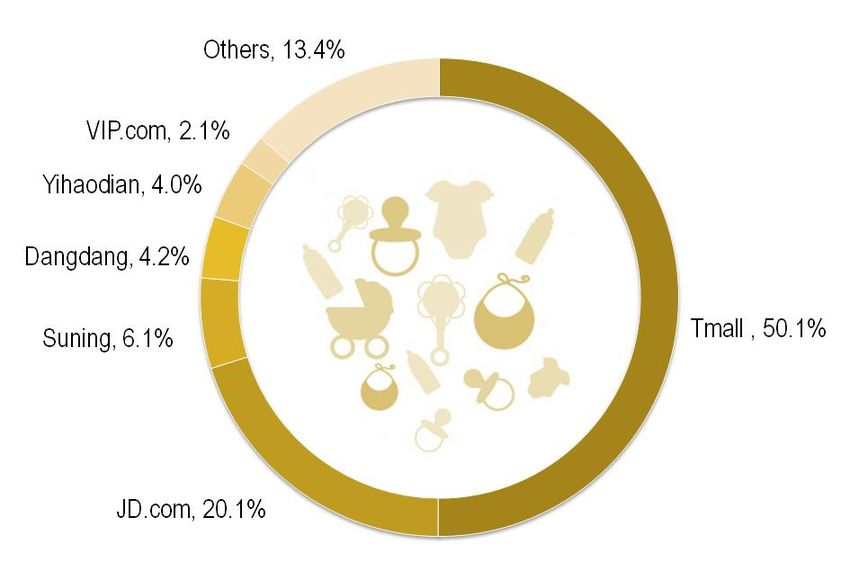
EXECUTIVE SUMMARY
         CONSUMER PREFERENCE SURVEY
                                                                               Both parents
                                                                               and children
                                                                              are the decision    Around half of
  Over 30% of respondents stated that                    Shopping malls            makers        the respondents
  they would visit shopping malls with                  with child-related                        spend 101-300
  child-related facilities weekly.                         facilities are                             yuan per
                                                              popular                               transaction

                                                 Product safety
                                                                                                             Simple and
  “Product safety” (72%), “garment material”    ranks among the
  (67%) and “value for money” (63%) are        highest concern for
                                                     Chinese
                                                                         8 KEY FINDINGS                    leisurely styles
                                                                                                             are preferred
  the top three concerns when choosing
  children’s clothing.                            consumers of
                                                 children’s wear

                                                                                                 Foreign brands
                                                         Shopping malls                           are the most
  While 70% of Chinese consumers                         and department                            sought after
  usually buy clothing in shopping malls,               stores are the top                       among Chinese
  56% and 54% also reported that they                   retail channels for                         customers
  usually shop in department stores and                   children’s wear      Chinese parents
  online respectively.                                                          love shopping
                                                                                    online

Source: Fung Business Intelligence Centre
                                                                                                                              5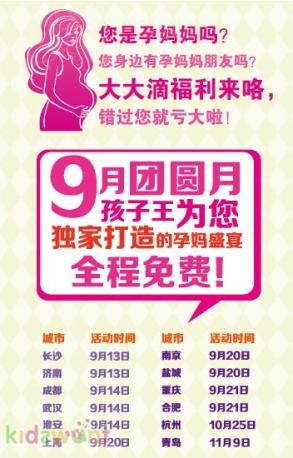
2. Overview

              6
MARKET OVERVIEW
CHINA’S APPAREL MARKET REMAINS STRONG DESPITE SLOWER GROWTH
China’s apparel market remains one of Exhibit 1: Total retail sales of clothing, shoes,
hats and textiles by enterprises above
the fastest growing markets in the
designated size**, 2010 - 2014
world despite seeing slower growth
over recent years*.
Total retail sales of clothing, shoes, hats
and textiles by enterprises over
designated size** amounted to 1,256
billion yuan in 2014, up 10.9% year-on-
year (yoy).
China is expected to overtake the U.S.
and become the world’s largest apparel
market by 2017.
Source: National Bureau of Statistics of the PRC; compiled by
Fung Business Intelligence Centre
* “China to overtake the U.S. to become the largest apparel market by 2017.” 26 April, 2014. Euromonitor International. 7
**Enterprises above designated size refer to enterprises with annual sales of 5 million yuan or above and with an employment of or over 60.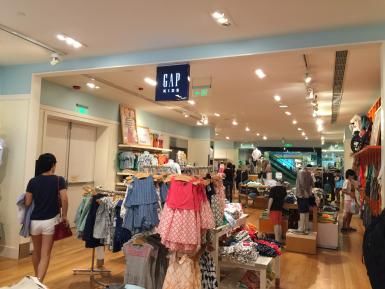
MARKET OVERVIEW
CHILDREN'S WEAR IS THE FASTEST-GROWING SECTOR
Children’s wear market is the fastest Exhibit 2: Yoy growth for China’s apparel
market, by category, 2013-2014
growing segment among the various
segments of the apparel sector. It saw
a 9.2% yoy growth in 2014, compared
with 7.1% yoy growth for menswear,
and 7.7% yoy growth for women’s
wear.
Children's wear market is also more
resilient than both the womens’ wear
and menswear market.
Since children quickly outgrow clothes
and therefore the purchase of new
children’s clothing is a necessity,
whereas adults can delay the purchase
of new clothes for themselves.
Source: Euromonitor International; compiled by Fung Business
Intelligence Centre
8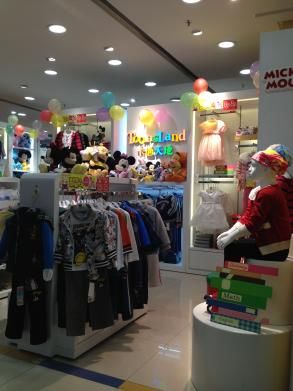
MARKET OVERVIEW
CHILDREN'S WEAR IS THE FASTEST-GROWING SECTOR (CONT’D)
However, the performance of the market is forecast to stabilise after the high
growth in recent years.
Exhibit 3: Retail sales of children's wear, 2011 – 2019 (estimates)
Source: Euromonitor International; compiled by Fung Business Intelligence Centre
9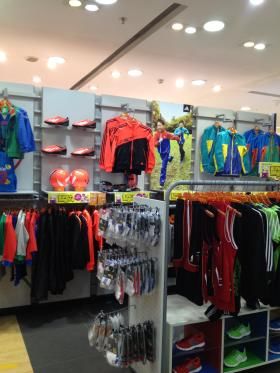
MARKET OVERVIEW
CHILDREN'S WEAR MARKET CONTINUES TO SEE HUGE GROWTH POTENTIAL
The growth momentum of children’s wear market in China is set to continue in the
coming years. The children’s wear market in China is forecast to grow at a
compound annual growth rate (CAGR) of 10.5% in 2014-2018, higher than the
global average of 6.4%*.
Exhibit 4: Compound annual growth rate of children's wear market, 2014-2018 (estimates)
Source: HKTDC; compiled by Fung Business Intelligence Centre
*HKTDC - http://economists-pick-research.hktdc.com/business-news/article/Research-Articles/Children-s-Clothing-Market-in-China-Trends-and- 10
Dynamics/rp/en/1/1X000000/1X0A1WEY.htmMARKET OVERVIEW
CHILDREN'S WEAR MARKET CONTINUES TO SEE HUGE GROWTH POTENTIAL
(CONT’D)
Population aged 0-15 accounted for 17.5% of the total population in 2014.
Since early 2014, the Chinese government has implemented a new policy which allows
couples to have two children if either parent is an only child in the family. Two million extra
babies are expected each year as a result of the new policy.
The unique “4-2-1” family structure, in which four grandparents (parental and maternal
grandparents), two parents and one child, may become “4-2-2”. This provides further
development opportunities for children’s wear market.
Exhibit 5: Birth rate and population of children aged 0-15 in China, 2014
Birth rate in Population aged
China, 2014 0-15, 2014
12.4
per 1,000 persons
239.6 million (17.5%)
Source: National Bureau of Statistics of the PRC 11MARKET OVERVIEW
BABY AND TODDLER WEAR TO REMAIN THE BEST-PERFORMING CATEGORY
Baby and toddler wear is and will Exhibit 6: Compound annual growth rate of
continue to be the best-performing sub- children's wear market, 2014-2019
category in the children's wear segment. (estimates)
The growth of girls’ apparel exceeds that
of boys’ apparel. Higher purchasing
frequency and higher unit prices are the
main driving forces behind the higher
growth of girls’ apparel.
Baby and toddler wear is forecast to
grow at a CAGR of 10.1% in 2014-2019e,
compared with 3.5% for boy’s wear and
5.0% for girl’s wear*. Source: Euromonitor Intertional;
compiled by Fung Business Intelligence Centre
*Euromonitor International – “Children's wear in China”, May 2015 12MARKET OVERVIEW
CHILD-RELATED CONSUMPTION IS HIGH IN MAJOR CITIES
According to Insite, child-related
Exhibit 8: Breakdown of child-
consumption in 10 major cities including related consumption, December
Beijing, Shanghai, Chengdu, Wuhan, 2014
accounted for 33% of the total daily
expenditure for family in 2014*.
Exhibit 7: Share of child-related
consumption of the total daily Apparel Toys 8.8%
expenditure for family, December 2014 18.8%
Food and
beverage
24.4%
Education
37.6% Entertain-
ment
10.4%
Source: Insite; compiled by Fung Business Intelligence Centre Source: Insite; compiled by Fung Business Intelligence Centre
*HKTDC - http://economists-pick-research.hktdc.com/business-news/article/Research-Articles/Children-s-Clothing-Market-in-China-Consumers- 13
Characteristics-and-Preferences/rp/en/1/1X000000/1X0A21T4.htmDISTRIBUTION CHANNEL
PHYSICAL STORES ARE STILL IMPORTANT, WHILE MULTI-CHANNEL RETAILING
IS INCREASINGLY POPULAR
For many parents, The rise of online retailing
“seeing, touching, is evident. Most foreign
smelling” the product is and local brands have
important before they make already built their online
their purchasing decisions. presence.
They still prefer to buy children’s wear from Reasons for buying online
physical stores, especially specialty stores Products are not yet available in China.
and professional stores, as they can Consumers already know the quality of
examine the products before purchasing. apparel from visiting physical stores; and
price offered online is cheaper.
Therefore physical stores are and will Brand is regularly worn by their children.
remain the key distribution channel for
children’s wear.
Currently, most children‘s wear brands adopt a multi-channel retailing model. They have both
physical stores as well as online stores and mobile apps to facilitate transaction. Having said that,
parents are very concern about the quality of the clothes their kids wear, the online channel largely
serves as a supplement of physical stores.
14DISTRIBUTION CHANNEL
PHYSICAL STORES ARE STILL IMPORTANT, WHILE MULTI-CHANNEL RETAILING
IS INCREASINGLY POPULAR (CONT’D)
Online retailing is gaining ground for baby and maternity products. Tmall and JD.com
accounted for 70% of the total B2C baby and maternity products market in 1Q15.
A number of cross-border e-commerce platforms such as mia.com are also targeting the
baby and maternity market and bringing imported goods into China.
Exhibit 9: China’s B2C market for baby and Exhibit 10: Market share of B2C players for baby
maternity products, 1Q12-1Q15 and maternity products, 1Q15
Source: Analysys; compiled by Fung Business Intelligence Centre Source: Analysys; compiled by Fung Business Intelligence Centre
153. Consumer buying preferences:
Survey and key findings
16SURVEY BACKGROUND
On 1-8 July 2015, the Fung Business Intelligence Centre conducted an online survey to study the
buying behaviour of parents regarding children’s clothing. A total of 377 valid responses were
collected.
Demography of respondents:
Gender:
Female: 74% Male: 26%
Age:
Beijing 7%
Shanghai: 73% 21-30 (23%) 31-40 (64%) 41-50 (11%)
Guangzhou 11% Number of Children:
87% 11% 7%
1 2 ≥3
Place of Residence:
Age of Child:
Shanghai 73% Nanjing 1% Guangzhou 1% Aged 0-3 53%
Beijing 7% Ningbo 1% Others 9%
Aged 4-8 49%
Shenzhen 6% Qingdao 1%
Aged 9-14 24%
17
Source: Fung Business Intelligence CentreKEY FINDINGS
SHOPPING MALLS AND DEPARTMENT STORES
ARE THE TOP RETAIL CHANNELS FOR CHILDREN’S CLOTHING
Shopping malls and department stores Where do you usually buy children’s clothing?
are the most popular retail channels to
shop for children’s clothing.
70%
Shopping malls
70% of the respondents prefer
purchasing children’s wear in shopping
malls, and 56% of respondents like to 56%
shop in department stores. Department stores
54%
Online stores (via PC)
53%
Online stores (via mobile)
37%
Baby and maternity specialty stores
19%
Hypermarkets and supermarkets
* Note: Multiple responses were allowed.
18
Source: Fung Business Intelligence CentreKEY FINDINGS
SHOPPING MALLS AND DEPARTMENT STORES
WITH CHILD-RELATED FACILITIES ARE POPULAR
More than half of the respondents visit How often do you bring your children to shopping
shopping malls and department stores malls and department stores with child-related
with child-related facilities at least once a facilities?
month. 32% of the respondents visit on a 32%
weekly basis. 22% 25%
18%
Parents with small children visit shopping 3%
malls and department stores with child-
related facilities more often. Weekly Monthly Depends Sometimes Never
on location
Respondents aged 41-50 are less often to
bring children to visit shopping malls and
department stores with child-related
facilities.
19
Source: Fung Business Intelligence CentreKEY FINDINGS
CHINESE PARENTS LOVE SHOPPING ONLINE
Online shopping is another popular shopping
channel, 54% of respondents purchase via PC and
53% of respondents use mobile devices to make
their purchase.
Where do you usually buy
Younger parents aged below 40 shop online more
children’s clothing?
frequently (over 50%) than parents aged 41 and
above (33%). They conduct purchases using both
PC and mobile devices.
54% on the PC
In terms of place of residence, respondents in
Shenzhen are more familiar with shopping online
compared with respondents in Shanghai and
53% through mobile phones
Beijing.
* Note: Multiple responses were allowed.
20
Source: Fung Business Intelligence CentreKEY FINDINGS
“PRODUCT SAFETY” IS THE NUMBER ONE CONCERN,
FOLLOWED BY “GARMENT MATERIAL” AND “VALUE FOR MONEY”
“Product safety” (72%), “garment material”
72% (67%) and “value for money” (63%) are the top
three concerns when choosing children’s
Product safety
67% clothing.
Garment material Most respondents cited that soft and
63%
comfortable fabrics such as pure cotton as their
favourite garment material. Female consumers
Value for money are more concerned about the material of the
clothes: 74% of female respondents chose
37% “garment material” as a key consideration when
Design buying children’s wear compared with 48% of
30% male respondents.
Brand
recognition Brand matters most among respondents in the
17%
41-50 age group. 43% of respondents aged 41-50
On sale
are concerned about “brand recognition” when
4% 2%
they buy children’s clothing, compared with 31%
Online review Friend of respondents in the 21-30 age group and 27%
recommendation of respondents in the 31-50 age group.
* Note: Respondents can choose three options.
21
Source: Fung Business Intelligence CentreKEY FINDINGS
SIMPLE AND LEISURELY STYLES OF CLOTHING ARE THE MOST POPULAR
When it comes to style of children’s What styles of children’s clothing do you prefer?
clothing, “simple and leisurely”
designs are the most popular among
the respondents (79%), followed by 79%
“stylish” designs (45%) and “sporty”
wear (40%).
45%
40%
28%
Our respondents are generally not in
favour of cartoon and animation
characters designs. That said, Disney
cartoon characters are the most well Simple and Stylish Sporty Cartoon and
received brand among the leisurely animation
respondents. characters
* Note: Multiple responses were allowed.
22
Source: Fung Business Intelligence CentreKEY FINDINGS
FOREIGN BRANDS ARE SOUGHT AFTER AMONG CHINESE CUSTOMERS
What are your favorite children’s wear brands?
Gap Adidas
Disney Paw in Paw
Nike Uniqlo
Zara Eland
Carter's Annil
Jeep Les Enphant
Balabala Winnie the Pooh
Gymboree Pencil Club
Hello Kitty Benetton
Nautica Kids Yeehoo
23
Source: Fung Business Intelligence CentreKEY FINDINGS
AROUND HALF OF THE RESPONDENTS SPEND
101-300 YUAN PER TRANSACTION
55% of the respondents spend 101-300 yuan How much do you spend in each
per transaction. transaction?
55%
Respondents in the 41-50 age group usually
spend more in each transaction than their
counterparts in other age groups. Over 60%
of the respondents aged 41-50 spend more 26%
than 301 yuan per transaction, compared
10%
with 44% of the respondents aged 21-30 and 6%
3%
35% of the respondents aged 31-40.
800 yuan
Respondents in Beijing also have the yuan yuan yuan
¥
tendency to spend more, 54% of them spend
more than 301 yuan per transaction,
compared with 37% of the respondents in
Shanghai and 34% of the respondents in
Shenzhen.
24
Source: Fung Business Intelligence CentreKEY FINDINGS
BOTH PARENTS AND CHILDREN ARE THE PURCHASE DECISION MAKERS
When it comes to purchasing decision making, 58% of the respondents said that both
parents and children are the purchase decision makers, while 37% of the respondents
said that parents decide what to buy.
For younger children, parents play a more important role in making purchasing decision
(48%), but for older children, 72% said that both parents and children decide together.
Who normally make the purchasing decision?
Both parents and children- 58% Parents only 37% Children 5%
* Note: Multiple responses were allowed.
25
Source: Fung Business Intelligence Centre4. Trends
• Product design
• Product extension
• Mobile revolution
• Social media
• Technologies and Big data
• O2O
26PRODUCT DESIGN
Our survey indicates that parents are increasingly looking for stylish and fashionable
designs and we observe that more brands are offering children’s apparel in “grown-
up” designs that are similar to the style of adults clothing.
“Parent-child” series are increasingly gaining attention. At present, only a few
clothing brands on the mainland offer parent-child series, and most are either
sportswear or sweatshirts. Many industry experts believe this relatively untapped
market has huge development potential.
Another area that brands should focus more on is the gift market. Most people
would choose famous brands when buying children’s wear, especially baby’s
clothes, as gifts, largely because they are more presentable and deemed more
acceptable. Indeed, many players have begun to offer gift boxes.
27PRODUCT DESIGN
Some brands originally offering apparel for adults as well as international brands are
venturing into the children's wear market. However, the different specifications and
safety regulations for children’s wear often make it difficult for them to extend to
the children's wear market. Selected examples include Semir, Li Ning, Xtep, Uniqlo,
and Zara.
On the other hand, eyeing the huge potential of the baby and toddler's wear
market, some brands originally focus on older kids segment has shifted emphasis to
the baby wear segment. A typical example is Annil.
At the same time, some children’s wear retailers have expanded their business
scope by transforming from a retailer into a service provider. Apart from selling
products, they also provide one-stop services to families.
CASE STUDY:
KIDSWANT
28CASE STUDY
KIDSWANT
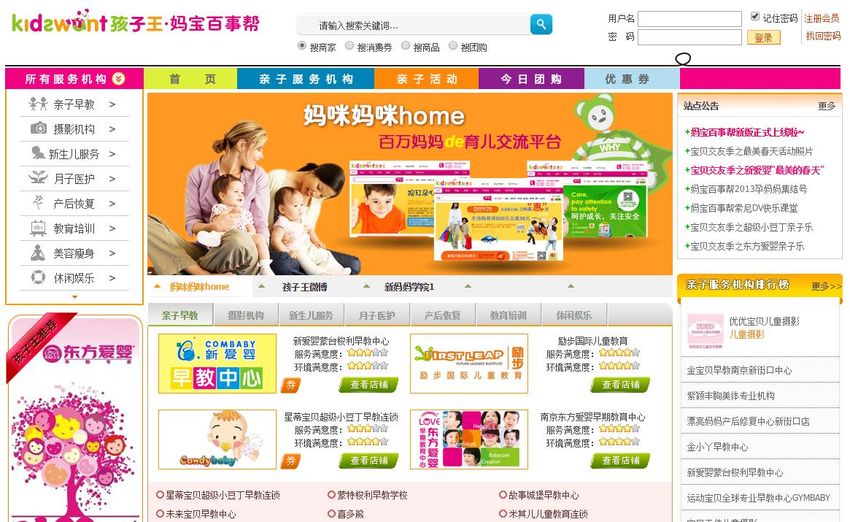
China Kidswant Investment Holdings Co., Ltd. (Kidswant) is a specialty retailer selling apparel
and accessories for mums-to-be and children (aged from newborn to 14 years)
The company was established in 2009 and headquartered in Jiangsu province
By the end of 2013, Kidswant has over 40 stores in Shanghai, Jiangsu, Zhejiang, Anhui,
Chongqing, Sichuan, Hunan, Hubei and Shandong
Kidswant has set up an
online platform to let third-
party vendors promote their
services including maternity
care, early education,
swimming classes,
photography, and art and
music courses.
29CASE STUDY
KIDSWANT
The retailer also regularly organises events, such as seminars for mums-to-be, kids
winter camps, and annual kids carnival parties to build closer relationship with
customers.
30CASE STUDY
KIDSWANT
Moreover, Kidswant has set up
an online forum for parents to
discuss and share their
experience on pregnancy and
raising children.
31MOBILE REVOLUTION
FROM E-COMMERCE TO M-COMMERCE AND S-COMMERCE
China’s e-commerce market is growing rapidly,
apparently without boundaries, and m-commerce is
becoming a larger part of the e-commerce pie.
Transaction value of mobile Number of shoppers who buy
shopping online via mobile devices
An increasing number of children's wear brands
have built a digital and mobile presence to capitalise
on the growing trend for customers using mobile
devices to obtain product information and carry out
transactions.
They have set up their own online transactional
website or mobile app. Many of them are selling
their products on WeChat or Weidian.
iResearch - http://www.iresearch.com.cn/coredata/2014q4_3.shtml , CNNIC 32SOCIAL MEDIA
Social media is having a huge impact on Exhibit 11: Social media users in China and the U.S.,
consumer purchasing decisions. This is January 2015
especially the case in China since Chinese
shoppers generally engage more actively
on social media platforms than their
overseas peers.
China has the largest number of social
media users in the world and the highest
percentage of Internet users using social
media.
Social media platforms are particularly
relevant for the children’s wear market
as parents are inclined to buy children's
wear brands recommended by relatives Source: wearesocial.net, China Internet Network Information Centre;
compiled by Fung Business Intelligence Centre
and friends, while retailers increasingly
engage with consumers through social
media and hope to build positive word-
of-mouth.
33TECHNOLOGIES AND BIG DATA
In today’s digital world, many retailers
adopt new technologies to provide
customers with a more personalised
shopping experience.
New technologies allow brands to set up
their online and mobile platforms, and
engage in social networks, while big data
technologies allow retailers to better
understand their needs, preferences and
shopping habits. The use of data analytic
tools allows brands and retailers to collect
and analyse huge amount of consumer data
so that they can tailor-made products and
services for them.
34O2O
Increasing numbers of
retailers and brands use
O2O approaches to engage
customers and provide a
seamless and integrated
experience for customers
across all channels.
Meanwhile, many retailers Launching mobile
also feature children’s play Offline retailers go Offering more pick-
apps to facilitate
online; e-tailers go up points and pick-
areas and offer temporary “shopping on the
from clicks to bricks up services
babysitting services, go”
allowing parents to shop at
their leisure. Forming partnership
Integrating back-end Unifying online and
with Internet
operations offline pricing
companies
CASE STUDY:
LEYOU
35CASE STUDY
LEYOU
Leyou (China) Chain store Co., Ltd. (Leyou) is a specialty retailer selling apparel and accessories for
mums-to-be and children (aged from newborn to 14 years)
The company was established in 1999 and headquartered in Beijing
It has over 400 retail stores nationwide
• Leyou has over 400 retail stores
nationwide
Physical stores • Provide free WiFi at each store
• Provide tablets for consumers to shop
online
• It has its own transactional • Serve as “temporary storage” for the
online mall
online store and stores on • Offer parent-child activities at stores
other e-commerce platforms every week
including Taobao, Tmall, and
JD.com
• It actively engages with Mobile app
customers via social media Online stores
• It has set up a mobile
app with online
transaction function
and built-in scan
function
36CASE STUDY
LEYOU
Recommendations
Identify new niche
markets or market
gaps
Information collection Data analytics
BIG
• Member’s registration
information
• Consumer’s spending
records and their purchase Recommend products
cycles and send re-order
DATA
• Comments and feedback reminders at
posted on social media appropriate times
platforms
Design more effective
and personalised
marketing campaigns
and promotions
375. Brand analysis and company profile
38BRAND ANALYSIS
TOP 10 CHILDREN'S WEAR BRANDS IN CHINA
Exhibit 12: Brand share of the top 10 children's Children's wear market in China is
wear brands in China, 2010 and 2014 fragmented. The Top 10 brands*
accounted for around 10% of the total in
2014.
No dominant leader is found in the
market yet.
The difference in market share between
the top players is very small.
Domestic brands Balabala, Annil and
Pepco remained the top three brands in
2014.
Foreign players Gap and H&M as well as
local brands Red Kids, Anta Kids and
Pencil Club were the new entrants in the
2014 ranking, while Dadida, Bobdog,
Shuihaier, Paclantic and Nike Kids
dropped out.
Source: Euromonitor International; compiled by Fung Business
Intelligence Centre 39BRAND ANALYSIS
TOP 10 CHILDREN'S WEAR BRANDS IN CHINA
Exhibit 13: Brand share of the top 10 children's wear Domestic brands clearly
brands in China, 2014 dominated the China market,
7 out of the top 10 children's
wear brands in China were
domestic brands.
Source: Euromonitor International; compiled by Fung Business Intelligence Centre
* Disney apparel is distributed under The Roly Group, and Li & Fung has acquired the children apparel and toys businesses in Greater China 40
from The Roly Group in 2010.BRAND ANALYSIS
TOP 10 CHILDREN'S WEAR BRANDS IN CHINA
Exhibit 14: Average price and product offerings of the top children’s wear brands in China
* Note: Comparing marked price for similar style of T-shirts for boys.
Source: Euromonitor International; company websites; compiled by Fung Business Intelligence Centre
41BRAND ANALYSIS TOP 10 CHILDREN'S WEAR BRANDS IN CHINA Exhibit 15: Positioning map of the top children’s wear brands in China Source: Fung Business Intelligence Centre 42
BRAND ANALYSIS
           CNCIC* - PERFORMANCE OF THE TOP 20 BRANDS IN CHILDREN'S WEAR MARKET IN
           CHINA IN 2014
                                           Brand                                                               Market shares** (%)
                                         Balabala                                                                     4.18
                                        Adidas Kids                                                                   4.00
                                          Nike Kids                                                                   3.58
                                            Annil                                                                     3.47
                                       Les Enphants                                                                   2.39
                                         Shuihaier                                                                    1.92
                                           E-land                                                                     1.72
                                        Paw in Paw                                                                    1.72
                                        Goodbaby                                                                      1.65
                                         Anta Kids                                                                    1.60
                                           Pepco                                                                      1.53
                                            ABC                                                                       1.51
                                          Camkids                                                                     1.47
                                         Labi Baby                                                                    1.46
                                          Dadida                                                                      1.44
                                          Snoopy                                                                      1.35
                                          Whale'c                                                                     1.28
                                         Paclantic                                                                    1.17
                                          Yeehoo                                                                      1.13
                                           Disney                                                                     1.07

*The China National Commercial Information Centre (CNCIC) conducts monthly survey to around 200 major department stores in China to study the performance of
different apparel sub-sectors. It is noteworthy that the CNCIC data covers sales in major department stores only. For children’s wear, professional stores, specialty stores,
hypermarkets and supermarkets are also important sales channels. Hence, the actual overall market share of the brands may deviate from the CNCIC survey.
**The market share is obtained based on the weighted mean of the market share and the market coverage, indicating the overall market share of children's wear brands in China   43
with regard to varying weights in different regions.
BRAND ANALYSIS
CNCIC - PERFORMANCE BY SUB-SEGMENT
THE TOP 10 BRANDS IN CHILDREN’S SPORTSWEAR IN 2014
Brand Market shares* (%)
Adidas Kids 25.43
Nike Kids 23.10
Anta Kids 10.01
Camkids 9.73
361 Degrees Kids 6.70
Xtep 5.31
Jeep 5.30
Kappa 2.75
New Balance 2.53
Li Ning Kids 1.88
Others 7.26
Note: It is noteworthy that the CNCIC data covers sales in major department stores only. The actual overall market share of children's wear brands may deviate
from the CNCIC data.
*The market share is obtained based on the weighted mean of the market share and the market coverage, indicating the overall market share of children's 44
wear brands in China with regard to varying weights in different regions.BRAND ANALYSIS
CNCIC - PERFORMANCE BY SUB-SEGMENT
THE TOP 10 BRANDS IN BOYS' AND GIRLS' WEAR IN 2014
Brand Market shares* (%)
Balabala 5.72
Annil 4.69
Shuihaier 2.59
Goodbaby 2.23
Pepco 2.06
ABC 2.05
Dadida 1.95
Snoopy 1.81
Whale'c 1.72
Paclantic 1.59
Others 73.59
Note: It is noteworthy that the CNCIC data covers sales in major department stores only. The actual overall market share of children's wear brands may deviate
from the CNCIC data.
*The market share is obtained based on the weighted mean of the market share and the market coverage, indicating the overall market share of children's 45
wear brands in China with regard to varying weights in different regions.BRAND ANALYSIS
CNCIC - PERFORMANCE BY SUB-SEGMENT
THE TOP 10 BRANDS IN TODDLERS' AND BABIES' WEAR IN 2014
Brand Market shares* (%)
Les Enphants 11.78
Yeehoo 5.81
Labi Baby 3.85
Goodbaby 3.48
Piyopiyo 2.30
Hallmark 2.16
Shuihaier 1.97
Senbodulun 1.89
Annil 1.86
Nicholas Bears 1.66
Others 63.26
Note: It is noteworthy that the CNCIC data covers sales in major department stores only. The actual overall market share of children's wear brands may deviate
from the CNCIC data.
*The market share is obtained based on the weighted mean of the market share and the market coverage, indicating the overall market share of children's 46
wear brands in China with regard to varying weights in different regions.BRAND ANALYSIS
BRAND PROFILE
In June 2015, the Fung Business Intelligence Centre visited the store of selected
major children’s wear brands in Shenzhen and Guangzhou, including Balabala,
Annil, Pepco, Adidas Kids, Gap Kids, Anta Kids, Disney, Pencil Club, H&M Kids and
Nike Kids. This section highlights the store basics, product offerings and prices,
visual merchandising, promotional campaigns and O2O initiatives.
47BRAND ANALYSIS
BRAND PROFILE
Profile: Product categories and prices:
• A Chinese brand established in
2002
• Store count nationwide
(self-managed/franchised
stores): ~3,540*
• No. of cities: ~180*
• Market share (2014): 3.6%**
Design:
• Casual, trendy
Target:
• 0-16 years old
Product mix:
Girl: 40% Boy: 40% Baby: 20%
Note: Data as of June 2015; facts and observation provided are based on the store visits conducted in field trip in June 2015
*Balabala’s offical website - http://www.balabala.com.cn/en/?page_id=858# , accessed in May, 2015 48
** Euromonitor International – “Children's wear in China”, May 2015BRAND ANALYSIS
BRAND PROFILE
Website:
• http://www.balabala.com.cn/
Online stores:
▪ Tmall - http://balabala.tmall.com/
▪ JD - http://balabala.jd.com/
▪ Dangdang - http://shop.dangdang.com/8603
▪ YHD - http://shop.yhd.com/dpzx/m-81455.html?glTrueReffer=https%3A%2F%2Fwww.google.com.hk%2F
Social media:
• WeChat, Sina Weibo, mobile app (non-transactional)
O2O integration:
▪ In-store poster with QR code to promote the brand’s WeChat account.
Store Basics: Standalone store Visual merchandising:
Location No. 112 Hua Jing Road, ▪ Cross merchandising, with tops,
Tianhe District bottoms and accessories mix &
(Guangzhou) match
Promotion:
Store size Around 500 sqft ▪ 12% off discount for any two
No. of staff 2 items
VIP program:
Surrounding brands Annil
▪ 12% off discount on new arrivals
Close to the escalator N.A ▪ Exclusive birthday discount
49BRAND ANALYSIS
BRAND PROFILE
Profile: Product categories and prices:
• A Chinese brand established in
1996
• Store count nationwide
(self-managed/franchised
stores): ~1,629*
• No. of cities: ~46*
• Market share (2014): 0.9%**
Design:
• Cartoon, casual
Target:
• 0-12 years old
Product mix:
Girl: 50% Boy: 40% Baby: 10%
Note: Data as of June 2015; facts and observation provided are based on the store visits conducted in field trip in June 2015
* Annil’s offical website - http://www.annil.com/about/, accessed in May, 2015 50
** Euromonitor International – “Children's wear in China”, May 2015BRAND ANALYSIS
BRAND PROFILE
Website:
• http://www.annil.com/
Online stores:
▪ Tmall - http://annil.tmall.com/
▪ JD - http://annil.jd.com/?cpdad=1DLSUE
▪ Dangdang - http://shop.dangdang.com/4236
▪ YHD - http://shop.yhd.com/dpzx/cms-26538-672740.html
▪ Paipai - http://shop.paipai.com/855010068
▪ Vip.com - http://www.vip.com/show-461060.html?ff=3|10|28395|6
▪ Cod flash sales - http://annilcod.jd.com/
Social media:
• WeChat, Sina Weibo
Store Basics: Store in department store Visual merchandising:
▪ Storage merchandising products
Name of the Shenzhen Maoye
are displayed in divided storage
department store Department Store
on the shelves
Store size Around 300 - 400 sqft Promotion:
No. of staff 2 ▪ 20% to 50% off discount on
selected items
Surrounding brands QQ Duck , Mini Peace VIP program:
▪ 15% to 20% off discount on new
Close to the escalator N.A arrivals
▪ Exclusive birthday discount
51BRAND ANALYSIS
BRAND PROFILE
Profile: Product categories and prices:
• A Chinese brand established in
1995
• Store count nationwide
(self-managed/franchised
stores) : ~2,700*
• No. of cities: ~30*
• Market share (2014): 0.9%**
Design:
• Cartoon, casual
Target:
• 0-15 years old
Product mix:
Girl: 60% Boy: 40%
Note: Data as of June 2015; facts and observation provided are based on the store visits conducted in field trip in June 2015
*Jmw.com - http://www.jmw.com.cn/xm27052/, accessed in May, 2015 52
**Euromonitor International – “Children's wear in China”, May 2015BRAND ANALYSIS
BRAND PROFILE
Website:
• http://www.pepco.com.cn/
Online stores:
▪ Tmall - http://pepco.tmall.com/
▪ JD – http://mall.jd.com/index-57219.html
▪ VIP.com - http://brand.vip.com/Pepco/
Social media:
• WeChat, Sina Weibo
Store Basics: Store in department store Visual merchandising:
▪ Zone merchandising according
Name of the Shenzhen Maoye to different categories
department store Department Store Promotion:
Store size Around 200 – 300 sqft ▪ 30% to 50% off discount on
selected items
No. of staff 1
VIP program:
Surrounding brands JoJo ▪ 10% off discount on new arrivals
▪ Exclusive birthday discount
Close to the escalator Yes
53BRAND ANALYSIS
BRAND PROFILE
Profile: Product categories and prices:
• A German sportswear entered
China in 1997*
• Store count nationwide
(self-managed/franchised stores):
n/a
• No. of cities: n/a
• Market share (2014): 0.7%**
Design:
• Sporty, causal
Target:
• 0 -14 years old
Product mix:
Girl: 40% Boy: 40% Baby: 10%
Note: Data as of June 2015; facts and observation provided are based on the store visits conducted in field trip in June 2015
*Adidas’s official website - http://careers.adidas-group.com/management-trainee-program.aspx, accessed in June 2015 54
**Euromonitor International – “Children's wear in China”, May 2015BRAND ANALYSIS
BRAND PROFILE
Website:
• http://www.adidas.com/cn
Online stores:
▪ Self-operated online store - http://shop.adidas.cn/
▪ Tmall - http://adidas.tmall.com/
▪ JD - http://adidas.jd.com/?cpdad=1DLSUE
▪ Paipai - http://shop.paipai.com/287447076/0-0000000000-0-7-1-40-0-0-0-0/sKK1z14tMV4tMQ==/index.shtml
Social media:
• WeChat, Sina Weibo
Store Basics: Store in department store Visual merchandising:
▪ Cross merchandising, with tops,
Name of the Shenzhen Maoye bottoms and accessories mix &
department store Department Store match
Store size Around 200 – 300 sqft Promotion:
▪ 5% off with Maoye Department
No. of staff 1
Store membership card
Surrounding brands Nike VIP program:
▪ 10% off discount with
Close to the escalator N.A membership card
55BRAND ANALYSIS
BRAND PROFILE
Profile: Product categories and prices:
• An American brand established
in 1969
• Store count nationwide
(self-managed stores): ~100*
• No. of cities: ~28*
• Market share (2014): 0.6%**
Design:
• Causal, stylish
Target:
• 0 -14 years old
Product mix:
Girl: 40% Boy: 40% Baby: 20%
Note: Data as of June 2015; facts and observation provided are based on the store visits conducted in field trip in June 2015
*Gap’s official website - http://www.gap.cn/, accessed in May 2015 56
** Euromonitor International – “Children's wear in China”, May 2015BRAND ANALYSIS
BRAND PROFILE
Website:
• http://www.gap.cn/
Online stores:
▪ Self-operated online store - http://www.gap.cn/
▪ Tmall - http://gap.tmall.com/
▪ JD - http://gap.jd.com/?cpdad=1DLSUE
Social media:
• WeChat, Sina Weibo
O2O integration:
▪ Promote online store at the offlince store
▪ Scan QR code linked to WeChat and online store
Store Basics: Store in shopping mall Visual merchandising:
▪ Cross merchandising, with tops,
Name of the Futian Coco Park
bottoms and accessories mix &
department store (Shenzhen)
match
Store size Around 500 – 600 sqft Promotion:
No. of staff 2 ▪ Up to 50% discount on selected
items
Surrounding brands No children’s wear brand VIP program:
around ▪ Membership registration required
Close to the escalator N.A for online purchase at self-
operated online store
57BRAND ANALYSIS
BRAND PROFILE
Profile: Product categories and prices:
• A Chinese brand established in
2008
• Store count nationwide
(self-managed/franchised
stores) : ~1,228*
• No. of cities: ~143*
• Market share (2014): 0.6%**
Design:
• Sporty, causal
Target:
• 3 -14 years old Product mix:
Girl: 50% Boy: 50%
Note: Data as of June 2015; facts and observation provided are based on the store visits conducted in field trip in June 2015
*Anta Kids’ official website - http://antakids.com/, accessed in June , 2015 58
**Euromonitor International – “Children's wear in China”, May 2015BRAND ANALYSIS
BRAND PROFILE
Website:
• http://www.anta.com/
Online stores:
▪ Self-operated online store - http://antakids.com/
▪ Mobile app (transactional)
▪ Tmall - http://anta.tmall.com/
▪ JD - http://anta.jd.com/
▪ Vip - http://brand.vip.com/ANTA/
Social media:
• WeChat, Sina Weibo
Store Basics: Store in shopping mall Visual merchandising:
▪ Cross merchandising, with tops,
Name of the Grandview Mall bottoms and accessories mix &
department store (Guangzhou) match
Store size Around 100 sqft Promotion:
▪ 12% off discount on one item
No. of staff 2
▪ 25 % off discount on two items
Surrounding brands Cross, Skechers VIP program:
▪ 5% -10% off discount on new
Close to the escalator Yes arrivals
59BRAND ANALYSIS
BRAND PROFILE
Profile: Product categories and prices:
• An American brand established
in 1923
• Store count nationwide
(self-managed/franchised stores):
~150*
• No. of cities: 24*
• Market share (2014): 0.6%**
Design:
• Cartoon, causal
Target:
• 2 -12 years old
Product mix:
Girl: 50% Boy: 50%
Note: Data as of June 2015; facts and observation provided are based on the store visits conducted in field trip in June 2015
*Toonsland’s official website - http://www.toonsland.com/location.asp, accessed in July 2015 60
**Euromonitor International – “Children's wear in China”, May 2015BRAND ANALYSIS
BRAND PROFILE
Website:
• http://www.toonsland.com/aboutus.asp
Online stores:
▪ Xiaozhuren (Website currently under construction)
Social media:
• Sina Weibo
Store Basics: Store in department store Visual merchandising:
▪ Cross merchandising, with tops,
bottoms and accessories mix &
Name of the Shenzhen Maoye match
department store Department Store Promotion:
Store size Around 200 – 300 sqft ▪ Purchasing one piece get 30%
off; purchasing two pieces get
No. of staff 1 40% off
Surrounding brands Goodbaby, QQ Duck VIP program:
▪ Join for free
▪ Every 2 yuan spending can
Close to the escalator Yes
collect one point; every 500
points can have 25 yuan off
61BRAND ANALYSIS
BRAND PROFILE
Profile: Product categories and prices:
• A Chinese brand established in
1996
• Store count nationwide
(self-managed/franchised stores):
~1,500*
• No. of cities: n/a
• Market share (2014): 0.5%**
Design:
• Classic, trendy
Target:
• 4 -14 years old
Product mix:
Girl: 50% Boy: 50%
Note: Data as of June 2015; facts and observation provided are based on the store visits conducted in field trip in June 2015
* Pencil Club’s official website - http://www.pencilclub.com, accessed in June, 2015 62
** Euromonitor International – “children's wear in China”, May 2015BRAND ANALYSIS
BRAND PROFILE
Website:
• http://www.pencilclub.com/
Online stores:
▪ Tmall - http://pencilclub.tmall.com/
▪ Dangdang - http://shop.dangdang.com/15819
Social media:
• WeChat, Sina Weibo, mobile app (non-transactional)
O2O integration:
▪ In-store QR code linked to WeChat
Store Basics: Store in department store Visual merchandising:
▪ Cross merchandising, with tops,
Name of the Shenzhen Maoye bottoms and accessories mix &
department store Department Store match
Store size Around 200 – 300 sqft Promotion:
▪ Up to 40% off discount on
No. of staff 1
selected items
Surrounding brands Ponpoko VIP program:
▪ 10% off discount on new arrivals
Close to the escalator N.A
63BRAND ANALYSIS
BRAND PROFILE
Profile: Product categories and prices:
• A Swedish brand established in
1947
• Store count nationwide
(self-managed stores): ~252* (Not
every store include kid’s wear
section)
• No. of cities: ~71*
• Market share (2014): 0.5%*
Design:
• Causal, stylish
Target:
• 0 -14 years old
Product mix:
Girl: 40% Boy: 40% Baby: 20%
Note: Data as of June 2015; facts and observation provided are based on the store visits conducted in field trip in June 2015
*H&M China’s official website - http://www2.hm.com/zh_cn/index.html, accessed in May 2015 64
** Euromonitor International – “Children's wear in China”, May 2015BRAND ANALYSIS
BRAND PROFILE
Website:
• http://www2.hm.com/zh_cn/index.html
Online stores:
▪ Self-operated online store - http://www2.hm.com/zh_cn/index.html
▪ Mobile app (transactional)
Social media:
• WeChat, Sina Weibo
Store Basics: Store in shopping mall Visual merchandising:
▪ Cross merchandising, with tops,
bottoms and accessories mix &
Name of the PoPark Mall (Guangzhou
match
department store East Rail Station)
Promotion:
Store size Around 300 sqft ▪ Buy two get one free
No. of staff 8-10 ▪ Up to 40% off discount for
selected items
Surrounding brands No children’s wear brand VIP program:
around ▪ Membership registration required
Close to the escalator Yes for online purchase at self-
operated online store
65BRAND ANALYSIS
BRAND PROFILE
Profile: Product categories and prices:
• An American sportswear
entered China in 1982*
• Store count nationwide
(self-managed/franchised stores):
n/a
• No. of cities: n/a
• Market share (2014): 0.2%**
Design:
• Sporty, causal
Target:
• 0 -12 years old
Product mix:
Girl: 40% Boy: 40% Baby: 20%
Note: Data as of June 2015; facts and observation provided are based on the store visits conducted in field trip in June 2015
*Bloomberg - http://www.bloomberg.com/news/articles/2013-07-16/nike-s-lost-year-in-china-serves-as-cautionary-tale 66
**Euromonitor International – “Children's wear in China”, May 2015BRAND ANALYSIS
BRAND PROFILE
Website:
• http://www.nike.com/cn/zh_cn
Online stores:
▪ Self-operated online store - http://www.nike.com/cn/zh_cn/
▪ Mobile app (transactional)
▪ Tmall - http://nike.tmall.com/
▪ JD - http://nikekids.jd.com/
▪ Paipai - http://shop.paipai.com/287447076/0-0000000000-0-7-1-40-0-0-0-0/xM2/yyDQrF4tMV4tMQ==/index.shtml
Social media:
• WeChat, Sina Weibo
Store Basics: Store in department store Visual merchandising:
▪ Cross merchandising, with tops,
Name of the Shenzhen Maoye bottoms and accessories mix &
department store Department Store match
Promotion:
Store size Around 200-300 sqft
▪ 5% off with Maoye Department
No. of staff 2 Store membership card
Surrounding brands Jeep, Adidas , Boss VIP program:
▪ Nil
Close to the escalator N.A
676. Summary
68SUMMARY Relaxation of
one-child policy from
“4-2-1” to “4-2-2” family
More
structure
sophisticated
Brand-conscious
Room for Increasing household
Drifting towards future income
fashion and growth High labour costs/
lifestyles brands labour turnover
Digital savvy and Cost of Huge Investments
more interactive Consumer doing in multiple
channels &
preference businesses advanced
Children’s technologies
wear
Getting fierce
with more market Lack of talents
(sales and
players entering marketing,
the market buyers, senior
Online shops are Competition Manpower management)
drawing store
traffic/
businesses away
from offline
Regulatory
shops issues Product safety
Adopting O2O remains the primary
strategies concerns for parents
69End
70CONTACTS
Asia Retail and Distribution Fung Business Intelligence Centre
Teresa Lam 10/F, LiFung Tower,
Vice President 888 Cheung Sha Wan Road,
teresalam@fung1937.com Kowloon, Hong Kong
(852) 2300 2466
Tel: (852) 2300 2470
Christy Li Fax: (852) 2635 1598
Research Manager Email: fbicgroup@fung1937.com
christyli@fung1937.com http://www.fbicgroup.com/
(852) 2300 2476
Tracy Chan
Research Analyst
tracychansy@fung1937.com
(852) 2300 2480
71Find us on WeChat
FBIC WEBSITE
www.fbicgroup.com
Picture sources: http://www.freepik.com
© Copyright 2015 Fung Business Intelligence Centre. All rights reserved.
Though the Fung Business Intelligence Centre endeavours to have information presented in this document as accurate and updated as
possible, it accepts no responsibility for any error, omission or misrepresentation. Fung Business Intelligence Centre and/or its associates
accept no responsibility for any direct, indirect or consequential loss that may arise from the use of information contained in this
document.
72You can also read


