City of Whittlesea's Towards Zero Waste Draft Strategy 2021 2030 - Our plan for a zero waste city through waste avoidance, resource recovery and ...
←
→
Page content transcription
If your browser does not render page correctly, please read the page content below
City of Whittlesea’s
Towards Zero Waste
Draft Strategy 2021 - 2030

Our plan for a zero waste city through waste avoidance,
resource recovery and environmental protection.
Acknowledgement of Traditional Owners

The City of Whittlesea recognises the rich Aboriginal heritage of this country and
acknowledges the Wurundjeri Willum Clan as the traditional owners of this place.

We acknowledge and respect their unique ability to care for Country and deep
spiritual connection to it. We honour Elders past and present whose knowledge
and wisdom has ensured the continuation of culture and traditional practices.

02   C I T Y O F W H I T T L ES E A’S TOWA R D S Z E R O WAST E ST R AT EGY 2 0 2 1 - 2 0 3 0
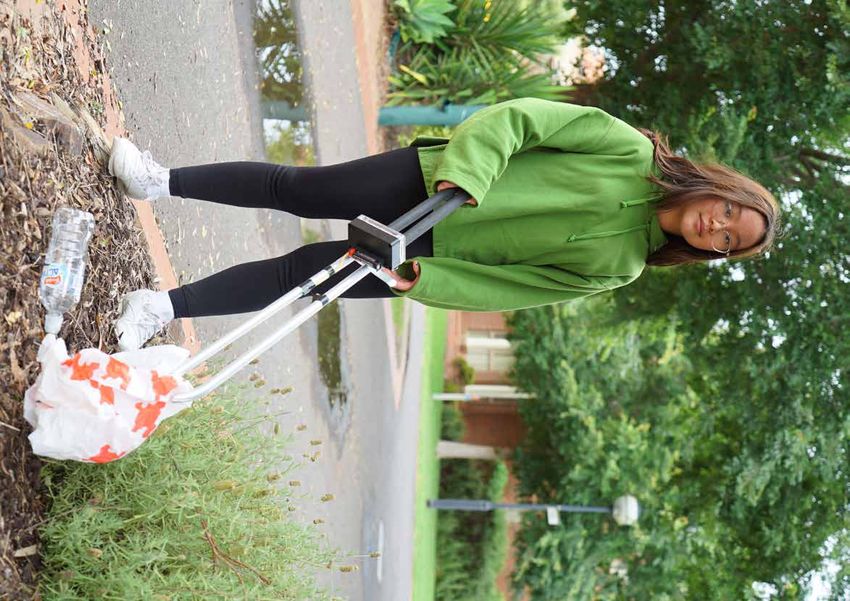
Table of contents
Executive summary                       05

Our vision for waste management         07

Actions to move us towards zero waste   08

Introduction                            09

Our City’s waste                        11

The big picture                         17

Complementary policies                  20

Proposed national and state targets     22

Kerbside household recycling reforms    24

Community input                         31

A zero waste city                       36

Avoid                                   38
Avoid Action Plan                       40

Recover                                 42
Recover Action Plan                     45

Protect                                 46
Protect Action Plan                     48

Delivering the strategy                 50

References                              51

                                        03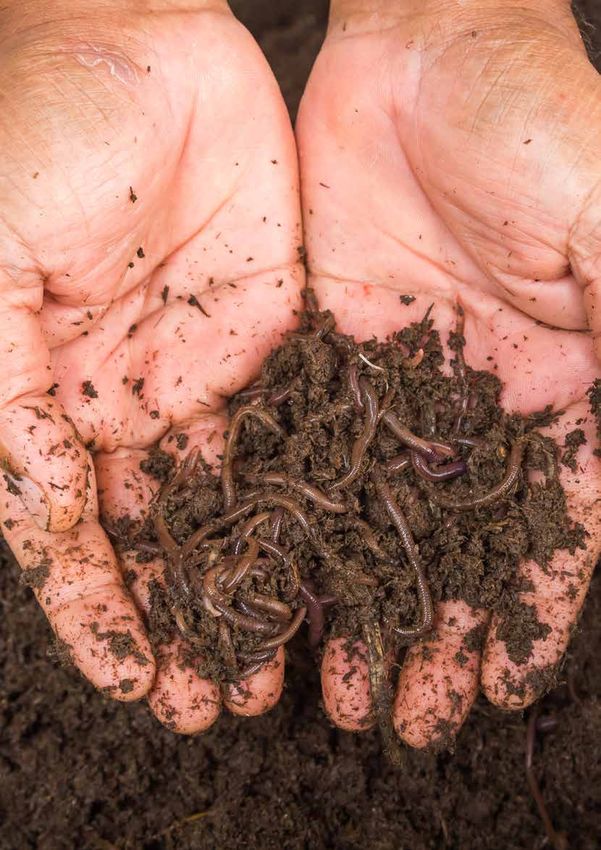
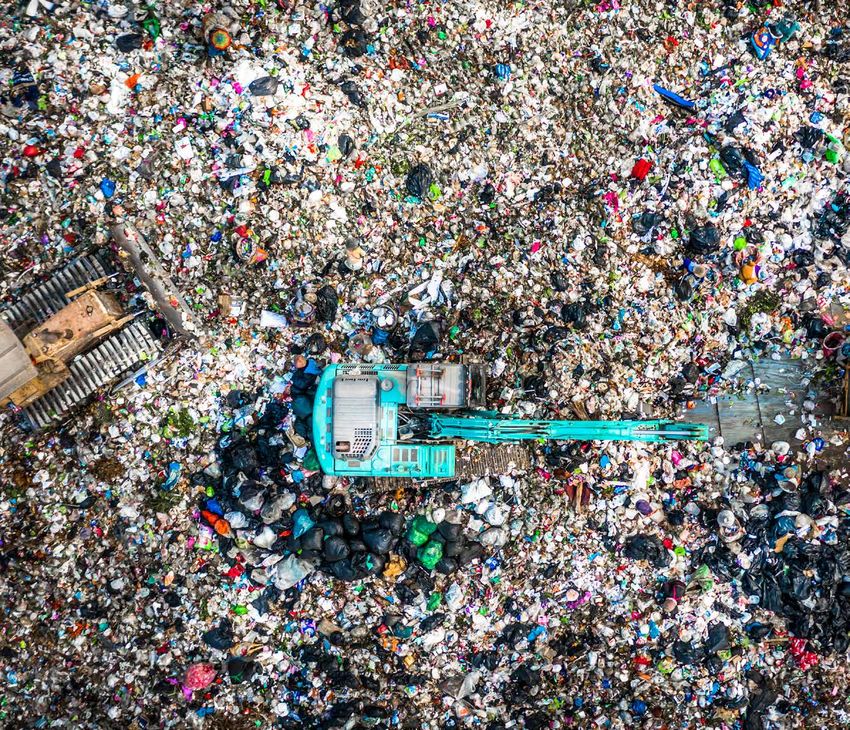
Landfill, aerial view.

04    C I T Y O F W H I T T L ES E A’S TOWA R D S Z E R O WAST E ST R AT EGY 2 0 2 1 - 2 0 3 0
Executive summary
The City of Whittlesea is aiming for zero waste to landfill by 2030 to help our community
transition to a circular economy and lead in sustainable living through waste avoidance,
resource recovery and environmental protection.
There have been numerous challenges with recycling in Victoria. Population growth and
increased consumption have put pressure on our resource recovery system.
City of Whittlesea’s Towards Zero Waste Strategy 2021-2030 (the Strategy) has been prepared
considering the following:
•   The regulatory framework for waste and recycling
•   Broader issues and opportunities that shape how we manage waste and recycling
•   Historical waste management processes
•   Current models and principles relevant to waste management
•   The shared responsibility of governments and communities to reduce and manage waste
•   Feedback from the community during the consultation period.

                                                                                              05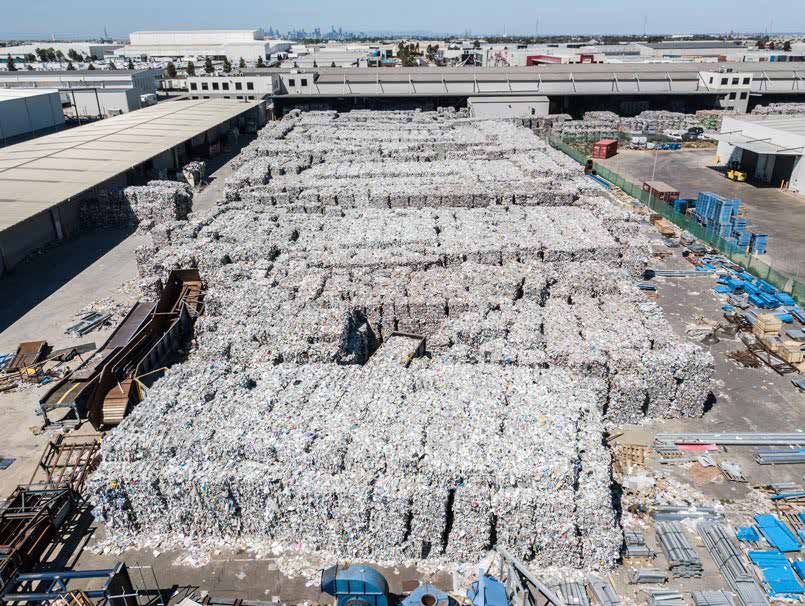
The Strategy aims to guide the community                                       Key actions in this strategy include:
towards a zero waste city in the next ten years.
                                                                               Advocate for reduced consumer
                                                                               packaging and more product stewardship
                                                                               programs.
        OUR GOALS
                                                                               Roll out a food and garden waste bin
                                                                               service municipal wide.

                       AV O I D                                                Eliminate single-use plastics at Council
                                                                               facilities and support sustainable, low
                                                                               waste events.

                R EC OV E R                                                    Introduce a litter team dedicated to
                                                                               protecting our environment from litter
                                                                               and dumped rubbish.
                 P R OT ECT

06   C I T Y O F W H I T T L ES E A’S TOWA R D S Z E R O WAST E ST R AT EGY 2 0 2 1 - 2 0 3 0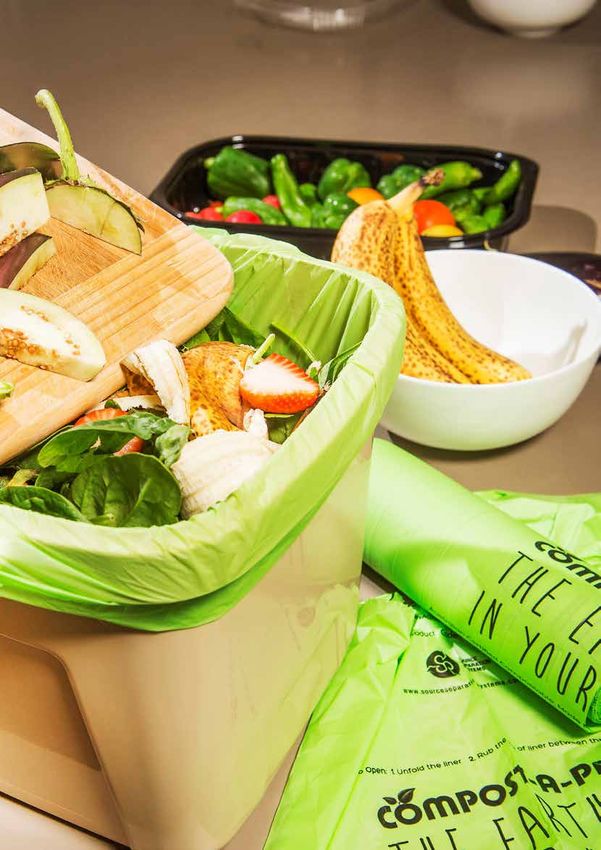
Our vision for
waste management
The City of Whittlesea is a zero waste
circular economy that leads the way in clean
sustainable living.

To achieve this vision, we will:

Plan strategically for the future and use evidence to inform decision making.

Engage residents and provide them with opportunities to exercise
civic responsibility.

Facilitate partnerships and collaboration with residents, not for profit
organisations, businesses and all levels of government.

Support local community leadership, community led initiatives
and solutions.

Advance shared advocacy priorities with the community
and partners.

Focus on prevention, timely investment and interventions
that are enduring and strengthen capacity to avoid issues
arising or escalating.

Be innovative, seek new ways to improve how we work
and the outcomes we achieve.

Adopt new technology to deliver quality customer experience
and improve efficiencies.

Monitor our progress towards our goals and community outcomes.

Lead by example through mandatory waste avoidance, sustainable
procurement and resource recovery at all Council facilities.

                                                                                07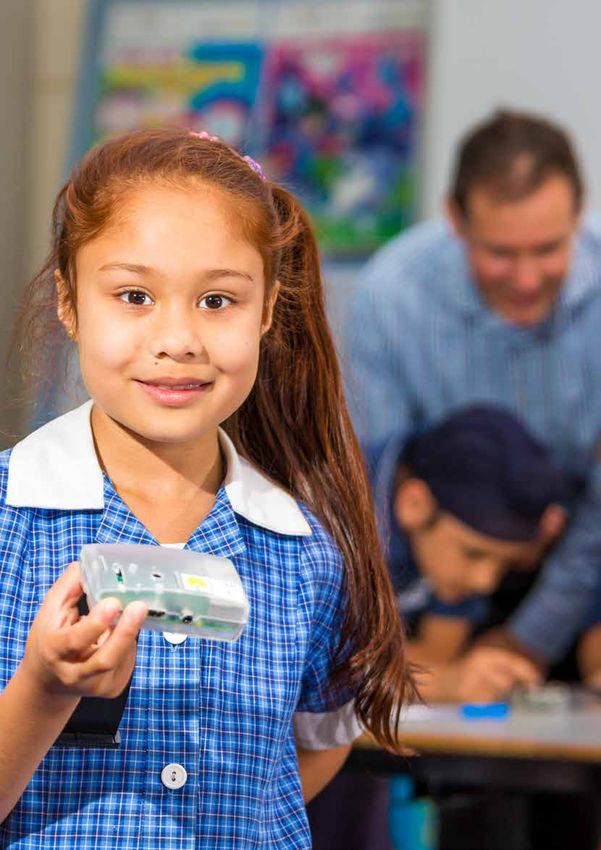
Actions to move us
towards zero waste

Connecting businesses together                                                 Zero waste suburb trial
Partnering with our community producers,                                       Utilising a local suburb or street, Council will trial
businesses, community groups and social                                        alternate waste minimisation, resource recovery
enterprises, Council will provide support                                      and environmental protection initiatives.
for local businesses to minimise waste, use
                                                                               Through a holistic approach to waste management
recycled materials in manufacturing and
                                                                               Council will provide education, trial alternate bin
encourage local partnerships.
                                                                               collection schedules and infrastructure to improve
Through assisting in grant applications and local                              the accessibility of zero waste options for the
collaboration, Council will help our community                                 community. This will help us to better understand
move towards a localised circular economy.                                     the barriers and challenges of zero waste practices
                                                                               and inform our community education and
                                                                               behaviour change campaigns moving forward.

Zero waste council operations                                                  Recycled goods shop
Council will develop an organisational zero waste                              The City of Whittlesea will partner with private
policy to move the City of Whittlesea towards a                                and public organisations and social enterprises
waste free operation. We will lead by example                                  to introduce Whittlesea’s first recycled goods
through mandatory waste avoidance, sustainable                                 shop. This will assist residents to divert waste
procurement and resource recovery at all Council                               from landfill, keep materials flowing in the
facilities. This will improve our understanding of                             economy and maximise the continued use of
the challenges and barriers of zero waste practices.                           the products.

08   C I T Y O F W H I T T L ES E A’S TOWA R D S Z E R O WAST E ST R AT EGY 2 0 2 1 - 2 0 3 0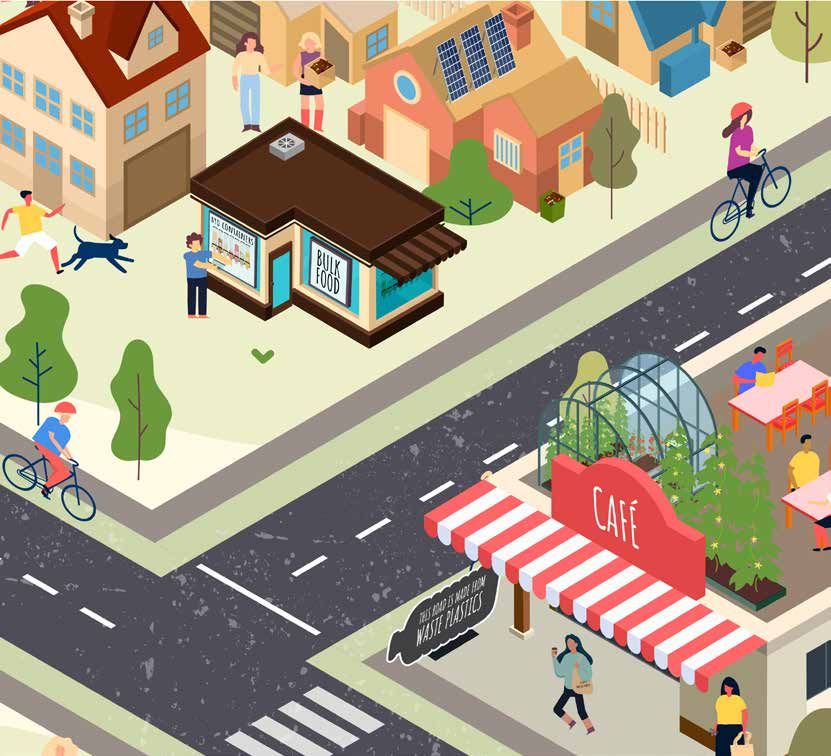
Introduction
This Towards Zero Waste Strategy outlines the goals of the City of Whittlesea
and complements Council’s Whittlesea 2040 vision: A place for all.

                                                MITCHELL
                                                 SHIRE

                                                                                                                      MURRINDINDI
                                                                                                                        SHIRE
                                              Beveridge

                                                                                                Humevale
                                                              Eden Park
                                                                                                           Kinglake
                                                                                                             West

                                 Donnybrook
                                                           Woodstock
                                                                                     Yan Yean

                  HUME                 Wollert                         Mernda
                   CITY
                                                                                     Doreen

                                                                                                       NILLUMBIK
                                                                       South                             SHIRE
                                                                       Morang
                                         Epping

                                        Lalor                  Mill Park

                                     Thomastown                Bundoora

                     MORELAND             DAREBIN                           BANULE
                       CITY                 CITY                             CITY

                                Population                                      Bin collection                        Community
                                                                                services                              facilities
Whittlesea in 2020              224,989                                         83,000 properties                     160

Whittlesea in 2040              382,900                                         145,000 properties                    225

                                                                                                                                    09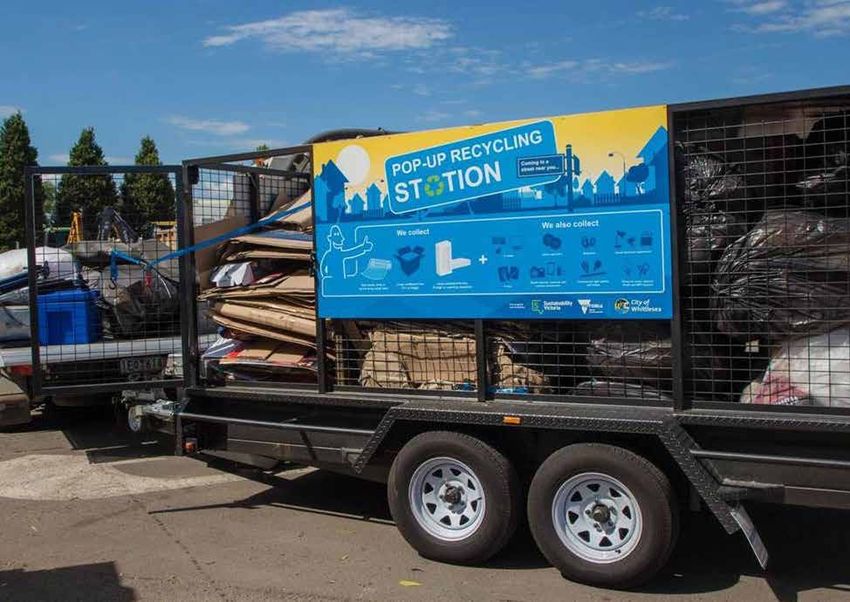
Recycling bailed and ready
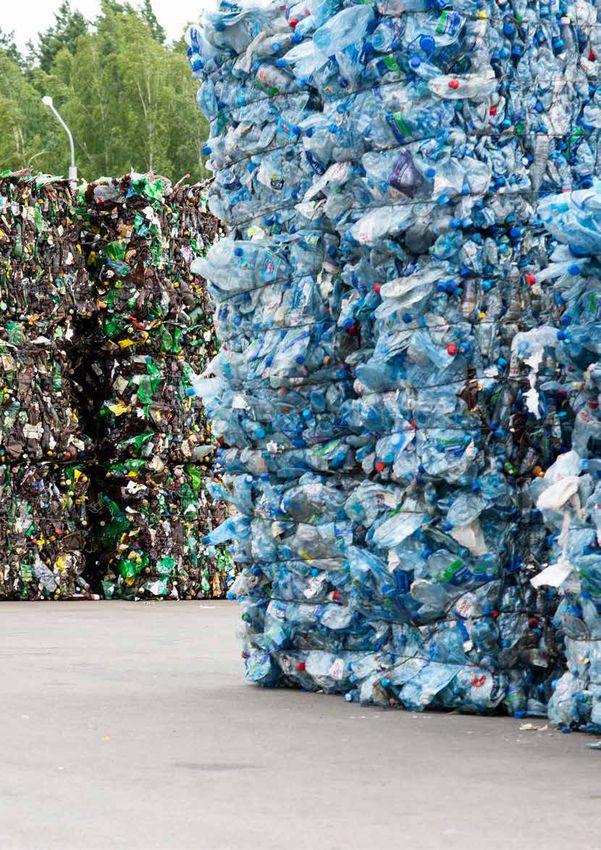
for processing.

10   C I T Y O F W H I T T L ES E A’S TOWA R D S Z E R O WAST E ST R AT EGY 2 0 2 1 - 2 0 3 0
Our City’s waste
The City of Whittlesea provides extensive waste and recycling services to the
community that contribute towards protecting public health and wellbeing, local
amenity and economic growth.
Council provides household waste and recycling collection and drop off services,
delivers waste education programs, services street litter bins and manages and rehabilitates
closed landfill sites.
Waste management is rated as one of the most important services that Council provides
and is a major component of Council’s annual budget. The total cost of managing Whittlesea’s
municipal waste now exceeds $13 million a year.

In 2019-20 Council collected:

  45,000 tonnes                           18,000 tonnes                        17,000 tonnes
       of garbage                             of recycling                        of garden waste

   1,900 tonnes                             4780 tonnes                           1240 tonnes
     of hard waste                       of bundled branches                        of e-waste

                                                                                                    11
Waste and recycling generation
Figure 1 shows historic waste and recycling generation from 2010 to 2020 and forecasts
future generation if the current average annual growth rate continues. The graph also
shows how our waste generation could change as a result of achieving the targets set
out in this strategy.
FIGURE 1
Historic waste and recycling generation and forecasts for future generation
80000 90%
303299
7
287009 80%
70000
270998
256162 5 6
70%
242027
60000
229791
215891 8
60%
50000 196193
4
177639 3
2 50%
160800
40000
1 40%
30000
30%
20000
9 20%
10000
10%
0 0%
2010/11
2011/12
2012/13
2013/14
2014/15
2015/16
2016/17
2017/18
2018/19
2019/20
2020/21
2021/22
2022/23
2023/24
2024/25
2025/26
2026/27
2027/28
2028/29
2029/30
KEY
POPULATION MATERIAL SENT TO LANDFILL MATERIAL RECYCLED
% WASTE 20% LESS 20% LESS
DIVERTED FROM LANDFILL MATERIAL SENT TO LANDFILL MATERIAL RECYCLED
1 SKM Closure 4 Material recycling increasing at 3.3% a year 7 80% of waste diverted by 2023
2 Today 5 72% of waste diverted by 2025 8 Projected materiald sent to landfill
and recycled in 2030, no change
3 Waste to landfill increasing 6 Projected material recycled 9 Projected material sent to landfill
by 2.4% a year if targets are met if targets are met
If the targets in this strategy are met, we can save 115,000 tonnes of waste and recycling from
being discarded. This is equivalent to 12,400 less truck loads of waste going to landfill.
12 C I T Y O F W H I T T L ES E A’S TOWA R D S Z E R O WAST E ST R AT EGY 2 0 2 1 - 2 0 3 0KEY
Material send to landfill:
Material collected through the garbage bin
collection service, contamination in the recycling
bin, hard waste collection service and hard waste
drop off vouchers.
Material recycled:
Material collected though the comingled recycling
service (less contamination), garden waste bin
collection service, bundled branches collection
service, timber and green waste drop off vouchers, Susan Abraham
whitegoods collection service and e-waste dropped
at SRS Metals and Wollert Landfill.
Percentage waste diverted
from landfill:
The ‘diversion rate’ is calculated by dividing
the tonnes of material recycled by the total
tonnes waste generated as a percent.
Projections for waste generation over the next
ten years (2020-30) are based on trends in growth
seen in the preceding decade. The trends from the
preceding decade reveal an average annual growth Jane Spracklan & Anna King
rate of 2.4 per cent for waste to landfill, and a
3.3 per cent average increase in material recycled.
These findings align with the observed and
projected (2020-30) annual population growth
rate of 3.5 per cent for the 2010-2020 period.
The pledges and artwork shown right were made
as part of Council’s Collectively Caring for Climate
project which aims to raise awareness about
climate change and how people can individually
and collectively help to mitigate its effects. The
project aims to empower participants to take
Michael von Roehl
climate change action through art. The artworks
have been reproduced as prints on footpaths and
collective murals and installed throughout the
municipality. For more information on this project
visit art.whittlesea.vic.gov.au 13Analysis of what is in the bin
Each year Council undertakes a garbage and recycling bin audit which provides a snapshot
of what materials were put in each of the bins. The audit involves 200 randomly selected
households having their bins individually collected, hand sorted, weighed, recorded and
analysed. This year the audit was conducted in May 2020 when Victoria was in a state of
emergency due to COVID-19 and public health restrictions were in place. This is likely to
have influenced the results. It was also the first year Council audited the garden
waste bin as part our annual domestic garbage and recycling audit.
Composition of the garbage bin:
34.2% 56.6%
Garbage Food and garden waste
disposable nappies,
soft plastics, non-recyclable
paper, textiles and residual
items.
9.2%
Recyclable material
cans, tins, foil, hard plastic
bottles and containers, glass
bottles and jars, paper and
cardboard.
Please note: This audit was undertaken before food waste was accepted in the garden waste bin.
14 C I T Y O F W H I T T L ES E A’S TOWA R D S Z E R O WAST E ST R AT EGY 2 0 2 1 - 2 0 3 0Composition of the recycling bin:
72.6% 3.1%
Recyclable material Food and garden waste
cans, tins, foil, hard plastic
bottles and containers, glass
bottles and jars, paper and
cardboard.
24.3%
Garbage
bagged recyclables, bagged
garbage, food waste, soft
plastics, e-waste, cartons
and residual items.
15Composition of the garden waste bin:
92.9% 7.0%
Food and garden Garbage
waste bagged garden waste,
wood and residual items.
0.1%
Recyclable material
cans, tins, foil, hard plastic
bottles and containers, glass
bottles and jars, paper and
cardboard.
Please note: This audit was undertaken before food waste was accepted in the garden waste bin.
16 C I T Y O F W H I T T L ES E A’S TOWA R D S Z E R O WAST E ST R AT EGY 2 0 2 1 - 2 0 3 0The big picture
Due to increasing costs, new legislation and population growth, it is essential for Council to
prepare today for the challenges of tomorrow.
In the development of this Strategy, we considered the main challenges within the Australian
and Victorian resource recovery systems.
Figure 2 shows SKM Service’s vast stockpile of recyclable materials at their Laverton North
Facility in 2019.1
FIGURE 2
Stockpiling of recyclable material (The Age, 2019)
17The challenges of resource recovery
The main challenges of resource recovery for Council are listed below:
China Stockpiling OH&S fires
recycling of recyclables in recycling
ban facilities
In 2018, China enforced Stockpiling of There have been
strict contamination recyclable materials is numerous fires at
thresholds on its leading to recyclable recycling facilities,
import of recycled materials being as a result of
materials exposing improperly disposed of contamination and
significant weaknesses into landfill. stockpiling.
in Australia’s recycling
system.
Recycling Legislative Increasing
market changes landfill levy
failure
Recycling companies Legislative As the Victorian
who receive co-mingled requirements and Government
recycling for sorting infrastructure building progressively increases
have started charging costs are continually the landfill levy to
a gate fee per tonne increasing without bring us in line with
rather than paying for markets valuing our other states, the cost
material, increasing recycled products, of waste disposal
waste disposal costs. increasing waste increases.
disposal costs.
18 C I T Y O F W H I T T L ES E A’S TOWA R D S Z E R O WAST E ST R AT EGY 2 0 2 1 - 2 0 3 0Case Study Wash Against Waste Initiative In 2018-19 Council trialled using reusable plates, cups and cutlery at four major community events. This greatly reduced the amount of waste produced at the events. 19
Complementary policies
This Strategy was informed by national, state and local government legislation and policies.
The effective implementation of national and state policies will result in better waste
management for our community.

FIGURE 3
Waste management legislation and policies

                                                                  National Waste Policy 2019
                                                             National Product Stewardship Act 2011
 NATIONAL                                                        National Food Waste Strategy
                                                        National TV Computer & Recycling Scheme 2011

                            Environmental                Victorian Waste &            State-wide Waste and           Victorian
 STATE                       Protection                 Resource Recovery              Resource Recovery            plastic bag
                              Act 2017                      Framework                  Infrastructure Plan           ban 2019

                                                                                      Metropolitan Waste and          Victorian
                                                                                        Resource Recovery            e-waste to
                                                                                       Implementation Plan           landfll ban

                                                                                            Recycling                Victorian
                                                                                          Victoria Policy        Organic Resource
                                                                                              2020               Recovery Strategy
                                                                                                                       2015

                                                                                                                 Victorian Market
                               Local                        Whittlesea                 City of Whittlesea’s
                                                                                                               Development Strategy
 LOCAL                     Government Act                      2040:                   Towards Zero Waste
                                                                                                                  for Recovered
                               2020                        A place for all             Strategy 2021-2030
                                                                                                                 Resources 2016

                                                                                                                    Victorian
                                                                                                                 Waste Education
                                                                                                                  Strategy 2016

                                                                                                                  Regional Waste
                                                                                                                   and Resource
                                                                                                                     Recovery
                                                                                                                  Implementation
                                                                                                                    Plans 2016

       AC T S , L E G I S L AT I O N A N D P O L I C I E S
                                                                                                                 City of Whittlesea
                                                                                                                   Environmental
                                                                                                               Sustainability Strategy
       P L A N S , ST R AT E G I E S A N D F R A M E WO R KS                                                         2012-2022

20   C I T Y O F W H I T T L ES E A’S TOWA R D S Z E R O WAST E ST R AT EGY 2 0 2 1 - 2 0 3 0
Victorian National Whittlesea
Container Waste Policy 2040
Deposit The Recycling and Waste Whittlesea 2040: A place for all is
Scheme Reduction Bill 2020 will
establish a legislative framework
Council’s long-term community
vision for the future to ensure that
to enable Australia to more the City of Whittlesea remains a
The State Government is
effectively manage the great place to live. It provides a
currently developing the design
environmental and human broad goal to reduce waste and
for introducing a Container
health and safety impacts of increase recycling which supports
Deposit Scheme to increase
products and waste material. State Government priorities.
beverage container recycling
and reduce litter in Victoria. A
Container Deposit Scheme works
by applying a small deposit to
beverages sold to consumers
which covers the cost of
recycling. The Container Deposit
Scheme will begin in 2023.
Recycling Environmental
Victoria Protection Act
Policy 2018
The Recycling Victoria Policy From July 2021 new environmental
2020 outlines the State laws give more powers to the
Government’s plan to establish Environmental Protection Authority
a recycling system that and tools to prevent risks to the
Victorians can rely on. It will environment and human health. It
transform how our economy allows for stronger sanctions to hold
uses materials and how our polluters to account. The general
state reuses, repairs and environmental duty is central to the
recycles. new laws and it requires all Victorians
to manage risks to human health and
the environment that their activities
create. Under the Act, everyone has
a responsibility to make sure their
waste goes to the right place.
21Proposed national
and state targets
The state and national targets that influence this
Strategy are:
• Cutting total waste generation by 15 per cent
per capita by 2030
• Diverting 80 per cent of waste from landfill
by 2030
• Halving the volume of organic material going
to landfill between 2020 and 2030
• Every household will have access to a food and
garden waste bin or local composting by 2030
• Banning the export of waste plastic, paper,
cardboard, glass and tyres commencing in
the second half of 2020
• Significantly increasing the use of recycled
content by government and industry
• Phasing out problematic and unnecessary
plastics by 2025
• Making comprehensive, economy-wide and
timely data publicly available to support better
consumer, investment and policy decisions.
22 C I T Y O F W H I T T L ES E A’S TOWA R D S Z E R O WAST E ST R AT EGY 2 0 2 1 - 2 0 3 0Case Study Raspberry Pi Staff from the Waste and Recycling Team at Council have been teaching local students how they can build low cost computers using a Raspberry Pi and locally recovered e-waste. 23
Kerbside household
recycling reforms
Through the Recycling Victoria Policy released in February of this year, the
State Government proposes to reform our household recycling services by:
•   Standardising bin lid colours and items accepted in bins
•   All households having access to:
    - Garbage bin
    - Recycling bin
    - Food and garden waste bin service or local composting
    - A separate glass recycling service
•   Introducing a Container Deposit Scheme by 2023.

             Red                                  Yellow                                  Purple        Green
       Unrecyclable                           Plastic, metal                           Glass bottles   Food scraps
     household waste                        containers, paper                            and jars      and garden
                                             and cardboard                                               organics

24     C I T Y O F W H I T T L ES E A’S TOWA R D S Z E R O WAST E ST R AT EGY 2 0 2 1 - 2 0 3 0
Case Study Food and Garden Waste Bin In mid 2020 Council started accepting food waste into the garden waste bin service, with plans to provide this service municipal wide by 2023. 25
The circular economy
A circular economy continually seeks to reduce the environmental impacts of production
and consumption, while enabling economic growth through more productive use of
natural resources. This includes reuse, sharing, repair, refurbishment, remanufacturing
and recycling to create a closed-loop system, minimising the use of resource inputs and
the creation of waste, pollution and carbon emissions.

FIGURE 4
Circular economy approach.2

 USE                                                                                                  GENERATION
 Products are used in households,                                                                     Waste generated from
 factories, business, government                                                                      households, factories, business,
 and construction.                                                                                    government and construction.

 Plastic

 DESIGN &                                                                                                       SEPERATION
 PRODUCTION                                                                                                     Waste generated is
 New products created                                                                                           seperated by households,
 from recycled and                                            RESOURCE                                          factories, business,
 new materials.                                                FLOWS IN                                         government and
                                                                                                                construction into
                                                             WHITTLESEA’S                                       different waste and
 Raw materials
                                                              CIRCULAR                                          recycling streams.
                                                              ECONOMY

 RECOVERY                                                                                                      COLLECTION
 Recovered                                                                                                     Waste and recycling
 materials sorted for                                                                                          streams are collected
 re-manufacturing.                                                                                             from households, factories,
                                                                                                               business, government and
                                                                                                               construction.
 Global circular
 economy                                                                                         Landfill

 EXPORT                                                                                              SORTING
 Interstate or overseas.                                                                             Recyclables are seperated.

26    C I T Y O F W H I T T L ES E A’S TOWA R D S Z E R O WAST E ST R AT EGY 2 0 2 1 - 2 0 3 0
The waste hierarchy
The Strategy is underpinned by the fundamentals of the waste hierarchy from in the
Environment Protection Act 19703. Through focusing on waste avoidance, resource
recovery and environmental protection Council aims to support the community in living
more sustainably.
FIGURE 5
Waste hierarchy from most preferable to least preferable waste management strategies.
Most preferable
AVOID
REDUCE
REUSE
RECYCLE
RECOVER
TREAT
DISPOSE
Least preferable
27Environmental
impacts of waste
Increasing consumption and waste generation,
is having a significant impact on the plants,
animals and the ecosystems that sustain us.
Carbon emissions from the waste industry are
contributing to climate change. When waste breaks
down in a landfill, methane is produced and causes
heat to be trapped in the atmosphere.
Our reliance on single use plastics has
significantly increased litter in our environment
and oceans. If we continue to rely on single
use plastics, this trend will continue.
The war
against waste
Recent changes in the recycling industry
combined with media attention such as the ABC’s
War on Waste series have pushed waste into the
spotlight. The community is more interested in
what happens to their waste than ever before.
With this interest comes higher expectations.
The community wants more recycling services,
alternatives to landfill and ways to protect the
environment from waste. Council will do its
part, working in partnership with the community
to have the best possible outcome.
28 C I T Y O F W H I T T L ES E A’S TOWA R D S Z E R O WAST E ST R AT EGY 2 0 2 1 - 2 0 3 0Multidimensional approach
Based on feedback there was a significant need for a new educational approach
and services. The Simpler Way is one approach designed to empower our community
and create a better future, collaborating with everyone, especially our youth.
School of life Community collaboration
Council will promote community-to-community Through focusing on community collaboration
education by giving unprecedented access to the City of Whittlesea can go waste free.
Council facilities, event promotion and training
courses to help our community learn together.
Community courses Youth led action
Council hope to transition from a traditional Empowering youth, means Council commits
educational approach with hollistic and to building a resilient city by engaging more
connected community programs designed young people as stakeholders.
with residents.
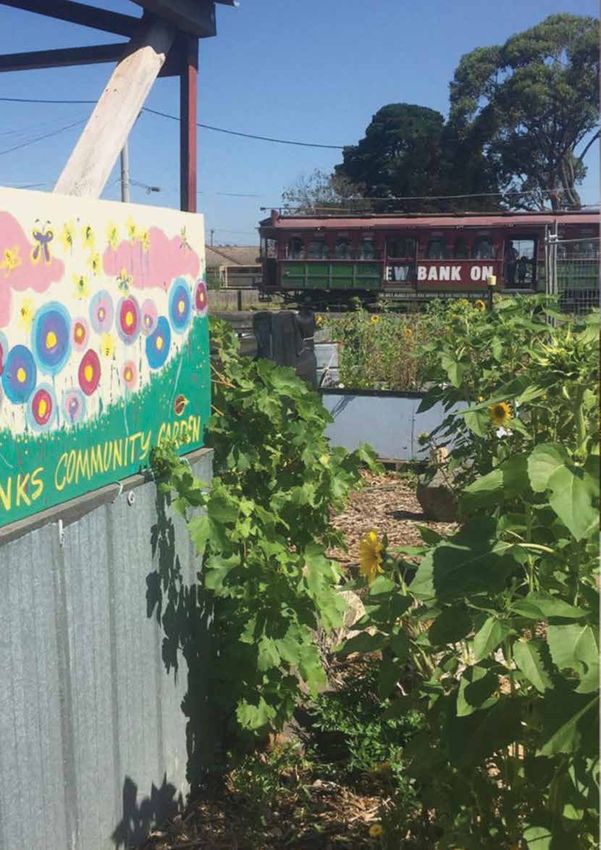
29Case Study Lalor Links Community Garden Our community has turned a public space into a functioning community garden where residents can compost their food scraps, swap home-grown vegetables and use the old tram as a free tool library. 30 C I T Y O F W H I T T L ES E A’S TOWA R D S Z E R O WAST E ST R AT EGY 2 0 2 1 - 2 0 3 0
Community input
We consulted the community using a range of
engagement activities to help develop this Strategy.
Council undertook community engagement to:
•   Inform the community about the development
    of a new Waste Strategy including why it’s being
    developed and what it aims to achieve over
    the next ten years
•   Seek community feedback so the Strategy
    reflects the needs and aspirations of the
    community
•   Allow the community the opportunity to share
    their vision of what a zero waste city might
    look like.

        OCTOBER 2020                       NOVEMBER 2020     DECEMBER 2020

          DISCUSSION
            PAPERS                              COMMUNITY
                                                WORKSHOPS
                                                             City of Whittlesea’s
             ONLINE                                         Towards Zero Waste
             SURVEY                                         Strategy 2021- 2030
                                                                FIRST DRAFT
                                              Think 2030
                                             STUDENT ART
          INTERNAL
                                             COMPETITION
        CONSULTATION

                                                                                    31
Discussion papers WA ST E AVO I DA N C E A N D R E S O U R C E R E C OV E R Y ST R AT E GY 2 0 3 0
Resource Recovery
Four discussion papers were prepared providing R AT
EG
Y 2
0 30 Discussion Paper WA
ST
E A
VO
I DA
NC
E A
P ro
ST N
RY D R
VE E
Dis tect
O W H Y FO C U S O N R ES O U R C E R EC OV E RY? SO
EC
a snapshot of the steps we can take towards
UR
E R CE
U RC The City of Whittlesea and its residents are committed RE
E SO CO
cus
VE
D R to recycling. However, Australia’s traditional approach to RY
AN
nce
ST
CE
sion
R AT
AN recycling has not worked and our recycling system is in crisis. EG
OID
ida
Y 2
E AV 0
Pa p
30
Avo aper
ST China’s recent decision to discontinue accepting imported WH
WA
becoming a zero-waste city. The discussion
Y F
recyclables has shed light on the Australia’s collapsing At OC
er
ste ion P
C ou US
ti on recycling sector. In recognition of this, Victoria’s recycling nc il ON
a
Pro
pu la te we P
W uss al po system is undergoing a significant transformation. com ction ha ve R O T
a r es E C T I
c gl ob ce mu Ac
th e re du ll an d nit t 2 po ns O N ?
Dis
E? it e y ’s 018
NC e as we fi nds ib ili
te ,
papers, themed Avoid, Recover and Protect,
la nd hea to
I D A cr ea s w as st s
T h e S t ate G ove r n m e nt is c h a n g in g ke r b s id e wa ste ma
nag
up. lth pro ty un
A VO in ng e on co D I D YO U c o l l e c t io n s by 2 03 0 em
Lit
t e r, fro tec de r
N to Odi ia nc ce oi mo
n e y, ent ille m t t o
ur th e
US in ue B y av , r el lp re du KNOW ?
pra gal he env E n vi
OC co nt . tu re he More than half and but cti i
dum mpac iro ro nm
Y F es ri se tr uc al so saf als ces t o nm
WH lu m rd s fr as w ill
of the waste we ety o c not pin
g a f w ent en t
te vo st an da in g in hi s it y. put in our rubbish ris
ks.
a use onl nd ast
e a
and
W as g cl t. T m un
s e y c ina the
were accompanied by a background paper.
liv in re cy nm en bins could be HO nvi o ppr nd
an d on co m W O ron s ts opr wh
ere
su re r en vi
ro ou r recovered?
In NS
TH
ER
me
nta
our
com iate
es f or All organic waste and other recyclables Glass is being taken out of the co-mingled S l, p wa
pr ou al Whittlesea Waste an d W, th e PR mu
ec t sp os Audit May 2020 must be separated from the garbage recycling bin and a separate glass
fu OT ubl nit ste
pr ot di bin for proper resource recovery. recycling service introduced by 2027. ille ga nd e d RI D Sq ua EC
T ic h y
as te by
bo un l du m pi th e dw eal
th
of w re gio rie , woda ng EPA as cr
to co eate d
na lly s to co
An online survey was available on Council’s
Food and rk m
garden
. ordi in g ac r bat
waste nate os
57% By pr du m s cou nc
ste
we Coun oactively pi ng il
W ? the wa red. Recyclables
outco cil will prot
NO ve 9%
U K thirds of reco f
com mes for acilitat ting ou
ec
D YO o be ing Garbage
m e r
D I t tw ly 34% All households will have access to a ap pr un ity. ou r en be tte resou
abou rrent
A Container Deposit Scheme will be
Th viron r long rce
Only e is cu proc oach ens is ad -ter s
Have Your Say page and was promoted to the
introduced by 2023. food waste recycling service by 2030. men
uc es ap m
prod d asse ses ar ures ou tive str t and
d avoi n. ss e
rate ys to pt io in th ing th dynam r waste ategy
? ne wa e e and
W ge any nsum shor ne ic an
NO rians This is e m el ofTelco 03 9217 2170 t, m eds of d rec
U K Victo ste. e ar Email info@whittlesea.vic.gov.au edium our proactiv ycling
YO ne, wa million Ther the lev and comm e in
DID 8 alo nnes of ste. DID
Fax 03 9217 2111
20 to www.whittlesea.vic.gov.au
long un
17-1 to e to s wa ugh TTY 133677 term ity
YO
In 20 million increas 43. t les ht thro ABN 72 431 091 058 In th U K
20 a lo rig (ask for 9217 2170) . Coun e 2019 NO
community using a variety of media channels.
14.4 ted to ste by with stages -2 W
ec ture g litte cil collec 020 fin
proj es of wa s a fu acturin
Tel r ancia
want uf D B AC K : AV O I DFax| P 03 our and ill ted ov
tonn WA S T E AV O I D A N C ET WAONODT HREER SPA OPUER er 89 l year,
RSC AER ER E
AVA
CO I LV
ABELREYF OSRTCROAT M MEUGY
N I T Y2F0E3E0 R O921
TECT
tle sea and man TTY 03 921 7 217 s
appr treets
egall
y
oxim and w dumpe 00 ton
0
hit n 7 211
of W
133
desig 677 1
ately ater d ru nes of
e City m the (ask
for Email
$2 wa bbish
milli ys at
Background Discussion Paper
Th , fro
921 info@wh
7 217 ww
on. a co from
waste 0) w.w ittle
ABN hittle sea.v st of
T TW sea.
EC O 72 vic ic.g
431
au R OT OT .gov.a ov.au
091
ic.gov. | P HE
R PA 058 u
esea.v ER PE
whittl .gov.au RE
C OV RS
info@ .vic K: AR
E A
Email hittlesea 058 B AC VA
ww
w.w 091 CITY O F W H I TFT
EELDES E A’S S E R V I C ES This document I is
LA a
BL
0 72 431 ITY E F
7 217 1 ABN UN R C O
03 921 7 211 CO
MM snapshot of information OM
OR MU
Tel 03 921 0) F NIT
LE to help residents
Workshops
677 7 217 Y F
Fax 133 for 921 AB E
AIL ED
B AC
TTY (ask E AV
AR respond to three K:
A VO
RS
A PE ID
HE
R P discussion papers | R
E C OV
O OT ER
TW focusing on:
Ke r b s i d e b i n Landfill Public place bin H a rd r u b b i s h
collection m a n a g e m e nt m a n a g e m e nt collection AVOIDING WASTE
RESOURCE RECOVERY
PROTECTION
We encourage all residents
to provide feedback.
Community and E -wa st e Dumped Bundled
Community and staff consultation workshops were
s c h o o l wa st e re c ov e r y r u b b i s h a n d l i tt e r b ra n c h e s
e d u c at i o n p ro g ra m s m a n a g e m e nt collection
undertaken in October and November 2020, to gather
Tel 03 9217 2170 Email info@whittlesea.vic.gov.au
Fax 03 9217 2111 www.whittlesea.vic.gov.au
TTY 133677 (ask for 9217 2170)
feedback and input into the development of the strategy.
What we heard
To ensure the community’s vision of a zero waste city
was reflected in the development of this Strategy, we
collated feedback received through the consultation
phase. In total, 141 survey responses were received
through the online survey. We also had 39 residents,
employees and community group members attend Aaliyah, Grade 4
the online focus groups to provide further input and
discussion.
Students were encouraged to enter in a Think 2030 art
competition, to provide an artistic interpretation of a
waste free City of Whittlesea in 2030. Over 30 entrants
provided dioramas, images, clay models and pictures
highlighting the wants and needs of our future
generations. Sustainability, originality and creatively
underpinned the responses, with the following Scarlett, Grade 4
three winners identified:
Aaliya, St Lukes Primary School Grade 4
Scarlett, St Joseph’s Catholic Primary School Grade 4.
Jayden, St Mary’s Primary School, Grade 4
Out of the consultation, we received a range of
suggestions, concerns and priorities which we have
used to inform the Strategy action plan and overall
vision for waste management in the City of Whittlesea
in 2030. Jayden, Grade 4
32 C I T Y O F W H I T T L ES E A’S TOWA R D S Z E R O WAST E ST R AT EGY 2 0 2 1 - 2 0 3 0Popular
The survey participants were supportive of the concepts and actions proposed in the
discussion papers, with the following receiving the most support:
86% 90%
Weekly food and garden Lead by example at Council
waste bin service and community centres by
avoiding all single use plastics
An overwhelming 86 per cent of residents Over 90 per cent of residents agreed or strongly
supported the idea of a weekly food and garden agreed that Council should lead by example by
bin service. This is not surprising as we received banning all single use plastics at its facilities and
a positive response following the food waste community centres. Council has successfully
recycling launch in July 2020. run low waste community events and festivals
in previous years. By banning single use plastics
across all of our facilities, we will be taking another
step in the right direction.
The community also strongly believe that Council
should support businesses and individuals that
take leadership in reducing waste (95 per cent).
33Emerging themes
Accessibility and convenience Closed loop systems
of services
Over 70 per cent supported the idea that our
A common theme that emerged from the roads, public benches and street infrastructure
responses of many residents was the need should be made of recycled materials. Similarly,
for waste and recycling services to become residents wanted to know the end use of materials
more accessible within the community. Some collected through the kerbside recycling and food
suggestions included: and garden waste bin. Residents would like to
be able to purchase back their compost and see it
- Food waste recycling options for multi-unit well utilised within the City’s parks and community
developments and renters gardens.
- More community recycling drop-off stations
Also, the respondents would like to see tangible
across the municipality
and small-scale achievements early in the
- More permanent drop off locations Strategy timeline.
(as opposed to pop up events) particularly
for e-waste and soft plastics.
Incentives and education
for waste avoidance
A popular topic was the suggestion to provide
more incentives to encourage waste avoidance.
Suggestions included:
- Discounted or free compost bins and/or
worm farms
- Discounted compost from the green
waste processing facility
- Rebate scheme for reusable nappies and
female sanitary products
- More targeted education within the community
and public spaces, such as signage
- Bulk food stores, repair cafes and other
low waste alternatives.
34 C I T Y O F W H I T T L ES E A’S TOWA R D S Z E R O WAST E ST R AT EGY 2 0 2 1 - 2 0 3 0Worms break down food and garden waste to make great compost. 35
A zero waste city
This Strategy provides strategic direction on the management of waste generated
within the municipality with three goals in mind:

AV O I D
To avoid waste generation in the first place.

RECOVER
To recover and recycle as much waste as possible, value waste as a resource and
encourage repair, reuse and recycle principles.

P R OT ECT
To protect the health and safety of our community and the environment from the
impacts of waste by adopting best practice waste management principles.

Whilst we are aiming for a zero waste city, this is an aspirational target and we
recognise that we cannot achieve this alone as so many factors are outside of our
control. Councils cannot achieve zero waste alone as it relies on state and federal
government policies, legislation and regulations.

36   C I T Y O F W H I T T L ES E A’S TOWA R D S Z E R O WAST E ST R AT EGY 2 0 2 1 - 2 0 3 0
The state waste management system we work within is largely determined by
global and national forces and we will use our level of control and influence to support
the community and advocate for the betterment of waste management systems.
Figure 6 (below) highlights our role in advocacy, influence and control of waste
management systems.4

FIGURE 6
Level of Council influence and control

                            • Government legislation and policies
                            • Public and private investment on waste technologies
ADVOCATE
                            • Industry capabilities and market changes
                            • For our community at State and Federal levels

                            • Infrastructure and services
                            • Industry, research and development and commercial sectors
INFLUENCE
                            • Community’s waste consumption and resource recovery practices

                            • Council waste and recycling services and infrastructure
                            • Procurement decisions to move markets towards products that
CONTROL                       adhere to circular economy principles
                            • Waste and recycling plans and policies for our buildings and operations
                            • Community education about waste avoidance and recycling

                                                                                                        37
Avoid
Council recognises that reducing the amount To assist our community to avoid waste we will:
of waste generated in our municipality and
• Provide on-going community education and
achieving a zero waste city requires input from
behaviour change campaigns
all sections of the community through significant
advocacy, innovation and on-going community • Guide our community to make the repair and
education and behaviour change campaigns. reuse of products and materials the social norm
Avoiding waste and achieving a zero waste city • Provide zero waste events and initiatives
is everyone’s responsibility; we need all levels of
• Show leadership and innovation by becoming
government, manufacturers, the recycling industry,
a waste free organisation
businesses and the community to recognise their
responsibility and play their part. • Support local community leadership, community
led initiatives and solutions
Through avoiding waste, we will: • Facilitate partnerships and collaboration with
- Protect the health and safety of our community residents, not-for-profit organisations, social
and our environment enterprises and businesses
- Minimise the costs of waste disposal for • Advocate for reduced consumer packaging,
our community more product stewardship programs and bans for
unnecessary and problematic single-use plastics.
- Reduce the consumption of raw materials
like iron and oil
OUR GOAL
- Reduce pressure on recycling infrastructure
and reliance on landfill To avoid waste generation in the first place.
- Minimise greenhouse gas emissions.
OUR TARGET
To reduce total waste generation by
20 per cent per person by 2030.
38 C I T Y O F W H I T T L ES E A’S TOWA R D S Z E R O WAST E ST R AT EGY 2 0 2 1 - 2 0 3 0Case Study a four Week Waste Challenge
Whittlesea Waste and pre and post garbage and
Busters recycling bin audits. A comparison
of the audit results indicates
In 2019 Council piloted the that participating families were
Whittlesea Waste Busters able to decrease their garbage
program. The program was by 61 per cent and decrease
used to measure the success of their recycling by 22 per cent.
undertaking a targeted community Participant feedback also showed
education and engagement great support for the program -
program on behaviour change. “It has made me feel more
It consisted of two workshops, confident about reducing waste
waste minimisation tools and at home and has helped me
resources for participants to use, improve my recycling habits.” 39Avoid action plan
To achieve the waste avoidance target we will undetake the following actions.
ACTIONS LEAD TIMEFRAME
1.1 Partner with local shopping precincts to Waste and Recycling and Ongoing
assist them to use best practice waste Economic Development
avoidance, recycling and disposal.
1.2 Deliver new ways of communicating Waste and Recycling and Ongoing
waste minimisation, resource recovery Communications
and recycling education to the community
that are inclusive and accessible for the
whole community.
1.3 Advocate for reduced consumer Waste and Recycling and Ongoing
packaging, more product stewardship Advocacy
programs and bans for unnecessary and
problematic single-use plastics.
1.4 Introduce a rebate program for Waste and Recycling 2021-22
reusable nappies, sanitary products and
composting tools.
1.5 Expand Council’s BYO Container Program. Waste and Recycling and 2021-22
Economic Development
1.6 Trial a zero waste suburb initiative. Waste and Recycling and 2022-23
Community Wellbeing
1.7 Deliver an organisational zero waste Waste and Recycling 2022-23
policy to mandate waste avoidance and
recycling at all Council facilities.
1.8 Eliminate single-use plastics at Council Waste and Recycling, Events 2023-24
facilities and community events. Team and Facility Managers
40 C I T Y O F W H I T T L ES E A’S TOWA R D S Z E R O WAST E ST R AT EGY 2 0 2 1 - 2 0 3 0Avoid action plan continued...
ACTIONS LEAD TIMEFRAME
1.9 Deliver a waste app that rewards Waste and Recycling 2023-24
residents with discounts for choosing
eco-friendly alternatives.
1.10 Appoint a Circular Economy Business Waste and Recycling and 2024-25
Liaison Officer to support businesses to Economic Development
minimise waste, use recycled materials
in manufacturing and encourage local
partnerships.
1.11 Support the introduction of the City of Waste and Recycling and 2024-25
Whittlesea’s first waste-free bulk food Economic Development
store and community run food co-op
for affordable and ethical sustainable
alternatives.
1.12 Support community led repair cafes and Waste and Recycling and 2025-26
share libraries. Economic Development
1.13 Investigate the option of offering 80L Waste and Recycling 2025-26
garbage bins.
41Recover
The City of Whittlesea and its residents are What is the difference between recovery
committed to recycling. However, Australia’s and recycling?
traditional approach to recycling has not worked
Recovery and recycling are often used
so our recycling system is undergoing a significant
interchangeably however for the purpose of this
transformation. The State Government is moving
strategy we will use the following definitions:
us towards a circular economy. Changes to
kerbside recycling services across the state include • Recovery is the process of recovering resources
introducing a new four bin system, standardising from waste for reuse or reprocessing. This
bin lid colours and items accepted in bins and includes collection, sorting and aggregation
a Container Deposit Scheme by 2030. of materials
Council recognises that close analysis of each • Recycling is the process of converting waste
waste stream, including local processors and into reusable materials.
potential end products is pivotal to a robust
circular economy model. Furthermore, changes
Recycling and resource recovery matter
in the commingled recycling bin service have led
because they:
to some confusion in the community and we will
need to improve our recycling education program - Protect the health and safety of our community
in order to clear this confusion. and environment
- Keep materials circulating in the economy
- Reduce the consumption of raw materials like
iron and oil
- Reduce waste to landfill
- Save electricity and greenhouse gas emissions
- Create local job opportunities.
42 C I T Y O F W H I T T L ES E A’S TOWA R D S Z E R O WAST E ST R AT EGY 2 0 2 1 - 2 0 3 0To improve our recycling industry Council
is advocating for:
- More investment in recycling infrastructure
- Developing new end markets for recycled
materials and recovered products
- Improve community education
- Stronger industry oversight and regulation.
OUR GOAL
To recover and recycle as much waste as possible, Billie W
value waste as a resource and encourage repair,
reuse and recycle principles.
OUR TARGET
• Divert 80 per cent of waste from landfill,
with an interim target of 72 per cent by 2025.
• Roll out food and garden waste bins
municipal wide by 2023.
• Halve the volume of food and garden waste
going to landfill.
Caroline Lewallen
The pledges and artwork shown right were made
as part of Council’s Collectively Caring for Climate
project which aims to raise awareness about
climate change and how people can individually
and collectively help to mitigate its effects. The
project aims to empower participants to take
climate change action through art. The artworks
have been reproduced as prints on footpaths and
collective murals and installed throughout the
municipality. For more information on this project
Lillian Ormandy
visit art.whittlesea.vic.gov.au
43Case Study Pop-up recycling station The Pop up recycling station provided our growing communities with a mobile solution to recycling and disposal of items normally associated with moving into a new home. Illegal dumping and litter is a issue within our municipality and the Pop up recycling station has helped to overcome some of the barriers identified by residents. The Pop up recycling station was used to collect cardboard, large soft plastics and e-waste for recycling. 44 C I T Y O F W H I T T L ES E A’S TOWA R D S Z E R O WAST E ST R AT EGY 2 0 2 1 - 2 0 3 0
Recover action plan
To achieve the recover targets, we will undertake the following actions.

        ACTIONS                                        LEAD                            TIMEFRAME

 2.1    Implement an annual contamination              Waste and Recycling             Ongoing
        management plan to educate and engage
        the community.

 2.2    Support households with high waste             Waste and Recycling             2021-22
        generation with accessible and cost-
        effective measures to reduce their waste.

 2.3    Standardise kerbside bin lid colours in line   Waste and Recycling             2022-23
        with the recycling victoria policy.

 2.4    Roll out a food and garden waste bin           Waste and Recycling             2022-23
        service municipal wide.

 2.5    Provide community education to support         Waste and Recycling             2023-24
        the introduction of the four-bin system
        and the Container Deposit Scheme.

 2.6    Trial a home collection service to             Waste and Recycling             2024-25
        assist residents recycle clothing, small
        household items and e-waste.

 2.7    Support the introduction of a Whittlesea       Waste and Recycling, Economic   2024-25
        Resource Recovery Centre.                      Develop and privately-run
                                                       Resource Recovery businesses

 2.8    Trial a soft plastics drop off service at      Waste and Recycling and         2024-25
        Council’s Community Activity Centres.          Community Wellbeing.

 2.9    Provide greater transparency to the            Waste and Recycling             2025-26
        community on waste generation rates
        and develop a free online portal for
        community wide training on ways to
        reduce and recover waste.

 2.10   Switch to a weekly collection of food          Waste and Recycling             2025-26
        and garden waste bins and fortnightly
        collection of garbage bins.

 2.11   Conduct a feasibility study for a separate     Waste and Recycling             2025-26
        glass recycling collection service.

 2.12   Roll out a separate glass recycling service.   Waste and Recycling             2026-27

                                                                                                   45
Protect
Council has a responsibility under the GENERAL ENVIRONMENT DUTY
Environment Protection Act 2018 to protect
To comply with the General Environmental Duty,
our environment and the community’s health
everyone must make sure their waste goes to
from the impact of waste and where it ends
the right place. We all need to:
up. Litter, illegal dumping and inappropriate
waste management practices not only costs our
• Take care when recycling or disposing of waste
community money, but also causes environmental,
public health and safety risks. • Keep waste, paint and solvents away from
waterways
OUR GOAL
• Take care when engaging waste disposal
To protect the health and safety of our or skip bin companies.
community and the environment from the
impacts of waste and litter by adopting best
When you cannot discard of your waste using
practice waste management principles.
your kerbside bins:
• Contact council or visit our website for local
waste disposal options
• Take steps to dispose of the waste in the
right way.
46 C I T Y O F W H I T T L ES E A’S TOWA R D S Z E R O WAST E ST R AT EGY 2 0 2 1 - 2 0 3 0Case Study GPS litter picker project This project is an ongoing litter pick up project with the students at the Mill Park Library Makers Club. Students attached a GPS tracker to a conventional litter picker and are using it to track and identify litter hotspots within the community. The litter hot spots are shared via a web page that the students created. The students hope to use this project to advocate for a ban on single- use plastics to help reduce plastic pollution on land and in the ocean. 47
Protect action plan
To achieve the protect goal we will undertake the following actions.

              ACTIONS                                                      LEAD                             TIMEFRAME

 3.1           Encourage sustainable procurement                           Organisation wide                Ongoing
               across Council, selecting contractors and
               products that generate economic, social
               and environmental benefits whenever it is
               practicable and achieves value for money.

 3.2           Advocate to State and Federal                               Waste and Recycling and          Ongoing
               Government for greater environmental                        Advocacy
               protection for our waterways and litter
               enforcement.

 3.3           Implement a civic pride campaign                            Waste and Recycling and City     2022-23
               to reduce street litter by integrating                      Safety and Amenity
               education, infrastructure and enforcement.

 3.4           Investigate phasing out tip vouchers.                       Waste and Recycling and          2022-23
                                                                           Hanson’s Landfill

 3.5           Introduce a litter enforcement team to                      Waste and Recycling and City     2023-24
               protect our environment from litter and                     Safety and Amenity
               dumped rubbish.

 3.6           Introduce a local permanent household                       Waste and Recycling, Economic    2024-25
               chemical drop-off facility.                                 Develop and privately-run
                                                                           Resource Recovery Businesses

 3.7           Support the introduction of the City of                     Waste and Recycling, Economic    2024-25
               Whittlesea’s first recycled goods shop.                     Develop and social enterprises
                                                                           or privately-run Resource
                                                                           Recovery Businesses

48     C I T Y O F W H I T T L ES E A’S TOWA R D S Z E R O WAST E ST R AT EGY 2 0 2 1 - 2 0 3 0
Just a little of your time can really help the environment. 49
Delivering the strategy
Next steps                                                                   Funding
The first draft of Whittlesea’s Towards Zero                                 Funding will be sought through the annual Council
Waste Strategy will be released for community                                budget process. Additional opportunities for
consultation in January 2021. Community                                      funding via grants and/or other sources will be
feedback will be reviewed, and the required                                  sought throughout the ten-year period to further
changes will be made.                                                        progress our vision, goals and strategic actions.

Endorsement                                                                  Reporting
A final draft of the Strategy will then be considered                       An interim Council report to be provided in
by Council in early 2021. If endorsed by Council,                           2026 to ensure progress is on track.
it will then be adopted and implemented.
                                                                             At the end of the ten-year implementation
                                                                             cycle, we will report our progress to Council

Implementation                                                               and community. This report will be made publicly
                                                                             accessible via our website. The report will
A rolling implementation plan will be developed,                             be delivered to Council in 2031.
identifying:
•   The strategic actions we will be working on
•   More specific timelines for each action
•   Resources required and available
The rolling implementation plan will allow
Council to make changes and implement services
that are adaptive to the community’s waste needs
and changes in waste management practices.
For some of the actions a business case will need
to be prepared and considered.

50     C I T Y O F W H I T T L ES E A’S TOWA R D S Z E R O WAST E ST R AT EGY 2 0 2 1 - 2 0 3 0
References
1. Councils to review collecting plastic bags in recycling bins, The Age, April 24, 2019
2. Recycling Victoria: A new economy, Victoria State Government, 2020
3. Environment Protection Act 1970, Victoria
4. The City of Greater Geelong Waste And Resource Recovery Strategy 2020-30,
City of Greater Geelong, 2020
Department of the Environment, Land, Water and Planning
Estimated Resident Population (ERP), City of Whittlesea, Community profile
Recycling and Resource Recovery Infrastructure Evidence base Report,
Infrastructure Victoria, 2019
Inquiry into Recycling and Waste Management Final Report,
Legislative Council Environment and Planning Committee, Victoria, 2019
National Waste Policy: less waste more resources 2018
National Waste Policy Action Plan 2019
State-wide Waste and Resource Recovery Infrastructure Plan, Sustainability Victoria, 2018
Sustainable Environment – Rescue our recycling, City of Whittlesea, 2019
Whittlesea 2040: A place for all, City of Whittlesea, 2018
Whittlesea 2040: Background Paper, SGS Economics and Planning Pty Ltd, 2018
51COUNCIL CONTACT DETAILS: Council Civic Centre Epping Depot 25 Ferres Boulevard 68-96 Houston Street South Morang VIC 3752 Epping VIC 3076 Phone: 9217 2170 Fax: 9207 2111 Email: wasterecycling@whittlesea.vic.gov.au Visit: whittlesea.vic.gov.au
You can also read


