COMMUNITY SAFETY PLAN 2016/17 - 2020/21 - North Yorkshire Fire and Rescue
←
→
Page content transcription
If your browser does not render page correctly, please read the page content below
COMMUNITY SAFETY PLAN
2016/17 – 2020/21
NORTH YORKSHIRE FIRE & RESCUE SERVICE COMMUNITY SAFETY PLAN 2016/17 – 2020/21

CONTENTS
SECTION 1:      FOREWORD                                                        3

SECTION 2:      INTRODUCTION                                                    4
                Why do we have a Community Safety Plan?                         4

SECTION 3:      COMMUNITY RISK MANAGEMENT                                       6
                Our approach to Community Risk Management                       6
                How we meet the risks                                           6
                Evaluation and review                                           7

                Other Risk Factors                                              8
                North Yorkshire and City of York Risk Profile                   8
                Emergency planning                                              9
                Combating extremism                                             9

SECTION 4:      THREE PILLARS OF SERVICE PROVISION                              10
                Prevention Strategy                                             10
                Current resources                                               10
                Planned changes                                                 10
                Safeguarding                                                    11

                Protection Strategy                                             12
                Current resources                                               12
                Planned changes                                                 12

                Emergency Response Strategy                                     12
                Current resources                                               13
                Planned changes                                                 14

SECTION 5:      CONSULTATION PROCESS                                            18
                Communications and Consultation Approach                        18
                Response                                                        18
                Prevention and protection                                       18
                Future changes to the IRMP                                      18

APPENDIX A: RISK SCORES                                                         19

APPENDIX B: SPECIAL RESPONSE UNITS, EQUIPMENT AND SKILLS                        21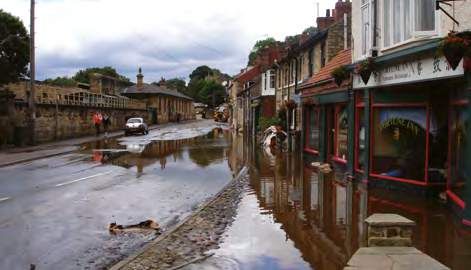
NORTH YORKSHIRE FIRE & RESCUE SERVICE COMMUNITY SAFETY PLAN 2016/17 – 2020/21

SECTION 1: FOREWORD

This Community Safety Plan sets out how we will continue to protect the
people and communities of North Yorkshire and the City of York and how we
intend to develop so that we can continue to provide an excellent professional
service, whilst delivering value for money.

The number of incidents            There is strong central             outcomes of that review and
attended by the fire and           Government encouragement            the consultations have formed
rescue service, nationally, has    for public services to look at      our Response Strategy which
reduced in recent years. The       collaboration options and the       is available in section four.
same is true in North Yorkshire    Service is working hard to          At the same time we have
and the City of York with the      ensure that the partnerships        updated, and consulted upon,
Service attending 34% fewer        it enters into will deliver         our Prevention and Protection
incidents in 2014/15 than in       enhanced services to our            Strategies and, together,
2004/05. Much of this can be       communities.                        these three strategies form the
attributed to the wide-ranging                                         basis for this Integrated Risk
prevention work undertaken,        During 2014 and 2015                Management Plan.
and we continue to seek and        the Service undertook a
                                   major review of fire cover.         We are confident that this plan
develop new effective ways
                                   This review included three          will ensure that the Service will
of reducing the number of
                                   periods of consultation. The        be fit for purpose over the next
emergencies and their impact.
                                                                       five years. However, in order to
                                                                       keep abreast of developments
                                                                       and any changing risk, there
                                                                       will be a programme of annual
                                                                       reviews of the plan, with a
                                                                       major review scheduled in
                                                                       for 2020/21 with the next
                                                                       Community Safety Plan to
                                                                       be published in April 2021.
                                                                       If you would like to find out
                                                                       more about the work we do
                                                                       please visit our website
                                                                       www.northyorksfire.gov.uk

John Fort                          Nigel Hutchinson
County Councillor and              Chief Fire Officer and
Chair of the Fire Authority        Chief Executive

                                                                                                           3
NORTH YORKSHIRE FIRE & RESCUE SERVICE COMMUNITY SAFETY PLAN 2016/17 – 2020/21

    SECTION 2: INTRODUCTION

    What is a Community                achieve with the government        Each fire and rescue authority
    Safety Plan and why                funding they receive.              integrated risk management
                                                                          plan must:
    do we have one?                    A requirement of the National
                                       Framework is for authorities       • demonstrate how
    This Community Safety Plan
                                       to publish an Integrated             prevention, protection and
    is in practice the NYFRS
                                       Risk Management Plan that            response activities will
    Integrated Risk Management
                                       identifies and assesses all          best be used to mitigate
    Plan (IRMP) and fundamentally
                                       foreseeable fire and rescue          the impact of risk on
    describes how we organise
                                       related risks that could affect      communities, through
    and deliver the service to the
                                       the local community, including       authorities working either
    community in order to manage
                                       those of a cross-border,             individually or collectively, in
    risk. The Home Office is the
                                       multi-authority and/or national      a cost effective way
    lead government department
                                       nature.
    for fire and rescue matters.                                          • set out its management
    They publish a National            The plan must have regard to         strategy and risk based
    Framework (set of guidelines)      the community risk registers         programme for enforcing
    which is agreed by Parliament,     produced by Local Resilience         the provisions of the
    to explain what they expect        Forums and any other local           Regulatory Reform (Fire
    fire and rescue authorities to     risk analyses as appropriate.        Safety) Order 2005 in
                                                                            accordance with the

4
NORTH YORKSHIRE FIRE & RESCUE SERVICE COMMUNITY SAFETY PLAN 2016/17 – 2020/21

  principles of better                and at all review stages         approach and provide an
  regulation set out in               with the community,              outline of how, in the medium
  the Statutory Code of               its workforce and                term, North Yorkshire Fire
  Compliance for Regulators,          representative bodies, and       and Rescue Service delivers
  and the Enforcement                 partners                         the protection from fire and
  Concordat.                                                           other emergencies across
                                    • cover at least a three year
                                                                       our communities in the City of
Fire and rescue authorities           time span and be reviewed
                                                                       York and North Yorkshire. The
must make provision to                and revised as often as it
                                                                       plan sets out how decisions
respond to incidents such as          is necessary to ensure that
                                                                       are made and financed, and
fires, road traffic accidents and     fire and rescue authorities
                                                                       what is planned for the five-
emergencies within their area         are able to deliver the
                                                                       year period covered by the
and in other areas in line with       requirements set out in this
                                                                       Plan. The Corporate Plan also
their mutual aid agreements           Framework
                                                                       details the Strategic Aims of
and reflect this in their
                                    • reflect up to date risk          the service as well as giving an
integrated risk management
                                      analyses and the evaluation      authority area overview.
plans.
                                      of service delivery
                                                                       In addition to these plans,
Each fire and rescue authority        outcomes.
                                                                       each year an annual report
integrated risk management
                                    The Service also produces a        and annual integrated risk
plan must:
                                    Corporate Plan, spanning a         management action plan will
• be easily accessible and          five year period from 2016/17      be published to show what we
  publicly available                to 2021/22, which is part of a     have achieved the previous
                                    suite of corporate documents       year and what we intend to
• reflect effective consultation                                       deliver in the next.
                                    that collectively underpin our
  throughout its development

                                                                                                          5
NORTH YORKSHIRE FIRE & RESCUE SERVICE COMMUNITY SAFETY PLAN 2016/17 – 2020/21
SECTION 3: COMMUNITY RISK MANAGEMENT
Our approach to approach is taken whereby Consideration also has to be
Community Risk staff are focussed on a given to large incidents and
particular geographical area busy periods as we need to
Management but are able to work in teams ensure that we can provide a
to deliver interventions where response to these when they
How we meet the risks they are required. occur. In order to do this we
use computer software to
In order to reduce risk through In order to determine where
model the response to these
our prevention and protection our operational resources
types of incidents and busy
work, we need to identify should be located and how
periods.
risk at a level where we can they should be crewed, we
target specific activities such consider the risk profile of a In order to deliver the full
as home fire safety visits local area, the requirements range of operational response,
or commercial fire safety for larger incidents in an area certain specialist skills are
inspections. We use a range of (that is where the local fire required (these are set out
information including historical engines cannot deal with an in Appendix B), and these
incident data, intelligence incident on their own) and require additional training.
from partner agencies, the resources required for the These are usually provided
commercially available data, largest incidents or when the on a Service wide basis, but
emerging national trends, fire Service has an unusually high sometimes specific local risks
safety complaints and local number of calls. mean that these resources are
knowledge to develop local located at specific stations.
To measure local risk, we
plans to deliver community
consider that the frequency Crewing arrangements
safety work and a risk based
and number of the most determine both cost and
inspection programme for
usual incident types such response times. In lower risk
our technical fire safety work.
as house fires, road traffic areas on-call staff (retained
This information enables
collisions and car fires, is the duty system – RDS) staff are
the highest risk households,
best indicator of the risk of used to crew fire engines and
businesses and other non-
those incidents over time. in the higher risk areas full
domestic premises to be
The Service uses this incident time staff are used. Full-time
identified which allows the
data to produce risk scores staff are more expensive but
most effective intervention to
for each station area, by giving their availability is guaranteed
be delivered thus reducing the
each incident type a weighting and they have sufficient
risk.
and then adding together all training time to maintain
Teams of specifically trained the incidents in that area to specialist skills. RDS staff
staff in both community safety provide the final risk score. are less expensive but their
and technical safety are The risk scores at the start primary employment and other
deployed across the county of this Community Safety commitments, mean that
to deliver the prevention and Plan period can be found at sometimes the fire engines
protection service. A flexible Appendix A. they crew are unavailable.
Therefore as part of the
6NORTH YORKSHIRE FIRE & RESCUE SERVICE COMMUNITY SAFETY PLAN 2016/17 – 2020/21
overall risk management we the capacity of crews In order to make sure that
consider the balance of full relative to the other we are delivering against the
time and RDS staff, to ensure workloads public expectation we will:
that sufficient resources are
available to meet the risk. • Monitor the number of • Monitor the fire safety audits
Home Fire Safety Visits we undertaken to ensure that
carry out and overall hours they are being aimed at the
Evaluation and review dedicated to community highest risk premises
safety.
Managers involved in • Monitor the prosecutions
prevention meet regularly In order to ensure that the and other enforcement
to consider the workloads, protection work is having a activity to ensure that it is
trends and capacity to ensure direct and positive impact on proportional to the risk
that resources are allocated the safety of businesses and
where they are needed and other organisations we will: • Monitor the building
to assist in setting District regulations and other
plans and prioritising central • Monitor the number of fires consultations to ensure that
support. in non domestic premises we have responded in time
Community safety work is • Analyse fires in non • Monitor the fire safety
monitored and managed domestic premises by type complaints to ensure that
to ensure that it is having and cause to better target we have responded in a
a positive impact on the the scheduled audits timely manner
community and providing best • Use data and information • Monitor the audits that we
value. Specifically we will: from external sources to undertake at a premises
• Use data and intelligence, target specific risks. that has had a fire to ensure
including from other that we complete them
agencies, to identify trends within 24 hours
or target activities towards
specific at risk groups or Picture: David Sloane
individuals
• Monitor and analyse the
number and causes of fires
in domestic premises
• Undertake case reviews
where there is a death or
serious injury from fire
• Monitor the District plans
to ensure that community
safety work is maximising
7NORTH YORKSHIRE FIRE & RESCUE SERVICE COMMUNITY SAFETY PLAN 2016/17 – 2020/21
• Undertake a satisfaction Other Risk Factors Flooding
survey each year that North Yorkshire and the City
consults at least 40 of York regularly experience
businesses that we have North Yorkshire and City both localised and widespread
audited. of York Risk Profile flooding. Due to this we have
Agriculture invested in water rescue
In order to ensure that we equipment and training for our
remain good value for money Agriculture is one of the
main industries within North staff.
we will:
Yorkshire and because Heritage
• Periodically benchmark our there are specific hazards Across North Yorkshire and
costs, work outputs and associated with farms, we the City of York there are a
outcomes against other work with farmers and collect significant number of heritage
fire and rescue services (as risk information on farms buildings and properties that
far as is possible given the that hold large quantities of contain extremely valuable
limitations of the available chemicals. and irreplaceable items. We
information). give advice to owners on fire
prevention measures and
salvage plans should a fire
occur.
8NORTH YORKSHIRE FIRE & RESCUE SERVICE COMMUNITY SAFETY PLAN 2016/17 – 2020/21
Transport emergencies. We fulfil this The strategy is organised
Within North Yorkshire there duty through our work as a around four work streams,
are a number of major trunk member of the North Yorkshire each comprising a number of
roads including the A1(M), Local Resilience Forum. key objectives. These are:
A19, M62 and the A64, along
with a vast network of rural As part of the work • Pursue: to stop
undertaken by the resilience
roads. We are committed terrorist attacks
to reducing deaths and forum, a North Yorkshire
injuries caused by incidents Community Risk register is • Prevent: to stop
compiled for a national register
on the road, and we work people becoming
in partnership to educate of risks, and assessments are
made of all the emergencies terrorists or
and encourage responsible
attitudes towards driving. that may occur and impact on supporting terrorism
the Local Authority area.
Wildfires • Protect: to strengthen
Within North Yorkshire there More information can be found our protection against
at the North Yorkshire Local
are two national parks which
Resilience Forum website
a terrorist attack
are prone to wildfire during
dry spells and when managed http://www.emergency • Prepare: to mitigate
northyorks.gov.uk/
burning is being undertaken. the impact of a
These fires pose an economic
terrorist attack.
and environmental risk to Combating extremism
rural communities within Many of our staff through their
North Yorkshire, as well as Although the Service is not a daily work naturally engage
environmental loss. We work specified authority under the with members of the public
with land owners, the National Counter Terrorism Act, it still and enter households. With
Parks Authority and English has an important role to play in the right training they are
Heritage to share information preventing people becoming perfectly placed to identify
with the aim of preventing drawn into terrorism. any signs that people may
wildfires occurring. be radicalised and to make
The aim of The United
appropriate references to help
Kingdom’s Strategy for
keep the community safe.
Emergency planning Countering Terrorism
Through this work we are able
(CONTEST) is to reduce the
The Civil Contingencies Act to reach the much smaller
risk to the UK and its interests
2004 identifies category one number of people who are
overseas from terrorism, so
responders, of which we are vulnerable to radicalisation
that people can go about
one, and places a duty on and prevent people from
their lives freely and with
them to work together to being drawn into terrorism
confidence.
assess, plan and advise on and ensure that they are
given appropriate advice and
support.
9NORTH YORKSHIRE FIRE & RESCUE SERVICE COMMUNITY SAFETY PLAN 2016/17 – 2020/21
SECTION 4: THREE PILLARS OF SERVICE
PROVISION
In order to meet the Community Safety Officers are Planned changes
risks identified in the specialist staff based in each
district who deliver most of the Our main aim is to prevent
previous section the community safety activities. emergencies occurring
Service has three pillars They will be managed centrally through education and by
of service provision. but take advice and direction providing advice, and, where
from local managers on any they do occur, to prevent
These are: injury and death. This is called
specific areas of concern.
community safety.
• Prevention A headquarters based
Group Manager, assisted The strategy is set around the
• Protection by officers, with the specific three core areas according
reference for community to the risk and concerns in
• Emergency Response safety; youth engagement North Yorkshire and the City of
The Service has a strategy for and safeguarding, will provide York along with our statutory
each of these pillars. the management of the responsibilities. These are:
community safety staff, along
with the planning, policies and • Home Fire Safety
procedures for community
Prevention Strategy • Road Safety
safety.
Our Prevention Strategy aims • Other Risks
Operational crews also deliver
to reduce the number of community safety, primarily In addition to this, there are
deaths and injuries caused Home Fire Safety Visits three areas that apply across
by fires, road traffic collisions (HFSVs). Their community the strategy. These are:
and other emergencies, by safety work is driven by
reducing the frequency and the District plan and the • Young people
impact of those emergencies amount undertaken can vary • Communication and
on the communities in, and depending on other priorities publicity
visitors to, North Yorkshire and such as training, technical
the City of York. fire safety or risk visits. Some • How we organise and
operational staff undertake manage community safety
Current resources additional community safety
We will continue to monitor
work outside of their core
and manage community
The Prevention and Protection contract. This is how many of
safety work to ensure that it
Group Manager is responsible the programmes of work with
is having a positive impact on
for the overall performance, young people will be delivered.
the community and providing
policy, planning and delivery of
best value. However the key
both technical fire safety (TFS)
elements of the strategy are:
and community safety (CFS).
10NORTH YORKSHIRE FIRE & RESCUE SERVICE COMMUNITY SAFETY PLAN 2016/17 – 2020/21
• We will use more data safety partnerships and Safeguarding
and intelligence, including 95Alive, the York and North
specialist data sets in Yorkshire Road Safety Certain groups are at greater
addition to information from Partnership, to deliver the risk of being killed or seriously
other agencies, to identify best outcomes for the injured as a result of a fire.
trends or target activities community We use data available to the
towards specific at risk Service to identify groups and
groups or households. This • We will target our work with individuals who are higher
will allow high risk groups partner agencies through risk. We have arrangements in
to be determined and information sharing to assist place to allow other agencies
initiatives devised that will the most vulnerable in our to make referrals to us where
engage more effectively with community. All information they believe someone is at risk
that particular group. For sharing will conform to from fire.
example young people may the highest appropriate
standards of data protection To ensure that our staff, who
respond more favourably deliver initiatives to vulnerable
to a social media campaign through data sharing
agreements groups, are trained to a high
than a traditional face to standard we provide robust
face approach. This allows • We will provide central policies, core courses and
limited resources to be support, primarily through service level agreements with
targeted and used very the provision of guidance, appropriate risk assessments;
specifically and to achieve accurate data and support and ensure that all required
maximum benefit materials, to ensure local safeguarding checks (DBS) are
• We will organise our managers are able to in place and remain current.
community safety activities accurately prioritise their
resources Although safeguarding is
at District, Borough or primarily a function of our
City of York level, where • We will deliver the best prevention teams, technical
local managers, working possible service to the fire safety staff and operational
with partners are able to community by ensuring crews can come into contact
better understand the local that staff who carry out with vulnerable people. These
circumstances community fire safety work staff are also made aware of
• We will prioritise community are adequately trained and the safeguarding procedures
safety work using data equipped to undertake their and the available referral
and risk analysis, as far role methods.
as possible, down to • We will aim to deliver The full Prevention Strategy
household level value for money through can be found on our website.
• We will use national performance management
research and information to and regular review, to
deliver effective prevention ensure that the cost of
services delivering prevention activity
is proportionate to the risk
• We will work with partners, in North Yorkshire and the
primarily through community City of York.
11NORTH YORKSHIRE FIRE & RESCUE SERVICE COMMUNITY SAFETY PLAN 2016/17 – 2020/21
Protection Strategy will be based on evidence timeframes and, wherever
from sources such as possible, provide timely and
The Protection Strategy historical incident data, fire accurate advice to those
aims to secure the safety investigation outcomes and who request it
of occupiers, workers and nationally identified trends.
visitors to non-domestic The levels of compliance • We ensure that in order to
premises in North Yorkshire at the premises audited is deliver the best service to
and the City of York, by also analysed to determine the community, any staff
assisting in preventing fires that the service is lowering who carry out fire safety
occurring and to restrict fire the risk through education work are adequately trained
spread should it occur. and enforcement. This risk and have the appropriate
based approach ensures that support to undertake their
resources are being targeted role
Current resources
in the areas of greatest need • We aim to deliver value for
Technical Fire Safety Officers and to maximum affect. money through performance
(TFS) are specialist staff based management and regular
in each district who provide The key elements of this
strategy are: review, to ensure that the
the technical support and cost of delivering technical
guidance to TFS staff and • We aim to strike a balance fire safety is proportionate
operational crews; primarily in between ensuring public to the risk in North Yorkshire
the conduct of our statutory safety and minimising the and the City of York.
responsibilities, including burden on businesses and
prosecution and enforcement, other organisations The full Protection Strategy
within the Fire Services Act can be found on our website.
2004, and the Regulatory • We operate a risk based
Reform (Fire Safety) Order inspection programme,
2005. They conduct complex which is driven by the data
Emergency Response
fire safety audits and deal with on fires in premises types,
more complex consultations. and we prioritise audits Strategy
Within each District there are a where fires have occurred Our Response Strategy is
range of Fire Safety Managers or where there have been made up of the resources we
and Assistant Inspectors who complaints as these have have and our arrangements for
conduct fire safety audits been shown to be the responding to emergencies.
and deal with the majority of highest risk
consultations. The key elements of this
• We will use the powers strategy are:
Operational crews also of legal enforcement and
undertake technical fire safety prosecution available to us, • We respond to all incidents
audits. where this is appropriate where there is a statutory
to ensure public safety; the duty to do so, including fires
approach we will take is and road traffic collisions
Planned changes “firm but fair”
• We also attend other
The activity will be based • We will respond to all incidents where there is no
on a risk based audit and statutory consultations statutory duty: these are
engagement approach. This within the required known as special service
12NORTH YORKSHIRE FIRE & RESCUE SERVICE COMMUNITY SAFETY PLAN 2016/17 – 2020/21
calls and include incidents present the biggest risk to room in Northallerton. Some
such as water rescues, them or the public of our resources are national
responding to flooding and assets and can be deployed
animal rescues • All operational staff are across the country as part of
properly trained for the roles a national response to major
• We may not attend calls they have to undertake incidents.
from Automatic Fire
Alarms or where the “call- • All equipment and vehicles We have four systems (duty
challenge” procedure used is fit for purpose and systems) for crewing our fire
indicates that it is a adequately maintained engines; wholetime shift,
malicious call • The appropriate risk wholetime day crewed, on-
assessments, procedures call (retained) and volunteer.
• We may attend medical
and policies are in place The urban areas of Harrogate,
emergencies on behalf of
to ensure an effective Scarborough and York are
another emergency service
response to incidents mainly served by firefighters
• We seek to ensure that our who work shifts at the fire
resources are appropriately • There are business station; our larger market
located to meet the risk continuity plans in place to towns have firefighters who
across North Yorkshire and ensure that there is always work a combination of day
the City of York an operational response shifts and on-call from home
made to incidents. (day crewed); our rural villages
• We seek to ensure that our and smaller towns are served
resources are appropriately by on-call (retained) staff; and
crewed to meet the risk
Current resources
Lofthouse and Goathland are
across North Yorkshire and At the start of this Community volunteer units.
the City of York Safety Plan, we had 38 fire
We also have officers located
stations with 46 standard fire
• Arrangements are in place throughout North Yorkshire
engines, and 21 specialist
to receive emergency calls and the City of York who
response units. We also
and mobilise resources to respond to incidents to
have a Training Centre in
incidents provide specialist support and
Easingwold and a Service
incident management.
• Arrangements are in place headquarters and control
to manage incidents
and provide adequate
supervision for operational
staff
• Arrangements are in place
to review operational
incidents and improve our
response where necessary
• We will aim to ensure that
operational crews have
access to risk information
about premises that may
13NORTH YORKSHIRE FIRE & RESCUE SERVICE COMMUNITY SAFETY PLAN 2016/17 – 2020/21
Planned changes In order to manage the day-
to-day arrangements of
Following on from the review the Service, we split it into
of fire cover which the Service Districts, which match the
undertook in 2014 and District, Borough and City of
2015, we are replacing one York council areas. The table
of the standard fire engines below shows the number of
with smaller fire engines fire engines at each station,
known as Tactical Response along with the changes we will
Vehicles at Harrogate, Malton, be making during the course/
Northallerton, Tadcaster, Ripon life of this IRMP.
and Scarborough fire stations.
These replacements will take
place over the next four years.
Key
Wholetime shift crewed Wholetime day crewed On-call/retained crewed
fire engine fire engine fire engine
Tactical Response Vehicle Tactical Response Vehicle Volunteer unit
(shift) (day crewed)
14NORTH YORKSHIRE FIRE & RESCUE SERVICE COMMUNITY SAFETY PLAN 2016/17 – 2020/21
Fire station 2016 Community Safety Plan changes
Craven District
Bentham fire station No change
Grassington fire station No change
Settle fire station No change
Skipton fire station No change
Hambleton District
Northallerton fire station
Bedale fire station No change
Easingwold fire station No change
Stokesley fire station No change
Thirsk fire station No change
Harrogate District
Harrogate fire station
Ripon fire station
Boroughbridge fire station No change
Knaresborough fire station No change
Masham fire station No change
Summerbridge fire station No change
Lofthouse fire station No change
Key on page 14 Continued overleaf
15NORTH YORKSHIRE FIRE & RESCUE SERVICE COMMUNITY SAFETY PLAN 2016/17 – 2020/21
Fire station 2016 Community Safety Plan changes
Richmondshire District
Richmond fire station No change
Colburn fire station No change
Hawes fire station No change
Leyburn fire station No change
Reeth fire station No change
Ryedale District
Malton fire station
Helmsley fire station No change
Kirkbymoorside fire station No change
Pickering fire station No change
Sherburn fire station No change
Key on page 14 Continued
16NORTH YORKSHIRE FIRE & RESCUE SERVICE COMMUNITY SAFETY PLAN 2016/17 – 2020/21
Fire station 2016 Community Safety Plan changes
Scarborough District
Scarborough fire station
Danby fire station No change
Filey fire station No change
Goathland fire station No change
Lythe fire station No change
Robin Hood’s Bay fire station No change
Whitby fire station No change
Selby District
Selby fire station No change
Tadcaster fire station
York District
Acomb fire station No change
Huntington fire station No change
York fire station No change
Key on page 14
These changes will be implemented over the lifetime of this Community Safety Plan.
17NORTH YORKSHIRE FIRE & RESCUE SERVICE COMMUNITY SAFETY PLAN 2016/17 – 2020/21
SECTION 5: CONSULTATION PROCESS
Communications and Consultation Approach
We are not consulting on this Community Safety Plan as we have already
undertaken consultations on the key elements of it. The details of these
consultations are set out below and you can also find details of our former
consultations on our website at www.northyorksfire.gov.uk
We would value any feedback Prevention and protection Future changes to the
that you may have about this IRMP
document and hope that you We undertook a consultation
have found it useful. If you on our draft prevention As a result of the planned
would like to comment on and protection strategies reviews of this Plan, further
this document, or any of our between November and changes may be developed
documents, please contact us. December 2015. This included during the course of this
consultation with both Community Safety Plan.
members of the public and Where this is the case then
Response local businesses. The final these proposed changes
prevention and protection will also be subject to public
We undertook three
strategies were approved consultation.
consultations on our review
by the Fire Authority in
of fire cover during 2014 and
February 2016.
2015. The final decision on the
fire cover review was taken
by the Fire Authority at its
meeting on the 9th December
2015 and the outcomes
have formed our Response
Strategy.
We also undertook
consultation on changes to
our response to automatic
fire alarms and special service
calls during 2014.
18NORTH YORKSHIRE FIRE & RESCUE SERVICE COMMUNITY SAFETY PLAN 2016/17 – 2020/21
APPENDIX A: RISK SCORES
For incidents such as The data below shows the So for example if there have
house fires, road traffic risk score for 2010-2015, been 50 house fires in the five
this will be updated on an year period in a station area,
collisions and car fires, annual basis. The most that scores 250. All the other
a good indicator of recent risk score can be incidents are calculated in the
risk is the frequency of viewed on our website same way. For example:
these incidents over www.northyorksfire.gov.uk
time. Five years worth The risk score is calculated for 100x RTCs (5) = 500
of data reflects the each station area as follows.
Each incident type is given a
50x building fires (5) = 250
current and very recent
weighting (see table below) 100x outdoor fires (2) = 200
risk. This data is then
and then all the incidents in
used to produce a risk that station area are added 200x false alarms (0.1) = 20
score. together to provide the final
Total Risk Score = 970
risk score.
Incident type Weighting for risk score
Road Traffic Collisions 5
Building fires 5
Hazardous materials 5
Rescues (where not included in above) 5
Vehicle fire 3
Flooding 3
Outdoor fires 2
All other incidents 1
Chimneys 0.5
False alarms 0.1
Risk score weightings
19NORTH YORKSHIRE FIRE & RESCUE SERVICE COMMUNITY SAFETY PLAN 2016/17 – 2020/21
2010-2015 Incidents
Station area Total score Station area Total score
1 York 7064.4 19 Boroughbridge 805.0
2 Scarborough 6640.7 20 Bedale 772.3
3 Harrogate 5481.6 21 Filey 748.2
4 Selby 5126.5 22 Settle 661.0
5 Acomb 4771.9 23 Easingwold 639.1
6 Huntington 2908.2 24 Helmsley 611.5
7 Northallerton 2325.8 25 Leyburn 544.3
8 Ripon 1871.5 26 Summerbridge 504.1
9 Skipton 1844.1 27 Lythe 448.4
10 Whitby 1745.8 28 Grassington 442.8
11 Tadcaster 1710.1 29 Kirkbymoorside 330.2
12 Richmond 1508.5 30 Hawes 318.5
13 Malton 1446.5 31 Bentham 317.4
14 Colburn 1402.3 32 Reeth 261.0
15 Thirsk 1351.2 33 Robin Hood’s Bay 260.0
16 Pickering 972.9 34 Sherburn 223.4
17 Stokesley 965.6 35 Masham 191.2
18 Knaresborough 840.3 36 Danby 143.3
20NORTH YORKSHIRE FIRE & RESCUE SERVICE COMMUNITY SAFETY PLAN 2016/17 – 2020/21
APPENDIX B: SPECIAL RESPONSE UNITS,
EQUIPMENT AND SKILLS
Key
Water rescue Specialist rope rescue Road rescue and other skills
All terrain vehicle/moors/grass Water bowser or high Incident command unit
fire fighting kit volume pump
Incident response unit Aerial ladder platform
21NORTH YORKSHIRE FIRE & RESCUE SERVICE COMMUNITY SAFETY PLAN 2016/17 – 2020/21
The table below lists the fire stations where there are special response units/equipment or skills.
District Fire station Special response units,
equipment and skills
Craven District Skipton fire station
Hambleton District Northallerton fire station
Harrogate District Harrogate fire station
Ripon fire station
Boroughbridge fire station
Richmondshire District Richmond fire station
Ryedale District Malton fire station
Kirkbymoorside fire station
Scarborough District Scarborough fire station
Whitby fire station
Selby District Selby fire station
Tadcaster fire station
York District Acomb fire station
Huntington fire station
York fire station
Key on page 21
22NORTH YORKSHIRE FIRE & RESCUE SERVICE COMMUNITY SAFETY PLAN 2016/17 – 2020/21 This information is licensed under the Open Government Licence. To view this licence visit www.nationalarchives.gov.uk/doc/open-government-licence/ or write to the Information Policy Team, The National Archives, Kew, London TW9 4DU. If you have any enquiries regarding this document/publication, email cao.serviceinformation@northyorksfire.gov.uk or write to us at: Central Administration Office North Yorkshire Fire and Rescue Service Headquarters Thurston Road Northallerton North Yorkshire DL6 2ND If you would like this document in another format, such as large print or in another language, please call 01609 780150. Je li chcesz, aby ten dokument w innym formacie, takich jak du y druk lub w innym j zyku, prosimy o kontakt telefoniczny 01609 780150. 如果你想在另一本文件的格式,如大型印刷或在另一種語言,請致電 01609 780150.
North Yorkshire Fire and Rescue Service
Headquarters
Thurston Road
Northallerton
North Yorkshire
DL6 2ND                                   Follow us on Twitter
                                          @NorthYorksFire
Tel: 01609 780150 (switchboard)
Tel: 01609 788545 (fire safety advice)    Like us on Facebook
Fax: 01609 788520                         North Yorkshire
www.northyorksfire.gov.uk                 Fire & Rescue Service
You can also read


