CONSEQUENCES OF UNDERFUNDING IN 2020 - SEPTEMBER 2020 - UNHCR
←
→
Page content transcription
If your browser does not render page correctly, please read the page content below
CONSEQUENCES
OF UNDERFUNDING
IN 2020

             SEPTEMBER 2020
Contents
                                                                                          Introduction4
                                                                                          South Sudan situation                                           10
                                                                                          Democratic Republic
                                                                                          of the Congo situation                                          18
                                                                                          Somalia situation                                               26
                                                                                          Central African Republic
                                                                                          situation32
                                                                                          Iraq situation                                                  38
                                                                                          Burundi situation                                               44
                                                                                          Syria situation                                                 52
                                                                                          Afghanistan situation                                           60
                                                                                          Venezuela situation                                             68
                                                                                          Central Mediterranean situation -
                                                                                          Africa and North Africa routes                                  74

                                                                                           Left: A returning refugee family rebuilds and reintegrates in
                                                                                           Tarakhil Daag, Afghanistan.
                                                                                           © UNHCR/CLAIRE THOMAS

                                                                                           Cover Image: Somali refugee women gathered in the Women’s Wellness
                                                                                           Centre, run by the International Medical Corps in Melkadida Refugee
                                                                                           Camp in Ethiopia.
                                                                                           © UNHCR/GEORGINA GOODWIN

                                                                                           The maps in this publication do not imply the expression of any opinion
                                                                                           on the part of UNHCR concerning the legal status of any country or
                                                                                           territory or area, of its authorities, or the delimitation of frontiers or
                                                                                           boundaries.

2   UNHCR > CONSEQUENCS OF UNDERFUNDING 2020   UNHCR > CONSEQUENCS OF UNDERFUNDING 2020                                                                                 3
INTRODUCTION
INTRODUCTION UNHCR is mandated to provide protection,
assistance and solutions for refugees, asylum-
seekers, returnees, stateless persons, internally
displaced people and others of concern to the
Office, of whom there were 86.5 million at the
end of 2019.
With COVID-19 sweeping the globe, more than 20 million people
worldwide are confirmed to have been infected, including more than
19,000 people of concern to UNHCR, a number which is almost
certainly not reflective of the reality.
The COVID-19 crisis has exacerbated the already dire humanitarian
needs globally, particularly in low and middle-income countries,
which currently host more than 85% of the world’s refugees. The
pandemic is destabilizing entire sectors of the economy, with
millions depending on fragile incomes that are now at risk. More
generally, violence, persecution and civil strife continue to uproot
millions. Few conflicts have abated in recent months, while some,
such as in the Democratic Republic of the Congo, Libya, the Sahel
and the Syrian Arab Republic, have gotten worse. Driven in part by
the effects of the pandemic on livelihoods, gender inequality and
gender-based violence have increased, internal displacement
has been exacerbated, and freedom of movement and access to
asylum reduced.
All these trends are likely to continue through 2020, with the virus
acting as a ‘force multiplier’, making the needs of people of concern
to the Office more acute and more complicated to address. UNHCR
has already take steps to invest more in key areas in response to the
protection, public health and socio-economic impacts of COVID-19
on people of concern. This includes ramping up cash assistance,
which is fast, safe and can help cover rent, food, and other basic
needs that arise for refugees and displaced persons. Water,
sanitation and hygiene, shelter capacity, and health services are all
being reassessed to take into account COVID-19 prevention and
response. It includes partnerships, especially at the national level, in
© UNHCR /ELIZ ABETH MARIE STUART
which UNHCR has already invested considerably in the context of
the Grand Bargain and the Global Compact on Refugees, and which
are even more indispensable in the midst of a pandemic as
Sudanese refugees observe physical distancing
while listening to health and sanitation messages
over a speaker system at Ajuong Thok camp in
South Sudan.
4 UNHCR > CONSEQUENCS OF UNDERFUNDING 2020 UNHCR > CONSEQUENCS OF UNDERFUNDING 2020 5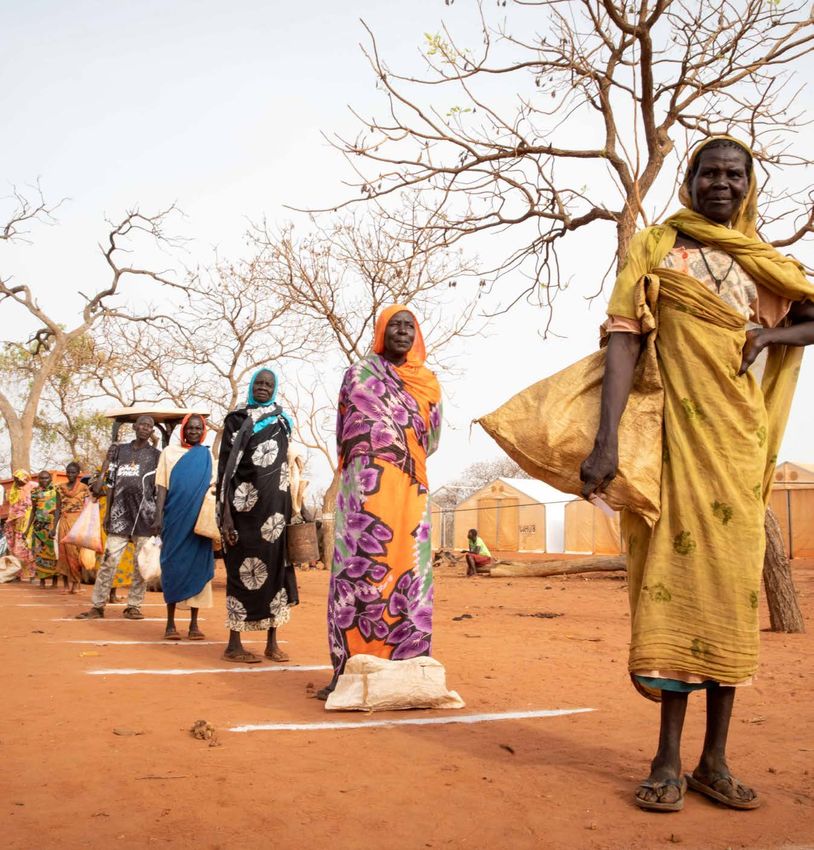
INTRODUCTION INTRODUCTION
Activities affected by underfunding
Protection
Support for those with Registration and
Protection monitoring
specific needs documentation
The effects of this underfunding are felt across the While some instances of underfunding are due to
Community-based
Reception arrangements
Child protection and range of UNHCR’s activities and around the world. new needs or reprioritization resulting from
protection child-friendly spaces Ten situations—the primary subject of this report— COVID-19, many examples pre-date the pandemic
Support for authorities are particularly affected. These situations and demonstrate the impact that chronic
Family reunification Legal assistance
on registration and RSD comprise 56% ($5.160 billion) of UNHCR’s budget. underfunding can have on the lives of people of
Examples are given in each of these situations of concern and UNHCR’s ability to respond.
where underfunding has already (as of August
Assistance and resilience 2020) brought activities to an end, and where These 10 situations also highlight the importance of
activities are on the brink of being cancelled or flexible funding: all of them have benefited from
Emergency preparedness Health services (primary, School construction scaled back if funding is not forthcoming soon. As allocations of flexible funds by the organization,
and response secondary and tertiary) and rehabilitation
these examples show, underfunding is affecting all which has gone some way to making up the shortfall.
Technical and vocational areas of UNHCR’s response, from protection, to UNHCR wishes to extend its sincere thanks to all
Education support Cash assistance
training assistance and resilience activities, to solutions. donors who have provided unearmarked and softly
Emergency and long-term earmarked funding in 2020.
Health and nutrition Core relief items
shelter
Camp coordination and Water, sanitation and Livelihoods and
camp management hygiene socioeconomic inclusion
Infrastructure and road
Winterization
Household energy Global funding overview
improvement supply as of 25 August 2020
TOP DONORS OF UNEARMARKED FUNDING
Solutions Sweden
España con ACNUR (Spain for UNHCR)
$76.4 million
$52.9 million
Norway $41.4 million
Voluntary repatriation Return and reintegration Investments in areas Netherlands $36.1 million
programmes for refugees assistance for IDPs of return Denmark $34.6 million
United Kingdom $31.7 million
Comprehensive solutions Private donors in the Republic of Korea $27.2 million
Return monitoring Resettlement activities
strategies Germany $25.9 million
Japan for UNHCR $17.9 million
Switzerland $16.4 million
TOP DONORS OF SOFTLY EARMARKED FUNDING
knowledge, access and trust at the community Beneath the trends caused by the virus, serious as United States of America $306.8 million
level is essential. And it includes ways of working, those are, the triggers and drivers of forced REGIONAL FUNDING OVERVIEW Germany $101.7 million
United Kingdom $24.8 million
harvesting lessons about how UNHCR performs displacement remain, as do the needs of people of 51% funded Denmark $22 million
and delivers protection and aid, remotely and concern and the challenges in providing 50% funded
Middle East and
North Africa Sweden $16.3 million
in-situ, to inform our transformation and engage protection, assistance and solutions. Europe
50% funded
UNO-Flüchtlingshilfe (Germany for $14.9 million
Asia and the UNHCR)
with partners on the future of work. 50% funded
West and Pacific Canada $13.7 million
UNHCR’s budget was $9.131 billion with, as of the Central Africa Finland $8.8 million
Australia for UNHCR $8.1 million
But the important factor to stress is that end of August 2020, funds available to it of $4.458 52% funded
The Americas
46% funded
36% funded Private donors in the United States of $5.7 million
UNHCR’s work has not stopped. billion. This included $3.804 billion in voluntary Southern Africa
East and Horn of Africa America
and the Great Lakes
contributions, of which 72% was either earmarked
or tightly earmarked. Overall, UNHCR’s budget * A detailed breakdown is available here. Further information on the use of flexible funding by UNHCR in 2019 is
** Percentages may not add up to 10% due to rounding. available in the Report on use of flexible funding in 2019
had a funding gap of 51%.
6 UNHCR > CONSEQUENCS OF UNDERFUNDING 2020 UNHCR > CONSEQUENCS OF UNDERFUNDING 2020 7
INTRODUCTION                                                                                                                                                                                                            INTRODUCTION

     Top 10 most underfunded situations in 2020
     as of 25 August 2020

    CENTRAL MEDITERRANEAN ROUTE SITUATION                        SOUTH SUDAN SITUATION                                     SYRIA SITUATION                                           IRAQ SITUATION

                    $162.8 MILLION Funding shortfall                                 $481.4 MILLION Funding shortfall                     $1.240 BILLION         Funding shortfall                 $316.8 MILLION Funding shortfall

                    $474.8 MILLION                                                   $720.9 MILLION                                       $1.991 BILLION                                           $475.7 MILLION
                     UNHCR's financial requirements 2020                             UNHCR's financial requirements 2020                  UNHCR's financial requirements 2020                      UNHCR's financial requirements 2020

         66%                                                         33%
                                                                      FUNDED
                                                                                                                               38%                                                       33%
                                                                                                                                                                                          FUNDED
         FUNDED                                                                                                                 FUNDED

VENEZUELA SITUATION                                                                                                                                                                  AFGHANISTAN SITUATION

                   $143.3 MILLION          Funding shortfall                                                                                                                                       $161.5 MILLION          Funding shortfall

                   $260.7 MILLION                                                                                                                                                                  $273.5 MILLION
                   UNHCR's financial requirements 2020                                                                                                                                             UNHCR's financial requirements 2020

        45%
        FUNDED
                                                                                                                                                                                         41%
                                                                                                                                                                                          FUNDED

    CENTRAL AFRICAN REPUBLIC SITUATION                           DEMOCRATIC REPUBLIC OF THE CONGO                          BURUNDI SITUATION                                         SOMALIA SITUATION

                    $90.8 MILLION            Funding shortfall                       $223.1 MILLION Funding shortfall                     $122.3 MILLION Funding shortfall                         $251.2 MILLION Funding shortfall

                    $150.4 MILLION                                                   $343.5 MILLION                                       $189.8 MILLION                                           $425.7 MILLION
                     UNHCR's financial requirements 2020                             UNHCR's financial requirements 2020                  UNHCR's financial requirements 2020                      UNHCR's financial requirements 2020

         40%                                                         35%                                                       36%                                                       41%
                                                                                                                                                                                          FUNDED
                                                                      FUNDED                                                   FUNDED
         FUNDED

8                                                                 UNHCR >      CONSEQUENCS OF UNDERFUNDING 2020              UNHCR > CONSEQUENCS OF UNDERFUNDING 2020                                                                          9
SOUTH SUDAN SITUATION
The South Sudanese refugee population remains the largest in the region and
is one of the most vulnerable. Whether in camps, settlements or urban areas,
some 2.3 million refugees are living in extremely precarious conditions,
exacerbated by the COVID-19 pandemic.
Despite border closures, lockdowns and other UNHCR’s overall requirements for the South Sudan
movement restrictions, a steady flow of new South situation in 2020 stand at $720.9 million. As of 25
Sudanese arrivals in asylum countries continues to August 2020, $67.7 million has been received.
be reported. Most refugees face high levels of Flexible and country-level funds received by
SOUTH SUDAN
poverty, limited access to livelihood opportunities, UNHCR have allowed the organization to allocate
and are hosted in some of the poorest areas, an additional $171.8 million to the South Sudan
where communities are already struggling to meet situation, raising the current funding level to 33%.
© U N H C R / E D U A R D O S OT E R A S J A L I L
SITUATION basic needs. Some 1.6 million people are internally
displaced in South Sudan.
These low funding levels have forced UNHCR’s
operations in South Sudan and in neighbouring
countries to cut programmes across a range of
sectors, including health, livelihoods, infrastructure
and solutions, with further cuts anticipated in the
South Sudanese women wait to register their
second half of 2020.
newborns at Jewi refugee camp, Ethiopia.
AFFECTED COUNTRIES KEY POPULATION DATA $720.9 MILLION
(AS OF 30 JUNE 2020) UNHCR's financial requirements 2020, as of 25 August 2020
2.3 million $481.4 MILLION Funding shortfall
refugees and asylum-seekers
SUDAN
1.6 million Unearmarked
IDPs
CENTRAL Softly earmarked
33%
SOUTH ETHIOPIA
AFRICAN SUDAN
289,650
REPUBLIC
FUNDED Earmarked
UGANDA self-organized returnees Tightly earmarked
DEMOCRATIC
KENYA since 2017 (about 100,000
REPUBLIC OF
THE CONGO
in 2019)
10 UNHCR > CONSEQUENCS OF UNDERFUNDING 2020 UNHCR > CONSEQUENCS OF UNDERFUNDING 2020 11
SOUTH SUDAN SITUATION SOUTH SUDAN SITUATION
Durable solutions
in South Sudan
Health care in Uganda Recent developments in South Sudan require Infrastructure and road
Underfunding has required UNHCR to reduce UNHCR to significantly scale up leadership improvement in Ethiopia
Activities that the number of health workers in all
settlements hosting South Sudanese refugees
and preparedness measures for the return of
millions of refugees. As of June 2020, due to
Since July 2020, access road maintenance in
Nguenyyiel, Tierkidi and Okugo camps in the
have already been in Uganda since the start of 2020. The
reduction increased the workload of remaining
funding restrictions UNHCR’s response has
been limited to technical support to the
Gambelle region of Ethiopia has not
progressed due to underfunding. With the
reduced or cut as health workers, who in some locations consult
70 patients per day (compared to a standard of
Government for the drafting of the national
framework for returns, reintegration and
onset of the rains, parts of the camps in
a consequence of below 50), creating a risk of burnout, attrition
and lesser quality of care. Underfunding has
relocation and the establishment of a return
monitoring mechanism at 37 border points and
Tierkidi and Okugo become inaccessible
affecting the delivery of services and
underfunding also limited the procurement of needed in some key return areas. While identification
emergency medical responses. Access roads
in the Nguenyyiel camp need urgent
medicines, which may contribute to of gaps in community-based support in return
maintenance to prevent parts of the camp
preventable deaths and loss of confidence in areas has taken place, funding to implement
from being cut off.
the health-care system. these quick-impact projects has been limited.
Number of impacted beneficiaries:
Number of impacted beneficiaries: Number of impacted beneficiaries:
200,000 individuals
876,981 individuals 100,000 individuals
Funding needed:
Funding needed: Funding needed:
Road maintenance $600,000;
$4.6 million $800,000
Other infrastructure $1.2 million
JANUARY JUNE JULY
Livelihoods in the Democratic Infrastructure and road improvement
Republic of the Congo in Kenya
Since January 2020, due to a shortfall in As of July 2020, due to shortfalls in funding, various
funding, livelihood interventions have been infrastructure and road improvement projects within Kalobeyei
reduced in three camps hosting South and Kakuma camps in Kenya have been deprioritized or
Sudanese refugees in the Democratic Republic suspended. Poor road conditions and lack of adequate storage
of the Congo (Meri, Bili and Biringi). Only 27% of facilities have complicated access and assistances to refugees.
South Sudanese refugees are benefitting from Significant amounts have been spent on repair and maintenance
livelihood support, which is limited to the of vehicles rather than direct assistance to beneficiaries.
agricultural sector.
Number of impacted beneficiaries:
Number of impacted beneficiaries: 122,000 refugees and
7,000 households 30,000 host community members.
Funding needed: Funding needed:
$3.5 million $1.5 million
12 UNHCR > CONSEQUENCS OF UNDERFUNDING 2020 UNHCR > CONSEQUENCS OF UNDERFUNDING 2020 13
SOUTH SUDAN SITUATION SOUTH SUDAN SITUATION
Support to new arrivals
in Ethiopia
Lack of funding will leave UNHCR unable to
strengthen and expand shelter and services to
respond to the large number of new arrivals at
the Pagak reception centre in Gambella,
Activities that could be reduced Ethiopia. Required activities include expansion
of the facility, provision of food, support to
Durable solutions for IDPs
in South Sudan
or cut from August 2020 unaccompanied and separated children,
relocation to refugee camps and rehabilitation
In a context of declining funds and a steady
increase in the IDP population in South Sudan,
of shelters in the receiving camps. The risk
UNHCR will have to deprioritize solutions-
of further spread of COVID-19 among the
focused activities for IDPs in the second half of
population remains high, with the centre
2020 in order to cover lifesaving and
SUDAN congested and sanitation and hygiene
protection interventions, including for the
Shelter in the Democratic rapidly deteriorating.
newly displaced. UNHCR will not be able to
Republic of the Congo carry out envisioned quick-impact projects
Number of impacted beneficiaries:
As of October 2020, due to the shortfall in funding a 8,900 new arrivals that would include housing, livelihoods and
reduction in shelter assistance for individuals with specific CENTRAL SOUTH ETHIOPIA area-based co-existence initiatives to ensure
needs in three camps hosting South Sudanese refugees in AFRICAN SUDAN Funding needed: sustainable returns.
REPUBLIC
the Democratic Republic of the Congo (Meri, Bili and Biringi) $2 million
is expected. This reduction will significantly increase Number of impacted beneficiaries:
protection risks, forcing refugees to live in the open or to UGANDA 200,000 IDPs
resort to negative coping mechanisms. KENYA
DEMOCRATIC Funding needed:
REPUBLIC OF
THE CONGO $1.4 million
Number of impacted beneficiaries:
3,000 households
Funding needed:
$2.3 million
Family latrines programme
in Kenya
Cash assistance for families to construct
improved latrines in the Kalobeyei settlement
Child protection and Number of impacted will not be implemented in the second half
mental health in Uganda beneficiaries:
2020 without additional funding. Refugees
55,750 children at remain in substandard and undignified living
Child protection and psychosocial case
risk and 45,000 conditions. The use of communal latrines
management services in settlements hosting South
individuals with exposes them to environmental hazards and
Sudanese refugees have been scaled down since
mental health and communicable diseases including COVID-19.
the beginning of 2020 due to lack of funding. This
psychosocial
situation will continue to persist in the second half
support needs Number of impacted beneficiaries:
of 2020 without additional funding. The reduction in
1,500 families (7,500 refugees)
the number of case workers will result in children at Funding needed:
risk not receiving home monitoring visits, with the $1.2 million Funding needed:
caseworker to child ratio of 1:300 dramatically $350,000
higher than the international standard of 1:25.
Mental health issues and suicide will continue to
rise among refugees in part due to lack of mental
health services.
14 UNHCR > CONSEQUENCS OF UNDERFUNDING 2020 UNHCR > CONSEQUENCS OF UNDERFUNDING 2020 15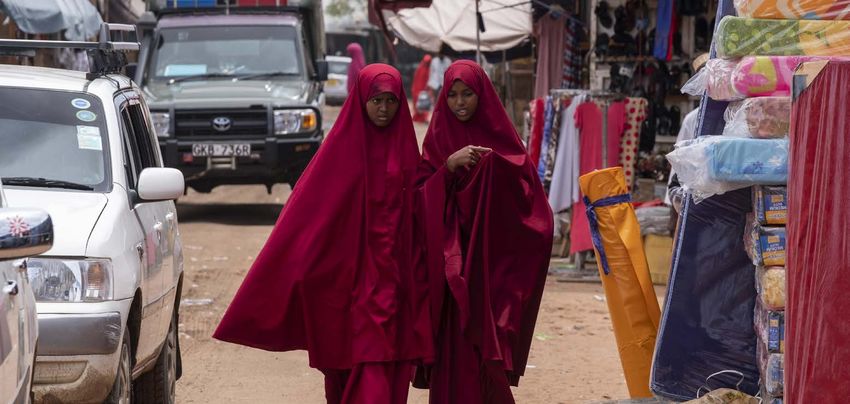
SOUTH SUDAN SITUATION                                                                                                                                                        SOUTH SUDAN SITUATION

     SPOTLIGHT:
     BEYOND THE NUMBERS
     Siblings Nyamach and Nyakoang Lul are among more than
     42,000 South Sudanese refugee children in Ethiopia who are
     either unaccompanied or separated from their parents or
     guardians. After fighting broke out in their hometown of Guel
     Guk, Upper Nile State, Nyamach and her younger sister,
     13-year-old Nyakoang, fled to safety in Ethiopia. For the past
     four years, the Lul sisters have made a home for themselves
     in Jewi, one of seven camps hosting more than 300,000
     South Sudanese refugees in Ethiopia’s Gambella region.
     South Sudan’s conflict has had a devastating impact on
     children, who account for over half of the more than two
     million South Sudanese living in exile.

     In Ethiopia, most refugee children live with their families, but a
     significant number – more than 42,000 – are either
     unaccompanied or separated. Lack of funding has left
     UNHCR unable to respond to the large number of new
     arrivals at the Pagak reception centre, including
     strengthening support services for unaccompanied and
     separated children, like the Lul sisters.

     “We take care of one
      another – it’s just the
      two of us”
                                            - Nyamach Lul

                                                                                                                                                                                                                             © U N H C R / E D U A R D O S OT E R A S J A L I L
            LEARN
            MORE                                                                                                                                                Unaccompanied South Sudanese minors sit outside their
                                                                                                                                                                house at Jewi refugee camp in Ethiopia.

16                                                                        UNHCR > CONSEQUENCS OF UNDERFUNDING 2020   UNHCR > CONSEQUENCS OF UNDERFUNDING 2020                                                           17
DEMOCRATIC REPUBLIC OF THE CONGO SITUATION
Although a peaceful transition of power followed the presidential elections in
December 2018, the security and humanitarian situation in the Democratic
Republic of the Congo (DRC) has continued to deteriorate, mainly in the east, in
what is one of the most complex and long-standing humanitarian crises in Africa.
DEMOCRATIC Approximately 1.67 million people were newly
displaced in 2019, despite Government efforts to
UNHCR’s overall requirements for the DRC
situation in 2020 stand at $343.5 million. As of 25
REPUBLIC OF promote returns for refugees, asylum-seekers and
IDPs. UNHCR continues to support IDPs (including
August 2020, $26.8 million has been received.
Flexible and country-level funds received by
THE CONGO
through shelter, building of schools, health centres UNHCR have allowed the organization to allocate
and other community infrastructure, and provision an additional $93.6 million to the DRC situation,
of cash assistance) along with some 919,234 raising the current funding level to 35%. These low
SITUATION Congolese refugees and asylum-seekers in
neighbouring countries and the wider Southern
funding levels have forced UNHCR’s operations in
the DRC and in neighbouring countries to cut
© U N H C R /J O H N W E S S E L S
Africa region. programmes across a range of sectors, including
Hanifa is an internally displaced Congolese shelter, cash assistance, durable solutions,
woman who has found refuge in Tshikapa in education and water, sanitation and hygiene, with
the Kasai region of south-central Democratic
additional cuts to programmes expected in the
Republic of Congo (DRC).
second half of 2020 should further funding not
be received.
AFFECTED COUNTRIES KEY POPULATION DATA
(AS OF 30 JUNE 2020)
919,234 $343.5 MILLION
UNHCR's financial requirements 2020, as of 25 August 2020
Congolese refugees and
UGANDA asylum-seekers in the region
REPUBLIC
OF THE DEMOCRATIC
$223.1 MILLION Funding shortfall
RWANDA
7.2 million
CONGO REPUBLIC OF
THE CONGO BURUNDI
UNITED
REPUBIC OF
IDPs
TANZANIA Unearmarked
ANGOLA 22,788 35%
Softly earmarked
refugee returnees FUNDED Earmarked
ZAMBIA
2.1 million
Tightly earmarked
IDP returnees
18 UNHCR > CONSEQUENCS OF UNDERFUNDING 2020 UNHCR > CONSEQUENCS OF UNDERFUNDING 2020 19DEMOCRATIC REPUBLIC OF THE CONGO SITUATION DEMOCRATIC REPUBLIC OF THE CONGO SITUATION
Shelter and cash
assistance for IDPs Education in Burundi
in the DRC and Zambia
Activities that Emergency shelter interventions for IDP families Planned construction and rehabilitation of schools and
in South Kivu Province were stopped in January classrooms in refugee camps in Burundi and Zambia were
have already been 2020 due to the shortfall in funding, while cash suspended as of February 2020 due to lack of funds. In
reduced or cut as
programming for IDP women at risk was reduced, Zambia, only four out of a planned 80 classrooms were
with only 680 women being supported. Highly completed meaning some students were unable to
a consequence of vulnerable displaced people continue to live in
substandard and undignified shelters, exposed to
resume their studies in the context of COVID-19. In
Burundi, the existing lack of funding for education was
underfunding environmental hazards, while women at risk,
without opportunities for financial independence,
worsened due to reprioritization of funds to respond to
COVID-19, exposing out of school children to protection
may resort to negative coping mechanisms and risks including SGBV, while crowded classrooms also
are exposed to SGBV and other protection risks. increase the risk of COVID-19 contamination.
Number of impacted beneficiaries: Number of impacted beneficiaries:
8,000 IDP households in need of shelter 35,000 refugee students in Burundi and 6,000
and 100,000 IDP women at risk refugee students in Zambia
Funding needed: Funding needed:
$22 million Burundi $600,000; Zambia $800,000
JANUARY FEBRUARY JULY
Voluntary repatriation from Water, sanitation and hygiene
the Republic of the Congo (WASH) in Rwanda and the
Although a priority in 2020, assisted voluntary
United Republic of Tanzania
repatriation of Congolese refugees from the Republic Due to underfunding and reprioritization (including in the context of COVID-19),
of the Congo to the DRC could not be carried out from planned construction of retaining walls for shower facilities in camps in Rwanda
January 2020 due to unavailability of funds, in addition to prevent their structural collapse was not implemented as of July 2020.
to COVID-19 related issues. As a result, refugees ready Funding shortfalls in the United Republic of Tanzania led to 25% of refugee
to return home to the DRC continue to wait for assisted households not receiving family latrines as planned, and delays in the
repatriation, delaying durable solutions. decommissioning of filled, collapsed and communal latrines in the three
refugee camps.
Number of impacted beneficiaries:
10,000 Congolese refugees Number of impacted beneficiaries:
Funding needed:
Over 76,000 Congolese refugees in Rwanda, and 4,815
$1.7 million Congolese refugee households in the United Republic of Tanzania
Funding needed:
Rwanda $200,000; the United Republic of Tanzania $2.3 million
20 UNHCR > CONSEQUENCS OF UNDERFUNDING 2020 UNHCR > CONSEQUENCS OF UNDERFUNDING 2020 21DEMOCRATIC REPUBLIC OF THE CONGO SITUATION DEMOCRATIC REPUBLIC OF THE CONGO SITUATION
Reception arrangements
in Uganda
As of September 2020, underfunding will
result in the suspension of core relief item
distribution for new arrivals from the
Activities that could be reduced
Democratic Republic of the Congo in Uganda, Health and nutrition
and halt construction and expansion of in the United Republic
or cut from August 2020 collection points, transit centres and reception
centres (including quarantine facilities).
of Tanzania
Without core relief items – including soap for Provision of specialized equipment such as x-ray
hand washing during COVID-19 – refuges lack machines, incubators, pediatric vital sign
basic necessities and may face additional monitors and automated external defibrillators to
health and protection risks. facilitate secondary and tertiary health care
WASH in the referrals have not been procured so far in 2020
Number of impacted beneficiaries: due to underfunding, meaning that some people
Republic of the Congo UGANDA 50,000 people will not have access to needed medical care in
Due to lack of funding and REPUBLIC the second half of 2020. Provision of
reprioritization of funds towards the OF THE DEMOCRATIC RWANDA Funding needed:
CONGO REPUBLIC OF supplementary nutrition to people at risk in the
COVID-19 response, the planned $2.8 million
THE CONGO BURUNDI three refugee camps will also be required due to
construction of family latrines for reduction of the food basket.
refugees and asylum-seekers from the UNITED
Democratic Republic of the Congo has REPUBIC OF Number of impacted beneficiaries:
been put on hold, however with TANZANIA 17,640 people in the health sector and
sufficient funding could be resumed in 6,135 people at risk of malnutrition
the second half of 2020. The ratio of
ANGOLA Funding needed:
people per latrine is high at 32,
$750,000
compared to the recommended 20,
resulting in public health risks. ZAMBIA
Number of impacted beneficiaries:
Livelihoods in
8,000 individuals
Zambia
Funding needed:
An initiative to strengthen access to
$450,000
employment opportunities for youth and
women by supporting development of
artisanal skills, as well as visual and vocal
artistry, in the three settlements in Zambia will
not been implemented in the absence of
Emergency shelter programme for IDPs Number of impacted further funding from September 2020. This
in the Democratic Republic of the Congo beneficiaries:
intervention would in part mitigate the
6,000 IDP
The funding shortfall will prevent UNHCR from implementing negative impact of COVID-19 on refugee
households livelihoods.
essential emergency shelter interventions for IDPs in North
Kivu Province from October 2020. Highly vulnerable displaced Funding needed:
Number of impacted beneficiaries:
people are currently forced to live in substandard and $2 million
1,500 people
undignified shelters and are exposed to environmental
hazards. Funding needed:
$500,000
22 UNHCR > CONSEQUENCS OF UNDERFUNDING 2020 UNHCR > CONSEQUENCS OF UNDERFUNDING 2020 23DEMOCRATIC REPUBLIC OF THE CONGO SITUATION DEMOCRATIC REPUBLIC OF THE CONGO SITUATION
SPOTLIGHT:
BEYOND THE NUMBERS
Emmanuelle Ochaya, 56, is among an estimated 45,000 people
who fled attacks in eastern Democratic Republic of the Congo
(DRC) that erupted in May 2020. She was part of a group who
became stranded in a remote and inaccessible area, as the borders
between the DRC and Uganda remained closed due to the
COVID-19 lockdown. When Uganda temporarily re-opened two
border crossing points through Guladjo and Mount Zeu in Zombo
district in July 2020, some 3,000 asylum-seekers (including
Emmanelle) crossed into Uganda. UNHCR and partners, in
coordination with the Office of the Prime Minister, the Health
Ministry and the district local government, have been working
around the clock in Zombo district to strengthen reception
capacities, including quarantine facilities at the border, and to
ensure adequate levels of emergency assistance are available.
However, funding constraints are limiting UNHCR’s ability to
respond to the needs of new arrivals, including for vulnerable
individuals like Emmanelle, who are fast-tracked for assistance.
“The needs are huge
and growing.”
- Joel Boutroue,
UNHCR’s Representative in Uganda
© UNHCR /ROCCO NURI
LEARN Emmanuelle Ochaya, a 56-year-old asylum-seeker and mother of
eight from the DRC, sits outside the makeshift shelter where she has
MORE slept for over a month after fleeing deadly violence and being
separated from her family in DRC's Ituri province..
24 UNHCR > CONSEQUENCS OF UNDERFUNDING 2020 UNHCR > CONSEQUENCS OF UNDERFUNDING 2020 25SOMALIA SITUATION
The Somalia situation is one of the world’s longest-running displacement crises.
The country has been facing a series of UNHCR’s overall requirements for the Somalia
challenges in 2020, including COVID-19, riverine situation in 2020 stand at $425.7 million. As of 25
and flash flooding and an infestation of desert August 2020, $62.9 million has been received.
locusts, all of which are compounded by ongoing Flexible and country-level funds received by
armed conflict. Many people remain in need of UNHCR have allowed the organization to allocate
urgent humanitarian assistance, and shelter and an additional $111.6 million to the Somali situation,
non-food items have been identified as priority raising the current funding level to 41%. These low
SOMALIA
needs within Somalia. Over 778,000 Somali funding levels have forced UNHCR’s operations in
refugees in host countries also continue to rely on Somalia and in neighbouring countries to cut
protection, assistance and support in the search programmes across a range of sectors, including
© U N H C R / E D U A R D O S OT E R A S J A L I L
SITUATION for durable solutions, including voluntary
repatriation in safety and dignity.
shelter, education and solutions, while additional
programme cuts are anticipated in the second half
of 2020 should further funding not be received.
A Somali refugee stands next to her brothers
at a World Vision school being used as a
temporary shelter in Bur Amino, Ethiopia.
When the rains failed again, their mother, fled
across the border with her nine children.
AFFECTED COUNTRIES KEY POPULATION DATA $425.7 MILLION
(AS OF 30 JUNE 2020) UNHCR's financial requirements 2020, as of 25 August 2020
YEMEN
776,623 $251.2 MILLION Funding shortfall
Refugees and asylum seekers
2.65 million
DJIBOUTI
SOMALIA Unearmarked
IDPs
ETHIOPIA
41% Softly earmarked
91,673 FUNDED Earmarked
assisted refugee returnees
Tightly earmarked
(since December 2014)
KENYA
26 UNHCR > CONSEQUENCS OF UNDERFUNDING 2020 UNHCR > CONSEQUENCS OF UNDERFUNDING 2020 27SOMALIA SITUATION SOMALIA SITUATION
Activities that Shelter for returnees
have already been in Somalia
As of April 2020, due to a shortfall in funding,
reduced or cut as the number of durable shelters that were
a consequence of planned to be constructed for returnees in
South Central Somalia had to be cut by half.
underfunding Returnees without shelter will be vulnerable to
evictions and homelessness, making their return
and reintegration potentially unsustainable.
Number of impacted beneficiaries:
38,000 returnees
© UNHCR/SEBASTIAN RICH
Funding needed:
$1.2 million
Two refugees girls walk along the market in Hagadera camp,
Dadaab, Kenya.
MARCH APRIL MAY JUNE
Durable solutions in Kenya Education in Ethiopia Shelter in Djibouti
As of March 2020, the Dadaab solutions strategy was put on As of May 2020, funds were reallocated from As of June 2020, only 10% of households
hold, including the verification exercise and the relocation of adult and youth literacy activities in Melkadida, in Ali-Addeh and Holl-Holl refugee
non-Somali refugees from Dadaab to Kakuma. Other durable Ethiopia, towards COVID-19 prevention settlements were living in an adequate
solutions including repatriation and resettlement were also activities, suspending the activities for the rest dwelling with durable shelters. 90% of
put on hold, with only a few emergency resettlement cases of 2020. Young women who are raising Somali settlement-based refugees live in
being processed. Many refugees in Dadaab have been children and unable to regularly enroll in emergency shelters which do not provide
displaced for years or decades. The suspension of the schools particularly benefit from adult literacy adequate protection from natural elements
Dadaab solutions strategy will result in further delays, classes, and their suspension leaves them with and are exposed to harsh weather
including for the most vulnerable. no further educational opportunities. conditions.
Number of impacted beneficiaries: Number of impacted beneficiaries: Number of impacted beneficiaries:
48,000 individuals 48,700 individuals 20,500 individuals
Funding needed: Funding needed: Funding needed:
$1.5 million $250,000 $16.2 million
28 UNHCR > CONSEQUENCS OF UNDERFUNDING 2020 UNHCR > CONSEQUENCS OF UNDERFUNDING 2020 29SOMALIA SITUATION SOMALIA SITUATION
Shelter maintenance
in Yemen
As of September 2020, due to the shortfall in
funding and re-prioritization to focus on
lifesaving activities, construction and
Activities that could be reduced maintenance work in the Kharaz refugee camp
in Yemen will be reduced. The living
or cut from August 2020 conditions of families in Kharaz camp will
continue to deteriorate, increasing risks of
Cash assistance
YEMEN in Djibouti
communicable disease and impacting social
cohesion with surrounding Yemeni Beginning already in June 2020, due to
Energy communities shortfalls in funding cash assistance will no
in Ethiopia DJIBOUTI longer be provided to settlement-based
Number of impacted beneficiaries: refugees in Ali-Addeh and Holl-Holl settlements.
Since the beginning of 2020, due to 8,900 refugees Vulnerable refugees may be unable to meet
underfunding there has been a lack of
SOMALIA
their basic needs during the economic downturn
household energy supply to refugees in all Funding needed:
ETHIOPIA $720,000
associated with the COVID-19 pandemic.
three Jijiga camps. De-prioritization of the
provision of household energy supply for Number of impacted beneficiaries:
cooking and logistics support in Jijiga will 22,800 refugees in Ali-Addeh and
continue in the second half of 2020 in the Holl-Holl
absence of further funding, increasing
deforestation around the camps and exposure Funding needed:
of girls and women to SGBV during firewood KENYA $110,000
collection.
Number of impacted beneficiaries:
39,000 individuals Core relief items, emergency
Funding needed:
shelter and multi-purpose cash
$340,000 including transport and grants in Somalia
logistic costs By August 2020, over 597,075 people will be displaced in Somalia
due to flooding, conflict or evictions, compounded by a locust
infestation and COVID-19. Additional funding is required to procure
and distribute core relief items and emergency shelter for 10,000 of
Number of impacted
the most vulnerable IDP households in the South Central and
Cash and financial assistance beneficiaries:
Puntland Regions of Somalia. Highly vulnerable displaced people
in Kenya 40,000
will otherwise lack basic and domestic items including emergency
Since the outbreak of COVID-19 and strict lockdown
individuals
shelter and other essential services.
measures in Kenya, it has been difficult for urban refugees Funding needed:
in Nairobi and urban settings of Mombasa, Nakuru and $1.1 million Number of impacted beneficiaries:
Eldoret to sustain themselves. Urban refugees are 10,000 households (60,000 individuals)
struggling to pay rent and resorting to negative coping Funding needed:
mechanisms; and incidents of SGBV are on the rise. $1.6 million
Additional cash assistance for these refugees is needed, as
are funds to relocate those refugees who are unable to
remain in urban areas to Kakuma camp.
30 UNHCR > CONSEQUENCS OF UNDERFUNDING 2020 UNHCR > CONSEQUENCS OF UNDERFUNDING 2020 31CENTRAL AFRICAN REPUBLIC SITUATION
Insecurity continues in the Central African Republic (CAR), despite progress
including relative calm in some parts of the country.
The signing of tripartite agreements in 2019 UNHCR’s overall requirements for the CAR
allowed UNHCR to facilitate the voluntary return of situation in 2020 stand at $150.4 million. As of 25
over 12,400 Central African refugees from August 2020, $2.7 million have been received
Cameroon, the Republic of the Congo and the specifically for the CAR situation (2% of the overall
Democratic Republic of the Congo. UNHCR has needs). Flexible and country-level funds received
CENTRAL AFRICAN
continued to provide protection for over 600,000 by UNHCR have allowed the organization to
Central African refugees in neighbouring countries additionally allocate $56.9 million to the CAR
© UNHCR/HUGH KINSELLA CUNNINGHAM
and pursued solutions in collaboration with situation to raise the current funding level to 40%.
REPUBLIC SITUATION development actors and host governments.
Activities in support of some 658,998 IDPs in the
CAR include protection monitoring, SGBV
These low funding levels have led to large cuts to
programmes in various sectors by UNHCR’s
operations in the CAR and in countries of asylum
prevention and response, provision of emergency in the first half of 2020, including camp
shelter and non-food items, and support to return coordination and camp management, shelter and
A refugee from the Central African Republic waits outside a UNHCR- to areas of origin where feasible. core relief items for IDPs, and livelihood support
supported health clinic with her baby in the Inke refugee camp, DRC.
and essential health-care services for refugees,
with further cuts expected in the coming months.
AFFECTED COUNTRIES KEY POPULATION DATA
(AS OF 30 JUNE 2020)
611,909 $150.4 MILLION
UNHCR's financial requirements 2020, as of 25 August 2020
Central African refugees and
SUDAN
asylum-seekers
CHAD
$90.8 MILLION Funding shortfall
658,998
IDPs
SOUTH
CENTRAL AFRICAN
74,378
SUDAN
REPUBLIC Unearmarked
CAMEROON
IDP returnees in 2020
40%
Softly earmarked
DEMOCRATIC
17,583
REPUBLIC OF FUNDED
REPUBLIC THE CONGO Earmarked
OF THE
CONGO
refugee returnees since 2017 Tightly earmarked
(1,099 in 2020)
1,541
others of concern
32 UNHCR > CONSEQUENCS OF UNDERFUNDING 2020 UNHCR > CONSEQUENCS OF UNDERFUNDING 2020 33CENTRAL AFRICAN REPUBLIC SITUATION CENTRAL AFRICAN REPUBLIC SITUATION
CCCM, shelter and
core relief items for Latrines, shelter and cash assistance
IDPs in the Central for refugees in Chad and the Republic
African Republic of the Congo
Since January 2020, UNHCR has had to limit its camp In January 2020, latrine construction, shelter rehabilitation and cash
coordination and camp management (CCCM) assistance for Central African refugees in southern Chad and the north-east of
Activities that activities as well as shelter and core relief item (CRI)
distribution for IDPs due to funding shortfalls. As the
the Republic of the Congo were suspended due to lack of funding and further
due to re-prioritization linked to the COVID-19 crisis. This leaves the ratio of
have already been cluster lead for CCCM, shelter and CRIs, UNHCR
covers only 68 of the 132 IDP sites across the country
people per latrine at 32, well above the standard 20, in the Republic of the
Congo; while women and girls in Chad no longer benefit from cash assistance
reduced or cut as (52%). Over 113,000 IDPs are exposed to weather
conditions and various risks, including in terms of
for menstrual hygiene dignity kits. A planned cash assistance project in Chad
to improve access by victims of SGBV to essential services, livelihoods and
a consequence of health and sexual and gender-based violence, which
are further aggravated by the COVID-19 pandemic.
social safety nets could not be established, while families in the Republic of
the Congo remain in sub-standard shelters in need of repair.
underfunding Number of impacted beneficiaries: Number of impacted beneficiaries:
113,400 IDPs 100,000 refugees
Funding needed: Funding needed:
$4 million $2.3 million
JANUARY JANUARY
Health care in the Democratic Livelihoods and health Voluntary repatriation
Republic of the Congo care for refugees in programme for Central African
Due to a shortfall in funding, the provision of specialized equipment
Cameroon refugees
and the construction of health-care centres in camps in the Since January 2020, the number of Central Based on return intention surveys, UNHCR
Democratic Republic of the Congo hosting Central African refugees African refugees benefitting from livelihood planned to assist a minimum of 25,000 Central
were suspended in January 2020. Capacity-building activities for support and essential health care services in African refugees to repatriate voluntarily from
medical staff and other stakeholders in nutrition (infant and young the East, Adamaoua and North regions of countries of asylum in 2020. Available funds have
child feeding practices) and reproductive health (clinical Cameroon has been reduced due to funding only supported the return of 5,000 refugees by
management of rape survivors) were also canceled. Refugees and shortfalls. UNHCR has only maintained health mid-2020. This may result in uncoordinated
host community members will lack adequate access to health services for children, pregnant and lactating spontaneous returns to zones that are still unstable,
services which will increase health risks such as malaria, women and the elderly; and 150,000 refugees increasing the risk of multiple displacements and
malnutrition, measles or diarrhea. are facing hunger, malnutrition and disease possible loss of life. Reintegration activities,
and are at risk of resorting to negative coping including support for livelihoods and rehabilitation
Number of impacted beneficiaries: mechanisms in the absence of opportunities to of community infrastructure, are not available,
35,000 individuals produce their own food and undertake other fragilizing social cohesion between returnees and
Funding needed: economic activities. local communities.
$465,000 (primary health care only, without COVID-19
Number of impacted beneficiaries: Number of impacted beneficiaries:
response); $750,000 to cover COVID-19 response gaps
150,000 refugees 20,000 refugees with the intention to
return to the CAR
Funding needed:
$800,000 Funding needed:
$10.2 million
34 UNHCR > CONSEQUENCS OF UNDERFUNDING 2020 UNHCR > CONSEQUENCS OF UNDERFUNDING 2020 35CENTRAL AFRICAN REPUBLIC SITUATION CENTRAL AFRICAN REPUBLIC SITUATION
Health care and
logistics for Central
African refugees in Chad
Due to underfunding, referrals to secondary and
tertiary health services for refugees in southern
Activities that could be reduced
Chad will be cut in August 2020, and as of
September UNHCR will be unable to cover
or cut from August 2020 logistics costs such as fuel and spare parts.
The health situation of 89,000 refugees with
treatable medical conditions will worsen and
may eventually become life-threatening. Lack of
funds for logistics, in a zone that is characterized
IDP return assistance
by long distances and difficult road conditions to
programme in the Central
access refugee settlements, will reduce African Republic
UNHCR’s field presence significantly. By September 2020, UNHCR will be unable to
maintain assistance packages for IDPs returning
Number of impacted beneficiaries:
Protection programme for SUDAN to their areas of origin in accordance with
CHAD 89,000 Central African refugees government guidelines. The absence of support
Central African refugees
in Cameroon Funding needed: for IDPs that voluntarily wish to return to their
$1.2 million areas of origin will increase protection risks and
From October 2020, UNHCR will be unable
could result in up to 40,000 IDPs remaining
to maintain education support for Central
dependent on aid in IDP sites.
African refugees in the East, Adamaoua and
North regions of Cameroon, potentially SOUTH Number of impacted beneficiaries:
CENTRAL AFRICAN SUDAN
increasing school dropout rates and REPUBLIC 40,000 returning IDPs
exposing children to multiple protection risks
CAMEROON Funding needed:
including child labour and SGBV. From
September 2020, UNHCR will have to
$2.5 million
significantly reduce registration of newly DEMOCRATIC
arriving refugees, along with continuous REPUBLIC OF
registration activities and biometric
REPUBLIC THE CONGO
OF THE Community-based protection for
enrollment, resulting in a high number of CONGO Central African refugees in the
unregistered asylum-seekers, whose lack of
Democratic Republic of the Congo (DRC)
documentation and status exposes them to
greater protection risks. A community-based protection initiative to empower communities
and promote social cohesion in North Ubangi, South Ubangi and
Number of impacted beneficiaries: Bas-Uele Provinces in the DRC will not be implemented if further
20,000 children (education support) funding is not received in the second half of 2020. Human rights
and 300,000 refugees (registration violations and protection risks encountered by refugees from the
and protection services) Central African Republic are not being identified, analyzed and
Funding needed: prevented. Local resources and capacity will not be strengthened.
$2 million
Number of impacted beneficiaries:
171,483 individuals
Funding needed:
$450,000
36 UNHCR > CONSEQUENCS OF UNDERFUNDING 2020 UNHCR > CONSEQUENCS OF UNDERFUNDING 2020 37IRAQ SITUATION
There are some 1.4 million IDPs in Iraq, more than half of whom have been
living in displacement for at least three years.
Despite efforts to rebuild the country and revitalize UNHCR’s overall requirements for the Iraq
local economies, significant challenges are situation in 2020 stand at $475.7 million. As of 25
hindering returns. In Iraq, UNHCR works with the August 2020, $117.6 million has been received.
Government and development actors to Flexible and country-level funds received by
incorporate IDPs’ needs in development plans and UNHCR have allowed the organization to allocate
support their gradual absorption into the Iraqi an additional $41.3 million to the Iraq situation,
IRAQ
social welfare system. There are also some raising the current funding level to 33%. These low
278,600 Iraqi refugees and asylum-seekers in funding levels have forced UNHCR’s operations in
© UNHCR/RASHEED HUSSEIN RASHEED
Egypt, Jordan, Lebanon, the Syrian Arab Republic Iraq and in neighbouring countries to cut or
SITUATION and Turkey for whom UNHCR provides protection
and basic services in support of neighboring
countries’ efforts, while also working towards
reduce some critical programmes including health
and education. If adequate funding is not
received, UNHCR will have to further reduce or cut
comprehensive solutions. programmes such as cash assistance and
winterization support.
A returnee looks out at the Mosul neighbourhood
from which his family were forced to flee in 2017.
AFFECTED COUNTRIES KEY POPULATION DATA $475.7 MILLION
(AS OF 30 JUNE 2020) UNHCR's financial requirements 2020, as of 25 August 2020
278,554 $316.8 MILLION Funding shortfall
Iraqi refugees and asylum-seekers
TURKEY
1.4 million*
SYRIAN
ARAB
IDPs Unearmarked
REPUBLIC
121,680
LEBANON
Softly earmarked
IRAQ
33%
JORDAN
IDP returnees FUNDED Earmarked
47,253 Tightly earmarked
EGYPT stateless persons
30,613
others of concern
* Source: IOM
38 UNHCR > CONSEQUENCS OF UNDERFUNDING 2020 UNHCR > CONSEQUENCS OF UNDERFUNDING 2020 39IRAQ SITUATION IRAQ SITUATION
Activities that
have already been
reduced or cut as
a consequence of
underfunding
© UNHCR /CL AIRE THOMAS
In Bardarash Camp, Iraq, UNHCR has been
working with partners to raise awareness among
children about the importance of hand washing
to prevent the spread of COVID-19.
JANUARY AUGUST
Access to health care services for Iraqis Education for Iraqi refugee and
in Egypt asylum-seekers in Egypt
Since the start of 2020 due to lack of funds, health support for Iraqi In August 2020, lack of funding required UNHCR to reduce the
refugees and asylum-seekers has been scaled back and limited to only size of education grants provided to Iraqi refugee and asylum-
emergency cases. From October 2020 onwards, UNHCR will not be able seekers students enrolled in private schools by 20-40%. This will
to support any Iraqi refugee and asylum-seeker patients in Egypt with leave Iraqi refugee families no choice other than to cover
primary, secondary and tertiary health care services, nor will the Office be education expenses on their own. If they are unable to do so,
in a position to support patients with their monthly medication expenses. many young refugee children may be forced to drop out of
Referrals to secondary and emergency health services will also stop. This school, ultimately contributing to a greater likelihood of children
will affect the well-being of refugees with treatable medical conditions, engaging in labor or other activities exposing them to additional
who may also risk developing conditions that are life-threatening. Primary protection risks. UNHCR provides education grants for each
health care is the entry point to all health systems for Iraqi refugees and is student once a year. The payment of the education grant usually
essential to maintain, particularly during the COVID-19 pandemic. takes place during the last trimester of the calendar year.
Number of impacted beneficiaries: Number of impacted beneficiaries:
100 Iraqi refugees and asylum-seekers 800 students
Funding needed: Funding needed:
$150,000 $200,000
40 UNHCR > CONSEQUENCS OF UNDERFUNDING 2020 UNHCR > CONSEQUENCS OF UNDERFUNDING 2020 41IRAQ SITUATION IRAQ SITUATION
Cash assistance for IDPs
in Iraq in response to the
COVID-19 pandemic
Activities that could be reduced By September 2020, cash assistance related
to needs driven by the COVID-19 pandemic
or cut from August 2020 will be reduced or suspended due to funding
shortfalls. IDPs are at risk of contracting
COVID-19 and other communicable illnesses,
which can be easily spread among
Legal assistance for IDPs,
communities in camp-based settings. In the refugees and asylum-seekers
context of the COVID-19 pandemic, cash in Iraq
assistance has proven invaluable to ensuring By October 2020, UNHCR will have to reduce
that IDPs are able to purchase hygiene the provision of legal assistance, information
products, such as hand sanitizer or core relief and representation to IDPs and refugees and
items, to reduce the likelihood of transmission. asylum-seekers in Iraq. Legal assistance is
TURKEY crucial in helping families to obtain civil
Number of impacted beneficiaries:
Winterization assistance documentation, which enables them to access
63,636 IDP households
in Egypt, Iraq, Jordan, education, health care and other government
Lebanon and the Syrian SYRIAN Funding needed: assistance and compensation schemes, such
ARAB as government grants for returning IDPs.
Arab Republic (Syria) REPUBLIC $14 million
LEBANON
The winterization programme covers IRAQ Number of impacted beneficiaries:
the period from September 2020 to 22,403 individuals
March 2021. UNHCR will have to
Funding needed:
reduce its winterization assistance JORDAN
– provided mainly in the form of cash
$3.8 million
grants – to vulnerable Iraqi refugees
in Egypt, Jordan, Lebanon and Syria,
IDPs and returnees in Iraq, as well as
EGYPT Multi-purpose cash assistance
refugees and asylum-seekers of other
nationalities in Iraq. People of concern for refugees in Egypt and Iraq
will face increased vulnerabilities and Lack of funding will force UNHCR to reduce or stop its multi-
greater protection risks. Household purpose cash assistance to Iraqi refugees in Egypt and refugees of
members will be more at risk of other nationalities in Iraq in September 2020. Cash assistance
worsening health conditions and helps families meet their basic needs and mitigates the negative
resorting to negative coping socio-economic impacts of COVID-19 on families and communities,
strategies to meet their winter needs, many of whom have lost their livelihoods due to COVID-19
including indebting themselves to restrictions. Without additional funding, people of concern may
cover heating costs or limiting their resort to harmful coping strategies to meet their basic needs.
food expenses.
Number of impacted beneficiaries:
Number of impacted beneficiaries: 1,189 households
544,876 individuals
Funding needed:
Funding needed: $3.4 million
$23.5 million
42 UNHCR > CONSEQUENCS OF UNDERFUNDING 2020 UNHCR > CONSEQUENCS OF UNDERFUNDING 2020 43BURUNDI SITUATION
The Burundi situation remains one of the least-funded refugee situations
in the world. As of June 2020, 333,703 Burundian refugees were in the
Democratic Republic of the Congo, Rwanda, the United Republic
of Tanzania and Uganda.
COVID-19 has exacerbated the already precarious UNHCR’s overall requirements for the Burundi
condition of Burundian refugees in the region, situation in 2020 stand at $189.9 million. As of 25
including pressure on the health and sanitation August 2020, $19 million has been received.
systems in remote areas of countries of asylum. Flexible and country-level funds received by
Some Burundian refugees have opted for UNHCR have allowed the organization to allocate
voluntary repatriation, which is ongoing from the an additional $48.5 million to the Burundi
BURUNDI United Republic of Tanzania and was initiated
recently from Rwanda. UNHCR is not promoting
situation, raising the current funding level to 36%.
These low funding levels have forced UNHCR’s
SITUATION
return but is assisting those refugees who indicate operations in Burundi and in neighbouring
© UNHCR /GEORGINA GOODWIN
they have made an informed choice to repatriate. countries to cut programmes and activities across
a range of sectors, including voluntary
repatriation, water, sanitation and hygiene,
education and cash assistance, with cuts
A child draws on a blackboard in an outdoor classroom at
anticipated to other programmes should further
Jugudi primary school school in Nyarugusu refugee camp,
Kigoma province, western United Republic of Tanzania. funding not be received.
AFFECTED COUNTRIES KEY POPULATION DATA
(AS OF 30 JUNE 2020) $189.8 MILLION
UNHCR's financial requirements 2020, as of 25 August 2020
333,703
Burundian refugees and
UGANDA asylum-seekers $122.3 MILLION Funding shortfall
RWANDA
135,058
DEMOCRATIC
REPUBLIC OF BURUNDI
THE CONGO Unearmarked
UNITED
REPUBLIC OF IDPs
TANZANIA
Softly earmarked
36%
85,209 FUNDED Earmarked
Burundian refugee returnees Tightly earmarked
ZAMBIA
44 UNHCR > CONSEQUENCS OF UNDERFUNDING 2020 UNHCR > CONSEQUENCS OF UNDERFUNDING 2020 45BURUNDI SITUATION BURUNDI SITUATION
Water, sanitation and hygiene Sanitation and hygiene
Activities that (WASH) in the Democratic
Republic of the Congo
in the United Republic of Tanzania
As of June 2020, a reduction in funding led to deprioritized
have already been Since January 2020, the planned construction construction of family latrines for 40% of Burundian households
of boreholes and latrines in refugee camps and in the three camps (Nyarugusu, Nduta and Mtendeli) in the
reduced or cut as sites in South Kivu Province has been reduced United Republic of Tanzania. 35% of households are using
a consequence of
due to a shortfall in funding. Burundian communal latrines or sharing with other households which
refugees have been living in unsanitary and results in conflicts, lack of ownership and hygiene, increased
underfunding substandard conditions and are at increased
risk of communicable diseases.
public health concerns, and protection risks particularly for
women and girls.
Number of impacted beneficiaries: Number of impacted beneficiaries:
5,000 households 17,000 Burundian refugee households
Funding needed: Funding needed:
$250,000 $2.4 million
JANUARY JUNE JULY
Monitoring and reintegration assistance
in return areas in Burundi Education in Rwanda
Since January 2020, underfunding has hampered UNHCR’s ability to As of July 2020, the planned construction of 20 classrooms in
monitor and provide reintegration assistance in the return areas of Mahama camp, Rwanda, was deprioritized in order to address
Makamba, Muyinga and Ruhigi in Burundi. Monitoring activities have COVID-19 needs. The reduction will set back the progressive
been conducted at approximately one third of what was planned, which decongestion of overcrowded classrooms (more than 100
in turn has meant UNHCR has been unable to provide necessary children per classroom). This is particularly concerning in the
protection assistance. Reintegration support has had to be almost COVID-19 context.
entirely deprioritized. For example, shelter kits have only been
provided to the most vulnerable returnees. The extremely limited Number of impacted beneficiaries:
support provided jeopardizes the sustainability of return. 20,000 children
Funding needed:
Number of impacted beneficiaries:
$300,000
88,000 refugee returnees since 2017
Funding needed:
$6.3 million
46 UNHCR > CONSEQUENCS OF UNDERFUNDING 2020 UNHCR > CONSEQUENCS OF UNDERFUNDING 2020 47You can also read


