Disinformation in COVID-19 time - Council of Europe
←
→
Page content transcription
If your browser does not render page correctly, please read the page content below
European Parliament           Monitoring Group on Democracy, Fundamental
   Committee on Civil Liberties   Rights and Rule of Law
Justice and Home Affairs (LIBE)

                                  Disinformation in COVID-19 time

              Presentation        Patrick Penninckx
              14 May 2019         Head of the Information Society Department
                                                                               1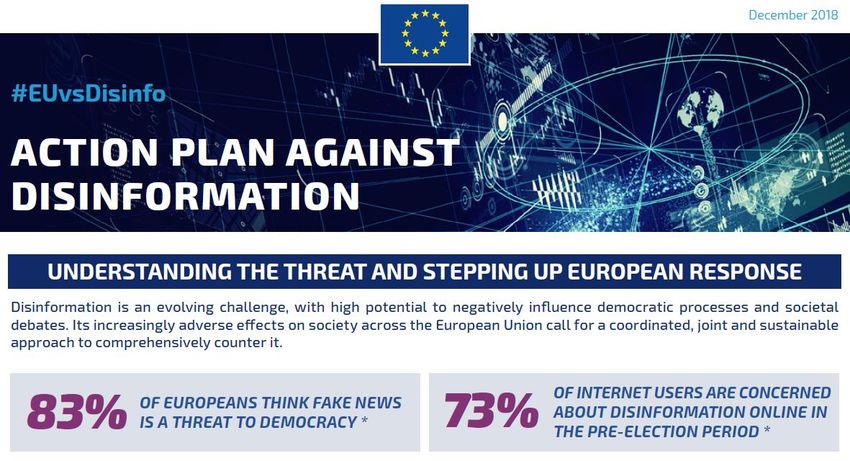
Disinformation pandemic?

Source: Repeating a lie does not make it true, euvsdisinfo.eu      2
Disinformation pandemic?

Source: Repeating a lie does not make it true, euvsdisinfo.eu       3
Disinformation pandemic?

Source: Southfront.org, debunked on euvsdisinfo.eu            4
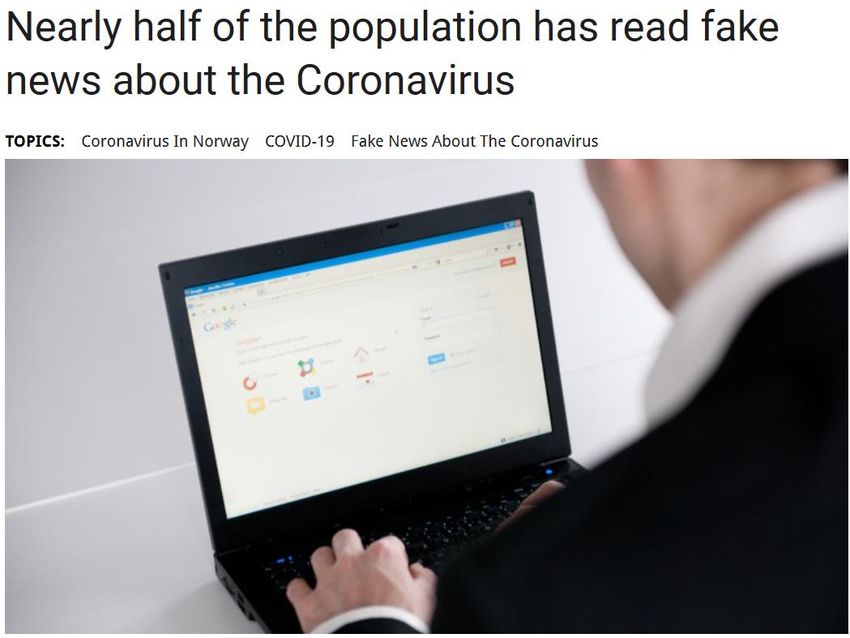
Disinformation pandemic?

Source: Norwaytoday.info                              5

Disinformation pandemic?

Source: ASSOCHAM webinar: Building Cyber Hygiene & Security Practices in Covid times   6
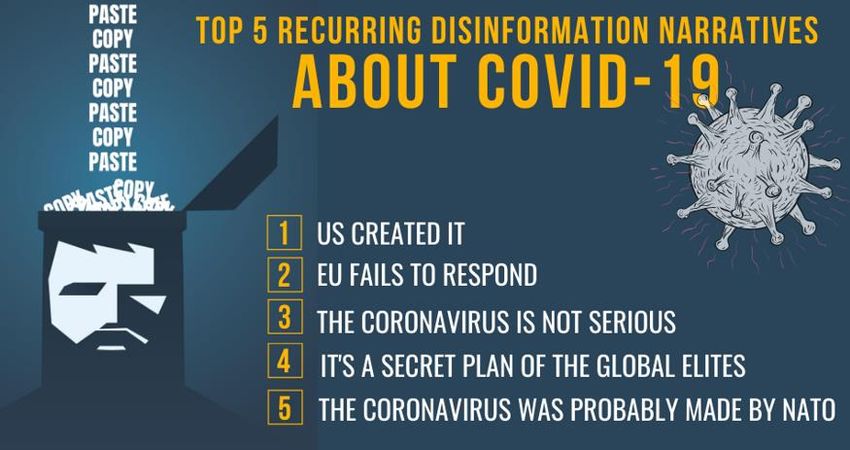
Disinformation pandemic?

Source: ASSOCHAM webinar: Building Cyber Hygiene & Security Practices in Covid times   7
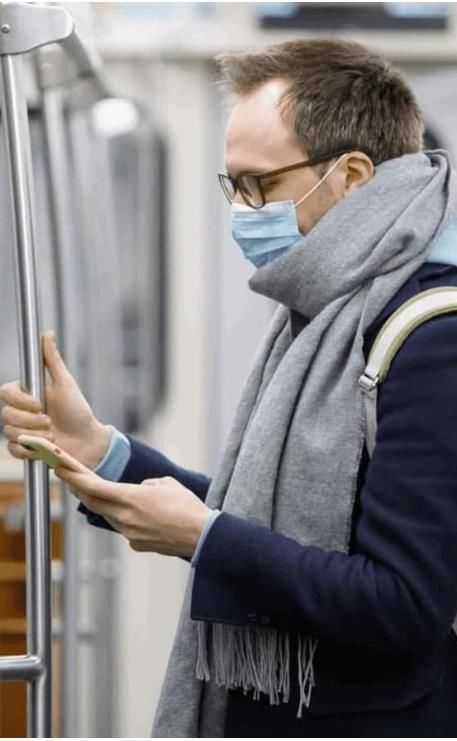
Disinformation pandemic?

Source: ASSOCHAM webinar: Building Cyber Hygiene & Security Practices in Covid times   8
COVID-19 related on-line threats

• After an initial spike,
 COVID-19 related domains
 registered per day are
 constantly decreasing

                                                         9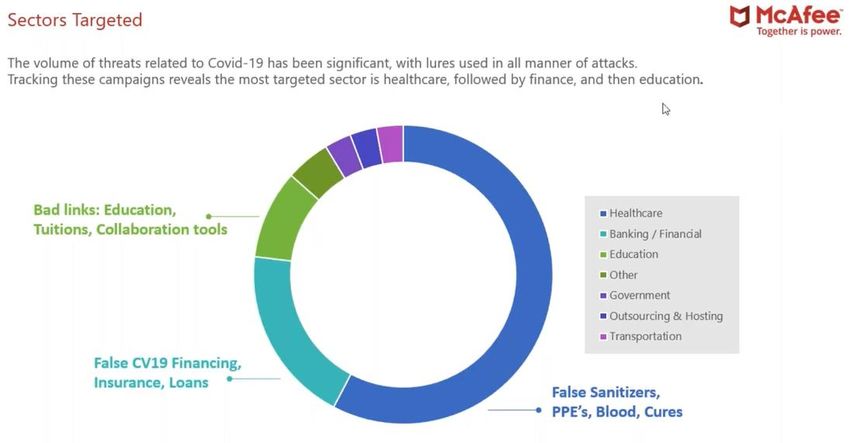
COVID-19 related on-line threats

• After an initial spike,
 COVID-19 related domains
 registered per day are
 constantly decreasing

• COVID-19 related spam also
 decreasing, but still high →
 Phishing and other social
 engineering frauds

                                                             10
What is disinformation? Source: Information Disorder, Council of Europe study 11
Why is disinformation a problem

The right to free      ➢ Incorrect information may influence the way
and fair elections       that individuals vote.
                       ➢ Disinformation is often targeting specific
                         individuals and their reputation.
The right to           ➢ Disinformation sometimes focuses on
non-discrimination       particular groups in society, especially
                         refugees and migrants, or ethnic minorities;
                         intentionally or involuntarily inciting violence,
                         discrimination or hostility.
The right to health    ➢ False information about health and disease
                         prevention can lead to serious risks for people.
The right to freedom   ➢ Inappropriate, rash or too restrictive
of expression            responses to disinformation pose risks to
                         freedom of expression and media freedom.
                                                                        12
What facilitates disinformation?
Advances in technology make it New gatekeepers of information -
easy to create fake images and search and social media platforms -
videos. exert a strong influence on how
individuals are informed and form
their opinions.
The shift of communication and Fewer media manage public
information to the internet has debate and influence public
caused a shift of audiences away opinion, as the success of the
from the mainstream media to platforms translated into a loss of
social media. ad revenue for the media.
Result: Decline of trust in information and media as people consume
both established and unreliable news sources without distinction, and
become confused what is true and whom to believe.
13Erosion of trust in media
✓ Fragmentation of public media spaces
✓ Polarisation
✓ Ideologically laden echo-chambers
Source: Digital News Report 2017, Reuters Institute 14Disinformation brings distrust Source: Edelman Trust Barometer 2020 15
Disinformation brings distrust

                                                       News avoidance
                                                            is highest in
                                                          Croatia (56%),
                                                      Turkey (55%), and
                                                          Greece (54%)

Source: Digital News Report 2019, Reuters Institute                         16
Disinformation brings distrust Source: Edelman Trust Barometer 2020 17
Action against disinformation

                            18
Who is benefitting? Most disinformation is created, launched and spread with either political or economic objectives by: ✓ A range of antidemocratic movements ✓ Partisan political actors ✓ Powerful economic forces ✓ Foreign states can benefit from deploying disinformation campaigns ✓ Various individuals using online infrastructure to earn money 19
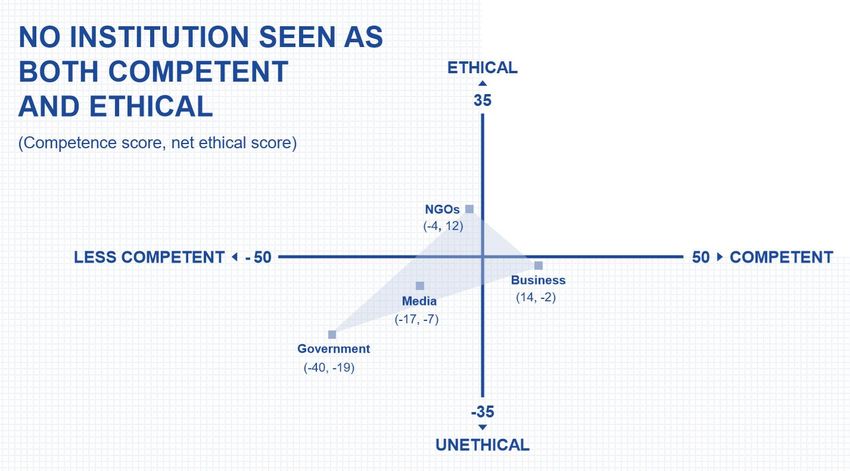
Who should act?

STATES                             PLATFORMS
➢ Often entrust the                ➢ Routinely remove
  important task of                  or block content
  deliberating “what                 without
  is true and what                   explaining why,
  false”, together                   based on
  with the liability, to             “community
  search and social                  standards” rules
  media platforms
                                   ➢ There is no
➢ Some states have                   independent
  enacted legislation                oversight of their
  for specific cases of              takedown
  disinformation                     practices

                                                     20
Who should act?
Which of the following institutions and media actors
should act to stop the spread of “fake news” ?
Eurobarometer 2018
Study: Automated tackling of disinformation
21The human rights approach
Empowerment of quality ➢ Recommendation on promoting a favourable
journalism environment for quality journalism in the
digital age
Empowerment of media ➢ Study on supporting quality journalism
and information literacy through media and information literacy
skills
Ensuring compliance ➢ Recommendation CM/Rec(2018)2 on the roles
of online platforms and responsibilities of internet intermediaries
Awareness of artificial ➢ Declaration on the manipulative capabilities
intelligence systems of algorithmic processes
manipulative capabilities
➢ Recommendation CM/Rec(2020)1 on the
human rights impacts of algorithmic systems
22Disinformation and COVID-19
Serious impact of disinformation on
individuals’ right to health is a real threat.
Exceptional circumstances justify
exceptional measures including some
restrictions on freedom of expression.
Malicious spreading of disinformation may
be tackled with ex-post targeted sanctions.
Media play a key role in this crisis and also
has an increased responsibility to provide
accurate, reliable information to the public.
Some governments are using the crisis as a
pretext to introduce disproportionate
restrictions to media freedom.
23Signs of hope How people consume COVID-19 news: ✓ People consume more news than usually, with a staggering 99% accessing COVID-19 news at least once a day. ✓ People use more traditional media, especially public broadcasters, to get their COVID-19 news. ✓ Official sources are not only used but also trusted, while the social media have taken a back seat. ✓ Disinformation and confusion about COVID-19 are present but people are more aware and some check other sources. Source: Ofcom weekly research 24
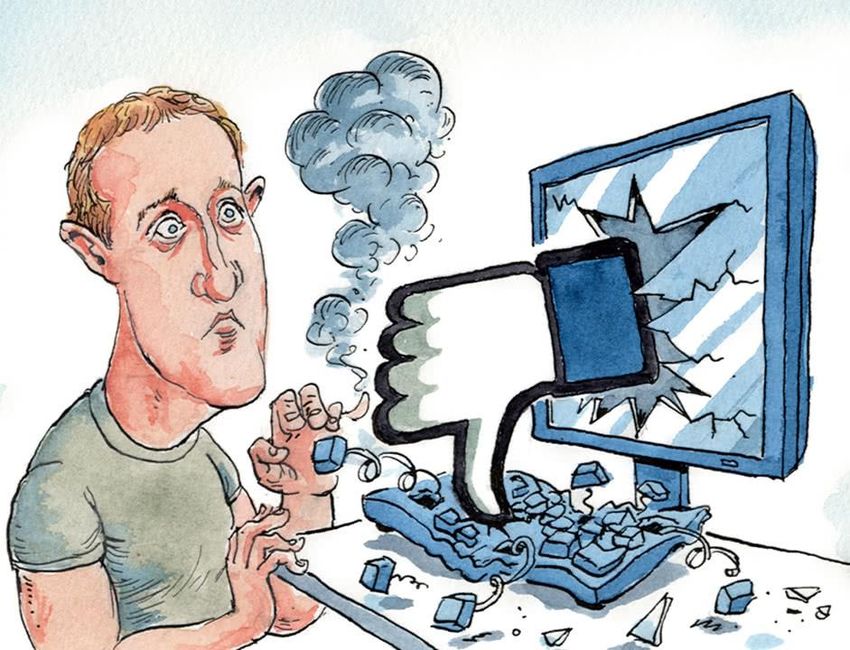
More regulation is needed

                                     Mark Zuckerberg
                                     said he believed
                                     new regulation
                                     was needed in
                                     four areas:
                                     • Harmful content
                                     • Election integrity
                                     • Privacy
                                     • Data portability
                                     (The Guardian,
                                     30 March 2019)

Image: The Economist

                                                        25
Information Society Department
further resources:
Thanks for your www.coe.int/freedomofexpression
attention !
www.coe.int/dataprotection
www.coe.int/cybercrime
www.coe.int/AI
Facebook Page
Information Society Group
2627
You can also read


