DRAFT Intermountain 2045 Regional Transportation - Intermountain Counties: Eagle, Garfield, Lake, Pitkin, Summit - RFTA
←
→
Page content transcription
If your browser does not render page correctly, please read the page content below

Intermountain 2045
Regional Transportation
Plan DRAFT
February 2020

                            Intermountain
                                    Counties:
                                    Eagle, Garfield, Lake,
                                    Pitkin, Summit

CO 451 Derby Park
Photo Credit: Dave Hattan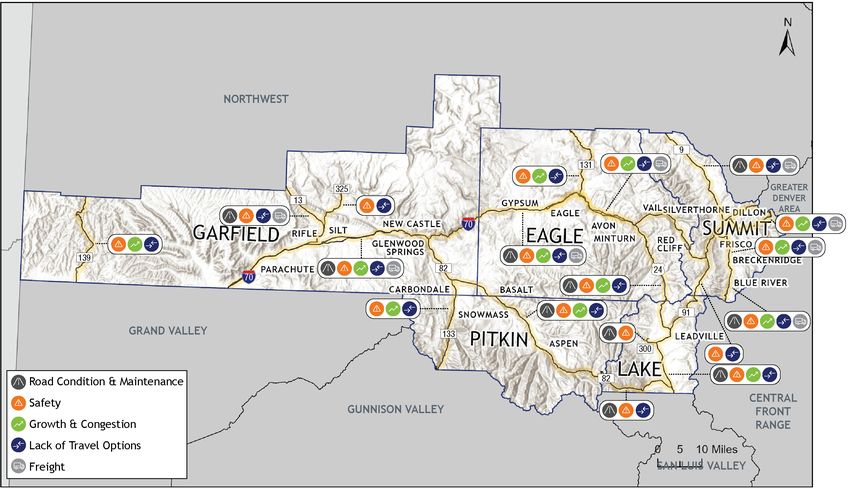
This Regional Transportation Plan (RTP) is the
long-range transportation document that guides
the continuing development of a multimodal
Intermountain TPR Members
transportation system for the Intermountain Composed of elected and appointed officials, the TPR is
Transportation Planning Region (TPR). The responsible for establishing regional priorities and needs,
Plan recognizes current needs and identifies
solutions to address changing conditions. The
developing the multimodal Regional Transportation Plan (RTP),
Plan communicates the Intermountain TPR’s and continuous planning coordination with CDOT.
transportation needs and priorities to the
Colorado Department of Transportation (CDOT) Members include:
and Colorado’s Transportation Commission. This • Eagle County • Glenwood Springs
Plan reflects the TPR members’ input, data and
• Garfield County • Gypsum
background information, and public sentiment.
It extends out 25 years to 2045 but has a • Lake County • Leadville
particular focus on the first 10 years, allowing • Pitkin County • Minturn
decision-makers to consider transportation • Summit County • New Castle
investments in Intermountain Colorado today, • Aspen • Parachute
tomorrow, and in the future. • Avon • Red Cliff
• Basalt • Rifle
• Breckenridge • Silt Photo Credit: CDOT
The Intermountain TPR is a region on the western part of the state and extends to the Utah border. It encompasses Eagle, Garfield,
• Carbondale • Silverthorne
Lake, Pitkin, and Summit Counties. The TPR is primarily served by the I-70, SH 13, SH 82, and US 24 corridors. The region is defined by
mountainous terrain, attractive scenery, and some of the most famous alpine resorts in the world. The people of the Intermountain TPR • Dillon • Snowmass Village
value and protect their mountain lifestyle which includes recreational opportunities, abundant wildlife, natural resources, and high-quality • Eagle • Vail
water. The Intermountain TPR must accommodate an increasing number of visitors and the movement of freight along roadways with low • Frisco
redundancy and limitations for expansion.
STATE & FEDERAL
Legislation at both the state (§43-1-1103, C.R.S.) and federal (CFR 450.206) levels, as well as state
REQUIREMENTS
transportation planning rules (2 CCR 601-22), requires the development of a comprehensive, long-
range Statewide Transportation Plan that encompasses at least a 20-year period and incorporates
Dear Neighbor, the priorities and needs of the TPRs across the state. The state and federal requirements have been
followed in the creation of this Plan.
Placeholder text. TPR Chair to provide letter Placeholder text. TPR Chair to provide letter
prior to public review period. Placeholder prior to public review period. Placeholder Every four years, CDOT updates the Colorado Statewide Transportation Plan (Your Transportation
text. TPR Chair to provide letter prior to text. TPR Chair to provide letter prior to Plan), which serves as a long-range planning tool and identifies regional and statewide trends
public review period. Placeholder text. public review period. Placeholder text. and issues. RTPs are developed to inform the Statewide Transportation Plan and to prioritize
TPR Chair to provide letter prior to public TPR Chair to provide letter prior to public transportation projects in the region.
review period. Placeholder text. TPR Chair to review period. Placeholder text. TPR Chair to
provide letter prior to public review period. provide letter prior to public review period.
Placeholder text. TPR Chair to provide letter
Placeholder text. TPR Chair to provide letter
prior to public review period. Placeholder Plan Development Process
prior to public review period. text. TPR Chair to provide letter prior to This 2045 RTP was developed over approximately one year and included three primary phases: identification
public review period. Placeholder text. of transportation needs, development of projects, and plan creation. The TPR and public input, along with a
Placeholder text. TPR Chair to provide letter TPR Chair to provide letter prior to public
data-driven analysis, was critical to plan development.
prior to public review period. Placeholder review period. Placeholder text. TPR Chair to
text. TPR Chair to provide letter prior to provide letter prior to public review period.
public review period. Placeholder text. Placeholder text. TPR Chair to provide letter
TPR Chair to provide letter prior to public prior to public review period. Placeholder
review period. Placeholder text. TPR Chair to text. TPR Chair to provide letter prior to
provide letter prior to public review period. public review period.
Placeholder text. TPR Chair to provide letter
prior to public review period. Placeholder text. TPR Chair to provide letter
prior to public review period. Placeholder
Placeholder text. TPR Chair to provide letter text. TPR Chair to provide letter prior to
prior to public review period. Placeholder public review period. Placeholder text. TPR
text. TPR Chair to provide letter prior to Chair to provide letter prior to public review
public review period. Placeholder text. TPR period.
Chair to provide letter prior to public review
period. Placeholder text.
TPR Chair
PAGE 2 - DRAFT PAGE 3 - DRAFT
Intermountain TPR Data Driven Top 3 Crash Types
Safety
Regional Transportation Story
The Regional Transportation Story provides a snapshot of current and anticipated future conditions in the Region
by 2045. The story summarizes the condition of the transportation infrastructure within the Intermountain Region,
how the transportation system is used, and the people relying on the system. Combined, this information shows the
The Intermountain TPR must consider extreme weather, mountainous
terrain, freight movement, tourists, and commuters when making safety
improvements. Safety for roadway users including residents, tourists, and
freight vehicles could be enhanced with Intelligent Transportation Systems
(ITS) to notify drivers of weather, incidents, and roadway closures. The
addition of shoulders, improvements to pavement conditions, and fencing or
1. 2. 3.
ROADWAY
DEPARTURE
WILDLIFE CONGESTION
RELATED
uniqueness of the TPR and helps identify the greatest needs in the Region.
tunnels for wildlife are tools for safer traveling conditions in the region. Source: CDOT Crash Database, 2014-2018.
250,000
249,347
Population & Colorado Freight Corridors
Employment Colorado Freight Corridors are highway routes in Colorado that are critical for interregional and interstate commercial
200,000 179,820 vehicles to transport goods. These corridors have been identified as the most critical routes to facilitating the movement of
The Intermountain TPR
Population
165,218
Population goods into, out of, and within Colorado. Three Colorado Freight Corridors pass through the TPR: I-70, US 6, and SH 13.
150,000 population is expected to grow
122,363 significantly, by 51 percent, by
Employment
2045. The number of jobs is Airports
100,000
Aging expected to grow by 47 percent. Transit The Intermountain TPR has two commercial airports - Eagle County Regional
Population Airport and Aspen-Pitkin County Airport. There are three general aviation
50,000
39,500 The Intermountain TPR is home to 10
23,000 local and/or regional transit providers airports - Glenwood Springs Municipal Airport in Glenwood Springs, Lake County
- Town of Avon, Town of Breckenridge, Airport in Leadville, and Garfield County Regional Airport in Rifle.
0 Vehicle Travel & Congestion Town of Snowmass Village, Roaring Fork
2015 2045
Vehicle miles traveled in the Intermountain TPR Transportation Authority (RFTA), City of Bicycling & Walking
Year is expected to increase by 83 percent by 2045. As
Glenwood Springs, Summit County, Lake
Source: CDOT Statewide Travel Demand Model, 2015 and 2045. County, Eagle County Regional Transit A High Demand Bicycle Corridor is a designation used by CDOT to plan
the Region grows and VMT increases, congestion and prioritize bicycle investment and maintenance around the state. The
Authority, Town of Vail, and City of Aspen
is anticipated to increase, particularly during following corridors are designated as High Demand Bicycle Corridors in the
Aging Population peak tourist seasons (summer and winter).
- that operate fixed-route bus, deviated
Intermountain TPR: I-70 from Glenwood Springs to Eisenhower Tunnel, SH 9
fixed-route bus, commuter bus, bus rapid
Weekend and holiday traffic add additional transit (BRT), on-demand transit and North of I-70 to Kremmling, US 24 from Dowd Junction to Leadville, SH 82
Aging adults have unique travel needs; they often
strain on local highways, and congestion can be specialized services. A number of human from Glenwood Springs to Aspen, SH 82 from Aspen to Twin Lakes, and SH
need public transportation services as alternatives
compounded by inclement weather. services agencies also operate in the 133 from Hotchkiss to SH 82 at Carbondale.
to driving as well as roadway improvements such as
better signing, striping, and lighting. The population Region providing services to their clients
Vehicle Miles Traveled State highways serve as a “Main Street” through the following municipalities:
83%
of persons 65 or older is expected to increase 72 based on eligibility and need. Private
transportation providers in the Region Keystone (I-70/US 6); Edwards (US 6); Silverthorne (SH 9); Minturn (US 24);
percent from 2015 to 2045, a larger increase than the and Aspen, Glenwood Springs, and Spring Lakes (SH 82).
include taxis, resort transportation,
overall population at 51 percent.
airport shuttle service, and ridehailing
Scenic Byways
5.2 M
9.5 M
services such as Uber and Lyft.
Road Conditions Scenic byways are designated routes that have
CDOT’s interregional bus service - Bustang unique features that do not exist elsewhere
• Drivability life is the remaining “life” of the surface 2015 2045 increase in vehicle miles traveled (VMT) - connects the Intermountain TPR with the in the United States; these byways often
of the road and indicates how long a highway will Greater Denver Area and Grand Junction promote tourism and economic development
Source: CDOT Statewide Travel Demand Model, 2015 and 2045.
have acceptable road surface and driving conditions. with six stops in the Region. For the adjacent to the corridors. Scenic byways in
• The majority of corridor miles in the Intermountain 2019/2020 winter season, CDOT initiated the region include US 24 (Top of the Rockies),
TPR have moderate (4-10 years) to high (>10 years)
drivability life. However, a few corridors have
12% 14%
Snowstang service from the Denver Area
to Loveland and Arapahoe Basin resorts.
SH 91 (Top of the Rockies), SH 133 (West Elk
Loop), SH 139 (Dinosaur Diamond), and SH 82
65 Amtrak and Greyhound also operate in the Photo Credit: CDOT
segments of low (< 4 years) drivability life.
High miles 75 Low (Twin Lakes).
Drivability miles
Drivability region connecting the Intermountain TPR
• Drivability life is lowest on SH 13 north of Rifle, Life
SH 82 north of Carbondale, US 24 surrounding
Life to the national transit network. Economic Vitality
Kokomo and SH 9 south of Breckenridge and north of Primary economic generators in the Intermountain TPR include tourism and
Silverthorne.
• Highways with low drivability life are often rough 395 74% outdoor recreation, followed by health and wellness. Visitors are drawn to
the area for year round outdoor recreation opportunities and for its scenic
on vehicles, create safety issues, and require miles Moderate beauty. The TPR also encompasses primary routes for freight movement, such
Drivability
resurfacing or reconstruction in the near term. Life
as the I-70, SH 82, and SH 13 corridors. These corridors lack redundancy making
• Addressing the backlog of moderate drivability rerouting vehicles and moving freight goods challenging during road closures. The
life roads avoids drivability life becoming low and Source: CDOT Asset Management Database, 2019. transportation network is crucial to tourism based communities such as Vail and
causing safety issues Breckenridge and the movement of freight. The Intermountain TPR must balance
the needs of both freight and tourism.
PAGE 4 - DRAFT PAGE 5 - DRAFT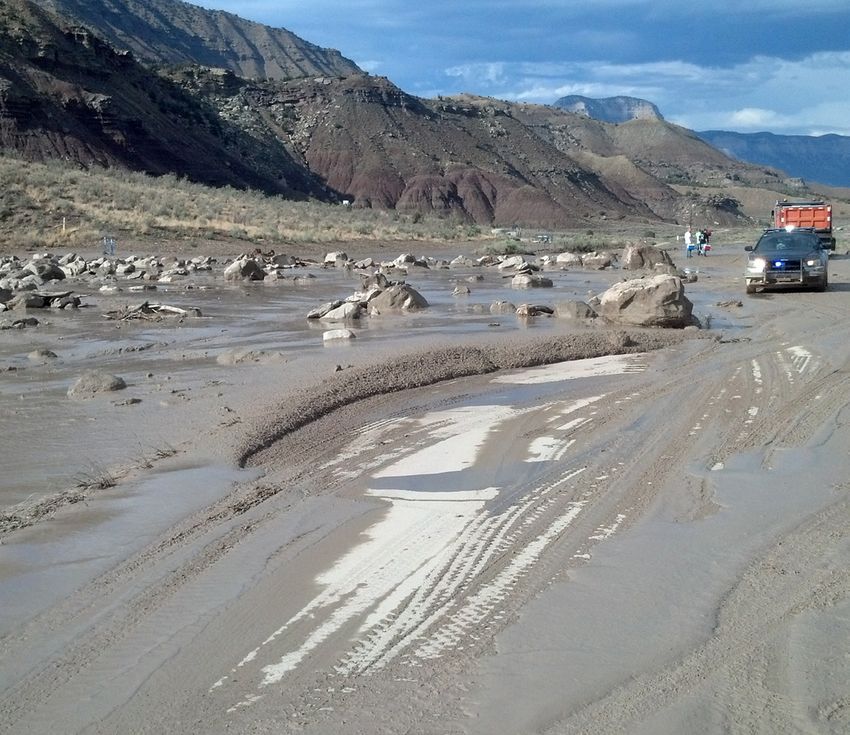
Intermountain TPR’s
Resiliency
Transportation Focus Areas Resiliency is the ability of communities to rebound,
positively adapt to, or thrive amidst changing conditions
Transportation impacts the lives of residents, employees, and visitors of Colorado in various ways across the or challenges and maintain quality of life, healthy growth,
state. The Intermountain TPR members identified the following topics that highlight what is most relevant and durable systems. The mountainous terrain in the TPR
and unique to the TPR when it comes to transportation. restricts roadway redundancy and the ability to reroute
vehicles in the wake of severe winter weather, rockfall,
Road Conditions and wildlife collisions. Lack of redundancy impacts freight
Well maintained roads are essential to the quality of life for residents, movement and inhibits emergency vehicles during roadway
employers, visitors, and the movement of freight. The Intermountain TPR closures impacting public health. Communities that rely on
faces challenges such as severe winter weather, rockfall, wear and tear a single corridor to support the tourism economy and access
from heavy vehicles, and low redundancy. Roadway conditions are critical necessary goods and medical services depend on resilient
on I-70, SH 9, SH 13, SH 82, and SH 91 where closures inhibit emergency and reliable roadways. As extreme weather events increase
vehicles, access to essential services, and the delivery of necessary in occurrence in Colorado, CDOT must evaluate options to
goods such as medical supplies and groceries. Communities in the Region reduce risk and implement resilient design solutions to keep
depend on resilient roadways to avoid closures that impact access and roadways accessible and reliable for economic vitality and
connectivity. When roads are well maintained in the TPR, drivers are public health.
safer, the wear and tear on trucks and heavy vehicles is minimized, Photo Credit: CDOT
goods and services can be provided to the Region, and transit services
Photo Credit: CDOT can reliably be accessed and provided. Roadway conditions impact the
economic vitality and ability for people to travel in and through the
Intermountain TPR. Maintaining assets such as roadways, bridges, and Interregional Transit
winter maintenance operations are critical to the Region.
Freight Transit service in the Intermountain TPR is a critical mobility option for
residents, employees, and tourists in the Region and supports quality of life,
In transportation, the term freight is used for vehicles moving economic vitality, and regional environmental goals. Given the high cost
the products and valuables we use on a daily basis. Freight of living in the Intermountain TPR and the high demand for service level
is invaluable for economic development and the vitality of employees, providing convenient and affordable public transportation to
communities in the Intermountain TPR. The primary industry get employees to work from distant locations is imperative. Regional and
that contributes to goods movement in the Region is oil, gas, Interregional transit expands job opportunities for residents and provides
and energy and there is a growing interest in manufacturing and access to services for those that do not own an automobile. Continued
agricultural production. Additionally, tourists and residents alike frequency and span of service improvements for services that connect the
rely on goods such as groceries and medical supplies. The Region Intermountain TPR and the Greater Denver Area and important to the Region.
encompasses crucial corridors for freight movement across the
state, including the I-70 corridor across the Rocky Mountains and
SH 13 connecting north to Wyoming. Lack of redundancy for these
major corridors impacts freight delivery during roadway closures. Photo Credit: CDOT
The Intermountain TPR has three Colorado Freight Corridors:
I-70, US 6 and SH 13. These corridors accommodate a total of Photo Credit: CDOT
427,217 truck miles daily or approximately 156 million miles a year. Industry and residents in the Region rely on a strong Environmental Mitigation
transportation network for freight movement within and through the state to support economic development and provide
Transportation, like all human activities, affects the
communities with necessary goods and services.
environment. The rules governing the statewide and regional
Tourism planning process require CDOT to consider environmental
impacts potentially caused by transportation projects. The
Tourism is a top economic generator for the Intermountain TPR that governance requires plans and projects to be coordinated
takes place year round. Attractions in the Region include scenic with other local, state, and federal agencies to identify
byways, high demand bicycle corridors, popular winter and summer and discuss how to maintain projects and/or restore the
resort destinations, and federal lands. Tourism in the Intermountain environments impacted by the transportation projects. For
TPR depends on the resiliency of roadways, particularly for example, if a project is anticipated to worsen air quality, the
communities that rely on a single corridor for connectivity; such as project solutions should seek to avoid, minimize, or mitigate
Snowmass Canyon and Glenwood Canyon’s reliance on SH 82. The this impact. In this case, mitigation measures could include
optimizing the traffic signal to improve traffic flow and
Federal Lands Transportation Program (FLTP) and Federal Lands Access
reduce vehicle emissions. The state and federal requirements
Program (FLAP) were created by the US Congress to dedicate funding
pertaining to environmental consultation have been followed
towards improving and maintaining access to national parks, forests, in the creation of this Plan.
Photo Credit: CDOT wildlife refuges, national historic sites, and many other recreation and
resource extraction site types. These funds could be used to enhance Photo Credit: CDOT
access to the lands vital to the Regions tourism economy.
PAGE 6 - DRAFT PAGE 7 - DRAFT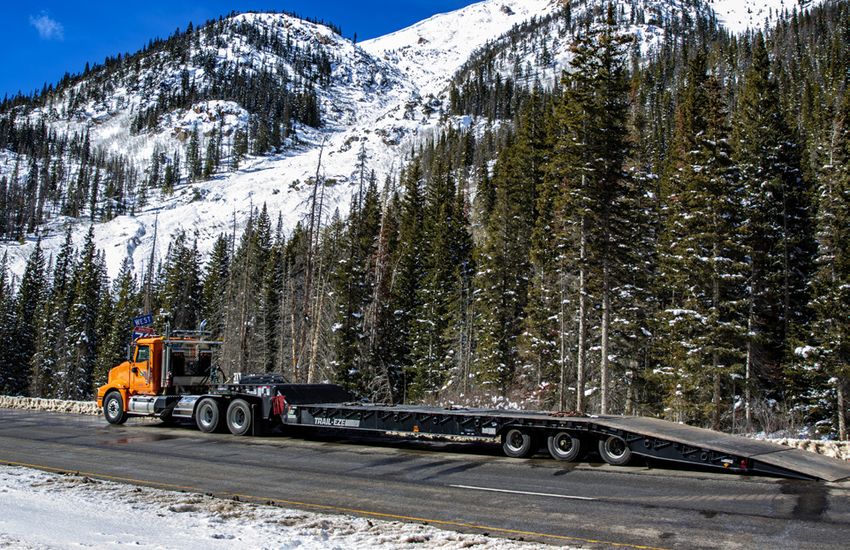
Vision & Goals Corridor Needs Map
The vision of the Intermountain TPR is to be
Vision:
a Region composed of physically distinct,
unique, diverse communities interconnected
by a multimodal transportation network that
promotes preservation of the unique character
of each community through open-space
buffering, while providing economic, cultural,
environmental, and outdoor recreational
benefits.
Photo Credit: CDOT
• Bring planning efforts together in order to • Provide for efficient energy use
Goals:
develop a 10-year strategic pipeline of projects, • Preserve land and critical environmental values
inclusive of all modes, informed both by a • Reflect direct and indirect environmental
data-driven needs assessment and public and impacts (e.g. air quality, noise, etc.)
stakeholder input • Maximize system efficiency and minimize
• Develop a regional perspective or vision for the needless trips
geographic distribution of people, goods and • Provide travel options to attainable/accessible
services, and recreation housing, medical, and overall community
• Better coordinate land use and multimodal services
transportation planning • Recognize the uniqueness of individual
• Address existing and future needs/inadequacies communities
• Integrate multimodal options into all planning • Provide equity of funding for services Source: 2019 Your Transportation Plan MetroQuest Online Survey, County Meetings,Transportation Planning Region Meetings, Stakeholder Meetings, Telephone Town Hall
and funding decisions • Recognize diverse needs of transportation users
• Phase in useful increments • Support/preserve existing transportation Through a significant public engagement process, we’ve taken what we heard from county officials, key
• Evaluate projects based on total cost of patterns that enhance economic development stakeholders, and the public in the Intermountain TPR and compared it with key data findings (e.g., crash
construction and maintenance through the year • Consider social costs of transportation services patterns, road condition, congestion points) to identify corridor transportation needs, as shown on the map.
2045 • Engage in an open and comprehensive public The corridor needs were used to develop specific projects to address the greatest needs of each highway. A
• Provide maximum flexibility for use of funds involvement process to prioritize and implement range of multimodal transportation options were considered to address the corridor needs.
• Tap into all potential funding sources projects that meet the region’s needs and goals
What We’ve Heard: Online Map Comments by Category
CDOT officials engaged local and regional stakeholders and community Through this stakeholder and public Survey responders were asked to communicate personal transportation challenges on an interactive map.
members in the Intermountain TPR — in person, over the phone, and outreach, the highest priority The pie chart shows the breakdown of comments by key categories in the Intermountain TPR.
online. As a result, we heard from many residents throughout the TPR transportation trends and issues in the
and learned how they travel. Outreach in the Region included: Intermountain TPR were identified as:
7%
• County Meetings: Eagle, Garfield, Lake, Pitkin, Summit • Road Condition and Safety Pavement Travel Options:
20% Bicycle & Pedestrian
• Community Events: Eagle City Market pop-up • Lack of Travel Options
23%
• Stakeholder Meetings: 5 • Growth and Congestion Travel Options:
Safety
• MetroQuest Online Survey: Over 300 responses Rail & Transit
18%
• Telephone Town Halls: Region-wide
12% Traffic Freight
20%
Source: Your Transportation Plan MetroQuest Online Survey (2019)
PAGE 8 - DRAFT PAGE 9 - DRAFT
Intermountain THE INTERMOUNTAIN TPR COMPREHENSIVE
PROJECT LIST INCLUDES:
Regional
Transportation Projects (APPROXIMATE)
Priorities
The TPR’s transportation project list is characterized by a mix
xx PROJECTS The Colorado Transportation Commission’s guiding principles of Safety, Mobility, Economic Vitality, Asset
of transit, interchange, auxiliary lane, and shoulder projects.
The list also includes a new bridge and Main Street safety
$750M TOTAL COST (APPROXIMATE)
Management, Strategic Nature, and Regional Priorities are the basis for project selection in Colorado. The
Intermountain TPR has a unique set of regional priorities for its transportation plan based on the unique
projects. The project list was developed by first aligning IMPROVE ENHANCE challenges and constraints facing the transportation system. The priorities of the Intermountain TPR are:
previously identified projects with the known corridor needs
and then adding new projects to address unmet needs. The
SAFETY BICYCLING
Safety
MOBILITY WALKING
full project list includes the projects best suited to meet the
transportation needs of the Region between now and 2045. ROAD CONDITIONS TRANSIT Safety in the Intermountain TPR must consider how weather, wildlife, and people
relate to roadways. Lower speeds, roundabouts, and complete streets designs improve
safety conditions for vulnerable road users and Main Street communities. Intelligent
The full project list is included in Appendix A.
Transportation Systems (ITS) can provide warnings about wildlife and weather
conditions.
1 Refined the 2
Aligned the
previously 3 Identified 4 Compiled a Mobility
corridor identified additional comprehensive
needs based projects in the projects list of candidate Mobility for the Intermountain TPR considers available travel options as well as how
on your Region with to address projects the operation of facilities can reduce congestion. In addition to providing safe and
feedback the corridor unmet needs efficient means of travel for people walking, on bicycles, and using transit, mobility
needs in the Region encompasses keeping travel options operable during winter weather and
other events that could lead to roadway closures.
Economic Vitality
Roadway redundancy in the Intermountain TPR is low, meaning there is little to no
opportunity to reroute vehicles during roadway closures. Roadways, particularly I-70,
must be reliable for residents, visitors, freight movement and transit services. With
few rerouting options, the resiliency of roadways during winter weather or natural
events such as rockfall is crucial to the economic vitality and freight movement in the
Intermountain TPR.
Asset Management
Asset management includes maintaining working conditions for roadways and transit
services. Placing maintenance facilities strategically and considering human assets are
pivotal to maximize resources. The cost of maintaining facilities should be included
when considering construction.
Strategic Nature
Utilizing technology to improve safety and address transportation concerns is a
prominent strategy in the Intermountain TPR. Intentional uses of land and it’s link to
Photo Credit: CDOT transportation is also key. Mass transit along I-70, such as rail, is a topic of interest to
Photo Credit: CDOT TPR members and residents.
PAGE 10 - DRAFT PAGE 11 - DRAFT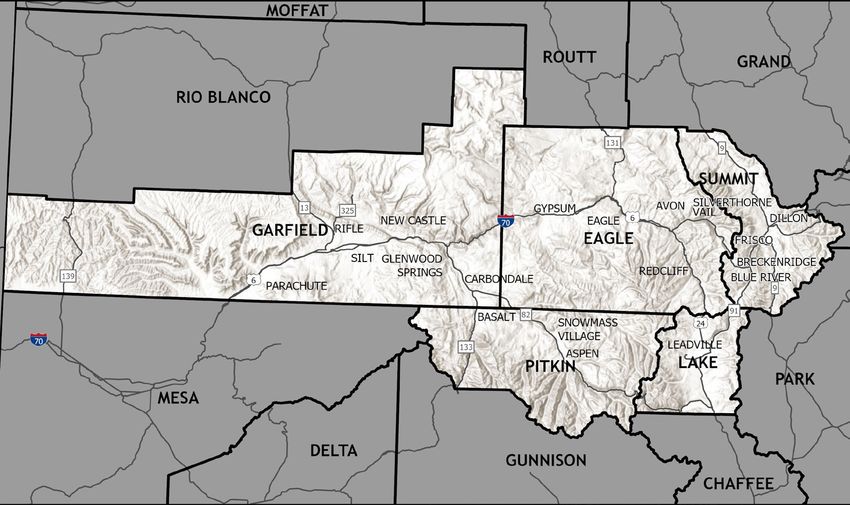
Cost Primary Additional SWP
Map ID ID Highway(s) Project Name
Intermountain TPR’s Top A 1154 I-70
I-70 Dowd Canyon interchange reconstruction with safety and
operations upgrades
($M)
$14.00
Project Type Project Benefits Goal Areas
Project Priorities B 1157 I-70
I-70 Frisco interchange improvements to expand capacity and
improve operations
$30.00
C 1158 I-70 I-70 eastbound auxiliary lane from Frisco to Silverthorne $16.92
Each of the five counties in the Intermountain TPR and CDOT identified their highest priority highway projects
and highest priority multimodal projects. The priority highway projects are shown in the map below, and D 1159 I-70
I-70 Silverthorne interchange reconstruction including diverging
diamond interchange, ramp and drainage improvements
$24.70
both the priority highway and multimodal projects are listed in the table on page 13 by project ID and do
not represent a ranked order. The highway list includes several I-70 interchange improvements, safety and E 1161 I-70
I-70 Vail Pass auxiliary lanes including an eastbound climbing lane,
westbound deceleration lane, truck parking, chain up, and runaway $400.00
operational improvements along key segments of I-70, SH 82, US 24, and SH 13, and reconstruction of SH 139. truck ramp improvements
The multimodal list includes several new and enhanced Park-n-Rides, transit centers, and bus shelters as well F 1172 I-70 I-70 Silt interchange improvements including roundabouts $25.00
as pedestrian underpasses and a regional trail. The priority projects for the Intermountain TPR are estimated to US 24 Minturn to Leadville safety ad mobility improvements
G 1203 US 24 $9.60
INTERMOUNTAIN
cost over $750 million.
03/19/20
including intersections and shoulders
Cottonwood Pass upgrades to serve as I-70 Bypass around Glenwood
H 1886 N/A $15.00
Canyon
X Project Rank I 1938 I-70 I-70 Eagle Airport interchange and intermodal connector $60.00
Corridor Improvement
J 1977 I-70 I-70 New Castle interchange improvements including roundabouts $30.00
Location Specific Improvement NORTHWEST
K 1998 SH 13 SH 13 improvements in Garfield County $60.00
L 2015 SH 82 SH 82 access improvements in Aspen $2.10
M 2032 SH 139 SH 139 Douglas Pass stabilization and reconstruction TBD
9 SH 82 Main Street safety and intersection improvements within the
N 2390 SH 82 TBD
131 Town of Aspen
325 A D GREATER New off-system bridge over Roaring Fork River west of SH 82 near
C O 2696 SH 82 $60.00
DENVER Glenwood Springs Airport
13
J GYPSUM
K F 70 VAIL SILVER- 70 AREA
EAGLE
THORNE 6
Priority Multimodal Projects
NEW CASTLE AVON E
139 GARFIELD RIFLE I MINTURN RED
DILLON
M GLENWOOD O EAGLE CLIFF FRISCO B 1142 I-70 Eagle County Lake Creek Apartments multi-use transit center $7.00
SPRINGS 9 SUMMIT
PARACHUTE 82 24 BRECKENRIDGE Eagle County interchange Park-n-Ride/transit center improvements
70 G BLUE 1149 I-70 $5.00
CARBONDALE BASALT RIVER in Gypsum, Eagle, Wolcott, Edwards, Avon, and Minturn
91 1170 I-70 Silt, Rifle, and Parachute Park-n-Ride improvements $2.70
SNOWMASS
GRAND VALLEY 133 LEAD- 1201 US 24 New Leadville Park-n-Ride $0.25
300 CENTRAL
PITKIN ASPEN VILLE
FRONT 1202 US 24 New bus shelters in Leadville $0.10
82
LAKE RANGE
L N 82
1205 SH 82 SH 82 pedestrian underpass for transit stops at Buttermilk $7.00
GUNNISON VALLEY SAN LUIS VALLEY
SH 82 pedestrian grad separated crossing at 27th Street near
1208 SH 82 $12.00
VelociRFTA BRT station
Projects Not Mapped
Off-system Project 1223 SH 82 BRT enhancements to Brush Creek intercept lot/Park-n-Ride $8.49
I-70 Dowd Canyon interchange reconstruction with safety
A F I-70 Silt interchange improvements including roundabouts K SH 13 improvements in Garfield County 1231 SH 82 Snowmass Transit Center $11.00
and operations upgrades
VAIL
1902 I-70 Town of Breckenridge intermodal center and Park-n-Ride $1.00
B I-70 Frisco interchange improvements to expand capacity US 24 Minturn to Leadville safety ad mobility improvements L SH82 access improvements in Aspen
and improve operations G including intersections and shoulders
1903 I-70 Vail intermodal site $15.00
M SH 139 Douglas Pass stabilization and reconstruction SH 82 access improvements in Aspen
C I-70 eastbound auxiliary lane from Frisco to Silverthorne
Cottonwood Pass upgrades to serve as I-70 Bypass around
H 1930 I-70 Eagle Valley Regional Trail System: Gypsum to Dotsero $1.00
Glenwood Canyon SH 82 Main Street safety and intersection
I-70 Silverthorne interchange reconstruction including N improvements within the Town of Aspen
D diverging diamond interchange, ramp and drainage
improvements I I-70 Eagle Airport interchange and intermodal connector New off-system bridge over Roaring Fork River 2023 SH 82 SH 82 pedestrian underpass at Midland Avenue $7.50
O west of SH 82 near Glenwood Springs Airport
I-70 Vail Pass auxiliary lanes including an eastbound climbing I-70 New Castle interchange improvements including
E lane, westbound deceleration lane, truck parking, chain up, J roundabouts KEY
and ruanway truck ramp improvements
PROJECT TYPES: PROJECT BENEFITS: YOUR TRANSPORTATION
PLAN GOAL AREAS:
Safety Capacity Economic Vitality Quality of Life
Freight Transit Public Health Bike Safety
Operations Asset Management Mobility Options Safety Mobility
Asset Management Freight Asset Management
PAGE 12 - DRAFT PAGE 13 - DRAFT
Relation to the Colorado Transportation Intermountain TPR’s
Statewide Transportation Plan Funding Implementation
RTPs are standalone documents that identify transportation needs and project priorities for the regions. The The Colorado Transportation Commission Strategies
E
RTPs inform the Statewide Transportation Plan (Your Transportation Plan) providing key findings that inform considered a variety of assumptions for
the statewide needs, vision, and initiatives. In addition, the RTPs are appendices in Your Transportation projected future funding and adopted a
U
The following discussion contains information
Plan. The Intermountain TPR’s project priorities were discussed at a joint meeting with the CDOT statewide baseline revenue scenario as a about actions that the TPR will take to
N ES
Region 3 Regional Transportation Director and the TPR Chairs from the Region. This meeting enabled the forecasting tool for Your Transportation Plan. implement its RTP. Implementation actions are
E
Intermountain TPR Chair to advocate for inclusion of the Region’s priority projects in the 10-year strategic Besides making reasonable projections for meant to be near-term, practicable measures
V T
project pipeline, a primary outcome of Your Transportation Plan. This method of planning helps ensure future revenues, good planning also requires related to the Intermountain TPR’s vision, goals,
RE IMA
that Your Transportation Plan addresses multiple levels of the transportation network. The RTPs identify preparing for times when revenues are more or and priority projects.
contextual solutions that support the statewide vision and initiatives. This planning approach is key to less than projected. Future projections show
delivering a comprehensive and cohesive look at transportation needs customized to the unique needs and baseline revenues will fall short of addressing The following strategies have been developed
T NG
desires of each region. all of the statewide transportation needs. as a way for the TPR members to actively
S
implement the RTP:
Comparing cost estimates for statewide needs
E MI
to the baseline revenue scenario reveals a • Advocate for local safety improvements,
funding gap. For the 10-year planning horizon, such as rumble strips, skid-resistant
from 2021 through 2030, the transportation surfaces, guardrails and barriers,
O
funding for the Intermountain TPR is estimated intersection safety improvements, signs
C ON
to be $XX million, representing approximately at pedestrian/ bicycle crossing/school
XX% of the statewide revenue totals. crossings, and auxiliary lanes (passing, turn,
acceleration/deceleration lanes).
SO
For the longer term, 25-year planning horizon, • Work with CDOT and local jurisdictions to
the projected statewide revenues are $XX incorporate bike lanes on existing roadways
billion, with only a fraction spent in any where shoulders are already wide enough
given region. CDOT will have to consider to meet AASHTO standards and include
other revenue sources, such as public-private those bike lanes on CDOT’s bicycle facilities
partnerships and tolling, to close the funding mapping.
gap and fulfill future regional and statewide • Work with towns and cities to create
transportation needs. awareness for biking and walking by
supporting efforts associated with Bike
$XXM TOP 20 Month in June and Pedestrian Month in
PROJECT October.
COSTS
• Investigate and incorporate grade-
$TBD
10-YEAR separated bike and pedestrian access (i.e.,
REVENUE underpasses).
ESTIMATE
• Assist in maintaining the physical integrity
and condition of the existing transportation
infrastructure by communicating to CDOT
Photo Credit: CDOT
Region staff about surface treatment
and bridge needs for consideration when
additional funds are available.
This approach is key to delivering a • Review local coordinated transit/human
comprehensive and cohesive look at services plan to see what measures the TPR
could assist with implementing services plan
transportation solutions customized to the to see what measures the TPR could assist
with implementing.
unique needs and desires of each region. • Coordinate with CDOT on projects of
statewide significance
PAGE 14 - DRAFT PAGE 15 - DRAFT
DRAFT

   T O L E ARN MORE :
        YourTransportationPlan.com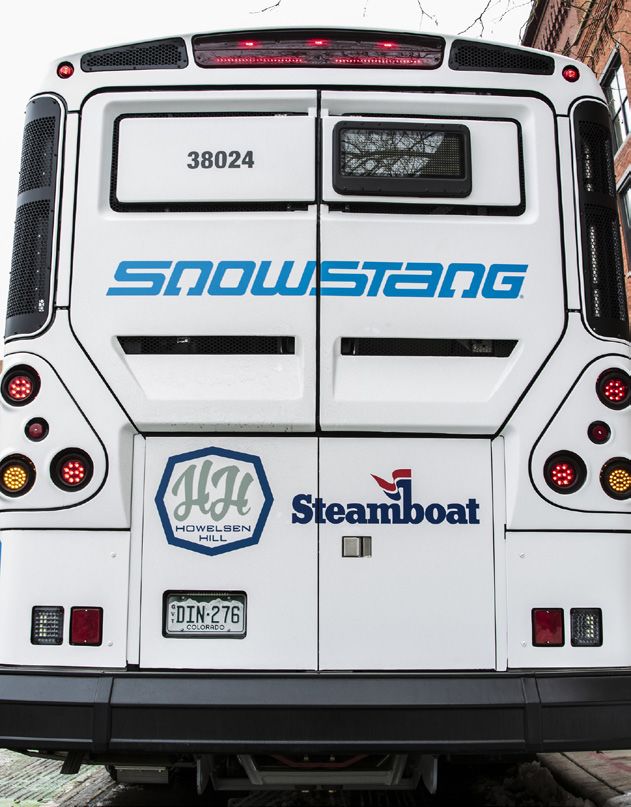
You can also read


