Dutch BEV policy in an international perspective - June 2021 Authors: FIER Automotive & Mobility - RVO
←
→
Page content transcription
If your browser does not render page correctly, please read the page content below

Dutch BEV policy in an international perspective
June 2021

                               Authors: FIER Automotive & Mobility
                               Harm Weken, Edwin Bestebreurtje,
                               Sascha van der Wilt, Rob Kroon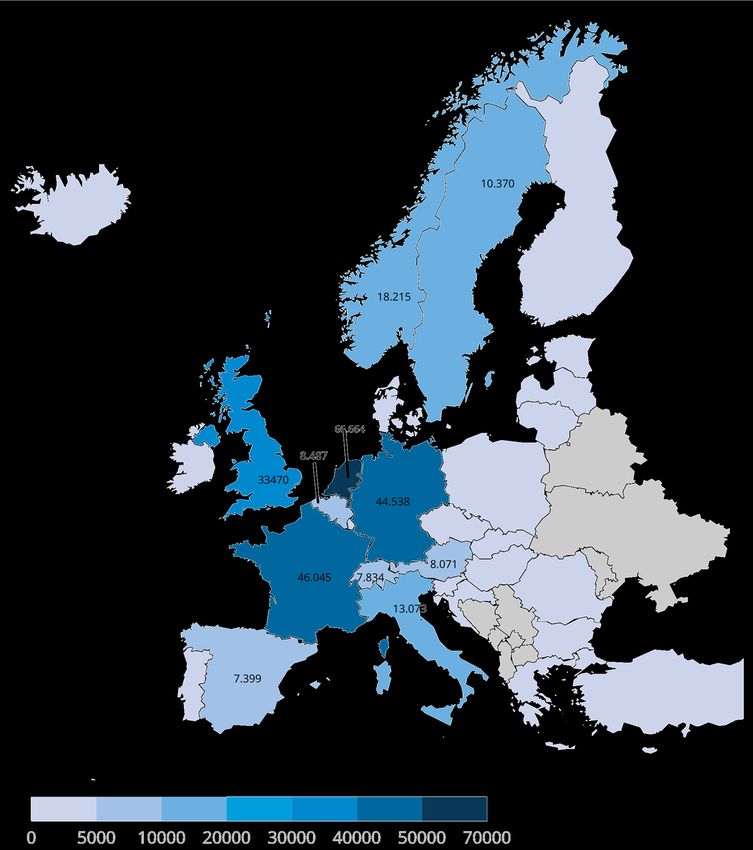
The aim of this report, which is part of the EU projects proEME and SolutionsPlus, is to put Dutch BEV policy in perspective with foreign
policies. To do so, Dutch BEV policy is compared with policies in Norway, Germany, and France, but also with Belgium, Sweden, Austria, and
Denmark. This research was led by FIER Automotive & Mobility and is part of a continues research theme (since 2010) on the development
of the BEV market and the effectives of national governmental incentives.

FIER would like to thank the following people for their contribution to this report:

-   Robert Kok, Partner at Revnext, the Netherlands
-   Marco van Eenennaam, Adviseur Public Affairs at ANWB, the Netherlands
-   Máté Csukás, Consultant at DBH Group, Hungary
-   Sveinung André Kvalø, Senior adviser at Department of Analysis and Advisory Services Norwegian EV association, Norway
-   Philippe Vangeel, Secretary General at Avere, Belgium
-   Birgit Hofmann, Head of the "Environmental Innovations and Electromobility" Unit BMWI, Germany
-   Maarten van Biezen, Director at RouteZERO, the Netherlands
-   Rogier Kuin, Manager Public Affairs at BOVAG, the Netherlands
-   Thijs Duurkoop, Adviseur elektrisch vervoer at Rijksdienst voor Ondernemend Nederland, the Netherlands
-   Frank Burmeister, Elektrisch Vervoer + Monitoring & Evaluatie Klimaatakkoord Mobiliteit DGMO at Ministry of Infrastructure and Water Management, the
    Netherlands
-   Hielke Schurer, Adviseur Duurzame Mobiliteit at Rijksdienst voor Ondernemend Nederland, the Netherlands
-   Sandrine Henry, Research and Territorial Development Manager at Association AVEM, France
-   Suzan Reitsma, Duurzame Mobiliteit at Rijksdienst voor Ondernemend Nederland, the Netherlands
-   Sibolt Mulder, Policy advisor sustainable mobility at Ministry of Infrastructure and Water Management, the Netherlands

http://www.fier.net
© 2021 FIER Automotive & Mobility
Contents

  • Success of BEV sales + Effect of BEV policy
  • Differences in incentive budgets
  • Deep dive in effect of BEV policy
           The Netherlands, Norway, France, Germany
  • Benchmarking the Netherlands
  • Outlook 2020 – 2025
  • Observations & findings
  • Definitions, methods and source references
Success of BEV sales
+
Effect of BEV policy
Success of BEV sales – which factors play a role?
                                                                                                                                          Financial Policy
                                                                              General factors in purchasing behaviour
The success of BEV sales is determined by                                                                                              VAT reduction or exemption
various factors influencing buying behaviour. For
governmental organisations it is possible to steer
purchase behaviour, mainly by financial policy.
                                                                                                                        Purchase        Purchase tax (NL: BPM)
                                                                                                         Financial /    costs            reduction or exemption
                                                                                Available BEV’s
                                                                                                         economic

                         BEV fleet worldwide                                                                                            Purchase and/or leasing
                                                                                                                                     subsidy or other tax advantages Owner
           8
 Million

                                                                       7,03
           7
                                                                                Usability of the
                                                                                                          Mindset                         Road tax reduction or
           6                                                                       vehicle                                                     exemption
           5                                                    4,79

           4
                                                         3,27
                                                                                                                        Operational Excise duty on energy (petrol,
           3
                                                                                                                        costs             diesel, electricity)
                                                  1,93                        There are different (eco)systems in
           2
                                           1,18
                                                                              the countries discussed in this report,
           1                        0,72                                      and therefore these factors play a                          Tax on benefit in kind
                             0,40
               0,11   0,22
                                                                              different role when countries are                      (hereafter called BIK) reduction Driver
           -
               2012 2013 2014 2015 2016 2017 2018 2019 2020                   compared.                                                       or exemption

                                    Source: IEA (2020) & EV Volume (2021)
Effect of BEV policy abroad

                                                                        Primary focus
                                                                        Secondary focus

The report starts with a general overview of the different countries
(primary and secondary focus). This general overview includes the
current applicable incentives, the EV uptake over several years, the
growth of public available chargers as well as the top 5 BEVs sold.
This is followed by an in-depth analysis of the Netherlands, Norway,
France, and Germany (primary focus). Here we discuss the
chronology, purchase costs, and the “Total Cost of Ownership”
(TCO) in depth. Within the chronology, the BEV sales per month are
plotted against the change in financial incentives or other relevant
events. The current financial incentives are put in to perspective by
calculating the purchase costs and TCO of BEVs and petrol cars.
The Netherlands
    Overview
Purchase subsidy                Road tax
                                                                               Percentage of BEV registrations of total
From July 2020, BEVs in         BEVs are exempted from road       80.000                                                                     25%   Ambitions
the      Netherlands    were    taxes.                            70.000
beckoned by a subsidy of                                                                                                        20%          20%
                                                                                                                                                   -   The Netherlands aims for 100% BEV sales by
€4,000 for the purchase of
                                                                  60.000                                                                               2030.
a new BEV with a list price     Recharging infra                  50.000                                                 15%                 15%
of between €12,000 and                                            40.000
€45,000 and a minimum           There is no incentive for                                                                                    10%
                                                                  30.000
range of 120 kilometers.        individuals, but companies can                                                                                                   TOP 5 BEVS SOLD ‘20
There was a limited budget      make use of the MIA (see          20.000
                                                                                                                  5%                    5%   5%                              Volkswagen ID.3
for this subsidy. The subsidy   ‘profit tax’)                     10.000
                                                                                                            2%                                                                    13%
budget for ‘20 and ’21,                                                                           1%
                                                                       0      0% 1% 1% 1%                                                    0%                                                Tesla Model 3
enough for 6.100 cars,                                                       2012 2013 2014 2015 2016 2017 2018 2019 2020 2021                                                                      10%
was exhausted on January        Profit tax                                                                                 Q1
4th, 2021.                                                                              BEV registrations      % BEV in registrations                                                                 Hyundai
                                The Netherlands have the                                                                                            Other                                              Kona
                                ‘MIA’ regulation in which                                                                                           55%                                                10%
                                investments     in      cleaner
                                technology (BEVs) are being                                                                                                                                       Kia Niro
                                                                                 Recharging infrastructure (AC & DC)                                                                                8%
                                encouraged by making them                                                                                                                   Volkswagen e-Golf
                                deductible in profit tax. This    100.000                                                                    2,5                                  4%
BiK taxation                    advantage has significantly
                                decreased over the last years.     80.000                                                                    2
Individuals with a BEV have
a lower percentage of the                                          60.000                                                                    1,5   Observations
list price added to their       Registration tax                                                                                                   -   The nature of the incentives regarding BEVs have
income when using their                                            40.000                                                                    1
                                                                                                                                                       caused heavy fluctuations in BEV sales month on
company car also privately.     Zero emission cars are exempt                                                                                          month;
                                                                   20.000                                                                    0,5
For petrol cars this is 22%.    from paying registration tax.
For BEVs it was 4% in           For other cars, the system is                                                                                      -   The five most sold BEV models account for only
                                                                       0                                                                     0
2019, 8% in 2020, and           progressive, with different                   2013 2014 2015 2016 2017 2018 2019 2020 2021
                                                                                                                                                       45% of the BEV sales, showing great diversity in
12% in 2021. This will          levels of CO2 emissions that                                                                         Q1                the offering of BEV models, which is different
further increase to 16% in      are due different amounts of                Number of public recharging points Public recharging point per BEV         from previous years.
2022 and 17% in 2025.           registration tax.
Norway
Overview
Price benefit BEV Bik taxation Percentage of BEV registrations of total Ambitions
90.000 60%
BEVs are exempt from Taxation of benefit in kind is - All new passenger cars and light vans sold should
for BEVs reduced to 40% 80.000 54% 53%
VAT, effectively creating a 50% be zero-emission by 2025
discount of 25% for private 70.000 46%
purchase. 60.000 40%
50.000
31% 30%
TOP 5 BEVs sold 20'
Polluter pays Recharging infra 40.000
21% Audi E-tron
30.000 20%
17% 16% 12%
There are heavy taxes on There are no federal 20.000 13% Tesla Model
ICE powered cars in incentives, only local. Local 10%
10.000 6% 3
Norway. These are: incentives housing 3% 10%
▪ No CO2 tax, associations are all around 0 0%
2012 2013 2014 2015 2016 2017 2018 2019 2020 2021
▪ No Nox tax, €500, with an upper limit (€
Q1
▪ No weight tax, 20k-100k). BEV registrations % BEV in registrations Volkswagen
Other
ID.3
54%
10%
Motor insurance tax
Nissan Leaf
Ownership / circulation tax 7%
In 2018, the road tax was benefits Recharging infrastructure (AC & DC Volkswagen
replaced by the traffic e-Golf
25000 0,35
insurance tax. BEVs were Norway bases circulation 7%
exempted of this tax. As of taxes on the type of fuel. 0,3
20000
March 1, 2021, BEVs must BEVs are granted a 0,25 Observations
pay a discounted rate reduction and only pay a 15000 0,2 - The national BEV incentives policies are expected
instead of being exempted. scrapping fee, 249 Euro.
0,15
to be revised after the next elections (2022)
The amount is € 0,58 per The ownership tax will 10000
where it is expected that the benefits of BEVs are
day for BEVs, for ICEVs this increase to 70% of that of 0,1 continued to be gradually reduced.
is € 0,83 per day. petrol cars. 5000
0,05
- The number of models on the market grew
0 0 significantly. There were no dominant models in
2013 2014 2015 2016 2017 2018 2019 2020 2021 2020.
Q1
Number of public recharging points Public recharging points per BEV - All cars purchased by governmental bodies, must
be emission free from 2022 on.
France
Overview
Purchase subsidy Registration tax benefits
Percentage of BEV registrations of total Ambitions
BEVs receive a bonus of BEVs are eligible for, either a 120.000 8% - The French government’s Multiannual Energy
max. €7,000 (up to 27% of 50% discount, or are fully exempt 7% 7% Programme aims to increase the current size of
100.000 7%
the acquisition cost), when (most regions) from paying the
6%
the national e-mobility market twelvefold. The goal
the list price of the car is license plate registration (carte 80.000 is to have 1,3 million electric vehicles and plug-in
below €45.000. The subsidy grise) depending on the region. 5% hybrid electric vehicles on the road by 2023, and
is €3,000 when the list price 60.000 4% 5,3 million by the end of 2028.
is between €45.000 and Recharging infra
€60.000. 40.000
3% - New public fleet procurements must consist for at
Since December 2020, 2% 2% least 50% of zero emission vehicles.
€300 tax credit and 20% VAT
20.000 1%
there is a bonus of €1.000 reduction on the purchase and 1% 1% 1% 1%
for used electric cars. 0% 1%
installation of a home- recharger, 0
0%
0% TOP5 BEVS SOLD 20'
maxed at 75%. For recharging 2012 2013 2014 2015 2016 2017 2018 2019 2020 2021
Conversion bonus infrastructure in collective living Q1
BEV registrations % BEV in registrations
situations, 50% is covered with a yellow marked bar indicates a significant change
maximum of €1,660 (ex.) Other Renault Zoe
There is a conversion 34%
36%
bonus of €2,500
when scrapping a BiK taxation
petrol car from before Recharging infrastructure (AC & DC)
2006, or a diesel car The calculated benefit in kind is
50.000 0,3
from before 2011. reduced by 50%, the yearly
This bonus is €5,000 maximum advantage is set at 40.000 0,25
for low-income €1.800. KIA E-NIRO
0,2 4% Hyundai Peugeot E-
households. Extended 30.000
Tesla Model 3 208
until 30 June 2021. 0,15 KONA
6% 15%
20.000 5%
Company profit tax 0,1
Special COVID incentive
10.000 Observations
France increased the purchase 0,05
TVS Tax (Taxe sur les véhicules
subsidy from €6,000 to €7,000 due - French cars dominate the BEV market, but the
de société) is applicable to all 0 0
to the COVID-19 crisis. Also, the model offering is much diversified than in 2019.
corporate passenger cars, 2013 2014 2015 2016 2017 2018 2019 2020 2021
income limits for the conversion
bonus were loosened, however, this except for BEVs. This saves Q1 - The purchase subsidy will be reduced by €1.000
was turned back in August 2020. companies a couple of hundred Number of public recharging points Public recharging point per BEV starting July 1st, 2021 and again on January 1st,
Automotive support plan was euros. Depreciation deductibility 2022.
extended until June 2021. ceiling of 30.000 EUR in 2021.
Germany
Overview
Purchase subsidy Road tax
Percentage of BEV registrations of total
For BEVs and fuel-cell vehicles BEVs are exempted from road 250.000 12% Ambitions
the total bonus is €9.000, This tax during the first five years - The German government aims to have up to 10
consists of a federal share after the first registration date. 10%
200.000 9% 10% million EVs and 1 million recharging stations on
(€6.000) and a manufacturer German roads by 2030.
8%
share (€3.000). 150.000
For BEVs with a net list price BiK taxation
6%
between €40.000 and €65.000 100.000
(nett list price), the total bonus BEVs with a maximum list 4% TOP5 BEVS SOLD 20'
is €7,500. When adhering to price of €60,000 (increased
from € 40.000 in June 2020) 50.000 Renault Zoe
certain conditions, car leasing is 2% 2%
are only due a quarter of the 16%
also eligible. 1% 1%
As of November 2020 it is BiK tax (0.25%) compared to 0 0% 0% 0% 0% 0% 0% Volkswagen
petrol cars (1%). 2012 2013 2014 2015 2016 2017 2018 2019 2020 2021 e-Golf
possible to combine the federal Q1 9%
subsidy with other, local BEV sales % BEV in registrations
incentives. Other
Recharging infra Tesla Model
53% 3
8%
There is a subsidy of
€900 for purchase and Recharging infrastructure (AC & DC Volkswagen
installation of charging 50.000 0,5 Hyundai ID.3
stations in privately used KONA 7%
parking spaces. 40.000 0,4 7%
Ownership tax benefits 30.000 0,3 Observations
For initial registrations from 1 20.000 0,2 - Due to low taxes on car purchases, Germany can’t
January 2016 until 31 December Special COVID incentive give BEVs a lot of tax breaks and must resort to
2025, there is a tax exemption 10.000 0,1 purchase subsidies for incentivizing BEVs.
of 10 years for BEVs. After that, Germany temporarily reduced the VAT
rates from 19% to 16% (regular VAT 0 0
- The high growth of BEV registrations is most
the tax amounts to 50%. rate) and from 7% to 5% (reduced 2013 2014 2015 2016 2017 2018 2019 2020 2021 likely caused by the high Covid-incentives.
VAT rate) for the period from 1 July Q1
2020 to 31 December 2020. - The share of other models, than the top 5, grew
Number of public recharging points Public recharging point per BEV significantly in 2020.
This has not been extended into 2021.Belgium
Overview
Percentage of BEV registrations of total
16.000 4% Ambitions
Purchase subsidy Road tax 14.000 3% 4%
3% - All new bought company cars must be zero
12.000 3% emission vehicles from 2026 onwards.
Currently there is no BEV ownership tax €0 or
purchase subsidy for zero €83,56 (Wallonia, Brussels),
10.000 3% - Only allowing the sale of zero emission vehicles
emission vehicles. In compared to diesel € 1.900. 8.000 2% for the entire market. No date is specified for this
Flanders there was a 2% ambition.
6.000 2%
subsidy until January
2020. 4.000 1%
1%
2.000 0% 1%
0% 0%
Registration tax 0% 0%
0%
TOP5 BEVS SOLD 20'
0 0%
2012 2013 2014 2015 2016 2017 2018 2019 2020 2021 Volkswagen ID.3
BEV (PHEV also until 2021) is Q1 14%
exempted from registration tax Total BEV sales % BEV in registrations
Tesla Model 3
(Flanders) or a reduced Other 13%
amount applies € 61,50 49%
(Wallonia and Brussels)
Kia E-NIRO
Recharging infrastructure (AC & DC 9%
Parking space tax 12.000 0,5 Renault Zoe
Audi E-tron 8%
exemption 10.000 7%
0,4
Profit tax
Companies in the 8.000
0,3 Observations
Brussels region with BEVs are deductible in profit
6.000
parking space for tax for 120% until 2019 and - The ambitions with regards to BEV company cars
0,2
staff/visitors are exempt for 100% from 2020 onwards. 4.000 are high, especially when compared to the
from a 5 EUR/m2 tax, if Eco-penalty tax above 145 0,1 relatively low BEV uptake.
charging points are 2.000
g/km CO2 emission for PHEVs
available. (distinguish “fake” hybrids) - Charging point density has been relatively stable.
0 0
2013 2014 2015 2016 2017 2018 2019 2020 2021 - Belgium has more governmental layers than other
Q1 European countries, this can lead to different
Number of public recharging points Public recharging point per BEV incentive programs in different parts of Belgium.Sweden
Overview
Purchase subsidy
Percentage of BEV registrations of total
30.000 10%
Ambitions
The so-called “super green car
rebate” was replaced in 2018 by a 9% 9% - The Swedish government is banning the sale of
bonus-malus arrangement. BEVs get 25.000
8% combustion engines by 2030.
a bonus of €5,800 (60,000 SEK) 7% - The Swedish government presented the goal of
20.000
and cars emitting low amounts of 6% net zero emissions by 2045.
CO2 get a bonus of €960 (10,000 6%
15.000 5% 5%
SEK). - The government wants parity in costs between
4% private and company cars.
10.000
3%
2% 2%
5.000
1% 1% 1% 1%
0% 0% 0%
TOP5 BEVS SOLD 20'
0 0%
2012 2013 2014 2015 2016 2017 2018 2019 2020 2021 Volkswagen ID.3
Q1 14%
BEV registrations % BEV in registrations
BiK taxation Tesla Model 3
Circulation tax Other 13%
49%
The taxable value of BEVs is
reduced in two steps. First, the Zero emission cars
Kia E-NIRO
benefit value is reduced to that of a are exempted from Recharging infrastructure (AC & DC 9%
comparable petrol car. Until 2020 circulation tax for 5
15.000 1,2 Renault Zoe
the calculated benefit value was years, resulting in Audi E-tron 8%
reduced by 40%, but this incentive €170 benefit per 1 7%
12.000
is cancelled since 2021. year.
0,8
9.000 Observations
Vehicle Tax 0,6
6.000
- The benefit for BEVs in the taxation on BiK is
0,4 reduced as of 2021.
Since April, the
upper limit for CO2 3.000 0,2 - Sweden is reducing benefit of BEVs over petrol
emission of eligibility and diesel cars sooner than other countries.
Recharging infra for the vehicle tax 0 0
2013 2014 2015 2016 2017 2018 2019 2020 2021 - Luxury cars had an extra taxation, this will be
benefits was removed as of July 2021, this benefits BEV
Q1
Home rechargers are subsidized for lowered from 95 to company cars.
50%, up to a maximum of €960. 90g/km. Number of public recharging points Public recharging point per BEVAustria
Overview
Purchase subsidies Other benefits
Percentage of BEV registrations of total
There is a purchase Companies could apply 18.000 12%
subsidy available of for an investment 16.000 10% 10%
Ambitions
€5.000 for BEVs under premium of 14% when it 14.000
€60.000. Electricity used benefits the environment. - The Austrian government aims to be carbon
12.000 8% neutral by 2040. The ambitious plan includes
must originate There were plans to have
from renewables. a higher speed limit for 10.000 6% 6%
heavy decarbonization of the mobility sector.
BEVs (130 km/h instead 8.000
of 100 km/h) on 6.000 4%
designated highways. It 4.000 3%
is unclear whether this 2%
2% 2%
2.000 1%
will ever be implemented. 1%
0 0% 0% 0% 0% TOP 5 BEVS SOLD 20'
Tesla Model
2012 2013 2014 2015 2016 2017 2018 2019 2020 2021
3
Recharging infrastructure Q1
Total BEV sales % BEV in registrations 18%
VAT & Reg Tax Other
Wall boxes (€ 600) and Renault Zoe
46% 13%
charging stations (€ Company BEVs are
1.800) in condominiums exempted from VAT
are subsidized. Companies (eligible for pre-tax Recharging infrastructure (AC & DC
VW ID.3
and municipalities may deduction), but ICEVs 10.000 0,6 11%
receive up to € 30.000 are not. All cars below Hyundai KONA KIA E-NIRO
funding for publicly 141g/km WLTP value 0,5 5% 7%
8.000
available infrastructure. are registration tax-free 0,4
6.000
Observations
0,3
4.000 - The charging infrastructure almost doubled in
0,2
2020, catching up with BEV sales.
2.000 0,1 - The increase in incentives, such as the purchase
0 0 subsidy and the incentive for recharging
2013 2014 2015 2016 2017 2018 2019 2020 2021 infrastructure, are paid for by an additional 46
Q1 million euros, made available in 2021 as “e-
mobility offensive”.
Number of public recharging points Public recharging point per BEVDenmark
Overview
Registration tax Road tax
Percentage of BEV registrations of total
16.000 8% Ambitions
The registration tax is In Denmark, the road tax is 14.000 7% 7% - The Danish government is aiming to put at least 1
7%
high in Denmark, often based on fuel consumption million BEVs on the road by 2030. Currently the
12.000 6%
doubling the net list and weight of the vehicle. fleet of BEVs consists of around 20.000.
price. Battery electric BEVs pay the minimum 10.000 5%
vehicles (BEV) were amount. 8.000 4%
granted a reduction in
6.000 3%
the calculated registration Recharging infra 3% TOP5 BEVS SOLD 20'
tax of up to €5.780 in 4.000 2% 2%
2020. BEVs are granted There is an incentive for 2.000 1% Tesla Model
1% 1% 3
a reduction in the taxable commercial charging that 0% 0%
1% 0% Other
value of the car for 0 0% 30%
is exempted from taxes. 38%
2012 2013 2014 2015 2016 2017 2018 2019 2020 2021
battery capacity of €230 Existing and new building Q1
per kWh until the end of must establish charging Total BEV sales % BEV in registrations
2022. In 2019 and points per parking space.
2020 battery electric-,
and hydrogen vehicles up Electricity tax Audi E-tron
3% Hyundai
to €53.780 paid in Recharging infrastructure (AC & DC Kona
practice €0 registration Nissan Leaf Renault Zoe
The electricity tax for 5% 20%
4.000 0,45 4%
tax. Removal of this charging the green cars
benefit has been delayed will continue to be kept 3.500 0,4
in 2021. down in 2021 3.000 0,35
0,3 Observations
2.500
0,25
2.000
0,2
- As of now, there is no authority for municipalities
1.500 to co-finance publicly available charging
0,15
1.000 infrastructure.
0,1
500 0,05 - Instead of a purchase subsidy, the Ministry of
0 0 Finance's interim report suggests an annual
2013 2014 2015 2016 2017 2018 2019 2020 2021 ownership subsidy of DKK 2,500 (340 EUR) for
Q1 the period 2021-2030.
Number of public recharging points Public recharging point per BEVEmission reduction goals
Sweden
Goals of emission reduction (base year 1990)
Norway Goals: 63% emission reduction 100% 100%
by 2030*. Net zero emissions 100% 95%
Goals: 45% emission reduction by 2045.
by 2030*.
Denmark
the Netherlands 80%
Goals: 70% emission reduction
Goals: 49% emission reduction by 2030*. Current measures 70%
by 2030*, 95% by 2050* will achieve 54% reduction, the 63% 65%
equivalent of 7,2 million tons of
CO2. 60%
Belgium
49%
Goals: 35% emission reduction Austria 45% 45%
by 2030, compared to 2005. 40%
Goals: currently, there is no 40%
specified goal.
France
Germany
Goals: 40% emission reduction
by 2030*.
Goals: 65% emission reduction
20%
by 2030*, net zero by 2045,
agreed upon in May 2021. The
goals per sector may change 0%
due to the new overall emission 0%
reduction goal.
Germany
Goal transport sector: 42,1% * No specified goal 3
reduction in emission, in 2019, * 2005
** Base year No specified goal
0,6% was achieved. 2030 2045 2050 ** Base year 2005Home recharging infrastructure incentives
Incentives regarding home recharging infrastructure (incl. example calculation)
Observations Country Incentive Example calculation
- Subsidies in the different Cost of home
Total funding
countries are given in different recharger
ways. This makes it difficult to
compare them, but more
importantly, it makes the total
France 20% Max. € 960 € 2.000 € 400
cost of a BEV untransparent for
potential BEV owners; Sweden 50% Max € 987 € 2.000 € 987
- Although these subsidies are
interesting, because home Austria € 600 € 2.000 € 600
recharging infrastructure is an
important tool in reducing the Germany € 900 € 2.000 € 900
operational costs of a BEV, the
impact on the TCO is limited. Denmark €- € 2.000 € -
the Netherlands €- € 2.000 € -Non-direct financial incentives (supporting measures)
Incentive (examples)
HOV, bus, or transit lane California: BEV's are allowed with only the driver on a HOV lane (complex incentive,
access for example not applicable for higher incomes).
Norway: BEV's are allowed on specific bus lanes (bus lane on specific corridors
Observations during rush hours only open for electric cars with two or more persons).
In general, fiscal and subsidy
incentives are often coupled with Free, discounted, or London: Some areas the parking fee for an BEV is significantly lower.
preferential parking California: Discount or free parking is some public parking spaces.
other non-financial incentives to
Norway: Parking fee for EVs was introduced locally with an upper limit of a maximum
attract more consumers, as these 50% of the full price.
promotional actions can raise
consumers’ awareness of electric Environmental zones (no London: No congestion charge for BEVs.
mobility. The impact of “Non-Financial or paid access for ICEVs) Netherlands: Several cities announced their zero emission zones, no access for ICEVs
Incentives” differs between regions
partially due to differences in traffic Toll or road charge Norway: Discount on toll chargers on roads, tunnels and bridges (used to be free for
conditions, travel patterns, consumer waivers or discounts BEV)
preferences, and other local variations.
Licencing incentives Shanghai: BEVs don't have to enter the licence plate auction.
Due to these differences, it is Norway: BEVs get license plates starting with EL, EK, EV, EB, EC, ED and EE.
challenging to rank the importance of UK: ‘Green’ number plates for BEVs in UK.
these incentives, however, existing California: BEVs have a white "access sticker" (for the HOV lanes).
research shows that they all can have
a positive impact on BEV adoption. In Norway, the average user stated in a 2016 survey that the local incentives (non-direct
financial incentives) had a value of € 1.500 /year/vehicle. Toll roads accounted for about
50%, time savings in the bus lane for about 30%, free parking for about 16% and ferry
rates for about 4%. Source: TOI (2018)Incentives for BEVs
Conclusion on BEV incentives per country
There are clear differences in incentives, often led by the
existing tax structure in a country. Countries as the
Netherlands, Norway and Denmark have high taxation on
cars, which makes it possible to incentivise BEVs through
taxation benefits. France and Germany have, for instance,
much lower overall taxation on cars. This creates a higher
need of subsidies when trying to incentivise BEVs. Taxation
on private use of a company car is fairly similar across all
countries, BiK is added to a persons income. This makes it
possible in all countries to incentivize BEVs by reducing BiK
taxation for BEVs. The amount of the benefit for BEVs are
different per country, but they are present in all countries. All
countries apply different kinds of incentives to stimulate the
uptake of BEVs and there are significant differences.Differences in incentive budgets Total budget, subsidy budget & stop-and-go subsidies
Budget comparison of BEV incentives in 2021

Introduction                                    Yearly budgets for tax and subsidy              Norway
                                                           incentives.
The total budgets allocated in the different                                                    Tax budget:                        €1.950.300.000
countries are generally not fully                                                               Tax budget per vehicle:            €722
                                               Netherlands
transparent. This is partly due to the
uncertainty surrounding these budgets.                                                          Subsidy budget:                    €-
                                               Tax budget:                     €534.000.000     Total budget:                      €1.950.300.000
Some countries have a fixed budget for         Tax budget per vehicle:         €64              Total budget per vehicle:          €722
subsidies, for instance, others have only
                                               Subsidy budget:                 €14.400.000
estimate costs in the national budget.         Subsidy budget per vehicle: :   €1,72            Denmark
                                               Total budget:                   €548.000.000
The budgets presented on this slide are        Total budget per vehicle:       €65              Tax budget:                        €122.359.091
predictions, made by ministries or                                                              Tax budget per vehicle:            €47
governmental institutions of the country in    France
                                                                                                Subsidy budget:                    -
question, for 2021.                                                                             Total budget:                      €122.359.091
                                               Tax budget:                     unknown
                                                                                                Total budget per vehicle:          €47
The budgets are sometimes allocated to
different timeframes across the different      Subsidy budget:                 €1.239.000.000
                                               Subsidy budget per vehicle:     €38              Austria
countries, making comparisons difficult.       Total budget:                   unknown
This has been eliminated as much as                                                             Tax budget:                        unknown
possible by calculating the budgets for one    Germany
                                                                                                Subsidy budget:                    €46.000.000
single year, 2021. An example of this is                                                        (for all electric vehicles, not just BEVs)
                                               Tax budget:                     unknown
the purchase subsidy in the Netherlands.                                                        Total budget:                         unknown
The budget for 2021 has largely been paid      Subsidy budget:                 €1.845.000.000
out in 2020. For the purpose of this           Subsidy budget per vehicle:     €39
budget comparison, the budget for 2021         Total budget:                   unknown
                                                                                                Amount per vehicle, calculated as
has been used.                                                                                  vehicle of the total national carpark.
Purchase subsidy budgets and conditions
Purchase subsidies based on list price The Netherlands Germany
(the label attached to bar states the subsidy Total budget: €14.400.000 Total budget: €1.845.000.000
amount per BEV) Budget limit Budget limit
€ 80.000 Time limit Time limit
€ 70.000
Specifics: Specifics:
Hard budget. End of the year or when the Estimated budget. Time planning is leading,
€ 60.000 budget is exhausted. the costs are estimated.
€ 50.000 France Austria
Total budget: €1.239.000.000 Total budget: €46.000.000
€ 40.000 Budget limit Budget limit
Time limit Time limit
€ 30.000
Specifics: Specifics:
€ 20.000
Estimated budget. Time planning is leading, Hard budget. Runs until March 31st 2022,
the costs are estimated. subsidy is for for all sorts of electric vehicles.
€ 10.000
Observations
€0 France and Germany are similar, having no budget constraint on the subsidy
Netherlands Germany France Austria
program. Austria and the Netherlands both have a budget- and a time constraint.
vehicle price for maximum grant vehicle price for a reduced grant
Also, the total budget and amount of subsidy per BEV is lowest in the Netherlands.Stop-and-go purchase subsidies
Hungary
Introduction
Hungary has seen the effect of ‘stop-and-go’ incentives in three different programs. Observations
The first two programs in 2016 and 2018 ran for about two years before a
Stop-and-go subsidies can predetermined budget-limit was reached. In 2020 a program was introduced, again
- New or higher purchase subsidies
create unpredictable month-on- with a predetermined budget, that was shut down after just 27 hours because the ‘ignite’ a run on BEVs until the
month BEV sales. This because it budget was depleted. The program was meant to run for almost two years. Prior to deflation of the budgets, which
changes the purchasing the program in 2020, car dealers and consultancy companies specialized in swiftly leaves potentially BEV buyers
behaviour. This cold mean, for managing the applications for funding because of the great interest.
waiting until new budgets are
instance, that the purchase of a In 2021, again a subsidy program was announced half May and will be opened on
BEV is postponed, waiting for
open;
June 14th. For this program similar results are expected, great interest which will
the subsidy, it can be that a quickly deplete the budget for the subsidy. - The abruptly phasing out of BEV
purchase is done earlier than tax incentives creates a run before
expected because of the a certain financial advantage is
subsidy, or it can be that The Netherlands France removed;
someone purchases a BEV that - In the countries where the
In the Netherlands, the effect of stop-and-go The French government does
was not planning to do so. not have stop-and-go incentives incentives are only changing a
subsidies seems significant.
as seen in the Netherlands or little, there are fewer disturbances
In order to identify the stop-and- In 2020, a purchase subsidy of €4.000 for Hungary, but rather has a
go incentives, local experts were private citizens was announced. The budget decreasing amount of subsidy. in the BEV sales figures.
interviewed. The assumption is available for funding this subsidy turned out to With this, the French
be insufficient. Funds originally earmarked for government is trying to Stop-and-go subsidies have a
that the inside knowledge from
2021 were used in 2020. This meant that only persuade its citizens to switch
local experts gives more insight a bit more than €1 million of the originally disruptive effect on the BEV uptake,
into the severity of the impact of to BEVs quickly by reducing the
€14,4 million was available in 2021. The purchase subsidy gradually on creating an instable market growth for
the stop-and-go incentives. subsidy budget for 2021 was emptied within BEVs.
July 1st, 2021, and again on
four days. January 1st, 2022.Deep dive in effect of BEV policies The Netherlands, Norway, France, Germany
Method and assumptions of purchase and TCO calculations

The methodology and assumptions used for the purchase price- and TCO calculation are explained below:
TCO calculation
-   A usage period of four years was used in the TCO calculation with the assumption of 28.000 km per year for the business market and 15.000 km per year for the private market.
-   The depreciation is an important part of the TCO and was calculated using INDICATA, a proven car valuation tool. On the next slide, a detailed explanation is given of the calculation of
    the residual value, and thus the depreciation.
-   To eliminate the outliers that cause fluctuation on depreciation, the average depreciation percentages per drivetrain type (BEV and petrol) over the different segments was used. This
    also applies to the depreciation percentages between countries. The differences between the Netherlands, Germany and France are relatively small (
The Netherlands
Chronology
New BEVs (M1) reg. per month in the Netherlands
Dec 2020: BiK for
30.000
BEV increased from BiK for
Observations
Dec 2020:
8% to 12% on
Dec 2019: BiK for
BEV
January 18%
increased from
st, 2021
- There are large deviations between
to 12% on
25.000 BEV increased from
January 1st, 2021
months in BEV sales with three
4% to 8% on noticeable peaks;
January 1st, 2020 Purchase incentive
Dec 2018: Change of
Benefit in Kind Taxation
for consumers: - These peaks are observed in the
20.000
per 1 January 2019:
from July 2020 last month before an increase in the
BEVs in the
• 4% BIK for BEV list
Netherlands will be
BiK taxation;
price ≤ €50.000 and
15.000
22% for > €50.000
eligible for a - There is a higher number of BEV
purchase subsidy of
• Before it was 4% of
€4.000 registrations at the last month of
the total list price
the quarter. This is simply due to the
10.000
arrival dates of the boats carrying
the new models;
5.000 - The effect of the purchase subsidies
for consumers is hard to distinguish
from this graph.
0
01.01.2016 01.07.2016 01.01.2017 01.07.2017 01.01.2018 01.07.2018 01.01.2019 01.07.2019 01.01.2020 01.07.2020 01.01.2021The Netherlands
Average Purchase price and TCO of the B-, C-, and D segment
Purchase costs TCO costs
€ 35.000
€ 45.000
€ 35.000
€ 25.000
€ 25.000
€ 15.000
€ 15.000
€ 5.000 € 5.000
Purchase Total tax Purchase Total tax Purchase Total tax Purchase Total tax
-€ 5.000 price and price and price and price and TCO Total tax TCO Total tax TCO Total tax TCO Total tax
incentives incentives incentives incentives -€ 5.000 and and and and
incentives incentives incentives incentives
Gasoline BEV Delta Gasoline BEV Delta
Gasoline BEV Delta Gasoline BEV Delta
Business Private
Business Private
Nett (excl VAT en excl purchase tax) VAT (BTW) Purchase tax (BPM)
Depreciation Energy costs Road tax Insurance Maintenance Total tax and incentives Delta
Total purchase
MIA tax subsidy
advantage Delta Total tax and incentives
Observations
Observations
- BEVs are exempted from the purchase tax and BEVs in the business market are eligible
for an investment-incentive (MIA). In both the private- and the business market, this - There is no road tax for BEVs and BEVs have significant lower energy costs than petrol
does not compensate the higher nett price of the BEVs compared to petrol cars. cars. In the business market, therefore, the TCO of BEVs is +/- €4.000 lower than that
of a petrol car.
- The difference between petrol cars and BEVs is bigger in the private market due to the
VAT. BEVs are due more VAT because of the higher nett price. - In the private market, the savings on energy costs are lower than in the business
market because the utilization rate of the vehicles is lower. Ultimately, on average, BEVs
- There was a purchase subsidy of €4.000 available for a short period, the subsidy was have a higher TCO than petrol cars in the private market.
left out of this calculation due to the low availability.The Netherlands (Effect of the €4.000 purchase subsidy)
Average of B-, C-, and D segment (private market only)
Purchase costs private TCO costs private
€ 40.000 € 35.000
€ 35.000 € 30.000
€ 30.000
€ 25.000
€ 25.000
€ 20.000
€ 20.000
€ 15.000 € 15.000
€ 10.000 € 8.693 € 10.000
€ 6.027
€ 5.000 € 5.000 € 2.037 -€ 630
€0
Purchase Total tax and Purchase Total tax and Purchase Total tax and €0
-€ 5.000 price incentives price incentives price incentives TCO Total tax and TCO Total tax and TCO Total tax and
-€ 5.000 incentives incentives incentives
Delta Delta
Delta Delta
Gasoline BEV BEV incl. subsidy
Gasoline BEV BEV incl. subsidy
Private
Private
Nett (excl VAT en excl purchase tax) VAT (BTW) Purchase tax (BPM)
Depreciation Energy costs Road tax Insurance Maintenance Total tax and incentives Delta
Total purchase subsidy Delta Total tax and incentives
Observations
- Business purchases are not influenced by the purchase subsidy since only private Observations
purchases are eligible for the €4.000 subsidy.
- The TCO of BEVs is slightly positive with the purchase subsidy. This grows to a benefit
- The purchase costs go down with €4.000 when the subsidy is included in the of €630 in favour of BEVs over petrol cars.
calculation. Because the cars in the D segment are not eligible for the subsidy, the
difference between petrol cars and BEVs goes down less than the €4.000 subsidy.Norway
Chronology
New BEVs (M1) reg. per month in Norway
16.000
May 2015: Jan 2018:
14.000
• Governmental announcement to keep existing • Local governments Observations
incentives through 2017. can charge a
• In 2018, start reducing/phasing out incentives maximum of 50% - The real growth of BEV sales
• 2018: Local governments entitled to decide toll to EV owners.
12.000
about use bus lanes/free parking • Company tax March 2020: Delivery of started in 2014. From 2014 till
reduction decreased new Tesla Model 3 2017 there was a steady sales
10.000 Jan 2017:
to 40% (was 50%) number of 2,000 BEVs per month;
Announcement VAT
exemption extended to - The number of BEV sales gradually
8.000
2020. 50% rule of grew since 2017. The average sales
maximum tax rate
in 2019 and 2020 was above
6.000
4,000 BEV’s per month.
4.000 - Every three months there is a slight
peak, this due to shipping arrival
2.000 dates.
0
01.01.2016 01.07.2016 01.01.2017 01.07.2017 01.01.2018 01.07.2018 01.01.2019 01.07.2019 01.01.2020 01.07.2020 01.01.2021
2012: Governmental decided to maintain the existing EV
incentives until 2018 or when the target of 50,000 EVs is
reached. In 2018, start of slowly reducing/phasing out incentivesNorway
Average Purchase price and TCO from B-, C-, and D segment
Purchase costs TCO costs
€ 40.000
€ 35.000
€ 30.000
€ 25.000
€ 20.000
€ 15.000
€ 10.000
€ 5.000
€0
Total tax Total tax Total tax Total tax
-€ 5.000 TCO Total tax TCO Total tax TCO Total tax TCO Total tax
and and and and
and and and and
incentives incentives incentives incentives
incentives incentives incentives incentives
Gasoline BEV Delta Gasoline BEV Delta -€ 10.000
Gasoline BEV Delta Gasoline BEV Delta
Business Private
Business Private
-€ 20.000
Nett (excl VAT en excl purchase tax) VAT Scrap deposit tax
Tare weight tax CO2 tax Nox tax Depreciation Energy costs Road tax Insurance Maintenance Total tax and incentives Delta
Delta Total tax and incentives
Observations Observations
- In Norway, BEVs only pay the scrap deposit tax, whereas petrol cars are also due - The depreciation of BEVs is in Norway lower compared to other countries. This is partly
CO2 tax, NOx tax, and the tare weight tax. These tax breaks significantly reduce the due to the maturity of the second hand market. The interest in purchasing second hand
purchase price of BEVs. BEVs keeps the depreciation low.
- Despites the tax breaks, BEVs are still slightly more expensive than petrol cars (€300) - The private market sees a similar pattern as the business market, the difference is the
in the business market. In the private market, BEVs are cheaper than petrol cars. This is lower depreciation of BEVs. This is caused by the VAT exemption for BEVs, petrol cars
because petrol cars in the private market are due VAT, while BEVs are exempted from do pay VAT over the nett price, therefore, the depreciation for petrol cars is higher. BEVs
VAT. have ultimately a TCO of around €13.000 lower than petrol cars.France
Chronology
May 2020: Purchase incentive
announcement; from June 2020
BEVs in France will be beckoned by a
New BEVs (M1) reg. per month in France subsidy of €7,000 (private) and
€5,000 (business)
25000
Jan 2018: Purchase
incentive for BEVs still at
€6,000,- Conversion bonus
Aug 2019: Purchase Observations
incentive for BEVs
for new BEVs to €2,500
20000
increased up to € 5,000 - For a long period (until 2019)
June 2017:
Jan 2019: Conversion bonus
there were stable but low BEV sales,
Conversion bonus with a slightly growing trend;
raised from €2.000 to € 2.500
when buying an EV
when buying a new- or second-
15000 increased up to hand electric- or hybrid car - In January and February 2020 there
€3,700,-
was a significant growth of BEV
January 2016:
sales in the first two months;
Conversion
10000
program is
- The purchase subsidy, which was
introduced. increased with so-called ‘Covid-19
incentives’, seems to have played a
5000 large role in the increase of BEV
registrations.
0
01.01.2016 01.07.2016 01.01.2017 01.07.2017 01.01.2018 01.07.2018 01.01.2019 01.07.2019 01.01.2020 01.07.2020 01.01.2021
France started in 2008, as one of the first in
the world, with an incentive program. In
2016, this bonus was set at €6,300,-.France
Average Purchase price and TCO from B-, C-, and D segment
Purchase costs TCO costs
€ 30.000
€ 40.000
€ 25.000
€ 30.000
€ 20.000
€ 20.000 € 15.000
€ 10.000
€ 10.000
€ 5.000
€0
€0
Purchase Total tax Purchase Total tax Purchase Total tax Purchase Total tax
TCO Total tax TCO Total tax TCO Total tax TCO Total tax
price and price and price and price and
and and and and
incentives incentives incentives incentives -€ 5.000
-€ 10.000 incentives incentives incentives incentives
Gasoline BEV Delta Gasoline BEV Delta
Gasoline BEV Delta Gasoline BEV Delta
-€ 10.000
Business Private
Business Private
Nett (excl VAT en excl purchase tax) VAT Registration Fee
Depreciation Energy costs Road tax Insurance Maintenance Total tax and incentives Delta
Total purchase subsidies Delta Total tax and incentives
Observations
- In the private market, BEVs are roughly €1.500 more expensive than petrol cars. This
Observations
small difference is caused by the purchase subsidy. Because the Polestar 2 is not being - In the business market, the depreciation is higher for BEVs but this is compensated by
sold in France, the Tesla model 3 is the only available model in the D segment. A the lower cost of energy and lower maintenance costs. In the end, BEVs are around
recent price change of the Tesla model 3 influenced the average BEV price positively, €5.500 cheaper in the TCO than petrol cars.
making it eligible for the purchase subsidy and reducing the average purchase price. - The same goes for privately run cars. The difference is that the utilization rate is not as
- Petrol cars are taxed rather lightly. France does have a progressive CO2 -based tax high, hence why the saving of a BEV over a petrol car is lower in the private market.
system but most new cars are seen as relatively sustainable in that tax scheme.Germany
Chronology
New BEVs (M1) reg. per month in Germany
50000
July 2016– December 2021: Last
45000 purchase month for lower VAT rate. Observations
subsidy of
40000 4.000 EUR for - Germany seems to have a relatively
BEV and FCEV Jan 2019 – Company car
BiK tax reduction. BEVs
steady growth in the BEV sales
35000
with a gross list price of a figures;
maximum of 60,000
30000
Euros receive greater
June 2020– purchase - The first purchase subsidy of
subsidy of 9,000 EUR for a
25000 support, with only a BEV with a basic net list €4.000 in July 2016 had only a
quarter of the monetary price of max. 40,000. limited impact on the BEV sales;
20000
advantage being taxed
(0,25%). - The second purchase subsidy
15000 introduced in June 2020 had a
more significant effect on BEV sales.
10000
5000
0
01.01.2016 01.07.2016 01.01.2017 01.07.2017 01.01.2018 01.07.2018 01.01.2019 01.07.2019 01.01.2020 01.07.2020 01.01.2021Germany
Average Purchase price and TCO from B-, C-, and D segment
Purchase costs TCO costs
€ 40.000 € 30.000
€ 25.000
€ 30.000
€ 20.000
€ 20.000
€ 15.000
€ 10.000 € 10.000
€ 5.000
€0
Purchase Total tax Purchase Total tax Purchase Total tax Purchase Total tax
price and price and price and price and €0
incentives incentives incentives incentives TCO Total tax TCO Total tax TCO Total tax TCO Total tax
-€ 10.000 and and and and
Gasoline BEV Delta Gasoline BEV Delta -€ 5.000 incentives incentives incentives incentives
Business Private Gasoline BEV Delta Gasoline BEV Delta
-€ 10.000
Business Private
Nett (excl VAT en excl purchase tax) VAT Registration Fee
Depreciation Energy costs Road tax Insurance Maintenance Total tax and incentives Delta
Total purchase subsidies Delta Total tax and incentives
Observations
- Similar to France, Germany has low taxation on cars. VAT is the only significant tax on
Observations
cars. Therefore, Germany cannot give BEVs tax breaks and has to resort to a purchase - In the private market, BEVs are around €3.300 cheaper than petrol cars. The difference
subsidy of €9.000. Interesting about this purchase subsidy is that €3.000 of the is smaller than in the business market because of the lower utilization rate.
purchase subsidy is paid out by the manufacturers, as far as we can see, this did not - Noteworthy is the cost of energy in Germany. The difference between BEVs and petrol
lead to a price increase of the BEVs in Germany. cars is significantly smaller than in other countries. The saving of BEVs on energy is,
- The relatively expensive D segment BEVs receive the purchase subsidy also. Because therefore, also considerably lower.
of this, the purchase prices of a BEV and a petrol car are, on average, close together.Benchmarking the Netherlands Marked conditions Number of BEV sales Effect on purchase price and TCO
Market conditions – BEV model availability

     BEV models of the B-, C- and D segment                                                      Price vs. Range
18                                                                     500
                                      17

16                                                                     450

                                                                       400
14                                                                                                                                                         200 kilometers of range is
               13
                                                                                                                                                           sufficient for 90% of the
          12                                                           350                                                                                 population, to make 95%
12
                                                          11                                                                                               of all trips, without
                                                                       300                                                                                 recharging.
10
                                                                       250
      8
8
                                7                                                                                                                          94% in Germany has a
                                                                       200                                                                                 commute of < 50km.
6
                                                                       150
                           4                          4                                                                                                    Average km p/day:
4
                                                                       100                                                                                       NL: 35,57 km
                                                                                                                                                                 DE: 37,61 km
2                                                                      50
                                                                                                                                                                 FR: 35,94 km
                                                 1                                                                                                               NO: 34,19 km

0                                                                       0
          B                     C                     D                € 20.000   € 30.000   € 40.000   € 50.000    € 60.000      € 70.000     € 80.000

                    2019       2020    2021                                           B segment         C segment          D segment
                                              Source: EV-Database.nl                                      Source: Gnann, Plötz & Haag (2013); EV-Database.nl
Market conditions – public recharging infrastructure
Observations
One of the most important prerequisites of a successful
uptake of BEVs, is a sufficient number of (public) recharging
points. Especially for (future) BEV-drivers that don’t have the
luxury of recharging their BEV on their private property.
Therefore, public high power recharging points (above 22
kW) and normal recharging points (up to 22 kW) should be
easily available and accessible to the user.
In the last 5 years, the amount of public recharging points in
Europe has grown from 67.000 in 2015, to more than
285.000 in 2020.
Source: European Alternative Fuels ObservatoryMarket conditions – public recharging infrastructure
Public recharging point per BEV
Observations 2,5
The amount of public recharging points per PEV (BEV and PHEV) is low 2
in Norway due to the very fast uptake of PEVs in the last years. Clearly, 1,5
the roll-out of new public recharging points did not keep up with the fast
uptake of PEVs. However, the context in Norway is different than in other 1
countries. A higher percentage of BEV and PHEV owners in Norway have 0,5
a private recharging point at their disposal, therefore, there is a lower
need for public recharging points. This was confirmed by a 2019 study 0
from Elbil, it showed that PEV owners mostly recharge their car at home 2013 2014 2015 2016 2017 2018 2019 2020 2021 Q1
during the night. the Netherlands Norway France Germany
The high uptake of BEVs in Norway means that BEVs are more and more
being used for longer trips. High power recharging is used to enable Public recharging point per BEV & PHEV
these longer trips. Research showed that the highest percentage of EV 0,35
drivers experiencing queueing is found in Oslo, which seems to indicate 0,3
that people living and working in Oslo city, do not have the possibility to 0,25
“slow charge” at home or at work because of a lack of normal recharging
0,2
points and are therefore using high power recharging points more often.
0,15
Especially in the Netherlands, but also in Germany, we can see a 0,1
downward trend forming with the number of public recharging points per 0,05
BEV decreasing from 2016 onward. The sales of BEVs are rising faster
0
than the installation of public recharging points. 2013 2014 2015 2016 2017 2018 2019 2020 2021 Q1
the Netherlands Norway France Germany
Source: European Alternative Fuels ObservatoryMarket conditions – public recharging infrastructure
Normal (=22kW) public recharging points per BEV have a much lower urbanization rate meaning that fewer people in the
0,05 Netherlands will have the option of a home recharging point.
0,04 Of these countries, queueing up for a high-power recharging point is most
common in Norway. The reason for this seems to lie in the fact that in the
0,03
other countries, much more normal public recharging points are available
0,02 per BEV than in Norway.
0,01
0
2013 2014 2015 2016 2017 2018 2019 2020 2021 Q1
the Netherlands Norway France Germany
Source: European Alternative Fuels Observatory Source: Worldbank.orgComparison of the BEV yearly sales- and fleet development in the Netherlands,
Norway, France, and Germany
Total BEV sales BEV in total carpark 2020
250.000 12,00% 11,14%
200.000 10,00%
150.000
8,00%
100.000
6,00%
50.000
4,00%
0
2012 2013 2014 2015 2016 2017 2018 2019 2020 2,01%
2,00% 1,14% 1,12%
0,64% 0,87% 0,82%
the Netherlands Norway France Germany 0,56% 0,47%
0,00%
the Norway Germany France Belgium Sweden Denmark Austria Europe
Netherlands
Percentage BEV sales per year
50% Observations
40% - The Netherlands is still ahead of most countries in BEV in the total carpark.
30% However, France and Germany are increasing the BEV sales percentage
much faster compared to the Netherlands, which saw a declining growth in
20%
2020.
10%
- The BEV sales percentage per year show a strong decrease in the
0% Netherlands in Q1 of 2021. This is can be an indication, however, it must
2009 2010 2011 2012 2013 2014 2015 2016 2017 2018 2019 2020 2021 be said that the Netherlands historically has high BEV sales at the end of
Q1
the year. The BiK tax is being increased with 4% as of 2022. Similar
the Netherlands Norway France Germany increases are believed to be the cause of the December-peaks in the past.
Source: European Alternative Fuels ObservatoryEV market, PHEV & BEV uptake comparison
the Netherlands PHEV incentives ‘21 Norway
100.000
- Cars with tailpipe
120.000 PHEV incentives ’21
80.000 CO2 emissions of 100.000 - The purchase tax is
between 1 and 50 lower for PHEVs
80.000
60.000 g/km pay only 50% compared to petrol
40.000
of the road tax. 60.000 cars. Especially the
- Purchase tax are 40.000
reduction of 26% in
20.000
strongly reduced for the weight-tax is
PHEVs. This is due to 20.000 crucial.
0
the purchase tax 0 - Circulation taxes are
being calculated by 2012 2013 2014 2015 2016 2017 2018 2019 2020 reduced for PHEVs.
BEV # PHEV # CO2 emission. BEV # PHEV #
France Germany
200.000 400.000
PHEV incentives ‘21
160.000
PHEV incentives ‘21 300.000 - PHEVs are eligible for
120.000 - PHEVs are eligible for a purchase subsidy
a €2.000 purchase 200.000 of €5.625.
80.000
subsidy when the list - PHEVs get a reduced
40.000
price is below 100.000 taxation on the BiK
€50.000. compared to ICEVs.
0 0
2012 2013 2014 2015 2016 2017 2018 2019 2020 2012 2013 2014 2015 2016 2017 2018 2019 2020
BEV # PHEV # BEV # PHEV #EV market, PHEV & BEV uptake comparison
CO2 emissions PHEVs Introduction
Research presented by Transport & Environment (2021) shows the
CO2 emission of three PHEV models in the WLTP-test, in real-life by
a private user, and in real-life by a business user. The model names
are omitted as disclosing these does not add value.
Observations
CO2 g/km
- PHEV sales are increasing in all four countries. This is due to the
incentives that they are eligible for;
- PHEV accounted for 51% of all EV (BEV + PHEV) sales in
Germany in 2020. This was 40% in France, 30% in Norway, and
19% in the Netherlands.
- PHEVs are in theory a good step in reducing tailpipe CO2
emissions when a BEV is not an option. The WLTP test often
result in CO2 emissions ofComparison average purchase price of
the Netherlands, Germany, Norway, and France (1/2)
Purchase price
Observations € 45.000
The purchase prices differences between BEVs and petrol cars are € 40.000
much higher in the Netherlands.
The batteries for BEVs are, relative to the nett price of the car, more € 35.000
expensive in the smaller segments (segment B). That causes a bigger
€ 30.000
difference in the purchase price between BEVs and petrol cars.
Norway exempts BEVs from VAT, this heavily supports the private € 25.000
market. The benefit of a BEV over a petrol car on Norway gets larger as
€ 20.000
the cars get more expensive because the cost for petrol cars, in VAT
and other taxes, increase. € 15.000
€ 10.000
Business Privat e
Purchase price* € 5.000
B segment C segment D segment B segment C segment D segment
€0
Netherlands incl. subidy
- - - -€ 12.340 € 40 - ICE BEV ICE BEV ICE BEV ICE BEV ICE BEV ICE BEV ICE BEV ICE BEV
(currently unavailable)
Business Private* Business Private Business Private Business Private
Netherlands -€ 11.426 -€ 1.724 -€ 2.231 -€ 16.340 -€ 3.960 -€ 5.781 Netherlands Germany Norway France
*without purchase subsidy
Germany -€ 1.488 € 2.486 € 151 -€ 3.690 € 1.248 -€ 1.513
*Note: The deltas of the B segment are disproportionally negative for BEVs,
Norway -€ 6.852 -€ 1.081 € 7.039 -€ 1.919 € 5.083 € 15.366
especially in the Netherlands. For selecting the vehicles per segment, the method of
the RAI was followed. This method was chosen to equalize the method over all
France -€ 8.146 -€ 1.531 € 3.888 -€ 8.816 -€ 994 € 5.467
countries. However, in the B segment this method includes rather expensive BEVs,
compared to petrol cars, such as the BMW i3 and the Hyundai Kona-electric.Comparison average purchase price of
the Netherlands, Germany, Norway, and France (2/2)
Horizontal yellow marking indicates the purchase price incl. subsidy
Observations Average purchase price BEV vs. petrol cars
€ 50.000
The purchase prices differences between BEVs and petrol cars are
much higher in the Netherlands.
€ 40.000
The batteries for BEVs are, relative to the nett price of the car, more
expensive in the smaller segments (segment B). That causes a bigger
difference in the purchase price between BEVs and petrol cars. € 30.000
Norway exempts BEVs from VAT, this heavily supports the private
market. The benefit of a BEV over a petrol car on Norway gets larger as € 20.000
the cars get more expensive because the cost for petrol cars, in VAT
and other taxes, increase. € 10.000
€0
Business Privat e
Purchase price* ICE BEV ICE BEV ICE BEV ICE BEV ICE BEV ICE BEV ICE BEV ICE BEV
Business Private* Business Private Business Private Business Private
B segment C segment D segment B segment C segment D segment
-€ 10.000 the Netherlands Germany Norway France
Netherlands incl. subidy
- - - -€ 12.340 € 40 -
(currently unavailable)
Nett car price VAT Registration tax
Netherlands -€ 11.426 -€ 1.724 -€ 2.231 -€ 16.340 -€ 3.960 -€ 5.781 Scrap deposit taks (NO) Tare weight taks (NO) CO2 taks (NO)
Nox taks (NO) Total purchase subsidy Purchase price - subsidy
*without purchase subsidy
Germany -€ 1.488 € 2.486 € 151 -€ 3.690 € 1.248 -€ 1.513
*Note: The deltas of the B segment are disproportionally negative for BEVs,
Norway -€ 6.852 -€ 1.081 € 7.039 -€ 1.919 € 5.083 € 15.366
especially in the Netherlands. For selecting the vehicles per segment, the method of
the RAI was followed. This method was chosen to equalize the method over all
France -€ 8.146 -€ 1.531 € 3.888 -€ 8.816 -€ 994 € 5.467
countries. However, in the B segment this method includes rather expensive BEVs,
compared to petrol cars, such as the BMW i3 and the Hyundai Kona-electric.You can also read


