Effect of dried kiwi and kumquat fruits against azathioprine induced liver toxicity in male albino rats
←
→
Page content transcription
If your browser does not render page correctly, please read the page content below
Egyptian J. of Nutrition Vol. XXXVI No. 1 (2021)

  Effect of dried kiwi and kumquat fruits against
    azathioprine induced liver toxicity in male
                     albino rats

         Mai Hussein Abd-Elfatah1, Eman E. Abd-Elhady1
                  and Amira M. El-Moslemany1

     1
     Nutrition and Food Science Department, Faculty of Home
              Economics, Al-Azhar University, Egypt.

                            Abstract

        Azathioprine (AZA) is a type of immunosuppressant
medicine used in organ transplantation and autoimmune conditions.
Therefore, this study aimed to evaluate the role of dried kiwi fruit,
kiwi fruit peels and kumquat fruits against liver toxicity induced by
azathioprine in male albino rats.Forty- eight male Sprague Dawley
rats were divided into two main groups. The group I was served as
normal control. Group II was daily received 10 mg/kg from
azathioprine dissolved in saline and gave by gavage for 7 days to
induce hepatotoxicity. After that, the second group was divided into
equal 7 subgroups. One of these groups kept as (+ve) control group
and received basal diet only, at the same time, the experimental
fruits were given in the form of powder mixed with the basal diet
(kiwi fruit, 5%&10%, kiwi fruit peels 2.5% &5% and kumquat
5%&10%) respectively .At the end of the experiment (4 weeks), the
rats were scarified, the serum was analyzed for(AST ),(ALT),(ALP)
                                    1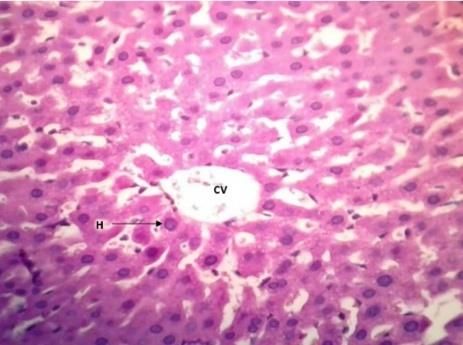
Mai Hussein Abd-Elfatah, Eman E. Abd-Elhady
and Amira M. El-Moslemany
levels, Gamma-glutamyl transferase (GGT), uric acid and creatinine
.Also liver tissues were analyzed for superoxide dismutase (SOD),
catalase (CAT), malondialdehyde (MDA), as well as histological
examination was done Furthermore, feed intake (FI), body weight
gain (BWG%), feed efficiency ratio (FER) and relative weight of liver
calculated. Moreover , the proximate composition of fruits were
determined. Results elucidated that the tested fruits caused an
increase in SOD, CAT and decreased the elevation of AST, ALT,
ALP, GGT, uric acid, creatinine, in serum and MDA in liver tissue
compared to AZA group.The tested fruits can be served as potent
curative agents against the liver toxicity .After testing it on some
volunteerswhich, may be due toits anti-oxidant and anti-
inflammatory activities.
Keywords:
Azathioprine- immunosuppression -kiwifruit– kiwi peels -
 Kumquat-Antioxidant- liver toxicity.

                          Introduction

        Azathioprine (AZA) is a type ofimmunosuppressant medicine
used in organ transplantation andautoimmune conditions include
rheumatoid arthritis andpemphigus disease or chronic bowel
disease like crohnan ulcerative colitis disease Manikandaselvi et
al., (2015).It is a prodrug, converted into the active metabolite of 6-
mercaptopurine and 6-thioiosinic acid in the body, weakening the
immune response, and reducing the amount of white blood cells that
                                    2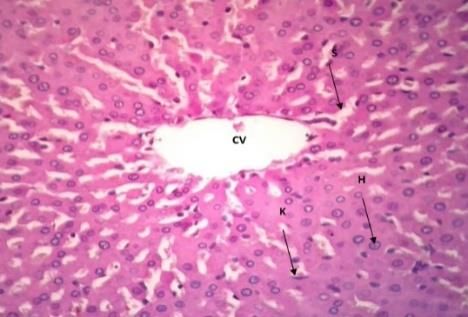
Egyptian J. of Nutrition Vol. XXXVI No. 1 (2021)

battle infection. Azathioprine make people more vulnerable to
infection when taking medication .The inhibition of purine synthesis,
especially affects T-cells and B-cells Hassankhani et al., (2017).

         Azathioprine can affect rapidlygrowing cells including bone
marrow and gastrointestinalcells, and increase susceptibility to
infection andhepatotoxicity )Nørgård et al., 2004); Wu et al.,
2006).Furthermore,AZA is mutagenic, genotoxic, teratogenic
andseveral types of tumors are associated with prolongedtreatment
with it)Langer et al., 2003);Marcen et al., 2003;Karawya and El-
Nahas, 2006) . Mostly immunosuppressivedrugs induce anemia and
disturb the oxidant–antioxidant balance and cause oxidative
damage to theliver and other organs. Typically, administration of
Azainduces oxidative stress by depleting the activities ofantioxidants
and elevating the level of malondialdehydein the liver)Lee and
Farrell, 2001). The potential role of dietary antioxidants to
reducethe activity of free radical-induced reactions has
drawnincreasing attention. Some studies have suggested
thatcertain dietary components are associated with lowerAZA risk
)Amin and Hamza,2005; Karawya and El-Nahas, 2006). These
include vitamins as well as otherphytochemicals, particularly
polyphenols.

       TheKiwifruit is an incredibly common subtropical fruit
amongst consumers. kiwifruit 'Hayward' (Actinidia deliciosa C.F.
Liang et A.R. Ferguson) is an essential source of bioactive
compounds M. Leontowicz et al.,(2013). Kiwifruit also includes
other vitamins, nutrients, and phytochemicals such as carotenoids,
                                  3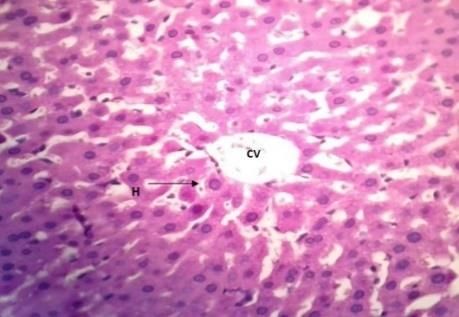
Mai Hussein Abd-Elfatah, Eman E. Abd-Elhady
and Amira M. El-Moslemany
polyphenolics, and fiber that can be of interest to health beyond
basic foods. The benefits primarily fell into the safety focus areas of
oxidative stress and mutagenesis defense, cardiovascular health,
gut health and immune function Leontowicz et al., (2016). Extracts
of kiwi fruit provided protection effect on hepatotoxicity induced both
by carbon tetra chloride Kang et al., (2012)and potassium bromate
in rats Waffa and Farida, (2012).

    The peeling of kiwifruits is rich in procyanidins, which
suppresses the development of several inflammatory mediators
such as pro-inflammatory cytokines, granzymes B and STAT3 and
promotes      autophagy     on     activated  human     THP-1
monocytes)D’Eliseo et al., 2019).

           Kumquat (Citrus japonica var. margarita) is a small,
elliptical fruit which is strongly connected to citrus. Taiwan’s largest
rising field of kumquats is in Ilan city, with more than 90 percent of
kumquats produced in Taiwan in the last decade. They are used as
common folk medicine to treat respiratory tract inflammation)Lou et
al., 2015). Kumquats also have an outstanding food supply
andphytochemicals include carotenoids, ascorbic acid , flavonoids
and essential oils)Barreca et al., 2011).Also, itreduces destructive
impact of free radicals)Aamer and El-Kholy, 2017).Kumquat peels
polyphenolics as effective antioxidant agents)Lou et al., 2016).So
the current research aimed to evaluate the impact of kiwifruit , kiwi
peels and kumquat on the azathioprine-induced hepatotoxicity.

                                   4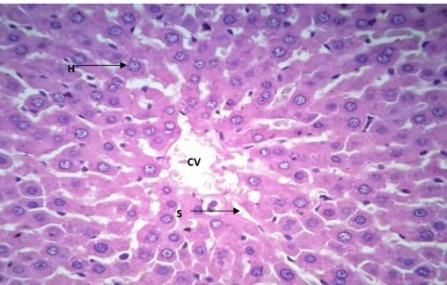
Egyptian J. of Nutrition Vol. XXXVI No. 1 (2021)

                  Materials and Methods

Materials:
Plant samples:- Kiwifruit (Actinide fruits, Family Actinidiaceae) and
kumquat fruit (Citrus japonica, Family Rutaceae)were purchased
from local markets, Cairo, Egypt.
Chemicals: - Azathioprine B.P uncoated tablets 50 mg was
purchased from Sigma Chem. Co., St Louis, Mo. U.S.A. Kits were
purchased from Egyptian American Company for Laboratory
Service and Supplied by Alkan Company.
Animals:- Forty eight male Sprague Dawley rats, 140-160 g were
used. Animals were kept individually in stainless steel cages at
room temperature of 25 ± 2ºC and a relative humidity about 55%;
water and food were given ad libitum.

Diet:- Basal diet was prepared from fine ingredients per 100g.The
diet had the following composition:4%corn oil,3.5% salt
mixture,1%vitamin mixture 2.5%choline , 1% sucrose ,1.8% L-
cystine , chloride,14% casein(85%protein), fiber 5% and corn starch
up to100gReeves et al., (1993).

Methods:
Preparation of Kiwifruit peel, Kiwi (without peel) and kumquat
fruits:
Kiwifruit peel was isolated from fruits, washed with tap water and
dried at 60°C then crushed to a fine powder. Kiwi (without peel) and
kumquat fruits separately were washed with tap water, chopped

                                  5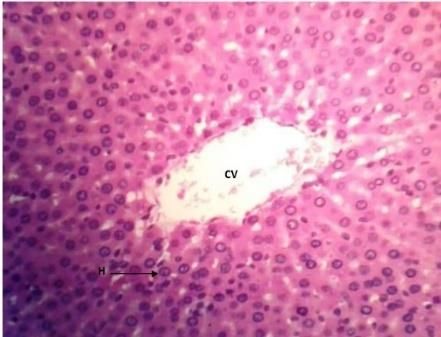
Mai Hussein Abd-Elfatah, Eman E. Abd-Elhady
and Amira M. El-Moslemany
into small pieces and blanched with water vapor, then crushed to a
fine powder and added to basal diet as described byHui,( 1992).The
dried materials were kept in closed dark glass containers in the
refrigerator until use.

Determination of proximate composition of thefruits:
       Protein, fat, moisture, ash of kiwifruit , kiwi peels and
kumquat were determined according to the method of Horwitz,
(2010) .

       Total carbohydrates were calculated as following:
Carbohydrates % = 100 - (moisture % + protein % + fat % + ash %+
Crade fiber %).

Experimental Design:
         After the adaptation period; the animals were divided into 2
groups . Group I (n = 6) gave basal diet and served as negative(-ve)
control group. The second group was daily received 10 mg/kg from
azathioprine dissolved in saline by gavage for 7 days to induce liver
toxicity Manikandaselvi et al., (2015).After that, the second group
was divided into equal 7 subgroups (n = 6 each) as follow: One of
these groups kept as positive (+ve) control group and received
basal diet only, the others gave the experimental fruits in powder
form mixed with the basal diet as follow (kiwifruit 5%&10%, kiwi
peels 2.5% &5% and kumquat 5%&10%) respectively. During the
experimental period (4 weeks), the quantities of diet which were
consumed and leftover diet recorded every day. In addition, rat's
                                  6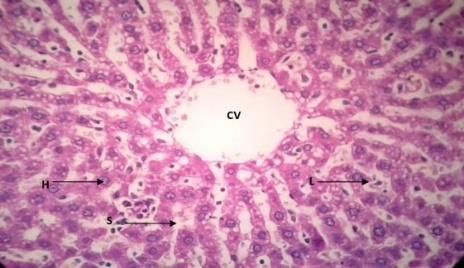
Egyptian J. of Nutrition Vol. XXXVI No. 1 (2021)

weight was recorded weekly. The body weight gain (BWG%), feed
intake(FI), feed efficiency ratio(FER) and also relative liver weight
were calculated according to Chapman et al., (1959). At the end of
experiment , the rats were fasted overnight before sacrificed and
blood samples were collected from hepatic portal vein for each rat
then centrifuged for 10 minutes at 3000 r.p.m. to obtain the serum.
Serum was carefully separated and transferred into dry clean
eppendorf tubes and kept frozen at (-20٥C) till analysis .Liver was
removed, washed with isotonic saline, dried by filter paper and
divided into two parts. The first part was kept in formalin saline 10%
for histopathological examination , the second part was kept at -
80°C for preparation of tissue homogenate for determination of
antioxidant parameters. The homogenate was centrifuged at10. 000
r.p.m for 20 min. The supernatant was used for assay
malondialdehyde (MDA) as an indicator of lipid peroxidation
according to Satoh, (1978), the antioxidant enzymes catalase (CAT)
according toAebi, (1984) and superoxide dismutase (SOD)
according to Paoletti and Mocali, (1990). In addition, serum
concentrations of aspartate aminotransferase (AST) and serum
alanine aminotransferase (ALT) performed according to the method
described by Reitman and Frankel, (1957).Serum alkaline
phosphatase (ALP)determination performed according to the
colorimetric method of Roy,(1970). Gamma glutamyle transferase
(GGT) enzyme activity determination performed according toKind
and King, (1954)also was estimated . Uric acid was determined in
the serum according to the method described by Fossati et al.,
(1980)and serum creatinine as described by Faulkner and King,
(1976).
                                    7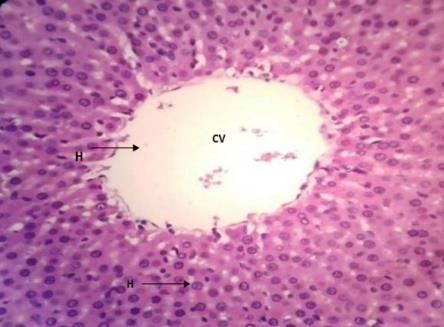
Mai Hussein Abd-Elfatah, Eman E. Abd-Elhady
and Amira M. El-Moslemany
Histopathological examination:
Liver was fixed in 10% neutral buffered formaldehyde solution at pH
7.5 and cleared in xylol and embedded in paraffin. 4-5 µm thick
section prepared and stained with Hematoxylin and Eosin (H&E) for
subsequent histopathological examination according to Carleton,
(1979).

Statistical analysis :
        Statistical analysis were done using SPSS version 22. The
results were expressed as mean ± standard deviation (SD) and
analyzed statistically using one-way analysis of variance (ANOVA)
followed by Duncan test. The differences between means were
tested for significance using least significant difference (LSD) test at
p
Egyptian J. of Nutrition Vol. XXXVI No. 1 (2021)
in dried kiwifruit peels than dried kiwifruit and dried kumquat
fruits.Kiwifruit is known as the 'king of fruits' due to its special taste
and a wide variety of bioactive compounds that include ascorbic
acid, carotenoids, dietary fibers , minerals, and phenolic
compoundsLim et al., (2014). Also; kumquat fruit is a rich source of
bioactive compounds enriched with more effective antioxidants than
those of the citrus species Tan et al., (2014) . Henare,(2016)found
that kiwifruit are often described as being nutrient dense, andmany
species are rich in vitamin C. Selected cultivars arealso
goodsourcesof vitaminE, folate, potassium, and dietary fiber. The
quantitatively most important dietary fiber constituents in kiwifruit are
the
nonstarch polysaccharides intheformofpectic galactans, hemicellulo
ses, and cellulose .
The effect of tested fruits on feed intake ,body weight gain%, ,
feed efficiency ratio and relative liver weight (%) :
Data presented in table (2) showed the effect of dried
(kiwifruit (5%& 10%), kiwi peels(2.5% &5%), and kumquat fruit (5%
&10%) ) on feed intake (FI) , body weight gain(BWG) % , feed
efficiency ratio(FER) and relative liver weight( %) of rats administer
azathioprine . Results for FI, BWG% and FER recorded a significant
decrease for (+ve) control group when compared to (-ve) control
group. Rats received diet supplemented with all tested fruits
showed significant increase (PMai Hussein Abd-Elfatah, Eman E. Abd-Elhady and Amira M. El-Moslemany supplemented with dried fruits and kiwi peels showed significant decrease (P
Egyptian J. of Nutrition Vol. XXXVI No. 1 (2021)

Effects of tested fruits on serum biomarkers related to liver
functions:
       The biochemical parameters for different experimental groups,
summarized in table (3). It was evident that the oral administration
with azathioprine caused a significant increase in the levels of AST,
ALT ,ALP and GGT .The treatment with the studied fruits caused
decrease in the levels of all the above parameters for all groups.
Administer AZA to rats resulted in significant elevation for ALT ,
AST, ALP and GGT in the serum of the rats . El-Beshbishy et al.,
(2011)found thatthe AZA-induced hepatotoxicity observed 24 hours
post treatment is documented by significant increments in the
activities of both serum ALT and AST and confirmed by histological
changes in liver of male albino rats . These changes were corrected
to normalcy upon oral administration of either kiwifruit or kumquat
to AZA-intoxicated rats. The ALT, AST and ALP estimations are
used in the evaluation of hepatic disorders. An increase in these
enzyme levels reflects active liver damage. Inflammatory
hepatocellular disorders result in high transaminase levels
(Hultcrantz et al., 1986). The increase of ALT, AST and ALP levels
indicated liver dysfunction and might be mainly due to leakage of
these enzymes from liver cytosol into blood (Eliza et al., 2009). Also
,Gaur and Bhatia, (2009)reported thatthis elevation is might be due
to the damage of cellular membranes of hepatocytes, which in turn
leads to an increase in the permeability of cell membranes,
facilitates the passage of cytoplasmic enzymes outside the cells
leading to the elevation in aminotransferase activities in the serum.
Jack et al., (2016)reported that the most common pattern of
hepatotoxicity by AZA seen was gamma-glutamyl transpeptidase
                                  11
Mai Hussein Abd-Elfatah, Eman E. Abd-Elhady
and Amira M. El-Moslemany
(GGT) enzyme elevation in 67.8% of patients. Elbadrawy and
Elkewawy, (2019)revealed significant decrease in serum levels of
GGT of the treated groups by kiwifruit in comparing with the
positive control.
Hemdan and Abdulmaguid, (2020) showed that kiwifruit
as nutritional sources helped to bring back serum levels of AST and
ALT enzymes .Also, Abdallah et al., (2019)reported thatirradiated
rats treated with kumquat fruit extract showed a significant decrease
the level of liver enzymes (ALT, AST and GGT) of irradiated rats,
which is in agreement with the findings of (Elabd,2015). Hashish
et al., (2017)found that the lowest serum AST, ALT & ALP levels
recorded for diabetic rats fed on whole kumquat 5%with significant
difference (p < 0.001) compared to positive control fed on basal diet.
Also, Abdallah et al., (2019)showed that the strong efficiency role
of kumquat fruit extract as an antioxidant against hepatotoxicity
through enhancement of liver function ( ALT, AST and GGT).
Effect of dried kiwifruit, kiwifruit peels and kumquat on
SOD ,CAT and MDA levels in the liver homogenate for rats
administer azathioprine:
The biochemical parameters of liver tissue of the studied
groups are summarized in table (4). Oral administration with
azathioprine caused an elevation in the MDA and reduction for CAT
and SOD in the liver tissue. On the other side, feeding on dried
kiwifruit , kiwi peels and kumquat with two doses suppressed the
elevation of MDA and increase CAT and SOD in liver tissue ; thus
12Egyptian J. of Nutrition Vol. XXXVI No. 1 (2021)
attenuated the oxidative stress. Antioxidant enzymes such as SOD
and CAT play an important role in the elimination of reactive oxygen
species and protects against oxidative stress. In accordance with
the previous findings, the significant decrease in SOD and CAT
activity was due to exhaustion of the enzymes as a result of
oxidative stress caused by AZA (Amin and Hamza,2005).
Nevertheless, kiwifruit, kiwi peel and kumquat treatment bolstered
the antioxidant defense system as shown by increase tissue levels
of SOD and CAT which could be attributed to the presence of
polyphenols and other antioxidants like vitamin C. Lipid peroxidation
is a free radical-inducible cycle in which the membrane
polyunsaturated fatty acids are transformed oxidatively into a range
of products like MDA (Matalon et al., 2004). In the present study,
the elevation of MDA was observed in AZA-intoxicated rats, which is
suggestive of lipid peroxidation activation resulting in excessive free
radical production.
It could be worthy of noting that these remarks are
compatible with the results recorded by Amin and Hamza, (
2005).However, upon pretreatment with kiwifruit, kiwi peel and
kumquat the MDA level was significantly decreased. The
supposition was that the phytoconstituents present in kiwifruit, kiwi
peel and kumquat functioned as antioxidants/anti-lipid peroxidants,
by protecting membrane lipids from propagating oxidative damage
through termination of peroxyl radical mediated reactions .
Azathioprine administration causes decrease in SOD, CAT, and
increase MDA rates (Shanmugarajan et al., 2008). Matsuo et al.,
(2014) showed that the production of SOD decreased dramatically
13Mai Hussein Abd-Elfatah, Eman E. Abd-Elhady
and Amira M. El-Moslemany
as the result of administration with AZA.Mohamed et al., (2019)
reported that administration of kumquat fruits suppressed MDA
elevation and increased CAT level .Feeding on kumquat fruit
suppressed MDA exhibited the highest levels of TNF-α . The
improvement of SOD, CAT and MDA return to the treatment with the
tested fruits may be due to their content from ascorbic acid (Boland,
2013).
Effect of kiwifruit, kiwifruit peels and kumquat on uric acid and
creatinine for rats administerazathioprine:
Table (5) revealed that rats which, administer AZA and had
no treatment (+v) group showed increase in uric acid and creatinine
levels. The treated groups with dried fruits suppressed the elevation
of the levels for all of the above parameters. In our study elevation
of uric acid and creatinine were the most established kidney
changes due to the administer AZA but the treatment with fruits
improve the kidney changes. This improvement may be due to the
content of these fruits from antioxidant compounds. Hemdan and
Abdulmaguid, (2020) showed that kiwifruit as nutritional sources
helped to bring back serum levels of creatinine activities. Hashish
et al., (2017)revealed that rats fed on whole kumquat 2.5% & 5%,
decrease uric acid & creatinine(mg/dl) compared to positive control
fed on basal diet. On the other hand the results of this work are
partially agree with El-Dashlouty et al., (2020)who showed that
rats treated with kumquat showed significant decrease in serum
creatinine (mg/dl), urea (mg/dl) &uric acid (mg/dl) into consideration
that the highest decreased limit of serum creatinine (mg/dl) & urea
14Egyptian J. of Nutrition Vol. XXXVI No. 1 (2021)
(mg/dl) obtained for G3 (whole kumquat seedless 7.5%). The effect
of vitamin C as an antioxidant are well known. It crushes out free
radicals and other nitrogen and reactive oxygen forms. It also has
the capacity to regenerate other antioxidants (Carr and Frei, 1999.,
Carr et al., 2013) and thus prevents biomolecules such as DNA and
lipids from oxidative harm(Mandl et al., 2009 ;DGE, 2015).Because
kumquat contains vitamin C and phenolic compound it improves
liver enzymes (AST, ALT , ALP) and kidney function (uric acid
,creatinine).
Histopathological examination of liver tissue:
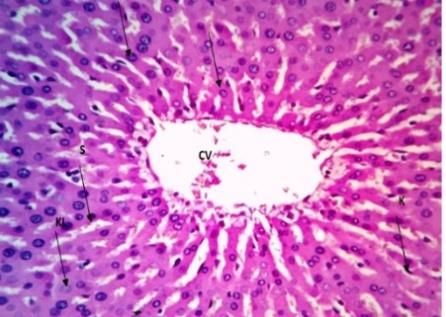
Microscopically, liver of rats of negative control group
(group1) revealed the normal histological structure of hepatic lobule
(photo 1). On the other hand, liver of rats for positive control group
(group2) showed large and small hepatocytes nuclei, karyolysis of
nuclei (KL), haemerage in sinusoids (S), increasing in Kupffer cells
(K) (photo 2 ). However, some examined sections from group
treated with dried kiwifruit 5%(group3) showed normal central vein
(cv), hepatic cells (H) radiated from central vein and sinusoids (S),
inflitration of lymphocytes (L) and vacuolation of cytoplasm ( O
)(photo 3). Moreover, some sections from (group 4) treated with
dried kiwi fruits 10% showed no histopathological changes (photo
4), where, showing approximately normal central vein , hepatic cells
and sinusoids (S). Liver of rats treated with dried kiwi peels 2.5%
from (group 5 )revealed normal central vein , normal hepatocytes
are noticed (phots5 ). Also, examined sections from rats treated with
dried kiwi peels 5%(group 6) showed normal central vein , with
hepatocytes proliferation (photos 6 ).In addition , examined sections
15Mai Hussein Abd-Elfatah, Eman E. Abd-Elhady
and Amira M. El-Moslemany
from rats treated with dried kumquat 5% (group 7) showed normal
central vein , with normal of hepatocytes (photo7 ). Moreover, some
sections from (group8) treated with dried kumquat fruit 10% showed
normal central vein , with normal appearance of hepatocytes ( photo
8). Khudhair, (2018) showed that the histopathological examination
of liver for treated animals with azathioprine showed dilation of
portal vein with congestion, mononuclear cell aggregation (MNC)
and dilation of sinusoids and the harmful effect of azathioprine on
the infected tissues may be due to azathioprine toxicity. Also,M.
Leontowicz et al.,(2016) showed that changes in the liver were
smaller in the groups of rats receiving kiwifruit.
Conclusion
Treated with kiwifruit, kiwi peels and kumquat fruit reverse
the negative effects of AZA in rats, including the reduction in CAT
and SOD, the elevation in MDA in the liver tissue. Also, decreased
the elevation of liver enzymes (AST,ALT,ALP,GGT) and (uric acid ,
creatinine|) . The tested fruits can be served as potent curative
agents against the liver toxicity which, may be due toits anti-oxidant
and anti-inflammatory activities.
16Egyptian J. of Nutrition Vol. XXXVI No. 1 (2021)
Table (1): Proximate composition of dried( kiwifruit, kiwifruit peels
and kumquat fruits %) :
Compositions
Crude
Moisture% Protein% Carbohydrate% Fat% Ash%
Fiber%
Sample
Dried kiwifruit 12.54 5.18 69.29 2.63 6.59 3.77
Dried kiwi peels 10.88 4.64 63.47 1.22 15.33 4.46
Dried kumquat fruit 10.88 4.98 77.61 1.15 3.13 2.25
Table (2): Effect of dried( kiwi fruit ,kiwi fruit peels and kumquat
fruits) on feed intake , body weight gain% , feed
efficiency ratio and relative liver weight % in rats
administer azathioprine :
Parameters
FI (g/day) BWG% FER Liver
Groups
(-ve ) Control 21.96 ±1.43a 42.06 ±5.82a 0.153 ±0.004a 2.13±0.429d
f d e
11.66±0.80 07.94 ±2.26 0.050±0.007 3.66±0.299a
(+ve ) Control
Kiw(5%) 16.76±0.85c 27.88 ± 3.51 b
0.095 ±0.014 cd
2.88 ±0.111b
Kiw(10%) 14.63±0.45de 18.65 ± 3.07c 0.123±0.008abc 2.62±0.152bcd
Kiw.Peel(2.5%) 13.43±0.05e 34.59 ±4.23b 0.113±0.014bcd 2.67±0.557bc
Kiw. Peel (5%) 13.83±0.45de 15.39± 2.28c 0.087±0.019d 2.26±0.133cd
Kum (5%) 19.43 ± 0.92b 19.63 ±5.17c 0.128 ± 0.041ab 2.66 ±0.136bc
Kum(10%) 14.83± 0.49d 17.03 ± 3.45c 0.113± 0.011bcd 2.27±0.225cd
LSD 1.36 6.77 0.031 0.51
Values are expressed as mean ± S.D.
Significance is expressed at pMai Hussein Abd-Elfatah, Eman E. Abd-Elhady
and Amira M. El-Moslemany
Table (3):Effect of dried kiwifruit, kiwifruit peels and kumquat on
serum AST, ALT , ALP and GGT for rats administer
azathioprine
parameters ALT(U/L)
AST(U/L) ALP(U/L) GGT(U/L)
Groups
112.31± 39.63 87.08 ± 3.15 ±
(-ve ) Control
4.11e ±2.49f 11.60e 0.26g
261.86± 165.10±18. 161.70± 8.02 ±
(+ve ) Control
11.25a 30a 7.05a 0.14a
19500.± 127.50± 130.02± 6.43 ±
Kiw(5%)
٥0.00b 10.70b 1.61c 0.11c
197.60± 101.73± 127.73± 5.49±
Kiw(10%)
5.80b 3.57c 2.43c 0.15d
170.25± 82.12± 140.98± 4.92±
Kiw . Peel (2.5%)
13.90c 2.99d 4.55b 0.08e
168.40± 077.67± 140.93± 4.85±
Kiw. Peel (5%)
2.10c 3.50d 0.75b 0.31e
136.75± 135.70± 104.35± 3.83 ±
Kum (5%)
11.45d 10.50b 6.46d 0.21f
197.68±3.42 061.82 103.85 ± 6.96
Kum (10%) b
±6.58e 2.55d ±0.22b
LSD 14.80 15.52 09.38 0.34
Values are expressed as mean ± S.D.
Significance is expressed at pEgyptian J. of Nutrition Vol. XXXVI No. 1 (2021)
Table (4): Effect of dried kiwifruit, kiwifruit peels and kumquat on
SOD ,CAT and MDA levels in the liver homogenate for
rats administer azathioprine:
parameters
SOD (U/mg) CAT (ng/mg) MDA (nmol/mg)
Groups
0.372± 0.400 ± 0.112 ±
(-ve ) Control
0.018a 0.016a 0.004 g
0.104 ± 0.108 ± 0.405 ±
(+ve ) Control
0.003h 0.002g 0.011a
0.161 ± 0.168 ± 0.273 ±
Kiw(5%)
0.003f 0.002e 0.005c
0.193 ± 0.198 ± 0.214 ±
Kiw(10%)
0.004e 0.002d 0.007 d
0.238 ± 0.253 ± 0.171 ±
Kiw.Peel(2.5%)
0.012c 0.012c 0.007e
0.219 ± 0.201 ± 0.201 ±
Kiw. Peel (5%)
0.006d 0.007d 0.012 d
0.267 ± 0.281 ± 0.152 ±
Kum (5%)
0.003b 0.008b 0.008 f
0.131 ± 0.140 ± 0.307 ±
Kum(10%)
0.006g 0.009f 0.006b
LSD 0.015 0.015 0.013
Values are expressed as mean ± S.D.
Significance is expressed at pMai Hussein Abd-Elfatah, Eman E. Abd-Elhady
and Amira M. El-Moslemany
Table(5): Effect of dried kiwifruit, kiwifruit peels and kumquat on
uric acid and creatinine for rats administer azathioprine
Parameters
Uric acid (mg/dl) Creatinine (mg/dl)
Groups
(-ve ) Control 1.97 ±0.02e 0.49 ±0.04f
(+ve ) Control 3.93 ±0.37a 1.18± 0.05a
Kiw(5%) 3.12 ±0.045bc 0.94±0.005b
Kiw(10%) 3.22 ±0.03bc 0.83 ± 0.02c
Kiw.Peel (2.5%) 2.75 ±0.15d 0.73 ±0.02d
Kiw. Peel (5%) 2.97 ±0.015 cd 0.70 ±0.02d
Kum (5%) 3.37 ±0.02b 0.60 ±0.025e
Kum(10%) 2.87 ±0.03d 0.95 ±0.03b
LSD 0.25 0.05
Values are expressed as mean ± S.D.
Significance is expressed at pEgyptian J. of Nutrition Vol. XXXVI No. 1 (2021)
Photo (1):
Liver of rat from group (1) showing normal
Photo (2):
appearance hepatic cells (H) radiating from Liver of rat from group (2) showing large
central vein (cv). Also, sinusoids (S) and and small hepatocytes nuclei, karyolysis
kupffer cells (K) are noticed H&E, × 400. of nuclei (KL), haemerage in
sinusoids (S), increasing in
Kupffer cells (K), H&E, × 200.
Photo(3):
Photo(4):
Liver of rat from group (3) showing normal
Liver of rat from group (4) showing
central vein (cv), hepatic cells (H) radiated
approximately normal central vein (cv),
from central vein and sinusoids (S),
hepatic cells (H) and sinusoids
inflitration of lymphocytes (L) and
(S) H&E, × 400.
vacuolation of cytoplasm
(O ) H&E, × 400.
21Mai Hussein Abd-Elfatah, Eman E. Abd-Elhady
and Amira M. El-Moslemany
Photo(5): Photo (6):
Liver of rat from group (5)showing Liver of rat from group (6) showing
normal central vein (cv), normal normal central vein (cv), with hepatocytes
hepatocytes are noticed proliferation
(H) H&E, × 400. (H) H&E, × 400.
Photo(7): Photo(8):
Liver of rat from group (7) showing Liver of rat from group (8) showing
normal central vein (cv), with normal central vein (cv), with
normal of hepatocytes normal appearance of hepatocytes
n(H) H&E, × 400. (H) H&E, × 400.
22Egyptian J. of Nutrition Vol. XXXVI No. 1 (2021)
References
(DGE), G. N. S. (2015).
New reference values for vitamin C intake.
Aamer, R., and El-Kholy, W. (2017) .
Production of functional beverages from whey and permeate
containing kumquat fruit. Alexandria Journal of Food Science
and Technology, 14(1), 41–56.
Abdallah, I. Z. A., Ahmed, M. M., Montaser, S. A., and Hafez, S.
S. (2019).
Efficiency of Kumquat Fruit (Fortunella margarita) Extract
against Hepatotoxicity and Infertility Induced by Gamma
Irradiation in Male Albino Rats. Egyptian Journal of Radiation
Sciences and Applications, 32(2), 187–199.
Aebi, H. (1984).
[13] Catalase in vitro. In Methods in enzymology (Vol. 105,
pp. 121–126). Elsevier.
Amin, A., and Hamza, A. A. (2005).
Hepatoprotective effects of Hibiscus, Rosmarinus and Salvia
on azathioprine-induced toxicity in rats. Life Sciences, 77(3),
266–278.
23Mai Hussein Abd-Elfatah, Eman E. Abd-Elhady
and Amira M. El-Moslemany
Barreca, D., Bellocco, E., Caristi, C., Leuzzi, U., and Gattuso, G.
(2011).
Kumquat ( Fortunella japonica Swingle ) juice : Flavonoid
distribution and antioxidant properties. FRIN, 44(7), 2190–
2197. 1
Boland, M. (2013).
Kiwifruit proteins and enzymes: actinidin and other
significant proteins. In Advances in food and nutrition
research (Vol. 68, pp. 59–80). Elsevier.
Carleton, H. (1979).
Bone and decalcification: Carletons histological techniques.
Messrs Churchill Livingstone, London, 199–207.
Carr, A. C., Bozonet, S. M., Pullar, J. M., Simcock, J. W., and
Vissers, M. C. M. (2013).
Human skeletal muscle ascorbate is highly responsive to
changes in vitamin C intake and plasma concentrations. The
American Journal of Clinical Nutrition, 97(4), 800–807.
Carr, A., and Frei, B. (1999).
Does vitamin C act as a pro‐oxidant under physiological
conditions? The FASEB Journal, 13(9), 1007–1024.
24Egyptian J. of Nutrition Vol. XXXVI No. 1 (2021)
Chapman, D. G., Castillo, R., and Campbell, J. A. (1959).
Chapman. Canadian Journal of Biochemistry and
Physiology, 37(5), 679–686.
D’Eliseo, D., Pannucci, E., Bernini, R., Campo, M., Romani, A.,
Santi, L., and Velotti, F. (2019).
In vitro studies on anti-inflammatory activities of kiwifruit peel
extract in human THP-1 monocytes. Journal of
Ethnopharmacology, 233, 41–46.
El-Beshbishy, H. A., Tork, O. M., El-Bab, M. F., and Autifi, M. A.
(2011).
Antioxidant and antiapoptotic effects of green tea
polyphenols against azathioprine-induced liver injury in rats.
Pathophysiology, 18(2), 125–135.
El-Dashlouty, M. S., El-Sherif, F. E.-Z. A., and Diab, L. A. (2020).
Pineapple And Kumquat Powders Used To Combat The
Oxidation Stress Induced By Potassium Bromate In Male
Albino Rats. Egyptian Journal for Specialized Studies–Vol,
8(25).
Elabd, E. (2015).
Phytochemical and Biological Studies on Fortunella
margarita (Lour.) Swingle (Kumquat)(Rutaceae) Growing in
Egypt. M. Sc. Thesis.
25Mai Hussein Abd-Elfatah, Eman E. Abd-Elhady
and Amira M. El-Moslemany
Elbadrawy, E., and Elkewawy, H. (2019).
Alleviation of Tramadol-Induced Liver Toxicity in
Experimental Rats by Using Kiwifruit, Turmeric Extract or
Their Combination. Journal of Food and Dairy Sciences,
10(10), 381–387.
Eliza, J., Daisy, P., Ignacimuthu, S., and Duraipandiyan, V.
(2009).
Antidiabetic and antilipidemic effect of eremanthin from
Costus speciosus (Koen.) Sm., in STZ-induced diabetic rats.
Chemico-Biological Interactions, 182(1), 67–72.
Faulkner, W. R., and King, J. W. (1976).
Renal function. In Fundamentals of clinical chemistry (pp.
994–998). Saunders Philadelphia, PA.
Fossati, P., Prencipe, L., and Berti, G. (1980).
Use of 3, 5-dichloro-2-hydroxybenzenesulfonicacid/4-
aminophenazone chromogenic system in direct enzymic
assay of uric acid in serum and urine. Clinical Chemistry,
26(2), 227–231.
Gaur, A., and Bhatia, A. L. (2009).
Modulation of phosphatase levels in mice liver by genistein
treatment against radiation exposure. Pharmacognosy
Research, 1(2), 72.
26Egyptian J. of Nutrition Vol. XXXVI No. 1 (2021)
Hashish, Hashish, A. S., Shaheen, K. A., and Abd El-Aazez, S.
A. (2017).
Study Kumquat Effect on Rats Infected with Diabetes.
Thesis (M.S)- Menoufia Univ. Faculty of Home Economic,
Dept. Nutrition and Food Sci.
Hassankhani, M., Aldavood, S. J., khosravi, alireza, sasani,
farhang, masoudifard, M., Ansari, F., and Taheri, M. T.
(2017).
The effects of prolonged azathioprine administration on
blood cells, lymphocytes and immunoglobulins of Iranian
mixed-breed dogs. Iranian Journal of Veterinary Medicine,
11(4), 361–377.
Hemdan, D. I., and Abdulmaguid, N. Y. M. (2020).
Study the effect of star anise extract and the pulp of kiwifruit
on mice infected with cancer. CURRENT SCIENCE, 118(1),
87.
Henare, S. J. (2016).
Chapter 15 - The Nutritional Composition of Kiwifruit
(Actinidia spp.) (M. S. J. Simmonds and V. R. B. T.-N. C. of
F. C. Preedy (eds.); pp. 337–370). Academic Press.
Horwitz, W. (2010).
Official methods of analysis of AOAC International. Volume I,
agricultural chemicals, contaminants, drugs/edited by William
Horwitz. Gaithersburg (Maryland): AOAC International, 1997.
27Mai Hussein Abd-Elfatah, Eman E. Abd-Elhady
and Amira M. El-Moslemany
Hui, Y. H. (1992).
Encyclopedia of food science and technology (Issue 664.003
E56e). Wiley,.
Hultcrantz, R., Glaumann, H., Lindberg, G., and H: son Nilsson,
L. (1986).
Liver investigation in 149 asymptomatic patients with
moderately elevated activities of serum: aminotransferases.
Scandinavian Journal of Gastroenterology, 21(1), 109–113.
Jack, K. L., Koopman, W. J., Hulley, D., and Nicolle, M. W.
(2016).
A review of azathioprine-associated hepatotoxicity and
myelosuppression in myasthenia gravis. Journal of Clinical
Neuromuscular Disease, 18(1), 12–20.
Kang, W., Yang, H., Hong, H. J., Han, C. H., and Lee, Y. J. (2012).
Anti-oxidant activities of kiwi fruit extract on carbon
tetrachloride-induced liver injury in mice. Korean Journal of
Veterinary Research, 52(4), 275–280.
Karawya, F. S., and El-Nahas, A. F. (2006).
Theprotective effect of vitamin C on Azathioprine induced
seminiferous tubular structural changes and cytogenetic
toxicity in albino rats. Cancer Ther, 4, 125–134.
28Egyptian J. of Nutrition Vol. XXXVI No. 1 (2021)
Khudhair, D. (2018).
HISTOPATHOLOGICAL EFFECT OF AZATHIOPRINE ON
LIVER , INTESTINE AND. December 2017.
Kind, P. R. N., and King, E. J. (1954).
Estimation of plasma phosphatase by determination of
hydrolysed phenol with amino-antipyrine. Journal of Clinical
Pathology, 7(4), 322.
Langer, R. M., Jaray, J., Toth, A., Hidvegi, M., Végsö, G., and
Perner, F. (2003).
De novo tumors after kidney transplantation: the Budapest
experience. Transplantation Proceedings, 35(4), 1396–1398.
Lee, A. U., and Farrell, G. C. (2001).
Mechanism of azathioprine-induced injury to hepatocytes:
roles of glutathione depletion and mitochondrial injury.
Journal of Hepatology, 35(6), 756–764.
Leontowicz, M., Jesion, I., Leontowicz, H., Park, Y.-S.,
Namiesnik, J., Rombola, A. D., Weisz, M., and Gorinstein,
S. (2013).
Health-promoting effects of ethylene-treated kiwifruit
“Hayward” from conventional and organic crops in rats fed
an atherogenic diet. Journal of Agricultural and Food
Chemistry, 61(15), 3661–3668.
29Mai Hussein Abd-Elfatah, Eman E. Abd-Elhady
and Amira M. El-Moslemany
Leontowicz, H., Leontowicz, M., Latocha, P., Jesion, I., Park, Y.-
S., Katrich, E., Barasch, D., Nemirovski, A., and
Gorinstein, S. (2016).
Bioactivity and nutritional properties of hardy kiwi fruit
Actinidia arguta in comparison with Actinidia deliciosa
“Hayward” and Actinidia eriantha “Bidan”. Food Chemistry,
196, 281–291.
https://doi.org/10.1016/j.foodchem.2015.08.127
Leontowicz, M., Leontowicz, H., Jesion, I., Bielecki, W., Najman,
K., Latocha, P., Park, Y.-S., and Gorinstein, S. (2016).
Actinidia arguta supplementation protects aorta and liver in
rats with induced hypercholesterolemia. Nutrition Research,
36(11), 1231–1242.
Lim, Y. J., Oh, C.-S., Park, Y.-D., Eom, S. H., Kim, D.-O., Kim, U.-
J., and Cho, Y.-S. (2014).
Physiological components of kiwifruits with in vitro
antioxidant and acetylcholinesterase inhibitory activities.
Food Science and Biotechnology, 23(3), 943–949.
Lou, S., Lai, Y., Huang, J., Ho, C., and Ferng, L. A. (2015). Drying
effect on flavonoid composition and antioxidant activity of
immature kumquat. FOOD CHEMISTRY, 171, 356–363.
30Egyptian J. of Nutrition Vol. XXXVI No. 1 (2021)
Lou, S., Lai, Y., Hsu, Y., and Ho, C. (2016).
Phenolic content , antioxidant activity and effective
compounds of kumquat extracted by different solvents. Food
Chemistry, 197, 1–6.
Mandl, J., Szarka, A., and Banhegyi, G. (2009).
Vitamin C: update on physiology and pharmacology. British
Journal of Pharmacology, 157(7), 1097–1110.
Manikandaselvi, S., Angumeenal, A. R., Thilagam, S., Poornima,
V., and Thinagarbabu, R. (2015).
Immuno stimulant activity of Heterostemma tanjorense
(Wight and Arn) on azathioprine induced male albino rats.
Journal of Applied Pharmaceutical Science, 5(08), 139–142.
Marcen, R., Pascual, J., Tato, A. M., Teruel, J. L., Villafruela, J.
J., Fernandez, M., Tenorio, M., Burgos, F. J., and Ortuno,
J. (2003
Influence of immunosuppression on the prevalence of
cancer after kidney transplantation. Transplantation
Proceedings, 35(5), 1714–1716.
Matalon, S. T., Ornoy, A., and Lishner, M. (2004).
Review of the potential effects of three commonly used
antineoplastic and immunosuppressive drugs
(cyclophosphamide, azathioprine, doxorubicin on the embryo
and placenta). Reproductive Toxicology (Elmsford, NY),
18(2), 219–230.
31Mai Hussein Abd-Elfatah, Eman E. Abd-Elhady
and Amira M. El-Moslemany
Matsuo, K., Sasaki, E., Higuchi, S., Takai, S., Tsuneyama, K.,
Fukami, T., Nakajima, M., and Yokoi, T. (2014).
Involvement of oxidative stress and immune- and
inflammation-related factors in azathioprine-induced liver
injury. Toxicology Letters, 224(2), 215–224.
Mohamed, D. A., Fouda, K., and Hamed, I. M. (2019).
Protective effect of kumquat fruits and carrot seeds extracts
against brain aging in rats. Journal of Herbmed
Pharmacology, 8(4), 287–294.
Mohammadi, O., and Kassim, T. A. (2019).
Azathioprine.
Nørgård, B., Pedersen, L., Jacobsen, J., Rasmussen, S. N., and
Sørensen, H. T. (2004).
The risk of congenital abnormalities in children fathered by
men treated with azathioprine or mercaptopurine before
conception. Alimentary Pharmacology and Therapeutics,
19(6), 679–685.
Paoletti, F., and Mocali, A. (1990).
[18] Determination of superoxide dismutase activity by purely
chemical system based on NAD (P) H oOxidation. In
Methods in enzymology (Vol. 186, pp. 209–220). Elsevier.
32Egyptian J. of Nutrition Vol. XXXVI No. 1 (2021)
Reeves, P. G., Nielsen, F. H., and Fahey Jr, G. C. (1993).
AIN-93 purified diets for laboratory rodents: final report of the
American Institute of Nutrition ad hoc writing committee on
the reformulation of the AIN-76A rodent diet. Oxford
University Press.
Reitman, S., and Frankel, S. (1957).
A colorimetric method for the determination of serum
glutamic oxalacetic and glutamic pyruvic transaminases.
American Journal of Clinical Pathology, 28(1), 56–63.
Roy, A. V. (1970).
Rapid method for determining alkaline phosphatase activity
in serum with thymolphthalein monophosphate. Clinical
Chemistry, 16(5), 431–436.
Satoh, K. (1978).
Estimation of lipid peroxides by thiobarbituric acid reactive
substances (TBARS). Clin Chim Acta, 90, 37–43.
Schellekens, P. T., Surachno, S., and Wilmink, J. M. (1982).
A longitudinal study on the effects of azathioprine and high
doses of prednisone on the immune system of kidney-
transplant recipients. Clinical Immunology and
Immunopathology, 24(1), 33–46.
33Mai Hussein Abd-Elfatah, Eman E. Abd-Elhady
and Amira M. El-Moslemany
Shanmugarajan, T. S., Prithwish, N., Somasundaram, I.,
Arunsundar, M., Niladri, M., Lavande, J. P., and
Ravichandiran, V. (2008).
Mitigation of Azathioprine-Induced Oxidative Hepatic Injury
by the Flavonoid Quercetin in Wistar Rats. Toxicology
Mechanisms and Methods, 18(8), 653–660.
Snedecor, G. W., and Cochran, W. G. (1979).
Design and analysis of sampling. Statistical Methods. GW
Snedecor and WG Cochran, Ed. The Iowa State University
Press, Ames, 504–539.
Tan, S., Li, M., Ding, X., Fan, S., Guo, L., Gu, M., Zhang, Y.,
Feng, L., Jiang, D., and Li, Y. (2014).
Effects of Fortunella margarita fruit extract on metabolic
disorders in high-fat diet-induced obese C57BL/6 mice.
PLoS One, 9(4), e93510.
Waffa, S. A., and Farida, A. A. (2012).
Effect of consumption of kiwi fruit on potassium bromate
induced oxidative stress in rats. Australian Journal of Basic
and Applied Sciences, 6(3), 519–524.
Wu, Y., Shen, C., Yin, J., Yu, J., and Meng, Q. (2006).
Azathioprine hepatotoxicity and the protective effect of
liquorice and glycyrrhizic acid. Phytotherapy Research: An
International Journal Devoted to Pharmacological and
Toxicological Evaluation of Natural Product Derivatives,
20(8), 640–645.
34)Egyptian J. of Nutrition Vol. XXXVI No. 1 (2021
تأثير ثمار الكيوي والكمكوات المجففة على سمية الكبد التي يحدثها
اآلزاثيوبرين في ذكور الجرذان البيضاء
مي حسين عبد الفتاح* – إيمان السيد عبد الهادي* – أميرة مرسي المسلماني*
*قسم التغذية وعلوم األطعمة -كلية االقتصاد المنزلي -جامعة األزهر
اآلزاثيوبرين ) (AZAهو نوع من األدوية المثبطة للمناعة التي تستخدم عند زراعة
األعضاء وأمراض المناعة الذاتية .لذلك هدفت هذه الدراسة إلى تقييم دور فاكهة الكيوي وقشور
فاكهة الكيوي وثمار الكمكوات ضد سمية الكبد التي يسببها اآلزاثيوبرين في ذكور الجرذان
البيضاء .تم تقسيم ثمانية وأربعين من ذكور الجرذان سبراج داولي إلى مجموعتين .تم استخدام
المجموعة األولى ( 6فئران) كمجموعة ضابطة سالبة ،بينما تم إعطاء جرذان المجموعة الثانية
( 42فأر) 10مجم /كجم يوميًا من اآلزاثيوبرين والذي تم إذابته في محلول ملحي وتم إعطاؤه
عن طريق أنبوب الفم لمدة 7أيام إلحداث السمية الكبدية .بعد ذلك ،تم تقسيم المجموعة الثانية
إلى 7مجموعات فرعية متساوية .حفظت إحدى هذه المجموعات كمجموعة ضابطة موجبة
( )+ veوتلقت الغذاء األساسي فقط ،وفي نفس الوقت أعطيت الثمار التجريبية على شكل
مسحوق مخلوط مع النظام الغذائي األساسي كال على حدة (كيوي ، ٪10& ٪٥قشر فاكهة
الكيوي ،%٥&%2.٥وفاكهة الكمكوات)%10&%٥على التوالي لباقي المجموعات .بعد 4
أسابيع تم ذبح الفئران ،وتم تحليل المصل من أجل قياس مستوى كال من )،(ALT) ، (AST
) ،(GGT) ،(ALPحمض البوليك والكرياتينين ،كما تم تحليل كال من )،(CAT) ،(SOD
و ) malondialdehyde (MDAفي أنسجة الكبد وكذلك تم إجراء الفحص النسيجي للكبد
.كما تم حساب المأخوذ الغذائي )،(FIالنسبة المئوية للزيادة المكتسبة في وزن الجسم
) ، (BWG%معدل كفاءة الغذاء ) ،( FERالوزن النسبي للكبد .كما تم تقدير التركيب
الكيمائي لكال من ثمار الكيوي و قشورها وثمار الكمكوات .أوضحت النتائج أن الفاكهة المختبرة
سببت زيادة في SODو CATوتقليل االرتفاع الحادث في مستويات ASTو ALT ALPو
GGTوحمض البوليك والكرياتينين في مصل الدم وكذلك MDAفي أنسجة الكبد بسبب
األزاثيوبرين .أوصت الدراسة بأنه يمكن تقديم الثمار المختبرة كعوامل عالجية مساعدة وفعالة
35Mai Hussein Abd-Elfatah, Eman E. Abd-Elhady
and Amira M. El-Moslemany
ضد السمية الكبدية بعد إختبارها علي بعض المتطوعين ،والتي قد تكون بسبب نشاطاتها المضادة
لألكسدة والمضادة لاللتهابات.
الكلمات المفتاحية :اآلزاثيوبرين -تثبيط المناعة -فاكهة الكيوي -قشور الكيوي -الكمكوات -
مضاد
36You can also read


