Exploring Critical Success Factors of Competence-Based Synergy in Strategic Alliances: The Renault-Nissan-Mitsubishi Strategic Alliance - MDPI
←
→
Page content transcription
If your browser does not render page correctly, please read the page content below
Journal of
               Risk and Financial
               Management

Article
Exploring Critical Success Factors of Competence-Based
Synergy in Strategic Alliances: The Renault–Nissan–Mitsubishi
Strategic Alliance
Andrejs Čirjevskis

                                          Business Department, RISEBA University of Applied Sciences in Business, Arts, and Technology, Meza Street 3,
                                          LV 1048 Riga, Latvia; andrejs.cirjevskis@riseba.lv

                                          Abstract: This paper aims to unbundle the antecedents of competence-based synergy in the strategic
                                          alliance formation process by employing the ARCTIC framework. The current research provides
                                          a new empirical application of the ARCTIC framework to reveal the success factors of reciprocal
                                          synergies of the Renault–Nissan–Mitsubishi strategic alliance in the automotive industry. By taking
                                          a resource-based view on the sources of competitive advantage, the current paper contributes to
                                          theoretical and practical issues of global strategic alliances as part of the existing literature on strategic
                                          management, international business, and corporate finance. By bridging qualitative and quantitative
                                          research methods, the paper provides validity to the ARCTIC framework with an application of the
                                          real option valuation. A conceptual model of research helps practitioners and scholars to explore

                                          critical success factors of alliance formation and to predict a competence-based synergy of strategic
                                   alliances. Future research may explore the institutional context of strategic alliances, specifically,
Citation: Čirjevskis, Andrejs. 2021.     exploring the impact of the French and Japanese governments on the Renault–Nissan–Mitsubishi
Exploring Critical Success Factors of     alliance’s synergies.
Competence-Based Synergy in
Strategic Alliances: The                  Keywords: strategic alliance; core competence; the ARCTIC framework; synergy; real options
Renault–Nissan–Mitsubishi Strategic
Alliance. Journal of Risk and Financial
Management 14: 385. https://
doi.org/10.3390/jrfm14080385              1. Introduction
                                                This paper aims to operationalize and test the ARCTIC framework to assess the prereq-
Academic Editors: Colin Michael Hall
                                          uisites of competence-based synergy in the strategic alliance’s formation process and to em-
and Ştefan Cristian Gherghina
                                          ploy real options application to value such types of synergies. (Chirjevskis and Joffer 2007)
Received: 27 June 2021
                                          provided the ARCTIC framework (A—Advantage, R—Relevance, C—Complexity of Com-
Accepted: 17 August 2021
                                          petence to absorb, T—Time of Integration, I—Implementation Plan, C—Cultural Fit) to
Published: 19 August 2021
                                          explore compatibility, complementarities, and transferability of core competencies of the
                                          collaborative partners and to predict competence-based synergy in M&A deals and strate-
Publisher’s Note: MDPI stays neutral
                                          gic alliances. The ARCTIC framework was already tested empirically, employing several
with regard to jurisdictional claims in   case studies of M&As (Čirjevskis 2020a, 2020b, 2020c, 2021a), however, it has not been
published maps and institutional affil-   sufficiently tested through studies of strategic alliances. The current research explored the
iations.                                  prerequisites of a competence-based synergy in strategic alliance and identified three steps
                                          for investigating whether core competence transfer in a strategic alliance process would be
                                          an important source of synergies.
                                                The motivation of the current research is as follows. Previously published research
Copyright: © 2021 by the author.
                                          papers on the ARCTIC framework (Čirjevskis 2020a) were expertise by stating that the
Licensee MDPI, Basel, Switzerland.
                                          author has shown the empirical evidence supporting the applicability of the ARCTIC
This article is an open access article    framework based on the author’s perception of the firm’s competencies. Hence, it would
distributed under the terms and           be more persuasive with evidence of post-merger deals performances. Furthermore, it
conditions of the Creative Commons        was argued that, based on the types of M&A (horizontal or vertical integration) and other
Attribution (CC BY) license (https://     forms of collaborative strategies (strategic alliances, cooperative arrangements, etc.), the
creativecommons.org/licenses/by/          applicability of the ARCTIC model can be different.
4.0/).

J. Risk Financial Manag. 2021, 14, 385. https://doi.org/10.3390/jrfm14080385                                     https://www.mdpi.com/journal/jrfm
J. Risk Financial Manag. 2021, 14, 385 2 of 22
The current study and, specifically, the ARCTIC framework, contribute to the gaps
in the literature in two ways. First, the resource-based view (RBV) and value-rarity-
imitability-organization (VRIO) method encouraged users to evaluate resources relative to
competitors (Knott 2015) but not to business partners. RBV still demonstrates “reasonably
lacking an understanding of how firms’ resources and capabilities truly play a role on M&A”
(Ferreira et al. 2016), or other types of coopetitive strategies such as strategic alliances and
cooperative arrangement (McGee et al. 1995; Child et al. 2019). That is because the RBV has
“a tendency to elicit static and inward-looking descriptions that are insufficiently geared to
future-focused decisions” (Lockett et al. 2009; Knott 2015, p. 1816).
Prior RBV studies paid relatively little attention to the subject of synergy and did
not directly consider the assessment of potential synergy effects in a collaborative type of
strategy (Błaszczyk 2018). In this vein, the ARCTIC framework contributes to the first gap
extending the VRIO model and adding practical tools for the analyses of complementarity,
compatibilities, and transferability of idiosyncratic (VRIO) resources of business partners
in search of reciprocal competence-based synergies.
Second, the “strategic fit” concept suggests that the recombination of heterogeneous
(VRIO) resources and their relatedness between collaborative partners creates a synergy
potential—a key determinant of value creation (Gomes et al. 2013). However, failure to
find a consistent relationship between synergy potentials of strategic fit and collaborative
performance has led researchers to recognize that “organizational fit” between companies’
in the post-deal (integration) phase might be the main determinant of overall business
partners’ performance (Weber and Fried 2011).
In this vein, the ARCTIC framework contributes to the second gap by integrating the
assessment of “strategic fit” with the “organizational fit” of collaborative strategies in a
single analytical tool to assess the prerequisites of collaborative synergies (Feldman and
Hernandez 2021). Therefore, the study contributes to the “strategy as practice” interest of
the Strategic Management Society (SMS) with a fresh piece of empirical research on the
synergism of “strategic fit” and “organizational fit,” together with the ARCTIC framework.
To develop and test the ARCTIC framework to explore the prerequisites of managerial
synergy in strategic alliances, the chosen object of the current research is one of the longest
partnerships in the automotive industry since 1999, namely, Renault–Nissan–Mitsubishi.
Even though the first Renault and Nissan alliance experienced several challenges at the
beginning, such as the skepticism of the industry experts, cultural differences, and the
global financial crisis of 2008, more than twenty years after its formation, the alliance
ranked among the top-three largest car manufacturers worldwide and became a leader
in electric car vehicles. Renault’s Zoe was the best-selling electric car in Europe in 2020,
beating the Tesla Model 3 to second place (Statista 2021).
The motivation to research the Renault–Nissan–Mitsubishi alliance was as follows.
Before the Renault–Nissan alliance was established, the concept of a strategic alliance was
relatively uncommon in the automotive industry (Kreutzer and Pfeffer 2019). It should be
noted that the success of the Renault–Nissan–Mitsubishi alliance insisted that other global
automotive players make provisions on forming alliances to reach their ambitious goals,
such as the GM–Fiat alliance (Kreutzer and Pfeffer 2019) and VW–Ford alliance (Klayman
and Schwartz 2019).
Moreover, several strategic attempts by carmakers to ally demonstrated well-documented
failures. Among others, culture clashes of Daimler–Chrysler when Stuttgart engineers were
reluctant to work with their US colleagues and their resultant divorce in 2007. The presence
of the demanding partner, when Peugeot and Fiat’s negotiation on an alliance in 2009 was
foundered, “in part, because of the reluctance of the Peugeot family to cede control” (Reed
2012, p. 1). The partnership of Volkswagen and Suzuki that targeted India and aimed to
produce small cars together also came unstuck in 2011.
Therefore, to unpack the “black box” of antecedences of long-term success in terms of
competence-based synergies generated in past and looming challenges in the future of the
Renault–Nissan–Mitsubishi alliance, the author asked a research question: how to exploreJ. Risk Financial Manag. 2021, 14, 385 3 of 22
the prerequisites of competence-based synergies in strategic alliances in the automotive
industry and value these synergies employing real options?
To answer the research question, the paper is organized as follows. In the beginning,
it explores the significance of the core competence concept for strategic alliance success
and sources of synergies. Then, the author selected the inductive case study of one of the
most successful strategic alliances in the automotive industry, namely, the Renault–Nissan–
Mitsubishi partnership, to test the newly developed ARCTIC framework for strategic
alliances (A—Advantage, R—Relatedness, C—Communication, T—Trust, I—Integration
Plan, C—Cultural Fit) empirically. Next, the paper contributes to interdisciplinary research
by bridging core competence theory and real options theory in a holistic synthesized view.
At the end of the paper, the author discusses theoretical and empirical findings, limitations,
and future work.
2. Literature Review
2.1. Resources, Capabilities, and Core Competencies
The theoretical foundation of the current paper is (Penrose 1959), intellectual contribu-
tion to a resource-based view on the competitive advantage of a corporation. Penrose’s
theory of firm growth viewed the corporation as the bundle of capabilities and resources
that were administrated by the management of a firm. (Penrose 1959) argued that a firm’s
resources are efficient in current uses, whereas unused resources become available for
further growth. Later, (Penrose 1959)’s “resources approach” to the growth of the firm gave
way to the modern resource-based view (RBV) on sources of competitive advantages in
the 1980s and 1990s (Kor and Mahoney 2000). Prahalad and Hamel defined core compe-
tence as a central value-creating capability of an organization (Prahalad and Hamel 1990).
(Markides and Williamson 1996) defined the core competencies of a company as catalysts
for the efficient exploitation of strategic assets.
One more seminal paper on core competencies should be mentioned. This is (Barney
1996)’s VRIO framework for the analysis of resources, capabilities, and core competencies.
According to Barney, each competence can be a source of sustained competitive advantage
only if it creates value (V), is unique and rare (R), is hard to imitate or substitute (I), and the
focal company has reporting structures, formal and informal management control systems,
hiring and retention policies, and compensation policies, allowing the company to exploit
and organize (O) this competence. (Barney 1996) states that core competencies should be
analyzed in terms of their ability to produce valuable and unique synergies and bring a
competitive advantage to the company.
According to (Barney 1996), organizational issues (O) such as a firm’s reporting
structure, management controls, and incentives enable a firm to realize the full potential of
its competencies. However, the core competencies transfer in the strategic partnership in
the search of synergy is a much more complex process than the firms’ reporting structures
and managerial control systems. Moreover, according to (Sanchez 2008), RBVs failed to
provide a consistent basis for explaining which firm resources are currently strategically
valuable (Sanchez 2008).
Priem and Butler (2001) argued that the main problem here lies in the RBV’s indefinite
notion of value. The current paper argues that the resources of a strategic alliance’s partners
are valuable if they can provide a new integrated customer value proposition, underpin
new core competencies of a newly integrated company, and provide a competence-based
synergy that can be measured by real options application. Moreover, Sanchez argues
that the RBV is unable to explain how a firm’s resources and ways of using resources
differentially contribute to the firm’s ability to create strategic value (Sanchez 2008).
Recently, (Wong and Ngai 2021) have developed a conceptual model to illustrate
the impact of business competence on sustainable firm performance. Their multiple-case
study research has found that “numerous articles have focused on the antecedents or
enablers of business competence, which consists of organizational competence, economic
competence, and environmental competence” (Wong and Ngai 2021, p. 441). However,J. Risk Financial Manag. 2021, 14, 385 4 of 22
very few articles focused on how competencies of different business partners can generate
competence-based synergies which pursue a collaborative type of strategic development.
In this vein, the current paper argues that it is not enough to outline the core competencies
of strategic alliance partners. Their core competencies should be investigated through the
lens of a research question: do they work together?
Lin and Darnall (2015) argue that the competency-oriented alliances are motivated
by complementary resources, organizational learning, and knowledge creation that affect
alliance performance in terms of technology development, knowledge creation, and a host
of other factors among which there were no competence-based synergies. Thus, the current
paper is asking next how to explore the prerequisites of competence-based synergies in
strategic alliances.
2.2. Exploring the Prerequisites of Competence-Based Synergy of Collaborative Strategies
A strategic alliance is a purposive relationship between independent firms involving
them in the sharing and co-development of resources and competencies to achieve mutually
relevant benefits (Kale and Singh 2009). Specifically, firms establishing strategic alliances
obtain useful external resources and competencies to maximize market opportunities and
minimize the impact of threats (Mamédio et al. 2019). Thus, the creation of strategic
alliances can be viewed as hybrid and plural sourcing of core competencies shaping
competitive advantages of collaborative firms (Serrano et al. 2018). However, the process
of transforming external resources and competencies into a competitive advantage is, in
fact, a complex one which is confirmed by the high rates of failure of established alliances
(Helfat et al. 2007).
The strategic alliance as a new business collaboration is justifiable only if it builds
long-term market value-added by building a synergistically combined partnership. The
strategic fit between collaborating companies exists when one or more activities comprising
their respective value chains present opportunities to generate managerial synergy. (Meyer
and Altenborg 2008) argue that strategic fit is an indicator of the synergy potential of
a transaction. Taylor argued the most significant factors affecting alliance success are
the openness of the alliance partners, human resource practices, and partners’ learning
capability and adaptability during implementation (Taylor 2005).
Recent research by Hao et al. (2020) has shown that a strategic alliance as a business
partnership relates to different types of synergistic effects: explicit and tacit. While explicit
synergy emerges when business partners share complement assets or technologies (Zaheer
et al. 2013), a tacit synergy can be pursued when business partners’ knowledge bases spur
joint learning and inspiring innovation that could not be predicted upfront (Baum et al.
2010). In the last, business partners’ core competencies can be integrated into new products
development, and thus reframing their thinking modes, adding market value (Hernandez and
Shaver 2019). For instance, (Hao et al. 2020) argued that when automobile manufacturers ally
“to adopt each other’s core parts,” they pursue an explicit synergy, whereas by synthesizing
automobile technologies and rechargeable batteries, the tacit synergy “can reframe their way
of thinking of how an automobile can be powered” (Hao et al. 2020, p. 434).
To determine whether an alliance can create more synergies, (Kittilaksanawong and
Palecki 2015) used the following criteria’s model: “new technology, affordability, flexi-
bility/responsiveness, and localization/adaptation”. However, human factors such as
leadership, trust, communication, and cultural compatibility were missed in the model. For
instance, (Rodrıguez-Sanchez et al. 2018) argue that human resource management (HRM)
issue is a key factor in collaborative strategies’ success and synergies. A lack of HR manage-
ment explains why 50% of strategic partnership processes do not create the expected value
for stakeholders in the first 18 months following the agreement (Rodrıguez-Sanchez et al.
2018). (Marks and Mirvis 2011) also found that one of the causes of the failure of collabora-
tive strategies related to HRM is the integration problem due to cultural incompatibility.
Among other antecedents of failure, there is a lack of leadership during the process
(Rodrıguez-Sanchez et al. 2018) and mutual trust (Taylor 2005; Cullen et al. 2000), andJ. Risk Financial Manag. 2021, 14, 385 5 of 22
communication deficiencies that lead to problems of motivation, abandonment, or absen-
teeism (Drori et al. 2011). Entering the alliance with a lack of trust will almost inevitably
lead to failure (Taylor 2005). Trust affects inter-partner cooperation allowing more energy
to be directed towards long-term goals of mutual benefit (Cullen et al. 2000). Thus, the
generation of a certain atmosphere of trust should take place to provide core competency
sharing during the effective alliance formation. Moreover, Kanungo argues that the success
of an alliance is largely based on sharing the goals, trust, open and interactive communi-
cation, and teamwork (Kanungo 2015). (Agrawal et al. 2010) also highlighted the role of
communication as a motivational solution in strategic alliances.
What is more, trust plays an important or even dominant role in maintaining commu-
nication in successful alliances (Kanungo 2015). (Cullen et al. 2000) argued that mutual
trust and commitment are critical success factors of strategic alliance management. Al-
liance partners should pay more attention to operational integration issues as an alliance
evolves to achieve successful cooperative relationships (Taylor 2005, p. 469). Moreover,
(Kanungo 2015) argues that strategic alliances’ crucial attributes to thrive are “sharing
competence, trust, complimenting the resources, communicating expressly, and building
collective working teams” (Kanungo 2015, p. 120). Finally, (Fainshmidt and Frazier 2017)
recently found that climate for trust has a direct relationship with a competitive advantage
of the firms.
Thus, synergies in strategic alliances are a function of strategic compatibility, com-
plementarities, and transferability of core competencies that are fostered by the internal
advantages (A) and external relevance (R) of core competencies of partnership compa-
nies and are underpinned by open and interactive communication (C), mutual trust and
commitment (T), an integration plan of core competencies (I), and cultural compliance of
business partners (C). Therefore, the literature review has distinguished six critical success
factors (the ARCTIC framework) in generating competence-based (reciprocal) synergy in
strategic alliance management.
2.3. The Competence-Based Synergy Testing in Strategic Alliances with the ARCTIC Research
Framework: An Approach and an Application
To create a managerial synergy in strategic alliances, the core competencies of collabo-
rating companies should satisfy six critical success factors of the ARCTIC framework. Of
course, each criterion, given in question form, is to be explained at length:
A—Internal Advantage—if core competencies of business partners are mutually
complementing each other and can be jointly developed further, sustaining competitive
advantage (Hitt et al. 2009; Bauer and Matzler 2014) and providing synergy, then the
answer is “Yes”. If competencies are based on complex technologies and sophisticated
know-how, it would be difficult for the other partners to absorb and exploit. The absorption
capacity is a variable closely linked to cooperation agreements and the transferability of
core competencies between partners (Guisado-González et al. 2018). The answer to the
internal advantages is “No” if core competencies are complex and inappropriate for fast
absorption by the other partners (Hitt et al. 2009; Bauer and Matzler 2014); this would
hamper competence-based synergy. Moreover, the answer is also “No” if core competencies
are not difficult to copy by competitors. There is no rationale behind the alliance.
R—External Relevance—it is not enough if core competencies of business partners are
unique and rare, such as technological advancement, R&D activities, quality assurance, etc.;
they should be valuable to current and future customers (Barney 1996; Bauer and Matzler
2014). Moreover, if the joint core competencies of collaborative partners are providing a
new customer value proposition, extend geographic coverage and distribution network,
enhance the economy of scale, and increase purchasing bargaining power, then the answer
is “Yes”.
C—Open and interactive communication. If internal and external communication,
as well as the communication language, have been adopted by collaborating companies
and have been planned and communicated to all employees, the answer is “Yes”. In
turn, ineffective communication is one of the causes of hostilities and spite that mightJ. Risk Financial Manag. 2021, 14, 385 6 of 22
destroy an alliance’s synergies. “Any ineffective communication may jeopardize alliances
where the defining characteristics of communication have been misinterpreted” (Kanungo
2015, p. 122). Thus, if there are communication deficiencies in a strategic alliance and the
communication plan between deal teams and leaders has struggled or failed, the answer is
“No”. This is the third critical success factor of the competence-based synergy potential in
strategic alliances.
T—Trust and commitment. Trust is essential to the successful operation of the partner
companies, as it is a significant element in a social and economic exchange where coop-
eration, as well as commitment and communications, are important (Savolainen 2008;
Jacquemod 2020). Trust conveys positive expectations about a partner’s intentions and
behaviors (Connelly et al. 2012; Jacquemod 2020). (Jacquemod 2020) argues that trust is
a crucial factor in the cooperative process as the quality of dyadic relationships echoes
throughout the entire organization. If leaders of partnership companies develop effective
interpersonal relationships, which are based on mutual reciprocity, respect, and loyalty, the
answer is “Yes”. Trust must cascade through the whole organization, otherwise alliance
work becomes ineffective. Consequently, if there is a lack of generation of a certain atmo-
sphere of trust to provide core competency sharing during the effective alliance formation,
the answer is “No”.
I—An integration plan for core competencies. Scholars argue (Hitt et al. 2009; Bauer
and Matzler 2014) that an effective and efficient integration plan of collaborative partners is
a must for sustaining long-term success. If the partners have a focused plan that everyone
understands and believes in, then the answer is “Yes”. The answer is “No” if there is no
integration plan.
C—Cultural compatibility of business partners. Organizational and national culture
misfit of foreign partners can create an enormous number of problems and destroy the value
of one of the partners (Chirjevskis and Joffer 2007; Čirjevskis 2020b, 2021a). The professional
culture alignment (e.g., engineers to engineers) is also needed. In this sense, cultural
alignment is important even in non-international strategic alliances and mergers and
acquisitions. If there is cultural incompatibility, then the answer is “No”. If management
and personnel support the shared values of an alliance and support a new organizational
culture (Cartwright and Schoenberg 2006; Bijlsma-Frankema 2001; Lodorfos and Boateng
2006; Nguyen and Kleiner 2003), then the answer is “Yes”.
To summarize, the competence-based synergies in a strategic alliance are fostered by
the internal advantages of core competencies (A) and their external relevance (R), the open
and effective communication (C) of deal teams and leaders of partnership companies, the
mutual trust and commitment of collaborating partners (T), the plan of core competencies
integration (I), and organizational cultural fit (C).
To justify the evidence of the importance of mutual trust and effective communication
in the process of the transferability of core competencies (C, T, I, C factors) as well as to
provide new empirical insights of the ARCTIC framework application and to reveal the
success factors of competence-based synergies of the Renault–Nissan–Mitsubishi strategic
alliance, the following research has been carried out as outlined below.
Moreover, to value the competence-based synergies in the strategic alliances pursuing
global growth, the current research employed real options theory (ROT) to quantitatively
value those synergies. Within this approach, the author introduces the hybrid model of real
options valuation of the competence-based synergies that enhances the role of real options
reasoning in the strategic alliance’ context, contributes to interdisciplinary research, and
offers a research agenda for future research.
2.4. Real Options Application to Valuing Competence-Based Synergies in Strategic Alliances:
Hybrid Approach
The bridging of real options theory and strategic management theory to value a
reciprocal synergy arising from cooperative deals has emerged recently (Loukianova et al.
2017; Bruner 2004) and developed in this paper. Scholars (Dunis and Klein 2005, p. 8) have
argued that collaborative deal’s synergies can be considered as a value of a real option. TheJ. Risk Financial Manag. 2021, 14, 385 7 of 22
partners have a right but not an obligation to merge or to ally. Therefore, the call option on
the collaborative deal can be executed by partners if the option is “in the money”. Having
adopted (Dunis and Klein 2005) arguments, the following input variables of real options
have been employed to value a competence-based synergy.
The stock price (So) equivalent for the real option is the summarized market cap-
italization of partnership companies or their market value before the alliance forma-
tion. Data of market capitalization are usually available on https://www.reuters.com/,
https://www.google.com/finance (assessed on 17 August 2021), the YChart portal (YChart
2021a, 2021b) and other available sources. The strike price (E) is the sum of the hypothetical
future market value of the partners without an alliance. The hypothetical future market
value of the partnership companies can be predicted with different EV-based multiple
valuations and/or with discounted free cash flow forecasts.
The volatility (σ) of a stock price is available on the V-Lab Volatility Analysis (V-
Lab 2021) or can be obtained by direct observation. Duration (T) of obtaining synergy is
managerial anticipation of when competence-based synergies would be fully realized in
terms of the number of years following completion of the alliance formation. Regarding
the risk-free rate (rf), it is a long-term government bond yield (Dunis and Klein 2005) in the
country of leading partners of collaborative strategy.
Therefore, the option of the potential of strategic alliance benefits to the shareholders
is a real call option on the market value of the allied companies with the expected future
stand-alone market value defined as the strike price. In this vein, to model the real option
as an American call option with a stochastic exercise price is a reasonable tool to measure a
competence-based synergy of strategic alliances.
The call option premium as competence-based synergies results can be calculated
using an Excel spreadsheet in the American or European type of option. The research
has evidenced that the binomial method makes the calculations visible and strategically
flexible, so the results can be easily understood by and communicated with practitioners,
whereas the Monto Carlo Simulation gives higher accuracy of results; however, they are not
so convenient in terms of intuitive reasoning in valuing real options as the Lattice-based
Option Pricing Models (Čirjevskis 2021b).
To conclude the theoretical part of this paper, the competence-based synergy in strate-
gic alliances can be measured with real option application, namely, with the Binomial
Option Pricing Model using the real option binominal lattice (American option) to ob-
tain the visualization of synergetic market value-added variations and the Monto Carlo
Simulation to obtain higher-level accuracy of real options valuation.
3. Method
This case study relies on the primary data and extensive archival search of secondary
data for the operationalization of the ARCTIC framework in the strategic alliance context.
For primary data collection, the in-person interview and online survey questionnaires were
sent to the experts of companies of the automotive industry that are active in the busi-
ness. The survey’s questions were related to respondents’ experience in alliance strategies
and synergy creation processes. The secondary data analysis added enough information
to value competence-based synergies quantitatively using real options valuation. The
conceptual model of research is presented in Figure 1.
The author asked the research question: how to explore the prerequisites of competence-
based synergies in strategic alliances and value these synergies employing real options?
The research question is answered by analyzing an inductive case study that helps an
outsider understand critical success factors of competence-based synergy in the strategic
alliance formation and post-formation processes and the real options valuation technique
measuring quantitatively competence-based synergies.were sent to the experts of companies of the automotive industry that are active in the
business. The survey’s questions were related to respondents’ experience in alliance strat-
J. Risk Financial Manag. 2021, 14, 385
egies and synergy creation processes. The secondary data analysis added enough infor-8 of 22
mation to value competence-based synergies quantitatively using real options valuation.
The conceptual model of research is presented in Figure 1.
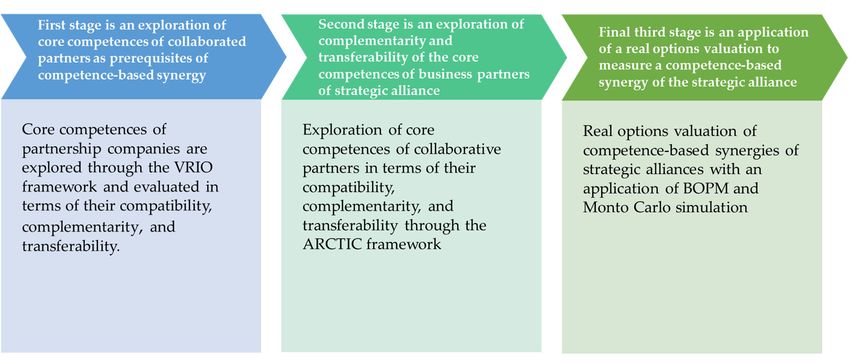
Figure 1. The conceptual model of the research.
FigureThere
1. Theare three stages
conceptual modelofofthe
the current
research.research to answer the research question. The
first stage of the current research involves the ARCTIC framework’s application process.
The The
author has asked
author justified thethe criticalquestion:
research success how factors of competence-based
to explore the prerequisites synergy and
of compe-
codified them in the ARCTIC framework by noting in the form
tence-based synergies in strategic alliances and value these synergies employing real op- of responses “Yes” or “No”
regarding
tions? their compatibility,
The research question is complementarities,
answered by analyzing and an transferability
inductive case of study
the appropriate
that helps
core
an competencies
outsider understand of one strategic
critical partner
success to other
factors alliance partners.synergy in the strate-
of competence-based
Practically,
gic alliance the application
formation of the ARCTIC
and post-formation framework
processes and the within
realthe first stage
options of research
valuation tech-
consists of two steps. In the first step, the
nique measuring quantitatively competence-based synergies.core competencies of both partnership companies
are identified
There are using the VRIO
three stages framework.
of the current researchUsing to theanswer
VRIO the framework, the resources
research question. The
first stage of the current research involves the ARCTIC framework’s applicationvalue
and capabilities of collaborating companies can be evaluated in terms of their (V),
process.
uniqueness and rareness (R), imitability (I), and organization
The author has justified the critical success factors of competence-based synergy and cod- (O). Therefore, the VRIO
framework
ified them inallows identifying
the ARCTIC the core by
framework competencies
noting in the of form
partnering companies
of responses as or
“Yes” a source
“No”
of their sustained competitive advantages.
regarding their compatibility, complementarities, and transferability of the appropriate
In the second step,
core competencies of one thestrategic
competence
partner complementarity
to other alliance and transferability analyses were
partners.
donePractically,
by employing the ARCTIC framework. An ARCTIC
the application of the ARCTIC framework within the framework (A—Advantage,
first stage of R— re-
Relevance, C—Communication, T—Trust, I—Integration Plan, C—Cultural Fit) was used
search consists of two steps. In the first step, the core competencies of both partnership
to evaluate if core competencies can be transferred in the strategic alliance management
companies are identified using the VRIO framework. Using the VRIO framework, the re-
and generate synergy. To some extent, the ARCTIC framework is similar to the VRIO
sources and capabilities of collaborating companies can be evaluated in terms of their
framework, where “A” of the ARCTIC framework corresponds to “R and I” of the VRIO
value (V), uniqueness and rareness (R), imitability (I), and organization (O). Therefore, the
model, “R” corresponds to “V” and “C, T, I, and C” corresponds to “O”. The first two
VRIO framework allows identifying the core competencies of partnering companies as a
factors are concerned with “strategic fit” of business partners resources and help to explore
source of their sustained competitive advantages.
the potential effectiveness of core competence in the new organization.
In the second step, the competence complementarity and transferability analyses
The other four factors (C, T, I, and C) are more concerned with “organizational fit” and
were done by employing the ARCTIC framework. An ARCTIC framework (A—Ad-
explore the transferability of core competencies and with the mutual integration process.
vantage, R—Relevance, C—Communication, T—Trust, I—Integration Plan, C—Cultural
By using the ARCTIC framework, core competencies of an “A” partnership company can
Fit) was used to evaluate if core competencies can be transferred in the strategic alliance
be analyzed by a “B” partnership company in terms of their complementarity, compatibility
management
(A and R), and and generate synergy.
transferability Toand
(C, T, I, someC) extent,
by giving thetheARCTIC
answers framework is similar
“Yes” or “No.” Then,to
the VRIO
in the same framework,
manner, the where “A” of theanalyzes
“A” company ARCTIC framework
the corresponds
core competencies of thetocollaborating
“R and I” of
the VRIO model, “R” corresponds to “V” and “C, T, I,
“B” company. To obtain a competence-based synergy, core competencies must satisfy and C” corresponds to “O”.allThe
six
first two factors are concerned
of the ARCTIC framework criteria. with “strategic fit” of business partners resources and help
to explore the potential
The second stage is effectiveness of core competence
primary research. To justify six in the newsuccess
critical organization.
factors of the
ARCTIC framework in the context of the strategic alliance though the opinions of practi-
tioners involved in strategic alliances of the automotive industry, the primary research was
done. First, the interview with the Global Manager Human Resources (HR) of the Renault
group was carried out. The objective of this interview was to gain a practitioner’s opinion
on the critical success factors regarding the competence-based synergy in the Renault–
Nissan–Mitsubishi group’s current performance. The interview included eight open-endedJ. Risk Financial Manag. 2021, 14, 385 9 of 22
questions divided into three themes: the strategic alliances in the automotive sector, the
critical success factors of the Renault–Nissan–Mitsubishi alliance, and strategic sources of
competence-based synergies of the strategic alliances. Then, online survey questionnaires
were sent to experts in the automotive industry that are active in the business (Čirjevskis
and Fialeix 2021).
Cross-sectional survey questionnaires were the main data collection technique. The
questionnaire was developed based upon success factors obtained from the literature
review and success factors gauged by the interviewed executive in the earlier stage. The
questionnaire has been made with Google Forms. The survey’s questions were related to
respondents’ experience in strategic alliance formation and synergy creation processes. The
online questionnaires were sent to the Renault network thanks to the help of the Global
Manager HR—Product Engineering Department in the Renault Group; in addition, the
questionnaires have also been sent to other automotive companies using the internet. The
questionnaires were sent online randomly to 900 strategical employees of the European
automotive industry thanks to social networks (mainly LinkedIn). The questionnaire was
online for 15 days from the 7th until the 22nd of April of the 2020 year, and 102 employees
of different automotive producers responded (Čirjevskis and Fialeix 2021).
In this vein, the current paper applies a case study research methodology to explore a
single phenomenon (competence-based synergies) in a natural setting (Renault–Nissan–
Mitsubishi strategic alliance) using a variety of methods (qualitative and/or quantitative)
to obtain in-depth knowledge (about the appropriateness of the ARCTIC framework to
assess prerequisites of competence-based synergies). The method used to collect data in
this case study includes interviews with top management representatives, experts’ surveys,
and documentary analysis. (Eisenhardt 1989, p. 534) advises that it is usually best to
“combine data collection methods such as archive searching, interviews, questionnaires,
and observation. The evidence may be qualitative (e.g., words), quantitative (e.g., numbers)
or both”.
According to (Scapens 1990), the method used is the illustrative case study, where
research attempts to illustrate a new and possibly innovative practice (an application of
the ARCTIC framework to predict competence-based synergies adopted of a particular
strategic alliance). Therefore, since the research aims not only to explore certain phenomena
but also to understand them within a particular strategic context, statistical analysis is
not needed to reach the aim of current research. In deciding how accurate the author
wants his research tone and balancing practical considerations against statistical power
and generalizability, the author adopted (Roscoe 1975)’s suggestion that sample sizes larger
than 30 and less than 500 are appropriate for most research. (Sekaran and Bougie 2016)
agree that sample sizes larger than 30 and less than 500 are appropriate for most research
in social science.
However, because the statistical analysis (neither common method bias nor no-
response bias) was not planned in the current research, the author has to discuss the
generalizability and validity of this research. When it comes to the validity of qualitative
case study research, validity refers to the extent to which the qualitative research results
accurately represented the collected data (internal validity), and can be generalized or
transferred to other contexts or settings (external validity) (Sekaran and Bougie 2016).
The third stage is quantitative research, specifically, a valuation of competence-based
synergies in strategic alliances with a real option application to obtain a numerical assess-
ment of synergetic effects with a particular focus on the joining in 2016 of the Mitsubishi
Motors corporation into the Renault–Nissan alliance. The addition of Mitsubishi to the
alliance is an intriguing case in the context of competence-based synergy. With the appli-
cation of the ARCTIC framework, it becomes evident that the joining of Mitsubishi was
important in terms of economy of scale (A), geographic diversification (R), and access to
plug-in-hybrid-electric vehicles (PHEVs) technologies (A and R). On the other hand, it
could have provoked a challenge in terms of the cultural clash when two partners were
Japanese firms but only one partner was French (last C).J. Risk Financial Manag. 2021, 14, 385 10 of 22
Then, the competence-based synergies of including Mitsubishi into the Renault–
Nissan strategic alliance are measured by employing real options application: the Bi-
nominal Option pricing model (BOPM) and Monte Carlo simulation (MCS). While the
binomial lattices approach is the most convenient, flexible, and intuitive in valuing real
options, the Monto Carlo simulation provides highly accurate and quick ROV results
(Čirjevskis 2021b).
4. Empirical Testing of the ARCTIC Framework: Renault–Nissan–Mitsubishi Strategic
Alliance. Data and Interpretation
The Renault company is a French car manufacturer who had a good presence in
Europe and Latin America; however, Asia, which was just beginning to reveal its significant
growth potential, remained its weak point in the 1990s. Regarding Nissan, the company
experienced its greatest expansion in the 1970s when the entire Japanese auto industry was
expanding and became the number two Japanese automobile, behind Toyota. However, in
its race with Toyota, in the 1990s, the company Nissan fell behind in the development of its
new products, and the identity of its products looked unclear.
At the end of the 1990s, Nissan was close to bankruptcy. In this vein, the two manu-
facturers, aware of the current challenges in the race for globalization, sought to diversify
their core competencies by joining forces. After several months of negotiations, the two
companies came together. In 1999 a company incorporated under Dutch law, Renault–
Nissan BV, was created to work out a common strategy and develop synergies; it is equally
owned by Renault and Nissan. Carlos Ghosn, CEO of Nissan, undertook the recovery of
the company, with the plan “NRP”, the Nissan Revival Plan.
By practicing a drastic cost reduction policy, by cutting 28,000 jobs, and by taking
advantage of synergies with its new shareholder, Nissan was once again becoming a
globally competitive company. Moreover, after the first alliance between Renault and
Nissan, the group developed further competencies by buying a stake in another brands
such as Mitsubishi Motors in 2016.
The Renault–Nissan alliance overtook its rivals Volkswagen and Toyota and became
the largest carmaker in the world in 2017 (Campbell 2017). To evaluate how the competency-
based synergies had been generated in the Renault and Nissan alliance formation, the core
competencies were explored through the lens of VRIO and the ARCTIC frameworks.
4.1. The First Stage Is to Identify the Core Competencies of Renault and Nissan: Compatibilities
and Complementarity
To identify the core competencies of both companies, an application of the VRIO frame-
work was used, which stands for four questions that should be answered as to whether
resources and capabilities are: valuable; rare; costly or/and timely to imitate; efficiently and
effectively organized. According to the core competencies analyses of companies, they have
compatible core competencies and complement each other. Despite its financial difficulties,
the Nissan company had retained all of its technological competencies. In addition, Nissan
still held significant commercial positions in markets where Renault was practically absent:
Asia, the United States, where Nissan had been the first Japanese manufacturer to open
a factory, Mexico, the Middle East, and South Africa. On the other hand, Nissan needed
to find a way to open to Europe, which is an ultra-competitive market, to overcome the
financial crisis it was going through.
Thereby, both corporations have synergized complementarity in geographical pres-
ence, especially in the most important 21st-century Asian market. The alliance has gained
supply bargaining power and joined an investment in R&D enhancing electric cars pro-
duction. Thus, the complementarity and compatibility of core competencies of Renault’s
and Nissan’s groups generated striking reciprocal competence-based synergies. The addi-
tion of Mitsubishi Motors has increased the size of the alliance. (Nissan Motor Co., Ltd.,
Yokohama, Japan) acquired a 34 percent equity stake in Mitsubishi Motors on 20 October
2016, and together with Renault, Nissan and Mitsubishi Motors ascended to the top four
car groups globally in 2016.J. Risk Financial Manag. 2021, 14, 385 11 of 22
By including Mitsubishi in the alliance, the Renault–Nissan alliance afterward gained
core competencies in plug-in-hybrid-electric vehicles (PHEVs). Recently, Mitsubishi Motors
announced that the Outlander PHEV has closed out 2020 as Europe’s best-selling plug-in
hybrid of sport utility vehicles (SUV) (Mitsubishi Motors 2021). Moreover, in 2016, Mitsubishi
was added to the alliance’s competence in car brands and on small crossovers and hybrid
vehicles and, in 2019, the alliance included 10 car brands (Kreutzer and Pfeffer 2019).
Thus, the addition of Mitsubishi was important for gaining access to technologies
and for the additional economy of scale. Even though with the addition of Mitsubishi
Motors almost no new market access was gained (Kreutzer and Pfeffer 2019), as shown in
Table 1, Mitsubishi had core competence in the geographic presence in Australia, Indonesia,
Philippine, and Thailand markets. As it was announced by Carlos Ghosn, the planned
areas of collaboration of the 2016 Renault–Nissan–Mitsubishi alliance were purchasing,
plant utilization, technology, and marketing that there would be “massive” synergies for
Mitsubishi and substantial synergies for Nissan (Choudhury 2016). The joint synergy of
Nissan and Mitsubishi was planned as 187.47 M euro in 2017, and 465.77 M euro in 2018.
Table 1. The ARCTIC framework: analysis of complementarity, compatibility, and transferability of core competencies of
Renault–Nissan–Mitsubishi strategic alliance partners as prerequisites of competence-based synergy.
Core Competencies of Renault, Nissan, and Mitsubishi (A?) (R?) (C?) (T?) (I?) (C?)
Renault core competence in the distribution network in Europe yes yes yes yes Yes yes/no
Renault core competence in R&D yes yes yes yes Yes yes/no
Renault core competence in vehicle design yes yes yes yes Yes yes/no
Renault core competence in diesel engines yes yes yes yes Yes yes/no
Nissan core competence in distribution networks in North America and Asia yes yes yes yes Yes yes/no
Nissan core competence in quality assurance yes yes yes yes Yes yes/no
Nissan core competence in the efficient production system no no no yes Yes yes/no
Nissan’s core competence in gasoline engines. yes yes yes yes Yes yes/no
Mitsubishi core competence in a strong presence in Australia, Indonesia, Philippine,
no no no no No yes/no
and Thailand markets
Mitsubishi core competence in plug-in-hybris-electric vehicles (PHEVs) yes yes yes yes Yes yes/no
Mitsubishi core competence in car brands and on small crossovers and hybrid vehicles yes yes yes yes Yes yes/no
Source: Developed by the author based on the ARCTIC framework (Čirjevskis 2020a).
4.2. The Second Stage Is to Assess the Prerequisites of Competence-Based Synergy in the Strategic
Alliance Functioning Process through the ARCTIC Framework
Step two is to assess the prerequisites of competence-based synergy in the strategic
alliance functioning process
Having assessed the potential of the competence-based synergy of the merger of the
Renault–Nissan strategic alliance by the ARCTIC framework application, it became evident
that compatibilities and complementarity of core competencies of Renault and Nissan
helped to develop their further growth and to generate competence-based synergies. After
the alliance formation, the group benefits from the core competencies of each other as
shown in Table 1.
The ARCTIC framework is clearly illustrating both Renault, Nissan, and Mitsubishi’s
several numbers of core competencies that possess compatibility and complementarity.
They are complementary in terms of geographies (R), competencies in manufacturing exper-
tise, and technologies (A). Moreover, the competence-based synergy potential can be found
in global purchasing power, reducing the cost of goods sold, R&D and technologies sharing,
global marketing efforts, and distribution networks of vehicles and after-sales services.
When it comes to transferability of core competencies, France and Japan are different
on several Hofstede dimensions (e.g., long-term orientation, masculinity, individualism),J. Risk Financial Manag. 2021, 14, 385 12 of 22
different leadership styles (a consensus versus a meritocracy), and different norms and
values (a focus on a profit versus a focus on the growth of market share) (Kreutzer and
Pfeffer 2019) as given in Table 2.
Table 2. Comparison of Hofstede’s cultural values between France and Japan.
Cultural Dimension France Japan Difference (%)
Power distance 68 54 21%
Individualism 71 46 35%
Masculinity 43 95 54%
Uncertainty avoidance 86 92 7%
Long-term orientation 63 88 28%
Indulgence 48 42 12%
Source. Developed by the author based on (Hofstede Insights 2021).
On the one hand, partners convinced themselves that cultural barriers could be
overcome, and both partners were aspiring automotive companies ambitious to achieve
global growth, although French and Japanese culture has different values and norms
(Kreutzer and Pfeffer 2019). On the other hand, France and Japan are good examples of high-
context cultures (Katz 2005). In the high-context cultures of France and Japan, building a
strong network of dependable relationships is a way to “fill the gaps” and become aware of
what is going on (Katz 2005). Moreover, in the high-context culture, people emphasize long-
term relationships and loyalty that enhance knowledge management, shape absorption
capacities, and facilitate core competency transfer (Gać and Górzyński 2009).
Because Renault did not directly hold any Mitsubishi shares, it can be argued that
Nissan gained some power relative to Renault in the alliance. The two Japanese partners
may be closer to each other than to their French partner in terms of culturally influenced
values (Huang 2018). This could impair the development of a common organizational
culture, and the government interests are proving to be growing problems for the group
which has never been so close to the end of its alliance as today. That is why the answers
on the cultural convergence (last C) are “Yes” and “No”, meaning success in the past but
that it might be a challenge in the future.
During the second stage of the research, to justify the VRIO and ARCTIC frameworks’
results, the Renault Global Manager HR was interviewed via Skype for 50 min from
10:30 a.m. till 11:20 a.m. on April 20, 2020. The objective of this interview was to obtain a
managerial opinion on the market regarding the alliances and synergies, the Renault Nissan
group’s current situation, and its strategic goals (Čirjevskis and Fialeix 2021). During the
alliance, the HR manager was the distribution manager and therefore could describe the key
factors to consider when one company allies with another company. After analyzing this
interview result, which greatly helped this research, the first competency that stood out was
the strategic complementarity of the two companies in terms of their core competencies.
By joining forces, both companies were able to significantly expand their market share
while benefiting from the core competencies of the other company. In addition, this alliance
was made in an egalitarian manner while protecting the history and identity of each of the
companies. Furthermore, after the first alliance between Renault and Nissan performing
well, Renault acquired a majority stake in Samsung Motors in 2001 (which now stands
at 80.1%) (Renault Group 2012), and thus established a significant presence in the South
Korean market; Nissan bought Mitsubishi in 2016. Today the group has 12 brands and still
has big ambitions.
When it comes to transferability of core competencies in an alliance, the Global
Manager HR at Renault Group argued that the most important success factors for obtaining
managerial synergy in an alliance are mutual trust (T), integration plan (I), and ability to
overcome cultural obstacles (last C). Moreover, the survey results (n = 102) justified strategic
factors of managerial synergies as follows. Having employed social networks (mainly
LinkedIn), the questionnaire was sent to 900 strategic employees of different automotiveJ. Risk Financial Manag. 2021, 14, 385 13 of 22
companies. The questionnaire was online for 15 days from the 7th till the 22nd of April of
2020 and received 102 answers (Čirjevskis and Fialeix 2021).
The survey made it possible to operationalize certain critical success factors on the
transferability of core competencies in alliances provided by the executive and to justify the
ARCTIC framework factors, particularly, regarding transferability (C, T, I, and C factors)
in the ARCTIC framework. As mentioned before, internal communication (C) is essential,
however, external communication is also indispensable. Cultural differences (last C) can
be an obstacle to the development of an alliance. As part of the Renault–Nissan Alliance,
a charter was developed to promote cohesion and understanding. Planification of the
integration (I) was also quite crucial.
For example, in 2017, the Renault–Nissan–Mitsubishi alliance announced the six-year
plan called “Alliance 2022” that set a new target to double annual synergies to €10 billion
and plans to develop twelve new “100% electric” vehicle models by 2022 (Kreutzer and
Pfeffer 2019). Finally, the survey confirmed that, for the employees’ mutual respect, trust
(T) and communication (C) are the most important factors. The factor of the integration
plan (I) seems also among the critical success factors. A right estimation of time and
resources needed to be achieved for the synergy, frequent communication with the leaders,
development of clear roles, policy and guidelines, clear directive for each employee, and
realistic objectives of the collaborative group have been also more frequently mentioned
among other success criteria.
Today, the Renault–Nissan–Mitsubishi alliance is the group in the world that sells
the third most after the Toyota group and Volkswagen group (Kreutzer and Pfeffer 2019).
Nevertheless, despite the great results and the profitability of the alliance, today, the
group is facing some strategic and managerial conflicts that are negative for the group and
could drive to separation if no solution is found. These issues are further discussed in
the Conclusion.
4.3. Third Stage of the Research Is Real Options Application
Nissan Motor Co., Ltd. acquired a 34 percent equity stake in Mitsubishi Motors by
237 billion yen ($2.29 billion) on 20 October 2016 (Choudhury 2016). To assess the competence-
based synergies with a real option, first, the Monte Carlo simulation was applied to obtain
the theoretical value of options (synergies). Parameters of the Monto Carlo simulation to
value the European call option and thereby to value a competence-based synergy are given in
Tables 3 and 4.
Table 3. Real option variables: sources and data.
Option Variables Sources Data
Nissan Motor Co., Ltd. (NSANY)—market cap as of 21/10/2016:
USD 38.77 bn. (YChart 2021a)
The price of the underlying assets from the
Stock price S(t) Mitsubishi Motors Corp (MMTOF)—market cap as of 17/10/2016:
YChart portal (YChart 2021a, 2021b)
USD 4.667bn (YChart 2021b)
Therefore, the price of the underlying assets: S(t) was USD 43.437 bn.
Nissan Motor Co., Ltd. EBITDA was $13.497 bn in 2016
(Macrotrends). Nissan Motor Co., Ltd. EV/EBITDA multiple in 2016
The future value of Nissan Motor Co., Ltd. was 2.9 (Helgi Library 2021). The hypothetical future market value of
was calculated with EV/EBITDA multiple in Nissan Motor Co., Ltd. equaled $39.14 bn.
Strike price
2016, and the future value of Mitsubishi Mitsubishi Motors Corp EBITDA was $2702 in 2016 (Macrotrends).
K
Motors Corp using EV/EBITDA multiple in Mitsubishi Motors Corp EV/EBITDA multiple in 2016 was 1.2 (Fin
2016 (Helgi Library 2021) Box 2021). The hypothetical future market value of Mitsubishi Motors
Corp equaled $3.2 bn.
Thus, the strike price (K) was $42.34 bnYou can also read


