Extending the benefits of trade to reduce poverty - World Vision Australia
←
→
Page content transcription
If your browser does not render page correctly, please read the page content below
Extending the benefits of trade to reduce poverty

This report distils the insights                                                                                                       Contents
and views from the Aid for                                                                                                             Foreword		02.

Inclusive Trade Workshop
                                                                                                                                       Ratnakar Adhikari (World Trade Organization)

                                                                                                                                       Introduction		03.

held in Canberra in February
                                                                                                                                       Claire Rogers (World Vision Australia)

                                                                                                                                       01 Market Systems 		 04.

2019, which brought together                                                                                                           and Aid for Inclusive Trade
                                                                                                                                       Andy Hunter (World Vision Australia) and Julie Delforce
                                                                                                                                       (Department of Foreign Affairs and Trade)

around 80 Aid for Trade                                                                                                                02 Gender and Aid for Inclusive Trade		 10.
                                                                                                                                       Ellie Wong (World Vision Australia) and Jim Redden

practitioners and policymakers
                                                                                                                                       (University of Adelaide)

                                                                                                                                       03Disability and Aid for Inclusive Trade 		 18.

from a range of sectors to                                                                                                             Christina Parasyn (CBM Australia), Kylie Mines (Motivation Australia),
                                                                                                                                       Ipul Powaseu (Deakin University), Dwi Ariyani (Disability Rights Fund),
                                                                                                                                       and Kieran Power (IP Australia)

discuss ways to maximise the                                                                                                           04 The Circular Economy 		 24.
                                                                                                                                       and Aid for Inclusive Trade

inclusiveness
                                                                                                                                       Shunta Yamaguchi (OECD), Monique Retamal (University of Technology Sydney),
                                                                                                                                       Jack Whelan (Pacific Region Infrastructure Facility) and Assa Doron (Australian
                                                                                                                                       National University)

of Aid for Trade.                                                                                                                      05 Technology and Aid for Inclusive Trade		 32.
                                                                                                                                       Michael Priddis (Faethm) and Agnès Hugot (Fast Track Trade)

                                                                                                                                       06 Monitoring, Evaluating, Reviewing 		 38.
                                                                                                                                       and Learning from Aid for Inclusive Trade
Acknowledgements                              and Trade and World Vision Australia. The       For further information regarding this
                                              authors thank workshop participants for         report contact:                          Sabrina Varma (Department of Foreign Affairs and Trade)
 This report distils the insights and views   their contributions, which have helped
from the Aid for Inclusive Trade Workshop     inform the articles in this report. The views   Dane Moores
                                              represented here are the authors’ own and       Policy Manager, World Vision Australia   Conclusion                                                                47.
held in Canberra in February 2019,
which brought together around 80 Aid          do not necessarily reflect the views of their   Dane.Moores@worldvision.com.au
                                                                                                                                       Peter Draper (University of Adelaide)
for Trade practitioners and policymakers      respective organisations.
from a range of sectors to discuss ways
to maximise the inclusiveness of Aid for      The printing of this report was funded by                                                Author Biographies		 48.
Trade. The Workshop was co-hosted by          Australia’s Department of Foreign Affairs
Australia’s Department of Foreign Affairs     and Trade.
Foreword Introduction
__ __
Ratnakar Adhikari – Executive Director, Executive Secretariat for the Enhanced Claire Rogers – CEO World Vision Australia
Integrated Framework at the World Trade Organization
The global trading Every day, new
However, more remains to be done. We
In the global fight against We must come up with new approaches
need to find better ways to maximize The statistics and new ways of doing things to ensure
landscape has evolved technologies are the impact of trade development poverty, trade has proven are well known that the benefits of trade and economic
significantly since the shaping the way interventions. We also need to ensure a
to be a tremendous growth reach beyond national borders
coherent action of responses to the global – more than one (where trade agreements end) and beyond
start of the Aid for Trade we work and channel for progress.
climate change challenges. The potential
billion people market-ready individuals to include those
Initiative in 2005. trade. Between of a circular economy is yet to be fully
who have not engaged meaningfully in trade
explored. Innovation requires flexibility, have been lifted before – those at the margins of markets
2018 and 2021, agility and an open mind to better adapt out of poverty and states.
over two million to the rapidly changing landscape of trade
over the past
development and Aid for Trade. The purpose of this report is to continue
robots will enter three decades, this conversation on how to maximise
the workforce. Realizing the Global Goals’ avowed
largely driven by the inclusiveness and poverty reduction
aspiration of leaving no-one behind
Similarly, requires concerted efforts from the economic growth
potential of Aid for Trade. It synthesises
insights and lessons learned from across
digital trade is international development community.
enabled by trade. sectors – including government, academia,
Programmes, such as Fair Trade and the
expanding at an Enhanced Integrated Framework (EIF),
non-government organisations and the
private sector – on how to most effectively
unprecedented help create the foundation for promoting However, not everyone has had equal empower and include socially disadvantaged
pace. an inclusive trade agenda. They serve as a
platform to connect the poorest to global
access to trade, and significant inequalities groups in varying forms of trade. In doing
persist today. Some countries face significant so, it considers emerging lessons from
markets. structural barriers that hold them back market systems development programming,
Aid for Trade has been supporting from taking full advantage of global trade, the systemic barriers facing women and
developing and least developed countries A holistic approach, such as inclusive value and there are marginalised communities people with a disability, challenges and
to become more active players in global chain development linking poorest women within all countries that struggle to access opportunities arising from technology and
trade. Since 2005, over US$400 billion farmers to the global market supported and benefit from trade activities. Women the circular economy, and the importance
has been disbursed to build the capacity through Aid for Trade programmes, could are more economically excluded than of embedding appropriate monitoring and
to trade of the developing world, with be a game changer for promoting inclusive men on almost every economic indicator. evaluation frameworks into trade activities.
one quarter of it going to the poorest trade. However, we need to build on People with a disability, 80% of whom live
countries facing the most challenging successful examples for the private sector in poverty, also face significant barriers to By being intentionally more inclusive, we
contexts. to step in and ensure magnitude and scale. gaining employment and participating in the can together expand and deepen the
trading system, as do youth, the ultra-poor global trading system, grow the workforce
What is also evolving is the way we The Aid for Inclusive Trade publication is and rural and remote households. and consumer base, strengthen supply
approach trade development. The unique. It illustrates the prerequisites for
chains and, ultimately, reduce poverty and
prospects for achieving a real inclusion making the opportunities offered by global Looking ahead, new and more inclusive inequality on a system-wide scale.
within the Aid for Trade domain seems to markets work for all. More importantly, approaches will be vital to ensure that the
be growing. The poorest communities in it provides examples of what works and benefits of economic development enabled
the most challenging and fragile contexts, what does not, as well as draws lessons by an open international trading system
including farmers and small traders and for future interventions. I commend World are maximised as a pathway out of poverty
people with disabilities, as well as women Vision Australia and the Department of for developing countries and for the most
and youth, are increasingly becoming an Foreign Affairs and Trade of Australia in marginalised communities within them.
integral part of Aid for Trade. For example, making Aid for Trade truly inclusive. The
women’s economic empowerment is EIF is delighted to be associated with this
at the centre of 84% of donor Aid for novel initiative.
Trade strategies and of 85% of partner
country national or regional development
strategies.
2. Aid for Inclusive Trade Aid for Inclusive Trade 3.
Chapter 01                                                                     Market
                                                                               Systems
                                                                               and Aid for
                                                                               Inclusive
                                                                               Trade
                                                                               __
                                                                               Andy Hunter – World Vision Australia
                                                                               Julie Delforce – Department of Foreign Affairs and Trade

                                                                               Introduction                                    farmers and workers to international
                                                                                                                               markets through sustainable supply chains
                                                                                                                               that meet strict standards and guarantee a
                                                                               Markets are all-pervasive.                      premium price, ensuring improved working
                                                                               All households, even the                        conditions and terms of trade.

                                                                               poorest and most isolated,                      The Australian Aid Program supports
                                                                               participate in market                           both the EIF and Fair Trade. It also has a
Key points:                                                                    activity of some type –                         growing portfolio of programs that follow
                                                                                                                               the Market Systems Development (MSD)
                                                                               local, national                                 approach – formerly known as ‘Making
                                                                                                                               Markets Work for the Poor’ (M4P). World
• Taking a market systems approach                                             or international –                              Vision Australia has recently documented its
  is a useful way to address the                                               as producers, consumers                         own research into making market systems
                                                                               and/or workers.                                 more inclusive, highlighting the importance
  underlying causes of market
                                                                                                                               of focusing on building the ‘productive
  dysfunction to expand trade                                                                                                  capacity’ of small-scale producers. Hybrid
  opportunities for the poor.                                                                                                  or push–pull models draw on the strengths
                                                                               However, the benefits of market                 of both MSD and more traditional farmer-
• However, market-based                                                        participation do not always benefit the         focused value chain approaches, helping
  interventions alone may not be                                               poorest and most marginalised.                  ensure that no-one is left behind or further
                                                                                                                               disadvantaged as markets develop.
  sufficient to ensure that the most                                           Development agencies and practitioners
  marginalised households can                                                  undertake a range of Aid for Trade
  access and benefit from trade                                                initiatives to strengthen market systems in
                                                                               ways that will generate greater benefits for
  opportunities.
                                                                               the poor. Some of these are canvassed in
• Complementing a systems-                                                     this chapter. At a global level, for example,
                                                                               the Enhanced Integrated Framework (EIF)
  focused ‘pull’ program with push                                             assists Least Developed Countries to use
  strategies to build productive                                               trade as an engine for growth, sustainable
  capacity can extend the impacts                                              development and poverty reduction. The
                                                                               Fair Trade initiative helps link small-scale
  so that no-one is left behind.
                                       Thriving coastal market system in the
                                       Caribbean © 2006 AusAID
                                                                                                                                                Aid for Inclusive Trade   5.
Emerging issues associations or cooperatives that create that system and partner with selected
economies of scale by pooling resources, market actors to stimulate or facilitate
expertise and outputs. This opens up lasting change, ensuring that improvements
Micro and small financing and market access opportunities are not dependent on continued donor
enterprises face many and strengthens bargaining power for support, but rather a commercial business
both input purchases and product sales. imperative.
difficulties in engaging Farmer groups are also better positioned
in trade – especially to acquire new knowledge in order to
internationally – meet phytosanitary or quality standards Each intervention
as required by global markets, and benefit
in a profitable and from the resulting price premiums. Modern
is part of a
sustainable way. technologies are also helping boost broader strategy
productivity, enable information flows, to make markets
expand marketing options and improve
returns by satisfying consumer demands for work better for a
This is particularly true in agriculture, which certification and traceability. One current large number of
is heavily dominated by small-scale farming. example of technologies benefiting farmers
Nearly 90% of the world’s 570 million farms is DFAT’s MDF program which increased poor people.
are smaller than two hectares.1 Smallholder silage production through the use of silage
farmers often struggle to produce the production machinery.2 Australian Aid MSD programs span a wide
quantity and quality required by formal variety of geographies and economies, A female farmer in a newly planted moringa
markets and value chains. Many lack the Another approach that has gained currency from middle-income countries in South field in Indonesia © World Vision
information, understanding, connections, in recent years is MSD. This recognises and Southeast Asia to the relatively small
access to finance and business skills needed that farmers, businesses and governments markets of Timor–Leste and the Pacific
to engage successfully in trade. all interact within a system that also
Case study:
(Figure 1). An example from Indonesia is
encompasses functions and rules such as highlighted in the Case study Box.
Helping communities address these policies, regulations and cultural norms.
constraints often involves forming farmer MSD programs analyse and engage with
Figure 1: Current Australian MSD initiatives
Promoting Rural Income through Support
for Markets in Agriculture (PRISMA)
Pakistan
PRISMA is a major PRISMA works with and through a range An example of PRISMA’s work in a
Vietnam of private and public sector partners to particularly challenging context was in the
10-year Australian improve farmers’ access to inputs, services, vegetable sector of Papua province, where
Cambodia Philippines
Government investment information and markets. low productivity and poor quality were
constraining farmers’ returns. PRISMA
Sri Lanka
Malaysia
in market systems In its first five-year phase (2013–18), identified key constraints as the limited
Papua
Indonesia
New Guinea development in the PRISMA’s goal was to improve the incomes supply of good quality seed, high production
Soloman Is of 300,000 smallholder farmers by at costs and poor agricultural practices.
agricultural sector in least 30%. It exceeded this target, with PRISMA then partnered with a nursery, an
Timor Leste
eastern Indonesia. over 330,000 households experiencing an input supplier and a bank to improve access
Fiji average income increase of over 250%. for smallholder producers to higher quality
Nearly two-thirds of these had been below vegetable seeds, appropriate chemical
the $2.50PPP poverty line, while 15% were inputs and financial services. The input
extremely poor, with daily incomes below providers also trained the farmers in good
New Zealand $0.74. agricultural practices. As a result, nearly
3,500 households (62% below $2.50PPP)
The program also stimulated additional increased their incomes.
investment of AUD92 million, including a
___ significant contribution from the smallholder
1. Lowder, S., Skoet, J., and Raney, T., 2016, ‘The Number, Size, and Distribution of Farms, Smallholder Farms, and Family Farms Worldwide’, World Development,
Vol 87, pp. 16–29, available at: https://www.sciencedirect.com/science/article/pii/S0305750X15002703, accessed 13 May 2019.
farmers themselves, proving that the poor
2. Conroy, K. and Kessler, A., 2019, ‘The results achieved by programmes that use the market systems development approach, A narrative synthesis of current are willing to invest to achieve income
evidence’, BEAM Evidence Review, p. 15, available at: https://beamexchange.org/resources/1226/, accessed 13 May 2019.
growth.
6. Aid for Inclusive Trade Aid for Inclusive Trade 7.
Case study:
Discussion adapt to local circumstances and market We need to continue to Building localised capability through
feedback loops. And while wealthier farmers
tend to benefit soonest, the poverty embrace macro-economic market systems projects
Towards hybrid market outreach improves as the scale of impact change and celebrate
systems approaches broadens. In PRISMA, for example, the The most successful of these interventions The critical success factor for the design
proportion of poor beneficiaries doubled the large-scale systemic As an implementing
was done in a partnership with an of this new project was the ability to
PRISMA and Australia’s other MSD
over the life of Phase 1. change that is possible partner of PRISMA, Indonesian agri-input supply company that retain and develop the experience, talent
programs provide evidence of the The question remains, however, whether in economies, while World Vision managed manufactured the products necessary and learnings of key Indonesian staff
transformative potential of MSD across a for famers to double their crop yields. over a decade. The MORINGA project
the poorest and most marginalised are ensuring that such change three interventions related A business model was developed in leveraged the M4P capacity that World
wide range of economic settings3. able to take advantage of new market
opportunities created through standard
is combined with the work to the cashew subsector. partnership with the private company and Vision Indonesia developed through its
local extension agents (retailers and cashew involvement in the PRISMA program, with
MSD interventions. The rallying cry of the that still needs to be done
To maximise 2030 Agenda for Sustainable Development
aggregators) to create the distribution the original World Vision PRISMA project
at the household and mechanism for the products to small holder staff taking on more senior positions within
benefits for – ‘leave no-one behind’ – is reason to look farmers. Over the life of the project, 18,000 the organisation.
further into how development partners farmer level.
the poor, can best facilitate the sustainable (and fair)
farmers were reached and a measurable
increase in income was recorded among World Vision’s design team is now exploring
‘inclusiveness’ participation of the very poor in agricultural 6,000 households. sustainable, scalable M4P interventions
and other markets.
needs to be A number of Australia’s MSD programs with the project partners, while at the
are collaborating closely with NGOs in At the conclusion of its role under PRISMA, same time ensuring that the benefits reach
embedded The ‘push–pull’ approach to inclusiveness is World Vision was intent on building on the most marginalised by programming
outlined in briefs from USAID’s Leveraging push–pull or ‘hybrid’ models that harness
throughout the Economic Opportunities (LEO) project,4 the comparative advantages of both MSD these achievements and invested $4 million necessary direct facilitation in parallel,
over four years from its allocation under thereby implementing push–pull MSD
project cycle, from alongside other writings explaining the and value chain approaches. For instance
the Australian NGO Cooperation Program methodologies.
TOMAK (Farming for Prosperity) in Timor–
design through to evolution of the value chain framework
Leste, and AMENCA3 (Palestinian Farmers to support markets in the moringa tree and
toward the MSD approach.5 maize subsectors in the same regions of
implementation Connecting to Market) both rely heavily on
Indonesia through the MORINGA project.
NGO engagement with target communities.
and evaluation. Modern MSD thinking has tended to
focus on the ‘pull’ (i.e. catalytic change at
the macro level to strengthen the market Some international NGOs are meanwhile
For example, locations and commodities system in ways that ultimately benefit the strengthening their own analytical capability
can be selected to maximise impacts on poor). However, there is a risk that those at and market orientation to ensure that more
disadvantaged groups such as women or the margins remain marginalised even after sustainable linkages are made between
poor communities and the private sector Conclusion The traditional dichotomy between private As outlined above, smallholder farmers and
remote communities. Businesses will need MSD interventions which improve market
in their value chains. For example, in 2018 sector-led market expansion through other poor women and men face multiple
to see a strong business case and viable system functionality.
World Vision published a paper on Inclusive MSD, and NGO-led ‘direct delivery’, is and complex challenges in connecting to
implementing strategies if they are to While MSD programs
Market Systems Development,6 building on becoming less relevant as more NGOs markets. The EIF, Fair Trade, and a plethora
experiment with new practices (such as
employing women as sales agents). Not all a 10-year organisational history of value help markets ‘pull up’ the strengthen their market analysis and work of other Aid for Trade initiatives are helping
chain programming to embrace a push–pull to create sustainable linkages between poor address some of these constraints. Donor-
interventions will be successful, so there poor, their outcomes could communities and value chains. funded programs can be particularly
needs to be flexibility to shift focus and strategy in MSD programming (see Case
study). be extended even further effective and sustainable when they take
Leveraging private sector finance will a systems view and help strengthen the
by also providing a ‘push’ be critical to achieving the SDGs. This markets that matter to the poor. However,
that enables the poorest to requires working towards unlocking and there is no single ‘silver bullet’. Greatest
then illuminating the economic value of benefit will likely be achieved through a
engage sustainably in new the global poor and strengthening the mix of interventions, engaging at multiple
market opportunities and commercial imperative for the private points and with multiple actors in the
trade as part of a holistic sector to engage with poor communities. market system, including governments,
___ Push strategies can be effective in packaging multi-national conglomerates, local small
3. See Delforce, J. and Gill, T., 2018, Beyond Value Chains: Emerging lessons from Market Systems Development approaches in Australia’s aid programme, approach to Aid for Trade. up the concealed commercial value at businesses, farmers, households and
available at: https://beamexchange.org/resources/1156/, accessed 13 May 2019.
4. See Campbell, R., 2014, A framework for inclusive market system development, available at: https://beamexchange.org/resources/105/, accessed 13 May the bottom of the economic pyramid and communities.
2019; Garloch, A., 2015, A framework for a push/pull approach to inclusive market systems development, available at: https://beamexchange.org/
resources/543/, accessed 13 May 2019.
lowering the transaction costs to a point
5. See Kula, O., Downing, J. and Field, M., 2006, Globalization and the Small Firm: A Value Chain Approach to Economic Growth and Poverty Reduction, that enables and incentivises the private
available at: https://www.marketlinks.org/library/globalization-and-small-firm-value-chain-approach-economic-growth-and-poverty-reduction,
accessed 13 May 2019.
sector to service these communities.
6. See Hunter, A. and Moores, D., 2018, Towards a more inclusive approach to Market Systems Development, available at: https://beamexchange.org/
community/blogs/2018/7/17/inclusive-markets-matter/, accessed 13 May 2019.
8. Aid for Inclusive Trade Aid for Inclusive Trade 9.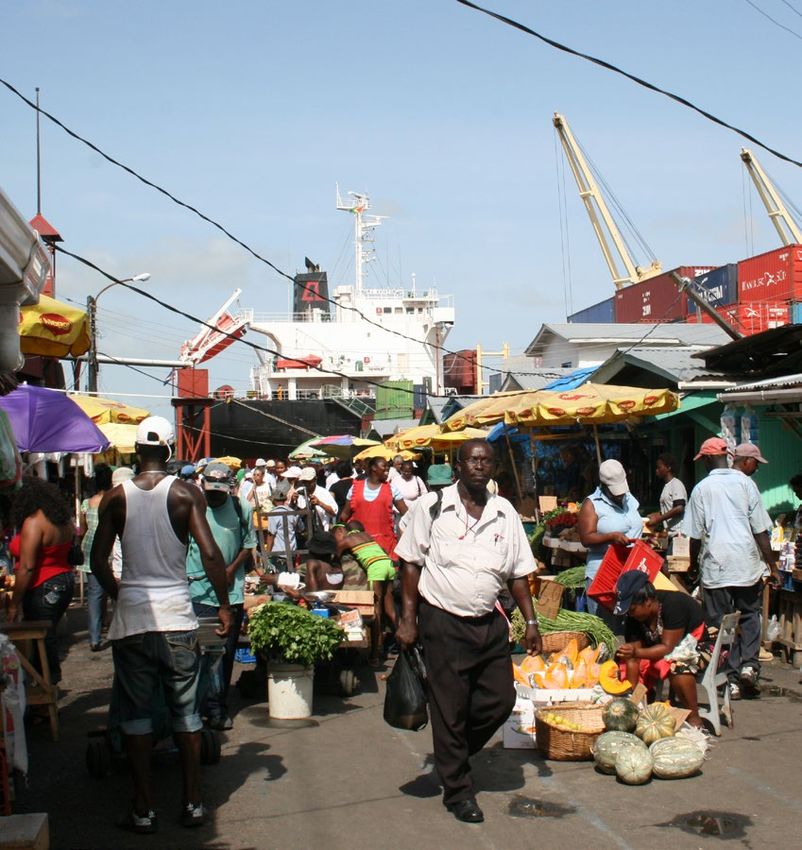
Chapter 02 Gender
and Aid for
Inclusive
Trade
__
Ellie Wong – World Vision Australia
Jim Redden – University of Adelaide
Introduction Donors and partner countries have
increased their attention to gender
dimensions in Aid for Trade. For the first
Women make up more time in the history of the World Trade
than half of the world’s Organization (WTO) in 2017, WTO
members and observers endorsed the
population but are Buenos Aires Declaration on Women
disproportionately affected and Trade to increase the participation of
women in trade, which seeks to remove
by poverty. barriers to, and foster, women’s economic
empowerment.8 Integration of gender into
Aid for Trade objectives is now considered
Women’s economic empowerment is mainstream practice.
critical to making Aid for Trade more
Key points: inclusive, in addition to contributing to
core growth objectives. According to the Today, 84% of
McKinsey Global Institute, if women could donor Aid for
achieve their economic potential, and play
an identical role in labour markets to that Trade strategies
• Trade is not isolated from gender
norms; gender norms are part
of men, then up to US$28 trillion could be and 85% of partner
added to the global GDP by 2025.7
of the unspoken rules within a country national
trading system. Women participate alongside men in or regional
local, national and international markets as
producers, consumers, entrepreneurs and
development
• If women achieved their full
economic potential, up to US$28
workers. However, given entrenched gender strategies seek
inequalities and harmful gender norms in
trillion could be added to the numerous economies, the ability of women
to promote
global GDP in 2025. to be recognised and benefit as economic women’s economic
actors, and their ability to access trade empowerment.9
• Recognising women as economic opportunities, is more limited compared
actors in their own right, Aid to men. Women often have less access to
market services and information, and less
for Trade programs should access to credit, inputs and technology. On
intentionally promote gender the other hand, when trade is inclusive,
equality outcomes in their it facilitates women’s equitable access to
World Vision is supporting women to participate in and opportunities, resources, employment.
implementation. benefit from agricultural markets in Jamalpur, Bangladesh, by
strengthening both women’s access and agency and working with
the private sector © 2017 Ellie Wong/World Vision Aid for Inclusive Trade 11.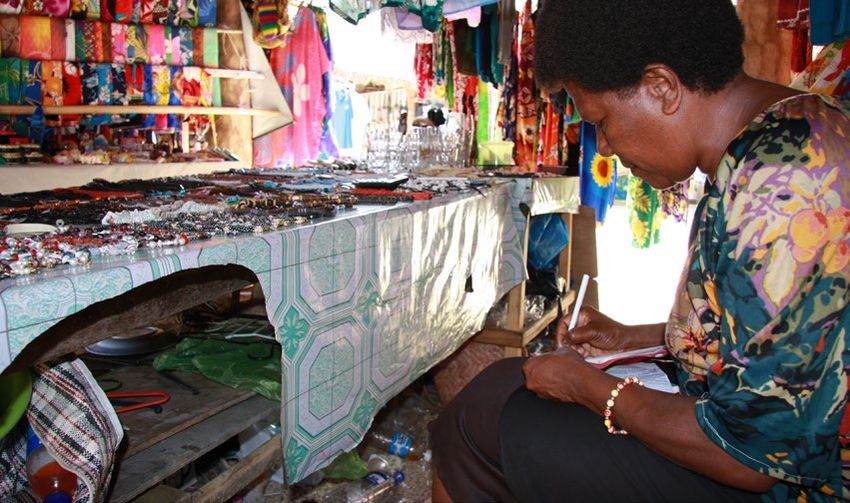
In Cambodia, World Vision is
supporting women members of
Agriculture Cooperatives such as
Mrs. San Soeub [pictured] to meet
export standards and connect with
export companies © 2019 World
Vision International
Key trends and While the situation
emerging issues of women differs
Trade does not function significantly
in isolation from closely- across developing
integrated social and countries, there
gender norms. are emerging
trends and
common barriers
As part of the enabling environment, faced by women.
gender norms are part of the informal or
unspoken rules within a trading system.
They influence where and what roles In the context of global trade, women
women and men play in trade, the extent are most active in textiles, agriculture,
that women and men can access trade, and fisheries and tourism.11 However, women’s
the gender-responsiveness of formal rules, roles within a market system are often
including policies on land rights, financial undervalued and underpaid, ‘hidden’ in the
services and business registrations. Gender informal market. This is especially the case in
norms are closely linked to the gender agriculture. It is estimated that the majority
inequalities and gender-based constraints of the world’s farms are family farming
that women face in international, national businesses.12 However, women are often
and local markets. not recognised as ‘real farmers’, despite
Case study:
playing important roles, for example, in
Not addressing these barriers has significant post-harvest processing or livestock rearing.
economic costs. According to McKinsey It is estimated that women do 2.6 times
(2018), in a best-case regional scenario, the more unpaid care and domestic work
Asia–Pacific could add $4.5 trillion to annual than men.13 Women often have more
GDP in 2025, or 12% above business as limited role in decision-making compared
to men, both at the household level and
usual. Some of the enablers of this growth
throughout global and regional value chains.
Applying a gender inclusion lens
are: women’s labour-force participation rate;
the number of paid hours women work The following case studies provide practical to trade programs
(part-time versus full-time mix of jobs); and examples of how programs are seeking
women’s productivity relative to men’s by to address gender equalities to promote
adding more women to higher-productivity growth, pro-poor and gender equality To support women’s These programs help markets actors to farmers from 38 Agriculture Cooperatives
sectors.10 outcomes. ‘reach down’ to poor women and men by in Preah Vihear, Kampong Thom and
economic empowerment, promoting gender-inclusive business models, Kandal provinces in their business models.
World Vision applies a which intentionally include both sexes. Recognising that Cooperatives and their
However, recognising the need for equity, members needed additional support, the
gender-inclusion lens to its programs also directly engage low-income project also provided training on financial
hybrid ‘push–pull’ market women producers, including female-headed literacy, farming as a business, and market
households, to equip them with the skills facilitation. Over the past three years
___ systems development and knowledge to participate and benefit (2016–2019), household income from
7. McKinsey Global Institute, 2015, The Power of Parity: How Advancing Women’s Equality Can Add $12 Trillion to Global Growth, available at: https://www.
mckinsey.com/featured-insights/employment-and-growth/how-advancing-womens-equality-can-add12-trillion-to-global-growth, accessed 13 May (MSD) work (described in from markets. agricultural activities increased, on average,
2019.
by 62% for cooperative members. The
8. World Trade Organization, 2017, Buenos Aires Declaration on Women and Trade outlines actions to empower women, available at: https://www.wto.org/
english/news_e/news17_e/mc11_12dec17_e.htm, accessed 13 May 2019.
Chapter 02). For example, through the Australian project focused on women’s increased
9. der Boghossian, Anoush, 2019, Research Paper on Women’s Economic Empowerment: an inherent part of Aid for Trade, Geneva: World Trade Organization,
available at: https://www.wto.org/english/res_e/reser_e/ersd201908_e.pdf, accessed 13 May 2019.
Government’s Australian NGO ‘access’ to new opportunities, resources and
10. McKinsey Global Institute, 2015, The Power of Parity: How Advancing Women’s Equality Can Add $12 Trillion to Global Growth, available at: https://www. Cooperation Program, the Cambodia networks, with women making up 72% of
mckinsey.com/featured-insights/employment-and-growth/how-advancing-womens-equality-can-add12-trillion-to-global-growth, accessed 13 May
2019. Sustainable Development Project worked the Agriculture Cooperative membership
11. World Trade Organization, 2017, Removing barriers to women’s participation in trade critical for economic development, available at: https://www.wto. in partnership with Cambodia companies, and 44% of the Steering Committee roles.
org/english/news_e/news17_e/gr17_12jul17_e.htm, accessed 13 May 2019.
12. Food and Agriculture Organization, 2014, State of the Food and Agriculture, available at: http://www.fao.org/publications/sofa/2014/en/, accessed 13 including top rice exporters Signature
May 2019.
13. UN Women, 2017, SDG 5: Achieve gender equality and empower all women and girls, available at: http://www.unwomen.org/en/news/in-focus/women-
of Asia and Amru Rice, to include poor
and-the-sdgs/sdg-5-gender-equality, accessed 13 May 2019.
12. Aid for Inclusive Trade Aid for Inclusive Trade 13.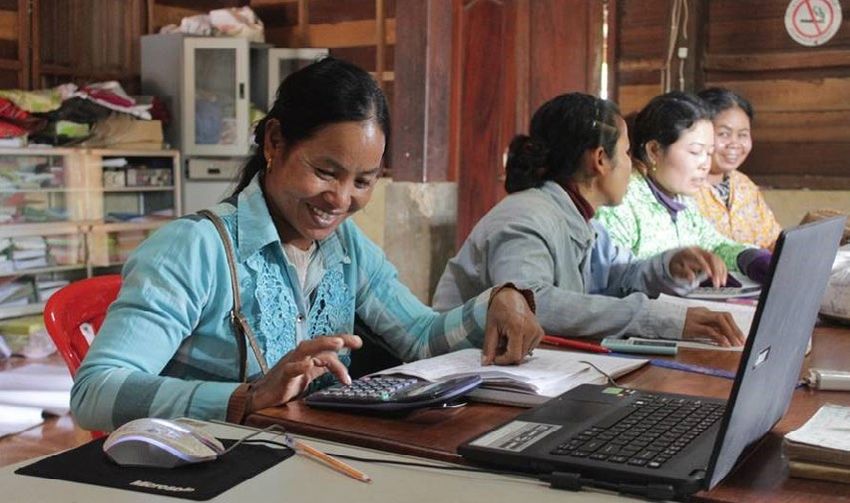
Port Vila handicraft seller totals a bill © 2009 AusAID

Applying a gender inclusion lens
to trade programs (continued)

CSBD Average Agricultural Income (USD)

 Mean                                                                             Median
                  Kampong              Kandal          Preah           Total          Total
                    Thom                              Vihear           Mean          Median
 Baseline                  665            1,038          1,340           1,158             875
 Endline                 1,575            2,552          1,873           1,880           1,348

Based on the findings from                        facing women in the area. This included a
                                                  mix of gender-responsive financial literacy,
previous inclusive market                         leadership and entrepreneurship training
systems development                               for women. Recognising the need to
                                                  influence the environment and structures
projects that focus on                            where women are situated, the project
women’s economic                                  has targeted gender norm change activities
                                                  including through community-based folk
empowerment, World                                songs and male engagement initiatives,
Vision is currently                               which aim to directly challenge specific
                                                  gender norms constraining women in the
piloting projects that

                                                                                                 Case study:
                                                  selected value chains. For example, the
promote both women’s                              project is promoting the value of women as
‘access’ and ‘agency’.                            key partners in the family farming business,
                                                  highlighting the important value addition
                                                  (or price raising potential) of activities
                                                  traditionally done by women such as chili
Also funded by the Australian                     processing and vegetable post-harvest          Gender-sensitive trade
Government’s Australian NGO                       processing. Finally, in partnership with
                                                                                                 facilitation
Cooperation Program, World Vision’s               international NGO Promundo – United
Nutrition Sensitive Value Chains for              States, building on their evidence-based
Smallholder Farmers project in Jamalpur,          Mencare and Journeys of Transformation                                       By intentionally considering the trade            information campaigns on safety issues for
Bangladesh, is one such example. Value            curriculums, the project is piloting a
                                                                                                 Trade facilitation involves
                                                                                                                               facilitation barriers facing women, these         women traders, and developed educational
chains – including chili, leafy greens, maize     household intervention amongst some            implementing policies and     initiatives can advance women’s economic          programs to educate female traders on the
and rice – were selected based on criteria        beneficiaries aimed at improving gender        programs to reduce cross-     participation while also expanding trade          law and their rights.
that included market demand, pro-poor             relations amongst married couples. Going                                     flows.
potential and, importantly, the ability for       through a 16-week participatory course,        border transactional costs                                                      Although the program has been
women to benefit from the interventions.          project facilitators work with couples to      to traders.                   For example, the South Asian Regional             implementing activities for a relatively
Responding to gender-sensitive market             engage with key topics including gender                                      Trade Facilitation Program (SARTFP) is a          short time, an initial evaluation found that
analysis, World Vision developed specific         equitable decision-making linked to family                                   joint Australian–World Bank initiative, which     development outcomes are beginning to
women’s economic empowerment                      business and household spending, as well                                     aims to integrate gender equality outcomes        emerge, including contributions to regional
strategies for each value chain, given the        as decisions around both paid and unpaid                                     in trade facilitation and infrastructure          connectivity, trade facilitation and gender
distinct opportunities and constraints            work.                                                                        connectivity throughout the South Asia            equality. These outcomes are strongest
                                                                                                                               region, with a particular focus on Bhutan,        at the micro level, for instance at cross-
                                                                                                                               Bangladesh, India and Nepal. Within two           border markets and trade through inland
                                                                                                                               years, the program has improved river             waterways.
                                                                                                                               crossing and island ferry services in India to
                                                                                                                               improve transport for women in rural areas,
                                                                                                                               supported Bangladeshi women involved
                                                                                                                               in cross-border trade, conducted public

14.    Aid for Inclusive Trade                                                                                                                                                                     Aid for Inclusive Trade    15.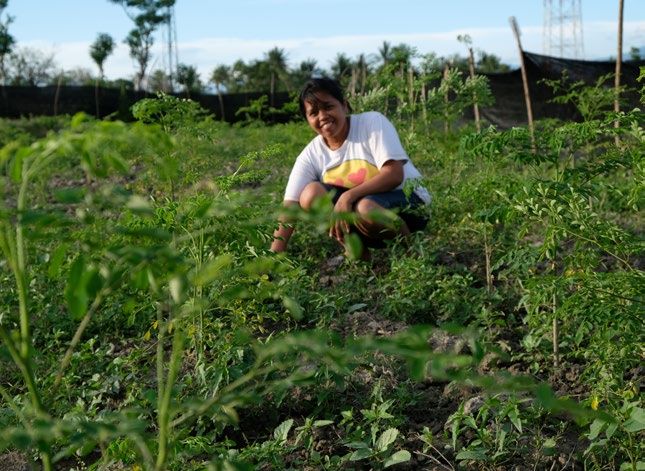
Case study:
Discussion To maximise the benefits for both poor Gender equality is a cross-cutting issue Supporting women-led and women-majority
women and poor men, inclusion of the but it is also encapsulated in SDG 5:
poor and the inclusion of women needs to Achieve gender equality and empower
businesses to meet international standards
Women as economic be considered across the program cycle, all women and girls. Targets under this
actors including design, adaptive management, SDG include ensuring women’s full and Aid for Trade can help address this challenge requirements, making it difficult to obtain
monitoring and evaluation. Programs need active participation in economic life and One of the major
by assisting the most vulnerable traders, its Hazard Analysis and Critical Control
to make women visible as a sub-set of undertaking reforms to give women equal contemporary challenges including women and young entrepreneurs, Point (HACCP) certification. Furthermore,
There is growing program target groups, understand their rights to economic resources, as well as
facing developing country to meet these standards and have access to there were no accredited services (public
opportunities and constraints, and design access to financial services and property
recognition that gender interventions accordingly. When addressing ownership. firms, and especially
import and export opportunities. or private) in Burkina Faso for HACCP
certification, which meant that the cost of
equality is critical to these barriers for women, the impact of
small-to-medium-sized One example of such an Aid for Trade certification was prohibitively expensive
compounding disadvantage caused by other Despite growing global attention to
achieving the poverty issues of gender equality, there are still enterprises, is the ever-
project is a joint initiative of the World (approximately USD11,200).
intersectionalities (for example disability, Bank and the World Trade Organization
reduction potential of Aid ethnicity, and/or sexuality) also needs to be challenges with the uptake of gender- increasing number to support the certification of Mango So, To address these barriers, the project
for Trade initiatives. understood to ensure that, interventions inclusive practices. Substantive gender a medium-sized enterprise based in the provided training for Mango So’s workforce
are as effective as possible. When moving mainstreaming is often only done for of regulations and Hauts-Bassins region of Burkina Faso. Mango on how to meet hygiene and safety
to implementation, programs need to be programs that have gender equality sustainability standards So specialises in the processing and export regulations. The project also involved
able to adapt and respond to implementing identified as a core objective. In these of fruit and vegetables. Women account for upgrading the company’s equipment and
realities, including unintended consequences programs, gender-inclusive approaches required if they are to
85% of the company’s 200 workers and it is funding the company’s certification. As a
through adaptive management principles. that seek to respond to the different integrate into global managed mainly by women. result, Mango So increased production from
needs of women and men are front and 32 tons in 2014 to 120 tons in 2017 and
centre of any trade-related initiatives.
value chains.
The company lacked the appropriate doubled its exports to the European Union.
Recognising The insights, methods and program processing equipment to meet
models gained from these programs environmental, food safety and import
women as need to be shared and embedded more
economic actors broadly across Aid for Trade programs
so that women can systematically benefit
in their own from trade inclusion, given their specific
right, Aid for opportunities and constraints compared
Conclusion Women smallholder farmers, entrepreneurs
Trade should to men. Understanding that women’s
and women-led micro-small and medium When women are
opportunity and barriers are linked
intentionally to women’s economic empowerment The case studies
enterprises (MSMEs) continue to face not able to reach
significant challenges to participating and
promote ‘access’ and ‘agency’ domains (access to
demonstrate the impact benefitting from export and import markets.
their potential in
opportunities, access to resources, decision
gender equality making, manageable workloads, economic of gender equality and Women’s empowerment in MSD, gender- a market system,
sensitive trade facilitation, and women-led
outcomes in its advancement) can provide practitioners
women’s economic MSMEs-focused programs are all helping
the entire system
with the knowledge base to design
implementation. interventions that are gender-responsive so empowerment on both to address some of the key barriers that is constrained and
that both women and men can benefit.
donor and recipient Aid
women traders face. These diverse and compromised.
innovative programming approaches play
for Trade objectives. an important role in helping improve the
‘productive capacity’ of different sub-set of Programs that seek to understand and
However, there is still women working in different parts of the respond to the interactions between gender
much to be done. market. norms and markets are critical for both
women and men to benefit from trade
Gender equality is an important end goal. and economic development. Effective and
However, it must also be pursued as a well-designed Aid for Trade programs can
critical part of any pro-poor or growth play a significant role in assisting this process
objective. This is because gender inequalities while also mitigating any unintended negative
hinder the effective functioning of markets. consequences for women. It is only by
placing gender equality at the forefront of
program design, implementation, monitoring
and evaluation that appropriate resourcing
and planning for gender-inclusive Aid for
Trade interventions can develop.
16. Aid for Inclusive Trade Aid for Inclusive Trade 17.Chapter 03 Disability
and Aid for
Inclusive
Trade
__
Christina Parasyn – CBM Australia Dwi Ariyani – Disability Rights Fund
Kylie Mines – Motivation Australia Kieran Power – IP Australia
Ipul Powaseu – Deakin University
Introduction in developing countries,16 are still being
left behind. How can trade stakeholders
capitalise on the untapped resources of the
Imagine a world where disability community to reach those who
people with disabilities, are poorest and most excluded from the
global trading system?
who comprise one billion
people globally,14 are According to the Convention on the
Key points: trade-policy makers and Rights of Persons with Disabilities, ‘people
with disabilities include those who have
legislators, business owners long-term physical, mental, intellectual, or
sensory impairments which in interaction
and managers, employers with various barriers may hinder their full
• The current global employment and employees, students and effective participation in society on an
rate for people with disabilities and consumers. equal basis with others’.17 Under article
is half that of people without 32 of the Convention, governments must
ensure that their development cooperation
disabilities.
is disability-inclusive, including for trade-
• National economies lose 3–7% of Imagine a world where 20% of the related assistance.
world’s poor15 drive the changes needed
GDP when people with disabilities for inclusive economic growth, poverty This chapter explores areas of convergence
do not have equal access to reduction and achievement of the between Aid for Trade and Disability
employment. Sustainable Development Goals (SDGs). Inclusive Development and the positive
How different would Aid for Trade impacts that result when they operate
• Aid for Trade can help break investments look? symbiotically. This chapter focuses on how
to increase disability inclusion in four areas
down barriers for people with of the trade system: domestic legislation
Trade is a key contributor to economic
disabilities to engage in trade growth and poverty reduction; yet people and the regulatory environment; accessible
by ensuring that economic with disabilities, 80% of whom are living infrastructure; goods and services; and
infrastructure such as roads and multilateral engagement.
bridges are accessible, supporting
___
trade in assistive products, and by 14. World Health Organization and World Bank, 2011, World Report on Disability, p. 10, Geneva: World Health Organization.
15. Elwan, A., 1999, Poverty and disability: A survey of the literature. Social Protection, Discussion Paper Series, No 9932, Social Protection Unit, Human
engaging people with disabilities Development Network, Washington, D.C.: World Bank, available at: http://documents.worldbank.org/curated/en/488521468764667300/pdf/multi-
page.pdf, accessed 13 May 2019.
in trade negotiations and program 16. World Health Organization and World Bank, 2011, World Report on Disability, p. 10, Geneva: World Health Organization.
17. United Nations, 2006, Convention on the Rights of Persons with Disabilities (Article 1), available at: https://www.un.org/development/desa/disabilities/
designs. convention-on-the-rights-of-persons-with-disabilities/convention-on-the-rights-of-persons-with-disabilities-2.html, accessed 13 May 2019.
Kiawara people with disabilities working on
their farm in Kenya © World Vision
Aid for Inclusive Trade 19.Facts and figures: However, the benefits of disability inclusion Discussion 1. A
wareness of 4. Twin track approach
The costs of are greater. When people with disabilities
Costs of exclusion and excluding people can access livelihoods, the individual, their disability among Disability inclusion should be pursued
benefits of inclusion family and broader society benefits, with Towards disability- trade stakeholders
with a disability positive flow-on effects throughout the inclusive trade
through two simultaneous tracks: (a)
actively including people with disabilities
from trade are economy. Ensuring that public buildings and Involving disabled people’s organisations
The current global as contributors, decision makers and
great, but the infrastructure are accessible by applying in trade negotiations and the design, beneficiaries across all aspects of the
employment rate for people benefits of accessibility standards is often low-cost (as The same five principles implementation and evaluation of Aid for trade system and its activities; (b)
with disabilities is half little as 0.01% of GDP), while retrofitting Trade investments are instrumental in
inclusion are is much more expensive, making it even
that underpin Disability identifying barriers and forming strategies
investing in specific initiatives to enable
the participation in trade of people with
that of people without greater. more important to consider disability Inclusive Development24 for an inclusive trade system. Awareness- disabilities. Disability-specific activities
disabilities, a gap that has at the design stage of any economic should be applied to all raising is two-way, requiring that information could include building the trade capacity
infrastructure.21 about how to access local, national of people with disabilities through skills
widened since 2010. The costs of exclusion are significant. The Aid for Trade initiatives to and global trade is shared with people training and business coaching, conducting
International Labour Organization estimates The trade barriers that people with with disabilities, and that the needs and
that national economies lose 3–7% of
extend the benefits of trade studies into the trade barriers in specific
disabilities experience can be removed. aspirations of people with disabilities are areas facing people with disabilities, or
GDP when people with disabilities do Such barriers may include attitudes; to those with disabilities. also shared with trade officials and decision- investing in mobility or communication
not have equal access to employment.18 inaccessible physical environments, makers. assistive products for entrepreneurs with a
Disability affects the economic wellbeing information and communication; and disability.25
of 20–25% of households in Asia alone.19 systemic/structural barriers such as
These households bear the extra costs of discriminatory policies and legislation. 2. Participation and
treatment and travel, as well as foregone
income when people with disabilities and
Discrimination and exclusion result when
active involvement 5. Reasonable
the external environment exacerbates the
their carers, often women and girls, cannot impact of impairments on people’s lives. accommodations
‘Nothing about us without us’ is the
access paid work.20 Removing these barriers, or at the very disability rights movement slogan. People Reasonable actions that enable individuals
least not creating additional barriers, should with disabilities are critical change agents with disabilities to engage in trade activities
be a priority for Aid for Trade practitioners. and best positioned to inform decisions and economic empowerment activities.
Case study:
that affect their lives, including trade
and economic participation. Involving The launch of the ‘Valuable 500
people with disabilities in the entire trade Campaign’ at the World Economic
investment process also builds skills and Forum in January 2019 is an example
capacity, fosters changes in attitudes, and of applying these principles in practice.
increases mutual understanding.
The campaign aimed at promoting
Towards accessible economic disability inclusion in business by
infrastructure 3. Comprehensive securing commitments from 500 global
businesses to put disabled people on
accessibility their boards’ agendas.
A significant portion of capacity of people with disabilities in the that involving people with disabilities as
areas of trade is a key driver of change’. researchers helped shift the attitudes and Accessibility is a precondition for economic
Aid for Trade funding goes She continued: ‘Involving disabled people’s understanding of decision-makers. Changes inclusion. Efforts to address physical,
towards the construction of organisations as trainers of trade sector to signage, lighting and footpaths enable communication and information, policy and
stakeholders on disability issues is also people with a disability, especially women, attitudinal barriers that prevent people
economic infrastructure.22 important’ to move more safely between their homes with disabilities from engaging with and
and market places, breaking down barriers benefiting from trade, are needed. Ensuring
Funded through the Australian to local trade. This project developed that economic infrastructure is accessible is
Development Research Awards Scheme, replicable tools and protocols for consulting a key part of this.
Making economic infrastructure, such as
the Travelling Together: improving access of people with disabilities that could help
roads and bridges, accessible for people
people with disability to road infrastructure guide Aid for Trade investments in
___
with disabilities is critical to breaking down 18. International Labour Organization, 2009, The Price of Exclusion: The Economic Consequences of Excluding 22. World Trade Organization, Aid for Trade fact sheet, available at: https://www.wto.org/english/tratop_e/devel_e/
in PNG research project interviewed 48 economic infrastructure to ensure that they People with Disabilities from the World of Work, p. 51, available at: https://www.ilo.org/wcmsp5/groups/public/@ a4t_e/a4t_factsheet_e.htm, accessed 13 May 2019.
one of their key barriers to trade. ed_emp/@ifp_skills/documents/publication/wcms_119305.pdf, accessed 13 May 2019. 23. See The University of Melbourne, Travelling Together: Disability Inclusive Road Development in Papua New
people with disabilities and nine decision- support, and do not unintentionally prevent, 19. United Nations Department for Policy Co-ordination and Sustainable Development, 1982, World Guinea, available at: https://msd.unimelb.edu.au/research/projects/completed/travelling-together, accessed
makers to explore the impacts, involvement people with disabilities from accessing trade Programme of Action Concerning Disabled Persons, New York: United Nations Department for Policy Co- 13 May 2019.
As Ipul Powaseu from the Papua New ordination and Sustainable Development. 24. CBM Australia, 2012, Inclusion Made Easy: A quick program guide to disability in development, available at:
and recommended approaches for inclusive opportunities.23
Guinea Assembly of Disabled Persons 20. Australian Government, 2015, Development for all: Strategy for strengthening disability-inclusive development https://www.cbm.org/Inclusion-Made-Easy-329091.php, accessed 13 May 2019.
road infrastructure consultations, planning in Australia’s aid program 2015–2020, Available from https://dfat.gov.au/about-us/publications/Documents/ 25. Australian Government, 2015, Development for all: Strategy for strengthening disability-inclusive development
said, ‘enabling participation and building development-for-all-2015-2020.pdf, accessed 13 May 2019. in Australia’s aid program 2015–2020, available at: https://dfat.gov.au/about-us/publications/Documents/
and management. The report found 21. Australian Government, 2013, Accessibility design guide: Universal design principles for Australia’s aid program, development-for-all-2015-2020.pdf, accessed 13 May 2019.
available at: http://dfat.gov.au/about-us/publications/Pages/accessibility-design-guide-universal-design-
principles-for-australia-s-aid-program.aspx, accessed 13 May 2019.
20. Aid for Inclusive Trade Aid for Inclusive Trade 21.Case study:
Assistive products as an enabler of
trade and a trade opportunity
As a product and service, Assistive products/technologies are ‘any One example of an Aid for Trade program
item, piece of equipment or product that that supports assistive products is the
the provision of assistive helps a child or adult carry out tasks they Accessible Books Consortium (ABC), a
products presents a trade might not otherwise be able to do well joint initiative of the Australian Government
or at all’.26 Common examples include and the World Intellectual Property
and business opportunity, wheelchairs, walking aids, glasses, white Organisation that directly improves the
as well as an important canes, hearing aids, communication boards, educational and employment outcomes for
and shower chairs. Only 5–15% of people people with blindness and low vision in the
enabler for people with who need assistive products can access Indo–Pacific. ABC partners with established,
disabilities to take them.27 local and not-for-profit organisations in
Sri Lanka, Nepal, Bangladesh, Indonesia,
advantage of economic An Assistive Technology Procurement Study Mongolia and Vietnam to provide training
opportunities. funded by the Australian Government, and technical assistance in the production
commissioned by the World Health and distribution of books in accessible
Organisation and led by Motivation formats.
Australia has explored options for the Department of Health personnel work
together to assemble an adapted wheelchair
procurement of assistive products to
for a child with cerebral palsy, Angau
increase access for people with disabilities Since 2012 over Hospital, Lae, Papua New Guinea © 2013
in Pacific Island nations. Challenges
identified include insufficient information
2,500 educational Motivation Australia
on what items to procure and from which materials in
suppliers, a lack of consistent product
specifications, long delivery lead times, poor
national languages
device quality for the Pacific environment, were produced in The costs of excluding people with a
Conclusion By supporting
complex import procedures, high import accessible formats, disability from trade are great, but the
taxes and a limited service delivery capacity.
reaching an Aid for Trade can play
benefits of inclusion are even greater. To people with
Overcoming these challenges will be key for further unlock the economic potential of
establishing an effective market in assistive estimated 51,000 an important role in people with disabilities, it is recommended
disabilities to
products in the region.
persons with low economically empowering that: develop and
Initiatives such as the Global Cooperation vision or blindness people with disabilities so • Aid for Trade investments, including
sell their goods
on Assistive Technology (GATE) and
across primary, that they can contribute to those related to economic infrastructure, and services in
AT Scale are building momentum and comply with universal design principles,
increasing awareness of the market secondary and and share in the benefits of enabling participation, autonomy and
local and global
opportunity, working to reduce the cost
university levels. trade. freedom of movement for all; markets, Aid for
of selected products and providing training
tools to support countries to improve the • people with disabilities are intentionally
Trade can be
accessibility of assistive products. This is enabling them to continue their included in consultations on trade policy inclusive and
learning and develop the skills required to and regulatory reform and in the design maximise its
engage productively in the workforce. of Aid for Trade initiatives;
poverty reduction
• specific initiatives be designed to directly potential.
support people with disabilities to
engage in trade by, for example, building
the productive capacity of people with
disabilities, increasing access to banking
systems and loans, mobile networks and
services for people with disabilities, and by
___
26. World Health Organization Western Pacific Regional Office, Motivation Australia, Pacific Disability Forum and The Nossal Institute for Global supporting the production and trade of
Health, 2018, Assistive Products procurement feasibility study (information sheet), available from kyliemines@motivation.org.au. assistive products.
27. World Health Organization and World Bank, 2011, World Report on Disability, Geneva: World Health Organization.
22. Aid for Inclusive Trade Aid for Inclusive Trade 23.You can also read


