Central West and Orana Regional Plan 2036 - Analysis & Policy ...
←
→
Page content transcription
If your browser does not render page correctly, please read the page content below
Planning &
 Environment

                2036

 Central
West and
 Orana
               Regional
               Plan
                 Central West and Orana Regional Plan 2036   A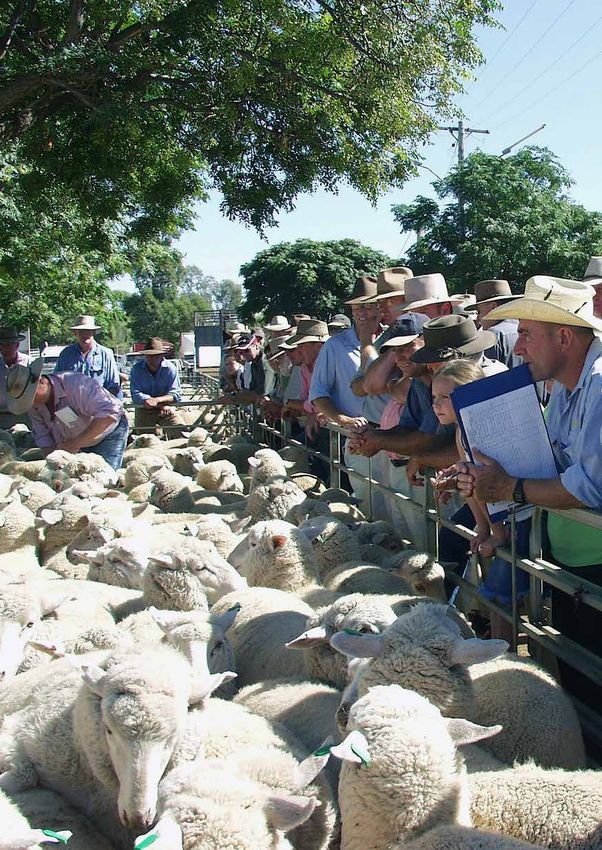
CENTRAL WEST AND ORANA REGIONAL PLAN 2036
June 2017© Crown Copyright 2017 NSW Government

ISBN 978-1-76039-662-6
DISCLAIMER
While every reasonable effort has been made to ensure that this document is correct at the time of printing, the State of NSW, its agents and
employees, disclaim any and all liability to any person in respect of anything or the consequences of anything done or omitted to be done in
reliance or upon the whole or any part of this document.

Copyright Notice
In keeping with the NSW Government’s commitment to encourage the availability of information, you are welcome to reproduce the material
that appears in the Central West and Orana Regional Plan 2036 for personal in-house or non-commercial use without formal permission or
charge. All other rights are reserved. If you wish to reproduce, alter, store or transmit material appearing in the Central West and Orana
Regional Plan 2036 for any other purpose, request for formal permission should be directed to:
Central West and Orana Regional Plan 2036, GPO Box 58, Dubbo NSW 2830

Cover image: F.O.O.D. Week at Borrodell Vineyard, Orange, courtesy of Destination NSW
Foreword
The Central West and Orana sits at the heart            Smaller communities will play an increasingly
of New South Wales and is poised to take                important role in attracting visitors and new
advantage of this pivotal position to make for          residents through their lifestyle choices and
an exciting future.                                     countryside. These areas will make important
                                                        contributions to the regional economy through
We’ve heard community and stakeholder                   taking up new jobs in agribusiness and tourism.
aspirations for the region, and drawn on this
feedback to create a Regional Plan that focuses         The Plan aims to meet the needs of changing
on a diverse economy, supported by expanded             communities, particularly for the ageing
connections to the rest of NSW and beyond, with         population, by promoting greater housing
vibrant communities and prosperous centres.             choices, improved housing affordability, access
                                                        to health and education services and public and
The Plan celebrates the distinct landscapes and         community transport.
natural environment and their important role in
new economic opportunities, including significant       We recognise the Wiradjuri, Gamilaraay and
agribusiness, value-added manufacturing                 Wayliwan people as the original custodians of
developments and unique tourism experiences.            the Central West and Orana. They are important
                                                        partners in the economic, social and environmental
The Plan promotes further development of the            future of the region and we will continue to work
renewable energy, mining, health and education          together and increase collaboration.
sectors to unlock economic potential and drive
diversification across the Central West and Orana.      The Central West and Orana Region Regional
                                                        Plan 2036 encompasses a vision, goals and
Upgrades to transport and freight networks will         actions focussed towards delivering new and
facilitate economic growth and diversification by       diversified opportunities in the years ahead for
unlocking new export opportunities, strengthening       those who live, work and visit this region.
the region’s cities and centres and enhancing
productivity of the agricultural, mining and natural    I urge everyone committed to the Central
resources sectors.                                      West and Orana to collaborate and support
                                                        its success.
The development of the Melbourne to Brisbane
Inland Rail, alongside upgrades to the Newell and
Golden Highways, has the potential to transform
the Central West and Orana into one of the key
freight and logistics destinations in Australia. In
doing so, it will create more dynamic and resilient
communities adapting to changing economic,
social and environmental circumstances.                 Anthony Roberts MP

Regional cities and strategic centres will experience   Minister for Planning
the highest rates of population growth over the         Minister for Housing
next 20 years, alongside Cabonne and Blayney
                                                        Special Minister of State
local government areas. The regional cities and
strategic centres will be the service hubs for
surrounding communities, providing access to
jobs, health and education services.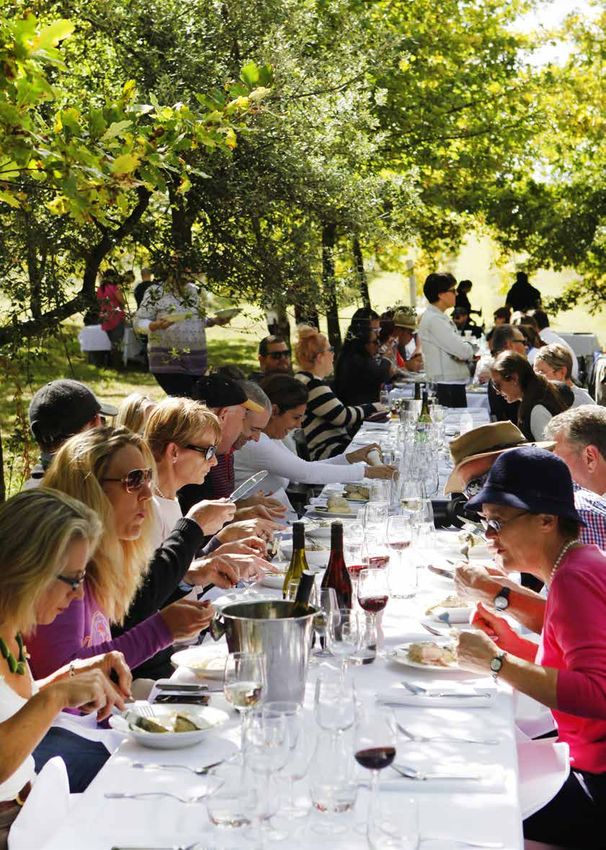
Contents
                              Introduction                                                                                            4
                              Delivering the Plan                                                                                     6
                              Vision                                                                                                  8
                              Leveraging a region of two distinct parts                                                              12
                              Goal 1: The most diverse regional economy in NSW                                                       17
                              Direction 1: Protect the region’s diverse and productive agricultural land                             18
                              Direction 2: Grow the agribusiness sector and supply chains                                            19
                              Direction 3: Develop advanced manufacturing and food processing sectors                                24
                              Direction 4: Promote and diversify regional tourism markets                                            26
                              Direction 5: Improve access to health and aged care services                                           26
                              Direction 6: Expand education and training opportunities                                               27
                              Direction 7: Enhance the economic self-determination of Aboriginal communities                         28
                              Direction 8: Sustainably manage mineral resources                                                      30
                              Direction 9: Increase renewable energy generation                                                      31
                              Direction 10: Promote business and industrial activities in employment lands                           34
                              Direction 11: Sustainably manage water resources for economic opportunities                            35
                              Direction 12: Plan for greater land use compatibility                                                  35
                              Goal 2: A stronger, healthier environment and diverse heritage                                         37
                              Direction 13: Protect and manage environmental assets                                                  38
                              Direction 14: Manage and conserve water resources for the environment                                  39
                              Direction 15: Increase resilience to natural hazards and climate change                                42
                              Direction 16: Respect and protect Aboriginal heritage assets                                           45
                              Direction 17: Conserve and adaptively re-use heritage assets                                           45
                              Goal 3: Quality freight, transport and infrastructure networks                                         47
                              Direction 18: Improve freight connections to markets and global gateways                               48
                              Direction 19: Enhance road and rail freight links                                                      52
                              Direction 20: Enhance access to air travel and public transport                                        52
                              Direction 21: Coordinate utility infrastructure investment                                             53
                              Goal 4: Dynamic, vibrant and healthy communities                                                       57
                              Direction 22: Manage growth and change in regional cities and strategic and local centres              58
                              Direction 23: Build the resilience of towns and villages                                               58
                              Direction 24: Collaborate and partner with Aboriginal communities                                      59
                              Direction 25: Increase housing diversity and choice                                                    60
                              Direction 26: Increase housing choice for seniors                                                      62
                              Direction 27: Deliver a range of accommodation options for seasonal, itinerant and mining workforces   63
                              Direction 28: Manage rural residential development                                                     63
                              Direction 29: Deliver healthy built environments and better urban design                               64
                              Local Government Narratives                                                                            67
                              Glossary                                                                                               78
                              Endnotes                                                                                               80

Wheat harvesting, Grenfell,
courtesy of Five Hours West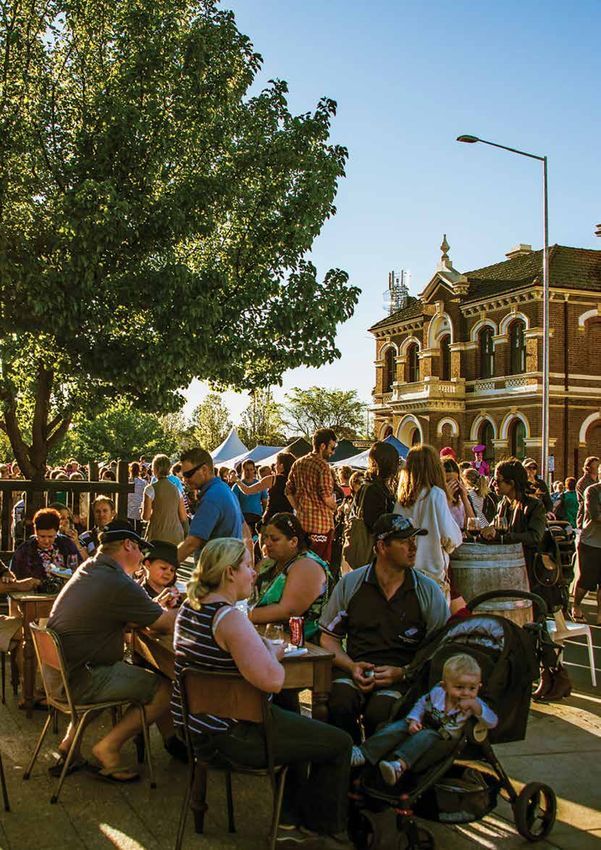
Introduction
The Central West and Orana is one of NSW’s
most diverse regional economies, increasingly
connected with cities to the east and building the
capacity of its freight and logistics infrastructure
The Central West and Orana sits at the heart of NSW,      Local Government Narratives set out priorities
with access to all corners of the State and beyond. Its   for each council to guide further investigation
varied landscapes support a diverse and productive        and implementation.
economy that leverages connections to Sydney,
Canberra and, increasingly, Newcastle. These              The Central West and Orana Regional Plan 2036
connections – along with domestic and international       is the product of extensive consultation with councils,
supply chains to the north, south and west – create a     stakeholders and the wider community, following the
diverse and productive economy.                           release of a draft Plan in 2016. The feedback from this
                                                          consultation has been integrated into this document.
Investment in roads, rail networks and
telecommunications will boost opportunities for
agribusiness, advanced and value-added
                                                             Central West and Orana
manufacturing, mining and tourism sectors.
                                                             infrastructure investments
By 2036, the region’s population will increase to
more than 300,000 people, who will mainly live in
the regional cities of Bathurst, Orange and Dubbo,          NSW Government investments in the Central
                                                            West and Orana include:
the strategic centres of Lithgow, Mudgee and Cowra,
and the twin centres of Parkes and Forbes. These
                                                              • $241.3 million for the Dubbo Base
places will provide new options and opportunities for
                                                                Hospital redevelopment;
surrounding networks of communities.
                                                              • $60 million to upgrade Mudgee Hospital;
Internationally recognised environmental assets, such
as the Macquarie Marshes and Greater Blue                     • $140 million towards construction of a
Mountains World Heritage Area, along with major                 third bridge crossing at Dubbo;
attractions, including the Taronga Western Plains Zoo
and festivals and events, will attract increasing             • $28 million towards the Bells Line of Road
numbers of visitors.                                            upgrade;

This makes for an exciting future for the region, and         • $21 million for a five-stage potable water
the Central West and Orana Regional Plan 2036 is                supply pipeline from Orange to Blayney
the blueprint for that future.                                  and Carcoar Dam;

The Plan will guide the NSW Government’s land use             • $17 million for a potable water pipeline
planning priorities and decisions over the next 20              from Orange to Molong Dam, and from
years. It is not intended to be a step-by-step                  Molong to Cumnock and Yeoval;
approach to all land use planning. Rather, it provides
an overarching framework to guide subsequent and              • $2.5 million for the new Molong
more detailed land use plans, development                       Ambulance Station; and
proposals and infrastructure funding decisions.               • establishment of Multi-Purpose Services
The Implementation Plan that accompanies this plan              at Molong, Coolah and Rylstone.
includes priority actions as well as medium- and
longer-term actions to coincide with population and
economic change.

4       Central West and Orana Regional Plan 2036
Population Growth Forecast                                                                    Ageing Population
                                2016-2036                                                                     2036

                                                                                                          65 years
                                                     23,450                                         25%   and over
                                                     more people                    308,950
                                                     by 2036                        Population

                                                                         under 75%
 285,500                 308,950                                        65 years
    2016                    2036

Dwellings Growth Forecast                                           Gross Regional Product Contribution
                                2016-2036                                                                      2011

15,800
additional dwellings required (2036)
                                                                                                      Central West
                   147,950                                                                    12%     and Orana
                                         12%                                     $138b
 132,150                                                                         NSW GRP              3RD
                                                                                                      largest
                                                                   Rest of 88%                        regional
                                                                   regional                           State
                                                                   NSW                                contributor

   2016               2036

Largest Gross Regional Product                                              Second Largest Gross Regional
                   Contributor                                                        Product Contributor
                                              2011                                                             2011

                                                                         Agriculture,
    Mining                                                               Forestry &
                                                                         Fishing

  $2.5b 5% jobs                                                             $1.3b 11% jobs

Bathurst 1000© Motor Race                                                    Taronga Western Plains Zoo©
                                       2015                                                                   2015

    200,000+                                                                       226,000+
    visitors                                                                       visitors
Delivering the Plan
The NSW Government’s commitment
To deliver the Central West and Orana Regional          energy sectors; planning for growth and change in
Plan 2036, all levels of government, the private        the region’s centres; and enhancing the regional
sector and the community will have to work              freight network. Over time, the Committee will
together. The Plan needs to be incorporated into        identify new priorities to support regional growth.
each stakeholder’s future activities.
                                                        The Plan sets regional planning priorities and
                                                        provides a framework for regional and local
Coordination                                            planning decisions. The NSW Government will
The NSW Government has established the                  use it to advise infrastructure agencies about the
Central West and Orana Delivery, Coordination           timing of new developments, and to inform the
and Monitoring Committee to deliver, coordinate         ongoing planning and delivery of infrastructure,
and be accountable for achieving the vision and         asset management and services.
goals of this Plan. This dedicated new body
                                                        The Plan sets in place line-of-sight land use
comprises representatives from Joint Organisations,
                                                        planning for the region and local government
Regional Organisations of Councils and State
                                                        areas to identify and resolve issues. Line-of-sight
agencies. It will listen and work with stakeholders
                                                        planning will allow issues to be identified and
to align growth with infrastructure to support
                                                        resolved early, rather than at the development
growth and change in the region.
                                                        application stage.

Delivery                                                This Plan is accompanied by an Implementation
                                                        Plan for 2017-2019.
The Committee will take ownership for
implementing this Plan – prioritising the actions       Regional district planning may be undertaken in
needed to seize on immediate and emerging               partnership with all stakeholders, led by the
opportunities for the region. In the short term, its    Committee. The Plan highlights potential priorities
focus will be on growing the agribusiness,              for regional district planning where matters cross
advanced manufacturing, mining and renewable            jurisdictional boundaries.

Figure 1: Central West and Orana Delivery, Coordination and Monitoring Committee

                  Central West and Orana Delivery, Coordination
                           and Monitoring Committee

       Coordination                              Delivery                       Accountability

• Aligning across                     • Actioning the                   • Monitoring activity
   Government                              Implementation Plan                and trends

•P
  artnering with local                • Supporting local planning        •P
                                                                             ublishing annual reports
 government                                                                 and information

• Listening to the community                                              •R
                                                                             evising and adjusting
                                                                            directions towards goals

6       Central West and Orana Regional Plan 2036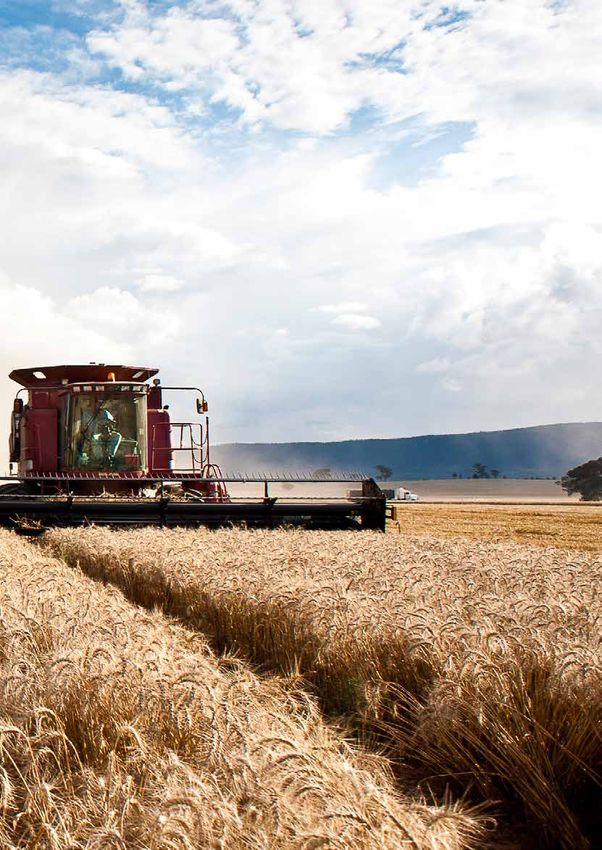
Accountability
A Government direction will be issued so that             The Committee will monitor and review progress
when councils prepare new planning proposals              towards achieving the vision and goals for 2036
or update local planning controls, they are               to help prioritise infrastructure delivery and
consistent with the vision and guiding principles         influence policy settings.
of this Plan.
                                                          An annual report will measure performance
The Local Government Narratives provide                   against indicators for housing, employment,
guidance for each council as they prepare local           communities and the environment, and include
land use strategies. The Committee will support           advice to Government on the delivery of
this work to ensure local plans translate the vision      short-term actions.
and guiding principles of this Plan into local
priorities for growth and change.                         The Committee will review the Plan every five
                                                          years, or as necessary, to help realise the vision
                                                          for 2036.

Figure 2: State planning hierarchy

        Our                  Regional                  Regional                  Local plans
        NSW                   plans                    districts               • P repared by local
                                                                                  councils for each
                           • Prepared by            • Led by                      council area
                             Government               Government, in           • Must be consistent
                           • Set priorities           partnership with            with Regional
                             and directions           local councils              Plan and Regional
                             for regions              and the community           District Plans
                                                          • For priority matters
                                                             that cross council or
                                                             jurisdictional boundaries

                                                           Central West and Orana Regional Plan 2036           7
Vision
The most diverse regional
economy in NSW with a vibrant
network of centres leveraging
the opportunities of being at the
heart of NSW
The Central West and Orana is home to more than        The mineral and energy resources sectors make a
300,000 people. People from metropolitian areas        significant economic contribution, with new
are attracted to its vibrant regional cities and       mining opportunities emerging across the region.
centres, historic towns and villages, diverse          Landmark solar, wind and bioenergy projects
lifestyles, and community festivals and events.        distinguish the region as a leader in renewable
                                                       energy development.
The region makes a major contribution to the
State’s economy, building on its proud agricultural    Significant and internationally recognised
heritage and embracing innovation. Its rich soils,     landscapes, including the Blue Mountains, the
mountains and vast plains form a mosaic of             western plains and expansive river systems and
beautiful landscapes.                                  wetlands, enrich the lives of residents and visitors
                                                       and are providing opportunities for future
Productive and diversified agribusiness,               generations. Increasing numbers of visitors enjoy
manufacturing, mineral and renewable energy            diverse cultural festivals and events and unique
resources provide local job opportunities.             attractions, such as Taronga Western Plains Zoo
Tourism, health and education drive a growing          and Mount Panorama raceway.
service economy that underpins community
vibrancy and creates more diverse job                  The regional cities of Bathurst, Orange and
opportunities. The region identified, protects,        Dubbo and other centres capitalise on their
and sustainably farms its high-quality agricultural    proximity to Sydney, Newcastle and Canberra
lands.                                                 and their location at the junction of nationally
                                                       significant road and rail corridors.
Ongoing leadership in agricultural innovation
makes the region a preferred destination for food      These connections and centres allow people
processing, packaging and associated industries.       living in rural communities to access high quality
These industries produce high-quality products         health, aged care and community services and
that are distributed domestically and around the       facilities. Local service centres benefit from
world.                                                 increased economic activity in the agribusiness,
                                                       tourism and service sectors. Greater housing
Improved transport connections with Sydney,            diversity and choice across the region meets
Canberra and Newcastle, together with the              community demand.
proposed Melbourne to Brisbane Inland Rail,
provide capacity and connectivity for
agribusiness, manufacturing, tourism and mining.
Investment in roads and logistics facilities provide
a more efficient network, making the region a
nationally significant freight hub.

8       Central West and Orana Regional Plan 2036
To achieve this vision the NSW Government has: acknowledged the two diverse parts of the region: one connecting with metropolitan cities to the east, and the other taking advantage of freight and logistics infrastructure to access domestic and global markets and... set the following regionally focused goals: • The most diverse regional economy in NSW • A stronger, healthier environment and diverse heritage • Quality freight, transport and infrastructure networks • Dynamic, vibrant and healthy communities
Figure 3: Central West and Orana 2036

        Regional City

        Strategic Centre

        Centre

        Twin Centres

        Inter-regional Connection

        Railway

        Proposed Inland Rail Corridor

        Non-operational Rail Corridor

        Proposed Golden Highway Corridor
        Improvements

        Proposed Bells Line of Road Corridor
        Improvements

        Proposed Newell Highway Corridor
        Improvements

        Area of Influence

        Airport

        Port

        University Campus

        District and Major Rural Referral
        Hospital

        Rural Hospital and Local Health Service

        National Park and Reserve

        State Forest
Leveraging a region
of two distinct parts
A key component in the Central
West and Orana’s success
The Central West and Orana includes the The city of Dubbo has grown at the geographical
distinctive agricultural hinterland of the Central centre of the region to become the inter- and
West and the vast slopes and plains of the Orana. intra-regional functional and economic centre.
These two parts function in different ways, but Dubbo serves as the central hub for connections
when brought together they create a dynamic to a large number of dispersed rural communities.
and resilient region that is stronger than the These self-reliant communities provide services to
individual parts. their immediate and wider catchment communities.
Historically, the Central West was considered Planning for the region’s prosperity recognises
part of Sydney’s hinterland. It has grown to these differences and leverages competitive
create a successful broad economic base, with a advantages and opportunities. This includes
network of centres developed to service rural growing demand from Asia for agricultural
communities as growth expanded over the Blue produce, increasing tourism opportunities, and
Mountains. This close pattern of settlement is an expanding service economy in health, aged
reflected in the numerous villages and centres care and education services.
clustered along key corridors and the
development of the twin centres of Forbes and To capitalise on these advantages and unlock
Parkes, and Bathurst and Orange. The twin economic potential, existing infrastructure will be
centres utilise their proximity to leverage the improved and better used to ensure their is
strengths of each individual centre. efficient supply chains and accessibility through
the Blue Mountains to Sydney, along the Golden
The Central West will continue to benefit from Highway to Newcastle and to the emerging
its connections to Sydney, including the new market opportunities associated with Canberra.
Western Sydney Airport, and from Canberra’s
increasing global connectivity.
The Orana includes some of the State’s most
productive agricultural areas. Infrastructure
improvements will strengthen the Orana’s supply
chain with markets across Australia and the world.
+ +
Agribusiness
Transport
and
and logistics
value-adding
+ + =
Growing
Mining and Diversified
Tourism service
renewables economy
sector
12 Central West and Orana Regional Plan 2036Orana
Central West
The two parts of Central West and Orana
Transport and logistics Agribusiness and value-
The Central West and Orana shares borders and
added opportunities
connections with six of NSW’s 10 regions. It The region has a strong agricultural history.
connects along interstate transport links between The Central West’s scenic tablelands support
Sydney, Adelaide, Melbourne and Brisbane, and cool climate viticulture, forestry and grazing.
has the only double-stacked containerised freight The slopes and plains of the Orana support
connection with Western Australia. The region diverse agribusiness enterprises, and broadscale
will capitalise on these locational strengths to and irrigated agriculture. These diverse
harness economic growth. agricultural industries provide employment for
people living in Narromine and Coonamble,
Many of NSW’s freight connections converge in both directly in production and indirectly in
Parkes and Dubbo. These major freight hubs act supporting agribusiness.
as an aggregation point for selling, processing,
manufacturing and transporting livestock and The diversity and quality of agricultural
agricultural produce to markets and ports across commodities provide enormous potential for
Australia. value-added opportunities. The region’s two
parts interact to benefit the entire region and
The links through the Blue Mountains to Sydney maximise value-added opportunities. Processing
will be important for the region’s prosperity, facilities in the Central West rely partly on
capitalising on Western Sydney’s rapid growth agricultural produce from the Orana and vice
and the opportunities from the planned Western versa. The established processing and
Sydney Airport. manufacturing industries in Dubbo, Blayney,
Manildra and Bathurst will encourage related
More than half of the road freight transport
industry development and attract investment.
between the Central West and Sydney uses the
Great Western Highway, which has been The synergies between the two parts of the
upgraded to four lanes between Emu Plains and region will maximise future innovation
Katoomba. Better connections are also available opportunities and increase productivity.
through road safety improvements and traffic
efficiencies on Bells Line of Road.
Connections east to Newcastle and south-east to
Canberra and Port Kembla provide additional
direct access to markets and export gateways.
An upgraded Newell Highway and Golden
Highway, and the proposed Melbourne to
Brisbane Inland Rail, could boost the region’s
reputation as a freight hub and increase
opportunities for freight and logistics facilities
and intermodals close to road and rail corridors.
Central West and Orana Regional Plan 2036 13Top Three Economic Opportunities Per Local Government Area
d
an
d
s an
g
io y
rin
at log
s
ic t
es
st or
tu
re
n
in
uc no
gi p
ac
n
ca
lo ns
us
ism
ed ch
g
tio
lth
uf
in
rib
a
ed
Te
Tr
an
CENTRAL WEST
ur
ia
ea
in
Ag
Ag
Av
To
M
M
H
Bathurst Regional
Blayney
Cabonne
Cowra
Forbes
Lachlan
Lithgow
Oberon
Orange
Parkes
Weddin
d
ORANA
an
d
s an
g
io y
rin
at log
s
ic t
es
st or
tu
re
n
in
uc no
gi p
ac
n
ca
lo ns
us
ism
ed ch
g
tio
lth
uf
in
rib
a
ed
Te
Tr
an
ur
ia
ea
in
Ag
Ag
Av
To
M
M
H
Bogan
Coonamble
Dubbo Regional
Gilgandra
Narromine
Mid-Western
Regional
Warren
WarrumbungleTourism A growing service sector
The region’s diverse landscapes and The hinterland, tablelands, slopes and plains
communities, location, history and transport across a network of centres support a diversity
connections make tourism an important of industries. These industries form economic
industry. Parts of the region are less than three building blocks for growing the regional cities
hours from Sydney and Canberra, and the and centres. This growth will drive demand for
region sits halfway between Victoria and high quality health, education and recreation
Queensland. choices.
Tourist attractions include the natural assets of the Regional cities and strategic centres provide
Greater Blue Mountains World Heritage Area and higher-order services to extensive networks
the internationally recognised Macquarie of surrounding settlements, including essential
Marshes; national attractions of Siding Spring regional services at major hospitals and
Observatory and Taronga Western Plains Zoo; university campuses.
and attractive historical towns and villages, such
as Gulgong and Millthorpe. Growing the cities and centres as the principal
places for commerce, retail jobs and social
Opportunities around the arts, events, festivals, activity will help promote a sense of place, service
sports and conference tourism include motor growing populations and maintain the vitality of
racing at Mount Panorama in Bathurst, F.O.O.D business precincts.
Week in Orange, Canowindra International
Balloon Challenge and the Parkes Elvis Festival. The regional cities and strategic centres have the
opportunity to cluster economic activity around
The region will draw more weekend visitors from local industries, be a source of economic diversity
Sydney and Canberra, and increasingly from and provide more skilled job opportunities. For
overseas, including emerging opportunities from example, activities associated with Dubbo
the growing Asian middle class. Hospital and Charles Sturt University will foster
regional economic vibrancy and resilience.
The stronger the connections across the region,
with centres in adjoining regions and with Sydney Specific industry development like manufacturing
and Canberra, the greater will be the region’s and value-adding of local produce in Blayney,
ability to capitalise on tourism opportunities. Manildra and Cowra will help sustain these
important economies into the future.
Mining and renewables The health care and education sectors will deliver
The region’s mining sector includes coal mining important services, particularly around existing
concentrated around Lithgow and Mudgee; health facilities in Dubbo, Orange, Bathurst,
gold, silver and copper mining; and emerging Mudgee and Parkes. With an ageing population,
opportunities for rare earth mining in other parts demand for health services will increase, as will
of the region, including Dubbo. demand and opportunities for skilled workers to
provide these services.
Renewable energy generation will also create a
more sustainable energy future for the region. Growing the cities and centres as the principle
places for jobs, commerce, retail and social
Growth in wind energy, solar energy and activity will help promote a sense of place, service
bioenergy generation will promote local the growing populations and maintain the vitality
jobs in smaller communities and development of business precincts.
opportunities for associated industries. Wind
generation opportunities are focused around Expanding tertiary education services and online
the tablelands and slopes of the Central West, access to education, particularly in smaller and
while the large open plains of the Orana provide isolated communities, will increase access to
the best access for solar energy generation. services and sustain community wellbeing.
Central West and Orana Regional Plan 2036 15GOAL 1
The most diverse
regional economy in NSW
The Central West and Orana’s broad range of New technologies in health, agriculture and
industries, its location and connections to online education, and improvements in
Sydney, Canberra and Newcastle provide a telecommunications, will benefit the agribusiness,
foundation for a diverse regional economy. education and health sectors. These shifts require
coordinated, long-term planning and investment
While traditionally anchored in agriculture, to maximise regional productivity.
manufacturing and mining, the region’s health,
education and tourism sectors present new A stronger, more diverse economy will facilitate
opportunities for economic growth. the planning and commitment to care for the
Opportunities are also emerging in food environment and improve sustainability.
production and packaging, aged care and
related services, renewable energy and niche
tourism. Growth across this range of sectors will
be carefully managed and planned to provide Top Five Industries
greater land use compatibility. by Economic Contribution
2011
Proximity to Sydney, Newcastle, Port Kembla
and Canberra and their respective international $2,508m
gateways, along with the north–south access to Mining
Brisbane and Melbourne on the Newell Highway,
will stimulate growth through servicing national 16.2% $1,293m
and international markets. The ability to export Agriculture,
forestry, fishing
produce through Canberra Airport, along with 8.4%
opportunities associated with the new Western $15.4b $1,106m
Sydney Airport, will be a game changer for Total gross 7.2% Health care and
agricultural exports from the Central West and 56.1% regional social assistance
Orana.1 Other product 6.6%
$1,017m
Increasing connectivity will enable the region to 5.5% Manufacturing
meet growing demand from Asia for exports of
agriculture, minerals and tourism. This will $849m
Education
coincide with demand from a growing Greater and training
Sydney, despite the access constraints of the
Blue Mountains.
Narromine Transplants
Central West and Orana Regional Plan 2036 17Agricultural Production Value Nectarine Production
2011 2011
18% Central West
$7.2b
NSW total and Orana 83%
agricultural
production $1.3b
Rest of 72%
NSW
of State production
Direction 1: Protect the Co-location of incompatible land uses with
important agricultural land should be minimised.
region’s diverse and These can inhibit agricultural production, affect
productive agricultural land productivity or fragment agricultural land. They
Agricultural production occurs from the vast also put pressure on agriculture producers who are
plains of the Orana in the north and west to the trying to achieve the economies of scale that will
sub-alpine areas of the Central West in the east. minimise costs across their supply chains.
Ranging from intensive and irrigated crops –
Biosecurity will remain an important consideration
including vegetables, fodder, stone fruits, grapes
for agricultural areas, as it contributes to the
and cotton – to extensive broadacre cropping,
wellbeing and prosperity of the region and, more
meat and wool production, and forestry.
broadly, the nation. The NSW Government’s NSW
Highly productive agriculture requires ready Biosecurity Strategy 2013-2021 highlights measures
access to water, high quality soils and suitable to avoid the negative impacts of pests, diseases
climates. While the total area of land available for and weeds. It will inform ongoing risk assessments
agriculture is large, comparatively few locations – which will consider biosecurity plans – and lead
have access to all these characteristics. to the application of appropriate buffer areas.
Important agricultural land needs to be identified
and protected and a critical mass of agricultural
Actions
industries maintained to capitalise on demand, 1.1 Release a regional agricultural development
increase productivity and employment, and ensure strategy that:
fresh food is available locally.
• maps important agricultural land;
The NSW Government’s 2014 Biophysical
Strategic Agricultural Land mapping identifies • identifies emerging opportunities
agricultural land in the region that is significant for agriculture; and
to the State (see Figure 4). There is an opportunity • sets the direction for local planning
to complement this mapping with regional-scale of agricultural development.
mapping that reflects regional climatic and
geological conditions, as well as regional 1.2 Protect important agricultural land from land
industry needs. use conflict and fragmentation, and manage
the interface between important agricultural
A regional agricultural development strategy lands and other land uses.
will identify and map the region’s important
agricultural land. It will identify emerging 1.3 Implement the NSW Government’s
opportunities for agriculture, and guide and direct Agriculture Industry Action Plan – Primed for
local planning for the region and NSW. Mapping growth: Investing locally, connecting globally.
will incorporate biophysical, infrastructure and
socio-economic factors. 1.4 Undertake biosecurity risk assessments,
taking into account biosecurity plans and
the need for appropriate buffer areas.
18 Central West and Orana Regional Plan 2036PRODUCTION STORAGE
INPUT PROCESSING
FARMER TRANSPORT
MARKET
Agricultural Supply Chain CONSUMER
Direction 2: Grow the Reliable telecommunications are critical to
encouraging innovative farming that can increase
agribusiness sector and productivity and tap into new markets. Digital
supply chains technology allows consumers to trace food from
Agribusiness sustains the local economies of farm to market and also facilitates more effective
many communities. The Central West and Orana biosecurity measures.3
earns around $1.3 billion from quality wine, beef,
Warren and Bogan local government areas, and
wool, vegetables, cotton, wheat and fruit. This
the towns in the irrigation areas of Lachlan,
represents 18% of all agricultural production in
Forbes, Weddin and Cowra local government
NSW annually.2
areas, receive an influx of seasonal workers at
Diversification has helped to expand agricultural harvest time for the cotton, wine, orchard fruit,
activities, businesses and industries, making nuts (hazelnuts, chestnuts, walnuts) and cherry
agribusiness one of the most important economic industries. Goal 4 (Direction 27) addresses
sectors. The agribusiness sector will grow with accommodation options for these workers.
better recognition, protection and expansion of
the agricultural supply chain. Actions
Supply chains begin on farms and can extend 2.1 Encourage agribusiness diversification and
beyond regional and State borders to national value-adding opportunities by reviewing
and global export markets. They include key local plans to ensure land use zoning and
transport infrastructure and facilities, such as silos, definitions reflect industry requirements.
abattoirs and saleyards; supporting secondary
processing facilities; and transport and logistics 2.2 Guide local and strategic planning to
industries. For example, the Central Tablelands, protect agricultural land, and manage the
Central West and Dubbo Regional livestock interface with other land uses.
exchanges are critical to elements of the livestock 2.3 Facilitate investment in the agricultural
industry supply chain. supply chain by protecting assets such as
Future planning to enable industry growth must freight and logistics facilities from land use
respond to emerging opportunities. To do this, conflict and the encroachment of
the planning system must formally recognise the incompatible land uses.
importance of agricultural land, provide direction
on land management, consider the effects of
climate change, and guide councils when they
are preparing local land use strategies.
Central West and Orana Regional Plan 2036 19Figure 4: Agriculture and State forest
Regional City
Strategic Centre
Centre
Biophysical Strategic Agricultural Land
Irrigation Area
Timber Plantation
State Forest
National Park and Reserve
Water StorageFigure 5: Top Three Contributors To Agricultural Production In The Central West and Orana, 2011
OranaCereal crops Crops for hay Wool
Cattle and calves Apples Poultry
Vegetables Other broadacre crops
Sheep and lambs Eggs
Central WestDirection 3: Develop advanced
manufacturing and food Value-added manufacturing
processing sectors
The Central West and Orana is moving to higher value- Meat, mining and agriculture exports,
added manufacturing and food processing. These Dubbo
industries include organic and free-range production; Fletcher International Exports employs
grain milling; animal product and fibre processing; around 650 people in Dubbo and exports at
pet food manufacturing; packaging of raw fruits, least 90 per cent of its lamb and sheep meat
vegetables and meats; and the processing of foods products to more than 90 countries in
such as dairy products. Europe, America, the Middle East and Asia.
The region can further capitalise on value-added Its supply chain includes an abattoir, grain
opportunities in agriculture through biotechnology, receival facilities and an intermodal rail
digital technology, processing and packaging, branding, terminal that service the containerised
and cooperatives. transport of agricultural commodities, mining
commodities and sheep meat products from
With the number of manufacturing jobs expected to fall in
Dubbo to Port Botany.
Australia, the region can compete in specific niche areas
where competitive advantages exist. For example, Thales at Oilseed processing, Manildra
Lithgow is a specialty manufacturer of defence, aerospace, Agricultural sectors are moving away from
space, security and transport products for markets in commodity-based marketing and into
Australia and overseas.4 value-based marketing to ensure long-term
profitability and sustainability. MSM Milling
Value-added manufacturing facilities require significant
is a commodity-based business that is
investment. Councils should minimise land use conflict and
growing its value-added offering by
enable value-added manufacturing industries to locate
diversifying into research and development,
where they can access the regional freight network, utility
packaging and processing, vegetable oils
infrastructure, skilled labour and export markets.
and stock feed.5
The co-location of related industries will maximise efficiency
and infrastructure use, decrease supply chain costs,
increase economies of scale and attract further investment.
Advanced manufacturing
Actions
3.1 Promote investment in advanced and value-added Biosciences, Dubbo
manufacturing in employment lands through suitable Maverick Biosciences in Dubbo processes
land use zonings and land use definitions in local animal-derived biological materials. It
environmental plans. supplies these to manufacturers of human
and veterinary pharmaceuticals, diagnostics,
3.2 Locate advanced and value-added manufacturing nutraceuticals, medical products and
industries and associated infrastructure to minimise cosmetics. Products are exported to more
potential land use conflict. than 15 countries via air freight.6
3.3 Encourage co-location of related advanced and Tyre recycling, Warren
value-added manufacturing industries to maximise Employing a world-first technology known
efficiency and infrastructure use, decrease supply as destructive distillation, a processing plant
chain costs, increase economies of scale and attract in Warren recycles car and truck tyres into
further investment. oil, carbon and steel. The plant processes
19,000 tonnes per year, around three per
3.4 Develop a food and fibre strategy for the Central
cent of the end-of-life tyres generated
West, reflecting the opportunities identified in
annually in Australia.7
Regional Development Australia Central West’s Value
Adding to Agriculture in Central West NSW study.
Saleyards, Dubbo
24 Central West and Orana Regional Plan 2036Direction 4: Promote and 4.3 Develop the region’s capacity to grow food
and wine tourism.
diversify regional tourism
markets 4.4 Enable opportunities appropriate for
tourism development and associated land
The region will market its urban, rural and natural
uses in local environmental plans.
areas to international tourists, particularly from
Asia, and domestic visitors from Newcastle, 4.5 Target experiential tourism opportunities
Canberra and Sydney. and develop tourism management
frameworks to promote a variety of
Significant environmental tourism assets include
accommodation options.
the Blue Mountains, the Warrumbungle National
Park (Australia’s only Dark Sky Park), Jenolan Caves 4.6 Encourage tourism development in natural
in Oberon, Wellington Caves and the Macquarie areas that support conservation outcomes.
Marshes. These must be protected, enhanced and
promoted to sustainably increase visitor numbers.
Direction 5: Improve access to
Promoting eco-tourism, conference and sports health and aged care services
tourism, agritourism, events and festivals,
The ageing population will increase demand
recreation (including recreational fishing) and
for higher-order and specialist medical services
Aboriginal cultural and historic heritage will
and tailored community-based healthcare
benefit local towns, villages and existing
facilities such as Multi-Purpose Services and
food growers. Particularly as part of attracting
e-health initiatives.
off-peak seasonal visitors. Coordinated regional
approaches to agritourism and food and wine There are significant opportunities to develop
tourism are already improving the resilience of complementary health services around health
individual businesses and rural communities.8 facilities in Dubbo, Orange, Bathurst, Mudgee
and Parkes. These will broaden the services
Access to international airports in Sydney,
available, enable business synergies and improve
Brisbane, Canberra and Melbourne will underpin
community access to health services.
efforts to grow tourist numbers. The Central West
Regional Transport Plan (2013) includes actions to This is particularly important for hospitals that
improve tourism-related transport services. serve wider communities, such as Dubbo Base
Hospital, which is also the primary hospital for the
The Country and Outback NSW Destination Far West. It provides essential obstetrics services
Network will develop and implement a new to the Bourke, Brewarrina, Cobar and Walgett
Destination Management Plan to support emerging communities. Short-term accommodation options
tourism opportunities and develop visitor will allow Far West patients and their families to
experiences and tourism products. better access these services.
Actions Similar smaller-scale clustering opportunities can
be provided through complementary, flexible and
4.1 Align land use and tourism strategies with a adaptable health services in local service centres
Destination Management Plan for the that respond to the needs of their local community.
Country and Outback NSW Destination
Network.
4.2 Work with councils to improve
tourism-related transport services.
Left: Henry Lawson Festival, Mudgee
26 Central West and Orana Regional Plan 2036 Above: Parkes HospitalTechnology improvements will increase medical Direction 6: Expand
connectivity, giving smaller communities more
equitable access to services. It will help retain and
education and training
potentially grow their population and allow older opportunities
people to stay in their local area. As the Central West and Orana’s economy
diversifies and its population changes, there will
Sufficient space for cemeteries and crematoria
be demand for skilled labour in resources, energy,
also needs to be provided for communities
health and agribusiness.9 Tertiary education and
through future land use planning.
training, including vocational training, will be
crucial to overcome the shortage of skilled
Actions workers and meet future workforce demands.
5.1 Establish health precincts around hospitals Education and training providers will need to
in regional cities and strategic centres. partner with government and the private sector
5.2 Promote mixed-use facilities and research to address regional skills shortages and provide
and accommodation precincts for the tailored regional training programs. For example,
health and aged care service sectors. skills shortages in the health sector may be
resolved through medical training in established
5.3 Facilitate the development of multipurpose, university rural health schools, or through the
flexible and adaptable health and co-location of health services and teaching and
education infrastructure. training facilities like the Charles Sturt University
Dentistry and Nursing School in Dubbo.10
5.4 Minimise the encroachment of
inappropriate and incompatible land uses The Orana and Central West Regional
near existing and proposed health facilities. Development Australia Committee’s role as a
certifying body for the Regional Skilled Migration
Scheme will continue to allow employers in
Health Care and Social Assistance regional areas and those operating from centres
2011 with low population growth to recruit workers
from overseas, or workers currently in Australia on
temporary visas.11
Expanding tertiary education services and
online access to education will increase access
to services and sustain community wellbeing,
particularly in smaller and isolated communities.
The NSW Government is committed to delivering
13,660 jobs
better community access to quality vocational
education and training through technology
improvements to support global competitiveness
and innovation.
contributing
The Department of Education is reviewing its
$1.1b approach to long-term asset and network
planning, including opportunities for partnerships
between schools and councils to pool resources
and share costs and make the best use of
to the gross regional product of NSW community assets.
Central West and Orana Regional Plan 2036 27Actions There is an opportunity to review the landholdings
of Local Aboriginal Land Councils to see how they
6.1 Work with stakeholders and the region’s can best be planned, managed and developed
education providers to identify opportunities for the benefit of Aboriginal communities. This
to address skills shortages through tailored will allow Aboriginal people to gain economic
regional training programs. benefit from their land and provide greater
opportunities for economic independence.
6.2 Promote the development of education
precincts around universities and other Aboriginal Affairs NSW, the Department of Primary
educational facilities to allow people to Industries and the Department of Planning and
specialise in rural studies and to cater for Environment will work with the land councils to
international students. identify their landholdings and map the level of
constraint at a strategic scale for each site.
6.3 Facilitate joint-venture opportunities for
shared community and school facilities on This information can be used to develop practical
school sites, including sporting fields, solutions for the potential commercial use of the
amenities, parking, community halls, child land – for example, for Aboriginal housing and
care, arts and library facilities. employment opportunities. It has potential to
provide economic returns to the Local Aboriginal
Direction 7: Enhance the Land Councils that can be invested in assistance
programs in the region.
economic self-determination
of Aboriginal communities
Actions
OCHRE (Opportunity, Choice, Healing,
Responsibility and Empowerment) is the NSW 7.1 Work with the Local Aboriginal Land
Government’s plan for Aboriginal affairs. Councils on strategic assessments of their
It focuses on: landholdings to identify priority sites with
economic development potential.
• revitalising and promoting Aboriginal
languages and culture; 7.2 Identify priority sites that can create a
pipeline of potential projects for the Local
• creating opportunities; Aboriginal Land Councils to consider.
• increasing the Aboriginal community’s
capacity;
• providing choice; and
• empowering Aboriginal people to exercise
that choice, as well as giving them the tools
to take responsibility for their own future.
28 Central West and Orana Regional Plan 2036 ‘Riverbank Frank’, Men’s Shed, DubboDirection 8: Sustainably Population and economic fluctuations can occur as
mineral and energy resource projects develop or
manage mineral resources scale down. Some regional communities will need
The mineral resources sector underpins many local support to diversify and transition their economy as
economies and will continue to drive growth. mineral extraction diminishes.
Mineral resource extraction can benefit and affect
communities in different ways during the mining Developing regional-scale scenario plans can
lifecycle. The sustainable management of mineral enable a better understanding of the benefits that
resources must consider and balance varying will be distributed across affected communities.
impacts to produce long-term economic, social For example, scenario planning can prepare
and environmental outcomes. communities and service providers for the impact
of mining and reduce the risk of one community
While mining activities have specific operational being overly disadvantaged compared to another
needs that can compete with other land uses, they that receives full economic benefits.
are also temporary and depend on the productive
life of the facility or resource. Once extraction sites
Actions
have been identified, there may be opportunities
to identify interim activities that will enable 8.1 Consult with the Division of Resources and
productive use of the land without sterilising the Geosciences when assessing applications
potential of the underlying resource. for land use changes (strategic land use
planning, rezoning and planning proposals)
Local land use strategies must respond to the and new development or expansions.
lifecycle of mining to give all stakeholders, including
investors, certainty around the long-term productive 8.2 Protect areas with potential mineral and
value of land. The COAG Standing Council on energy resources extraction through
Energy and Resources Multiple Land Use Framework local land use strategies and local
includes planning principles in this regard. environmental plans.
Information about the location of current exploration 8.3 Protect infrastructure that facilitates mining
and mining production titles in NSW, explanations from development that could affect current
of mining and production titles, and the roles of or future extraction.
community and government in the decision-making
8.4 Support communities that transition out of
process for mining and resources projects is
mining to manage change in population and
available at www.commonground.nsw.gov.au.
demand for services, and explore new
The NSW Government has introduced a Strategic economic opportunities.
Release Framework for Coal and Petroleum
8.5 Work with councils to scope the application
(including coal seam gas). This reviews and defines
and implementation of a scenario planning
which lands may constitute new exploration
or impact modelling tool to be applied at a
release areas. New exploration licences will only
regional level to help communities plan for
be issued after an assessment of resource
the impacts of mining.
potential; economic, environmental, social factors;
and community issues. The Framework is a
transparent and informed approach, consistent
with the NSW Government’s broader land use
resources strategy.
Above: Newcrest, Cadia, courtesy of Newcrest
30 Central West and Orana Regional Plan 2036
Right: CSP Module tower and heliostats, Jemalong,
courtesy of Vast Solar Pty LtdDirection 9: Increase
Mining in the Central West and renewable energy generation
Orana The region has significant potential for renewable
energy industries with vast open spaces and higher-
Regional mining operations include established altitude tablelands with potential for wind power
coalfields around Lithgow and Mudgee; major generation, large-scale solar energy and bioenergy
gold and copper mines at Cadia near Orange; generation.
Northparkes Mines and Tomingley near Parkes; Areas in the Central West, including Blayney, Oberon
Tritton in Nyngan; and Mineral Hill in Condobolin. and Wellington, are suitable for wind energy
The potential for coal seam gas extraction is generation, while areas in the Orana, such as Warren,
concentrated mainly in the Orana around The Coonamble and Bogan, are suitable for large-scale
Pilliga in the Warrumbungle Shire, and in the solar power and geothermal energy generation.
Gilgandra and Coonamble local government TransGrid’s NSW Connection Opportunities
areas. Opportunities for mining rare earths and identifies Parkes and Wellington as having capacity
metals have emerged, mainly in the Dubbo for renewable energy generation. An interactive
Regional Local Government Area. map of renewable energy potential is available at
www.resourcesandenergy.nsw.gov.au.
Biomass (including agricultural, forestry and
Renewable Energy Projects municipal waste), carbon sequestration and
methane from coal mines are emerging energy
sources. Waste management facilities could add
Nyngan Solar Plant, Bogan LGA power generators and harness sewage and landfill
The 250-hectare Nyngan Solar Plant is the largest gases. Early and effective community engagement
solar farm in the Southern Hemisphere. It produces will be promoted on these projects.
102 megawatts of electricity from approximately
1.36 million solar photovoltaic modules. New renewable energy projects require a strategic
approach and should, where possible, incorporate
Liverpool Range Wind Farm, Warrumbungle LGA small-scale co-generation measures into their design.
The proposed Liverpool Range Wind Farm will sit
across four council areas, with 223 turbines in the
Warrumbungle Local Government Area. These
Actions
turbines will produce enough renewable energy 9.1 Identify locations with renewable energy
to power over 340,000 homes, create over generation potential and access to the
800 jobs directly and inject $3.9 million into the electricity network.
economy through flow-on effects and multipliers.12
9.2 Facilitate small-scale renewable energy
Orana BioHub project, Dubbo LGA projects using bioenergy, solar, wind,
The proposed Orana BioHub in Dubbo will take small-scale hydro, geothermal or other
crop residues, animal waste and potentially organic innovative storage technologies through
waste from surrounding council areas and transform local environment plans.
them into fertilisers, biochar, specialist
manufacturing products, and heat, steam or 9.3 Promote best practice community
syngas energy. The $38 million project engagement and maximise community
is expected to generate 30 to 40 skilled jobs.13 benefits from all utility-scale renewable
energy projects.
Central West and Orana Regional Plan 2036 31Figure 6: Mineral resources and renewable energy
Regional City
Strategic Centre
Centre
Indicative High Wind Speed Area
Wind Power
Approved Renewable Energy Project – Wind
Potential Renewable Energy Project – Wind
Solar Power
Approved Renewable Energy Project – Solar
Potential Renewable Energy Project – Solar
Hydro Power
Electricity Network Connection Opportunity
Mineral Mining Title
Current Minerals Exploration Title
Coal Production Title
Company-held Coal Exploration Title
Key Transmission Lines (kilovolts)
500
330
220
132
66
Average Daily Solar Exposure
(megajoules per square metre)
19
18
17
16
15You can also read


