Far West Regional Plan 2036 - Amazon AWS
←
→
Page content transcription
If your browser does not render page correctly, please read the page content below
Planning &
 Environment

                2036

Far West
               Regional
               Plan
                   Far West Regional Plan 2036   A
FAR WEST REGIONAL PLAN 2036
August 2017 © Crown Copyright 2017 NSW Government

ISBN 978-0-6481534-1-2
DISCLAIMER
While every reasonable effort has been made to ensure that this document is correct at the time of printing, the State of NSW, its agents and
employees, disclaim any and all liability to any person in respect of anything or the consequences of anything done or omitted to be done in
reliance or upon the whole or any part of this document.

Copyright Notice
In keeping with the NSW Government’s commitment to encourage the availability of information, you are welcome to reproduce the material
that appears in the Far West Regional Plan 2036 for personal in-house or non-commercial use without formal permission or charge. All other
rights are reserved. If you wish to reproduce, alter, store or transmit material appearing in the Far West Regional Plan 2036 for any other
purpose, request for formal permission should be directed to:
Far West Regional Plan 2036, GPO Box 58, Dubbo NSW 2830

Cover image: Campers at Mt Oxley, Courtesy of Back O’ Bourke Exhibition Centre, Photographer - Simon Bayliss
Foreword
The Far West is NSW’s largest region and one of        This Plan sets out to help communities in the
the most environmentally diverse. Landscapes           Far West adapt to meet future challenges, and
range from the ‘outback’ semi-arid desert areas        supports water security infrastructure to ensure
to rich farmlands, rangelands and wetlands. It is      ongoing liveability and sustainability of local
traversed by one of Australia’s longest river          communities and health of the environment.
systems, the Barwon-Darling, home to some of
the world’s oldest heritage assets and dotted          The remoteness coupled with mining and
with historic mining and agricultural towns that       agricultural history has resulted in the
are influenced by surrounding states and regions.      development of many unique towns and villages.
                                                       This Plan aims to meet the needs of these
We’ve heard and understood community and               changing communities by promoting greater
stakeholder aspirations for the region, and we’ve      housing choice, access to health and education
drawn on this feedback to create a Regional Plan       services and public and community transport.
that focuses on a more diverse economy,
supported by the right infrastructure, with strong     We recognise the traditional custodians of the
and resilient communities.                             region and the contribution they make to the local
                                                       economy and communities. They are important
Improving regional capacity and local leadership       partners and leaders in the region, and greater
will be key in unlocking the unique opportunities      collaboration with these stakeholders has the
presented in the Far West. Community wellbeing         potential for improved environmental, social and
and economic growth will be improved by                economic outcomes for the future of the Far West.
harnessing the strong sense of identity and
community and by developing locally initiated          The Far West Regional Plan 2036 encompasses a
and coordinated approaches to service delivery.        vision, goals and actions geared towards delivering
                                                       greater prosperity in the years ahead for those
This Plan recognises the value of the landscapes       who live, work and visit this important region.
and their important role in leveraging opportunities
for new economic ventures, including value-
added manufacturing and tourism. The Plan
includes directions to support the Far West to
become a leader in renewable energy and
climate change adaption.

Significant opportunities exist for tourism, taking
advantage of the unique ‘outback’ experiences,         Anthony Roberts MP
dynamic communities, as well as European and
                                                       Minister for Planning
Aboriginal culture. The region has some of
Australia’s most significant Indigenous artefacts,     Minister for Housing
many of which are among the oldest in the world.       Special Minister of State

Major interstate transport routes connect to
Sydney, Adelaide, Victoria and Queensland,
allowing for efficient freight and passenger
transport to the rest of the country and ports for
global export. Improving transport links and
access to reliable telecommunications will
provide untold economic and social benefits.
Contents
                               Introduction                                                                                            4
                               Delivering the Plan                                                                                     6
                               Vision		                                                                                                8
                               Improved regional capacity and local leadership to unlock unique opportunities                         12
                               Goal 1: A diverse economy with efficient transport and infrastructure networks                         15
                               Direction 1: Grow the agribusiness sector, value-added manufacturing opportunities and supply chains   16
                               Direction 2: Protect productive agricultural land and plan for greater land use compatibility          19
                               Direction 3: Sustainably manage mineral resources                                                      20
                               Direction 4: Diversify energy supply through renewable energy generation                               25
                               Direction 5: Promote tourism opportunities                                                             26
                               Direction 6: Unlock economic potential through improved freight transport infrastructure               30
                               Direction 7: Improve regional air connections                                                          34
                               Direction 8: Enhance access to telecommunications                                                      35
                               Direction 9: Sustainably manage water resources for economic opportunities                             35
                               Direction 10: Enhance the economic self-determination of Aboriginal communities                        38
                               Direction 11: Support new planning and land management arrangements                                    40
                               Direction 12: Enhance the productivity of employment lands                                             41
                               Goal 2: Exceptional semi-arid rangelands traversed by the Barwon-Darling River                         45
                               Direction 13: Protect and manage environmental assets                                                  46
                               Direction 14: Manage and conserve water resources for the environment                                  48
                               Direction 15: Manage land uses along key river corridors                                               50
                               Direction 16: Increase resilience to climate change                                                    50
                               Direction 17: Manage natural hazard risks                                                              52
                               Direction 18: Respect and protect Aboriginal cultural heritage assets                                  54
                               Direction 19: Conserve and adaptively re-use European heritage assets                                  55
                               Goal 3: Strong and connected communities                                                               57
                               Direction 20: Manage change in settlements                                                             58
                               Direction 21: Strengthen communities of interest and cross-regional relationships                      59
                               Direction 22: Collaborate and partner with Aboriginal communities                                      60
                               Direction 23: Improve access to local health services, aged care and seniors’ housing                  61
                               Direction 24: Enhance access to education and training                                                 62
                               Direction 25: Improve public and community transport services                                          63
                               Direction 26: Manage and conserve water resources for communities                                      64
                               Direction 27: Provide greater housing choice                                                           66
                               Direction 28: Deliver greater opportunities for affordable housing                                     67
                               Direction 29: Manage rural residential development                                                     68
                               Direction 30: Create healthy built environments                                                        69
                               Local Government Narratives                                                                            71
                               Glossary		                                                                                             76
Cobb Highway Touring Route,
courtesy of The Long Paddock   Endnotes		                                                                                             79
Introduction
A region at the heart of
South-East Australia, with
an abundance of unique
opportunities
Communities in the Far West are among Australia’s      The region has an exciting future, and the Far West
most diverse, self-reliant and forward-looking.        Regional Plan 2036 is the blueprint for that future.
Leveraging these community strengths through
regional coordination and local leadership will        The Plan will guide the NSW Government’s land
create strong networks and a stronger, more            use planning priorities and decisions over the next
resilient and capable Far West.                        20 years. It is not intended to be a step-by-step
                                                       approach to all land use planning. Rather, it
Distance is a constant challenge in the Far West,      provides an overarching framework to guide
requiring investment in roads, rail networks and       subsequent and more detailed land use plans,
telecommunications to boost opportunities for the      development proposals and infrastructure funding
agribusiness, value-added manufacturing, mining,       decisions.
renewable energy and tourism sectors.
                                                       The accompanying Implementation Plan includes
Emerging opportunities in unique food processing,      priority actions as well as medium-and longer-term
tourism, arts and cultural opportunities set this      actions to coincide with population and economic
outback region apart. Combined with the                change.
Menindee Lakes and the internationally
recognised Willandra Lakes Region World                Local Government Narratives set out priorities for
Heritage Area, these opportunities will increase       each council to guide further investigation and
investment and grow visitor numbers.                   implementation.

The Barwon–Darling River system, one of the            The Far West Regional Plan 2036 is the product of
longest in Australia, connects Far West towns          extensive consultation with councils, stakeholders
and communities to each other and southern             and the wider community, following the release of
Australia’s rural food bowl. Waterways are the         a draft Plan in 2016. The feedback from this
lifeblood of communities, and must be                  consultation has been integrated into this final
actively and sustainably managed.                      Regional Plan.

    Investment in Far West communities

    NSW Government investments in the Far West include:

     • $40.4 million for upgrade works on the Silver City and Cobb highways, and $4.25 million to
       widen Kidman Way south of Cobar, funded by the Restart NSW Western Freight Productivity
       Program1;

     • a share of $110 million in Restart NSW funding, under the Regional Water and Wastewater
       Backlog Program, for projects in Bourke, Central Darling, Cobar and Walgett2; and

     • funding for six projects under Water Security for Regions across the Walgett, Brewarrina,
       Bourke and Central Darling local government areas to improve water security and help
       communities prepare for drought conditions.

4       Far West Regional Plan 2036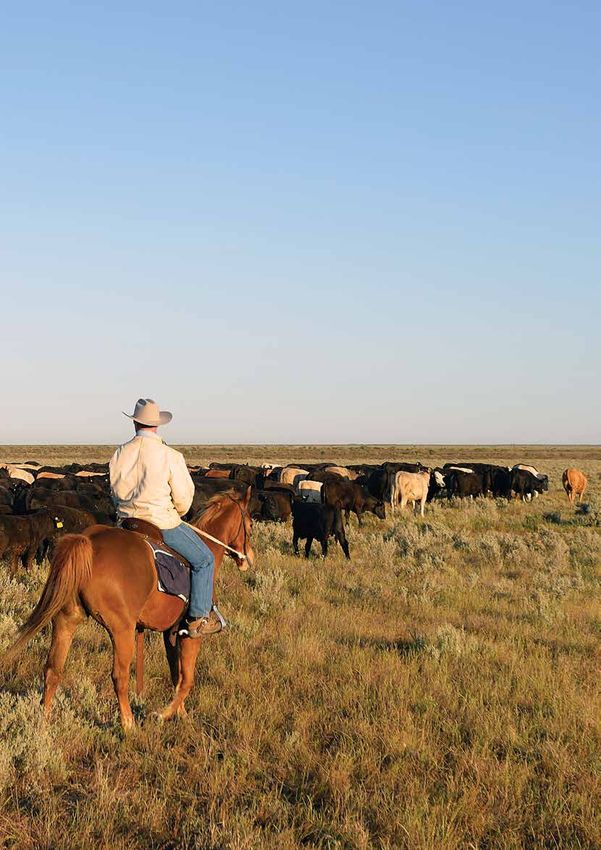
Regional Population                    Largest Gross Regional Product
                  2016                                    Contributor
                                                                          2011

NSW’s
population

                                    $783m 9% Jobs

 Broken Hill Pipeline           Second Largest Gross Regional Product
                   2016                                   Contributor
                                                                          2011

                                                             Agriculture

 Investment         $500m
 Pipe length         270km
 Employment          240 jobs    $334m 15% Jobs

323,477 Square Kilometres                           Major River Systems

 FAR WEST

                                            The Barwon-Darling System
                                             (one of the longest in Australia)

Tourism Expenditure                       Estimated Goat Population
               2014-2015                                                 2016

381,000
overnight visitors

$500m
direct spend
                                                 5.8 million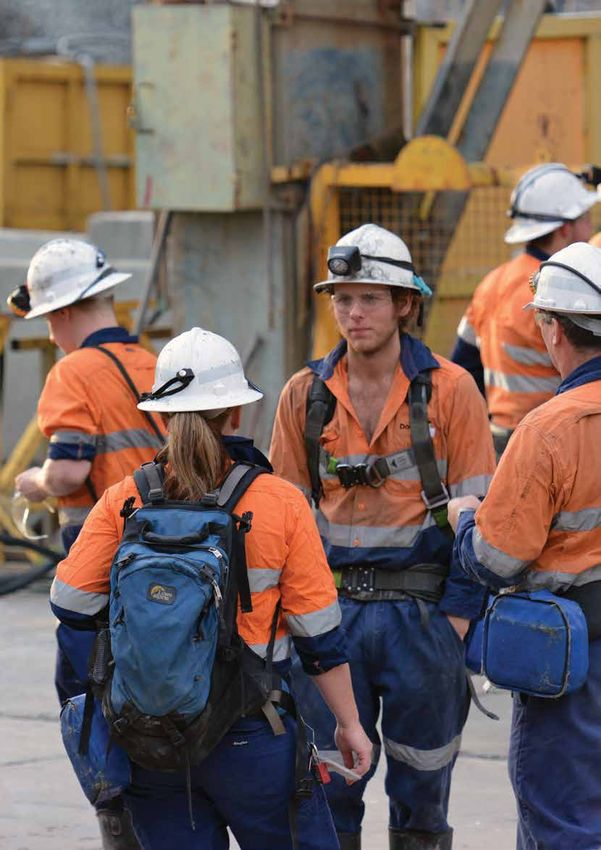
Delivering the Plan
The NSW Government’s commitment

To deliver the Far West Regional Plan 2036, all        The Committee’s ongoing role to implement the
levels of government, the private sector and the       Regional Plan will align with the outcomes of the
community will have to work together. The Plan         Far West Initiative, and be consistent with the
needs to be incorporated into each stakeholder’s       NSW Government’s strategic vision for the region.
future activities.

This is the first time the NSW Government has          Delivery
undertaken strategic land use planning for the Far     The Committee will take ownership for
West. Unifying stakeholders through this Plan is an    implementing this Plan – prioritising the actions
early step to improve regional coordination and        needed to seize on immediate and emerging
facilitate local leadership.                           opportunities for the region. In the short term,
                                                       its focus will be on growing the agribusiness,
Coordination                                           value-added manufacturing, mining, renewable
                                                       energy and tourism sectors; enhancing the
The NSW Government has established the Far             regional freight network; and planning for change
West Delivery, Coordination and Monitoring             in the region’s settlements. Over time, the
Committee to deliver, coordinate and be                Committee will identify new priorities to support
accountable for achieving the vision and goals         regional growth and change.
of the Plan. This dedicated new body comprises
representatives from local government and State        The Plan sets regional planning priorities and
agencies. It will listen and work with stakeholders    provides a framework for regional and local
to align infrastructure to support growth and          planning decisions. The NSW Government will
change in the region.                                  use it to advise infrastructure agencies about the
                                                       timing of new developments, and to inform the
                                                       ongoing planning and delivery of infrastructure,
                                                       asset management and services.

Figure 1: Far West Delivery, Coordination and Monitoring Committee

        Far West Delivery, Coordination and Monitoring Committee

       Coordination                             Delivery                      Accountability

 • Aligning across                   • Actioning the                  • Monitoring activity
    Government                            Implementation Plan               and trends

 •P
   artnering with local              • Supporting local planning       •P
                                                                           ublishing annual reports
  government                                                              and information

 • Listening to the community                                           •R
                                                                           evising and adjusting
                                                                          directions towards goals

6       Far West Regional Plan 2036
The Plan sets in place line-of-sight land use                 The Local Government Narratives provide
planning for the region and local government                  guidance for each council as they prepare local
areas to identify and resolve issues. Line-of-sight           land use strategies. The Committee will support
planning will allow issues to be identified and               this work to ensure local plans translate the vision
resolved early, rather than at the development                and guiding principles of this Plan into local
application stage.                                            priorities for growth and change.

This Plan is accompanied by an Implementation
Plan for 2017-2019.                                           Accountability
                                                              The Committee will monitor and review progress
More detailed regional district planning may be
                                                              towards achieving the vision and goals for 2036 to
undertaken in partnership with all stakeholders,
                                                              help prioritise infrastructure delivery and influence
led by the Committee. The Plan highlights
                                                              policy settings.
potential priorities for regional district planning
where matters cross jurisdictional boundaries.                An annual report will measure performance
                                                              against indicators for housing, employment,
A Government direction will be issued so that
                                                              communities and the environment, and include
when councils prepare new planning proposals
                                                              advice to the NSW Government on the delivery
or update local planning controls, they must be
                                                              of short-term actions.
consistent with the vision and guiding principles
of this Plan.                                                 The Committee will review the Plan every five years,
                                                              or as necessary, to help realise the vision for 2036.

Figure 2: State planning hierarchy

        OUR                   Regional                   Regional                   Local Plans
        NSW                    Plans                     Districts               • P repared by local
                                                                                    councils for each
                            • Prepared by             • Led by                      council area
                              Government                Government, in           • Must be consistent
                            • Sets priorities           partnership with            with Regional
                              and directions            local councils              Plan and Regional
                              for regions               and the community           District Plans
                                                            • For priority matters
                                                               that cross council or
                                                               jurisdictional boundaries

                                                                             Far West Regional Plan 2036        7
Vision
A unique part of Western NSW with a
diverse economy, supported by the right
infrastructure, an exceptional natural
environment and resilient communities
In 2036, communities across the Far West enjoy          Major rivers - including the Barwon, Darling and
the distinctive rural character of their communities,   Murray - natural waterways, wetlands and
with a higher standard of living driven by stronger     environmental corridors are protected. Together
partnerships.                                           with the region’s many other environmental and
                                                        cultural heritage features, they enrich the lives of
The regional economy is diversified. Innovative         residents and attract domestic and international
industries have developed around goat and               tourists.
kangaroo processing, and the region takes
advantage of opportunities presented by increased       Innovative public and community transport
global demand for alternative protein sources.          services make it easy for people to travel to work,
                                                        socialise and enjoy recreation options. Inter-regional,
A sustainable mining sector in Broken Hill, Cobar,      intra-regional and interstate travel is affordable.
Wentworth and Balranald generates direct                Regular and affordable airline services extend
employment and provides flow-on benefits to             travel opportunities in and out of the region.
communities. Growth in renewable energy -
including wind, solar and bioenergy generation          Communication technologies allow more people
- promotes local jobs in smaller communities and        to work and access services locally – particularly
provides opportunities for associated industries.       younger people. New residents are arriving and
                                                        older people are finding it easier to age-in-place.
People visit from around the world to enjoy             New jobs attract young families and skilled
significant Aboriginal and European heritage            workers to relocate to the region or return to the
and the unique outback experiences.                     communities where they grew up.
Collaborative partnerships between government           Well-designed, climate-resilient housing meets the
and local stakeholders facilitate major improvements    needs of communities, including the Aboriginal
to inter-regional rail and road infrastructure, which   community, the older population, singles, families,
increase choice and deliver more competitive            low-income households, and seasonal and
freight costs for the agriculture and mining sectors.   itinerant workers.
The region is a leader in climate change adaptation.    Walgett, Brewarrina, Bourke and Cobar local
Communities access the latest information to            government areas have developed further
manage the risks from natural hazards, and respond      connections with the Orana and take advantage
to the impacts of climate change and water              of services in Dubbo. The Wentworth and
availability. The Far West meets benchmarks for         Balranald local government areas benefit from
sustainable and innovative water resource               increasing ties with other communities along
management in agriculture, mining and community         the Murray River, and leverage opportunities
water supply, and water is shared equitably among       associated with growth in Mildura, Victoria.
users, including the environment, and with new          Broken Hill has established stronger connections
developments.                                           with Adelaide and operates as a strategic centre
                                                        servicing the western part of the region, with
                                                        strong connections to the Central Darling.

8       Far West Regional Plan 2036
To achieve this vision, the NSW Government has: acknowledged the opportunities for improved regional coordination and local leadership emerging through the Far West Initiative and ... set the following regionally focused goals: • A diverse economy with efficient transport and infrastructure networks • Exceptional semi-arid rangelands traversed by the Barwon-Darling River • Strong and connected communities
Figure 3: Far West 2036

                            Proposed Inland Rail          Potential Far West Projects
Strategic Centre
                            Corridor
                                                                Proposed BioHub Facility
Centre                      National Park and Reserve
                                                                Proposed Abattoir
Cross-Border Settlements    State Forest
                                                                Kangaroo Processing Facility
Inter-regional Connection   Forestry Area
                                                          Local Government Area
                                                          Economic Opportunities
Airport                     World Heritage Area
                                                                Agribusiness

Port                        Declared Wilderness
                                                                Value-Add Manufacturing

Hospital                    Waterway                            Tourism

                            Barwon-Darling River System
Area of Influence                                               Transport and Logistics
                            and Murray River
Proposed Water
Infrastructure Security     Local Government Area               Renewable Energy
Project
                                                                Mining
Improved regional
capacity and local
leadership to unlock
unique opportunities
A key component in the success of
the Far West
The focus for the future of the Far West is to leverage Developing locally coordinated whole-of-
its competitive advantages and unlock the potential government service models and approaches,
for unique economic opportunities. united behind a single vision for the region, will be
facilitated by strong governance arrangements.
Diverse landscapes support historic pastoral and Seizing opportunities to reduce service delivery
mining activities, an array of native species, and duplication and inefficiency will have real effect
world-class cultural heritage. Varied communities of on community wellbeing.
interest stretch across regional and state borders to
include Adelaide, Mildura, Melbourne, Dubbo, This Plan identifies where the NSW Government
Sydney and Brisbane. Strengthening these connections can support social, environmental and economic
will be critical to continued economic growth. outcomes in partnership with councils, the
community and local Aboriginal people. The
The region can leverage the value of these landscapes process for regional planning will evolve and is
to expand existing industries and support new focused on building regional capacity and
economic ventures, such as value-added strengthening local leadership.
manufacturing, tourism and renewable energy.
Realisation of the opportunities will require extensive Diverse landscapes
support from all levels of government and a
With a semi-arid climate across much of the region,
collaborative community approach. This Plan is the
the Far West is also home to a natural landscape that
beginning of better planning across the Far West.
includes bushlands and nationally and internationally
With vast distances, small populations and recognised wetlands. The Darling and Murray rivers
challenges across government and regional and the Menindee Lakes enable irrigated farming,
boundaries, all tiers of government and the region’s helping to drive the growing agribusiness sector.
service providers face significant challenges.
The economy is built on these diverse landscapes,
Understanding the local needs and challenges of which support mining operations in Broken Hill,
these communities is essential to overcoming the Cobar and Lightning Ridge, and diverse agricultural
barriers created by the remote nature of communities enterprises, such as intensive and irrigated cropping,
and the high level of social disadvantage in some wine and table grapes, and kangaroo and goat
areas. There is an opportunity to harness the strong production.
sense of, and commitment to, the community to
The historic connection with mining, which has
create local solutions.
flourished from the birth of BHP in Broken Hill,
will continue to play a defining role for the Far West.
New revenue streams from mining operations in
the Broken Hill, Balranald and Wentworth local
government areas will increase local employment
and economic output.
12 Far West Regional Plan 2036Connected Communities and Strategic Location
Darwin
Brisbane
Perth
Dubbo
Newcastle
Sydney
Mildura
Adelaide
Melbourne
Leveraging opportunities from the landscapes will Developing tourism products related to the unique
be important to support new economic ventures, outback landscape and its varied economic, social
such as value-added manufacturing and wind, and cultural history is a major opportunity. Marketing
solar and bio-energy generation, particularly organic and native produce and promoting arts,
where capacity exists for new connections. cultural and museum attractions will also increase
the region’s profile as a visitor destination.
As the agriculture sector expands beyond
traditional wool production, opportunities are Some of the world’s most significant cultural
emerging for unique industries, such as goat and heritage items are found in the Far West, including
kangaroo processing. Enormous potential exists Mungo Man and Mungo Lady and the Brewarrina
for the Far West to become the leading international Aboriginal Fish Traps, which are estimated to be
exporter of goats to expanding world markets. the world’s oldest human-made structures. The
challenge lies in conserving, sharing and
Success will depend on coordination across the promoting this heritage within Australia and the
entire supply chain and securing certainty of rest of the world.
supply through sustainable land management
arrangements. Maximising economic development Aboriginal culture and art help underpin an
outcomes will require tailored skills development important tourism sector and could increase local
programs, supported by local education services employment and social improvements for
and access to modern telecommunication Aboriginal people. Harnessing existing community
infrastructure. capacity, including Aboriginal leadership, will be
integral to the growth and strength of tourism.
Places and heritage Enhancing established local and regional
The Far West is steeped in culture, history and partnerships, such as the Murdi Paaki Regional
heritage. Its tourism industry is connected to the Assembly and Local Business Councils, and
backdrop of the outback, important sites to creating strong networks will position the Far West
Aboriginal people and areas that influenced as one of the leading regions in the State.
Australia’s colonial history.
Far West Regional Plan 2036 13GOAL 1
A diverse economy with
efficient transport and
infrastructure networks
Despite its relatively small population, the Far West Economic Output Per Person
is a significant regional economy. The economy is 2011
centred on agriculture and mining, which directly
contribute almost 40 per cent to the Far West’s
gross regional product (GRP).3
However, with most communities largely focused
around one industry, such as mining or agriculture,
they can be more vulnerable to economic downturns.
The regional plan aims to promote the efficient
use of infrastructure and cluster compatible land
uses in the right places to support the region’s
competitiveness and productivity.
Complex global supply chains create challenges
in terms of transport and infrastructure - these
elements must be efficient and competitively priced
to maximise the region’s productive capacity.
A large proportion of products are exported from
the region in base commodity form, often for Economic Contribution
processing elsewhere within NSW or overseas. 2011
An opportunity exists to attract industries to the
region to produce value-added products. Far West
$2.8b GRP
Regional NSW
$130.7b GRP
CSA Mine, Cobar,
courtesy of SixtybyTwenty
Far West Regional Plan 2036 15Top Five Industries by Employment Direction 1: Grow the agribusiness
2011 sector, value-added
2,680 manufacturing opportunities
Agriculture, and supply chains
Forestry, Fishing
Growing Asian economies are expected to drive a
77 per cent increase in food demand by 2050.4
15.7% 2,140
Health and
This presents opportunities for more and higher-value
12.5% Social Assistance agricultural and food products to be exported from
the Far West. Value-adding opportunities include
Other 44.1% Jobs 9.4%
1,612 agritourism, providing additional revenue streams for
Mining farms, and producing bioenergy and biofuels from
9.3% agricultural waste and woody weeds.
9.0% 1,586 Identifying and supporting further value-added
Retail Trade
manufacturing and processing industries will
encourage greater industry diversification and
1,536 associated job opportunities. Value-adding
Education
and Training opportunities include meat processing, native and
feral animal harvesting and processing, chickpea
flour processing, a BioHub plant and other
emerging niche and integrated developments.5
Significant opportunities exist in Bourke and Cobar to
become leading international exporters of goat meat
Top Five Industries and live goats. Australia exports goat meat to the US
by Economic Contribution and Taiwan and live export to Malaysia, Singapore
2011 and the Philippines. The industry is constrained by
inconsistent supply and quality. There is a need to
$783m develop supply chains which better satisfy the needs
Mining of specific markets and thus add value to the industry.
27.7% $334m
Agriculture,
11.8%
Forestry, Fishing Bourke abattoir
Economic $182m
contribution 6.4% Health and
Social Assistance
An approved, $60 million state-of-the-art small
5.6% stock abattoir for the processing of goats and
43.8%
Other 4.7% $157m lambs north of Bourke will capitalise on the
Public Administration growing export demand for these products.
and Safety
Livestock will be principally sourced from the
Far West. The facility will have the capacity to
$133m process up to 6,000 head of livestock a day
Education
and Training and employ 200 staff when fully operational.
It will service customer markets in the Middle
East, Asia and North America.
16 Far West Regional Plan 2036There is international demand for Far West Actions
agricultural products and native foods or bush
foods, such as the quandong, and through 1.1 Promote agribusiness diversification by
marketing products as sourced from outback reviewing local plans and removing
NSW. Other potential opportunities exist for a planning barriers.
small species abattoir in Broken Hill and the
1.2 Facilitate investment in the agricultural
potential re-opening of the non-operational
supply chain by protecting freight and
Walgett abattoir.
logistics facilities from conflicting land use
The focus for the future is to be responsive to the and the encroachment of incompatible
needs of agriculture and agribusiness, including land uses.
value-added manufacturing, to enable industry
1.3 Promote investment in value-added
growth and to promote the take-up of emerging
manufacturing in employment lands
opportunities.
through suitable land use zonings and land
Value-adding enterprises need ready and use definitions in local environmental plans.
cost-effective access to the regional freight
1.4 Encourage co-location of related advanced
network, utility infrastructure, skilled labour
and value-added manufacturing industries
and export markets.
to maximise efficiency and infrastructure
The right policy settings must be in place to use, decrease supply chain costs, minimise
provide agricultural land and a critical mass land use conflict, increase economies of
of agri-industries to encourage investment in scale and attract further investment.
agriculture and agricultural supply chains.
1.5 Develop and implement land management
The significant investment in establishing new arrangements to ensure continuity of
value-added manufacturing facilities must be supply for the emerging goat industry.
supported and protected. The co-location of
1.6 Promote the sustainable management of
related industries will maximise efficiency and
kangaroo populations by investigating
infrastructure use, decrease supply chain costs,
potential economic opportunities
increase economies of scale and attract further
associated with harvesting and processing
investment.
through policy and legislative mechanisms.
Reliable telecommunications will also be critical to
encouraging innovative farming that can increase
productivity and tap into new markets.
Given the fragile nature of some of the region’s Kangaroo management
environments, production systems must be
managed appropriately to enable continuity
of supply. Kangaroo populations present a challenge
and an opportunity. The commercial harvest
Estimated Kangaroo Population of wildlife is advocated as a pathway for
employment and economic development for
2016
Aboriginal people. Opportunities exist to
utilise local business knowledge, develop
12.6m
programs and offer incentives to encourage
new people to enter the industry as
professional harvesters. A more collaborative
approach to kangaroo management will
sustainably manage issues.
Left: Trilby Station, Louth, Courtesy of AJ Murray
Above: Merriman Shearing School, Brewarrina, Far West Regional Plan 2036 17
courtesy of SixtybyTwentyFigure 4: Top Three Contributors to Agricultural Production in the Far West, 2011
Cereal Crops
Other Broadacre Crops
Wool
Sheep
Cattle
Grapes (Wine and Table)
Citrus Fruit
Biophysical Strategic
Agricultural Land
Water Storage
Irrigation AreaDirection 2: Protect productive The planned separation of sensitive land uses can
allow more diverse land uses to develop and
agricultural land and plan for complement each other, while contributing to the
greater land use compatibility better management of biosecurity risks.
Agricultural production occurs across the region,
In contrast to much of NSW, the Far West has the
from intensive and irrigated crops – including
potential to effectively manage biosecurity risks
vegetables, fodder, stone fruits, viticulture, cotton
due to its separation from major populations and
and horticulture including citrus and flower
intensive industries, and the semi-arid climate
growing – to extensive broadacre cropping.
which is challenging for exotic animals and plants
Agricultural hubs include wine and table grape
to survive. The region can also capitalise on its
production along the Murray River in the south,
clean and green organic farming and marketing
and wool, kangaroo and goat production in the
advantage. The NSW Government’s commitment
north. Significant irrigation also occurs in the
to strengthening and maintaining biosecurity
Central Darling, Balranald, Wentworth, Bourke
measures is reflected in the NSW Biosecurity
and Walgett local government areas.
Strategy 2013-2021, the NSW Weeds Action
Highly productive agriculture requires ready Program 2015-2020, and the Draft NSW Invasive
access to water, high quality soils, labour and a Species Plan 2015-22.
suitable climate. While the total area of land
available for agriculture is large, comparatively few Actions
locations have access to all these characteristics.
2.1 Undertake targeted mapping to identify
The NSW Government will undertake targeted important agricultural land in local land use
mapping of important agricultural land to support strategies and local plans.
producers and councils in future planning. Protecting
important agricultural land will also help to keep 2.2 Manage the interface between agricultural
fresh food available locally. Targeted mapping will lands and other land uses to minimise land
incorporate biophysical, infrastructure and use incompatibility and fragmentation.
socio-economic factors, complementing existing 2.3 Appropriately zone irrigated land and land
Biophysical Strategic Agricultural Land mapping. with potential for irrigation purposes to
This will inform land use planning decisions. minimise inappropriate development and
The potential for land use conflict across agricultural land use incompatibility.
lands is high in some areas due to competing 2.4 Minimise biosecurity risks by undertaking
demands from incompatible land uses and urban risk assessments, taking into account
encroachment. This can inhibit farming practices biosecurity plans and applying appropriate
and over time affect productivity and economies buffer areas when assessing the potential
of scale. impacts of new development.
Land use planning can provide greater certainty 2.5 Implement the NSW Government’s
for investment by establishing clear parameters Agriculture Industry Action Plan – Primed
and transparent processes to support new for growth: Investing locally, connecting
development. A consistent planning approach globally.
can avoid fragmentation of productive agricultural
land and identify suitable locations for new rural 2.6 Develop local strategies to limit urban and
residential development. This approach will also rural housing development in agricultural
limit potential impacts on areas of high environmental and extractive resource areas, industrial
value and cultural and heritage assets. areas and transport corridors.
Far West Regional Plan 2036 19Direction 3: Sustainably For example, using modelling tools to guide
planning outcomes can prepare communities and
manage mineral resources service providers for the impact of mining and
Over the coming decades, the region will continue reduce the risk of one community being overly
to benefit from the economic and employment disadvantaged compared to another that receives
flow-on effects of the mining industry. full economic benefit. It is important to plan for
communities experiencing mining growth and
Mineral resource mining can benefit and impact those transitioning out of mining.
communities in different ways during the mining
lifecycle, from exploration and construction to The location of current exploration and mining
extraction and operational wind-down. The production titles in NSW, explanations of mining
sustainable management of mineral resources and production titles, and the roles of community
must consider and balance these varying impacts and government in the decision-making process
to produce long-term sustainable economic, for mining and resource projects is available at
social and environmental outcomes. www.commonground.nsw.gov.au.
The Far West employs a high level of drive-in, The NSW Government has developed a draft
drive-out workers. The nature of this type of Strategic Release Framework for Coal and
employment in mining operations changes Petroleum (including coal seam gas). This draft
resident populations, and creates different Framework outlines a process for the controlled,
demands for retail, health, education and strategic release and competitive allocation of
emergency services. new exploration licences. New exploration
licences would only be issued in areas released by
Once extractive resource lands have been the Minister for Resources and Energy after an
identified, there may be opportunities to identify assessment of resource potential and economic,
interim activities that will enable productive use of environmental, social factors and community
the land without sterilising the potential of the issues. The draft Framework is a transparent and
underlying resource. informed approach, consistent with the NSW
Government’s broader land use resources
In the long-term, in areas where mineral extraction
strategy.
is declining, some regional communities will need
to diversify and transition their economies. Mining operations require water and energy
Rehabilitating former mines can provide an infrastructure to support them. It will be important
opportunity for a new development or use. to strategically plan for water and energy
infrastructure to support new and emerging
Local land use strategies must respond to the
mining opportunities. In established mining areas,
lifecycle of mining to give all stakeholders,
such as Cobar, potential future water supply
including investors, certainty around the long-
deficiencies could impact mining operations as
term productive value of land. The COAG
well as the community. Securing funding for future
(Council of Australian Governments) Standing
water security projects will be important for the
Council on Energy and Resources Multiple Land
future of the mining industry. Regional Water
Use Framework includes planning principles in
Security Program projects are discussed in
this regard.
Direction 26.
Through the work of the Western NSW Mining
and Resource Development Taskforce, the NSW
Government is investigating how western NSW
communities can capitalise on the economic
benefits and manage the impacts of the mining
sector. Regional-scale modelling tools enable a
better understanding of how benefits will be
distributed across affected communities.
Fort Bourke open cut mine, Cobar
20 Far West Regional Plan 2036Actions
3.1 Work with Councils to implement a Mining in Cobar Shire
modelling tool to understand servicing
needs and opportunities for communities to
better capture the economic benefits of Cobar Shire has been an important
mining, and help communities plan for the copper, gold, lead, zinc and silver mining
implications of mining. district for nearly 140 years.6 Peak, CSA,
Endeavour, Manuka and Hera mines
3.2 Consult with the Division of Resources and operate in the Shire and there is potential
Geoscience when assessing applications for for further development in the area, such
land use changes (strategic land use as the Nymagee Copper mine, Mallee
planning, rezoning and planning proposals) Bull prospect near Gilgunnia and Mount
and new development or expansion. Boppy near Canbelego. Potential exists
for further discoveries of gold, copper,
3.3 Protect areas of mineral and energy silver, lead and zinc in two belts of
resources potential through local land use north-west to south-east trending
strategies and local environmental plans. prospective rocks, referred to as the
Cobar–Nymagee and Mount Drouin
3.4 Protect infrastructure that facilitates mining
potential resource areas.
industries, such as road and rail freight
routes, and energy transmission networks,
including gas pipelines, from development
that could affect current or future extraction.
Mining in the Far West
3.5 Support communities that are transitioning
out of mining operations and help them to
plan for new economic opportunities. The mining industry is the primary
economic driver in Broken Hill (silver, lead
and zinc), Cobar (copper and gold),
Lightning Ridge (opal) and White Cliffs
(opal). Mining of mineral sands occurs
within the Broken Hill, Balranald and
Wentworth local government areas.
There is also the opportunity for iron ore,
copper, gold, cobalt and magnetite
mining around Broken Hill.
Far West Regional Plan 2036 21Figure 5: Mineral Resources and Renewable Energy
Key Transmission Lines (kilovolts) Current Mineral
Strategic Centre
Exploration Title
500
330 Centre Petroleum Exploration Title
220 Electricity Network
Highway
Connection Opportunity
132
66 Solar Power Major-Regional Road
Average daily solar exposure Potential Renewable Energy
Project - Solar Railway
(megajoules per square metre)
21 Potential Renewable Energy
Project - Wind Power Gas Pipeline
20 Indicative High Wind
Local Government Area
Speed Area
19
Current Mining Mineral Title
18Direction 4: Diversify energy 4.3 Facilitate small-scale renewable energy
projects using bioenergy, solar, wind,
supply through renewable small-scale hydro, geothermal or other
energy generation innovative storage technologies through
The Far West has many opportunities for local environment plans.
investment in renewable energy, including
large-scale wind and solar generation and
bioenergy.
Silverton Wind Farm
TransGrid’s NSW Connection Opportunities
identifies Broken Hill, Wentworth and Balranald
local government areas as having capacity for The approved Silverton Wind Farm will be
high renewable energy generation. An interactive constructed in the Barrier Ranges, 25
map of renewable energy potential is available kilometres north-west of Broken Hill. The
at www.resourcesandenergy.nsw.gov.au. $450 million project will create up to 150
jobs during construction, produce
The NSW Government’s Renewable Energy enough renewable energy to power over
Action Plan (2013) has driven wind and solar 137,000 average Australian homes and
proposals across the State, including the existing represent a significant economic
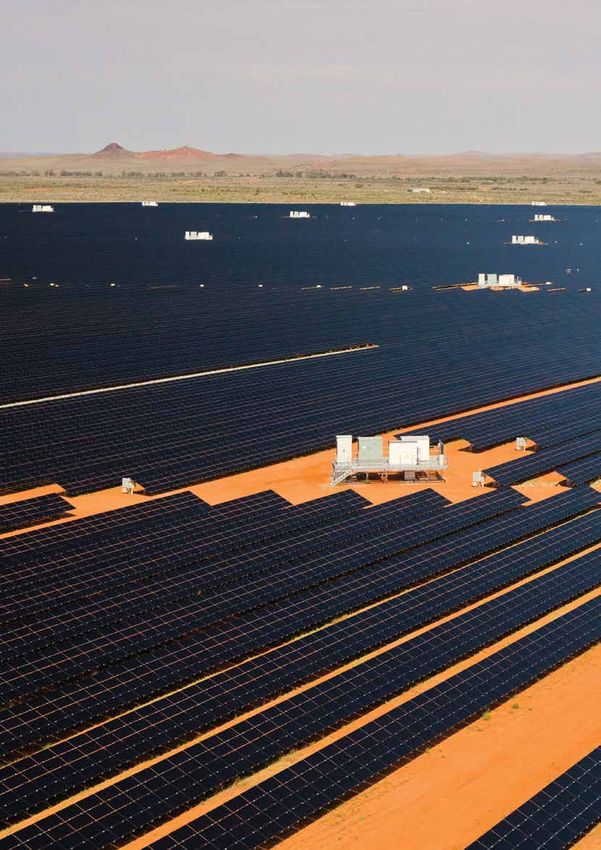
53 MW Broken Hill Solar Voltaic Power Project investment. Improvements in technology
and the Silverton Wind Farm. may also allow future development of
other wind infrastructure in areas currently
Broken Hill can capitalise on investment in less suited to wind energy generation.7
renewable energy to develop generation and
associated secondary industries, including
research, project management, installation and
asset maintenance.
Cobar BioHub project
Opportunities to co-locate renewable energy
generation at resource or industry sites can
attract other similar industries. Biomass (including In addition to the proposed Orana BioHub
agricultural, forestry and municipal waste), in Dubbo, the proposed Cobar BioHub
facility has been conceived to utilise and
carbon sequestration and methane from coal
value-add locally generated invasive
mines are emerging energy sources. Existing native scrub materials (currently burnt in
waste management facilities could add power the paddocks from where it has been
generators and harness sewage and landfill removed) resulting in the manufacture of
gases. Early and effective community engagement highest value bio-products.
will be promoted on these projects.
The Cobar facility could improve the
economics of land rehabilitation for local
Actions land managers by increasing property
productivity and creating by-product
4.1 Identify areas and project sites with
bioenergy.
renewable energy potential, and
infrastructure corridors with access to The $36 million project is expected to
the electricity network, to inform land generate up to 20 skilled jobs.8
use planning.
4.2 Promote best practice community
engagement to realise community
benefits for all utility-scale renewable
energy projects.
Broken Hill Solar Farm,
courtesy of AGL
Far West Regional Plan 2036 25Direction 5: Promote tourism
opportunities Line of Lode, Broken Hill
The region appeals to domestic and international
The Line of Lode is an iconic tourist
visitors as it offers an authentic outback experience.
attraction with State and National
Unique features include the Brewarrina Aboriginal
industrial heritage values and heritage,
Fish Traps, artesian baths and opal mining in tourism and economic significance to
Lightning Ridge, heritage and film tourist trails, Broken Hill. Investment in the
the underground opal mining town of White development of the Line of Lode Precinct
Cliffs, the Louth Races, the Murray, Darling and is critical to capitalise on the precinct’s
Barwon rivers and the Gundabooka, Sturt, potential as a major tourist attraction.
Toorale, Mutawintji and Mungo national parks.
In 2016, the Department of Industry –
Domestic visitor numbers to outback NSW are Lands & Forestry commissioned a
increasing, mainly due to the popularity in camping/ masterplan and development
driving holidays, the growing number of travelling opportunities to revitalise the Line of Lode
Precinct. These opportunities include
retirees, improved mobility and accessibility, and
making the site more accessible, adding
growing appreciation of the landscape.
complementary attractions and
Tourism opportunities that help to extend the experiences to the existing iconic Broken
Earth Cafe and Miner’s Memorial, and
time visitors spend in the region need to be
reconfiguring the cafe to maximise its
further explored. This could include a focus on efficient operation.
organic and native produce, natural landscapes,
European heritage and scientific and paleo-
archaeological-focused tourism around Aboriginal
heritage. Promoting arts, cultural and museum Australian Opal Centre,
attractions, such as the Mad Max Museum and
Back O’Bourke Exhibition Centre, in addition to
Lightning Ridge
contemporary Aboriginal and European artists,
could help increase visitor numbers. The Australian Opal Centre is a not-for-
profit facility dedicated to opal-related
Tourism generates employment and business scientific research, education and training,
growth that contributes to better economic heritage and arts, travel, cultural and
outcomes for Aboriginal communities. economic development. More than $1
Destination NSW’s Aboriginal Tourism Action million in local, State and Federal grants
Plan is being updated for 2017-2020 to support and private donations have been received
the development of Aboriginal tourism to fund the Centre. A full cost benefit
experiences and businesses. This will lead to analysis is required to complete the
business case for further investment.
economic and social benefits for Aboriginal
people, both as operators and employees.
Limited transport and access within and outside
the region appeals to some visitors because it
adds to the remote experience; however,
maintaining and improving transport connections
for visitors, managing seasonal fluctuations in
local employment, and greater investment in
attractions will boost tourism.
Above: Trails and tours, Balranald,
courtesy of Balranald Shire Council
26 Far West Regional Plan 2036
Right: Old opal mine, Lighting RidgeActions
Access to tourism assets 5.1 Implement Destination NSW’s Draft
Aboriginal Tourism Action Plan 2017 –
Better access to tourism assets will unlock 2020 when finalised.
their tourism potential. For example,
Mungo National Park, the site of the 5.2 Expand Aboriginal Export Ready Tour
oldest known human cremations in the Products by partnering with relevant
world, can only be accessed via unsealed stakeholders.
roads, which are heavily affected by wet
weather. Roads can be closed on short 5.3 Consult with native title holders, particularly
notice for preservation, affecting the main prescribed body corporates, to determine
entrance to Mungo National Park via how land subject to native title rights may
Arumpo Road, which reduces visitor be utilised in the tourism sector.
numbers.9
5.4 Implement the Line of Lode
The Murray-Mallee Regional Transport Redevelopment Strategy.
Study 2011 Final Report recommended a
sealed, all-weather tourist loop road to 5.5 Improve access and infrastructure for the
Mungo National Park, connecting to tourism sector, focusing on all-weather
Mildura and Balranald. transport routes.
The NSW Government has invested $1.3
5.6 Investigate development of a regional
million from the Regional Tourism
tourism trail between Balranald,
Infrastructure Fund to upgrade Lightning
Ridge and Bourke airports to boost Wentworth, Mallee Cliffs, Mungo and
capacity and safety, and increase their Yanga floodplains; and between White
ability to attract visitors.10 Cliffs, Menindee, Tibooburra and Silverton.
5.7 Investigate development of a Far West
Sculpture Trail encompassing sites at
Broken Hill, Mutawintji, White Cliffs and
Wilcannia.
5.8 Align local land use and tourism strategies
with the relevant Destination Management
Plan.
5.9 Identify opportunities for tourism and
associated land uses in local plans.
Far West Regional Plan 2036 27Figure 6: Tourism Assets
Strategic Centre
Centre
Railway Tourism
Highway
Major-Regional Road
Tourism Route
European Heritage
Aboriginal Heritage
of National Significance
Natural Tourism
Art/Culture
Mining History
World Heritage Area
Declared Wilderness
National Park and Reserve
Forestry Area
Ramsar Wetland
Waterway
Destination NSW Network Boundary
Country and Outback NSW
Riverina MurrayDirection 6: Unlock economic
Unsealed roads potential through improved
freight transport
Many local roads are unsealed due to infrastructure
the expensive cost of sealing and The Mitchell, Barrier, Silver City and Cobb
maintenance. Unsealed roads are highways connect the region directly to South
generally more vulnerable to closure than
Australia, Queensland and Victoria, as well as the
sealed roads during weather events,
east coast. The nationally significant rail corridor
which may cause lengthy detours and
isolation for remote communities. between Adelaide and Sydney also passes
through the region.13 This diversity of connections
Sealing strategically identified portions can be leveraged to benefit the economy and
of the region’s roads could help the communities into the future.
efficiency of the network. For example,
the finalisation of sealing portions of the Improved network connections
Silver City Highway from Broken Hill
through Tibooburra could provide an Agriculture and mining rely on efficient road,
alternative freight route between rail and air freight networks. The vastness of the
Queensland and Victoria.11 region, and the distances to ports and markets,
present a great challenge.
Local road connections that feed into the State
GrainCorp investment in and national road freight network are important for
the agricultural supply transporting agricultural produce and mining
products. Identifying and resolving freight and
chain
road pressure points will help to grow agricultural
and mining activities.
Private organisations are rationalising
Restrictions on certain freight vehicles using local
grain storage and distribution facilities in
the region. GrainCorp has partnered with roads, unsealed local roads and the cost of local
the NSW Government through the Fixing road maintenance, are significant impediments to
Country Rail program to invest in the the road freight network. The NSW Government
construction of additional storage facilities acknowledges that these constraints can
and railway sidings at Burren Junction substantially affect economic productivity.14
(Walgett Local Government Area).
GrainCorp has funded new train loading The 2010 Melbourne-Brisbane Inland Rail
equipment, roads, grain bunkers and Alignment Study, prepared by the Australian Rail
other supporting infrastructure, while the Track Corporation, identified the preferred
NSW Government has funded the rail corridor for inland rail.15 Although this corridor is
siding extension and supporting not located in the Far West, this infrastructure will
infrastructure works on the Narrabri to provide better access for Far West producers to
Walgett line. export markets.
These improvements will reduce
shunting, allow for faster train loading and
save a projected $9 per tonne in freight
costs between farm and port.12 The siding
will be lengthened to allow up to 40
wagons and the facilities upgraded so
that a train can be loaded in four hours.
The project responds to the need to help
service a major grain receival site.
Above: Bridge over the Murrumbidgee River,
courtesy of Balranald Shire Council
30 Far West Regional Plan 2036 Right: Road access, Mungo National Park,
courtesy of Destination NSWCoordination of investment in the Actions
transport network
6.1 Identify the regional freight network
Ongoing investment to maintain and upgrade (including key national, State, regional and
transport routes is essential to support future local roads and the rail network).
economic growth in the Far West. The NSW
Government will continue to support coordinated 6.2 Investigate and prioritise Council-identified
investment in freight, priority road and rail projects to address impediments to the
infrastructure and airline services because of their regional freight network and improve
importance to the regional economy.16 capacity and opportunities in the network.
A regional economic development strategy, 6.3 Identify, coordinate and prioritise the
developed in collaboration with regional delivery of local and regional projects
stakeholders will identify key enabling forming part of the regional freight network.
infrastructure, investigate policy interventions and
6.4 Locate freight and logistics facilities to
provide recommendations to support future
capitalise on connections to external
economic development of the Far West.
markets, maximise the use of existing
Identifying potential freight network corridors can infrastructure and support future industrial
promote nearby economically valuable land uses. development.
Private investment can be directed at road and rail
6.5 Prepare a regional economic development
pressure points, as is occurring in the program
strategy that drives economic growth
commenced by GrainCorp at railway sidings in
opportunities by identifying key enabling
NSW and Victoria.
infrastructure and other policy interventions
to unlock growth.
Transport for NSW administers two coordinated
programs for network investment:
• Fixing Country Rail removes Central Darling Roads
productivity and efficiency constraints
on the regional rail network; and
• Fixing Country Roads targets funding to
93%
local councils for road projects that will
eliminate connectivity constraints on
local roads in NSW.
The NSW Govenment has invested $3.3 million for of roads
road projects that eliminate constraints on remain unsealed
connections in Broken Hill, Cobar and Walgett,
under Fixing Country Roads.
Some councils may not have sufficient resources or
capacity to prepare detailed business cases to
support infrastructure investment, and government
and infrastructure agencies will need to work with
councils to share skills and expertise.
Far West Regional Plan 2036 31Figure 7: Potential Freight and Network Improvement
TfNSW and RMS will develop a
corridor strategy for the Silver City
highway, which will identify key
challenges surrounding current
performance issues, future changes
along the corridor and also define
investment priorities. This will also
include consideration of heavy
vehicle movements around Broken
Hill and options to improve urban
amenity and connectivity for local
residential and commercial uses,
as well as mining and agricultural
industries around town.
A commitment of $30.5 million
has been made to seal the next
Strategic Centre stage of the Silver City Highway,
between Broken Hill and
Centre Tibooburra. Five to 10 kilometres
of the road is being sealed per
year. High-priority sections are
Potential Road Realignment being sealed first and other
sections are being gravelled.
Road Safety and
Flooding issues
A commitment of $9.9 million
has been allocated to the Cobb
Further Assessment Required Highway which connects Wilcannia
and Ivanhoe. Significant areas of
this corridor are currently unsealed.
Important Bridge Crossing
Operational Intermodal The proposed Wool Track provides
Terminal an alternate freight and tourist road
connection between Balranald
Proposed Intermodal Terminal and Cobar, passing through
Ivanhoe and onto Queensland.
This connection provides the Far
Railway West with more direct access
to and from South Australia.
Highway
Crossings over the Murray River
are important for facilitating access
Major-Regional Road between NSW and Victorian
settlements, including access to
health and education facilities,
Waterway retail and government services
and employment opportunities.You can also read


