Gippsland Ports Presentation to SEATS Conference - February 2018 - SEATS | South East Australian Transport ...
←
→
Page content transcription
If your browser does not render page correctly, please read the page content below
Gippsland Ports
Presentation to SEATS Conference
           February 2018

                                   1
Victoria’s Ports

                                                                                                           Port of
                                                                                                           Snowy River   Tamboon

                                                              Port of                                              Sydenham
                                                              Anderson Inlet                                       Inlet

                                                                                                 Lake Tyers                   Port of
                                                                                                                              Mallacoota
                                                                                       Port of Gippsland
                                                                                       Lakes

                                                                               Port of Corner
                                                                 Shallow       Inlet & Port
  1   Portland Bay    8    Port Phillip Bay and Queenscliff
                                                                 Inlet         Albert
  2   Port Fairy      9    Westernport
  3   Warnambool      10   Anderson Inlet
  4   Port Campbell   11   Corner Inlet & Port Albert
  5   Apollo Bay      12   Gippsland Lakes
  6   Lorne           13   Snowy River
  7   Barwon Heads    14   Mallacoota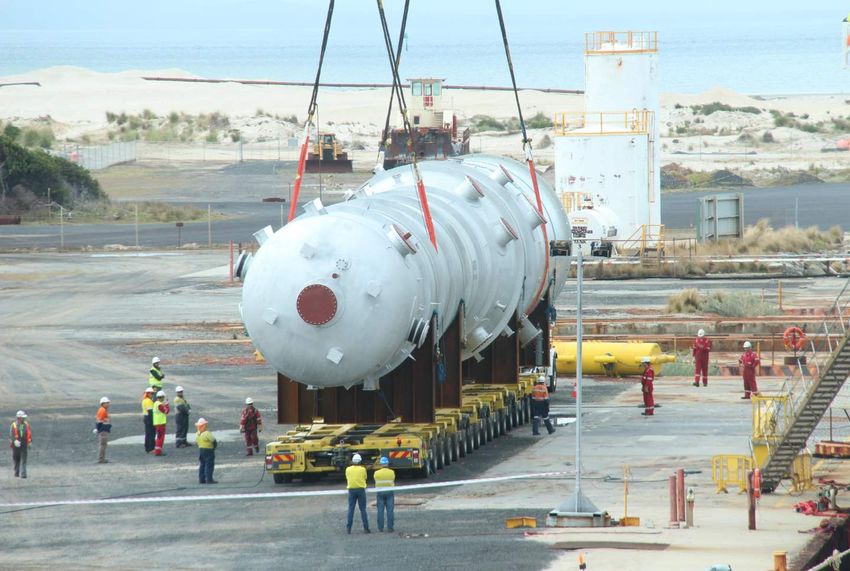
Gippsland Ports - Area of Management

         Barry Beach
Overview of Victorian local ports:

Local Port      Local Ports     No. of   No. of       Area   Nav Aids Wharves & Berths &           Commercial Slipways   Employees Harbour   Hydro        Dredging             Marine Pollution   Responsibility   Maritime
                                Local    Waterways                    Jetties   Moorings           Boatyards                       Master    Survey                            designated         for commercial   Transport and
Manager                         Ports    (excluding                                                                                          Capability                        Regional Control   port             Offshore
                                         Local Ports)                                                                                                                          Agency             operations       Facilities
                                                                                                                                                                               (VICPLAN)                           Security Act
                                                                                                                                                                                                                   responsibilities

Gippsland      Anderson            5          4       1,400 800+       100+        900+                 2         4         56       yes         Yes      Gippsland                 yes                yes               yes
Ports          Inlet, Corner                          km2                                                                                                 Lakes                                   Corner Inlet,
                                                                                                                                                                                                   Barry Beach
               Inlet & Port                                                                                                                               (continuously),
                                                                                                                                                                                                     Marine
               Albert;                                                                                                                                    Corner Inlet                              Terminal,
               Gippsland                                                                                                                                  (periodically)                          Port Anthony
               Lakes,                                                                                                                                                                                Marine
                                                                                                                                                                                                    Terminal,
               Snowy River;
                                                                                                                                                                                                      Lakes
               Mallacoota                                                                                                                                                                           Entrance
Parks Victoria Port Phillip,       3          6       1,610 1,000        44     3000 (note              0         1         30       No          No       Queenscliff,               No                No                No
                                                                                1,800 managed                                                             Patterson River &
               Western Port,                          km2                       by other agents)                                                          other sites on
                Port Campbell                                                                                                                             intermittent basis

Barwon Coast    Barwon Heads       1          0        N/A               2            6                 0         0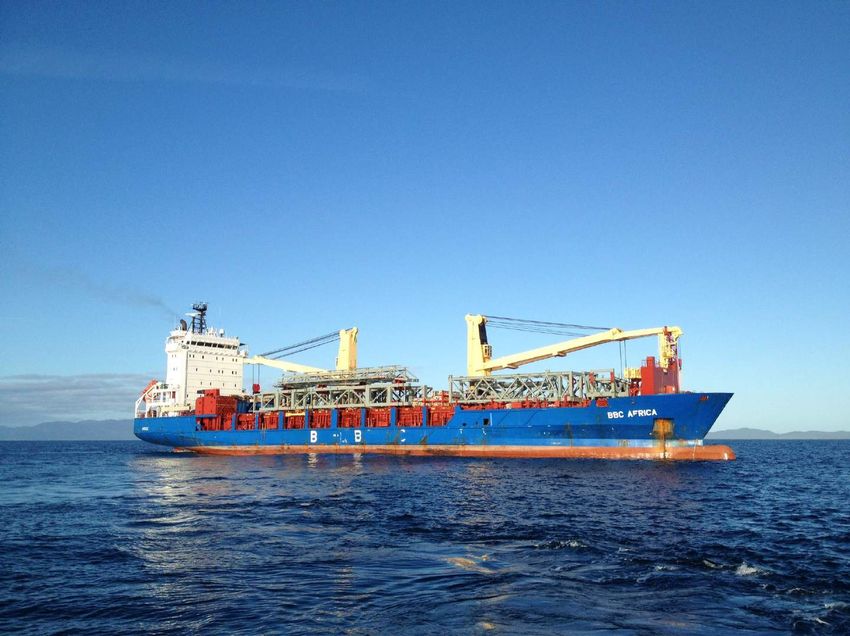
Opportunities for commercial shipping in Gippsland

• There are opportunities to build on the long
  history of maritime transport and commercial
  shipping in Gippsland.
• The existing commercial port of Hastings is part
  of the 4 port configuration that forms the
  commercial port strategy for Victoria.
• There are two other ports in Gippsland, Corner
  Inlet and Gippsland Lakes (Lakes Entrance) that
  also have a long history of commercial shipping,
  although these are not recognised.
                                                 5
Oil and gas industry services

                                6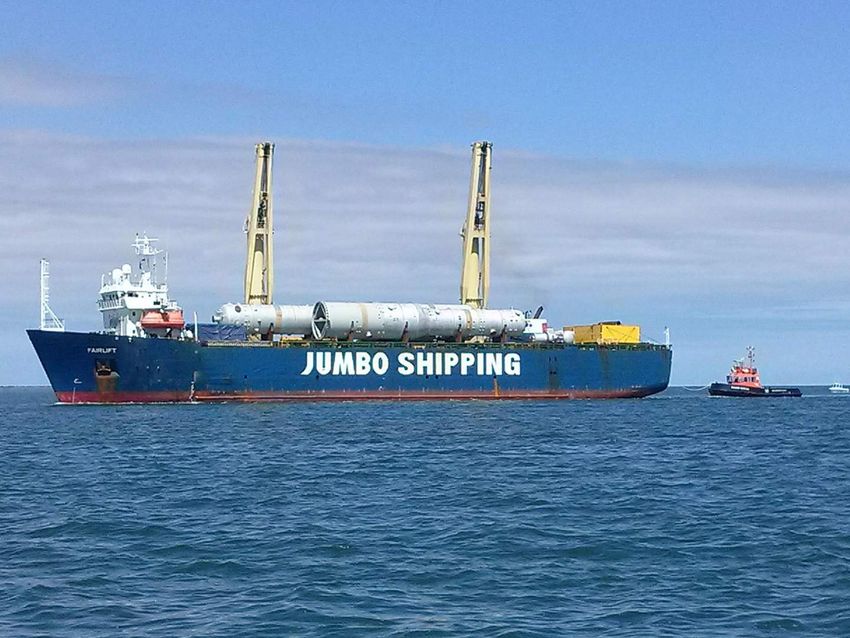
Oil and gas industry services

                                7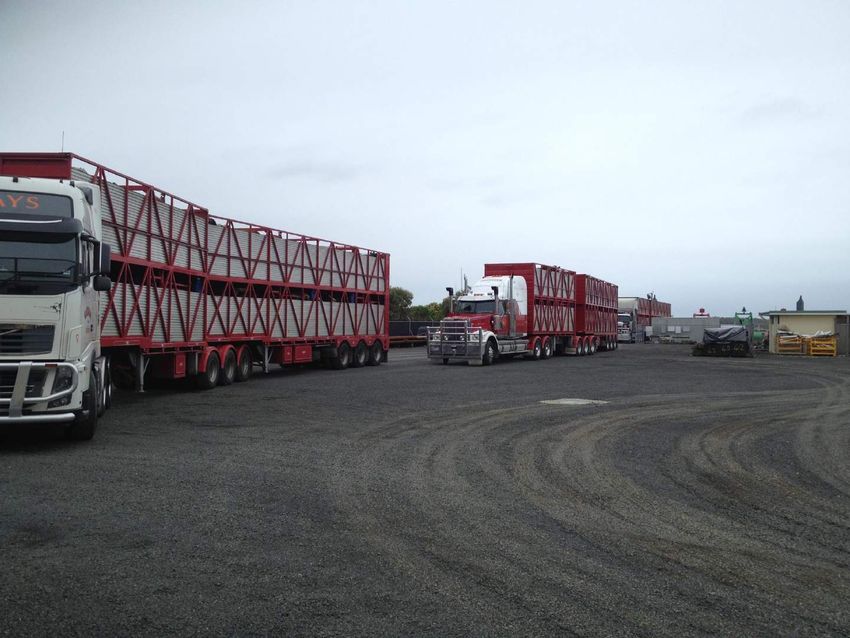
Power industry components delivered through
                Corner Inlet

                                          8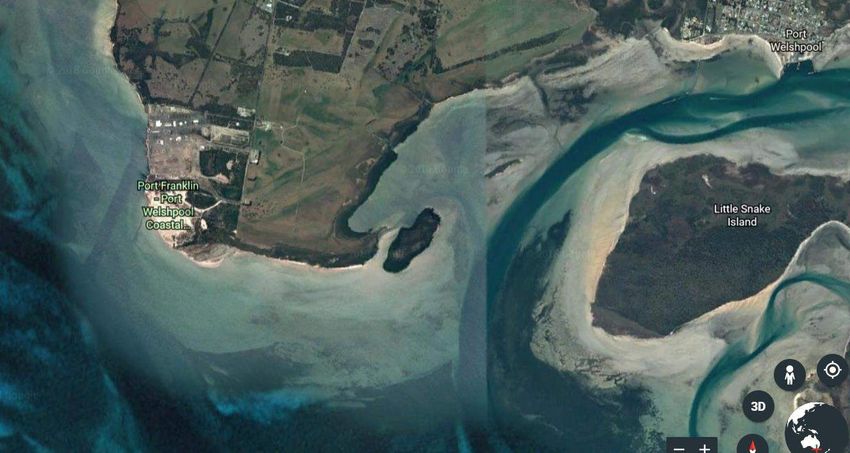
Commercial Port Management –
   Commercial shipping
                Break in Corner
                       bulk     Inlet
                            cargo

                                        9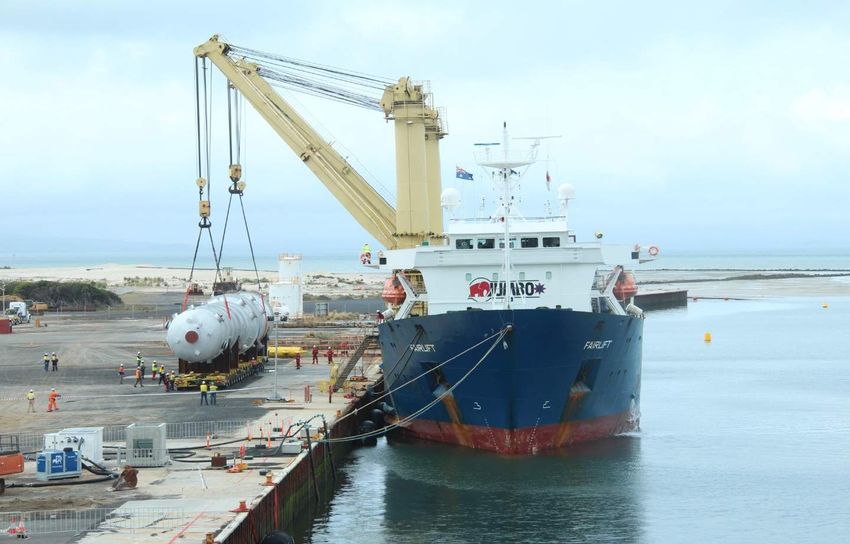
Heavy lift vessel at Barry Beach

                                   10
Power industry components at Barry Beach
11Bass Strait Livestock Transport
12Opportunities for commercial shipping in Gippsland
• Port of Hastings currently has approx 100
commercial vessels per year
• Port of Corner Inlet currently has approx 230
commercial vessels per year (excl. fishing)
• Both Ports have potential for increased
throughput
• Hastings currently has approx. 1.7m tonnes p/a
with capacity for up to 5m tonnes p/a.
• Existing deep water channel (up to 15m)
• 3,500 h/a land potentially available (zoned) for
port services
• Capacity of Corner Inlet can be substantially
13
increased through dredgingOpportunities for commercial shipping in Gippsland • Emerging industry developments within the region • Corner Inlet (Barry Point) central to 6 LGAs comprising 18% of Victoria’s land area • Proximity to Tasmania relative to Melb for Bass Strait trade • Corner Inlet comprises a large body of water with good anchorages • Key export industries located within the region (agriculture, forest products, resources) • Land area available to support landside requirements for maritime transport development 14
Source: Gippsland Freight Strategy 2013

Note the focus on Melbourne as the hub and lack of connectivity
from Gippsland to the two potential regional commercial ports.

                                                                  15
Potential developments in Gippsland - AGL
• AGL announced in August 2017 Crib Point
(Western Port) as the preferred site for a gas
import jetty and pipeline to increase energy
security and supply for south eastern Australia.
• AGL would invest $250 million, commence
construction in 2019 and bring the terminal into
operation by 2020/21.”
• The project involves upgrading an existing jetty,
40 ships per year and building an underground
pipeline to Pakenham (no road transport) where
gas will enter the grid to supply South Australia
and NSW as well as Victoria.
16Potential developments in Gippsland –
Offshore Energy
• November 2017 Offshore Energy Pty Ltd.
(Offshore Energy) and Copenhagen
Infrastructure Partners (CIP), on behalf of the
fund Copenhagen Infrastructure III K/S (CI III),
announceed that they have entered into a
partnership regarding the continued
development of Australia’s first offshore wind
farm, the Star of the South. The project has so
far been developed solely by Offshore Energy.
17Potential developments in Gippsland –
Offshore Energy
• The Star of the South Energy Project
(‘Project’) is in the initial stages of
development to further investigate and
assess an area off the south coast of
Gippsland, Victoria to determine its
suitability to eventually construct an
offshore wind farm.
18Potential developments in Gippsland –
Offshore Energy
• The Project will see the creation of
approximately 12,000 jobs (direct and
indirect) during construction and 300
ongoing jobs over its 25-year life. Of the
estimated $8 billion to be invested during
the development and construction of the
Project, approximately half could comprise
local content.
19Potential developments in Gippsland –
Offshore Energy
• Offshore Energy is working with the
Commonwealth Government to obtain
rights to allow it to investigate the chosen
site, within the Commonwealth
Government’s jurisdiction, to determine
the feasibility of developing the Project.
20Potential developments in Gippsland –
Offshore energy
The Project will involve:
• Upgrade and expansion of existing nearby
port facilities to enable construction and
later operation and maintenance of the
wind farm.
• Construction of at least two offshore
substations and a network of cables to
connect the turbines.
21Potential developments in Gippsland –
Offshore Energy
• Construction and assembly of up to 250
turbines over an area of 574 square
kilometres, located at depths ranging
between 20 metres and 40 metres.
• 95km route for each of the four x 500MW,
underground and undersea transmission
cables.
• Utilisation, where possible, of existing
transmission infrastructure and land rights.
22Potential developments in Gippsland –
Offshore Energy
• Star of the South would generate 8000-
gigawatt hours of energy annually, enough
to power 1.2 million homes, and account
for nearly 20 per cent of Victoria’s energy
demand.
23Potential developments in Gippsland - Kalbar
• Subject to approvals, Kalbar proposes to begin
construction of the project in 2019, with mining
operations to commence in 2020.
• The approvals process for the Fingerboards
Mineral Sands Project commenced in the
second half of 2016 and includes an EES
• Kalbar anticipates that the approval of an EES,
mining work plan, mining licence and cultural
heritage management plan will take
approximately two years.
24Potential developments in Gippsland - Kalbar
25Potential developments in Gippsland - Kalbar
26Potential developments in Gippsland –
Port Infrastructure & Services
Qube Group
• Vision to develop Barry Beach Marine
Terminal into a world class multi user port
facility
Port Anthony Stevedoring Services P/L
• Vision to develop and operate Port
Anthony Marine Terminal to cater for dry-
bulk cargoes
27Potential impediments to future development
• Hastings has lost approx. 2m tonnes trade p/a
through not being able to provide secure land
access
• There are constraints on rail capacity on
Frankston line
• Embargo on international container cargo
through Hastings for next 15 years
• Corner Inlet has limited vessel operating
parameters thereby limiting vessel size or
alternatively necessitating substantial capital
dredging
28Barry Beach
29Potential impediments to future development Corner Inlet - Current operating parameters: • Least depth on the Bar at Corner Inlet entrance is approximately 7.0 metres at LAT. • Least depth in the Main Channel and Toora Channel is approximately 5.4 metres at LAT. • Least depth in Barry Beach Channel is approximately 5.2 metres at LAT. • Least depth alongside BBMT is approximately 6.0 metres at LAT. • Vessels up to 100m LOA, 6500t DWT, 6m Draft, cargo capacity approx. 3,500t - 4,500t (subject to conditions) 30
Potential impediments to future development
• Corner Inlet is a RAMSAR listed wetland and
  comprises several Marine Parks
• Lead time associated with obtaining requisite
  environmental approvals to undertake dredging
• Absence of any public policy for development of
  commercial shipping in Corner Inlet
• Govt agency planning not keeping pace with
  private capital and market opportunities
• Apparent disconnect between Govt (State &
  Local) support for potential projects and
  infrastructure and services planning and delivery
• Port development sites also identified as
  regional tourism assets                         31
Potential impediments to future development
• Gippsland Freight Strategy (GLGN 2013)
  identifies only Hastings as a future port for
  Gippsland
• Gippsland Freight Infrastructure Master Plan
  (C4G 2013) does not identify port development
  at Corner Inlet as a priority initiative
• SGSC Economic Development & Tourism
  Strategy 2015-2020 identifies development of
  Port Anthony at Barry Point as a major
  infrastructure project.
• SGSC identifies development of ports at
  Hastings and Barry Beach will provide new
  economic opportunities.                       32
Potential impediments to future development
• SGSC strategic principle: “Achieve
  integrated transport systems to ensure
  they are reliable, affordable and
  convenient to enable the efficient
  movement of freight and people. This
  includes road, rail, air and sea” not
  reflected in Action Plan or Strategic
  Infrastructure priorities from a port
  development perspective

                                         33
Potential impediments to future development
• Mornington Peninsula Shire Council Economic
Development Strategy 2016-19:
“KEY INITIATIVES - Advocate to the State
Government for continued investment into
the development of the Port of Hastings”
“OUTCOMES - State Government to
provide certainly on the continued
investment into this project”
• The foregoing outcome is not reflected in any
current port development strategy.
34Potential impediments to future development
• Gippsland Regional Plan 2015-2020 identifies
freight and logistics as key elements in regional
economic prosperity
• GRP acknowledges much of Gippsland freight is
consigned through Melbourne
• GRP provides qualified support for development
of Port of Hastings and zero recognition of
potential of commercial port development in
Corner Inlet
35Gippsland Regional Plan 2015-2020
36Gippsland Regional Plan 2015-2020
37Interventions required to improve functionality of
Corner Inlet
Assuming vessels of 130-140m LOA, 8-9m
draft, 12,000t DWT:
• 9.5m x 100m wide channel at Corner Inlet
Entrance: 440,000m3
• 9.5m x 100m wide in Barry Beach Channel:
1,200,000m3
• Possible realignment of Barry Beach Channel
• Creation of swing basin at Barry Beach
• Provision for berthing of tugs
• Establishment of pilotage services & berthing
38Corner Inlet entrance
39Other operational considerations
• Need for appropriately structured, capable and
resourced port management body
• Definition of responsibilities for shared port
utilisation to privately operated terminal facilities
– Dredging (capital & maintenance)
– Environmental approvals and compliance
– Harbour & Channel control
– Aids to navigation
– Maritime security
– Emergency response
• Need for management of the interaction
between commercial shipping, commercial
fishing and recreational boating 40Need for harbour and channel management
41Interaction of commercial shipping and
recreational boating
42Barry Beach Marine
Terminal
Port Anthony Marine
Terminal
Barry Beach Channel
43Other values that need to be managed
44Not all vessel traffic is commercial
45Fragmented management:
Opportunity to rationalise local port, commercial port and
waterways management in Gippsland
46Thank You
47You can also read


