GRADE 8 | LESSON 3 CHALLENGES TO HEALTHY RELATIONSHIPS - Austin ISD
←
→
Page content transcription
If your browser does not render page correctly, please read the page content below
GRADE 8 | LESSON 3
CHALLENGES TO HEALTHY
RELATIONSHIPS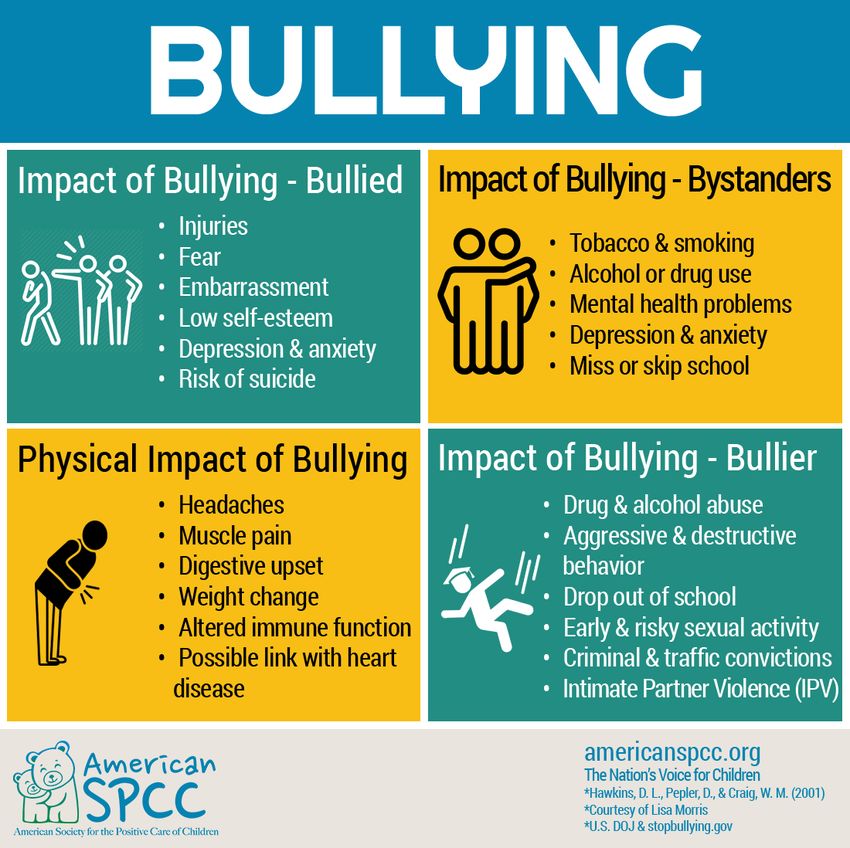
LESSON OVERVIEW

LESSON 3: CHALLENGES TO HEALTHY RELATIONSHIPS
• In this lesson, students examine how power differences can introduce
  challenges to healthy relationships and result in behaviors such as bullying.
  Students analyze what characteristics indicate a relationship has moved from
  healthy to unhealthy or unhealthy to abusive. Students use AISD policies and
  other resources to determine when situations may constitute bullying, sexual
  harassment, sexual abuse, sexual assault, incest, rape and/or dating violence.
LEARNING OBJECTIVES

                                      CORE CONCEPTS
• Describe the potential impacts of power differences such as age, status or position within
  relationships. (NSES HR.8.CC.2)
• Describe situations and behaviors that constitute bullying, sexual harassment, sexual abuse, sexual
  assault, incest, rape and dating violence. (NSES PS.8.CC.1)
• Discuss the impacts of bullying, sexual harassment, sexual abuse, sexual assault, incest, rape and
  dating violence and why they are wrong. (NSES PS.8.CC.2)
• Explain that no one has the right to touch anyone else in a sexual manner if they do not want to
  be touched. (NSES PS.8.CC.3)
• Explain why a person who has been raped or sexually assaulted is not at fault. (NSES PS.8.CC.4)
How to Help:
                                                                                                      When a Student is Being Abused
                                                             Create a trusting and empowered classroom:
                                                             As you enter into teaching this challenging and important topic, proceed with each lesson with the knowledge that
                                                             you may be changing someone’s life. Even if you never have a student disclose abuse to you, by implementing the
                                                             Take a Stand for Healthy Relationships curriculum, you may be giving an individual the information and confidence to
                                                             make a change in their life, or to help a loved one. Challenge yourself to be present with your students during each
                                                             lesson, and invite your students to think deeply and show kindness to themselves and their peers.

R E C O M M E N DAT I O N S F O R
                                                             Explain the limitations of your confidentiality:
                                                             A student in your classroom may disclose their own abuse or that of someone they know. In order to protect yourself
                                                             and the safety of that student, before each lesson, be sure to explain the limitations of your confidentiality. Addition-

         C L A S S RO O M
                                                             ally, if a student begins to disclose any abuse, pause the conversation to remind them that in cases of abuse or sus-
                                                             pected abuse of a minor, you are required by law to report the incident to Child Protective Services or law enforce-
                                                             ment. Read more about these requirements here.

C O N V E R S AT I O N S A B O U T                           Listen more than you speak:
                                                             It is often hard to know what to say when a student shares sensitive information, but in the case of the disclosure, the
                                                             rule is less is more. After reminding students of your limited confidentiality, allow the student to dictate the tone and

             ABUSE                                           pace of the conversation. If the student is being abused, it is likely that they feel very little control over their lives, and
                                                             this brave conversation could be the first step in regaining their power. If this is one of the first times the student has
                                                             spoken to anyone about their situation, they may be processing the situation while talking with you, so be patient,
                                                             open, non-judgmental, and ready for what might be a disjointed and/or complicated conversation.

                                                             Withhold judgement:
We are not implementing the Take a Stand for                 One in 3 adolescents experience emotional, sexual, or physical abuse at the hands of a romantic partner. Abuse can
                                                             take place in any type of relationship, regardless of age, sex, race, gender, orientation, or socioeconomic status. From

Healthy Relationships curriculum, but these are              the outside, it may seem incomprehensible that someone would become a victim of abuse, but abusers are great ma-
                                                             nipulators who are skilled at the use of power and control. Because of this, listen to your student with an open mind,
                                                             free of judgement. Take a look at the power and control wheel for more information, or read more here.

  helpful guidelines anytime highly sensitive                Empower student to make own decisions:

 topics such as abuse arise in the classroom.
                                                             It may take numerous tries for someone to successfully break free from their abuser. Because of this, a student may
                                                             disclose that they are being abused by their partner and then remain in that relationship, despite acknowledging that
                                                             the relationship is destructive. They are probably getting advice and input from numerous people, they may care
                                                             deeply for their abuser, and/or their abuser may be making it very hard for them to break up with them or leave. As a

   Please review these suggestions before
                                                             trusted adult, you have the opportunity to be someone who influences their decisions.

                                                             NEVER approach the abuser about the situation, even if you have a good relationship with them:

implementing this lesson. If you need support                It may be that you actually know the person who is abusing your student. Maybe the abuser is, or has been, your pu-
                                                             pil. Despite the relationship you may have with that person, never approach them about the disclosed abuse unless
                                                             you witness that abuse first hand and can intervene, or have express permission from the person being abused. Re-
  to help you be a better ally to students in                gardless of what you think you know about the abuser, approaching them may put the victim, or you, in further dan-
                                                             ger. It may be that the abusive student becomes angry and lashes out at you, resulting in further necessary interven-

  need, please contact Michele Rusnak or a                   tion. More typically, they may become more abusive to their victim as a result of your actions.

   trained campus staff member, such as a
         counselor or school nurse.

                                                  https://www.speakcdn.com/assets/2497/how_to_help_when_a_
                                                  student_is_being_abused.pdf?1509129774156
YOU MUST REPORT SUSPECTED ABUSE

• “State law requires anyone who suspects child abuse or
  neglect to report those suspicions to the Texas
  Department of Family and Protective Services (DFPS) or to
  a local law enforcement agency.“
• “Any person making a report to DFPS is immune from civil
  or criminal liability as long as the report is made in good
  faith.The reporter's name is also confidential and will not
  be provided directly to the accused person by any DFPS
  employee. There are circumstances under which DFPS is
  required to disclose a reporter's identity to law enforcement, a
  court of law, or another state agency. Please see the section
  below on Confidentiality for more information.“
• “A person who suspects child abuse or neglect, but fails to
  report it, can be charged with a misdemeanor or state jail
  felony. Remember, reporting suspected child abuse or
  neglect makes it possible for a child to get help."

https://www.dfps.state.tx.us/Training/Reporting/documents/Reporting_Basics.pdf
48 HOUR WINDOW FOR
                    REPORTING ABUSE

“Professionals must make a report no later than the 48th hour after first
suspecting a child has been abused or neglected or is a victim of an offense under
Section 21.11, Penal Code.A professional may not delegate to or rely on another
person to make the report (Texas Family Code, Section 261.101). Professionals
are not required to follow up their oral reports with a written report as they
were in the past.
Professionals include teachers, nurses, doctors, day-care employees and others
who are either licensed by the state or work in a facility licensed or operated by
the state and who have direct contact with children in the course of their job
(Texas Family Code, Section 261.101).”
https://www.dfps.state.tx.us/Child_Protection/Child_Safety/report_abuse.asp
ADVANCE PREPARATION
MATERIALS ACTIONS
• Student notebooks or scrap paper for • Ensure pedagogical familiarity and comfort
individual reflections with lesson plan
• Per student or Class Set copies of • Review and practice using slide animations
Relationships Exist on a Spectrum (from
Lesson 1) • Plan where students will write reflections
• Print out any slides you will need to
reference during the presentation (at your
discretion)
• Ensure functioning of audiovisual setup
• Test video playback
• Questions? Contact Michele Rusnak or a
district STEM Coach.WARM UP
Method:Think-Pair-Share
Provide thinking time then ask students to share their thoughts with a partner.

                        POWER DYNAMICS IN RELATIONSHIPS
                                  (TEACHER)

                       POWER IMBALANCE

                                                           Predict:
                                                           • How might power imbalances
                                                              make maintaining healthy
                                                              relationships difficult?

After students share, solicit some responses from the class.Accept all reasonable responses.
Lesson Preview:Today we are going to look at how power differences can challenge healthy relationships and
sometimes lead to abuse.
POWER DYNAMICS IN RELATIONSHIPS
POWER IMBALANCE
Predict:
• How might power imbalances
make maintaining healthy
relationships difficult?REVIEW: THERE ARE MANY TYPES OF
RELATIONSHIPS
• The characteristics of healthy • This lesson will focus on the
relationships apply to all types types of relationships that are
of relationships. most frequently found in the
• Family school environment.
• Friends
• Romantic Relationships
• Acquaintances
• Mentors / TeachersPOWER IN SOCIAL SETTINGS
OVERVIEW:
             POWER IN SOCIAL SETTINGS

Students will analyze how power manifests in social settings, brainstorm
examples of power differentials in the school setting, and discuss the ways that
power influences behaviors in relationships.
Resources:
                                      RELATIONSHIPS EXIST
• Relationships Exist on a Spectrum   ON A SPECTRUM
                                      All relationships exist on a spectrum, from healthy to abusive to somewhere in between. Below, we outline behaviors that occur in healthy, unhealthy and
                                      abusive relationships.

                                                    HEALTHY                                              UNHEALTHY                                                    ABUSIVE
                                      A healthy relationship means that both you and            You may be in an unhealthy relationship if one or        Abuse is occurring in a relationship when one
                                      your partner are:                                         both partners is:                                        partner:

                                      Communicating: You talk openly about problems,            Not communicating: When problems arise, you              Communicates in a way that is hurtful, threatening,
                                      listen to each other and respect each other’s opinions.   fight or you don’t discuss them at all.                  insulting or demeaning.

                                      Respectful: You value each other as you are. You          Disrespectful: One or both partners is not               Disrespects the feelings, thoughts, decisions,
                                      respect each other’s emotional, digital and sexual        considerate of the other’s feelings and/or personal      opinions or physical safety of the other.
                                      boundaries.                                               boundaries.
                                                                                                                                                         Physically hurts or injures the other partner by
                                      Trusting: You believe what your partner has to say.       Not trusting: One partner doesn’t believe what the       hitting, slapping, choking, pushing or shoving.
                                      You do not feel the need to “prove” each other’s          other says, or feels entitled to invade their privacy.
                                      trustworthiness.                                                                                                   Blames the other partner for their harmful actions,
                                                                                                Dishonest: One or both partners tells lies.              makes excuses for abusive actions and/or minimizes
                                      Honest: You are honest with each other, but can still                                                              the abusive behavior.
                                                                                                Trying to take control: One partner feels their
                                      keep some things private.
                                                                                                desires and choices are more important.                  Controls and isolates the other partner by telling
                                      Equal: You make decisions together and hold each                                                                   them what to wear, who they can hang out with,
                                                                                                Only spending time with your partner: Your
                                      other to the same standards.                                                                                       where they can go and/or what they can do.
                                                                                                partner’s community is the only one you socialize in.
                                      Enjoying personal time: You both can enjoy                                                                         Pressures or forces the other partner to do things
                                      spending time apart, alone or with others. You                                                                     they don’t want to do; threatens, hurts or blackmails
                                      respect each other’s need for time apart.                                                                          their partner if they resist or say no.

                                       Healthy Relationship Educators Toolkit                                                                                                                                 4
INSTRUCTIONS: DEFINITION OF POWER • Read the definition of “power” aloud to the class (slide is animated) • Let the class know that they will be using their powers of observation to analyze the presence of power in social situations.
DEFINITION OF POWER

Power (noun)

1 : the ability or right to control people or things

2 : possession of control, authority, or influence over others
                                                       Next, you will be using your
                                                       powers of observation to
3 : the ability to act or produce an effect
                                                       analyze power in social
                                                       situations.
INSTRUCTIONS:
POWER IN SOCIAL SETTINGS
• Use the series of slides (some animated) to get students talking about what
factors relate to power in social settings.
• There really are no “correct” answers to these questions as it is all based on
inference about the situation depicted. Solicit responses from students and
push them to explain their thoughts while maintaining the focus on
interpretations that may tell us something about their power in this social
situation.Power in Social Settings
Note:There really are no “correct” answers to these questions as it is all based on inference. Solicit responses from students and push them to
explain their thoughts while maintaining the focus on interpretations that may tell us something about their power. Sample responses are
below.
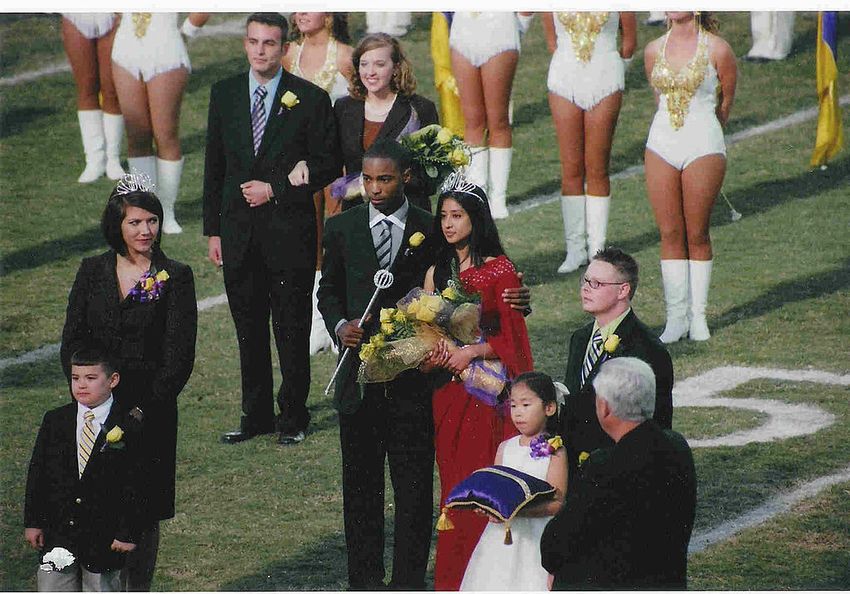
What is this situation? How do you know? Homecoming game, homecoming court. What about the guys on the right? What might their roles be?
Clues include football field, people in the background, couples. They have some sort of position or the wouldn’t be on the field.The younger guy is standing
------------ close to the young girl and in a position similar to the “other lady with a crown.” Perhaps he is
Who is being honored? How do you know? The couple positioned in the middle of the the girl’s father or last year’s “king.”The older man is standing as if he is an observer of the
photo with the scepter and crown/flowers (status symbols). presentation.Why might he be on the field instead of with the rest of the audience? Perhaps he
is a school official.
Who has the most power between them? Answers will vary. Ask students for their
opinions and explanation. Considerations: apparent gender, apparent race, maybe age. Who might have more power between them? Why? Ask students for their
------------ opinions and explanation. Considerations: apparent age, apparent race, maybe position.
Who is the couple in the back? Why do you think that? Possibly members of the court, ------------
sometimes called ”prince” and “princess” or “duke” and “duchess.” They may have What about the kids? What might their role might be? How much power do they
received fewer votes and “lost” the title of “king” and “queen” to the couple in the have? Why? Ask students for their opinions and explanation. Considerations: their
middle of the photo. position on the field, their age compared to the others. Position on the field suggests
they are part of the presentation. They are loosely associated with the “other lady with a
How does their power compare to the “king” and “queen”? Why? crown” and the younger “guy on the right.” They may have presented the crown and
The way they are standing and the flowers one is holding, as well as their position scepter. Their age compared to the others on the field suggests lower power.
behind the “king” and “queen” suggest that they have a role similar to, but with lower ------------
status than, the “king” and “queen.”
------------ If all of these people were mixed
Who is the other lady with a crown? Why do you think that? Possibly last year’s up in a room together without any
homecoming queen. Crown is a status cue. Positioning slightly in front of but to the side of the status symbols (crown,
of the “king” and “queen” suggests that she is helping to present this year’s king/queen scepter, flowers), to whom would
to the crowd. you ascribe the most power? Why?
Ask students for their opinions and
How does her power compare to the others on the field? explanation. Considerations:
Ask students for their opinions and explanation. The interpretation that she is passing on apparent age, apparent race,
her “title” of current homecoming queen would suggest her power/status is in the apparent gender, style of dress.
process of getting reduced.
------------POWER I N SOCI AL SETTI NGS What is this situation? How do you know?
POWER I N SOCI AL SETTI NGS

                              Who is being
                              honored?

                              How do you know?

                              Who do you think
                              has the most power
                              between them?

                              Why?
POWER I N SOCI AL SETTI NGS Who is the couple in the back? Why do you think that? How does their power compare to the “king” and “queen”? Why?
POWER I N SOCI AL SETTI NGS

                              Who is the other
                              lady with a crown?

                              Why do you think
                              that?

                              How does her
                              power compare to
                              the others on the
                              field?
POWER I N SOCI AL SETTI NGS What about the guys on the right? What might their roles be? Who might have more power between them? Why?
POWER I N SOCI AL SETTI NGS

                              What about the kids?

                              What might their
                              role be?

                              How much power do
                              they have?

                              Why?
POWER I N SOCI AL SETTI NGS If all of these people were mixed up in a room together without any of the status symbols (crown, scepter, flowers), to whom would you assign the most power? Why?
Ask students to
                                                                                                 refrain from
                             POWER AT SCHOOL (TEACHER)                                        mentioning specific
                                                                                            individuals other than
                                                                                                  themselves.

            Power (noun)                                   What types of people at school have…
            1 : the ability or right to control people     • the right to control people?
            or things                                        Administrators, teachers
            2 : possession of control, authority, or       • influence over others? People with
            influence over others                            high status, possibly conferred by age,
            3 : the ability to act or produce an             membership in certain groups,
            effect                                           wealth, race, information, etc.
                                                           • the ability to produce an effect?
 Review the definition of power and then solicit student     Nearly anyone in the right situation.
responses for how power manifests at school.Accept and       Power is situation-dependent.
            validate all reasonable responses.
POWER AT SCHOOL
Power (noun) What types of people at school have…
1 : the ability or right to control people • the right to control people?
or things
2 : possession of control, authority, or
• influence over others?
influence over others
3 : the ability to act or produce an
effect • the ability to produce an effect?Method:Think-Pair-Share
Provide thinking time then ask students to share their thoughts with a partner.
WHICH CHARACTERISTICS OF HEALTHY
RELATIONSHIPS MIGHT BE CHALLENGED BY
POWER DIFFERENCES IN RELATIONSHIPS?
(TEACHER)
RELATIONSHIPS EXIST
ON A SPECTRUM
All relationships exist on a spectrum, from healthy to abusive to somewhere in between. Below, we outline behaviors that occur in healthy, unhealthy and
abusive relationships.
HEALTHY UNHEALTHY ABUSIVE
A healthy relationship means that both you and You may be in an unhealthy relationship if one or Abuse is occurring in a relationship when one
your partner are: both partners is: partner:
Communicating: You talk openly about problems, Not communicating: When problems arise, you Communicates in a way that is hurtful, threatening,
listen to each other and respect each other’s opinions. fight or you don’t discuss them at all. insulting or demeaning.
Respectful: You value each other as you are. You Disrespectful: One or both partners is not Disrespects the feelings, thoughts, decisions,
respect each other’s emotional, digital and sexual considerate of the other’s feelings and/or personal opinions or physical safety of the other.
boundaries. boundaries.
Physically hurts or injures the other partner by
Trusting: You believe what your partner has to say. Not trusting: One partner doesn’t believe what the hitting, slapping, choking, pushing or shoving.
You do not feel the need to “prove” each other’s other says, or feels entitled to invade their privacy.
trustworthiness. Blames the other partner for their harmful actions,
Dishonest: One or both partners tells lies. makes excuses for abusive actions and/or minimizes
Honest: You are honest with each other, but can still the abusive behavior.
Trying to take control: One partner feels their
keep some things private.
desires and choices are more important. Controls and isolates the other partner by telling
Equal: You make decisions together and hold each them what to wear, who they can hang out with,
Only spending time with your partner: Your
other to the same standards. where they can go and/or what they can do.
partner’s community is the only one you socialize in.
Enjoying personal time: You both can enjoy Pressures or forces the other partner to do things
spending time apart, alone or with others. You they don’t want to do; threatens, hurts or blackmails
respect each other’s need for time apart. their partner if they resist or say no.
Healthy Relationship Educators Toolkit 4
After students share, solicit some responses from the class.Accept all reasonable responses.
Transition: Next we are going to look at the ways that power imbalances can lead to unhealthy and abusive
relationships.WHICH CHARACTERISTICS OF HEALTHY
RELATIONSHIPS MIGHT BE CHALLENGED BY
POWER DIFFERENCES IN RELATIONSHIPS?
RELATIONSHIPS EXIST
ON A SPECTRUM
All relationships exist on a spectrum, from healthy to abusive to somewhere in between. Below, we outline behaviors that occur in healthy, unhealthy and
abusive relationships.
HEALTHY UNHEALTHY ABUSIVE
A healthy relationship means that both you and You may be in an unhealthy relationship if one or Abuse is occurring in a relationship when one
your partner are: both partners is: partner:
Communicating: You talk openly about problems, Not communicating: When problems arise, you Communicates in a way that is hurtful, threatening,
listen to each other and respect each other’s opinions. fight or you don’t discuss them at all. insulting or demeaning.
Respectful: You value each other as you are. You Disrespectful: One or both partners is not Disrespects the feelings, thoughts, decisions,
respect each other’s emotional, digital and sexual considerate of the other’s feelings and/or personal opinions or physical safety of the other.
boundaries. boundaries.
Physically hurts or injures the other partner by
Trusting: You believe what your partner has to say. Not trusting: One partner doesn’t believe what the hitting, slapping, choking, pushing or shoving.
You do not feel the need to “prove” each other’s other says, or feels entitled to invade their privacy.
trustworthiness. Blames the other partner for their harmful actions,
Dishonest: One or both partners tells lies. makes excuses for abusive actions and/or minimizes
Honest: You are honest with each other, but can still the abusive behavior.
Trying to take control: One partner feels their
keep some things private.
desires and choices are more important. Controls and isolates the other partner by telling
Equal: You make decisions together and hold each them what to wear, who they can hang out with,
Only spending time with your partner: Your
other to the same standards. where they can go and/or what they can do.
partner’s community is the only one you socialize in.
Enjoying personal time: You both can enjoy Pressures or forces the other partner to do things
spending time apart, alone or with others. You they don’t want to do; threatens, hurts or blackmails
respect each other’s need for time apart. their partner if they resist or say no.
Healthy Relationship Educators Toolkit 4FROM UNHEALTHY TO ABUSIVE
BULLYING AND POWER

• Individually and/or in small groups,          Discussion Prompts:
  students will reflect (see prompts at
                                                • What are some behaviors that might be
  right) on the nature of bullying, where
  bullying falls in the Relationship Spectrum     considered “bullying” or “harassment”?
  and what role power differences play in       • What are some of the relationships
  bullying.                                       between bullying and power?
• If time allows, allow students to watch       • Are behaviors like bullying simply
  the Why I BullyYou video and facilitate a       unhealthy or are they abusive? (reference:
  short discussion using the prompts              Relationship Spectrum handout)
  provided on the slide,“Discussion:Why I
  Bully You.”
• If time is limited, simply facilitate a
  short discussion around the Discussion
  Prompts to the right.
BULLYING AND POWER
• What are some behaviors that • Are behaviors like bullying
might be considered “bullying” simply unhealthy or are they
or “harassment”? abusive?
RELATIONSHIPS EXIST
ON A SPECTRUM
• What are some of the All relationships exist on a spectrum, from healthy to abusive to somewhere in between. Below, we outline behaviors that occur in healthy, unhealthy and
abusive relationships.
relationships between bullying
HEALTHY UNHEALTHY ABUSIVE
A healthy relationship means that both you and You may be in an unhealthy relationship if one or Abuse is occurring in a relationship when one
your partner are: both partners is: partner:
Communicating: You talk openly about problems, Not communicating: When problems arise, you Communicates in a way that is hurtful, threatening,
and power?
listen to each other and respect each other’s opinions. fight or you don’t discuss them at all. insulting or demeaning.
Respectful: You value each other as you are. You Disrespectful: One or both partners is not Disrespects the feelings, thoughts, decisions,
respect each other’s emotional, digital and sexual considerate of the other’s feelings and/or personal opinions or physical safety of the other.
boundaries. boundaries.
Physically hurts or injures the other partner by
Trusting: You believe what your partner has to say. Not trusting: One partner doesn’t believe what the hitting, slapping, choking, pushing or shoving.
You do not feel the need to “prove” each other’s other says, or feels entitled to invade their privacy.
trustworthiness. Blames the other partner for their harmful actions,
Dishonest: One or both partners tells lies. makes excuses for abusive actions and/or minimizes
Honest: You are honest with each other, but can still the abusive behavior.
Trying to take control: One partner feels their
keep some things private.
desires and choices are more important. Controls and isolates the other partner by telling
Equal: You make decisions together and hold each them what to wear, who they can hang out with,
Only spending time with your partner: Your
other to the same standards. where they can go and/or what they can do.
partner’s community is the only one you socialize in.
Enjoying personal time: You both can enjoy Pressures or forces the other partner to do things
spending time apart, alone or with others. You they don’t want to do; threatens, hurts or blackmails
respect each other’s need for time apart. their partner if they resist or say no.
Healthy Relationship Educators Toolkit 4Subtitles are recommended for all videos, when available. Why I bully you (3:22) by Shaun Robinson https://youtu.be/8mmIu5IZmvE
DISCUSSION: WHY I BULLY YOU
                      (TEACHER)

• What types of reasons for        • When bullying or harassment       The only person
                                                                     “responsible” is the
  bullying are given in the          occurs…
                                                                   person bullying, because
  beginning of the video?           • Who is “responsible”?          that is the person in
                                                                      control.The other
                                    • Who is in control of the      people involved - the
• What types of reasons for           situation?                    target(s), bystanders,
                                                                      authorities – have
  bullying are given towards the    • Who has influence over the      influence, but not
  end of the video?                   situation?                       control, over the
                                                                           situation.
DISCUSSION: WHY I BULLY YOU
• What types of reasons for • When bullying or harassment
bullying are given in the occurs…
beginning of the video? • Who is “responsible” or “at
fault”?
• What types of reasons for • Who has control?
bullying are given towards the • Who has influence?
end of the video?DEFINITIONS
ADVANCE PREPARATION: DEFINITIONS

• Preview the definitions and the slide animations to ensure you can
  read them fluidly and are familiar with how the animations work.
• Some of the wording is technical; practice varying your tone and speed
  to delineate key phrases and provide emphasis to help students
  process the information while you are reading it aloud.
INSTRUCTIONS: DEFINITIONS

• Use the animations on the slides “AISD Definition of Bullying” and “AISD
  Definition of Harassment” to present these definitions. Note the connection
  between bullying and power imbalance and that when we speak of “sexual
  harassment,” we mean conduct based on sex, gender, gender identity, gender
  expression and sexual orientation, including dating violence.
• Use the slide “AISD Reporting Procedures” to inform students that there are
  procedures for reporting bullying and harassment in AISD and that everyone
  has the right to feel safe and be free from harm.
The conduct is considered bullying if it
                                           exploits an
                                                   imbalance of power
        AISD DEFINITION OF                 between the student perpetrator and
             BULLYING                      the student target through written or
                                           verbal expression or physical conduct;
    From AISD’s Respect for All website.   and
                                           • interferes with a student's
                                             education
The definition of harassment is            • or substantially disrupts the
similar, but it includes a lot               operation of a school.
more…
From AISD Board Policy FFH(local).
Sexual
AISD D EFIN ITIO N O F H ARASSM EN T
Prohibited harassment of a student is defined as: That is so severe, persistent, or pervasive that
the conduct:
Physical Based on the student’s…
Verbal Race 1. Affects a student’s ability to participate in or
Color benefit from an educational program or
or Nonverbal conduct
Religion activity, or creates an intimidating,
threatening, hostile, or offensive educational
Sex environment;
Prohibited harassment Gender
includes dating violence as Gender identity 2. Has the purpose or effect of substantially or
defined by this policy. Gender expression unreasonably interfering with the student’s
academic performance; or
Sexual orientation
National origin 3. Otherwise adversely affects the student’s
Disability educational opportunities.
Age
Immigration status
or any other basis prohibited by lawT E AC H E R R E F E R E N C E : A I S D The AISD definition of harassment includes
D E F I N I T I O N O F DAT I N G “dating violence.”
VIOLENCE
From AISD’s Respect for All website.
If students wonder, or you feel the need to
clarify, what constitutes “dating violence,” use
this description.This graphic focuses
on bullying, but the
impacts of Who is negatively affected by bullying?
harassment and
sexual violence are
similar.
THE IMPACTS OF BULLYING /
HARASSMENT
Target(s) Observers / Bystanders
Impacted Influence
Greatest impact
No control
over the Those engaged in bullying
situation, only Impacted
influence
CONTROLThis graphic focuses
on bullying, but the
impacts of Who is in control?
harassment and
sexual violence are
similar.
THE IMPACTS OF BULLYING /
HARASSMENT
Target(s) Observers / Bystanders
Impacted Influence
Greatest impact
No control
over the Those engaged in bullying
situation, only Impacted
influence
CONTROLAISD REPORTING PROCEDURES
Everyone has the right to
feel safe
and be free from harmABUSE, ASSAULT, RAPE, INCEST
INSTRUCTIONS:
           ABUSE, ASSAULT, RAPE, INCEST

• Use the slide,“What are…?” to present information about sexual abuse, sexual
  assault, rape and incest.
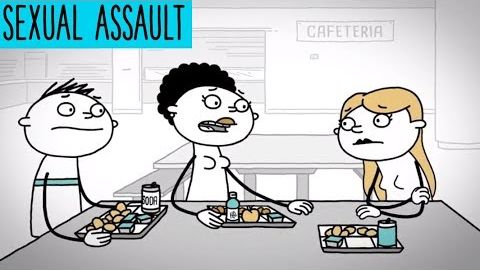
• If time allows, show the Amaze.org video, What is Sexual Assault?. It presents
  examples of sexual assault, examples of what consent looks like and when it
  can happen, and guidance on what to do if you have experienced or think you
  may have experienced sexual assault.
• Use the slide,“Seeking Support” to present recommendations for what
  students should do if they or a loved one has or may have experienced sexual
  violence.
• As time allows, show the SAFE Alliance of Austin website, highlighting the ways
  to contact SAFE and what services they can offer.
WHAT ARE…?
• Sexual abuse • Definitions vary.
• All are criminal acts in the
state of Texas, especially if they
• Sexual assault involve a person under the age
of 18.
• Rape • All involve unwanted sexual
contact.
• Incest • They vary in the nature and
strength of the crimes and
who is committing them.T E AC H E R R E S O U R C E : S E X UA L
A S S AU LT E X P L A I N E D
From the Texas Association Against Sexual
Assault (TAASA) webpage, Understanding
Sexual Assault.Subtitles are recommended for all videos, when available. What is Sexual Assault? (2:48) by Amaze.org https://youtu.be/w8gslq85Xsc
SEEKING SUPPORT

If you or someone you love has
experienced or think they might have
experienced sexual assault, seek support.
• Tell someone you trust.
• Contact an organization like SAFE or a
  medical provider for guidance and
  resources.
• The SAFE Alliance of Austin telephone
  hotline and online chat are available 24/7.
  Advocates are trained to help you
  understand your options.They will not
  contact law enforcement unless you tell
  them to. Everything is confidential and
  free of charge.
                                                https://www.safeaustin.org/get-help/
REFLECTION
INSTRUCTIONS: REFLECTION

• Students will reflect on their learning by responding to several questions about
  their own rights, the rights of others and who is in control, responsible and at
  fault in bullying, harassment and abuse situations.
• We recommend you collect and review student responses. If students have
  communicated any concerns about this material, it is important that you catch
  it so that you can take appropriate action, as necessary.
REFLECTION

• Do you have a right to decide if and   In a situation that constitutes bullying,
  when to be touched in a sexual         sexual harassment or sexual violence…
  manner? Why or why not?                • Who is “responsible” or “at fault”?
                                         • Who has control?
• Do others have a right to decide if    • Who has influence?
  and when they will be touched in a
  sexual manner by you? Why or why
  not?
BIBLIOGRAPHY • AMAZE.Org What Is Bullying?, YouTube, 16 Mar. 2017, https://www.youtube.com/watch?v=KQZ9hDDz704&feature=youtu.be. (Accessed September 30, 2019) • Burkeanwhig. “Picture of Homecoming Court, University of North Alabama, 2007. Taken by me at Braly Municipal Stadium, Florence, Nov. 2007.” File:Gupta.jpg, Wikimedia Commons, 18 Nov. 2007, https://commons.wikimedia.org/wiki/File:Gupta.jpg. (Accessed November 7, 2019) • “Get Help.” Get Help- The SAFE Alliance, The SAFE Alliance, 2019, https://www.safeaustin.org/get- help/. (Accessed September 30, 2019) • “Healthy Relationship- Educator's Tookit.” Educators Toolkits, Loveisrespect.org, 2017, https://www.loveisrespect.org/educators-toolkits/. (Accessed September 30, 2019) • “Impact of Bullying.” Impact of Bullying, American Society for the Positive Care of Children, 2018, https://americanspcc.org/targets-and-bystanders/. (Accessed October 2, 2019) • “Power.” Merriam-Webster, Merriam-Webster, 28 Sept. 2019, https://www.merriam- webster.com/dictionary/power. (Accessed September 30, 2019) • “Preventing Sexual Violence |Violence Prevention|Injury Center|CDC.” Centers for Disease Control and Prevention, Centers for Disease Control and Prevention, 12 Mar. 2019, https://www.cdc.gov/violenceprevention/sexualviolence/fastfact.html. (Accessed October 2, 2019)
BIBLIOGRAPHY, CONT’D

• “Resources For Educators.” Expect Respect Program Manual and Consultation/Training Package,
  The SAFE Alliance, 2018, https://www.safeaustin.org/our-services/prevention-and-
  education/expect-respect/resources-for-educators/. (Accessed September 30, 2019)
• “Respect for All- Definitions.” Austin ISD- Definitions, Austin ISD, 2019,
  https://www.austinisd.org/respect-for-all/definitions. (Accessed September 30, 2019)
• Robinson, Shaun. Why I Bully You,YouTube, 17 June 2013,
  https://www.youtube.com/watch?v=8mmIu5IZmvE&feature=youtu.be. (Accessed September
  30, 2019)
• “Root Causes of Sexual Assault.” Understanding Sexual Assault, Taasa.org, 2016,
  http://taasa.org/resources/understanding-sexual-assault/. (Accessed September 30, 2019)
• “STUDENT WELFARE FREEDOM FROM DISCRIMINATION, HARASSMENT, AND
  RETALIATION” PDF. ,Austin ISD. 5 July 2018.
  https://pol.tasb.org/Policy/Download/1146?filename=FFH%28LOCAL%29.pdf&filename=FFH%2
  8LOCAL%29.pdf . (Accessed September 30, 2019)
• Icons compliments of Microsoft Office - https://support.office.com/en-us/article/insert-icons-
  in-microsoft-office-e2459f17-3996-4795-996e-b9a13486fa79
ADDITIONAL INFORMATION
ABOUT SAFE ALLIANCE’S SERVICES
You can also read


