Harvard - Brazil Collaborative Public Health Field Course - January 3rd to 19th, 2018 Fortaleza - Brazil - Harvard University
←
→
Page content transcription
If your browser does not render page correctly, please read the page content below
Fortaleza, Ceará            2018

Harvard – Brazil
Collaborative Public
Health Field Course

January 3rd to 19th, 2018
Fortaleza - Brazil

Hosting Institutions

Supporting Institutions
Course Overview
    and Objectives
Sejam bem-vindos! This collaborative course is offered by the Harvard T.H. Chan School of Public Health,
the Early Childhood Institute (IPREDE), the Federal University of Ceará (UFC), and the Brazil Studies Program
of Harvard University’s David Rockefeller Center for Latin American Studies (DRCLAS). A Scientific Organizing
Committee is responsible for the planning, review, and assessment of the course and is comprised of faculty
members from the Harvard T.H. Chan School of Public Health, the Federal University of Ceará, and University of
São Paulo Medical School.

Bringing together exceptional individuals is core to the success of this course – a fact that is reflected in the
primary focus on people in the pages of this packet. A rich set of required and optional readings selected by the
course’s faculty as well as all course lectures are available for download on the course website (https://brazil.
drclas.harvard.edu/pi/2018phcc). Through this initiative, we seek to strengthen existing collaborations and to
foster new ones that create opportunities for joint learning and research during and after the course.

The overall objectives for this course are to enhance participants’ abilities to:

•   Critically analyze environmental and socioeconomic factors in Brazil that are associated with a high prevalence
    and geographic distribution of infectious diseases discussed in this course.
•   Identify population characteristics, such as nutrition status, immunity, co-morbidities, degree of exposure
    associated with disease epidemiology and the impact of these factors on disease morbidity and mortality.
•   Identify and describe selected infectious diseases that are prevalent in Brazil.
•   Foster lasting academic collaborations and joint research projects between HSPH and Brazilian participants,
    strengthening personal networks throughout Brazil and internationally.
•   Identify challenges and gaps in health policies, and propose strategies to overcome them.

We are delighted to have such a distinguished group of students and faculty participating in this field course and
we are tremendously grateful to the many individuals and institutions that have made this collaborative course
possible.

Grande abraço,

               Márcia C. Castro                                          Márcia Maria Tavares Machado
      Associate Professor of Demography,                                 Dean of Education and Extension,
             Harvard Chan School                                             Adjunct Professor, UFC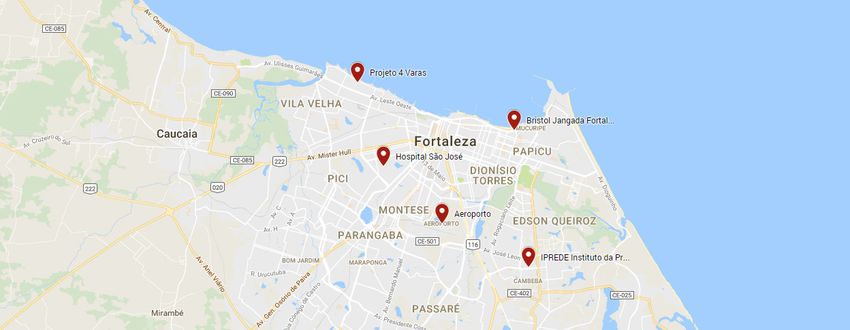
Fortaleza, Ceará

       Table of Contents
HOST INSTITUTIONS.................................................................................................................................................................................05

COURSE LOCATION....................................................................................................................................................................................06

LECTURES......................................................................................................................................................................................................07

SITE VISITS IN FORTALEZA.....................................................................................................................................................................08

GROUP FIELDWORK PROJECTS...........................................................................................................................................................09

GROUP COMPOSITION.............................................................................................................................................................................11

MAP OF BRAZIL AND COURSE SITE LOCATIONS............................................................................................................................12

KEY SUMMARY INDICATORS..................................................................................................................................................................13

CITY RECOMMENDATIONS.....................................................................................................................................................................14

SCIENTIFIC ORGANIZING COMMITTE................................................................................................................................................16

LECTURERS...................................................................................................................................................................................................17

SYMPOSIUM SPEAKERS...........................................................................................................................................................................18

GROUP ADVISORS.......................................................................................................................................................................................19

COURSE STAFF............................................................................................................................................................................................20

TEACHING ASSISTANT.............................................................................................................................................................................20

STUDENTS.....................................................................................................................................................................................................21

BIOGRAPHIES...............................................................................................................................................................................................23

EMERGENCY CONTACTS.........................................................................................................................................................................41

COURSE SCHEDULE..................................................................................................................................................................................42

SPECIAL SYMPOSIUM...............................................................................................................................................................................43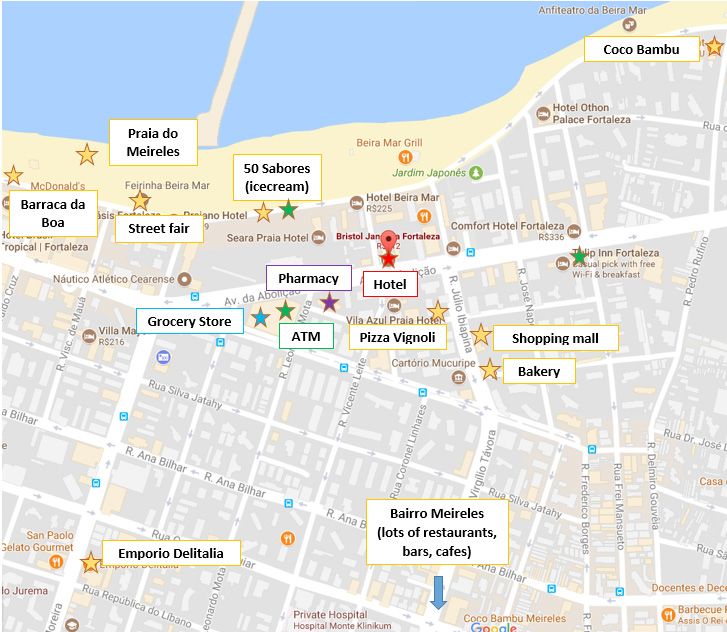
2018

    Host Institutions
Harvard T.H. Chan School of Public Health
The Harvard Chan School traces its roots to public health activism at the beginning of the last century, and began
as the Harvard-MIT School of Health Officers, founded in 1913 as the first professional training program of public
health in America. In 1922, the School split off from MIT, helped by a sizeable grant from the Rockefeller Foundation.
In 1946, the Harvard Chan School became an independent degree-granting body. The overarching mission of
the Harvard Chan School is to advance the public’s health through learning, discovery, and communication. To
pursue this mission, the School produces knowledge through research, reproduces knowledge through higher
education, and translates knowledge into evidence that can be communicated to the public, policy makers, and
practitioners to advance the health of populations. From advancing scientific discovery to educating national
and international leaders, the Harvard Chan School has been at the forefront of efforts to benefit the health of
populations worldwide. Shaping new ideas and communicating them effectively will continue to be priorities
in the years ahead as the School serves society’s changing health needs. On September 8, 2014, the School
celebrated an extraordinary $350 million gift from The Morningside Foundation, established by the family of the
late Mr. T.H. Chan. In honor of this historic endowment gift—the largest single donation in Harvard’s 378-year
history—the School was renamed the Harvard T.H. Chan School of Public Health.

Federal University of Ceará (UFC)
The Federal University of Ceará (UFC), established in 1954, is an institution under the coordination of the
Ministry of Education of Brazil. The current President is Prof. Dr. Henry de Holanda Campos. UFC’s mission is
to train professionals of the highest qualification, to generate and disseminate knowledge, and to preserve and
disseminate its’ ethical, scientific, artistic and cultural principles, and has been a critical, strategic institution for the
development of Ceará. Currently, UFC offers 119 graduate courses (110 classroom and nine distance courses)
and 94 post-graduate. In addition, there are more than 700 extension actions, benefiting thousands of people
across the state.

Early Childhood Institute (IPREDE)
IPREDE is a non-governmental organization with 25 years of experience in promoting action to prevent child
malnutrition, and became a reference center in the North and Northeast regions of Brazil. Its mission is to promote
the health of children, adolescents and their families, with an emphasis on nutrition and human development,
producing replicable social technologies. A multidisciplinary team provides individual care, group activities, and
early stimulation and therapy. IPREDE has used and tested treatment protocols proposed by the World Health
Organization (WHO) for malnourished children. Activities are held in appropriately structured environments and
developed at different units within IPREDE, including the Centre of Excellence in Nutrition, Child Development,
Adolescent Studies, and Research; the educational and industrial kitchen; and the computer laboratory.

Brazil Office, Harvard University David Rockefeller Center for Latin American Studies (DRCLAS)
Founded in 1994, Harvard’s David Rockefeller Center for Latin American Studies (DRCLAS) works to increase
knowledge of the cultures, economies, histories, environment, and contemporary affairs of past and present
Latin America. The mission of the DRCLAS Brazil Studies Program in Cambridge and Brazil Office in São Paulo,
which were established in 2006, is to enhance collaborative research among Harvard faculty and their Brazilian
counterparts; encourage faculty engagement with Brazil and student participation in language programs,
internships and research projects in Brazil; and provide a hospitable environment for Brazilians at Harvard and
for Harvard scholars in Brazil. The Brazil Office expands research and teaching opportunities for Harvard faculty
and students across the University, provides guidance and support to professors and students who have never
stepped foot in the country, as well as to those who have strong roots in Brazil but can benefit from support and
local networks to accelerate and deepen their work.

                                                             05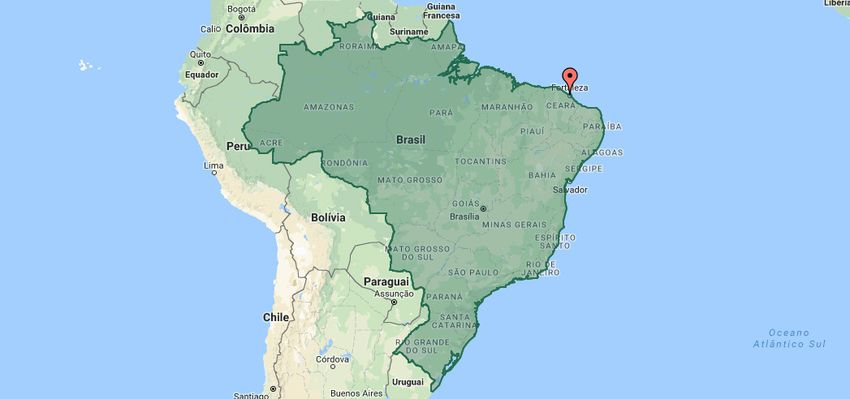
Fortaleza, Ceará

    Course Location
Fortaleza City, Ceará

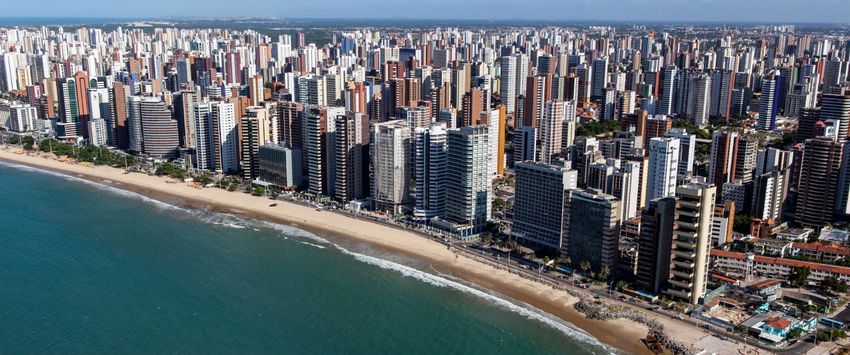
Fortaleza (Fortress) is the state capital of Ceará, located in Northeastern Brazil. With a population close to 2.6
million (metropolitan region over 3.4 million), Fortaleza is the 5th largest city in Brazil. It has an area of 313 km2
(equivalent to 121 square miles) and the highest demographic density in the country (8,001 per km2). To the
north of the city lies the Atlantic Ocean. Residents of the city are known as Fortalezenses. The current mayor is
Roberto Claudio, a physician (medical school at Federal University of Ceará), with a PhD in Public Health from
Arizona University. Fortaleza is one of the three leading cities in the Northeast region together with Recife (state
of Pernambuco) and Salvador (state of Bahia).

In the 1980s, the socioeconomic indicators in Ceará were among the worst in the country. The infant mortality
rate was around 100 per 1,000 live births; fewer than 30 percent of municipalities had a nurse; and essential
health services reached only 20-40% of the population. In 1987 the state launched a program called Viva Criança,
or Long Live the Child. Community health agents started to be recruited, trained, and deployed. By the early
1990s, health agents were visiting 850,000 families a month, the first public service to regularly reach nearly all
local communities. The monthly family visits and family records improved oral rehydration therapy, breastfeeding,
immunization, antenatal care, and growth monitoring—as well as treatment of pneumonia, diarrhea, and other
diseases. By 2008, infant mortality was down to 28.6 per 1,000 live births in the state and within the city of Fortaleza
was 11.6 per 1,000 live births in 2014. In 1993, Ceará was awarded the Maurice Pate Award (by UNICEF) for the
success of the Viva Criança program. It was the first time in the award’s 27-year history that it went to a country
in South America. More recently, the state has been pioneer in implementing programs that rely on inter-sectoral
collaboration, and those will be discussed during the course.

                                                          06
2018

    Lectures

The following lectures will be held on-site at IPREDE. Each session will be 1 hour 45 minutes long, with 45 minutes
allotted for the lecture and the remaining time reserved for questions and group discussion. The objectives, key
questions, and readings will be determined by each lecturer. Please see the course website for specific information
and to download all materials.

•   Lecture #1. Building Background: Brazilian Unified Health System and Family Health Program (Adriano
    Massuda)

•   Lecture #2. Building Background: Demographic and Epidemiologic Transitions in Brazil (Marcia Castro)

•   Lecture #3. Building Specialized Knowledge: Dengue/Chikungunya/Zika (Mary Wilson & Marcia Castro)

•   Lecture #4. Building Specialized Knowledge: HIV/AIDS (Aluísio Segurado)

•   Lecture #5. Building Specialized Knowledge: Urban Violence (José Raimundo)

•   Lecture #6. Building Specialized Knowledge: Tuberculosis (Jamie Maguire)

•   Lecture #7. Building Tools: Communication, Social Media, and Advocacy in Public Health (Alan Court)

•   Lecture #8. Building Specialized Knowledge: Early Childhood Development (Álvaro Leite)

                                                        07
Fortaleza, Ceará

    Site Visits
    in Fortaleza
During the first week of the course, there will be three off-site visits with all course participants. Below you can
reference a brief description of each one of the sites, as well as the objective of each visit. In addition, groups will
have separate, topic-specific site visits in the second and third week of the course (to be informed in Fortaleza).

1. São José Hospital of Infectious Diseases

São José Hospital was founded in 1970, and is an institution of SUS - Unified Health System. It has more than
700 employees, with a capacity of 115 patient beds. The hospital serves as a reference for infectious diseases in
the state of Ceará. It is a teaching hospital, accredited by the ministries of health and education, with a residency
program in infectious diseases.

Site Visit Objective: To discuss the most prevalent infectious diseases in Fortaleza (with special attention to
dengue, HIV/AIDS, and tuberculosis) and the difficulties in health care delivery, diagnosis, and patients’ adherence
to treatment.

2. Early Childhood Institute (IPREDE)

IPREDE is a non-profit organization, founded in 1986, committed to providing nutrition, promoting early childhood
development, empowering women and fostering social inclusion of families that live in vulnerable situations.
IPREDE’s mission is to provide health attendance, social assistance to children, teenagers and their families,
promote the strengthening of familiar competencies, including affective bonds and self-esteem. IPREDE also
fosters education, research, production and diffusion of technical-scientific knowledge within IPREDE’s fields
of action, as well as production and promotion of culture and art as an instrument for awareness and valuing
citizens. IPREDE delivers its services through an interdisciplinary team of professionals, including Pediatricians,
Nurses, Nutritionists, Social Workers, Occupational Therapists, Physiotherapists, Pharmacists, Psychologists,
Speech Therapists, Psychometrics, Gynecologists, Neurologists, Endocrinologists, Pedagogues, Psychiatrists,
Sociologists, and Physical Educators. Over the past two decades, IPREDE has succeeded in saving many lives,
assisted more than 25,000 children, and provided more than 600,000 treatments. Currently, about 1,200 children
come to IPREDE to be treated on a monthly basis.

Site Visit Objective: To discuss comprehensive initiatives to improve early childhood (as well as the difficulties in
implementing them), to observe these activities, and to hear testimonies from some mothers who benefited from
them

3. Community Health Integrated Movement, 4 Varas Project

The Community Health Integrated Movement - MISMEC-CE/4 Varas - is a civil nonprofit, philanthropic and
community-based project. It has been running for the past 31 years focusing on health prevention in the
community of Pirambu that sits on the outskirts of Fortaleza. It is an interdisciplinary and cross-cultural project of
the Department of Community Health within the Extension School at the Federal University of Ceará.

Site Visit Objective: To discuss holistic approaches of health promotion, in a context of very low socioeconomic
conditions, that value community participation, empowerment and peer support. We will observe activities and
hear the testimony of some participants.

                                                          08
2018

    Group
    Fieldwork Projects
Objectives:

•   Define a question that needs to be answered in order to control or reduce the burden from the specific disease
    that the group is addressing.
•   Develop a feasible research proposal that would help to answer this question.
•   Review the necessary data from electronic databases, published literature, discussions with local researchers,
    staff, residents, and others to develop a research proposal.
•   Draw on the diverse backgrounds of students in the group, who will bring different skills and experiences to
    the project.
•   Present the proposal to the local community (may include clinic staff, community health workers, residents,
    and/or others).
•   Present the final proposal to the entire class (and others from IPREDE, UFC and elsewhere) at the end of the
    course.

Proposals:

•   Innovative; in some instances, the team may use the course project to further develop one aspect of an
    existing project;
•   Feasible;
•   Draw on past research/control efforts (why were past efforts unsuccessful?);
•   Will inform policy decisions or public health decisions;
•   Will improve control of the disease or improve the health of local population;
•   Tailored to local community;
•   Take advantage of expertise of all;
•   Utilize appropriate research methodologies;
•   OK to have >1 part of proposal (or one main subpart);
•   Fundable (there may be opportunities to apply for funding to carry out these projects in the future);
•   Can be completed in a reasonable timeframe (e.g. a research question that you could answer in approximately
    one year, although it can draw on past data from many years).

Local Presentation: (approximately 1 hour and 30 minutes)

•   Decide who stakeholders are (local community, researchers, etc.) and decide on specific time and place for
    presentation of ideas to them for discussion – this should be done during the early part of the week so that the
    place can be reserved and invitations can be extended;
•   Depending on the target audience, it may be more appropriate to conduct the presentation in Portuguese;
•   Plan on a 30-minute presentation that includes breadth/depth of information appropriate for your chosen
    audience;
•   Allow approximately 1 hour for discussion and feedback from the audience (you may want to come up with
    some discussion questions);
•   Describe feedback received in presentation (and indicate who has given feedback).

                                                        09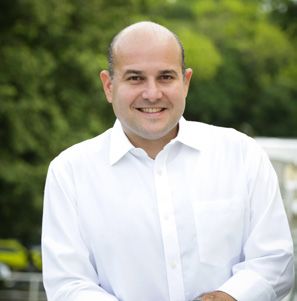
Fortaleza, Ceará

Final course presentation and report: (1 hour and 15 minutes)

•   About 30 minutes for presentation and 45 minutes for discussion (1 hour and 15 minutes total);
•   Statement of research intent of approximately 3-5 pages including a research question, background, specific
    aims, significance, data and methods, research plan, and references (references are not included in the
    3-page limit);
•   Describe role of each student member of team in the project;
•   Reflect upon feedback received during local presentation;
•   Deliver electronic copy of presentation on day of presentation;
•   Include acknowledgments;
•   Jointly present – those who do not formally present the group presentation must participate during discussion
    session;
•   Final presentations will be on Wednesday, January 17th starting at 8:45 am in this order:
    - Early Childhood Development
    - Dengue/Zika/Chikungunya
    - HIV/AIDS
    - Violence
    - Tuberculosis

Proposed Final Report Format:

Cover Page: (1 page)
Title of the project
Team members

Acknowledgments: (1 page)

Statement of research: (3-5 pages)
Include the following sections:

    •   Background - Briefly sketch the background leading to the proposal, evaluate existing knowledge, and
        identify the gaps that the project is intended to fill.

    •   Specific aims - List the broad, long-term objectives and the goal of the specific research proposed (e.g.
        test a stated hypothesis, create a novel design, solve a specific problem, challenge an existing paradigm
        or clinical practice, address a critical barrier to progress in the field, or develop new technology).

    •   Significance - State the importance and health relevance of the research proposed; how scientific
        knowledge or clinical practice will be advanced.

    •   Data - Describe what data will be used in the proposed research (e.g. secondary data, new survey and
        how will be collected, qualitative/quantitative/ mixed).

    •   Research Plan - Describe the research design conceptual or clinical framework procedures, and analysis
        to be used to accomplish the specific aims of the project; how the data will be analyzed and interpreted;
        how the information will reach policy makers (translational of knowledge). Discuss potential difficulties
        and limitations of the proposed procedures and alternative approaches to achieve the aims.

References: (No page limit)

Role of students: (1 page)
• Describe role of each student member of team in the project development.

Appendix: (As appropriate)

                                                       10
2018
Group Composition
Early Childhood Development HIV/AIDS
Advisors: Marcia Machado, Marcia Castro, Advisors: Aluisio Segurado,
Álvaro Leite, Henrique Sá Terezinha de Jesus, Mariana Pitombeira
Camila Soares Brazil Juliana Teixeira Brazil
Paola Calvasina Brazil Lourrany Costa Brazil
Pedro Quintela Medeiros Brazil Victor Bertollo Porto Brazil
Edi Gold Harvard Melanie Chitwood Harvard
Leena Kulkarni Harvard Meghan Rossini Harvard
Danique Dolly Harvard Arlen Weiner Harvard
Dengue/Zika/Chikungunya Violence
Advisors: Mary Wilson, Marcia Castro, Advisors: José Raimundo, Victor Hugo,
Antonio S. Lima Neto Lauro Miranda Demenech
Alexandra Mandroiu Brazil Bianca Tasca Brazil
Fabrícia Oliveira Brazil Rafael Corassa Brazil
Nelson Sena Brazil Fabrício Menezes Brazil
Lilit Kazazian Harvard Karla Meija Harvard
Annie Tsay Harvard Noor Zanial Harvard
Adeel Chaudhry Harvard Sudipta Saha Harvard
Tuberculosis
Advisors: Jamie Maguire, Cristiane Frota,
Roberto da Justa Pires Neto
Raísa Almeida Brazil
Taniela Bes Brazil
Alessandro Bigoni Brazil
Emily Damon Harvard
Eric Mooning Harvard
11Fortaleza, Ceará
Map of Brazil and
Course Site Locations
Map of Brazil and Course Site Locations:
Map of Key Site Locations in Fortaleza:
To view specific course locations, please see interactive course map at: https://goo.gl/maps/H98hcpbRTY62
122018
Key Summary Indicators
Key Summary Indicators about Fortaleza:
• Population (2010 Census): 2,452,185
• Life Expectancy at Birth (2010): 74,41 years
• Total Fertility Rate (2010.): 1.6 children born/woman
• Infant Mortality Rate (2010): 15.8 deaths/1,000 live births
• Under 5 mortality (2010): 16.9 deaths/1,000 live births
• Urban population (2010): 100% of the total population
• Human Development Index (2010): 0,754
• Unemployment rate (2010): 7.49%
• Population below poverty line (2010): 12.14%
Key Summary Indicators about Brazil:
• Population (2016 estimated): 207,652,865 (2010 census 196,796,269)
• Life Expectancy at Birth (2016): 75.2 years (71.6 males; 78.9 females)
• Total Fertility Rate (2012): 1.8 children born/woman
• Infant Mortality Rate (2012): 15.7 deaths/1,000 live births
• Urban population (2016): 86.2% of the total population
• GDP – Purchasing Power Parity (2016): $1.796 trillion (7th highest in the world)
• GDP Composition by Sector (2016 est.): agriculture 5.8%; industry 20.9%; services 73.3%
• Labor Force by Occupation (2016 est.): agriculture 10%; industry 39.8%; services 50.2%
• Unemployment rate (2016): 12%
• Population below poverty line (2009 est.): 13.3%
note: official Brazilian data show 4.2% of the population being below the “extreme” poverty line (2011 est.)
Sources:
The Central Intelligence Agency, cia.gov/library/publications/the-world-factbook/geos/br.html
Brazil Institute of Geography and Statistics - IBGE, www.ibge.gov.br
Brazil Atlas, www.atlasbrasil.org.br
The World Bank, data.worldbank.org/country/brazil
13Fortaleza, Ceará
City Recommendations
Touristic Attractions:
Praia do Futuro: A beach spreading 5km along the eastern coast, unarguably the most beautiful within the city
(although a bit farther from the hotel). Has many different options of large barracas (“ba-ha-cas”), or open-air
restaurants on the beach that serve drinks and food.
Praia do Meireles: A stretch of beach near the hotel with barracas, plenty of street vendors, and bike lane/walk-way
for pedestrians that becomes filled with locals in the evening hours.
Feirinha Beira Mar: A bustling street fair open every night of the week along Praia do Meireles that sells nearly
anything imaginable, ranging from artisanal crafts, bathing suites, to tourist trinkets.
Centro de Dragão do Mar de Arte e Cultura: A large cultural and social center that is popular for tourists and
locals alike. It includes cinemas, performing arts space, a café, a planetarium and two museums (Museu de Arte
Contemporânea and Memorial da Cultura Cearense).
Bar and Restaurant Options:
• Moleskin Gastrobar: Trendy restaurant and bar within the Meireles neighborhood; Rua Professor Dias da
Rocha, 578 - Meireles, Fortaleza
• Mercado de Peixes no Mucuripe: fish market that catches and cooks fish at the time of order; end of Av. Beira
Mar, Fortaleza
• Teresa & Jorge: traditional bar with samba music in the center; R. João Cordeiro, 540 - Centro, Fortaleza
• 50 Sabores: famous ice cream shop with over 150 flavors (several locations)
• Coco Bambu: local hotspot with a variety of different food, dishes for two people; Av. Beira Mar, 3698 - Beira
Mar, Fortaleza
• Empório Delitalia: bakery, deli and restaurant (pizza), open early for breakfast-dinner; Av. Des. Moreira, 533 -
Meireles, Fortaleza
• Pizza Vignoli: a popular and local chain of pizza restaurants; Av. Senador Virgílio Távora, 10 - Meireles, Fortaleza
• Barraca da Boa: restaurant and bar on the Meireles beach; Av. Beira Mar, 2571 - Meireles, Fortaleza
142018
Around the Hotel:
15Fortaleza, Ceará
Scientific
Organizing Committee
A Scientific Organizing Committee is responsible for the planning, review, and assessment of the 10th Harvard-
Brazil Collaborative Public Health Field Course. The scientific organizing committee is structured to ensure
representation of both the academic disciplines and institutions that have been critical to the development of the
course.
Marcia C. Castro
Aluísio A. Cotrim Segurado
Course Lead
Full Professor, Department of
Associate Professor of Demography,
Infectious and Parasitic Diseases
Department of Global Health and
University of São Paulo Medical School
Population
(FMUSP)
Harvard T.H. Chan School of Public Health
Márcia Maria Tavares Machado
Francisco Sulivan Bastos Mota
Dean of Education and Extension
President
Adjunct Professor
IPREDE – Early Childhood Institute
Federal University of Ceará (UFC)
162018
Lecturers
Álvaro Jorge Madeiro Leite
José Raimundo Carvalho Jr.
Full Professor
Associate Professor of Applied Economics
Department of Pediatrics
Federal University of Ceará (UFC)
Federal University of Ceará (UFC)
Mary E. Wilson Marcia C. Castro
Adjunct Professor, Dep. Global Health and Course Lead
Population, Harvard Chan School Associate Professor of Demography,
Visiting Prof. of Epidemiology & Department of Global Health and
Biostatistics, University of California San Population
Francisco (UCSF) Harvard T.H. Chan School of Public Health
James Harvey Maguire
Adriano Massuda
Professor of Medicine
Visiting Researcher
Brigham and Women’s Hospital
Harvard T.H. Chan School of Public Health
Harvard Medical School (HMS)
Alan Court
Aluísio A. Cotrim Segurado
Senior Advisor
Full Professor, Department of Infectious
United Nation’s Secretary General’s
and Parasitic Diseases
Special Envoy for Financing the Health
University of São Paulo Medical School
Millennium Development Goals and for
(FMUSP)
Malaria
17Fortaleza, Ceará
Symposium Speakers
Marcia C. Castro
Gerardo Cristino Filho
Course Lead
Professor of Medicine
Associate Professor of Demography,
Federal University of Ceará
Department of Global Health and
Neurosurgeon
Population
University Hospital Center of Caen-França
Harvard T.H. Chan School of Public Health
Roberto Claudio Bezerra Onélia Maria Moreira Leite de Santana
Mayor of Fortaleza, Ceará First Lady, Ceará
Carolina Cunha Bezerra Izolda Cela
First Lady of Fortaleza, Ceará Vice Governor, Ceará
182018
Group Advisors
Aluisio Augusto Cotrim Segurado
Álvaro Jorge Madeiro Leite
Full Professor, Department of Infectious
Full Professor
and Parasitic Diseases
Department of Pediatrics
University of São Paulo Medical School
Federal University of Ceará (UFC)
(FMUSP)
Antonio Silva Lima Neto Henrique Sa
Coordinator of Epidemiological Vice-President for Undergraduate and
Surveillance, Fortaleza Health Secretariat Academic Affairs
Assistant Professor of Medicine Fundação Edson Queiroz, University of
University of Fortaleza (UNIFOR) Fortaleza (UNIFOR)
James Harvey Maguire
José Raimundo
Professor of Medicine
Associate Professor of Applied Economics
Brigham and Women’s Hospital
Federal University of Ceará (UFC)
Harvard Medical School (HMS)
Marcia C. Castro
Course Lead
Lauro Miranda Demenech
Associate Professor of Demography,
PhD Candidate
Department of Global Health and
Federal University of Rio Grande (FURG)
Population
Harvard T.H. Chan School of Public Health
Mariana Pitombeira Liborio
Márcia Maria Tavares Machado
Assistant Professor of Medicine
Dean of Education and Extension
University of Fortaleza
Adjunct Professor
Physician
Federal University of Ceará (UFC)
São José Hospital
Mary E. Wilson
Adjunct Professor of Global Health and
Terezinha do Menino Jesus Silva Leitão
Population, Dept. Global Health and
Associate Professor
Population, Harvard Chan School
Federal University of Ceará (UFC)
Visiting Professor, University of California
San Francisco (UCSF)
Victor Hugo de Oliveira
Roberto da Justa Pires Neto
Public Policy Analyst
Associate Professor
Institute of Research and Economic
Department of Community Health
Strategy of Ceará (IPECE)
Federal University of Ceará (UFC)
Ceará State Government
19Fortaleza, Ceará
Cristiane Cunha Frota
Associate Professor of Microbiology
Federal University of Ceará
Course Staff
Christina Kirby
Post-Graduation Fellow Liduina Alves
Brazil Office Staff Member, Dean of Education and
David Rockefeller Center of Latin Extension Office
American Studies (DRCLAS) Federal University of Ceará (UFC)
Harvard University
Tim Linden
Program Manager
Brazil Office
David Rockefeller Center of Latin
American Studies (DRCLAS)
Harvard University
Teaching Assistant
Sarah McGough
Doctoral Candidate
Harvard T.H. Chan School of Public Health
202018
Students
Adeel Chaudhry Alessandro Bigoni
Master of Public Health, Global Health and PhD Candidate in Epidemiology
Population Candidate School of Public Health, University of São
Harvard T.H. Chan School of Public Health Paulo
Alexandra Mandroiu
Annie Tsay
Master of Science in Global Health
Medical Student
Candidate
Penn State College of Medicine
Copenhagen University
Arlen Weiner Bianca Tasca
Master of Public Health Candidate Resident in Collective Health
Harvard T.H. Chan School of Public Health Federal University of Rio de Janeiro
Camila Mata Machado Soares
Danique Dolly
PhD Candidate, Public Administration and
Doctorate in Education Leadership
Government
Candidate
Fundação Getúlio Vargas’ São Paulo
Harvard Graduate School of Education
School of Business Administration
Edi Gold Emily Damon
Master of Public Health, Health Policy Master of Public Health, Health Policy
Candidate Candidate
Harvard T.H. Chan School of Public Health Harvard T.H. Chan School of Public Health
Fabricia Oliveira
Eric Mooring
Epidemiologist and Master in Public
PhD Candidate in Epidemiology
Health
Harvard T.H. Chan School of Public Health
Fundação Hospital Centenario
Fabrício dos Santos Menezes Juliana Teixeira
Doctorate Candidate in Epidemiology PhD Candidate in Science
School of Public Health, University of São School of Public Health, University of São
Paulo (USP) Paulo
21Fortaleza, Ceará
Karla Mejia Leena Kulkarni
Master of Science, Global Health and Master of Public Health, Health Policy
Population Candidate Candidate
Harvard T.H. Chan School of Public Health Harvard T.H. Chan School of Public Health
Lourrany Borges Costa
Lilit Kazazian
Family and Community Medicine Resident
Master of Science, Global Health and
Master of Public Health Candidate
Population Candidate
Medical School, Federal University of
Harvard T.H. Chan School of Public Health
Ceará (UFC)
Melanie Chitwood
Meghan Rossini
Master of Science, Global Health and
Master of Public Health Candidate
Population Candidate
Harvard T.H. Chan School of Public Health
Harvard T.H. Chan School of Public Health
Noor Zanial
Nelson Sena
Masters of Science, Global Health and
General Practitioner
Population Candidate
Family Health Program, Bahia
Harvard T.H. Chan School of Public Health
Paola Calvasina Pedro Quintela Medeiros
Post-Doctoral Fellow PhD Candidate in Medical Microbiology
Oswaldo Cruz Foundation Federal University of Ceará (UFC)
Raísa Almeida
Rafael Corassa Medical Resident of Family and
Master Candidate in Community Health Community Medicine
Federal University of Espírito Santo State Family Health Foundation (FESF/
Fiocruz)
Sudipta Saha Taniela Bes
Master of Science, Global Health and Infectious Disease Resident
Population Candidate Hospital das Clínicas, University of São
Harvard T.H. Chan School of Public Health Paulo Medical School (FMUSP)
Victor Bertollo Porto
Infectious Disease Specialist
Hospital das Clínicas, University of São
Paulo Medical School (FMUSP)
222018
Biographies
Adeel Chaudhry
achaudhry@hsph.harvard.edu
Master of Public Health, Global Health and
Population Candidate
Harvard T.H. Chan School of Public Health
Adeel Chaudhry is a master of public health candidate, focusing on global health, at the Harvard Chan School.
Passionate about migrant and environmental health, he hopes to integrate these interests in a future career
focusing on immunology and chronic disease management, following completion of the public health program
and medical school. Previously, he worked in education development with the Fulbright Program, in Southeast
Asia, and during his undergraduate experience, studied anthropology and biology.
Adriano Massuda
amassuda@hsph.harvard.edu
Visiting Researcher
Harvard T.H. Chan School of Public Health
Adriano Massuda is a Visiting Researcher at the Department of Global Health and Population at the Harvard T.H.
Chan School of Public Health, Advisor of the Pan-American Health Organization, PAHO, and Professor of Public
Health and Management at the Federal University of Paraná. Over the past six years, he has served as a public
manager in various positions in the Brazilian Unified Health System, SUS. His research focuses on Health Policy
and System, Reform Health System and Innovation.
Alan Court
acourt@amelior.org
Senior Advisor
United Nation’s Secretary General’s Special
Envoy Health in Agenda 2030 and for Malaria
Before joining the UNSE office, Alan Court was the Director of the UNICEF Programme Division and had previously
been posted in Latin America, Africa and South Asia. As the Director of the UNICEF Programme Division, he led
the division’s strategy development, program guidance and implementation processes, and was responsible for
seeing UNICEF’s programs were focused on the achievement of the Millennium Development Goals. Prior to this,
Mr. Court served for five years as Director of the UNICEF Supply Division in Copenhagen. Before working in New
York and Copenhagen, he had a long and distinguished career in the field. Alan Court holds a Master’s Degree in
Rural Social Development from the University of Reading, School of Education.
23Fortaleza, Ceará
Alessandro Bigoni
alessandro_bigoni@hotmail.com
PhD Candidate in Epidemiology
School of Public Health, University of São Paulo
Alessandro Bigoni is a PhD Student in the Epidemiology department at the School of Public Health, University
of São Paulo and is pursuing a concentration in Cancer Epidemiology and Socioeconomic Determinants of
Health. He graduated from the Federal University of São Paulo in 2015, where he received his Bachelor’s degree
in Nutrition and Public Health. His research interests in Epidemiology took him to the United States of America
where he was a sponsored exchange student at Rutgers University under the national Science Without Borders
Program. His studies at the University of São Paulo are focused towards exploring how the public health system
and socioeconomic factors play a role in cancer mortality. He is currently working with the cancer surveillance
data from the Brazilian Ministry of Health, and is looking forward to learning more about the many dimensions of
public health surveillance during this course in Fortaleza.
Alexandra Mandroiu
mandroiu.alexandra@gmail.com
Master of Science in Global Health Candidate
Copenhagen University
Alexandra Mandroiu is a second year MSc student in Global Health at Copenhagen University, holding an Honors
BSc in Liberal Arts and Sciences with a major in Global Public Health from Leiden University. Her academic work and
interest within the public health arena lie on the intersectionality between healthcare access, infectious diseases,
reproductive rights and community health. She has had the chance to bridge her studies and fieldwork experience
across a number of academic institutions and countries: Leiden University in the Netherlands; Universidad de
Chile in Santiago; Isabela State University in Northern Luzon, Philippines; Copenhagen University; and currently
at the Federal University of Rio de Janeiro. Alexandra’s interest in infectious diseases and epidemiology took her
to Tanzania (Kilimanjaro Christian Medical Center) in early 2016, to work on integrated surveillance strategies for
Zika virus as part of her Master’s research studies. She currently works on a project assessing social vulnerabilities
to Zika virus at the community level. Her contribution to the research is in the area of female reproductive health
with a focus on motherhood (as a choice) in times of Zika virus.
Aluisio Augusto Cotrim Segurado
segurado@usp.br
Full Professor
Department of Infectious and Parasitic Diseases
University of São Paulo Medical School (FMUSP)
Aluísio C. Segurado is a Full Professor in the Department of Infectious and Parasitic Diseases, FMUSP. He was
a Visiting Research Fellow in the Program of International Health and Human Rights at the Harvard School of
Public Health in 2008. After graduating in medicine from the University of São Paulo, he completed his Master’s
in Science and Ph.D. degrees in Infectious Diseases from the same institution in 1991 and 1994. His research
focuses on human retroviral infections (HIV/AIDS and HTLV) with particular interests in understanding the
vulnerability of different population groups to viral acquisition, as well as to disease progression and response
to care interventions. His academic activities cross disciplines and encompass the fields of molecular virology,
clinical medicine and public health. His international experience includes acting as a Visiting Scientist at the
Centers for Disease Control and Prevention, in Atlanta, Georgia, as a technical “ad hoc” advisor to the WHO, as
well as previous academic research visits to Japan, France and the USA.
242018
Álvaro Jorge Madeiro Leite
alvaromadeiro@yahoo.com.br
Full Professor
Department of Pediatrics
Federal University of Ceará (UFC)
Álvaro Madeiro graduated in Medicine from the Federal University of Alagoas before earning a Master’s degree
and a PhD in Pediatrics from the Federal University of São Paulo Medical School. He has experience in the field of
Medicine with an emphasis in Pediatrics, acting on the following topics: perinatal and neonatal mortality, infant
mortality, respiratory disease in childhood, child development and medical education. More recently, he has
devoted himself to study the field of Medical Humanities, which means a broad interest by humanistic content
that must be present in the teaching-learning strategies and the connections between the patient-centered
clinical method and teaching skills communication.
Antonio Silva Lima Neto
tanta26@yahoo.com
Coordinator of Epidemiological Surveillance
Fortaleza Health Secretariat (SMS Fortaleza)
Assistant Professor of Medicine
University of Fortaleza (UNIFOR)
Antonio Silva Lima Neto graduated in Medicine from the Federal University of Ceará, completed a Residence
Training in Preventive Medicine with FIOCRUZ, completed a Master’s in Environmental Epidemiology & Policy
at the University of London & PhD in Public Health at the State University of Ceará. He is the Coordinator of
the Epidemiological Surveillance of Health Department of Fortaleza and an Assistant Professor of Medicine
at University of Fortaleza. He has experience in the field of Public Health with emphasis in Epidemiology of
Arboviruses.
Annie Tsay
atsay@pennstatehealth.psu.edu
Medical Student
Penn State College of Medicine
Annie Tsay is a medical student at the Penn State College of Medicine in Hershey, PA. She is undecided on a
medical specialty, but has an interest in infectious diseases, global health, and social justice. She has a Bachelor’s
degree in Public Health (emphasis on International Health) from Johns Hopkins University, and a Master’s in
Public Health (MPH) in Infectious Disease Epidemiology from the Yale School of Public Health. Annie completed
a three-month internship at the Brazilian Ministry of Health (Oswaldo Cruz Foundation, FIOCRUZ) in Salvador,
Brazil assessing risk factors for leptospirosis in an urban slum setting. She has basic proficiency in Spanish
and Portuguese, but could use more practice! In her spare time, she enjoys playing the cello with the Hershey
Symphony Orchestra, and trying out different ethnic cuisines. She is excited to participate in the Harvard-Brazil
Collaborative Public Health course to learn about the burden of infectious diseases, more specifically, the Zika
virus epidemic and its effects on shaping international health policy.
25Fortaleza, Ceará
Arlen Weiner
aweiner@hsph.harvard.edu
Master of Public Health Candidate
Harvard T.H. Chan School of Public Health
Arlen Weiner graduated from Tufts University in 2013 with a BA in International Relations and Peace and Justice
Studies, focusing on Global Health and Gender. Before coming to Harvard, Arlen worked as a Manager at Global
Health Strategies (GHS), a global health consulting firm in New York City. At GHS, Arlen oversaw the development
and implementation of communications and advocacy strategies for clients, with a specific focus on reproductive
health in developing countries. While in New York, Arlen also volunteered at the Choices Women’s Clinic, helping
women in the greater New York area access reproductive health services. Prior to GHS, Arlen was a Legislative
Assistant for Congressman Peter DeFazio in Washington, D.C. She developed policy initiatives and wrote legislation
related to healthcare, women’s issues, and education, among others. Arlen previously conducted research on the
impacts of war on women’s health and economic wellbeing at the Consortium on Gender, Security, and Human
Rights. She has basic Spanish skills, and understands much better than she speaks.
Bianca Tasca
biatasca@gmail.com
Resident in Collective Health
Federal University of Rio de Janeiro
Bianca Tasca is currently taking part in the Multi-professional Residency Program in Collective Health at the
Federal University of Rio de Janeiro (UFRJ). During the first year, her focus was on the area of epidemiological
surveillance and vital data. She has a Bachelor’s degree in Business Administration (2012) and in Psychology
(2016) from the Federal University of Rio de Janeiro (UFRJ) and Centro Universitário Hermínio Braga (IBMR),
respectively. Her research interests concern violence and women’s health. During her studies in Psychology she
dedicated herself to the themes of mental health and psychoanalysis. At the moment she is working in the field of
vital data on the death investigation of women in childbearing age on the municipality of Rio de Janeiro.
Camila Mata Machado Soares
camilinhamms@gmail.com
PhD Candidate, Public Administration and Government
Fundação Getúlio Vargas’ São Paulo School of Business
Administration
Camila Mata Machado Soares is a PhD Student in the Public Administration and Government Program at
Fundação Getúlio Vargas’ São Paulo School of Business Administration. She graduated from Federal University
of de Minas Gerais with a Bachelor’s degree in Economics in 2011, and also has a Master’s in Economics from
Federal University of Rio de Janeiro (2014). Since 2015, Camila has worked as a research analyst at the Science for
Education Center, which is part of Insper’s Center for Public Policy. Her research interests include early childhood
development, early childhood policies and education policies. Camila has worked in several impact evaluations
of educational programs in Brazil, mainly in partnership with Ayrton Senna’s Institute. She is currently finishing
her first year as a PhD student, and is looking forward to learning more about public health in general, but also
specifically about effective early childhood programs.
262018
Carolina Cunha Bezerra
First Lady of Fortaleza, Ceará
Carolina Cunha Bezerra is the First Lady of the city of Fortaleza, holds a bachelor’s degree in Business Administration
and is an undergraduate in Psychology of University of Fortaleza. She attended a technical Program on Executive
Leadership on Early Childhood Development at Harvard, Cambridge (USA). Mrs. Bezerra is a volunteer member
of the municipal administration. As coordinator of the management of Public Policies for Early Childhood she
created the Municipal Plan for Early Childhood (Plano Municipal pela Primeira Infância de Fortaleza – PMPIF),
which resulted into three further programs: Programa Praça Amiga da Criança (implantation of playgrounds in
public squares) Programa Cresce Criança (children from 4 to 6 years old) and Escola em Tempo Integral (Full
Boarding School) improving the educational journey of children since early childhood (result: increase in 70% of
the coverage rate of children attendance in kindergarten education).
Christina Kirby
chk138@mail.harvard.edu
Post-Graduation Fellow, Brazil Office
David Rockefeller Center for Latin
American Studies
Harvard University
Christina Kirby joined the Brazil team at the David Rockefeller Center for Latin American Studies in June of 2017 as
the Post-Graduate Fellow. As a master’s graduate from the Harvard Graduate School of Education in the Mind, Brain
and Education tract, Christina primarily fosters initiatives regarding Early Childhood Education, working at the
intersection of education and neuroscience within the realm of research, policy, and practice. Christina facilitates
Harvard professors’ endeavors and research within Brazil, as well as connects with collaborators and professional
leaders in São Paulo. Prior to her time at Harvard, Christina spent substantial time teaching in Colombia, Brazil
and the United States, in addition to several years conducting developmental cognitive neuroscience research.
Christina graduated with the highest academic honors from the University California Berkeley receiving a B.A. in
Psychology and focus in Neuroscience, before completing her Master of Education at Harvard.
Cristiane Cunha Frota
cristianefrota71@gmail.com
Associate Professor of Microbiology
Federal University of Ceará
Cristiane Cunha Frota is a professor teaching medical microbiology at Federal University of Ceará. Since 2002, her
work has focused on genetic studies of several microorganisms. In 2003, her group began studying molecular
epidemiology of leprosy, with collaboration of other researchers within Brazil and Colorado University-USA and
Tulane University School of Public Health and Tropical Medicine-USA. At Federal University of Ceará, Cristiane
coordinates a laboratory in mycobacterial research. Her main experience is in molecular biology of mycobacteria,
focusing in molecular epidemiology, drug resistance and diagnosis. In addition, she has experience with research
in molecular epidemiology and diagnosis of virus, including Human Papilloma Virus and Hepatitis C Virus and B
Virus.
27Fortaleza, Ceará
Danique Dolly
dad180@mail.harvard.edu
Doctorate in Education Leadership Candidate
Harvard Graduate School of Education
Danique Dolly is an educator who has worked with public schools as a teacher, coach and administrator for the
past 20 years. Danique is from the Bronx and East Harlem in New York, and he is dedicated to innovative and
progressive school models that can help improve public schools. Danique started his journey as at The Met School
in Providence, Rhode Island with Big Picture Learning where he worked as an advisor/teacher and soon became
principal. Danique also served as the founding principal of City Neighbors High School (CNHS) in Baltimore,
Maryland. CNHS is a school designed around project-based learning, an internship program, parent partnerships
and an advisory model. While principal, CNHS maintained above 90% attendance rate, above 85% graduation
rate, and Danique was recognized by Baltimore City Schools as a transformational principal. Currently, Danique is
in his second year at Harvard’s Graduate School of Education pursuing his Doctorates in Education Leadership.
Edi Gold
egold@hsph.harvard.edu
Master of Public Health, Health Policy Candidate
Harvard T.H. Chan School of Public Health
Edi Gold is currently pursuing her Master of Public Health in Health Management at Harvard Chan. Her background
is in management consulting where she advises clients on strategy, implementation, and driving adoption and
engagement for technology and organizational transformation projects. During school, Edi is working with Dana-
Faber, Boston Children Hospital’s Global Health Initiative to develop an international partnership framework that
will be used to collaborate with oncology hospitals in countries with limited resources.
Emily Damon
edamon@hsph.harvard.edu
Master of Public Health, Health Policy Candidate
Harvard T.H. Chan School of Public Health
Emily Damon is a first year Master in Public Health in Health Policy student at the Harvard T. H. Chan School
of Public Health. She is interested in state and local politics, health equity, and pharmaceutical regulation. She
most recently worked at the Fund for Public Health in New York City, the non-profit partner of the New York
City Department of Health and Mental Hygiene and is a graduate of Skidmore College where she majored in
Economics and Sociology.
282018
Eric Mooring
eqm183@mail.harvard.edu
PhD Candidate in Epidemiology
Harvard T.H. Chan School of Public Health
Eric Q. Mooring is a fourth year Doctor of Science candidate in Epidemiology and is concurrently pursuing a
Master of Science in Biostatistics. His research focuses on geographic aspects of neglected tropical disease
elimination strategies, but he is broadly interested in infectious diseases, epidemiologic methods, and public
health emergency preparedness and response. A resident of Lincoln, Nebraska, Eric studied environmental
biology, government, and mathematics as an undergraduate at Georgetown University. He then undertook a
Master of Philosophy in Veterinary Science at the University of Cambridge as a Churchill Scholar. In addition to
his core training in epidemiologic methods, Eric has experience with infectious disease transmission modelling,
spatial analysis methods, and the design and analysis of sample surveys. He has served as a teaching assistant for
both epidemiology and biostatistics courses, and is always very happy to discuss research methods. Eric spent a
semester at the University of Botswana in 2011, and conducted field work in Papua New Guinea in 2015.
Fabricia Oliveira
fah79o@hotmail.com
Epidemiologist and Master in Public Health
Fundação Hospital Centenario
Fabricia Oliveira supervises the surgical ward of Fundação Hospital Centenario, located in the heart of the Vale
dos Sinos’ region of Rio Grande do Sul, Brazil. There she also serves as a member of the Patient Safety Committee,
which is responsible for identifying areas of concern and implementing protocols to improve patient safety. She
began her career in healthcare as a translator for physicians providing care for communities along the Amazon
River. She has also worked with various non-profit organizations such as Amazon Outreach and World Vision. In
2007 she graduated from the Federal University of Amazonas with a Bachelor’s degree in Nursing. Later she did
a residency at the Clinics Hospital of the Federal University of Goiás where she earned her post-graduate degree
in Mother and Child Health in 2013. For her Master’s thesis she researched the compliance and coverage of a
vaccine that had recently been added to the National Immunization Program - pneumococcal 10 valent (PCV10),
graduating with honors in 2015.
Fabrício dos Santos Menezes
fabriciomenezes@msn.com
Doctorate Candidate in Epidemiology
School of Public Health, University of São
Paulo (USP)
Fabrício Menezes has experience teaching at the Federal University of Sergipe (UFS) working in the Department
of Health Education in the Prof. Antônio Garcia Filho Campus (Lagarto). In addition, he is currently pursuing his
doctorate in Epidemiology at the School of Public Health in the University of São Paulo (USP), with at concentration
in Epidemiology of Diseases and Health Injuries, and a Master’s in Health Sciences of Epidemiology, Planning and
Assessment in Health. His Bachelor’s degree was in Dentistry at the State University of Feira de Santana (UEFS),
with a specialist in Labor Dentistry. He is currently working in the module Skills and Attitudes in Health, including
undergraduate courses such as: Medicine, Pharmacy, Dentistry, Nursing, Nutrition, Physiotherapy, Occupational
Therapy and Speech Therapy. He is developing studies about epidemiology and head and neck cancer using
data from São Paulo Cancer Registry (RCBP-SP).
29You can also read


