Heritage responds - Taking positive action on climate change - historicenvironmentforum.org.uk
←
→
Page content transcription
If your browser does not render page correctly, please read the page content below
Heritage responds -
Taking positive action
on climate change

                  historicenvironmentforum.org.uk
  Pioneering research and innovation Heritage responds – Taking positive action on climate change   |   1
Contents Foreword
(click to jump directly to sections)
An extraordinary challenge – heritage
and climate change
Foreword . . . . . . . . . . . . . . . . . . . . . . . . . . . . . . . . . . . . . . . . 3 Supporting and enabling sustainable communities:
Strengthening resilience through adaptation and
engagement. . . . . . . . . . . . . . . . . . . . . . . . . . . . . . . . . . . . . . . 26
T he Historic Environment Forum exists to bring people
together. And there is no other single issue that requires
us to work more closely together than climate change.
Climate change and heritage. . . . . . . . . . . . . . . . . . . . . . . . . . 4
The historic church of St Mary The Less: As the world turns its eyes to COP26 in Glasgow, this paper
Freeman Historic Properties Ltd. . . . . . . . . . . . . . . . . . . . . 27
Making heritage part of the solution . . . . . . . . . . . . . . . . . . . 6 is intended to highlight the positive contribution heritage
Restoration of Finsley Gate Wharf: organisations and their partners are making to the debate
Taking positive action on heritage and Canal & River Trust . . . . . . . . . . . . . . . . . . . . . . . . . . . . . . . 28 and the actions needed to adapt to a changing world.
climate change. . . . . . . . . . . . . . . . . . . . . . . . . . . . . . . . . . . . . . 8
Jubilee Pool: Architectural Heritage Fund. . . . . . . . . . . . . 29
What is clearly evident is the extraordinary level of thought,
Pioneering research and innovation: innovation and commitment already being put towards
Championing nature: Supporting nature and
Leading the science on understanding climate tackling the climate crisis. All of the case studies in this
culture-based solutions to climate change. . . . . . . . . . . . . 30
impacts, adaptation and risk . . . . . . . . . . . . . . . . . . . . . . . . . 10
paper are available on-line on the HEF Heritage Responds
Changing minds, changing coasts:
Climate change and the historic environment: Climate Change Story Map, a fantastic repository of good
CITiZAN Museum of London Archaeology. . . . . . . . . . . . . 31
Research into policy: University College London practice, lessons learned and interaction between different
Institute for Sustainable Heritage. . . . . . . . . . . . . . . . . . . . 11 Fountains Abbey, Skell Valley: National Trust and groups and sectors anyone can draw on. I’m grateful to all
Nidderdale Area of Outstanding Natural Beauty . . . . . 32 the organisations who have provided us with such a rich and
Hazard mapping: The National Trust. . . . . . . . . . . . . . . . 12
Repair of Toneworks, Somerset: Historic England . . . . 33 diverse selection of material.
Smart sensors in historic buildings:
Kenwood House/English Heritage. . . . . . . . . . . . . . . . . . . . 13 Nature-based solutions: As a sector, we must communicate. If there’s one thing
English Heritage and the University of Oxford . . . . . . . . . 34 heritage people are good at, it’s weaving a tale. We can’t let
Landscape Futures and the Challenge of
Change: University of Exeter. . . . . . . . . . . . . . . . . . . . . . . . 14 our good work go unnoticed. So, let’s draw on our flare as
Improving energy efficiency: Making the case for
storytellers, draw on our knowledge of the past – how people
historic buildings . . . . . . . . . . . . . . . . . . . . . . . . . . . . . . . . . . . 35
Advocacy, awareness raising, sharing best lived with and responded to climate change in the past, and
practice: Action, collaboration and change. . . . . . . . . . . . . 16 Energy Savings Fund: Grosvenor Britain & Ireland. . . . . 36 what it might mean for the future. Let’s tell people about the
Climate & ecological emergency: Heritage Declares. . . 17 Victorian Townhouse Meets Passive House challenges we face and the solutions we’ve found. Let’s make
Standards: Historic England . . . . . . . . . . . . . . . . . . . . . . . 37 the case to our supporters and show the difference heritage
Cultural Protection Fund: British Council by in
partnership with the UK government’s Department Restoration, renovation, and repair: can make in tackling the monumental challenge of climate
for Digital, Culture, Media and Sport. . . . . . . . . . . . . . . . . 18 Wentworth WoodHouse Preservation Trust. . . . . . . . . . . . 38 change.
Sea Change conference 2019: West Hall lighting project: Alexandra Palace . . . . . . . . . 39 Heritage is part of the solution.
World Monuments Fund. . . . . . . . . . . . . . . . . . . . . . . . . . . 20
Investing in training and skills: Building both Adrian Olivier
Decarbonising heritage: Creating a low carbon new and traditional skills for sustainability. . . . . . . . . . . . . 40 Chair of the Historic Environment Forum
heritage sector. . . . . . . . . . . . . . . . . . . . . . . . . . . . . . . . . . . . . 21
The Fit for the Future network. . . . . . . . . . . . . . . . . . . . . 41
Sustainable tourism and renewable energy:
Cultura Trust and English Heritage:
Historic Houses, Holkham Estate . . . . . . . . . . . . . . . . . . . . 22
PRO-Heritage, Traditional Built Heritage Skills. . . . . . . . . 42
Switching from oil to electric at St Andrew’s
Stainton Aqueduct restoration: Canal & River Trust: . . 43
Chedworth: Church of England. . . . . . . . . . . . . . . . . . . . . 23
St Marylebone Parish Church: Sir Robert McAlpine. . . . 44
Environmental Sustainability Strategy:
Port Sunlight Village Trust: . . . . . . . . . . . . . . . . . . . . . . . . . 24
Wimpole renewables: National Trust. . . . . . . . . . . . . . . . 25 Conclusion. . . . . . . . . . . . . . . . . . . . . . . . . . . . . . . . . . . . . . . . . 45
2 | Heritage responds – Taking positive action on climate change Heritage responds – Taking positive action on climate change | 3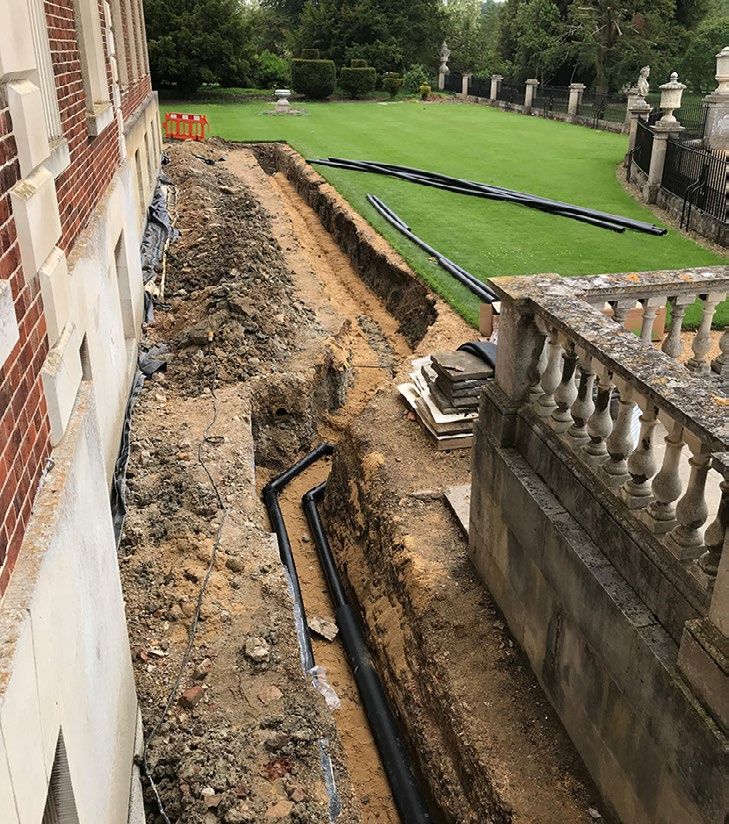
Climate change and
heritage
Our heritage now faces unprecedented
challenges from climate change;
heritage can be part of the solution
C
limate change is one of The heritage sector is acutely aware
the biggest threats facing of the potential impacts of climate
the historic environment, change on the places we value. We
and the heritage sector know an increasing amount about
is united in our response the potentially damaging impacts that
to this extraordinary challenge. As higher sea levels, increased flooding,
heritage organisations, we recognise storm damages, droughts and
the unique opportunity presented by temperature have on historic buildings
COP26, the United Nations Conference and landscapes, archaeological sites,
of the Parties on Climate Change, to on our marine heritage, gardens and
address this issue in line with efforts parklands. We know the impact this will
to ‘unite the world to tackle climate have on people’s homes and property,
change’. The 2021 International Panel on towns facing increased flooding, on
on Climate Change (IPCC) report has coastal and rural communities.
made the situation painfully clear – the
situation is worsening, and we must act
now.
Heritage matters – people love We can make a difference – the
it, respond to it, debate it. The heritage sector is now committed to
historic environment is all around finding ways of not only protecting
us, in landscapes, in buildings and and adapting the places people value,
in communities. Heritage forms the but utilising heritage as a means
backdrop of our everyday lives in to support society in meeting the
Images:
cities, towns and countryside across challenges of climate change. Far
the nation. Thousands of jobs in from being a barrier to mitigation and above: Waves batter the harbour walls
tourism, hospitality, consultancy and adaptation, the heritage sector can at Mullion Cove, Cornwall during a February
construction depend on it. Millions of offer solutions. 2014 storm.
Caitlin DeSilvey/University of Exeter
people visit heritage sites every year,
This document is intended to show
generating billions in tourism revenue left: At Hurst Castle in Hampshire, English
how heritage can become part of the
for the economy. Regenerating urban Heritage face challenges after coastal erosion
solution to the risks and challenges
areas brings further investment caused a collapse in the Victorian east battery.
of climate change. Importantly, this Projected sea level rises make planning for the
and pride in town centres. Historic
isn’t just about making statements future more challenging and costly.
buildings, gardens and landscapes are
and promises, but rather sharing what English Heritage
habitats for protected species and act
we are already doing, and galvanising
as the green lungs for our towns and
further action. The case studies set out
cities.
in this document speak for themselves
Heritage cannot however be defined and of the talent, ingenuity, and
by buildings, landscapes and places technical endeavour of so many people
alone; it’s about the knowledge and working across the heritage sector with
insight heritage offers into how people partners in academia, government and
lived in the past and shaped the world industry, striving to play their part.
around them. This knowledge, and
an appreciation of how it has shaped
our social and cultural values, help us
to make the right choices as we face
today’s challenges.
4 | Heritage responds – Taking positive action on climate change Climate change and heritage Climate change and heritage Heritage responds – Taking positive action on climate change | 5
Making heritage part of
the solution
We believe heritage can play an active
and positive role in addressing the
challenge of climate change

W
                  e recognise that             Our role is also to offer solutions.              insight into how people can adapt to
                  if we care about             We’ve pioneered research into climate             change. We can help people discover
                  heritage we need             change impacts and are innovating                 their heritage, understand how places
                  to show the value            new approaches to vulnerability                   have changed and so bring them
                  of the contribution          and hazard assessments. We are                    together to adapt to change.
we can make to the climate change              harnessing digital technology to inform
                                                                                                 Our task now is to harness the social,
debate. We also need to demonstrate            carbon reduction. We are focusing on
                                                                                                 economic, cultural and environmental
real action and commitment to                  new training needs and closing the
                                                                                                 benefits of heritage to become part of
changing how we work, decarbonising            skills gap to support sustainability. And
                                                                                                 the climate change solution.
our sector and supporting others in            importantly we are working across
making informed decisions.                     sectors to develop nature-based
                                               solutions to better protect heritage,                To make this happen, the
We believe our role is to help people
                                               enhance biodiversity and address the                 heritage sector must:
make informed decisions about
                                               risks of major flooding and sea level
climate change. More than a third of                                                                • Commit – to decarbonise our
                                               rise.
all buildings in the UK date to before                                                                sector: creating, revisiting
1919. We know that maintaining and             And we have an audience of                             and reviving organisational
adapting historic buildings keeps carbon       millions. Our understanding of the                     sustainability plans to ensure
locked up. Demolishing buildings to            past and long interaction between                      commitments to Net Zero are
make way for new build risks releasing         people and the nature – evident in the                 backed up with robust and
excessive carbon emissions that cannot         archaeological record, monuments,                      evidence-led delivery plans,
be off-set, not matter how energy-             buildings and landscapes that                          and consider sustainability,
efficient they might be.                       characterise our world – can bring                     carbon and environmental
                                                                                                      impact at the start of every
                                                                                                      project
                                                                                                    • Collaborate – Work openly
                                                                                                      and effectively to share
                                                                                                      guidance, good practice,
                                                                                                      practical experience and
                                                                                                      lessons learned within the
                                                                                                      sector and beyond
                                                                                                    • Communicate – Make the
                                                                                                      case for why heritage matters
                                                                                                      and actively participate in
                                                                                                      the climate change debate,
                                                                                                      showing how people have
                                                                                                      coped and adapted in
                                                                                                      the past and how good
                                                                                                      heritage management                                                                              Images:
                                                                                                      can build the resilience of                                                                      above: Photovoltaic panels on the south-facing
                                                                                                      places and communities,                                                                          slope of Gloucester Cathedral’s medieval roof.
                                                                                                      reduce emissions and retain                                                                      St Ann’s Gate Architects
                                                                                                      embodied carbon.
                                                                                                                                                                                                       left: Cleveland Pools, showing the lido,
                                                                                                    • Invest – in the research,                                                                        associated buildings and adjacent river.
                                                                                                      innovation, jobs, training and                                                                   Casey Ryder
                                                                                                      skills we need to adapt and
                                                                                                      build resilience in the face of
                                                                                                      climate change.

6   |    Heritage responds – Taking positive action on climate change Making heritage part of the solution                                Making heritage part of the solution Heritage responds – Taking positive action on climate change       |   7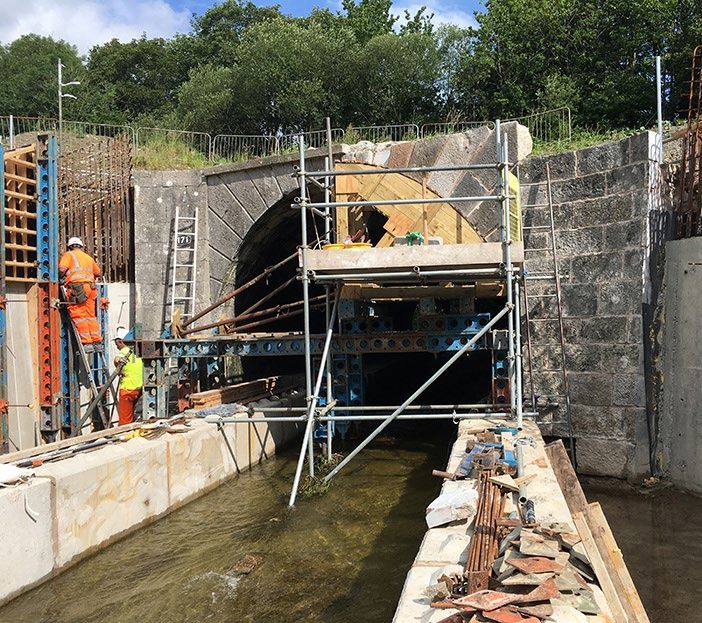
Taking positive action
on heritage and climate
change
We are already taking action,
but there’s much more to do
O
n behalf of the Historic What we found was just how much We hope the case studies included
Environment Forum, activity was already underway within here help illustrate the breadth of
the HEF COP 26 Task the heritage sector and across its current activity, get people talking
Group – made up of partners, and often in collaboration and inspire further positive action.
representatives of with other bodies. This activity However, they are by no means
Historic England, Historic Buildings includes: comprehensive – we know a lot more
and Places, the Institute for Historic activity is ongoing and we hope to keep
• Pioneering research and
Building Conservation, the National the tool which supports this document,
innovation – leading the science
Trust, Historic Houses, Church the Heritage Responds Climate
on understanding climate impacts,
of England, English Heritage, the Change Story Map, live with future
adaptation and risk, and what we
Institute of Conservation (Icon), the updates.
can learn from past long-term
Architectural Heritage Fund, Heritage
environmental change and human Collaboration is the key to taking things
Alliance, Natural England and the
adaptation forward. We must continue to talk to
National Lottery Heritage Fund –
others and build new partnerships;
reviewed our current understanding • Advocacy, awareness raising,
it’s the interaction of ideas and
of heritage related climate change sharing best practice –action,
perspectives that will continue to lead
activities. collaboration and change
to positive action. And just as climate
• Decarbonising heritage – creating a change knows no boundaries, nor
low carbon heritage sector should we.
• Supporting and enabling Historic Environment Forum
sustainable communities – October 2021
strengthening resilience through
adaptation and engagement
• Championing nature – finding
nature-based solutions to heritage
challenges
• Improving energy efficiency
– making the case for historic
buildings
• Investing in training and skills –
building both new and traditional
skills for sustainability
Behind all this work is of course the
excellent guidance and advice on Images:
sustainability and climate change
above: Bath Abbey’s newly restored floor
issued by Historic England, Historic features eco-friendly underfloor heating which
Environment Scotland, Cadw, Society uses renewable energy from Bath’s famous
for Protection of Ancient Buildings, hot springs.
Institute for Historic Building Stephen Girling/Bath Abbey
Conservation, National Lottery
left: The Storm Tower, Bude, showing its
Heritage Fund and the Fit for the
proximity to the cliff edge.
Future Network, amongst others. Historic England
8 | Heritage responds – Taking positive action on climate change Taking positive action on heritage and climate change Taking positive action on heritage and climate change Heritage responds – Taking positive action on climate change | 9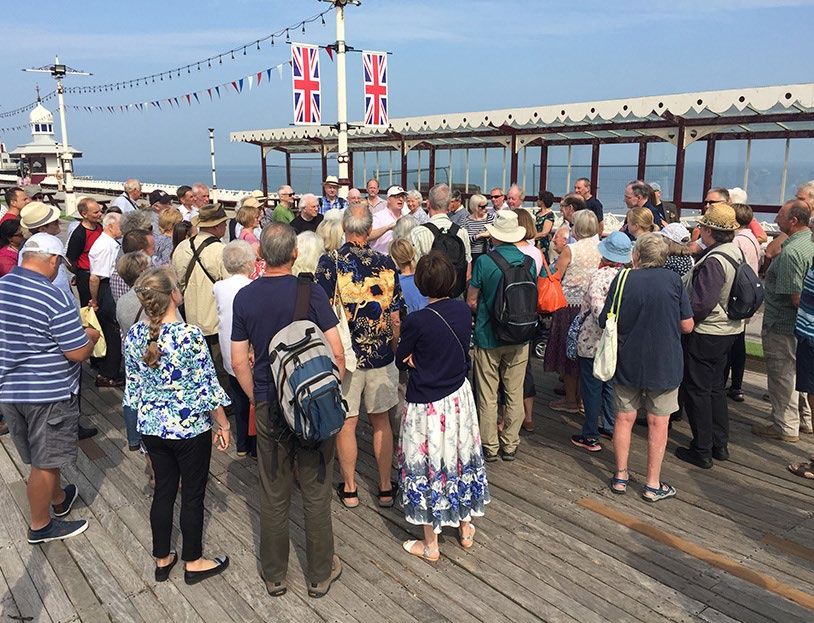
Pioneering research and Case study • Between 2004-7, ISH was a
key partner in an international
consortium investigating Global
innovation Climate change
and the historic
Climate Change Impact on Built
Heritage and Cultural Landscapes,
known as Noah’s Ark cordis.europa.
Leading the science on understanding environment: eu/project/id/501837/reporting.
The main outcome of the research
climate impacts, adaptation and risk research into policy was a Vulnerability Atlas including
maps depicting areas with increased
UCL Institute for Sustainable Heritage or decreased risk for materials’
deterioration in different European
regions blackwells.co.uk/bookshop/
T
product/The-Atlas-of-Climate-
A
Change-Impact-on-European-
he heritage sector has But crisis brings new solutions, and mong the positive actions that
Cultural-Heritage-by-C-Sabbioni-
been engaging in research we are increasingly seeing heritage the heritage sector is taking to
Peter-Brimblecombe-May-Cassar-
and innovation for the last bodies working with other sectors, address climate change is the conduct
Noahs-Ark-Project/9781843317982
20 years, identifying the including the insurance industry and of research to ensure that together
The project won the 2010 Europa
potential risks and impacts technology start-ups, to innovate new we are part of the solution rather than
Nostra Grand Prize for Research.
from climate change. means of capturing and using data the problem. Since its inception in
to understand energy and carbon 2001, the UCL Institute for Sustainable These three projects – local, national • National: Leading the AHRC/
Since the publication of the seminal Heritage (ISH) has been at the and international – were the EPSRC Science and Heritage
use and to predict risks to buildings,
‘Climate Change and the Historic forefront of collaborative academic foundations of two major initiatives – Programme (2007-2013) issuu.
landscapes and collections.
Environment’ report (UCL / Historic research with the aim of informing national and global – whose impacts com/heritagescience, ISH set the
England, 2005), climate change national and international policy are flowing into the second decade of intellectual framework for the first
study has expanded rapidly, with the on climate change and the historic this century and beyond: programme of heritage science
academic sector working increasingly environment. research. Resilience and adaptation
Image:: with international partners to was a key theme of the programme
The Cotehele Weir in high flow shortly after its understand the scale of impacts and Research into policy identifying the need for research
collapse in 2020 change across different heritage For 20 years, ISH has built
to understand environmental and
National Trust/George Holmes assets. Heritage scientists map and • In 2002, English Heritage its policy engagement on its
anthropogenic effects including
analyse climate change, risk and commissioned ISH to carry out cultural heritage and climate
climate change which was predicted
hazard across the UK, from historic the first scoping study on Climate change research.
to take its toll on cultural heritage
coastal landscapes to heritage sites at Change and Historic Environment.
Most recently this has been in the 21st century. The gaps in
risk of storm surges, soil movement, The research methodology which
enhanced through: research that were identified for this
flooding and rising sea levels. centred on two stakeholder
theme included testing conservation
Understanding how we face into the workshops with site managers • Membership of the
standards, materials tolerance and
risk of loss has become an increasingly and policy makers, identified UNESCO-ICOMOS-IPCC
environmental thresholds in order
important research theme. the significant climate change Scientific Steering Committee
to maximise the time between
parameters and their impact on preparing for an International
cycles of intervention, to make
the historic environment. The Expert Meeting on Culture,
efficient use of natural resources
report published in 2005 is found Heritage and Climate Change
while taking into account changing
here: discovery.ucl.ac.uk/id/ taking place in December
and different climates.
eprint/2082/1/2082.pdf 2021
• Global: The UNESCO World Heritage
• Between 2003-6, ISH led Engineering • Membership of the JPI Cultural
Committee at its 30th session in
Historic Futures, an EPSRC funded Heritage and Global Change
July 2006 acknowledged the risks of
collaborative research project Advisory and Scientific Board
climate change to World Heritage by
in partnership with heritage, which together with the JPI
endorsing the report Predicting and
industry and academic partners to Climate is preparing a White
Managing the Impacts of Climate
investigate hygrothermal stresses Paper on Cultural Heritage
Change on World Heritage and the
caused to saturated historic building and Climate Change: New
Strategy to assist State Parties to
fabrics subjected to slow and rapid Challenges and Perspectives for
implement Management Responses.
drying after flooding. Working with Research
The report was prepared following
heritage organisations to identify • Membership of the Heritage a meeting of experts in March 2006
key problems in several case study Climate Network and the to which ISH was invited by DCMS to
sites, a Stakeholder Dissemination Bartlett’s Together for Climate contribute as expert adviser.
and Scientific Research Report was Action www.ucl.ac.uk/bartlett/
published in 2007: discovery.ucl. together-climate-action in the
ac.uk/id/eprint/2612/1/2612.pdf lead up to COP26.
10 | Heritage responds – Taking positive action on climate change Pioneering research and innovation Pioneering research and innovation Heritage responds – Taking positive action on climate change | 11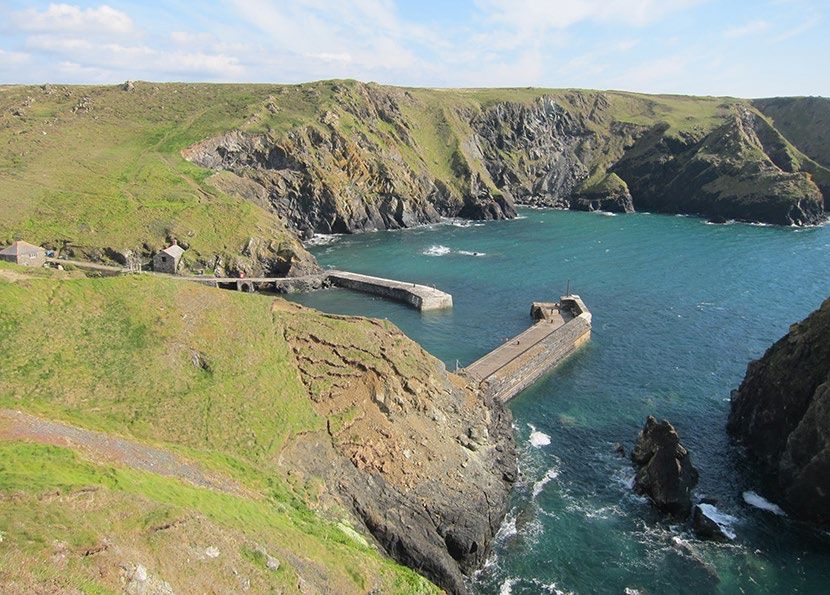
Case study Background engage local communities to volunteer
in their area. The map will also support
By plotting its places alongside existing
the Trust’s ambition to plant the right
Hazard mapping data on climate change related events,
the Trust can understand how, at
tree in the right place and to establish
20 million trees by 2030.
National Trust a local scale, potential risk factors
(extreme heat and humidity, flooding,
What’s next?
landslides, coastal erosion, soil heave
and high winds) could change by 2060. The next phase of the project will
build on work already undertaken
The data will be used by the Trust to
to identify and act in areas in which
look at risks to the landscape, with
homes for wildlife are at risk and
landowners working together to
where species reintroduction may
help the environment. It could also
Working to a worst-case see government bodies from England,
T he National Trust has developed
a “game changing” map that
illustrates the threat climate change
model of no intervention on
emissions, the map is intended
Wales, Northern Ireland and Scotland
plot the heritage locations they care
for to illustrate the threat to the whole
to be used as a “flagging tool”
poses to some of its most iconic and to highlight potential hazards UK historic environment. Coastal
culturally significant sites – and offers to the locality of a site. areas at risk of collapse or sand dune
some solutions on how to tackle it. It movements due to rising sea levels
is the first map of its kind that plots By identifying areas at risk, the will also be highlighted in the future,
data in this way and will help the charity can pinpoint locations which will also enable more informed
charity identify the hazard level facing that may need interventions like solutions.
its countryside locations, monuments, tree planting to slow water run-
coastlines and historical sites in off, peat bog restoration to hold
England, Wales and Northern Ireland. back water, river restoration or
areas that need more shade due Image:
to extreme heat.
National Trust/John Miller
Case study The system – now being rolled out
more widely by Ecclesiastical – is quick
and easy to install, so it can be up and
Smart sensors in running in a matter of weeks.
historic buildings - Due to heavy masonry walls and
statutory protections, many historic
Kenwood House properties struggle with patchy WiFi
and it can be difficult to wire new
English Heritage sensors into to mains. The system
addresses this by using a LoRaWAN
Gateway, acting as a bridge between How does it work?
the sensors and the Hub and not
requiring WiFi. The sensors also use AA • Sensors are delivered to site
batteries, lasting up to three years and and self-installed by clients
E nglish Heritage worked with
Ecclesiastical and technology firm
Shepherd on a pilot for state-of-the-
removing the need for mains power.
The project was recognised at the
with support from the central
team who provide guidance
on where best to place them.
CIR Risk Management Awards where
art monitoring sensors at Kenwood • Once installed, the system
it received the ‘highly commended’
in North London. The pilot involved gathers data to understand
award in the Risk Management
installing self-contained sensors to the property, building up a
Innovation of the Year category. Read
discreetly monitor the building and picture of conditions over the
more about the project here:
environmental factors in real time, first few weeks, after which
www.ecclesiastical.com/media-
allowing us to respond to risks and changes in environment and
centre/kenwood-house-technology-
understand, manage and reduce energy consumption are
pilot.
electricity, gas & water consumption easily picked up.
to lower costs and reduce carbon
footprint. The pilot predicts this • Once the system is fully
could help reduce operating costs operational notifications are
photo credit:
by as much as 25% by driving down English Heritage
delivered automatically to
energy and maintenance costs and up to seven nominated team
preventing damage. members via the alert system
12 | Heritage responds – Taking positive action on climate change Pioneering research and innovation 13 | Heritage responds – Taking Pioneering
positive action
research
on climate
and innovation
change Pioneering
Heritage responds
research and
– Taking
innovation
positive action on climate change | 13
Case study
Landscape futures
and the challenge
of change
University of Exeter
L andscape Futures and the
Challenge of Change: Towards
Integrated Cultural/Natural Heritage
Background
Within the heritage sector there is
University of Exeter Environment and
Sustainability Institute Landscape
Futures project page www.exeter.
widespread recognition that the
Decision Making ac.uk/esi/research/projects/
accelerating effects of climate change
landscape-futures/
In dialogue with natural and historic will force a reconsideration of the
environment practitioners and care of at-risk places and properties. DeSilvey et al. (2021) ‘When Loss
regulators, the Landscape Futures New methods are being developed is More: From Managed Decline
project has developed a new to identify and measure future to Adaptive Release’, The Historic
conceptual and practical framework threats and hazards: as an outcome Environment: Policy & Practice doi.org/
for proactively and iteratively managing of these processes, it will be possible 10.1080/17567505.2021.1957263
heritage transformations: adaptive to maintain and protect some at-
release. risk heritage features, but for some Heritage Futures heritage-futures.org
assets at the ‘too tough to save’ end
The project is equipping the
of the spectrum it may be necessary
heritage sector with consistency in
to manage processes of decline and
interpretation of relevant regulation
transformation. This will not be easy.
and guidance; confidence in making
Applied strategies for managing this
the decision to manage for change;
kind of change are currently limited, In a series of workshops, discussion Next steps
and capability in devolving decision
and heritage policy is not designed to The project has wide-reaching focussed on opportunities and
making to local managers and The project has successfully
address the situation the sector now significance for cultural and barriers related to integrated, adaptive
inspectors. established new connections and
finds itself in. natural heritage research, management of risk and loss, and
hosted conversations amongst a
Landscape Futures started in February policy-making and practice in developed the concept of adaptive
diverse range of stakeholders from
2020 and will run until January 2022, the UK and internationally. released as a potential way forward.
across the heritage sector. When the
supported by funding from the Arts Workshop participants praised
By developing a management project ends in January 2022, Historic
and Humanities Research Council adaptive release as a “potentially game
approach that understands England and the National Trust are
and the UKRI Landscape Decisions changing piece of work” that will “help
dynamic heritage assets as part hoping to broaden the conversation
Programme. The project is led by us [the heritage sector] to make better,
of evolving cultural-ecological by convening a UK-wide network to
Professor Caitlin DeSilvey (University more effective and more sustainable
landscapes – where cultural and draw in cross-sectoral perspectives
of Exeter), with Professor Rodney decisions”. Shared discussion across
natural histories are understood and professions. The network will
Harrison (UCL), Dr Hannah Fluck historic and natural environment
as conjoined and complementary encourage open discussion and
(Historic England), Professor Rosie professions was particularly valued,
– adaptive release is positioned debate about ongoing and planned
Hails and Dr Ingrid Samuel (National as was the involvement of a diversity
to make a critical contribution management practices, share learnings
Trust) as Co-Investigators, supported of roles and responsibilities: “It was
to heritage adaptation and and case studies, and develop tools for
by Research Associates Amber helpful to me to have that mix of
resilience. navigating heritage change proactively,
Blundell (University of Exeter) and higher-level strategy and policy-based
collaboratively and sustainably.
The project will disseminate roles and more ‘on the ground’ delivery
Harald Fredheim (University of York).
its practical outcomes for roles – felt like some good common
Practitioners and decision-makers
the management of asset ground established as a result.”
from the National Trust, Historic
transformations through a (workshop participant).
England, Natural England and other
series of targeted publications
relevant agencies and organisations Image:
(including a co-authored paper
worked collaboratively with academics University of Exeter
published in The Historic
over the course of the project.
Environment: Policy Practice
‘Climate Change and Heritage’
special issue and a Historic
England research report) and
through dissemination events in
late 2021 and early 2022.
14 | Heritage responds – Taking positive action on climate change Pioneering research and innovation Pioneering research and innovation Heritage responds – Taking positive action on climate change | 15
Advocacy, awareness Case study Heritage Declares came into existence
in the summer of 2019, following the
first big wave of Extinction Rebellion
raising, sharing best Heritage Declares
- Climate &
protests in London. Believing that
heritage can play a vital role in shaping
practice
public opinion and action on climate
Ecological and ecological issues, we sought to
establish a platform for grassroots
Action, collaboration and change Emergency environmental activism within the
sector.
Heritage Declares
To focus these efforts, and taking
inspiration from Culture Declares,
T
Architects Declare and other kindred
movements, we set about drafting
he heritage sector –
together with colleagues
in aligned areas such as
Sharing knowledge is central to
improving our preparedness, helping
us adjust how we care for our heritage
H eritage Declares is a non-affiliated
group of heritage practitioners
who have come together to urge
the Declaration: a list of ten principles
whereby all those involved in heritage
can commit to playing their part in the
biodiversity, architecture and the communities that depend on the sector to react more quickly systemic changes required to avert
and collections care – has it. Heritage bodies have been proactive and effectively to the climate and climate and ecological disaster.
responded to the climate crisis by in providing guidance and advice to ecological emergency. We are distinct
The Declaration asks its signatories to
bringing people together under a trusts, property owners and local from other sustainability initiatives
place the present crisis at the heart of
number of declarations and manifestos authorities on climate change and within the sector in that we are a non-
their professional practice: whether
for change. Much of this has been sustainability, and this is increasingly technical, grassroots movement that
by actively embracing sensitive retrofit
grass roots – led by a ground swell of becoming an expectation in funding aims to push the environmental crisis
in historic buildings, advocating for
concern around practitioners wanting streams administered by the National to the top of the heritage agenda. Our
the responsible use of embodied
to raise awareness and take positive Lottery Heritage Fund in the UK and work is focused on the Declaration
resources, mitigating the harms of
action – as well as larger organisations the British Council overseas for the (heritagedeclares.org), a manifesto for
cultural tourism, working to detoxify
bringing key people together on a Cultural Protection Fund. change that sets out ten overarching
the financing of heritage institutions,
national and international stage. Such principles by which the sector can
or simply using the sector’s relative
networks create vital cross-sector and respond to the present crisis. A group
prominence and prestige to advocate
cross-border links, offering important of co-ordinators continue to promote
for environmental justice more
opportunities to share and collaborate the Declaration and encourage all
broadly.
in an impactful way. those in the heritage sector to sign.
The full text can be found at
heritagedeclares.org. We encourage
all heritage practitioners – whether
individuals and organisations – to
sign the Declaration, as an expression
Image: of their commitment to tackling the
greatest challenge facing humanity in
Sea Change conference participants touring our time.
Blackpool’s North Pier.
World Monuments Fund Britain
16 | Heritage responds – Taking positive action on climate change Advocacy, awareness raising, sharing best practice Advocacy, awareness raising, sharing best practice Heritage responds – Taking positive action on climate change | 17
Case study Tigray Rock Hewn Churches The project has documented
approximately 50 objects across
The Federal Authority for Research
the heritage sites and carried out
Cultural Protection and Conservation of Cultural Heritage
(ARCCH), in partnership with Mekelle
important mitigation work at the
Fund University in Ethiopia, created an
Siyu fort to protect against the
immediate threat of sea erosion. Risk
inventory of the sacred rock hewn
British Council and the UK management plans were developed for
churches of Tigray, as well as touristic
government’s Department for Digital, all 4 sites and 125 local site managers,
guides for the area. Although they
Culture, Media and Sport (DCMS) caretakers and community members
were unable to complete the physical
were trained in climate change and
assessment and repair of the churches
disaster risk management. The project
due to the conflict, the project team
has been instrumental in raising
did extensive desk-based work
awareness and building capacity
documenting 28 churches and the
to protect Kenya’s valuable and
artefacts and manuscripts held there.
T
threatened cultural heritage.
he Cultural Protection Fund is led
Coastal Cultural Heritage of Kenya “This pilot round has enabled the Images:
by British Council in partnership
with the UK government’s Department Cultural Protection Fund to open CPF funded project led by ICCROM
ICCROM, in partnership with National
for Digital, Culture, Media and Sport opportunities in new geographies (International Centre for the Study of the
Museums Kenya, addressed the
(DCMS). It was set up in 2016 to and address different threats to Preservation and Restoration of Cultural
threats arising from climate change to Property)
protect at risk heritage due to conflict valuable cultural heritage. Despite
some of the most vulnerable heritage
in the Middle East and North Africa. Preserving endangered photograph ministry staff and local community an exceptionally challenging year,
sites on the coast of Kenya, through
and newspaper collections at volunteers to continue this important these projects remained committed
In 2020 the CPF piloted a new risk assessment, training, conservation
McMillian Memorial Library work. to delivering excellent work which will
round with the aim of supporting and advocacy. The four heritage sites:
help us to shape how we continue to
organisations to prepare cultural The Book Bunk Trust has digitised over The project produced a music video Jumba la Mtwana National Monument,
protect cultural heritage against global
heritage for the threat of natural 31,549 newspapers, photographs and with young musicians and popular Siyu Fort on Lamu Island, Shimoni
threats such as climate change.”
disasters and climate change. The other items in the Macmillan Library in Tanzanian artist, Claudia Lubao, to Slave Caves & Cultural Landscape and
round focussed on preparedness Nairobi, and has improved the storage increase awareness of the climate Kongo Mosque Heritage site, are at the Stephanie Grant, Senior Programme
measures to protect cultural heritage conditions for these items, helping to change related threats to heritage, centre of traditional communities and Manager Cultural Protection Fund
against the effects of natural disasters prevent further degradation of this which has had over 3k views. represent an important part of their
and climate change, specifically in 7 unique library collection. cultural heritage.
countries across East Africa: Ethiopia, Melting Snow and Rivers in Flood
They have trained 21 people in how to
Kenya, Sudan, South Sudan, Rwanda,
preserve, protect and digitise archives, In Uganda, the International National
Tanzania or Uganda.
created 25 paid internships and 5 Trusts Organisation (INTO) worked in
The fund was launched on 14 May casual employment roles and engaged partnership with the Cross-Cultural
2020 over 150,000 viewers with their online Foundation of Uganda to explore and
activities. protect the heritage sites, age-old
Applications were assessed against the
traditions and beliefs of the Alur and
following criteria: The project’s YouTube video on ‘How to
Bakonzo communities in Uganda.
protect personal archives from climate
• Cultural protection focus – the
change’ has had over 62k views. The project has carried out physical
significance and value of the cultural
restoration to prevent further flood
heritage
Citizen Science Tanzania: damage to sites and has documented
• Project need – the urgency of the A strategy to monitor and mitigate culturally significant tangible heritage
risk, demand (locally and beyond) the impacts of climate change on such as sacred sites and hot springs,
coastal heritage as well as the intangible heritage of the
• Outcomes – how well the project
local communities. Extensive training
addresses the fund’s outcomes St Andrew’s University, in partnership
on the documentation of cultural
(Heritage, Society & Economy) with the University of Dar Es Salaam
heritage has been delivered to local
has carried out important assessment
• Risk – delivery risks as well as professionals alongside awareness
and digitisation of the Kilwa Kisawini
sustainability, reputational, security raising activities on the risks posed by
and Bagamoyo coastal heritage sites in
• Value for money climate change to traditional ways of
Tanzania.
life. An important exchange between
In November 2020, five projects were The project also developed a database the UK heritage site of Fountains
awarded just under £500k in total and and an app, that local professionals Abbey and the Wang Lei site in Uganda
they continued until July 2021. and communities can use to record the took place; sharing best practice on
tangible and intangible heritage of the how to handle flooding; a very real and
local area and monitor climate effects. global threat to cultural heritage.
The app has generated more than 150
new database entries including records
of sites, buildings, objects, stories
and landscapes. Valuable training in
heritage collection and documentation
has been delivered to professionals,
18 | Heritage responds – Taking positive action on climate change Advocacy, awareness raising, sharing best practice Advocacy, awareness raising, sharing best practice Heritage responds – Taking positive action on climate change | 19Case study Decarbonising heritage
The Sea Change Conference took
place in Blackpool in the Winter
Gardens between 4-6th September
Sea Change 2019 - 2019. Blackpool’s Piers featured as a
Creating a low carbon heritage sector
A global conference World Monuments Fund Watch site in
2018, one of only 25 identified across
on the impacts of the world, specifically because the site
spoke to a WMF priority of addressing
climate change on the impacts of climate change. The
conference was a tangible action of
coastal heritage Watch listing and was funded by WMF,
Blackpool Council, American Express,
World Monuments Fund The conference was also used as a
and the Senator Group. Organising
G
way marker for the inaugural Heritage
participants included WMF, Blackpool
Climate Network in Edinburgh later in
T
Council, ICOMOS UK, Bournemouth
he Sea Change Conference 2019 and signposted the launch and lobal efforts to avoid To make this happen we need to
University, Historic England and the
brought together the international work of the Climate Heritage Network. a climate change assess our activity and find new and
Winter Gardens Trust. The project
conservation community to catastrophe centre on innovative ways to reduce our carbon
originated as an organisational Within WMF, the conference galvanised
understand the growing impact the need to drastically footprint, build sustainability into
response from WMF in seeking to an increased organisational focus on
of climate change on the built reduce global carbon operational plans from the outset,
align our Watch sites with one of climate change, which has since been
heritage of coastal communities. emissions. As a sector, many back up net zero pledges with robust
the critical strategic themes of the identified as one of WMFs key strategic
This process helped identify gaps in organisations have worked hard implementation plans, implement
organisation and for heritage more themes, and by turn will influence the
understanding where new research to become greener, setting carbon green travel plans, look for viable,
generally. outcomes of the 2022 Watch. Our
might be commissioned to further the targets, cutting energy use, shifting to net zero ways to heat our buildings,
focus is to link strategic thinking with
resilience of coastal communities in A specific issue at Blackpool, where renewables and encouraging more continue to make the case for building
local delivery, with a particular focus
protecting vulnerable heritage assets. the historic piers are threatened by sustainable options for visitor travel. adaptation over new build, and seek
on the needs of communities. As a
The conference had four themes increased storm surges, prompted a We know there is still a long way to to actively lock up carbon through
next step, WMF would like to seek
centred on cultural identity, resilience, call to look at the broader issues faced go for many trusts and charities, but landscape restoration and sensitive
sponsorship to create a publication to
sustainability and best practice by coastal heritage across the world the need to act and commitment peatland and ancient woodland
share learning more widely.
which were aimed at bringing out and to explore solutions and share to invest in change is increasingly management.
relevant case studies and research for learning – this, by turn, turned into the acknowledged.
consideration. conference.
Key takeaways:
• Practitioners are not alone
– one of the striking things
about the conference was a
sense of being able to talk
to others faced with similar
challenges, even if they are
geographically distant.
• Heritage practitioners are well
placed to ‘show and tell’ about
the impact of climate change,
given we record and manage
the impacts from the distant
and more recent past into the
future
• We need to improve our
Image:
messaging and learn the
lessons of our partners in the Pipework for the ground source heat
world of natural environment pump, installed in front of Wimpole
campaigning. Hall’.
National Trust/Miranda Campbell
• The heritage of loss is still
widely underestimated and
under explored – and yet this
will feature significantly in
text the future. How should we
Images: deal with this via recording,
World Monuments Fund Britain transference and celebration?
20 | Heritage responds – Taking positive action on climate change Advocacy, awareness raising, sharing best practice Decarbonising heritage Heritage responds – Taking positive action on climate change | 21Case study Our heat and energy supply Stately homes are well placed to
respond to climate change: we are
Case study
Two biomass boilers were installed in
local employers; we farm; we look
Holkham Estate 2013, which use wood from the Estate
to heat the Hall, the stables offices,
after woodland and landscapes; we Switching from
Sustainable the Courtyard Café, the gift shop, the
provide housing; we have space;
and we have visitors. We can help to oil to electric
visitor reception, the Estate Office
Tourism and and the Holkham Stories exhibition.
sustain our local communities with
employment, housing and support;
at St Andrew’s
Elsewhere, a 100-acre solar park
Renewable Energy consisting of 84,500 photovoltaic
we can make the right decisions about
the way we farm and manage our
Chedworth
panels generates enough electricity
Holkham Hall & Estate, Historic Houses landscapes; and we can use our power Church of England
to power 6,200 average homes,
and status to advocate and influence
saving 8,800 tonnes of carbon dioxide
from policymaking right at the top,
annually. In addition, solar panels at
to decisions by our visitors at an
the Beach Café and Pinewoods Holiday
T T
individual level.
he historic Holkham Estate in Park generate their own electricity. his project installed a combination
Norfolk puts sustainability at its An anaerobic digester takes maize of electric pew, panel and
Our message to others
core. Holkham has implemented and rye grass grown on local farms overhead heating to St Andrew’s
a zero-waste strategy across the and converts it into natural gas, which Don’t be put off by the scale and Church, Chedworth to move away
estate, installed biomass boilers and heats 2,500 homes in the winter and breadth of this challenge, you can start from oil-fired heating to fully electric
solar farms to power commercial 40,000 homes in the summer. small and take on bigger challenges as heating. In combination with a switch
enterprises, and the new ‘WONDER’ your confidence and knowledge grow. to 100% renewable electricity, the
strategy seeks to embed low-carbon Our approach to plastic and waste Gain as much data as you can as a church is now “net zero carbon”. Three
living, environmental recovery basis; with this you can make informed phase power needed to be installed,
In 2018, Holkham Enterprises opened The oil boiler could have been “This has been a successful heating
and zero waste at the heart of its decisions on where best you can direct but this did not prove to be a barrier
The Lookout on Holkham National replaced and extensive re-piping of scheme within this church, which has
operations. your efforts to deliver the biggest to success. Operating costs are now
Nature Reserve, a visitor centre the system would have been required converted it from oil to electricity,
sustainable improvements. There is lower, and church users are more
providing much needed visitor facilities to fix the underground leaks. This improved the comfort, and reduced
Background plenty of support out there – spend a comfortable.
and interpretation to 800,000 annual would have left the church on oil; the costs at the same time. The church
little time researching great ideas and
The historic Holkham Estate covers visitors. Sustainability is at the heart St Andrews Chedworth is a Grade I highest carbon fuel, releasing more now procures its electricity from
examples. Lastly, but most importantly,
10,000 hectares of land, including of this operation; all packaging and listed Cotswold church in a village in greenhouse gasses per unit of heat 100% renewable sources and it is
don’t forget that staff and volunteers
18km of North Norfolk’s coastline. The catering consumables are made from the Diocese of Gloucester. It used than gas or electric heating. therefore net zero carbon because
are the greatest asset – they love
entire Estate, including some of its key compostable materials, free water to be heated via an oil-fired boiler to The heating project cost a total of of this project. The project has
where they work, and their skills and
business activities, are vulnerable to is available from a drinking fountain, radiators with underfloor pipework. £38k, with VAT being reclaimed deliberately included many forms
passion are just what is needed to get
climate change and rising sea levels. where possible all products are sourced It had no mains water supply and a through the Listed Places of Worship of electrical heating in the church
the momentum going and start making
from local suppliers, the estate’s single-phase electrical connection. It is Scheme. to allow others to come and see the
At Holkham we’ve called our those changes.
vehicles are electric, and ice-lollies are generally well maintained and has no various options for themselves, and
sustainability strategy ‘WONDER’.
even wrapper-free. All visitor cafes at issues with damp. we welcome visitors!”
We believe Holkham is remarkable, Our next steps
Holkham have adopted compostable What did we add?
somewhere more than a million The existing oil boiler had reached Matt Fulford, Heating Project Manager at
packaging, removed single use plastics Land management trials at our
people visit each year to admire and the end of its life and the underfloor • A new three phase electrical St Andrew’s and Sustainability / Energy
and practice recycling, sustainable Great Farm project; reduced grass
enjoy, and this strategy is essential in pipework was corroding; the church supply was installed from a Advisor to Gloucester DAC
procurement and waste management. mowing; bird trails on the nature
ensuring that Holkham continues to had experienced three significant pole on the boundary of the
reserve; carbon audits across all our
be a wonderland in years to come. We underfloor pipework leaks in the last 5 churchyard in an excavated
The challenges we face businesses; partnering with Good
are now working on our three main years. The existing heating system was trench (with archaeological
Journey to promote public transport,
sustainability focusses: pioneering Holkham’s rural location offers limited only just adequate to provide thermal watching brief). At the same
cycling and walking; low-carbon
environmental gain, championing low- and infrequent public transport comfort to the church when running. time, a water main was also laid
weddings; reducing our waste and
carbon living, and stamping out waste. (meaning cars are essential) and a lack into the church.
improving our recycling rates; phasing
of businesses to work with (such as
out single-use plastic. If you’d like to • Electric under-pew heaters
recycling collections), plus we struggle
find out more, click here to take a look were fixed to all pews, including
with unsustainable standards within
at our projects. the choir. Overhead heater
some industries (e.g., all caravans
units were used in the choir Image:
are designed to use bottled gas for
vestry and tower. Panel heaters
cooking and heating). But this is where Church of England
were installed to heat open
the concept of ‘supply and demand’ Holkham’s vision is ‘to be the areas around the altar, pulpit,
is important, and we can use our UK’s most pioneering and font and organ. Cabling was
influence to try to change some of sustainable rural estate’. This laid mainly under the floor
these things. vision recognises that the estate using much of the old pipework
Another challenge is ensuring that has a responsibility to protect and routes.
our staff, volunteers and visitors are enhance its incredible buildings,
collections, diverse landscapes • All existing radiators, the boiler
on board. Team Holkham truly loves
Image: and wildlife for future generations, and the oil tank were removed,
a challenge and individual teams are
and that there is an opportunity to creating more space in and
Holkham Hall & Estate empowered to make changes both big
inform and inspire others on their around the church.
and small. Inspirational communication
is key with our visitors. own sustainability journeys.
22 | Heritage responds – Taking positive action on climate change Decarbonising heritage Decarbonising heritage Heritage responds – Taking positive action on climate change | 23Case study PSVT is responsible for: PSVT adopted its first environmental Case study Over a century later, Wimpole
Key takeaway
sustainability policy in 2011. Get everyone involved! The public
is now producing a significant
Port Sunlight • 130 acres of landscaped parkland
and gardens,
However, PSVT did not have a holistic Wimpole proportion of its own heat and
and property are excited about
works like this, and it also provides an
understanding of its organisational electricity through the marriage
Village Trust • 292 Grade II-listed houses, impact or opportunities for Renewables of two renewable technologies:
opportunity to share the reasoning
improvement; this was seen as a risk behind it with visitors. For example,
Environmental • 15 listed community or commercial
buildings,
and lost opportunity. The ESS enabled National Trust • 180kW of ground source discussing the link between heating
(borehole) heat pumps and conservation and what the
Sustainability • Port Sunlight Museum & Gift Shop,
organisation-wide understanding
which will be embedded in all areas of providing heating to the National Trust is doing to ensure its
mansion’s showrooms, staff
Strategy (ESS) including the Edwardian Worker’s
Cottage and SoapWorks,
business and inform priorities, budgets
and actions going forward. flats and office, as well as
sustainability for the future.
heating and hot water for the Next steps
Port Sunlight Village Trust • A dedicated centre for formal and The ESS includes a report with Old Rectory Restaurant.
informal learning. comprehensive baseline study, Thanks to the Green Recovery
W
environmental vision, aims and • 200 kW ground mounted Challenge Fund (part of the National
impole Hall is a Grade I listed photovoltaic panels adjacent to Lottery Heritage Fund), we will be
action plan for delivery. Supporting mansion with a spectacular
documents include an opportunity the new Visitor Reception and continuing to audit and reduce
architectural pedigree; the newly car park carbon emissions in our operations
matrix for improving thermal installed heat pump system combined
performance of PSVT’s listed built at Wimpole as well as sequestering
with the National Trust’s largest solar carbon in our land. This will include
assets and a more detailed energy PV scheme to date saves over 140 The Wimpole team were very engaged
study. in the project. The project team creating woodland, woodland pasture
tonnes of CO2 emissions a year. and agroforestry on 120Ha of land on
recognised that it was very important
Group working and consultation Wimpole Hall is a mansion with a rich the Wimpole estate.
to involve staff and volunteers from
across the organisation were central history of many different owners, all the beginning and provide them with
to the development of the ESS. PSVT’s putting their mark on the architecture a good understanding of the work
working group included members of and interior design of the building. involved and the reasons behind The renewables in place at
all directorates and a member of the From Sir John Soanes Yellow Drawing it. Pre-planning and design and Wimpole are part of a wider
board of trustees. Engagement helped room to delicate French porcelain plan stage research and work was commitment and project to
to clarify baseline performance and figures and Rudyard Kipling’s books, invaluable and vital to the success of be carbon net zero across the
to ensure that the action plan was the newly installed heat pump system the project. operational line at the Wimpole
specifically created for the charity and provides stable humidity conditions
the site. Estate.
to protect the collection whilst Projected results
A
reducing the Hall’s carbon footprint. We have been tracking and
ten-year strategy to improve the • A diverse group of monuments Significant reduction in Scope 1 reducing carbon across food
The Trust’s largest solar PV scheme to
climate change resilience for Port (listed and unlisted), museum carbon emissions, expected to be in and beverages, heating, lighting,
Through adoption of the ESS, date supplies the heat pump but also
Sunlight Village Trust (PSVT) and the collection, and village archive. the over 200 tonnes of carbon each electrification of equipment
PSVT has committed to reducing exports green energy to the grid.
conservation area in its care. Including year. Removal of risk of leakage or spill and in our gardens, farm and
• Tackling social issues and promoting
a baseline study, vision statement, its environmental impact year of 35,500 litres of oil used to run the
community cohesion. Background countryside.
aims, objectives and performance on year, reducing the impacts former boiler each year.
indicators, the ESS describes how • Managing the visitor destination to the environment from its Wimpole Hall is a complex house with
PSVT will work in partnership and raising its profile through facilities and operation, and a spectacular architectural pedigree. Top tips
Read more about the project here:
with stakeholders to achieve its partnership working, marketing championing biodiversity and Wimpole’s interior is a rich mixture
• Ensure contractors are aware that www.nationaltrust.org.uk/wimpole-
environmental sustainability vision. activities, visitor services, product sustainability as it cares for its of mainly 18th-century decoration,
mapping is indicative, not definitive. estate/projects/going-green-
development, and events. natural and built heritage. The including a spectacular Baroque chapel
“By 2030, we will improve our renewable-energy-at-wimpole.
ESS will be implemented over the with trompe l’eoil murals by Thornhill. • The timetable for planning
environmental performance and Delivered with match funding from
next ten years to allow PSVT to process is subject to local planning
support our workforce, community, Museum Development North West, Wimpole has long been an estate able
further reduce its impact on the department changes.
visitors and partners to be more PSVT commissioned the ESS to adopt to provide its own resources. A look at
environment whilst encouraging
sustainable, to create a greener future a joined up and strategic approach to the Ordnance Survey map from 1903
the community and visitors to do
for everyone.” improve environmental sustainability tells you that, as well as the kitchen
the same.
across the organisation. garden, farms, reservoir, smithy,
Port Sunlight village was founded
The ESS covers carbon emissions, woodyard, claypits, and fishponds,
by William Lever in 1888 to create Based on the UN’s Sustainability
biodiversity, waste, water, energy, the mansion was once lit using gas
a community for the workers in his Goals, the ESS defines PSVT’s vision
transportation and business produced on site.
soap factory. Port Sunlight Village was for environmental sustainability and
activities. The ESS was adopted in
designated as a conservation area in describes key actions for improvement
June 2021, so progress cannot yet
1978 and comprises over 900 listed in six areas; Energy, Water, Waste,
be mapped. However, the action
buildings and structures including the Transportation, Business and Greening
plan includes indicators to track Image:
Grade I listed war memorial. the Village.
performance.
National Trust
As custodians of a heritage site with a
diverse set of stakeholders PSVT has
an important and exciting role to play Image:
in changing attitudes and behaviours
Port Sunlight Village Trust
as well as improving climate change
resilience in the built and natural
environments.
24 | Heritage responds – Taking positive action on climate change Decarbonising heritage Decarbonising heritage Heritage responds – Taking positive action on climate change | 25You can also read


