HOW SAFE IS OUR FOOD? - Food recall trends through 2019 - US PIRG
←
→
Page content transcription
If your browser does not render page correctly, please read the page content below
HOW SAFE IS OUR FOOD?
                          Food recall trends through 2019

AMERICANS RELY ON A VAST NETWORK                 In 2011, the United States made significant
of farms, slaughterhouses and manufacturers      upgrades to the food safety system for produce
to provide safe food every day. In 2019 alone,   and processed food by enacting the FDA Food
high-profile recalls and foodborne illness       Safety Modernization Act (FSMA).7 This law
outbreaks linked to flour, chicken strips, and   required enhanced tracking of foodborne
romaine lettuce reveal that more action is       illness outbreaks, improved oversight of
necessary to protect public health. 1 2 3        the food production system, putting in
                                                 place preventive controls and updated FDA
The Center for Disease Control (CDC)             recall authority. However, Congress failed
estimates 1 in 6 Americans contract a            to update safety standards for meat and
foodborne illness each year with 128,000         poultry monitored by the U.S. Department of
hospitalizations and 3,000 deaths.4 While        Agriculture Food Safety and Inspection Service
most people who are affected by foodborne        (FSIS). The bifurcated food safety system has
illness recover without lasting effects,         caused inconsistent oversight, ineffective
some suffer long-term consequences               coordination, and inefficient use of resources.8
such as kidney failure, nerve damage,
or chronic arthritis.5 Foodborne illnesses       Food recalls can provide insight into the health
affect vulnerable populations (children,         of our food safety infrastructure. Each recall is
pregnant women, elderly, and sick people)        an instance when the system failed to prevent
disproportionately.6                             contamination, putting people’s health at risk.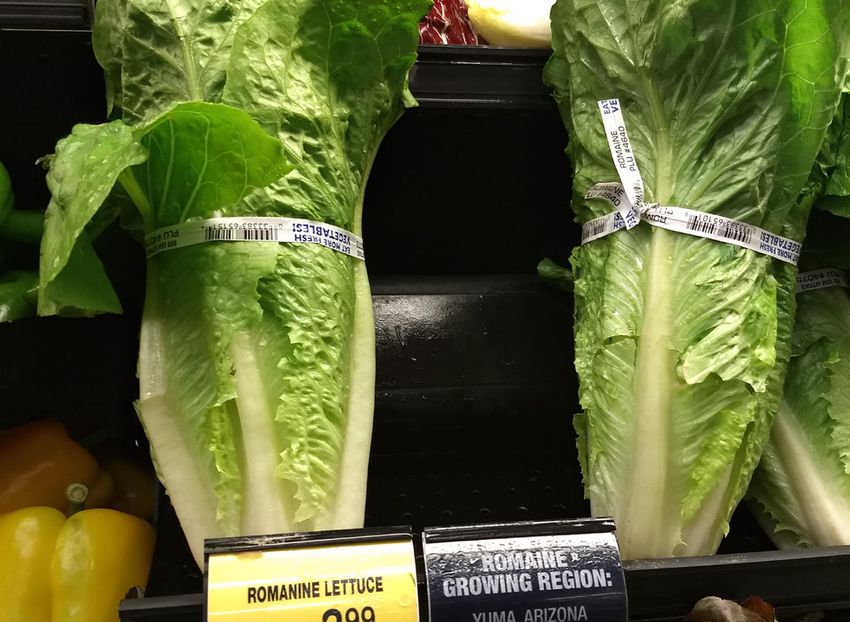
Comparing trends in recalls since FSMA                  • Companies reported recovering an
         implementation may help reveal how                        average of 16 percent of recalled meat
         these diverging policies are impacting the                and poultry in completed recalls
         overall safety of the nation’s food.9 The 2019            between 2013-2019.11
         analysis of food recalls finds:
                                                                 • While the number of poultry recalls was
         • Recalls for produce, processed food                     similar to previous years, the 17 million
           and other food overseen by the FDA                      pounds of poultry and egg products
           decreased 34 percent since new food                     recalled last year more than tripled the
           safety plans for businesses started                     average of the previous six years.
           going into effect in 2016.10 The most
           hazardous recalls have dropped 54                     • Fifteen and a half million pounds
           percent.                                                of meat and poultry were recalled
                                                                   for containing metal, plastic or other
         • The most hazardous meat and poultry                     extraneous material in 2019. That’s 75%
           recalls (Class I) have nearly doubled                   of the weight of all meat recalls.
           with an 85% percent increase since 2013.
           This is a slight increase from 2018. All              This year’s analysis finds that recalls for
           meat and poultry recalls are up 65%                   processed food, produce and other products
           since 2013.                                           classified as food have steadily declined

            The FDA and FSIS decide the hazard level classification while a recall investigation
            is occurring based on the below system, but the agencies can also change (upgrade
            or downgrade) the level of the recall over time.

            While FSMA gave the FDA mandatory recall authority, something USDA still lacks, food recalls
            are almost all voluntary and initiated by manufacturers or distributors.12 13 The FDA has only used
            this authority once for food for kratom in April of 2018 because of Salmonella contamination.14

             Class             USDA FSIS Definition15                            FDA Definition16
             I           Involves a health hazard situation      Situation in which there is a reasonable
                         in which there is a reasonable          probability that the use of, or exposure to, a
                         probability that eating the food will   violative product will cause serious adverse
                         cause health problems or death.         health consequences or death.
             Class II    Involves a potential health hazard      A situation in which use of, or exposure to,
                         situation in which there is a           a violative product may cause temporary
                         remote probability of adverse           or medically reversible adverse health
                         health consequences from eating         consequences or where the probability of
                         the food.                               serious adverse health consequences is remote.
             Class III   Involves a situation in which eating Situation in which use of, or exposure to, a
                         the food will not cause adverse      violative product is not likely to cause adverse
                         health consequences.                 health consequences.

PAGE 2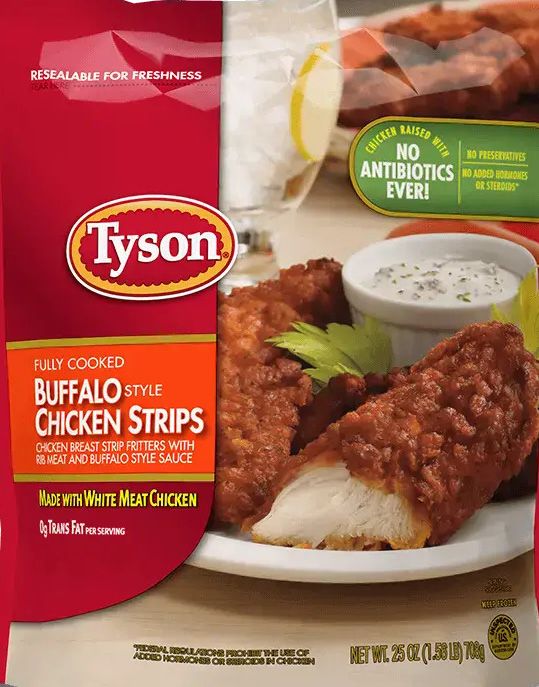
since major protections mandated by FSMA         plan to identify any “known or reasonably
starting going into effect in 2016.17 While      foreseeable biological, chemical or physical
we can not definitively connect the trend of     hazard” including allergens.20 Once
decreasing recalls to enactment of FSMA,         identified, the company must develop a
the correlation is suggestive.                   plan to significantly minimize or remove
                                                 the threat through changes to the process,
However, there are still other dangers           sanitation, limiting food allergens, or other
that remain unregulated in our food              preventive controls.
safety system. The delay of health-based
standards for water used on all produce,         These plans require constant monitoring,
makes it likely contaminated food will           verification controls are working and
continue to reach store shelves.18 Indeed,       corrective action if failures appear. This
one of the most memorable foodborne              will help keep contamination out of the
illness outbreaks of 2019 involved               nation’s food supply.
pathogenic E. coli contamination linked to
Romaine lettuce. A case study later in this      Lastly, the regulations require
year’s report explores this further.             manufacturers to take action if they
                                                 identify a hazard related to ingredients
Unfortunately, Congress’ failure to update       received from another supplier--as
food safety laws for meat and poultry            happened in the case of the multiple recalls
means potential benefits of updated              of flour this past year.21
protections are not extended to food
overseen by the USDA. This along with            While Preventive Controls addressed
the Department’s failure to establish new        processing food, the Produce Safety Rule
protections under existing authority, have       was designed to establish “science-based
left meat and poultry recalls at a high level.   standards for the safe growing, harvesting,
                                                 packing and holding of fruits and
Recalls overseen by the FDA                      vegetables.”22 These standards are intended
The FDA Food Safety Modernization                to address water used on produce, safe
Act (FSMA) requires the FDA to                   treatment of soil with compost and manure
enhance health standards, inspections,           to minimize contamination, worker training
and enforcement for the wide range of            and hygiene, among other protections.
foods they oversee.19 Under the law,             Some of these rules started going into effect
requirements were operationalized in             in January 2018, making it too early to
separate rules to prevent contamination in       determine their impact.
the factory, Preventive Controls for Human
Food and Produce Safety Rule, and on farms,      More problematic, though, is the delay and
Produce Safety Rule.                             potential reconsideration of the agricultural
                                                 water rule which could limit pathogen
Starting in September of 2016 any large          contamination of produce. Requirements for
business that manufactures, processes,           this water under the Produce Safety Rule
packs, or stores human food needed to            now will not go into effect until 2022--and
comply with new Preventive Controls for          the rule may in fact change. Voluntary action
Human Food-- by the end of September             also seems ineffective in light of continued
2018 these protections covered nearly all        outbreaks.23 This is explored in more detail
businesses. The regulation requires these        in the below case study on the 2019 E. coli
operations to have a written food safety         outbreak linked to Romaine lettuce.

                                                                                                 PAGE 3
U.S. PIRG Education Fund’s analysis of
         FDA FOOD RECALLS BY CLASS 2013-2019                     recalls suggest the food safety plans may be
         800
                                                                 working to keep some contaminated food
                                                                 from reaching store shelves, restaurants
                                                                 and people’s plates. Recalls covered by
                                                                 these regulations increased by 38 percent
         600                                                     between 2013 and 2016 before the new rules
                                                     TOTAL       were in place, with Class I recalls jumping
                                                                 69 percent. Since 2016, when Preventive
         400                                                     Controls began for large businesses, the total
                                                                 number of recalls have steadily declined,
                                                     CLASS II
                                                                 ending below 2013 levels in 2019.24
         200
                                                     CLASS I     One major limitation of this analysis
                                                                 is the FDA recall data does not break
                                                     CLASS III   recalls down into what food product
         2013   2014   2015   2016   2017   2018   2019
                                                                 was involved--processed food or fresh
                                                                 produce. That makes it harder to closely
                                                                 examine how these trends relate to specific
                                                                 regulations under FSMA. Additional
                                                                 analysis of the food safety plans required
                                                                 for processing facilities would further
                                                                 bolster this analysis and could help
                                                                 inform future policy. We recommend the
                                                                 Food & Drug Administration analyze the
                                                                 relationship between the quality of these
                                                                 plans and recalls.

         MEAT AND POULTRY RECALLS BY CLASS                       Recalls overseen by USDA remain high
         2013-2019                                               The number of meat, poultry and
                                                                 egg product recalls overseen by U.S.
         160                                                     Department of Agriculture remained
                                                                 high in 2019 with 124, only one recall
                                                                 fewer than the previous year. The number
         120
                                                     TOTAL
                                                                 of most hazardous Class I recalls were
                                                                 identical to the previous year. While
                                                     CLASS I     Americans can be slightly comforted
                                                                 that the trend of increasing recalls did
         80
                                                                 not continue in 2019, they remain near a
                                                                 seven-year high.

         40                                                      Although the number of pork recalls
                                                     CLASS II    decreased in 2019, the total weight of
                                                                 pork recalled increased by 60 percent
                                                     CLASS III   compared to the average amount of
         2013   2014   2015   2016   2017   2018   2019          meat recalled between 2013-2018.
                                                                 Despite this concerning trend, it may

PAGE 4
WHAT DO THE FDA AND USDA OVERSEE?
Food and Drug U.S. Department of
Administration (FDA) Agriculture (USDA)
Bottled Water
Dietary Supplements
Eggs in the shell
Eggs, processing and grading
Processed Food
Produce
Meat and poultry
Seafood
Siluriformes (Catfish)
Wild game (“exotic” meat)
now get worse. The U.S. Department of the previous six years. Due to a nearly
of Agriculture (USDA) has tested, and 12 million pound recall of chicken strips
now finalized, the Modernization of for metal pieces, the total weight of these
Swine Slaughter Inspection rule.25 This recalls increased nearly fivefold in 2019
allows facilities to remove speed limits over the average of the previous six years.26
for how many pigs can be processed and We explore this problem more in a case
allows fewer federal safety inspectors study below.
at plants. Many consumer, public health
and union groups have highlighted The demands of ensuring safe meat and
the danger posed by this rule--and two poultry differ from the food overseen
whistleblowers filed disclosure forms by the FDA. But the contrasting trends
over the standard. in food safety between the two agencies
make it clear additional action is necessary,
Metal, plastic, and other extraneous especially as Americans continue to eat
materials have no place in the nation’s significant amounts of meat. To reverse
food. But, the number of recalls in 2019 these trends, Congress and USDA should
due to the presence of materials like metal investigate potential solutions, including
and plastic in meat reached a seven-year enacting recommendations made in How
high, and more than doubled the average Safe is Our Food 2018.
PAGE 5CASE STUDY:
Romaine Lettuce Outbreak
SHORTLY BEFORE THANKSGIVING
of 2019, the Center for Disease Control
(CDC) announced an outbreak of E. coli in
Romaine lettuce from the Salinas, California
region.27 The FDA instructed consumers to
not eat Romaine lettuce from this region or
if the source could not be confirmed. The
outbreak of E. coli O157:H7 was the same
particularly dangerous strain involved
with outbreaks linked to Romaine lettuce
in 2017 and 2018. As of December 19, 2019,
the outbreak was linked to 138 illnesses in
25 states.28 Traceback investigations have Alec Meltzer, CC-BY 3.0
identified a common grower, but not the
specific source so no recall has been issued.29
Administration (FDA) proposed science-
This is yet another E. coli outbreak linked to based standards for water used to grow,
leafy greens such as Romaine lettuce.30 31 32 harvest or clean fruits and vegetables. While
While the cause has not been determined, some generic E. coli could appear during
some past outbreaks have been tied to growing of produce, the rule had a zero
contaminated agricultural water that is tolerance for generic E. coli in agricultural
used on crops. In the 2018 outbreak, FDA water used during and after harvest. 34
investigators could not definitively say
a nearby cattle feedlot was the source of The rule was intended to go into effect
contamination, but found “no evidence in 2018, but has now is scheduled for
in support of alternative explanations.’’33 rolling start dates in 2022--and a chance
With many of these large farming the rule itself will be altered.35 In the
operations located nearby, it’s not hard to meantime, the California Leafy Green
imagine contaminated runoff from nearby Marketing Agreement adopted new safety
Concentrated Animal Feed Operation standards in April of 2019 to prevent E. coli
(CAFO), contaminating irrigation or other contamination like seen in Yuma, Arizona
water supplies. in 2018.36 Eight months later the Salinas,
California outbreak occurred raising
Under the Food Safety and Modernization questions about the effectiveness of those
Act (FSMA), the Food and Drug corporate standards.
PAGE 6CASE STUDY:
Tyson chicken strip products recall
ON MAY 4, 2019, TYSON FOODS ADDED
nearly 12 million pounds of chicken strips
to an initial recall of 69,000 pounds issued
six weeks earlier.37 The variety of ready-
to-eat frozen chicken were recalled after
six consumers complained about metal
chunks in the chicken. Three had mouth
injuries according to the Food Safety and
Information services.38 The products were
distributed at a variety of stores across the
country, including Publix, Meijer, Food
Lion, and Hannaford.39 The products Tyson.com
included in this recall came from four
different facilities run by Tyson.40 are not equipped to handle, it is even more
likely chunks of material will end up in the
This Tyson Foods recall is illustrative of a food.41 And without sufficient control to
broader problem in our food safety system. monitor food for this extraneous material, it
Extraneous materials shouldn’t make it ends up in the meat sold to consumers.
out of the production facility, much less
to family tables. In total, contaminations Lastly federal inspectors are required to be
with metal, plastic, and other materials at slaughterhouses at all times. But that is
accounted for more than a quarter of the often not the case at processing facilities,
USDA recalls in 2019 and 75% of all pounds where investigators can spend as little as a
of recalled meat or poultry. couple hours at a facility before moving to
the next one. This lack of oversight could be
Chunks of metal, plastic and other material contributing to increased recalls.42
have no place in our food. The highly
industrialized nature of modern food Modernizing older facilities, closer
production makes it likely that as machines monitoring for plastic for plastic and metal,
continue to run pieces break off. When older and increased transparency could help
equipment is run at higher speeds that they prevent future contamination.
PAGE 7Methodology
We collected information on recalls from Researchers then enhanced the data
two sources for 2019: with information on the amount of food
recalled and the cause of the recall by
• Recalls under the Food and Drug reviewing individual press releases for
Administration purview were every recall.
downloaded from Enforcement report
website at https://www.accessdata.fda. In order to isolate the number of recalls,
gov/scripts/ires/index.cfm#tabNav_ researchers only counted individual recall
advancedSearch. We searched for all events in the analysis. That includes counting
recalls with Product Type “Food” two major expansion of recalls by USDA as
between January 1, 2019 and December individual events, as the Department’s own
31, 2019. This search was run initially on numbering system does. This methodology
December 30th and then we executed mirrors U.S. PIRG Education Fund’s How
the search again on January 2 to add any Safe is Our Food 2018 report.
recalls for the last few days of 2019.
Recall data was analyzed in a few different
• Recalls under the U.S. Department of ways as indicated in the specific statistics:
Agriculture Food Safety and Inspection
Service was collected from two sources. • When comparing change in recalls
Completed recalls were copied from the between the 2019 and a previous year,
table on the Recall Case Archive 2019 we looked at the total percentage
website https://www.fsis.usda.gov/ increase. For instance, we divided the
wps/portal/fsis/topics/recalls-and- number of Class I USDA recalls in 2019
public-health-alerts/recall-case-archive. by the number of Class I recalls in 2013.
Researchers then added information
on the amount of food recalled and the • Where there was more variation year to
cause of the recall by reviewing each year of recalls by cause or weight, we
press release. Data on active recalls took an average of that information over
were copied from the table on the a certain time period and then compared
Current Recalls and Alerts website for it to the 2019 recall data. For instance,
2019 https://www.fsis.usda.gov/wps/ we took the average of poultry recalls
portal/fsis/topics/recalls-and-public- between 2013-2018 and then compared
health-alerts/current-recalls-and-alerts. it to the 2019 weight of poultry recalled.
PAGE 8Appendix 1: Recall Data
TOTAL FOOD RECALLS 2013-2019
Year Class I Class II Class III Total
2013 276 295 68 639
2014 308 281 58 647
2015 399 292 46 737
2016 469 371 65 905
2017 401 371 45 817
2018 294 344 65 703
2019 271 326 44 641
Total 2418 2280 391 5089
FDA FOOD RECALLS BY CLASS 2013-2019
Year Class I Class II Class III Total
2013 223 278 63 564
2014 245 258 50 553
2015 300 253 34 587
2016 378 345 60 783
2017 301 349 36 686
2018 197 323 58 578
2019 173 300 44 517
Total 1817 2106 345 4268
MEAT AND POULTRY RECALLS BY CLASS 2013-2019
Year Class I Class II Class III Total
2013 53 17 5 75
2014 63 23 8 94
2015 99 39 12 150
2016 91 26 5 122
2017 100 22 9 131
2018 97 21 7 125
2019 98 26 0 124
Total 601 174 46 821
PAGE 9MEAT AND POULTRY RECALLS BY WEIGHT 2013-2019
Year Recalled (lbs) Recovered (lbs)
2013 13,096,784 1,367,693
2014 18,675,102 1,848,451
2015 21,104,848 10,235,544
2016 58,140,787 4,164,575
2017 20,880,574 4,199,488
2018 20,552,911 3,257,539
2019 20,640,144 789,402
Total 173,091,150 25,862,692
MEAT AND POULTRY RECALLS BY TYPE 2013-2019
Year Beef Pork Poultry Ovine Mixed Siluriformes Other
2013 20 15 20 0 20 0
2014 22 26 31 1 14 0
2015 41 37 33 1 38 0
2016 26 30 39 0 24 0
2017 28 20 45 0 35 0
2018 31 25 34 0 32 3
2019 24 15 38 1 31 14 1
Total 192 168 240 3 194 17 1
MEAT AND POULTRY RECALLS BY TYPE AND WEIGHT 2013-2019
Year Beef Pork Poultry Ovine Mixed Siluriformes Other
2013 396,213 175,622 752,239 11,772,710
2014 13,232,176 1,032,582 2,230,901 27,948 2,151,495
2015 1,345,842 1,480,768 8,004,465 35,275 10,238,498
2016 591,869 696,056 8,321,486 15 48,480,195 51,166
2017 909,242 502,430 9,620,850 9,761,167 86,885
2018 13,185,563 670,369 1,214,839 5,267,834 214,306
2019 645,024 1,215,243 17,305,925 4,365 706,783 750,416 12,388
Total 30,305,929 5,773,070 47,450,705 67603 88,378,682 1102773 12388
PAGE 10MEAT AND POULTRY RECALLS BY CAUSE 2013-2019
s
ne
ge
ta d
ge d
bs red
er s
fe ing
a
bs ve
e
e
ler re
at u
yto
ell
nc
nc
M neo
Su pro
ial
n
Al c la
Su cla
De ess
ue
on
m ria
ta
oc
ct
sid
r
C
ap
de
de
tra
lm
Year
te
he
oc
on
E
Lis
Un
Un
Un
ST
Re
Sa
Ex
Ot
Pr
2013 10 9 14 2 0 4 9 25 2 0
2014 6 7 23 4 0 4 5 43 2 0
2015 11 6 54 4 0 3 8 58 5 1
2016 21 11 27 5 1 2 14 34 7 0
2017 24 15 17 5 2 1 8 53 6 0
2018 23 21 27 8 1 6 9 26 3 1
2019 33 6 34 4 0 3 7 30 6 0
TOTAL 128 75 196 32 4 23 60 269 31 2
MEAT AND POULTRY RECALLS BY CAUSE AND WEIGHT 2013-2019
s
ne
ge
ta d
ge d
bs red
er s
fe ing
a
bs ve
e
e
ler re
at u
yto
ell
nc
nc
M neo
Su pro
ial
n
Al cla
Su cla
De ess
ue
on
m ria
ta
oc
ct
sid
r
EC
ap
de
de
tra
lm
Year
te
he
oc
on
Lis
Un
Un
Un
ST
Re
Sa
Ex
Ot
Pr
2013 331,732 784,350 486,648 849 0 45,505 10,771,539 595,952 80,209 0
2014 265,607 270,926 9,639,047 59,203 0 372,414 1,840,533 6,147,288 80,084 0
2015 1,104,790 82,547 3,420,406 5,259 0 4,828,874 215,593 10,268,457 1,176,731 2,191
2016 6,372,416 47,398,141 532,313 1,999,078 21,521 19,287 291,900 843,536 662,595 0
2017 9,043,982 546,276 971,547 387,357 3,190 1,076 144,997 8,761,495 1,020,654 0
2018 1,587,250 4,127,696 963,687 88,285 69,016 12,963,341 287,758 446,138 4,377 15,363
2019 15,502,301 165,221 1,692,644 71,820 0 118,830 394,697 2,572,463 122,032 0
TOTAL 34,208,078 53,375,157 17,706,292 2,611,851 93,727 18,349,327 13,947,017 29,635,329 3,146,682 17,554
PAGE 11Endnotes
1 Outbreak of E. coli Infections Linked to 9 Easily publicly accessible data from the
Flour (Final Update). (2019, July 11). Retrieved from FDA is less granular than the data provided by the
https://web.archive.org/web/20191226004857/ USDA limiting comparison. For example, USDA
https://www.cdc.gov/ecoli/2019/flour-05-19/in- data classifies recalls by type of product and cause.
dex.html. FDA recall data includes this data but does not pro-
vide classifications, limiting evaluation.
2 Dan Nosowitz, “Tyson issues fourth recall of
the year for having non-food material in its chicken”, 10 Key Facts about Preventive Controls for
Modern Farmer, 22 August 2019, Retrieved from Human Food. (n.d.). Retrieved from https://web.
https://web.archive.org/web/20200102164448/ archive.org/web/20200103153437/https://www.
https://modernfarmer.com/2019/08/tyson-issues- fda.gov/media/108775/download.
fourth-recall-of-the-year-for-having-non-food-ma-
terial-in-its-chicken/. 11 This excludes any recalls that are still active
because recovered quantities are not yet available for
3 Center For Disease Control, “Outbreak of E. those recalls.
coli Infections Linked to Romaine Lettuce.”, 19 De-
cember 2019,. Retrieved from https://web.archive. 12 Zuraw, L. (2018, July 31). Gillibrand Pro-
org/web/20200102164729/https://www.cdc.gov/ poses Mandatory Recall Authority for USDA.
ecoli/2019/o157h7-11-19/index.html. Retrieved from https://web.archive.org/
web/20200103210002/https://www.foodsafe-
4 Burden of Foodborne Illness: Findings. tynews.com/2015/05/gillibrand-introduces-bill-giv-
(2018, November 5). Retrieved from https://web.ar- ing-usda-mandatory-recall-authority/.
chive.org/web/20200102164947/https://www.cdc.
gov/foodborneburden/2011-foodborne-estimates. 13 FDA Finalizes Guidance on Mandatory
html. Recall Authority. (n.d.). Retrieved from https://web.
archive.org/web/20200103210351/https://www.
5 Culture-Independent Diagnostic Tests | fda.gov/food/cfsan-constituent-updates/fda-final-
Food Safety | CDC. (2016, July 30). Retrieved from izes-guidance-mandatory-recall-authority.
https://www.cdc.gov/foodsafety/challenges/cidt.
html 14 FDA orders mandatory recall for kratom
products due to risk of salmonella. (n.d.). Retrieved
6 10 Facts on Food Safety. (2016 Octo- from https://www.fda.gov/news-events/press-an-
ber). Retrieved from https://web.archive.org/ nouncements/fda-orders-mandatory-recall-kratom
web/20200102165255/https://www.who.int/fea- -products-due-risk-salmonella.
tures/factfiles/food_safety/en/.
15 FSIS Food Recalls. Retrieved from https://
7 Food Safety Modernization Act (FSMA) web.archive.org/web/20200103153257/https://
- Full Text of the Food Safety Modernization Act www.fsis.usda.gov/wps/portal/fsis/topics/
(FSMA). (2017, December 13). Retrieved from food-safety-education/get-answers/food-safety-
https://web.archive.org/web/20200102165746/ fact-sheets/production-and-inspection/fsis-food-re-
https://www.fda.gov/food/food-safety-modern- calls/.
ization-act-fsma/full-text-food-safety-moderniza-
tion-act-fsma 16 CHAPTER 7 - RECALL ACTIVITIES.
(2018) Retrieved from https://web.archive.org/
8 HIGH-RISK SERIES Progress on Many web/20200103153145/https://www.fda.gov/
High-Risk Areas, While Substantial Efforts Needed regulatory-information/search-fda-guidance-docu-
on Others. (2017 February) Retrieved from https:// ments/chapter-7-recall-activities.
web.archive.org/web/20200102165904/https://
www.gao.gov/assets/690/682765.pdf
PAGE 1217 Key Facts about Preventive Controls for 26 Tyson Foods, Inc. Recalls Chicken Strip
Human Food. (n.d.). Retrieved from https://web. Products Due to Possible Foreign Matter Contamina-
archive.org/web/20200103153437/https://www. tion. (2019, May 4). Retrieved from https://web.ar-
fda.gov/media/108775/download. chive.org/web/20200103192249/https://www.fsis.
usda.gov/wps/portal/fsis/topics/recalls-and-pub-
18 FDA Finalizes New Compliance Dates lic-health-alerts/recall-case-archive/archive/2019/
for Agricultural Water Requirements. (n.d.). recall-034-2019-exp-release.
Retrieved from https://web.archive.org/
web/20200103153955/https://www.fda.gov/food/ 27 Vera, A. (2019, November 23). E. coli out-
cfsan-constituent-updates/fda-finalizes-new-com- break reported in romaine lettuce harvested from
pliance-dates-agricultural-water-requirements. Salinas, California, CDC and FDA say. Retrieved
from https://www.cnn.com/2019/11/22/health/e-
19 Food Safety Modernization Act (FSMA). coli-outbreak-romaine-lettuce/index.html.
(n.d.). Retrieved from https://web.archive.org/
web/20200103154722/https://www.fda.gov/food/ 28 Asmelash, L. (2019, December 19). CDC
guidance-regulation-food-and-dietary-supple- confirms 138 cases of E. coli in 25 states linked to
ments/food-safety-modernization-act-fsma. romaine lettuce. CNN. Retrieved from https://web.
archive.org/web/20200108144334/https://www.
20 Final Rule for Preventive Controls for cnn.com/2019/12/19/health/romaine-lettuce-re-
Human Food. (n.d.). Retrieved from https://web. call-cdc-trnd/index.html
archive.org/web/20200103155124/https://www.
fda.gov/food/food-safety-modernization-act-fsma/ 29 Statement on new findings and current
fsma-final-rule-preventive-controls-human-food. status of the romaine lettuce E. coli O157:H7 out-
break investigation (2019, December 12). Retrieved
21 https://www.cdc.gov/ecoli/2019/ from https://www.fda.gov/news-events/press-an-
flour-05-19/index.html nouncements/statement-new-findings-and-current-
status-romaine-lettuce-e-coli-o157h7-outbreak-in-
22 Statement from FDA Commissioner Scott vestigation?utm_campaign=121219_Statement_New
Gottlieb, M.D., and Deputy Commissioner Frank findings and status of the romaine lettuce E. coli
Yiannas on advancing new tools and science for O157:H7&utm_medium=email&utm_source=El-
implementing agricultural water requirements for oqua
produce safety (2019, March 15). Retrieved from
https://web.archive.org/web/20200108140522/ 30 Outbreak of E. coli Infections Linked to Ro-
https://www.fda.gov/news-events/press- maine Lettuce. (2019, December 19). Retrieved from
announcements/statement-fda-commis- https://web.archive.org/web/20200102164729/
sioner-scott-gottlieb-md-and-deputy-commissioner- https://www.cdc.gov/ecoli/2019/o157h7-11-19/
frank-yiannas-advancing-new index.html
23 FDA Finalizes New Compliance Dates 31 Outbreak of E. coli Infections Linked to Ro-
for Agricultural Water Requirements. (n.d.). maine Lettuce. (n.d.). Retrieved from https://web.
Retrieved from https://web.archive.org/ archive.org/web/20200103223215/https://www.
web/20200103153955/https://www.fda.gov/food/ cdc.gov/ecoli/2018/o157h7-11-18/index.html.
cfsan-constituent-updates/fda-finalizes-new-com-
pliance-dates-agricultural-water-requirements. 32 Multistate Outbreak of E. coli O157:H7
Infections Linked to Romaine Lettuce (Final Up-
24 Ibid. date). (n.d.). Retrieved from https://web.archive.
org/web/20200103223232/https://www.cdc.gov/
25 Radford, M., & Franco, A. (2019, Decem- ecoli/2018/o157h7-04-18/index.html.
ber 16). Inspectors warn unsafe pork could make
its way to consumers under Trump rule change. 33 Environmental Assessment of Factors
NBC News. Retrieved from https://web.archive. Potentially Contributing to the Contamination of Ro-
org/web/20200103191722/https://www.nbcnews. maine Lettuce Implicated in a Multi-State Outbreak
com/politics/2020-election/inspectors-warn-un- of E. coli O157:H7 (2018 November). Retrieved from
safe-pork-could-make-its-way-consumers-under- https://www.fda.gov/Food/RecallsOutbreaksE-
n1097676?cid=eml_nbn_20191216 mergencies/Outbreaks/ucm624546.htm
PAGE 1334 Standards for the Growing, Harvesting, 38 Reilly, K. (2019, May 6). Tyson Recalls
Packing, and Holding of Produce for Human Con- Nearly 12 Million Pounds of Chicken Strips.
sumption. (2015, November 27). Retrieved from Retrieved from https://time.com/5583751/ty-
https://web.archive.org/web/20200103192537/ son-chicken-strip-recall/.
https://www.federalregister.gov/docu-
ments/2015/11/27/2015-28159/standards- 39 Reilly, K. (2019, May 6). Tyson Recalls
for-the-growing-harvesting-packing-and-hold- Nearly 12 Million Pounds of Chicken Strips.
ing-of-produce-for-human-consumption. Retrieved from https://time.com/5583751/ty-
son-chicken-strip-recall/.
35 Puckett, J. (2018 November 28) VERIFY:
Trump Didn’t Overturn Obama Era Rules on Water 40 Nosowitz, D. (2019, August 22). Tyson Issues
Testing, but They Were Postponed. Retrieved from Fourth Recall of the Year For Having Non-Food
www.ktvb.com/article/news/local/verify/verify- Material in Its Chicken. Retrieved from https://
trump-didnt-overturn-obama-era-rules-on-watert- web.archive.org/web/20200102164448/https://
esting-but-they-were-postponed/277-618540803. modernfarmer.com/2019/08/tyson-issues-fourth-re-
call-of-the-year-for-having-non-food-material-in-its-
36 Leafy Greens Marketing Agreement An- chicken/.
nounces New, More Stringent Food Safety Practices
to Prevent Outbreaks. (2019, April 22). Retrieved 41 Kindy, K. (2019, December 23). Processed
from https://www.businesswire.com/news/ meat recalls rise dramatically as consumers bite
home/20190422005453/en/Leafy-Greens-Market- down on metal, plastic and glass. Washington Post.
ing-Agreement-Announces-New-Stringent. Retrieved from https://www.washingtonpost.com/
national/processed-meat-recalls-rise-dramatical-
37 Tyson Foods, Inc. Recalls Chicken Strip ly-as-consumers-bite-down-on-metal-plastic-and-
Products Due to Possible Foreign Matter Contamina- glass/2019/12/20/c6b670c6-15d6-11ea-8406-df-
tion. (2019, May 4). Retrieved from https://web.ar- 3c54b3253e_story.html?arc404=true
chive.org/web/20200103192249/https://www.fsis.
usda.gov/wps/portal/fsis/topics/recalls-and-pub- 42 Ibid.
lic-health-alerts/recall-case-archive/archive/2019/
recall-034-2019-exp-release.
PAGE 14You can also read


