Jcpenney Retail Renovation
←
→
Page content transcription
If your browser does not render page correctly, please read the page content below
COMMERCIAL BUILDING PARTNERSHIPS

            jcpenney Retail Renovation

jcpenney Is Sold on Energy Efficiency
jcpenney is teaming with the U.S. Department of Energy’s (DOE’s) Pacific
Northwest National Laboratory (PNNL) to find ways to save energy at its
store in Colonial Heights, Virginia. As a participant in DOE’s Commercial
Building Partnerships (CBP) program, jcpenney is working with PNNL to
explore energy design measures (EDMs) that may be applied at over 1,100
jcpenney sites across the nation. Computer modeling predicts 45% improved          “jcpenney’s goal is to be
energy performance, returning nearly $64,000 in energy savings plus about          a leader in performance
$23,000 in maintenance per year, for the Colonial Heights store compared to        and execution within
baseline operations.                                                               the retail industry. With
                                                                                   more than 100 million
                                                                                   square feet of space in our
Site Selection                                                                     stores, aggressive energy
                                                                                   management plays a vital
 jcpenney and PNNL selected Colonial Heights after evaluating several              role in moving us toward
potential sites for an energy upgrade. One reason this site was chosen             this goal.”
was because it was already scheduled to undergo renovation. In their
                                                                                   Myron E. (Mike) Ullman, III, jcpenney
site selection criteria, jcpenney placed a high priority on working on buildings
                                                                                   chairman and chief executive officer,
that were already slated to be upgraded. This approach allows for energy
                                                                                   press release dated March 9, 2007
saving measures where such measures might otherwise be too expensive. For          EPA Names jcpenney 2007 ENERGY
example, upgrading roof insulation when a new roof is already planned means        STAR Retail Partner of the Year
the company doesn’t have to pay twice for the roofing membrane.

                                                                                   June 2011 | CBP-100-2011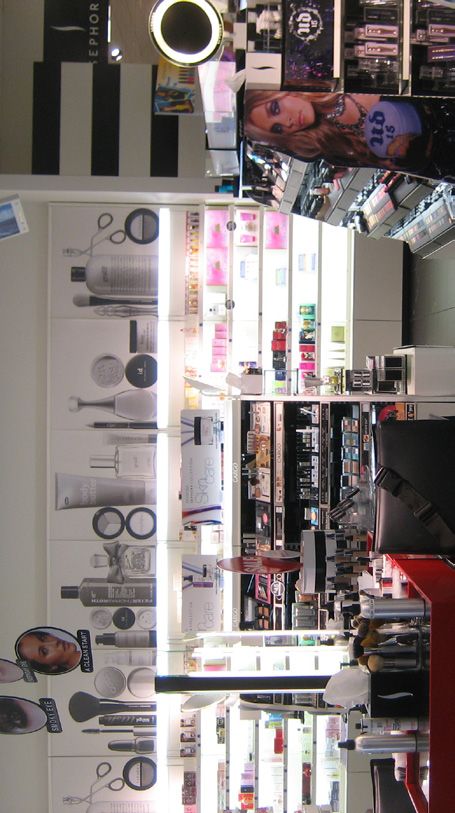
COMMERCIAL BUILDING PARTNERSHIPS JCPENNEY RETAIL RENOVATION

     jcpenney has been a long-time
     leader in environmental stewardship.
                                                jcpenney: Dedicated to Energy Management
     The company is a partner in the
                                                jcpenney’s dedication to energy management is further reflected
     Environmental Protection Agency’s
     ENERGY STAR program and was the            in its energy savings goals:
     first retailer to qualify for the ENERGY
     STAR label. In 2011, jcpenney received     •   Reducing building energy consumption by 20% by 2015
     its third consecutive ENERGY STAR          •   Increasing ENERGY STAR building certifications to 400 stores by 2013
     Sustained Excellence Award for ongoing
                                                •   Updating more than 800 stores for an overall energy savings of almost 6%
     efforts in energy management. jcpenney
     has qualified for Gold and Silver          •   Retrofitting more than 240 stores with energy efficient lighting systems
     Leadership in Energy and Environmental     •   Expanding advanced metering technologies to 165 facilities
     Design (LEED) certifications for both
     new and existing buildings from the U.S.
                                                •   Developing an Advanced Energy Management pilot program, which
     Green Building Council.
                                                    achieved energy savings of 15% in 10 trial stores

     Colonial Heights                           On-Site Inspection
     Project at a Glance
                                                To fully explore the energy saving opportunities, PNNL and jcpenney
                                                engineers and lighting designers conducted a comprehensive building energy
     LOCATION                                   audit of the Colonial Heights store. On-site visits are vital to gathering the
     Colonial Heights, Virginia                 information needed for analysis and understanding the condition of the
                                                building and equipment and how it is being operated. On-site inspections
     BUILDING TYPE Retail
                                                allow for measurements of building operation and equipment performance.
                                                These measurements are important to establishing a baseline building model
     BUILT 1989
                                                and for confirming that plans and other documentation are accurate.
     AREA 107,216 ft2                                                                    jcpenney brought in its in-house
                                                Whole building integrated                experts in lighting design, mechanical
     NUMBER OF FLOORS 1                                                                  engineering, and controls, who were
                                                design impacts refers to treating
                                                a building as a system. A change         actively engaged in all aspects of the
     CLIMATE ZONE 4A
                                                in one building component will           inspection. “These are the top experts
                                                interact with other components.          at jcpenney,” said PNNL researcher
     PEAK OCCUPANCY
                                                With careful design, energy savings      Mike Rosenberg, “and they were in
     671 customers and staff                    in one area can produce energy           there with us after midnight counting
                                                savings in another. For example,
     ENERGY SAVING GOAL                                                                  light bulbs and verifying circuits.”
                                                at Colonial Heights, reducing the
     30% less energy use                        lighting load not only results in less The team was also joined by Wayne
     than existing operations                   energy used for lighting, but also     Cook, an electrician who has serviced
                                                reduces heat loads, making it easier
     ESTIMATED ENERGY SAVINGS
                                                                                       the Colonial Heights store for many
                                                to cool the building. Additional
                                                                                       years and knows the building
     45% compared to                            insulation and an energy recovery
                                                                                       extremely well. jcpenney invited Cook
     historic operations                        ventilator on the roof further
                                                reduced load. As a result, jcpenney    for his in-depth knowledge of the
     49% compared to renovation                                                        building and its history, and the team
                                                could install smaller, more efficient
     if EDMs not installed                                                             agreed that Cook’s presence paid
                                                HVAC systems at less cost.
                                                                                       dividends. Said Rosenberg of Wayne,
     ENERGY USE INDEX (EUI)
     BEFORE RENOVATION
                                                “Facility electrical and engineering staff often operate behind the scenes.
                                                Although they are out of sight to most customers, these individuals often
     64 kBtu/ft2/yr
                                                have the best handle on how a building operates and the history behind it.
     EUI PROJECTED AFTER                        Wayne Cook was an invaluable source of information for the project.”
     RENOVATION
                                                The on-site inspection included installing monitors to better understand
     35 kBtu/ft2/yr
                                                some loads. A number of monitors were installed to measure energy
                                                consumption and operating schedules for fans, pumps, heating equipment
                                                and miscellaneous electric loads.
 2   June 2011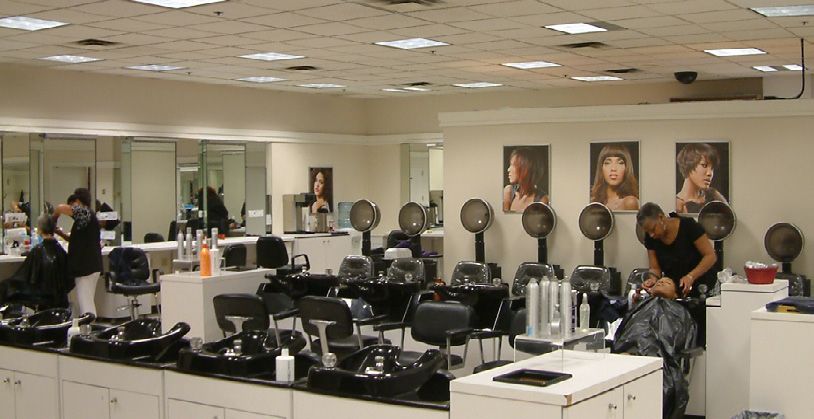
COMMERCIAL BUILDING PARTNERSHIPS JCPENNEY RETAIL RENOVATION

                                                                                               Investing in
                                                                                               Energy Savings
                                                                                               When evaluating energy design
                                                                                               measures, jcpenney looks at the
                                                                                               life-cycle cost to ensure that it
                                                                                               meets their business criteria. A
                                                                                               design measure must have an
                                                                                               internal rate of return meeting a
                                                                                               minimum threshold over its life
                                                                                               before jcpenney will invest in it.

Modeling the Possibilities
                                                                                           EnergyPlus: A Powerful
PNNL researchers used building simulation models to examine potential                      Whole-Building Simulation Tool
EDMs at Colonial Heights. The models helped predict how the EDMs would
                                                                                           The Colonial Heights team needed a
perform; allowing jcpenney to make decisions about their building based on
                                                                                           calibrated energy model to assess the
economic and performance expectations. Models are a cost-effective way to
                                                                                           savings potential of several EDMs for the
identify complex energy reduction strategies, and enable building owners to                107,000 ft2 building, but because of unique
explore energy renovation scenarios before any work takes place.                           HVAC systems, it may have been impossible
                                                                                           to get an accurate model using common
Initial modeling at jcpenney included spreadsheet analyses and Trane Trace
                                                                                           simulation tools. EnergyPlus enabled
models that the company’s engineers often use. PNNL followed this with a                   modelers to simulate this equipment and
whole-building analysis using DOE’s EnergyPlus™ simulation program—a                       develop an aggressive list of EDMs. This
powerful and versatile tool that uses data on heating, cooling, ventilation,               versatility will be especially beneficial to
lighting, and other energy using systems to predict how EDMs will                          future jcpenney retrofit projects because
perform. The model allows users to explore any number of potential EDMs                    other stores use the same equipment.
and accounts for interactions between different types of loads. For example,
reducing the energy consumed for lighting will also reduce the need for cooling.
Using the model, Partners can make choices based on expected results rather
than educated guesses.                                                                     Immediate Benefits
                                            jcpenney Colonial Heights                      The audit identified several immediate
The team used EnergyPlus to
validate that the energy strategies          Existing Building Energy                      improvement opportunities at Colonial
identified at Colonial Heights were            End-Use Breakdown                           Heights including:
best suited for jcpenney’s budget,           Water Systems 0.9%                            • The main fan system was running at a
time, and material constraints. The          Heat Recovery 0.0%                              low speed, 24 hours a day, instead of
team refined the EnergyPlus model                  Pumps 1.8%                                shutting off completely when the store
with utility bill data, which revealed                                                       was unoccupied.
that electrical demand costs                                           Heating
                                                                        16.3%
                                                                                           • Two large electric heaters meant for
accounted for 51% of the building’s              Fans
                                                                                             freeze protection were set to 65 degrees,
                                                 19.9%
annual energy cost, followed by                                                              warming the ventilation air being brought
electric energy use at 42%, and                                                              in from outdoors, even when cooling
                                                                                 Cooling
natural gas at 7%. This helped              Interior                               14.3%     was needed.
show where energy use reduction             Equipment
                                            8.2%                                           jcpenney quickly corrected both these
would be most cost effective and
                                               Exterior                                    situations, and upgrades to the building
how such changes would positively              Lighting                                    energy management system will help
affect the whole building.                     7.3%
                                                             Interior Lighting
                                                                                           prevent them from occuring again.
                                                                   31.2%

                                                                                                                            June 2011 3
                                                                                                                                          3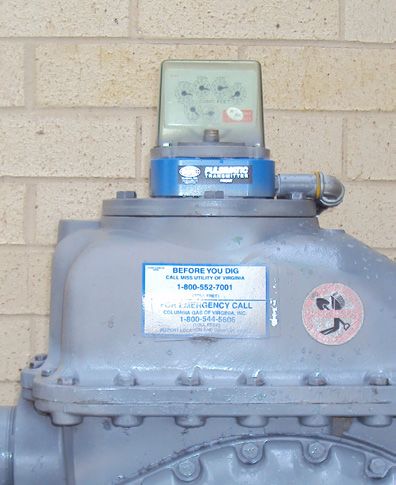
COMMERCIAL BUILDING PARTNERSHIPS JCPENNEY RETAIL RENOVATION

     “Going to LEDs makes it
     more comfortable to shop
     at the cosmetics counter.
     Also, products under the
     heat sometimes get too hot
     and must be thrown away.
     Since LEDs produce less
     heat, there is less spoilage.”
     Rob Keller, Energy & Engineering
     Director, jcpenney

     Lighting Retrofit Package:
                                                                 Energy Design Measures
     Energy & Maintenance Savings                                The recommended EDM package resulted in predicted energy savings
                                                                 of 45% of the Colonial Heights store’s historic baseline energy use.
     Package cost.. . . . . . . . . . . . . . . . . $133,603     The EDM package saves 49% of the energy that would have been used in
     Energy savings.. . . . . . . . 421,994 kWh/yr               the store when new features included in the renovation are incorporated
                                    (-3,043 therms)              into the baseline. These features include a new cosmetic sales area with
                                                                 increased accent lighting, a portrait studio, increased sales area lighting,
     Energy cost savings.. . . . . . . . $27,259/yr              and increased ventilation needed to meet code requirements. The package
                                                                 met jcpenney’s business criteria with an estimated internal rate of return
     Maintenance savings.. . . . . . . . . . $19,903
                                                                 of 15.6% based on JCPs internal financial calculations.
     Simple payback.. . . . . . . . . . . . . . 2.8 years

     Net present value of savings.. $338,923                     Lighting
     Benefit-to-cost ratio.. . . . . . . . . . . . . . . . 3.5   Lighting accounted for about one third of the total building energy at
     Total building energy savings.. . . . 15.5%                 Colonial Heights. A PNNL lighting expert worked with jcpenney to
                                                                 assess potential improvements. Although the connected lighting load at
                                                                 Colonial Heights was already very low (1.1 W/ft2 compared to the ~2.5
                                                                 w/ft2 allowed by ASHRAE Standard 90.1-2004, thirteen lighting EDM
                                                                 opportunities that met jcpenney’s business criteria were found, resulting
                                                                 in key lighting improvements. Examples of the most effective lighting
                                                                 EDMs are as follows:

                                                                 •   LED LIGHTING. A large portion of lighting savings at Colonial
                                                                     Heights came from replacing all of the 50 watt incandescent display
                                                                     lighting in the store with 16 W LED lighting. LEDs were also installed
                                                                     as case lighting at the cosmetic counters instead of fluorescent lighting,
                                                                     which according to jcpenney, improved the shopping experience and
                                                                     product longevity.

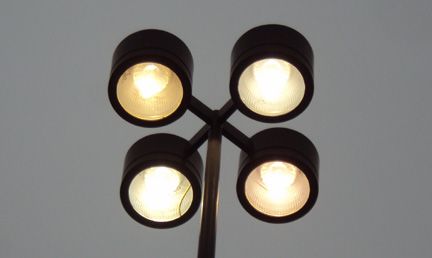
                                                                 •   PARKING LOT LIGHTS. jcpenney replaced the 1000 watt metal halide
     (Top) Old neon sign at jcpenney Colonial                        lamps in their portion of the parking lot with 320 watt pulse start ceramic
     Heights, Virginia. (Bottom) New LED sign.                       metal halide lamps for an energy savings of 78,020 kWh per year. It was

 4    June 2011
COMMERCIAL BUILDING PARTNERSHIPS JCPENNEY RETAIL RENOVATION

    during this exercise that jcpenney discovered that all its parking lot
    lighting turned off at 12:00 AM, contrary to jcpenney security policy,
    which requires some parking lot lighting to be left on from dusk to
    dawn for associate security. The energy savings measures identified by
    the team allowed jcpenney to restore parking lot security lighting while
    still meeting the 30% energy savings goal.

•   LIGHTING CONTROLS. The lighting circuits in the store had
    become out of sync, causing lights to be on when they weren’t needed
    (e.g., retail display lighting on during housekeeping hours). After
    some quick adjustments and several hours of the electrician’s time,
    appropriate circuiting and switching was restored. The team also found
    non-functioning occupancy sensors and identified other areas where
    occupancy sensors could be added.

•   SIGNAGE. Three large jcpenney neon signs were replaced with
    energy-efficient LED signs.

The overall lighting package was estimated to save a 421,994 kWh and                                               (Top) New High-Efficiency Rooftop Packaged
$47,162 per year at a capital cost of $133,603, resulting in a simple                                              Air Conditioning. (Bottom) New High-
                                                                                                                   Efficiency Air-Cooled Chillers.
payback of 2.8 years.

HVAC                                                                                                               Annual Energy End-Use Results
Much of the Colonial Heights HVAC system was near the end of its
                                                                                                                                           ■ Water Systems
useful service life and needed replacement, presenting a good opportunity                                          80                      ■ Heat Recovery
for replacement with more efficient equipment which otherwise might not
                                                                                                                                           ■ Pumps
have been cost effective. jcpenney made several HVAC changes, including:                                                                   ■ Fans
                                                                                                                   70                      ■ Interior Equipment
• Modifying HVAC equipment runtime to more closely match store
                                                                                                                                           ■ Exterior Lighting
  operation.
                                                                                                                                           ■ Interior Lighting
• Replacing two packaged RTU (rooftop unit) air conditioners serving the                                           60                      ■ Cooling
                                                                               Energy Use Index (EUI), kBtu/ft2)

  office and salon with high efficiency units with functioning economizers.                                                                ■ Heating

• Resizing and installing high efficiency air-cooled chillers and chilled                                          50
  water pumps, downsized to meet reduced building loads.
                                                                                                                                            Savings of
• Installing an energy recovery ventilator to recover exhaust air energy                                           40                          49%
  from the sales area, restrooms, and salon to pre-condition sales area
  ventilation air.
                                                                                                                   30

Insulation
Because the roof at Colonial Heights was scheduled for replacement,                                                20
the team suggested that it would be a cost-effective time to add insulation.
jcpenney added two inches of R-12 polyisocyanurate insulation at a minimal
cost and with significant benefits, prompting a decision to evaluate extra                                         10
insulation for all future re-roofing projects.

                                                                                                                   0
                                                                                                                            Baseline         Proposed
                                                                                                                            Adjusted
                                                                                                                                                    June 2011 5
                                                                                                                                                                  5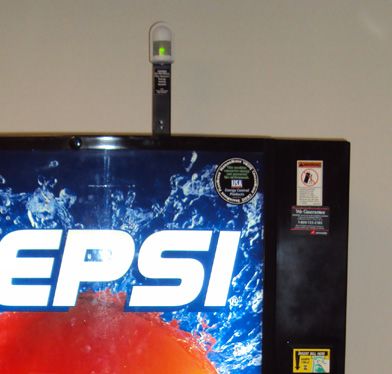
COMMERCIAL BUILDING PARTNERSHIPS JCPENNEY RETAIL RENOVATION

                                                 The Rest of the Package
                                                 In addition to the EDMs described above, the final package of
                                                 recommended EDMs included the following:
                                                 • Add entry door weather stripping
                                                 • Replace the two packaged RTU air conditioners with new, high efficiency
                                                   units
                                                 • Install demand controlled ventilation (based on CO2 concentration)
                                                   on main air handling unit to reduce outdoor air ventilation air when
                                                   building is less than fully occupied
                                                 • Install an energy recovery ventilator, to recover exhaust air energy from
                                                   the sales area, restrooms, and salon to pre-condition ventilation are in the
                                                   sales area
                                                 • Replace large supply fan motors with premium efficiency motors,
                                                   downsized to meet reduced load
                                                 • Replace chillers with new high efficiency, air-cooled scroll chiller,
                                                   downsized to meet reduced load
                                                 • Replace chilled water pump with two high efficiency pumps and motors,
                                                   downsized to match new chilled water flow rate
                                                 • Clean chilled water coil to reduce air-side pressure drop and increase
                                                   heat transfer
                                                 • Abandon pneumatic controls and air compressor
                                                 • Optimize and retro-commission HVAC controls system
                                                     • Optimize HVAC equipment run time—remove opt start, shorten
                                                       schedules
                                                     • Optimize AHU SF speed control—limit maximum speed at all times,
                                                       reduce fan speed to zero during setback hours
                                                     • Divide sales floor zoning—allow fans and heaters to modulate to
                                                       meet individual zone requirements
                                                     • Reset outdoor air damper minimum to bring in required ventilation
                                                     • Set electric plenum preheaters at main air handler for 40°F
                                                       (freeze protection only)
                                                     • Fix relief fan control so fan is off when commanded
     (Top) Interior LED lighting upgrades            • Lower heating setpoint in vestibules and stockrooms from 68 to 60°F
     improve the shopping experience with
     enhanced color rendition and save energy.       • Correct operation of stock room gas fired unit heater—burner is out
     (Middle) Replaced 1,000 Watt Metal                and fan is running 24/7
     Halide (MH) with 340 Watt MH in                 • Remove unnecessary fan-powered boxes—replace five fan-powered
     parking lot lighting.
                                                       boxes on perimeter where re-heat is needed (building control system)
     (Bottom) Soda machine with retrofit
     vending miser.                                  • Abandon transfer fan to alterations room
                                                     • Add miscellaneous unit heaters, baseboard heaters, and exhaust fans
                                                       to DDC system so they can be de-energized at night

                                                 • Add vending misers to vending machines in break room

 6   June 2011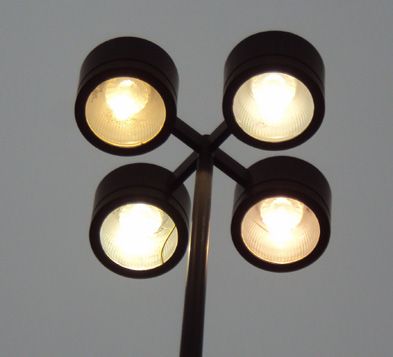
COMMERCIAL BUILDING PARTNERSHIPS JCPENNEY RETAIL RENOVATION

Performance Upgrade
Working together, jcpenney and PNNL identified EDMs that
are estimated to improve the Colonial Heights store’s energy
performance by nearly 45%. The total cost of the measures amounts
to $647,127, with energy cost savings of $63,879 and maintenance
savings of $22,817. Dividing costs into the savings provides a simple
payback on the measures of 7.5 years. jcpenney based its decisions
on which measures to install on the internal rate of return (IRR).
The IRR for these EDMs was 15.6%. jcpenney recognizes these EDMs
as a sound investment. But in addition this company is focused on
energy savings as part of its corporate culture.

                                                                              Main natural gas meter with a pulse-
                                                                              output monitor installed to gather
Going Forward                                                                 15 minute interval data on gas use.

The Colonial Heights site is typical of jcpenney buildings in terms of age,
lighting, and mechanical systems, making it a great candidate to select
EDMs and lessons learned that will likely apply at many jcpenney stores.
                                                                              “When this building was
jcpenney has installed all of the measures described in this case study
                                                                              constructed about 20 years
potentially achieving savings of 45% of historic energy use. In comparison
                                                                              ago, the selection process
to the store’s energy consumption with new and upgraded features included
in the planned renovation, savings amounted to 49%. Future metering
                                                                              was undoubtedly not very
and monitoring of the energy using systems and utility bills will enable      scientific. Technology has
jcpenney and PNNL to ensure the EDMs are functioning as anticipated           evolved since then, and new
and the predicted energy savings will be realized. The graph at the end       information is available before
of this profile shows projected energy savings in comparison to what the      decisions need to be made.
renovated store would have used without the energy upgrades.                  jcpenney is making use of that
                                                                              knowledge.”
Metering to Validate Performance                                              Rob Keller, Energy & Engineering
                                                                              Director, jcpenney
jcpenney has agreed to allow their site to be used to collect metered
data from almost every electrical load in the store—much greater detail
than would have been required to confirm energy savings. This study of
miscellaneous energy loads will help researchers determine how big these
loads are and find strategies for reducing them.

PNNL and jcpenney will monitor building energy use after EDMs
are installed to verify performance. In addition to the study of
miscellaneous energy loads, metering will include temporary
measurements of power, temperatures, and illumination, and long-term
trending using the store’s energy management control system. PNNL
will monitor this information as well as utility bills for up to 18 months
to track performance during both the heating and cooling seasons.
jcpenney purchased the meters used for the long term trending, and they
will remain in place so the company can continue to monitor the store’s
operating performance on an ongoing basis.

                                                                                                           June 2011 7
                                                                                                                         7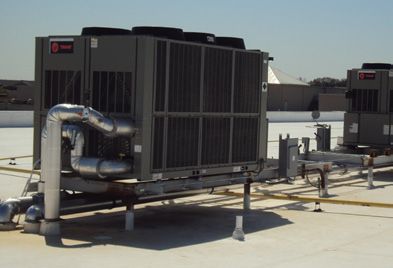
jcpenney Annual Energy End-Use & Savings Preliminary Results
ls
ps
ro
r
to
m
nt
or
d d
ila
an ze
pu
co
ot
nt
s
n
s si
g
m
D
TU
tio
g
ic
Ve
er t-
in
E
s
in
ED
D
es
at
an
ill igh
or
AT
ht
R
la
TE
on
ry
m
ur
ns
ig
su
f
e
L
BR
ch /r
ro ng
US
ve
fic
U
eu
si
xt
rl
/
d cy
se
in
s
H
is
w
LI
nt hti
co
t fi
of
ri o
pn
gn
DJ
le n
A
m
ls
of
cy
CA
s
e
e
co ig
lo
A
ht
d
m
si
te
e
ro
oo fici
on
R
an
an
iz
d rl
co
E
E
lig
ex
d
g
gy
2”
ns
r c ef
nd
N
N
up
an rio
te
in
n
ro
LI
LI
c.
e
er
ow
rk
h
gh
lo
dd
ba
cc
te
as
et
SE
SE
is
ig
En
Pa
Sa
In
Li
M
O
A
A
D
C
R
H
BA
BA
ai
80 $800K
+
+
+
+
+
+
+
+
+
+
+
+
+
3.6% 13.2% 13.4% 14.7% 14.9% 15.5% 18.5% 26.6% 35.0% 38.2% 38.3% 41.5% 48.7%
70 $700K ■ Water Systems
■ Heat Recovery
Energy Use Index (EUI), kBtu/ft2)
Cummulative Annual Savings ($)
60 $600K ■ Pumps
■ Fans
Cumulative Costs &
50 $500K
■ Interior Equipment
■ Exterior Lighting
40 $400K
■ Interior Lighting
30 $300K
■ Cooling
■ Heating
20 $200K
Cumulative Costs
10 $100K Cumulative
Annual Savings
0
$6,400 $35,290 $13,510 $42,576 $983 $34,844 $40,000 $61,776 $840 $257,400 $2,000 $17,009 $134,499 First costs per individual measure
$6,499 $28,362 $475 $5,389 $230 $6,208 $6,158 $12,052 $14,461 $12,007 $182 $3,782 $6,012 Annual savings per measure
These bars shows the potential incremental energy savings achieved at the Colonial Heights jcpenney store in comparison to what the renovated store would have used with new
features such as a redesigned cosmetic counter and photography studio. Rounding errors can obscure small differences between EDM packages. Results are based on EnergyPlus
model simulations of the whole building and the entire EDM package. When individual measures are considered separately, savings may be dependent on related measures. All of
the measures are needed to achieve overall savings.
Commercial Building Partnerships
The U.S. Department of Energy (DOE)’s Commercial Building Partnerships program provides assistance through national laboratories
to companies and organizations that design, build, own, manage or operate portfolios of buildings. DOE offers technical assistance
and guidance on implementing energy efficient technologies to transform commercial buildings. Companies and organization work
with DOE, national laboratories, and private-sector experts to achieve energy savings that meet their budget and other criteria. The
goal is to achieve whole building energy savings of 30% or better in retrofits when compared to existing energy use, and 50% or
better in new construction compared to a minimally code compliant ASHRAE Standard 90.1-2004 baseline.
Partners provide a living laboratory in their work with the Commercial Building Partnerships.e Partners’ buildings provide
opportunities to test and validate DOE’s advanced building models and technologies. The buildings help researchers to understand
energy loads and operations and the information that companies need to make good decisions about energy efficiency.
DOE national laboratories identify energy design measures to meet energy saving goals through design reviews, building inspections,
modeling, and packaging recommendations that can be replicated in future projects. Collected information provides the operational
and cost data needed to make a solid business case for investment in high-performance buildings. These findings enable replication
throughout Partners’ building portfolios and the commercial building sector at large.
EERE Information Center Point of Contact
1-877-EERE-INFO (1-877-337-3463) Michael Baechler
www.eere.energy.gov/informationcenter Pacific Northwest National Laboratory
620 SW 5th Ave, Suite 810
CBP-100-2011 • June 2011 Portland, OR 97204
michael.baechler@pnnl.gov / 503-417-7553
PNNL-20519
Printed with a renewable-source ink on paper containing at least 50% wastepaper, including 10% post consumer waste.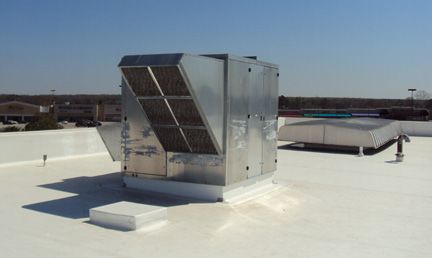
You can also read


