Kangaroo Valley Destination Management Plan - International ...
←
→
Page content transcription
If your browser does not render page correctly, please read the page content below
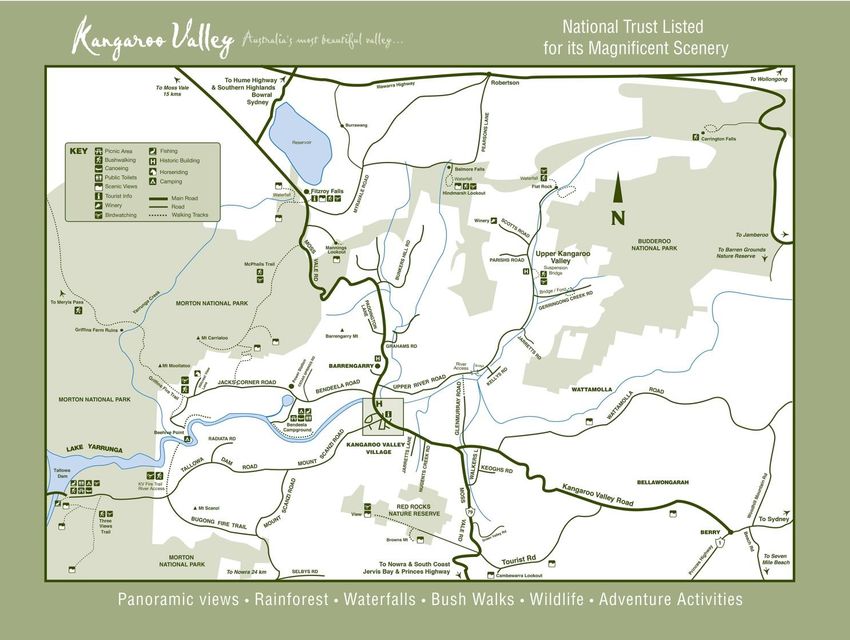
Kangaroo Valley
Destination Management
          Plan

Prepared: 28th June 2013

Updated: 11th September 2013

                     Australia’s Most Beautiful Valley –

                     creating a renaissance in Tourism

                 Kangaroo Valley Tourist Association Inc.

Kangaroo Valley Tourist Association Destination Management Plan 2013

                                                                       1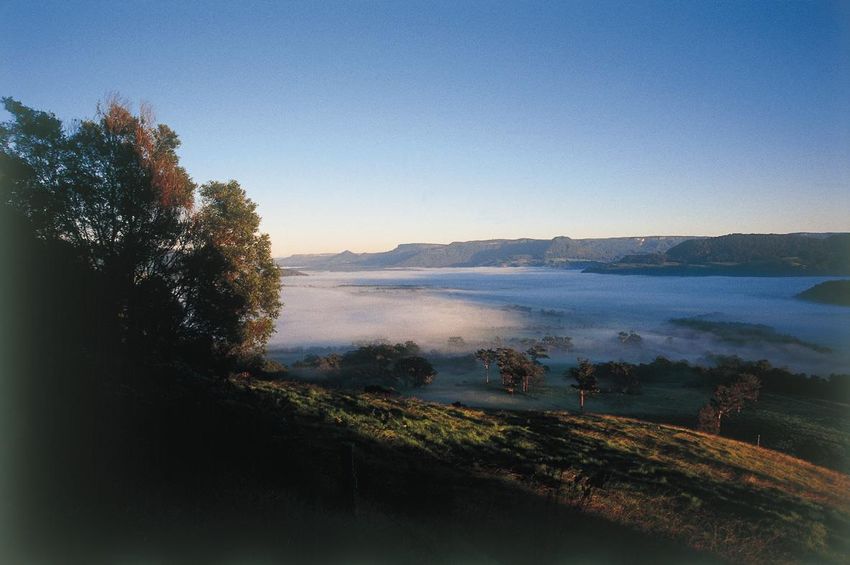
Prepared by:

Christopher Warren, Director International Centre for Responsible Tourism – Australia

Destination Steering Committee: Brenda Sambrook (Kangaroo Valley Olives), Bruno Henke
(Big Bell Farm), Tim Johnston (Barefoot Springs), Lyn Obern (Roo Corner), Larraine Hahlos
(The Gallery)

                                                                                            2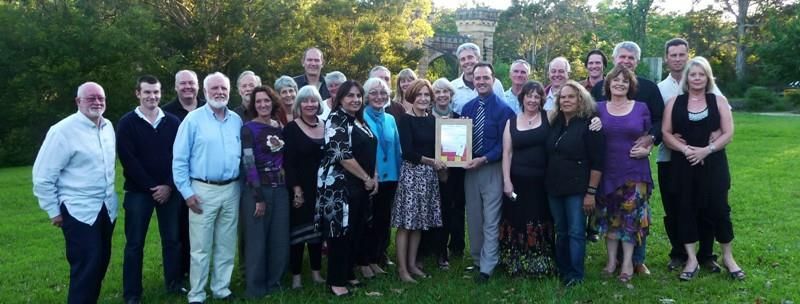
Contents

Executive Summary............................................................................................................... 4
     A.         Destination Analysis ................................................................................................ 4
     B.         Destination Direction ............................................................................................... 4
     C.         Destination Requirements ....................................................................................... 4
1.        Destination Analysis ....................................................................................................... 5
     1.1.       Key Destination Geography .................................................................................... 5
     1.2.       Key Stakeholders .................................................................................................... 9
     1.3.       Market Research ................................................................................................... 12
     1.4.       Key Assets ............................................................................................................ 16
     1.5.       Key Imagery and Footage ..................................................................................... 19
     1.6.       Key Source Markets and Consumer Segments ..................................................... 19
     1.7.       Key Infrastructure .................................................................................................. 21
     1.8.       Key Communications Channels............................................................................. 22
2.        Destination Direction .................................................................................................... 23
     2.1.       Focus .................................................................................................................... 23
     2.2.       Vision .................................................................................................................... 23
     2.3.       Our Responsible Tourism Codes of Ethics ............................................................ 23
     2.4.       Aim ........................................................................................................................ 23
     2.5.       Goals..................................................................................................................... 26
     2.6        Strategic Priorities……………………………………………………………… ……….26

     2.7        Expenditure and Projects………………………………………………………………..32

     2.8        Action Plan………………………………………………………………………………...35

3.        Destination Requirements ............................................................................................ 35
     3.1.       Human Resources................................................................................................. 35
     3.2.       Financial Resources .............................................................................................. 35
     3.3.       Key Risks .............................................................................................................. 35
Attachments ........................................................................................................................ 37

                                                                                                                                             3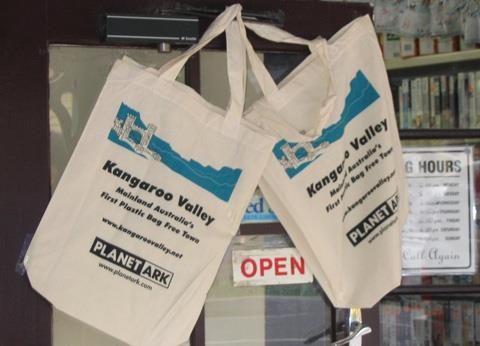
Executive Summary
A. Destination Analysis
Kangaroo Valley is Australia’s most beautiful valley. A destination filled with natural
wonders, rural charm and important cultural heritage. Today Kangaroo Valley
represents 10% of the accommodation supply of the Shoalhaven. It is internationally
recognised (highly commended at the World Responsible Tourism Awards 2010), has
market leading tourism enterprises. The destination’s growing food and wine sector is
stimulating high visitor satisfaction (note Trip Advisor) and social media comment
(note Man from Kangaroo Valley Horse Trail Facebook page).
The Kangaroo Valley Tourist Association has implemented a number of projects with
strategic partners like NPWS, RMS and Shoalhaven Tourism Board over the last five
years. The destination now wishes to grow the visitor economy further by linking with
the food and wine and other local producers to build community prosperity and
community resilience.
B. Destination Direction
The Kangaroo Valley Tourist Association, (KVTA) with its partners, wishes to utilise its
existing assets and better promote them to visitors, it seeks to introduce enhanced
visitor experiences and invest in assets to improve the quality of accommodation and
lead the hosted accommodation sector in NSW. For these reasons the KVTA seeks
funding to work with its partners to double the visitor overnight expenditure by 2020.
C. Destination Requirements
Kangaroo Valley needs to improve its visitor information so that leisure tourists can
find and enjoy the local attractions, buy local product and have a rejuvenating
experience. The destination requirements are:
Better promotion of the food and wine sector to pompadours, wedding groups and
true travellers in addition to the compatriots and wanderers market that already
exists
Appeal to sports tourists and promote its exciting mountain roads and National
Parks access for bike riding
Quality accommodation which reflects the local character to a high level to act as a
flagship to promote the overall destination
Responsible tourism development that delivers genuine local, economic
development, promotes environmentally more sustainable tourism and encourages
civic pride where locals want to welcome tourists
While Kangaroo Valley might be considered small by some, it is a highly successful beacon
and delivering a renaissance in tourism. It seeks to work with all partners to create better
4
tourism and to work with Destination NSW to demonstrate high quality experiences that
contribute to social resilience and build local economic benefits.

1. Destination Analysis

   1.1    The Kangaroo Valley Geography

   Kangaroo Valley is located in the Shoalhaven City Council area and therefore is included
   in the South Coast tourism figures. Kangaroo Valley borders the Wingacarrabie Council
   (Capital Country) and Kiama Municipality (South Coast).

   Kangaroo Valley was first discovered by George Evans in 1812. He had claimed
   Cambewarra Mountain (which took five hours) and camped for the night on top of the
   range. On 8th April, before he descended back to the coast, Evans noted that the
   outlook (of Kangaroo Valley) was a “view no painter could beautify”. It was in 1818 that
   Charles Throsby and his exploration team entered the Valley with the aid of Timelong, an
   elderly Aboriginal chief (1). In the 1830-80s, the rich volcanic soils provided excellent
   pasture land leading to the establishment of over 60 dairy farms, their butter factories
   and a thriving community of 2,000 in the village which became the capital of
   Cambewarrashire. ‘The Valley’ has remained fiercely independent of the outside world
   ever since (2) (3) (4).

   The total resident population consists of 1,100 permanent residents and 1,000 homes
   that are not permanently occupied (primarily used by Sydney residents as their personal
   weekender). Approximately half the permanent population are members of the farming
   community which has lived in Kangaroo Valley dating back to the 1840s. The balance is a
   combination of Sydneysiders who have moved for a tree change or New Australians who
   prefer to live in this beautiful country area. The background of the residents
   encompasses a wide range of experiences from previously holding chief executive
   positions, senior management positions, people with celebrated musical careers,
   musicians, media and artists. This eclectic population share one thing in common, a
   passion for Kangaroo Valley. This social capital has made the community resilient and
   economically successful. It also means that there is a high skills capacity to provide
   quality tourism experiences. There is one village and several hamlets that make up the
   permanent community: Kangaroo Valley Village (originally Osborne), MacGuires
   (unsigned), Barrengarry, Fitzroy Falls, Beaumont, Bendeela, Upper River, Watamolla,
   Wattamolla and Bellawongarah. These all lay in the Kangaroo Ground (1) (5). The
   Kangaroo Grounds is an area of 25,600 hectares (100 square miles) and includes “not
   only ... the valley itself - the low lands – but also to the mountainous surround up to 600
   metre contour” (1). Kangaroo Grounds refers to the Aborigines hunting the plentiful
   number of kangaroos in the area.

                                                                                              5
Kangaroo Valley is the land of the Dharawal clan and was used by the Wodi Wodi people.
Their land borders the Sarug, and Thoorga along the coast and the Gundangurra clan in
the highlands (6). The communities would meet for the bogong moth festivals (an
important time for ceremony and marriage) and the Aboriginal people would pass
through Kangaroo Valley on their way to the highlands. The Wodi Wodi people were
nomadic and moved from camp to camp reflecting their food source availability and
seasons. It is believed that Kangaroo Valley was primarily used for food in times of
scarcity. It thus provided an abundant source of kangaroo, possum, fish and plants.
There are many examples of Aboriginal culture through axe grooves, camp sites, rock
shelters, scarred trees and art. It demonstrates that the Aboriginal people occupied the
Valley for thousands of years (7) (1). Kangaroo Valley is also on a very important
dreaming track, close to the surface, that links Pigeon House Mountains and Ulladulla
(8).
Kangaroo Valley is served by Moss Vale Road, a main road which links the Southern
Highlands to the South Coast. It carries a million car movements a year annually, two
thirds of which are travellers from outside the area. This main link is used by one third of
the 2.4 million visitors to the Shoalhaven per annum.
There are other roads which provide loops: from Kangaroo Valley to Berry and back and
a second from Kangaroo Valley to Cambewarra and back.
There is a thrice weekly bus service which links Kangaroo Valley to Nowra and this can
travel via Bomaderry railway station. Bowral railway station is a 45 minute drive from
Kangaroo Valley. There is also a daily Priors Bus service from Sydney and from the South
Coast.
While agriculture was the primary industry of Kangaroo Valley up until the 1980s, today
tourism is the main economic driver. In fact, Kangaroo Valley accounts for 10% of the
Shoalhaven’s tourism visitors. Nevertheless agriculture still plays an important role
through providing pastoral landscapes which visitors enjoy and leads the growing
provedores sector.
Surrounding the Valley is Morton National Park which provides a green crown to the
pastoral landscape. There are nature reserves, National Parks and Sydney Catchment
Authority’s Bendeela Picnic & Camping Ground. Tallowa Dam is a major infrastructure
project which creates Lake Yarrunga. The protected lands and public access to water
make Kangaroo Valley a beautiful nature tourism destination of the highest quality.
Kangaroo Valley also lies to the east of the neighbouring Greater Blue Mountains
National Landscapes, south of Minnamurra Rainforest Centre and north of Booderee
National Park. These are three high quality visitor nature experiences.
6Kangaroo Valley has a strong environmental focus. It was Australia’s first mainland
plastic bag free community. It has been recognised at the World Responsible Travel
Awards ‘highly commended – Best Destination category (2010) and is the first Australian
destination to have been recognised at this event which is run as part of the World
Travel Market in London.
Kangaroo Valley has also launched its Green Kangaroo programme to encourage more
environmentally sustainable tourism. A quarter of the membership have voluntarily
measured their carbon footprint and implemented mitigation measures. The KVTA
members have cut their emissions by 20%. This is Australia’s leading community Climate
Change initiative and will be featured in a forthcoming UNWTO report. It has already
been noted by academics (9). “The critical success factor for this initiative is that
participation is voluntary, and all businesses are self-motivated. Future initiatives, such
as the introduction of so-called producers tours to increase the use of local produce in
menus and for self-catering holidays, will further increase community cohesion and
stimulate local economic development” (page 146).
7Kangaroo Valley is 2 hours from Sydney and
Canberra.
81.2 Key Stakeholders
Organisation Key contact Contribution to Plan
Kangaroo Valley
Brenda
Tourist Destination Steering Committee member
Association
Sambrook
Kangaroo Valley
Bruno
Tourist Destination Steering Committee member
Henke
Association
Kangaroo Valley
Tim
Tourist Destination Steering Committee member
Association
Johnston
Kangaroo Valley
Tourist Lyn Obern Destination Steering Committee member
Association
Kangaroo Valley
Larraine
Tourist Destination Steering Committee member
Association
Hahlos
Kangaroo Valley
Christopher
Tourist Destination Steering Committee member
Warren
Association
Diane New product development in protected areas and Aboriginal
NPWS
Garrood activities
Jacqueline
NPWS Kangaroo Valley Nature Reserves Group
Devereaux
Nathan
RMS Road signage policy
Boscaro
Gordon
RMS Farrelly RMS road sign policy/Bike riding
8588 5680
Matt
RMS Donaldson
8588 5685
Sydney
Nature product development at Bendeela Picnic & Camping
Catchment Holly Langler
Ground
Authority
Shoalhaven
Ben Harnwell Weddings
Tourism Board
Shoalhaven City Shoalhaven Bike Plan (KVTA contributing to the overall new
James Harris
Council plan)
NSW Rural Fire Anthony
Risk Management
Services Clark
NSW Rural Fire
Tony Jarrett Risk Management
Services
Kangaroo Valley
Community Keith Learn Local Environmental Plan
Association
9Shoalhaven Coast
Strategic development of local wine sector and Winter Wine
Wine Industry Barry Starkey
Festival
Association
KV Environmental Peter
Collaboration with habitat control and visitor impacts
Group Stanton
KV Arts Festival John Wright Review of plan and to share KVTA’s plans
Lesley-An
KV Folk Festival Review of plan and to share KVTA’s plans
Zandstra
Banksia Park Alison Baker Proposed new product development
Kangaroo Valley Brenda
Proposed new product development
Olives Sambrook
Crystal Creek Christopher
Proposed new product development
Meadows Warren
Little Pig Creek Loo Taylor Input into plan and new product development ideas
Jan
The Heavens Input into plan and new product development ideas
McGregor
Tastes of
Intan Kallus Input into plan and new product development ideas
Kangaroo Valley
Flavours of the
Toni Moran Input into plan and new product development ideas
Valley
Nicole &
Bistro One46 Input into plan and new product development ideas
Gerald Poelzl
Stakeholder Consultation & Planning Process
Objectives of Consultation
Kangaroo Valley has undertaken a comprehensive consultation process and integrated the
findings into the DMP.
The scope included:
Understand the community attitude towards tourism, the sense of place and
community aspirations
Work with tourism providers to determine new product opportunities and a shared
sense of strategic brand direction
Collaborate with community groups
Collaborate with RMS, NPWS, SCA, STB
Reflect key stakeholder interests to create a plan that is reflective of the overall
destination
The Consultation Methods
There is a growing recognition that successful sustainable tourism development requires
government to be an ‘enabler’ rather and a ‘provider’ directing the focus to communities
10and tourism providers to be involved in a bottom up approach to tourism planning (10). This
requires stakeholder engagement and contribution from tourism providers who might have
been ‘voiceless’ previously. It can lead to tensions because of the conflicting goals that
stakeholders may have. In such situations it is beneficial to focus on the shared goals and
find creative solutions to pragmatic problems (11). This was the approach favoured for this
DMP development.
The consultation methods were guided by best practice guidelines, as used by a NSW council
and reflect the timeframe, objectives and the nature of the target groups. The methods
were selected to “encourage the involvement of stakeholders” and offer “adaptability and
flexibility of the consultation methods” (12). The method included:
1. Tourism providers were invited to two workshops.
i) The first workshop (35 participants) involved briefing the tourism providers of
trends and the nature of tourism mind mapping and a SWOT process to help
develop a shared vision, followed by participants considering tourism
development using a projective technique, a Future Thinking game developed by
the International Centre for Responsible Tourism – Australia called
‘Travelopoly’. This workshop also had the acting Tourism Manger (Ben Harnwell)
and chair of the Shoalhaven Tourism Board (Katherine Shields), NPWS Fitzroy
Falls Manager (Alan Norman) and a member of the SCRTO (Bill Powell) in
attendance.
ii) The second workshop (21 participants) involved refining sustainable tourism
strategies for Kangaroo Valley. Speakers included Belinda Webster OAM
(Kangaroo Valley Arts Festival), Rosemary Stanton (nutritionist) and Ian
Chambers (author on sustainable communities) and Christopher Warren
(International Centre for Responsible Tourism – Australia).
2. Meeting with Tom Phillips (SCRTO) and Ben Harnwell (STB) to negotiate Kangaroo
Valley’s deeper involvement in the overall South Coast DMP process.
3. Interviews with: NPWS, RMS, SCA, SCC.
The consultation approach reflects the aim of best practical tourism destination
management planning in Australia (13) (14).
Gathering Information & Presentation
It is recommended to take a creative approach to gathering information from participants
and to use both qualitative and quantitative approaches (12). The Future Thinking game
‘Travelopoly’ enabled the consultant to collect data during the course of the workshop. It
follows the principle of using a social learning approach through a task-oriented action
group that is dynamic and interactive (15) . The tourism provider stakeholder consultation
process enabled the consultant to observe the individual operators and provide education
to facilitate their learning and identify market needs.
11The consultant undertook an extensive literature review of the market trends in tourism,
summarised the key findings and shared these with the Destination Management Steering
Committee.
Preparation of the report involved analysis of the workshops through an action research
report. The important values from these phases were organised under the common
structure of social, environment and environmental (triple bottom line) approach as
identified in the Destination Management Framework which seeks “a planned sustainable
future for destinations” (14).
Feeding Back Outcomes and Decisions
The draft plan was circulated to stakeholders and committee. Comments and feedback were
collected and the consultant revised the draft.
1.3 Market Research
Key Data and Documents
Organisation Strategies/Plans/Research
NPWS Kangaroo Valley Group of Nature Reserves: Plan of Management
NPWS Morton National Park, Budawang National Park: Plan of Management
South Coast Regional
Destination Management Plan
Tourism Organisation
Sydney Catchment
Bendeela Master Plan
Authority
Shoalhaven City
Local Environmental Plan
Council
Shoalhaven Tourism
Shoalhaven Tourism Master Plan 2012-2017
Board
DNSW Regional NSW Time Series YE Dec 12 2000-2012
DNSW South Coast NSW Regional Snap Shot Report
Additional Research:
The following reference sources have also been used:
1. Griffith, John. A History of Kangaroo Valley Australia. Kangaroo Valley : Kangaroo Valley Historical Society,
1978.
2. Dempster, Quentin. ABC Stateline . Sydney : ABC, 2007.
http://www.abc.net.au/stateline/nsw/content/2006/s1984482.htm.
3. Rollason, Adam. Old Trees and protests removed from Kangaroo Valley. Wollongong : ABC Illawara, 2007.
http://www.abc.net.au/local/stories/2007/07/24/1986554.htm.
4. Wright, Adam. Damned by dam comments. Nowra : South Coast Register, 2010.
http://www.southcoastregister.com.au/story/1004883/damned-by-dam-comments/.
125. Organ, Michael. Illawarra and South Coast Aborigines 1770-1900. Wollongong : University of Wollongong,
1993.
6. Department of Environment and Conservation, NSW. A History of Aboriginal People of the Illawara 1770 to
1970. Hurstville, NSW : Department of Environment and Conservation, NSW, 2005.
7. Feary, S. Perconal communication. 2011.
8. Minmia. under the guandong tree. Mogo, NSWQ : Quandong Dreaming Publishing, 2007.
9. Becken, S. Climate Change and Tourism . 2012.
10. Collaborative Policymaking. Local Sustainable Projects. Vernon, J.,Essex, S., Pinder, D. & Curry, K. 2,
2005, Annals of Tourism Research, Vol. 32, pp. 325-345.
11. Constructing partnerships for protected area tourism planning in an era of change and messiness. McCool,
S. 2, 2009, Journal of Sustainable Tourism, Vol. 17, pp. 133-148.
12. Tweed Shire Council. Community Consultation-Best Practice Guidleines. s.l. : Tweed Shire Council, 2004.
13. Visitor Economy Taskforce. Final Report of the Visitor Economy Taskforce. Sydney : NSW Government,
2012.
14. Australian Regional Tourism Network/Australian Standing Committee on Tourism. Destination
Management Planning. s.l. : Australian Regional Tourism Network, 2013.
15. Adopting and implementing a transactive approach to sustainable tourism planning: translating theory into
practice. Wray, M. 4-5, 2011, Journal of Sustainable Tourism, Vol. 19, pp. 605-627.
16. Childs, C. & Farquhar, J. TNS Travel & Lesiure Domesticate Study 2009. 2010.
17. Warren, C. Rural NSW needs a bottom-up strategy to create a better tourism experience. s.l. : International
Centre for Responsible Tourism - Australia, 2011.
18. Board, Shoalhaven Tourism. Source Market Monior. Nowra : Shoalhaven City Council, 2011.
19. Shoalhaven Tourism Board. Tourism Master Plan: Accommodation Appendix. Nowra : Shoalhaven City
Council, 2012.
20. Central NSW. Central NSW Regional Tourism Plan 2004 - 2007. Bathurst : Central NSW, 2004.
21. Destination NSW. Travel to South Coast NSW region. Sydney : DNSW, 2012.
22. CNSWT. CNSWT Marketing Plan 20008-2010. s.l. : CNSWT, 2008.
23. Experiencing Sport Touirsm. Shipwat, R. & Stevenson, N. 2, 2012, Journal of Sport & Tourism, Vol. 17, pp.
81-84.
24. Lifestyle climbing: Towrd existential authenticity. Rckly-Boyd, J. 2, 2012, Journal of Sport & Tourism, Vol. 17,
pp. 85-104.
25. The interrelationship between sport activities and the percieved winter sport experience. Hallmann, K, Feiler,
S., Muller, S. & Breuer, C. 2, 2012, Journal of Sport & Tourism, Vol. 17, pp. 145-163.
26. What is influencing consumer expenditure and intention to revisit? An investigation of marathon events.
Wicker, P., Hallmann, K. & Zhang, J. 3, 2012, Journal of Sport & Tourism, Vol. 17, pp. 165-182.
27. An exploration of the motivation to attend for spectators of the Lexmark Indy 300 Champ Car event, Gold
Coast. Menzies, J. & Nguyen, S. 3, 2012, Journal of Sport & Tourism, Vol. 17, pp. 183-200.
28. Hajkowicz, S.A., Cook, H., Wilhelmseder, L., Boughen, N.,. The Future of Australian Sport: Megatrends
shaping the sports sector over coming decades. Australia : Australian Sports Commission. CSIRO, 2013.
1329. Discretionary expenditure and tourism consumption: insights from a choice experiment. Crouch, G,
Oppewal, H. Huybers, T. Dolncar, S., Louviere & J. Devinney, T. 2007, Journal of Travel Research, p. Sage
Publications.
30. NSW Government. Central West Regional Action Plan. Sydney : Department of Premier and Cabinet, 2012.
31. NSW, Caravan & Camping Industry Association. Caravan & Camping Industry Profile . n.d.
32. NSW, Caravan & Camping Industry Assocation of. NSW Caravan & Camping Industry Profile 2013. 2013.
33. Tourism Research Australia. National Visitors Survey/Interntional Visitor Survey: Regional NSW. Canberra :
Tourism Research Australia, 2012.
34. —. Interntional Visitors in Australia: December 2012. Quarterly Results of the International Visitor Survey.
Canberra : Tourism Research Australia, 2013.
35. Tourism Western Australia. Journey Further: An Arts & Cultural Tourism Straegy for Western Australia
2004-2008 Mid Term review. Perth : Department of culture and the Arts, 2007.
36. Australia, Winemakers' Federation of. Visitor Segmentation. n.d.
37. CNSWT 3. Enterprise Survey: Sustainable Destiantion Indicator Findings. Mudgee : CNSWT, 2013.
38. Murphy, P et al. Short-Break Holidays: A Competitive Destination Strategy. STCRC. 2010.
39. Australia, Tourism Research. Snapshots 2009. Cultural and Heritage Tourism in Australia. 2009.
40. Directors, Council of Australasian Museum. CAMD.
41. American Assocaition of Museums. Trends Watch 2012: Museums and the Pulse of the Future. s.l. :
Centre for the Future of Museums, 2012.
42. Prior, M. Central NSW Tourism: Strategic Marketing Plan 2008-2010 . s.l. : Bravo, 2008.
43. Goodwin, H. Taking Responsibility for Tourism. s.l. : Goodfellow Publishers, 2011.
44. Australian Government. Urban renewal: the transformation of Australia's docklands. Canberra : Australian
Government, 2009.
45. Weddings, Easy. Wedding Destination. 2013.
46. —. Easy Weddings' Annual Australian Bridal Survey. 2012.
47. Statistics, Australian Bureau of. Number of Marriages . 2012.
48. UNWTO. Ecotourism. Madrid : UNWTO, 2004.
49. —. Compendium of Best Practices and recommendations for Ecotourism in Asia and the Pacific. 2012.
50. National Parks & Widllife Service. Long Term strategy for National Parks. Taskforce Plan. s.l. : NSW
Government, 2008.
51. Blanke, J & Chiesa, T. The Travel & Touism Competitiveness Report 2011: Beyond the Downturn. Geneva,
Switzerland : World Economic Forum, 2011.
52. Ritchie, j. & Crouch, G. The Competitive Destiantion. A sustaianble tourism perspective. 2007. Wallingford,
Oxfordshire, UK : CABI International, 2003.
53. Department of National Parks, Recreation, Sport and Racing. Queensland Ecotourism Plan: Draft for
consultation. Brisbane : Queensland Government, 2013.
54. Collins, D., Galliano, K. Quinn, T. Fairweather, P. Maurer, A. Childs, C. and White B. Changing consumer
behaviour: Impact on the Australian domestic tourism market. s.l. : Tourism Research Australia, 2007.
55. Tourism Australia. Domesticate Study: 2011 Key Insights for Domestic Travel. s.l. : Tourism Australia, 2011.
1456. Australian Bureau of Statistics. 2011 Census Quick Stats. Canberra : Australian Government, 2011.
57. Tourism Research Australia. Tourism Industry Facts & Figures At A Glance. s.l. : Tourism Research
Australia, 2012.
58. TQUAL website
59. Department of Resources, Energy and Tourism. TQUAL Grants - Strategic Tourism Investment Grants
Fact Sheet. s.l. : Australian Government, n.d.
60. CNSWT 2. Destination Management Survey: Sustainable Destination System. Mudgee : CNSWT, 2013.
61. Department of Resources, Energy and Tourism. National Long-Term Tourism Strategy/ Tourism 2020.
Canberra : Australian Government, 2009.
62. Pine, B. J. and Gilmore, J. H. The Experience Economy. Harvard, MA: Harvard Business School Press.
1999.
63. Font, X. Green marketing toolkit for Wales now available. Leeds, UK : Xavier Font, 2012.
64. British Government. Museum Visitation: Gov.UK. 2013.
65. Kim, S. British Museum named Britain's most popular attraction. s.l. : Daily Telegraph, London, 2013.
66. Victoria & Albert Museum . David Bowie Is. s.l. : [Internet] http://www.vam.ac.uk/content/exhibitions/david-
bowie-is/, 2013.
67. Warren, C. Australian Tourism Statistics - a gap in information. Why there is a need to supplement existing
statistics to build the Local Economic Development: Occasional Paper 3. s.l. : International Centre for
Responsible Touism - Australia, 2 2012.
68. Murphy, P et al. Short-Break Holidays: A Competitive Destination Strategy. STCRC. 2010.
69. Sustainable Supply Chain Management in Tourism. Font, X. Tapper, R., Schwartz, K. & Kornilaki, M. s.l. :
Business Strategy and the Environment, 2008, Business Strategy and the Environment, Vol. 17, pp. 260-271.
70. Destination NSW. China Tourism Strategy 2012-20. 2012.
151.4 Key Assets
What Description Consumer Appeal
National Trust listed pastoral views,
escarpments and village are listed as the
‘principle area of outstanding natural beauty Regenerative, reconnection,
Landscape
in the Illawarra and Shoalhaven’. This is peace and tranquillity
noted in the South Coast DMP “icons/high
profile attractions”.
Triple waterfall cascade and Visitors Easy nature access,
Fitzroy Falls Information Centre which receives 400,000 panoramic views, walks and
visitors per annum. interpretive centre
Small quaint village with warm
Village with buildings, churches, school,
Kangaroo Valley friendly locals enables visitors
cemetery and other built heritage. There are
Village and heritage to reconnect with their country
seven National Trust heritage listings and
buildings: Collection and appreciate nostalgia
over 45 council heritage lists.
values
Public access to Kangaroo River and Lake
Yurrunga which offers unique water
Kangaroo River and Adventure, beauty, peace and
recreation experiences. It is rare to have
Lake Yurrunga lush green landscape
public water access to National Park and
wilderness.
National Trust listed and State Heritage
listed, this is the last surviving wooden Aesthetic, heritage, great
Hampden Bridge
suspension bridge in Australia. Carries a photographic opportunity
million car movements per annum.
Access to Kangaroo Valley is via roads that
follow the exact same line as the original
Scenic drives, bike riding and
Mountain Roads: tracks (dug by pick and shovel) and offer
walking, thrilling experience
Collection panoramic vistas, travel through temperate
and dramatic views
rainforest, passing by farms and quaint
hamlets.
25 formal bush walks (easy, medium, hard)
that are accessible in Kangaroo Valley.
Bush Walks: Rejuvenation, reconnection to
Some are ancient Aboriginal tracks
Collection nature, health and vitality
(Songlines). The Meryla Pass is also a
convict built route of heritage value.
Consumers are in search of
healthier foods, to learn more
Kangaroo Valley has a growing (producer
about the source of their foods
and) provedores sector with extra virgin olive
Provedores & small and to enjoy authentic leisure
oil, table olives, preserves, wine, nuts, citrus,
farmers/producers experiences. Kangaroo Valley
yoghurt, fudge and more. Friendly Inn
now has two guided tour (mini
Community Garden and Art & Soul book
bus) operators and a highly
successful cooking school.
Unique water access to
Morton National Park.
Adventure Activities Horse trekking, canoe hire and bike hire. Commercial operators enable
visitors to horse ride, rent
canoes and hire mountain
16bikes.
A quality dining experience is
Three quality restaurants: Bistro One46, Jing essential for a holiday/short
Jo Café & Restaurant and Café Bella (listed break, with warm friendly
Restaurants
in the SMH Good Food Guide) and the service provided by the patron
historic Friendly Inn. and fresh local produce on the
menu.
27 members working to reduce their
Green Kangaroo
environmental footprint and positively Eco-friendly tourism
programme
contribute to community development
Market Research
A full market research analysis can be found in: trends Appendix A and secondary
research Appendix B.
Market position:
Kangaroo Valley has shown market growth over the last ten years as demonstrated by
the increasing number of KVTA members (92 currently), increasing number of
restaurants (five) provedores (more than 20) and the new tour companies (three).
Whilst part of the South Coast, Kangaroo Valley is an inland destination. It has four
distinct seasons and has high visitation throughout the year, especially in winter. For
these reasons, the destination does not match the overall South Coast promotion focus
on beach holidays, coastal weekenders, and seafood to be enjoyed by wanderers and
compatriots.
Kangaroo Valley does have two high quality caravan parks and free camping at
Bendeela Picnic and Camping Ground, but it also offers a range of quality hosted
accommodation providers and self-contained accommodation. Consequently, the
source markets and mindset of visitors to Kangaroo Valley are different than South
Coast visitors because they are deliberately choosing an inland destination where they
can:
seek peace and tranquillity from views of pastoral landscape and escarpments
relax with spa treatments
choose to go bush walking, canoeing, horse riding or cycling
explore the provedores and sample local food and wine, as well as browse the
local shops for arts and crafts
spend memorable time as a couple, family or small group reconnecting in a
destination that does not appear a tourist centre but epitomises the nostalgia of
country life
celebrate their wedding in a natural and un-commercialised place
feel safe and enjoy meeting friendly locals while participating in local events
17Kangaroo Valley delivers high quality authentic holiday experiences which places it
above many other rural destinations because:
small owner operator run business so that visitor enjoys personal attention
low key presence of tourism so visitors enjoy the sense of a country community
which is not ‘invaded’ by tourists so the experience is ‘real’
Green Kangaroo members have made effort to turn their environmental actions
into better visitor experiences e.g. feeding the chickens with food waste, and
collection of the still warm eggs
taste extra virgin olive oil in the olive grove served by the growers, sample table
olives and tapenades while enjoying the magnificent escarpment views, wander
the vineyard and macadamia orchard with friendly hosts
enjoy relaxing private cottages with handmade local treats
unique water access to National Parks, 25 bush walks, cycle routes, three
waterfalls and three lookouts all within the Valley
Kangaroo Valley’s direct competitors are the Blue Mountains, Hunter Valley and
Southern Highlands (Capital Country). They are all inland destinations close to
metropolitan areas. They all have a focus on Pampadours and secondly Compatriots and
Wanderers (Appendix B). Kangaroo Valley can make a strong contribution to the
revitalising of the South Coast through its all season high quality accommodation and
personalised experiences in food and wine and soft nature, ideal for Pampadours. This
mindset is also important as they have the propensity to want to spend as part of their
overall indulgent experience. This will help Kangaroo Valley achieve its aim to at least
double overnight visitor expenditure.
Particularly important in achieving this aim is the increasing number of added value
products and experiences. Kangaroo Valley now has extra virgin olive oil and table olive
producers, preserves, beef, yoghurt and aromatherapy and other crafted products. It
also has guided tours and an additional canoe hire company. These are all mechanisms
to increase visitor expenditure (Appendix C). It is this range of personalised and tailor
made quality experiences that sets Kangaroo Valley apart from its much larger
competitors which offer ‘same old’ experiences. It is the personalised attention to detail
and meeting the hosts that provides a truly memorable experience for visitors which
they seek to share through word of mouth and social media which further builds the
destination’s reputation.
Furthermore, the Kangaroo Valley Tourist Association is an example of progressive,
sustainable tourism. It is now one of the largest community associations in Southern
NSW. It has grown through the principles of partnership. Operators work together to
create packages, refer business and support each other. It has built a resilient industry
and is the primary economic driver which has turned a sleepy forgotten community in
the 1970s to the only destination in Australia to have been recognised at the World
Responsible Tourism Awards (highly commended) for Best Destination (2010). It carries
18many of the same values that enthral Australians when they visit Europe and notice the
personalised accommodation which reflects the local culture (16), the local
distinctiveness (17).
Unique selling proposition:
Indulge and reconnect in Australia’s most beautiful valley – Kangaroo Valley
(Appendix E, example of our message is conveyed through PR)
1.5 Key Imagery and Footage
Kangaroo Valley has a range of images that include the landscape, village and historic
buildings and nature tourism activities. There is a need for images that cover: food & wine,
and cycling.
Required:
i) New food & wine pictures with Pampadours enjoying the provedores and
restaurant experiences
ii) Pictures which show cyclists enjoying the road tours, family, couple and extreme
sport individuals
1.6 Key Source Markets and Consumer Segments
Source Market Consumer Segment Reason for Visit?
Rejuvenation (landscape),
Sydney & ACT &
Pampadours indulgence (local food), luxury
Regional NSW
accommodation
Meeting to share precious time
Sydney/Intrastate/Int together (weddings, family
Peer Groups/Compatriots
erstate holiday, small business groups
for creative brain storming)
Regional NSW,
Sydney & Seeking authentic nature
Singapore/HK/UK/ Compatriots/True Travellers
experience
USA
Enjoy the challenge of
Sydney & ACT Sports Tourism (Peer Groups & Compatriots) Kangaroo Valley’s great cycle
routes
Appendix B provides a comprehensive analysis of secondary research
Visitors: Sydney, Regional NSW and ACT, primarily on short breaks, small group events,
weddings and seeking nature
19Demand: Kangaroo Valley is yet to be discovered by many Sydney, Regional and ACT
residents.
Growth potential: Mid week and shoulder months (February, May, November)
201.7 Key Infrastructure
Product/Service Description Why is it key?
One third of the visitors to the
Moss Vale Road One million car movements Shoalhaven travel through
Kangaroo Valley
Creates Lake Yurrunga and
Built in 1973 it controls the flow of the
Tallowa Dam permits canoeing down the
Shoalhaven and Kangaroo Rivers
Kangaroo River
Vital connection between the
coast and the Southern
Highlands. It’s Gothic design
is aesthetically remarkable,
Built in 1898, it is Australia’s last remaining
making it unique and rare in
Hampden Bridge wooden suspension bridge of the Victorian
Australia - due to its
era
authenticity of materials and
medieval castle towers it is
argued to be the second most
important bridge in Australia
400,000 visitors per annum,
Lookout, walking tracks and information
Fitzroy Falls remarkable views of pristine
centre
landscape
Wide variety of walks suitable
Bush Walks 25 soft, medium and hard walks
for everyone
View 146 km of coastline, said
Cambewarra
Lookout with tea room to be one of the longest vistas
Lookout
in Australia
Nostalgia, the largest
Museum set in landscaped environment with collection of early settler
Pioneer Museum original homes and buildings from the village exhibits in the Sydney
Park of Bendeela which was submerged by the Surrounds. Audio
building of the Tallow Dam interpretations and special
bush walk access
Many heritage buildings, the
Friendly Inn and three other
Village Charming village with population of 340 restaurants, cafes, shops and
Australia’s best woodcraft
shop
The pastoral landscape and
lush green grass offer
There are still several dairy farms in
Farms enchanting uplifting views and
Kangaroo Valley
opportunities for visitors to
reconnect with nature
Kangaroo Valley tells a
Dreamtime Story, has many
Several important sacred sites and many
Aboriginal Sites ancient tracks which are likely
other cultural heritage sites
to be Songlines and lookouts
which are sacred sites
211.8 Key Communications Channels
Channel type Coverage of Profile of this Advantages Disadvantages
Destinations Assets channel
Raises awareness of Creates an independent view of the
PR (Appendix F) 25% Control of message
the attractions visitor experience
Website (Appendix G)
Website visitation Consumers moving to mobile
www.visitkangaroovalley. 70% Control of content
report technology
com.au
Colour guide A4 40
pages published by
The Guide 70% the KVTA and Colourful content that raises appeal High cost per copy
distributed to
regional VICs
Only of value when visitors are at
Strong engagement
the destination. Insufficient
Maps 25% when they are at the Links attractions, promotes variety
communication space to provide
destination
more details, general overview
Poor geographic navigation,
Potentially attract visitors who were
Lists competitive Kangaroo Valley is not listed as
www.visitnsw.com.au 5% searching Blue Mountains, Hunter
regions inland South Coast but under Jervis
Valley and/or Capital Country
Bay
Provides details of
Carries downloadable pdf files of
www.kvexplorer.com.au 20% nature tourism Low visitor numbers
walks, rides and drives
activities
Carries film and picture library.
www.hampdenbridge.co Provides good detail
5% Linked to QR codes from the Low visitor numbers
m.au of Hampden Bridge
interpretative signage
Visitor Information Located in the heart Volunteer run VIC. Limited tourism
90% Personal service
Centre of the village information signage
222 Destination Direction
2.1 Focus:
Short break tourists who are seeking culinary and pampering pleasure and nature connection as well as adventure.
2.2 Vision
To further create and sustain tourism which makes Kangaroo Valley a better place to live and a better place to visit.
(Tourism 2020 Long-Term Visions – Appendix H)
2.3 Our Responsible Tourism Code of Ethics
The following is published on the KVTA website:
As a voluntary organisation we have written a Code of Ethics to ensure that the Kangaroo Valley Tourist Association delivers best value to its
members and the community. The following principles of our Code of Ethics help guide the Association’s Management Committee and
member tourism businesses for a more sustainable future together.
What makes Kangaroo Valley such a special place to experience nature and a warm rural community is because we are committed to
protecting its natural and cultural charms.
Approved on 19th July 2010 Kangaroo Valley, NSW, Australia.
We, the Kangaroo Valley Tourism Association Management Committee and the member businesses, seek to promote Kangaroo Valley as the
best rural destination in Australia and are guided by the ethics of these principles:
Market Kangaroo Valley in a responsible manner so that visitors enjoy our rich cultural and natural heritage, requiring us to appreciate that
tourist numbers must be sustainable for the community, the ecology and for the existing tourism operators.
23 Provide training, advice and knowledge to our membership so that they can improve their tourism service and that of their visitors’
experience.
Support the membership to develop quality products which both improve their returns and the customer’s experience.
Promote local produce and encourage local partnerships to help retain income within the community to help it prosper.
Encourage visitors to use the village water fountain and purchase re-useable water containers.
Encourage Shoalhaven City Council and operators to welcome all visitors and to provide services for people with disabilities and groups
marginalised within our society.
Consult with the community and local associations and community individuals to ensure tourism is developed in a balanced manner and
contributes to the wellbeing of our community, enhance facilities for all residents and provide local employment opportunities.
Regularly monitor tourism pressure and its effect on our natural and cultural assets.
Encourage the use of mass transport, walking and cycling to reduce tourism’s negative environmental impact.
Provide fire safety information to all members and encourage them to advise their guests.
Contribute to biodiversity conservation in Kangaroo Valley, where necessary assist its restoration and encourage visitor involvement.
Raise the capacity of members through the provision of information and training to protect the environment on their property, as well as
reduce waste and over consumption.
Work with National Parks & Wildlife Service, Sydney Catchment Authority, private landholders and the Kangaroo Valley Environment Group to
ensure visitors have access to nature, enjoy it in a responsible manner and have the opportunity to contribute to its conservation.
24These principles have been written:
Acknowledging that Kangaroo Valley has been listed by the National Trust as a conservation zone (1975), that it includes Morton National Park,
that there are National Trust lists buildings and an industrial site as well as many Shoalhaven City Council gazetted heritage buildings.
Aware of the United Nations Local Agenda 21 (held at the Earth Summit 1992) and its aim for sustainable development at local community
level.
Recognising the United Nations World Tourism Organisation’s Global Code of Ethics for Tourism (1999).
Aware of the Cape Town Declaration for Responsible Tourism (2002) and its seven principles that introduce the ethics of responsible tourism
action.
Aware of the Davos Declaration, 2nd Conference on Climate Change and Tourism (2007), call for urgent action to be taken by the entire
tourism sector to mitigate Green House Gas Emissions, adapt to the impact of Climate Change, introduce new technologies and contribute to
aid the poor affected by Climate Change.
2.4 Aim
To at least double overnight visitor expenditure by 2020 = 9% per annum growth.
2.5 Goals
Goal 1 : To increase visitation during mid-week and shoulder periods of the year
Goal 2 : To increase visitor expenditure by stronger collaboration between accommodation providers and paid for activity/attraction providers
Goal 3 : Increase capacity at existing professional tourism operators facilities
252.6 Strategic Priorities
1. Increase Overnight Visitation through greater participation in Nature Tourism Visitor Experience
Kangaroo Valley is surrounded by national park and outstanding scenic views. At its centre is the Kangaroo River and Lake Yurrunga both of
which offer high quality water access to natural wilderness. Bendeela Picnic & Camping Ground offers an excellent easy nature tourism
experience with wildlife watching.
Our strategic priority is to maximise these natural assets and access to nature by promoting existing and new quality visitor ecotourism and
adventure tourism experiences (canoe, horse trek, bike hire, guided tours) and improve visitor information.
Our partners NPWS have confirmed that they will be involved in:
Improvement works on the walking tracks throughout the Kangaroo River Nature Reserve, including the construction of a fenced
lookout above the Kangaroo River gorge and interpretative information at track heads. The adjoining Pioneer Farm Trust would be
consulted and timing for the works would be funding dependent.
Provision of additional foreshore toilets and interpretative signage around Lake Yarrunga to cater for increasing canoe/camping activity
around the lake. Currently, the NPWS and Sydney Catchment Authority have constructed six remote toilets at main camping sites
along the foreshores of Lake Yarrunga and the Shoalhaven River upstream of Tallowa Dam. Further toilets are planned along with
interpretative signage promoting correct use of the area at four main sites leading to Lake Yarrunga and Shoalhaven River area at
Beehive Point, Bendeela, Fossickers Flat and Tallowa Dam. Two signs have been purchased and depending on funding, it is proposed
to purchase another two in the next financial year.
Redevelopment of the Beehive Point area to address soil erosion issues and improve low key camping and day use facilities. The first
stage of the redevelopment works has begun and involves rehabilitation along the foreshores. Stages two and three will be the
development of the day use and camping areas. This will provide low key facilities close to Lake Yarrunga for canoeists, fishers,
campers and picnickers. Timing will be dependent on funding.
26 Installation of toilets at two popular walk-in campsites along Griffins Trail in Morton National Park. Toilets are planned for Griffins Farm
and Jacks Corner. This would service the increasing use of the area by schools and other organisations, as well as family groups.
Enhanced promotion of walking access to Lake Yarrunga via the Kangaroo River fire trail. This trail is approximately 3 km long. NPWS
would support the installation of an interpretative sign at the junction of the trail with Tallowa Dam Road to promote the trail for
bushwalking.
Our partners SCA have confirmed they are prepared to discuss the following:
Bendeela Picnic & Camping Ground is a major asset for Kangaroo Valley. There have been serious events of irresponsible visitor behaviour
including harming wildlife and anti-social behaviour. The Sydney Catchment Authority, manager of the site, has commenced a community
consultation process to upgrade the facilities, reduce visitor negative impacts and enhance the aesthetic appeal. The KVTA wishes to continue
discussions with SCA with the aim to:
1. Provide a low impact, de-marketed area, to permit visitors (from the KV community, school and KVTA’s membership) being able to view
wildlife in a nature environment
2. Interpretative signage which describes the kangaroos and wombats with a QR code linked to the KVTA’s new Travel App (linked to the
point above)
3. Introduce a visitor information board which will draw attention to the range of nature attractions in Kangaroo Valley (walks, bike rides,
cycle routes and wildlife). This way we can integrate other attractions held by other stakeholders.
The Kangaroo Valley Tourist Association has agreed to:
Produce two large visitor information signs, a booklet on the Aboriginal cultural heritage, optimise its KV Explorer website and
Facebook promotion.
2. Promoting the joy of Food & Wine in Kangaroo Valley
Maximise growing public interest in choosing organic and healthier foods and the indulgence of eating and drinking quality produce, by linking
community garden, food producers, food processors, cooking school, guided tour and dining.
27The Kangaroo Valley Tourist Association has agreed to:
Expand its website to emphasis food & wine and weddings, develop a local food branding device and run an early December culinary
shopping festival.
3. Distinguishing Kangaroo Valley as the best Sports Cycle Tourism destination in NSW
Kangaroo Valley has a range of exciting and beautiful rides from road tours that can include steep hard climbs and fast descents, to family
country lane rides through to mountain biking. The opportunities already exist using current infrastructure e.g. Moss Vale Road, Walkers
Lane/Upper River Road, 4 x 4 forest trails in National Parks. Sports tourism is growing, the Tour de France spectacle is growing and the
Australian bicycle lobby groups are growing in advocating health and responsible travel. Promoting use of bicycles complements the KVTA aim
to encourage low carbon tourism.
Links to South Coast Destination Management Plan
Regional Priorities: “Developing, packaging and promoting activity-based and experiences …mountain bike”
Actions 4.13
Actions 4.16
Actions 4.2.2
Action 4.7.3 Establish a hinterland loop e.g. Berry –Kangaroo Valley
Existing Attractions and Activities
Regional Priorities “Development of local events into high profile signature events for the Region”
Attractions & Activities 7
Kangaroo Valley Bike Hire is noted in Attractions & Activities, South Coast Region
The Kangaroo Valley Tourist Association has agreed to:
Develop a sports tourism market, specifically cycling tours using the existing infrastructure of Kangaroo Valley. In 2013-2014 the KVTA
will launch an annual Sportif De Kangaroo Valley race.
284. Growing capacity and creating Unique Quality Visitor Experiences in Kangaroo Valley
Increasingly visitors are seeking quality and personalised experiences that justify the expense of taking a domestic holiday rather than
spending money on another form of leisure activity.
The Kangaroo Valley Tourist Association has agreed to:
Expand its wedding pages on its website.
5. Communicating in the 21st Century
There are many more than 18,000 travel apps available (Apple Store 2010) and over 1/3 of the Australian population have a smartphone. As
part of our plan to improve visitor information we need to embrace communication channels that are of preference to visitors.
The Kangaroo Valley Tourist Association has agreed to:
Develop a Travel Application using QR codes on signage and website downloads.
6. Risk Management – Visitor Safety
Kangaroo Valley’s scenic beauty is threatened by extreme weather events (eg fire, drought, cyclone).
Note: There is no South Coast Risk Management Plan to link to.
7. Economic Development
29To achieve greater economic benefit from tourism, more research is required to monitor visitor expenditure and identify leakages and linkages
to help plan better quality tourism experiences. Green Kangaroo members will be:
Completing their 2013 audit and food miles which will encourage purchasing local produce
Launch of our World Responsible Tourism Day – ‘Help us to help our community – Money Miles – Buy Local’ Campaign
2.7 Expenditure and Projects
The Kangaroo Valley Tourist Association will continue to publish The Guide, maps and maintain its website with this tourism development
programme to assist us to double overnight visitor expenditure:
Strategic Priority Task Expenditure Partner
1. Increase 1.1 Large display signs in $3,500 KVTA
Overnight the two Village car parks and
Visitation through Bendeela which depict ‘what
greater to do’ ‘what to see’. QR Code
participation in – see 5.1 below
Nature Tourism 1.2 Aboriginal KV heritage $500 KVTA/KVHS
Visitor booklet & signage
Experience
1.3 Promote guided tours Existing running costs KVTA
on KVTA website/Facebook
1.4 Reciprocal links and Members Membership
optimisation of KV Explorer
website
302. Promoting the joy 2.1 New Food & Wine $1,200 KVTA
of Food & Wine section on KVTA website with
photographs to emphasise
experiences. Plus food & wine
blog site maintained by local
producers, cooks and
provedores.
2.2 Icon branding device $1,000 KVTA
(sticker) on all food & wine
products/experiences which
promotes Kangaroo Valley
and website
2.3 Visitor information and Ongoing running costs KVTA
self-guided/guided tours of
food producers
2.4 Food & Wine Christmas $10,000 KVTA
Shopping Festival
3 Building quality 3.1 Promote the Green $5,000 & $5,000 KVTA/STB/Membership
and unique Kangaroo members, whose
visitor responsible actions have
experiences created unique experiences.
PR campaign. QR Codes and
online upload of Travel Apps
with green tourism advice see
5.1 below
3.2 Expand KVTA Wedding $500 KVTA/STB/Membership
website to demonstrate
personalised and unique
weddings (not a wedding
factory). Encourage
membership enrolment into
STB wedding website
31You can also read


