Lisa White, Associate Director - March 9, 2020 - USGBC
←
→
Page content transcription
If your browser does not render page correctly, please read the page content below
Lisa White, Associate Director
    Lisa@PHIUS.org
                                           March 9, 2020

                                                Lisa White, Associate Director
                                                           Lwhite@PHIUS.org

                                 © PHIUS 2021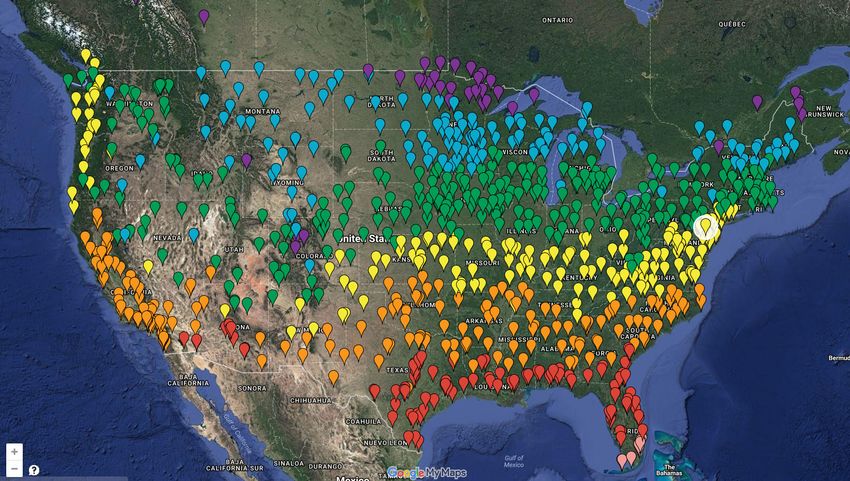
Introduction to
                      Passive House 2021
                       and Source Zero
Event Approved for
 CPHC® Continuing
 Education Credits             Earn 1 CPHC CEUs

                            Self-report at:
                     www.phius.org/cphc/self-report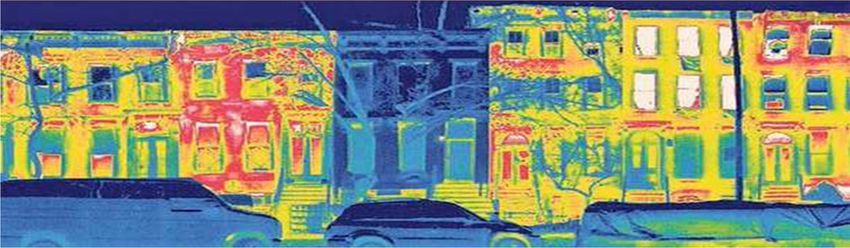
WHAT DOES PHIUS DO?

                      © PHIUS 2021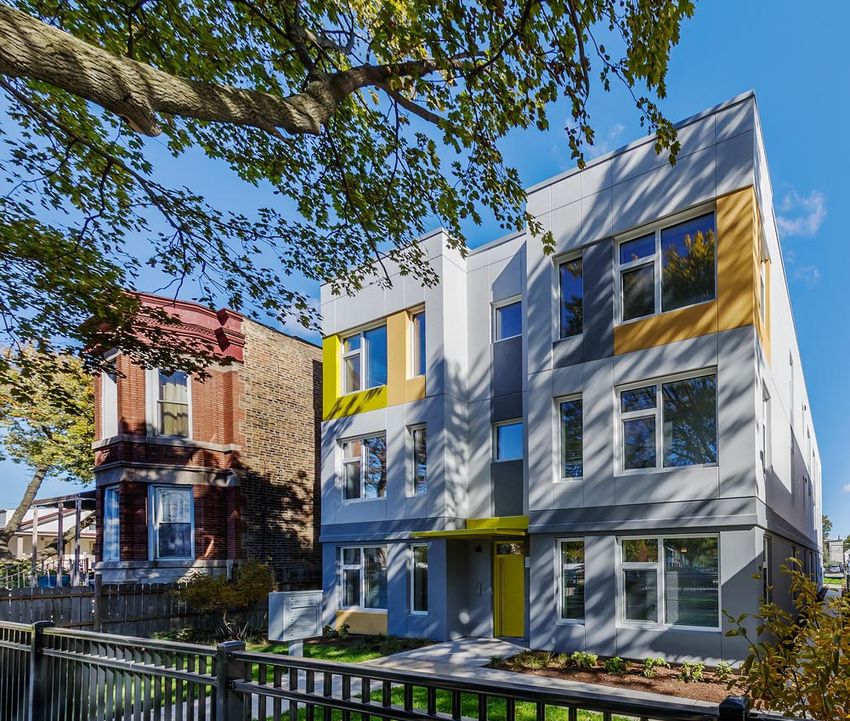
What is a passive building?

            © PHIUS 2021
What the phius passive building standard does:

Requires design for low heating/cooling loads & bills
Requires design for low (net) energy use overall
Requires quality construction

                         © PHIUS 2021
PASSIVE BUILDING STANDARDS – HISTORY
            AND EVOLUTION
                   First energy                             Minergie‐
                    reduction                               P               2015‐
                      targets                               etc.            2021
                   established
                   Canada/US:                                 2002
                                                                          PHIUS+2015/2018/
                   15% of typ.                                                   2021
        First      heating load                                               Climate &
                                        1996
    experimental                                            First
                                                                            Cost optimized
    Lo‐Cal Homes                                       project outside
                                                                            North America
          in                                           Europe to apply
                    1977‐86          Passivhaus
      Urbana IL                                            targets
                                  Standard pass/fail
                                     targets for
   1974‐76                            Germany

                                    © 2019 PHIUS
                                                           © PHIUS 2021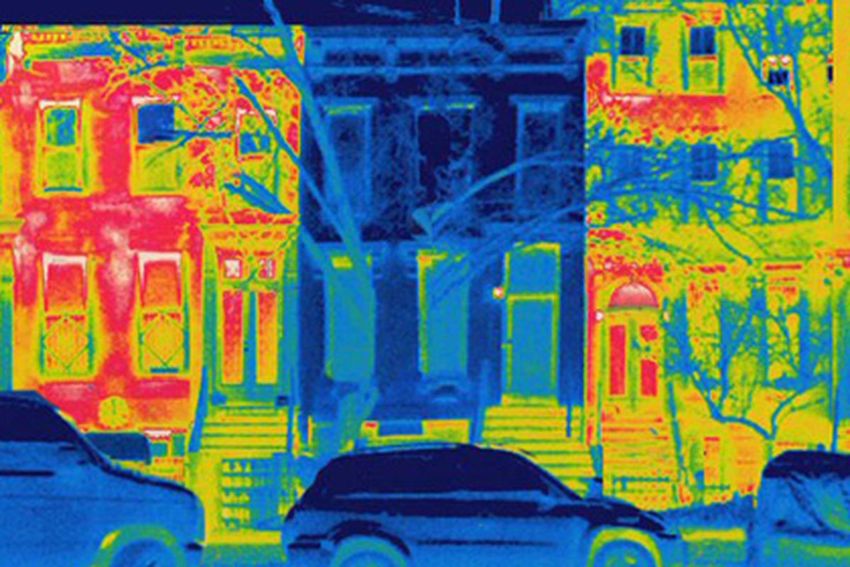
© PHIUS 2021
U.S. Department of
Energy:
HIGH PERFORMANCE
STAIRCASE

                 © PHIUS 2021
PASSIVE BUILDING PRINCIPLES
 Thermal Control   Radiation Control                    Air Control

CONTINUOUS         OPTIMIZED             AIR-TIGHT               BALANCED      MINIMIZED
 INSULATION        WINDOWS             CONSTRUCTION             VENTILATION   MECHANICAL
                    & SOLAR                                      WITH HEAT     SYSTEMS
                     GAINS                                       RECOVERY

                                         © PHIUS 2021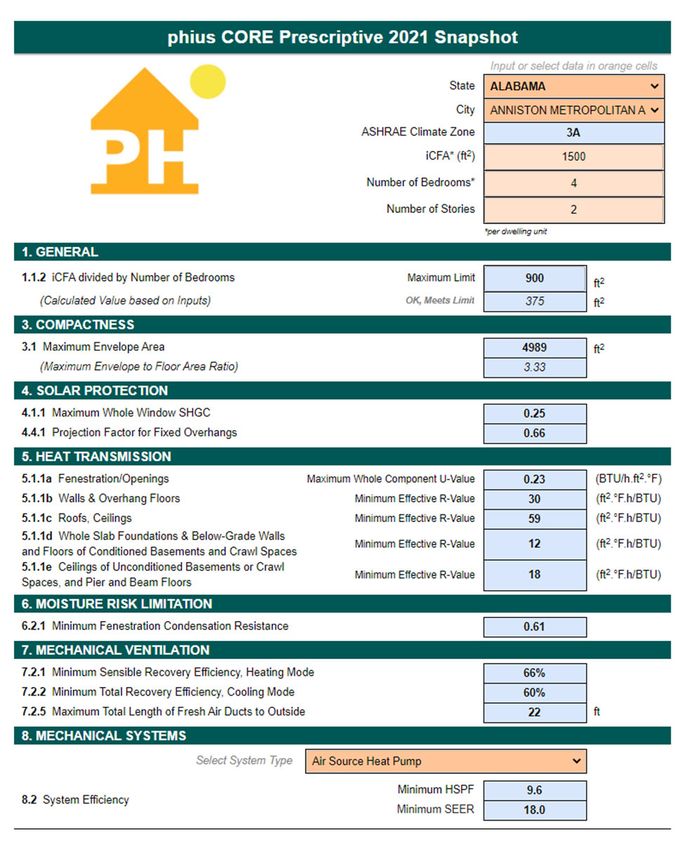
CONTINUOUS INSULATION

MINIMIZE THERMAL BRIDGING

                            © PHIUS 2021
© PHIUS 2021 MINIMIZE THERMAL BRIDGING
AIR‐TIGHTNESS

             PHIUS+ 2018 requirement:
              0.06 CFM50/ft2envelope
       for reference, 5x lower than code (IECC 2015)

              IECC 2015 requirement:
             0.31 CFM50/ft2 envelope
          (equivalent of 0.4 CFM75/ft2 envelope)

                               © PHIUS 2021
OPTIMIZED
WINDOWS
& SOLAR
GAINS
© PHIUS 2021BALANCED
VENTILATION
WITH HEAT
RECOVERY
© PHIUS 2021Controlled Ventilation vs Random Ventilation
© PHIUS 2021MINIMIZED, EFFICIENT
MECHANICAL
SYSTEMS
© PHIUS 2021How do you set targets for
investments in these passive
measures, and ensure a quality
building?
© PHIUS 2021phius 2021
A performance based
passive building
standard
with prescriptive
requirements.
© PHIUS 2021MAIN CERTIFICATION REQUIREMENTS
REQUREIEMTNS FOR ALL PHIUS CERTIFICATIONS

                                            SPACE CONDITIONING TARGETS
                                            • Based on cost optimization analysis
                                            • Vary based on climate, occupant and dwelling unit density, and envelope/floor area ratio

                                            AIR‐TIGHTNESS
                                            • 0.060 CFM50/ft2 envelope area
                                            • Required limit set based on building durability. Pass/Fail.

                                            ON‐SITE QUALITY ASSURANCE TESTING/INSPECTION
                                            • Ensure quality for elements not reflected in energy modeling
                                            • Required for all projects

                                            NET SOURCE ENERGY TARGET
      VARIES

                                            • Used instead of site energy as a better proxy for carbon emissions
                                            • Target and renewable energy offsets vary based on program version

© PHIUS 2021How low can (and should) you
go with passive measures,
i.e. when to stop?
© PHIUS 2021REQUREIEMTNS FOR ALL PHIUS CERTIFICATIONS
SPACE CONDITIONING TARGETS
• Based on cost optimization analysis
• Vary based on climate, occupant and dwelling unit density, and envelope/floor area ratio
AIR‐TIGHTNESS
• 0.060 CFM50/ft2 envelope area
• Required limit set based on building durability. Pass/Fail.
ON‐SITE QUALITY ASSURANCE TESTING/INSPECTION
• Ensure quality for elements not reflected in energy modeling
• Required for all projects
NET SOURCE ENERGY TARGET
VARIES
• Used instead of site energy as a better proxy for carbon emissions
• Target and renewable energy offsets vary based on program version
© PHIUS 2021TARGET SETTING METHODOLOGY
Setting Cost Competitive Space Conditioning Criteria
Factors:
Climate
Building Size
Occupant Density Ignore PV for space
Dwelling Unit Density conditioning targets!!
Source Energy Savings %
© PHIUS 2021Cost optimal
sweet-spot for
investment in
conservation
‐ Window selections
constrained based on comfort
‐ Air‐tightness set based on
PHIUS+ target (durability)
© PHIUS 2021SPACE CONDITIONING TARGETS
Annual Demand [kBTU/yr.ft2]: Total annual heat (or
cooling) energy that must be delivered to the space in order to
maintain a desired setpoint.
Peak Load [BTU/hr.ft2]: Space conditioning requirement
during the peak climate conditions (average over the worst 24
hours). Determines the size of the mechanical system.
© PHIUS 2021TARGETS for 1000+ CLIMATES & sliding scale for
occupant density, unit density, and building size
© PHIUS 2021SPACE CONDITIONING
TARGETS
VARY BASED ON
CLIMATE
© PHIUS 2021
BUILDING SIZE
DWELLING UNIT DENSITY
OCCUPANT DENSITYWhat is an acceptable level of air-
tightness, based on building durability?
© PHIUS 2021REQUREIEMTNS FOR ALL PHIUS CERTIFICATIONS
SPACE CONDITIONING TARGETS
• Based on cost optimization analysis
• Vary based on climate, occupant and dwelling unit density, and envelope/floor area ratio
AIR‐TIGHTNESS
• 0.060 CFM50/ft2 envelope area
• Required limit set based on building durability. Pass/Fail.
ON‐SITE QUALITY ASSURANCE TESTING/INSPECTION
• Ensure quality for elements not reflected in energy modeling
• Required for all projects
NET SOURCE ENERGY TARGET
VARIES
• Used instead of site energy as a better proxy for carbon emissions
• Target and renewable energy offsets vary based on program version
© PHIUS 2021AIR‐TIGHTNESS
Passing test results (pressurization & depressurization) required for certification.
0.060* CFM50/ft2 envelope area
0.080 CFM75/ft2 envelope area
*For buildings 5+ stories of non-combustible construction 0.080 CFM50/ft2envelope or 0.110 CFM75/ft2envelope.
© PHIUS 2021What are the other, quality-related
items that are valuable, but don’t show
up in the energy model?
© PHIUS 2021REQUREIEMTNS FOR ALL PHIUS CERTIFICATIONS
SPACE CONDITIONING TARGETS
• Based on cost optimization analysis
• Vary based on climate, occupant density, and envelope/floor area ratio
AIR‐TIGHTNESS
• 0.060 CFM50/ft2 envelope area
• Required limit set based on building durability. Pass/Fail.
ON‐SITE QUALITY ASSURANCE TESTING/INSPECTION
• Ensure quality for elements not reflected in energy modeling
• Required for all projects
NET SOURCE ENERGY TARGET
VARIES
• Used instead of site energy as a better proxy for carbon emissions
• Target and renewable energy offsets vary based on program version
© PHIUS 2021ON‐SITE QUALITY ASSURANCE
TESTING/INSPECTION
• Built on US recognized systems
(DOE, EPA IAP, RESNET)
• 3rd Party inspection process
• Multiple site visits
• Blower door testing
• Ventilation system
balancing/commissioning
• Insulation inspection/IR
Imaging
Critical for success. Provides assurance that the built product is what was planned.
© PHIUS 2021OTHER REQUIREMENTS
1. Window Comfort
2. Limited risk of condensation on windows
3. Moisture control in assemblies
4. Moisture control at unavoidable thermal bridging
© PHIUS 2021When do you with conservation
and turn to renewables to offset
Source Energy?
© PHIUS 2021REQUREIEMTNS FOR ALL PHIUS CERTIFICATIONS
SPACE CONDITIONING TARGETS
• Based on cost optimization analysis
• Vary based on climate, occupant and dwelling unit density, and envelope/floor area ratio
AIR‐TIGHTNESS
• 0.060 CFM50/ft2 envelope area
• Required limit set based on building durability. Pass/Fail.
ON‐SITE QUALITY ASSURANCE TESTING/INSPECTION
• Ensure quality for elements not reflected in energy modeling
• Required for all projects
NET SOURCE ENERGY TARGET
VARIES
• Used instead of site energy as a better proxy for carbon emissions
• Target, renewable energy offsets, and other requirements vary based on program
version
© PHIUS 2021SOURCE ENERGY
Site energy multiplied by a source energy factor based on
fuel type at a national scale:
Natural Gas: 1.1 phius
phius ZERO
(US) Grid-Electricity*: 1.8 CORE
(Canada) Grid-Electricity: 1.96
*Reflects a 2050 outlook on the
generation mix on the US electric grid.
© PHIUS 2021NET SOURCE ENERGY GOALS
phius CORE: Targeting the sweet spot for on-site conservation
phius ZERO: Targeting annual net zero operational energy
+ = 0
BASELINE phius CORE phius ZERO
© PHIUS 2021SOURCE ENERGY BUDGET
Varies by building type
Residential: Per person limit
phius CORE: (Varies) kWh/person.yr
phius ZERO: 0 kWh/person.yr
Commercial/Non-residential: Per square foot limit
*Additional allowance for process loads on case-by-case basis
phius CORE: 24.5 kBTU/ft2.yr
phius ZERO: 0 kBTU/ft2.yr
© PHIUS 2021GETTING
phius ZERO
Offsite RE
TO ZERO
with a passive building baseline
Onsite
Renewable
Energy
phius CORE
Active Conservation
Strategies
Passive Conservation Strategies
Quality, Health, Durability
© PHIUS 2021phius CORE
© PHIUS 2021© PHIUS 2021
© PHIUS 2021
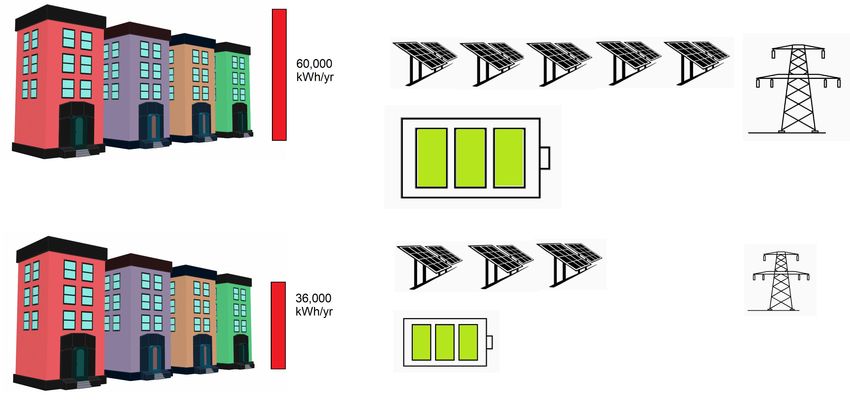
The Ripple Effect of Conservation
   Conservation means less generation, less storage, and less transmission capacity needed!

                                     © PHIUS 2021
After passive building metrics
are met, what other provisions
support building
decarbonization?
© PHIUS 2021COMBUSTION AND
ELECTRIFICATION
phius CORE – Combustion OK, BUT Electrification
Readiness required
phius CORE Prescriptive – No fossil fuel combustion allowed
phius ZERO – No fossil fuel combustion allowedElectric Vehicle Readiness
Residential requirements: Based on # of parking spaces when
parking is required (aligning with IECC 2021 proposed language & NBI Decarb Code)
Total # of Parking Minimum number of Minimum number of
Spaces EV Ready Spaces EV Capable Spaces
EV READY SPACE. A parking space
1 1 0
that is provided with dedicated
2‐10 2 0 branch circuit that meets the
11‐15 2 3 following requirements: ...
16‐19 2 4
EV CAPABLE SPACE. A parking space
21‐25 2 5
that is provided with conduit that
26+ 2 20% of total meets the following requirements: ...
Non-Residential Requirements: Pending, none at this time.PHIUS+ CERTIFICATION
© PHIUS 2021PHIUS+ PROJECT CERTIFICATION
By the numbers
7,200 UNITS | 8,000,000 SQ FT
© PHIUS 2021CERTIFICATION PROCESS –TWO PARTS
PRE-CERTIFICATION: Design Stage Review
- CPHC Submits project
- Review completed by PHIUS
- Back-and-forth feedback process WUFI® Passive modeling software
FINAL CERTIFICATION: On-Site QA/Testing
- Inspection completed by 3rd Party (PHIUS+ Rater/Verifier)
- Review of documents completed by PHIUS
- True-up final energy model to match “as-built”
© PHIUS 2021BUILDING YOUR TEAM
OR
• Required • Not Required, highly • Required
• Involved Early in Design recommended • Hired during design
• Completes Energy • Maintains quality and • Completes multiple site
Modeling oversight during visits/inspections
• Assures that project will construction
meet all requirements • Helps ensure air-tightness
during design phase target is met *Rater used for single family and low-rise multifamily
*Verifier used for non-residential and high-rise multifamily
© PHIUS 2021PERFORMANCE TARGETS MET IN ENERGY MODEL
WUFI® Passive modeling software
© PHIUS 2021VERIFY WITH WUFI PASSIVE © PHIUS 2021
QUALITY ASSURED ON-SITE

                © PHIUS 2021
93% Modeled vs Actual © Passive House Institute US
IECC 2021 vs PHIUS+
Comparison
Chicago
(Climate Zone 5A)
6‐flat Case Study

                      © PHIUS 2021
IECC 2021 vs PHIUS+ Comparison
Chicago (Climate Zone 5A) 6-flat Case Study
IECC 2021 PHIUS+ 2018
Walls R 13+5 R 20+15
Roof R 60 R 60
Slab R 10 (4 ft @ perimeter) R 20 (whole slab)
Window U Value U 0.28 U 0.16
Window SHGC 0.3 0.3
Airtightness/Infiltration 3 ACH50 0.87 ACH50 (0.060 cfm50/ft2)
Ventilation Recovery Eff 0 75%
Ventilation Strategy Exhaust Only Balanced
Heating HSPF 8.2 10
Cooling SEER 13 13
Water Heater EF 0.96 2.4
Appliances Energy Star Energy Star
Site EUI Before Renewables 21.5 kBTU/ft2.yr 16.4 kBTU/ft2.yr
Renewable Energy Production for Zero 57,865 kWh/yr 44,200 kWh/yr
© PHIUS 20216 Flat Site Energy End Use Comparison (Chicago, IL)
70,000.00
Miscellaneous
60,000.00 loads
50,000.00
24% Lighting
40,000.00 Large
30,000.00 appliances
Ventilation
20,000.00 Fans
10,000.00 Hot water
0.00 Space cooling
IECC 2021 PHIUS+ 2018
© PHIUS 2021A (new) alternate
approach for
phius CORE…
© PHIUS 2021© PHIUS 2021
SCOPE
   phius CORE Prescriptive                     LIMITATIONS

  SOLAR          AIR                HEAT       MECHANICAL
PROTECTION    TIGHTNESS         TRANSMISSION    SYSTEMS

                                                LIGHTING,
MECHANICAL                        MOISTURE
                                               APPLIANCES,
VENTILATION   COMPACTNESS           RISK
                                                  & HOT
                                 LIMITATION
                                                  WATER

                       © PHIUS 2021
phius CORE
Prescriptive
General Scope Limitations
• Single-family detached or attached
residences
• Floor Area / Bedrooms must be < 900 sf
• No fossil fuel combustion equipment
• No jetted tubs / indoor pools
• No natural draft fireplaces
© PHIUS 2021phius
CORE
Prescriptiv
e
Snapshot
(free online tool)
© PHIUS 2021UPCOMING (FREE!) WEBINAR
http://phius.wildapricot.org/event‐4114879
© PHIUS 2021RESOURCES © PHIUS 2021
UPCOMING TRAINING!

         PHASE I: ON-DEMAND                                     PHASE I: ON-DEMAND
   PHASE II: 8 LIVE 3-hour SESSIONS                      PHASE II: 8 LIVE 3-hour SESSIONS
   April 12-23, May 10-21, June 7-18                    April 6-16, May 10-20, June 21-July 1

       PHASE I: 8 Hrs. ON DEMAND
     Phase II: 3 LIVE 3-hour SESSIONS                           PHASE I: 8 Hrs. ON DEMAND
              March 22,24,26                                  Phase II: 3 LIVE 3-hour SESSIONS
*Pre-Requisite: Must be an active RESNET HERS Rater                       April 5,7,9

                                                      © PHIUS 2021
PHIUS+ Certification Guidebook
https://www.phius.org/phius‐certification‐for‐
buildings‐products/project‐certification/documents‐
for‐download
© PHIUS 2021Multifamily.PHIUS.org | Commercial.PHUS.org
© PHIUS 2021FEASIBILTY STUDY
WHAT IS IT?
A quick, preliminary energy model of your building design used
to assess the current design and it’s feasibility to achieve
PHIUS+ Certification performance targets.
Cost: ~$1000-$4000
Turnaround time: 5-10 business days
WHAT DOES IT INCLUDE?
• WUFI® Passive energy model
• WUFI® Passive report estimating preliminary annual energy use
• Target building-envelope performance values to meet PHIUS+
standards
• Energy use comparison vs. code (optional)
• 1 hour Followup call with the team to review findings
© PHIUS 2021SAMPLE FEASIBILITY STUDIES
249 unit - NYC 259 unit – Chicago, IL
Municipal Center –
Chicago, IL
Lodge - NH
Hotel –
Pittsburgh, PA
Intake Center - NYC
Recreation Center & Daycare –
Hotel – Boston, MA Chicago, IL 209 unit - NYC
© PHIUS 202170 © PHIUS 2021
CONCLUSION: RESULTS MATTER
    PHIUS+ PASSIVE BUILDING TARGETS LEAD TO:
 - MUST MEET ALL 4 TARGETS!
• LOWEST OPERATIONAL CARBON
  EMISSIONS

• LOW COST & INVESTMENT IN
  ENVELOPE/SYSTEMS

• GREAT THERMAL COMFORT

• EXCELLENT MEASURED VS MODELED
  PERFORMANCE

                              © PHIUS 2021
PASSIVE BUILDING
IS PART OF THE SOLUTION
© PHIUS 2021Introduction to
Passive House 2021
Event Approved for
and Source Zero
CPHC® Continuing Earn 1 CPHC CEUs
Education Credits
Self-report at:
www.phius.org/cphc/self-reportYou can also read


