MEDICAL UNIVERSITY
  OF THE AMERICAS
        2020 - 2022 CATALOG
←
→
Page content transcription
If your browser does not render page correctly, please read the page content below
MEDICAL UNIVERSITY
OF THE AMERICAS
2020 - 2022 CATALOG
MEDICAL UNIVERSITY OF THE AMERICAS

                                                   “INTEGRITY IN EDUCATION”

                                                           P.O. Box 701
                                                 Charlestown, Nevis, West Indies
                                          Telephone: (869) 469-9177 Fax: (869) 469-9180
                                                      Website: www.mua.edu

                                                     U.S. Information Office:
                                                       c/o R3 Education Inc.
                                                    27 Jackson Road, Suite 302
                                            Devens, Massachusetts 01434, United States
                                          Telephone: (978) 862-9500 Fax: (978) 862-9599
                                                  E-mail: admissions@mua.edu

                                                             DISCLAIMER
The information in this catalog is subject to change. Such changes may be without notice. Potential students should not consider this catalog
                   to represent a contract between Medical University of the Americas (MUA) and an entering student.

      MUA disclaims any misrepresentation that may have occurred as a result of errors in preparation or typesetting of the catalog.

                                                                     ii
SABA UNIVERSITY SCHOOL OF MEDICINE
   TABLE OF CONTENTS

                                                                                                            CONTENTS
WELCOME................................................ 1      Clinical Medicine Clerkships                            FINANCIAL INFORMATION .....................29
  Mission Statement                                            Elective Clinical Rotations                              Tuition and Fees
  History                                                      Hospital Affiliations                                    Tuition Payment Policies
  Recognition, Approvals                                       Doctor of Medicine                                       Tuition Refund
  and Accreditation                                            Graduation Requirements                                  Late Fees
  The Island of Nevis                                          National Resident Matching Program                       Deferment Fee
  Goals and Objectives                                                                                                  Foreign Check Policy
                                                             BACHELOR OF HEALTH SCIENCE ........... 22
ACADEMIC CALENDAR.............................. 4              Educational Requirements                                 Financial Aid Information
                                                               General Requirements                                     Canadian Student Loans
ADMISSION.............................................. 7
  Education Requirements                                       Core Requirements
                                                                                                                       LIVING ON NEVIS ................................... 32
  Admission Process                                                                                                     Nevis Facts at a Glance
                                                             ACADEMIC POLICIES ............................. 23
  Required Documents for Applying                              Honor Code of Professional Conduct                       Airlines Serving St. Kitts-Nevis
  MCAT Requirement                                             Attendance                                               Language and Currency
  Provisional Acceptance                                       Withdrawal                                               Hospital
  Re-Application                                               Leave of Absence                                         Driving and Public Transportation
  International Applicants                                     Grievance and Appeals Process                            Utilities
  Applicants with Advanced Degrees                             Academic Guidelines and                                  Accommodations
  Visiting the Campus                                          Grading Policy                                           Immigration Requirements
  Student Orientation                                          Office of the Registrar                                  Communications
  Transfer Applicants and                                      Transcript Requests                                      Shipping
  Advanced Standing                                            Student Promotions Committee                             Banking
  Deferred Enrollment                                          Dismissal                                                Pets
                                                               Educational Commission for Foreign Medical               Schools
CAMPUS ................................................ 12     Graduates (ECFMG)
                                                                                                                        Churches
GATEWAY MEDICAL PROGRAM ............... 13                     Ceremonies
  Admission Requirements                                       Academic Recognition and Awards                         ADMINISTRATION AND FACULTY ............ 34
  Matriculation to the M.D. Program                            Student Responsibilities 		                              Administration
                                                                                                                        Faculty
BASIC SCIENCES CURRICULUM ............ 14                    STUDENT LIFE ....................................... 27
  Basic Sciences Curriculum                                    Dress Requirements
  Basic Sciences Course Descriptions                           MUA Dormitories
  Required Equipment and Materials                             Off-Campus Housing
                                                               Meal Plan
CLINICAL MEDICINE CURRICULUM ....... 19
                                                               Smoke-Free Environment Policy
  Requirements for Clinical Placement
                                                               Substance Abuse
  Research: Literature Review & Analysis
                                                               Student Organizations
  Clinical Placement
HIPPOCRATIC OATH

                       I swear to fulfill, to the best of my ability and judgment, this covenant:

                I will respect the hard-won scientific gains of those physicians in whose steps I walk,
                       and gladly share such knowledge as is mine with those who are to follow.

                      I will apply, for the benefit of the sick, all measures [that] are required,
                       avoiding those twin traps of overtreatment and therapeutic nihilism.

                        I will remember that there is art to medicine as well as science,
     and that warmth, sympathy, and understanding may outweigh the surgeon’s knife or the chemist’s drug.

                  I will not be ashamed to say “I know not,” nor will I fail to call in my colleagues
                            when the skills of another are needed for a patient’s recovery.

  I will respect the privacy of my patients, for their problems are not disclosed to me that the world may know.
  Most especially must I tread with care in matters of life and death. If it is given to me to save a life, all thanks.
But it may also be within my power to take a life; this awesome responsibility must be faced with great humbleness
                        and awareness of my own frailty. Above all, I must not play at God.

         I will remember that I do not treat a fever chart, a cancerous growth, but a sick human being,
    whose illness may affect the person’s family and economic stability. My responsibility includes these related
                                  problems, if I am to care adequately for the sick.

                     I will prevent disease whenever I can, for prevention is preferable to cure.

    I will remember that I remain a member of society, with special obligations to all my fellow human beings,
                              those sound of mind and body as well as the infirm.

    If I do not violate this oath, may I enjoy life and art, respected while I live and remembered with affection
                   thereafter. May I always act so as to preserve the finest traditions of my calling
                         and may I long experience the joy of healing those who seek my help.
WELCOME

By focusing on key fundamentals—excellent faculty, small class sizes, a modern campus, a wide range of clinical affiliations
and a cost-effective tuition—Medical University of the Americas (MUA) has enjoyed more than a decade of rapid growth
and achievement.

MUA was founded in 1998 by a group of educators who were active in international
medical education. Since the seating of the first class, more than 900 physicians have
earned their M.D. at MUA.                                                                           The Board of Trustees for
                                                                                                    the Medical University of the
Medical University of the Americas is proud of its track record:                                    Americas wishes to express
   • Residency placement rates.                                                                     its profound gratitude to
                                                                                                    the Government of St.
   • USMLE licensing exam performance.
                                                                                                    Christopher (St. Kitts)-
   • Recognition by key medical licensing authorities of the quality of an MUA education.           Nevis, as well as the Nevis
Medical education, globally, now emphasizes greater integration between the basic                   Island Administration for
and clinical sciences portions of the medical school curriculum. At MUA, case-based                 their overwhelming support
learning and clinical skills development are a prominent part of the Basic Sciences                 and assistance in the
curriculum. Learning objectives are fully integrated across all courses. This gives students        continued development of
the opportunity to maintain perspective on critical learning objectives and enables                 the university.
faculty to evaluate students based on patient-centered competencies, rather than just
their medical knowledge.

In addition to integrating more clinical experience into the first five semesters, MUA is also focused on extending its wide
range of affiliations with teaching hospitals in the U.S. and Canada where our students complete their clinical rotations.

MUA continually invests in its campus and is committed to implementing the latest instructional technologies and
information systems. Recent years have seen significant campus expansion, including new buildings and the addition
of faculty and administrative resources.

                                                              1
MISSION STATEMENT
            MEDICAL UNIVERSITY OF THE AMERICAS
                    MISSION STATEMENT
 To provide students of diverse backgrounds with the opportunity to acquire the medical and clinical
 expertise needed for a successful career as a practicing clinician, along with the skills and confidence
 needed to critically evaluate and apply new information.
 In order to fulfill its mission, the university’s program is structured around certain ideals which
 embody its view of the essential qualities of today’s practicing physician. These ideals are defined in the
 six competencies adopted by the university and summarized below:

    1. Patient Care: Students must be able to provide patient care that is compassionate, appropriate,
       and effective for the treatment of illness and the promotion of health.
    2. Scientific & Medical Knowledge: Students must demonstrate knowledge about established and
       evolving biomedical, clinical, and associated sciences and application of this knowledge to the
       practice of medicine throughout the life cycle.
    3. Lifelong Learning, Scholarship, & Collaboration: Students must be able to examine and
       evaluate their patient care practices, appraise and assimilate scientific evidence, and use this
       information to improve their abilities.
    4. Professionalism: Students must demonstrate a commitment to the highest standards of
       professional responsibility, adherence to ethical principles, and sensitivity in all interactions
       with patients, families, colleagues, and others with whom physicians must interact in their
       professional lives.
    5. Communication & Interpersonal Skills: Students must display interpersonal and
       communication skills that foster effective information exchange and build rapport with patients,
       their families, and professional associates.
    6. Social & Community Context of Healthcare: Students must demonstrate knowledge of and
       responsiveness to the larger context of health care and the ability to effectively call on system
       resources to provide care that is of optimal value to the health of the individual and of the
       community.

                                                     2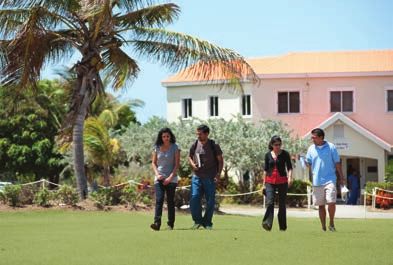
HISTORY                                                             RECOGNITION, APPROVALS
After extensive research and collaboration with medical             AND ACCREDITATION
educators from the United States and abroad, MUA was                MUA is accredited by the St. Kitts and Nevis Accreditation
established to provide a comprehensive program leading to           Board and graduates are eligible for licensure within the
the Doctor of Medicine (M.D.) degree.                               federation. MUA is also accredited by the Accreditation
                                                                    Commission on Colleges of Medicine (ACCM). The
MUA is approved and chartered by the Government of St.
                                                                    ACCM, Nevis’ accrediting body, undertook its accreditation
Christopher (St. Kitts)-Nevis. Since its inception in 1998,
                                                                    process for MUA in 2009. The ACCM initially granted
MUA, in close collaboration with the Government of
                                                                    MUA accreditation on June 30, 2010 for a period of six
Nevis, has continued to develop into a dynamic, successful
                                                                    years (the longest period available under the ACCM
medical school that stresses quality and integrity. The
                                                                    protocols). Contact details for the ACCM are: ACCM
cooperative relationship with the local government and
                                                                    Secretariat, 131 Belmont, Southern Cross Road, Bray,
health authorities, and the rapid expansion of the physical
                                                                    Co Wicklow, Ireland, Phone: +353 872388502, www.
campus, has produced an excellent learning environment
                                                                    accredmed.org.
for completion of the M.D. degree.
                                                                    In 2012, the United States Department of Education
MUA’s 10-acre campus is located on what was once a                  determined that Nevis’ accreditation standards are
sugar plantation and enjoys a constant breeze along                 comparable to those set by the Liaison Committee on
with breathtaking views of the ocean and surrounding                Medical Education (LCME) to accredit medical schools
mountains. The physical structure has expanded step                 in the United States and Canada.
by step with the completion of a laboratory building
(containing the anatomy, histology and microbiology labs)           The Doctor of Medicine (M.D.) program at the Medical
and a two-story library with extensive learning resources.          University of the Americas is listed in the latest
A multipurpose complex with on-site health care clinics,            International Medical Education Directory (IMED).1 The
a computer testing center, as well as additional classrooms         Educational Commission for Foreign Medical Graduates
and faculty office space, was added in 2009. The campus             (ECFMG) has declared that students from MUA are
also boasts on-site recreation for students with tennis             eligible to take the United States Medical Licensing Exam
courts, a basketball court and a fitness center. While              (USMLE), which is required for residency and medical
preclinical and clinical enrollment has grown, MUA has              licensure in the United States.
maintained its focus on faculty accessibility and small class       The New York State Education Department/State Board
sizes. This strong academic environment has produced high           for Medicine approved MUA in 2006 for clerkships and
USMLE passing rates and excellent residency placement.              residencies in the State of New York.
                                                                    Medical University of the Americas is licensed by
THE ISLAND OF NEVIS                                                 the Commission for Independent Education, Florida
Nevis is located in the eastern Caribbean, 2 miles from St.         Department of Education. Additional information may be
Kitts and easily reached by air via connecting flights from         obtained by contacting the Commission at 325 West Gaines
San Juan, Antigua, St. Maarten or St. Kitts. Nevis, also            Street, Suite 1414, Tallahassee, FL 32399-0400, toll-free
called the “Paradise Island,” is 36 square miles in area            telephone number (888) 224-6684.
with a population of approximately 12,000. It is a safe
                                                                    Medical University of the Americas is recognized by the
island, conducive to study, family life and recreation.
                                                                    Medical Board of California.
Much of Nevis slopes gently down from a 3,000-foot
                                                                    1 Published by the Foundation for Advancement in International Medical Education and
mountain peak to the palm-fringed, silver sand beaches,             Research (FAIMER) in partnership with the Educational Commission for Foreign Medical
                                                                    Graduates (ECFMG).
coconut groves and turquoise sea. Nevis has a pleasant
year-round climate with an average temperature of 79
degrees. Humidity is low and constant northeast trade
winds keep the island cool. Although there is no defined
rainy season, the average annual rainfall is 55 inches.
The capital of Nevis is Charlestown. The twin-island
federation of St. Christopher (St. Kitts)-Nevis gained its
independence from the United Kingdom in 1983, but
still remains a member of the British Commonwealth.
                                                                3
ACADEMIC CALENDAR
                                                              FOR 2020–2022
JANUARY SEMESTER 2018                                         MAY SEMESTER 2019
Orientation & Registration            January 8, 2018         Orientation & Registration                May 6, 2019
Classes Begin                         January 9, 2018         Classes Begin                             May 7, 2019
MD Graduation                         January 5, 2018         MD Graduation                           May 17, 2019
MD Graduation                         March 16, 2018          MD Commencement Ceremony                          TBD
Tuition Due for Next Semester             April 1, 2018       Tuition Due for Next Semester         August 1, 2019
Last Day of Classes                     April 17, 2018        Last Day of Classes                  August 13, 2019
Basic Science Awards Ceremony           April 19, 2018        Basic Science Awards Ceremony        August 15, 2019
Reading Day and Final Exams         April 18–20, 2018         Reading Day & Final Exams         August 14–16, 2019

MAY SEMESTER 2018                                             SEPTEMBER SEMESTER 2019
Orientation & Registration               May 7, 2018          Orientation & Registration          September 2, 2019
Classes Begin                            May 8, 2018          Classes Begin                       September 3, 2019
MD Graduation                           May 18, 2018          MD Graduation                       September 6, 2019
MD Commencement Ceremony                         TBD          Tuition Due for Next Semester        December 1, 2019
Tuition Due for Next Semester         August 1, 2018          Last Day of Classes                December 10, 2019
Last Day of Classes                  August 14, 2018          Basic Science Awards Ceremony      December 12, 2019
Basic Science Awards Ceremony        August 16, 2018          Reading Day and Final Exams     December 11–13, 2019
Reading Day & Final Exams         August 15–17, 2018
                                                              JANUARY SEMESTER 2020
SEPTEMBER SEMESTER 2018                                       First Day of Enrollment               January 6, 2020
Orientation & Registration          September 3, 2018         Orientation & Registration            January 6, 2020
Classes Begin                       September 4, 2018         Classes Begin                         January 7, 2020
MD Graduation                       September 7, 2018         MD Graduation – no ceremony          January 10, 2020
Tuition Due for Next Semester        December 1, 2018         MD Graduation – no ceremony           March 13, 2020
Last Day of Classes                December 11, 2018          Tuition Due for Next Semester             April 1, 2020
Basic Science Awards Ceremony      December 13, 2018          Last Day of Classes                     April 15, 2020
Reading Day and Final Exams     December 12–14, 2018          Basic Science Awards Ceremony           April 16, 2020
                                                              Reading Day and Final Exams         April 15–17, 2020
JANUARY SEMESTER 2019
Orientation & Registration            January 7, 2019         MAY SEMESTER 2020
Classes Begin                         January 8, 2019         First Day of Enrollment                   May 4, 2020
MD Graduation                         January 4, 2019         Orientation & Registration                May 4, 2020
MD Graduation                         March 15, 2019          Classes Begin                             May 5, 2020
Tuition Due for Next Semester             April 1, 2019       MD Graduation                           May 22, 2020
Last Day of Classes                     April 16, 2019        Commencement                                      TBD
Basic Science Awards Ceremony           April 18, 2019        Tuition Due for Next Semester         August 1, 2020
Reading Day and Final Exams         April 17–19, 2019         Last Day of Classes                  August 12, 2020
                                                              Basic Science Awards Ceremony        August 13, 2020
                                                              Reading Day and Final Exams       August 12–14, 2020

                                                          4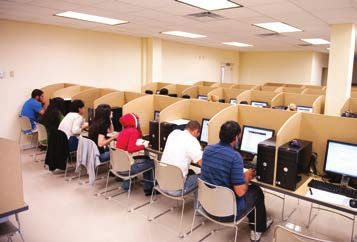
September 2020                                            January 2021
Orientation & Registration             31/08/2020         Orientation & Registration               04/01/2021
Classes Begin                          01/09/2020         Classes Begin                            05/01/2021
MD Graduation                          04/09/2020         MD Graduation                            08/01/2021
Tuition Due for Next Semester          01/12/2020         MD Graduation                            19/03/2021
Last Day of Classes                    08/12/2020         Tuition Due for Next Semester            01/04/2021
Basic Science Awards Ceremony          10/12/2020         Last Day of Classes                      13/04/2021
Reading Day and Final Exams     December 9-11/2020        Basic Science Awards Ceremony            15/04/2021
                                                          Reading Day and Final Exams        April 14-16, 2021

May 2021                                                  September 2021
Orientation & Registration              03/05/2021        Orientation & Registration              30/08/2021
Classes Begin                           04/05/2021        Classes Begin                           31/08/2021
MD Graduation                           14/05/2021        MD Graduation                           03/09/2021
MD Commencement Ceremony                       TBD        Tuition Due for Next Semester           01/12/2021
Tuition Due for Next Semester           01/08/2021        Last Day of Classes                     07/12/2021
Last Day of Classes                     10/08/2021        Basic Science Awards Ceremony           09/12/2021
Basic Science Awards Ceremony    12/08/2021 August        Reading Day and Final Exams     December 8-10, 2021
Reading Day & Final Exams              11-13, 2021

January 2022                                              May 2022
Orientation & Registration                                Orientation & Registration              02/05/2022
Classes Begin                           03/01/2022        Classes Begin                           03/05/2022
MD Graduation                           04/01/2022        MD Graduation                           20/05/2022
MD Graduation                           07/01/2022        MD Commencement Ceremony                        TBD
Tuition Due for Next Semester           18/03/2022        Tuition Due for Next Semester           01/08/2022
Last Day of Classes                     01/04/2022        Last Day of Classes                     10/08/2022
Basic Science Awards Ceremony           13/04/2022        Basic Science Awards Ceremony           11/08/2022
Reading Day and Final Exams             14/04/2022        Reading Day & Final Exams        August 10-12, 2022
                                  April 13-15, 2022

September 2022                                            January 2023
Orientation & Registration             29/08/2022         Orientation & Registration               02/01/2023
Classes Begin                          30/08/2022         Classes Begin                            03/01/2023
MD Graduation                          02/09/2022         MD Graduation                            06/01/2023
Tuition Due for Next Semester          01/12/2022         MD Graduation                            17/03/2023
Last Day of Classes                    07/12/2022         Tuition Due for Next Semester            01/04/2023
Basic Science Awards Ceremony          08/12/2022         Last Day of Classes                      12/04/2023
Reading Day and Final Exams     December 7-9, 2022        Basic Science Awards Ceremony            13/04/2023
                                                          Reading Day and Final Exams        April 12-14, 2023

                                                      5
May 2023                                                    September 2023
Orientation & Registration               01/05/2023         Orientation & Registration               28/08/2023
Classes Begin                            02/05/2023         Classes Begin                            29/08/2023
MD Graduation                            19/05/2023         MD Graduation                            01/09/2023
MD Commencement Ceremony                         TBD        Tuition Due for Next Semester            01/12/2023
Tuition Due for Next Semester            01/08/2023         Last Day of Classes                      06/12/2023
Last Day of Classes                      09/08/2023         Basic Science Awards Ceremony            07/12/2023
Basic Science Awards Ceremony            10/08/2023         Reading Day and Final Exams       December 6-8, 2023
Reading Day & Final Exams          August 9-11, 2023

January 2024                                                May 2024
Orientation & Registration                01/01/2024        Orientation & Registration               29/04/2024
Classes Begin                             02/01/2024        Classes Begin                            30/04/2024
MD Graduation                             05/01/2024        MD Graduation                            17/05/2024
MD Graduation                             15/03/2024        MD Commencement Ceremony                         TBD
Tuition Due for Next Semester             01/04/2024        Tuition Due for Next Semester            01/08/2024
Last Day of Classes                       10/04/2024        Last Day of Classes                      07/08/2024
Basic Science Awards Ceremony             11/04/2024        Basic Science Awards Ceremony            08/08/2024
Reading Day and Final Exams         April 10-12, 2024       Reading Day & Final Exams           August 7-9, 2024

September 2024                                              January 2025
Orientation & Registration               02/09/2024         Orientation & Registration                06/01/2025
Classes Begin                            03/09/2024         Classes Begin                             07/01/2025
MD Graduation                            06/09/2024         MD Graduation                             10/01/2025
Tuition Due for Next Semester            01/12/2024         MD Graduation                             14/03/2025
Last Day of Classes                      11/12/2024         Tuition Due for Next Semester             01/04/2025
Basic Science Awards Ceremony            12/12/2024         Last Day of Classes                       16/04/2025
Reading Day and Final Exams     December 11-13, 2024        Basic Science Awards Ceremony             17/04/2025
                                                            Reading Day and Final Exams         April 16-18, 2025
May 2025
Orientation & Registration                                  September 2025
Classes Begin                            05/05/2025         Orientation & Registration               01/09/2025
MD Graduation                            06/05/2025         Classes Begin                            02/09/2025
MD Commencement Ceremony                 23/05/2025         MD Graduation                            05/09/2025
Tuition Due for Next Semester                    TBD        Tuition Due for Next Semester            01/12/2025
Last Day of Classes                      01/08/2025         Last Day of Classes                      10/12/2025
Basic Science Awards Ceremony            13/08/2025         Basic Science Awards Ceremony            11/12/2025
Reading Day & Final Exams                14/08/2025         Reading Day and Final Exams     December 10-12, 2025
                                  August 13-15, 2025

January 2026                                                May 2026
Orientation & Registration                05/01/2026        Orientation & Registration               04/05/2026
Classes Begin                             06/01/2026        Classes Begin                            05/05/2026
MD Graduation                             09/01/2026        MD Graduation                            22/05/2026
MD Graduation                             20/03/2026        MD Commencement Ceremony                         TBD
Tuition Due for Next Semester             01/04/2026        Tuition Due for Next Semester            01/08/2026
Last Day of Classes                       15/04/2026        Last Day of Classes                      12/08/2026
Basic Science Awards Ceremony             16/04/2026        Basic Science Awards Ceremony            13/08/2026
Reading Day and Final Exams         April 15-17, 2026       Reading Day & Final Exams         August 12-14, 2026

September 2026
Orientation & Registration               31/08/2026
Classes Begin                            01/09/2026
MD Graduation                            04/09/2026
Tuition Due for Next Semester            01/12/2026
 Last Day of Classes                     09/12/2026
Basic Science Awards Ceremony            10/12/2026
Reading Day and Final Exams      December 9-11, 2026    6
ADMISSION
Medical University of the Americas data, and perform in a reasonably or if the student is registered, dismiss
encourages applications from students independent manner. MUA accepts the student.
who are dedicated, enthusiastic, students from wide educational and
and well suited for the rigorous geographic backgrounds, with the Students or graduates of any
study of medicine. Prospective belief that such a diverse student body accredited college or university in
students must have a solid pre- can only enrich the overall educational the world are invited to apply to
medical undergraduate education experience. MUA. Applicants from the United
incorporating appropriate science States (who are U.S. citizens or have
courses. Students are also expected Applicants are accepted based upon the permanent visas) or Canada are
to have a mature sense of values and presumption that all of their statements, expected to have a minimum of three
sound goals for pursuing a career in both oral and written, are true and years of undergraduate studies or the
medicine. Once enrolled at MUA, each that all documents are authentic. If it is equivalent of 90 semester hours or 135
student must be able to integrate all later discovered that false or inaccurate quarter hours, including pre-medical
information received, demonstrate the information was submitted, MUA may requirements from an accredited
ability to learn, analyze and synthesize nullify acceptance into the program, college or university.
NOTE: MUA’s program of study is principally designed to meet the guidelines for medical education set forth by the LCME. Students whose anticipated or preferred career path is subject to other
guidelines or requirements should carefully consider whether MUA’s program would satisfy those other requirements.
IMPORTANT NOTICE TO NON-U.S AND NON-CANADIAN STUDENTS: In order to complete the program in medicine, students from outside the U.S. and Canada may need to obtain certain visas in
order to undertake all or a portion of the requisite clinical training in affiliated hospitals in the U.S. and Canada. Additionally, all students from outside the U.S. and Canada will need certain
visas to take one or more segments of the USMLE exams in the U.S. These visas are solely the student’s responsibility to obtain. Medical University of the Americas understands that as a result
of policies or practices adopted by the U.S. State Department, a number of medical students from outside the U.S. and Canada have been unable to obtain the required visas. Students from
outside the U.S. and Canada who are unable to obtain the necessary visas will not be able to complete the school’s degree program. In such a case, no refund of tuition or other expenses
incurred in connection with his or her attendance at MUA will be made.
7EDUCATION REQUIREMENTS
The following courses are considered standard pre-medical Course Length of Study Credits
requirements for admission. Exceptions will be considered General Biology or
on an individual basis. Zoology One academic year 6+ credits
Inorganic Chemistry
Biology: A one-year general biology or zoology course (with lab) One academic year 6+ credits
with a laboratory component. Students who elect to pursue Organic Chemistry
additional coursework in the biological sciences should (with lab) One academic year 6+ credits
consider genetics, embryology, cell and molecular biology, English
or comparative anatomy. (recommended) One academic year 6+ credits
Physics
Chemistry: One year of inorganic chemistry and one year of (recommended) One academic year 6+ credits
organic chemistry with laboratory component. Biochemistry Mathematics
can be considered an option for Organic Chemistry. (recommended) One academic year 6+ credits
Other A broad background in
English: One year of college-level English literature or humanities, social
composition. Applicants must demonstrate proficiency in or physical sciences,
writing, reading and oral communication. and computer skills
8ADMISSION PROCESS REQUIRED DOCUMENTS FOR
MUA operates on a trimester system and admits a limited APPLYING
number of students for the January, May, and September The following documents are required to complete the
semesters. Prospective students may apply for admission application process:
to MUA at any time throughout the year. Applicants are
encouraged to submit their application and supporting • Completed application form along with a personal
documents early (generally six to eight months in advance). statement.
Since the number of students in each class is limited, early • Application fee of US$75.00.
applicants have a better chance of securing a place in the • Official transcript(s) sent directly from each college/
semester of choice. university attended.
Completed applications are reviewed and evaluated within • MCAT official report (MCAT scores are required for
two weeks by the Pre-Screening Committee. Qualified all U.S. citizens, nationals or permanent residents prior
applicants will be scheduled for a telephone or an in-person to matriculation).
interview. • Two letters of recommendation (at least one should
be from an individual capable of assessing the
The Admissions Committee will evaluate the candidate’s applicant’s academic ability), or a Pre-medical advisor’s
potential based upon the following criteria: committee report.
1. Intellectual and academic ability. • TOEFL scores, official report if applicable.
2. Communication skills, both oral and written. • Two passport-size (2” x 2”), color photographs.
3. Goals for entering the medical field. These additional documents are required once admission
has been granted:
4. Letters of recommendation and personal statement.
5. Knowledge of international medical education. • Health certificate/immunization form to include:
MMR, diphtheria, tetanus, polio, hepatitis B, and
6. Special talents, hobbies, interests and international
tuberculin.
travel.
• Negative HIV test within six months (requirement of
7. Personal qualities such as spontaneity, enthusiasm,
the Government of St. Christopher-Nevis).
motivation, perseverance and sound judgment.
• Police report or letter of clearance from the applicant’s
8. Willingness to work as a team member, function
local police department.
effectively under stress and display flexibility.
• Four passport photographs.
9. Community service and leadership skills.
• Completed dormitory form.
10. Volunteer experience, work or research in the
medical field. • Valid passport.
Decisions regarding admission are made within ten business
days. All interviewed applicants will receive a final decision
in writing. Upon receiving a letter of acceptance, students
will be required to acknowledge their candidacy within 30
days by submitting a signed registration form along with a
nonrefundable tuition deposit of US$500. The tuition deposit
will be credited toward tuition once the student matriculates.
9MCAT INTERNATIONAL APPLICANTS
REQUIREMENT APPLICANTS WITH ADVANCED
The MCAT is requested of North The Admissions Committee actively DEGREES
American resident students. Admitted seeks to enhance the international Medical University of the Americas
students are to submit their test representation of its student body encourages applications from
results prior to enrolling into MUA. and therefore takes into account the individuals who hold advanced,
The Admissions Committee at MUA variety of academic and scholastic graduate, or doctoral degrees in the
will use MCAT scores to assist in the differences that exist throughout other basic science areas. Each applicant will
admissions decision, but does not countries of the world. Students from be evaluated on an individual basis.
base decisions solely on MCAT scores. all countries can be assured equal
There is no minimum score below consideration for admission to MUA.
which an application is automatically
TRANSFER
rejected. Applicants from countries with APPLICANTS
The MCAT is offered online multiple
educational standards similar to
the U.S. will be evaluated by the
AND ADVANCED
times per year. Information on the Admissions Committee. Each STANDING
MCAT testing dates is available at applicant, in general, should meet MUA does not support M.D. programs
www.aamc.org. the educational requirements for that do not reflect a solid foundation
admission to a medical school in their of traditional medical education.
Application for the test must be made country of origin. Students who have Therefore, MUA will not accept
approximately one month prior to the attended institutions outside the U.S. any transfer credits earned through
designated testing date. If using the and Canada and whose transcripts distance learning.
MCAT (THx) system, please use the are not in English must obtain an
school name. MCAT scores must be interpretation in U.S. equivalency from Programs of this nature may seriously
submitted to the Admissions Office in a translation service. Students who jeopardize a student’s potential
Devens, Massachusetts. have attended a college or university for medical licensure in the U.S.,
outside the U.S. or Canada are Canada, and other countries. MUA
PROVISIONAL required to obtain a course-by-course does not offer advanced standing to
ACCEPTANCE evaluation of their transcript through students for courses taken in Doctor
the World Education Services (www. of Chiropractic, Physician Assistant,
Applicants who have not met all of wes.org) or from other accredited Podiatry, or Doctor of Dentistry
the admission requirements may be agencies that are members of the degree programs.
provisionally accepted. However, if National Association of Credential
the requirements stipulated in the Students with unsatisfactory records or
Evaluation Services (www.naces.org).
provisional letter of acceptance have dismissal for any reason from another
not been successfully fulfilled, the Since English is the language of medical school will not be considered
applicant will not be permitted to instruction at MUA, it is important for advanced standing. Acceptance is
register for classes. that applicants be prepared contingent upon the recommendation
academically to pursue the curriculum of the Admissions Committee on the
RE-APPLICATION and be able to communicate effectively. basis of space availability within the
class. Basic Sciences transfer applicants
Applicants whose principal language
Application materials are maintained is not English may be required to may be accepted to the second, third,
on file for one year, after which take the Test of English as a Foreign or fourth semester.
students must re-apply for admission. Language (TOEFL).
Unsuccessful candidates may re-apply Transfer students are admitted on a
by submitting a new application form, space-available basis into the Basic
a US$75 application fee, an updated Sciences portion of the program.
personal statement and updated Transfer credits are only accepted from
transcripts when applicable. schools listed by the World Health
Organization (or successor).
10Transfer applicants must submit the
following documents:
DEFERRED
ENROLLMENT STUDENT ORIENTATION
1. Official transcript(s) sent directly Attendance at the student orientation is
from the current institution, and Students who have already secured required for all new incoming students.
all colleges/universities attended. placement by paying their tuition The orientation session is conducted on
deposit may request to defer their the day before the first day of class. During
2. Verification that the student was orientation, incoming students will officially
enrollment to a future semester.
a registered medical student and register for classes, submit documents
coursework was taken while the Deferment requests will be considered required for temporary residence, tour the
student was “in residence.” on a case-by-case basis. Deferments campus, meet the deans and faculty, and
will be granted only if space is available learn about MUA policies and procedures.
3. Students who wish to transfer
in the requested semester. Students
directly into the Clinical
Medicine program will be requesting to defer their date of
required to: enrollment must submit a Deferment
Application along with a US$500 VISITING THE CAMPUS
a) Provide documentation that
nonrefundable deferment fee to the MUA maintains an open-door policy and
they have successfully passed the encourages students and their families
Admissions Department. If approved,
USMLE Step 1 with a score of to visit the campus on Nevis. Visiting
200 or better. the tuition deposit and the deferment the campus will allow students to meet
fee will be credited toward the first current students and faculty, tour the
b) Schedule a personal interview semester’s tuition. Only one deferment campus facilities, sit in on classes and
with the Associate Dean of visit the dormitories. To avoid arriving
request will be honored.
Clinical Medicine. during semester breaks and exam periods,
please contact the campus Administration
In the event the student is still unable
Office
to attend the deferred semester, (869-469-9177) for assistance in schedul-
s/he will forfeit their tuition deposit ing your visit.
and deferment fee and be required to
reapply for admission.
11CAMPUS
Located on 10 acres of land generously
provided by the Government of
pathology laboratories provide
each student with a medical-quality
LORRAINE HANLEY
St. Christopher-Nevis, the Medical binocular microscope and prepared BROWNE MEDICAL
University of the Americas Basic slides. Faculty has access to dual- LIBRARY
Sciences campus is situated on the binocular and trinocular microscopes
The Lorraine Hanley Browne Medical
eastern side of Nevis, overlooking to facilitate student learning.
Library is a two-story 10,000 square
the Atlantic Ocean, three miles from
The cafeteria on campus is open to foot facility that houses computer
Newcastle airport and one mile from
all students, faculty, and staff from terminals, individual-study carrels
Nisbet Plantation Beach.
7:00 AM to 5:00 PM. Services include with monitors and videotape
Currently, the MUA campus consists breakfast, lunch, and snacks, with food recorders. In addition, students have
of an administration building, prices subsidized by MUA. access to an extensive selection of
classroom buildings, a student journals and textbooks, as well as
cafeteria, a multipurpose building with Recreational facilities on campus extensive access to on-line medical
gross anatomy, microbiology, histology include two tennis courts, a basketball journals and resources. The Learning
and pathology laboratories, as well as court, a volleyball court, a children’s Resource Center (LRC) also contains
a medical reference library with free play area and a fitness center. printed USMLE reference material so
wireless Internet access. The teaching that students can start preparing for
microbiology lab includes a wet lab their board exams throughout their
and facilities for incubating and Basic Sciences program.
evaluating microbiological cultures.
A 38,500 square foot building
was completed in 2009 and houses
additional classrooms, administrative
and faculty offices, laboratories,
meeting rooms, a clinic, a general
function room and a fitness center.
All classrooms are air-conditioned
and contain a wide variety of teaching
resources such as classroom monitors,
slide and overhead projectors,
microscopes with video capability,
LCD projectors, and computers.
The gross anatomy laboratory
utilizes human cadavers that have
been specially prepared for medical
dissection. In addition, there is a
dry anatomy laboratory with many
teaching aids, as well as, tutorials
in X-Ray, CT and MRI imaging
technologies. The histology and
12GATEWAY MEDICAL
PROGRAM
MUA offers a highly structured, one-
semester Gateway Medical Program
CURRICULUM
designed to allow students a smooth Course Credit Hours
transition into the Doctor of Medicine
Basic Sciences program. The Gateway GMP 400 - Clinical Anatomy 6
Medical program consists of one GMP 401 - Medical Physiology 6
semester of science coursework.
Students may enter the Gateway GMP 402 - Cell and Molecular Biology 6
Medical Program during any of the
academic semesters (January, May or GMP 403 - Principles of Medicine 4
September).
ADMISSION REQUIREMENTS
FOR THE GATEWAY
MATRICULATION TO THE M.D. PROGRAM
MEDICAL PROGRAM: Students enrolled in the Gateway Medical program must meet the following
1. Applicants must demonstrate criteria, as well as all requirements, in order to qualify for matriculation to the
proficiency in writing, reading, Doctor of Medicine program:
and oral communications.
1. Complete the entire Gateway Medical Program.
2. A completed application form.
2. Achieve an overall GPA of 3.0 (B) and be in good standing.
3. A nonrefundable application fee
of US$75.
4. A personal statement.
5. Official transcripts from each
college/university attended.
6. Two letters of recommendation.
7. Two passport-size (2” x 2”),
color photographs.
Coursework in general biology,
zoology, genetics, immunology,
physics, psychology, and human
growth and development are highly
recommended, but not required.
13BASIC SCIENCES
CURRICULUM
BASIC SCIENCES CURRICULUM
Course Course Name Credits Contact
Hours
Semester 1
MED 502 Human Body Structure & Function 15 231
MED 504 Human Histology & Physiology 13 180
MED 506 Clinical Skills I 2 30
SEMESTER ONE TOTAL: 30 441
Semester 2
The Medical University of the MED 601 Metabolism & Nutrition 9 133
Americas curriculum in the Doctor MED 602 Genetics & Development 4 65
of Medicine (M.D.) program parallels MED 603 Infection / Defense / Response 12 186
the courses and training offered
MED 604 Medical Ethics 2 37
by medical schools in the United
MED 606 Clinical Skills II 3 44
States and Canada and is principally
designed to meet the guidelines set MED 609 Research Curriculum - Evidence Based Medicine 1 19
forth by the Liaison Committee on SEMESTER TWO TOTAL: 31 484
Medical Education. The Basic Sciences Semester 3
program is five semesters in length. MED 704 Neuroscience and Neurology 10 143
The Clinical Medicine program MED 705 Systems & Disease I (Introduction/Endocrine) 11 158
consists of 72 weeks of clinical MED 706 Clinical Skills III 3 40
rotations at hospitals in the United
MED 709 Behavioral Medicine 8 127
States and abroad, and eight weeks of
the Research: Literature Review and SEMESTER THREE TOTAL: 32 468
Analysis module. Semester 4
MED 801 Systems & Disease II (Repro/GI/Peds) 13 196
The first five semesters comprising MED 802 Systems & Disease III (CV/Resp/Renal) 13 199
the Basic Sciences program are
MED 806 Clinical Skills IV 6 96
taught on Nevis by qualified M.D.
and Ph.D. medical school faculty SEMESTER FOUR TOTAL: 32 491
who are dedicated to providing the Semester 5
highest quality instruction. The low MED 901 Systems & Disease IV (MSK/Heme/Immuno/Integ/Multi) 12 189
student-professor ratio provides ample MED 908 Foundations of Clinical Medicine 16 241
opportunity for students to interact MED 906 Clinical Skills V 3 45
with the teaching faculty. MED 909 Research Curriculum - Critical Appraisal 1 14
The Basic Sciences program consists SEMESTER FIVE TOTAL: 32 489
of five 15-week semesters of
coursework with two-week breaks
between each semester.
14BASIC SCIENCES
COURSE DESCRIPTIONS
FIRST SEMESTER MED 506 CLINICAL SKILLS I
This is the first course in a five-part series that
MED 602 GENETICS &
DEVELOPMENT
focuses on communication skills, eliciting the This course provides students with an under-
MED 502 HUMAN BODY patient’s history, performing a physical exam, standing of the principles and concepts upon
STRUCTURE & FUNCTION and communicating their findings to health- which current clinical genetic practice (diag-
This course explores basic gross human care professionals through oral presentations nosis, treatment, and genetic counselling) is
anatomy, allowing students to understand and written notes. In this course, students will based. It also incorporates human development,
anatomical relationships, development, structure learn and practice the foundations of patient- allowing students to understand the relationship
and function. Through lectures, regional dissec- physician communication skills, including between development and the underlying genetic
tions of cadavers and evaluation of radiographs initiating the session, building the relationship, mechanisms of congenital abnormalities. This
(including CT and MRI), students acquire a exploration of problems, understanding the course covers the genetics of human populations
basic knowledge of the normal gross structure, patient agenda and structuring the consultation. and introduces recent and ongoing discoveries
embryologic development, functional and clinical Students will also learn the first steps of eliciting so that their future applications may be under-
anatomy of organs and systems of the adult the patient’s story in a patient centered manner stood. (4 credits; 65 hrs.)
human body, including the brain and spinal and the initial components of a physical exam.
cord. Computer-based tutorial programs and In addition, students will begin to develop their
structured reviews are used to supplement the skills documenting their findings in a patient MED 603 INFECTION /
lectures and labs. (15 credits; 231 hrs.) note. (2 credits; 30 hrs.) DEFENSE / RESPONSE
This course considers the characteristics and
MED 504 HUMAN HISTOLOGY & SECOND SEMESTER properties of microorganisms, their role in the
disease processes and selected aspects of
PHYSIOLOGY diagnosis and treatment of infectious disease.
This course examines the microanatomy of cells, MED 601 METABOLISM & Other topics include the basic principles of
tissues and organs as well as the basic compo- NUTRITION bacteriology, mycology, parasitology, virology,
nents of human physiology. Lectures illustrate immunology and microbial genetics, including
the microstructure of major tissues and organs The biochemical pathways of living organisms
are studied with a focus on metabolic processes. cultural characteristics and pathogenic proper-
in relation to their function. This program pres- ties of medically important species of bacteria,
ents the molecular biology and histology of nor- Topics include pathways linking nutritional
intake and energy yielding processes as well fungi, and viruses. This course covers the basic
mal cells, tissues and organ systems at various immunologic concepts of the cells and humoral
developmental functional stages. Students learn as the application of underlying principles
discussed in the first semester. Broad content products of the immune system. Lectures include
how individual cell functions interact with one the molecular biology and genetics of antigen
another and how such interactions are accom- includes a study of the chemistry and reac-
tions of constituents of living matter, including recognition and immunoglobulin production
plished from the tissue levels to the organ levels. plus the characteristics and detection of
The course prepares students for an understand- carbohydrates, lipids, proteins, nucleic acids,
vitamins, coenzymes, and minerals. In addition, antigen-antibody reactions. The approach
ing of normal (homeostasis) structure of the is to correlate these basic concepts with clinical
systems and furnishes the background for ap- the chemistry and regulation of the reactions
and processes of whole organisms will be manifestations of disease, the immunopatho-
preciating pathological conditions. In addition, logic mechanisms of hypersensitivity, autoim-
students learn how molecular building blocks examined including: endocrinology, enzymology,
nutrition, intermediary metabolism and munity, transplantation, tumor immunology,
are utilized for growth and differentiation, wound hematology, reproduction, infectious diseases,
healing and tissue repair, defense mechanisms biochemical mechanisms involved in select
disease states. (9 credits; 133 hrs.) immunodefiency and pharmacotherapy. (12
and transfer of hereditary characters. Physiology credits; 186 hrs.)
topics include the basic components of all organ
systems. (13 credits; 180 hrs.)
15MED 604 MEDICAL ETHICS
(WEEKS 9-14)
THIRD SEMESTER MED 706 CLINICAL SKILLS III
(WEEKS 4-12)
This course provides a comprehensive study MED 704 NEUROSCIENCE AND After a review of the skills developed in Clinical
of the legal and ethical issues involved in the Skills I & II, students will learn to communicate
practice of medicine. Medical ethics will consist NEUROLOGY in a patient-centered manner in other specific
of a series of seminars devoted to discussion of This course will include an interdisciplin- situations including patients with mental illness,
various topics such as disclosure, confidential- ary investigation of the pathology, physiology obtaining information from other caregivers,
ity, informed consent, and death and dying. and the gross and microscopic structure of providing advocacy and support and medically
The inclusion of ethics case discussions will the brain, spinal cord, and nervous system of unexplained symptoms. Students will continue
allow students to discuss and debate ethical humans. Aspects of brain energy metabolism, to refine their ability to obtain a complete history
scenarios. Legal cases posing dilemmas that neurotransmitter synthesis and degradation, and conduct a complete physical exam. Students
relate to each case will be presented, along with and psychopharmacology are presented. This will also refine their ability to obtain a complete
abstract material to facilitate conceptual and course integrates anatomical and physiological history and physical exam in a patient-centered
ethical analysis. (2 credits; 37 hrs.) material to assist the student in understand- manner, and will begin to learn to obtain a
ing common neurological disease processes. problem-focused history. Documentation skills
MED 606 CLINICAL SKILLS II Laboratory exercises will provide slides and will focus on the complete history and physical
After a review of the skills developed in Clinical dissection of the human brain, spinal cord, and exam with oral presentations and the patient
Skills I, students will learn additional compo- relevant structures. Students will be introduced note. (3 credits; 40 hrs.)
nents of a patient-centered history, including to modern methods of neuroimaging, including
explaining and planning a treatment plan and CT scans and MRI. Weekly sessions will intro-
duce students to the relationship between basic MED 709 BEHAVIORAL
communication skills in specific situations
including delivering bad news, cultural and science and clinical medicine with emphasis on MEDICINE
social diversity, and demonstration of empathy. diagnostics, therapeutics and disease causa- This course presents the basic principles of
Instruction on the history continues with the past tion. In addition, there will be integration of human behavior including biological, social, and
medical history, family history, social history and concepts learned in MED 706 - Clinical Skills III, cultural substrates. Both normal and abnormal
a complete review of systems. Students will also MED 705 - Systems & Disease I, and MED 709 - behavior theories will be included in an overview
learn to perform a complete screening physical Behavioral Medicine. Each of these interactive of personality development. Workshops will cover
exam, and will continue to develop documen- sessions will include group problem-solving areas such as interviewing techniques, death
tation skills with oral presentations and the exercises and critical appraisal of the primary education, human sexuality, and psychophysi-
patient note. (3 credits; 44 hrs.) literature. Students will present different aspects ological disorders including stress management
of contemporary scientific and medical literature and biofeedback. Additional lectures present
including the background, current understanding various classes of psychotropic drugs and their
MED 609 RESEARCH and future directions. (10 credits; 143 hrs.) indications. The course will also address the
CURRICULUM - EVIDENCE- fundamental principles of the distribution of
BASED MEDICINE MED 705 SYSTEMS & DISEASE I diseases and their causes in human populations.
Students will learn how to conduct epidemiologic
Student will have an opportunity to develop re- (INTRODUCTION/ENDOCRINE) investigations, how to critically review medical
search skills related to Evidence-Based Medicine Basic principles of human physiology, pathology literature and how to use this information in a
(EBM). Students will be introduced to concepts and pharmacology are studied followed by an in- clinical environment. Students will acquire a
of research analysis and critical thinking. At vestigation of the Endocrine System. This course basic level of proficiency in epidemiologic prin-
the end of this course, students will be able to employs the Endocrine System as a transition to ciples, biostatistics and be able to apply these in
identify and frame a clinical question based on semesters 4 and 5 where the remainder of the clinical practice. (8 credits; 127 hrs.)
therapy, diagnosis, prognosis or etiology; develop systems will be discussed. As with the rest of
a focused search strategy to identify articles the Systems & Disease courses, each system will
that best answer the clinical question; find the begin with a detailed review of pertinent human
appropriate medical database; and critically body structure and function as well as cell/tis-
appraise articles for validity. Students will be sue structure and function. This will be followed
required to independently utilize various types by the presentation of the individual systems in
of EBM resources. Students will use technologi- detail, including relevant pathology, physiology,
cal resources that are available online and in pharmacology, clinical skills and clinical presen-
the Medical University of the Americas library. tations of disease. All content will be integrated.
Skills acquired in this course will allow students (11 credits; 158 hrs.)
to successfully complete the research module,
Research: Literature Review and Analysis (RLRA).
(1 credit; 19 hrs.)
16FOURTH SEMESTER FIFTH SEMESTER – FIFTH SEMESTER –
MED 801 SYSTEMS & DISEASE II
FIRST BLOCK SECOND BLOCK
(REPRO/GI/PEDS) MED 901 SYSTEMS & DISEASE IV MED 908 FOUNDATIONS OF
The Systems & Disease series of courses begin (MSK/HEME/IMMUNO/INTEG/ CLINICAL MEDICINE
with a detailed review of pertinent human body
structure & function as well as cell / tissue MULTI) This course utilizes daily live lectures and other
structure & function. This will be followed by This course covers the Hematologic, Immune, materials to provide a structured, integrated
the presentation of the individual systems in Integumentary and Musculoskeletal systems as review of the basic sciences. An emphasis is
detail, including relevant pathology, physiol- well as Multisystem disease. It follows the struc- placed on understanding of disease processes
ogy, pharmacology, clinical skills and clinical ture described in MED 801 - Systems & Disease and clinical problem solving. Students attend
presentations of disease. All content will be II. (12 credits; 189 hrs.) daily live lectures. Early in the course students
integrated. Additionally, Clinical Correlate ses- are given a diagnostic pre-test to help identify
sions will introduce students to the relationship problem areas and individualize learning goals.
MED 906 CLINICAL SKILLS V At the end of the course students are adminis-
between individual systems, pharmacology and
clinical medicine with emphasis on diagnostics, After a review of the skills developed in Clinical tered a full-length, simulated comprehensive
therapeutics and disease causation. These Skills I– IV, students will continue to develop exam. (16 credits; 241 hrs.)
sessions will include didactic instruction, group their communication skills and ability to perform
problem-solving exercises and critical appraisal
of the primary literature. This course covers the
a complete history and physical exam. Physical
exam skills will be reinforced by more in-depth RESEARCH
instruction in the physical exam skills that Students and faculty are encouraged to
Reproductive and Gastrointestinal systems, and
correspond to the systems studied in MED 901 participate in research projects. Students
Pediatrics. (13 credits; 196 hrs.)
- Systems & Disease V, concentrating on the are able to engage in projects focused on the
gastrointestinal, endocrine, reproductive, and advancement of patient-focused care, especially
MED 802 SYSTEMS & DISEASE III musculoskeletal systems. Students will further as related to primary care and underserved
(CV/RESP/RENAL) develop their ability to complete a problem- populations.
This course covers the Cardiovascular, Respira- focused history and physical exam. Documenta-
tory and Renal systems, and follows the struc- tion skills will be further developed with focused ELEC 104 RESEARCH
ture described in MED 801 - Systems & Disease patient visits, with additional instruction on Students are invited to participate in research
II. (13 credits; 199 hrs.) medical order writing, diagnostic decision-mak- projects at the discretion of the professor. The
ing, and prescription writing. (3 credits; 45 hrs.) amount of credit and time will be determined on
a case-by-case basis.
MED 806 CLINICAL SKILLS IV
MED 909 RESEARCH
After a review of the skills developed in Clinical MED 515 INDEPENDENT STUDY
Skills I–III, students will continue to develop CURRICULUM – CRITICAL
their communication skills and ability to perform APPRAISAL In this course, students learn the skills of a
a complete history and physical exam. Physical systematic approach to acquiring important
Students will participate in the critical appraisal
exam skills will be reinforced by more in-depth medical data via independent study. Medical
of contemporary medical literature, including
instruction in the physical exam skills that information acquisition and further review of
publications representing various study designs
correspond to the systems studied in Systems topics of interest will be accomplished under
as well as the incorporation of basic science
& Disease, concentrating on the integumentary, the guidance of a faculty mentor. Students will
principles. Selected primary literature will range
cardiovascular, respiratory, renal and neurologi- develop their skills by working with an individual
from preclinical investigation through the vari-
cal systems. Students will further develop their professor who agrees to monitor their experience.
ous phases of clinical trials. Templates such as
ability to complete a problem-focused history Students will be responsible for defining their area
PICOT (population, intervention, comparison,
and physical exam. Documentation skills will of interests and arranging the experience with
outcome and time) will be introduced and
focus on the complete history and physical exam their faculty mentor (variable hours and credits).
utilized. This course will be integrated with May be taken any semester with permission of
with oral presentations and the patient notes for the content presented in MED 901 - Systems
both a complete history and physical exam and a the Associate Dean of Basic Sciences and the
& Disease V. Skills acquired in this course will
focused patient visit. (6 credits; 96 hrs.) instructor.
allow students to successfully complete the
research module, Research: Literature Review
and Analysis (RLRA).
(1 credit; 14 hrs.)
17You can also read


