MSC UK and Ireland Market Report 2020 - Marine ...
←
→
Page content transcription
If your browser does not render page correctly, please read the page content below

MSC UK and Ireland Market Report 2020
MSC UK and Ireland Market Report 2020        2

Contents
Executive Summary                                  3    Focus on Ireland                                      17
Introduction                                       4    Focus on Luxury                                       18
Market Overview                                    5    Focus on Small Scale Fisheries                        18
UK retail                                           7   Foodservice                                           19
  Label coverage by species                        8      Partner in focus: JD Wetherspoon
  Label coverage by product category               9      Partner in focus: Lussmans Sustainable
                                                          Fish and Grill
  Fish counters                                    9
                                                        Fish and Chips                                        21
     Partner in focus: Waitrose clam and cockles
                                                          Partner in focus: National Federation
  Chilled-Prepared & Frozen-Prepared               10     of Fish Friers (NFFF)
     Partner in focus: Birds Eye                          Partner in focus: Pete Fraser
  Preserved and Canned                             11   Universities and education                            23
  Retail food to go                                12     Partner in focus: The University Caterers
                                                          Organisation (TUCO)
Pet food                                           13
                                                          Partner in focus: Durham university
Supplements                                        14
                                                        Looking Forward: 2021 outlook                         24
Focus on Tuna                                      15
MSC UK and Ireland Market Report 2020        3

Executive Summary
The first edition of the MSC UK and Ireland Market Report showcases the leadership of the UK and Irish markets in
sustainable seafood. It highlights the growing number of certified products and menu offerings available to
consumers and profiles emerging sectors in the sustainable seafood space. The data analysed and presented in this
report is provided to the MSC by businesses using the ecolabel on products and menus.

Key findings:

   Consumer spend on certified sustainable MSC fish and seafood in the UK and Ireland hit £1.3 billion in 2020.

   Increasing sales of white fish like cod, haddock and pollock, and chilled-prepared, frozen-prepared and pet food
   product categories have driven market growth in recent years. In 2019/20, chilled-prepared and frozen-prepared
   products accounted for 48.6% of the total volume of MSC certified product sales in the UK and Irish market, with
   cod, haddock and pollock representing nearly 80% of sales in these two categories.

   The sale of MSC labelled preserved and canned products in the UK and Ireland have declined since 2018/19. The
   suspension of all Northeast Atlantic mackerel fisheries will have a significant impact on the UK/Irish market, as
   the species accounts for over 50% of MSC canned sales by volume.

   Historically a high performing market with regards to MSC labelled tuna products, the UK/Irish market has now
   fallen behind Germany, Switzerland and the Netherlands, with a 2,511 tonne reduction since 2017/18 despite a
   growing volume of certified supply.

   MSC labelled pet food and supplements are both emerging sectors. The number of labelled pet food products
   has more than doubled in the past five years while consumer spend on certified sustainable supplements
   topped £6.5 million in 2019/20.

   Ireland is a growing MSC market with the number of products on sale to Irish consumers increasing nearly
   six-fold over the past five years.

The UK and Irish markets continue to demonstrate deep commitment to the MSC programme. This report is designed
to profile the impact of these commitments, made across the supply chain, and highlight opportunities for future
growth in response to growing consumer demand for sustainably sourced fish and seafood.
MSC UK and Ireland Market Report 2020            4

  Introduction
  Welcome to the first edition of the MSC UK and
  Ireland Market Report which showcases the
  leadership of the UK and Irish markets in
  sustainable seafood, across our many strong
  partnerships and sectors.

  Growing consumer awareness of the pressures
  overfishing puts on fish populations and our
  oceans has led to an increasing demand for
  certified sustainable seafood products. Results
  from a consumer survey, conducted by
  independent insights consultancy GlobeScan1,
  revealed that 72% of UK consumers recognise the
  importance of only consuming fish and seafood
  that comes from sustainable sources, and 83% are
  willing to take action to protect fish and seafood in
  the future.

  Customers and diners want to be able to buy and
  eat their fish and seafood with a clear conscience;
  in fact, more than half of UK seafood shoppers
  (52%) have made changes to the way they choose                                               Note on data: The data used in this report is
  and buy seafood in the last year, with 1 in 5                                                provided to the MSC quarterly, semesterly or
                                                                                               annually, by businesses using the ecolabel on
  switching to a brand or product which says it helps
                                                                                               products and menus. Each product or menu item
  the oceans or fish. Over the past year, British and                                          is registered and reported based on the market
  Irish consumers have spent more on MSC certified                                             in which it is sold. This report includes data from
  products than ever before.                                                                   the following regions: the United Kingdom,
                                                                                               Ireland, and UK/Ireland (where the same product
                                                                                               is sold into both markets). All data presented is
  In this report, we will outline how MSC certified
                                                                                               from the aforementioned regions unless
  businesses continue to expand their selection of                                             otherwise specified.
  certified sustainable products to meet the needs of
  their customers as well as offer a deeper dive into
  specific sectors that are expanding, or in some
  cases declining.

  We hope that you enjoy this very first edition. If you
  have any questions or queries for your key contact
  at MSC, or if you would like to make an enquiry, you
  can find our contact details listed at the end.

1
 This consumer research survey was conducted by GlobeScan on behalf of the MSC. In the UK,
a representative sample of 1,313 consumers across the country were surveyed, of which, 1,046
identified themselves as seafood consumers.
MSC UK and Ireland Market Report 2020                   5

Market Overview
This last decade has seen incredible growth in MSC certified seafood consumption in the UK and Ireland, increasing
more than tenfold between 2009 and 2019. British and Irish consumers have an ever-expanding array of sustainably
caught fish and seafood products to choose from, across many sub-categories and sectors. In 2019, for the very first
time, consumer spend on MSC certified seafood products in the UK and Ireland exceeded £1bn, increasing by 12%
from 2018 to £1.12bn. In 2020, consumer spend on certified sustainable MSC fish and seafood in the UK and Ireland
          Graph 1. MSC Product Cost-Value (£) in the UK/Irish Market1
has grown a further 16%, to £1.3 billion.

            1,200,000,000

            1,000,000,000

              800,000,000

              600,000,000

              400,000,000

              200,000,000

                         0
                                  2015/2016              2016/2017              2017/2018              2018/2019             2019/2020

                                              Graph 1. MSC Product Cost-Value (£) in the UK/Irish Market2

As the sales of MSC labelled products have grown, so too has the volume, which surpassed 174,000 tonnes in
         Graph 2. Volume of MSC Labelled Product (tonnes) Sold in UK/Ireland
2019/20, and is now approaching 180,000 (mt).

                   200,000

                   180,000

                   160,000

                   140,000

                   120,000

                   100,000

                    80,000

                    60,000

                    40,000

                    20,000

                         0
                                   2015/2016              2016/2017             2017/2018              2018/2019             2019/2020
                                  2015/2016              2016/2017              2017/2018              2018/2019             2019/2020
                                        Graph 2. Volume of MSC Labelled Product (tonnes) Sold in UK/Ireland

2
 Data collected on the cost-value of consumer-facing MSC registered products demonstrates strong growth over the past five years in the UK/Irish market
(see Graph 1). A 30% mark-up is applied to these cost-value figures to estimate consumer spend.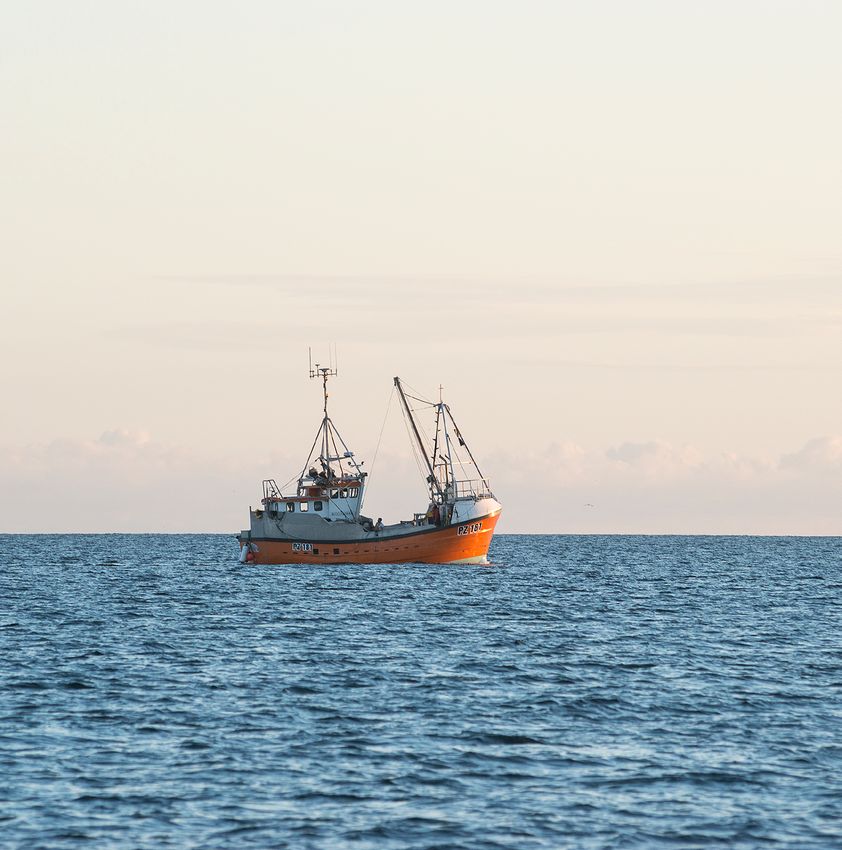
MSC Market Report 2020         6

This growth in MSC labelled product sales has been driven by increased engagement with the MSC programme
across UK and Irish supply chains. Between January 2015 and January 2020, the number of businesses in the UK and
Ireland certified to MSC’s Chain of Custody Standard increased from 230 to 300.

Supplying more MSC labelled products into the UK and Irish market has been made possible by an increasing number
of certified source fisheries, both in the UK and Ireland and across the globe. These fisheries represent an
ever-expanding diversity of species, which is reflected in the range of sustainable seafood options now available to
consumers; in the last 5 years the number of species sold bearing the blue ecolabel increased from 33 to 47, while
the number of certified consumer-facing products doubled from 807 to 1629.

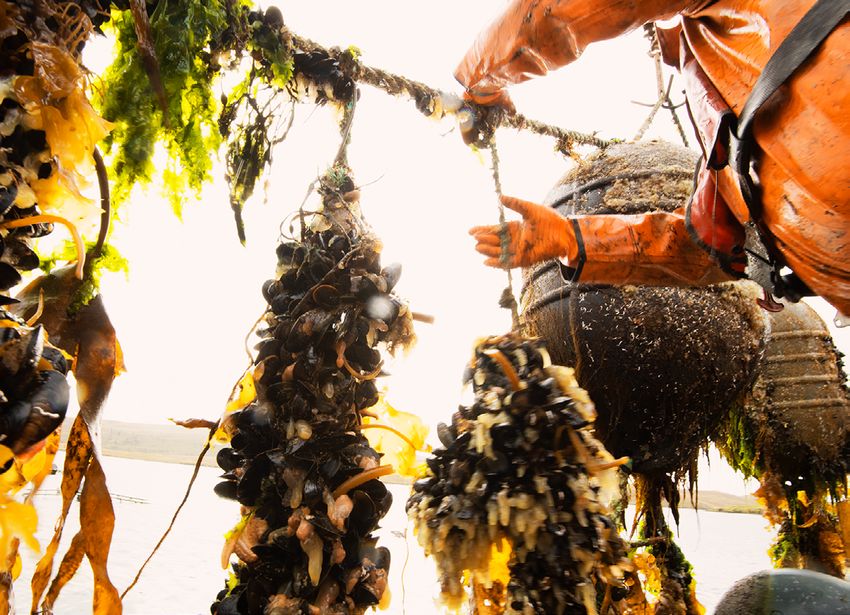
In the UK and Ireland, there are more than 20 certified fisheries in the MSC programme, catching 13 different species
of fish including haddock, plaice, coley, sardines and hake; and shellfish such as scallops, crab, cockles, clams and
mussels. Many of these are sourced by retailers, in particular haddock, mussels, sardines, coley, plaice and hake,
with new product launches of Poole Harbour clams and cockles just this year.

Despite this progress, gaps remain, particularly in tuna and sardines, both of which have limited label coverage in
the preserved category. While there has been considerable growth in the availability of MSC certified tuna from an
increasing number of fisheries, the conversion of this improved availability of labelled products for consumers
remains scarce (see Focus on Tuna section below). The Cornish sardine fishery remains the only European pilchard
(Sardina pilchardus) fishery certified to the MSC Standard. Although retailers in mainland Europe have sourced
canned products from the fishery, so far the same pattern has not been seen in the UK and Ireland.

Future pipeline opportunities for labelled products are squid, nephrops (scampi) and crab. Project UK, a
collaboration between the supply chain and fisheries to drive fisheries improvements, plays a critical role in
assisting fisheries towards a status where entering an MSC assessment could be viable. This, in turn, could improve
the availability of other species in the UK and Irish market.
MSC UK and Ireland Market Report 2020   7

     UK Retail
     In 2019/20, MSC labelled products accounted for over a third of all UK fish and seafood retail sales, including product
     from farmed sources, according to benchmarking against Seafish data3. Responding to growing consumer demand
     for sustainably sourced fish and seafood, UK retailers collectively doubled the number of certified own-brand
     products available to shoppers between 2015/16 and 2019/20. Last year, there were over one thousand MSC labelled
     products available across all ten leading retailers (see Graph 3) and own-brand labelled product sales topped
     110,000 tonnes, representing nearly 63% of all sales across all sectors.
Graph 3. UK MSC Retail Landscape
                            100%

                            90%
                                                                                        Lidl
                            80%                                             Aldi
                                                                                                          Waitrose
     Percentage Range MSC

                            70%                             Coop                                                                              Sainsbury’s

                                       Iceland                                                                       Tesco
                            60%

                            50%

                            40%

                            30%                        Asda

                            20%

                            10%

                             0%        Morrisons
                                   0                 50                        100                      150                        200            250              300

                                                                                        MSC Product Count
            *Total wild range of seafood could not be determined for Marks & Spencer, who had a total MSC product count of 24 in FY 19-20

                                                                            Graph 3. UK MSC Retail Landscape

     Sainsbury’s, winner of MSC UK Supermarket of the Year 2020, offered the highest number of MSC certified products
     across all retailers in the UK last year, while Aldi sold the largest volume (metric tonnes) of labelled product. Lidl,
     MSC Mid-Size Store Retailer of the Year 2020, led retailers with the highest percentage of its wild range of seafood
     MSC certified at 82%, followed by Aldi and Sainsbury’s at 76% in second place and Coop at 75% in third. The top 6
     MSC Retailers in the UK were confirmed to be selling around 70% or higher of their range of wild fish and seafood
     products with the MSC label. These were: Aldi, Coop, Lidl, Waitrose, Tesco and Sainsburys.

     The MSC UK Awards 2020 also saw Iceland scoop Newcomer of the Year, following a blue revolution at the frozen food
     specialist. Iceland was honoured for investing heavily in expanding its range of MSC labelled products last year,
     increasing the percentage of its wild MSC seafood product from 34% to 58% since 2019.

     3
      Seafish. Market Insight Factsheet: Seafood in multiple retail (2019) https://www.seafish.org/document/?id=23a04ee2-5293-4c99-8881-a14e960e7dfb
MSC UK and Ireland Market Report 2020                8

         Label Coverage by Species4
     The strong growth in MSC labelled products available in UK retail has been more pronounced for certain species
     compared to others. Using Seafish data5 on seafood sales in retail (2019) as a baseline and comparing it to MSC
Graphvolumes
      4. MSC      Label Coverage of Top Species in UK Retail
              sold, an estimated 72% of all cod and 76% of all haddock eaten at home in the UK carries the blue fish
     ecolabel (see Graph 4). Label coverage of other white fish, particularly pollock, is also high.

             70000

             60000

             50000

             40000

             30000

             20000

              10000

                   0
                           Salmon             Tuna            Cod             Pollock       Haddock         Mackerel       Cold water        Sardines
                                                                                                                            prawns
                           Consumption (2019 benchmark)    15/16      16/17      17/18    18/19    19/20

              Graph 4. MSC Coverage of Top Species in UK Retail by Volume of MSC Labelled Product sold (tonnes), compared to Seafish benchmarks

         While there has been growth in sales of MSC labelled salmon, there is a limit on the number of products that are
         eligible to bear the ecolabel because the majority sold in retail come from farmed sources. There has been a decline
         in certified sustainable tuna products in the UK market, despite a growth in certified fisheries and increases in
         labelled product elsewhere in Europe (see section on Focus on Tuna pg. 15). The initial impact of the suspension of all
         certified mackerel fisheries in March 2019 can already be seen in the decline in sales volume between 2018/19 and
         2019/20 (above). However, the full effect will only be seen by consumers in the coming year, as businesses continue
         to sell the remains of their current supply of certified product. Availability of MSC labelled product is already scarce
         for both canned and pre-pack chilled mackerel products.

                                                               72%                       76%
                                                               of cod                    of haddock

                                                               purchased in UK
                                                               retail is MSC labelled

         4
          Note: Seafood consumption in retail data was provided by non-departmental public body Seafish specifically for the UK market. Label coverage by species
         analysis was therefore estimated specifically for the UK market, Ireland was not included in this case
         5
          Seafish. Market Insight Factsheet: Seafood in multiple retail (2019) https://www.seafish.org/document/?id=d7954b16-74de-42ed-92b6-fa96dc75b268
MSC UK and Ireland Market Report 2020                9

        Label Coverage by Product Category
     The growth in MSC product sales has not been uniform across different categories (see Graph 5). Chilled-prepared,
     frozen-prepared and pet food have all grown consistently over the past years, while sales of MSC labelled fish
     counter and preserved products have declined slightly, reflecting the lack of progress in tuna, suspension of
     mackerel and shifts in approach to counters for some major retailers. Although the impact of the Covid-19 pandemic
     may have affected sales of MSC products in the final quarter of 2019/20, it is worth noting that the graph below will
     look noticeably different in 2020/21, when the full impact becomes evident, and after next year’s data set is
Graphanalysed.
      5. UK/Irish
               We lookMarket        by Category
                        forward to providing          (Volume
                                             these insights         in Tonnes)
                                                            in the updated UK and Ireland Market Report next year.

             60,000

             50,000

             40,000

             30,000

             20,000

             10,000

                 0
                      Chilled -   Chilled -     Fish         Fish    Foodservice Frozen -      Frozen -        Pet        Preserved/   Ready   Retail Food   Surimi
                       Plain      Prepared     Counter      Oils/                  Plain       Prepared       Food         Canned      meal       to go
                                                         Supplements

                          2016/2017        2017/2018          2018/2019        2019/2020

                                                      Graph 5. UK/Irish Market by Category (Volume in Tonnes)

        Fish Counters
        Over the past year, several UK retailers have announced the closure of a number of their in-store fish counters. The
        impact of Covid-19 this year was profound in certain areas of the seafood supply chain, including supermarket fish
        counters where some retailers took the decision to close or limit this offer. The effect of both can already be seen in
        the dip in sales of MSC product on fish counters (see Graph 5).
        Despite this, there have been some bright spots. Across the retailers with counters open during the 2019/20 financial
        year (Waitrose, Tesco, Sainsbury’s, Whole Foods and Selfridges) UK consumers were given the choice of 16 different
        MSC certified species, including various white fish and shellfish, as well as more niche species like octopus,
        sablefish, golden redfish and Chilean seabass. There has been strong demand for Cornish sardines at supermarket
        fish counters this season according to Waitrose, citing sales up 128%6, with Tesco and Sainsbury’s also offering
        sardines on their fresh counters, when open.

         Grocery Trader. October 12, 2020. https://grocerytrader.co.uk/waitrose-sales-showcase-british-seafood-revival/
         6
MSC UK and Ireland Market Report 2020      10

Partner in focus: Waitrose Clams and Cockles
Waitrose, winner of the MSC UK Fish Counter of the Year 2020, became the first major UK supermarket chain to sell
MSC certified British clams, which are now available on counters across 150 of its stores. The move to sell the
shellfish provided a lifeline for specialist supplier the Dorset Shellfish Company and the small-scale fishing
community based in Poole Harbour. The company works with some of the top restaurants in the UK and had seen
trade dwindle following the coronavirus-led collapse in demand from the foodservice and hospitality sectors.

The only major retailer in the UK to source this particular variety of clams, Waitrose continues its responsible sourcing
strategy to sell the widest range of British and MSC certified seafood of any supermarket on its counters, with 12
species available according to the MSC’s Fish Counter of the Year Award judging process.

In stocking these new shellfish items from Poole Harbour, Waitrose became the first large national retailer to offer
fresh sustainable live clams on their fish counters, with the blue MSC label. The stores have reportedly been selling
over double the projected volumes and have rolled out live cockles from the same fishery as well.

Chilled-Prepared & Frozen-Prepared
Sales of MSC labelled chilled and frozen-prepared fish and
seafood have seen the strongest growth across product                   MSC labelled
categories since last year, with 12% and 14% increases                  chilled-prepared
respectively. In both product categories, sales were three
times higher than they were five years ago (see Graph 5). In            product sales
2019/20, these two categories alone accounted for 48.6%                 grew by

                                                                        12%
of the total volume of MSC certified product sales in the UK
and Irish markets. Although cod, haddock and pollock
account for nearly 80% of sales in these two categories, 28
different species were sold last year across these prepared
categories and sales of both prepared yellowfin sole and
pink salmon have more than tripled since 2015/16. UK                    over the past year
fisheries have also featured heavily, with 22 different
Scottish mussel products available to consumers last year.
Earlier in 2020, Iceland also launched a new range of
certified Irish mussel products.                                        MSC labelled
While breaded, battered and smoked fish have been                       frozen-prepared
longstanding staples in the chilled-prepared and                        product sales
frozen-prepared categories, over the past five years there
                                                                        grew by

                                                                        14%
has been considerable growth in the range of MSC labelled
fishcakes. With cod, haddock, salmon, prawn, crab and
hake varieties all on offer, UK and Irish consumer spend on
MSC labelled fishcakes surpassed £70 million for the first
time last year.

                                                                        over the past year

Partner in Focus: Birds Eye
Since becoming a founding member of the MSC in 1997, Birds Eye has committed to continuously increase the
amount of MSC certified fish that it sources for its frozen fish products. From classic fish fingers to fish cakes, today
100% of the Birds Eye product range portfolio carries the blue MSC label. This milestone, achieved in 2019, has made
Birds Eye the biggest brand in the UK for certified sustainable seafood. The family favourite has also scooped Frozen
Brand of the Year at the MSC UK awards every year since the awards began, demonstrating its commitment to
providing customers with certified sustainable frozen seafood products across the entire range.
MSC UK and Ireland Market Report 2020 11
Preserved/Canned
After several years of consistent growth, the volume of MSC labelled preserved product sold in the UK and Ireland
peaked at just over 18,000 tonnes in 2018/19 and has since started to decline (see Graph 5). While the growth was
largely driven by increased labelling on tuna, salmon and mackerel, the number of certified skipjack tuna products in
the market has declined since 2017/18.
Graph 6. MSC Labelled Preserved Product Count by Species in the UK/Ireland
The suspension of all Northeast Atlantic mackerel fisheries in March 2019, which account for over 50% of MSC
preserved sales by volume, will lead to further retraction in this category next year, limiting consumer choices for
certified sustainable seafood in the canned aisle.
300
250
200
150
100
50
0
2015/2016 2016/2017 2017/2018 2018/2019 2019/2020
Mackerel Tuna Salmon Sardine Herring Anchovy Other
Graph 6. MSC Labelled Preserved Product Count by Species in the UK/Ireland
Currently, Waitrose is the only British supermarket to sell 100% of their own-brand tuna cans with the MSC ecolabel,
while the artisanal brand The Pilchard Works remains the only company to offer MSC labelled canned sardine
products from the Cornish sardine fishery. Label coverage on both species lags behind that in several European
markets. Sales of canned Cornish sardines in Switzerland and the Netherlands were a combined fifteen times higher
than that of tinned labelled product in the UK in 2019/20. After some major retailers and big brands switched their
tuna lines to MSC last year, labelled product sales in Germany, Switzerland and Netherlands all surpassed that of the
UK (see section on Focus on Tuna).MSC UK and Ireland Market Report 2020 12
Retail Food to Go
From sushi selections to sandwiches and salads, availability of MSC certified retail food to go products grew steadily
between 2015/16 and 2018/19. Over the period, the number of products bearing the MSC blue ecolabel at Aldi, Coop,
Lidl, Sainsbury’s, Tesco and Waitrose, increased from 32 to 58. During the first semester of 2019/20 it appeared the
Graph
volume 7.ofMSC
these Labelled Retail
products would Food
keep pace withto
thatGo Product
of the Count
previous year by Species
(see Graph 5).
70
60
50
40
30
20
10
0
2015/2016 2016/2017 2017/2018 2018/2019 2019/2020
Mixed Species Shrimp/Prawn Salmon Skipjack Tuna
Graph 7. MSC Labelled Retail Food to Go Product Count by Species
However, when the Covid-19 pandemic hit in early 2020 and businesses and offices were forced to close, there was a
noticeable impact on sales of lunchtime staples carrying the MSC ecolabel, such as tuna sandwiches and prawn
salads. While the long-term effects remain to be seen, the pandemic continues to pose a risk to the retail food to go
category owing to major alterations in the way workforces are currently able to operate.
Watch this space: Ready meals that use a mix of farmed and wild-caught seafood are only eligible to apply an
ecolabel to the front of pack if all components are certified to either the MSC or ASC Standards. In such cases,
both labels may be applied side-by-side. Last year, four of these co-labelled products were available to
British consumers:
Birds Eye King Prawn & Risotto Croquettes
Waitrose King Prawn, Mussel and Clam Tagliatelle
Waitrose Clam, King Prawn, Coley and Mussel Cassoulet
ALDI King Prawn and Pollock Masala
While these products are a small percentage of the 11,000 tonnes of co-labelled product sold globally, with a
growing number of farms certified as responsible by the ASC and with our shared Chain of Custody, there is
increasing opportunity for co-labelled MSC/ASC products in the UK and Irish markets.MSC UK and Ireland Market Report 2020 13
Pet food
Consumers are increasingly looking for products that are good for their pets and the ocean too. With the ever-growing
popularity of pets as an extension to the family, owners are paying more attention to the food they give them and are
looking at both the quality, and sustainability, of the ingredients. Retailers and brands have huge scope and
responsibility in providing sustainably sourced pet food to meet the growing demands of conscious pet owners.
MSC labelled pet food products are becoming increasingly popular in UK households, as sales continue to increase.
MSC pet food products have more than doubled in the UK in the last 5 years with the number of products bearing
the MSC ecolabel in the UK and Ireland increasing by 70%. There is significant opportunity for labelling of pet food in
the UK and Irish market, for both high street supermarkets as well as brands, particularly for dog food, which has
Graph 8. UK and Ireland Pet Food Growth (Volume in Tonnes)
relatively limited label coverage compared to cat food. Fish is widely known for its health benefits for humans and it
offers many of the same benefits for cats and dogs. As the pet food industry has seen a growing demand from
consumers for sustainably sourced products, the MSC label can be used to put greater emphasis on the
environmental credentials of these products.
25000
20000
15000
10000
5000
0
2015/2016 2016/2017 2017/2018 2018/2019 2019/2020
Graph 8. UK and Ireland Pet Food Product Growth (Volume in Tonnes)
As Mid-Size Store Retailer of the Year for the fifth time running, Lidl offers the largest range of MSC certified pet food
out of any UK supermarket, with seven MSC cat food products, including species such as salmon, pollock and cod.
MARS Petcare have launched MSC labelled products in the UK as part of the company’s commitment to use only
sustainably sourced fish in all products by 2020. The Sheba and Whiskas brands, which sit within the MARS
portfolio, offer a range of MSC labelled products using sustainably sourced fish. Sales of labelled Sheba and
Whiskas products account for the majority of labelled petfood sales in the UK and Ireland.
Watch this space: Fish oil for your cat, MSC labelled protein bars for your dog? There is growing opportunity to
label pet food of all kinds, and just like food for humans, ensuring the ingredients are from sustainable
sources is becoming a greater concern for consumers in the UK and Ireland.MSC UK and Ireland Market Report 2020 14
Supplements
Since 2014, there has been a 200% increase in the
availability of MSC certified raw material for
reduction, where the fish catch is used to produce
fishmeal or fish oil. From krill fisheries in the
Antarctic to herring fisheries in the Irish Sea, the
supply of certified sustainable material for the
supplements industry is greater than ever before.
Between 2014 and 2019, the number of MSC certified
Omega 3 products available worldwide more than
tripled. In early 2019 Orkla Health announced that all
of their Möllers brand cod oil products would carry
the blue ecolabel, delivering over 5 million bottles of
the product to consumers around the world over the
course of the year.
In the UK and Ireland, consumer spend on MSC
labelled health supplements has more than doubled
in the past five years, passing £6.5 million7 last year
alone. Since 2018, 100% of Tesco’s own brand fish oil
supplements have been certified sustainable while
Holland and Barret, Healthspan and Naturalife all
offer MSC labelled krill oil supplements. Wiley’s
Finest has also offered MSC labelled Alaskan fish oil
in the UK and Ireland for several years, and at the end
of 2019, Amazon launched its first own brand product
with an MSC ecolabel: Amfit Sustainable Fish Oil capsules.
Watch this space: The growing number of
reduction fisheries certified to the MSC
Standard is opening up new product
development opportunities. Might we see an
MSC certified marine collagen product enter
the UK market in the near future?
7
Data is collected on the cost-value of consumer-facing MSC and total
spend by consumers is calculated by applying a 30% mark-up to that cost-
value.MSC UK and Ireland Market Report 2020 15
Focus on Tuna
Historically, the UK had been a high performing market with regards to MSC labelled tuna volumes. But in recent
years, there has been a decline in certified sustainable tuna products in the UK market, despite some 25% of global
tuna catch is now certified with 11% currently in assessment, following the successful transition of several major
Fishery Improvement Projects (FIPs).
ph 9. MSC UKTuna Sales in Europe
Australiaby
and Volume
was recently(tonnes)7
raph 9.The
MSC Tuna
and Ireland
Sales
lags behind
in Europe by Volume (tonnes)7
overtaken by Germany, Switzerland and the Netherlands
in terms of availability to conscious consumers, where previously it was the global market leader (see Graph 9).
18000
18000
16000
16000
14000
14000
12000
12000
10000
10000
8 000
8 000
6 000
6 000
4 000
2 0004 000
2 000
0
l ay
0 any nd ds nd ce ly CH ga um ria ux
rla an la an Ita tu rw gi st el
m DA r o l u n
o N al Bey Am Beria x
Ire
y nd ds nd ce ly /PCH
Fr
rl
e
wa lu
r
an g iu
Ge
he
Ita st
tz
K/
rla an la an A tu r g ne
wi
l Au
et
or
n
m D No
lU
e e
ai
rS
eN
e
P B B
Fr
Sp
er
/Ir
/
Ge
itz
th
UK
Sw
n
Ne
ai
Sp
2015/2016 2016/2017 2017/2018 2018/2019 2019/2020
2015/2016 2016/2017 2017/2018 2018/2019 2019/2020
Graph 9. MSC Tuna Sales in Europe by Volume (tonnes)8
In March 2020 German retailer Edeka announced that it was switching its entire private label tuna range to MSC
certified product sourced from the PNA fishery. There have also been notable commitments made to sustainable
tuna sourcing across the Atlantic; Walmart announced that as of July 2020 it is moving to source all of its U.S. stores’
Great Value canned tuna as either MSC certified or from a time-bound Fishery Improvement Project (FIP) actively
working toward certification and Bumble Bee announced plans to source 100% of its light meat tuna from MSC
certified fisheries by 2022.
8
Data on MSC labelled tuna sales by volume is presented for the UK and Ireland as a combined market, however, other regions with multiple distribution
countries such as DACH (Germany, Austria, Switzerland) and Benelux (Belgium, Netherlands, Luxembourg) were kept separateMSC UK and Ireland Market Report 2020 16
Between 2017/18 and 2019/20, the volume of MSC labelled tuna sold in the UK and Ireland decreased from 8,173
tonnes to 5,662 tonnes while the number of labelled products dropped from 124 to 115 (including 5 pet food
products). Waitrose is the only retailer to label 100% of their canned tuna. It launched the UK’s first MSC labelled
albacore on a fish counter last year. Lidl and Whitbread remain the only businesses to offer certified yellowfin to their
shoppers and diners, while Sainsbury’s maintains the highest number of MSC labelled tuna products of any retailer
or brand in 2019/20.
100
90
80
70
60
50
40
30
20
10
0
Albarcore Multiple Tuna Species Skipjack Yellowfin
2015/2016 2016/2017 2017/2018 2018/2019 2019/2020
Graph 10. MSC Labelled Tuna Products in the UK/Ireland by Species9
Despite a recent dip in the number of labelled tuna products in the UK and Ireland, the global supply is improving
with 25% of the global tuna catch now certified and another 11% currently in assessment. With less than 10% of the
59,500 tonnes of tuna purchased in UK retail (Seafish data10) bearing the MSC blue fish, and a growing availability of
certified supply, there are more and more opportunities for labelling across species and product formats, to suit the
variety of purchasing policies out there.
Watch this space: In 2019, the MSC UK and Ireland team developed the first edition of our Sustainable Tuna
Handbook with input from major tuna producers and brands from around the country. In July 2020, the MSC
released a global edition of this Handbook which offers a comprehensive summary of the state of global tuna
stocks, the issues surrounding its sustainable harvest, global market demand and certified sustainable tuna
fisheries. Look out for further updates to this Handbook next year.
9
Mixed or multiple species includes products which may contain multiple species, such as pet food, pates and pastes
Seafish. Market Insight Factsheet: Seafood in multiple retail (2019) https://www.seafish.org/document/?id=23a04ee2-5293-4c99-8881-a14e960e7dfb
10MSC UK and Ireland Market Report 2020 17
Focus on Ireland
The Irish market has seen exceptional progress and engagement with the MSC programme over the last five years.
The number of certified Chain of Custody holders in Ireland grew from 11 to 31 between January 2015 and January
2020, with the number of products on sale to Irish consumers increasing nearly six-fold (see Graph 11).
400
350
350
300 287
250
200
160
150
107
100
60
50
0
2015/2016 2016/2017 2017/2018 2018/2019 2019/2020
Graph 11. MSC Labelled Products Sold in Ireland
In 2019/20, Tesco, Aldi and Lidl Ireland branded products accounted for 54% of all those sold with the MSC blue fish.
Cork-based Keohane Seafoods, one of Ireland’s largest seafood processors and fresh and frozen suppliers, also
obtained MSC Chain of Custody certification in 2019 and has since launched several own-brand labelled products.
Irish fisheries have also made great progress in the past year. Bord Iascaigh Mhara (B.I.M), the Irish state agency
responsible for developing the Irish seafood industry, holds three MSC mussel certificates. The Ireland bottom grown
mussel fishery became MSC certified in 2013, alongside its Northern Ireland counterpart. The third fishery, certified
in July 2019, is for Ireland rope grown mussel fishery. Combined collection and cultivation from these fisheries is over
40,000 metric tonnes of mussels each year, a true success story for the shellfish industry in Ireland and the reason
B.I.M. were awarded MSC’s Ocean Hero Award at this year’s MSC UK Awards.MSC UK and Ireland Market Report 2020 18
Focus on Luxury
UK shoppers sometimes find it difficult to venture beyond the ‘big five’ - salmon, tuna, cod, prawns and haddock -
but with sustainable, luxury favourites like lobster, scallops and caviar all on sale carrying the MSC ecolabel, it’s an
ideal time for consumers to broaden their horizons. As the demand and interest for indulgent items on a high street
budget has peaked, so too has retailer and brand product offerings, making it much easier for consumers to be a bit
more adventurous with their sustainable seafood suppers.
Customers wanting to add a bit of luxury to their shopping basket have been able to do so with Iceland, Waitrose,
Lidl, Tesco and Asda all offering whole cooked lobster. This has given home cooks access to pre-cooked lobsters
meaning customers only need to defrost and serve. We always see a peak in these luxury MSC options before
Christmas.
Sales of scallops have doubled over the last 5 years, with Atlantic and Patagonian scallops proving to be the most
popular. In both frozen and fresh formats, UK shoppers can take high end items and cook them in the comfort of their
home, thanks to a wide selection of plain and prepared options.
Wild smoked salmon also remains prevalent on shelves at Waitrose and from brands like Leap, providing an
alternative to the usual smoked salmon produced from farmed sources.
There are a huge variety of sustainable luxury fish and seafood products available on the high street, and with even
lumpfish caviar available, by John West, consumers can choose sustainable options for those special occasions.
Focus on Small-Scale Fisheries
In 2019, MSC’s Making Waves11 report reviewed the collective impact of small-scale fisheries in the MSC programme
across the globe. It identified 62 small-scale certified fisheries, defined as such based upon vessel length, gear type
and fishing method, as well as on-board processing capabilities. Together they represent 16% of all MSC certified
fisheries and span 22 different countries, including a number in the UK: Cornish sardines, Poole Harbour clam and
cockles, SSMO Shetland Inshore brown crab and scallop, Dee Estuary cockles and Burry inlet cockles.
In 2019/20, nearly 4,300 tonnes of labelled product from 8 different MSC certified small-scale fisheries were sold in
the UK and Ireland. In two UK firsts, Whole Foods introduced octopus from Australia and Waitrose added clams and
cockles from Poole Harbour to their fish counters during the past year.
Cornish sardines have also been a staple on the Tesco, Sainsbury’s and Waitrose fish counters for the past four years
and are available in canned format under The Pilchard Works brand. Falfish also launched own-brand butterfly
sardine fillets from the fishery last year. Other shelf-stable products from small-scale fisheries include a range of
canned Alaskan salmon and lumpfish roe from Greenland.
16% 4,300 tonnes
of MSC certified of labelled product from
fisheries are small-scale fisheries sold
small-scale in UK/Ireland in 2019/20
Report available at: https://www.msc.org/docs/default-source/default-document-library/what-we-are-doing/msc-small-scale-fisheries-report-2019.pdf
11MSC UK and Ireland Market Report 2020 19
Foodservice
The MSC label is increasingly popular in the UK and Ireland foodservice sector, as more businesses achieve MSC
Chain of Custody certification for their menus. Using the MSC ecolabel next to fish and seafood dishes allows these
committed businesses to confidently and credibly inform their customers that they are making the sustainable choice
when dining out. The volume of certified seafood sold peaked at just over 7,000 tonnes in 2019/20 equating to over
47,652,941 portions of fish12, with species like hoki, cod, pollock, mussels, hake, prawns, sprats, scallops, plaice,
monkfish and even ling being labelled as MSC on menus across the UK and Ireland. High street establishments like
McDonalds and Wahaca, local fish and chip shops, and national hotel chains Premier Inn and Hilton, continue to
demonstrate that full supply chain traceability and seafood sustainability can be delivered at scale in restaurants
across the UK and Ireland.
9000
8000
7000
6000
5000
4000
3000
2000
1000
0
2015/2016 2016/2017 2017/2018 2018/2019 2019/2020
Graph 12. Volume of MSC Labelled Products Sold Foodservice in the UK/Ireland (tonnes)
Watch this space: With growing availability of MSC certified tuna, there will be more opportunities for quick
service restaurants, such as sushi and sandwich chains, to label their menu offerings. In October 2020,
parent-company Kelly Deli successfully certified its Sushi Daily kiosks across over 260 stores within retailers
France. Will we see more MSC labelled sushi and tuna sandwiches in UK foodservice?
Partner in focus: JD Wetherspoon
JD Wetherspoon has been MSC-certified since 2018 and is the largest pub chain in the UK to use the MSC ecolabel on
its menu, demonstrating the company’s commitment to preserving our oceans. Fish and chips are one of the nation’s
best loved pub meals and 6 million fish and chip meals12 are served by the chain every year. JD Wetherspoon claims
to be the biggest fish and chip shop every Friday, since launching their ‘Fish Friday’ in 2013. Customers can enjoy
their fish supper at their local Wetherspoon with a clear conscience, knowing that the cod and haddock they are
enjoying is certified sustainable.
12
The number of portions was estimated using 170g/6 ounces as a standard portion size
13
Hospitality and Catering News. October 2018. https://www.hospitalityandcateringnews.com/2018/10/jd-wetherspoon-largest-pub-chain-uk-earn-blue-
fish-label/MSC UK and Ireland Market Report 2020 20 Partner in focus: Lussmanns Sustainable Fish & Grill Restaurants In November 2014, Lussmanns became the first small restaurant group outside of London to use the MSC ecolabel on their menus. Their aim? To bring sustainability to the high street. It is owner Andrei Lussmanns’ long-standing commitment to serving sustainable seafood that keeps him winning big. Having been awarded MSC Menu of the Year at the MSC UK awards in 2019 and 2020, Lussmanns continues to make sustainable dining accessible to all. And, in April 2019, every fish and seafood item on the Lussmanns menu was sourced from an MSC certified fishery, resulting in a 100% MSC ecolabelled menu. The menu included nine dishes in total with the first MSC monkfish and ling on offer to diners in the UK. Other species to feature include plaice, Manx kipper, cod cheeks and hake. Lussmanns has worked tirelessly with its supplier Stickleback, another MSC Award winner in 2020, to ensure it is a market leader in sustainable fish and seafood restaurant dining, and as a result, a worthy leader in the industry. By using the blue fish ecolabel on all of its dishes, Lussmanns ensures everybody can play a part in securing a healthy future for our oceans.
MSC UK and Ireland Market Report 2020             21

Fish and Chips
Fish and chips are as popular as ever in both the United Kingdom and Ireland. More than 167 million servings are
enjoyed from chip shops every year across the UK, and this has a genuine impact down through the supply chain
and onto our shared fish stocks. However you enjoy your chips, doused in salt and vinegar, smothered with
mushy peas or dipped in tartar sauce, more consumers than ever are demanding that they are served with a side
of sustainable fish. In fact, a study conducted by Globescan on behalf of the MSC in 2018 found that chippy
diners choose sustainability over price when dining out14.

Fish and chip shops are the backbone of the UK takeaway sector and make a huge contribution to the overall
takeaway market. In the UK and Ireland, the MSC’s iconic blue fish ecolabel was found in over 120 fish and chip
shops as of April 2020. When thinking about the fish frying industry and fish as a core component, it is no longer
possible to ignore the sustainability of the fish being used and the standards that customers now expect from
their favourite chippy. Without fish, there are no fish and chips. And with many fish and chips businesses relying
on regular customers in a competitive fast-food sector, going that extra mile on sustainability helps make those
businesses stand out. Since 2015, a staggering 11,105,882 portions15 of MSC certified fish and chips have been
sold with the blue MSC label. Fish and chips represent 23% of the MSC total foodservice market, in volumes
terms (metric tonnes).

They say variety is the spice of life, but that doesn’t seem to be true when it comes to fish and chips. Look inside
the wrapper and you’re almost guaranteed to find haddock or cod. However, MSC certified chippies are serving
up a greater variety of species to customers these days. Cornish hake, Poole Harbour clams and Scottish
mussels, to name but a few, can all now be found on the menus of our chippies around the UK and Ireland.

                   2000
                   1000
                   1600
                   1400
                   1200
                   1000
                    800
                    600
                    400
                    200
                        0
                                 2015/2016           2016/2017           2017/2018           2018/2019          2019/2020

                                  Graph 13. Volume of Certified Fish sold at MSC Fish and Chip shops (in tonnes)

14
   The survey was conducted by research agency Globescan, using reliable national consumer research panels to recruit respondents. Fieldwork was
undertaken between 12th January and 10th March 2018. Total sample size was 1,315 and are representative of all GB adults (aged 18+).
15
  The number of portions was estimated using 170g/6 ounces as a standard portion size
MSC UK and Ireland Market Report 2020 22 Partner in Focus: National Federation of Fish Friers (NFFF) NFFF is a trade organisation representing the fish and chip industry. First established in 1913, throughout its long history the NFFF has worked towards protecting and promoting the interests of the UK’s fish friers. They are a national organisation that can speak and act on behalf of fish friers, and the views of the NFFF are sought throughout the catering and associated industries, as well as by local and central government agencies and authorities. The NFFF has identified sustainability as a key business area the fish frying industry can embrace, both to improve business practices and to safeguard the future of the industry, while protecting fish stocks and their environment. The MSC work closely with the NFFF, who facilitate MSC certification among their membership, reducing barriers to entry for shops who want to work with the MSC programme. Partner in Focus: Pete Fraser Pete Fraser, owner of award-winning Harbour Lights and Fraser’s Fish and Chips in Cornwall, was named Foodservice Champion at MSC UK’s Annual Awards 2020. Pete believes a major part of his business growth has resulted from taking environmentally-friendly fish buying decisions early on, having been certified since 2010. Both of Pete’s businesses clearly inform customers about the sustainable credentials of their menu, including the journey of fish from catch to plate. Responsible sourcing, including promoting MSC certified species, is key to their business ethos and the team will always endeavour to have at least three MSC certified fish on the menu. Fraser’s Fish and Chips also often host sustainability workshops with their neighbouring primary schools.
MSC UK and Ireland Market Report 2020   23

Universities and Education
Now more than ever, students are some of the most environmentally conscious consumers around. And with 22 MSC
certified Universities in the UK and Ireland, educational institutions are leading the way for a sustainable seafood
future, helping students make choices that have a positive impact on the world’s ocean.

Partner in Focus: The University Caterers Organisation (TUCO)
Back in 2013, TUCO began offering its members a fast-track way to put MSC certified fish on the menu, by setting up
an MSC Group Chain of Custody certificate in the UK. With 8 members now within the group, the system makes MSC
certification simpler, quicker and more affordable for members, many of whom want to serve fish that is sustainably
sourced. By providing access to the scheme, TUCO have opened the MSC programme to hundreds of thousands of
students who eat in university cafeterias and restaurants every day. With students forming the next generation of
informed consumers, they have enormous power to support sustainable fishing practices and to help transform the
fish and seafood market into a sustainable one.

Partner in Focus: Durham University
Durham University scooped University of the
Year at the Marine Stewardship Council’s UK
Awards 2020 for the third time. The university’s
commitment to the MSC programme, spanning
the last decade, has meant thousands of
students have been able to eat their fish and
seafood suppers, knowing that they are from
certified sustainable fisheries. Choosing the
MSC blue fish label ensures fish stocks are
protected for future generations, and with so
many dishes served, Durham were deserving
winners of MSC University of the Year 2020.

According to MSC-commissioned research by
Globescan in 2020, awareness levels of the
ecolabel are significantly higher among 18-34
year olds (52% of those surveyed) compared to
44% among all UK consumers.

MSC certified contract caterers like Compass
Group UK & Ireland, WSH, Sodexo, Aramark,
and the AiP Group, also play an important role
in bringing over 20 different certified
sustainable fish and seafood species to
students from primary schools to universities
across the UK and Ireland.
MSC UK and Ireland Market Report 2020   24

Looking Forward: 2021 outlook
The Covid-19 pandemic has and continues to challenge communities and businesses across the globe and will
undoubtedly have a lasting impact well into the future in the UK and Ireland. It has disrupted international trade of
seafood and led to additional uncertainty about the future, as the UK fishing industry prepares for the post-EU era.
Despite this, the UK and Irish fishing industry has proven to be resourceful and resilient. Businesses across the
supply chain have also adapted, developing online sales channels and delivering direct to home to address our
changing environment, and rationalising ranges at a time of heightened and unpredictable demand.

Consumers have also had to change the way they shop and this will likely continue to affect how consumers purchase
their fish and seafood. Online retail platforms and recipe box businesses have grown in popularity, reaching new
groups of customers around the country. With consumer demand for seafood remaining strong, and sustainability
still a high priority for the UK and Irish consumer, we are committed to supporting our partners as they explore new
ways of bringing MSC products and ingredients into homes and restaurants.

As the world begins to face the daunting task of rebuilding communities and economies, we have an incredible
opportunity to invest in sustainability. Recovery plans can be made that both revitalise sectors of society that have
been most affected and incentivise stewardship and proper management of our natural resources. Recognising and
rewarding efforts to protect oceans and safeguard seafood supplies for the future is the essence of our work here at
the MSC. Over the past year, the MSC UK and Ireland team has taken steps to understand the impacts of certification
beyond those made on the water. Research, conducted by New Economics Foundation (NEF) on behalf of the MSC, on
the Cornish hake and sardine fisheries, determined that there were socio-economic benefits for both following
certification. The final report, MSC Certification in the UK – Motivations and Market Benefits16, is available on our
website and is the start of an ongoing body of work to better understand how certification affects coastal
communities. With an ongoing pandemic, there are still many big challenges ahead for the communities and
businesses we work with. However, the response of the seafood industry to our new and changing reality has been
truly impressive, a testament to the resiliency of sustainable fisheries and supply chains.

16
  Report is available on the MSC website at: https://fishery-certification-benefits-uk.msc.org/?_ga=2.267671689.661507035.1606739421-
628465187.1604999677
Contact us

Share with friends and colleagues

Get in touch:
George Clark, Programme Director, UK & Ireland
george.clark@msc.org

Commercial:
Seth McCurry, Commercial Manager, UK & Ireland
seth.mccurry@msc.org
Loren Hiller, Senior Commercial Officer, UK & Ireland
loren.hiller@msc.org

Communications:
Giles Bones, Senior Marketing and Communications
Manager, UK & Ireland
giles.bones@msc.org

                                                                                     Find out more:
                                                                                     msc.org/annualreport
                                                                                     mscintheuk@msc.org
                                                                                           @MSCintheUK
Please consider the environment before printing
                                                                                           /MSCintheUK

All data in this report is correct as of 1 December 2020, unless otherwise stated.         /marine-stewardship-council
The reporting year is 1 April 2019 to 31 March 2020.
                                                                                     © Marine Stewardship Council 2020
You can also read


