NATIONAL COA S TAL SAFET Y REPORT 2019 - SURF LIFE SAVING AUSTRALIA
←
→
Page content transcription
If your browser does not render page correctly, please read the page content below

N ATION AL COA S TAL SAFE T Y RE POR T 2019
         S U R F L I FE S AV I N G AU S T R A L I A
DROWNING
                               S N A P S H OT

                 COASTAL &                         MALE
                   OCEAN
                 DROWNING
                  DEATHS
                                                   FEMALE
Location

  AT THE BEACH   ROCK/CLIFF             OFFSHORE    AT LEAST 5KM FROM A
                                                     LIFESAVING SERVICE

Activity

    35%          14%                                 1
    SWIMMING      BOATING &                                   23
                    PWC
                                            15
                                                    13
                                                             44
     8%           7%                                  23
    WATERCRAFT   SNORKELLING
                                                                  3
CONTENTS

IN T RO D U C T I O N                     04

S EC TION ONE:
COM MUNIT Y                             06     S EC TION THRE E:
                                               DROWNING A N A LYS IS        34
AUS T R A L I A N P O PU L AT I O N       08   N AT I O N A L OV ERV IE W   36
COA S TA L PA RT I CIPAT I O N            09   D ROWNIN G LO C AT I O N S   42
AC T I V I T Y PA RT I CIPAT I O N        10   D ROWNIN G VS FATA L I T Y   44
S WI M M IN G A B IL I T Y                14   NE W S O U T H WA L E S      50
RI S K PERCEP T I O N                     15   Q U EEN S L A ND             52
COA S TA L S A FE T Y                     16   V I C TO RI A                54
S A FE T Y PR AC T I CE S                 17   WE S T ERN AUS T R A L I A   56
F E AT U R E: YO U N G M A L E S          18   S O U T H AUS T R A L I A    58
F E AT U R E: BYS TA NDER RE S CU E S          TA S M A NI A                60
IN AUS T R A L I A                        20   N O RT HERN T ERRI TO RY     62

S EC TION T WO:
C A PA B ILIT Y                         22
                                               G LOS S A RY                 64
C A PA B IL I T Y                         24   REFEREN CE                   66
S U RF L IFE S AV IN G S ERV I CE S       26
M EM B ER S HIP C A PACI T Y              27
A S S E T C A PA B IL I T Y               28
RE S CU E S                               29
PRE V EN TAT I V E AC T I O N S           30
FIR S T A ID                              31
F E AT U R E: T HE FRE A K WAV E MY T H   32
INTRODUCTION

A
          ustralian beaches have long occupied a special place          likely to drown than other adults. On average forty young males
          in Australian culture, with eighty-five per cent of the       drown each year (2004-19).
          population living within 50km of the coast and more than        For other unintentional coastal fatalities boating, swimming
300 million visitations to the coast in the last year. The Australian   and watercraft are the three highest activities undertaken at
coastline is where three of the world’s great oceans meet – the          the time of the fatality over the fifteen-year period, similar to
Pacific, Indian and Southern oceans – each providing a diversity        that of coastal drowning deaths. The 2018-19 period saw
of conditions and experiences to Australians and its visitors. The      swimming, scuba diving and snorkelling deaths above the
beach is a place of significance where people from all over the         fifteen-year average.
world can meet, live and come together.                                   Bystander rescues involve members of the public going to the
  Our interactions with the Australian coastline represent a legacy     aid of those in distress, with these actions increasingly
that is recognised nationally and internationally with Australians      recognised for the significant role in saving lives. Without these
renowned for their affinity with the coast. Most visits to the coast    invaluable actions there is no doubt many other lives would have
are ones of delight and fun, yet over the years too many have           been lost. Unfortunately, it is not uncommon for the rescuer to
been peppered with disaster and tragedy.                                become the victim, with fatal bystander rescues on Australian
  Surf Life Saving Australia (SLSA) is one of the nation’s most         beaches between 2004-17 representing four per cent of all
respected organisations and the peak body for coastal water             coastal drowning deaths.
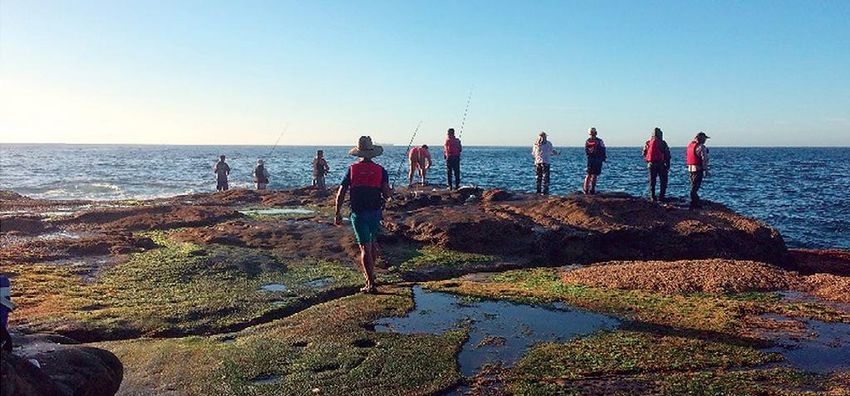
safety and drowning prevention. We are Australia’s largest                Rock fishing has recorded the third highest number of
volunteer organisation, with 176,000 members drawn from all             coastal drowning deaths over the fifteen-year period. Media
age groups and demographics. Membership across 314 clubs is              has often attributed these to unexpected large swell or ‘freak
almost fifty per cent female, with volunteer surf lifesavers            waves’. Research has found that the ‘freak wave’ concept is a
performing more than 10,176 rescues each year and over 1.3              myth and that understanding the wave period is vital. More
million volunteer hours on patrol. In addition, they attend to          experienced fishers have a better understanding of wave
89,695 emergency care treatments and perform more than 1.5              period, which enables them to better manage associated risks,
million preventative actions. With research showing that for            and are encouraged to share their knowledge with less
every dollar invested or donated to Surf Life Saving there is           experienced fishers.
twenty-nine dollars of value returned to the community it is              The National Coastal Safety Report 2019 presents evidence-
undeniable the Surf Life Saving’s dividend to the nation is             based insights into factors relating to drowning deaths and other
immense - and growing.                                                  fatalities, in addition to participation. This information is
  The National Coastal Safety Report 2019 is a comprehensive            invaluable for understanding circumstances around incidents
summary and analysis of our research and presents evidence              and assisting with the development of education and awareness
relating to community perceptions, delivery of core lifesaving          programs, initiatives and actions to reduce fatalities in the future.
services, coastal drowning deaths and other fatal coastal                 I have the pleasure of commending this comprehensive report
incidents. The report continues to focus on coastal drowning            to you and encourage all to support SLSA in its objectives of
deaths, however, the National Coastal Safety Report 2019 delves         reducing injury and the loss of life along our coastline. As has
further into other coastal-related deaths, presenting a                 been stated in the past, the numbers and statistics represented
fifteen-year overview and laying the foundations for future             are much more than this – they represent the loss of life of many
research to encompass all coastal-related fatalities.                   individuals. The loss of 190 lives is not tolerable, nor is the loss of
  The 2018-19 period resulted in 190 recorded coastal fatalities.       one life, our vision is zero preventable deaths in Australian waters.
This includes 122 coastal drowning deaths, the third highest
recorded in the past fifteen years. Of all 190 coastal fatalities,
drowning was recorded as the causal factor in sixty-five per cent
of incidents. For the 2018-19 period the majority of coastal and
ocean drowning deaths occurred while swimming (35%), boating
and PWC (14%) or using watercraft (8%). Swimming, watercraft,
attempting a rescue, falls and snorkelling drowning deaths all
being above the fifteen-year average. Males continue to be              Adam Weir
over-represented in coastal drowning deaths (87%), with young           Chief Executive Officer
males aged 16-39 identified at a greater risk and are twice as          Surf Life Saving Australia

                                  SURF LIFE SAVING AUSTR ALIA       04           NATIONAL COASTAL SAFET Y REPORT 2019
T O TA L S E R V I C E P L A N

T
         he Total Service Plan is SLSA’s national drowning                                                Context
         reduction strategy and service plan. It is created using                                    Drowning Statistics
                                                                                                  Non-fatal Drowning Data
         an iterative process of analysis and review to identify                                    Operational Statistics
coastal safety issues of national importance. This approach                                            Market Research
                                                                                                       Population Data
follows the public health model and is consistent with                                          Participation/Behaviour Data
international risk management principles.
  In collaboration with stakeholders, SLSA identifies
coastal safety risks using incident monitoring,                                     Coastal Safety Hub            Risk Assessment
coastal risk assessments and participation analysis.
                                                                                                 Risk Identification
This information is analysed to identify the top                                       Incident Tracking         National Risk Register
national coastal safety issues, priorities and                                       Capability Statement       Coastal Risk Assessments
                                                                                    Participation/Behaviour
blackspot areas that require intervention or                                                Analysis
mitigation strategies.
                                                      Communication                                                                                        Monitoring
                                                     and Consultation                                     Analysis                                       and Evaluation
THE NATIONAL SAFETY AGENDA                        Market Research                    Coastal Safety Briefs      Critical Incident Analysis                Monitor Trends
  The issues and blackspots identified        Stakeholder Consultation               Trend Identification         Target Identification             Monitor and Evaluate Service/
                                                Councils, Committees                    GIS Analysis                  Case Studies                       Asset Deployment
through the Total Service Plan                      and Groups                                                                                        Evaluate Pilot Programs
process form the basis of SLSA’s                  Conferences and                                                                                        Evaluate Research
                                                      Forums
National Safety Agenda. The agenda
                                                                                                         Evaluation
influences lifesaving operations,                                                      National Coastal         National Safety Agenda
including services and equipment allocation.                                             Safety Report             National Coastal
                                                                                      Strategic Research             Safety Issues
It drives public education, including evidence-based                                        Agenda              Blackspot Identification
mitigation strategies, communications campaigns
and pilot projects, and informs SLSA’s research plan.
  The Total Service Plan takes a risk management                                            Treatment/Intervention
                                                                                               Lifesaving and Support Services
approach. It allows SLSA to use the evidence to ensure we                                       Blackspot Reduction Program
locate lifesaving services and assets in areas of need and have                                 Beach Safety Equipment Fund
                                                                                                 Communication Campaigns
appropriate public education programs and mitigation strategies                                 Public Education and Training
to address the coastal safety issues and known blackspots.                                          Early Warning Systems
Embedded in the process is continual monitoring and evaluation
to ensure the treatments and interventions are effective in
reducing drowning deaths along the Australian coast.                             Figure 1
  The coastal safety needs of the Australian community                           TOTAL SERVICE PLAN PROCESS OVERVIEW
reflected in the National Safety Agenda and the Surf Life Saving                 The Total Service Plan aligns with the International
movement’s capacity and capability to meet these needs                           Standard ISO 31000:2018 framework, which provides
are explored in the ‘Capability’ section of this report.                         principles and guidelines for risk management.

   NATIONAL SAFETY AGENDA ISSUES

    1.           2.             3.              4.            5.               6.                   7.                8.                   9.             10.

                                                                                                                       55        +

        RIP           BOATING         ROCK      WATERCRAFT         TOXICITY    INTERNATIONAL        SNORKELLING              OVER            DANGEROUS        NEW
     CURRENTS                        FISHING                       & HEALTH       TOURISTS         & SCUBA DIVING          55 YEARS            MARINE       MIGRANTS
                                                                                                                                             CREATURES

                                      SURF LIFE SAVING AUSTR ALIA             05             INTRODUCTION
COMMUNIT Y
                      SECTION ONE

 14.7M                  11.1M                9.3M
Australian adults      Coastal activity   Swimming/Wading
visited the coast       participants         participants
   in 2018/19
A U S T R A L I A N P O P U L AT I O N

Figure 2
AUSTRALIAN POPULATION DENSITY PER LOCAL GOVERNMENT AREA (LGA)
This map shows the estimated Australian population density per LGA at June 2019. Most LGAs with a population density
higher than 100 persons per square kilometre are located on Australia’s coastal fringe.

Key to Population Density per LGA
   < 0.1 persons per km2                                    Darwin
   0.1–1 persons per km2
   1–10 persons per km2
   10–100 persons per km2
   > 100 persons per km2

                                                                                                                          Brisbane

                   Perth

                                                                               Adelaide                                    Sydney
                                                                                                         Canberra

                                          0                          1,000km                           Melbourne

                                                      SCALE

                                                                                                   Hobart

                                    SURF LIFE SAVING AUSTR ALIA        08          NATIONAL COASTAL SAFET Y REPORT 2019
C O A S TA L P A R T I C I P AT I O N

    Scuba                                                                                                         5+ times per week
    Diving           Total: 3%
                                                                                                                  1-4 times per week
      PWC            Total: 3%                                                                                    1-3 times per month
                                                                                                                  3-11 times per year
       Rock
    Fishing                 Total: 6%                                                                             Less often

 Watercraft                 Total: 6%

    Surfing                      Total: 7%

Snorkelling                           Total: 9%

   Boating                                        Total: 14%
Land-based
    Fishing                                         Total: 15%
Swimming/                                                                                                                  Total: 50%
   Wading

Figure 3
2019: COASTAL VISITATION BY ACTIVITY
Questions: Which of the following coastal activities have you participated in during the past 12 months?
How often do you participate in these activities?

                                                                                      Swimming
                                                                                      9.3 million swimmers
FREQUENT VS OCCASIONAL PARTICIPATION                                                  3.3 million frequent swimmers (at least once a month)
Annually, there are at least 11.1 million coastal activity participants.              4 swimming hours per occasional swimmer per year
On average Australians visit the coast 3.4 times per month.                           90 swimming hours per frequent swimmer per year

              Land-based Fishing                                                      Boating
              2.9 million fishers                                                     2.7 million boaters
              0.9 million frequent fishers (at least once a month)                    0.7 million frequent boaters (at least once a month)
              11 fishing hours per occasional fisher per year                         10 boating hours per occasional boater per year
              125 fishing hours per frequent fisher per year                          150 boating hours per frequent boater per year

              Snorkelling                                                             Surfing
              1.7 million snorkellers                                                 1.4 million surfers
              0.4 million frequent snorkellers (at least once a month)                0.8 million frequent surfers (at least once a month)
              3 snorkelling hours per occasional snorkeller per year                  6 surfing hours per occasional surfer per year
              170 snorkelling hours per frequent snorkeller per year                  150 surfing hours per frequent surfer per year

              Watercraft                                                              Rock Fishing
              1.1 million watercraft users                                            1.1 million rock fishers
              0.4 million frequent watercraft users (at least once a month)           0.5 million frequent rock fishers (at least once a month)
              5 watercraft hours per occasional watercraft user per year              10 fishing hours per occasional rock fisher per year
              140 watercraft hours per frequent watercraft user per year              190 fishing hours per frequent rock fisher per year

              Personal Water Craft (PWC)                                              Scuba Diving
              0.6 million PWC users                                                   0.6 million scuba divers
              0.2 million frequent PWC users (at least once a month)                  0.2 million frequent scuba divers (at least once a month)
              4 PWC hours per occasional PWC user per year                            5 diving hours per occasional diver per year
              30 PWC hours per frequent PWC user per year                             110 diving hours per frequent diver per year

                                                       SECTION ONE            09   COMMUNIT Y
A C T I V I T Y P A R T I C I P AT I O N
C OA S TA L AC T I V I T Y PA R T I C I PA N T S: D E M O G R A PH I C & LO C AT I O N S E L E C T I O N
2019: SWIMMING/WADING 2019: FISHING
Land-based
Rock
2.9M
51%
9.3M 49% 40% 29% Land-based
1.1M
&
71% 60%
Swimming/
Rock
Wading
Male Male
Female Female
Figure 4 Figure 6
2019: SWIMMING/WADING PARTICIPATION BY GENDER 2019: FISHING PARTICIPATION BY TYPE AND GENDER
Rock Fishing Land-based Fishing
TAS 36% 5% VIC 10%
SA 44% 10% TAS 15%
VIC 45% 3% SA 15%
NT 48% 6% NSW 16%
WA 49% 6% QLD 18%
NSW 53% 9% WA 21%
QLD 56% 18% NT 23%
Figure 5 Figure 7
2019: SWIMMING/WADING PARTICIPATION BY STATE 2019: FISHING PARTICIPATION BY TYPE AND STATE
HOW SWIMMERS SELECT LOCATION FISHERS WHO USE A LIFEJACKET OR BUOYANCY AID
68% 63%
WEATHER CONDITIONS SEA/SURF CONDITIONS
66% 43% 36%
LAND-BASED FISHERS
50%ROCK FISHERS
SAFETY PATROLLED LOCATION
SURF LIFE SAVING AUSTR ALIA 10 NATIONAL COASTAL SAFET Y REPORT 20192019: BOATING & PWC 2019: SNORKELLING & SCUBA DIVING
Boating Snorkelling
Scuba
PWC Diving
2.7M
Boating
1.7M
Snorkelling
48% 54%
& 46% 52% 46% 38% & 62% 54%
0.6M 0.6M
Scuba Diving
PWC
Male Male
Female Female
Figure 8 Figure 10
2019: BOATING AND PWC PARTICIPATION BY GENDER 2019: SNORKELLING AND SCUBA DIVING
PARTICIPATION BY GENDER
PWC Boating Scuba Diving Snorkelling
2% VIC 9% 1% TAS 4%
1% SA 14% 4% QLD 8%
4% WA 14% 2% VIC 9%
5% QLD 15% 4% NSW 10%
5% NSW 18% 1% SA 10%
1% TAS 18% 4% WA 10%
0% NT 22% 2% NT 20%
Figure 9 Figure 11
2019: BOATING AND PWC PARTICIPATION BY STATE 2019: SCUBA DIVING AND SNORKELLING
PARTICIPATION BY STATE
SWIMMING ABILITY OF FREQUENT PARTICIPANTS LIFEJACKET OR BUOYANCY AID USE BY PARTICIPANTS
23%
PWC USERS IDENTIFY AS
WEAK SWIMMERS OR
CAN’T SWIM
9%
BOATERS IDENTIFY AS
WEAK SWIMMERS OR
CAN’T SWIM
35% SNORKELLERS
78% SCUBA DIVERS
SECTION ONE 11 COMMUNIT YA C T I V I T Y P A R T I C I P AT I O N
C OA S TA L AC T I V I T Y PA R T I C I PA N T S: D E M O G R A PH I C & LO C AT I O N S E L E C T I O N
2019: SURFING 2019: WATERCRAFT
32% 68%
1.1M
50% 50%
1.4M
Surfing Watercraft
Male Male
Female Female
Figure 12 Figure 14
2019: SURFING PARTICIPATION BY GENDER 2019: WATERCRAFT PARTICIPATION BY GENDER
NT 2% SA 4%
TAS 4% TAS 5%
VIC 5% WA 5%
WA 5% NT 6%
QLD 7% VIC 6%
SA 9% QLD 7%
NSW 10% NSW 7%
Figure 13 Figure 15
2019: SURFING PARTICIPATION BY STATE 2019: WATERCRAFT PARTICIPATION BY STATE
SAFETY EQUIPMENT USED BY SURFERS POPULAR LOCATIONS FOR WATERCRAFT ACTIVITIES
34% BAY OR HARBOUR
14% HELMET
17%
SHARK DETERRENT DEVICE 22% ESTUARY OR MANGROVE
SURF LIFE SAVING AUSTR ALIA 12 NATIONAL COASTAL SAFET Y REPORT 2019A C T I V I T Y P A R T I C I P AT I O N
PA R T I C I PAT I O N F R E Q U E N C Y A N D E X PE R T I S E
6.0
Occasional
Frequent
3.3
Millions
2.0 2.0
1.3
0.9
0.7 0.7 0.8
0.6 0.6
0.4 0.4 0.5 0.4 0.4
0.2 0.2
Swimming/ Boating Land-based Snorkelling Watercraft Surfing Rock Fishing Scuba Diving PWC
Wading Fishing
Figure 16
2019: PARTICIPANTS (MILLIONS) IN COASTAL ACTIVITIES
50km
Hours spent at coast annually
85%
80%
72%
55%
60 41%
40 23%
20 13% 14%
50km Two hours or more Less than 2 hours
Figure 17 Figure 18
2019: AVERAGE HOURS SPENT AT THE COAST BY DISTANCE 2019: HOURS SPENT AT THE COAST PER VISIT BY
OF RESIDENCE FROM THE COAST PER PERSON ANNUALLY DISTANCE OF RESIDENCE FROM THE COAST
Where data does not total 100%, respondents answered ‘Can’t say’.
SECTION ONE 13 COMMUNIT YSWIMMING ABILITY
C O N F I D E N C E I N C OA S TA L E N V I R O N M E N T S
2%
17% Ocean
22% 2% 7%
Overall
59%
38% 29%
60% Swim 50M at
intermediate
Swim at an level
intermediate 63% 59%
level Beginner Beginner
Intermediate Intermediate
60% Advanced Advanced
Can’t say Can’t say
Figure 19 Figure 20
2019: LEVEL OF EXPERTISE FOR SWIMMING AND 2019: ABILITY TO SWIM 50M BY REPORTED LEVEL OF
WADING PARTICIPANTS EXPERTISE IN THE OCEAN COMPARED TO OVERALL
can we
extend
axis to
100%
OF SWIMMERS CANNOT SWIM 50M
IN THE OCEAN WITHOUT TOUCHING
46% THE BOTTOM
90
80
79%
70
67% 66% 65%
60 64%
60% 58%
50 53%
40 46%
30
20
10
0
Surfing Scuba Diving Snorkelling Watercraft Rock Fishing PWC Boating Land-based Swimming/
Fishing Wading
Figure 21
2019: PORTION OF PARTICIPANTS THAT CAN SWIM 50M IN THE OCEAN WITHOUT TOUCHING THE BOTTOM BY ACTIVITY
SURF LIFE SAVING AUSTR ALIA 14 NATIONAL COASTAL SAFET Y REPORT 2019RISK PERCEPTION
PE R C E P T I O N S O F T H E C OA S T A N D C OA S TA L AC T I V I T I E S
WHEN THINKING
49% OF THE COAST
NEITHER LIFE
SAVING SERVICES
NOR PATROL FLAGS
21%
CAME TO MIND
13%
9% 8% 7% 7% 6%
1% 1%
Beach Sand, Water Sun, Surf, Swim, Fish, Relax, Cliff, Sharks
sandy sunshine surfing swimming fishing relaxation, rocks
lifestyle
Figure 22
2019: THINGS THAT COME TO MIND WHEN THINKING OF THE COAST
Waves 39%
HAZARDS ARE
Rocks / Rocky
LARGELY IGNORED
platforms 59%
WHEN THINKING
Other marine
stingers
60%
OF THE COAST.
Crocodiles 62% THIS SUGGESTS
Sharks 62% VISITORS ARE
Sun exposure
UNPREPARED WHEN
65%
CONFRONTED WITH
Tropical marine
69%
stingers
THESE HAZARDS AT
Rip currents 80% THE COAST
Figure 23
2019: COASTAL FEATURES RATED AS EXTREMELY OR VERY
HAZARDOUS BY ALL ADULTS
SECTION ONE 15 COMMUNIT YC O A S TA L S A F E T Y
PE R C E P T I O N S O F T H E C OA S T A N D C OA S TA L AC T I V I T I E S
Not very or not at all safe Somewhat safe Extremely or very safe
10% 10%
19% 22%
28% 31% 36% 37%
43%
44% 45% 63%
56% 54%
51% 51% 49% 46% 40%
40% 39% 25%
20% 18% 14% 11% 10% 10% 10% 7%
Wading Land-based Swimming Boating Snorkelling Watercraft Surfing Scuba Diving PWC Rock Fishing
Fishing
Figure 24
2019: HOW SAFE DO AUSTRALIAN ADULTS THINK COASTAL ACTIVITIES ARE
Where data does not total 100%, respondents answered ‘Can’t say’.
Not confident
Could not identify a rip
82%
OF HIGHLY
Confident Correctly identified one rip picture
Correctly identified multiple rip pictures COMPETENT OCEAN
100 SWIMMERS FELT
CONFIDENT TO
80
IDENTIFY A RIP
60 BUT ONLY
40
20
27%
COULD DO SO
0
Unable to Weak swimmer Average Competent Highly
ACCURATELY
swim swimmer swimmer competent
swimmer
Figure 25
2019: PERCEIVED CONFIDENCE TO IDENTIFY A RIP CURRENT BY SWIMMING ABILITY BROKEN DOWN BY ACTUAL ABILITY
TO IDENTIFY A RIP CURRENT
Where data does not total 100%, respondents answered ‘Can’t say’.
SURF LIFE SAVING AUSTR ALIA 16 NATIONAL COASTAL SAFET Y REPORT 2019SAFET Y PR AC TICES
S A F E T Y M E A S U R E S I N C OA S TA L E N V I R O N M E N T S
Patrolled beach during patrol hours only Patrolled beach, but not always during patrolled hours Unpatrolled beach
37%
< 10km 29%
24%
10 to 25 km 28%
45%
THOSE WHO
16% LIVE LESS THAN
25%
49% 10KM FROM THE
26 to 50km
15% BEACH WERE
47% MORE LIKELY TO
> 50km 24%
20% SWIM OUTSIDE OF
PATROL TIMES OR
AT UNPATROLLED
Figure 26
2019: USUAL SWIMMING LOCATION BY DISTANCE OF RESIDENCE FROM THE COAST BEACHES
% participants who believe they are experienced enough to take a few risks
Safety Index Rating - likelihood to follow safety practices when participating in the activity
86 87
83
76 78
71 73 72
68
56 56
52 54
48 50
46 47
41
Boating PWC Watercraft Swimming / Snorkelling Scuba Land-based Rock Surfing
Wading Diving Fishing Fishing
Figure 27
2019: LIKELIHOOD OF COASTAL ACTIVITY PARTICIPANTS TO FOLLOW SAFETY PRACTICES COMPARED TO THEIR
PERCEPTION THAT THEY ARE EXPERIENCED ENOUGH TO TAKE A FEW RISKS
A safety index rating from 0 - 100 was created to demonstrate how likely coastal activity participants are to follow safety
practices. For example, on average boaters follow safety practices 86% of the time.
SECTION ONE 17 COMMUNIT YF E AT U R E : Y O U N G M A L E S
M E N AG E D 16 - 3 9
Y
oung males are a significant demographic as they are 10% Young Males
continually over-represented in coastal drowning data.
Since 2004, men aged between 16-39 account for 36% 13%
Other Adults
of all drowning deaths and 33% of other coastal fatalities. In
2018-19, 44 drowning deaths were young males aged between
16-19, above the 15 year average of 40. The average drowning 36%
58%
Young males 32%
death rate for young men is double that for other adults within had no experience
the population (2.05:1), meaning young men are twice as likely to in drowning
activity 51%
drown than the rest of Australian adults. 58%
Young men often participate in coastal activities more than Highly Experienced
Experienced
the average Australian adult and often exhibit over-confidence Not Experienced or
in their abilities. For drowning deaths involving young males No Experience
aged 16-39, 58% had little to no experience in the activity
they were participating at the time of death (Figure 28).
This confidence is also evident in their reported risk taking Figure 28
behaviours, with consistently more young males considering 2004-19: EXPERIENCE IN ACTIVITY FOR DROWNING
themselves experienced enough to take risks during activities DEATHS YOUNG MALES COMPARED TO OTHER ADULTS
when compared to the total adult population (Figure 29). This
risk taking tendency may escalate further under the influence of
64%
alcohol and drugs. For example, two-thirds of young males had
consumed alcohol when they drowned (Figure 30).
These results show that the adventurous and confident side to
young males puts them at greater risk than other demographics
and should be considered when trying to understand the impact
OF YOUNG MALES HAD CONSUMED
of drowning and other fatalities on our communities. ALCOHOL WHEN THEY DROWNED
Young male population (16-39 years old)
Total Australian adult population
69% 71%
66% 67%
64% 64%
56% 56% 54% 55%
52% 50% 52%
48% 47% 49%
46%
41%
Surfing Rock Fishing Land-based Scuba Diving Snorkelling Swimming/ Watercraft PWC Boating
Fishing Wading
Figure 29
YOUNG MALES COMPARED TO THE ADULT POPULATION WHO CONSIDER THEMSELVES TO BE EXPERIENCED
ENOUGH TO TAKE RISKS DURING AN ACTIVITY
Young males are consistently more confident to take risks compared to the total adult population.
SURF LIFE SAVING AUSTR ALIA 18 NATIONAL COASTAL SAFET Y REPORT 2019F E AT U R E : Y O U N G M A L E S
M E N AG E D 16 - 3 9
ALCOHOL USE
25%
THE AVERAGE BLOOD ALCOHOL
39%
CONTENT WAS 0.16, MORE THAN
TRIPLE THE LEGAL LIMIT
64%
CANNABIS USE Alcohol
2.08:1
RATIO YOUNG MALES:OTHER ADULTS
36%
Alcohol only
Drugs only
Alcohol and Drugs
Figure 30
AMPHETAMINE USE 2004-19: ALCOHOL AND DRUGS CONTRIBUTED TO 23%
2.71:1
RATIO YOUNG MALES:OTHER ADULTS
OF YOUNG MALE DROWNING DEATHS (n=135). OF THESE
CASES, 39% HAD CONSUMED ALCOHOL ONLY (n=52), 36%
HAD TAKEN DRUGS ONLY (n=49), WHILE 25% HAD BOTH
ALCOHOL AND DRUGS IN THEIR SYSTEM (n=34)
40
YOUNG MALES: 15 YEAR
44
YOUNG MALES: 2018-19
2.05:1
YOUNG MALES TO OTHER ADULTS
DROWNING AVERAGE DROWNING DEATHS RATE OF DROWNING DEATHS
48 49
45 44
42 42 43
40
37 37 36
34 33
31 32
2004-05 2005-06 2006-07 2007-08 2008-09 2009-10 2010-11 2011-12 2012-13 2013-14 2014-15 2015-16 2016-17 2017-18 2018-19
Figure 31 Young male drowning deaths per 100,000 pop.
2004–19: 15-YEAR TREND OF YOUNG MALES DROWNING DEATHS
SECTION ONE 19 COMMUNIT YF E AT U R E : B Y S TA N D E R R E S C U E S I N
AUSTR ALIA
W
ater safety and drowning prevention is a complex The Citizen Lifesaver Survey was completed by 243 people,
public health challenge especially given that many approximately half of whom had received prior water-safety
drowning incidents occur away from lifeguard or training, and found that bystander rescues were different
lifesaver services. In these situations, the only available help is depending on aquatic environment. Most occurred at beach
often in the form of bystander rescuers. The term ‘bystander’ locations more than 1km away from lifesaving services.
describes any member of the public, be it family, friend or Comparatively, males performed more bystander rescues
stranger, who attempts to rescue someone in distress. However, in natural waterways (coastal and inland) than females, who
bystander rescuers may lack experience, thereby placing conducted more rescues in swimming pools. Most male
both themselves and the rescuee at risk and tragically it is not bystander rescuers had some level of water safety training
uncommon for bystander rescuers to drown. Nevertheless, compared to females.
bystander rescues are increasingly recognised for the significant Results of the study highlight the valuable role that off-duty
role they play in saving lives and the World Health Organisation lifesavers and lifeguards play in drowning prevention, as
has identified “train bystanders in safe rescue and resuscitation” bystanders with water safety training made three times more
as the fourth-most important action to reduce the global rates rescues than those without training. Most bystanders did not use
of drowning. a flotation device, but those with training were more likely to use
Surf Life Saving Australia (SLSA) report 53 coastal drowning one during a rescue. None of the 53 bystander coastal drowning
deaths of bystander rescuers on Australian beaches between deaths reported the use of a flotation device, indicating that more
2004-2017, representing four percent of all coastal drowning training and better communication regarding the usefulness
deaths. Additionally, thirteen percent of Australians aged 16-69 of flotation devices are potentially important messages to help
have reported conducting a bystander rescue. SLSA with the reduce numbers of drowning deaths.
University of NSW, Sydney and James Cook University recently
investigated the characteristics of bystander rescues in Australia1.
The main aims of this study were to determine the importance
of prior water safety training in bystander rescues and to guide
future public education strategies.
Footnote: 1Citation: Brander RW, Warton N, Franklin RC, Shaw WS, Rijksen EJT, Daw S (2019) Characteristics of aquatic rescues
undertaken by bystanders in Australia. PLoS ONE 14(2): e0212349. https://doi.org/10.1371/journal.pone.0212349
SURF LIFE SAVING AUSTR ALIA 20 NATIONAL COASTAL SAFET Y REPORT 2019B Y S TA N D E R R E S C U E S S N A P S H O T
36%
BYSTANDER RESCUES OF BYSTANDER RESCUERS
WERE CONDUCTED RATE THEMSELVES AS A
AT BEACHES STRONG SWIMMER
NO FLOTATION
DEVICE USED PREVIOUS WATER SAFETY TRAINING
Male
28%
Female
46% MALE
Previous
training
54%
72%
Yes
36%FEMALE
No
13%
CONFIDENT IN OF AUSTRALIANS AGES 16 - 69
ABILITY TO HAVE REPORTED CONDUCTING
MAKE RESCUE A BYSTANDER RESCUEC A PA B I LI T Y
SECTION T WO
10,176 50,534 1,379,056
RESCUES PROFICIENT MEMBERS VOLUNTEER PATROL HOURS
1,094 314 103
IRBs Clubs UAVsC A PA B I LIT Y
S
urf Life Saving (SLS) has significant capability to provide SURF LIFE SAVING (SLS) HAS
coastal surveillance patrols and aquatic search and rescue
(SAR) operations, working in close partnership with police
SIGNIFICANT CAPABILITY TO PROVIDE
and other emergency services. COASTAL SURVEILLANCE PATROLS
These services are expertly delivered and managed by the
40,959 Bronze Medallion holders and 9,575 Surf Rescue
AND AQUATIC SEARCH AND RESCUE
Certificate holders (totalling 50,534 proficient surf lifesavers) (SAR) OPERATIONS, WORKING IN
through the 314 Surf Life Saving Clubs. This is alongside over
1,000 full time, seasonal and casual lifeguards. Surf lifesavers and
CLOSE PARTNERSHIP WITH POLICE AND
lifeguards receive specialised training to industry best-practice OTHER EMERGENCY SERVICES.
standards under the Australian Qualifications Framework
ensuring the community receives consistent service of the AUSTRALIAN LIFEGUARD SERVICE
highest quality across the nation. The Australian Lifeguard Service (ALS) is a national lifeguard
Radio communications provide support to all services via SLS provider of beach and pool lifeguard services to 65 local
coastal radio networks or government radio networks, which are government councils and land managers across Australia. It is the
connected to SLS communication and operation centres. These largest supplier of professional lifeguards in Australia.
centres provide operational support, data management and ALS operations are fully integrated into the 24-hour surf
when required coordinate the SLS emergency response system. emergency response system and work with SLS’s volunteer
lifesaving services including the strategically located Westpac
VOLUNTEER SURF LIFESAVERS Lifesaver Rescue Helicopter Services.
Our volunteer surf lifesavers are provided with fit-for-purpose ALS patrols provide a range of services, from single-day patrols
equipment designed to operate in the hazardous and challenging during periods of peak attendance (i.e. public holidays) to 365-
conditions that SLS services encounter. Surf lifesavers utilise day services for local governments. They are a crucial component
thousands of rescue boards and rescue tubes mostly around the in offering a seamless service to the community during peak
red and yellow flagged patrol areas. They are supported by 1,094 periods. Several councils around Australia operate internal
inflatable rescue boats (IRB), allowing surf lifesavers to quickly lifeguard services. Statistics for those services have not been
navigate the surf zone and inshore environment. included in this report.
Roving surveillance patrols that actively monitor stretches
of coastline near a primary patrolled areas are vital to the SLS WESTPAC LIFESAVER RESCUE HELICOPTERS
drowning prevention strategy. Surf lifesavers undertake these For rapid, isolated or complex rescues, eight Westpac Lifesaver
patrols using 567 side-by-side (SSV) and 4WD vehicles. Similarly, Rescue Helicopters provide aerial support to lifesaving services
aerial surveillance can be undertaken through the fleet of 103 and further extend our surveillance and SAR capability. These
Unmanned Aerial Vehicles (UAVs). important assets also support police and other emergency
SLS services extend beyond the red and yellow flags to provide services in a range of emergency and disaster situations.
surveillance and emergency response in isolated and hazardous
coastal areas. Agile craft such as 181 rescue water craft (RWC)
and six jet rescue boats (JRBs) allow surf lifesavers to access
white-water areas such as coastal bars and rocky coastlines.
A fleet of ten offshore rescue boats (ORBs) and eight rigid-hull
inflatable boats (RIBs) further extend the SLS response capability
providing longer range surveillance, blue-water rescue and
SAR operations.
SURF LIFE SAVING AUSTR ALIA 24 NATIONAL COASTAL SAFET Y REPORT 2019GOLD
SILVER IRB CREW MEDALLION
MEDALLION CERTIFICATE (ADVANCED
BEACH 14,388 LIFESAVING)
MANAGEMENT 534
8,845
SILVER
BRONZE
MEDALLION MEDALLION ADVANCED
AQUATIC 40,959 RESUSCITATION
RESCUE TECHNIQUES
783 9,601
FIRST AID
10,545 SILVER
SPINAL MEDALLION RADIO
MANAGEMENT IRB DRIVER OPERATOR
5,898 7,292 CERTIFICATE
4,563
Figure 32
2018–19: QUALIFICATIONS HELD BY BRONZE MEDALLION HOLDERS
40,959 proficient Bronze Medallion holders also are proficient in nine other lifesaving awards, totalling over 60,000 additional lifesaving
qualifications. This highlights the large amount of additional volunteer training our surf lifesavers undertake to ensure they are highly
skilled first responders.
Advanced Resuscitation Techniques [AID] 9,601 604
First Aid [AID] 10,545 1,279
Gold Medallion (Advanced Lifesaving) 534
IRB Crew Certificate 14,388
Radio Operator Certificate 4,563 1,641
Silver Medallion Aquatic Rescue 783
Silver Medallion Beach Management 8,845
Silver Medallion IRB Driver 7,292
Spinal Management 5,898 240
Award held by Bronze Medallion Holders
Surf Rescue Certificate (CPR Endorsed) 9,575 Award held by non-Bronze Medallion holders
Figure 33
2018–19: TOTAL QUALIFICATIONS OF PROFICIENT LIFESAVERS
SECTION T WO 25 CAPABILIT YS U RF LIFE SAVIN G S E RVI CE S
Figure 34
2018–19: SURF LIFE SAVING SERVICES
There are 314 Surf Life Saving Clubs around Australia: 129 in New South Wales, 57 in Queensland, 57 in Victoria, 31 in Western
Australia, 22 in South Australia, 15 in Tasmania and 3 in Northern Territory. The Australian Lifeguard Service provides 238 lifeguard
services around Australia: 90 in New South Wales, 78 in Queensland, 44 in Victoria, 17 in Western Australia, 5 in Northern Territory,
2 in South Australia and 2 in Tasmania.
Darwin
8
135
48
Brisbane
24
Perth 219
Adelaide Sydney
Canberra
101
Melbourne
0 1,000km
SCALE
Hobart
17
SURF LIFE SAVING AUSTR ALIA 26 NATIONAL COASTAL SAFET Y REPORT 2019M E M B E R S H I P C A PAC IT Y
12,001
Male
Female
6,452
5,589
3,689 3,663
2,896 3,098
2,204
1,425 1,009 582 356 69 53
NSW QLD VIC WA SA TAS NT
Figure 35
2018–19: PATROLLING MEMBERS
There were a total of 43,092 members who performed a patrol. This includes 6 unspecified gender.
17,961
Bronze Medallion
Surf Rescue Certificate
9,363
5,915
4,449
3,494
2,626
2,352
1,392 1,346 809
576 129 110 12
NSW QLD VIC WA SA TAS NT
Figure 36
2018–19: PROFICIENT MEMBERS
There were a total of 40,959 proficient Bronze Medallion holders and 9,575 Surf Rescue Certificate holders.
4%
2018-19: PATROLLING SURF LIFESAVERS
8%
61%
12%
37%
37%
Board MALE
Board
17%
RWC
39%
Rescue Tube
IRB
22% No Gear
Other
FEMALE
Figure 37
2018-19: EQUIPMENT USE IN RESCUES
SECTION T WO 27 CAPABILIT YA S S E T C A PA B I LIT Y
Figure 38
2018–19: SLS MAJOR ASSET LOCATION AND SERVICE RANGE
SLS maintains a fleet of 181 rescue water craft (RWC), as well as 6 jet rescue boats (JRB), 8 rigid-hull inflatable boats (RIB),
10 offshore rescue boats (ORB) and 8 rescue helicopters. Their locations and service ranges are depicted on this map.
Key to Asset Location
Jet Rescue Boat ( JRB)
Rigid-hull Inflatable Boat (RIB) Darwin
Offshore Rescue Boat (ORB)
Rescue Helicopter
Brisbane
Perth
Adelaide Sydney
Canberra
Melbourne
0 1,000km
SCALE
Hobart
SURF LIFE SAVING AUSTR ALIA 28 NATIONAL COASTAL SAFET Y REPORT 2019RESCUES
Figure 39
2018–19: RESCUES PER LOCAL GOVERNMENT AREA (LGA)
SLS lifesavers, lifeguards and lifesaving services performed 10,176 rescues across 117 LGAs around Australia.
Key to Rescues per LGA
< 14 Rescues
Darwin
15 - 49 Rescues
50 - 149 Rescues
150 - 899 Rescues
> 900 Rescues
76
3,894
590
Brisbane
304
Perth
4,710
Adelaide Sydney
Canberra
526
Melbourne
0 1,000km
SCALE
Hobart
76
SECTION T WO 29 CAPABILIT YP R E V E N TAT I V E A C T I O N S
Figure 40
2018–19: PREVENTATIVE ACTIONS PER LOCAL GOVERNMENT AREA (LGA)
SLS lifesavers, lifeguards and lifesaving services performed 1,566,449 preventative actions across 117 LGAs around Australia.
Key to Preventative Actions per LGA
< 1,449 Actions
Darwin
1,500 - 5,999 Actions
6,000 - 24,999 Actions
25,000 - 99,999 Actions
> 100,000 Actions
7,934
716,215
54,493
Brisbane
14,404
Perth
628,539
Adelaide Sydney
Canberra
Melbourne
0 1,000km
SCALE
133,553 Hobart 11,311
SURF LIFE SAVING AUSTR ALIA 30 NATIONAL COASTAL SAFET Y REPORT 2019FIRST AID
Figure 41
2018–19: FIRST AID PER LOCAL GOVERNMENT AREA (LGA)
SLS lifesavers, lifeguards and lifesaving services performed 89,695 first aid treatments across 117 LGAs around Australia.
Key to First Aid Incidents per LGA
< 59 Incidents
Darwin
60 - 249 Incidents
250 - 549 Incidents
550 - 4,999 Incidents
> 5,000 Incidents
515
65,133
2,802
Brisbane
1,008
Perth
17,174
Adelaide Sydney
Canberra
Melbourne
0 1,000km
SCALE
2,956 Hobart
107
SECTION T WO 31 CAPABILIT YF E AT U R E : T H E F R E A K W A V E M Y T H
R
ock fishing is currently Australia’s third highest The media contributes to this myth by drawing on the fear of
cause of coastal drowning, following swimming and terrifying freak waves, but results from this study suggests that
boating. The media often attributes these fatalities to attempts to scare fishers into behaving differently is unlikely to
unexpected large waves or ‘freak waves’. Now, the rock fishing be effective. From the perspective of experienced fishers, when
community, Melbourne University and Surf Life Saving Australia media and government draw on the concept of a ‘freak wave’
are challenging the idea of ‘freak waves’ on Australia’s coasts by they are demonstrating either a poor understanding of coastal
offering new ways to consider risk. processes and risk, or perhaps worse, a misrepresentation of the
During this project, highly experienced fishers’ (i.e., situation in an effort to govern coastal users.
experiential-experts) revealed that only fishers who do not The expert knowledge held by experienced fishers is invaluable,
understand how the wave period influences the timing of waves and they should be encouraged to share their knowledge-
would refer to a large wave during seemingly calm conditions as practices with less-experienced fishers.
a ‘freak wave’. This sharing or exchange of knowledge should be supported
To help explain how wave periods effect the appearance by coastal risk managers by improving the communication
and timing of waves, an experiential-expert provided a sketch between the experienced and inexperienced components of the
showing that when the wave period is 4 - 12 seconds, you can see rock fishing community. For example, better communication
dangerous waves more easily. But, during wave periods over 12 regarding how longer wave periods affect the appearance of
seconds, wave heights appear less often, giving the sea a calm risk will help inexperienced fishers to learn, understand and
appearance (figure 42). experience the variety of conditions they are likely to encounter
The relationship between rock fishing-related drowning deaths while fishing. Integration of such supportive strategies will
were then compared with the daily average wave height, swell increase overall enjoyment by fishers and ultimately work
direction, and wave period to examine whether experienced towards reducing rock-fishing related incidents.
fishers’ perceptions of long wave periods aligned with the
conditions when fishers drowned.
Results showed that the wave periods were higher than
average, in support of experiential-expert fishers accounts Footnote: Reprinted from Ocean and Coastal Management, Vol 173, Peter Kamstra,
claiming that when waves are less obvious, inexperienced fishers Brian Cook, David M.Kennedy, Sarah McSweeney, Eveline Rijksen, Shane Daw, Expert
perceptions of the ‘freak’ wave myth on Australia’s rocky coasts, Page 104-113,
are at greater risk due to a lack of understanding on how to Copyright Elsevier (2019) with permission from Elsevier https://doi.org/10.1016/j.
accurately perceive risks. ocecoaman.2019.02.015
SURF LIFE SAVING AUSTR ALIA 32 NATIONAL COASTAL SAFET Y REPORT 2019Inexperienced fishers tend only to assess risk on the conditions close to shore. More experienced fishers are
attuned to the fact that calm conditions close to shore can still precede large waves in long period sets.
(In)experienced Visibility Experienced Attunement
of Risk to Risk
25m
4 SEC WAVE High risk Low risk
PERIOD
100m
8 SEC WAVE Moderate risk Moderate risk
PERIOD
225m
12 SEC WAVE Low risk High risk
PERIOD
505m
18 SEC WAVE Absence of risk Very high risk
PERIOD Wave length (m)
Figure 42
DIFFERENT RISK PERCEPTIONS AND THE ASSOCIATED SPATIALITY OF THOSE PERCEPTIONS BETWEEN
INEXPERIENCED AND EXPERIENCED; DESCRIBED BY A ROCK FISHER WITH OVER SEVEN YEARS EXPERIENCE.
ADAPTED FROM AN EXPERIENTIAL-EXPERT SKETCH
SECTION T WO 33 CAPABILIT YD R O W N I N G A N A LY S I S
SECTION THREE
122 COASTAL & OCEAN
DROWNING DEATHS
87
MALE
% 13 %
FEMALE
CONTRIBUTING DROWNING FACTORS 2004-19
Medical Condition
Rip Currents or Injury Alcohol/Drugs
25% 32% 22%SECTION HEADING
S E C T I O N 01N AT I O N A L O V E R V I E W
2 0 0 4 -19: 15 -Y E A R R E V I E W
150 No Cause of Death listed Cause of Death listed 0.6
134 136
122
120 115 117 114 110 0.5
Rate (per 100,000 pop.)
107 106 105 107
104
96
90 91
85
Number (n)
0.4
60
0.3
30
0 0.0
2004-05 2005-06 2006-07 2007-08 2008-09 2009-10 2010-11 2011-12 2012-13 2013-14 2014-15 2015-16 2016-17 2017-18 2018-19
Figure 43
0.48 110
2004-19: 15-YEAR TREND OF NATIONAL COASTAL
DROWNING DEATHS
National coastal and ocean drowning death numbers and crude
drowning rates for 2004-19 are illustrated above. The 2018-19 rate 15-YEAR AVERAGE RATE 15-YEAR AVERAGE
per 100,000 population is 0.48, exactly on the 15-year average. PER 100,000 POPULATION DROWNING DEATHS
Swimming/Wading Attempting a Rescue
2004-19 2018-19 2004-19 2018-19
33 43 4 6
Boating & PWC Scuba Diving
2004-19 2018-19 2004-19 2018-19
24 17 5 5
Watercraft Snorkelling
2004-19 2018-19 2004-19 2018-19
8 10 7 9
Rock Fishing Fall
2004-19 2018-19 2004-19 2018-19
12 9 5 9
Figure 44
2004-19: 15-YEAR AVERAGE COMPARED TO 2018-19 COASTAL & OCEAN DROWNING DEATHS BY ACTIVITY
Nationally, the number of activity types being undertaken when coastal and ocean drowning deaths occur varies over time. In 2018-19,
the number of drowning deaths while conducting swimming/wading, watercraft, fall, snorkelling and attempting a rescue activities were
above the 15-year average, while boating and PWC and rock fishing incidents were below the 15-year average. The number of drowning
deaths while scuba diving were equal to the 15-year average.
SURF LIFE SAVING AUSTR ALIA 36 NATIONAL COASTAL SAFET Y REPORT 20192004-19: KEY DEMOGRAPHICS IN COASTAL
3% 3% & OCEAN DROWNING STATISTICS
3%
1%
87%
15%
53% 53%
Australia
MALE
13%
Asia
22% Australia Europe
Oceania
North America
Africa
FEMALE
Latin America
Figure 45
2004-19: COASTAL & OCEAN DROWNING DEATHS The 20-34 year old age group represents 27% of all drowning
BY REGION OF BIRTH
deaths. The 45-54 year old age group accounts for 19% of all
The region of birth is currently known for 73% of all coastal and drowning deaths.
ocean drowning deaths (n=1,225), with 53% from Australia. When
breaking it down to continents, the top 3 are Australia (n=637),
Asia (n=271) and Europe (n=185). 20-34YEARS OF AGE
& 45-54
YEARS OF AGE
300
10%
250
8%
200
6%
150
4%
100
50 2%
0 0
June
July
October
December
August
November
September
March
12-1 am
1-2am
2-3am
3-4am
4-5am
5-6am
6-7am
7-8am
8-9am
9-10am
10-11am
11-12pm
12-1pm
1-2pm
2-3pm
3-4pm
4-5pm
5-6pm
6-7pm
7-8pm
8-9pm
9-10pm
10-11pm
11-12am
January
April
February
May
Figure 46 Figure 47
2004-19: COASTAL & OCEAN DROWNING DEATHS 2004-19: COASTAL & OCEAN DROWNING
BY MONTH DEATHS BY TIME
The highest percentage of coastal and ocean drowning deaths Incident time is currently known for 84% of all coastal and ocean
occurred in the month of January (n=260), followed by December drowning deaths (n=1,381). The highest density of fatalities
(n=194) and March (n=184). Sixty-two per cent occurred outside occurred between 12pm and 5pm (n=608).
of the summer months. Shading denotes seasons.
SECTION THREE 37 DROWNING ANALYSISN AT I O N A L O V E R V I E W
2 018 -19: 1-Y E A R R E V I E W
S
ince 2017, SLSA has reported coastal fatalities as well
as coastal drowning deaths. This allows SLSA to better
understand the impact other coastal fatalities, such as
medical conditions, marine creatures and other causes, may have
on surf lifesaving services and the wider community. Further
research has been undertaken to investigate the environment
35%
64%
(aquatic or non-aquatic) in which the other coastal fatalities Coastal
occur. Non-aquatic fatalities refer to incidents which have Drowning
occurred at a coastal location but not in the aquatic environment. 1%
Deaths 64%
In 2018-19, a total of 122 coastal drowning deaths were
recorded. Additionally, SLSA recorded 68 coastal fatalities Coastal Drowning
taking the total number of coastal fatalities to 190. Coastal Ocean Drowning
Other Fatalities
drowning deaths and other coastal fatalities can have long term,
devastating impacts to family, friends and loved ones in addition
to emergency and lifesaving services. Figure 49
Acknowledging that 35 per cent of coastal fatalities are not 2018-19: OVERVIEW OF DROWNING DEATHS AND
as a result of drowning creates a range of challenges for the FATALITIES PER CATEGORY
greater community, SLS and all other aquatic emergency service
agencies. Understanding the type of incidents that occur and the
contributing factors that lead to the fatality will assist to develop
strategies to help reduce incidents in the future.
122
DROWNING
68
COASTAL
As the peak coastal rescue authority, Australia’s Surf Lifesaving DEATHS FATALITIES
Services respond to a range of different coastal incidents.
Research that incorporates coastal drowning deaths and
fatalities will help to identify black spots, provide evidence-
based recommendations to develop preventative or mitigation
strategies for communities as well as provide the necessary
121 1 26
COASTAL OCEAN INTENTIONAL
42
UNINTENTIONAL
training and support to our lifesaving services.
27 13 2
AQUATIC NON UNKNOWN
AQUATIC
70
60
50
40
Number (n)
30
20 Unknown
Non-aquatic
10
Aquatic
0 Drowning
NSW QLD VIC WA SA TAS NT
Figure 48
2018–19: OVERVIEW OF DROWNING DEATHS AND AQUATIC FATALITIES PER STATE
SURF LIFE SAVING AUSTR ALIA 38 NATIONAL COASTAL SAFET Y REPORT 2019Coastal drowning death
Coastal fatality
Coastal drowning death or fatality
Darwin
2
23 | 14
15 | 10
13 | 11 Brisbane
Perth
44 | 25
Adelaide Sydney
Canberra
Melbourne
0 1,000km
SCALE
23 | 4
6
Hobart
Figure 50
2018-19: COASTAL DROWNING DEATHS AND FATALITIES BY STATE
In 2018-19 there were 122 coastal and ocean drowning deaths and 68 coastal fatalities. Red numbers indicate coastal and ocean
drowning deaths per state. Blue numbers indicate coastal fatalities per state. The black number indicates both coastal drowning
deaths and fatalities combined.
SECTION THREE 39 DROWNING ANALYSISN AT I O N A L O V E R V I E W
2 018 -19: 1-Y E A R R E V I E W
Female
Male
16 1.4
14 1.2
Rate (per 100,000 pop.)
12
1.0
10
0.8
8
Number (n)
0.6
6
0.4
4
2 0.2
0 0.0
0-4 5-9 10-14 15-19 20-24 25-29 30-34 35-39 40-44 45-49 50-54 55-59 60-64 65-69 70-74 75-79 80-84 85+
Figure 51
2018-19: COASTAL & OCEAN DROWNING DEATHS BY AGE AND GENDER (n=122 )
20-24 year olds represent the highest number of drowning deaths. The age group representing the highest rate of drowning deaths
is 75-79 (1.14 rate per 100,000 pop.). Overall, 87% (n=106) of fatalities were male.
6% 3%
6% 4%
4% 2%
5% 15%
35%
35%
Swimming/Wading
7% Boating & PWC
58%
Watercraft
Rock Fishing
7%
Swimming/ Snorkelling
Wading Fall 18%
Beach 58% Beach
Attempting a rescue Rock/Cliff
7% Scuba Diving Offshore
14% Bay
8% Other
Unknown Port/Marina
Other
Figure 52 Figure 53
2018-19: COASTAL & OCEAN DROWNING 2018-19: LOCATION OF COASTAL AND OCEAN
DEATHS BY ACTIVITY (n=122) DROWNING DEATHS (n=122)
The majority of coastal and ocean drowning deaths occurred The majority of coastal and ocean drowning deaths occurred at
while swimming/wading (n=43), boating and PWC (n=17), a beach (n=71), rock/cliff (n=22) or an offshore location (n=18).
or watercraft (n=10).
SURF LIFE SAVING AUSTR ALIA 40 NATIONAL COASTAL SAFET Y REPORT 201925
25
20
15 16
13
12
Number (n)
10 11
9 8
5 6 6 6
5 5
0
July August September October November December January February March April May June
Figure 54
2018-19: COASTAL & OCEAN DROWNING DEATHS PER MONTH (n=122 )
Of the 122 coastal and ocean drowning deaths, 42% (n=52) happened over the summer months (Dec-Feb).
Dark-red squares indicate the 15-year average drowning deaths per month.
6%
15%
22%
35% 37%
7%
35%
Less than More than
42%
1km 50km 19%
< 10 km
< 1km 10 - 50 km
17% 1 - 5km > 50 km
> 5km 37% International
Ocean Unknown
Figure 55 Figure 56
2018–19: DISTANCE FROM DROWNING LOCATION 2018–19: DISTANCE FROM RESIDENCE
TO A LIFESAVING SERVICE (n=122) TO DROWNING LOCATION (n=122)
Forty-three individuals (35%) drowned within 1km of the nearest Twenty-seven individuals (22%) lived less than 10km from the
lifesaving service. Almost half (n=52, 42%) of incidents happened drowning location. Forty-five individuals (37%) lived more than
further than 5km from a lifesaving service. 50km from the incident location while nine individuals (7%) were
international visitors.
SECTION THREE 41 DROWNING ANALYSISDINSET:
R OIndian
WOcean
N ITerritories
N G L O C AT I O N S
(Inset is same scale as main map)
2 0 0 4 –19 3
2
3 50 Christmas
Island Ashmore 5
Reef
2 2 2 3
INSET: Indian Ocean Territories 3
(Inset is same scale as main map)
3
Christmas
3 50
Island
Cocos (Keeling)
Islands Christmas Island to Port Hedland
3 approximately 1,800 km
2
Cocos (Keeling)
Christmas Island to Port Hedland 2 2
Islands
approximately 1,800 km
2
2 2
2 6
2 2
2
2
2 4
260
2 3
2 2 3
2
2
2 2
3 2
Key to Drowning Activity 2 2 8
2 2 9
5 3
4 6 PERTH 4 5 2
Attempting a rescue 2 2
2
Key to Drowning Activity Boating and PWC 2
2
Fall 2 3
Attempting a rescue 4
Boating and PWC Jump 3
Fall 3
Land-based fishing 2
Jump 7 2
Land-based fishing Other
Other
Rock fishing
Rock fishing
Scuba diving Scuba diving
Snorkelling Snorkelling
Swimming/wading 0 1,00
Unknown Swimming/wading SCALE
Watercraft Unknown
4 Multiple instances per activity at the same location
Capital city Watercraft
4 Multiple instances per activity
at the same location
Figure 57
CapitalBY
2004–19: COASTAL DROWNING DEATHS cityACTIVITY
SURF LIFE SAVING AUSTR ALIA 42 NATIONAL COASTAL SAFET Y REPORT 20195 2
3
3
DARWIN
3
2
4
4
2
4 6
2 9 7
3
2
4
41 3
3
3
2
4 2
2
3 4
2
289 2
2
6
2
2
3 5
2 2 3 7 3
3 2
3 5 3 3 2
2 4
117
2 4 2
2 BRISBANE 2
2 2 2 5 23 15 7
9 2 2
2 7 4
5 12 4
2 2 5 2
4 2
3 2
2 2 2 10 2 2
2 2 2 4 3
3
2
616 2 2 3 7
3
4
2 2
2 2 2 3 3 Lord Howe
2 2 3 4 3
5 2 Island
2 6 7 4 10
11
3 2 4 10 2
4 3 3 2
2
ADELAIDE 2 2 2 4 5
SYDNEY 5 4 2 2
2
2
10 3
4 244 14
3 5 6
2
13 9 2 2 2 2
25 20 16 6 5 4 4 4 3 2
MELBOURNE CANBERRA 16 14 14 8 5 3
2 3 7 7 14 5 9 4 3
3 2 2 2 4
2 2 3
6 3 2
19 8 6 4 2 3 2
2 2 3 2
2
4
5 2 2
3 3 2
2 2
3
2
2 6 9 2
00km 2 5
2 2 7
2
2 2 2 3 4 4 4
2 2 2 3 4 4
2 2 2 2 3
2
2
2
81 2
2
HOBART
9
2 2 2
3
2 4D R O W N I N G V S F ATA L I T Y
C
oastal drowning deaths have long held the focus of fatalities occurred between 9am-4pm (53%, n=346) and during
water safety research due to the severe, accidental and December (13%, n=109). The highest number of unintentional
preventable nature of the incidents. While drowning coastal fatalities occurred while boating (32%) followed by
deaths make up the bulk of coastal fatalities, a significant swimming/wading (11%) and watercraft (9%), which is similar
proportion of unintentional coastal fatalities are non-drowning to drowning deaths (boating – 21%, swimming/wading – 30%,
related. These coastal fatalities include medical incidents, watercraft – 7%). Medical episodes and injuries contributed
accidents, injuries, alcohol, drugs and marine creatures. From to 658 (88%) unintentional coastal fatalities but only 442 of
an emergency service and rescue perspective, the response to drowning deaths (33%). Toxicology data was available for 87%
drowning deaths and other coastal fatality incidents is similar but of incidents (n=2,144) with alcohol and/or drugs contributing to
until now, most research has focused on drowning deaths. As a 109 coastal fatalities (15%) and 315 of drowning deaths (19%).
result, there has been a lack of understanding to the number of Marine creatures accounted for 29 (4%) coastal fatalities and no
fatal incidents faced by lifesavers and emergency services and drowning deaths, while rip currents were known to contribute to
therefore the impact this has on first responders. 315 drowning deaths (25%) compared to seven coastal
This research aims to assess the frequency and nature of non- fatalities (1%).
drowning coastal fatalities compared to drowning deaths and Drowning deaths and coastal fatalities are both increasing
provide an overview of all fatalities that occur in Australian waters. at beaches, coastal fatalities are increasing at rock/cliff
Using coronial data, the SurfGuard Incident Report Database environments while drowning deaths remained stable (Figure
(IRD) and media articles a dataset of non-drowning coastal 65). Swimming/wading incidents are increasing, while boating
fatalities was collated and compared to Surf Life Saving Australia’s fatalities are decreasing over time (Figure 64). Australian born
national database of drowning deaths. These databases were individuals accounted for over half of all incidents, followed by
extended to include Australian governed waters including people born in Asia then Europe (Figure 66). For cases involving
sovereign waters (including the Australian Fishing and Exclusive Australian residents, 34% of drowning deaths and 26% of coastal
Economic Zones) and our external territories. fatalities were born overseas (Figure 67).
Between 2004 and 2019, 42% of all fatalities on the Australian This research highlights the extent to which coastal fatalities
coast were not drowning-related (n=1,230). Two-thirds of these on top of drowning deaths impact on lifesaving services and the
other coastal fatalities were unintentional (n=830). Some states wider community. Further investigation will align causal factors
(NT, Qld, SA) showed that these unintentional coastal fatalities with potential interventions and safety campaigns in addition to
occur more or as frequently than drowning deaths (Figure 58). how we can better equip our frontline people to manage these
Males accounted for 88% of unintentional fatalities, of which tragic situations.
44% were between 45-64 years of age. Most unintentional
Medical Medical & Injury Injury
DROWNING DEATH FATALITY DROWNING DEATH FATALITY DROWNING DEATH FATALITY
22% 2% 9%
Marine
Creatures
DROWNING
Rip
Current
DROWNING
Alcohol
DROWNING Drugs
8%
DROWNING DEATH FATALITY
DEATH DEATH DEATH
0%
FATALITY
25% 8% FATALITY FATALITY
Both Alcohol & Drugs
DROWNING DEATH FATALITY
6%
SURF LIFE SAVING AUSTR ALIA 44 NATIONAL COASTAL SAFET Y REPORT 2019SNAPSHOT
2 0 0 4 -2 019
INDIAN OCEAN TERRITORIES
Christmas Islands
Cocos (Keeling) Islands
TORRES STRAIT
17%
83% 26%
74%
Australian mainland
approx. 1,600km
42%
58%
51% 49%
48%
52%
50% 50%
38%
62%
35%
65% 43%
57%
93%
77%
13% Drowning death
10% Other fatality
4% 3%
0 1,000km
Coastal Ocean Sovereign Waters SCALE
Figure 58
PERCENTAGE OF DROWNING DEATHS AND OTHER
FATALITIES IN DIFFERENT AQUATIC ZONESU N I N T E N T I O N A L C O A S TA L F ATA L I T I E S
2 0 0 4 -19: 15 -Y E A R R E V I E W
Female
80 Male 0.40
75
70 68 65
61 62 62 63 0.32
60
Rate (per 100,000 pop.)
60
55
50 48
Number (n)
0.24
43 43 43 42
40
40
0.16
30
20
0.08
10
0 0.00
2004-05 2005-06 2006-07 2007-08 2008-09 2009-10 2010-11 2011-12 2012-13 2013-14 2014-15 2015-16 2016-17 2017-18 2018-19
Figure 59
2004-19: NATIONAL 15-YEAR TREND OF UNINTENTIONAL COASTAL FATALITIES
National unintentional coastal fatality numbers and crude rates for 2004-19 are illustrated above. Unintentional coastal fatalities
include deaths other than drowning deaths (such as medical incidents, accidents, or marine creature), excluding homicide and
self-harm related incidents.
Swimming/Wading Attempting a Rescue
2004-19 2018-19 2004-19 2018-19
6 8 1 0
Boating & PWC Scuba Diving
2004-19 2018-19 2004-19 2018-19
18 9 3 4
Watercraft Snorkelling
2004-19 2018-19 2004-19 2018-19
5 4 3 3
Rock Fishing Non-aquatic Transport
2004-19 2018-19 2004-19 2018-19
1 0 5 4
Figure 60
2004-19: 15-YEAR AVERAGE COMPARED TO 2018-19 UNINTENTIONAL FATALITIES BY ACTIVITY
Nationally, the number of activity types being undertaken when unintentional fatalities occur varies over time. In 2018-19, the number of
coastal fatalities while swimming/wading and scuba diving were above the 15-year average, while boating and PWC, watercraft, rock fishing,
attempting a rescue and non-aquatic transport related incidents were below the 15-year average. The number of unintentional fatalities while
snorkelling is equal with the 15-year average.
SURF LIFE SAVING AUSTR ALIA 46 NATIONAL COASTAL SAFET Y REPORT 2019You can also read


