National Design Guide - Planning practice guidance for beautiful, enduring and successful places - Gov.uk
←
→
Page content transcription
If your browser does not render page correctly, please read the page content below
National Design Guide
Planning practice guidance for beautiful, enduring and successful places
© Crown copyright, 2021
Copyright in the typographical arrangement rests with the Crown.
You may re-use this information (not including logos) free of charge in any format or medium,
under the terms of the Open Government Licence. To view this licence visit
http://www.nationalarchives.gov.uk/doc/open-government-licence/version/3/
This document/publication is also available on our website at www.gov.uk/mhclg
If you have any enquiries regarding this document/publication, complete the form at
http://forms.communities.gov.uk/ or write to us at:
Ministry of Housing, Communities and Local Government
Fry Building
2 Marsham Street
London
SW1P 4DF
Telephone: 030 3444 0000
For all our latest news and updates follow us on Twitter:
https://twitter.com/mhclg
January 2021

                                                                                                ii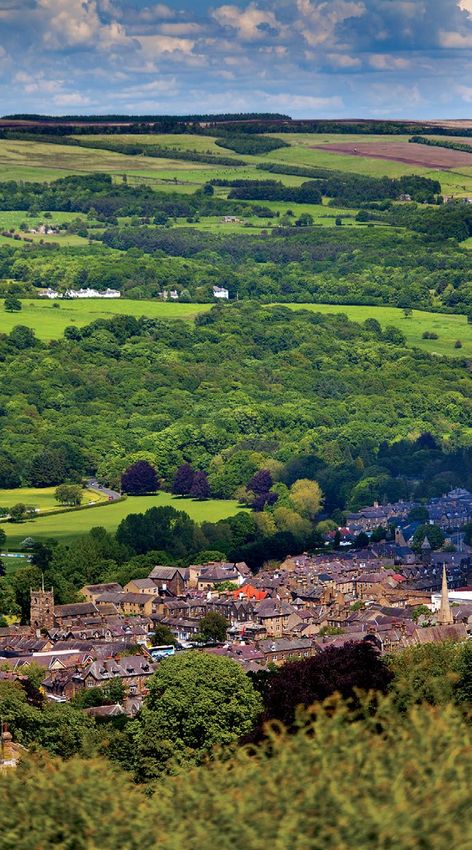
Contents
Part 1: The purpose of the National                  Part 2: The ten characteristics		                    9
Design Guide				                                1     Context                                                  Public spaces
                                                      C1   Understand and relate well to the site, its local   P1     Create well-located, high quality and attractive
Introduction                                    3
                                                           and wider context                              11          public spaces                                 31
How to use this design guide                    4     C2   Value heritage, local history and culture     12    P2     Provide well-designed spaces that are safe
                                                                                                                                                                    31
Looking forward                                 5     Identity
                                                                                                               P3     Make sure public spaces support social
Components for good design                      5     I1   Respond to existing local character and                    interaction                        32
                                                           identity                             15
The relationship between the National Design Guide                                                             Uses
                                                      I2   Well-designed, high quality and attractive
and local design guides                          7         places and buildings                    15          U1     A mix of uses                                35
Introducing the ten characteristics             8     I3   Create character and identity                 16    U2     A mix of home tenures, types and sizes       35

                                                      Built form                                               U3     Socially inclusive                           36

                                                      B1   Compact form of development                   19    Homes & buildings
                                                      B2   Appropriate building types and forms          19    H1     Healthy, comfortable and safe internal and
                                                                                                                      external environment                    39
                                                      B3   Destinations                                  20
                                                                                                               H2     Well-related to external amenity and public
                                                      Movement                                                        spaces                                  39
                                                      M1 A connected network of routes for all modes of        H3     Attention to detail: storage, waste, servicing
                                                         transport                                  23                and utilities                               40
                                                      M2 Active travel                                   23
                                                                                                               Resources
                                                      M3 Well-considered parking, servicing and utilities
                                                                                                               R1     Follow the energy hierarchy                  43
                                                         infrastructure for all users                  24
                                                                                                               R2     Careful    selection   of     materials      and
                                                      Nature                                                          construction techniques                       43
                                                      N1   Provide a network of high quality, green open       R3     Maximise resilience                          44
                                                           spaces with a variety of landscapes and
                                                           activities, including play                 27       Lifespan
                                                      N2   Improve and enhance water management          28    L1     Well-managed and maintained                   47
                                                      N3   Support rich and varied biodiversity          28    L2     Adaptable to changing needs and evolving
                                                                                                                      technologies                          47
                                                                                                               L3     A sense of ownership                         48

                                                                                                                                                                     iii
Contents
 Context

           Part 3: References                         52
            Key references                            53
            Other references                          53
            Table 1: Good practice examples and image
                 credits                           54
            Table 2: National Planning Policy Framework
                 chapters and planning practice guidance
                 relevant to the National Planning Policy
                 Framework objectives for good design
                                                      58
            Table 3: National Planning Policy Framework
                 chapters and planning practice guidance
                 relevant to the ten characteristics  60

                                                            iv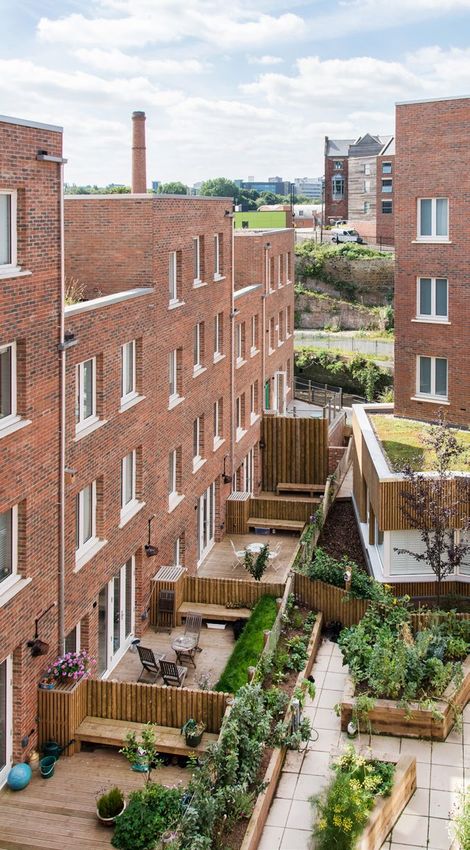
Part 1:
The purpose of the National Design Guide
The purpose of
the National     1   Places affect us all – they are where we live, work and
Design Guide     spend our leisure time. Well-designed places influence the
                 quality of our experience as we spend time in them and move
                 around them. We enjoy them, as occupants or users but also
                 as passers-by and visitors. They can lift our spirits by making
                 us feel at home, giving us a buzz of excitement or creating a
                 sense of delight. They have been shown to affect our health
                 and well-being, our feelings of safety, security, inclusion and
                 belonging, and our sense of community cohesion.
                 2   They function well, accommodating businesses, homes
                 and a range of other uses and activities that support our
                 everyday lives. Well-designed places can last for many years.

                 3    The National Planning Policy Framework makes
                 clear that creating high quality buildings and places
                 is fundamental to what the planning and development
                 process should achieve. This National Design Guide, and
                 the National Model Design Code and Guidance Notes for
                 Design Codes illustrate how well-designed places that are
                 beautiful, healthy, greener, enduring and successful can
                 be achieved in practice. It forms part of the Government’s
                 collection of planning practice guidance and should be
                 read alongside the separate planning practice guidance on
                 design process and tools.

                                                                                   2
Introduction
4     The long-standing, fundamental             6    The National Planning Policy Framework        9    The National Design Guide addresses
principles for good design are that it is: fit   sets out that achieving high quality places        the question of how we recognise well-
for purpose; durable; and brings delight1. It    and buildings is fundamental to the planning       designed places, by outlining and illustrating
is relatively straightforward to define and      and development process. It also leads             the Government’s priorities for well-designed
assess these qualities for a building. We        to improvements in the quality of existing         places in the form of ten characteristics. See
can identify its activities and users, the       environments. The National Planning Policy          Part 2: The ten characteristics .
quality of detail, materials, construction and   Framework expands upon the fundamental
its potential flexibility. We can also make      principles of good design to define what
judgements about its beauty.                     is expected for well-designed places and
5     A place is more complex and multi-         explain how planning policies and decisions
faceted than a building:                         should support this.
■ it is a setting for a diverse range of uses    7    The National Planning Policy Framework
  and activities, and is experienced by many     is supported by a suite of planning practice
  people in many different ways;                 guidance that is relevant to both design
■ it is made up of buildings, and also                                                                  Definitions
                                                 quality and quality in delivery. See Part 3:
  landscape and infrastructure, which are                                                               Inclusion: Making sure that all individuals have
  likely to endure longer than the buildings     References .                                           equal access, opportunity and dignity in the use
  themselves;                                    8     The underlying purpose for design                of the built environment.
■ most places evolve over a long period of       quality and the quality of new development             Community cohesion: A sense of belonging for
  time once they have been established,          at all scales is to create well-designed and           all communities, with connections and trust
                                                                                                        between them. Diversity is valued and people of
  with many incremental changes that can         well-built places that benefit people and              different backgrounds have the opportunity to
  affect their quality;                          communities. This includes people who use              develop positive relationships with one another.
■ the quality of ‘delight’ includes a richness   a place for various purposes such as:                  Design guide: A document providing guidance
  of experience gained from all of our           ■ to live, work, shop, for leisure and                 on how development can be carried out in
  senses, not only the visual; and                   recreation, and to move around between             accordance with good design practice, often
■ beauty in a place may range from a long
                                                                                                        produced by a local authority.
                                                     these activities; and
  view down to the detail of a building          ■ those who visit or pass through.
                                                                                                        Design code: A set of illustrated design
  or landscape.                                                                                         requirements that provide specific, detailed
                                                 It also includes people at different stages            parameters for the physical development of a site
                                                 of life and with different abilities – children,       or area. The graphic and written components of
                                                                                                        the code should build upon a design vision, such
                                                 young people, adults, families and older               as a masterplan or other design and development
1
    Originally from Vitruvius                    people, both able-bodied and disabled.                 framework for a site or area.

                                                                                                                                                            3
10   It is based on national planning policy,    The planning application process refers to       ■    its site and location; and/or
practice guidance and objectives for good        key components of design. Together with          ■    the design process, including whether it is
design as set out in the National Planning       related terms, these are defined on p.6.              at a strategic or detailed stage.
Policy Framework. Specific, detailed and         Otherwise definitions can generally be found     15   As well as helping to inform
measurable criteria for good design are most     in the section where the term is used for the    development proposals and their
appropriately set out at the local level. They   first time.                                      assessment by local planning authorities,
may take the form of local design policies,      13     In a well-designed place, an integrated   this design guide supports paragraph 130
design guides or design codes, prepared          design process brings the ten characteristics    of the National Planning Policy Framework
either by local authorities, or applicants to    together in a mutually supporting way.           which states that permission should be
accompany planning applications.                 They interact to create an overall character     refused for development of poor design
                                                 of place. Good design considers how              that fails to take the opportunities available
How to use this design guide                     a development proposal can make a                for improving the character and quality
11   The focus of this design guide is on        contribution towards all of them.                of an area and the way it functions. The
good design in the planning system, so it is     This applies to proposals of all sizes,          statements in this guide provide a series of
primarily for:                                   including small scale incremental changes        tests for assessing whether a place is well-
■ local authority planning officers, who         (such as highway works), new buildings,          designed or not. If they are not met, then it
   prepare local planning policy and             infill developments, major developments          can be concluded that it is not well-designed.
   guidance and assess the quality of            and larger scale developments such as            16   Well-designed places and buildings
   planning applications;                        urban extensions, new neighbourhoods, new        come about when there is a clearly
■ councillors, who make planning decisions;      settlements and infrastructure.                  expressed ‘story’ for the design concept and
■ applicants and their design teams,             14    At an early stage of the design            how it has evolved into a design proposal.
   who prepare applications for planning         process, the relative priority for different     This explains how the concept influences
   permission; and                               characteristics may be discussed and             the layout, form, appearance and details of
■ people in local communities and their          agreed. The most relevant characteristics        the proposed development. It may draw its
   representatives.                              will be determined by a number of                inspiration from the site, its surroundings or
12   The terminology used here avoids            considerations:                                  a wider context. It may also introduce new
jargon where possible. Definitions are           ■ locally identified priorities and concerns;    approaches to contrast with, or complement,
provided where particular technical              ■ the strategic priorities of the local
                                                                                                  its context. This ‘story’ will inform and
language is needed for clarity and precision.      authority;                                     address all ten characteristics. It is set out
                                                                                                  in a Design and Access Statement that
                                                 ■ the priorities of a particular user group;
                                                                                                  accompanies a planning application.
                                                 ■ the scale of proposal;
                                                                                                                                                     4
Looking forward                                  Components for good design
17    Local communities can play a vital           18    This guide has been prepared in            20    Buildings are an important component
role in achieving well-designed places             the context of social, economic and              of places and proposals for built
and buildings and making sure there is a           environmental change. Technological              development are a focus of the development
relationship between the built environment         change is rapid, with developments in digital,   management system. However good design
and quality of life. Communities can be            artificial intelligence and machine learning     involves careful attention to other important
involved in design processes through               affecting our lives at all scales, both inside   components of places. These include:
approaches such as co-design, design               and outside the home. Demographics               ■ the context for places and buildings;
workshops and other engagement                     are also driving change, with an ageing          ■ hard and soft landscape;
techniques, so that places and buildings           population. Younger people’s expectations
                                                                                                    ■ technical infrastructure – transport,
reflect local community preferences,               are changing too. This is leading to
                                                                                                       utilities, services such as drainage; and
improve their quality of life and fit well into    new lifestyles and new models of home
                                                                                                    ■ social infrastructure – social, commercial,
their surroundings. The design-related             ownership. It includes more communal
                                                                                                       leisure uses and activities.
chapters of the planning practice guidance         forms of living, such as cohousing. New
explain these and other design processes.          models of development are also emerging,         21   A well-designed place is unlikely
                                                   driven by advanced technologies. These           to be achieved by focusing only on the
                                                   include new off-site production methods, the     appearance, materials and detailing of
                                                   use of digital technologies for production       buildings. It comes about through making
                                                   and customisation, and an increase in self-      the right choices at all levels, including:
                                                   and custom-build.                                ■ the layout (or masterplan);

                                                   19   We expect continuing change as a            ■ the form and scale of buildings;

                                                   consequence of climate change, changing          ■ their appearance;
 Definitions                                       home ownership models and technological          ■ landscape;
 Design concept: The basic design ideas on which   changes. It is likely to emerge and embed
 a proposal will be based, often expressed in a                                                     ■ materials; and
 combination of words and visual material.         in society rapidly. It will influence the
                                                                                                    ■ their detailing.
                                                   planning, design and construction of new
 Design and Access Statement: A short                                                               These components are defined overleaf.
 report accompanying and supporting a              homes and places. So, for each of the ten
 planning application. It provides a framework     characteristics, a Looking Forward box           22   All developments are made up of these
 for applicants to explain how a proposed          identifies some issues to consider as we are     components put together in a particular way.
 development is a suitable response to the site    thinking ahead about our places. Both local
 and its setting, and demonstrate that it can be                                                    The choices made in the design process
 adequately accessed by prospective users.         planning policies and the design process         contribute towards achieving the ten
                                                   need to take these into account.                 characteristics and shape the character of
                                                                                                    a place.
                                                                                                                                                    5
Layout                                            Scale                                            Landscape
23   A layout shows how routes and blocks         26    Scale is the height, width and length      29    Landscape is the treatment of land
of development are arranged and relate to         of each building proposed within a               (other than buildings) for the purpose of
one another to create streets, open spaces        development in relation to its surroundings.     enhancing or protecting the amenities of the
and buildings. It defines:                        This relates both to the overall size and        site, the area in which it is situated and the
■ the structure or settlement pattern;            massing of individual buildings and spaces       natural environment. Landscape includes
■ the grain - the pattern of development
                                                  in relation to their surroundings, and to the    landform and drainage, hard landscape
   blocks and plots; and                          scale of their parts. It affects how a space     such as surfacing, boundary treatments,
                                                  can be used and how it is experienced.           street furniture and play equipment. It also
■ the broad distribution of different uses,
   and their densities or building heights.       The relationships between the different          includes soft landscape – trees, shrubs and
                                                  dimensions of a building or component are        other planting.
Form                                              known as its proportions.
24   Form is the three-dimensional shape          27   Enclosure is the relationship between       Materials
and modelling of buildings and the spaces         the height of the buildings across a space,      30    The materials used for a building or
they define. Buildings and spaces can take        and the dimension of the space itself. Taller    landscape affect how well it functions and
many forms, depending upon their:                 building heights and a more built up building    lasts over time. They also influence how
■ size and shape in plan;                         line both increase the enclosure. Different      it relates to what is around it and how it is
                                                  degrees of enclosure influence how people        experienced. The scale, form and appearance
■ height;
                                                  use different spaces, by creating differences    of a building influence what materials may
■ bulk - their volume;
                                                  in character that suit different activities.     be appropriate for its construction. Materials
■ massing - how bulk is shaped into a form;                                                        should be practical, durable, affordable
■ building lines - the alignment of building      Appearance                                       and attractive. Choosing the right materials
   frontages along a street; and                                                                   can greatly help new development to fit
                                                  28   Appearance is the aspects of a building
■ relationship to the plot boundary - and
                                                  or space within the development which            harmoniously with its surroundings.
   whether they share party walls or not.         determine the visual impression the building
In the case of spaces, their form is influenced   or space makes, including the external built
by the buildings around them.                     form of the development, its architecture,
25   The form of a building or a space has        materials, decoration, lighting, colour and
a relationship with the uses and activities it    texture. In the case of a space, its landscape
accommodates, and also with the form of the       also influences its appearance.
wider place where it is sited.
                                                                                                                                                    6
The relationship between the National
31 Innovative materials and construction Design Guide and local design guides 35 The National Design Guide provides a
techniques are being developed all the 34 This document is set out in four parts: structure that can be used for the content
time. Modern methods of construction are ■ this part, Part 1, outlines the purpose of of local design policies, guides and codes,
becoming more common, whether in the form the National Design Guide; and addresses issues that are important
of mass production for modular construction, ■ Part 2 sets out the ten characteristics of for design codes where these are applied
or off-site bespoke construction for self- or beautiful, enduring and successful places; to large scale development on single or
custom-build. and multiple sites. The ten characteristics reflect
■ Part 3 provides sources of reference the Government’s priorities and provide
Detailing relevant to Part 2, including to other a common overarching framework. More
32 The details of a building are the guidance and the good practice examples specific guidance in the form of design
individual components and how they are put featured, as well as cross references to the policies, guides and codes can then be
together. Some are a deliberate part of the National Planning Policy Framework and locally formulated to meet the priorities of
planning practice guidance. local communities. All local design policies,
appearance of a building, including doors,
windows and their surrounds, porches, The National Design Guide should be read design guides and codes will need to set out
decorative features and ironmongery. alongside the National Model Design Code a baseline understanding of the local context
Others are functional, although they can also and Guidance Notes for Design Codes, which and an analysis of local character and
contribute to the appearance of a building. sets out detailed guidance that needs to be identity. This may include (but not be limited
These include lighting, flues and ventilation, considered in the production of local design to) the contribution made by the following:
gutters, pipes and other rainwater details. codes, guides and other design policies. It ■ the relationship between the natural
expands on the ten characteristics of good environment and built development;
33 Detailing affects the appearance of a design set out in this document, which reflect
building or space and how it is experienced. ■ the typical patterns of built form that
the Government’s priorities and provide a contribute positively to local character;
It also affects how well it weathers and lasts common overarching framework for design.
over time. ■ the street pattern, their proportions and
landscape features;
■ the proportions of buildings framing
spaces and streets;
■ the local vernacular, other architecture
and architectural features that contribute
to local character.
7l-designed pla
Introducing the ten characteristics
e l
Aw ce
36 Well-designed places have individual
characteristics which work together to
create its physical Character. The ten
characteristics help to nurture and sustain a
sense of Community. They work to positively e span
Cont
ext C
Lif
address environmental issues affecting
h
e
Climate. They all contribute towards the es
I
a
Made to last Enhances the
at
cross-cutting themes for good design set out
de
ra
surroundings
c
ur
nt
in the National Planning Policy Framework.
m
so
ity
ct
Re
Efficient and Attractive and
The ten characteristics set out in Part 2
Cli
37 resilient distinctive
er
are:
Homes and
buildings
B u il t fo r m
■ Context – enhances the surroundings. Functional, healthy
A coherent
pattern of
and sustainable
■ Identity – attractive and distinctive. development
■ Built form – a coherent pattern of Accessible and
development. Mixed and easy to move
integrated around
t
en
■ Movement – accessible and easy to
Us
em
Enhanced
move around.
es
Safe, social and
ov
and inclusive optimised M
■ Nature – enhanced and optimised.
Pu
Public spaces – safe, social and inclusive. sp blic ure
Nat
■
ace
s
Uses – mixed and integrated. Co y
m m u nit
■
■ Homes and buildings – functional, healthy
and sustainable.
■ Resources – efficient and resilient. The ten characteristics of well-designed places
■ Lifespan – made to last.
8Part 2: The ten characteristics
Context
Enhances the surroundings                   38   Context is the location of the development and the
                                            attributes of its immediate, local and regional surroundings.
                                            39  An understanding of the context, history and the
                                            cultural characteristics of a site, neighbourhood and
                                            region influences the location, siting and design of new
                                            developments. It means they are well grounded in their
                                            locality and more likely to be acceptable to existing
                                            communities. Creating a positive sense of place helps to
                                            foster a sense of belonging and contributes to well-being,
                                            inclusion and community cohesion.
                                            40    Well-designed places are:
                                              ■   based on a sound understanding of the features of the site
                                                  and the surrounding context, using baseline studies as a
                                                  starting point for design;
                                              ■   integrated into their surroundings so they relate well to
                                                  them;
                                              ■   influenced by and influence their context positively; and
                                              ■   responsive to local history, culture and heritage.

                            The topography, landscape
                            character, cultural history
                            and built form all define
                            the context for Ilkley, West
                            Yorkshire.
                                                                                                            10
National Planning Policy 8 12
Framework chapters 14 15 16
C1 Understand and relate well to the site,
its local and wider context 42 Well-designed development proposals
Existing facilities
41 Well-designed new development are shaped by an understanding of the
responds positively to the features of the site context that identifies opportunities for
itself and the surrounding context beyond design as well as constraints upon it. This
the site boundary. It enhances positive is proportionate to the nature, size and
qualities and improves negative ones. Some sensitivity of the site and proposal. A simple
features are physical, including: analysis may be appropriate for a small scale
■ the existing built development, including
proposal. Baseline studies covering a wide
layout, form, scale, appearance, details, range of topics are likely to be required for a
and materials; larger scale development.
■ local heritage – see below – and local 43 Well-designed new development is Landscape & drainage
character – see Identity ; integrated into its wider surroundings,
■ landform, topography, geography and physically, socially and visually. It is carefully
ground conditions; sited and designed, and is demonstrably
■ landscape character, waterways, drainage based on an understanding of the existing
and flood risk, biodiversity and ecology; situation, including:
■ access, movement and accessibility; ■ the landscape character and how places
or developments sit within the landscape,
■ environment – including landscape and
to influence the siting of new development
visual impact, microclimate, orientation,
and how natural features are retained or
flood risk, noise, air and water quality; Active movement
incorporated into it;
■ views inwards and outwards;
■ patterns of built form, including local
■ the pattern of uses and activities, precedents for routes and spaces and
including community facilities and local the built form around them, to inform the
services; and layout, grain, form and scale – see
■ how it functions. Built form ;
Others are non-physical, such as: ■ the architecture prevalent in the area,
■ social characteristics, including including the local vernacular and other
demographics; precedents that contribute to local
character, to inform the form, scale, Identifying the existing features of the site and the wider
■ economic factors; and area highlights opportunities for the design of new
appearance, details and materials of new
■ the aspirations, concerns and perceptions developments to link well into their context and enhance
development – see Identity . these features for the benefit of new and existing
of local communities.
residents.
11Context
■ uses and facilities, including identifying 48 Well-designed places and buildings are
local needs and demands that well-located influenced positively by:
new facilities may satisfy; and
■ the history and heritage of the site, its
■ public spaces, including their surroundings and the wider area, including
characteristic landscape design and cultural influences;
details, both hard and soft.
■ the significance and setting of heritage
44 However, well-designed places do
assets and any other specific features that
not need to copy their surroundings in
merit conserving and enhancing;
every way. It is appropriate to introduce
elements that reflect how we live today, ■ the local vernacular, including historical
to include innovation or change such as building typologies such as the terrace,
increased densities, and to incorporate new town house, mews, villa or mansion block,
sustainable features or systems. the treatment of façades, characteristic
materials and details – see Identity .
45 To communicate the benefits of a
scheme, it is important to explain how the
49 Today’s new developments extend the
design of a development relates to context history of the context. The best of them will
and local character. become valued as tomorrow’s heritage,
representing the architecture and placemaking New development relates well to Grade II listed buildings
C2 Value heritage, local history and culture of the early 21st century. in an historic harbour-side conservation area. Residential
buildings are designed as courtyard blocks with familiar
46 When determining how a site may be roof forms around new pedestrian and cycle-focused
streets. Wapping Wharf, Bristol
developed, it is important to understand the
history of how the place has evolved. The
local sense of place and identity are shaped Definitions
by local history, culture and heritage, and how Baseline studies: Descriptions of the conditions
these have influenced the built environment as existing or committed (e.g. environmental),
and wider landscape. against which changes arising from a proposed
development are predicted and assessed.
47 Sensitive re-use or adaptation adds to Local vernacular: An indigenous building style
the richness and variety of a scheme and to using local materials and traditional methods
its diversity of activities and users. It helps of construction and ornament, especially as
distinguished from academic or historical
to integrate heritage into proposals in an
architectural styles.
environmentally sustainable way.
121 3
Good practice examples
1 This development relates well to its context
in terms of its layout, scale and massing
as well as the location of open space and
infrastructure. It respects the existing urban
grain to create new streets and a new London
square, a familiar type of open space in this
west London context. Portobello Square,
Kensington, London.
2 New homes relate positively to their historic
town setting. The proportions of buildings, their
openings and their materials all complement
and enhance the context. The Piggeries, Frome,
Somerset.
3 Historic streets are reintroduced to create
permeable and well-sized urban blocks. The new
housing creates a positive setting for several
listed buildings. Timekeepers Square, Salford.
2
Looking forward
Have you considered:
■ How climate and environmental change
influences your understanding of
context?
■ Are there opportunities for flood
alleviation? Net environmental gain?
Absorption of CO2? Reducing embodied
carbon by retaining existing buildings?
■ How emerging modes of transport
and infrastructure may influence
accessibility?
■ How heritage may be incorporated into
proposals so it is inclusive and accessible
to all?
13Identity
Attractive and distinctive 50 The identity or character of a place comes from the
way that buildings, streets and spaces, landscape and
infrastructure combine together and how people experience
them. It is not just about the buildings or how a place looks,
but how it engages with all of the senses. Local character
makes places distinctive and memorable and helps people
to find their way around. Well-designed, sustainable places
with a strong identity give their users, occupiers and owners
a sense of pride, helping to create and sustain communities
and neighbourhoods.
51 Well-designed places, buildings and spaces:
■ have a positive and coherent identity that everyone can
identify with, including residents and local communities,
so contributing towards health and well-being, inclusion
and cohesion;
■ have a character that suits the context, its history, how we
live today and how we are likely to live in the future; and
■ are visually attractive, to delight their occupants and
other users.
The distinctive character
of the buildings and
landscape helps to create
an identity for this new
development. Its design has
a strong narrative and clear
precedents. Derwenthorpe,
York.
14National Planning Policy 8 12
Framework chapters 15 16
I1 Respond to existing local character and
identity ■ legibility - how easy it is for people to find
52 Local identity is made up of typical their way around;
characteristics such as the pattern of ■ roofscapes;
housing, and special features that are ■ the scale and proportions of buildings;
distinct from their surroundings. These
■ façade design, such as the degree of
special features can be distinguished by symmetry, variety, the pattern and
their uses and activity, their social and proportions of windows and doors, and
cultural importance, and/or their physical their details;
form and design. Most places have some ■ the scale and proportions of streets and
positive elements of character, particularly spaces;
for their users. These can help to inform the ■ hard landscape and street furniture;
character of a new development.
■ soft landscape, landscape setting and
53 Well-designed new development is backdrop; This neighbourhood in a semi-rural setting draws on local
influenced by: ■ nature and wildlife, including water; historical precedents to create a distinctive character.
It is defined by the height and massing of buildings,
■ an appreciation and understanding of light, shade, sunshine and shadows; and
■ variation in roof forms and material selection. Gables are
vernacular, local or regional character, paired to create a focal point and mark the entrance to a
including existing built form, landscape ■ colours, textures, shapes and patterns. street. Trowse Newton, Norfolk.
and local architectural precedents;
I2 Well-designed, high quality and
■ the characteristics of the existing built
attractive places and buildings
form – see Built form ;
54 Well-designed places and buildings are
■ the elements of a place or local places that
visually attractive and aim to delight their
make it distinctive; and
occupants and passers-by. They cater for a
■ other features of the context that are
diverse range of residents and other users.
particular to the area – see Context . All design approaches and architectural
This includes considering: styles are visually attractive when designed
■ the composition of street scenes, well.
individual buildings and their elements; 55 Well-designed places appeal to all
■ the height, scale, massing and
our senses. The way a place looks, feels,
relationships between buildings;
sounds, and even smells, affects its enduring
■ views, vistas and landmarks; distinctiveness, attractiveness and beauty.
15Identity
I3 Create character and identity
56 Well-designed places contribute to local
58 Design decisions at all levels and scales
distinctiveness. This may include: shape the character of a new place or building
and help to create a memorable sense of place.
■ adopting typical building forms,
Character starts to be determined by the siting
composition, articulation, proportions,
features, materials, details, patterns and of development in the wider landscape, then
colours of an area; by the layout and grain – the pattern of streets,
landscape and spaces, the movement network
■ drawing upon the architectural precedents
that are prevalent in the local area, and the arrangement of development blocks.
including the proportions of buildings and It continues to be created by the form, scale,
their openings; proportions, design, materials, details, patterns
■ using local building, landscape or
and colours of buildings and landscape. In this
topographical features, materials or way, it creates a coherent identity for residents
planting types; and communities to identify with.
■ introducing built form and appearance 59 Where the scale or density of new
that adds new character and difference development is very different to the existing
to places, with particular attention to how place, it may be more appropriate to create A wide street with house frontages stepping down
buildings meet the ground and sky; a new identity rather than to scale up the along its length. Their simple forms, considered roof
■ creating a positive and coherent identity detailing, and colourful façades create a strong identity
character of an existing place in its context. appropriate to the local and wider context of Nansledan,
that residents and local communities can New character may also arise from a response Newquay.
identify with. to how today’s lifestyles could evolve in
57 Materials, construction details and the future, or to the proposed method of
planting are selected with care for their Definitions
development and construction. Larger scale
context. They are attractive but also practical, new developments, such as garden villages Street scene: The appearance of all of the
elements of a street, including the carriageway,
durable and affordable. They contribute or urban extensions, may benefit from a pavement, street furniture, planting, and
to visual appeal and local distinctiveness. variety of characters so that different areas or the buildings or structures along its edges,
In well-designed buildings, the materials neighbourhoods each have their own identity. particularly the composition of buildings on each
side of the street.
and details suit the design concept and 60 Where the character of an existing place
they are consistently followed through the Roofscape: A view of roofs, particularly in terms
has limited or few positive qualities, then a new of its aesthetic appeal.
construction process to completion. and positive character will enhance its identity. Legibility: How easy it is for people to understand
and find their way around a place and how
memorable it is.
161 3
Good practice examples
1 Apartments designed in a traditional style
in response to the local identity. The frontage
of the development is designed as a series of
façades to create a vertical rhythm along the
street and this is reinforced by the composition
and proportions of openings. Highbury
Gardens, Islington, London.
2 Timber cladding, gable ends, a pedestrian-
focused public realm and generous planting
all give an informal, rural character to this
neighbourhood at Abode, Great Kneighton,
Cambridge.
3 The use of brick cladding on this tall
building gives it a character that fits well
into its historic surroundings, and a texture
that is human scale and tactile where the
building meets the ground. Blackfriars Circus,
Southwark, London.
2
Looking forward
Have you considered:
■ How the identity suits the proposed
approach to development such as
construction technologies, diversity of
procurement or ownership models?
■ How the proposed character responds to
climate change?
■ How natural features such as tree
planting, wetlands or other sustainable
drainage systems can contribute to
a positive character and perform a
multifunctional role?
17Built form
A coherent pattern of development 61 Built form is the three-dimensional pattern or
arrangement of development blocks, streets, buildings and
open spaces. It is the interrelationship between all these
elements that creates an attractive place to live, work and
visit, rather than their individual characteristics. Together they
create the built environment and contribute to its character
and sense of place.
62 It is relevant to city and town centres, suburbs, villages
and rural settlements. It creates a coherent framework that
forms a basis for the design of individual developments
within a place.
63 Well-designed places have:
■ compact forms of development that are walkable,
contributing positively to well-being and placemaking;
■ accessible local public transport, services and facilities, to
ensure sustainable development;
■ recognisable streets and other spaces with their edges
defined by buildings, making it easy for anyone to find their
way around, and promoting safety and accessibility; and
■ memorable features or groupings of buildings, spaces,
uses or activities that create a sense of place, promoting
inclusion and cohesion.
The built form of this urban block is oriented
to make the most of views towards the river. It
steps to create a varied roof line, so that it sits
sensitively in the wider historic industrial context.
This helps to manage the levels of a sloping
site. It also provides attractive roof terraces for
residents. The Malings, Ouseburn.
18National Planning Policy 8 9
Framework chapters 11 12
B1 Compact form of development
64 Compact forms of development bring 68 The built form of well-designed places
people together to support local public relates well to:
Centre Urban
transport, facilities and local services. They ■ the site, its context and the opportunities
make destinations easily accessible by they present;
walking or cycling wherever this is practical. ■ the proposed identity and character for
This helps to reduce dependency upon the the development in the wider place;
private car.
■ the lifestyles of occupants and other
65 Well-designed new development makes users; and
efficient use of land with an amount and ■ resource efficiency, climate change
mix of development and open space that mitigation and adaptation. See
optimises density. It also relates well to and Resources.
enhances the existing character and context. 69 Built form defines a pattern of streets
66 Built form is determined by good urban and development blocks. Streets are places
design principles that combine layout, form for people as well as for movement. Street Edge Suburban
and scale in a way that responds positively types will depend on:
to the context. The appropriate density will ■ their width, relating to their use;
result from the context, accessibility, the
■ the height of buildings and the
proposed building types, form and character consistency of their building line in
of the development. relation to the street itself, and the sense
of enclosure that results;
B2 Appropriate building types and forms
■ how built up they are along their length
67 Well-designed places use the right including whether or not buildings share
mix of building types, forms and scale of party walls, and the structure of blocks
buildings and public spaces for the context and routes that this creates;
and the proposed density, to create a ■ the relationship between building fronts
coherent form of development that people and backs, with successful streets
enjoy. They also adopt strategies for parking characterised by buildings facing the street Considering the layout, grain and scale of buildings and
to provide interest, overlooking and active spaces in different situations, and drawing inspiration
and amenity that support the overall quality from traditional street patterns, helps to create new
of the place. frontages at ground level - see developments that fit well into the surrounding context.
Public spaces ;
19Built form
■ establishing an appropriate relationship 73 They create valuable opportunities
with the pattern, sizes and proportions of for the built form to strengthen the local
existing streets in the local area; and character of a place. The choice of site,
■ how they create a clear distinction layout, form and scale of built form,
between public and private spaces. together with good design and well-
70 Well-designed tall buildings play considered materials, all help to add to
a positive urban design role in the built local distinctiveness and create a sense of
form. They act as landmarks, emphasising community.
important places and making a positive 74 In this way, local destinations become
contribution to views and the skyline. recognisable features that help people find
71 Proposals for tall buildings (and other their way around and feel a sense of identity.
buildings with a significantly larger scale or Involving potential users in the design
bulk than their surroundings) require special process also helps to achieve this.
The form of these new homes draws from local rural
consideration. This includes their location typologies, with a contemporary interpretation.
and siting; relationship to context; impact Definitions Carrowbreck Meadow, Norfolk
on local character, views and sight lines; Accessibility: The ability of people to move
composition - how they meet the ground and around an area and reach places and facilities,
the sky; and environmental impacts, such as including older and disabled people, those with
young children and those carrying luggage or
sunlight, daylight, overshadowing and wind. shopping.
These need to be resolved satisfactorily in
Compact form of development: Development
relation to the context and local character. that is planned with a relatively high residential
density and an urban layout. Community
B3 Destinations facilities are closer to one another and their
users, preserves more open landscape, and
72 Destinations provide opportunities for makes efficient use of land and resources.
people to meet, share experiences and come Walkable: Local facilities are within walking
together as a community - see also Uses . distance, generally considered to be no more
By bringing existing and new together, than a 10 minute walk (800m radius).
destinations become a place for everyone. Destinations: Places or facilities that people
want to visit. In a neighbourhood these Flats are used to turn the corner of this urban block.
may be transport hubs, open spaces, local Stepped bay windows and a large chimney stack to create
services such as schools, shops, healthcare or a positive and interesting facade treatment on a prominent
community facilities. corner. Pottergate, Alnwick, Northumberland
201
Good practice examples
1 This development is designed around a clear
street hierarchy, a mix of open spaces and an
associated variety of building types and sizes.
Great Western Park, Didcot.
2 A network of streets and courts frame open
spaces that allow views out to the hillside and
coastline for existing and new residents. The
built form adopts a, contemporary approach
to traditional typologies. Officers Field,
Weymouth.
3 This higher density, urban development
uses the size and location of open spaces,
layout, orientation and stepping façades and
roofs to break up the form. St. Andrews Block B,
Bromley-by-Bow, London.
2 3
Looking forward
Have you considered:
■ How the built form reduces reliance upon
the car by promoting walking and cycling
to local destinations, and prioritising
public transport routes?
■ How it can support evolving lifestyles?
Working remotely or from home?
Intergenerational living? Cohousing?
■ How the layout, form and scale are a
suitable starting point for an appropriate
character?
21Movement
Accessible and easy to move around 75 Patterns of movement for people are integral to well-
designed places. They include walking and cycling, access
to facilities, employment and servicing, parking and the
convenience of public transport. They contribute to making
high quality places for people to enjoy. They also form a crucial
component of urban character. Their success is measured by
how they contribute to the quality and character of the place,
not only how well they function.
76 Successful development depends upon a movement
network that makes connections to destinations, places and
communities, both within the site and beyond its boundaries.
77 A well-designed movement network defines a clear pattern
of streets that:
■ is safe and accessible for all;
■ functions efficiently to get everyone around, takes account
of the diverse needs of all its potential users and provides a
genuine choice of sustainable transport modes;
■ limits the impacts of car use by prioritising and encouraging
walking, cycling and public transport, mitigating impacts
and identifying opportunities to improve air quality;
■ promotes activity and social interaction, contributing to
Cycle and
pedestrian health, well-being, accessibility and inclusion; and
movement ■ incorporates green infrastructure, including street trees to
that is well-
overlooked soften the impact of car parking, help improve air quality
and attractive. and contribute to biodiversity.
Packington
Estate,
Islington,
London.
22National Planning Policy
8 9 12
Framework chapters
M1 A connected network of routes for all
modes of transport 81 Higher densities are dependent
78 A well-designed and connected network upon accessibility to public transport and
gives people the maximum choice in how essential facilities. To optimise density, it
to make their journeys. This includes by rail, may be necessary to provide public transport
other public transport, walking, cycling and infrastructure or to improve existing local
by car. transport services. A transport hub may
79 In a well-designed place, all modes of represent an opportunity for a local increase
transport are positively designed into the built in density, where appropriate to local context
form. They are integrated into public spaces and character.
with character that people enjoy using.
People move around in attractive streets M2 Active travel
and other public spaces - parks, natural open 82 Priority is given to pedestrian and cycle
spaces and green corridors. Well-designed movements, subject to location and the
streets create attractive public spaces with potential to create connections. Prioritising
character, through their layout, landscape, pedestrians and cyclists mean creating
including street trees, lighting, street furniture routes that are safe, direct, convenient and Well-designed places have a hierarchy of well-connected
accessible for people of all abilities. These routes, such as boulevards, streets, roads, avenues,
and materials - see Public spaces . mews and courts. New developments help to reinforce
are designed as part of attractive spaces or extend the movement network. For pedestrians and
80 A clear layout and hierarchy of streets
with good sightlines, and well chosen cyclists, direct links create good connections to public
and other routes helps people to find their transport and promote active travel, particularly where
junctions and crossings, so that people
way around so that journeys are easy to they are along routes with low levels of vehicular traffic.
want to use them. Public rights of way are
make. Wider, more generous spaces are
protected, enhanced and well-linked into
well-suited to busier streets, including
the wider network of pedestrian and cycle
streets served by public transport. They
routes.
have enough space to create an attractive
place for all users. Narrower streets are 83 In well-designed places, people should
more suitable where there is limited vehicle not need to rely on the car for everyday
movement and speeds are low. Mews, journeys, including getting to workplaces,
courtyards and culs-de-sac will generally shops, schools and other facilities, open
only be appropriate at the most local level spaces or the natural environment. Safe and
where there is little vehicular movement. direct routes with visible destinations or
clear signposting encourage people to walk
and cycle.
23Movement
M3 Well-considered parking, servicing and 88 Access for servicing is also well-
utilities infrastructure for all users integrated into developments, including for
84 Parking standards are set locally and refuse collection, deliveries and removals. Bin
vary in response to local conditions. How stores are carefully integrated so that bins are
parking is arranged has a fundamental effect not visible from the street (see
on the quality of a place or development. Homes and Buildings ).
85 Well-designed car and cycle parking 89 Utilities services and infrastructure
at home and at other destinations is include water supply, sewerage, drainage,
conveniently sited so that it is well used. gas, electricity, full fibre broadband, digital
This could be off-street to avoid on-street infrastructure and telephones. Their siting
problems such as pavement parking or and layout take into account: A guided busway with dedicated pedestrian and cycle
congested streets. It is safe and meets the ■ their space requirements and visual paths provides fast and direct links to connect new and
needs of different users including occupants, impact; existing neighbourhoods with employment and services
in Cambridgeshire.
visitors and people with disabilities. It may ■ convenient maintenance while not
be accommodated in a variety of ways, in impeding the planting of street trees; and Definitions
terms of location, allocation and design. ■ implications for foreseeable future Movement network: The linked routes and
86 Well-designed parking is attractive, well- changes in demand. connections for people and vehicles to go and
move through places and spaces. Specific
landscaped and sensitively integrated into consideration is given to the needs of each of
the built form so that it does not dominate the different users of the network, including
the development or the street scene. It pedestrians, cyclists, public transport, cars and
incorporates green infrastructure, including service vehicles.
trees, to soften the visual impact of cars, Sustainable transport mode: Any efficient, safe
help improve air quality and contribute to and accessible means of transport with overall
low impact on the environment, including walking
biodiversity. Its arrangement and positioning and cycling, low and ultra low emission vehicles,
relative to buildings limit its impacts, whilst car sharing and public transport.
ensuring it is secure and overlooked. Green corridor: Uninterrupted network of natural
features within an urban area that acts as a
87 Electric vehicle spaces and charging linkage for wildlife, and potentially for people.
points need to be considered, so they are
Street clutter: Street furniture and landscape
suitably located, sited and designed to avoid arranged so that streets are difficult to move
street clutter. through, use or are unattractive.
241 2
Good practice examples
1 A dedicated pedestrian and cycle Quietway
route separates pedestrians and cyclists from
vehicles in Walthamstow, London.
2 Streets are places for people as well as cars.
Poundbury, Dorchester.
3 The street is designed with parking located
in front of homes and screened with robust
shrub planting and small trees. Planting is kept
low to maintain visibility along the street and
towards front doors. Horsted Park, Kent.
23
Looking forward
Have you considered:
■ How to reduce reliance upon the private
car? Moving away from car use for short
journeys? Prioritising walking, cycling and
public transport?
■ How changing technology will continue
to affect movement? Electric vehicles
(cars and e-bikes) and their charging
requirements? Private hire/driverless
vehicles in terms of parking provision?
■ How to improve air quality? Restrictions/
charging for certain types of vehicles?
Natural features such as trees, hedges or
water?
25Nature
Enhanced and optimised 90 Nature contributes to the quality of a place, and to
people’s quality of life, and it is a critical component of well-
designed places. Natural features are integrated into well-
designed development. They include natural and designed
landscapes, high quality public open spaces, street trees, and
other trees, grass, planting and water.
91 Well-designed places:
■ integrate existing, and incorporate new natural features into
a multifunctional network that supports quality of place,
biodiversity and water management, and addresses climate
change mitigation and resilience;
■ prioritise nature so that diverse ecosystems can flourish
to ensure a healthy natural environment that supports and
enhances biodiversity;
■ provide attractive open spaces in locations that are easy
to access, with activities for all to enjoy, such as play,
food production, recreation and sport, so as to encourage
physical activity and promote health, well-being and
social inclusion.
Informal doorstep play is
located along a pedestrian
route among planting and
trees, well-overlooked by
neighbouring homes. South
Gardens, Elephant Park,
London.
26National Planning Policy 8 12
Framework chapters 14 15
N1 Provide a network of high quality, green
open spaces with a variety of landscapes
their ability to support a range of activities ■ a variety of natural and designed
and activities, including play ■
landscapes for everyone, with different
and provide amenity value; and
92 Well-designed places provide usable functions to suit a diverse range of needs;
■ how they are to be managed and
green spaces, taking into account: maintained. ■ opportunities for formal and informal play,
■ the wider and local context, including exercise and rest that are accessible to all
existing landscape and ecology;
93 Open spaces are designed to be high and with no segregation;
quality, robust and adaptable over time
■ access; ■ well-integrated drainage, ecology, shading,
so that they remain fit for purpose and are recreation and food production that
■ how spaces are connected; managed and maintained for continual use. achieve a biodiversity net gain as required
■ the balance between public and private by the 25-year Environment Plan; and
94 Open spaces include public, shared and
open spaces – see Public spaces ; private outdoor spaces with: ■ well-considered maintenance and
■ their potential to contribute to a strategic
■ a range of sizes and locations;
management regimes based on an
green infrastructure system, and to water understanding of the costs for occupants
management – see below; or users.
Communal Open space well
roof terrace overlooked by homes
Natural play
alongside Formal hedging Community Small trees in gardens Trees provide Rain gardens Soft landscape
Trees provide sustainable marks out the managed provide shading, Informal different street within the in front gardens
Outdoor gym
shading for drainage systems play and picnic Seating for Cycle Rain raised beds for screening and doorstep character to street and along front
equipment
seated areas basin table area people to rest parking gardens food growing additional privacy play main square boundaries
27Nature
95 Public open spaces are open to all. They
provide opportunities for comfort, relaxation,
stimulation and social interaction in a safe
environment. To encourage interaction in an
open space, its location and structure need
careful consideration along with its activities,
versatility, and how it can be used and
accessed by all groups of people.
N2 Improve and enhance water
management
96 Water management maintains healthy
water systems and is important for effective
sustainable drainage systems. In well-
designed places, water features form part
of an integrated system of landscape, Definitions
biodiversity and drainage. This includes Introducing planting softens and greens the city centre Net gain for biodiversity: Biodiversity net
new water features that manage drainage and provides pocket parks, so enhancing the quality of gain delivers measurable improvements for
and also existing watercourses. Together the public realm. Grey to Green, Sheffield. biodiversity by creating or enhancing habitats in
with green and brown roofs, swales, rain association with development. Biodiversity net
gain can be achieved on-site, off-site or through
gardens, rain capture and other drainage, a combination of on-site and off-site measures.
water features create multifunctional ‘green’ N3 Support rich and varied biodiversity See the Natural Environment planning practice
sustainable drainage systems. They also 98 Well-designed developments include guidance for more detail.
enhance the attractiveness of open spaces site-specific enhancements to achieve Green infrastructure: A network of
and provide opportunities for play, interaction multifunctional green space, urban and rural,
biodiversity net gains at neighbourhood, which is capable of delivering a wide range of
and relaxation. street and household level. Green corridors environmental and quality of life benefits for local
97 Alternatively, places or developments can be used to extend and enhance existing communities.
may be designed to adapt to flood conditions. ecosystems. Existing areas of valuable Sustainable drainage systems: Features
biodiversity are protected and enhanced. designed to reduce flood risk, which are built
Examples may include a terraced open space to receive surface water run-off, such as
where lower levels may become a water Priority is given to rare or critical habitats and constructed wetlands, permeable surfaces,
feature, or homes with habitable rooms lifted species. retention ponds, green roofs and swales.
above flood level.
28You can also read


