NATURE-BASED SOLUTIONS - Dublin Climate Change Action Plans
←
→
Page content transcription
If your browser does not render page correctly, please read the page content below
NATURE-BASED
                          SOLUTIONS

90   DUBLIN CITY COUNCIL CLIMATE CHANGE ACTION PLAN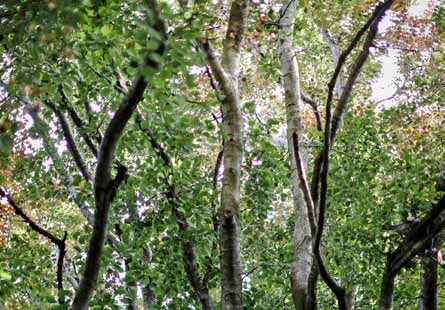
ACTION AREA: NATURE-BASED SOLUTIONS
DUBLIN CITY COUNCIL CLIMATE CHANGE ACTION PLAN 91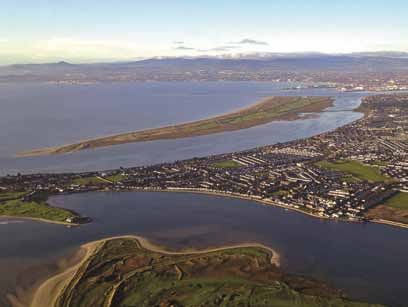
A green city is a healthy city. Protecting and GREEN INFRASTRUCTURE AND NATURE
i
enhancing open spaces for both CONSERVATION
biodiversity and recreational use has
benefits for the city’s sustainability and Green infrastructure is an interconnected
attractiveness as a place to live, work i
network of green space that conserves
and visit. As Dublin city intensifies and natural ecosystem values and functions
consolidates some natural assets, open that also provides associated benefits to
spaces and recreational areas may come the human population. It is a strategically
under increased pressure. The City Council planned network of natural and semi-
must respond by balancing the need of the natural areas with other environmental
city to consolidate with the need
to protect features designed and managed to deliver
and enhance vulnerable natural areas. a wide range of ecosystem services. It
- Dublin City Development Plan 2016-2022 incorporates green spaces (or blue if
aquatic ecosystems are concerned) and
Nature-based solutions are defined by the International other physical features in terrestrial
Union for Conservation of Nature as “actions to protect, (including coastal) and marine areas.
sustainably manage, and restore natural or modified - Dublin City Development Plan 2016-2022
ecosystems, that address societal challenges effectively
and adaptively, simultaneously providing human well- Dublin City Council Biodiversity Action Plan 2015-2020
being and biodiversity benefits”[30]. The overarching aim of DCC’s Biodiversity Action Plan 2015
-2020 is the conservation of biodiversity within the City
Nature-based solutions are critical in climate change using a combination of different approaches including
adaptation; they can play an important role not only for direct and appropriate management of biodiversity at a
biodiversity and ecosystems, flood prevention and carbon local and regional level, identification and protection of
sequestration, but also in temperature regulation, water important conservation value areas, enhancing biodiversity
quality, erosion prevention, and filtering pollutants from conservation within the green infrastructure network,
the air and water. Nature-based solutions are used in raising biodiversity awareness and facilitating public
a smart, ‘engineered’ way to provide sustainable, cost- behaviour towards increased protection and appreciation
effective, and adaptable measures that support climate of nature and wildlife.
resilience.
Dublin’s Natural Capital
Examples of nature-based solutions currently deployed Dublin City Council is responsible for 54 public parks (not
as ecosystem services within the City include green roofs including the Phoenix Park, St Stephen’s Green, the Iveagh
and tree pits as part of sustainable urban drainage systems Gardens, the War Memorial Gardens, and the Botanic
(SuDS), constructed wetlands to improve water quality Gardens, which are all operated by the OPW) that it will
and prevent flash flooding, increased biodiversity, and protect to ensure that future generations can enjoy the
more tree canopy cover to regulate urban heat, improve air benefits these amenities offer in terms of recreation, health
quality and provide shade and corridors for movement of and well-being. The flora and fauna in Dublin are vital in
wildlife within the City. adapting to climate change and mitigating future impacts,
as they act as carbon sinks and provide flood protection.
The biodiversity of Dublin City includes:
• Wildlife and habitats found at North Bull Island and along
the City’s coastline
• The rivers and canals that cross the City
• Open spaces linked to historic, educational and other
public buildings
• Roadsides, railway tracks, and footpaths
• Residential ‘greens’, private gardens, walls and buildings
Pollinator Plan
Dublin City Council monitors bee populations in public
parks in association with third-level institutions, and DCC
will continue as a partner in the Pollinator Plan for the
duration of the Climate Change Action Plan and monitor
results over time.
92 DUBLIN CITY COUNCIL CLIMATE CHANGE ACTION PLANTREE MANAGEMENT SuDs AND WATER-BASED SOLUTIONS
ACTION AREA: NATURE-BASED SOLUTIONS
The Tree Strategy provides the vision and
i
direction for long-term planning, planting, i
SuDS reduces flood risk, improves water
quality and provides amenity through
protection and maintenance of trees, the use of permeable paving, swales,
hedgerows and woodlands within Dublin green roofs, rainwater harvesting,
City. detention basins, ponds and wetlands.
- Dublin City Development Plan 2016-2022 Furthermore, SuDS offer the opportunity
to combine water management with green
Trees have multiple benefits in reducing the risk
of climate space, which can increase amenity and
change impacts. Through their root systems they reduce biodiversity. Dublin City Council will carry
soil erosion, and sequester atmospheric carbon as part of out on-going maintenance and monitoring
the carbon cycle, meaning that over its lifetime, a single of the sustainable drainage systems within
tree can absorb several tonnes of atmospheric carbon the public domain.
dioxide. The right tree in the right place can provide shelter - Dublin City Development Plan 2016-2022
from both wind and sun and help to reduce the urban heat
island effect. The Tree Canopy Study carried out by UCD’s Water related nature-based solutions
School of Geography has highlighted that in Dublin City, Wetlands, floodplains, lakes, rivers and reservoir
where 97% of the land is built up, trees cover just 10.2% ecosystems play an important role in the regulation of
of the total area; this can be as low as 3% for some urban floods in inland systems. They also provide protection from
areas[31]. In response to this study, DCC is actively working to the adverse consequences of climate related flood risks by
increase its canopy cover by implementing the City’s Tree acting as ‘storage’ or buffers during extreme precipitation
Strategy. DCC’s policy will involve not only the planting of events. They also play a role in temperature regulation and
more trees, but also their ongoing maintenance and care, are home to a rich biodiversity of flora and fauna.
as it is important to identify ageing and diseased trees
to maintain and improve canopy cover in the City and to Coastal regions are both vulnerable to and vital to climate
reduce storm related damage. change risk. Again, these areas can act as buffer zones
for maritime-related climate change impacts, such as
storm surges, rising sea levels and pressure on tidal
rivers. DCC has developed a range of plans and strategies
CASE STUDY
to protect these areas and its biodiversity. As Dublin’s
natural ecosystems have a critical role in the international
migration of various bird species, it is important to protect
and conserve these habitats. The expansion of the Dublin
Bay UNESCO Biosphere area to include the area between
Howth Head and Dalkey will further protect the biosphere’s
varied ecological systems. This is an opportunity for Dublin
to be a world leader in biodiversity management in the
urban context.
Photo Source: Fáilte Ireland / Matthew Thompson
Tree Promotion Initiatives
The Native Tree Trails programme was
developed by DCC Parks and Landscape
Services in 2008 and includes at least one
programme in each electoral area. DCC also
supports further tree planting activities with
schools including the annual National Tree
Week and National Tree Day in cooperation
with the Tree Council of Ireland. DCC further
supports tree-planting with businesses for
corporate social responsibility initiatives.
DUBLINDUBLIN
CITY COUNCIL
CITY COUNCIL
DRAFT CLIMATE CHANGE ACTION PLAN 93CASE STUDY
Tolka River Valley Greenway
CASE STUDY
The Tolka River Valley Park is a part of
the Strategic Green Network of Dublin
City. The parkland is multi-functional and
accommodates playing pitches, pitch
and putt, cycling, access for angling and
riverside walks, which will now be extended
by 2.4km. To enhance habitat diversity,
the new wetland ponds will be planted
with aquatic and marginal vegetation, new
hedgerows, thousands of trees and seven
hectares of wildflower meadow will be
Dublin Bay UNESCO Biosphere established. The new wetlands will take the
In 1981, UNESCO recognised the importance surface water from roads, trap pollutants
of Dublin Bay by designating North Bull and treat it before it enters the river. The
Island as a biosphere because of its rare Tolka Valley is considered an exemplar of
and internationally important habitats and green infrastructure planning as a multi-
species of wildlife. UNESCO’s concept of a disciplinary and multi-agency design and
biosphere has evolved to include not just management process. The success of the
areas of ecological value, but also the areas Tolka Valley Project is clearly illustrated by
around them and the communities that live the recording in 2011 of numbers of juvenile
and work within these areas. There have since wild Atlantic salmon in the river at Glasnevin
been additional international and national and Finglas, the first record of wild salmon
designations, covering much of Dublin Bay, to (which only survives in clean water) in the
ensure the protection of its water quality and Tolka for at least 100 years.
biodiversity.
In 2015, the existing North Bull Island UNESCO
Biosphere was expanded to cover all of Dublin
Bay, an area of 300 km2 with a population
of 300,000 people. This includes a core area
of high biodiversity value such as North Bull
Island, the Baldoyle and Tolka Estuaries,
Booterstown Marsh, Howth Head, Dalkey
Island and Ireland’s Eye.
The Dublin Bay UNESCO Biosphere contains
three different zones, which are managed in
different ways:
• The core zone of the Dublin Bay UNESCO
Biosphere comprises of 50 km2 of areas of
high natural value, including Howth Head,
North Bull Island, Dalkey Island and Ireland’s
Eye
• The buffer zone comprises 82 km2 of public
and private green spaces that surround and
adjoin the core zones
• The transition zone comprises 173 km2 and
forms the outer part of the biosphere. It
includes residential areas, harbours, ports
and industrial and commercial areas.
94 DUBLIN CITY COUNCIL CLIMATE CHANGE ACTION PLANEnergy
Efficiency
GHG
Reduction
Resilience
Nature-Based Solutions Public
Awareness
NO ACTION TIMEFRAME LEAD DEPT(S) INDICATORS TARGET(S) IMPACTED
ACTION AREA: NATURE-BASED SOLUTIONS
ACTIONS CURRENTLY BUDGETED
OPERATIONS
N1 Establish regional working group 2019 onwards Culture, Recreation Working group
on nature-based solutions and Economic established
Services
N2 Agree joint action plans to protect 2019 Culture, Recreation Action plans agreed
native habitats and species across and Economic
all 4 DLAs Services
N3 Establish a cross-departmental 2019 onwards Multi-departmental Working group
Trees and SuDS Working Group to established
promote and pilot water sensitive
urban design incorporating urban
tree planting
N4 Workshop on trees and SuDS 2019 Multi-departmental Workshops held,
report of outcomes
N5 Produce regional river basin Ongoing Multi-departmental Guidelines produced
management guidelines.
Use Santry River as
demonstration
N6 Facilitate an annual workshop for 2019 onwards Culture, Recreation Workshop organised
information exchange between and Economic
biodiversity experts Services
N7 Collect data to inform the Ongoing Culture, Recreation Data compiled
preparation of a list of habitats and Economic
and species in Dublin City Services
vulnerable to climate change.
Devise measures for reducing
risks to these habitats and species
locally and implement and
evaluate their effectiveness
GREEN INFRASTRUCTURE
N8 Develop Green Infrastructure 2021 Culture, Recreation Strategy completed
Strategy for region and Economic
Services
N9 Implement Public Open Ongoing Culture, Recreation Strategy completed
Space and Parks Strategy and Economic
Services
N10 Map access to green space in City Ongoing Culture, Recreation Spaces mapped, areas
to identify areas of need and Economic identified
Services
N11 Continued support of the Ongoing Culture, Recreation Greenway completed,
greenways concept for: Dublin and Economic any habitats
Bay, Dodder, Santry, Liffey, Tolka Services remediated
and Camac
N12 Assess the feasibility of green 2019 Culture, Recreation Report complete
walls and Economic
Services
TREE MANAGEMENT
N13 Implement Dublin City Tree Ongoing Culture, Recreation Completion of guide
Strategy and Economic
Services
DUBLIN CITY COUNCIL CLIMATE CHANGE ACTION PLAN 95NO ACTION TIMEFRAME LEAD DEPT(S) INDICATORS TARGET(S) IMPACTED
N14 Continue to map and collect data Ongoing Culture, Recreation and Data mapped and
on trees in Dublin City Economic Services collected
N15 Promote and expand Native Tree Ongoing Culture, Recreation and # of tree trails
Trails programme Economic Services
N16 Produce guidance on species of 2019 Culture, Recreation and Guide produced
public trees for urban planting in Economic Services
accordance with Action 3.1 of the
Dublin City Tree Strategy
N17 Tree-planting activities with Ongoing Culture, Recreation and # of trees planted
schools including annual National Economic Services
Tree Week and National Tree Day
N18 Investigate the use of the DAFM 2019 Culture, Recreation and Report complete
NeighbourWood Planting scheme Economic Services
for use in suitable urban area as
part of the DCC Tree Strategy
N19 Analyse climate change impacts on 2020 Culture, Recreation and Report complete
City's trees to inform management Economic Services
NATURE CONSERVATION
N20 Implement Dublin City Council 2020 Culture, Recreation and Plan completed
Invasive Alien Species Action Plan Economic Services and reviewed, any
eradications achieved
N21 Promote international World Annually Culture, Recreation and Event organised
Wetlands Day Economic Services
N22 Provide data to RAMSAR Ongoing Culture, Recreation and Data submitted
Committee for Ireland on wetlands Economic Services
in Dublin City
N23 Prepare and publish Flora of Bull 2020 Culture, Recreation Book published
Island and Economic Services,
Dublin Naturalists Field
Club
N24 Conduct a common cord-grass 2019 Culture, Recreation and Study conducted
management study and monitoring Economic Services, FCC,
for North Bull Island SPA NPWS
N25 Prepare a GIS-based ecological 2020 Culture, Recreation and Map complete
sensitivity map of Dublin Bay Economic Services
Biosphere
N26 Participate in the INTERREG-funded 2021 Culture, Recreation and Project complete
Acclimatize research project Economic Services
N27 Conduct light-bellied brent goose 2021 Culture, Recreation and Survey complete
roost survey Economic Services
N28 Implement the North Bull Island Ongoing Culture, Recreation and Plan implemented
Management Plan Economic Services
ACTIONS AWAITING BUDGET
N29 Pilot projects for green roofs on civic 2020 Multi-departmental # of pilots
buildings
N30 Develop demonstration sites to 2020 Culture, Recreation and # of sites developed
showcase nature-based solutions Economic Services
with existing land uses
96 DUBLIN CITY COUNCIL CLIMATE CHANGE ACTION PLANEnergy
Efficiency
GHG
Reduction
Resilience
Public
Awareness
NO ACTION TIMEFRAME LEAD DEPT(S) INDICATORS TARGET(S) IMPACTED
ACTION AREA: NATURE-BASED SOLUTIONS
N31 Implement the North East Inner City Ongoing Culture, Recreation Strategy implemented
and Liberties Greening Strategy and Economic Services
N32 Develop urban woodland strategy 2020 Culture, Recreation Strategy developed
as part of the DCC Tree Strategy and Economic Services
N33 Incorporate tree and shrub 2019 Housing, City # of trees per new
planting in all new Council housing Architects dwelling, # of shrubs
developments per new dwelling
N34 Assess feasibility of additional green 2020 Culture, Recreation Feasibility report
space for local food production, and Economic
including community gardens and Services, Planning and
urban orchards Property Development
N35 Produce A Guide to Sustainable 2018 onwards Culture, Recreation Guide produced and
Living in Dublin City and Economic Services available in libraries
N36 Identify sites suitable for community Ongoing Multi-departmental, # of sites identified
gardens for local food production Dublin Community
Growers Association
N37 Assessment of causes and impacts 2023 Multi-departmental Assessment complete
of Ectocarpus brown algal growth in and actions developed
Dublin Bay
N38 Prepare a preliminary list of species 2024 Culture, Recreation List prepared
and habitats vulnerable to climate and Economic Services
change for informing environmental
impact assessments
N39 Prepare an analysis of soil sealing 2021 Multi-departmental Analysis done
in Dublin City to determine levels of
permeability
N40 Engage with business community 2020 Culture, Recreation # of initiatives
to develop sustainable business and Economic Services developed
initiatives for Dublin Bay UNESCO
Biosphere Business Strategy
N41 DCC will continue as a partner in the Ongoing Culture, Recreation Continuation of
Pollinator Plan for the duration of and Economic Services partnership
the Climate Change Action Plan and
will monitor results over time
EXAMPLES OF RELEVANT LEGISLATION/POLICIES/GUIDANCE
• All-Ireland Pollinator Plan 2015-2020 • EU Environmental Impact Assessment Directive 2014/52/EU
• Dublin Bay Biosphere Biodiversity Conservation and Research • EU Habitats Directive 92/43/EEC
Strategy 2016-2020 • EU (Planning and Development) (Environmental Impact
• Dublin City Biodiversity Action Plan 2015-2020 Assessment) Regulations 2018 S.I. 296 of 2018
• Dublin City Development Plan 2016-2022 (Policies CC4; GI1; • EU (Invasive Alien Species) (Freshwater Crayfish) Regulations
GI10; GI12; GI14; GI19; GI29; GI30; SCO1; SI18, SN3; Section 2018
16.2.1.2; Appendix 23) • EU Regulation on Invasive Alien Species - EU Regulation
• Dublin City Invasive Alien Species Action Plan 2016-2020 1143/2014
• Dublin City Tree Strategy 2016-2020 • EU Strategy on Green Infrastructure 2013
• Dublin Tree Canopy Study (2017) • National Biodiversity Action Plan 2017-2021
• EU Biodiversity Strategy • National Landscape Strategy for Ireland 2015-2025
• EU Birds Directive 2009/147/EC • The Heart Of Dublin: City Centre Public Realm Masterplan 2016
• European Communities (Birds and Natural Habitats) • Water Framework Directive 2000/60/EC
Regulations 2011 S.I. 477 of 2011 • Wildlife (and Amendment) Acts 1976-2012
DUBLIN CITY COUNCIL CLIMATE CHANGE ACTION PLAN 97You can also read


