Navigating critical conversations about your student's success and well-being - Prevention ...
←
→
Page content transcription
If your browser does not render page correctly, please read the page content below

Navigating critical conversations about your student’s success and well-being

Welcome to Western!
      Western is a great place to be:
      •   Quality education
      •   Personal attention
      •   Focus on undergrads
      •   200+ clubs = lots to do!
      •   Beautiful surroundings
      •   Western value: STUDENT SUCCESS!
      •   Enrollment and Student Services mission:
          Promote the healthy development of the
          whole self and our communities!
Goals for This Session
       •   Discuss perceptions and realities of
           student life at Western
       •   Share key messages and tips for having
           important conversations with your student
       •   Highlight campus resources to help your
           student flourish at Western
Prevention and Wellness Services
            Our services help students:
            •   Recognize how their health impacts their
                personal and academic success
            •   Become actively involved in their own
                wellness
            •   Contribute to creating a safe and healthy
                campus for all

            Find us at pws.wwu.edu
Peer Health Educator Program

•   Excellent paraprofessional volunteer opportunity
•   Intensive training process
•   Experience providing health education programs and
    support services to their peers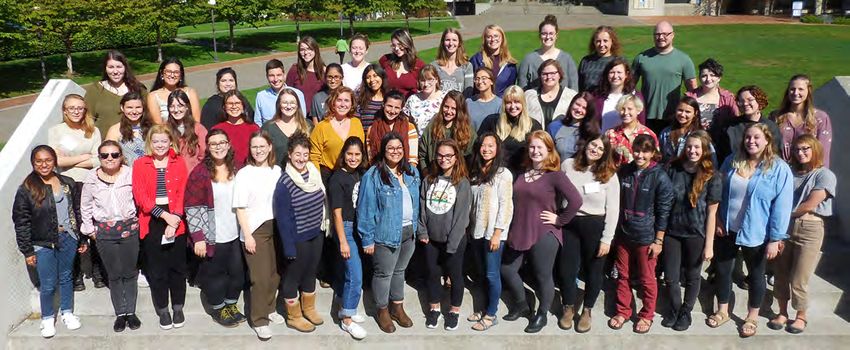
A Time of Change and Growth
          College is an exciting and important transition
          for your student ... and for you!
          As they embark on their college journey:
          •   What is one of your greatest hopes?
          •   What is one of your biggest concerns?
We’re a Team!
   •   Your influence is powerful!
   •   Your perspective and opinions matter to
       your kids!
   •   Your kids are still listening!
                          AND
   •   You, your student, and Western are
       partners in your student’s success!
Expectations of College Life?

Expectations of College Life?

Realities of Western

31% of Western students        67% of Western students       30% of Western students
who drink haven’t had          who have used cannabis        haven’t been sexually
alcohol in the past 30         haven’t used it in the past   active in the past 12
days, and 20% of Western       30 days, and 42% of           months, and of those who
students don’t drink at all.   Western students have         have, 75% only had 1-2
                               never used it.                partners in the past year.
Perception vs. Reality: AOD
100 98.2 96.7 Perceived peer norms have
90 a powerful influence on
80 75.7
students’ behavior ... for
better or worse.
70
60
50
40.8 40.6
40 34.6
30
21.2 20.2
20
10
0
Alcohol Cannabis Cigarettes Ecstasy Hallucinogens Cocaine Meth Opiates
% Perceived Use Last 30 Days 2016 NCHA DataPerception vs. Reality: AOD
100 98.2 96.7 Perceived peer norms have
90 a powerful influence on
80 75.7
students’ behavior ... for
69.4 better or worse.
70
60
50
40.8 40.6
40 34.6
33.3
30
21.2 20.2
20
11.7
10
1.6 3.6 1.8 0 0
0
Alcohol Cannabis Cigarettes Ecstasy Hallucinogens Cocaine Meth Opiates
% Perceived Use Last 30 Days % Reported Use Last 30 Days 2016 NCHA DataTop 10 Barriers to Academic Success?
2016 NCHA DataTop 10 Barriers to Academic Success
Western students reported these
issues caused them to drop a course, % of
receive a lower grade, or receive an Western
incomplete. students
1. Stress 45%
2. Anxiety 35%
3. Sleep problems 31%
4. Depression 27%
5. Cold/flu 23%
6. Work 17%
7. Internet/computer games 15%
8. Concern about friend/family 15%
9. Relationship difficulties 13%
10. Roommate problems 12% 2016 NCHA DataTips for Encouraging Healthy Choices
• Keep lines of communication open in a way that
works for both of you—maintaining connection
and respecting boundaries
• Be positive, empowering, and focused on your
student’s strengths
• Share strategies and skills
• Familiarize yourself with campus resources and
encourage your kids to use them
• Listen to their successes and support their own
efforts to problem-solveTips for Encouraging Healthy Choices
• Ask them questions:
• “What is your plan and how can I help?”
• “What’s something good that happened this
week?”
• “What are you hoping to get from ____?”
• Connect your messages to what’s important to
THEM, not just what’s important to YOU
• Encourage them to ask you and Western
resources questions
• What are your tips?Critical Conversations: AOD
• Share relevant personal/family issues
regarding substance use.
• Discuss moderation and safety strategies
with your student.
• Make sure your student knows about the
Medical Amnesty Law – especially if they
are under 21.
• AlcoholEdu and eCheckupToGo are free
online trainings for Western students.
• ADCAS, available for free individual
consultations, pws.wwu.edu/adcasCritical Conversations: Sex and Relationships
• Share what you DO want for them in this
part of their life!
• Info about safe sex, contraception and STD
prevention is important
• 1-on-1 free sexual health info sessions and
dorm/campus educational programs:
pws.wwu.edu/sexinfoCritical Conversations: Sex & Relationships
• “While the responsibility for domestic violence or
sexual assault lies with the perpetrators of these
crimes, we all play a role in creating a culture of
respect and preventing violence”
- No More Campaign
• Talk to your student about what it means to have
respectful dating and sexual relationships-consent is
key.
• Share with them how they deserve to be treated and
how you expect them to treat others.
• If any student has a concern related to a
relationship/violence they can connect with:
CASAS: 360-650-3700Critical Conversations: Mental Health
• Remind them you love them no matter what!
• Difficult feelings happen and are a normal part
of life
• Share any big concerns you have
• Encourage involvement in positive activities
• Encourage getting help when needed, including
free groups and workshops led by Counseling
Center professionals
• Counseling Center, counseling.wwu.eduCounseling Center Groups & Workshops
Drop-in workshops:
• Happy Hour positive psychology sessions
• Let’s Talk informal drop-in consultations
• Coping Skills, Mindfulness, Managing Test
Anxiety…and more!
Support groups:
• First Generation students
• Grief Support
• Understanding Self and Other
• Men’s & Women’s, LGBTQ+ groups….and more!Encourage Self-Care Practices
• Get enough sleep (6-8 hours)
• Prioritize healthy meals/snacks
• Find physical activities you enjoy (walk, yoga,
dance, Rec Center)
• If you get sick, take care of it early!
• Check out the online self-care resources at
counseling.wwu.edu/self-help-resources
• Check out the many ways to practice wellness
on campus at pws.wwu.edu/bewellTalk About Health Care and Insurance
Without your explicit permission, your student
may be hesitant to seek certain types of health
care. Share with them:
• What coverage they have
• How to use it
• What you want them to use it for
• Where to go: Student Health Center,
studenthealth.wwu.edu
Pro Tip: Text them photos of the front & back of
their insurance card so they have it on them at
all times!Promote Campus Resources
Resilience is the capacity to navigate our way
to and use the resources that sustain our well-
being.
Encourage your kids to use campus
resources—they’re part of what you pay for!Questions? Thank you for being here today, and welcome to Western!
You can also read


