Normanby School Charter
      2020-2021
←
→
Page content transcription
If your browser does not render page correctly, please read the page content below
Normanby School Charter
2020-2021
Page 2 of 45
Normanby School
Motto
“Titiro ki Runga”
Mission Statement
Our students will be confident, connected, actively involved,
life-long learners.
Vision
Confident Connected Actively Involved Life-long learners
Positive in their own Relating to others Participating and Independent learner
cultural identity Good communication contributing Innovative
Self-motivated skills Effective community Persevere
Resourceful and Sense of belonging contributor Literate and numerate
reflective Value diversity Physically active Critical and creative
Resilient and Culturally aware Diverse interest thinkers
courageous Principled Supports and Able to take on challenges
Able to take on Student Agency (Voice) encourages others Curious
responsibility Team Player Managing Self Understands how to learn
Accepts feedback / Understands rights and Engaged and sense of
feed forward responsibilities ownership
Page 3 of 45

                                               STRATEGIC GOALS

                                               Goal One: Our Students
                                     To provide our students with a range of learning opportunities
                                                        to be life-long learners.

        Goal Two: Our Staff                                                          Goal Three: Our Community
To develop professional capability always aiming for                                 To engage our community to be actively involved in
          effectiveness and excellence.                                               the life of our school and to have a positive home-
                                                                                                        school partnership
Page 4 of 45

                                         Values
 At our school we encourage and model the values, principles and intent of the
         New Zealand Curriculum with special emphasis on our values:
RESPECT          To be respectful for self, others, and the environment
Ngākau Māhaki

RESPONSIBILITY   To be accountable and act ethically
Takohanga

CARING           To care for self, others, our achievement and the environment
Manaaki

HONESTY          To have integrity and be truthful, fair and just
Pononga

CREATIVITY       To be innovative, have an inquiring mind and show curiosity in our learning
Auahatanga       and the world around us.
SUCCESSFUL       To aim for excellence, be innovative and participate for the common good
Angitūtanga

PERSEVERANCE     To persevere towards achieving own personal best (PB) in all areas of
Kia Manawanui    school life.
Page 5 of 45
Guiding Principles
These principles are our beliefs about what is important and they will be seen in our teaching practices. They will
underpin the decisions we make as a school. At Normanby School the Board of Trustees along with the Principal and
staff are committed to….
High Expectations- We empower all students to achieve personal excellence.
Treaty of Waitangi – We acknowledge the principles of the Treaty of Waitangi and actively nurture Te Reo,
tikanga and our bicultural heritage. We also embrace the diverse cultures and histories of Aotearoa.
Inclusion – We provide a welcoming, caring and inclusive environment that is emotionally, socially and physically
safe for all learners and their families. We foster an environment that appreciates individuality and uniqueness,
where effort is encouraged and success is celebrated.
Future Focus – learning experiences are future focussed and therefore are relevant to the changing world in
which we live. We foster students’ appreciation of the resources in our local environment and problem-solve ways
for protecting them for future generations.
Learning to Learn – We are creating an environment where all learners are empowered to participate in all
activities and achieve within the key competencies and learning areas of the New Zealand Curriculum. We
encourage our students to reflect on their own learning processes and learn how to learn, empowering them to be
lifelong learners. We are committed to delivering a curriculum that enables all students to become active,
confident, creative and innovative learners and thinkers and effective users of communication tools
Community Engagement – We develop a community of learners where teachers, students and families work in
partnership.
Page 6 of 45
Normanby School “Learner” Traits – Our Graduate Profile
Our students will demonstrate our vision and values by:
Being CURIOUS CONTRIBUTING
Wairua auaha, wairua uiui Porihanga
Explore, learn, create Be confident to participate, ask questions,
reflect, think
Being COLLABORATIVE Striving for and achieving COMPETENCY
mahi ngatahi Tohungatanga
Communicate and connect to learn, share Have the courage to take risks and commit to
ideas and make change persevere when faced with a challenge
Reaching for their own Personal Best (PB)
CARING COMMUNICATING effectively
For each other Whakawhitiwhiti korero
Manaakitanga Written
And the environment and resources Orally
Kaitiakitanga ICT
For our own and others’ wellbeing Visually
Being CHALLENGED and empowered to learn Being CONFIDENT
Whakatara Whakamanawa
Achieve to the best of their ability in their Passionate life-long learners
pursuit of personal excellence.
Articulate their learning journey. Student
voice /agency is an integral part of this
process.Page 7 of 45
Normanby School Charter 2020-2021
Personnel, Finance and Property Consultation
Normanby School Board of Trustees will: In developing our Charter/ Annual plan the Board has consulted with
Act as a good employer to teaching and non- teaching staff; the school community (bi-annually) by:
Prepare a budget to monitor and control school expenditure; Holding a community chat evening;
Allocate funds to meet the school’s priorities so that The Board and staff collaborating to develop new goals based
student’s achievement is enhanced; on community input;
Implement the 5 year/10-year property plans to ensure the Providing documentation on the new goals for community
school’s facilities provide a safe, healthy learning feedback.
environment. Ensuring it is a component of the Board’s self-review cycle and
e.g. purchase classroom furniture, carpet, and painting. charter development.
Response to Request for instruction in Te Reo
Education Guidelines The Board will respond to any request for instruction in Te Reo Maori
The Normanby School Board of Trustees recognises the National by:
Education Goals (NEGS), and the National Administration Advising parents of the current level of Te Reo and Tikanga
Guidelines (NAGS) and will meet all statutory obligations. Maori available at Normanby School.
The New Zealand Curriculum Offering to explore possibilities for extending the current
At Normanby School we will: provision including:
Follow the NZ Curriculum as a guiding document Dual enrolment at Correspondence School
Promote the teaching of values that allow children to Consulting with Resource Teacher: Maori
become respected and respectful contributing members of Consulting with another school able to provide a higher
their community. level of Te Reo and Tikanga Maori.
Advise parents where the nearest school is that provides a higher level
Support children to develop he necessary Key
of instruction in Te Reo and Tikanga Maori.
Competencies to become confident, connected, actively
involved, lifelong learners.
Provide a holistic education, enabling our children to
develop skills and knowledge to empower them to be drivers
of their own future.Page 8 of 45
Maori Dimensions and Cultural Diversity
Normanby School recognises the importance of New Zealand’s cultural diversity and the unique position of Maori culture. The Board demonstrates its
recognition of New Zealand’s cultural diversity through:
Consultation with our Maori community on Charter development;
Reflecting the unique place of Maori within our policy documentation and curriculum statements;
The continuing development of policies and practices that reflect New Zealand’s cultural diversity;
Provide all students with experiences and understandings in cultural traditions, language and local history;
Staff using commands and language in the classroom and when appropriate;
Including a Maori dimension in curriculum planning documentation;
Recognise the importance of Maori culture by allocating a management unit to this area of responsibility;
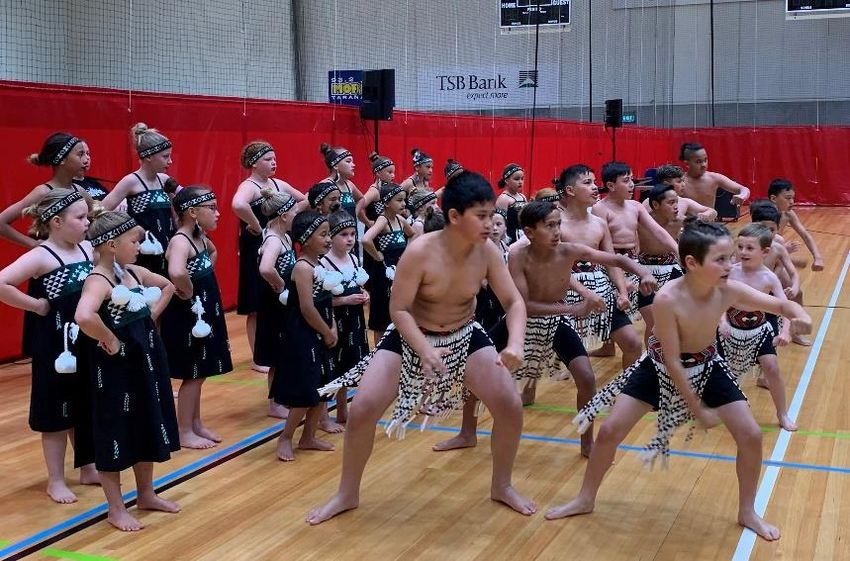
Ensure that our kapa haka group has opportunity to develop and perform.
Whole school visit to local Marae on a minimum triennial basis.
WHAT IS NORMANBY SCHOOL DOING TO REFLECT THE CULTURAL DIVERSITY IN NEW ZEALAND?
The school curriculum will encourage students to understand and respect different cultures that make up New Zealand society. It will ensure that the
experiences, cultural traditions, histories and languages of all New Zealanders are recognised and valued. The curriculum will acknowledge the unique
position of Māori and the place of Pacific Island societies in New Zealand society.
WE RECOGNISE AND VALUE THE UNIQUE POSITION OF MĀORI CULTURE IN NEW ZEALAND by ensuring that all learners have the opportunity
to acquire basic Te Reo and understanding of everyday conversational language (e.g. greetings, local places). The Treaty of Waitangi will guide our
relationships and the nature of our interactions with the Māori community. We will acknowledge and respect the values, traditions and history of Māori,
observe cultural sensitivity to Tikanga Māori (Māori protocol) and show respect for the local Māori identity involved in the school and community.
WHAT REASONABLE STEPS WILL BE TAKEN TO INCORPORATE TIKANGA MĀORI INTO THE SCHOOL CURRICULUM?
Te Reo will be integrated across the curriculum. We encourage the correct pronunciation of Māori place names and personal names. Opportunities will
be provided for students to join the Kapa Haka Group with students having opportunities to perform both in the school and for the wider community.
TO ENSURE EQUITABLE OUTCOMES FOR MĀORI WE NEED TO IDENTIFY LEARNERS WHO ARE at risk of not achieving or have learning needs
so that programmes and resources can be targeted to cater for individual needs.
REPORTING to the Board of Trustees on the achievement of Māori learners will be on-going ensuring targets are set and resourcing put in place.
TO DISCOVER THE VIEWS AND CONCERNS OF THE MĀORI COMMUNITY, CONSULTATIONS WILL TAKE PLACE WITH the school’s
community to develop and make known policies, plans and targets for improving the achievements of Māori students.Page 9 of 45
Reporting and Communication
Communication with the community is an essential and highly successful component of life at Normanby School. Efficient
communication and reporting procedures (formal and informal) are achieved through:
Informative fortnightly newsletters
Real time reporting through our new Student Management System to be introduced in 2020 (Hero Linc-ED)
Hero Linc ED used school wide for regular informal communication and reporting on-line in all learning areas, including a strong
focus on the gathering and sharing of learning through student voice,
Three-way conferencing with teacher, student and whanau – (Term One and Term Three)
Ongoing celebration of learning
Normanby School Facebook (up to date messages, alerts and newsletters)
Normanby Skool Loop (up to date messages, alerts and newsletters) This will be phased out as we transition into using Hero Linc-
ED throughout 2020.
Normanby School Website www.normanby.school.nz
PTA meetings (monthly February to December)
BOT meetings (monthly February to December)
Whanau Hui (annually)
Community consultation through specific forum topics
Open Door Policy.
Frequent invitations to ALL school events including swimming sports, cross country, athletics, Kapa Haka / Cultural events, End of
year concert, Assemblies and Prize Giving
Family Fun Day incorporating Grandparents Day and Art Exhibition
School Charter including Annual Plans, Strategic Plans and key BOT policies requiring periodic consultation.
All school policies available online through School Docs website.
Efficient email / cell phone / land line / FB messenger / in person access to Principal within school working hours.
Efficient email / land line and in person access to teaching and administrative staff within school working hours.
Principal’s presence in and around the school and community.
Strong community liaison with other local schools through our Kahui Ako, the South Taranaki Principals Association, and the New
Plymouth Principals Association.Page 10 of 45
Leadership and House Competition
Leadership Opportunities House Spirit and Competitions
Extensive opportunities exist within our school The House Competition in a wide variety of sports,
environment for our students to become leaders cultural and other activities within our school, forms
and to serve others within this school community an integral component of the development of school
and ultimately society. culture through the promotion of the following:
Our student leaders, including our staff, actively role Sportsmanship and fair play
model our school values in all areas of school-life. Leadership
A competitive spirit
The school leadership is based on a collaborative The pursuit of excellence (citizenship and
and distributive leadership model. academic)
School pride and sense of belonging
Student councillors (leaders) will be chosen in Term Health and well-being through an active
4 of each year and announced at the End of Year lifestyle
prizegiving. This group of students will work closely Resilience and perseverance
with the School Management Team to grow them in Team work
their leadership capability.
These students will attend the annual GRIP
Leadership coaching day in Palmerston North.Page 11 of 45
STRATEGIC PLAN 2020 – LOCALISED CURRICULUM
Objectives Core Strategies for Indicators of Success Evaluation
achieving Objectives (What will it look like? (How did we do?)
(What, How and Who?) What is happening?)
Developing our localised Developing our localised Developing our localised Developing our localised
Curriculum Curriculum Curriculum Curriculum
To develop a full and The New Zealand Curriculum All teachers will have access to a
balanced curriculum that describes the learning all young people completely overhauled and new
makes effective use of our should experience no matter what Normanby School localised
local natural resources, school or kura they go to and the curriculum by the end of 2021– this
people, and stories to progress and expectations associated will give a clear direction on what
connect our children with with this learning. The curriculum and how to teach our students at
their environment, heritage, leaders and leadership team will go Normanby School.
and culture in ways that see through the process of curriculum Our local curriculum will be unique
them participate fully in all design and review and responsive to the priorities,
aspects of life at our semi- TIC (Teachers in Charge) of curriculum preferences, and issues of our
rural school. areas to lead and guide teams to community and our people.
review and rewrite Normanby School Our local curriculum will bring the
Curriculum documents. NZC to life in our school. It will:
Make an action plan with TIC and Lead be responsive to the needs,
Team Managers (LTM) to develop and identities, languages, cultures,
implement curriculum documents interests, strengths, and
To engage in PLD with Donna Davies / aspirations of our learners and
Sharp facilitators through our Kahui their families
Ako to assist with the development of have a clear focus on what
our local curriculum supports the progress of all
To participate in the development of learners
the Kahui Ako Project Awa initiative help students understand Te
Enable relationships for learning. We Tiriti o Waitangi – its past,
will enrich our students’ learning present, and future (we will also
opportunities by fostering learning- be planning learning that helps
focused relationships within our school students live the Treaty as
and the wider community and iwi. (RBL citizens of Aotearoa)
/ Kahui Ako PD will assist with this). help learners engage with the
We will use the resources we have knowledge, values, and key
available – people, expertise, and competencies, so they can goPage 12 of 45
materials – to enrich our local on to be confident and
curriculum. connected lifelong learners.
We will strengthen collaborative Our school’s local curriculum is
inquiry. Using a systematic inquiry likely to be well-designed when:
approach to find out what works – We (principal and teachers),
when, for whom, and in what context. along with the community,
Building and sharing knowledge about can show what we want our
teaching practices positively impacts students to learn and how
on students’ learning. This knowledge our curriculum is designed
will be used to review and refine our to achieve this
school’s strategic priorities. learning is personalised and
We will provide rich opportunities for inclusive; taking into
learning. Rich opportunities to learn account students'
increase the breadth, depth, and aspirations, interests,
complexity of learning experiences for identities, languages, and
ākonga as they progress along their cultures
learning pathways. Design challenging the long view is taken: each
and rigorous learning opportunities. student’s ultimate learning
We need to encourage our students to success is more important
contribute to the community to enable than the coverage of
beneficial outcomes for them and for particular achievement
our community. objectives
We need to ask ourselves the following it is manageable and
as we review our localised curriculum: realistic.
How do we ensure that the full
extent of the New Zealand
Curriculum is expressed in our
local curriculum?
How do we ensure our
classroom learning helps
students understand Te Tiriti o
Waitangi – its past, present,
and future – and helps them
live the Treaty as citizens of
Aotearoa?
How do we give all our learners
rich opportunities for learning
across the curriculum?Page 13 of 45 How do we provide clear learning pathways across the learning areas and the curriculum levels? How do we integrate the principles, values, key competencies, and learning areas in our classroom programmes? Are we up to speed with the new digital technologies curriculum content in the technology learning area How do we build partnerships with parents, whānau, iwi, hapū, and the wider community? How do we ensure that everyone in our community feels a sense of ownership for our local curriculum? How do we ensure that we are being inclusive and culturally responsive to our students, parents, and whānau? How do we make use of our community resources and connections, such as with different cultures, businesses, organisations, professionals, and service providers? How do we use our vision to create coherent learning pathways? How do we ensure our school is ready to provide rich learning for all learners? How do we know we have prepared all our students for
Page 14 of 45 their next learning step as they transition from our school? How well do we know our learners' strengths and identities and their needs and aspirations for the year ahead? How can we provide rich opportunities for learning based on our learners’ strengths, identities, needs, and aspirations? What knowledge and skills do we need and what actions should we take to help all our learners grow?
Page 15 of 45
STRATEGIC PLAN 2020 – STUDENT MANAGEMENT SYSTEM
Objectives Core Strategies for achieving Indicators of Success Evaluation
Objectives (What will it look like? (How did we do?)
(What, How and Who?) What is happening?)
SMS SMS SMS SMS
To transition to our - Develop an action plan so that staff can
new Student learn how to use Hero in a systematic, All staff will use SMS to complete All students are able to post learning
Management System needs based and manageable manner. daily rolls. to their pages either independently or
(Hero LincED) and use - Identify staff members with a range of with support.
it to its optimum skills to be responsible for learning about Staff regularly update student learning
potential. Hero, training staff and growing its use. goals, adding evidence to show when All students have whanau connected
Consider those who have vision, who goals have been completed. to Hero LincED.
motivate others, who have curriculum,
assessment and pedagogical knowledge, Staff inputting all assessment data as All staff are able to add assessment
who are digitally strong and/or who have required. data, pastoral and behavioural notes.
different roles within the school.
- Establish an ‘induction buddy’ and use the All whanau and students have access All students have current learning
embedded resources for training future to Hero LincED. goals in reading, writing and maths.
staff
- Share what using the Hero software Reporting to parents is done within Realtime reporting to parents.
means for our school. Hero LincED on a regular basis.
- Discuss how the features of Hero align
with our school’s vision for teaching and Students will be able to access their
learning, e.g. student agency, real-time own learning goals and add evidence
reporting to show if they are achieving them.
- Define a clear end goal of how we want
reporting to look Community Notices page is used to
- To have a clear understanding of what we communicate messages to whanau.
want to share with parents.
- Develop a plan for comprehensive staff Staff enter behavioural and pastoral
training using the resources embedded notes as they occur.
within Hero. Carefully plan how we will
undertake training and roll out of the
different features within Hero. This
includes the use of:Page 16 of 45
- Internal communication pages
- Pages for sharing learning
- Assessments
- Goals progressions or OTJs
- Community Notices
- Text messaging
Set clear timeframes, expectations and
examples.
Read and promote the Hero release notes
and updates.
Provide access to ongoing professional
learning and support
Discuss strategies for managing the change
process, such as being aware of the learning
pit and promoting ways to positively respond
if presented with an unexpected challenge.
Discuss how our school will review and refine
the use of Hero.
Communicate with staff about who they can
access support from within the school.
Ensure staff are trained on how to use the
help resources within the site.
Make contact with other LINC-ED/Hero
schools in our region.
To develop an Assessment plan
To develop a Reporting timetable
To write Posting guidelines. This will
include:
- Minimum and maximum expectations,
- Timing, length, structure and content of
posts,
- Quantity and quality of supporting media
e.g. photos, Google Docs, video, iPad
apps
- Moderation for consistency
- Proofreading for grammar and spelling
To participate in PLD through the use of
Webinars subscribed through Hero.Page 17 of 45
To provide PLD for staff
Develop examples of Sentence starters for
parents to help scaffold responses to pages /
posts that are shared on Hero.
Establish and share our school’s
implementation timeline and reporting plan
with staff.
Hold a community information session about
logging into Hero and your school’s vision for
reporting
- Share ‘How to login’ information with
parents
- Suggest doing this on a Monday or
Tuesday
- Provide support before/after school
- Send Community notice first
- Follow up with a learning post shortly after
As part of Analysis of Best fit/OTJs data,
group students and flag priority learners for
tracking
Continue entering assessments, updating
goals and writing learning posts based on the
school’s timetable. Add supporting media
(photo, video, interactive apps)
Analyse school wide assessment and
progress data
Plan for those students who have the ability to
contribute to goal-setting, gathering evidence
and sharing learning in postsPage 18 of 45
STRATEGIC PLAN 2020 – WRITING
Objectives Core Strategies for Indicators of Success Evaluation
achieving Objectives (What will it look like? (How did we do?)
(What, How and Who?) What is happening?)
Writing Writing Writing Writing
To improve the teaching of To develop a greater understanding of the Children will be highly engaged and Consider collecting student and
writing across the school writing progressions so that teachers can show an enjoyment in the writing whanau voice
determine capabilities consistently across the process. Consider target students data (Tier 2
To improve achievement and school and have a thorough understanding of students identified early in the year),
engagement in Writing so that next steps in children’s learning. Students will have a “voice” as to
70% of the students achieve what they write and their audience Consider whole school achievement
the benchmark for their age Apply to the MOE for PLD funding to data
specifically develop teacher understanding of We will provide whanau meetings to Consider Maori student achievement
To improve Maori children’s the writing learning progressions and how to share how families can help their data
achievement in Writing so that use the Writing PACT Tool to ensure we have child with reading, writing and oral
70% of the students achieve consistency across the school in terms of language at home.
the benchmark for their age. OTJ and formative assessments.
A robust appraisal system will allow
Provide PLD for staff through Evaluative for appropriate goal setting,
Associates – Cath Runga as the facilitator reflections and targeted teaching.
To use the spiral of inquiry to scan and Use the Hero App to engage whanau
assess current writing teaching practices in the learning process for their child
across the whole school.
Ongoing assessment that is robust, equitable
for all learners and used in conjunction with
moderation will inform practice and ensure all
learners achieve the best they can. The
progress of identified target learners and
priority groups and the effect of interventions
will be regularly reviewed and teaching
adapted as necessary.Page 19 of 45
STRATEGIC PLAN 2020 – MATHEMATICS
Objectives Core Strategies for Indicators of Success Evaluation
achieving Objectives (What will it look like? (How did we do?)
(What, How and Who?) What is happening?)
Mathematics Mathematics Mathematics Mathematics
To assess current mathematics Apply to the MOE for MST (Maths Collaborative planning for maths that
practice across the whole school Support Teacher) and ALiM is data informed and tailored to
To produce a consistent (Accelerating Learning in student needs
Mathematics)
mathematics programme
Robust assessment systems with
throughout the school
Funding for MST and ALiM approved, teachers having a solid understanding
To improve achievement and
regular reviews of the effectiveness of of what the data is telling them
engagement in Mathematics so
these interventions to be carried out.
that 70% of the students achieve Target student groups established
the benchmark for their age MST to operate daily for 40 minutes. within classes for the purpose of
To improve Maori children’s 10 students per intake with a goal of sustained improvement across our
achievement in Mathematics so 30 -40 students throughout the year target learners
that 70% of the students achieve
the benchmark for their age. ALiM to operate for 15 minutes daily, Diverse and engaging mathematics
in addition to students normal class programmes that enable all students
programme to learn within numeracy knowledge
and strategy, strand, problem solving
Curriculum team established to and with relevance to them as people
support effective teaching in every class.
MST and ALiM teacher attending Collect and track student and whanau
regular PD and receiving mentorship. voices on dispositions and attitudes
toward mathematics in order to
Release time allocated for provide learning that students enjoy
strengthening teacher capabilities in and build self efficacy in.
maths across the school.
Use of the Hero App to assist
To provide quality resources (both in students and whanau in
digital format and hands-on understanding the goal they arePage 20 of 45
equipment) to strengthen working on and the goals they have
understanding of mathematical achieved
concepts and raise student success
Students will know what they are
To identify students who have a learning, why they are learning it and
strength in mathematics and provide how it is relevant to them outside of
learning opportunities that will the mathematics classroom
challenge them to apply this strength
to a range of concepts and contextsPage 21 of 45
STRATEGIC PLAN 2020 – COMMUNITY ENGAGEMENT
Objectives Core Strategies for Indicators of Success Evaluation
achieving Objectives (What will it look like? (How did we do?)
(What, How and Who?) What is happening?)
Community Engagement Community Engagement Community Engagement Community Engagement
To engage the community in the
Transitioning to a new student
life of the school Hero has the capability for
management system - Hero teachers and students to set goals
Linc-Ed. for student learning and for parents
to view their child’s progress
towards learning goals.
Teachers, and
eventually students, can post to
student learning journals and
parents are also able to access
this and comment on their child’s
journal - this will serve to provide
‘real-time’ reporting to parents.
Whanau and student voice is
Voice Collection will occur collected, cleaned and analysed.
regularly as part of our ongoing Perceived barriers and enablers to
focus and commitment to learning are identified and the
Relationship-Based Learning outcomes of voice collection help
to inform our future strategic
planning.
Communication Current forms of communication
with our school community include:Page 22 of 45
Fortnightly newsletter
Facebook and Facebook
messenger
School Loop
Email
Hero will become one of our main
methods of communicating with
parents about their individual
child’s progress and achievement.
Parent Teacher Association We have a strong and active PTA.
Meetings are held monthly.
These are used as and when
Surevys/ Reviews necessary - it is important that we
are able to provide our school
community with the opportunity to
have input and contribute to the
decision making processes when
and if applicable.
Meet the Teacher/New Parent Held twice each year, Term 1 and
Information Evenings Term 4. Example
These are scheduled twice per
Learning Conferences
year. Together, teachers, parents
and students discuss learning and
progress, reflect on past goals and
set new goals for learning.Page 23 of 45
Family Fun Day Our annual community celebration
of our tamariki. Student creativity is
at the forefront and our Art Exhibit
is always well received.
School Assemblies
Whanau are welcome to attend.
Open door Parents are welcome to visit
classrooms. Teachers are open to
our parents coming in to see the
learning in action
We returned to using Seesaw this
Seesaw year during the Lockdown as a
way for us to establish and sustain
home-school connections during
Alert Level 3-4.Page 24 of 45
STRATEGIC PLAN 2020 – PERSONNEL
Objectives Core Strategies for Indicators of Success Evaluation
achieving Objectives (What will it look like? (How did we do?)
(What, How and Who?) What is happening?)
Personnel Personnel Personnel Personnel
To staff the school effectively and
provide PLD that supports the Learning Assistant hours have One full time LA in the new entrant Consider collection of student
achievement of the school’s been increased in 2020. space, one LA in the Matariki voice and teacher voice in relation
strategic goals space (Rooms 7 and 8) until 2pm to impact of LAs in classrooms.
daily, and two LAs shared across
the Puanga space.
Classroom teachers include LA Consider tracking and monitoring
Learning Assistants trained in roles and responsibilities in weekly of student data in reading and
the delivery of extra support planning. LAs may work with writing
programmes: Five Plus and students who require additional
Quick 60. Our aim is to support or have an individualised
accelerate and raise student programme and will work closely
achievement in literacy. with classroom teachers and
RTLB/RTLit to develop and deliver
these programmes.
Two LAs are working with students
1:1 for half an hour daily on the
Five Plus programme
(approximately 20 lessons per
child).
One LA working with a group of 5
students daily on the Quick 60
programme (60 lessons of 45
minutes duration)Page 25 of 45
Writing - professional
development. Our aim is to Literacy leader will work alongside
support teachers to develop Cath Runga (Evaluation Consider leadership capability
their pedagogical knowledge of Associates) to develop an action matrix - dimension 3 & 4
the teaching of writing and to plan Action plan
strengthen our understanding of Consider outcomes of teacher goal
literacy learning progressions. setting and observations
Consider student and teacher
voice
The PB4L team will attend a series Consider student achievement
PB4L professional development. of workshops with Shelley data
Our aim is to develop a system O’Sullivan (MOE) who will facilitate
of supports for students and our journey towards implementing Consider School-Wide Evaluation
staff to ensure accurate and the essential features of PB4L Tool information (SET)
sustainable implementation of School-Wide
PB4L at Normanby School Consider student, whanau, staff
voice
Consider teacher/student voice
We will provide a comprehensive
Provisionally Certificated
advice and guidance program for Consider PCT reflective journal
Teachers are supported by a
our PCTs and they will each be
tutor teacher during their first
supported by an experienced tutor Consider appraisal process and
two years of teaching
teacher goal-setting/Impact Coaching
Teachers will collaborate to plan
Collaborative Teaching Consider outcomes of action plans
and deliver effective learning
programmes across the school.
Staff collaborate in curriculum
teams to develop and implement
curriculum action plansPage 26 of 45
Professional Development - Our Whole staff workshop with Tamsin
Local Curriculum Hanly, author and developer of the
Critical Histories Curriculum
Programme Resource (CPR)
Teacher workshop with Donna
Davies - Developing a Local
CurriculumPage 27 of 45
STRATEGIC PLAN 2020 – EOTC
Objectives Core Strategies for Indicators of Success Evaluation
achieving Objectives (What will it look like? (How did we do?)
(What, How and Who?) What is happening?)
EOTC (Education Outside EOTC (Education Outside EOTC (Education Outside EOTC (Education Outside
of the Classroom) of the Classroom) of the Classroom) of the Classroom)
To review our current EOTC Develop a three year cycle of Senior
opportunities to ensure our three year cycle to consist of:
Camp experiences for our students in
students are provided with value Years 4-6 to ensure they get a variety
added and engaging education * A week long City Camp experience
of experiences. eg. Wellington, Auckland, Rotorua
outside of the classroom
opportunities. Plan and promote Learning * An overnight local community Marae
Experiences outside the classroom for or school stay
all Normanby Students using local
resources Senior management and * An Outdoor Adventure experience
staff to look at local options for Camps
and overall costs for a variety of The opportunities provided ensure
experiences that provide a variety of students are challenged and are
life long experiences. These will vary increasingly able to take responsibility
from day, overnight and week long for themselves and contribute to the
experiences. well-being of those around them, of
their communities, of their
Ensure outdoor education environments (including natural
programmes follow safe practice and environments), and of the wider
meet legal requirements. community
Provide learning challenges in
outdoor contexts to enable students to
develop resilience and a sense of
personal and social responsibility. E.g
Confidence building challenges within
PE programmes and using local
outside agenciesPage 28 of 45
STRATEGIC PLAN 2020 – HEALTH AND SAFETY
Objectives Core Strategies for Indicators of Success Evaluation
achieving Objectives (What will it look like? (How did we do?)
(What, How and Who?) What is happening?)
Health and Safety Health and Safety Health and Safety Health and Safety
Ongoing and scheduled regularly
Test and Tag all electrical
To provide a safe physical and
emotional environment for the equipment Fire, earthquake and lockdown
school community drills are scheduled throughout the
Onsite emergency drills year (at least one per term) and
are documented
A set of documents are accessible
to all staff with the purpose of
Health and Safety Register recording any hazards noticed on
school property, and for
documenting any accidents and
injuries that occur on school
property
School-Wide EOTC RAM and
SAP forms Requirement of any off-site
excursion
PB4L - School-Wide staff
training begins in 2020 and To fully implement systems and
continuation of Restorative practices using data to meet all
Practice students’ needs and lead to an
improvement in student behaviour
Pandemic Plan implementation - and well-being
March 2020 in response to
Level 2 -3 Pandemic Plan
COVID-19
COVID-19 Distance LearningPage 29 of 45
STRATEGIC PLAN 2020 – SCHOOL PROPERTY AND FINANCE
Objectives Core Strategies for Indicators of Success Evaluation
achieving Objectives (What will it look like? (How did we do?)
(What, How and Who?) What is happening?)
School Property and School Property and School Property and School Property and
Finance Finance Finance Finance
Property: To develop and
maintain property as required
Finance: To allocate available
funds to meet charter goalsPage 30 of 45
STRATEGIC PLAN 2020 – RELATIONSHIP BASED LEARNING (RBL)
Objectives Core Strategies for Indicators of Success Evaluation
achieving Objectives (What will it look like? (How did we do?)
(What, How and Who?) What is happening?)
Relationship Based Relationship Based Relationship Based Relationship Based
Learning Learning Learning Learning
Strengthen teachers’ capability Enable leaders of learning at Normanby Relationship-Based Learning teacher Comparison of RbL Profile data (Impact
for effective and sustainable School to support teachers to engage in profile - targeted Professional Coaching) over time - identify the areas
processes that enable feedback and Development, both internal and we are improving in, as well as the areas
practice through the STKA still needing attention
development. The school puts into
practice the Relationship Based Impact Coaching and co-construction
Learning Impact Coaching tool to conversations to improve practice Consider student achievement data
(Refer to Impact Coaching for
achieve its strategic goals and
guidelines). Teacher agency is Re-Establish a Guiding Coalition to
objectives, giving time and allowance enabled through a learning-focused
for this to aid in the improvement of monitor effectiveness through the
coaching approach GIPELSO model
educational outcomes for all learners. Teachers are teaching to the “North-
Impact Coaching East” - teachers with effective skills
and effective relationships create
Leaders, Teachers and Support staff will ‘family-like’ contexts within their
continue ongoing Professional classrooms
Development offered through the South Teachers are operating within the
Taranaki Kahui Ako supported by the profile and demonstrate this in their
Within School Teacher and the School’s everyday teaching interactions with
Across School Teacher Liaison. students, staff and whanau.
Utilise the trained Voice Collection
individuals of the South Taranaki
Kahui Ako, and the Voice Collection
tools as demonstrated by Cognition
advisors
Leaders to participate in guiding
coalition professional development in
order to build sustainability and
effectiveness in implementing
Relationships-based Learning
through the South Taranaki Kahui
Ako
Establishment of a Guiding CoalitionPage 31 of 45
To build positive relationships Consider any shifts in Voice Collection
Continue on a regular cycle of Voice data - are the same barriers and enablers
with family and whanau to Collection, analyse this data and still present? How did our actions affect
support learning. identify any enablers and barriers to student outcomes?
positive student outcomes and
achievement of strategic goals.
Consider these enablers and barriers
and identify any actions necessary.Page 32 of 45
STRATEGIC PLAN 2020 – POSTIVE BEHAVIOUR FOR LEARNING
Objectives Core Strategies for Indicators of Success Evaluation
achieving Objectives (What will it look like? (How did we do?)
(What, How and Who?) What is happening?)
Positive Behaviour for Positive Behaviour for Positive Behaviour for Positive Behaviour for
Learning (PB4L) Learning (PB4L) Learning (PB4L) Learning (PB4L)
The PB4L team will attend a series of
The purpose of Normanby School workshops with Shelley O’Sullivan The school environment is positive
PB4L School Wide Behaviour (MOE) who will facilitate our journey and supportive
Plan is to create a safe and towards implementing the essential
supportive environment within our features of PB4L School-Wide expectations are consistently
clear
school community to build positive
To have improvement of student students are consistently
and respectful relationships that taught desired behaviours
improve academic achievement behaviour and well-being
documented as one of your school’s students are consistently
and encourage independent and acknowledged for desired
top three priorities
lifelong learners. behaviours and undesirable
To commit to at least 3-5 years behaviours are responded
development to in a fair and equitable
way.
Focus on Tier One which establishes
the foundation for PB4L school wide All students are consistently
through practices and systems for all acknowledged for expected
Our aim is to develop a system of behaviour
students and staff implemented
supports for students and staff to
across all settings. Approximately
ensure accurate and sustainable
80% of students will have their needs • students are responded to equitably
implementation of PB4L at and fairly
met by Tier One supports.
Normanby School
To evaluate using the SET Tool. The
school wide evaluation Tool (SET) is The use of in-school data that guides
designed to assess and evaluate the decision-making and the adoption of
To ensure PB4L School-Wide takes critical features of Positive Behaviour specific behavioural and academic
the approach that opportunities for for Learning School Wide each supports
learning and achievement increase academic year. The SET results are
when the school environment is used to:Page 33 of 45
positive and supportive, and 1. Assess features that are in Explicit teaching of the values skill
expectations are consistent and clear place set so that children can confidently
share our school values.
2. Determine annual goals for
PB4L Normanby Stars will be recognised
To focus on the prevention of with Star awards for ‘showing’ these
problem behaviours, providing early 3. Evaluate ongoing efforts behaviours. Eg In class, playground,
intervention for those at risk, and toward PB4L Jump Jam, Hub Hui etc
creating environments that will lead
to improved outcomes for all 4. Design and revise procedures School Assemblies and Hui will focus
students as needed and, on values and being a Normanby
Star
5. Compare efforts toward PB4L
from year to year.
To ensure the long-term success of 6. to review where we are at in Community is aware of our values
PB4L School-Wide Term One and how we have and see them in Newsletters,
Website etc.
Reward children with certificates –
class / principal, STARS cards,
The development of systemic
supports for the adults within the A commitment to continuing to Our school values acronym will
environment to ensure accurate and upskilling and training all staff represent who we are and our values
sustained implementation – i.e., to i.e. STAR
develop staff confidence and Current practices used in
competence in doing the things that Relationship Based Learning, Culture
are asked of them Counts and Restorative Practice are
to interweave into the PB4L Develop a school mascot
framework. representing our Normanby School
STAR\
To begin Tier 1 which is the Plan to fully implement systems and
foundation on which the other two practices using data to meet all
tiers are built. It looks at the support students’ needs.
systems and processes across the Be or show:
whole school – things that impact on Students are taught expected
all students and adults. behaviour through classroom
programmes
For basic behavioural principles to be Success
taught and reviewed with staffPage 34 of 45
To launch the PB4L journey with the Teamwork
within the school community PB4L team to meet mid Term 2 and
decide what our school values will Active
be, based on a ‘Normanby Star’
Respect
E.g.
S - Successful
T - Teamwork
A - Achievement Established a shared team overview.
R - Respectful
Through modelling, teaching, and
rewarding positive behaviours we We will have a school set of values
provide a quality environment where that are unpacked with all
the school community is focused on stakeholders and reflect our school
developing Normanby STAR’s. community.
PB4L at Normanby School will
provide an effective, efficient,
relevant, and strong framework that School signage will be updated and
is: reflect our set of school values.
- Evidence based using
measurable academic and
social achievement indicators Students will be involved in the
design of signage, certificates,
- Founded in contributions posters, STAR’s cards.
from all stakeholders
(whanau, students, staff, and
community)
- Culturally responsive
- Visible – an integral part of
the school’s daily operation
- Maintaining of a safe
learning culture and
environmentPage 35 of 45 Consistent approach to behaviour management school wide All staff to be trained in Incredible Years strategies We will develop a robust and purposeful action plan to indicate our journey.
Page 36 of 45
STRATEGIC PLAN 2020 – CULTURE / TE AO
Objectives Core Strategies for Indicators of Success Evaluation
achieving Objectives (What will it look like? (How did we do?)
(What, How and Who?) What is happening?)
Te Ao / Culture Te Ao / Culture Te Ao / Culture Te Ao / Culture
Using Te Reo visibly across the school
To promote a school culture that Teachers, Students and Whanau will
in notices, signs, newsletters etc. become familiar with common words
values Maori students’ identity, Consider collecting student and whanau
language and culture and phrases and see Te Reo use visible voice
Open and close all meetings with within the school
Whakatauki/Karakia and will be included Consider collecting teacher voices of
To include Te Reo and tikanga in in agendas school wide by leaders. professional knowledge in teaching Te
All meetings will follow correct protocol
teaching and learning in ways Students will begin to learn whakatauki Reo and Local curriculum to understand
for opening and closing: Professional
that support tamariki to engage and student leaders will begin to be learning meetings, parent evenings, progress and form next steps.
and achieve success asked to lead this for all school events. assembly, in class
Maintain check in points on Te Reo as
To give due diligence to part of the agenda for staff meetings
understanding our Treaty of Te Ao Leader to provide professional 30 minutes per week teaching Te Reo in
development to teach Te Reo through every class
Waitangi obligations
second language acquisition. Phase
One: planning/resources provided and
Resources for Teaching and Learning
teaching modelled.
will be supplied to staff to enable
effective teaching of Te Reo
Students will be able to engage in
Implement Relationships-based simple conversations using Te Reo.
Learning throughout the Kahui Ako to
develop Culturally Responsive practices
Use the Hero App to engage whanau in
within the classroom and across the
the learning process for their child
school
Te Ao team to arrange a Marae visit for
Leader of Relationships-based Learning
whole school
within the school will be supporting
teachers to participate in professional
Senior School teachers will organise a development that meets their needs as
Marae overnight stay every 3 years as an individual and school wide.
part of the senior school EOTCPage 37 of 45
Participate in professional development All Teachers will know the ‘profile’ and
in localised curriculum and participation be using culturally responsive
in project Awa interactions within their classrooms
Engage with Professional Development Teachers, Students and Whanau will be
provider, Tamsin Hanly- Critical New aware of our local Marae and the
Zealand Histories to offer a Teacher protocols used
Only Day and purchase the resources
Key group of teachers will participate in
local curriculum professional
development and share knowledge to
enable all classes participate in project
our building collaborative knowledge of
one aspect of our local environment
connected to the awa
Hubs will collaboratively plan units from
the resource each term to support
developing teacher capacity school wide
Critical New Zealand Histories 6 key
areas will be part of the whole school
curriculum overview to be taught over a
3 year period initially.Page 38 of 45
Writing Action Plan 2020
Base Line Data
Objectives To improve the teaching of writing across the school
To improve achievement and engagement in Writing so that 70% of the students achieve the benchmark for their age
To improve Maori children’s achievement in Writing so that 70% of the students achieve the benchmark for their age.
Goal When Who Task Evidence
1. Learn and research By the end of Term 4 Directed by Cath Runga Found relevant research and Teachers all have up to date
effective writing and Jude Sklenars literature i.e. Sheena Cameron, knowledge of effective strategies to
teaching Classroom teachers Donna Davies teach writing
Literacy Lead Teacher Plan for PLM (Professional Lots of collaboration and opportunities
Accredited Impact Learning Meetings) and Team for staff to have an input in the process
Coaches meetings to share and discuss Staff are aware of the goals and
Students Cath Runga (Facilitator of writing contribute towards their achievement
PLD) to work with TIC of Literacy Achievement of target
(Jude) on an Action Plan for the Increased engagement and positive
school attitude in literacy
Effective literacy programmes are
delivered in all classes (‘Effective
Literacy Practice’ MOE, 2006)
including the use of quality
routines and approaches e.g.
SHARP, Daily 5, and the use of
quality resources e.g. The Reading
Book, The Writing Book, The Oral
Language Book, all by Sheena
Cameron and Louise Dempsey,
PM Writing series of teacher and
student resources
2. Understand and use By the end of Term 3 Directed by Cath Runga Cath Runga (PLD) Facilitator to Staff are engaged in new learning
the Writing Learning and Jude Sklenars run workshops / staff meetings There are more opportunities for
Progressions children to write for a variety of
reasons and audiences and they have
a “voice” in the process.
More opportunities for students to
share, collaborate and discuss among
themselves
Increased collaboration across the
Hubs within the school
All staff have a clear understand and
knowledge of the learningPage 39 of 45
progressions and can therefore make
OTJ’s based on this framework.
3. Use the Writing PACT By the end of Term 3 Directed by Cath Runga Cath Runga (PLD) Facilitator to All staff can input their OTJ’s into the
Tool for consistency in and Jude Sklenars run workshops / staff meetings PACT Toll with certainty and
assessment confidence based on the Learning
Progression Framework.
We have a clear picture of our
assessment across the school based
on accuracy and consistency across
the whole school.
Reporting to parents and BOT is
accurate and consistent
4. Provide PLD for staff Starting in Week 5 Term Cath Runga – Facilitator Cath Runga (PLD) Facilitator to All staff participate, engage and
One and then continuing Jude Sklenars – TIC of work with Jude (TIC of Literacy) to collaborate in all PLD provided
throughout the year literacy run workshops / staff meetings
All staff to participate For as many staff as possible to
Donna Davies – Facilitator attend the Donna Davies
of developing our local workshop on how we can develop
curriculum (Kahui Ako our local curriculum and how this
PLD) links into the learning progressions
for writing.
5. Target students Beginning of Term 1 Identified students in every All staff to identify “at risk” children Target students are identified and
classroom who are based on 2019 end of year data. tracked
tracking below the These children will have targeted Improved achievement and
expected level for their teaching to best meet their needs accelerated learning is tracked
age. and accelerate their learning. Teachers have specific plans to
These students will be monitored accelerate target students’ learning
within team meetings and the Lead There is evidence of accelerated
Team Meetings. learning
6. Next steps At the end of every term All staff We will relook at how we are Data is reflected on
tracking buy the end of each term Next steps address identified needs
and adapt our action plan if
necessary.
EvaluationPage 40 of 45
Mathematics Action Plan 2020
Base Line Data
Objectives To improve the teaching of Mathematics across the school
To assess current mathematics practice across the whole school
To produce a consistent mathematics programme throughout the school
To improve achievement and engagement in Mathematics so that 70% of the students achieve the benchmark for their age
To improve Maori children’s achievement in Mathematics so that 70% of the students achieve the benchmark for their age.
Goal When Who Task Evidence
1. Learn and research By the end of Term 4 Directed by Tash Found relevant research and Teachers all have up to date
effective Campbell and Clarissa literature knowledge of effective strategies to
Mathematics Dravitzki Plan for PLM (Professional teach mathematics
teaching Classroom teachers Learning Meetings) and Team Lots of collaboration and opportunities
Mathematics Lead meetings to share and discuss for staff to have an input in the process
Teacher TIC of Mathematics to develop an Staff are aware of the goals and
Accredited Impact Action Plan for the school contribute towards their achievement
Coaches Effective mathematics Achievement of target
Students programmes are delivered in all Increased engagement and positive
classes attitude in mathematics
Increase the amount of using Greater use of equipment being used
hands on equipment to help in the classroom which engages the
mathematical thinking children and helps them with the
understanding of mathematical
concepts.
2. To accelerate Ongoing throughout Tash Campbell to be Tash to complete Massey 40 students will have a positive impact
students’ learning 2020 appointed as the MST University Mathematics study and on the learning of their mathematics
of mathematics by (Maths Specialist Teacher) block courses through the MST intervention
providing to Clarissa Dravitzki to be Tash to attend MST courses 15 students will have their
intensive appointed as the ALiM Clarissa to attend ALiM courses mathematics learning accelerated
programmes – (Accelerated Learning in and training through the ALiM intervention
MST and ALiM Mathematics) teacher. Data will show this improved learning
3. Understand and By the end of Term 2 Directed by Tash To plan and facilitate the Staff are engaged in new learning
use the 2021 Campbell and Clarissa implementation of understanding More opportunities for students to
Mathematics Dravitzki the learning progressions in share, collaborate and discuss among
Learning Mathematics. themselves
Progressions Increased collaboration across the
Hubs within the school
All staff have a clear understanding
and knowledge of the learningPage 41 of 45
progressions and can therefore make
OTJ’s based on this framework.
4. Use the By the end of Term 3 Directed by Tash TIC of Mathematics to run All staff can input their OTJ’s into the
Mathematics PACT 2021 Campbell and Clarissa workshops / staff meetings PACT Tool with certainty and
Tool for Dravitzki confidence based on the Learning
consistency in Progression Framework.
assessment We have a clear picture of our
assessment across the school based
on accuracy and consistency across
the whole school.
Reporting to parents and BOT is
accurate and consistent
5. Provide PLD for Starting in Term 3 2020 Tash Campbell – TIC of Tash (TIC of Mathematics) to run All staff participate, engage and
staff and ongoing into 2021 mathematics workshops / staff meetings collaborate in all PLD provided
All staff to participate Tash to observe and model / co
teach in classrooms – effective
teaching practices
6. Target students Beginning of Term 1 Identified students in every All staff to identify “at risk” children Target students are identified and
classroom who are based on 2019 end of year data. tracked
tracking below the These children will have targeted Improved achievement and
expected level for their teaching to best meet their needs accelerated learning is tracked
age. and accelerate their learning. Teachers have specific plans to
These students will be monitored accelerate target students’ learning
within team meetings and the Lead There is evidence of accelerated
Team Meetings. learning
7. Next steps At the end of every term All staff We will relook at how we are Data is reflected on
tracking buy the end of each term Next steps address identified needs
and adapt our action plan if
necessary.
EvaluationYou can also read


