OCT. 16, 2021 UrbanBourbonHalf.com - Training Program - Urban Bourbon Half Marathon
←
→
Page content transcription
If your browser does not render page correctly, please read the page content below
OCT. 16, 2021
      UrbanBourbonHalf.com
          Louisville Sports Commission
          Urban Bourbon Half Marathon
            Presented by Jim Beam®

            Training Program

Sponsored by: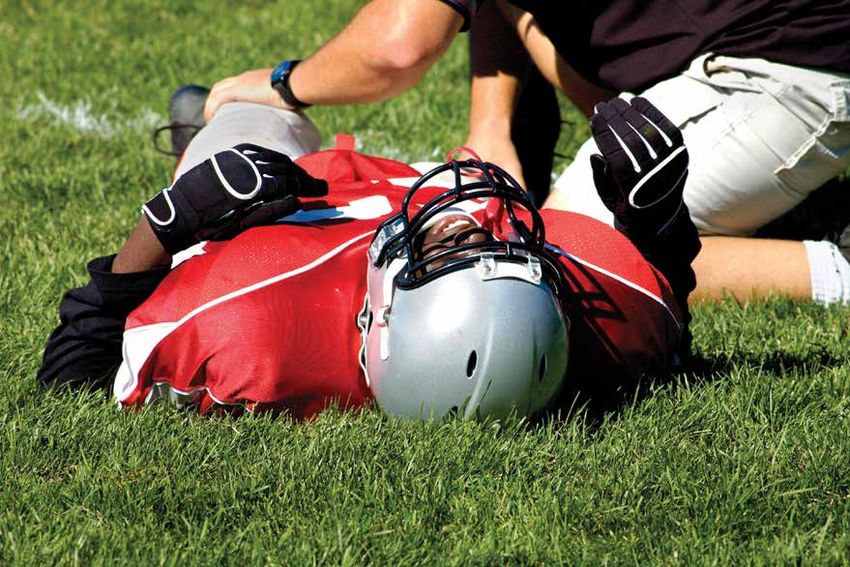
Louisville Sports Commission
October 16, 2021, Urban Bourbon Half Marathon
           Presented by Jim Beam®

            Training Program

             Louisville Sports Commission
            One Riverfront Plaza, Suite 2200
                 Louisville, KY 40202
                     502.587.7767
                  LouisvilleSports.org
Table of Contents

  Welcome Letters                     4

  Is It Safe?                         6

  Training Tips                        7

  Preventing Injuries                 8
   ~Ice or Heat?
   ~How to Ice an Injury

  Fueling up for the Races            11

  The Power of Recovery               13

  Health and Performance Check List   15

  Stretching                          16

  Heart Rate Training Zones           19

  Half Marathon Training              20

  Training Calendars                  27

  Training Logs                       30

                                       PAGE   3
On Oct. 16, 2021, the Urban Bourbon Half Marathon presented by Jim Beam® will offer Louisville-
       area walkers and runners an exciting experiential event on which to focus their training efforts. This
       year’s race celebrates and promotes 200 years of Louisville and Kentucky distilling history. The Urban
       Bourbon Half Marathon presented by Jim Beam® is restricted to those age 21 and older; participants
       must be age 21 by Oct.16, 2021.

       Your decision to participate in our 10th annual half marathon should be a source of pride and
       anticipation, regardless of your level of skill or previous accomplishment in races of any distance. It
       has been said there is strength in numbers, and as you train toward Oct. 16, you will find plenty of
       support with fellow runners, walkers and the experts of our official training program. Designed by
       UofL Health – Sports Medicine, it is a tried-and-true program that gives you the best tools and tips
       necessary to perform at an optimum level. This eight-week training program allows you to put forth
       your best effort in the event and, by participating in the training program, we are confident that you
       will not just survive, but thrive as you cross the finish line.

       The Louisville Sports Commission is a Kentucky-based 501(c)(3) organization whose mission is to
       attract, create, and host quality sporting events in the Louisville area that increase economic vitality,
       enhance the quality of life, promote active lifestyles and brand Louisville as a great place to live, work
       and play. This event was developed to promote active lifestyles in our community, specifically to
       entice runners such as you to train later into the fall season.

       We have partnered with numerous local companies to enhance your race-day experience. We also have
       a dedicated race manager who brings years of knowledge and expertise as a race director to make
       sure your training and competition goes smoothly. During the race, hydrate with Louisville Pure Tap™
       from the Louisville Water Company and Powerade from our local Coca-Cola bottlers. After you cross
       the finish line, be sure to join us for our post-race Urban Bourbon Bash that will include tastings from
       the Jim Beam portfolio of bourbons along with a selection of other Kentucky bourbons, pizza, beer,
       Kentucky burgoo and a three-hour concert by the Louisville Crashers, the region’s premiere pop rock
       party band. Check our website urbanbourbonhalf.com for more information.

       We raise our glass to toast you for making the decision to train for and finish the Urban Bourbon Half
       Marathon and will be waiting for you at the finish line.

       Cheers!

       Karl Schmitt
       President & CEO presented by Jim Beam®
       Louisville Sports Commission

PAGE   4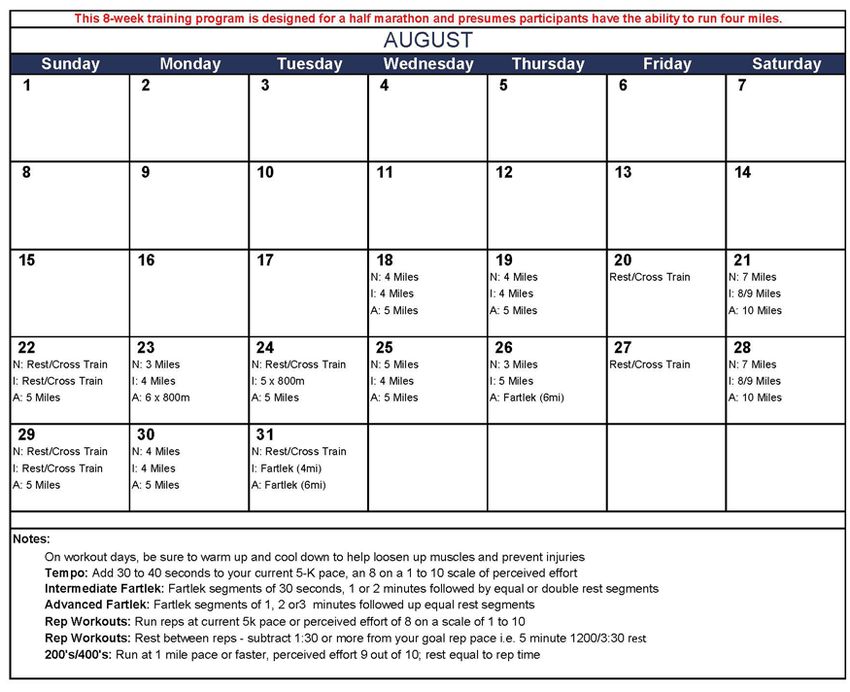
Dear 2021 Urban Bourbon Half Marathon participant:

The 2021 Urban Bourbon Half Marathon presented by Jim Beam® is just around the corner!
We’re so pleased that you have chosen to participate in our “UofL Health – Sports Medicine Urban
Bourbon Half Marathon Training Program.”

Our Sports Medicine programs offer a comprehensive range of services including education,
prevention, treatment, rehabilitation and wellness from specially trained and certified staff,
ensuring the highest quality of care possible. Licensed athletic trainers, physical therapists,
physicians and other health care professionals in the area of sports medicine work together to
provide elite athletes and “weekend warriors” alike, a holistic approach to care, no matter the
level of competition.

Our goal is to keep athletes of all stages in life in peak physical and mental condition through a
proactive approach to health and fitness.

Thank you for participating in this training program. It is our privilege to be your partner as you
begin preparing for this year’s event.

Sincerely,

Jennifer Daily, M.D.
Medical Director
UofL Health – Sports Medicine

                                                                                                      PAGE   5
Is it Safe for You to Start a Running Program?

       For most people, running is great way to either        •   Do you know of any reason
       get in shape or stay in shape. It helps control            you should not participate in
       weight and provides immense cardiovascular                 physical activity or have ANY
       benefits. The majority of people can feel                  concerns about your health?
       comfortable about initiating an exercise
       program without risk, but there are certain         If you answered YES to any of the above
       people who should consult with a physician          questions, it is recommended that you consult
       prior to initiating a program.                      with your primary care physician prior to
                                                           initiating an exercise program. If you don’t
       Please review the questions below to see if it is   have a primary care physician, consider making
       advisable for you to consult with a physician.      an appointment with us at the Owsley Brown
       These are adapted from the Physical Activity        Frazier Sports Medicine Center by calling 502-
       Readiness Questionnaire (PAR-Q).                    637-9313. We can evaluate whether it is safe for
                                                           you to begin a training program, manage sport-
           •   Has a doctor ever diagnosed                 related medical problems or assess any injuries
               you with a heart condition, high            you may suffer along your journey.
               blood pressure or restricted
               your activity in any way?                   Thank you and happy running!
           •   Do you take any medications for
               a heart condition or high blood             Jon Holland
               pressure?                                   UofL Health – Sports Medicine
           •   Do you experience chest pain
               with or without activity?
           •   Do you experience dizziness
               that causes you to lose balance?
           •   Have you ever passed out or lost
               consciousness?
           •   Have you been diagnosed with
               diabetes of any kind or a chronic
               kidney disease?
           •   Do you have any bone or joint
               problems that are worsened by
               activity?
           •   Are you 70 years of age or older
               and starting a new exercise
               program?

PAGE   6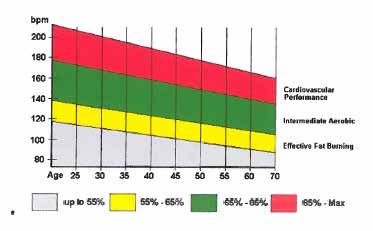
Training Tips

1. Get a thorough medical exam prior to             7. Don’t use headphones when running
   beginning any running program.                      outside. They tend to tune out your
                                                       surroundings, which makes you more
2. Seek medical attention with injuries. Don’t         susceptible to hazards (i.e., cars, bikers,
   let little aches and pains turn into bigger         dogs and criminals).
   problems by not seeking timely medical
   advice.                                          8. If you’re running alone, let someone know
                                                       where you will be running and when you
3. Go slow! The biggest mistake runners make           expect to return. Remember to carry some
   is going too fast. The best way to judge            identification and money for a phone call.
   your pace is by using the “talk test.” Run at
   a comfortable pace that allows you to talk       9. Include a running partner in your program,
   with a training partner.                            if possible. A partner with similar abilities
                                                       and goals can provide motivation and
4. Observe the “rules of the road.” Watch out          camaraderie.
   for cars; don’t expect drivers to look out for
   you. It is best to run facing traffic so that    10. Prior to your runs, do some light stretching
   you can see approaching cars in case action          exercises. This reduces muscle tightness
   on your part is necessary.                           and increases your range of motion. It is
                                                        also a good idea to do these stretching
5. Dress properly. Use common sense. If it’s            exercises after your workout.
   dark, wear white or reflective clothing. If
   it’s cold, wear layers of clothing, gloves and
   a wool ski cap to retain heat. On hot sunny
   days, use sun block, sunglasses, a sun
   protective hat and light-colored clothing.

6. Wear running shoes, but don’t continue
   to wear worn-out shoes. Purchase your
   shoes at a specialty store where staff is
   knowledgeable. As simple as it sounds,
   running shoes should only be used for
   running. It is usually time to replace shoes
   after 400-500 miles (so maintain your
   mileage log).

                                                                                                       PAGE   7
Preventing Injuries

       Preventing injuries during exercise can be           muscles and help reduce the risk of injury. The
       accomplished by slowly increasing your               greater the flexibility of a muscle, the less likely
       workout time. Exercising properly may be the         an injury will occur.
       difference in finishing the race and having
       to visit a physician. It is most important for       Injury prevention procedures:
       anyone beginning a work-out program to
       receive medical clearance from his or her                •   Obtain medical clearance before
       physician.                                                   beginning an exercise program
                                                                •   Have the correct equipment for the
       After receiving medical clearance, the next                  exercise
       step is to make sure the appropriate equipment           •   Maintain proper warm-up and
       is obtained. In running, that means the right                stretching routines
       shoe. A runner should have their feet and                •   Enjoy appropriate workouts
       running patterns evaluated by a local running            •   Maintain proper cool down and
       store. Depending on the individual’s foot                    stretching routines
       mechanics, the appropriate running shoe will
       provide proper support to the feet, helping to       Last but not least, pay attention to what your
       prevent injuries. Once these initial steps have      body may be telling you. General muscle
       been completed, let the running begin!               soreness after a workout is normal. Anything
                                                            other than general soreness, the body is
       At the beginning of any exercise program,            indicating other problems. Swelling and
       an individual should gradually increase the          tenderness over a specific area may indicate
       time and intensity of his or her workout, while      you have an injury in need of medical attention.
       endurance and aerobic capacity increase. Start       It is important to pay attention to any early
       with a warm-up of approximately five minutes,        warning signs, so it doesn’t develop into a more
       walking and slowly increasing the pace until the     serious injury.
       muscles are loose. Ideally, after the warm-up, a
       few minutes of stretching should take place to
       increase muscle flexibility and decrease the risk
       of injuries.

       Once the run is completed, be sure to take
       advantage of cooling down your body. This
       will slowly decrease the heart rate and blood
       flow to your working muscles. After your cool
       down, it is appropriate to finish with stretching,
       allowing the lactic acid to decrease in the

PAGE   8
Ice or Heat?
Should you ice or heat an injury? Heat treatments
Ice bags and heating pads are among the most Heat treatments should be used for
commonly used treatments in running related chronic conditions to help relax and loosen
injuries. So which is the right one to use for tissues, and to stimulate blood flow to
your injury, ice or heat? And how long should the area. Use heat treatments for chronic
the ice or heat treatments last? Read on for conditions, such as overuse injuries, before
information about treatment of injuries with participating in activities.
ice packs and heating pads.
Do not use heat treatments after activity,
Ice treatments and do not use heat after an acute injury.
Heating tissues can be accomplished using
Ice treatment is most commonly used for a heating pad, or even a hot, wet towel.
acute injuries. If you have a recent injury When using heat treatments, be very
(within the last 48 hours) where swelling careful to use a moderate heat for a limited
is a problem, you should be using ice time to avoid burns. Never leave heating
treatment. Ice bags can help minimize pads or towels on for extended periods of
swelling around the injury. time, or while sleeping.
Ice bags should be used after injuries,
such as when you suffer an ankle sprain.
Applying an ice bag early and often for the
first 48 hours will help minimize swelling.
Decreasing swelling around an injury will
help to control the pain.
Ice treatments may also be used for chronic
conditions, such as overuse injuries in
runners (shin splints. etc.) In this case,
ice the injured area after activity to help
control inflammation. Never ice a chronic
injury before activity.
PAGE 9How to Ice a Injury — Time Required: 15 minutes
1. Get the ice on quickly TIPS
Icing is most effective in the immediate
period following an injury. The effect of ic- 1. Ice Option 1 — Traditional
ing diminishes significantly after about 48 Use a Ziploc bag with ice cubes or crushed
hours. ice. Add a little water to the ice bag so it
will conform to your body.
2. Perform an “ice massage”
Apply ice directly to the injury. Move the ice 2. Ice Option 2 — Best
frequently, not allowing it to sit in one spot. Keep paper cups filled with water in your
freezer. Peel the top of the cup away and
3. Don’t forget to elevate massage the ice-cup over the injury in a cir-
Keep the injured body part elevated above cular pattern allowing the ice to melt away.
the heart while icing — this will further help
reduce swelling. 3. Ice Option 3 — Creative
Use a bag of frozen peas or corn from the
4. Watch the clock frozen goods section. This option provides
Ice for 15-20 minutes, but never longer. You a reusable treatment method that is also
can cause further damage to the tissues, edible.
including frostbite, by icing for too long.
Note — Do not let the ice just sit on the skin as
5. Allow time between treatments this can cause frostbite.
Allow the area to warm for at least 45 min-
utes to an hour before beginning the icing
routine again.
6. Repeat as desired
Ice as frequently as you wish, so long as
the area is warm to touch and has normal
sensation before repeating.
PAGE 10Fueling Up for the Races
Eat regular, well-balanced meals. Cut back on heavy foods, such as fatty meats
If you don’t eat breakfast on a regular and full-fat dairy products.
basis, or come close to three meals a day, Instead, choose lean meats such as round
now is the time to start. Regular, well- or loin cuts of beef, loin cuts of pork, water-
balanced meals are important for strength packed tuna, egg whites, skinless chicken or
and stamina! High fiber cereals, bagels turkey. And, remember to bake, broil, roast
with peanut butter, whole grain toast, hot or grill, instead of pan frying. Or, better yet,
cereals with dried fruits and nuts, and fresh try a few meatless meals a week using other
fruits or juices are some good choices. proteins like soy, nuts or nut butters, or dry
beans – they not only give you high quality
Choose complex carbohydrates more often, protein, but they also offer you other health
instead of those that are refined. benefits. Choose non-fat or low-fat dairy
Whole grain breads, cereals and pastas foods.
are good examples, as well as fruits and
vegetables. Stay adequately hydrated.
Remember to drink plenty of fluids every
Strive to eat a minimum of five fruits and day – regardless of your workout plans.
vegetables a day. By the time you recognize thirst you are
Fruits and vegetables are loaded with already dehydrated. Plan to drink eight
important vitamins and minerals. And to ten glasses a day on a regular basis.
although vitamins and minerals don’t Rely on water as your primary source for
supply you with energy, they help you use fluid unless exercising strenuously, or
foods more efficiently for fuel. And, fruits for extended periods of time, such as 90
and vegetables are packed with powerful minutes or more. Remember jogging one
phytochemicals that keep your immune mile burns off approximately 100 calories,
system strong and protect you from illness. and some sports drinks are loaded with
Choose fresh or frozen most often. And, calories. Be careful and read those labels.
when buying canned fruits, avoid those
with heavy or light syrups, instead pick Get plenty of rest.
those packed in water or in their own juice. Rest helps your muscles recuperate and
If buying canned vegetables, choose low- rejuvenate. You will enjoy workouts more
sodium varieties to avoid excess salt, which and experience less fatigue with proper
can cause fluid retention. rest. Strive for at least eight hours of sleep
a day.
PAGE 11Use supplements wisely. Race Day!
When workouts/distances increase to Make plans to consume a carbohydrate-
90 minutes or longer, sports drinks or rich meal one to four hours before the
supplemental bars/gels may be useful race (300-400 calories one hour before
in improving endurance. Endurance or 700-800 calories four hours before).
athletes should take in 30-60 grams of Carbohydrate foods are rapidly digested
carbohydrates (120-240 calories) every to provide a readily available source of
hour. This amount can be obtained from energy. Some good examples include bread
either carbohydrate-rich foods (fruits, products (adding jams or jellies increase
grains, liquid meals, and sports bars or carbohydrate content), cereals, fruits,
gels) or Powerade. Try supplements of non-fat or low fat yogurt, sports bars, liquid
any kind while training to avoid unwanted meals, fruit juices and one percent fat milk
gastrointestinal problems on race day! or soy milk. Limit high-fiber foods the day
of race, such as bran, as they may lead to
Timing is everything. cramping.
Avoid eating too close to workouts as
stomach cramps or discomfort may result.
Give yourself at least an hour after eating
before exercising, and even longer after big
meals.
PAGE 12The Power of Recovery — The R4 System
The ability to perform optimally day after day REPLENISH: Carb-up with high quality carbs
is limited by your body’s ability to recover from • Muscle and liver glycogen are the
the stress of training. Many factors affect the body’s primary source of fuel during
rate and quality of recovery, including sleep exercise, and may become a limiting
and alcohol consumption, but nutrient timing factor during extended workouts.
and nutrient density are unquestionably the • Muscle glycogen is made in the body
most important. To optimize recovery from from the carbohydrates you eat.
training and competition follow the R4 System • Consuming fast-absorbing carbs during
outlined below. long workouts (bars and gels delay
depletion; after an intense workout
REhydrate — Electrolytes and water glycogen stores may be significantly
REplenish — Muscle and liver glycogen depleted).
REpair — Muscle tissue • Begin replenishing glycogen stores
REduce — Oxidative stress immediately after exercise – the first 2
hours is the most important time in the
REHYDRATE: Drink, drink, drink! recovery process.
• Dehydration is the number one cause of • Carbohydrates eaten during this two-
fatigue and sub-par performance. hour “window” will expedite glycogen
• Drink half your bodyweight in ounces of repletion and recovery.
water each day, excluding consumption • A fast-absorbing carbohydrate-rich
during exercise. supplement or snack that includes
• Drink four to eight ounces (water or some protein should be consumed
Powerade and Louisville pure tap™ within the first 15-20 minutes after
every 15-20 minutes during exercise exercise, followed by a slow-absorbing
• Begin replacing lost fluids immediately carbohydrate-rich meal with lean
post-exercise. protein and healthy fats within two
• Drink two cups (16 ounces) of fluid for hours.
every pound of bodyweight lost during
your workout as soon as possible. REPAIR: Pack protein in every meal and snack
• Drink both Powerade and Louisville • Protein plays a key role in recovery
pure tap™ to rehydrate. accelerating glycogen repletion, and
• Drink adequately to maintain abundant repairing and rebuilding muscle tissue.
urine output that is clear in color. • Protein should be ingested along with
• Avoid alcohol and caffeine, especially carbohydrate in the first 15-20 minutes
during the first 2 hours after exercise. after exercise to stimulate repair and
• Remember: If you’re thirsty, you’re prevent further muscle breakdown
dehydrated! (caused by the stress hormone cortisol).
PAGE 13• The Optimum Recovery Ratio for an • Eating fruits and vegetables in the post-
endurance athlete is 4:1 (four grams of exercise meal should be a top priority,
carbohydrate to one gram of protein) so as well as taking a multi-vitamin rich in
look for products with this formulation the antioxidant nutrients.
(i.e., Endurox). • New research suggests drinking specific
• Whey protein is the premier protein for antioxidant-rich drinks before exercise
recovery and enhanced immune system may protect cell structure during
function. You can simply add a scoop of exercise, reducing cell damage and
whey to Powerade for a solid recovery inflammation.
drink, or use low-fat chocolate milk. • This new concept in nutritional
• Keep in mind, too much protein (fat intervention known as PRECOVERY
has a similar effect) taken in the first merits consideration. Intense exercise
two hours after exercise slows gastric can compromise the immune system
emptying thereby slowing rehydration making you more susceptible to
and glycogen replenishment. colds and infection. In addition to
antioxidants, ensure that you are
REDUCE: Eat your fruits and veggies; add getting protein and healthy fat in your
some nuts, seeds, olives and fish diet. Healthy fat is found in fish, nuts,
• Exercise is stress, especially high seeds, olives, extra virgin olive oil,
volumes of long distance running. avocados and flax seed oil.
• This stress is primarily caused by
unstable molecules produced during
oxygen metabolism, which results in Teena Murray, 2008
inflammation, soreness, muscle trauma
and delayed recovery.
• Reducing/minimizing oxidative stress is
possible by ingesting antioxidants and
healthy fats at the right times.
• Antioxidants nutrients include vitamins
C and E, and phytonutrients found in
specific fruits and vegetables.
• Consuming antioxidant-rich foods and
drinks post-exercise has been shown
to minimize oxidative stress, thereby
accelerating recovery.
PAGE 14Health and Performance Checklist
1. Do you eat breakfast seven days a week? 12. Do you eat and drink adequately to maintain
your bodyweight? (This should be your goal
2. Do you eat foods from three different food unless you are on a fat loss or weight gain
groups at breakfast (ie: fruit, whole grain and program.)
protein)?
13. Do you eat a post-workout/post-practice
3. Do you eat two to three balanced meals at snack within 30 minutes?
approximately the same time each day?
14. Do you eat a post-workout/post-practice meal
4. Do you eat a nutritious mid-morning and mid- within two hours?
afternoon snack that includes at least one
serving of protein? 15. Do you drink half your bodyweight in ounces
of water each day (not including fluid intake
5. Do you eat at least two pieces of fresh fruit during exercise)?
each day?
16. Do you sleep at least seven to eight hours
6. Do you eat at least three servings of fresh each night?
vegetables each day (one serving equals the
size of your fist)? 17. Do you go to bed at approximately the same
time each night and get up at approximately
7. Do you only choose high fiber breads and the same time each morning (within 30 min-
cereals? utes of the same time)?
8. Do you eat lean and/or low-fat protein at 18. Do you take a multivitamin rich in the antioxi-
each meal (i.e., skim milk versus two percent dant nutrients (vitamins A, C, E, phytonutri-
milk)? ents) each day?
9. Do you limit your intake of saturated fat, typi- 19. Do you take 1,000 mg. of fish oil each day?
cally found in meats, cheeses, dairy products,
butter, egg yolks? 20. Do you limit or avoid alcohol?
10. Do you eat at least two servings of “good fat” SCORE: _____ /20
each day, typically found in nuts, seeds, extra
virgin olive oil, olives, avocados and fish? 16-20: Performing like a champ!
11-15: Losing an edge!
11. Do you limit your intake of processed and re-Stretching
1. Quadriceps Stretch: The quadriceps is the
muscle in the front of the thigh, important
for lifting your knees and increasing your
speed. It is the “quads” that often go at the
end of marathons, causing runners to come
shuffling across the finish line because they
have a hard time lifting their feet off the
ground. To do this exercise while standing,
simply grab hold of a stationary object for
balance with one hand and use the opposite
hand to grasp the leg around the ankle,
lifting it toward your buttocks. Keep your
back straight and do not allow the knee to
drift forward ahead of the stance leg. Hold
each stretch for 10 seconds and repeat as
many as 10 times for each leg.
2. Hamstring Stretch: Most runners do this
exercise by putting their foot on a waist-
high stationary object (or a hurdle if at the
track) and slowly leaning forward, reaching
down the shin until they feel a stretch in
the hamstring. The hamstring is the muscle
that runs from just below the knee up into
the buttocks. It’s the muscle that lifts the
lower leg and bends the knee after the
quads have lifted your knees. Sprinters pull
this muscle more than distance runners,
but even straining your hamstring can limit
your ability to run fast. The best way to
do this exercise, however, is not with your
foot on a stool, but rather while lying on
your back. Lie on your back, keeping the
back flat and your eyes focused upward.
Grasp the back of one thigh with both
your hands and (leg bent) pull that thigh
into a 90-degree position versus the floor.
Then slowly straighten your knee. After
you’ve gotten used to doing this exercise,
PAGE 16you can achieve a better stretch by pulling
your thigh closer to your chest—but don’t
overdo it!
3. Piriformis Stretch: The piriformis muscle is
responsible for lateral rotation of the hip.
It is particularly important to athletes who
have to change direction, such as tennis
players and running backs in football. Even
though runners run straight ahead, keeping
the piriformis muscle loose is important for
overall flexibility. Lying on your back, cross
your legs just as you might while sitting in
a chair. Grasping the “under” leg with both
hands, pull the knee toward your chest until
you feel the stretch in your buttocks and
hips.
4. Gastroc Stretch: This push-off exercise is
the one you most often see runners doing
before races. Typically, they lean against a
wall to stretch the calf muscles; however,
they don’t always do it right. The gastroc
muscle, along with the soleus, is located
in the back of the calf. It is the calf muscle
that actually propels your leg across your
grounded foot while running. Lean against
a wall or other stationary object, both
palms against the object. The leg you want
to stretch is back, several feet from the
wall, your heel firmly positioned on the
floor. Your other leg is flexed about halfway
between your back leg and the wall. Start
with your back straight and gradually lunge
forward until you feel the stretch in your
calf. It is important to keep your back foot
straight and angled 90 degrees from the
wall.
PAGE 175. Soleus Stretch: This is the stretch that
most runners forget. The soleus is the other
major muscle in the calf, located in front
of the gastroc. It is important for planting
the foot on the ground before your push
off. Position yourself similar to the gastroc
stretch with back straight and palms
against the wall. The difference is that you
start in a “seated” position with your legs
bent, your buttocks dropped. Gently lean
into the wall until you feel the stretch in
your lower calf.
PAGE 18Heart Rate Training Zones
Heart rate training zones are calculated by as the main source of energy is greatly
taking into consideration your Maximum Heart reduced and glycogen stored in the muscle
Rate (MHR) and your Resting Heart Rate (RHR). is predominantly used. One of the by-
Within each training zone, subtle physiological products of burning this glycogen is lactic
effects take place to enhance your fitness. acid. There is a point at which the body
can no longer remove the lactic acid from
The Energy Efficient or Recovery Zone — 60 to the working muscles quickly enough. This
70 percent is your AT. Through correct training, it is
Training within this zone develops basic possible to delay the AT by increasing your
endurance and aerobic capacity. All easy ability to deal with the lactic acid for a
recovery running should be completed at a longer period of time or by pushing the AT
maximum of 70 percent. Another advantage higher.
to running in this zone is that while you
are happily fat burning you may lose The Red Line Zone — 90 to 100 percent
weight. And you will allow your muscles Training in this zone will only be possible
to reenergize with glycogen, which has for short periods. It effectively trains your
been expended during those faster paced fast twitch muscle fibers and helps to
workouts. develop speed. This zone is reserved for
interval running and only the very fit are
The Aerobic Zone — 70 to 80 percent able to train effectively within this zone.
Training in this zone will develop your
cardiovascular system. The body’s ability Heart rate variations for a given intensity
to transport oxygen to, and carbon dioxide A reduction in heart rate for a given
away from, the working muscles can be intensity is usually due to an improvement
developed and improved. As you become in fitness but a number of other factors
fitter and stronger from training in this might explain why heart rates can vary for a
zone, it will be possible to run some of your given intensity:
long weekend runs at up to 75 percent, so
getting the benefits of some fat burning • Dehydration can increase the heart rate
and improved aerobic capacity. by up to 7.5 percent
• Heat and humidity can increase the
The Anaerobic Zone — 80 to 90 percent heart rate by 10 beats/minute
Training in this zone will develop your • Altitude can increase the heart rate by
lactic acid system. In this zone, your 10 to 20 percent, even when acclimated
individual anaerobic threshold (AT) is • Biological variation can mean the heart
found – sometimes referred to the point rate varies from day to day by two to
of deflection (POD). During these heart four beats per minute
rates, the amount of fat being utilized
For more information: www.illpumpyouup.com
PAGE 19Resting Heart Rate • Calculate the required X percent on the
To determine your resting heart rate (RHR) WHR, which gives “Z”
is very easy. Find somewhere nice and • Add “Z” and your RHR together to give
quiet, lie down and relax. Position a watch the final value
or clock where you can clearly see it while
lying down. After 20 minutes, determine Example: The athlete’s MHR is 180 and his/
your resting pulse rate (beats/min). Use this her RHR is 60, determine the 70 percent
value as your RHR. value
If you have a heart rate monitor, put it on • MHR - RHR = 180 - 60 = 120
before you lie down. After the 20 minutes • 70 percent of 120 = 84
check the recordings and identify the • 84 + RHR = 84 + 60 = 144
lowest value achieved. Use this value as
your RHR.
Don’t let an injury keep you out of the
The heart is a muscle so with regular game. Turn to UofL Health – Sports
exercise it will become larger and more Medicine for the area’s leading sports
efficient as a pump. As a result, you will medicine physicians and orthopedics,
find your RHR gets lower so you will want advanced diagnostics, UofL Health –
to check your RHR on a regular basis (e.g. Frazier Rehab Institute, and convenient
monthly). urgent care and emergency care locations.
Professional, collegiate, and high school
Calculation of a zone value athletes, weekend warriors and those
The calculation of a zone value, X percent, is who have an “athletic mindset” can
performed in the following way: take advantage of the expertise of our
specialized care. Our board-certified sports
• Subtract your RHR from your MHR, medicine physicians treat a wide variety
which gives your working heart rate of injuries and illnesses. They know how to
(WHR) get you safely back to optimal fitness and
ready to compete.
Unsure where to start? Call 502-63-SPORT
(77678) and talk with a member of the UofL
Health team for more information, or visit
our website at UofLHealth.org/Sports-
Medicine.
PAGE 202021 TRAINING PROGRAM
URBAN BOURBON HALF MARATHON
presented by Jim Beam®
Sponsored By:Four Training Universals
Rest means no running. Give your muscles and perhaps even a 10K. Now you want to go
synapses some serious R&R so all systems are longer, though not yet to a marathon, and
primed for the next workout. Better two quality your race time is less important to you than
days and two of total rest than four days of finishing.
mediocrity resulting from lingering fatigue.
Rest days give you a mental break as well, so Schedule Tips
you come back refreshed. As a beginner, you’re going to do two
things. First, incrementally increase
Easy Runs mean totally comfortable and your weekly mileage and long run, which
controlled. If you’re running with someone translates into more endurance. You’ll
else, you should be able to easily converse. need this in order to run for more than two
You’ll likely feel as if you could go faster. Don’t. hours. Second, you’ll do some gradually
Here’s some incentive to take it easy: You’ll still longer bits of running at faster than your
burn 100 calories every mile you run, no matter normal pace to build up your stamina and
how slow you go. keep you strong over the last third of the
race.
Long Runs are any steady runs at or longer than
race distance designed to enhance endurance, Aerobic Intervals (AI)
which enables you to run longer and longer and You push the pace. But just a little. Find
feel strong doing it. A great long-run tip: Find a a tempo that feels somewhere between
weekly training partner for this one. You’ll have comfortable and “Hey, I’m workin’ a little
time to talk about anything that comes up. here.” Don’t run this too hard. Trying to
add too much intensity while you’re also
Speed Work means bursts of running shorter increasing mileage spells I-N-J-U-R-Y. When
than race distance, some at your race goal you finish the timed AI, jog very slowly until
pace, some faster. This increases cardiac your breathing returns to normal, then
strength, biomechanical efficiency, better work back into your regular pace. On all
running economy and the psychological other days, just run your assigned miles.
toughness that racing demands. Still, you want
to keep it fun. Cross-Train
On cross-training days, you participate
Beginner Half Marathon Training in some other sport for 30-60 minutes.
It could be walking, biking, swimming or
Profile some combination of all three. The goal
You’ve run for at least a year, but you’re still of cross-training is to relax your muscles
a racing neophyte. You can run five miles before or after your long runs. Strength
at a time without distress, average 15 to training is another cross-training option. If
20 miles a week, and have finished a 5K, you already lift, you can continue to do so
PAGE 22as per your regular schedule, but it’s usually Intermediate Half Marathon Training
not a good idea to lift before you run. After,
or on another day of the week, usually Profile
works better. Do not cross-train too hard You have a solid aerobic base. You have
or you’ll compromise your ability to do the been running consistently for several
long runs. years, tried various kinds of speed training,
average 25 to 30 miles a week, and may
Gentle Pickups (GP) even have finished a half-marathon. But
At the end of your run, walk for several now you want to race a half. That is, you
minutes, then slowly increase your leg have a specific finishing time in mind, and
turnover on a flat stretch for 100 meters you’re willing to train hard to achieve it.
— the straightaway on a track — up to the
point where you start to breathe hard. Hold Schedule Tips
it there for 10 to 20 meters, then gradually “Intermediate runners have enough
slow down. Walk to full recovery before experience and strength to support some
you start the next one. The purpose of both faster running — but within the context of
AI and GP is to improve your stamina, leg increased weekly mileage and an adequate
speed, running efficiency and to make your long run, which remains the key to
normal pace feel more comfortable. What’s improvement at this level,” says Anaerobic
more, this kind of up-tempo running adds Management coach Jon Sinclair (anaerobic.
variety to your training. Always a good net). “So be careful when you add speed,
thing. because what we’re after here is greater
endurance, the ability to run longer at race
Race Day Rules pace.” That’s the crux of the Intermediate
Start at the back of the pack, and run plan. To that end, Sinclair also suggests
more slowly than you think you should for “adding some tempo to at least some of the
the first few miles. Keep it reined in. Stay long runs when they’re maybe going just a
completely, totally comfortable. Work your bit faster over the final 10 to 15 minutes.”
way into a controlled rhythm as the race That’s a bit faster, okay? No bug-eyed
proceeds, and stop at every aid station. straining.
Don’t slow down, stop. Drink plenty, eat
some, rest a bit (but no more than 30 “I would also include some
seconds), and stretch your legs if you need interval miles at faster than
to. Then get going again. With a well-rested projected race pace, “Sinclair
body from your taper week, and thanks to adds “Interval tempo here should
race-day adrenaline and the energy of the be challenging, but not too
field, you’ll get through the last three miles crazy. And the recovery should
fine, perhaps even enjoy them.
PAGE 23be enough to support the effort Total Uphill Time (TUT)
— down to a 120 heart rate, Work the uphill sections during your run, at
400-meter jog, whatever it takes. something near a strong 10K effort in the
If the rest isn’t long enough, you total time called for.
can’t maintain the quality.”
Race Day Rules
Pace Intervals (PI) To warm up, jog just 800 meters, and then
Relatively lengthy repetitions at your do a few fast strides. That’s it. Keep your
goal half-marathon per-mile pace to build glycogen tanks topped off and your legs
endurance and develop pace judgment. fresh. Divide your half like this: 10-mile
Note: All numbers in parentheses above run, 5K race. Run the first mile just slower
denote distance of recovery jog. than goal pace, then work into a rhythm
and run just below your lactate threshold
Cruise Intervals (CI) level so you don’t implode an hour out. And
Run at 10K race pace to promote stamina draft off other runners to conserve energy.
and the ability to run strong when tired. Do all these things, and you’ll be fine.
For 10:00-per-mile half-marathon pace
(2:11:06), run 7:07 (1200), 4:45 (800); for Advanced Marathon Training
9:00 pace (1:57:59), run 6:24 (1200), 4:16
(800); for 8:00 pace (1:44:52), run 5:42 Profile
(1200), 3:48 (800). You’ve run and raced for many years. You’ve
finished just about every distance — half-
Speed Intervals (SI) marathon and perhaps full marathons
Run at 5K race pace to promote relaxed included — and have averaged 35-plus miles
speed and a sense of comfort at your a week for at least the last six months.
considerably slower half-marathon pace. You’ve run some PRs at shorter distances,
For 10:00 half-marathon pace, run 4:30 and now you want to push yourself without
(800), 2:15 (400), 1:07 (200); for 9:00 half- putting in the major mileage a marathon
marathon pace, run 4:04 (800), 2:02 (400), demands. And you’re willing, even eager, to
1:01 (200); for 8:00 half-marathon pace, increase the intensity of your speed work.
run 3:37 (800), 1:48 (400), 0:54 (200).
Schedule Tips
Strides (S) “A primary goal at the advanced level is
Over 100 meters, gradually accelerate increased weekly mileage, and make sure
to 90 percent of all-out, hold it for five it includes an adequate long run,” advises
seconds, then decelerate. Walk to full Coach Sinclair. “Everyone understands
recovery after each. the need to do a long run for a marathon,
PAGE 24but too many fail to see the need for it in combination that could include strength
training for a half. Don’t do a ton of them, training.
but doing one or two really helps.”
Lastly, to run a PR half, you must be able
And there’s another thing, too: At this — and willing — to maintain a fast-for-you
point in your running life, “long run” pace in the face of increasing fatigue. So
doesn’t mean just more time on your feet. you need to train to run goal pace after
It means sticking some intensity in there. having already done enough running to tire
Focusing less on adding length and more yourself. This is the purpose of our Fatigue
on adding quality is vital to a good racing Fighter sessions—short, sub race-pace
effort over a long distance like the half. We reps followed by an extended run at your
have a few patterns for you to play with, half-marathon goal speed to simulate the
such as LRSI and SRFF. We also have you demands of the race itself.
doing increasingly longer runs at your half-
marathon pace to teach your body what it Pace Intervals (PI)
feels like. For what and why, see the Intermediate
schedule.
Cross-Train
Normally cross-training is not prescribed Cruise Intervals (CI)
for advanced runners. That’s because you’re For what and why and for 8:00-per-
usually more focused on pure running than mile half-marathon goal pace, see the
Novice or Intermediate runners. But if you Intermediate schedule; for 7:00 half-
find that cross-training helps you prevent marathon goal pace (1:31:46), run 6:40 for
injuries, or if you enjoy it, feel free to 1-mile, 5:00 (1200), 3:20 (800); for 6:00
substitute cross-training on one or more of goal pace (1:18:39), run 5:34 for 1-mile, 4:10
the easy days. Notice the word substitute. (1200), 2:47 (800).
Usually it’s not a good idea to add cross-
training, particularly hard cross-training, Speed Intervals (SI)
to an existing schedule under the mistaken For what and why, see the Intermediate
belief that it will make you stronger. It may schedule. If your half-marathon goal pace is
actually cause you to over-train, which can 8:00 per mile (1:44:52), run 3:37 (800), 1:48
have a negative effect on performance, (400), 0:54 (200); for 7:00 half-marathon
because you never get a chance to rest. pace, run 3:09 (800), 1:35 (400), 0:48 (200);
What form of cross-training works best? It for 6:00 half pace, run 2:42 (800), 1:22
could be swimming, cycling, walking, cross- (400), 0:41 (200).
country skiing, snowshoeing or even some
PAGE 25Strides (S) Bibliography
See Intermediate schedule.
Higdon, Hal. “Hal Higdon’s Marathon Training Plans |
Fatigue Fighter Intervals (FFI) TrainingPeaks.” Free Training Log, Training Plans and
FF Intervals combine Speed and Pace Food Diary | TrainingPeaks. Hal Higdon. Web. 13 July
Intervals nearly back-to-back-to-back (very 2011. .
pace and staying relaxed as you gradually
tire. Yes, they’re challenging. Jog five to Higdon, Hal. Jewish Sports Medicine Derby Festival
seven minutes easy between sets. Training Program. Tech. Comp. Kentucky Derby
Festival and Jewish Sports Medicine. Louisville:
Long Run (LR) Kentucky Derby Festival, 2011. Print
This means a moderate pace (roughly 60 to
75 seconds slower than your half-marathon Rennie, Doug. “The Runner’s World.com Ultimate
goal pace). Long Run Stamina (LRS) means Half Marathon Training Plan.” Runner’s World:
to run three to six miles at half-marathon Running Shoes, Marathon Training, Racing. Runner’s
goal pace in the middle third of the run. World, Aug. 2004. Web. 13 July 2011. .
jogs in the middle third of the run. Long
Run Fast Finish (LRFF) means to run the
final 15 minutes at 10K pace.
PAGE 26PAGE 27
PAGE 28
PAGE 29
Training Log

PAGE   30
Training Log

               PAGE   31
Training Log PAGE 32
Training Log

               PAGE   33
Training Log PAGE 34
Training Log

               PAGE   35
Training Log PAGE 36
Training Log

               PAGE   37
Sports Medicine Urgent Care when you need it. That’s the Power of U. Get back in the game more quickly with the best after-hours orthopedic urgent care in town. The UofL Health – Sports Medicine Urgent Care Clinic is conveniently located at UofL Health – Medical Center Northeast where you’ll find the latest in sports medicine expertise and plenty of parking. No appointment is necessary. Walk-ins are welcome. Open 2401 Terra Crossing Blvd. Mon. - Fri. 5 p.m. - 9 p.m. Louisville, KY 40245 Sat. 9 a.m. - 12 p.m. 502-210-4602
You can also read


