OUTDOOR RECREATION PLAN - FOR PUBLIC LANDS AND WATERS IN IRELAND 2017-2021 Creating a step-change in the provision and maintenance of outdoor ...
←
→
Page content transcription
If your browser does not render page correctly, please read the page content below
OUTDOOR RECREATION PLAN
FOR PUBLIC LANDS AND WATERS IN IRELAND 2017-2021

Creating a step-change in the provision and maintenance of outdoor
recreation facilities and opportunities on state lands and waters

MARCH 2017
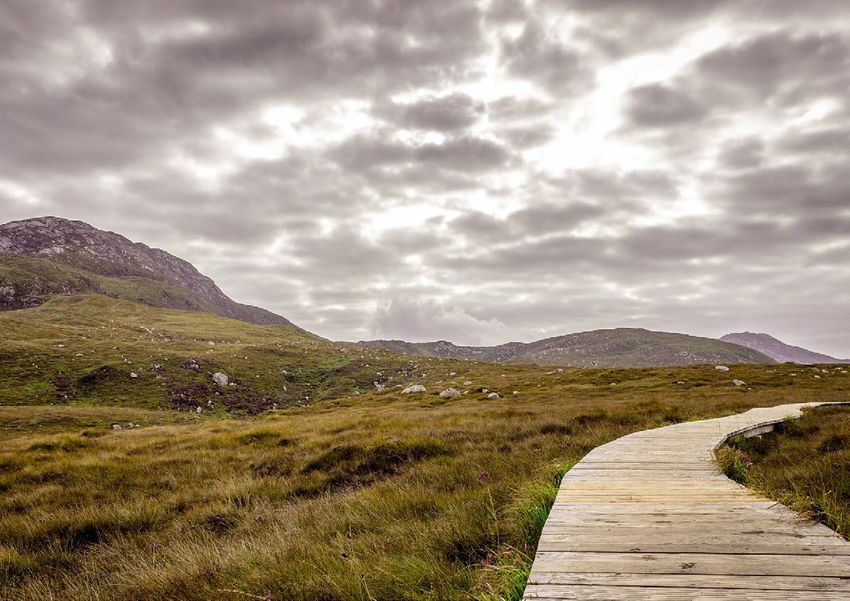
TABLE OF CONTENTS

Executive Summary                                                                          i

1.0 Background                                                                             1

2.0 The Compelling Case For Providing Countryside Recreation on Public Lands and Waters    2

       2.1 The Economic Value of Outdoor Recreation                                        2
       2.2 Recreation Supporting Rural Development                                         3
       2.3 Creating Employment and Developing Skills Through Delivery                      3
       2.4 Outdoor Recreation Underpins Rural Tourism                                      4
       2.5 Recreation Delivering Health and Well Being                                     4
       2.6 Activating the Labour Market                                                    5
       2.7 Conservation - Protecting the Environment                                       6
       2.8 Outdoor Recreation Supporting Education                                         6

3.0 Developing a Coordinated Plan for Outdoor Recreation on Public Lands and Waters        7

4.0 The Outdoor Recreation Plan For Public Lands and Waters                                8

5.0 Monitoring and Evaluation                                                             18

6.0 Conclusion                                                                            19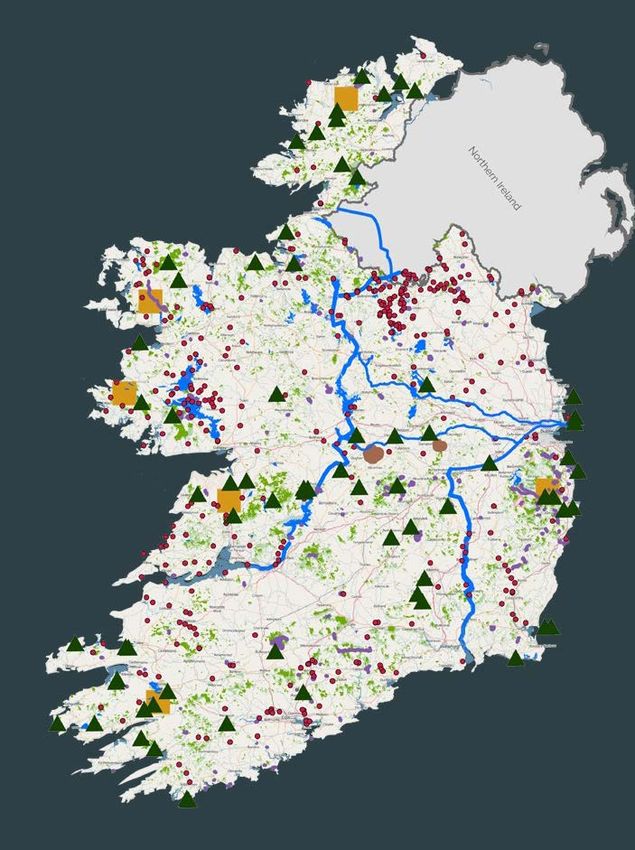
i   Outdoor Recreation Plan for Public Lands and Waters in Ireland

EXECUTIVE SUMMARY

OUTDOOR RECREATION - A VALUABLE NATIONAL ASSET
The Outdoor Recreation Plan (ORP) for public lands and waters sets out a strategy to revolutionise
the provision of outdoor recreation facilities and services on public-owned land and waterways
over the next five years. This plan delivers world-class outdoor recreation infrastructure and
services in Ireland, harnessing the latent potential of resources the State already owns, building
upon an existing recreational resource, which is worth in excess of €1.5 billion per year to the
national economy.

UNLOCKING OPPORTUNITY BY WORKING TOGETHER                            INVESTMENT IN RECREATION UNDER ORP

Collectively, Ireland’s State bodies own 15% of total land           An effective plan demands a consistent and coordinated
area in the country, with more than 1,000 km of inland               approach across organisations whose current remit
waterways, over 100,000 ha. of fishing rights on inland              and approach to outdoor recreation vary considerably.
fisheries, 3,000 km of waymarked trails for walking                  Recreation is the core function of Waterways Ireland, a
and cycling and more than half a million hectares                    large element of the responsibilities of Inland Fisheries
of open-access lands. Managed effectively, outdoor                   Ireland, but only an ancillary function of Coillte, Bord na
recreation on publicly owned lands and waterways has                 Móna and the NPWS. While recreational infrastructure
the potential to deliver significant tangible economic,              is provided freely for visitors to enjoy, it comes at a
social, health and wellbeing benefits to the Irish people            significant cost to the State landowners. Sustaining
for generations.                                                     and improving this into the future requires ongoing
                                                                     investment in order to unlock the latent economic
The ORP consolidates the needs of the partner                        potential of these assets.
organisations, public demand for outdoor recreation
facilities and access, and key government policy goals.              Under ORP, a total investment by Government of €165
The result is an integrated plan to transform Ireland’s              million over the coming 5 years is needed in order to
publicly owned outdoor recreation infrastructure over                manage, maintain, upgrade and expand the recreation
the next 5 years and will initially add a further €142               assets on public lands. This would be achieved through
million of economic activity per year to the State on                a coherent programme of investment in recreational
foot of development. As public lands are at the core                 infrastructure, which will yield cumulative growth over
of Ireland’s recreation resource, this direct return                 time and serve as a very valuable legacy for future
represents only a fraction of the overall stimulus to the            generations.
economy and the public good.
Outdoor Recreation Plan for Public Lands and Waters in Ireland   ii

WHY INVEST IN OUTDOOR RECREATION?                               3. The Public Good: Health and Well-being
                                                                The use of public lands, trails and facilities, is free, but
                                                                outdoor recreation provides very considerable benefits
1. Economic stimulation: local, regional and national           in terms of health and to well-being generally. In terms
The investment proposed under the ORP will increase             of health, the ORP will provide substantial benefits to
the economic contribution of the outdoor recreation by          physical and mental health as well as savings on healthcare
at least €142 million per year. Indeed, there is prospect       expenditure. Based on scenarios of the reduced mortality
of further growth as more Irish users and international         associated with insufficient physical exercise, potential
visitors become aware of the quality recreational               benefits of €48 million per year could be achieved
product available in Ireland. This growth will be               through the reduction of obesity and related illnesses.
supported by a specific investment of over €5 million           Benefits would also result from reductions in illnesses
in coordinated delivery of promotion, infrastructure            associated with inactivity providing potential savings on
management and training.                                        public healthcare costs of at least €84 million per year on
                                                                the basis of international estimates.
In addition, construction related works associated with
the investment could generate a further €300 million            In addition to the direct health benefits, user quality of life
to the economy, once the additional spend on goods              is enhanced in a variety of ways by the experience of being
and services over the lifetime of the works are taken           outdoors. The utility value or economic value of ‘well-being’,
into account, for example, construction materials,              associated with access to the existing public landowning is
machinery and equipment.                                        estimated to be at least €500 million per year. Indeed,
                                                                this amount represents just a portion of the real benefits
The combined impact of the public agencies’                     people realise from public lands and waterways. These
investment will provide the critical mass needed for the        benefits apply particularly to places used by local people,
development of a recreation based industry, stimulating         for example forests or canals, and to familiar or iconic
innovation and entrepreneurship in services such                landscapes and destinations in Ireland. The ORP will
as accommodation, cafes and restaurants, bike hire,             contribute to the overall well-being of users and will
equipment sales and angling services. This will help            strengthen the economic value attributed to it.
to compensate and reverse the decline in local shops and
services experienced in many rural towns and villages. The
transformation of the local economy that has been achieved
through the 290,000 users of the Great Western Greenway
in County Mayo demonstrates what can be achieved with
foresight and ambitious investment for rural communities
and regional development.

2. Job creation, skills development and labour market
Effective and sustainable management of our outdoor
recreation infrastructure will create employment
opportunities. Up to 2,500 jobs will be created in the
tourism related-sector as a result of investment under
ORP, based on Fáilte Ireland’s estimate which determines
that every €1 million worth of tourism expenditure supports
29 tourism jobs. A further 400 construction related jobs
will be created during the construction phase, based on an
estimate of 12 job years per €1 million of investment. In
addition, 100 jobs will be created to manage the new trails,
facilities, and centres. The investment will provide for, and
develop, new skills and training.

                                                                4. Tourism Draw
iii   Outdoor Recreation Plan for Public Lands and Waters in Ireland

EXECUTIVE SUMMARY

The recreational infrastructure provided by the State                  in terms of health, well-being, environment, heritage
landowners underpins Ireland’s tourism industry. In                    and conservation. It will also underpin the country’s
2014, 1.5 million overseas visitors engaged in outdoor                 reputation for outdoor activity, allowing Ireland to
activities in Ireland, and this market was worth in excess             compete with other destinations and attract high-
of €900 million. As demand for outdoor recreation                      profile international outdoor recreation events.
continues its rapid growth, the quality of outdoor
recreation services and facilities is becoming a key                   The outlay in infrastructure is compensated by visitor
driver in destination selection by overseas visitors.                  spending and employment which is projected to result
Development of an outdoor recreational asset which is                  in taxation returns to the exchequer of up to €32 million
of a national scale will attract large scale international             per year. The investment of €165 million is consequently
visitors to Ireland. The proposition that Ireland can                  cost-neutral to the Exchequer within 6 years of the
provide a ‘scalable’ product will help differentiate                   conclusion of the ORP, while significantly expanding
Ireland as a tourism destination. Such a product can                   Ireland’s recreation asset base. Importantly, as the land
only be developed by all the public land owners working                is owned and managed on behalf of the Irish public, the
in collaboration with one another. It is certainly the case            State’s investment in further developing this resource
that the impact of the sum of all the parts of the public              is fully protected. In terms of the relative costs and
sector working together will be much greater than all                  benefits, the positive economic, social, and geographic
the relevant public sector bodies working in isolation.                impact of investment in recreational infrastructure is
The tourism sector is labour intensive and tourism                     one of the most astute investments in Ireland’s future.
expenditure in retail and accommodation will support
additional jobs along with the purchase of inputs and
services.

5. Conservation
The increased popularity of outdoor recreation may
pose a threat to some of Ireland’s most sensitive
habitats, but managing that demand effectively will
mitigate such risk. The ORP will bring significantly more
people into contact with the natural environment,
creating opportunities for environmental education,
raising awareness of our unique natural heritage and
the duty for its continued protection and enhancement.

6. Growing the Asset
The ORP enables a more integrated cross-agency
approach to marketing and publicity, where the collective
resource offers a much broader and more accessible
product. The provision of facilities for walking, angling,
boating and mountain biking that are of the highest
international standard will inform a positive perception
of public policy and increase the profile of Ireland as an
activity destination.

The essence of the ORP is the development of an
extensive network that will link forests, rivers, lakes,
canals, Blueways, national parks and nature reserves
across the entire country, creating a unique economic
stimulus for rural and regional development, while
simultaneously, providing major public good benefits
OUTDOOR RECREATION PLAN FOR PUBLIC LANDS AND WATERS

EXISTING VALUE                   IRELAND'S STATE BODIES OWN

                                           15% 1,000km 100,000ha 3,000km 500,000 ha
                                           TOTAL LAND
                                                                   INLAND WATERWAYS            FISHING RIGHTS            WAYMARKED TRAILS FOR
                                                                                                                         WALKING AND CYCLING
                                                                                                                                                       OF OPEN-ACCESS LANDS

     €1.5bn
       Per year to the
      national economy

INVESTMENT UNDER ORP                                          WHY INVEST IN OUTDOOR RECREATION?
  Under ORP, a total investment by Government of                   The economic value of the collective recreational
  €165 million over the coming 5 years is needed in                resource to the national economy is calculated at
  order to manage, maintain, upgrade and expand
  the recreation assets on public lands.
                                                                   €142M                     PER
                                                                                             YEAR
  €165M                                                            with the prospect of further growth as tourism increases
                                                                   with the new recreation amenities

JOB CREATION                                   WELL-BEING VALUE                       HEALTH BENEFITS OF OUTDOOR RECREATION

2,500 400 €500M
     TOURISM JOBS         CONSTRUCTION                     PER YEAR
                                                                                          POTENTIAL SAVING OF

                                                                                          €132M €48M €84M
       CREATED                JOBS
                                                   ORP will contribute to the                    PER ANNUM                           PER YEAR                    PER YEAR
                                                   overall well-being of                  arising from increased              can be achieved             potential savings on
                                                   users and will strengthen              public participation in             through the reduction       public healthcare costs
                                                   the economic value                     outdoor activities                  of obesity and related
jobs will be created in the tourism                attributed to it                                                           illnesses, and reduced
related-sector as a result of investment                                                                                      mortality scenarios
under ORP

TOURISM 2014                                   TAXATION RETURNS

1.5M
OVERSEAS VISITORS
                                                 €32M   PER YEAR

engaged in outdoor activities in                 The investment is therefore cost-neutral to
Ireland, and this market was worth in            the exchequer within 6 years of the plan
excess of €900 million.                          while significantly expanding the asset base.
IRELAND RECREATION

          LEGEND
                Nature Reserves
                Fisheries
                National Parks
                STATE LAKES
                Coillte Trails
                Bord Na Mona
                Waterways Ireland
                Coillte Owned Lands
Figure 1.1 Recreational facilities for all the ORP State bodies
Outdoor Recreation Plan for Public Lands and Waters in Ireland 1

1.0
BACKGROUND

Public bodies in Ireland hold an extensive land and                                     At present the approach to the provision of outdoor
water resource. Apart from Waterways Ireland, most                                      recreation on public lands and waters varies depending
of these public bodies do not have a primary remit to                                   on the organisation concerned. In some cases bodies
provide recreation, but rather their remits range from                                  have a statutory remit to provide recreation which
commercial forest management to conservation and                                        allows them to make special provision but most have
energy production. These bodies increasingly recognise                                  a limited or no legal remit and consequently there can
their role in delivering a wide range of public goods that                              often be limited resources for outdoor recreation. Even
will support a broad range of other public policies. The                                for those bodies without a strong recreation remit, the
public bodies are also experiencing increasing demand                                   attractions of public lands and waters are so strong that
for the facilitation or provision of recreational access or                             they need, at a minimum, resources to manage these
infrastructure on their lands and waters.                                               recreation activities as part of their ‘licence to operate’.

There is growing recognition of the value of outdoor
recreation in underpinning health and wellbeing – easily                                The economic and social benefits to be gained through
accessible and well developed recreation infrastructure                                 investment in recreation are well understood across
is important in supporting the social fabric of society.                                the developed world.
Similarly, recreation facilities are a key component
in supporting the tourism sector with many such                                         A coordinated approach to managing and developing
developments bringing much needed economic activity                                     recreation on Public lands and waters in Ireland can
into often rural and remote areas.                                                      make an important contribution to a range of public
                                                                                        policies at a national, regional and local level.
The development of public lands and waters for
recreation is also a source of much needed employment,
while developments within the recreation sector have
offered new skills and employment opportunities for an
underutilised labour market.

Public bodies with land ownerships are estimated to
control some 15% of lands in Ireland as well as regulating
navigation on over 1,000km of inland waterways and
the management of recreational fisheries on other
watercourses.

These public bodies already provide a significant
recreation resource including walking/hiking, cycling,
multi-use and equestrian trails; permanent orienteering
courses; camping and backpacking opportunities;
nature watching, angling, boating and kayaking
infrastructure and a wide range of other sports, events
and community facilities.

This resource already plays a significant role in Ireland’s
tourism industry1, and has the potential for further
labour market activation, not only in the tourism sector
but in the recreation provision, management and
construction sectors. Currently it contributes over €1.5
billion to the local and national economy.

Research undertaken by Coillte, Inland Fisheries Ireland, Waterways Ireland, National
1

 ails ce and ilte eland.
2   Outdoor Recreation Plan for Public Lands and Waters in Ireland

2.0
THE COMPELLING CASE FOR PROVIDING COUNTRYSIDE RECREATION ON
PUBLIC LANDS AND WATERS

There is increasing awareness of the values that public                                      In 20054 The Irish Sports Council and Coillte carried
lands can deliver, beyond the marketable services such                                       out a major economic assessment of the value of the
as fuel, timber, water collection, electricity generation                                    use of trails and forest recreation sites. The study
etc. Of these ecosystem services, recreation is probably                                     demonstrated that people using Irish trails spent
the most versatile and easily captured and can provide                                       some €307 million on food, drink, accommodation and
a wide range of benefits when delivered in a well-                                           (walking / cycling) equipment for the trail with much
resourced and professional manner. The value of                                              of this expenditure taking place within rural areas and
recreation in the context of this plan ranges from the                                       communities. The direct economic activity generated
economic activity it generates in local (often rural)                                        in rural communities from recreation in state owned
communities through supporting tourism, to the health                                        forests was estimated to be €268 million with a further
and well-being of users, to opportunities for labour                                         €97 million worth of Public Goods accruing to those that
activation, provision of green infrastructure and skills                                     used the forests for recreation. The economic benefit
and education.                                                                               to the users of the national trails system was valued
                                                                                             at €95 million, while around one third of these people
There is a strong case to be made that investment in                                         surveyed indicated they walked for health reasons.
outdoor recreation on the public lands can deliver many
benefits across a range of government objectives and
could, if implemented, represent real value for money.

2.1. THE ECONOMIC VALUE OF OUTDOOR RECREATION

Countryside recreation infrastructure and services make
an important contribution to the national, regional and
local economy in Ireland. The economic contribution of
outdoor recreation has been measured at €1.5 billion
to the national economy.

In research commissioned by Waterways Ireland
in November 2014, it was found that the sector
contributed some €80 million2 to the local and national
economy. The average spend of a boater was almost
€5,500 per annum, taking 15 trips per annum of
approx. 3 days each with an additional 3 guests on each
trip. The number of boating days per year was found to
be 630,000.

In 2015, Inland Fisheries Ireland (IFI) conducted an
economic study which revealed that angling and
angling tourism generated a dividend in the region
of €836 million3 within the Irish economy in 2014.
Recreational angling was also found to directly
support 11,350 existing Irish jobs, many of which are
located in the most peripheral and rural parts of the                                            The direct economic activity
Irish countryside and along our coastline. The study
also found that over 446,000 people participated in
                                                                                                 generated in rural communities
recreational angling in Ireland in 2014.                                                         from recreation in state-owned
2
 Waterways Ireland Economic Contribution of Private Boat Owners 2014                             land is estimated to be €1.5 billion
3

4
  Inland Fisheries Ireland, National Strategy for Angling Development, 2015
 The Fitzpatrick Report The economic value of trails and forest recreation in Ireland 2005
                                                                                                 per annum
Outdoor Recreation Plan for Public Lands and Waters in Ireland 3
2.2. RECREATION SUPPORTING RURAL DEVELOPMENT
CASE STUDY – RECREATION SUPPORTING
In 2014, the Commission for the Economic Development RURAL TOURISM AND RURAL DEVELOPMENT
of Rural Areas (CEDRA) identified rural recreation and
tourism as areas with significant potential to support In 2006 Coillte, Cork and Limerick County Councils and
the economic development of rural areas. CEDRA the Local Development Company developed a mountain
Consultations indicated that tourism in rural areas has bike trail centre in the Ballyhoura Mountains on the
had limited benefit from recent growth in the sector. Cork/Limerick border with support from the National
This is largely due to rural areas being viewed as Development Plan at a capital cost of 1.2million.
somewhat secondary ‘sight-seeing territory’ as tourists
move between the established attractions, rather than This trail network now attracts over 35,000 visitors
as substantive tourism and recreation resources in their annually with an estimated average spend per visitor
own right. Overall CEDRA concluded that there was in the local community of €48.80. This equates to
little doubt that rural recreation initiatives have huge over €1.7million of tourism related economic activity
potential to contribute to the economic development generated every year for accommodation providers,
of rural areas however in order to realise this pubs, shops, bike hire companies, guides and others in
potential research, innovation and a more integrated this rural community.
and cross sectoral approach to support is required.
The Commission made 3 specific recommendations
regarding proposed support for tourism and recreation
in rural areas. 2.3. CREATING EMPLOYMENT AND DEVELOPING SKILLS
THROUGH DELIVERY
Recommendation 26:
The Commission recommends the preparation of a The proper and sustainable management of our
national plan for the development of tourism in rural recreation infrastructure has by its nature the potential
areas as a distinct part of the national tourism planning to create real job opportunities, the majority of which
process. This plan should identify a clear strategy for will be in rural communities. Jobs in this sector also
an innovative approach to the promotion and product have the capacity to offer new or increased skills in
development of tourism in rural areas. It should be areas such as specialist trail construction techniques to
informed by research and provide for on-going linkages those previously involved in the construction sector.
between research and innovation in tourism.
The management and improvement of the recreation
Recommendation 27: infrastructure on public lands and waters as outlined
The Commission recommends that national State in this document will require a considerable input
owned infrastructure that can support national, of manpower much of which requires new skills, and
regional and local tourism initiatives should be which cannot be substituted by machinery. Where
prioritised for development. The Commission believes contractors are undertaking the work on public lands
that this is essential to build on the success of initiatives and waters there is also an increase in VAT and excise
such as the Great Western Greenway in Mayo, and the duties on fuels etc. used in the work.
O’Sullivan Beara Way from West Cork to Leitrim.
The public bodies experience to date demonstrates that
where specialist trail contractors have been established
Recommendation 28: and trained in trail construction that these skills are
The Commission recommends that Local and Regional
being used to secure other work , sometimes abroad,
Tourism Destinations to complement National
for example in the UK market.
Destinations should be developed through a multi
sectoral approach. This should be complemented by a
destination management and marketing initiative.4 Outdoor Recreation Plan for Public Lands and Waters in Ireland
A more structured and resourced approach to providing outdoor recreation and
other public goods on public lands and waters will support the achievement of
many strategic objectives across a range of government policy areas.
Along with the obvious physical benefits of walking,
2.4. OUTDOOR RECREATION UNDERPINS RURAL TOURISM hiking, running, orienteering, paddling etc. that accrue
The provision of countryside recreation infrastructure
to outdoor recreation users there is a growing body of
underpins a significant proportion of expenditure by
work that indicates that interaction with the outdoors
holidaymakers in Ireland. In 2014, 1.5 million overseas
(in whatever form people engage with the outdoors)
visitors engaged in hiking, cycling and angling during
their visit and spent €900 million while here. These
were high value overseas tourists generating spend CASE STUDY - RECREATION DEVELOPMENTS
levels 40% higher than the average visitor (Fáilte Ireland PROVIDING EMPLOYMENT AND DEVELOPING
Tourism Facts, September 2016). The state landowners
provide and manage the majority of the facilities used
SKILLS
by these visitors – all of which are provided free-of-
The Great Western Greenway was developed by Mayo
charge to these visitors.
County Council in partnership with Fáilte Ireland and
in its fourth year of operation attracted some 300,000
In 2015, 23% of people holidaying at home visited a
visitors. In its first year of operation and with limited
national/forest park with similar proportions taking
marketing intervention the Greenway attracted some
part in walking, hiking and water sports.
80,000 visitors and more importantly supported 38 full
time equivalent jobs and sustained a further 56 jobs.
2.5 RECREATION DELIVERING HEALTH AND WELL BEING
‘Healthy Ireland’ a Framework for improved health and contributes significantly to their psychological and
wellbeing 2013-2025 is a new national framework for general mental well-being. The Countryside Recreation
action to improve the health and wellbeing of the country Network (UK and Ireland) has produced a valuable
over the coming generation. It reflects the international synopsis of these benefits – Public Health and Well Being
experience of a new approach to public health with a The Transformative Power of Outdoor Recreation - which
considerable emphasis on prevention. Importantly, it clearly sets out the potential of public lands to play a
provides for new arrangements to ensure effective co- part in the health agenda of the country.
operation between the health sector and other areas
of Government and public services, inter alia recreation Similarly in the US, a programme called RxOutdoors5 is
and sport, education and the environment. prescribing outdoor recreation programmes to improve
health outcomes for children.
Public bodies that manage public lands and waters and
provide opportunities for outdoor recreation could
enhance the delivery of opportunities and programmes
under the goals of
• Increasing the proportion of people who are healthy
at all stages of life;
• Reducing health inequalities; and
• Providing opportunities for healthy outdoor
recreation, close to people and in all parts of the
country.
See http://www.massgeneral.org/children/about/pressrelease.aspx?id=1621
5Outdoor Recreation Plan for Public Lands and Waters in Ireland 5
Public lands and waters have their part to play in achieving public health
policy goals and in some areas represent a key resource to build on.
In Ireland, a pilot project was conducted in 2014 by For example, in 1930s America the US government
Coillte and the HSE (Wicklow Mental Health Services) to put almost six million people to work in the Civilian
evaluate the benefits of regular outdoor forest based Conservation Corps developing state and national
recreation on health outcomes of prescribed patients. parks, scenic trails, and delivering forest and soil erosion
The results were described as the “single biggest programmes etc. Much of the infrastructure developed
intervention in mental health services in 20 years”. A UK during this period is still in use today and is highly valued.
study of health and well-being benefits of angling have It forms the back bone of the US outdoor recreation
stated that angling6 makes a distinctive contribution to infrastructure contributing to health and well-being of
health and well-being in three ways: the public and is a major contributor to national tourism.
i. It incorporates a range of physical activity levels CASE STUDY-RECREATION DEVELOPMENTS
and encourages activity amongst the inactive, those
recovering from illness and older age groups who
DEVELOPING SKILLS
may not participate in other sports.
When Coillte began developing mountain bike trails
ii. It incorporates therapeutic engagement and contact on its land in 2006 there were no Irish firms who could
with ‘blue-green spaces’, and as aconsequence helps deliver the specialist trail construction required. Coillte
maintain positive mental health, provides stress worked with several new contractors to develop their
relief and can support programmes for people skills in this area. One such firm, a former building
experiencing mental illness. contractor, has used this opportunity to gain new skills
iii. It provides a rich social world that facilitates and has now moved into this sector with the skills
therelationship building, connection and acquired. It has won contracts to build trails in the UK
participation in social life essential to securing well- against specialist UK based trail construction firms.
being and active ageing.
The Irish Sports Monitor series from 2007-2009 has This firm was commissioned to build a small scale
identified that people who live in isolated areas have a Mountain Bike Trail for the Dublin Mountains
tendency to be less active compared to those who live Partnership which provided four months’ work for a
in urban areas. This would indicate that accessibility to team of four staff – real jobs delivering infrastructure
well-maintained outdoor recreation facilities is a key - demonstrating that investment in recreation
factor. In Ireland, it is evident that the provision of well- infrastructure can have a positive impact on real job
maintained and easily accessible recreation facilities creation.
on the public lands and waters has increased the
participation in outdoor recreation. The benefits from allocating people from the current
live register to work on recreation infrastructure are
2.6. ACTIVATING THE LABOUR MARKET obvious. Where employment moves from labour
activation schemes to “normal” employment there is a
Significant opportunities exist to activate labour reduction in social protection payments but importantly
markets in the delivery of recreation infrastructure and an increase in personal PAYE, PRSI and USC from those
services on public lands and waters if a partnership involved in returning to work. A programme to deliver
approach is adopted between public landowners, infrastructure maintenance and development could, if
waterway managers and other state agencies with a properly constructed, offer real and productive work to
role in this area. The development of outdoor recreation many people in rural communities throughout Ireland
infrastructure is often labour intensive, work is often in and establish a foundation for world class recreation
rural communities and experience shows that this can infrastructure for many years to come.
have a positive impact that lasts for many years.
The economic study underpinning the values within
this plan estimates that the plan will generate 2,500
6
From Substance 2012 (UK) report, see http://www.resources.anglingresearch.org.uk/ additional tourism related jobs and 400 construction
sites es ces.angling esea ch. g. files bstance ngling ep t ecti n ell- jobs during it’s lifetime.
Being.pdf6 Outdoor Recreation Plan for Public Lands and Waters in Ireland
Much of the infrastructure developed by the US Civilian Conservation Corps in the
depression era is still in use today. It continues to make a significant contribution to
the economy and to outdoor recreation and tourism across the United States.
2.7. CONSERVATION - PROTECTING THE ENVIRONMENT
CASE STUDY - ENVIRONMENTAL PROTECTION
Developing and maintaining infrastructure and services THROUGH RECREATION INFRASTRUCTURE
play a part in encouraging people to value green
infrastructure and protect the environment through Diamond Hill in Connemara National Park is a popular
closer contact and understanding of the natural world. route with many visitors to the park. However in the
early 2000s the pressure of usage was causing damage
In relation to fisheries, anglers and angling clubs to important habitats in the park.
play a key role in the conservation and protection of
river catchments throughout Ireland. Inland Fisheries The National Parks and Wildlife Service responded to
Ireland actively engages with angling clubs to ensure both the increase in visitor demands and the need to
that habitat rehabilitation and development works are reconcile these with conservation by the construction
carried out to the highest standards providing a benefit of a new sustainable trail involving stone pitching, bog
to the wildlife of the entire river corridor as well as the bridges and other trail techniques. This has significantly
volunteer anglers involved. reduced the levels of damage to an important habitat
without impacting on visitor enjoyment and has in
The increase in the recreation use of the outdoors (and fact become a key visitor attraction in this part of
the increase in activity tourism) over the last ten years is, Connemara.
in places, having a significant impact on upland and other
sensitive environments. This can result in habitat loss,
destruction of important natural and cultural features
and a general degradation of the natural environment CASE STUDY - OUTDOOR RECREATION
which also impacts on the recreation experience.
SUPPORTING EDUCATION
With design and construction the impact of recreational
users can be almost eliminated or limited to a trail Inland Fisheries Ireland actively engages with over 3000
corridor providing the recreation user with an enhanced students and over 100 schools each year by coordinating
recreation experience while protecting valuable the ‘Something Fishy’ programme. This programme
features and habitats. Work undertaken by a number educates children in both the classroom and outdoor
of State Bodies clearly demonstrates that, where used, environments on the subjects of the water cycle, water
well designed trails are a valuable tool in environmental quality, Irish river catchments, Irish fish species and
protection while enhancing the recreation experience. freshwater macro invertebrates. Supervised field trips
enable the students to have a fully interactive outdoors
learning experience which has proven to be a huge
2.8. OUTDOOR RECREATION SUPPORTING EDUCATION success.
There is increasing evidence internationally that
engagement with the outdoors at a young age can
have a positive impact on educational outcomes later
on in young adult life. Enhanced sociability, increased EXISTING INFRASTRUCTURE
problem solving ability and an increased understanding
of the value of the natural world are all thought to There is a considerable volume of existing infrastructure
be valuable outcomes from activities (even the most for recreation already in existence in the country. This
informal) undertaken out of doors. In northern European includes over 550 trails open to the public, with over
countries forest schools programmes are an integral 4000 km of these on public lands; over 1000 km of
part of the education programme. Outdoor recreation navigable waterways with user services; over 1,000km2
infrastructure such as permanent orienteering courses of fishing rights on inland fisheries ; 12 forest parks;
can provide a valuable support to class based curriculum 6 national parks; nature reserves and other public
such as maths, geography and science. outdoor facilities.Outdoor Recreation Plan for Public Lands and Waters in Ireland 7
3.0
DEVELOPING A COORDINATED PLAN FOR OUTDOOR RECREATION ON
PUBLIC LANDS AND WATERS
The 5 public landowning organisations which came together to develop this national recreation plan are Coillte,
Waterways Ireland, Bord na Móna, National Parks and Wildlife Service and Inland Fisheries Ireland. There are other
public landowning bodies and it is expected that they will join the programme in the future.
STATE LANDOWNERS
Bórd na Móna Bórd na Móna manages approximately 80,000 ha of bogland mainly in the midlands and north west. Bórd na Móna has a number of
recreation sites on its estate which is primarily managed for commercial peat production, wind energy and biodiversity
Waterways Ireland WI is an all-Ireland organisation established to manage, maintain, develop and restore over 1,000km of Ireland’s Inland Waterways
principally for recreational purposes
Coillte Coillte manages the nations’ forest resources primarily on a commercial basis. This estate accounts for approx. 7% of the national
land area. Coillte provides a considerable array of terrestrial recreation opportunities on its estate
Inland Fisheries Ireland Inland Fisheries Ireland is the state agency responsible for the conservation, protection, management, development and promotion of
Ireland’s inland fisheries and sea angling resources. Ireland has over 74,000 kilometres of rivers and streams, over 5,600 kilometres
of coastline and 128,000 hectares of lakes all of which fall under the jurisdiction of IFI
National Parks and Wildlife NPWS manages approximately 1% of the national land area in national parks, nature reserves with nature conservation the primary
Service (Dept. of AHRRG) goal
HOW WAS THE PLAN DEVELOPED?
STEPS TO DEVELOPING ORP
Each organisation identified Economic valuation and
roles in recreation provision, operational programme
challenge, constraints set out in Outdoor
Recreation Plan
Joint SWOT analysis to Actions and priorities for
identify opportunities and each theme set out in
how to deal jointly with operational programme
7 key strategic
challenges for 5 years
themes emerged
There are 7 key strategic themes and these are:
• Theme 1: Maintaining and managing existing outdoor recreation infrastructure
• Theme 2: Improving and expanding outdoor recreation facilities and services
• Theme 3: Developing consistent outdoor recreation standards
• Theme 4: Promoting outdoor recreation opportunities and providing information
• Theme 5: Professional development for public body staff
• Theme 6: Developing a culture of outdoor recreation and volunteering in Ireland
• Theme 7: Maximising benefits to communities
The actions and priorities associated with each theme were developed and these are set out as an operational programme
in the next section. Detail on each of the steps outlined above are not included here but are available on request.8 Outdoor Recreation Plan for Public Lands and Waters in Ireland 4.0 THE OUTDOOR RECREATION PLAN FOR PUBLIC LANDS AND WATERS The Outdoor Recreation Plan aims to coordinate the delivery of accessible outdoor recreation on public lands and waters to ensure that there are well-managed facilities that offer opportunities to take part in a range of sustainable countryside recreation activities while also delivering a broad range of other government objectives. The plan aims to deliver a step change in recreation provision – through a fully resourced and coordinated approach based on the valuable resource of public land holding and waterway networks - to underpin participation by both people living in Ireland and visitors thereby supporting rural and local development and a healthy and vibrant country. The state landowners recognise that there is considerable opportunity for investment in additional infrastructure and services provided by them which will deliver significant benefits to the wider economy and society. They also recognise that there is a real need to maintain existing infrastructure given the benefits currently being delivered. The state agencies consider that within this overall vision it will be important to deliver tangible results in terms of both new facilities and improved services along with the maintenance of existing provision. OPERATIONAL PROGRAMME An operational programme, which covers an initial five year period, is detailed to give effect to the strategic themes identified. The programme areas are: 1. Establishing The Partnership Framework 2. Managing Current And New Infrastructure 3. Developing And Upgrading Infrastructure 4. Developing Shared Standards 5. Shared Staff Development And Training 6. Promoting Outdoor Recreation On Public Lands And Waters 7. Volunteering And Communities
Outdoor Recreation Plan for Public Lands and Waters in Ireland 9
The vision for the Outdoor Recreation
Plan is:

Improved recreation management and
development of state lands and waters in a
strategic and sustainable manner leading to
increased participation in outdoor recreation,
benefitting society and the national economy,
and delivered through a partnership of Public
Bodies, that complements the remits of the
participating organisations
10 Outdoor Recreation Plan for Public Lands and Waters in Ireland

                                                                                                    1. ESTABLISHING THE PARTNERSHIP FRAMEWORK

THEMES        KEY OBJECTIVES                                                             OUTDOOR RECREATION PLAN ACTIONS                                                                                                             PRIORITY    COST (€)
              Secure agreement of the Outdoor Recreation Plan for Public Lands
Enabler       and Waters as a shared vision and set of objectives for the period         Members agree and sign a Memorandum of Understanding to give effect to the Plan.                                                            Quick Win   0
              2017-2021
                                                                                         To establish a network between public bodies to support, guide, inform and coordinate recreation provision on public lands.
                                                                                         To support and promote the work of the Visitor Safety in the Countryside Group (VSCG).
Enabler       To implement a programme of initiatives to promote best practice                                                                                                                                                       Quick win
                                                                                         To Support and promote the work of Leave No Trace Ireland.
                                                                                         To develop a volunteer programme for supporting recreation on public lands.                                                                             €80,000
              To carry out a detailed audit of the extent, nature and location of rec-   Map on a GIS base the extent of public lands and waters in Ireland, together with the extent, nature and location of recreational facili-
                                                                                                                                                                                                                                     Quick Win
1, 2          reational facilities on public lands and waters, to support investment     ties. (already commenced by DoAHRRGA)
              decisions within the framework of the plan                                 Audit resources applied to recreation across the organisations.                                                                             Quick Win   €200,000
              To identify gaps in provision and quick win opportunities that emerge
1, 2                                                                                Consider the outputs from the audit and identify gaps and opportunities and use to inform the development initiatives outlined below             Quick Win
              from the audit
              To establish a joint promotion of and information about outdoor            Develop an accessible website to promote and inform the public on outdoor recreation opportunities (updatable and linked to existing
4, 7                                                                                                                                                                                                                                             €120,000
              recreation opportunities on public lands                                   sites)
11 Outdoor Recreation Plan for Public Lands and Waters in Ireland
2. MANAGING CURRENT AND NEW INFRASTRUCTURE
THEMES KEY OBJECTIVES OUTDOOR RECREATION PLAN ACTIONS PRIORITY COST (€)
Monitor the condition of all public outdoor recreation infrastructure including sections of the National Trails Network, signage,
1
trailheads, car parks etc. to best practice standards.
To maintain existing national recreation infrastructure on all
1 Maintain the current outdoor recreation €23,725,000
public lands and waters
infrastructure (trails, car parks etc.) on public lands through 1
an annual programme of targeted work.7
1 To maintain new infrastructure to be developed under ORP Monitoring and maintenance of additional new infrastructure identified under next section (3) 1 €20,624,000
Identify good practice 2 €10,000
To take action to reduce nuisance/anti-social use of existing Examine and prepare national legislative action for dealing with unauthorised use of recreation lands 3 €25,000
4
facilities See costs on
Mobilise a volunteer ranger service to improve the recreation experience of the general visitor 2 volunteering in
sections below
Implement the VSCG standard visitor safety approach across public outdoor recreation providers 1
To agree and implement common safety approaches to recreation €25,000
4 on public lands and provide common training approaches and
guidance Develop and implement standard training on visitor safety management across the public lands. 1
€50,000
7
te that ate ways eland and nland ishe ies a e nded th gh thei h e depa t ents ann al aintenance and anage ent. he fig es he e nly e e t that ele ent thei ng ing pe ati nal c sts which a e additi nal a ising in est ent in new
in ast ct e. ep ts that expendit e ass ciated with the anage ent and aintenance existing capacity angling ec eati n in ast ct e has been ca. t ann ally. n t nately this nding has been ins cient t aintain the state
angling assets at an appropriate level consistent with international standards and health and safety requirements12 Outdoor Recreation Plan for Public Lands and Waters in Ireland
3. DEVELOPING AND UPGRADING INFRASTRUCTURE
THEMES KEY OBJECTIVES OUTDOOR RECREATION PLAN ACTIONS PRIORITY COST (€)
1 €6,000,000
· Upgrade 200km of National Waymarked Ways over 5 years (40km per annum)
Improve walking trails on public lands through a programme of
2 · Develop access and interpretation at a range of restored/rehabilitated peatlands (incl. Lough Boora Industrial heritage trail) 2 €250,000
phased upgrading and development
· Develop new and upgrade existing trailheads at 12 sites including car-parking, signage and interpretation
3 €422,000
Develop and deliver off-road cycling trails based in:
2 €4,200,000
·Slieve Blooms (Laois/Offaly) (national centre)
2 €5,500,000
· Coolaney (Sligo) (national centre)
3 €1,300,000
2 Develop the off road cycling experience on public lands · Ballyhoura (Limerick/ Cork) (national centre)
1 €430,000
· Ticknock (Dublin) (regional centre)
4 €895,000
· Derroura (Galway) (regional centre)
1 €10,702,000
· Midland Cycling Destination project (Offaly) (national scale)
Implement Inland Fisheries Ireland’s National Strategy for Angling Development:
2 Improve the angling experience and access to public waters · State Fisheries €5,980,000
1
· Cong Hatchery Visitor Centre €3,000,000
1
Develop a series of National Blueways on:
· Royal Canal 3 €7,900,000
· Grand Canal 3 €14,580,000
Develop Ireland’s National Blueway network and improve
2 · Barrow Navigation 1 €11,030,000
provision of water recreation opportunities on public waters
· Shannon Navigation 1 €8,750,000
· Shannon-Erne 2 €5,540,000
· South East Development (Barrow to Waterford) 3 €7,218,00013 Outdoor Recreation Plan for Public Lands and Waters in Ireland
3. DEVELOPING AND UPGRADING INFRASTRUCTURE (CONTINUED)
THEMES KEY OBJECTIVES OUTDOOR RECREATION PLAN ACTIONS PRIORITY COST (€)
Identify opportunities to develop major new experiences ( e.g.
primitive recreation) on public lands and waters particularly · Develop primitive recreation potential of Wild Nephin Wilderness Area 2 €150,000
2
those that take advantage of contiguous boundaries across state · Develop Wild Camping locations at 20 sites nationwide 3 €200,000
landowners
2 To develop facilities for equestrian journeys · Develop 1 long distance multi-day off road equestrian trail 3 €1,000,000
Redevelop Ireland’s National Parks and Nature Reserves:
Deliver a significantly improved visitor experience at the National
2 · 7 National Parks 2 €9,687,000
Parks and Nature Reserves
· 15 Nature Reserves 3 €2,713,000
Develop Forest parks as active recreation destinations for residents · Re-develop Ireland’s 12 Forest Parks
2 2 €7,035,000
and tourists
To facilitate the development of sites for natural learning and natural Develop 4 sites for natural play and learning facilities within some forests and on other suitable public lands close to
2 2/3 €800,000
play communities and consistent with the national play policy14 Outdoor Recreation Plan for Public Lands and Waters in Ireland
4. DEVELOPING SHARED STANDARDS
THEMES KEY OBJECTIVES OUTDOOR RECREATION PLAN ACTIONS PRIORITY COST (€)
Identify and share standards used to guide recreation infrastructure provision and agree a common set of
1/2 €10,000
standards for infrastructure
Develop a blueprint for outdoor recreation facilities and standard designs that are appropriate to Ireland’s
Develop and implement a set of agreed national standards to guide recreation 1 €20,000
landscapes and cultural background
3/4 provision on public lands and waters
Develop common signage guideline 1 €15,000
Develop and publish a series of Irish good practice technical notes to respond to needs. 1 €8,000
Develop a workable model of the Recreation Opportunity Spectrum for Ireland to provide a common approach
3/4 Develop and implement the RECREATION OPPORTUNITY SPECTRUM approach in Ireland to assessment and provision of sustainable recreation of the right type in the right places amongst public 2 €30,000
landowners in Ireland.
· Develop a standard licensing system
Develop a standard approach to the use of public lands by communities and non-
· Develop a standard visitor safety policy and risk assessment approach
3/7 government organisations, Clubs, School groups, Youth organisations, Charity event 1 €10,000
· Develop a standard planning approach
organisers etc.15 Outdoor Recreation Plan for Public Lands and Waters in Ireland
5. SHARED STAFF DEVELOPMENT AND TRAINING
THEMES KEY OBJECTIVES OUTDOOR RECREATION PLAN ACTIONS PRIORITY COST (€)
To organize regular opportunities to learn from external experts about quality
1 €50,000
To provide initial and ongoing professional development opportunities for those planning and managing outdoor recreation provision.
5
recreational facilities on public lands Develop a programme of on the job professional development for practitioners
1 €50,000
Develop an accreditation scheme for prior learning and new accredited learning
opportunities for outdoor recreation management (in conjunction with 3rd level
5 To provide accreditation for professional training 2 €20,000
education providers)
Develop an online (web based) platform as a one stop location for best practice
guides, technical notes, signage guidelines, manuals, trail construction guidelines,
3 To provide links for staff to a one stop outdoor recreation professional support system 2 €100,000
international papers on outdoor recreation topics etc.
Develop links with bodies such as Countryside Recreation Network, Visitor Safety in
5 To provide links for staff and public organisations to other outdoor recreation organisations 3 €50,000
the Countryside Group and other professional bodies.16 Outdoor Recreation Plan for Public Lands and Waters in Ireland
6. PROMOTING OUTDOOR RECREATION ON PUBLIC LANDS AND WATERS
THEMES KEY OBJECTIVES OUTDOOR RECREATION PLAN ACTIONS PRIORITY COST (€)
4 Provide information to the public about Promote participation in outdoor recreation on state lands by developing a promotional campaign and website with 2
€500,000
outdoor recreation opportunities on public lands and waters links to (updatable) information on all public lands and waters with recreation facilities
4
Run NATIONAL OUTDOOR RECREATION DAY Develop and run a YOUR OUTDOORS DAY and/or NATIONAL TRAILS DAY annually 1 €650,000
4 Publicity and marketing of new infrastructure Marketing and publicity of the newly developed infrastructure to grow awareness and visitor numbers 2 €2,120,00017 Outdoor Recreation Plan for Public Lands and Waters in Ireland
7. VOLUNTEERING AND COMMUNITIES
THEMES KEY OBJECTIVES OUTDOOR RECREATION PLAN ACTIONS PRIORITY COST (€)
Develop a national Public Lands and Waters Outdoor Recreation Volunteer Programme including training, recruitment and the
1 €20,000
requirements for a national volunteer insurance programme
Develop and support a vibrant and effective volunteer resource for use on Appoint an Outdoor Recreation Volunteer Coordinator 1 €220,000
6, 7
public lands and waters Promote a national “adopt the outdoors” programme 1 €50,000
Provide joint training opportunities for volunteer managers 1 €75,000
Provide joint training opportunities for volunteers 1 €75,000
6 Evaluate the impact of the volunteer resource created Report on value of resource created versus input. 3 €25,000
Develop a standard third party engagement approach for local communities
This would deal with training, insurance, H & S, environmental and general management of third parties. 3 €50,000
and volunteer groups
7
Identify sites on a strategic basis that are suitable for third party engagement 4 €50,000
Develop opportunities to provide adventure activities with commercial
partners. Identify recreation hubs or recreation sites where more recreational services can be delivered in partnership with
4 €75,000
communities and the private sector
Assist in developing capacity in communities to be able to take advantage Develop a standard business engagement programme to support communities and businesses to develop capacity to be
7 4 €75,000
of the potential of local public recreation assets. able to benefit from recreation related developments and opportunities
Develop a social inclusion programme to increase outdoor recreation participation on public lands by under-represented
7 Develop an outdoor recreation social inclusion programme 4 €200,000
groups18 Outdoor Recreation Plan for Public Lands and Waters in Ireland
5.0
MONITORING AND EVALUATION
In the preparatory stage for the strategy it is proposed that there is activity directed towards establishing a baseline
for outdoor recreation provision – this has commenced with an estimate of the economic contribution that Ireland’s
public lands and waters make.
In order to assess the success of the strategy the public bodies, working together, will monitor progress against the
objectives of the strategy and against key indicators. Others provide regular monitoring reports and information
that can assist the network in gaining a broader picture of success – these include Fáilte Ireland’s research on
visitor participation in activities, and Sport Ireland’s Irish Sports Monitor.
These key indicators of success in relation to the strategy include:
KEY INDICATOR PROPOSED MEASUREMENT METHOD COST (€) RESPONSIBILITY
Develop a National recreation-use survey to
measure satisfaction amongst those using Carry out in year one as baseline survey and repeat in five years €50,000 Partners
recreation facilities on public lands and waters
Indicators of economic value and health benefit Carry out omnibus survey of economic contribution from recreation
associated with recreation on public lands and related activity and the PUBLIC GOOD VALUE of programme €100,000 Partners
waters Base line study in year one and repeat at year five
Establish Record of recreation related accidents on public lands and
Visitor User safety indicator €10,000 Partners
waters. Review annually
Staff competence and qualifications of outdoor Establish baseline inventory of all outdoor qualifications amongst public Partners
€10,000
recreation land owner staff and review bi-annually
Produce an annual report based on the operational programme outlined
Annual Report €5,000 Partners
above with reports on achievements and outcomes.
SUMMARY OF TOTAL COSTS FOR ORP - TIMEFRAME 2017 TO 2021:
ORP Theme COST (€)
Establishing The Partnership Framework €400,000
Managing Current And New Infrastructure €44,459,000
Developing And Upgrading Infrastructure €115,282,000
Developing shared standards €93,000
Shared staff development and training €270,000
Promoting Outdoor Recreation on Public Lands and Waters €3,270,000
Volunteering and communities €915,000
Monitoring and evaluation €175,000
Total Investment in ORP €164,864,000Outdoor Recreation Plan for Public Lands and Waters in Ireland 19
6.0
CONCLUSION
The Outdoor Recreation Framework for Public Lands Similarly it is the view of the public bodies that the
and Waters is being prepared at a time when many provision of outdoor recreation in Ireland currently falls
public sector organisations have seen reductions in significantly below that in other European Countries
their budgets both capital and operational. However and that the construction of new trails, car parks,
those involved in managing public lands and waters that centres etc. will provide much needed employment in
have recreational uses and those that currently provide rural areas, provide new skill sets for unemployed and
recreational opportunities, believe major benefits also make a significant return to the exchequer in terms
to communities and the economy at local, regional of increased income tax and VAT receipts, increased
and national level can accrue from an investment excise duties and in some cases will reduce social
programme in both operational and capital aspects of welfare payments.
this plan.
For this reason a new annual budget is required not
Much of the plan sets out to make the most of only to maintain existing facilities but to establish new
existing resources, identify economies of scale, and world class recreation facilities that will provide not
to demonstrate the contribution that public lands only benefits in terms of health and well-being but also
and waters can make to Ireland’s economic recovery, support rural development and tourism.
rural employment opportunities and the health and
well-being of its people. Part of the plan is aimed at
safeguarding and improving existing infrastructure and
habitats, at achieving more with the same resources
and at mainstreaming the recreation services that are
already part of the daily work of a public landowner.
However the public bodies concerned consider that
even the current provision will deteriorate and that
significant opportunities will be lost if there is not
a robust and innovative approach to funding the
plan. As outlined above in the case for a national
outdoor recreation plan, this plan has the potential, if
properly resourced, to deliver across a wide range of
government objectives. These include the obvious such
as promoting active participation in outdoor activities,
supporting tourism programmes. However it is also
clear that this plan offers opportunities to support
labour activation programmes, health and well-being,
community development, skills development and
education opportunities.
The public bodies believe a coordinated and focused
investment programme in outdoor recreation over the
next 5 years8 can deliver a range of benefits across many
government objectives and therefore this plan should
be resourced from a broad spectrum of government
funds.
8
The New Zealand government recognising the value of outdoor recreation as a tourism
/ rural development driver committed $NZ 149,000,000 over a ten year programme to
improve their infrastructure. The value of this can be seen in their place as the adventure
capital of the southern hemisphere.You can also read


