Paradigm Shift of New Building in Old Urban Districts: Case Study of Bangkok Chinatown Workshop
←
→
Page content transcription
If your browser does not render page correctly, please read the page content below
E3S Web of Conferences 23 6 , 05059 (2021)                                                                https://doi.org/10.1051/e3sconf/202123605059
ICERSD 2020

          Paradigm Shift of New Building in Old Urban Districts: Case Study
          of Bangkok Chinatown Workshop*
          Xian Li1 a†, Eakachat Joneurairatana2b, Veerawat Sirivesmas3c
          1Faculty of Decorative Arts Silpakorn University, Bangkok Thailand
          2Faculty of Decorative Arts Silpakorn University, Bangkok Thailand
          3Faculty of Decorative Arts Silpakorn University, Bangkok Thailand

                        ABSTRACT: Architects and designers realize that new buildings cannot completely replace old buildings in
                        the process of urbanization in the world. To establish a method of the new building and the old building
                        coexist and to create the new paradigm of the new building construction in the old district is the responsibility
                        faced by the contemporary architects. This paper first analyzes the old building renovation projects in Berlin
                        and Paris in the 1980s and puts forward the symbiotic relationship between the old and the new buildings in
                        the new era, thus obtaining the research objectives, trying to redefine new buildings and old districts, and
                        creating the new paradigm of contemporary building construction in old districts. Using workshop as an
                        exploration method, this paper conducts data research and sampling analyses on the Chinatown area in
                        Bangkok, and explores the combination mode and paradigm transformation of new buildings and old districts
                        in the city, aiming to seek solutions utilizing art exploration.

        1 Introduction                                                         micro transformation projects of old urban districts [4].
                                                                               But what are the old buildings of the city, what are the new
        The city is a contradictory complex [13]. On the one hand,             buildings needed by the city, and what are their existing
        the city tries to keep the traditional and regional                    laws and development possibilities in the process of the
        characteristics that make it different from other cities. On           new buildings becoming old and the trend of the new
        the other hand, under the influence of globalization style,            buildings imitating the antique.
        the city has to evolve towards the same style homogeneity                  Since the 1920s, with technological innovation and the
        [1]. To maintain the equilibrium relationship between the              use of new materials, the development of modernism
        old and the new in urban architecture, while maintaining               architecture has changed the face of global cities. The new
        its architectural style and characteristics, has always been           architecture defined here is mainly modern style
        the responsibility faced by architects and urban planners              architecture, and also covers the architectural form after
        [6].                                                                   modernism. Urban renewal is mainly this kind of new
            This case takes Thailand's Chinatown area as the                   building, how to integrate into the existing urban districts
        exploration and research object, trying to explore the                 reasonably. From the urban renewal projects of many big
        general laws and possibilities of urban development                    cities in history, we can also see some methods of urban
        through art workshops, focusing on the core issues of                  renewal and the integration process of new and old
        public concern through art, resolving the contradictions               buildings.
        between the old and new buildings in urban planning                        The International Building Exhibition Berlin (IBA
        through sensibility, and exploring a possibility of                    Berlin) was an urban renewal project in West Berlin,
        construction in future.                                                Germany. Initiated in 1979, it was completed in 1987,
                                                                               matching the 750th anniversary of the founding of Berlin
        1.1 Literature and case study                                          [15]. The IBA followed two distinct strategies: “careful
                                                                               urban renewal” and “critical reconstruction” [2,8]. The
        Urban regeneration is objective research, and building                 organizers of IBA advocate that the new buildings should
        from new to old is also a normal process of urban                      be integrated into the existing cities, rather than the early
        metabolism [14]. Old buildings cannot meet the needs of                new buildings should be independent in the Suburban Park,
        modern cities in the process of rapid urban expansion, and             and the combination of new buildings and old buildings
        because of the capital and technical conditions that cannot            should be used to deal with the urban texture and social
        be achieved. Old and new buildings coexisting in urban                 problems of Berlin [16]. Under the guidance of IBA, the
        districts, and they will co-exist for a long time [11]. More           new building should be consistent with the regional
        and more architects focus on the low-cost renewal and                  tradition and history and continue. In the aspect of old
          ali_x@silpakorn.edu
          bmdltgd@yeah.net
          cveerawatsi@gmail.com

   © The Authors, published by EDP Sciences. This is an open access article distributed under the terms of the Creative Commons Attribution License 4.0
   (http://creativecommons.org/licenses/by/4.0/).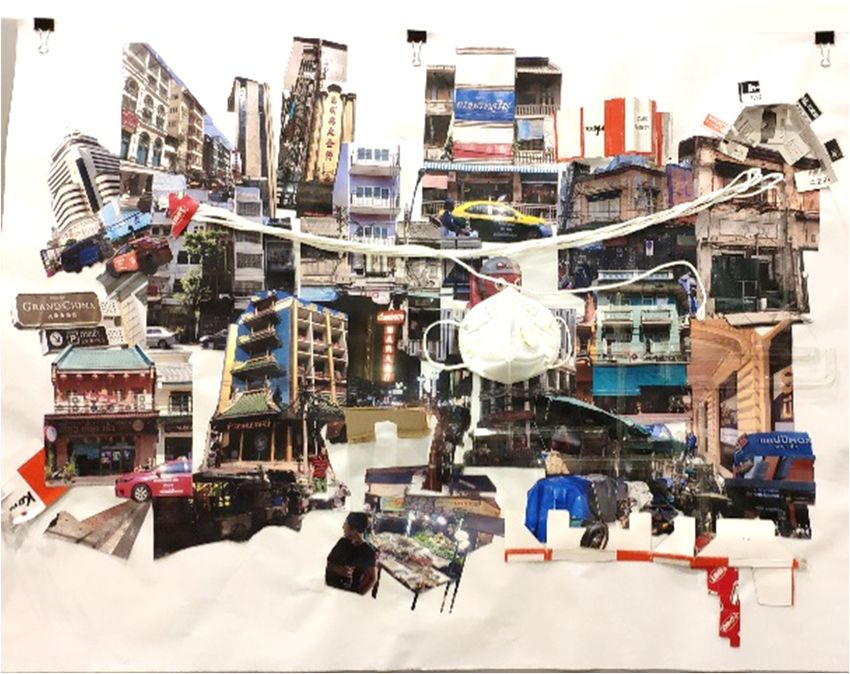
E3S Web of Conferences 23 6 , 05059 (2021)                                                         https://doi.org/10.1051/e3sconf/202123605059
ICERSD 2020

       building restoration and renewal, the applicability of              is found as the basis. To evaluate the junction between the
       materials is simplified and residents are allowed to                old and the new buildings, the targeted data collection is
       participate, and the experimental building is designed in           conducted again on Bangkok Chinatown. The old and new
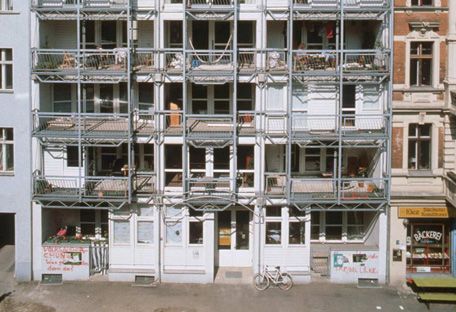
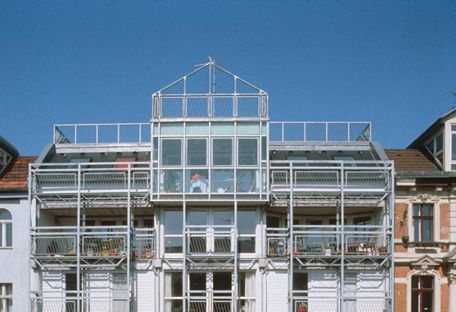
       Wohnregal, Berlin [7,9].                                            buildings that can represent the characteristics of the
           The Grands Projects of François Mitterrand was an               district are selected for two rounds of screening. Finally,
       architectural program to provide modern monuments in                the core data is obtained. The new and old buildings with
       Paris, the city of monuments, symbolizing France’s role in          the most core data are the new paradigm of the old and new
       art, politics, and economy at the end of the 20th century           buildings in the development of urban districts. (Figure 2)
       [5,17]. From the urban intervention projects in Spain and
       France, we can see the methods of integrating new
       architectural language: first, dramatic new architectural
       language, decoration of old buildings. Second, insert a
       very new element without changing the surrounding
       environment. Third, the use of a unified architectural
       language, regardless of other factors [7]. (Figure 1)

                                                                                          Figure 2: Research Framework

                                                                           2 Materials and methods
                                                                           As a method and effective way to explore complex
                                                                           problems in a short period, workshops can gather people
                                                                           from different regions and different professional
                                                                           backgrounds to stimulate new ideas [3]. In exploring the
                                                                           relationship between new buildings and old buildings, it is
                                                                           a complex social problem, which cannot be solved by a
         Figure 1: Wohnregal in Berlin (left) and Louvre Pyramid in        single architectural design method. The purpose of the
                               Paris (right)                               workshop is to find out the development trend of the new
                                                                           buildings in the old districts of the city from the new
                                                                           definition of the old and new buildings in the city through
       1.2 Question ad Objectives
                                                                           the method of data research and quantitative analyses.
       To sum up, to integrate the new urban buildings into the                The workshop is composed of students from Silpakorn
       old buildings has always been the problem of urban                  University and Tokyo University of Art, including 1 Thai,
       architects. This paper discusses the symbiotic relationship         1 Chinese, and 2 Japanese. The main districts of the group
       between new buildings and old buildings, as well as the             are Yaowarat Road and Charoen Krung Road of
       development direction of new buildings in the future. First         Chinatown in Bangkok. (Figure 3)
       of all, the problem of this paper is clear: the contradiction
       between the new building and the old original environment
       cannot be integrated into the process of urbanization.
       Through literature and case studies, found that the research
       on the relationship between new buildings and old districts
       is mutual integration. Therefore, the main question of this
       paper is: how to achieve the integration of new buildings
       in old urban districts and change the existing mode into a
       new paradigm. To return to this question, first of all, what
       is the concept of new and old in contemporary urban
       districts? Secondly, what is the junction of the old and new
       buildings in the city district? Two objectives of the paper                      Figure 3: Information on Workshop
       are obtained from the questions:
                                                                               In this area, they collect local architectural photos,
           1. To redefine the old and new buildings in the old
                                                                           traditional artifacts, and local symbols and patterns.
       districts; and
                                                                           Analyses of the pictures and screening, and finally college
           2. To create a new paradigm between the old and the
                                                                           art creation, to explore the possibility of the development
       new buildings in the old districts.
                                                                           of the old street, and to explore the process of thinking and
           To define the concept of new and old in the new
                                                                           conclusion to complete the summary. Collage art, as a
       definition district, taking Thailand’s Chinatown as the
                                                                           common form of expression and technical means of
       research object, the concept and element list system of new
                                                                           popular art, can combine the transformation of the two-
       buildings and old buildings in the contemporary urban
                                                                           dimensional interface and three-dimensional space,
       district are obtained after data investigation and analyses.
                                                                           making the work more expressive [10]. Here, it is used as
       Based on this, the junction between new and old buildings

                                                                       2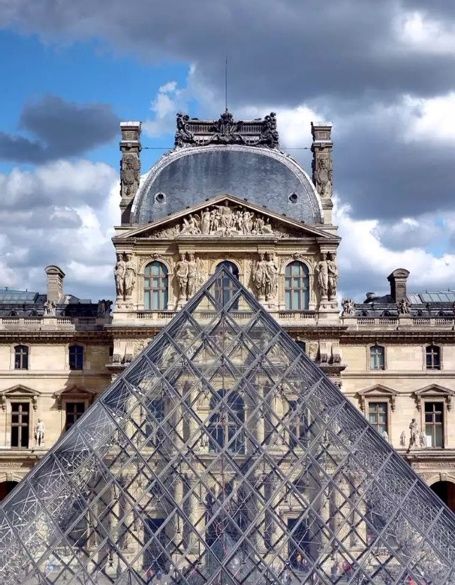
E3S Web of Conferences 23 6 , 05059 (2021)                                                          https://doi.org/10.1051/e3sconf/202123605059
ICERSD 2020

       the artistic expression method of the combination of new             3.2 Defining the old in urban architecture
       buildings and old buildings. It is in line with the conditions
       for members of different backgrounds to participate in the           To clarify the relationship between the old and the new
       workshop. It is also a common method in design teaching              buildings in the city, it is necessary to make a new
       and workshop activities [12].                                        definition of new buildings and old buildings. This
           In the process of data collection with Thailand                  definition is based on the existing buildings in Bangkok's
       Chinatown as the sample object, the photo data went                  Chinatown area based on practical research. (Figure 5)
       through two sample screening processes. For the first time,
       members of the workshop team need to use the redefinition
       of the old and new buildings as the data collection
       principle to shoot representative buildings and scenes in
       the district. In the second time, the team members obtained
       the final core data by re-screening the photo data of other
       people. In the limited conditions of this small-scale and
       short-term workshop project, this is the core element that
       can best represent the characteristics of this district.
       Finally, the number of photo data of core elements is                          Figure 5: Categories of the Old and New
       summarized in the definition of new and old buildings.
       From the proportion of data, the relationship between the            3.2.1 Old buildings
       old and the new buildings is observed and analyzed, and
       the paradigm transformation of new buildings in the old              Old buildings are the main part of urban buildings, and
       districts is deduced.                                                they will also be recorded in the subsequent data analyses.
                                                                            The old buildings cover two meanings, one is memory, the
                                                                            other is humanization. Objects all use the process from
       3 Process of analyses                                                new to old, and the memory produced in this process is the
                                                                            unique charm of old urban buildings. This kind of old has
       3.1 Site analyses                                                    nothing to do with traditional history but only occurs in the
                                                                            connection between the residents and the building itself.
       The change in new buildings in the city is an irreversible           Humanization also has such characteristics. Under the
       fact. If we balance the relationship between new buildings           urgent needs of users, the old buildings have been adjusted
       and old districts, it is the key point for the city to explore       to reflect the low-cost humanistic care. This is not the
       its development direction. For Thailand's Chinatown area,            designer's talk on paper, but also the external embodiment
       Yaowarat Road and Charoen Krung Road used to be the                  of life traces.
       commercial center of Bangkok, with a history of 200 years,
       but with the development of new business and CBD
       migration, Chinatown gradually blight. The whole                     3.2.2 Historic buildings
       Chinatown area is about two kilometers long, which is                The architecture of the city represents the history of the
       connected by Sampang Lane, Yaowarat Road, Charoen                    city, which is also the core value of Bangkok different
       Krung Road, and other streets. Due to the changes of the             from other places. There are two kinds of historicity: one
       times, this area now integrates a Chinese gathering area,            is the building with historical value, which is generally the
       Indian gathering area, Muslim gathering area, etc. the               old building or the repaired old building. It is the witness
       cultural integration makes the buildings in this district also       of a certain period of history and the nostalgic object. The
       diverse and inclusive. Most of the buildings in this area are        other is a landmark building, or call it a sign. This sign
       old, but the business is very prosperous. Although most of           represents the symbol and image of the city. It may be the
       the buildings are mainly built in the Chaoshan area of               reconstruction after the disappearance of the historical
       China, we can also see the integration and change of                 building and the spiritual sustenance of the city.
       various cultures. (Figure 4)

                                                                            3.2.3 Traditional architecture
                                                                            Traditional architecture includes cultural tradition and
                                                                            religious tradition. Cultural tradition is the foundation of
                                                                            maintaining a close type of regional community. For
                                                                            example, there are Chinese areas in Bangkok's Chinatown
                                                                            area, and traditional markets and Chinese schools are the
                                                                            gathering places for maintaining the traditional community.
                                                                            The religious tradition is better understood. A large
                                                                            number of temples, Hindu temples, and mosques are
                                                                            carriers of the unique culture of Bangkok's Chinatown,
             Figure 4: Investigate Area in Chinatown of Bangkok             gathering various ethnic groups in the process of mutual
                                                                            integration and maintaining their unique places.

                                                                        3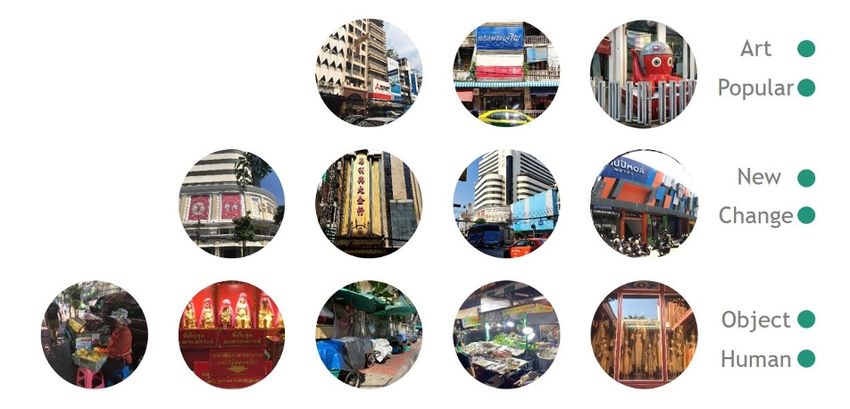
E3S Web of Conferences 23 6 , 05059 (2021)                                                       https://doi.org/10.1051/e3sconf/202123605059
ICERSD 2020

       3.3 New buildings in the city

       3.3.1 New buildings in style
       The new architecture in architectural style includes the
       trend of popularity and the expression of contemporary art.
       From the beginning of modern architecture, square box
       architecture has become the main body of the world's
       architectural development, even the post-modern
       architecture is also based on modern architecture to add
       additions to make the architecture more meaningful.
       Therefore, the way of building this new building is a trend
                                                                               Figure 6: Principles of Workshop Picture Collection
       and an unavoidable topic. Besides, more and more art
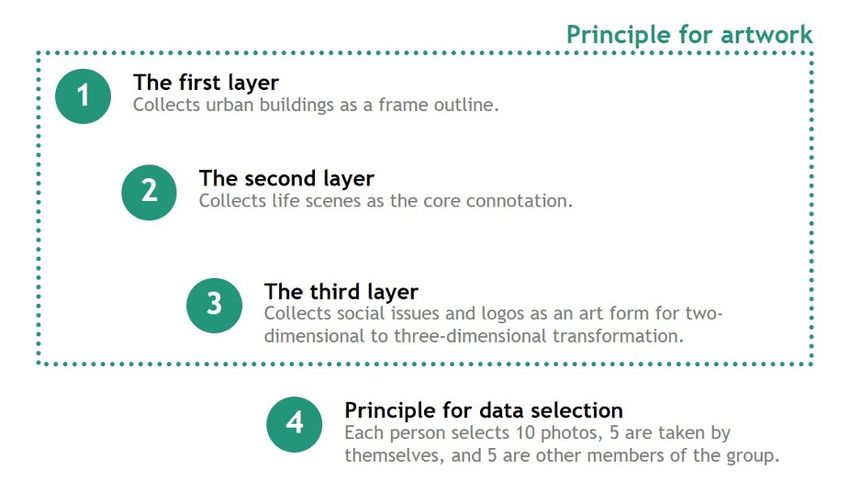
       elements are added to the surface of the building.                     1. Collect the shape of urban buildings as the outline
       Sometimes the boundary between art and the trend left              of artistic creation;
       behind may be blurred, which means that the artistic                   2. Collect the living details of residents as the
       surface form is also the popular trend of the building.            connection node between the city and people;
                                                                              3. Collect social phenomena and physical symbols
       3.3.2 New buildings in function                                    as a way to transform two-dimensional art into three-
                                                                          dimensional art; and
       The development of human society makes the social                      4. In data selection, select 5 photos taken by yourself
       division of labor more detailed and the resulting new              and 5 photos not taken by yourself as creation materials.
       community functions evolve into buildings with new
       functional forms. For example, there was no super large
                                                                          3.5 Data analyses and conclusion
       shopping mall in the previous society, which is the
       building under the new functions. However, under this              Through quantitative analyses of the pictures selected
       new functional phase, the buildings will gradually replace         from a small range, found that in the selection of old
       the obsolete building functions. Maybe the traditional             building elements, the number of pictures defined as old
       market has been transformed into a supermarket, so the             buildings is large, accounting for 70%; the number of
       new functions cover the new functional buildings and the           pictures of historical buildings is 30%; the number of
       buildings that change the use functions.                           pictures of traditional buildings is 50%. (Figure 7) In the
                                                                          selection of new architectural elements, the number of
       3.3.3 New buildings in emotion                                     pictures defined as the new style is 50%; the number of
                                                                          pictures defined as the new function is 30%; the number of
       Emotional new building is to build a new building at the           new architectural pictures in emotion is 70%. (Figure 8)
       same time hope to retain the traditional emotional                 The image elements collected from the above data are
       sustenance, it does not contain a historical value, just add       cross calculated. There are 40 valid data pictures, which
       emotional symbols to the new building. There are two               are selected by workshop participants themselves. (Figure
       meanings to this symbol. One is that it is based on objects,       9) At last, they are created by art and displayed in the way
       such as adding a traditional attic to modern architecture,         of collage art under modern urban life, the actual
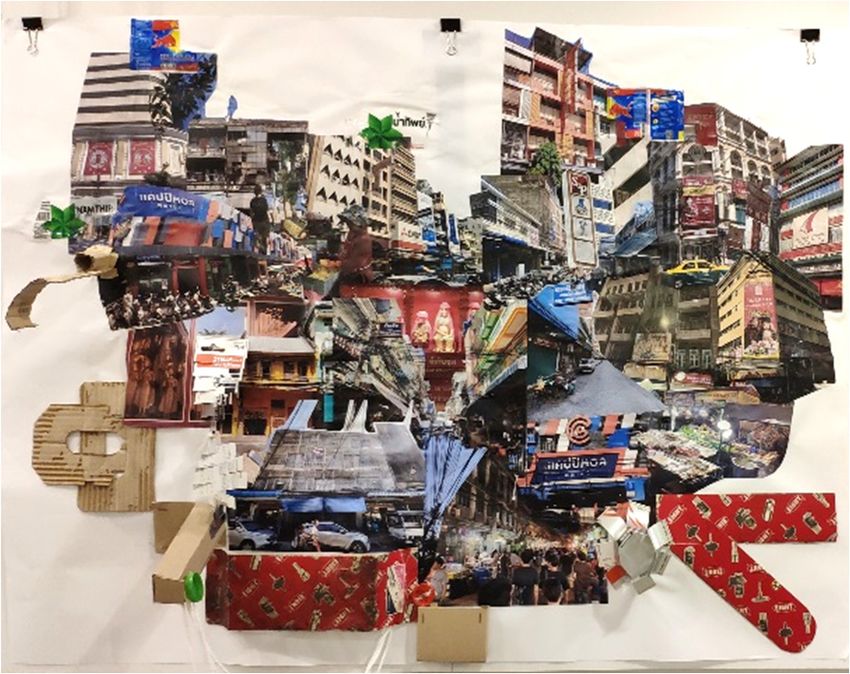
       which is out of place and grotesque. Second, buildings             appearance of Bangkok's Chinatown area. (Figure 10)
       without human feelings are often lifeless, so they will be
       endowed with human feelings through graffiti and other
       ways.

       3.4 Data collection
       Based on the analyses of the old and new characteristics of
       the city, 12 kinds of elements are summed up and targeted
       to explore the Thai Chinatown area and collect relevant
       pictures and materials. Based on this data, collage art is
       created by the following principles: (Figure 6)                              Figure 7: Data Analyses of Old Elements

                                                                      4
E3S Web of Conferences 23 6 , 05059 (2021)                                                        https://doi.org/10.1051/e3sconf/202123605059
ICERSD 2020

                                                                           urgent part of the urban district to be updated, especially
                                                                           because some buildings are aging and abandoned due to
                                                                           long-term disrepair. The new buildings in urban renewal
                                                                           have the strongest demand for human emotion. This kind
                                                                           of emotion contains the nostalgic plot of the old buildings.
                                                                           It does not necessarily go back to a specific architectural
                                                                           style, but also has a series of emotional needs for the
                                                                           emotional building materials, human feelings of the
                                                                           enclosed space are defined. (Figure 11)

                  Figure 8: Data Analyses of New Elements

                                                                                                Figure 11: Finding

                                                                           4 Conclusion
                                                                           Through the way of the art workshop, the process of
                          Figure 9: Data Analyses                          investigation, data collection, data classification, and art
                                                                           creation is adopted to explore the city districts. Using
                                                                           perceptual artistic creation to understand the relationship
                                                                           between new buildings and old buildings in urban districts,
                                                                           we will find that, in the construction of new buildings in
                                                                           urban areas, human emotional factors are the most
                                                                           significant determining junction, the junction between new
                                                                           buildings and old buildings, and the key to the paradigm
                                                                           shift of new building to old urban districts.

                                                                           REFERENCES
                                                                           1.   Amjad Almusaed and Asaad Almssad. 2019. City
                                                                                Phenomenon between Urban Structure and
                                                                                Composition.       In     Urban      Design.     DOI:
                                                                                https://doi.org/10.5772/intechopen.90443
                                                                           2.   Marcelo Sagot Better. 2018. Understanding the
                                                                                careful urban renewal and critical reconstruction of
                                                                                Berlin:     eco-projects    of   the    Internationale
                                                                                Bauausstellung 1987. In EAUH.
                                                                           3.   Jeff E. Brooks-Harris and Susan R. Stock-Ward. 1999.
                                                                                Workshops: Designing and Facilitating Experiential
                                                                                Learning. SAGE Publications, Thousand Oaks.
                                                                           4.   Anne Marie Broudehoux. 1994. Neighborhood
                                                                                Regeneration in Beijing: An Overview of Projects
                                                                                Implemented in the Inner City Since 1990. McGill
                                                                                University Libraries, Montreal.
                                                                           5.   François Chaslin and Virginie Picon-Lefebvre. 1989.
                                                                                La Grande Arche de La Défense. (1989), 215.
                                                                           6.   Nan Ellin. 2013. Integral Urbanism. Routledge, New
                                                                                York.
                                                                           7.   Diane Ghirardo. 1996. Architecture after Modernism.
                                                                                Thames & Hudson, London.
                                                                           8.   Hardt-Waltherr Hämer. 1990. 12 Principles of
                        Figure 10: Collage Artworks
                                                                                Cautious Urban Renewal. Retrieved from
           From the final data, we can find that among the old                  https://www.internationale-bauausstellungen.de
       buildings, the number of old buildings formed by the aging          9.   Susann Liepe, Marianna Poppitz, Nils Scheffler, and
       of the building itself is the largest, which is also the most            Ariane Sept. 2010. Wissenschaftliche Studie IBA ’87

                                                                       5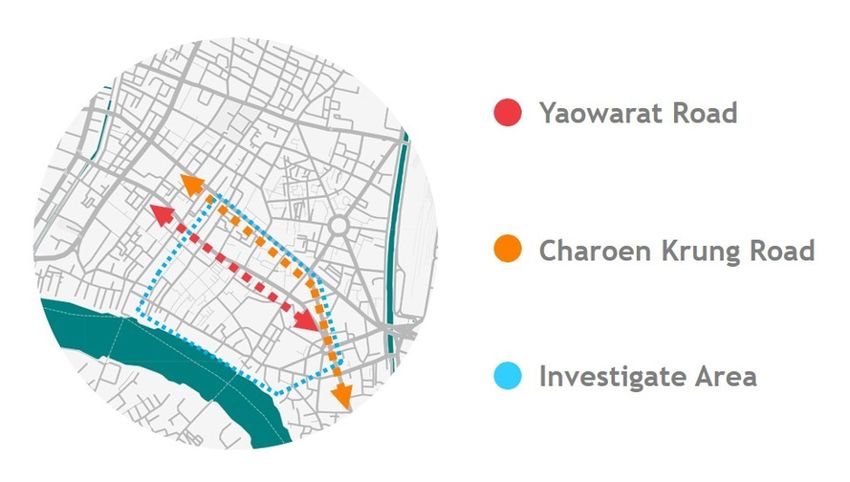
E3S Web of Conferences 23 6 , 05059 (2021)                                                     https://doi.org/10.1051/e3sconf/202123605059
ICERSD 2020

             in Berlin. Senatsverwaltung für Stadtentwicklung             14. Urban Waste. Urban Metabolism. Retrieved from
             Berlin, Berlin.                                                  http://www.urban-waste.eu/urban-metabolism
       10.   Todd James Pierce. 2015. College. Oxford University          15. Berlin in Brief: History. Retrieved from
             Press, Oxford.                                                   https://www.berlin.de/berlin-im-
       11.   Colin Rowe. 1984. Collage City. The MIT Press,                   ueberblick/en/history/the-fall-of-the-wall-and-
             Cambridge.                                                       reunification/
       12.   Jennifer A.E. Shields. 2014. Collage and Architecture.       16. Self-Construction Experiment Wohnregal. Retrieved
             Routledge, New York.                                             from https://www.internationale-bauausstellungen.de
       13.   Robert Venturi. 1966. Complexity and contradiction           17. Grand Arche de la Défense. Retrieved from
             in architecture. The Museum of Modern Art, New                   http://paris.dukegill.com/defense.htm
             York.

                                                                      6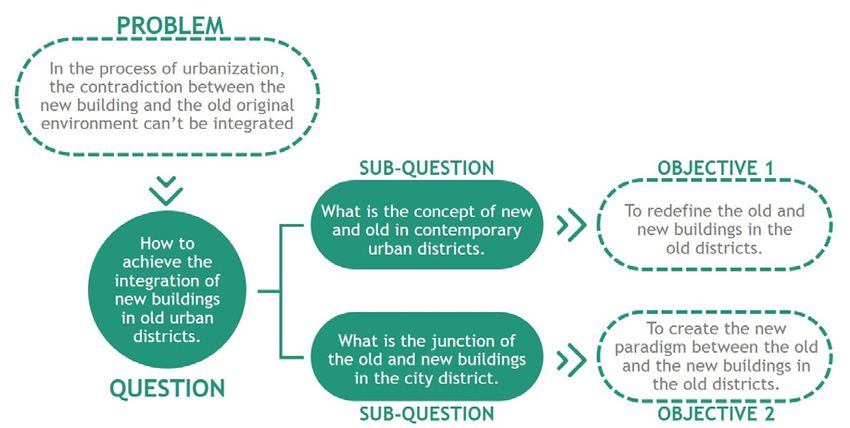
You can also read


