PIKE RIVER MINE DISASTER - What went wrong STEWART BELL
←
→
Page content transcription
If your browser does not render page correctly, please read the page content below
PIKE RIVER MINE
   DISASTER

  What went wrong

                              STEWART BELL
                  CIC FAIOH MRACI CChem PSM
           Commissioner for Mine Safety and Health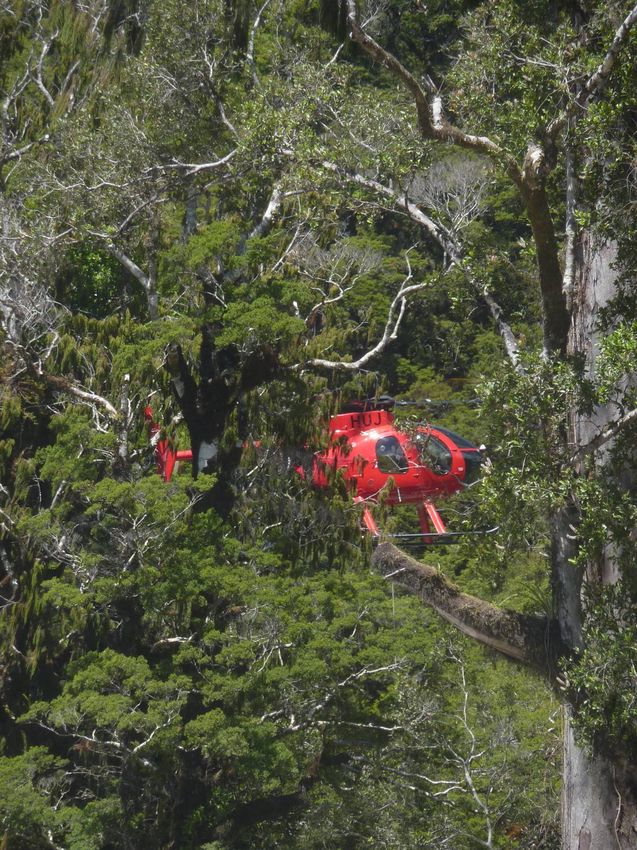
Pike River
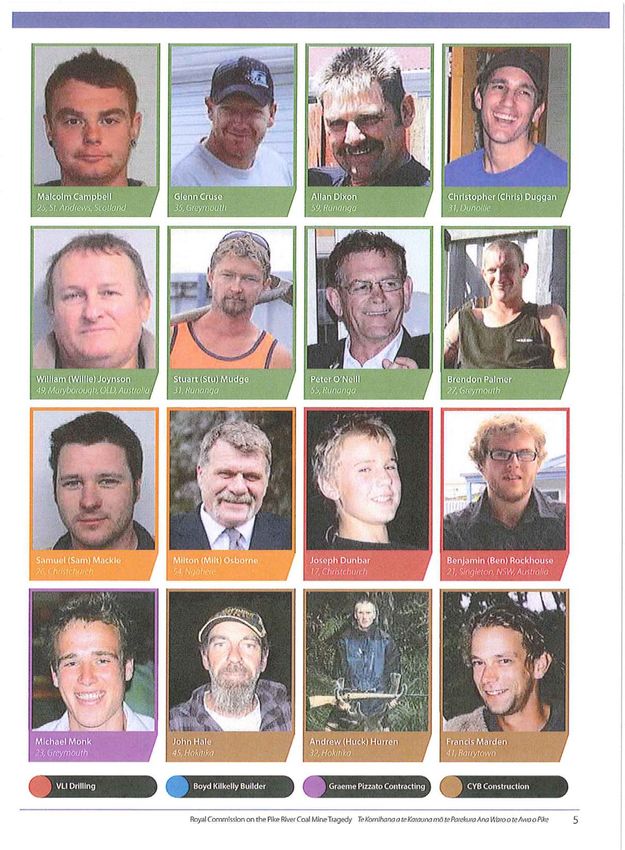
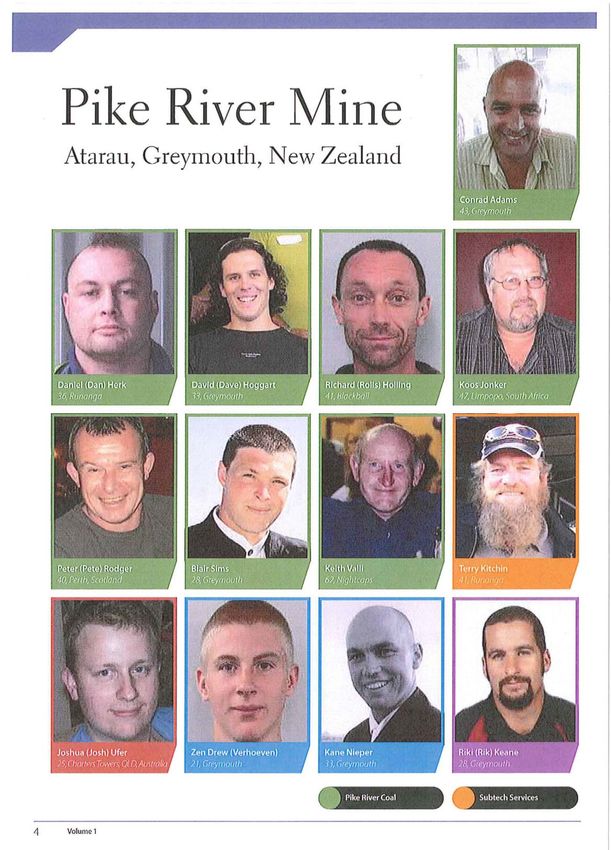
•   19th November 2010 - 31 men went to work at the Pike River Mine
    and 29 never returned home

•   The Royal Commission was established in late December 2010

•   The Commission was chaired by Justice Graham Panckhurst, with
    David Henry and the author as the other Commissioners

•   The final report was presented to the Governor General of New
    Zealand on the 30th October 2012

•   The lessons from Pike River must be remembered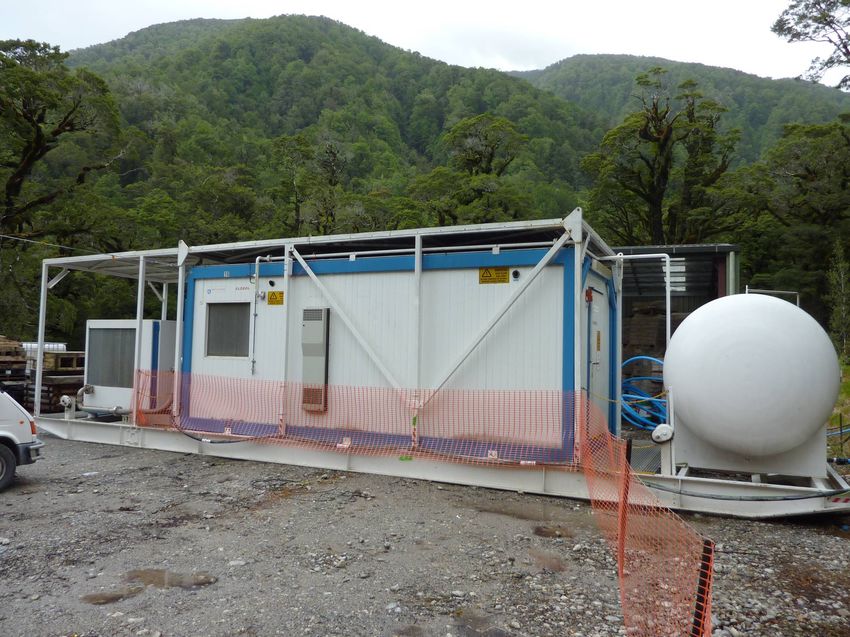
Pike River
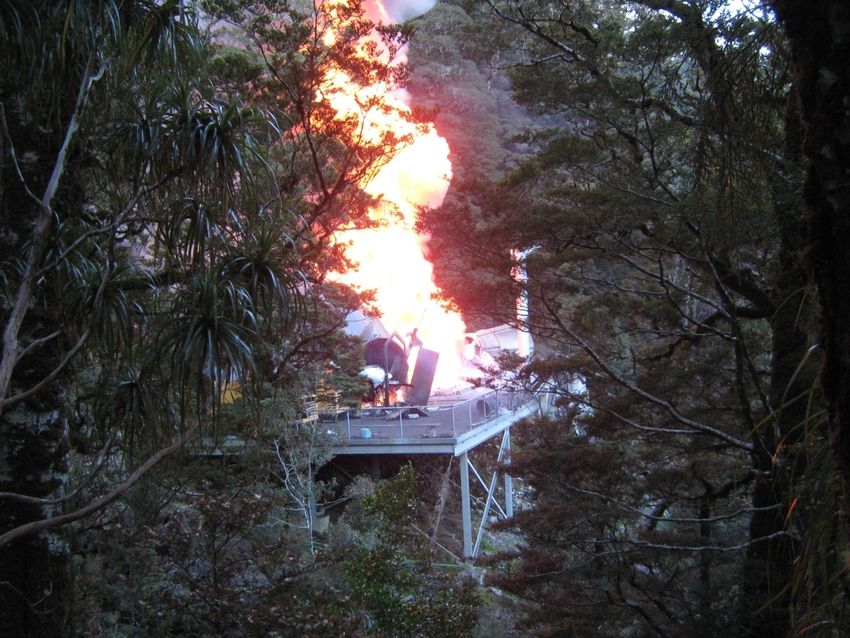
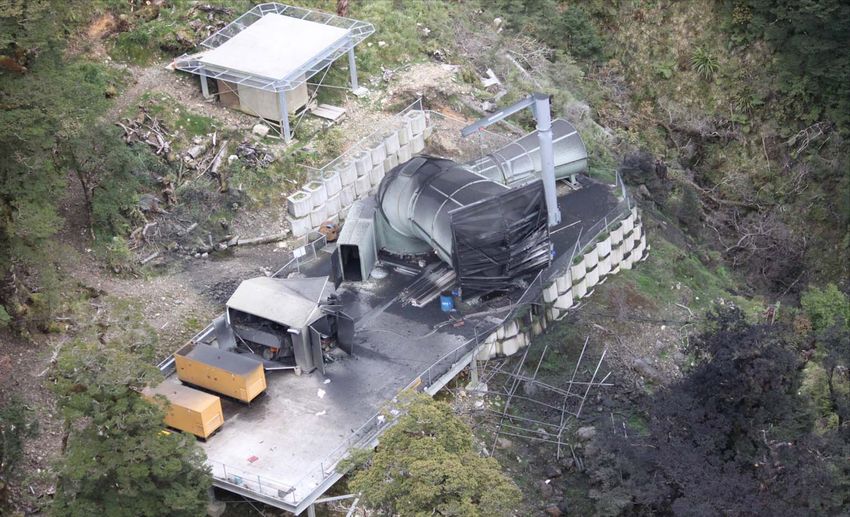
The first explosion occurred at around 3.45 pm on the 19th November

The second explosion 24th November 2.37pm

The third explosion 26th November 3.39pm

The fourth explosion 28th November 1.50pm

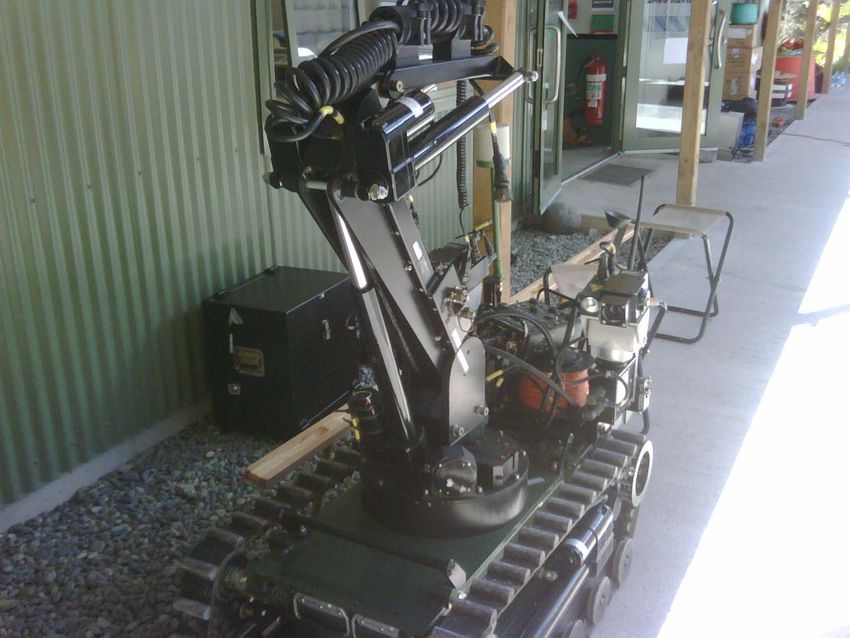
Re-entry into the mine has not been achieved to date
X
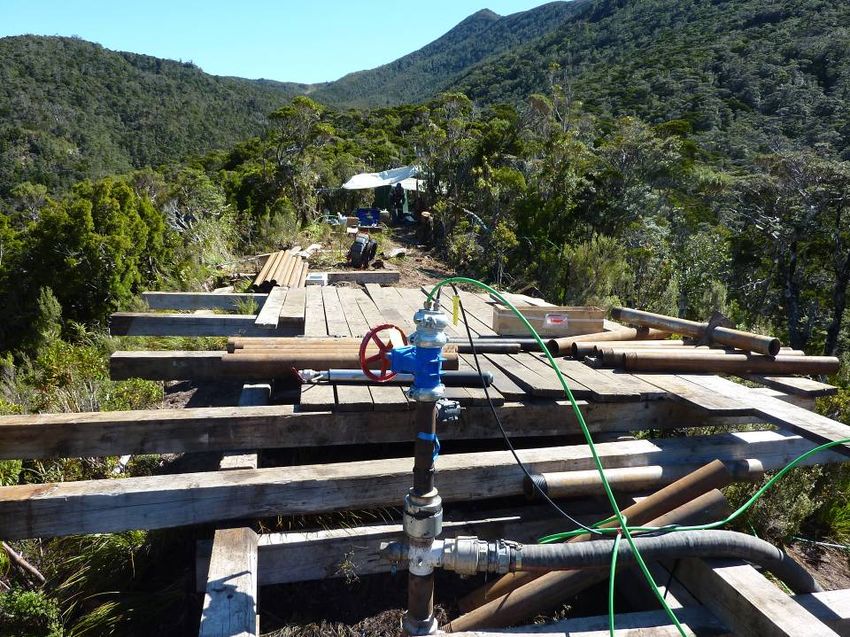
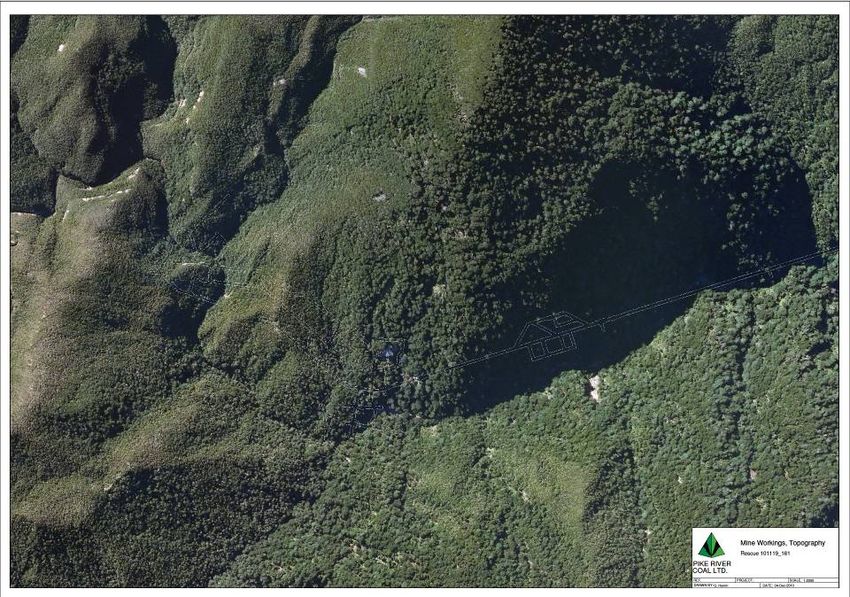
Rugged Terrain
Main Fan
                          (-Installed underground
                          - Alternative Escapeway)

                                               Incline- 2 km
                                               Drive in-Drive Out
Inbye Workings
3 production units

                     Pit Bottom
Pike River Mine Plan
Brunner Seam properties
• Depth of cover –110 to 180m
• High quality coking coal (very low ash &
  sulphur)
• 8 -9m thick (average)
• Gradient variable ( 5 –15)
• Spontaneous combustion propensity
  (Moderate)
• Gas content –approx 4 –9 m3/t (methane)
Gas monitoring
Monitoring
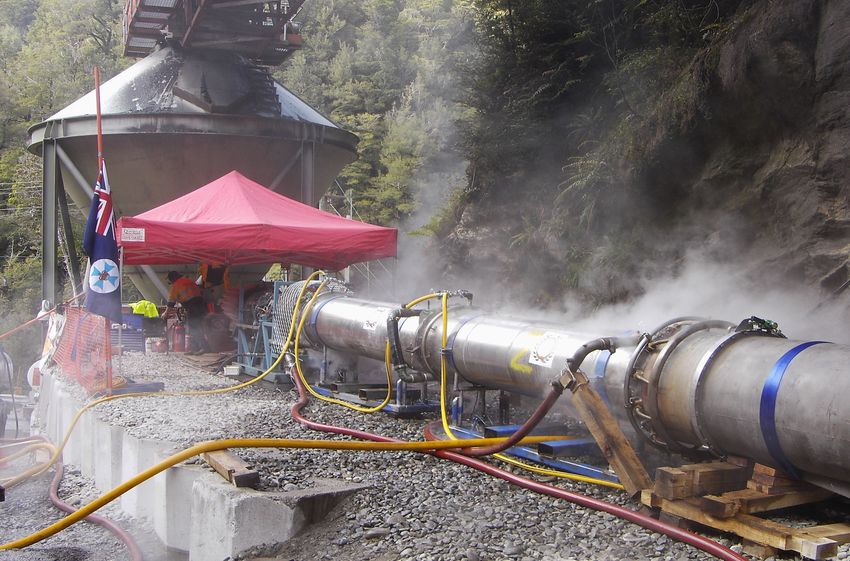
How to Fight a Fire, Remotely

             1818 hrs

  Loading GAG unit and equipment onto NZ
           Hercules and final space
                                           25
Górniczy Agregat Gaśniczy
(GAG)Pike River – QMRS Logistical
Operations
• 160,000 m3 mine volume • 649 shifts over 71 days
• 71 days involvement • 7,788 hours
• 39 days of Jet Operation • 1,134 person nights
• 706 hours of product delivery accommodation.
• 63,212,000 m3 of product • 246 people movements (flights)
• 25,416,000 m3 of inert gas • 36 people involvement
• 1,504 litres per hour - fuel • Air Travel - $96,063
• 1,061,869.89 litres of fuel • Accom. - $101,591
• Fuel cost $700,834 NZ • Transport/meals/misc – $129,383First Steps Back In
What happened at Pike River

•   Methane explosion. Significant volume of gas involved possibly
    related to the hydro panel goaf collapsing. Weak explosion inbye the
    main fan.

•   This would have resulted in an oxygen deficient atmosphere with
    high CO levels. Anyone who didn’t escape from the mine in the first
    1-2 hours was not going to survive

•    Source of ignition not clear but most likely electrical possibly linked
    to the earthing system and VSD induced harmonics

•   Other possibilities included contraband, diesels and frictional ignition
What Happened • If entry to the mine stone drive is achieved this could be clarified by examining the VSDs • No-one survived the initial blast other than the two miners who escaped • Sealing the mine would possibly have avoided the final three explosions • There was no clear window of opportunity to re-enter the mine
What went wrong
•   Pike was a problem mine from the start, constant changes to the mine plan

•   7 mine managers in 2 years

•   Lack of consistent leadership

•   Difficult topography, mountainous terrain, high rainfall

•   Bad geology- faults and grabens, poor delineation of the coal seam

•   Gas issues- high methane content coal

•   Hydromining commenced too early before the ventilation was stabilised.
•   Pike needed the best of everything
What went wrong
•   The commission identified a range of issues

•   Production versus safety. The mine was always under financial stress

•   Methane drainage issues- free venting of methane into the return

•   Expert consultants engaged but advice often not taken, ventilation, methane
    drainage and hydromining

•   Unique electrics- high usage of VSD’s- issues with restricted zones

•   Lack of worker involvement in safety

•   SHMS not fully developed

•   Risk assessment processes were flawed
Pike River Mine Plan
What went wrong
•   Lack of experienced miners- not enough mentors

•   contraband issues

•   Poor contractor control. Poor training

•   Lack of an effective regulator. Only 2 mines inspectors

•   Problems with the rescue and recovery effort- non mining incident
    controller

•   Next of kin issues

•   Ineffective corporate governance
Pike River Mine Plan
What the gas monitoring should
          have been
Monitoring system failure was
evidentSwiss Cheese Model
Applicability to Australia
• Qld and NSW Inspectorates are jointly
  examining size requirements for explosion
  panels in mine fans.

• Variable speed drives need to be assessed?

• Ensure risk assessments are done properly and
  that the controls are the focus

• Training of mine workers re self escape

• Role of the Board
Applicability continued
• Don’t short circuit incident investigations
• Cultural issues such as dealing with
  families after events such as Pike need to
  be addressed
• Inexperienced mine workers
• The rescuer model
• Leadership failed
• Don’t think this can’t happen here
In conclusion

• We don’t have any choice here

• Australia and New Zealand must learn
  from this disaster

• 29 of our colleagues paid the ultimate
  price
Every miner home safe
 and healthy every day
Decisions – in a nutshell

           Decisions can be life taking
           Decisions can be life giving
           Its your call…
You can also read


