Playgroupaustralia.org.au - March 22 - 28, 2021 - Playgroup NSW
←
→
Page content transcription
If your browser does not render page correctly, please read the page content below
March 22 - 28, 2021
playgroupaustralia.org.au
            1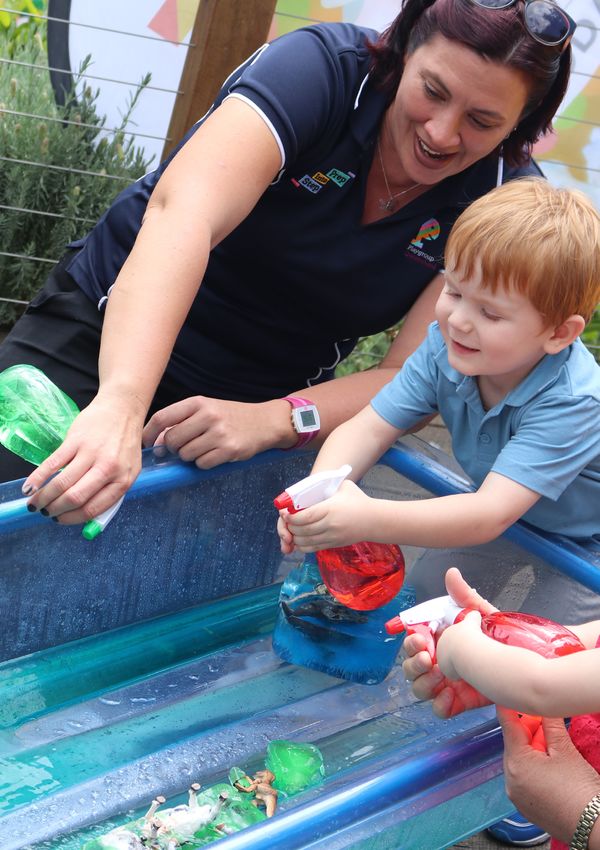
National Playgroup
    Week Activities:
    01    Summer Fun Month                 08. Learn through Play Month
          Frozen Animals                       Story Rocks

    02. Friendship Month                   09. Health & Wellbeing Month
        Friendly Faces                         Rainbow Cups and Faces or
                                               Playgroup Feast
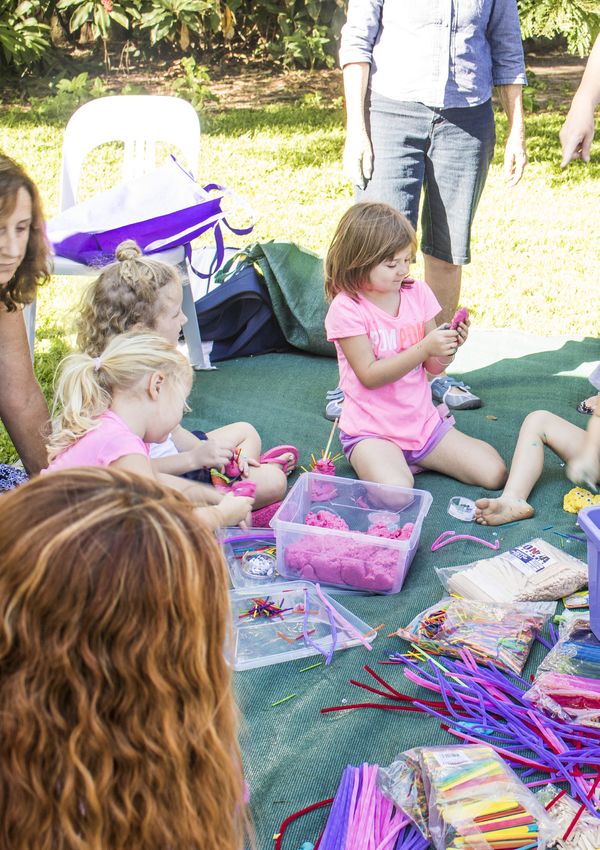
    03. All Play Together Month
        Playdough                          10.   Right to Play Safely Month
                                                 Responding to child’s play
    04. Nature Play Month
        Seed Safari                        11.   Creative Play Month
                                                 Colourful Collages
    05. Messy Play Month
        Slime Time                         12.   Celebration Month
                                                 Fireworks Painting (Diwali
    06. Music Month                              Festival)
        Musical Rain Sticks

    07.   Cultural Connections Month
          Food from Home

2                                      3
Summer Fun Month

                    Frozen Animals

     Why?                                          What you need?
     Frozen Animals is an activity that can
                                                   •   Ice containers and
     be enjoyed by many, especially on a               water to form the ice
     hot summer day. It invites children
                                                   •   Plastic animals and
     to use their senses and explore the               bugs
     sensation of the ‘cold’ item while also
                                                   •   Food colouring
     offering the opportunity to explore how
     to remove the items from the ice (i.e.
     melting the ice away by using water and
     sunshine, etc.). Children also employ                     Tip!
     mathematical skills when taking part in
                                                       Read children’s books
     this activity. For example, they learn the
                                                       such as Who Sank the
     differences between liquids and solids.
                                                       Boat? and How Full is
                                                           Your Bucket?
Instructions
1.    Fill the containers with water.
2.    Place the animal/bug into the container
      with a drop of food colouring.
3.    Put container of water with animal into
                                                                               Extension of the activity
      the freezer and freeze overnight.                                        Doing these activities with children will ignite their curiosity and enable them to
4.    Remove from the freezer just prior to                                    reflect on what they are doing, develop a love of learning and encourages them to
      doing the activity.                                                      take the initiative.

5.    Invite children to touch the ice and talk                                •   Use balloons as the container and place plastic dinosaurs inside the water to
      about its texture.                                                           create dinosaur eggs.
6.    Combine this activity with water play and                                •   Use recyclable items to measure capacity and concepts of sinking and
      invite children to discuss ways of getting                                   floating; use open-ended questions, “I wonder what frozen item will have the
                                                                                   most water after it melts?”
      the animal or bug out of the ice.

                                             4                                                                          5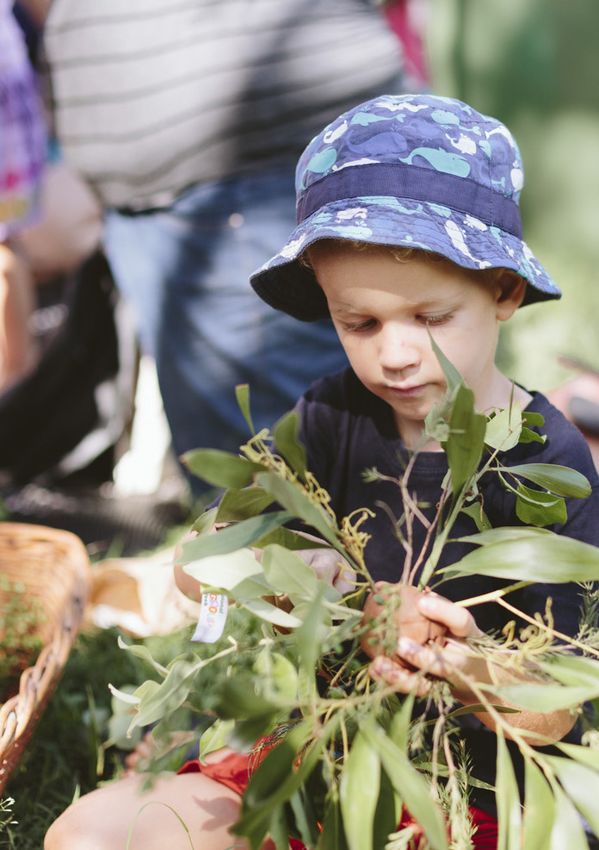
Friendship Month                                                                         All Play Together Month

                   Friendly Faces                                                                           Playdough

     Why?                                            What you need?                          Why?                                             What you need?
     We all look different. No one person                                                    Making and playing with playdough
     looks the same as another – even
                                                     •   Paper plate                                                                          •   1/2 cup oil
                                                                                             encourages social interaction and
     identical twins have some differences!          •   Glue                                                                                 •   2 cups plain flour
                                                                                             exploration of textures. Not only
     Encouraging children to interact and            •   Collage materials such
                                                                                             does it strengthen fingers, fine motor           •   Food colouring
     become aware of individual differences              as patty cake papers,
     can be difficult. This activity allows                                                  skills and creativity, but making                •   Cookie cutters
                                                         pom poms, feathers,
     children to create a face using a                                                       the dough together is the perfect                    Kitchen funnels
                                                         pasta, buttons, bottle
     variety of different textures. It aims to                                               opportunity explore measuring and
                                                         tops, felt, etc
     encourage acceptance and celebration                                                    pouring, gaining early mathematical
     of our unique differences.
                                                                                             skills at the same time.                         Tip!
                                                     Tip!                                                                                     Get the whole group involved
Instructions                                                                                                                                  by making playdough in small
                                                     Use different coloured plates to   Instructions                                          groups.
1.    Talk or read a book about emotions and         create culturally diverse faces.
                                                                                        1.   Add oil to flour and mix thoroughly              Have a variety of playdough
      facial features before you begin. Ask the      Have some larger plates and
      children to describe what they look like;      collage elements for children      2.   Add a few drops of food colouring to             tools and ziploc bags on hand
                                                                                                                                              for children who don’t enjoy
      ask them to describe the person sitting        who have difficulty grasping            water and mix through enough to make
                                                                                                                                              the sensation of touching the
                                                     little things.                          soft, coloured dough.
      next to them (ie eye and hair colour,                                                                                                   dough.
      colour of skin, size and shape of nose, etc)   Include hand held mirrors (with    3.   Use for pretend play by supplying cookie
                                                                                                                                              Traditional playdough can be
2.    Pick out different collage items to make
                                                     adult supervision) to allow             cutters and other kitchen utensils.
                                                                                                                                              firm to handle, moon dough or
                                                     children to look at themselves.
      their face                                                                                                                              kinetic sand are fun alternatives.

3.    Glue items onto the plate and create a                                            Extension of the activity.
      face.                                                                             Add different textures or scents to the dough.
                                                                                        Rice, oats, herbs or flowers with a few drops of
Modifications:                                                                          essential oils or food essence will further support
                                                                                        sensory development.
Encourage the children to create different faces and talk about feelings,
textures, colours and appearances. Have the children create different
characters or animals using the same materials.

                                           6                                                                                          7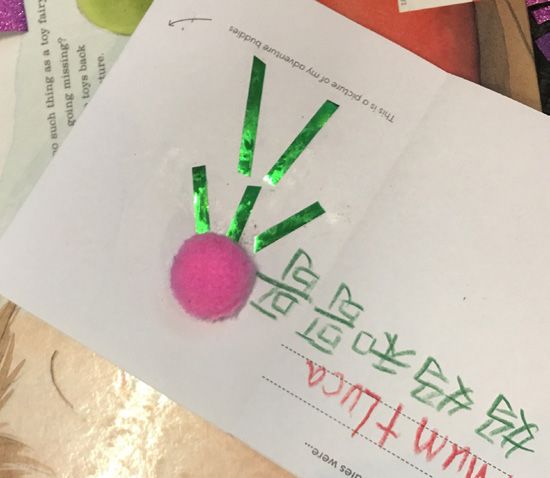
Nature Play Month

                    Seed Safari

     Why?                                             What you need?
     You’re going on safari. But you’re not           •     Containers for
     looking for elephants or zebras. You’re                collection
     on a ‘seed’ safari. Go out into the
                                                      •     Outdoor space to
     backyard and collect as many different
     types of seeds as possible. Put them in a
                                                            explore
     container. What do they look like? What          •     Magnifying glass
     textures do you have? Can you tell which
     plants they come from just by looking at
     them?
                                                                     Tip!
Instructions                                                 Plant some seeds
                                                              and see if they
1.    Give each child a container.                                 grow.

2.    Ask children for their ideas about seeds.
      Where are they found? What do they look
      like?                                       Extention of the activity.
                                                  •       Check on them regularly and
3.    Head outside and encourage the children             measure any changes.
      to find and collect seeds.                  •       Find out what type of plants
                                                          they are.
4.    Come back together and look at
      everyone’s finds (this is where the
      children can use the magnifying glass to
      take a closer look at the seeds).

5.    Be sure to supervise this activity with
      young children.

                                              8                                          9
Messy Play Month                                                                         Music Month

                   Slime Time                                                                               Musical Rain Sticks

     Why?                                            What you need?                           Why?                                                What you need?
     This is a fantastic activity with an                                                     Rain sticks are fun handmade
                                                     •    2 cups of water                                                                         •      Paper towel roll
     easy recipe to match. Parents it is                                                      instruments that you turn upside
                                                     •    Food colouring                                                                          •      Piece of aluminium
     also a good stress reliever. Join the                                                    down to make it sound like rain. This
                                                     •    3 cups of Cornflour                                                                            foil
     kids and let your mind drift as you                                                      method of making a rain stick uses
     play.                                           •    A big bowl and                      items found in most households,                     •      Plastic wrap
                                                          trough                              making it a fun and accessible                      •      Rice or dry beans
Instructions                                         * have extra water and                   way to make your own musical                        •      Tape or rubber band
                                                     cornflour on hand to get the             instrument
1.   Add food colouring to the water - start                                                                                                      •      Crayons, markers
                                                     texture to your likingperson
     with about 20 drops                                                                                                                                 and stickers for
                                                                                         Instructions                                                    decorating
2.   Pour the coloured water and flour into the
     mixing bowl and stir                                                                1.   Crumple up a long, thin piece of aluminum
                                                     Tip!                                     foil and insert it into the paper towel roll.
3.   Experimentation is the key! If the mixture
     is too stiff, add more water. If the mixture
                                                     Make an imaginative world for            The aluminum foil will act as the barrier to                        Tip!
                                                     the kids to get lost in!                 ensure the rice or beans move through the
     is too sloppy, add more flour                                                                                                                      Encourage children to
                                                     Add little animals. If you add           roll at a slow rate, mimicking the sound of
                                                                                                                                                      make different types of rain
4.   When left in the bowl the slime will look       cocoa powder you can play pig            falling rain.                                                     sounds
     and feel like a liquid. Rapid stirring will     in the mud or create a land for     2.   Put a doubled-up piece of plastic wrap
     make the slime feel like a solid. When the      dinosaurs exploring.                      over one end of the paper towel roll and
     stirring is stopped, the slime will revert to                                             tape (or use rubber bands) to secure in
                                                     Add leaves, twigs and flowers
     its liquidlike state.                           from the garden to add                    place.
                                                     different textures and create       3.    Pour about a tablespoon of dry rice or        Extension of activity:
DO NOT dispose of the slime down the drains          further talking points and ideas.          beans into the open end of the roll then
as it can cause blockages. Allow it to dry out,                                                 seal the end with a doubled-up piece of       •       For different sounds try
wrap in newspaper and put it in the bin                                                         plastic wrap. Tape plastic wrap in place.             inserting different materials
                                                                                         4.     Decorate tube as desired with tape or                into the paper towel roll. For
                                                                                                                                                      example, try pipe cleaners or
                                                                                                 stickers.
                                                                                                                                                      crumpled up paper instead of
                                                                                         5.      Tip back and forth to hear the sweet
                                                                                                                                                      aluminum foil, or use buttons
                                                                                                 sound of rainfall!
                                                                                                                                                      instead of rice.

                                           10                                                                                      11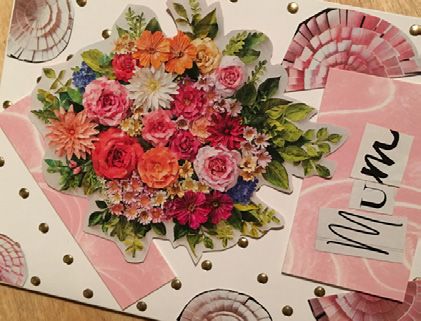
Cultural Connections Month                                                           Learn Through Play Month

                   Food from Home                                                                       Story Rocks

     Why?                                           What you need?                        Why?                                         What you need?
     Australia’s national identity is made                                                Gather the rocks. Spray-paint the top
                                                    •   Recipes from the                                                               •       10 - 20 smooth
     up of many cultures and ethnicities.                                                 of the rocks white. Once the rocks have
                                                        children, their                                                                        rocks
     Immigrants to Australia bring with                                                   dried, draw designs such as the sun,
     them food traditions that enrich our               families (parents,                moon, people, flowers, animals, trees, and   •       White spray paint
     culture. In this activity, children help           grandparents,                     rivers on the rocks with markers. Place      •       Permanent markers
     to compile a cookbook out of their                 carers)                           them in a basket
     favourite traditional recipes from
                                                                                                                                       •       Basket
                                                    •   Photos or
     home. The activity connects children
     to their cultural roots and nurtures an            illustrations of the         Instructions
                                                        children making
     appreciation of the ways in which each
                                                                                     1.   Have your toddler choose a rock from the                      Tip!
     one of us contributes to our community.            food at home
                                                                                          basket. Start a story based on the rock
                                                                                                                                           •   To save time, just
                                                    •   Art materials                     that your toddler picked.
                                                                                                                                               add stickers to the
Instructions                                            (coloured pencils,           2.   Choose another rock and add another                         rocks
1.    Collect favourite recipes from the children       crayons, oil pastels,             part to the story.
      and their families                                paints, stamps,
                                                                                     3.   Take turns choosing a rock and adding
2.    Aim to showcase the ethnic and cultural           textas)                           parts to the story.
      diversity of the community
3.    Collect photos of the children cooking at                                           Caution: Keep your child away from the
      home with family members. The children
                                                    Ask questions like...                 spray paint
      could also draw these scenes
4.    Compile the recipes, photos or drawings       What do you like to eat at
      to create a cookbook                          home?
5.    Illustrate the cookbook. Images could be      Do you help with cooking?
      pictures of the ingredients and equipment
                                                    What do you like to do most in
      used in the recipe, or what the finished
                                                    the kitchen?
      dish looks like
6.    Label the recipes with the children’s
      names (so that everyone can see their
      part in the book)

                                          12                                                                                      13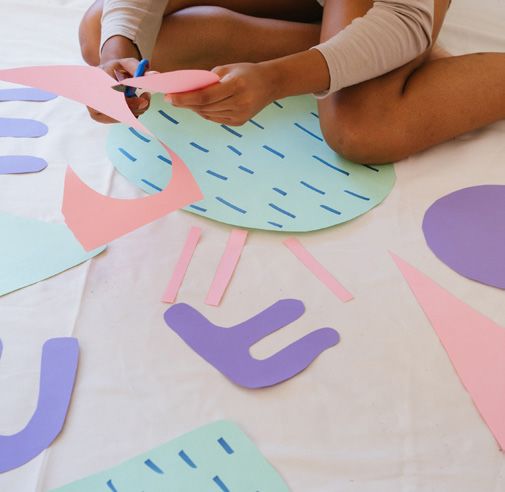
Health & Wellbeing Month

                  Playgroup Feast
                  Healthy Cooking
     Why?                                         What you need?                    Safety:
     When children experience cooking                                               Including playgroup members...
                                                  Choose one feast:
     with fresh food they are learning                                              •   Allergies: be sure to cater for children who have allergies.
                                                  Fruit Salad
     to be involved in the process of                                               •   Children need to be supervised when cooking to avoid injuries.
                                                  •   Watermelon, orange,
     preparing healthy snacks and                                                   •   Choking: be sure to avoid chunks of food items that are hard or
                                                      banana, grape, apple.
     meals. While cooking the children                                                  items that should be avoided for young children.
                                                  Vegetable Soup
     are using skills such as cutting,
     measuring, stirring, pouring and             •   Carrot, potato,

     mixing. Children are use their senses            zucchini, pumpkin,
                                                      vegetable stock.
                                                                                Extention of the activity.
     - smelling, tasting and touching                                                                                                Tip!
     food that has different textures.            Healthy Sandwiches            •   Pretend play-hospital or doctors
                                                                                    surgery; singing the ‘skeleton             Sing songs while
     What a fun way to spend some time            •   Bread, tomato, lettuce,
                                                                                    song’.                                         cooking
     preparing a delicious snack to eat at            cheese, cucumber
                                                                                •   Read books like The Great Big
     playgroup!                                   Frozen Ice Blocks
                                                                                    Enormous Turnip, The Very
                                                  •   Fruit - oranges,              Hungry Caterpillar or Stone Soup
Instructions                                          bananas, fruit or puree   •   Plant some veggies or herbs and
                                                      of yoghurt. Place your        water them, while they grow and
1.   Invite families to bring an item for the
                                                      chosen ingredients in         explore where our food comes
     healthy snack you are going to make at
                                                      an ice block tray and         from.
     playgroup.
                                                      freeze in the freezer.    •   When using the cooking use
                                                                                    words like ‘short, long, add, hard,
2.   Involve the children in the cooking of the
                                                                                    big, small, soft’.
     snack. Note that some snacks need to be
                                                                                •   Incorporate the use of colours
     frozen so it might be an idea to have one
                                                                                    into an activity (e.g., invite the
     batch already frozen or cooked!
                                                                                    children to name a food item and
                                                                                    its colours and textures).
                                                                                •   Make a healthy pizza at home.

                                         14                                                                               15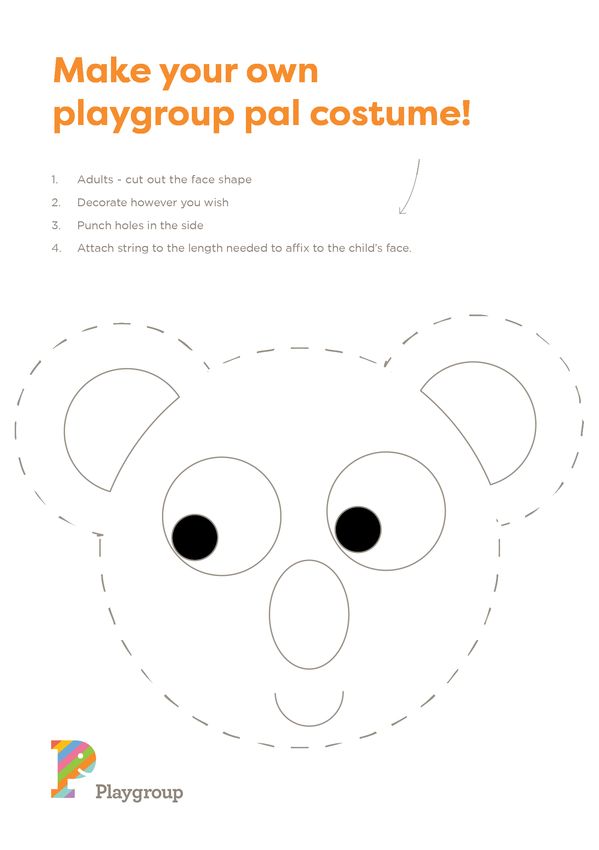
Right to Play Safely Month                                               Examples of how you can support your child’s play, without leading

Responding to Child’s Play                                               or taking over.

                                                                         •   Wait to be invited to play.     •     Let your children develop
                                                                             If your child is happily              skills at their own pace.
Children play naturally. Usually the most important things you can           playing, it’s fine to leave           It’s tempting to step in to
do to support this are giving your child enough space and time to            them to it.                           help your child when they
play every day and having an understanding attitude. If your child                                                 find something difficult but
sees that you are happy they’re playing, they tend to enjoy it more.     •   Help protect your child’s
                                                                                                                   that’s how they learn.
                                                                             play from interruptions.
During this coronavirus pandemic, your child is expected to be at            If your child is absorbed in    •     Let children choose the
home for long periods of time. They may be physically separated              playing, avoid switching on           themes of their games.
from friends, family, routines and places that are important to them.        the TV or games console,              Even if the themes seem
It is a new situation for them – and for most of us.                         asking questions or asking            difficult or upsetting, it’s
                                                                             them to stop for other                their play.
You might see your child playing in a different way. They may
                                                                             activities.
return to play they enjoyed when they were younger. They may play
games that are linked to illness, loss or even death. Their play might   •   Let your child explore and
show feelings such as frustration, boredom or confusion.                     make mistakes.
                                                                             Let your child use trial and
                                                                             error and their own ideas
Responding to your child’s play
                                                                             without feeling foolish or
Playing is one way children deal with stress and cope with the               judged.
situation they’re in. When children play, they are working out what
they think and how to respond.
                                                                         These are general tips for supporting your child’s play. Trust your
Unless your child seems distressed or stuck in their play, you can       own judgement.
usually be reassured that it’s part of how they are coping.
                                                                         Your child might like you to play with them or simply be nearby, so
However, your child might rely on you more than usual to make sure       they feel safe and cared for. They may also like some privacy while
they have things to play with and space and time for them to play        they play – for example, if they’re not used to spending so much
every day. Sometimes they might need extra attention to feel safe        time indoors with you.
and cared for.

                                    16                                                                        17
Photo Collage
                    Creative Play Month                                             Print off family photographs, encourage children to
                                                                                    cut around the shape – if it is a person, help them cut
                    Colourful Collages                                              around the outline of the person’s body. Stick these
                                                                                    different cut outs down onto a large piece of paper
                                                                                    – or you could try using a canvas! Paint a coloured
                                                                                    background on the canvas, let it dry, then layer up your
                                                    What you need?                  photograph cuttings. Use items like buttons, stamps or
     Why?
                                                                                    lace to create a border.
     Borrow a little bit of this and that to        •   A collection of craft
     make a beautiful and bright collage.               materials that will stick
                                                                                    Collage with Paper
     This exercise encourages hands on              •   Old magazines or
                                                                                    Cut or tear pieces of coloured paper into various shapes
     creativity and imagination.                        catalogues, newspapers,
                                                                                    – assemble and glue. Guide children on how to colour
                                                        material offcuts, ribbon,
                                                                                    code. This teaches matching up different shades of one
                                                        natural objects like
Instructions                                            leaves or feathers, wool,
                                                                                    colour. Try layering different types of paper like tissue
                                                        cellophane, buttons,        paper or thicker card.
1.    Cut up lots of different craft materials
                                                        patty pans, foil, stamps,
      in interesting shapes and sizes – use a
                                                        stickers, photographs –
      mixture of colours                                                            Collage Journal
                                                        whatever you can find!
                                                                                    Using a scrapbook or notepad to create a mini collage
2.    Stick your items down however you want        •   Kids scissors
                                                                                    that represents each day, week or month. Encourage
3.    You could draw the outline of an animal,      •   Glue
                                                                                    children to collect a couple of items throughout their
      a flower, a friend, a house- whatever you     •   Paper, card or a            day – set aside some time to stick these items into the
      like- then paste your craft materials on to       scrapbook                   journal. Help them write notes and the date. This will
      the picture                                                                   make a beautiful keepsake for years to come.
4.    Be as creative as you like!
                                                    Tip!                            3D Collage
                                                    Make your collage into a card   Use cardboard or textured materials like sand, wool or
There are so many ways to collage, let              and gift to a loved one         pom poms to create a 3D artwork – encourage children
your craft materials and imagination                                                to create a self-portrait using this method.
guide the way. Check out the following
page for collage ideas:                                                             Mixed Media Collage
                                                                                    Use fabrics layered on top of different textured papers.
                                                                                    Get creative! What do you have on hand? Collect some
                                                                                    items from nature like grass cuttings or leaves. Tear
                                                                                    up pieces of foil, scrunch them up then smooth them
                                                                                    out and stick down. Use paper patty pans to create
                                                                                    depth – talk about the textures created by the different
                                                                                    materials.

                                           18                                                     19
Celebration Month
Fireworks Painting
(Diwali Festival)
Contributed by Karen from Mulligrubs
Middle Mount Playgroup. What you need?
• Poster paint (four
Why? colours is perfect)
Children of all ages will have fun • Plates to put the
creating this colourful work of paint on
art. The cut, fanned cardboard
• Large sheet of
rolls create the fireworks effect so
butcher paper
nicely. Children can choose a range
• Cardboard rolls
of sizes and colours making their
artwork uniquely their own. The • Scissors
activity does not require advanced • Glitter (optional)
skills. Learning opportunities
include hand-eye coordination,
imagination and creativity, fine
Tip!
motor development and language
To prevent the
development. cardboard fan from
going soggy, place in
paint just prior
Instructions to using.
1. Cut the cardboard tubes into different lengths
Extension of the activity
fanning them out to create various sized • Add a little bling to your creation with glitter.
fireworks. • Talk about the colours and size of the fireworks. Which one do you think
2. Start printing with the largest fireworks first would be the loudest? Where have you seen fireworks? What do you think
using a kind of bounce and twist motion. Print your fireworks could be celebrating?
over the top with the next size fireworks. • Maybe the artwork could be framed and given as a gift for a special
3. Try creating fireworks using the smallest celebration.
fireworks tube then the biggest. • Read a story that features fireworks.
4. Create single fireworks.
20 21National Playgroup Week
Become a
Playgroup Pal!
22 2324 25
26 27
28 29
We would love to see your playgroup pal drawings.
     Share them with us at playgroupaustralia.org.au/playgroup-stories/
                    or upload to our facebook accounts.

30                                  31
playgroupaustralia.org.au
32You can also read


