PRE-DEPARTURE GUIDE / 2020 - Flinders University
←
→
Page content transcription
If your browser does not render page correctly, please read the page content below
PRE-DEPARTURE
GUIDE / 2020

                1
Contents
3    Introduction and Welcome                                       12   How Much Money to Bring
4    Useful Sites                                                   12   Currency Exchange
5    Before Leaving Home                                            12   ATMs
5    Pre-departure Checklist                                        12   Credit Cards
6    Arranging Visas                                                12   Electronic Transfer
6    Department of Home Affairs (DHA)                               13   Managing Finances
6    Department of Foreign Affairs and Trade (DFAT)                 14   Pre-opening your Bank Account
6    Migration Agents                                               15   Accommodation
6    Education Agents                                               15   Temporary Accommodation
6    Student Visa Conditions                                        15   Long-Term Accommodation On-Campus
7    Arranging Travel                                               15   Long-Term Accommodation Off-Campus
7    When to Arrive                                                 16   Bringing family to Australia
7    Important Dates                                                16   Issues to Consider
7    What Should I Do If I Cannot Arrive Before My Course Starts?   16   Education Expenses for Children
7    Admission and Enrolment                                        18   English Language Needs
8    Planning to Leave Home                                         18   2020 Term Dates
8    Documents                                                      19   Adjusting to Life in Australia
8    What to Bring                                                  19   Culture Shock
11   On Your Flight                                                 20   Cultural Adjustments
11   Entry to Australia                                             20   Friendships and Relationships
12   Money Matters                                                  20   Starting a Conversation
12   Your Budget                                                    22   A Final Word

Introduction & Welcome
        Welcome to Flinders University!
        This guide is for international students who are about to travel to Adelaide
        and commence their studies at Flinders University.
        It contains important information about what to do before you leave home,
        and how Flinders International Student Services (ISS) can help you settle
        in once you arrive.
        If this is the first time you have moved to live in another country, you are
        probably feeling both excited and nervous. Don’t worry, most new students
        feel this way! Preparing will make the transition smoother.
        Our friendly staff and students will be waiting to answer your questions and
        to help you with more information about studying at Flinders and living in
        Adelaide once you arrive.
        In the meantime, if possible, we suggest you talk to friends or relatives who
        have been to Australia to try to learn a little about our country before you
        depart. Alternatively, search online for information about living in Adelaide,
        connect with Flinders through social media and start engaging well before
        you arrive.
        Of course, you can also find out more about studying at Flinders University
        and living in Adelaide on our website at flinders.edu.au/international
        Flinders’ website is the place to find information about courses,
        accommodation, orientation, student services and much more.
        Good luck with your preparations.
        We look forward to welcoming you to Flinders soon.

        Sebastian Raneskold
        Vice-President & Pro Vice-Chancellor (International)

                                                                                         3
To learn more about studying in
    Adelaide and Australia, visit:
    Study Adelaide:
    www.studyadelaide.com
    Study in Australia:
    www.studyinaustralia.gov.au

    Adelaide Skyline

4
Before leaving home                                  Pre-departure
                                                     checklist

                                                     Before you leave, check that you have:
                      Apply
                                                        Applied for and been granted your
                                                        Australian Student Visa

                                                        Booked your flight to arrive in time for
                                                        orientation (at least TWO weeks before
                                                        classes start)
              Receive offer
                                                         View our Online Orientation videos to
                                                         help you prepare for your arrival

                                                        Book your compulsory Flinders
             Accept offer                               International Student Orientation (FISO)
        Make payment for tuition, Overseas Health
          Cover (OSHC) and meet conditions
                                                        Organised airport pickup (Using our free
                                                        ‘meet and greet’ arrival service) and
                                                        received confirmation of your booking
    Receive Confirmation of                            	Get enrolled by going to the
       Enrolment (CoE)                                   MyFlinders website

                                                        Familiarised yourself with Australian
                                                        Customs and Quarantine information

                                                        Prepared an important documents file
     Apply for student visa                              Purchased some Australian currency

                                                        Organised temporary accommodation
                                                        for at least the first 2 weeks
                  Organise
                                                        Lodged your application for on campus
           Travel, temporary accommodation,             accommodation or homestay
                   free airport pick up                 (if required)

                                                        Organised childcare and school for
                                                        your children (if required)
   Check orientation activities
                                                        Given family and friends your travel
       Book your compulsory Flinders International
                  Student Orientation                   details

      Enrol in your course

                                                                                                   5
Arranging                                                                                                                                        VISA

    visas
    Department of Home Affairs (DHA)                    Student visa conditions                             All other spouses will only be allowed to
                                                                                                            work a maximum of 40 hours per fortnight
    From 1 July 2016, a simplified student visa         If you are granted a student visa, you
                                                                                                            throughout the year.
    framework (SSVF) was introduced under               must comply with its conditions. Failure to
    which all international students will now:          observe these conditions could result in the        For more information about visas for family
    • apply for a single student visa subclass          cancellation of your visa. These conditions         members, visit: https://immi.homeaffairs.
      500, regardless of your chosen course             include (but are not limited to):                   gov.au/visas/getting-a-visa/visa-listing/
                                                                                                            student-500#Overview
    • apply for your student visa online               • Complete the course within the time
                                                          specified in the Confirmation of Enrolment
    Use the Document Checklist Tool
                                                          (CoE)                                             Visas for students under 18 years of age
    https://immi.homeaffairs.gov.au/visas/
    getting-a-visa/visa-listing/student-                • Maintain satisfactory academic progress           Students who are under 18 years of age must
    500#HowTo to help you find out the                  • Maintain approved Overseas Student Health         demonstrate in their student visa application
    documents you need to provide with your               Cover (OSHC) while in Australia                   that they have adequate welfare arrangements
    student visa application.                           • Remain with the principal education provider      in place for the length of their visa or until they
                                                          for the first six calendar months, unless         turn 18 years of age.
    Department of Foreign Affairs and                     issued a letter of release from the provider to   To demonstrate, you must:
                                                          attend another institution
    Trade (DFAT)                                        •	Notify your education provider of your
                                                                                                            • be accompanied by a parent or legal
    In your home country, all matters relating                                                                custodian until you turn 18 years of age, or
                                                           Australian address and any other changes of
    to your student visa are managed by the                address within seven days.                       • stay with a relative until you turn 18 years of
    immigration section of the Australian                                                                     age, or
    Diplomatic Mission (the Australian High             For a full list of mandatory and discretionary      • Flinders University approves your
    commission, consulate or Embassy), visit:           student visa conditions for you and any family        accommodation, support and general
    www.dfat.gov.au/geo                                 members that are listed as dependants                 welfare arrangements
                                                        on your student visa, visit: https://immi.          If your parent or guardian is accompanying you,
    Migration agents                                    homeaffairs.gov.au/visas/getting-a-visa/            they must have a visa to remain in Australia for
                                                        visa-listing/student-500                            the duration of your student visa or until you
    You can choose to use a migration agent to
    help you submit your visa application and                                                               turn 18 years of age.
    communicate with DIBP on your behalf. For a                                                             Under 18 students who have family or relatives
                                                        Visas for family members
    list of registered Migration Agents please visit:                                                       in Australia can name a family member or
                                                        Family members may be included in your
    www.homeaffairs.gov.au/Trav/Visa/Usin                                                                   relative as their guardian until the student turns
                                                        application for a student visa and be assessed
    or https://www.mara.gov.au/                                                                             18 years of age.
                                                        for visa entry at the same time. Amongst other
                                                        things, they must have a medical examination        Please visit www.flinders.edu.au/
    Education agents                                    and have health insurance. You will need to         international/apply/under-18 for
    Education agents are experienced in making          provide evidence that you have enough money         information on how to have approved
    international student applications and applying     to support your dependents in Australia.            accommodation and welfare arrangements in
    for visas. Most do not charge for their service,    You must list all family members on your            place to satisfy one of the requirements of your
    however some agents do charge small                 application, even if they do not plan to travel     student visa application.
    amounts or offer extra services for which           with you to Australia. This will allow them to
    they charge.                                                                                            For more information on government
                                                        apply to join you after you have started your       welfare requirements, visit: https://immi.
    Visit: www.flinders.edu.au/international/           course.                                             homeaffairs.gov.au/visas/getting-a-
    apply/find-agent                                    If your family members are travelling with          visa/visa-listing/student-500/welfare-
                                                        you on your student visa, they will receive         arrangements-students-under-18
    Please note: Although able to assist in
    completing education and visa applications,         permission to work when the visa is granted.
    Education Agents are not licensed to provide        Your family members will not be allowed
    migration advice.                                   to work until you have started your course.
                                                        Conditions of their working rights vary
                                                        depending on the type of course you will be
                                                        studying. Spouses of students undertaking
                                                        a masters by coursework or research or
                                                        doctorates have unrestricted work permission.

6
Arranging
travel
You are responsible for making your own travel       Flinders International Student                     Admission and enrolment
arrangements to Australia.
Flinders provides a free ‘meet and greet’            Orientation (FISO)                                 After you return your ‘Acceptance of Offer’ to
                                                                                                        Flinders, Flinders International staff will admit
arrival service to collect you from the airport,     The Flinders International Student Orientation
                                                                                                        you to your degree. You will receive an email to
train station or bus station in Adelaide. You will   (FISO) is a compulsory introduction to
                                                                                                        the address you provided on your application.
need to book this service at least 3 working         studying at Flinders. Students are required to
                                                                                                        This will include web links so you can enrol
days before you arrive in Adelaide.                  attend only one (1) FISO session. The briefing
                                                                                                        online. Enrol early, so you have the widest
                                                     covers:
Book online at: http://www.flinders.edu.au/                                                             possible choice of tutorial and seminar times.
international-students/services/airport-             • campus services
                                                                                                        The links cover activating your Flinders
reception/meet-and-greet-booking-form.               • University policies and procedures               Authentication Name (FAN)*, reading your
cfm
                                                     • visa conditions                                  course rule, selecting topics, enrolment, and
Arrive in Adelaide at least two weeks prior          • obtaining your student card                      registration for classes.
to the course start date written on your                                                                If you are not confident in completing your
                                                     • Overseas Student Health Cover (OSHC)
Confirmation of Enrolment (CoE) and offer                                                               enrolment online, it is okay to wait until you are
letter. This will give you enough time to settle     • enrolment
                                                                                                        in Australia to finalise your enrolment. Staff in
into Adelaide and attend your compulsory             • culture, social and academic adjustment          Flinders Connect can assist you with this.
orientation activities.                              You will receive a Welcome Email inviting          You need to be enrolled before you can get
                                                     you to book and register online for your           your student ID card from Flinders Connect.
When to Arrive                                       compulsory FISO. FISO are offered for:             You can also order your student ID card online.
Please arrive at least two weeks prior to your       •    new international students                    View the video on how to obtain your Student
start date as specified on the CoE.                  •   exchange and study abroad students             ID card here https://my.flinders.edu.au/
                                                     •   international MD students                      get-enrolled/?student_category=int
Students who plan to find permanent
                                                                                                        If you have a conditional offer, you will not
accommodation after they arrive in Adelaide
                                                     Welcome Event                                      be able to enrol until you meet its conditions
should book their temporary accommodation
                                                                                                        and provide the required evidence to Flinders
when they book their plane tickets.                  All international students are invited to attend
                                                                                                        International.
                                                     a Welcome Event. This is an opportunity to
                                                     meet other international students and university   * The day after you have activated your FAN,
Important Dates                                      support services staff. For further information,      you can log into the University’s computers
A full list of academic and critical enrolment       visit: flinders.edu.au/international-                 and use your student email and the internet.
dates can be found at:                               students/services/orientation
                                                                                                        Visit your personalised MyFlinders web page
www.flinders.edu.au/current-students/                                                                   for further details about the above and for
dates/dates_home.cfm                                                                                    information about the other services available
                                                     What should I do if I cannot arrive                to you as a student at Flinders University.
University orientation dates for all students can
be found at: https://students.flinders.edu.          before my course starts?                           You can access MyFlinders from your Flinders
au/key-dates.html                                    Our experience shows that students who             dashboard (Okta).
                                                     arrive after semester begins face a number of
                                                     difficulties: they may miss classes because
                                                     they are looking for a place to live; they         Research Higher Degree Students
                                                     miss out on orientation activities and do not      For information on how to commence your
                                                     understand how the ‘system’ works; they            degree, please visit your RHD: Getting
                                                     can feel frustrated and anxious; and, they do      Started.
                                                     not achieve their full academic potential. If      Please contact the Office of Graduate
                                                     you cannot arrive in time to enrol and find a      Research to arrange your enrolment at
                                                     place to live before classes start, you need to    hdr.admissions@flinders.edu.au
                                                     consider your options very carefully. If you are
                                                     concerned that you will not arrive for the
                                                     beginning of semester, and want to know
                                                     your options, please contact your Country
                                                     Recruitment Officer and discuss the matter.
                                                     Their contact details are in your offer letter.
                                                     Please note some programs do not
                                                     allow late commencement under any
                                                     circumstances.

                                                                                                                                                             7
Planning to
    leave home
    Before you travel to Australia, we encourage        Documents                                              Students can bring items such as desktop
    you to talk to your family about your move and                                                             or laptop computers and similar electronic
    make a plan for how you will stay in touch with     Prepare a folder of official documents to bring        equipment duty free into Australia, provided
    them once you arrive.                               to Australia, including:                               Customs is satisfied that you will take these
                                                        • Valid passport and student visa documents            items with you on departure. Other goods you
    Living away from home in another country will
                                                                                                               have owned for less than 12 months must not
    take some adjustment for both you and your          • Offer letter from Flinders University
                                                                                                               exceed a combined value of $900 (or $450 if
    family. Talk to your family about some of the       • Confirmation of Enrolment (CoE) issued by            under 18 years of age). This is your duty free
    issues you may encounter while studying in            Flinders University                                  allowance. Visit: https://www.abf.gov.au/
    Australia before you leave, so you are prepared
                                                        • Receipts of payments (e.g. tuition fees,             entering-and-leaving-australia/duty-free
    if problems arise.
                                                          OSHC, bank statements etc.)
    For example, agree on whether you will share        • Original or certified copies of your academic
    information with your family about your study         transcripts and qualifications                       Your Hand Luggage
    results, and what you might do if you are not                                                              Your hand luggage should include a document
                                                        • Other personal identification documents,
    as successful as you had hoped. We all plan                                                                folder; plane ticket; valuables like laptop, smart
                                                          e.g. birth certificate, ID card, driver’s licence
    for success, but sometimes circumstances                                                                   phone, camera; and any necessary medicine
    prevent us from achieving the best results.         • Medical records and/or prescriptions                 for an existing complaint.
                                                        If you are travelling with your family you will
    Although your family may support you                                                                       There are security regulations about carrying
                                                        need to include their documents as well. Keep
    financially while you are studying in Australia.                                                           liquids, aerosols or gels in your hand luggage.
                                                        all documents in your carry-on luggage. Make
    Nevertheless, Flinders University considers                                                                Read information at:
                                                        sure that certified copies are left behind with
    that it has entered into an agreement with you,                                                            www.homeaffairs.gov.au/travelsecure
                                                        family back home just in case you lose the
    and any information regarding your studies,
                                                        originals so they can send copies to you.
    your address or anything about you will not
    be revealed to a third party (including your                                                               Seasonal Considerations
    parents, other family members or friends). Your                                                            Summer in Australia is from December
    individual rights are protected under Australia’s
                                                        What to bring                                          to February, autumn from March to May,
    privacy legislation.                                Students are often surprised by how strict             winter from June to August, and spring from
                                                        Australian Customs Services and quarantine             September to November.
    Before you leave, discuss how your family           can be. If you are in doubt about whether your
    will arrange your financial support. Will they      goods are prohibited or not, declare them on           In Adelaide, the hottest months are January
    transfer money to you regularly, and what will      the incoming passenger card which you will             and February.
    be the limit of their support for you?              receive on the plane. Students have received           If you arrive in June or July, the coldest months
    It is important to understand that the University   on-the-spot fines for not declaring items. Visit       of the year, you may need to bring or buy
    has deadlines for the payment of tuition fees       the Department of Agriculture webpage to find          winter clothing and blankets. You may also
    each semester. Your first semester’s fees will      out what needs to be declared when entering            need to buy a heating appliance once you
    usually be paid before you arrive in Australia.     Australia:                                             arrive.
    Sometimes, you will receive an account for          www.agriculture.gov.au/travelling/
    additional fees in your first semester. This can    arriving-in-australia#on-arrival
    be because of exchange rate differences,            Baggage allowances for flights to Australia            Clothing
    bank fees or because you enrolled in more           vary according to your aircraft carrier. Please        On most campuses, students usually dress
    than a full-time study load, thereby accruing an    check the baggage allowance before you                 informally. Jeans or pants with t-shirts or
    additional debt to the University.                  depart. Purchasing excess baggage once you             blouses, sneakers are standard dress. Shorts
                                                        have arrived at the airport can be expensive.          are often worn during the summer months
    If you have any problems about adjusting
                                                                                                               and sandals are the most common footwear.
    to study or living in Australia, or if you          Economy passengers are generally permitted             Men and women commonly wear shorts and
    experience financial difficulties, please contact   1 x checked luggage (20kg) and 1 x carry-on            sleeveless t-shirts in summer.
    International Student Services for advice or        (7kg) for international and domestic flights.
    assistance.                                         Think carefully about what you decide to bring.        A nice jacket or suit and tie for men and
                                                        Most things you can buy in Australia, but they         appropriate dress for women is necessary
                                                        may be more expensive here than in your home           for some functions such as formal dinners,
                                                        country.                                               a graduation ceremony or student dances.

                                                        If your luggage significantly exceeds the airline      For festive occasions, you may want to bring
                                                        limit it is much cheaper to send the excess            traditional dress and accessories.
                                                        as unaccompanied baggage. Ask your travel
                                                        agent or airline how to do this.
                                                        Personal effects and belongings that you have
                                                        owned for 12 months or more can be brought
                                                        into Australia without attracting duty or sales tax.

                                                                                                                                              Image right: The Hub Bedford Park

8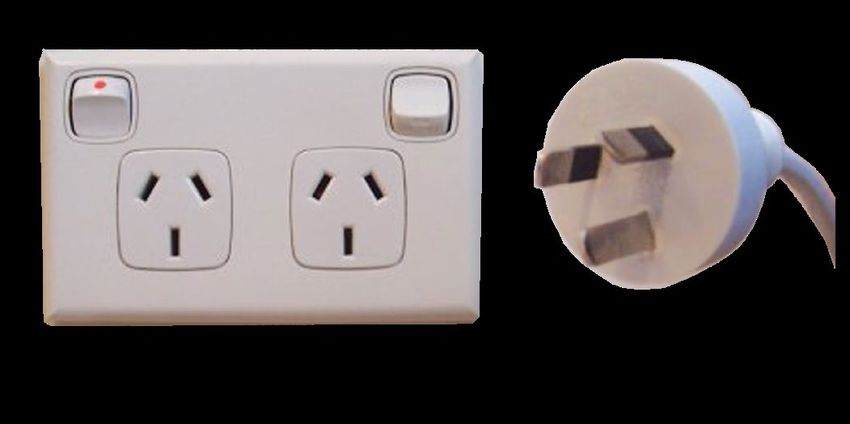
Tours
It can be difficult to explore
a new environment alone. Our
current students run tours for
new international students to
help them discover Adelaide.
You can sign up for tours of
Adelaide city, Glenelg beach
and Cleland Wildlife Park.

                                 9
Planning to
     leave home
     Other items you might need to include:           Mobile Phones and Laptops                         Under the Personal Importation Scheme you
     (Some of these can also be purchased in          If you are considering bringing a mobile phone,   may import a three (3) month supply at the one
     Australia)                                       laptop or any communication devices, visit        time (at the maximum dose recommended by
                                                      the Australian Communications and Media           the manufacturer) of unapproved therapeutic
       		 laptop or tablet
                                                      Authority www.acma.gov.au. Any external or        goods into Australia without any approval
       		 smart phone                                 built-in modems must be Austel Approved in        required by the TGA provided that:
       		 camera                                      order to function in Australia.
                                                                                                        • the goods are for your own treatment or the
       		 micro recorder for lectures                                                                     treatment of your immediate family; and
       		 spare glasses or contact lenses             Health Requirements                               • you do not supply (sell or give) the medicine
       		 your optical prescription                   Australian health laws may require vaccination      to any other person; and
       		 swimming clothes                            or immunisation against certain diseases          • where possible, you keep the medicines in
                                                      before leaving your country. The Australian         their original packaging with any dispensing
       		 small gifts from home
                                                      Embassy or High Commission in your country          labels intact; and
       		 bath towels, bed sheets, pillow cases       will advise you of any requirements.              • the goods are not restricted under Australian
       		 dictionary (bilingual)                                                                          Customs controls or quarantine rules and
                                                      Overseas Student Health Cover (OSHC) is
       		 small sewing kit                            compulsory for most international students          the goods do not contain a controlled
       		 music CDs or mp3 player (iPod)              travelling to Australia on a student visa.          substance; and
       		 sporting equipment                                                                            • the goods are not injections that contain
                                                      If you are a Belgian or Norwegian student,
                                                                                                          material of human or animal origin (except
       		 toiletries                                  you are not required to buy OSHC. If you are
                                                                                                          insulin); and
       		 chargers (laptop, smart phone, camera)      a Swedish student with insurance from the
                                                      Swedish National Board of Student Aid (CSN        •	if the goods are medicines in Schedule 4 or
       		 scientific or graphics calculator                                                                8 of the Poisons Standard, you will need
                                                      International) or the Swedish Legal, Financial
                                                      and Administration Agency (Kammarkollegiet)          a prescription from an Australian-registered
     The standard voltage for electrical items in     you are also exempt from the requirement to          medical practitioner.
     Australia is 240V. Electric plugs have three     buy OSHC.                                         If you wish to bring more than 3 months’
     flat pins, one of which is an earth pin. You                                                       supply at the one time into Australia, an
     may need to buy an adaptor or have the plugs     You will find more information about OSHC
                                                                                                        Australian-registered doctor will first need to
     changed when you arrive.                         and other health matters in our Arrival Guide.
                                                                                                        apply to the TGA for Special Access Scheme
     Please note: In the picture right, the red dot                                                     approval.
     indicates that the switch is on and power is     Pharmaceutical Goods                              For more information, visit: www.tga.gov.au/
     flowing through that socket.                     International students cannot use the             personal-importation-scheme
                                                      Pharmaceutical Benefits Scheme, which
                                                                                                        Declare your prescription drugs to
                                                      allows Australian citizens to buy prescription
                                                                                                        Australian Customs and Border Protection
                                                      items at a reduced cost. If you require ongoing
                                                                                                        Services Officers and show your script and
                                                      medication, adjust your budget or you may
                                                                                                        a letter from your doctor.
                                                      consider the Personal Importation Scheme.
                                                      You can legally import most therapeutic goods
                                                      (prescription drugs) for personal use under the   Disability Support
                                                      Personal Importation Scheme, administered         If you have a health condition (e.g. chronic
                                                      by the Therapeutic Goods Administration           pain, depression, anxiety) or disability (e.g.
                The red dot indicates                 (TGA).                                            learning disability, vision or hearing impairment)
                the switch is on and                                                                    the Disability Advisor (DA) at Flinders may be
                                                                                                        able to provide some assistance with your
                   power is flowing                                                                     studies. The DA provides a free, confidential
                 through the socket.                                                                    service to all students. You must bring
                                                                                                        documentation of your disability from your
                                                                                                        home country—the DA cannot assess your level
                                                                                                        of disability or impairment.
                                                                                                        Please email: disability@flinders.edu.au for
                                                                                                        further information.

10
On your flight Entry to Australia
Wear comfortable, layered clothing on your To see a sample of the Incoming Passenger
flight so that you can make adjustments if you Card, https://www.abf.gov.au/crossing/
are too cold or too warm. Check the current files/ipc-sample-english.pdf
weather in Adelaide before departing and
make sure you have appropriate clothing for
when you get off the plane.
Before landing in Australia, passengers are
given an incoming passenger card to fill in.
This is a legal document.
You must tick YES if you are carrying
any food, plant material, including
wooden souvenirs or animal products.
This includes fruit given to you during your
flight. If you have items you do not want to
declare, you can thow them away in quarantine
bins in the airport terminal. You can ask airline
staff if you have any questions.
If you are carrying more than AU$10,000
in cash, you must also declare this on your
incoming passenger card. However, it is
strongly recommended that you do not carry
large amounts of cash, but arrange for an
electronic transfer of funds into your Australian
bank account once it has been opened.
(See the Money Matters section for further
information).
What to expect
PLANE CUSTOMS DECLARATION BAGGAGE CLAIM QUARANTINE
1. LANDS 2. Have your 3. Any medicine, packaged 4. find the right 5. INSPECTION
passport and foods, food and plant carousel from the While waiting for the
incoming passenger materials, firearms, information screen quarantine inspection
card ready currency over AUD$10,000 Collect your baggage and dogs may sniff luggage
Declare or BEWARE of fine (AUD proceed to the quarantine for high risk items
$360 TO AUD $66,000 OR up to 10 inspection
years of Jail)
8. FOR FURTHER 7. TRANSPORT TO
If you have booked our free meet and greet arrival service, an
6. EXIT FROM
INFORMATION, ACCOMMODATION Arrival Team member will be there to greet you with a Flinders RESTRICTED AREA
VISIT FROM ADELAIDE University sign AFTER INSPECTION
adelaideairport.com.au AIRPORT • Domestic Flight: IS COMPLETED
You will be met at the baggage reclaim area
• International Flight:
The International Meet and Greet point
is on Level 0 EXIT
• If you have not booked our free pickup, you can catch a taxi
from the airport taxi rank. You might also ask for help at the
Welcome Desk
11Money
matters
Please read this section carefully and discuss How much money to bring ATMs
any issues raised with your bank or financial
You will need between $3,000 and $6,000 Automated Teller Machines (ATMs) are
institution in your home country before you
to cover expenses for your first month in located everywhere, including at the airport.
leave. All banks operate differently and you
Adelaide. This money will be used to pay You can immediately withdraw cash from
should be aware of all fees, charges, ease of
for your temporary accommodation and the your overseas bank account at ATMs
access to your funds, and safety of the way in
costs of establishing yourself in permanent displaying the Cirrus Logo if your ATM card
which you will access those funds.
accommodation. Temporary accommodation has international access. Check this with
could cost you between $50 a night in a basic your financial institution before leaving home.
backpacker dormitory, to over $150 per night
Quick facts in some hotels.
• Australia’s currency is the Australian To establish yourself in permanent Credit cards
dollar ($) accommodation you will need to pay a bond All major international credit cards are
• A dollar equals 100 cents (or deposit) plus two weeks’ rent in advance, accepted in Australia but often repayments to
• Our coins are 5, 10, 20 and 50 cent, $1 making a total initial payment of four to eight these cards can only be made in the country
and $2. weeks’ rent. You will also need to pay phone, where they were issued. Do not rely on being
electricity and gas connection fees, as well as able to get a credit card once you arrive in
• Our notes are $5, $10, $20, $50 and $100
household set-up costs (see Arrival Guide for Australia because this is very difficult due to
• Do not travel with large amounts of cash more details). See the Managing Finances credit and identification laws.
• If you bring more than AU$10,000 in cash section for more information about living costs.
into Australia you must declare it on the You should bring between $500 and $700 in
travel information form issued to you on
the plane
cash (include some small notes) or loaded on Electronic transfer
a cash card (to withdraw notes at an ATM).
You can transfer money into Australia
• You can pre-open a bank account. The remainder can be travellers cheques or
electronically via your bank at any time. This
transferred to your credit card. Alternatively,
is a fast option and will take approximately
you could arrange to transfer the remainder to
48 hours, but the bank will charge a fee on
a pre-opened bank account. Foreign currency
Your budget drafts can take some time to clear and cost
every transaction.
Make sure you work out a practical budget for approximately $20 to process. It usually costs
your time in Adelaide to allow for unexpected You are able to pre-open a bank account
AU$7 per transaction to change travellers’
expenses. Talk to your family about what you before you arrive. More information about
cheques.
will do if a financial emergency occurs. this is provided on page 14.
Please note that it is not safe to bring large
Before you leave, think about the expenses sums of money with you. Lost credit cards or
you are likely to have while living here. travellers cheques can be replaced, but very
Consider whether you are planning to drive few travel insurance companies will replace
in Australia, or whether you will want to travel lost or stolen cash. Do not ask someone you
in the university holidays. Research and be have just met to handle your cash for you or to
realistic about the cost of accommodation. take your cash to make payments for you—not
Remember that your health insurance (see even to someone who may indicate they are
Arrival Guide) does not cover glasses, contact studying at the same education institution.
lenses, dentistry; or other health services such
as physiotherapy, and only provides limited
repayments for prescription medicines.
Currency exchange
Let your family or sponsor know about the due
Only Australian currency can be used in
dates for payment of tuition fees. Tuition fees
Australia. If you have not brought some with
for first semester are due in early March and
you, you will need to organise this on arrival.
early August for the second semester. Check
You can do this at Adelaide Airport. Once you
your fee account from the Student Information
have arrived in Adelaide, you can also change
System to find out the total due amount and
money at any bank or currency exchange.
due date.
A current passport or driving licence will be
required for this service.
12Managing finances
Initial expenses
This is an example of some of the set up costs you might encounter when you come to Adelaide.
Expense Estimated Cost
Temporary accommodation (seven nights in a hostel / motel/backpackers) $210 - 840
Rental bond (four weeks rent@$250/week) $1,000
Advance rent (two weeks@$250/week) $500
Electricity connection $50
Telephone connection (landline) $60 - 300
Gas connection $50
Internet connection (Set up cost/Bundle) $50 - 200
Mobile phone and/or network sim card $40
Household items, e.g. furniture, crockery, etc. (Second Hand/used) $500
Transportation (public transportation) $60
Textbooks and educational expenses $500 - 1000
Unexpected emergency costs $200
Insurance - contents, car $500 - 800
On-going expenses
Once you have established yourself in accommodation, you will need to budget for ongoing costs.
This is an example of monthly expenses you may have living in single accommodation (costs will reduce
if you are in shared accommodation).
Monthly Expense Estimated Cost / month
Rent (four weeks rent @ $150 to $250/week) $600/1,000
Food (four weeks @ $125/week) $500
Electricity (per month) $50 -100
Gas (per month) $50
Telephone (per month) $50
Internet (per month) $50
Mobile Phone (per month) $50
Public Transportation (per month) $60 - 100
Entertainment (per month) $50 -100
Educational (per month) $100 -300
Insurance—health, house, car (per month) $200 -300
Unexpected Expenses - clothes, toiletries (per month) $200
Regularly purchased items in Adelaide
Bowl of noodles $10-$12
Loaf of bread $3-$5
Milk (1 litre) $1-$2
Coffee (cup) $4-$6
Cinema ticket $12.50-17 (student price, discount day Tuesday)
Bus/train/tram ticket (single) $$2.60 - $5.50
Pie $5-$7
Hot chips $4-$5
Currency Converter: www.oanda.com/currency/converter/
13Money
matters
Pre-opening your Bank Account You are able to pre-open a bank account ANZ Bank
before you arrive. To do this: www.anz.com/personal/bank-accounts/
There are many financial institutions in
help-select-account/international-
Australia. The four major banks in Australia are • You will need an Australian address
students
ANZ, Commonwealth Bank, National Australia • Follow the instructions from the financial
Bank and Westpac. institution that you choose to pre-open your National Australia Bank
Most Australian banks charge fees for a bank account. See information about major banks http://learn.nab.com.au/international-
account or a banking service. in Australia below. students/
For a comparison of banking fees see: • After arrival you will need to show your
www.canstar.com.au/transaction- passport at the bank of your choice to verify Commonwealth Bank
accounts your identity. https://www.commbank.com.au/
You can deposit money into your bank account guidance/consumer-finance/moving-to-
from overseas using BSB, account number australia-to-study-201706.html
and SWIFT code that will be provided after
Westpac Bank
you apply online. It can be sent as a bank draft
or electronic fund transfer (EFT). Banks charge www.westpac.com.au/personal-banking/
a fee for transfer of money. bank-accounts/under-21s-and-students/
Image right: Flinders Living
14Accommodation
Quick facts How much will it cost? Accommodation managed by
• Flinders University does not book temporary The cost of temporary accommodation varies Flinders Living
accommodation for new students. considerably. If you are happy to stay in a
Students can apply to live in University Hall or
• Decide where would you like to live, based backpacker hostel, you might pay between
the University Village in either the townhouses
on your campus (Bedford Park main $26 and $35 per night for a bed in a shared
or the units. Flinders Living’s accommodation
campus,Victoria Square (CBD) campus, dormitory. It might cost between $90 and
is open to all Flinders students and therefore
Tonsley Campus). $200 per night to stay in an apartment. This
provides an opportunity for international
charge may be for one or two persons, and the
• Marion Holiday Park is near the University’s students to mix with Australian students from
surcharge for a third person might be small.
Bedford Park Campus. The cabins are very interstate, rural and remote areas of South
Most apartments have minimum stays of at
expensive for single travellers but useful for Australia.
least three nights and some offer discounts
families or groups travelling together. To apply for a place in any accommodation
for stays of seven or more nights. Students
• Glenelg has backpacker and motel starting their studies in Semester 1 will managed by Flinders Living, you need to apply
accommodation and is on a direct bus or be arriving during the ‘high season’, so online at:
tram route to the University’s Bedford Park please be aware that many accommodation https://www.flinders.edu.au/living/apply-
and City campuses. Allow 30 minutes travel providers will be charging high rates for live-on-campus
for the journey. their rooms. University Hall is very popular and there are
• City accommodation is often on a direct bus often more applicants for accommodation than
route to the Bedford Park campus. Allow there are vacancies.
40 minutes for public transport to get to When should I book? Please be aware that making an application
the Bedford Park campus. More information If you are commencing study in Semester 1, does not guarantee you a place in either
about transport is available at: you must book your temporary accommodation University Hall or other Flinders Living
www.adelaidemetro.com.au as soon as possible. accommodation.
If you are commencing study in Semester 2,
try to book your temporary accommodation at
Temporary accommodation least two weeks before you travel to Adelaide. Flinders Medical Centre (FMC)
If you have not arranged long-term flat rentals
accommodation in Adelaide, it is essential Flinders Medical Centre has limited short and
to book temporary accommodation before For how long should I book long-term accommodation available. This is
your arrival. Please make your own temporary
accommodation arrangements and bookings,
accommodation? a short walk from the hospital and Flinders
We recommend that you initially book your University Campus.
as the University does not run a temporary
accommodation booking service. temporary accommodation for at least a week.
Email your enquiry to FMC-Flats Manager:
Information on temporary accommodation Pawel.Winiarz@sa.gov.au marking it
options can be found on the Flinders Living
website at: flinders.edu.au/living
Long-term accommodation ‘Attention: Manager, FMC residential Flat’.
You can also search for temporary on-campus
accommodation through: Many students choose to live on-campus for Long-term accommodation
www.expedia.com.au the first year to help with their transition to life
www.wotif.com in Adelaide. If you are considering doing this it
off-campus
www.needitnow.com.au is important to apply as early as possible. If you plan to live in off campus rental
www.lastminute.com.au accommodation, we recommend that you
www.agoda.com do not sign any agreement before you come
www.trivago.com Flinders on-campus to Australia and have seen the property
for yourself. Detailed information about off
accommodation campus accommodation can be found in our
If you want to apply for accommodation on Arrival Guide.
campus through Flinders Living, or in the
Flinders Medical Centre Flats, you need to
apply before you come to Australia.
15Bringing family
to Australia
Most student visas allow you to bring evidence of a de facto relationship in between Childcare
your spouse and children to Australia as the application being lodged and your visa
your dependants. Check your individual granted. Local childcare centres are very popular
circumstances with the Department of but do not give priority to the children of
If you plan to bring your family to Australia, international students. It may take a long time
Home Affairs (DHA). You will have to prove
even if they are not going to travel with you to find a suitable childcare centre. You may
you can support them financially. The cost of
initially, we recommend you commence consider completing a waiting list form – ask
supporting a family in Australia is very high.
their visa application process before you your preferred child care centre for further
Please consider and discuss these issues
leave home. The granting of visas to your information. Childcare is not subsidised unless
with your family.
dependants can take from one to four months you hold an Australian Government scholarship
after application, or longer in some countries. and it costs approximately $100 a day. Please
note the subsidy will not cover all the costs.
Quick facts For on-campus child care options visit:
• Children age 5 to 18 years must go to Dependant work rights flinders.edu.au/childcare
school full-time.
If you are on a student visa and enrolled in For off-campus child care options visit:
• You will pay school fees for your children a doctoral or masters-level program, your https://www.childcarefinder.gov.au
- $10,000 a year at primary school and dependants can work full-time.
$13,200 a year at secondary school (see
If you are in an undergraduate program, Family day care is another option for your
the Schooling section for any exceptions).
graduate certificate or graduate diploma, they children. This is where children are looked after
• Childcare in Australia is not subsidised for in a person’s family home. The person must
can work 40 hours in a two-week period.
most international students. be a registered provider. You can find more
• Childcare places are limited and many Your family members must not start work until information at:
centres, including the childcare centres at you have started your course. www.careforkids.com.au/family-day-care/
the University and Flinders Medical Centre, adelaide or https://www.childcarefinder.
have long waiting lists. You can expect to gov.au/
pay at least $90 a day in a childcare centre Cost of living
or if you use family day care, the minimum DHA asks you to show that you have Child Care Benefit (CCB)
rates are between $5.00 and $12 per hour. $20,290 a year for your living expenses. If International students sponsored by the
• You must provide immunisation records for you are coming with family members, for DHA Australian Government (e.g. Australia Award or
your children before they attend school or purposes you must show an extra $7,100 a Endeavour scholarship or fellowship) can apply
childcare. year for a spouse and $3,040 for each child. for the Commonwealth Child Care Benefit after
DHA advises you that you need an extra they arrive in Australia. The Child Care Benefit
• You must bring official translations of birth
$8000 a year for children between 5 and 18 helps families with their work-related child
and marriage certificates.
to cover schooling expenses. care costs for dependent children. It helps
cover a percentage of the cost of day-long
Issues to consider Visit: https://immi.homeaffairs.gov.au/ care, family day care and out-of-school hours
It is important to consider the following issues: visas/getting-a-visa/visa-listing/student- care for school aged children. You should
500#HowTo discuss this with a Client Services Officer
• The additional cost of Overseas Student at International Student Services.
Health Cover for your family.
• The cost of airfares for your family to and
from Australia.
• Possible higher rent for a larger home.
• Limited employment opportunities for your
spouse.
• Extra costs for food, clothing and other
necessities.
• The effect on you and your studies if your
family is not happy in Australia.
• Whether your children will adjust to school in
Australia.
• Waiting lists for childcare centres
• Whether to come to Australia first and
arrange things for your family or to all come
at the same time.
If you, your spouse or partner gives birth to
a child in the period between lodging your
student visa application and the visa being
granted, you must advise DHA immediately
as having an additional dependant will affect
DHA’s visa assessment process. You should
also let DHA know if you marry or can show
16Kindergarten
In Australia, three and four-year-old children
can attend kindergarten, otherwise known as
preschool. The South Australian Government
funds kindergarten programs for children in the
year before they go to school. These programs
are offered by a range of organisations and in
a variety of settings (including many child care
services). The funding contributes to the cost
of providing a kindergarten program but most
kindergarten services charge fees in addition
to the Government’s contribution. The fees
can vary greatly from service to service. Many
kindergarten programs are sessional; children
attend either in the morning or afternoon a
couple of days per week.
For local kindergartens or child care centres
with integrated kindergarten programs, visit:
https://www.childcarefinder.gov.au
Playgroups
Playgroup is an informal session where babies,
toddlers, pre-schoolers, parents and carers
can meet together in a relaxed environment.
Children who go to playgroup can make new
friends, have new experiences, gain self-
confidence and develop physically, socially,
emotionally and intellectually.
Parents and carers can meet new people,
practice English language skills and share
cultural exchange in an Australian early
childhood setting.
To find playgroups in your local area, visit:
www.playgroupsa.com.au
Immunisation records
If your child will be attending childcare or any
pre-school, kindergarten or school, you will be
required to produce evidence of immunisation.
Therefore it is advisable to have these records
available in English from your home country.
Schooling
If you have school-age children, you will need
to make arrangements for them to attend a
school in Adelaide. Although school attendance
in South Australia is only compulsory for
children aged between 6 and 16, because you
are on a student visa, your children must attend
school between the ages of 5 and 18.
SA public schools
In South Australia’s public school system,
children of international students studying
award courses are required to pay fees
unless the parent holds one of the following
scholarships:
• Australian government scholarships (e.g.
Australia Awards, or Flinders University
Postgraduate Research Scholarship)
17Bringing family
to Australia
• South Australian government scholarships Education expenses for If your child will be entering secondary
• South Australian university scholarships school, the nearest IELC is based at Adelaide
children Secondary School of English in Croydon —this
• Some scholarships awarded by the tertiary
As well as tuition, there are other expenses is a significant distance from the University and
student’s home country, provincial or
such as school books, subject levies, uniforms would usually require that your child changes
state government, or multilateral agency
and school outings which must be paid for. buses to reach the school from the southern
(e.g. United Nations, World Bank or Asian
Most schools also expect you to pay an annual side of the city.
Development Bank).
contribution. This amount varies from $110
For these scholarships, you must: to $920 per annum and is payable directly to Adelaide Secondary School of English
• study at Flinders University, the University of the school.
253 Torrens Road,
Adelaide or University of South Australia West Croydon, SA, 5008
Children under 18 attending tertiary institutions
• reside in South Australia for the duration of are required to pay full tuition fees. Phone: (08) 8340 3733
your studies https://www.adsecenglish.sa.edu.au/
• be studying a higher degree by research A number of secondary schools also offer
If you are the holder of a relevant scholarship English language needs Intensive Secondary English Course (ISEC)
and would like to bring your school aged If your child does not speak English as programs, which students can enter for
dependent(s) with you, visit their first language, some principals may between 10 and 40 weeks before transferring
www.internationalstudents.sa.edu.au for recommend that your child spends up to a to mainstream classes in the same school.
information. year in an Intensive English Language Centre
(IELC), where specialist English language
Download and complete the Tertiary support is provided. Bellevue Heights Primary 2020 term dates
Scholarship Verification (TSV) Form and School and Clovelly Park Primary School,
bring to ISS together with the letter/evidence To find our public school term dates, visit:
which are both very close to the University,
that you are on an Australian Government www.sa.gov.au/topics/education-skills-
have an IELC.
sponsored scholarship. and-learning/general-information/term-
dates
Alternatively, you can email both documents
to iss@flinders.edu.au and give us at least Intensive English Language
5 business days to process your request.
Centres (IELC)
If you are not the holder of a relevant
Bellevue Heights Primary School
scholarship as stated above and would like
7–19 Vaucluse Crescent,
to bring your school aged dependent(s) with
Bellevue Heights, SA, 5050
you, visit www.internationalstudents.
Phone: (08) 8278 7182
sa.edu.au for information.
https://www.bellevueps.sa.edu.au/
For non-scholarship holders please visit
www.internationalstudents.sa.edu.au/en/ Clovelly Park Primary School
students 1 Renown Place,
A Letter of Offer will be sent to you detailing Clovelly Park, SA, 5042
the initial fees payable. These fees must be Phone: (08) 8276 5366
paid before you enrol your children in school. https://www.clovellyps.sa.edu.au/
Either before you travel to Australia or on arrival
in Adelaide, you will also need to contact a
primary or high school near you and enrol
your child in that school. Contact details for
South Australian state and private schools,
both primary and secondary, can be found by
clicking on the following web address:
www.education.sa.gov.au/sites-and-
facilities/education-and-care-locations/
find-other-services
Most government schools require their
students to live around and near the school.
Primary schools that are close to Flinders
University Bedford Park Campus are
Bellevue Heights, Clovelly Park, Darlington,
Blackwood, Eden Hills and Marion. Secondary
(or high) schools that are close to Flinders
are Blackwood, Australian Science and
Mathematics School, Brighton, Seaview and
Pasadena.
18Adjusting to life
in Australia
Studying overseas is an exciting adventure, Sense of humour Overcoming culture shock
and the experiences you have while living in Importantly, remember that living in a different
1. Recognition:
Australia will stay with you for your lifetime. To culture means you will inevitably find yourself
begin with, you may find it challenging and it The first step to overcoming culture shock
in a range of unusual and often confusing
will take time to adjust to your new life. You is realising that you are experiencing it. The
situations. Being able to laugh in these
may experience difficulties in cultural, social sooner you identify the symptoms, the sooner
situations will remind you that it takes time
or academic areas; and find that the values you can start taking positive steps to overcome
to understand different cultures and that it
and customs of your home country are very it and adjust to your new life in Australia. Some
is okay to make mistakes.
different to those in Australia. Remember that signs that you are experiencing culture shock
you are not alone and that there is always help may be:
Ask for help
available to assist you to settle in. Some of this • feeling overwhelmed and that everything
advice may help: Don’t be afraid to ask for assistance or support
if you need it. Flinders University offers a here is different and more difficult than at
free and confidential counselling service to home
Listen, observe and ask questions! ensure you have a successful and enjoyable • being more emotional or more sensitive
While you are adjusting to living in a new time in Australia. For more information about than usual
culture, you may find some things difficult to counselling, visit: flinders.edu.au/current- • losing your sense of humour
understand. Listen and observe those around students/healthandcounselling/
you, and if you don’t understand something, do 2. Be objective:
not be afraid to ask. Australians are known for Finally, relax and enjoy the journey! Try to analyse objectively the differences
being friendly and usually respond warmly to
you are finding between your home and your
being asked questions.
host country. Look for the reasons your host
Culture shock country does things differently. Remember that
Become involved Culture shock is the feeling of being out their customs are logical to them, just as your
Make an effort to meet people and become of place in an unfamiliar environment. The customs and norms at home are logical to you.
involved in groups, both on campus and in excitement of moving to a new country can
the wider community. Maintain an attitude of quickly wear off if you feel like you don’t 3. Set goals:
openness to new situations and experiences. understand the people and the customs of
Set goals to help you feel more in control.
Establishing friendships and joining groups is your new home. The potential stress of dealing
These should be small tasks that you can
the best way to experience and learn about with persistent challenges can result in feelings
accomplish each day. For example, if you do
Australian culture and will mean you have a of frustration towards your host country, as well
not feel like leaving your room, plan a short
richer and more enjoyable time here. as homesickness.
activity each day that will get you outside. If
language is a problem, set daily goals to learn
Maintain a sense of perspective more, like learning five new words a day or
When confronted with difficulties, remind watching a TV program in your new language.
yourself that living and studying abroad is a Each goal that you achieve will give you more
challenge and it is normal to feel stressed and and more self-confidence.
overwhelmed sometimes. At times like this, try
and keep things in perspective. Remember the 4. Share your feelings:
reasons why you wanted to study overseas
Find local friends who are sympathetic and
in the first place, and think about the positive
understanding. Talk to them about your feelings
events or changes within yourself that have
and specific situations. They can help you
occurred since you arrived.
understand ideas from their cultural point of view.
Maintain some of the routines and rituals
you may have had in your home country
This can include small things such as
continuing to drink a certain type of coffee or
tea or eating specific foods. It may also include
maintaining involvement in bigger events, such
as celebrating a national day in your country of
origin with a group of friends.
Talk to friends and family at home
Keeping in touch with your friends and family
back at home is very important. Tell them about
your experiences and life in Australia. Not only
will this keep you connected, it will also help
them to understand your experiences, which
will smooth the transition when you return
home.
19Cultural
adjustments
There is no such thing as an average or Friendships and relationships Starting a conversation
typical international student, and so it
is difficult to offer general guidelines on Starting friendships in Austraila may be Impersonal or humorous comments are usually
cultural adjustments. However, these basic different from what you are used to in your own the means to start a conversation with friends
principles will help you make the most of your culture. Don’t be too disappointed if you find or acquaintances. Favourite topics in Australia
interactions with others: the more spontaneous processes you may be are the weather, what you plan to do on the
accustomed to in starting friendships don’t weekend, and sport.
work as well here.
• You don’t need to change or abandon your Australians are often keen spectators of sports
cultural, moral or religious values to be able Australians are mostly friendly and informal like cricket or ‘footy’ – the Australian Football
to relate to others. Studies have shown that in dealings with others. They respect other League (www.afl.com.au), and many people
those who remain true to their cultural base people’s privacy, and may be less forthcoming will be happy to talk about recent matches.
while being open and respectful to others in making the first move in social contact than
have healthier and more enduring cross- If you need information or help, it is polite to be
you are used to. Don’t take this as a sign of
cultural relationships. more formal. You will be pleasantly surprised
unfriendliness. Good friendships take time to
at the willing and generally good-humoured
• A particular behaviour, response, or attitude mature.
response and assistance you receive. Try not
could be peculiar to a person and not a Australians rarely start conversations with to judge the Australian culture by someone
cultural, ethnic or national characteristic. people they have just met by asking about who seems offensive and ill mannered.
Don’t be hasty in making generalisations on personal details like age, employment, marital Quite simply, there are a small percentage of
the basis of a few isolated experiences. status and relationships, or income. To do so people in all cultures who will sometimes be
• Australia is a multicultural society made up might be seen as intrusive. inappropriate or impolite.
of more than 150 national or ethnic groups.
It is better to be open and frank about your Generally, friendships in Australia start through
values. Australians are generally open and sharing or simply talking about common
honest about theirs. interests, whether they are common views on
environmental issues, having children at the
• Australia is known for its support of freedom same school, or enjoying cooking or soccer.
of choice and expression. An individual’s
right to live and do as they please is
respected, so long as it does not negatively
affect others.
• Australians respect a person’s privacy. It
is easy for newcomers to mistake this for
unfriendliness.
• Try and maintain an attitude of willingness to
respect, learn, understand and accept how
others go about their lives.
20You can also read


