Predicting Elections with Twitter- What 140 Characters Reveal about Political Sentiment
←
→
Page content transcription
If your browser does not render page correctly, please read the page content below
Predicting Elections with Twitter –
What 140 Characters Reveal about Political Sentiment

Andranik Tumasjan, Timm O. Sprenger,
Philipp G. Sandner, Isabell M. Welpe

Workshop „Election Forecasting“
15 July 2013

                                  Technische Universität München
                                  TUM School of Management
                                  Lehrstuhl für BWL – Strategie und Organisation
                                  Prof. Dr. Isabell M. Welpe
Agenda

                                                 Introduction and related research

                                                 Data set and methodology

                                                 Results and implications

Technische Universität München
Lehrstuhl für BWL - Strategie und Organisation                                       2
Prof. Dr. Isabell M. Welpe
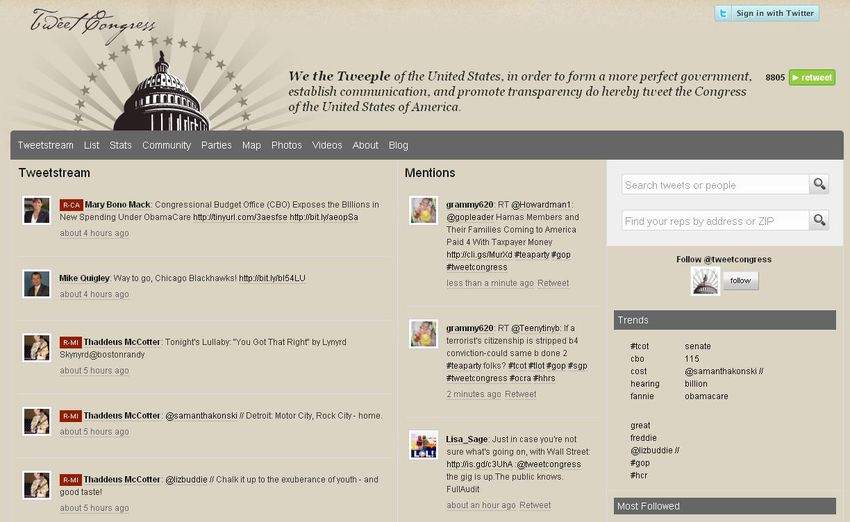
The successful use of social media in the last presidential campaigns has
established Twitter as an integral part of the political campaign toolbox

  The increasing use of Twitter as means of       …has triggered attempts to better
  political communication…                        understand and aggregate this information

 Technische Universität München
 Lehrstuhl für BWL - Strategie und Organisation                                               3
 Prof. Dr. Isabell M. Welpe
The goal of our study was to explore 3 research questions

                 Research questions
                    1 Deliberation
                                                  Does Twitter provide a platform for
                                                  political deliberation online?

                    2 Sentiment
                                                  How accurately can Twitter inform us
                                                  about the electorate's political
                                                  sentiment?

                    3 Prediction
                                                  Can Twitter serve as a predictor of the
                                                  election result?

 Technische Universität München
 Lehrstuhl für BWL - Strategie und Organisation                                             4
 Prof. Dr. Isabell M. Welpe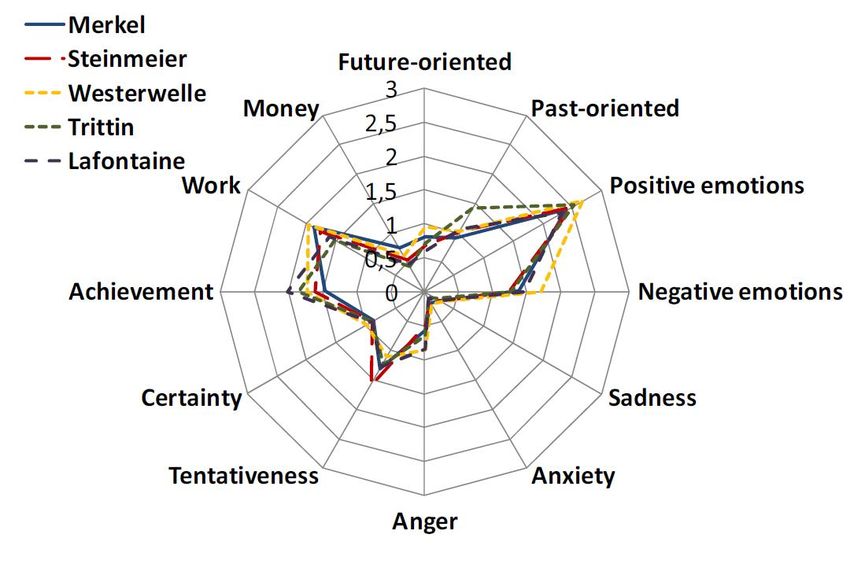
Existing research related to our research questions and
resulting research gaps we try to address
Research questions Related research Research gap
1 Deliberation Twitter is not only used for one-way Many contexts largely
communication, but 31% of all tweets direct a unexplored, e.g. the
Does Twitter provide specific addressee (Honeycut & Herring, political debate online
a platform for 2009) Unclear whether
political deliberation Political internet discussion boards found to findings apply to
online? be dominated by a small number of heavy microblogging forums
users (Koop & Jansen, 2009)
2 Sentiment 19% of all tweets contain mentions of a brand Limited application to
or product and statistically significant political sentiment
How accurately can differences of customer sentiment can be Few empirical studies
Twitter inform us extracted (Jansen et al., 2009) to explore information
about the Pessimism toward the ability of blogs to aggregation in social
electorate's political aggregate dispersed bits of information media
sentiment? (Sunstein, 2008)
3 Prediction Some studies explore the reflection of the Unclear whether
political landscape in "traditional" weblogs findings apply to
and social media (e.g., number of Facebook microblogging forums
Can Twitter serve as users a valid indicator of electoral success,
a predictor of the Williams & Gulati, 2008)
election result? Count of candidate mentions in the press can
be a better predictor of election results than
official election polls (Véronis, 2007)
Technische Universität München
Lehrstuhl für BWL - Strategie und Organisation 5
Prof. Dr. Isabell M. Welpe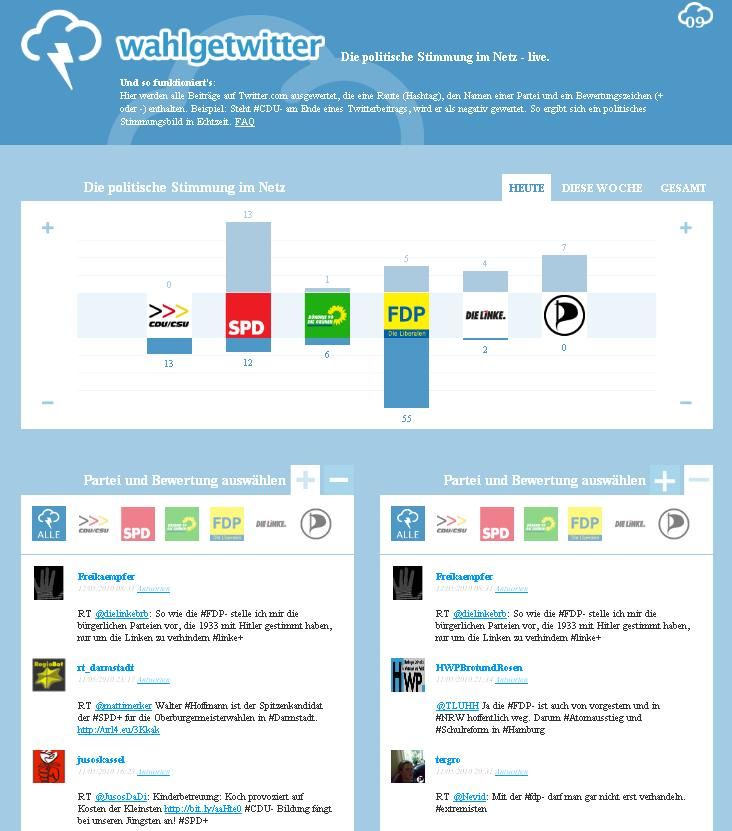
Agenda

                                                 Introduction and related research

                                                 Data set and methodology

                                                 Results and implications

Technische Universität München
Lehrstuhl für BWL - Strategie und Organisation                                       6
Prof. Dr. Isabell M. Welpe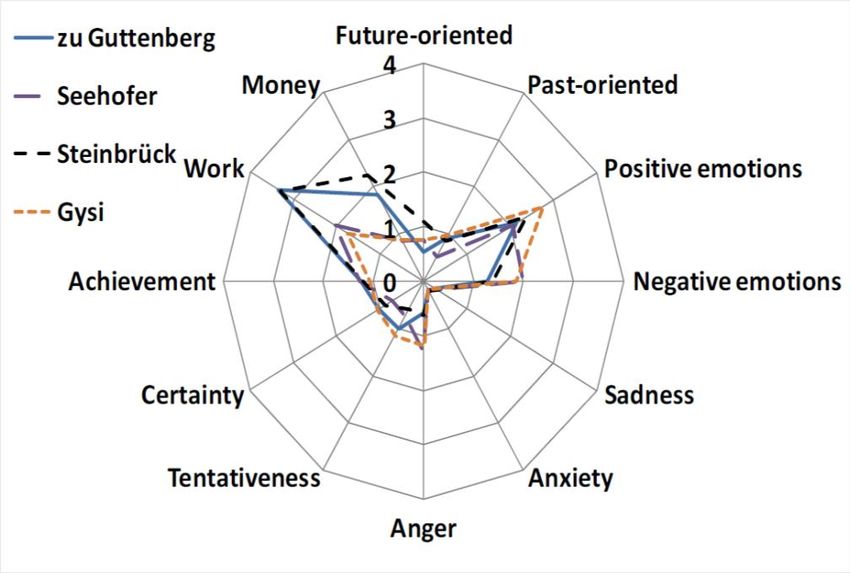
We examined more than 100,000 tweets and extracted their
sentiment using LIWC
Data set Methodology
104,003 political tweets Linguistic Inquiry and Word Count (by James
Published between August 13th and September Pennebaker et al.)
19th, 2009 (one week prior to the election) Text analysis software developed to assess
Collected all tweets containing the name of emotional, cognitive, and structural
either components of text samples using a
At least one of the 6 major parties psychometrically validated dictionary
Selected prominent politicians Calculates the share of words in a text
belonging to empirically defined psychological
and structural dimensions
LIWC has been used widely in psychology and
linguistics including to
Measure the sentiment levels in US Senatorial
(Yu et al., 2008)
Profile politicians Twitter messages
Technische Universität München
Lehrstuhl für BWL - Strategie und Organisation 7
Prof. Dr. Isabell M. Welpe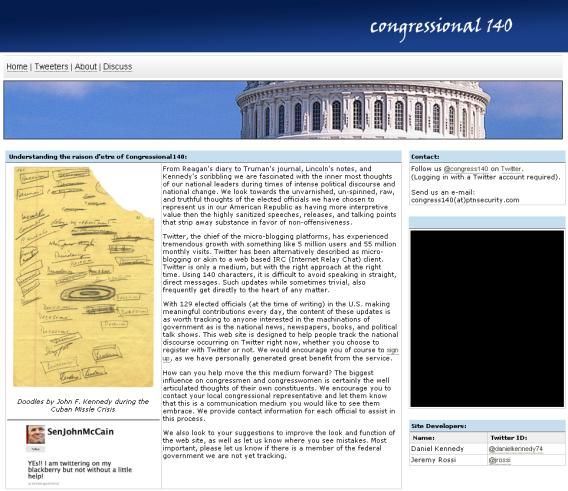
Agenda

                                                 Introduction and related research

                                                 Data set and methodology

                                                 Results and implications

Technische Universität München
Lehrstuhl für BWL - Strategie und Organisation                                       8
Prof. Dr. Isabell M. Welpe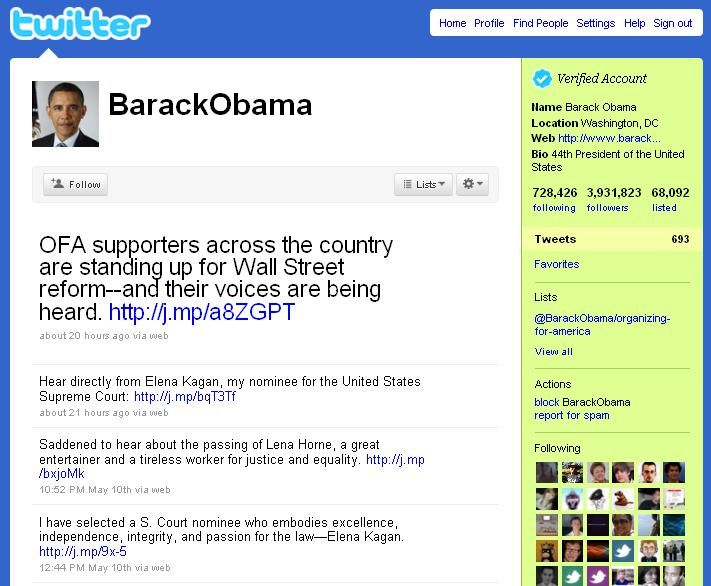
While Twitter is used as a forum for political deliberation on substantive
1 issues, this forum is dominated by heavy users
Two widely accepted indicators of blog-based deliberation…
The exchange of substantive issues Equality of participation
Party Sample tweet* Users Messages
CDU CDU wants strict rules for internet User group Total Share Total Share
CSU CSU continues attacks on partner of choice One-time users 7,064 50.3% 7,064 10.2%
FDP
Light (2-5) 4,625 32.9% 13,353 19.3%
FDP Whoever wants civil rights must choose Medium (6-20) 1,820 12.9% 18,191 26.2%
FDP!
Heavy (21-79) 463 3.3% 15,990 23.1%
Grüne After the crisis only Green can help GREEN+
Very heavy (80+) 84 0.6% 14,470 21.2%
Total 14,056 100% 69,318 100%
SPD Only a matter of time until the SPD dissolves
While the distribution of users across user groups
Die Linke Society for Human Rights recommends: No is almost identical with the one found on internet
government partication for LINKE message boards, we find even less equality of
participation for the political debate on Twitter
31% of all messages contain "@"-sign Additional analyses have shown users to exhibit
19% of all messages are retweets a party-bias in the volume and sentiment of their
messages
* Examples shortened for citation (e.g. omission of hyperlinks)
Technische Universität München
Lehrstuhl für BWL - Strategie und Organisation 9
Prof. Dr. Isabell M. Welpe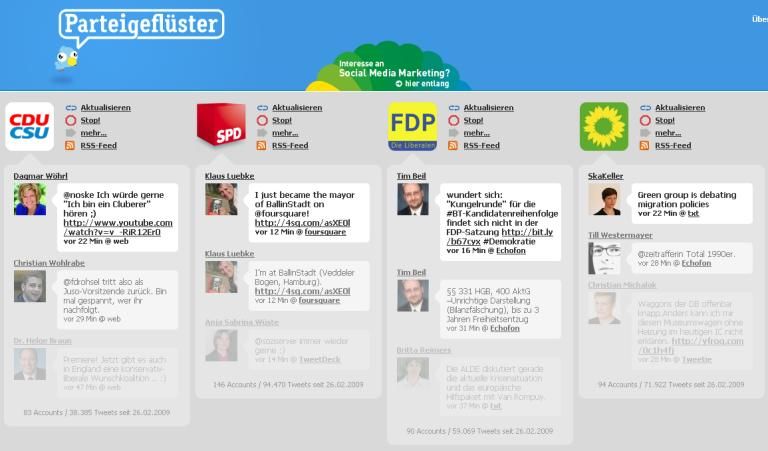
2 The online sentiment in tweets reflects nuanced offline differences
between the politicians in our sample
LIWC profiles*
Leading candidates Other politicians
Very similar profile for all leading candidates Positive outweigh negative emotions, except in the
Only polarizing political characters, such as liberal case of CSU leader Seehofer who in addition is
leader Westerwelle and socialist Lafontaine, associated the most with anger (he irritated many
deviate in line with their roles as opposition leaders voters with his attacks on desired coalition partner
Messages mentioning Steinmeier, who was FDP)
sending mixed signals regarding potential coalition For Steinbrück and zu Guttenberg, the issues
partners, are the most tentative money and work, reflect their roles as finance and
economics minister
* We focused on the 12 dimensions which a priori seemed best suited to profile sentiment and political issues)
Technische Universität München
Lehrstuhl für BWL - Strategie und Organisation 10
Prof. Dr. Isabell M. WelpeThe similarity of profiles is a plausible reflection of the political proximity
2 between the parties
Similarity of LIWC profiles
Group Distance* Key findings
Politicians
All politicians 0.21 High convergence of the leading
candidates
Governing coalition 0.23 More divergence among
Right coalition 0.16 politicians of the governing grand
Distance measure to quantify coalition than among those of a
the similarity of sentiment Left coalition 0.10 potential right wing coalition
profiles The similar profiles of Merkel and
Candidates for chancellor 0.02 Steinmeier mirror the consensus-
driven style of their grand coalition
Leading candidates 0.10
Other candidates 0.24
Parties
All parties 0.09 The fit of a potential right-wing
coalition is almost as good as the
Governing coalition 0.07 fit in the governing coalition
Right coalition 0.08 Greatest divergence among
parties on the left
Left coalition 0.10 Tight fit between sister parties
CDU and CSU
Union 0.01
* Average distance from the mean profile per category across all 12 dimensions in percentage points
Technische Universität München
Lehrstuhl für BWL - Strategie und Organisation 11
Prof. Dr. Isabell M. WelpeThe activity on Twitter prior to the election seems to validly reflect the
3 election outcome
The share of tweets can be considered a plausible …and joint party mentions accurately reflect the political
reflection of the election results… ties between parties
All mentions Election results Relative frequency of joint mentions**
Vote CDU CSU SPD FDP Linke
Party Total Share share Error
CDU 30,886 30.1% 29.0% 1.0% CSU 1.25*
CSU 5,748 5.6% 6.9% 1.3% SPD 1.23* 0.71*
SPD 27,356 26.6% 24.5% 2.2% FDP 1.04* 1.01 0.90*
FDP 17,737 17.3% 15.5% 1.7% Die Linke 0.81* 0.79* 1.04* 0.97
Die Linke 12,689 12.4% 12.7% 0.3% Grüne 0.84* 0.79* 0.98 1.06* 1.18*
Grüne 8,250 8.0% 11.4% 3.3%
MAE = 1.65%
Research institute MAE (last poll)
Forsa 0.84%
An analysis of messages surrounding the
Forschungsgruppe Wahlen 1.04% TV debate between the main candidates
GMS 1.48%
has shown that tweets can also reflect
the sentiment over time
Infratest/dimap 1.40%
* Significant at the .05-level
** Measures how often two parties are mentioned together relative to the random probability
Technische Universität München
Lehrstuhl für BWL - Strategie und Organisation 12
Prof. Dr. Isabell M. WelpeOur findings suggest the use of social media information content to
complement insights regarding the public's political sentiment
Research questions Conclusions
1 Deliberation While we find evidence of a lively political debate on
Does Twitter Twitter, this discussion is dominated by a small
provide a platform number of users: only 4% of all users account for
for political
deliberation more than 40% of the messages
online?
2 Sentiment How accurately
Sentiment profiles plausibly reflect many nuances of
can Twitter inform the election campaign
us about the Politicians evoke a more diverse set of profiles than
electorate's parties
political Similarity of profiles is indicative of the parties'
sentiment? proximity with respect to political issues
3 Prediction In contrast with previous studies of political message
Can Twitter serve boards, we find that the mere number of messages
as a predictor of reflects the election results and even comes close to
the election traditional election polls
result? Joint party mentions mirror closeness on political
issues and likely coalitions
Technische Universität München
Lehrstuhl für BWL - Strategie und Organisation 13
Prof. Dr. Isabell M. WelpeSummary and discussion
Aftermath Open questions and challenges
Currently ~ 350 citations (since 2010) Sampling time frame
Several attempts to replicate or Constantly changing user number and
“extend”/“enhance” our approach in other demographics in Twitter
electoral contexts Type of mentions (candidates, party, …)
Countries Keyword selection (full names,
Time intervals abbreviations…)
Election types (e.g, primaries) Type of analysis (simple counts, sentiment,
Constituencies (e.g., counties) algorithms, input data…)
Mention types (e.g., candiates) Type of elections (primaries, parliament, …),
Analytical methods (e.g., senitment) constituencies, and political systems
Preliminary result of own literature survey Trustworthiness of tweets
(depending on aspiration level) File drawer problem
11 rather positive papers Aspiration level (replace or complement
7 rather negative papers other forecasting methods)
National level results tend to be more “Real” replications hardly possible
supporting of our initial findings than other …
election types
Longer time frames more accurate
Party mentions tend to be more accurate
than candidate mentions
Partly based on Gayo-Avello (2012)
Technische Universität München
Lehrstuhl für BWL - Strategie und Organisation 14
Prof. Dr. Isabell M. Welpehank you for your attention! Technische Universität München Lehrstuhl für BWL - Strategie und Organisation 15 Prof. Dr. Isabell M. Welpe
You can also read


