Public consultation Saint-Ours Canal National Historic Site Draft Management plan - Saint-Ours Canal National Historic Site ...
←
→
Page content transcription
If your browser does not render page correctly, please read the page content below
Public consultation
Saint-Ours Canal National Historic Site
Draft Management plan
May 2021
What is a
management plan?
A Management plan is a tool that aims to establish long-term priorities
for the management and operation of a historic site. This document
is developed in consultation with interested groups and individuals.
The new management plan, once completed, must replace the 2005
plan. Parks Canada has identified issues and opportunities that must
be the subject of reflection as part of the review of the management
plan.

This draft plan sets a vision, key strategies and objectives for the next
decade. Its implementation will be the subject of an ongoing dialogue
with stakeholders to report on progress and adapt, as necessary,
established priorities.

                             Its content...
                                 A vision
                                 An inspiring and realistic description of
                                 the desired future state of a place.

                                        Strategies
                                          The actions to be implemented to
                                          achieve the long-term vision.

                                                 Objectives
                                                  The results to be obtained in order
                                                  to achieve the strategic vision.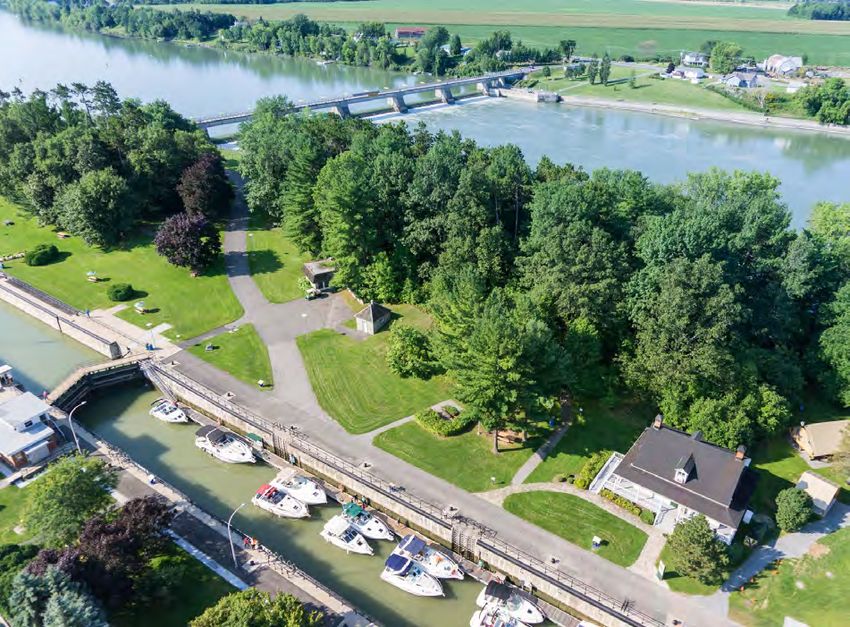
The St-Ours Canal National
Historic site
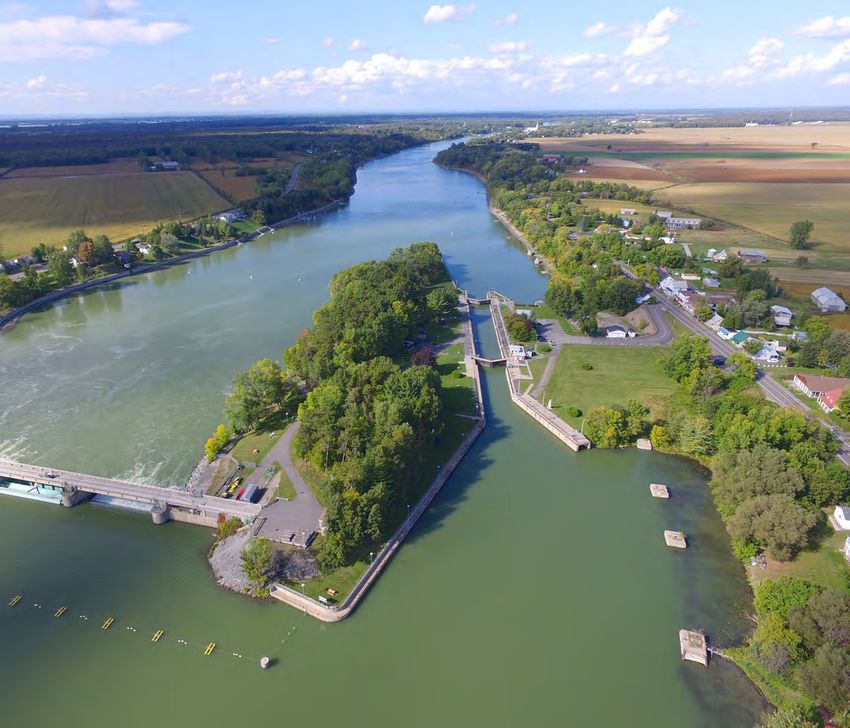
The Saint-Ours Canal is located in        component along the Richelieu River,
both the Saint-Ours and Saint-Roch-       which served as a link between the
de-Richelieu municipalities, along the    valleys of the St. Lawrence and the
lower Richelieu. This site is also the    Hudson. Thus, the canal was used to
ancestral territory of the Abenaki and    transport wood and various goods,
Mohawk Indigenous communities.            including agricultural products from
Historically, the Saint-Ours Canal        the Richelieu valley, before it became
was designated as a site of national      a boating axis as well as a recreational
historic significance in 1987. Opened     area for heritage value during the
to commercial navigation in 1849,         1970s.
the Saint-Ours Canal became a key

An engineered work…
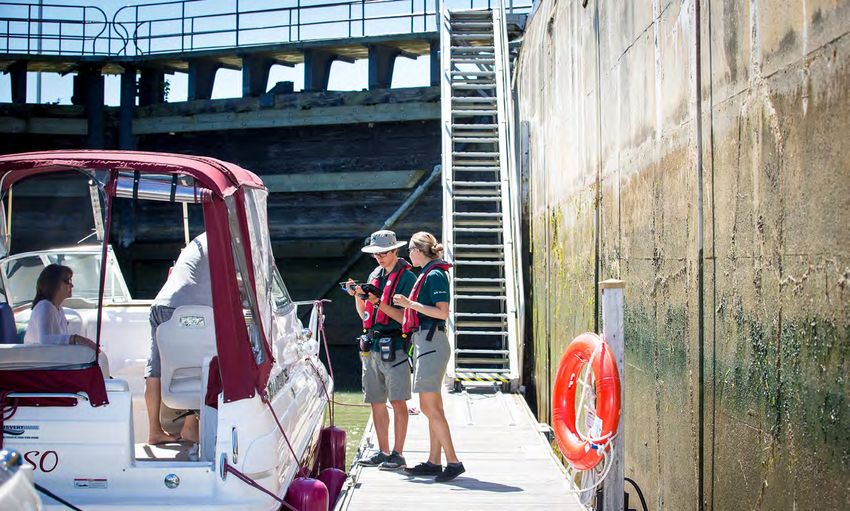
The National Historic Site, which stretches on both sides
of the Richelieu River, has some forty engineered
works and infrastructures, including its lock and
the Superintendent’s house, to which is added
the dam of Saint-Ours, used to regulate
the level of the Richelieu River, as well
as the Vianney-Legendre migratory
pass, allowing several species of
fish, including the Copper redhorse
(Moxostoma hubbsi), to move up
the river.
Renewing the
historic site
The Parks Canada Agency Act               Some of the objectives identified
requires Parks Canada to prepare          in the 2005 plan have been
a Management Plan for each                achieved, including repairs in the
national historic site administered       Superintendent’s house, maintenance
by the Agency. The Sainte-Anne-de-        work on the Vianney-Legendre
Bellevue Canal National Historic Site     migratory pass, the development of
of Canada Management Plan, once           a diversified animation on the site by
approved by the Minister responsible      the “Amis du Canal de Saint-Ours,”
for Parks Canada and tabled in            as well as the growth and renewal of
Parliament, ensures Parks Canada’s        clientele, in particular by the addition
accountability to Canadians, outlining    of oTENTik accommodation units.
how historic site management
will achieve measurable results in
support of the Agency’s mandate.

           The suggested vision...
                    The site is a natural stop along the Richelieu River and
                       helps commemorate its importance in the history of
                          Indigenous, local and regional communities. The
                             establishment of a variety of functions on the
                                site makes it possible to offer an enhanced
                                   visitor experience, while standing out wit-
                                     hin the region’s recreational tourism offer.
                                        The exceptional natural environment
                                          of the canal will be enhanced, while
                                           the effects of climate change will
                                             be better known and documented,
                                              allowing for a mitigation of the
                                               impacts on the integrity of the
                                                 site and infrastructure.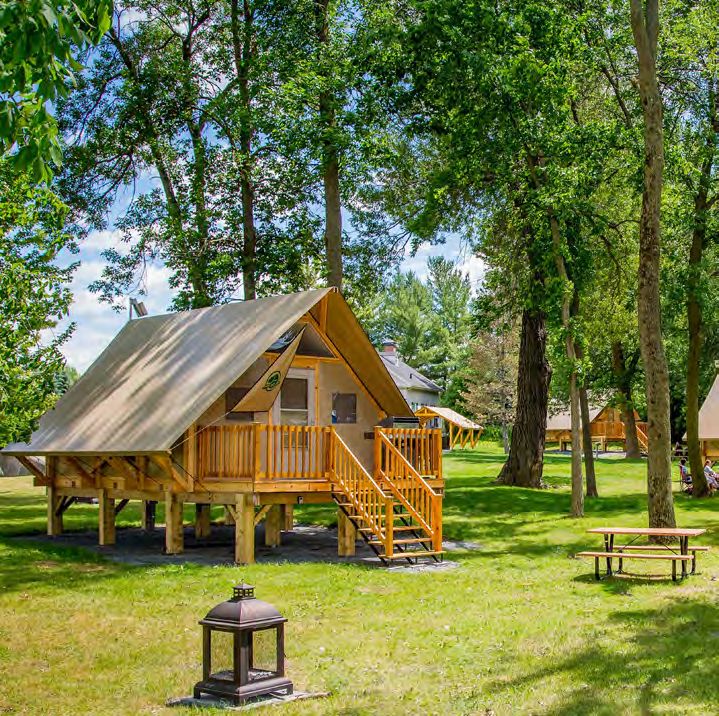
Key strategies

    1      A Historical Jewel and Landmark Along the
           Richelieu River
           This strategy aims to take advantage of the location of the Saint-
           Ours Canal site, which straddles the Richelieu River, and make it a
           main attraction along recreational and tourism routes in the Bas-
           Richelieu region. The goal is to better showcase the canal’s rich
           history and improve visitors’ understanding of the importance of
           the river throughout time, both for Indigenous peoples and for the
           region’s development. Citizens, local organizations and adjacent
           municipalities will feel a greater sense of ownership towards the
           site, which will foster a stronger sense of belonging and promote
           the canal regionally.

    Some suggested actions...

•   Carrying out a tourist destination positioning strategy

•    iming to annually increase the number of visitors
    A
    (families, boaters, cyclists, etc.) to the site

•    uggesting new initiatives or experiences to
    S
    better explain navigation along the Richelieu
    River throughout history

•    nhancing programming and services
    E
    offered on site in collaboration with
    the municipalities

•    romoting citizen and community
    P
    activities and events on the site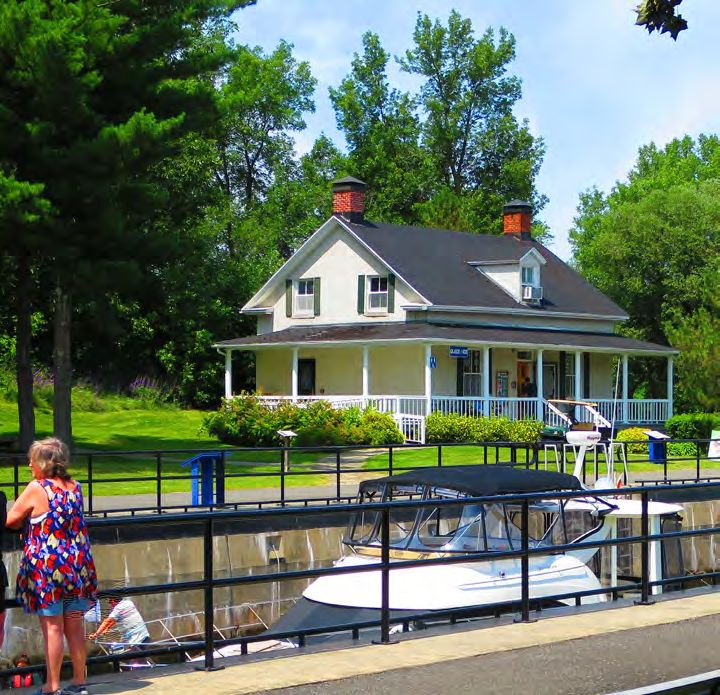
2       A Site That Welcomes a Variety of Users
            (Boaters, Visitors and Campers)
           The goal of this strategy is to improve the condition of the site’s
           facilities and infrastructure to make them sustainable and enhance
           the visitor experience. It also includes reinforcing the function of
           the various areas of the site based on the needs of different users
           as well as improving the experiences offered. Promoting oTENTik
           accommodation units in partnership with the community will
           also help better position the Saint-Ours Canal within the region’s
           recreational and tourism scene.

    Some suggested actions...

•   Improving the facilities and services intended for visitors, recrea-
     tional boaters and camp site users (oTENTik)

•    reserving and enhancing the Superintendent’s House, the original
    P
    canal layout and/or the stone shed

•   Implementing measures to improve visitor paths and
    signage between the site and the surrounding
    municipalities

•   I mproving access between the different areas
     of the site (the Saint-Ours shore, Darvard
     Island and the Saint-Roch shore)

•    roviding, in collaboration with tou-
    P
    rist organizations and activities in
    the region, promotional initiatives
    combined with stays in oTENTik
    units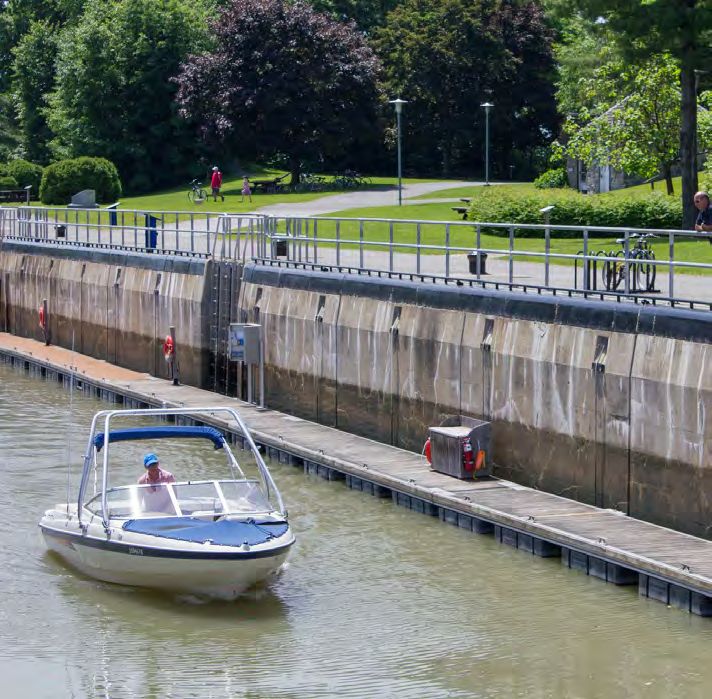
3      Preserved Heritage, Protected Flora and
           Fauna
           In light of climate change, this strategy involves mitigating the
           impacts of flooding on infrastructure sustainability and the
           commemorative integrity of the Saint-Ours Canal National Historic
           Site. Renewed facilities and tools will help visitors better appreciate
           the site’s rich history and natural components. Identifying the
           site’s flora and fauna will enable visitors to learn about the canal’s
           biodiversity and exceptional natural environment. It also aims
           for the Vianney-Legendre Fishway to contribute significantly to
           protecting and spreading knowledge about species at risk or
           likely to be at risk in the Richelieu River.

    Some suggested actions...

•   lanning and implementing adaptation and mitigation
    P
    measures to reduce flood impacts on site components

•    haring, in partnership with Indigenous communities, the
    S
    importance of the Richelieu River, as told from their
    knowledge, perspectives and experiences

•    enewing tools for interpreting, promoting and
    R
    showcasing historic heritage of the Saint-
    Ours Canal

•    ursuing efforts to protect endangered
    P
    species, in particular the Copper Re-
    dhorse (Moxostoma hubbsi)

•   Improving the layout of the Vian-
    ney Legendre fishway’s surroun-
    dings for visitors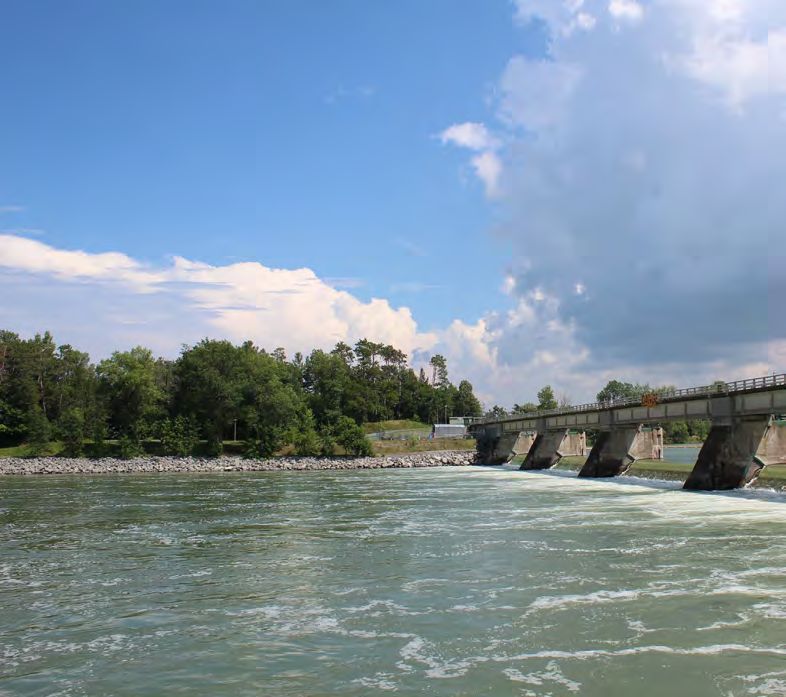
Share your opinion
with us!
Parks Canada invites all interested         Online survey
parties, including visitors, residents of
neighbouring municipalities, partners       Fill out our short survey (10 min)
and organizations to express their          to let us know your opinion at the
views on the proposals contained in         following address :
this draft management plan.
                                             www.consultationcanal.ca
For any information regarding the
draft master plan, please contact us
by email at the following address:          Online public
                                            consultation
   pc.comm.canal.pc@canada.ca               Visit our Facebook page to
                                            connect to the session on May
                                            26, 2021 at 7 p.m.

                                              @LHNauQC
Thanks for participating!
You can also read


