Radiation Therapy and You - Support for People With Cancer
←
→
Page content transcription
If your browser does not render page correctly, please read the page content below

Support for People With Cancer

        National Cancer Institute
                                    Radiation Therapy
                                    and You

U.S. DEPARTMENT
OF HEALTH AND
HUMAN SERVICES
National Institutes
of Health
For More Information
This booklet is only one of many free booklets for people with cancer.
Here are some others you may find useful:

■ Biological Therapy

■ Chemotherapy and You: Support for People With Cancer

■ Eating Hints: Before, During, and After Cancer Treatment

■ Taking Part in Cancer Treatment Research Studies

■ Thinking About Complementary & Alternative Medicine:
  A Guide for People With Cancer

■ Pain Control: Support for People With Cancer

■ When Cancer Returns

■ Taking Time: Support for People With Cancer

These booklets are available from the National Cancer Institute
(often called NCI). NCI is a federal agency that is part of the National
Institutes of Health. Call 1-800-4-CANCER (1-800-422-6237) or visit
www.cancer.gov. (See page 59 for more information.)

*For information about your specific type of cancer, see the PDQ®
database. PDQ® is NCI’s complete cancer database. You can find it at
www.cancer.gov.

Product or brand names that appear in this book are for example only. The U.S.
Government does not endorse any specific product or brand. If products or brands are
not mentioned, it does not mean or imply that they are not satisfactory.

1-800-4-CANCER (1-800-422-6237)

About This Book
                                                                             Rather than
Radiation Therapy and You is written for you—someone who is about            read this book
to get or is now getting radiation therapy for cancer. People who are
close to you may also find this book helpful.                                from beginning

This book is a guide that you can refer to throughout radiation therapy.
                                                                             to end—
It has facts about radiation therapy and side effects and describes how      look at only
you can care for yourself during and after treatment.
                                                                             those sections

This book covers:                                                            you need now.
                                                                             Later, you
■ Questions and Answers About Radiation Therapy. Answers
  to common questions, such as what radiation therapy is and how it          can always
  affects cancer cells.                                                      read more.
■ External Beam and Internal Radiation. Information about the
  two types of radiation therapy.

■ Your Feelings During Radiation Therapy. Information about feelings, such as
  depression and anxiety, and ways to cope with them.

■ Side Effects and Ways To Manage Them. A chart that shows problems that may
  happen as a result of treatment and ways you can help manage them.

■ Questions To Ask. Questions for you to think about and discuss with your doctor,
  nurse, and others involved in your treatment and care.

■ Lists of Foods and Liquids. Foods and drinks you can have during radiation therapy.

■ Words To Know. A dictionary that clearly explains medical terms used in this book.
  These terms are in bold print the first time they appear.

■ Ways To Learn More. Places to go for more information—in print, online (Internet),
  and by telephone.

Talk with your doctor and nurse about the information in this book. They may suggest that
you read certain sections or follow some of the tips. Since radiation therapy affects people
in different ways, they may also tell you that some of the information in this book is not
right for you.

                                                                           www.cancer.gov

Table of Contents
                                                                                                                          Rather than
Questions and Answers About Radiation Therapy...................... 1                                                     read this book
External Beam Radiation Therapy .................................................... 9                                    from beginning
                                                                                                                          to end—
Internal Radiation Therapy .............................................................. 15
                                                                                                                          look at only
Your Feelings During Radiation Therapy ...................................... 19                                          those sections
Radiation Therapy Side Effects ........................................................ 21                                you need now.
     Radiation Therapy Side Effects At-A-Glance.........................................23                                Later, you
     Radiation Therapy Side Effects and Ways to Manage Them ...............24                                             can always
           Diarrhea ..............................................................................................24      read more.
           Fatigue .................................................................................................26
           Hair Loss .............................................................................................28
           Mouth Changes ..................................................................................30
           Nausea and Vomiting ........................................................................34
           Sexual and Fertility Changes ............................................................36
           Skin Changes ......................................................................................40
           Throat Changes ..................................................................................43
           Urinary and Bladder Changes .........................................................45
     Late Radiation Therapy Side Effects .......................................................47

Questions To Ask Your Doctor or Nurse ...................................... 51

Lists of Foods and Liquids ................................................................. 53
     Clear Liquids ..............................................................................................53
     Foods and Drinks That Are High in Calories or Protein .....................54
     Foods and Drinks That Are Easy on the Stomach ................................55

Words To Know ................................................................................... 56

Resources for Learning More ........................................................... 59

                                                                                                                         www.cancer.gov
Questions and Answers About Radiation Therapy

What is radiation     Radiation therapy (also called radiotherapy) is a cancer
therapy?              treatment that uses high doses of radiation to kill cancer cells
                      and stop them from spreading. At low doses, radiation is used
                      as an x-ray to see inside your body and take pictures, such as
                      x-rays of your teeth or broken bones. Radiation used in cancer
                      treatment works in much the same way, except that it is given at
                      higher doses.

How is radiation      Radiation therapy can be external beam (when a machine
therapy given?        outside your body aims radiation at cancer cells) or internal
                      (when radiation is put inside your body, in or near the cancer
                      cells). Sometimes people get both forms of radiation therapy.
                      To learn more about external beam radiation therapy, see page 9.
                      To learn more about internal radiation therapy, see page 15.

Who gets              Many people with cancer need radiation therapy. In fact, more
radiation therapy?    than half (about 60 percent) of people with cancer get radiation
                      therapy. Sometimes, radiation therapy is the only kind of
                      cancer treatment people need.

What does             Given in high doses, radiation kills or slows the growth of
radiation therapy     cancer cells. Radiation therapy is used to:
do to cancer cells?
                      ■ Treat cancer. Radiation can be used to cure, stop, or slow
                        the growth of cancer.

                      ■ Reduce symptoms. When a cure is not possible, radiation
                        may be used to shrink cancer tumors in order to reduce
                        pressure. Radiation therapy used in this way can treat
                        problems such as pain, or it can prevent problems such as
                        blindness or loss of bowel and bladder control.

                                                                      www.cancer.gov     1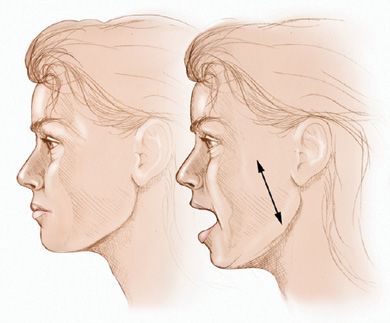
How long does            Radiation therapy does not kill cancer cells right away. It takes
    radiation therapy        days or weeks of treatment before cancer cells start to die. Then,
    take to work?            cancer cells keep dying for weeks or months after radiation
                             therapy ends.

    What does                Radiation not only kills or slows the growth of cancer cells, it
    radiation therapy do     can also affect nearby healthy cells. The healthy cells almost
    to healthy cells?        always recover after treatment is over. But sometimes people
                             may have side effects that do not get better or are severe.
                             Doctors try to protect healthy cells during treatment by:

                             ■ Using as low a dose of radiation as possible. The
                               radiation dose is balanced between being high enough to kill
                               cancer cells yet low enough to limit damage to healthy cells.

                             ■ Spreading out treatment over time. You may get
                               radiation therapy once a day for several weeks or in smaller
                               doses twice a day. Spreading out the radiation dose allows
                               normal cells to recover while cancer cells die.

                             ■ Aiming radiation at a precise part of your body.
                               New techniques, such as IMRT and 3-D conformal
                               radiation therapy, allow your doctor to aim higher doses
                               of radiation at your cancer while reducing the radiation to
                               nearby healthy tissue.

                             ■ Using medicines. Some drugs can help protect certain
                               parts of your body, such as the salivary glands that make
                               saliva (spit).

    Does radiation           No, radiation therapy does not hurt while it is being given. But
    therapy hurt?            the side effects that people may get from radiation therapy can
                             cause pain or discomfort. This book has a lot of information
                             about ways that you, your doctor, and your nurse can help
                             manage side effects.

2   1-800-4-CANCER (1-800-422-6237)
Is radiation therapy    Yes, radiation therapy is often used with other cancer
used with other types   treatments. Here are some examples:
of cancer treatment?
                        ■ Radiation therapy and surgery. Radiation may be
                          given before, during, or after surgery. Doctors may use
                          radiation to shrink the size of the cancer before surgery, or
                          they may use radiation after surgery to kill any cancer cells
                          that remain. Sometimes, radiation therapy is given during
                          surgery so that it goes straight to the cancer without passing
                          through the skin. This is called intraoperative radiation.

                        ■ Radiation therapy and chemotherapy. Radiation may
                          be given before, during, or after chemotherapy. Before or
                          during chemotherapy, radiation therapy can shrink the
                          cancer so that chemotherapy works better. Sometimes,
                          chemotherapy is given to help radiation therapy work
                          better. After chemotherapy, radiation therapy can be used
                          to kill any cancer cells that remain.

Who is on my            Many people help with your radiation treatment and care. This
radiation therapy       group of health care providers is often called the “radiation
team?                   therapy team.” They work together to provide care that is just
                        right for you. Your radiation therapy team can include:

                        ■ Radiation oncologist. This is a doctor who specializes
                          in using radiation therapy to treat cancer. He or she
                          prescribes how much radiation you will receive, plans how
                          your treatment will be given, closely follows you during
                          your course of treatment, and prescribes care you may
                          need to help with side effects. He or she works closely with
                          the other doctors, nurses, and health care providers on
                          your team. After you are finished with radiation therapy,
                          your radiation oncologist will see you for follow-up visits.
                          During these visits, this doctor will check for late side
                          effects and assess how well the radiation has worked.

                        ■ Nurse practitioner. This is a nurse with advanced
                          training. He or she can take your medical history, do
                          physical exams, order tests, manage side effects, and closely
                          watch your response to treatment. After you are finished
                          with radiation therapy, your nurse practitioner may see you
                          for follow-up visits to check for late side effects and assess
                          how well the radiation has worked.

                                                                        www.cancer.gov     3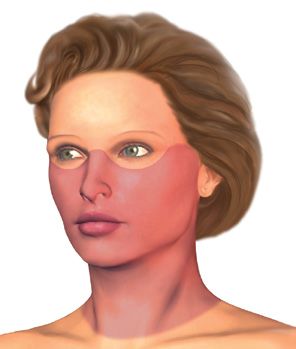
■ Radiation nurse. This person provides nursing care during
    You are                    radiation therapy, working with all the members of your
    the most                   radiation therapy team. He or she will talk with you about
                               your radiation treatment and help you manage side effects.
    important part
    of the radiation         ■ Radiation therapist. This person works with you during
                               each radiation therapy session. He or she positions you for
    therapy team.              treatment and runs the machines to make sure you get the
                               dose of radiation prescribed by your radiation oncologist.

                             ■ Other health care providers. Your team may also include
                               a dietitian, physical therapist, social worker, and others.

                             ■ You. You are also part of the radiation therapy team.
                               Your role is to:
                                •     Arrive on time for all radiation therapy sessions
                                •     Ask questions and talk about your concerns
                                •     Let someone on your radiation therapy team know
                                      when you have side effects
                                •     Tell your doctor or nurse if you are in pain
                                •     Follow the advice of your doctors and nurses about how
                                      to care for yourself at home, such as:
                                      -   Taking care of your skin
                                      -   Drinking liquids
                                      -   Eating foods that they suggest
                                      -   Keeping your weight the same

                                Be sure to arrive on time for ALL
                                radiation therapy sessions.

4   1-800-4-CANCER (1-800-422-6237)
Is radiation therapy Yes, radiation therapy costs a lot of money. It uses complex
expensive? machines and involves the services of many health care
providers. The exact cost of your radiation therapy depends on
the cost of health care where you live, what kind of radiation
therapy you get, and how many treatments you need.
Talk with your health insurance company about what services
it will pay for. Most insurance plans pay for radiation therapy
for their members. To learn more, talk with the business office
where you get treatment. You can also contact the National
Cancer Institute’s Cancer Information Service and ask for the
“Financial Assistance for Cancer Care” fact sheet. See page 59
for ways to contact the National Cancer Institute.
Should I follow Your body uses a lot of energy to heal during radiation therapy.
a special diet It is important that you eat enough calories and protein to keep
while I am getting your weight the same during this time. Ask your doctor or
radiation therapy? nurse if you need a special diet while you are getting radiation
therapy. You might also find it helpful to speak with a dietitian.
To learn more about foods and drinks that are high in calories
or protein, see the chart on page 54. You may also want to
read Eating Hints, a book from the National Cancer Institute.
You can order a free copy online at http://www.cancer.gov/
publications or 1-800-4-CANCER.
Ask your doctor, nurse,
or dietitian if you need a
special diet while you are
getting radiation therapy.
www.cancer.gov 5Can I go to work Some people are able to work full-time during radiation
during radiation therapy. Others can only work part-time or not at all. How
therapy? much you are able to work depends on how you feel. Ask your
doctor or nurse what you may expect based on the treatment
you are getting.
You are likely to feel well enough to work when you start
radiation therapy. As time goes on, do not be surprised if
you are more tired, have less energy, or feel weak. Once you
have finished your treatment, it may take a few weeks or many
months for you to feel better.
You may get to a point during your radiation therapy when
you feel too sick to work. Talk with your employer to find
out if you can go on medical leave. Make sure that your
health insurance will pay for treatment when you are on
medical leave.
What happens Once you have finished radiation therapy, you will need
when radiation follow-up care for the rest of your life. Follow-up care refers to
therapy is over? checkups with your radiation oncologist or nurse practitioner
after your course of radiation therapy is over. During these
checkups, your doctor or nurse will see how well the radiation
therapy worked, check for other signs of cancer, look for late
side effects, and talk with you about your treatment and care.
Your doctor or nurse will:
■ Examine you and review how you have been feeling.
Your doctor or nurse practitioner can prescribe medicine or
suggest other ways to treat any side effects you may have.
■ Order lab and imaging tests. These may include blood
tests, x-rays, or CT, MRI, or PET scans.
■ Discuss treatment. Your doctor or nurse practitioner
may suggest that you have more treatment, such as extra
radiation treatments, chemotherapy, or both.
■ Answer your questions and respond to your concerns.
It may be helpful to write down your questions ahead
of time and bring them with you. You can find sample
questions on pages 51 and 52.
6 1-800-4-CANCER (1-800-422-6237)After radiation You have gone through a lot with cancer and radiation therapy.
therapy is over, Now you may be even more aware of your body and how you
what symptoms feel each day. Pay attention to changes in your body and let
should I look for? your doctor or nurse know if you have:
■ A pain that does not go away
■ New lumps, bumps, swellings, rashes, bruises, or bleeding
■ Appetite changes, nausea, vomiting, diarrhea, or
constipation
■ Weight loss that you cannot explain
■ A fever, cough, or hoarseness that does not go away
■ Any other symptoms that worry you
See “Resources for Learning More” on page 59 for ways to learn
more about radiation therapy.
Make a list of questions and problems
you want to discuss with your doctor
or nurse. Be sure to bring this list
to your follow-up visits. See pages
51 and 52 for sample questions.
www.cancer.gov 7External Beam Radiation Therapy
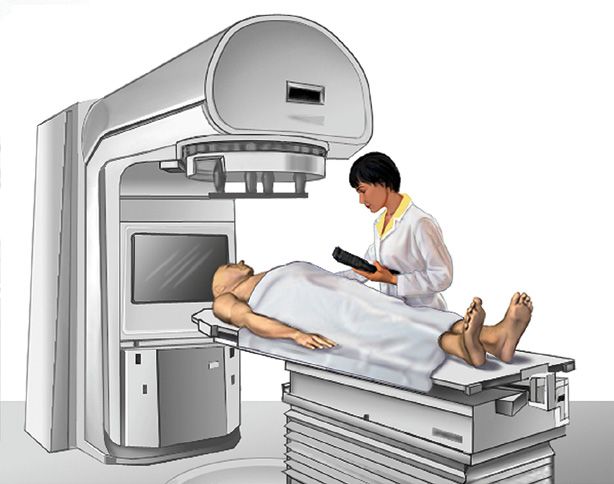
What is external beam External beam radiation therapy comes from a machine that
radiation therapy? aims radiation at your cancer. The machine is large and may be
noisy. It does not touch you, but rotates around you, sending
radiation to your body from many directions.
External beam radiation therapy is a local treatment, meaning
that the radiation is aimed only at a specific part of your body.
For example, if you have lung cancer, you will get radiation to
your chest only and not the rest of your body.
External beam radiation therapy comes from a machine that aims radiation
at your cancer.
How often will I Most people get external beam radiation therapy once a day,
get external beam 5 days a week, Monday through Friday. Treatment lasts for
radiation therapy? 2 to 10 weeks, depending on the type of cancer you have and
the goal of your treatment. The time between your first and last
radiation therapy sessions is called a course of treatment.
Radiation is sometimes given in smaller doses twice a day
(hyperfractionated radiation therapy). Your doctor may
prescribe this type of treatment if he or she feels that it will
work better. Although side effects may be more severe, there
may be fewer late side effects. Doctors are doing research to see
which types of cancer are best treated this way.
www.cancer.gov 9Where do I go for Most of the time, you will get external beam radiation therapy
external beam as an outpatient. This means that you will have treatment at a
radiation therapy? clinic or radiation therapy center and will not have to stay in
the hospital.
What happens You will have a 1- to 2-hour meeting with your doctor or nurse
before my first before you begin radiation therapy. At this time, you will have a
external beam physical exam, talk about your medical history, and maybe have
radiation treatment? imaging tests. Your doctor or nurse will discuss external beam
radiation therapy, its benefits and side effects, and ways you
can care for yourself during and after treatment. You can then
choose whether to have external beam radiation therapy.
If you agree to have external beam radiation therapy, you will be
scheduled for a treatment planning session called a simulation.
At this time:
■ A radiation oncologist and radiation therapist will define
your treatment area (also called a treatment port or
treatment field). This refers to the places in your body that
will get radiation. You will be asked to lie very still while
x-rays or scans are taken to define the treatment area.
■ The radiation therapist will then put small marks (tattoos
or dots of colored ink) on your skin to mark the treatment
area. You will need these marks throughout the course of
radiation therapy. The radiation therapist will use them
each day to make sure you are in the correct position.
Tattoos are about the size of a freckle and will remain on
your skin for the rest of your life. Ink markings will fade
over time. Be careful not to remove them and make sure to
tell the radiation therapist if they fade or lose color.
Tell your radiation therapist if your
ink marks begin to fade or lose color.
10 1-800-4-CANCER (1-800-422-6237)■ You may need a body mold. This is a plastic or plaster form
that helps keep you from moving during treatment. It also
helps make sure that you are in the exact same position each
day of treatment.
■ If you are getting radiation to the head, you may need a
mask. The mask has air holes, and holes can be cut for your
If you are getting radiation to eyes, nose, and mouth. It attaches to the table where you
the head, you may need a mask. will lie to receive your treatments. The mask helps keep
your head from moving so that you are in the exact same
position for each treatment.
If the body mold or mask makes you feel anxious, see page 13
for ways to relax during treatment.
What should I Wear clothes that are comfortable and made of soft fabric,
wear when I get such as cotton. Choose clothes that are easy to take off, since
external beam you may need to change into a hospital gown or show the area
radiation therapy? that is being treated. Do not wear clothes that are tight, such
as close-fitting collars or waistbands, near your treatment
area. Also, do not wear jewelry, BAND-AIDS®, powder, lotion,
or deodorant in or near your treatment area, and do not use
deodorant soap before your treatment.
www.cancer.gov 11What happens during ■ You may be asked to change into a hospital gown or robe.
treatment sessions?
■ You will go to a treatment room where you will receive
radiation.
■ Depending on where your cancer is, you will either sit in
a chair or lie down on a treatment table. The radiation
therapist will use your body mold and skin marks to help
you get into position.
■ You may see colored lights pointed at your skin marks.
These lights are harmless and help the therapist position
you for treatment each day.
■ You will need to stay very still so the radiation goes to the
exact same place each time. You can breathe as you always
do and do not have to hold your breath.
The radiation therapist will leave the room just before your
treatment begins. He or she will go to a nearby room to
control the radiation machine and watch you on a TV screen
or through a window. You are not alone, even though it may
feel that way. The radiation therapist can see you on the screen
or through the window. He or she can hear and talk with you
through a speaker in your treatment room. Make sure to tell
the therapist if you feel sick or are uncomfortable. He or she
can stop the radiation machine at any time. You cannot feel,
hear, see, or smell radiation.
Your entire visit may last from 30 minutes to 1 hour. Most of
that time is spent setting you in the correct position. You will
get radiation for only 1 to 5 minutes. If you are getting IMRT,
your treatment may last longer. Your visit may also take longer
if your treatment team needs to take and review x-rays.
Your radiation therapist can see, hear, and
talk with you at all times while you are
getting external beam radiation therapy.
12 1-800-4-CANCER (1-800-422-6237)Will external beam No, external beam radiation therapy does not make people
radiation therapy radioactive. You may safely be around other people, even
make me radioactive? babies and young children.
How can I relax ■ Bring something to read or do while in the waiting room.
during my treatment
sessions? ■ Ask if you can listen to music or books on tape.
■ Meditate, breathe deeply, use imagery, or find other ways
to relax. To learn more about ways to relax, see Facing
Forward: Life After Cancer Treatment, a book from the
National Cancer Institute. You can order a free copy at
http://www.cancer.gov/publications or 1-800-4-CANCER.
For ways to learn more about external beam radiation therapy,
see the Resources for Learning More on page 59.
www.cancer.gov 13Internal Radiation Therapy
What is internal Internal radiation therapy is a form of treatment where a source
radiation therapy? of radiation is put inside your body. One form of internal
radiation therapy is called brachytherapy. In brachytherapy,
the radiation source is a solid in the form of seeds, ribbons, or
capsules, which are placed in your body in or near the cancer
cells. This allows treatment with a high dose of radiation to
a smaller part of your body. Internal radiation can also be in
a liquid form. You receive liquid radiation by drinking it, by
swallowing a pill, or through an IV. Liquid radiation travels
throughout your body, seeking out and killing cancer cells.
Brachytherapy may be used with people who have cancers of
the head, neck, breast, uterus, cervix, prostate, gall bladder,
esophagus, eye, and lung. Liquid forms of internal radiation
are most often used with people who have thyroid cancer or
non-Hodgkin’s lymphoma. You may also get internal radiation
along with other types of treatment, including external beam
radiation, chemotherapy, or surgery.
What happens You will have a 1- to 2-hour meeting with your doctor or nurse
before my first internal before you begin internal radiation therapy. At this time, you
radiation treatment? will have a physical exam, talk about your medical history, and
maybe have imaging tests. Your doctor will discuss the type
of internal radiation therapy that is best for you, its benefits
and side effects, and ways you can care for yourself during and
after treatment. You can then choose whether to have internal
radiation therapy.
How is Most brachytherapy is put in place through a catheter, which
brachytherapy is a small, stretchy tube. Sometimes, it is put in place through
put in place? a larger device called an applicator. When you decide to have
brachytherapy, your doctor will place the catheter or applicator
into the part of your body that will be treated.
www.cancer.gov 15What happens when You will most likely be in the hospital when your catheter or
the catheter or applicator is put in place. Here is what to expect:
applicator is ■ You will either be put to sleep or the area where the catheter
put in place? or applicator goes will be numbed. This will help prevent
pain when it is put in.
■ Your doctor will place the catheter or applicator in your body.
■ If you are awake, you may be asked to lie very still while
the catheter or applicator is put in place. If you feel any
discomfort, tell your doctor or nurse so he or she can give
you medicine to help manage the pain.
Tell your doctor or nurse if you are in pain.
What happens Once your treatment plan is complete, radiation will be placed
after the catheter or inside the catheter or applicator. The radiation source may be
applicator is placed kept in place for a few minutes, many days, or the rest of your
in my body? life. How long the radiation is in place depends on which type of
brachytherapy you get, your type of cancer, where the cancer is in
your body, your health, and other cancer treatments you have had.
What are the types There are three types of brachytherapy:
of brachytherapy?
■ Low-dose rate (LDR) implants. In this type of brachytherapy,
radiation stays in place for 1 to 7 days. You are likely to be in
the hospital during this time. Once your treatment is finished,
your doctor will remove the radiation sources and your catheter
or applicator.
■ High-dose rate (HDR) implants. In this type of
brachytherapy, the radiation source is in place for 10 to
20 minutes at a time and then taken out. You may have
treatment twice a day for 2 to 5 days or once a week for
2 to 5 weeks. The schedule depends on your type of cancer.
During the course of treatment, your catheter or applicator
may stay in place, or it may be put in place before each
treatment. You may be in the hospital during this time,
or you may make daily trips to the hospital to have the
radiation source put in place. Like LDR implants, your
doctor will remove your catheter or applicator once you
have finished treatment.
16 1-800-4-CANCER (1-800-422-6237)■ Permanent implants. After the radiation source is put in
place, the catheter is removed. The implants always stay in
your body, while the radiation gets weaker each day. You
may need to limit your time around other people when
the radiation is first put in place. Be extra careful not to
spend time with children or pregnant women. As time goes
by, almost all the radiation will go away, even though the
implant stays in your body.
What happens ■ Your body will give off radiation once the radiation source is
while the radiation in place. With brachytherapy, your body fluids (urine, sweat,
is in place? and saliva) will not give off radiation. With liquid radiation,
your body fluids will give off radiation for a while.
■ Your doctor or nurse will talk with you about safety
measures that you need to take.
■ If the radiation you receive is a very high dose, safety
measures may include:
• Staying in a private hospital room to protect others from
radiation coming from your body
• Being treated quickly by nurses and other hospital staff.
They will provide all the care you need, but they may
stand at a distance and talk with you from the doorway
to your room.
■ Your visitors will also need to follow safety measures, which
may include:
• Not being allowed to visit when the radiation is first
put in
• Needing to check with the hospital staff before they go
to your room
• Keeping visits short (30 minutes or less each day). The
length of visits depends on the type of radiation being
used and the part of your body being treated.
• Standing by the doorway rather than going into your
hospital room
• Not having visits from children younger than 18 and
pregnant women
www.cancer.gov 17You may also need to follow safety measures once you leave
the hospital, such as not spending much time with other
people. Your doctor or nurse will talk with you about the safety
measures you should follow when you go home.
What happens when ■ You will get medicine for pain before the catheter or
the catheter is taken applicator is removed.
out after treatment
with LDR or HDR ■ The area where the catheter or applicator was might be
implants? tender for a few months.
■ There is no radiation in your body after the catheter or
applicator is removed. It is safe for people to be near you—
even young children and pregnant women.
■ For 1 to 2 weeks, you may need to limit activities that take
a lot of effort. Ask your doctor what kinds of activities are
safe for you.
For ways to learn more about internal radiation therapy, see
Resources for Learning More on page 59.
18 1-800-4-CANCER (1-800-422-6237)Your Feelings During Radiation Therapy
At some point during radiation therapy, you may feel:
■ Anxious
■ Depressed
■ Afraid Having cancer and
going through treatment
■ Angry
is stressful.
■ Frustrated
■ Helpless
■ Alone
It is normal to have these kinds of feelings. Living with cancer
and going through treatment is stressful. You may also feel
fatigue, which can make it harder to cope with these feelings.
How can I cope There are many things you can do to cope with your feelings
with my feelings during treatment. Here are some things that have worked for
during radiation other people:
therapy?
■ Relax and meditate. You might try thinking of yourself in
a favorite place, breathing slowly while paying attention to
each breath, or listening to soothing music. These kinds of
activities can help you feel calmer and less stressed.
■ Exercise. Many people find that light exercise (such as
walking, biking, yoga, or water aerobics) helps them feel
better. Talk with your doctor or nurse about types of
exercise that you can do.
■ Talk with others. Talk about your feelings with someone
you trust. You may choose a close friend, family member,
chaplain, nurse, social worker, or psychologist. You may
also find it helpful to talk to someone else who is going
through radiation therapy.
■ Join a support group. Cancer support groups are
meetings for people with cancer. These groups allow you
to meet others facing the same problems. You will have a
www.cancer.gov 19chance to talk about your feelings and listen to other people
talk about theirs. You can learn how others cope with
cancer, radiation therapy, and side effects. Your doctor,
nurse, or social worker can tell you about support groups
near where you live. Some support groups also meet over
the Internet, which can be helpful if you cannot travel or
find a meeting in your area.
■ Talk to your doctor or nurse about things that
worry or upset you. You may want to ask about seeing
a counselor. Your doctor may also suggest that you take
medicine if you find it very hard to cope with these feelings.
Ways to To learn more about ways to cope with your feelings, read
Learn More Taking Time: Support for People with Cancer, a book from
the National Cancer Institute. You can get a free copy at
http://www.cancer.gov/publications or 1-800-4-CANCER
(1-800-422-6237).
CancerCare, Inc.
Offers free support, information, financial assistance, and
practical help to people with cancer and their loved ones.
Toll-free: 1-800-813-HOPE (1-800-813-4673)
E-mail: info@cancercare.org
Online: http://www.cancercare.org
The Wellness Community
Provides free psychological and emotional support to people
with cancer and their families.
Toll-free: 1-888-793-WELL (1-888-793-9355)
Phone: 202-659-9709
Online: http://www.thewellnesscommunity.org
E-mail: help@thewellnesscommunity.org
20 1-800-4-CANCER (1-800-422-6237)Radiation Therapy Side Effects
Side effects are problems that can happen as a result of
treatment. They may happen with radiation therapy because
the high doses of radiation used to kill cancer cells can also
damage healthy cells in the treatment area. Side effects are
different for each person. Some people have many side effects;
others have hardly any. Side effects may be more severe if
you also receive chemotherapy before, during, or after your
radiation therapy.
Talk to your radiation therapy team about your chances of
having side effects. The team will watch you closely and ask if
you notice any problems. If you do have side effects or other
problems, your doctor or nurse will talk with you about ways to
manage them.
Common Many people who get radiation therapy have skin changes and
Side Effects some fatigue. Other side effects depend on the part of your
body being treated.
Skin changes may include dryness, itching, peeling, or
blistering. These changes occur because radiation therapy
damages healthy skin cells in the treatment area. You will need
to take special care of your skin during radiation therapy. To
learn more, see page 40.
Fatigue is often described as feeling worn out or exhausted.
There are many ways to manage fatigue. To learn more, see
page 26.
Depending on the part of your body being treated, you may
also have:
■ Diarrhea ■ Sexual changes
■ Hair loss in treatment area ■ Swelling
■ Mouth problems ■ Trouble swallowing
■ Nausea and vomiting ■ Urinary and bladder changes
Most of these side effects go away within 2 months after
radiation therapy is finished.
www.cancer.gov 21Late side effects may first occur 6 or more months after
radiation therapy is over. They vary by the part of your body
that was treated and the dose of radiation you received.
Late side effects may include infertility, joint problems,
lymphedema, mouth problems, and secondary cancer.
Everyone is different, so talk to your doctor or nurse about
whether you might have late side effects and what signs to look
for. See page 47 for more information on late side effects.
Radiation Therapy Side Effects and Ways To Manage Them,
starting on page 24, explains each side effect in more detail
and includes ways you and your doctor or nurse can help
manage them.
Radiation Therapy Radiation therapy side effects depend on the part of your body
Side Effects being treated. You can use the chart on page 23 to see which
At-A-Glance side effects might affect you. Find the part of your body being
treated in the column on the left, then read across the row to
see the side effects. A checkmark means that you may get this
side effect. Ask your doctor or nurse about your chances of
getting each side effect.
To learn more about each side effect, see the page listed in the
top row of the table on page 23.
Talk to your radiation therapy team
about your chances of getting side effects.
Show them the chart on the next page.
22 1-800-4-CANCER (1-800-422-6237)Radiation Therapy Side Effects At-A-Glance
■ Find the part of your body being treated in the column on the left.
■ Read across the row.
■ A checkmark means you may get the side effect listed.
Diarrhea Fatigue Hair Loss Mouth Nausea Sexual Skin Throat Urinary Other
(on the Changes and and Changes Changes and Side
part of Vomiting Fertility Bladder Effects
the body Changes Changes
being
treated)
See See See See See See See See See
page 24 page 26 page 28 page 30 page 34 page 36 page 40 page 43 page 45
Brain 4 4 4 4 Headache
Blurry vision
Breast 4 4 4 Tenderness
Swelling
Chest Cough
4 4 4 4
Shortness
of breath
Head and Earaches
Neck 4 4 4 4 4 Taste
changes
Pelvic
Area
4 4 4 4 4 4 4
Rectum 4 4 4 4 4 4
Stomach
and 4 4 4 4 4 4
Abdomen
www.cancer.gov 23Radiation Therapy Side Effects and Ways to Manage Them
Diarrhea
What it is
Diarrhea is frequent bowel movements which may be soft,
formed, loose, or watery. Diarrhea can occur at any time
during radiation therapy.
Why it occurs
Radiation therapy to the pelvis, stomach, and abdomen
can cause diarrhea. People get diarrhea because radiation
harms the healthy cells in the large and small bowels.
These areas are very sensitive to the amount of radiation Radiation to the shaded area may
needed to treat cancer. cause diarrhea.
Ways to manage
When you have diarrhea:
■ Drink 8 to 12 cups of clear liquid per day. See page 53 for ideas of drinks and foods
that are clear liquids.
If you drink liquids that are high in sugar (such as fruit juice, sweet iced tea, Kool-Aid®,
or Hi-C®) ask your nurse or dietitian if you should mix them with water.
■ Eat many small meals and snacks. For instance, eat 5 or 6 small meals and snacks
rather than 3 large meals.
■ Eat foods that are easy on the stomach (which means foods that are low in fiber,
fat, and lactose). See page 55 for other ideas of foods that are easy on the stomach. If
your diarrhea is severe, your doctor or nurse may suggest the BRAT diet, which stands
for bananas, rice, applesauce, and toast.
24 1-800-4-CANCER (1-800-422-6237)■ Take care of your rectal area. Instead of toilet paper, use
a baby wipe or squirt of water from a spray bottle to clean
yourself after bowel movements. Also, ask your nurse about
taking sitz baths, which is a warm-water bath taken in a sitting
position that covers only the hips and buttocks. Be sure to tell
your doctor or nurse if your rectal area gets sore.
■ Stay away from:
• Milk and dairy foods, such as ice cream, sour cream, and cheese
• Spicy foods, such as hot sauce, salsa, chili, and curry dishes
• Foods or drinks with caffeine, such as regular coffee, black tea, soda, and chocolate
• Foods or drinks that cause gas, such as cooked dried beans, cabbage, broccoli, soy
milk, and other soy products
• Foods that are high in fiber, such as raw fruits and vegetables, cooked dried beans,
and whole wheat breads and cereals
• Fried or greasy foods
• Food from fast food restaurants
■ Talk to your doctor or nurse. Tell them if you are having diarrhea. He or she will
suggest ways to manage it. He or she may also suggest taking medicine, such as
Imodium®.
To learn more about dealing with diarrhea during cancer treatment, see Eating Hints: Before,
During, and After Cancer Treatment, a book from the National Cancer Institute. You can get
a free copy at http://www.cancer.gov/publications or 1-800-4-CANCER (1-800-422-6237).
www.cancer.gov 25Radiation Therapy Side Effects and Ways to Manage Them
Fatigue
What it is
Fatigue from radiation therapy can range from a mild to Fatigue is a common
an extreme feeling of being tired. Many people describe
fatigue as feeling weak, weary, worn out, heavy, or slow. side effect, and there
is a good chance that
Why it occurs you will feel some
level of fatigue from
Fatigue can happen for many reasons. These include:
radiation therapy.
■ Anemia
■ Anxiety
■ Depression
■ Infection
■ Lack of activity
■ Medicines
Fatigue can also come from the effort of going to radiation therapy each day or from stress.
Most of the time, you will not know why you feel fatigue.
How long it lasts
When you first feel fatigue depends on a few factors, which include your age, health, level of
activity, and how you felt before radiation therapy started.
Fatigue can last from 6 weeks to 12 months after your last radiation therapy session. Some
people may always feel fatigue and, even after radiation therapy is over, will not have as
much energy as they did before.
Ways to manage
■ Try to sleep at least 8 hours each night. This may be more sleep
than you needed before radiation therapy. One way to sleep better
at night is to be active during the day. For example, you could go
for walks, do yoga, or ride a bike. Another way to sleep better at
night is to relax before going to bed. You might read a book, work
on a jigsaw puzzle, listen to music, or do other calming hobbies.
26 1-800-4-CANCER (1-800-422-6237)■ Plan time to rest. You may need to nap during the day. Many people say that it helps
to rest for just 10 to 15 minutes. If you do nap, try to sleep for less than 1 hour at a time.
■ Try not to do too much. With fatigue, you may not have enough energy to do all the
things you want to do. Stay active, but choose the activities that are most important to
you. For example, you might go to work but not do housework, or watch your children’s
sports events but not go out to dinner.
■ Exercise. Most people feel better when they get some exercise each day. Go for a
15- to 30-minute walk or do stretches or yoga. Talk with your doctor or nurse about
how much exercise you can do while having radiation therapy.
■ Plan a work schedule that is right for you. Fatigue may affect
the amount of energy you have for your job. You may feel well
enough to work your full schedule, or you may need to work
less—maybe just a few hours a day or a few days each week. You
may want to talk with your boss about ways to work from home
so you do not have to commute. And you may want to think
about going on medical leave while you have radiation therapy.
■ Plan a radiation therapy schedule that makes sense for you. You may want to
schedule your radiation therapy around your work or family schedule. For example,
you might want to have radiation therapy in the morning so you can go to work in the
afternoon.
■ Let others help you at home. Check with your insurance company to see whether it
covers home care services. You can also ask family members and friends to help when
you feel fatigue. Home care staff, family members, and friends can assist with household
chores, running errands, or driving you to and from radiation therapy visits. They
might also help by cooking meals for you to eat now or freeze for later.
■ Learn from others who have cancer. People who have cancer can help each other by
sharing ways to manage fatigue. One way to meet other people with cancer is by joining
a support group—either in person or online. Talk with your doctor or nurse to learn
more about support groups.
■ Talk with your doctor or nurse. If you have trouble dealing with fatigue, your doctor
may prescribe medicine (called psychostimulants) that can help decrease fatigue, give
you a sense of well-being, and increase your appetite. Your doctor may also suggest
treatments if you have anemia, depression, or are not able to sleep at night.
www.cancer.gov 27Radiation Therapy Side Effects and Ways to Manage Them
Hair Loss
What it is You will lose hair only
Hair loss (also called alopecia) is when some or all
on the part of your
of your hair falls out.
body being treated.
Why it occurs
Radiation therapy can cause hair loss because it damages cells that grow quickly, such as
those in your hair roots.
Hair loss from radiation therapy only happens on the part of your body being treated. This
is not the same as hair loss from chemotherapy, which happens all over your body. For
instance, you may lose some or all of the hair on your head when you get radiation to your
brain. But if you get radiation to your hip, you may lose pubic hair (between your legs) but
not the hair on your head.
How long it lasts
You may start losing hair in your treatment area 2 to 3 weeks after your first radiation
therapy session. It takes about a week for all the hair in your treatment area to fall out. Your
hair may grow back 3 to 6 months after treatment is over. Sometimes, though, the dose of
radiation is so high that your hair never grows back.
Once your hair starts to grow back, it may not look or feel the way it did before. Your hair
may be thinner, or curly instead of straight. Or it may be darker or lighter in color than it
was before.
Ways to manage hair loss on your head
Before hair loss:
■ Decide whether to cut your hair or shave your head. You may feel more in control
of hair loss when you plan ahead. Use an electric razor to prevent nicking yourself if
you decide to shave your head.
28 1-800-4-CANCER (1-800-422-6237)■ If you plan to buy a wig, do so while you still have
hair. The best time to select your wig is before radiation
therapy begins or soon after it starts. This way, the wig
will match the color and style of your own hair. Some
people take their wig to their hair stylist. You will want
to have your wig fitted once you have lost your hair.
Make sure to choose a wig that feels comfortable and
does not hurt your scalp.
■ Check with your health insurance company to see whether it will pay for your
wig. If it does not, you can deduct the cost of your wig as a medical expense on your
income taxes. Some groups also sponsor free wig banks. Ask your doctor, nurse, or
social worker if he or she can refer you to a free wig bank in your area.
■ Be gentle when you wash your hair. Use a mild shampoo, such as a baby shampoo.
Dry your hair by patting (not rubbing) it with a soft towel.
■ Do not use curling irons, electric hair dryers, curlers, hair bands, clips, or hair
sprays. These can hurt your scalp or cause early hair loss.
■ Do not use products that are harsh on your hair. These include hair colors, perms,
gels, mousse, oil, grease, or pomade.
After hair loss:
■ Protect your scalp. Your scalp may feel tender after hair
loss. Cover your head with a hat, turban, or scarf when you are
outside. Try not to be in places where the temperature is very
cold or very hot. This means staying away from the direct sun,
sun lamps, and very cold air.
■ Stay warm. Your hair helps keep you warm, so you may feel
colder once you lose it. You can stay warmer by wearing a hat, turban, scarf, or wig.
Ways to learn more
American Cancer Society
Offers a variety of services to people with cancer and their families, including referrals to
low-cost wig banks.
Toll-free: 1-800-ACS-2345 (1-800-227-2345)
Phone: 404-320-3333
Online: http://www.cancer.org
www.cancer.gov 29Radiation Therapy Side Effects and Ways to Manage Them
Mouth Changes
What they are
Radiation therapy to the head or neck can cause problems such as:
■ Mouth sores (little cuts or ulcers in your mouth)
■ Dry mouth (also called xerostomia) and throat
■ Loss of taste
■ Tooth decay
■ Changes in taste (such as a metallic taste when you
eat meat)
■ Infections of your gums, teeth, or tongue
■ Jaw stiffness and bone changes Radiation to the shaded area may
cause mouth changes.
■ Thick, rope-like saliva
Why they occur
Radiation therapy kills cancer cells and can also damage healthy cells such as those in the
glands that make saliva and the soft, moist lining of your mouth.
How long they last
Some problems, like mouth sores, may go away after treatment ends. Others, such as taste
changes, may last for months or even years. Some problems, like dry mouth, may never
go away.
Visit a dentist at least 2 weeks
before starting radiation
therapy to your head or neck.
30 1-800-4-CANCER (1-800-422-6237)Ways to manage
■ If you are getting radiation therapy to your head or neck, visit a dentist at least 2
weeks before treatment starts. At this time, your dentist will examine your teeth and
mouth and do any needed dental work to make sure your mouth is as healthy as possible
before radiation therapy. If you cannot get to the dentist before treatment starts, ask
your doctor if you should schedule a visit soon after treatment begins.
■ Check your mouth every day. This way, you can see or feel
problems as soon as they start. Problems can include mouth
sores, white patches, or infection.
■ Keep your mouth moist. You can do this by:
• Sipping water often during the day
• Sucking on ice chips
• Chewing sugar-free gum or sucking on sugar-free hard candy
• Using a saliva substitute to help moisten your mouth
• Asking your doctor to prescribe medicine that helps
increase saliva
■ Clean your mouth, teeth, gums, and tongue.
• Brush your teeth, gums, and tongue after every meal and
at bedtime.
• Use an extra-soft toothbrush. You can make the bristles softer
by running warm water over them just before you brush.
• Use a fluoride toothpaste.
• Use a special fluoride gel that your dentist can prescribe.
• Do not use mouthwashes that contain alcohol.
• Gently floss your teeth every day. If your gums bleed or hurt,
avoid those areas but floss your other teeth.
• Rinse your mouth every 1 to 2 hours with a solution of 1/4
teaspoon baking soda and 1/8 teaspoon salt mixed in 1 cup of
warm water.
• If you have dentures, make sure they fit well and limit how
long you wear them each day. If you lose weight, your dentist
may need to adjust them.
• Keep your dentures clean by soaking or brushing them
each day.
www.cancer.gov 31■ Be careful what you eat when your mouth is sore.
• Choose foods that are easy to chew and swallow.
• Take small bites, chew slowly, and sip liquids with your meals.
• Eat moist, soft foods such as cooked cereals, mashed potatoes, and scrambled eggs.
• Wet and soften food with gravy, sauce, broth, yogurt, or other liquids.
• Eat foods that are warm or at room temperature.
■ Stay away from things that can hurt, scrape, or burn your mouth, such as:
• Sharp, crunchy foods such as potato or corn chips
• Hot foods
• Spicy foods such as hot sauce, curry dishes, salsa, and chili
• Fruits and juices that are high in acid such as tomatoes, oranges, lemons,
and grapefruits
• Toothpicks or other
sharp objects Do not use tobacco or drink alcohol
• All tobacco products, while you are getting radiation
including cigarettes, pipes, therapy to your head or neck.
cigars, and chewing tobacco
• Drinks that contain alcohol
■ Stay away from foods and drinks that are high in sugar. Foods and drinks that
have a lot sugar (such as regular soda, gum, and candy) can cause tooth decay.
■ Exercise your jaw muscles.
Open and close your mouth 20 times as
far as you can without causing pain.
Do this exercise 3 times a day, even if
your jaw isn’t stiff.
Exercise your jaw 3 times a day.
32 1-800-4-CANCER (1-800-422-6237)■ Medicine. Ask your doctor or nurse about medicines that can protect your saliva
glands and the moist tissues that line your mouth.
■ Call your doctor or nurse when your mouth hurts. There are medicines and other
products, such as mouth gels, that can help control mouth pain.
■ You will need to take extra good care of your mouth for the rest of your life. Ask
your dentist how often you will need dental check-ups and how best to take care of your
teeth and mouth after radiation therapy is over.
Ways to learn more
National Oral Health Information Clearinghouse
A service of the National Institute of Dental and Craniofacial Research that provides oral
health information for special care patients.
Phone: 301-402-7364
Online: http://www.nidcr.nih.gov
Smokefree.gov
Provides resources, including information on quit lines, a step-by-step cessation guide, and
publications, to help you or someone you care about quit smoking.
Toll-free: 1-877-44U-QUIT (1-877-448-7848)
Online: http://www.smokefree.gov
www.cancer.gov 33Radiation Therapy Side Effects and Ways to Manage Them
Nausea and Vomiting
What they are
Radiation therapy can cause nausea, vomiting, or both.
Nausea is when you feel sick to your stomach and feel like
you are going to throw up. Vomiting is when you throw
up food and fluids. You may also have dry heaves, which
happen when your body tries to vomit even though your
stomach is empty.
Why they occur
Radiation to the shaded area may
cause nausea and vomiting.
Nausea and vomiting can occur after radiation therapy to
the stomach, small intestine, colon, or parts of the brain.
Your risk for nausea and vomiting depends on how much radiation you are getting, how
much of your body is in the treatment area, and whether you are also having chemotherapy.
How long they last
Nausea and vomiting may occur 30 minutes to many hours after your radiation therapy
session ends. You are likely to feel better on days that you do not have radiation therapy.
Ways to manage
■ Prevent nausea. The best way to keep from vomiting is to prevent nausea. One way
to do this is by having bland, easy-to-digest foods and drinks that do not upset your
stomach. These include toast, gelatin, and apple juice. To learn more, see the list of
foods and drinks that are easy on the stomach on page 55.
■ Try to relax before treatment. You may feel less nausea
if you relax before each radiation therapy treatment. You
can do this by spending time doing activities you enjoy,
such as reading a book, listening to music, or other
hobbies.
34 1-800-4-CANCER (1-800-422-6237)■ Plan when to eat and drink. Some people feel better when they eat before radiation
therapy; others do not. Learn the best time for you to eat and drink. For example, you
might want a snack of crackers and apple juice 1 to 2 hours before radiation therapy.
Or, you might feel better if you have treatment on an empty stomach, which means not
eating 2 to 3 hours before treatment.
■ Eat small meals and snacks. Instead of
eating 3 large meals each day, you may want Eat 5 or 6 small meals
to eat 5 or 6 small meals and snacks. Make and snacks each day
sure to eat slowly and do not rush.
instead of 3 large meals.
■ Have foods and drinks that are warm or
cool (not hot or cold). Before eating or
drinking, let hot food and drinks cool down and cold food and drinks warm up.
■ Talk with your doctor or nurse. He or she may suggest
a special diet of foods to eat or prescribe medicine to help
prevent nausea, which you can take 1 hour before each
radiation therapy session. You might also ask your doctor
or nurse about acupuncture, which may help relieve
nausea and vomiting caused by cancer treatment.
To learn more about dealing with nausea and vomiting during cancer treatment, see
Eating Hints: Before, During, and After Cancer Treatment, a book from the National
Cancer Institute. You can get a free copy at http://www.cancer.gov/publications or
1-800-4-CANCER (1-800-422-6237).
www.cancer.gov 35Radiation Therapy Side Effects and Ways to Manage Them
Sexual and Fertility Changes
What they are
Radiation therapy sometimes causes sexual changes, which can include hormone changes
and loss of interest in or ability to have sex. It can also affect fertility during and after
radiation therapy. For a woman, this means that she might not be able to get pregnant and
have a baby. For a man, this means that he might not be able to get a woman pregnant.
Sexual and fertility changes differ for men and women.
Be sure to tell your doctor if you are pregnant
before you start radiation therapy.
Problems for women include:
■ Pain or discomfort when having sex
■ Vaginal itching, burning, dryness, or atrophy (when the
muscles in the vagina become weak and the walls of the
vagina become thin)
■ Vaginal stenosis, when the vagina becomes less elastic,
narrows, and gets shorter
■ Symptoms of menopause for women not yet in
menopause. These include hot flashes, vaginal dryness, Radiation to the shaded area
and not having your period. may cause sexual and fertility
changes.
■ Not being able to get pregnant after radiation therapy
is over
Problems for men include:
■ Impotence (also called erectile dysfunction or ED),
which means not being able to have or keep an erection
■ Not being able to get a woman pregnant after radiation
therapy is over due to fewer or less effective sperm
36 1-800-4-CANCER (1-800-422-6237)Why they occur
Sexual and fertility changes can happen when people get radiation therapy to the pelvic
area. For women, this includes radiation to the vagina, uterus, or ovaries. For men, this
includes radiation to the testicles or prostate. Many sexual side effects are caused by scar
tissue from radiation therapy. Other problems, such as fatigue, pain, anxiety, or depression,
can affect your interest in having sex.
How long they last
After radiation therapy is over, most people want to have sex as much as they did before
treatment. Many sexual side effects go away after treatment ends. But you may have
problems with hormone changes and fertility for the rest of your life. If you are able to get
pregnant or father a child after you have finished radiation therapy, it should not affect the
health of the baby.
Ways to manage
For both men and women, it is important to be open and
honest with your spouse or partner about your feelings,
concerns, and how you prefer to be intimate while you are
getting radiation therapy.
For women, here are some issues to discuss with your doctor or nurse:
■ Fertility. Before radiation therapy starts, let your doctor or nurse know if you think
you might want to get pregnant after your treatment ends. He or she can talk with you
about ways to preserve your fertility, such as preserving your eggs to use in the future.
■ Sexual problems. You may or may not have sexual problems. Your doctor or nurse
can tell you about side effects you can expect and suggest ways for coping with them.
■ Birth control. It is very important that you do not get pregnant while having radiation
therapy. Radiation therapy can hurt the fetus at all stages of pregnancy. If you have not
yet gone through menopause, talk with your doctor or nurse about birth control and
ways to keep from getting pregnant.
■ Pregnancy. Make sure to tell your doctor or nurse if you are already pregnant.
Talk to your doctor or nurse
if you want to have children
in the future.
www.cancer.gov 37You can also read


