RESPONDING TO NEW CLUSTERS OF COVID-19 - Gouvernement du Canada
←
→
Page content transcription
If your browser does not render page correctly, please read the page content below

CCDR
                                             CANADA
                                             COMMUNICABLE
                                             DISEASE REPORT

  canada.ca/ccdr                                                May/June 2021 - Volume 47-5/6

                      RESPONDING TO NEW
                      CLUSTERS OF COVID-19

SURVEILLANCE                       OUTBREAK                              OVERVIEW
Trends in HIV pre-exposure   251   Trends in respiratory infection 269   Post-market monitoring        279
prophylaxis                        outbreaks in Ontario 2007–2017        impacting policy: Influenza
                                                                         vaccine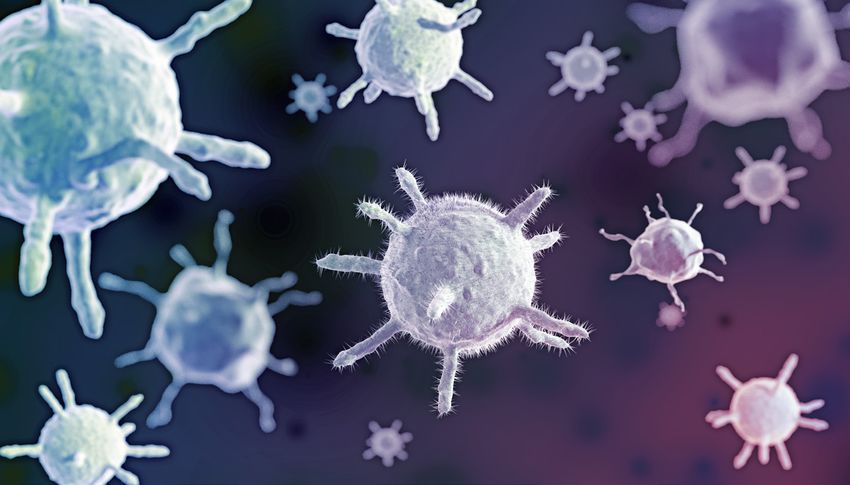
CCDR
                                        The Canada Communicable Disease Report (CCDR)
                                        is a bilingual, peer-reviewed, open-access, online scientific journal
                                        published by the Public Health Agency of Canada (PHAC). It
                                        provides timely, authoritative and practical information on infectious
                                        diseases to clinicians, public health professionals, and policy-makers
 CANADA                                 to inform policy, program development and practice.
 COMMUNICABLE                           The CCDR Editorial Board is composed of members based in
                                        Canada, United States of America, European Union and Australia.
 DISEASE REPORT                         Board members are internationally renowned and active experts in
                                        the fields of infectious disease, public health and clinical research.
                                        They meet four times a year, and provide advice and guidance to the
                                        Editor-in-Chief.
Editorial Team                                                                       CCDR Editorial Board
                                                                                     Members
Editor-in-Chief                      First Nations & Indigenous                      Heather Deehan, RN, BScN, MHSc
Michel Deilgat, CD, BA, MD, MPA,     Advisor                                         Vaccine Distribution and Logistics,
MEd, MIS (c), CCPE                                                                   Public Health Agency of Canada,
                                     Sarah Funnell, BSc, MD, MPH, CCFP,
                                                                                     Ottawa, Canada
                                     FRCPC
Executive Editor                                                                     Jacqueline J Gindler, MD
Alejandra Dubois, BSND, MSc, PhD     Junior Editor                                   Centers for Disease Control and
                                     Lucie Péléja, (Honours) BSc (Psy),              Prevention, Atlanta, United States
Associate Scientific Editor          MSc (Health Systems) (c)                        Rahul Jain, MD, CCFP, MScCH
                                     (University of Ottawa)                          Department of Family and Community
Rukshanda Ahmad, MBBS, MHA
                                                                                     Medicine, University of Toronto and
Production Editor                                                                    Sunnybrook Health Sciences Centre
                                                                                     Toronto, Canada
Wendy Patterson
                                                                                     Jennifer LeMessurier, MD, MPH
                                     Indexed
Editorial Coordinator                in PubMed, Directory of Open Access             Public Health and Preventive
                                     (DOAJ)/Medicus                                  Medicine, University of Ottawa,
Laura Rojas Higuera                                                                  Ottawa, Canada
                                     Available
Web Content Manager                                                                  Caroline Quach, MD, MSc, FRCPC,
                                     in PubMed Central (full text)
                                                                                     FSHEA
Charu Kaushal
                                                                                     Pediatric Infectious Diseases and
                                                                                     Medical Microbiologist, Centre
Copy Editors                         Contact the Editorial                           hospitalier universitaire Sainte-Justine,
Joanna Odrowaz-Pieniazek             Office                                          Université de Montréal, Canada
Pascale Salvatore, BA (Trad.)
                                     phac.ccdr-rmtc.aspc@canada.ca                   Kenneth Scott, CD, MD, FRCPC
Laura Stewart-Davis, PhD
                                     613.301.9930                                    Internal Medicine and Adult Infectious
                                                                                     Diseases
Communications Advisor               Photo credit                                    Canadian Forces Health Services
Lynn Chaaban, BA                     The cover image illustrates the surveillance    Group (Retired), Ottawa, Canada
                                     of a new cluster of COVID-19 one year after     Public Health Agency of Canada
                                     the beginning of the pandemic. Image from       (Retired), Ottawa, Canada
                                     Adobe Stock (https://stock.adobe.com/ca/
                                     search/images?load_type=visual&native_visual_
                                     search=60ad23184352b&similar_content_
                                     id=&is_recent_search=&search_type=visual-
                                     search-browse&k=&filters%5Bcontent_ty
                                     pe%3Aimage%5D=1&filters%5Bcontent_
                                     type%3Aphoto%5D=1&asset_id=333923955)

        CCDR • May/June 2021 • Vol. 47 No. 5/6                     ISSN SN 1481-8531 / Cat. HP3-1E-PDF / Pub. 200434
CCDR
                 TABLE OF CONTENTS
                 SURVEILLANCE
CANADA           Population surveillance approach to detect and respond
COMMUNICABLE     to new clusters of COVID-19
                 EE Rees, R Rodin, NH Ogden
                                                                        243

DISEASE REPORT   Trends in HIV pre-exposure prophylaxis use in eight
                 Canadian provinces, 2014–2018                                  251
                 N Popovic, Q Yang, C Archibald

                 Salmonella enterica serovars associated with bacteremia in
                 Canada, 2006–2019                                         259
                 S Tamber, B Dougherty, K Nguy

                 OUTBREAK
                 Beyond flu: Trends in respiratory infection outbreaks in
                 Ontario healthcare settings from 2007 to 2017, and
                 implications for non-influenza outbreak management             269
                 K Paphitis, C Achonu, S Callery, J Gubbay, K Katz, M Muller,
                 H Sachdeva, B Warshawsky, M Whelan, G Garber, M Murti

                 OVERVIEW
                 Bioaerosols from mouth-breathing: Under-recognized
                 transmissible mode in COVID-19?                                276
                 S Balasubramanian, D Vinayachandran

                 Demonstrating the capacity of the National Advisory
RESPONDING       Committee on Immunization for timely responses to
                 post-market vaccine monitoring signals: Canada’s
TO NEW           experience with the
                 live-attenuated influenza vaccine                              279
                 L Zhao, K Young, A House, R Stirling, M Tunis
CLUSTERS OF
                 QUALITATIVE STUDIES
COVID-19
                 Environmental scan of provincial and territorial planning
                 for COVID-19 vaccination programs in Canada                    285
                 S MacDonald, H Sell, S Wilson, S Meyer, A Gagneur, A Assi,
                 M Sadarangani, and members of the COVImm Study Team

                 SERIES
                 The National Collaborating Centre for Methods and
                 Tools (NCCMT): Supporting evidence-informed
                 decision-makingin public health in Canada                      292
                 H Husson, C Howarth, S Neil-Sztramko, M Dobbins

                                    CCDR • May/June 2021 • Vol. 47 No. 5/6
SURVEILLANCE

Population surveillance approach to detect and
respond to new clusters of COVID-19
 Erin E Rees1*, Rachel Rodin2, Nicholas H Ogden1
                                                                                                            This work is licensed under a Creative
                                                                                                            Commons Attribution 4.0 International
  Abstract                                                                                                  License.

  Background: To maintain control of the coronavirus disease 2019 (COVID-19) epidemic as
  lockdowns are lifted, it will be crucial to enhance alternative public health measures. For
  surveillance, it will be necessary to detect a high proportion of any new cases quickly so that           Affiliations
  they can be isolated, and people who have been exposed to them traced and quarantined.
  Here we introduce a mathematical approach that can be used to determine how many samples
                                                                                                            1
                                                                                                             Public Health Risk Sciences
                                                                                                            Division, National Microbiology
  need to be collected per unit area and unit time to detect new clusters of COVID-19 cases at a            Laboratory, Public Health Agency
  stage early enough to control an outbreak.                                                                of Canada, St. Hyacinthe, QC and
                                                                                                            Guelph, ON
  Methods: We present a sample size determination method that uses a relative weighted                      2
                                                                                                             Infectious Disease Prevention
  approach. Given the contribution of COVID-19 test results from sub-populations to detect the              and Control Branch, Public Health
                                                                                                            Agency of Canada, Ottawa, ON
  disease at a threshold prevalence level to control the outbreak to 1) determine if the expected
  number of weekly samples provided from current healthcare-based surveillance for respiratory
  virus infections may provide a sample size that is already adequate to detect new clusters of
  COVID-19 and, if not, 2) to determine how many additional weekly samples were needed from                 *Correspondence:
  volunteer sampling.                                                                                       erin.rees@canada.ca

  Results: In a demonstration of our method at the weekly and Canadian provincial and territorial
  (P/T) levels, we found that only the more populous P/T have sufficient testing numbers
  from healthcare visits for respiratory illness to detect COVID-19 at our target prevalence
  level—assumed to be high enough to identify and control new clusters. Furthermore, detection
  of COVID-19 is most efficient (fewer samples required) when surveillance focuses on healthcare
  symptomatic testing demand. In the volunteer populations: the higher the contact rates; the
  higher the expected prevalence level; and the fewer the samples were needed to detect
  COVID-19 at a predetermined threshold level.

  Conclusion: This study introduces a targeted surveillance strategy, combining both passive and
  active surveillance samples, to determine how many samples to collect per unit area and unit
  time to detect new clusters of COVID-19 cases. The goal of this strategy is to allow for early
  enough detection to control an outbreak.

Suggested citation: Rees EE, Rodin R, Ogden NH. Population surveillance approach to detect and respond to
new clusters of COVID-19. Can Commun Dis Rep 2021;47(5/6):243–50. https://doi.org/10.14745/ccdr.v47i56a01
Keywords: surveillance, detection, COVD-19, outbreak, mathematical approach

Introduction
As with many countries around the world, Canada has                     timing of the lockdowns controlled at the federal, municipal
implemented lockdowns to control the transmission of the                and provincial and territorial (P/T) levels. At the most simplistic
virus that causes the coronavirus disease 2019 (COVID-19):              level, lockdowns can be relaxed at a defined prevalence level;
severe acute respiratory syndrome coronavirus 2 (SARS-CoV-2).           a strategy used by Germany during their process of lifting
Common lockdowns include travel restrictions and closure of             lockdowns after the first wave of COVID-19 cases (1). To maintain
social gathering locations such as restaurants, bars and other          control of the epidemic as lockdowns are lifted, it is crucial to
indoor entertainment venues. The decision to lift, reduce or            enhance alternative public health measures (contact tracing,
stop lockdown measures is multi-criterial with social, economic         quarantining). Specifically, we need to detect a high proportion
and health considerations and decisions about the extent and            of new cases quickly so that they can be isolated, and people

Page 243          CCDR • May/June 2021 • Vol. 47 No. 5/6
SURVEILLANCE

who have been exposed to or been in contact with these cases         for accounting for under-ascertainment bias when not all
must be traced and quarantined. If there is insufficient capacity    diseased individuals present for health care, in the context of
to test and trace, then resurgence of the epidemic that may          incorporating both passive and active surveillance data (12–14).
overwhelm healthcare capacity is likely (2,3).
                                                                     At the onset of an emerging disease, there may be insufficient
The ability to detect disease in a population depends on the         information to account for challenges to using data from passive
type of surveillance strategy and the required number of samples     surveillance. The goal of this intervention study is to introduce
to test. In large populations (i.e. greater than 1,000) a standard   a targeted surveillance strategy, combining both passive and
approach assumes random sampling from individuals that have          active surveillance samples, and that uses minimal information
equal risk of testing positive for the disease (4). However, if      for determining how many samples to collect per unit area and
information is known about characteristics contributing to the       unit time to detect new clusters of COVID-19 cases—at a stage
probability of testing positive, then a targeted approach can be     early enough to allow case isolation, contact tracing and contact
used to optimize sample size determination by weighing samples       quarantine—to control an outbreak.
in their ability to detect given their characteristics (5).

In Canada there are currently two main strategies for                Methods
collecting samples in COVID-19 surveillance: 1) healthcare
visits and hospital admissions for respiratory illness (health       To determine the need for volunteer sampling, the first step is
care symptomatic testing demand); and 2) at-risk populations         to determine if the expected number of samples obtained from
such as essential workers concerned that they may have been          healthcare-based surveillance for respiratory virus infections
exposed to infection (6–8). However, these methods may not           provide a sample size that is already adequate to detect new
yield a sample size sufficiently large enough to detect new          clusters of COVID-19 at the desired threshold prevalence of
clusters of transmission at a time early enough (i.e. when           infection in the general population for the time frame of interest.
infection prevalence in the community is low) to ensure that         If the sample size is found to be inadequate, the second step is
there is sufficient public health capacity to trace and quarantine   to determine how many additional weekly samples are needed
contacts to control transmission. To achieve a sufficient sample     from volunteers to detect new clusters of COVID-19 at the
size, a sampling strategy that tests volunteers may be required.     desired threshold prevalence in the general population.
This would likely capture more asymptomatic cases than when
sampling those seeking health care; nevertheless, the value of       We used a relative weighted approach, in which the expected
including the volunteer population sampling would be twofold:        prevalence level in a particular section of the population defines
first, to improve early warning by testing more broadly in the       the weight that sample would have in detecting COVID-19 at
community and thus increase the probability of detecting new         p0. The approach assumes random sampling from within the
clusters; and second, to trigger a public health response at a       sampling group. Every sample receives weight points given
determined level of prevalence in the population at which control    the expected prevalence in their population group. Sample
of the outbreak is possible without the need to re-implement         collection continues until enough points have been reached to
widespread lockdowns.                                                detect COVID-19 at p0. We demonstrated our method at the P/T
                                                                     and weekly levels, though this approach can be adjusted to other
Targeted surveillance strategies can be used to efficiently sample   regional units or time frames.
from a population, which contains sub-populations having
different probabilities of being infected, when the goal is early    Step 1: Determine if enough samples are
detection of disease at a given prevalence level (9,10). This        obtained from symptomatic patients in
approach requires weighing samples given their probability of
                                                                     healthcare settings
detection and thus requires information on characteristics that
relate to probability of a positive test result. This information    Pre-COVID-19 in Canada, testing for respiratory viruses was
includes factors affecting exposure and information on the           targeted to inpatients, as well as institutional and outbreak
frequency of these factors within the population, such as the        settings, where it would have the most impact on clinical
proportion of people in each exposure category (11).                 care (15). However, COVID-19 testing is now recommended
                                                                     for all symptomatic individuals in Canada (16). Here, data on
The probability of a positive test result may also include factors   pre-COVID-19 healthcare visits for people with symptoms of
that are inherent to data from passive surveillance (12). The two    respiratory infections are used to determine the expected
main strategies for collecting COVID-19 samples in Canada are        number of weekly healthcare visits at which testing for COVID-19
passive in the sense that people tested have decided to visit        could take place.
a health centre because they have developed symptoms or
are at-risk individuals concerned about exposure. In contrast,       For pre-COVID-19 pandemic healthcare visit data, we needed
a volunteer testing strategy is active surveillance in the sense     to choose a recent time period during which there was no other
of seeking out people to test. Other studies discuss strategies      pandemic underway. During the H1N1 influenza pandemic in

                                                                      CCDR • May/June 2021 • Vol. 47 No. 5/6                 Page 244
SURVEILLANCE

2009–2010, there were obviously more healthcare visits for                                          healthcare visits population, with a prevalence of p, to detect
viral infection symptoms than in most years. We assumed that                                        COVID-19 at p0, during the time frame of interest t, is:
if COVID-19 is being controlled at an acceptable level of risk,
that the expected number of visits will conform to healthcare                                       Equation 2:
visits in years other those in which the H1N1 influenza pandemic                                                          w(i, t) = p(i, t)/p0
occurred. Therefore, we used the mean annual number of
reported visits for the non-pandemic time period of 2016                                            This weight is then used to translate weekly number of
to 2018 as the mean annual expected healthcare visits for                                           healthcare visits E into the number of weight points that go
Canada (n=13,310,000) (Table 1; Canadian Institute for Health                                       towards detecting COVID-19:
Information, unpublished analysis for Public Health Agency of
Canada, 2020). The expected number of weekly healthcare visits                                      Equation 3:
                                                                                                                                          E
per P/T, E, can then be calculated as a function of the population                                                        wp(i, t) =
size of the P/T and time unit:                                                                                                         w(i, t)
                                                                                                    The result, wp(healthcare, t), is then compared with the number
Equation 1:                                                                                         of samples needed to detect at least one positive case of
               P/T population size     Canadian annual number of visits                             COVID-19, d(i, t), in the healthcare visits population using a
        E=                           ×
             Canadian populaton size            52 weeks                                            standard sample size calculation (4):

Table 1: Estimated annual number of ambulatory care                                                 Equation 4:
visits and admissions for respiratory illness during a                                                                               –ln (1 – α)
                                                                                                                         d(i, t) =
non-pandemic time period, Canada, 2016–2018                                                                                             pxf
                   Type of visit                                 Number of visits
                                                                                                    for an α = 0.95 being the confidence of detecting at least
    Hospital admissions                                                              220,000a       one positive case of COVID-19 at a minimum detection threshold
    Emergency department visits                                                    1,900,000a       p = p(healthcare, t), and f = 0.79 being the test sensitivity
    Primary healthcare visits                                                    11,000,000a        for samples from symptomatic people (17). Sample size will
    Number of residents in long-term care                                                           increase with increasing levels of α. Typical values range from
                                                                                      190,000
    homesb                                                                                          0.95 to 0.99, and as more information becomes available, it
    TOTAL                                                                         13,310,000        may become evident that higher levels are needed to detect
a
  Canadian Institute for Health Information (CIHI). Annual number, average of FY 2016–2018          community transmission early enough to control the outbreak. If
  Canadian Institute for Health Information, 2020; refers to publicly funded/subsidized long-term
                                                                                                    wp(i, t) < d(healthcare, t), then more samples from members of
b

care homes
                                                                                                    the public not visiting healthcare are needed to detect at least
                                                                                                    one positive case of COVID-19 at p0.
To determine if E is sufficient to detect COVID-19 as early as
possible at an acceptable level of risk it is necessary to define                                   Step 2: Determine how many additional
the threshold prevalence level, p0, in the general population to                                    weekly samples are needed from volunteers
detect and control the eruption of new cases. For reference,
Germany used a level at p0 = 0.05% during their process of                                          If there are not enough healthcare visit samples, a second step
lifting lockdown (1). This level corresponds to a 7-day period                                      is used to calculate how many additional samples are needed
prevalence of 50/100,000. Here we investigate a more cautious                                       from the general population for early detection during the
value of p0 = 0.025% to correspond to a 7-day period prevalence                                     time frame of interest t. Equation 4 is used again, but this time
of 25/100,000.                                                                                      from the perspective of using volunteer sampling to detect
                                                                                                    COVID-19 at p0, meaning that in Equation 4, p = p0. Furthermore,
Healthcare visits for people with symptoms of respiratory                                           volunteers are mostly asymptomatic, so we define a lower test
infections are expected to have a higher probability of infection                                   sensitivity f = 0.70 for asymptomatic people (18,19). The result,
than asymptomatic people. We assume a 0.64% prevalence                                              d(volunteer, t) is then used to calculate the number of additional
in the healthcare visits population to be a realistic value that                                    tests needed from volunteers given sampling effort from the
can occur when COVID-19 is acceptably controlled and there                                          healthcare visits, E, as:
is a relaxation of public health measures. This value is in the
lower range of weekly mean percent positivity reported in                                           Equation 5:
the Canadian Network for Public Health Intelligence (CNPHI)                                                              a(t) = d(volunteer, t) – E
System for Analysis of Laboratory Tests (SALT) for the month of
May 2020, completing the spring period when maximal public                                          To optimize sample collection from volunteers, we apply the
health measures were in place in Canada. Then the weight of                                         relative weighted approach to target sampling by probability
contribution of samples from sample group i, here being the                                         of testing positive. Selection of volunteer groups depends
                                                                                                    on knowledge of and data availability for characteristics

Page 245                   CCDR • May/June 2021 • Vol. 47 No. 5/6
SURVEILLANCE
influencing the probability for testing positive to COVID-19. In Equation 8:
J
demonstration of our method, we defined volunteer groups by
Z(t) =�v(i, t) x Pr (i, t)
level of contact rates according to occupation data (unpublished i
data from the Centre for Labour Market Information, Statistics
Canada at the request of the Public Health Agency of Canada. Where i is the volunteer sampling group and J is the total number
2020), though other data characteristics could also be used (e.g. of sampling groups.
travel history, age group). The premise is that targeting sampling
to higher risk groups reduces the overall sample size needed This method depends on population size given the calculation
to detect COVID-19. Here we create three plausible volunteer of E. To assess the sensitivity of population size we also show
populations whose expected infection prevalence differ results for Z(t) when p0 = 0.05% to compare the proportion
according to the number of contacts (low, medium and high of population that must be surveyed when p0 = 0.05% and
numbers of contacts) they have with other people (co‑workers p0 = 0.025%.
or other members of the public) each day according to their
occupation. For this example, we use a prevalence for the
medium contact of 0.04%. This is the mean prevalence observed Results
in Alberta for asymptomatic people who were not close
contacts or part of outbreak investigations during a period from Here we present results for sample size determined at the
February 14 to July 5, 2020 (unpublished data from Government provincial level and weekly levels. For all P/T, we assumed the
of Alberta, 2020). We assume the low and high contact group same prevalence levels for the sampling groups. Considering
prevalence levels are then twice and half, respectively, of the only the weight of contribution to detect COVID-19 at p0 given
medium contact group. assumed prevalence of the sampling groups, samples from the
healthcare visits population are at least eight times to result in a
The prevalence from sample group i is used to calculate their positive COVID-19 test result (i.e. 25.6/3.20) (Table 2).
weight of contribution, w(i, t), towards detecting COVID-19 at p0
using Equation 2. Then, the number of tests needed from each Table 2: Prevalence levels and weights of the volunteer
volunteer population, in addition to E, needed to detect at least sample groups in comparison with the healthcare visits
one positive case of COVID-19 at p0 given w(i, t) is calculated as: population with low, l, medium, m, and high, h, contact
rates
Equation 6: Sample groups, Prevalence, Weight,
α(t)
v(i, t) = i p(i, t) w(i, t)
w(i, t)
Healthcare visits 0.64 25.6
Volunteers with high
The value of v(i, t) is the total number of samples to test if contact rates
0.08 3.20
sampling exclusively from that group. The final consideration is
Volunteers with medium
to calculate the optimum number of sample-tests needed from 0.04 1.60
contact rates
all volunteer sample groups given the probability of sampling
p0 0.025 1.0
from their populations. Data from the March 2020 Labour Force
Volunteers with low
Survey (20) and the O*Net occupational database (unpublished 0.02 0.80
contact rates
data from the Centre for Labour Market Information, Statistics
Canada at the request of the Public Health Agency of Canada.
2020) define the proportion of Canadians having jobs with low, As is inherent with the calculation, P/T with higher populations
medium and high contact rates, proportion(i), as 0.112, 0.392, will have a higher number of expected healthcare visits, E.
and 0.494, respectively. Thus, the probability of a sample-test Given the high weight of contribution from this population to
coming from volunteer sampling group i, in a P/T at t, given they detect COVID-19 at p0, larger populations will require fewer
are not part of E is: additional, if any, samples for early detection. If the goal is to
detect COVID-19 at p0 at the P/T level during the time frame
Equation 7: of interest t, then only British Columbia, Alberta, Ontario and
Pr(i,t) = λ x proportion(i) Québec would have a sufficient number of healthcare visit
samples (Table 3). This assumes visits for respiratory illness at the
where λ is the probability of not being in the healthcare visits assumed prevalence levels when maximal public health measures
population: 1 – E/P/T population size. Therefore, the total were in place from mid-March until just before the period of their
number of sample-tests needed from all volunteer populations in relaxation in May 2020.
a P/T at t to detect at least one positive cases of COVID-19 at p0
is: In step 2, it can be seen that low contact rate sample groups
require model samples for early detection (Table 4). In
calculation of the optimum number of additional samples
CCDR • May/June 2021 • Vol. 47 No. 5/6 Page 246SURVEILLANCE
Table 3: Identification of province and territories that Table 4: Number of samples needed to detect
are short of samples by healthcare visits populationa,b COVID-19a,b
Province/territory Ec wp(healthcare, t) d(healthcare, t)
BC 34,522 1,349 Province/ Low Medium High
territory dvolunteer(t) nvolunteer(t) contacts contacts contacts
AB 29,809 1,164
SK d 7,982 312 SK 9,137 11,421 5,711 2,855
MB d 9,304 363 MB 7,814 9,767 4,884 2,442
99,371 3,882 NB 11,850 14,812 7,406 3,703
ON
NS 10,516 13,145 6,573 3,286
QC 57,668 2,253
PE 17,118 16,050 20,063 10,031 5,016
NBd 5,268 206 593
NL 13,597 16,996 8,498 4,249
NSd 6,602 258
YK 16,841 21,051 10,526 5,263
PEd 1,068 42 NT 16,815 21,019 10,509 5,255
NLd 3,522 138 NV 16,854 21,068 10,534 5,267
YK d 277 11 Abbreviations: MB, Manitoba; NB, New Brunswick; NL, Newfoundland and Labrador;
NS, Nova Scotia; NT, Northwest Territories; NV, Nunavut; PE, Prince Edward Island;
NTd 303 12 SK, Saskatchewan; YK, Yukon
a
Number of samples needed to detect COVID-19 at P0 for asymptomatic test sensitivity, dvolunteer(t);
NV d 264 10 number of tests needed in addition to the healthcare visits samples from all volunteer sample
groups, nvolunteer(t), and if sampling exclusively from each group, gvolunteer(sample group,t), with low,
Abbreviations: AB, Alberta; BC, British Columbia; MB, Manitoba; NB, New Brunswick; medium and high contacts at work
NL, Newfoundland and Labrador; NS, Nova Scotia; NT, Northwest Territories; NV, Nunavut; PE, b
Values are rounded up
Prince Edward Island; ON, Ontario; QC, Québec; SK, Saskatchewan; YK, Yukon
a
Identification of province and territories that are short of samples by healthcare visits population
as based on the number of expected healthcare visits, E, translated into weight points,
wp(healthcare, t), and compared to the number of weighted samples, d(healthcare, t), needed to needed to detect COVID-19 at p0, when augmenting with
detect COVID-19 in the healthcare visits population at p0
b
Values are rounded up volunteer samples, Z(t), the low number of E compared with the
Expected number of samples from healthcare visits at the provincial/territorial level, E, and this
total population of the P/T results in Pr(i, t) being very similar
c
number translated into weight points towards detecting COVID-19, wp(healthcare, t)
d
Identification of province and territories that are short of samples by healthcare visits population to the proportion of people with occupations with low, medium
and high contact rates (Table 5). The less populous P/T require
more volunteer samples for early detection because their E is
Table 5: Optimum number of additional samples needed to detect COVID-19
Z(t) at % P/T at
P/T i Population size E λ Proportion (i) Pr(i, t) wp(i, t) Z(t) % P/T
p0 = 0.05% p0 = 0.05%
L 0.99 0.112 0.111 11,420
SK M 1,181,666 7,982 0.99 0.392 0.386 5,710 4,867 0.41 307 0.26
H 0.99 0.494 0.490 2,855
L 0.99 0.112 0.111 9,766
MB M 1,377,517 9,304 0.99 0.392 0.386 4,883 4,162 0.30 N/A N/A
H 0.99 0.494 0.490 2,441
L 0.99 0.112 0.111 14,812
NB M 779,993 5,268 0.99 0.392 0.386 7,406 6,312 0.81 1,753 0.23
H 0.99 0.494 0.490 3,703
L 0.99 0.112 0.111 13,144
NS M 977,457 6,602 0.99 0.392 0.386 6,572 5,602 0.57 1,042 0.11
H 0.99 0.494 0.490 3,286
L 0.99 0.112 0.111 20,063
PE M 158,158 1,068 0.99 0.392 0.386 10,031 8,550 5.41 3,991 2.52
H 0.99 0.494 0.490 5,016
L 0.99 0.112 0.111 17,042
NL M 515,828 3,522 0.99 0.392 0.386 8,521 7,263 1.41 2,703 0.52
H 0.99 0.494 0.490 4,261
Page 247 CCDR • May/June 2021 • Vol. 47 No. 5/6SURVEILLANCE
Table 5: Optimum number of additional samples needed to detect COVID-19 (continued)
Z(t) at % P/T at
P/T i Population size E λ Proportion (i) Pr(i, t) wp(i, t) Z(t) % P/T
p0 = 0.05% p0 = 0.05%
L 0.99 0.112 0.111 21,051
YK M 41,078 277 0.99 0.392 0.386 10,526 8,972 21.8 4,412 10.7
H 0.99 0.494 0.490 5,263
L 0.99 0.112 0.111 21,019
NT M 44,904 303 0.99 0.392 0.386 10,509 8,958 20.0 4,398 9.80
H 0.99 0.494 0.490 5,255
L 0.99 0.112 0.111 21,068
NV M 39,097 264 0.99 0.392 0.386 10,534 8,979 23.0 4,419 11.3
H 0.99 0.494 0.490 5,267
Abbreviations: H, high; L, low; M, medium; MB, Manitoba; N/A; not applicable; NB, New Brunswick; NL, Newfoundland and Labrador; NS, Nova Scotia; NT, Northwest Territories; NV, Nunavut;
PE, Prince Edward Island; P/T, province/territory; SK, Saskatchewan; YK, Yukon
Note: At p0 when augmenting with volunteer samples from sample group i, Z(t), and the underlying values for the calculation, including λ, the probability of not being in the expected healthcare visits
population, E. Also shown is the percentage of the provincial population that would need to participate in volunteer testing at temporal unit t
lower, and hence the percentage of the population that needs to population if assuming p0 = 0.05% instead of p0 = 0.025%, as
volunteer is higher. When p0 is increased from 0.25% to 0.50%, was done for Germany following their first wave of COVID-19
Manitoba has a sufficient number of E for early detection and the infections.
percentage of the population requiring volunteer sampling in the
other P/T is reduced by half (Table 5). Strengths and limitations
We did not consider test specificity in our approach. Polymerase
chain reaction (PCR) tests for SARS-CoV-2 infection show
Discussion excellent specificity of at least 98% but are more variable for
test sensitivity (21,22). Even at 98%, large sample sizes can
We present a relative weighted approach for calculating the result in considerable numbers of false positives; for example,
number of sample-tests required to detect at least one case of 160 false positive test results would be expected from testing
COVID-19 at a threshold level for early detection and control of 8,000 people. False positive test results can have significant
new outbreaks. This approach combines expected numbers of consequences if the person with a false positive result undergoes
tests from healthcare visits, with additional sampling from the unnecessary treatment for COVID that endangers the health of
general population. From the sampling groups, the probability that person. Whereas a false positive result for a healthy person
of detecting COVID-19 is highest from the healthcare visits will only mean self-isolation for a while, and that would have
population. When insufficient samples are available from limited impact on the health of that person.
this group, sampling the general population using a relative
weighted approach can provide the additional samples required. The value of our approach is guiding surveillance efforts at the
onset of an emerging disease when little is known about factors
Our approach is more feasible for large populations because affecting the probability of a sample testing positive for the
they have higher testing rates from the healthcare visits disease. At the onset of disease emergence, surveillance systems
population. If additional samples are needed, then the are developing their capacity to test and collect information
proportion of the population required as volunteers is more that is pertinent for understanding transmission risk. Collecting
achievable than with smaller populations. For example, in our information about high risk factors, such as travel history, lag
demonstration of sample size determination using P/T as the behind socio-demographic information such as sex and age
surveillance population, we find that British Columbia, Alberta, group. Furthermore, the association of socio-demographic
Ontario and Québec already have sufficient sample sizes from information with the test result may not yet have been
the healthcare visits population at the weekly level. Augmenting determined. When information for high risk factors becomes
samples from volunteers requires testing 0.3 to 0.81% of the available, approaches that harness this type of information into
population for Saskatchewan, Manitoba, New Brunswick and a relative weighted approach can refine estimates of sample size
Nova Scotia. However, for Prince Edward Island, Newfoundland determination, as shown by Jennelle et al. (10). This approach
and Labrador, Yukon, Northwest Territories and Nunavut, more includes accounting for changes in the transmission risk over time
than 1%–23% of the population must be tested. It is unlikely as the disease risk grows, peaks and wanes. This also includes
that level of compliance and/or ability to travel to testing sites accounting for the passive nature of surveillance systems that
would be achieved. This range reduces to 0.5%–11.3% of the result in violating the assumption that sampling is non-random.
CCDR • May/June 2021 • Vol. 47 No. 5/6 Page 248SURVEILLANCE
For example, barriers to access healthcare or testing centres in Acknowledgements
relation to gender, age, occupation or ethnicity. Consequently,
overrepresentation of people with a certain socio-demographic None.
profiles may skew the accuracy of prevalence values for the
sampling groups. At present, sampling to collect nasopharyngeal
swabs from patients visiting primary health care is rarely done, so Funding
less invasive sampling methods, such as mouth rinse tests, would
facilitate reaching target sample sizes. None.
At the emergence of a novel disease there is likely insufficient
information to accurately define the probability of a positive References
test result, which can then be used to inform sample size
determination for early detection. Here we present a method 1. Federal Government of Germany. A balanced outcome:
to estimate sample sizes for early detection using limited Angela Merkel reports on meeting with state premiers.
BREG; (modified 2020-05-06; accessed 2021-03-24).
information, as we show with prevalence levels (both estimated
https://www.bundesregierung.de/breg-en/search/merkel-
and assumed) from multiple sampling groups. Weighing the bund-laender-gespraeche-1751090
contribution of a sample from a given sampling group to result
in a positive test result enables a more efficient sampling 2. Ogden NH, Fazil A, Arino J, Berthiaume P, Fisman DN,
strategy for early detection, helping to target surveillance efforts Greer AL, Ludwig A, Ng V, Tuite AR, Turgeon P, Waddell LA,
and resources. Ideally, prevalence levels are updated, when Wu J. Modelling scenarios of the epidemic of COVID-19 in
Canada. Can Commun Dis Rep 2020;46(8):198–204.
possible, to reduce the error in the sample size estimates as
DOI PubMed
the prevalence levels in sampling groups change over time and
space. More specifically, P/Ts can cover large areas, where cities 3. Ng V, Fazil A, Waddell LA, Bancej C, Turgeon P,
may be separated by hundreds of kilometers and, thus, may be Otten A, Atchessi N, Ogden NH. Projected effects of
only weakly connected in terms of drivers of infection. There nonpharmaceutical public health interventions to prevent
may be multiple epidemiological units within a P/T, meaning resurgence of SARS-CoV-2 transmission in Canada. CMAJ
2020;192(37):E1053–64. DOI PubMed
that community transmission patterns are more similar within a
unit than among neighbouring units. Hence, prevalence levels 4. Fosgate GT. Practical sample size calculations for
in the sampling groups can differ among the units over space surveillance and diagnostic investigations. J Vet Diagn Invest
and time. Metrics resulting from surveillance, such as sample size 2009;21(1):3–14. DOI PubMed
determination, are ideally performed at the spatial level of the
epidemiological unit (12). The method presented here can be 5. Hicks AL, Kissler SM, Mortimer TD, Ma KC, Taiaroa G,
Ashcroft M, Williamson DA, Lipsitch M, Grad YH. Targeted
adapted to the level of an epidemiological unit. This approach surveillance strategies for efficient detection of novel
would ensure that sample size determination for early detection antibiotic resistance variants. eLife 2020;9:e56367.
is reflective of the sampling efforts (i.e. E) and prevalence levels DOI PubMed
for the sampling groups that are unique to the unit during the
time frame of interest. 6. Public Health Ontario. Enhanced epidemiological
summary: COVID-19 in Ontario: A summary of wave 1
transmission patterns and case identification. PHO; 2020.
Conclusion https://www.publichealthontario.ca/-/media/documents/
This intervention study introduces a targeted surveillance ncov/epi/2020/08/covid-19-wave-1-transmission-p
strategy, combining both passive and active surveillance samples, atterns-epi-summary.pdf?la=en
to determine how many samples to collect per unit area and
unit time to detect new clusters of COVID-19 cases. The goal of 7. Short DL. Alberta Health no longer recommending
asymptomatic testing. Edmonton Journal;
this strategy is to allow for early enough detection to control an (modified 2020-09-17). https://edmontonjournal.com/
outbreak. news/local-news/alberta-health-no-longer-recommending-
asymptomatic-testing
Authors’ statement 8. BC Centre for Disease Control. Phases of COVID-19 testing
in BC. BDCDC; 2020. http://www.bccdc.ca/health-info/
EER — Conception, formal analysis, writing–original draft, diseases-conditions/covid-19/testing/phases-of-covid-
writing–review and editing 19-testing-in-bc
RR — Conception, revising of writing, critical review
NHO — Conception, revising of writing, critical review 9. Walsh DP, Miller MW. A weighted surveillance
approach for detecting chronic wasting disease foci.
Competing interest J Wildl Dis 2010;46(1):118–35. DOI PubMed
None.
Page 249 CCDR • May/June 2021 • Vol. 47 No. 5/6SURVEILLANCE
10. Jennelle CS, Walsh DP, Samuel MD, Osnas EE, Rolley R, 17. Kojima N, turner F, Slepnev V, Bacelar A, Deming L,
Langenberg J, Powers JG, Monello RJ. memarest ED, Kodeboyia S, Slausner JD. Self-Collected Oral Fluid and
Guber R, Heisey DM. Applying a Bayesian weighted Nasal Swab Specimens Demonstrate Comparable Sensitivity
surveillance approach to detect chronic wasting disease in to Clinician-Collected Nasopharyngeal Swab Specimens for
white-tailed deer. J Appl Ecol 2018;55(6):2944–53. DOI the Detection of SARS-CoV-2. Clin Infec Dis. 2020;ciaa 1589.
DOI
11. Dohoo I, Martin W, Stryhn H. Veterinary Epidemiology
Research 2nd Edition. Charlottetown, Canada: VER Inc.; 2009. 18. Public Health Ontario. COVID-19 Laboratory Testing Q&As.
PHO; 2020. https://www.publichealthontario.ca/-/media/
12. Cameron AR, Meyer A, Faverjon C, Mackenzie C. documents/lab/covid-19-lab-testing-faq.pdf?la=en
Quantification of the sensitivity of early detection
surveillance. Transbound Emerg Dis 2020;67(6):2532–43. 19. BC Centre for Disease Control. Interpreting the results
DOI PubMed of Nucleic Acid Amplification testing (NAT; or PCR
tests) for COVID-19 in the Respiratory Tract. BCCDC;
13. Hadorn DC, Stärk KD. Evaluation and optimization of (updated 2020-04-03). https://medicalstaff.islandhealth.
surveillance systems for rare and emerging infectious ca/sites/default/files/covid-19/testing/covid-interpretin
diseases. Vet Res 2008;39(6):57. DOI PubMed g-test-results-nat-pcr-bccdc.pdf
14. Li X, Chang HH, Cheng Q, Collender PA, Li T, He J, 20. Statistics Canada. Labour Force Survey, March 2020.
Waller LA, Lopman BA, Remais JV. A spatial hierarchical Statistic Canada; (updated 2020-04-09). https://www150.
model for integrating and bias-correcting data from statcan.gc.ca/n1/en/daily-quotidien/200409/dq200409a-fra.
passive and active disease surveillance systems. pdf?st=kEd0dF4B
Spat Spatio-Temporal Epidemiol 2020;35:100341.
DOI PubMed 21. Mustafa Hellou M, Górska A, Mazzaferri F, Cremonini E,
Gentilotti E, De Nardo P, Poran I, Leeflang MM,
15. Public Health Ontario. LABSTRACT – December 2020: Tacconelli E, Paul M. Nucleic acid amplification tests
Respiratory Virus Testing Update. PHO; 2020. https://www. on respiratory samples for the diagnosis of coronavirus
publichealthontario.ca/-/media/documents/lab/lab-sd-121- infections: a systematic review and meta-analysis.
respiratory-viral-testing-algorithm-enhanced-surveillance- Clin Microbiol Infect 2021;27(3):341–51. DOI PubMed
update.pdf?la=en
22. Mironas A, Jarrom D, Campbell E, Washington J, Ettinger S,
16. Government of Canada. National polymerase chain Wilbacher I, Endel G, Vrazic H, Myles S, Prettyjohns M.
reaction (PCR) testing indication guidance for COVID-19. How to best test suspected cases of COVID-19: an analysis
2020 (accessed 2020-10). https://www.canada.ca/en/ of the diagnostic performance of RT-PCR and alternative
public-health/services/diseases/2019-novel-coronavirus- molecular methods for the detection of SARS-CoV-2.
infection/guidance-documents/national-laborator medRxiv. 2021.01.15.21249863. DOI
y-testing-indication.html
CCDR • May/June 2021 • Vol. 47 No. 5/6 Page 250SURVEILLANCE
Trends in HIV pre-exposure prophylaxis use in
eight Canadian provinces, 2014–2018
Nashira Popovic1*, Qiuying Yang1, Chris Archibald1
This work is licensed under a Creative
Commons Attribution 4.0 International
Abstract License.
Introduction: Canada has endorsed the Joint United National Programme on HIV and AIDS
global targets to end the acquired immunodeficiency syndrome (AIDS) epidemic, including
reducing new human immunodeficiency virus (HIV) infections to zero, by 2030. Given the Affiliation
effectiveness of pre-exposure prophylaxis (PrEP) to prevent new infections, it is important to 1
Centre for Communicable
measure and report on PrEP utilization to help inform planning for HIV prevention programs Disease and Infection Control,
and policies. Public Health Agency of Canada,
Ottawa, ON
Methods: Annual estimates of persons using PrEP in Canada were generated for 2014–2018
from IQVIA’s geographical prescription monitor dataset. An algorithm was used to distinguish
users of tenofovir disoproxil fumarate/ emtricitabine (TDF/FTC) for PrEP versus treatment or
post-exposure prophylaxis. We provide the estimated number of people using PrEP in eight *Correspondence:
Canadian provinces by sex, age group, prescriber specialty and payment type. nashira.popovic@canada.ca
Results: The estimated number of PrEP users increased dramatically over the five-year
study period, showing a 21-fold increase from 460 in 2014 to 9,657 in 2018. Estimated PrEP
prevalence was 416 users per million persons across the eight provinces in 2018. Almost all
PrEP users were male. Use increased in both sexes, but increase was greater for males (23-fold)
than females (five-fold). Use increased across all provinces, although there were jurisdictional
differences in the prevalence of use, age distribution and prescriber types.
Conclusion: The PrEP use in Canada increased from 2014 to 2018, demonstrating increased
awareness and uptake of its use for preventing HIV transmission. However, there was uneven
uptake by age, sex and geography. Since new HIV infections continue to occur in Canada, it
will be important to further refine the use of PrEP, as populations at higher risk of HIV infection
need to be offered PrEP as part of comprehensive sexual healthcare.
Suggested citation: Popovic N, Yang Q, Archibald C. Trends in HIV pre-exposure prophylaxis use in eight
Canadian provinces, 2014–2018. Can Commun Dis Rep 2021;47(5/6):251–8.
https://doi.org/10.14745/ccdr.v47i56a02
Keywords: HIV, Canada, pre-exposure prophylaxis, prevention
Introduction
The government of Canada has endorsed the Joint United The estimated number of new HIV infections in Canada has
National Programme on HIV and AIDS (UNAIDS) global targets decreased from about 4,000 per year in the mid-1980s to an
to end the AIDS epidemic (1–3), including reducing new human estimated 2,165 in 2016 (4). This decrease is likely due, in
immunodeficiency virus (HIV) infections to zero, by 2030. Given part, to the introduction of effective antiretroviral treatment,
the effectiveness of pre-exposure prophylaxis (PrEP) to prevent which can suppress viral load and thereby decrease HIV
new infections, and the goal of increasing access to combination transmission (5,6). The estimated number of new HIV infections
prevention for key populations, it is important to measure and in Canada decreased until 2011, but has been stable or has
report on its uptake in Canada. Increasing our understanding increased slightly since then (4), despite the availability of
of trends in PrEP utilization will help to inform planning for HIV antiretroviral therapy as well as behavioural interventions.
prevention programs and policies. Pre‑exposure prophylaxis is one of the highly effective strategies
to reduce the risk of acquiring an HIV infection, and has the
potential to contribute to decreasing HIV incidence in Canada. In
Page 251 CCDR • May/June 2021 • Vol. 47 No. 5/6SURVEILLANCE
2016, Health Canada approved the drug combination tenofovir (persons on HIV treatment). Second, we excluded persons who
disoproxil fumarate/emtricitabine (TDF/FTC) for use as PrEP; and were prescribed with TDF alone (for hepatitis B treatment). Third,
in July 2017, lower cost generic versions became available in we excluded persons who were prescribed TDF-FTC for fewer
Canada. than 30 days (PEP users). In any given year, persons prescribed
TDF-FTC who were not excluded with our algorithm were
Because PrEP use is not included in national HIV surveillance considered PrEP users.
in Canada, one feasible method to estimate uptake is through
the analysis of administrative prescription data. The Public Figure 1: Algorithm to assign pre-exposure prophylaxis
Health Agency of Canada purchased and analysed data from treatment indication
the IQVIA longitudinal prescriptions database to estimate the
Persons aged >2 months and had filled at least one
number of persons prescribed PrEP (“PrEP users”) from eight prescription for TDF-FTC
Canadian provinces, and to describe their basic demographic
Exclude persons with indicators for HIV infection:
characteristics. Persons who had antiretrovirals other than TDF-FTC
within ±3 months
Methods Exclude persons with indicators for hepatitis B
infection: Persons who were prescribed TDF alone
Data source Persons prescribed TDF-FTC for PrEP or PEP
Data on antiretroviral drug prescriptions dispensed between
January 1, 2014 and December 31, 2018, were extracted by
IQVIA from their geographical prescription monitor dataset. Exclude persons prescribed TDF-FTC for ≤30 days
The IQVIA database includes Canadian aggregate dispensed (i.e. possible PEP)
prescription data projected from a sample of approximately
6,000 pharmacies in the eight available provinces, representing
Persons prescribed TDF-FTC for PrEP
close to 60% of all retail pharmacies in Canada. Patient counts
are then projected from this sample of pharmacies. While
dispensation data provided to IQVIA is de-identified, it is linkable Abbreviations: HIV, human immunodeficiency virus; PEP, post-exposure prophylaxis;
PrEP, pre-exposure prophylaxis; TDF-FTC, tenofovir disoproxil fumarate/emtricitabine
by IQVIA for the same person using anonymous identifiers,
allowing for counts of unique individuals. The database includes
antiretroviral drugs dispensed and de-identified, individual‑level For the entire analysis, all ages were taken into account when
information on patient demographics (sex, age group), the IQVIA extracted the data and estimated the number of projected
physician specialty and payer type (private insurance, public patients by indication. However, the results for patients younger
insurance or out of pocket). than 15 years of age were omitted in the age and sex analysis
due to small counts.
Missing data on PrEP users are possible within this dataset,
since only prescriptions that were acquired from a community Analysis
pharmacy are included. Dispensations from hospital pharmacies, Pre-exposure prophylaxis use estimates by sex, age group, payer
those provided at no cost, and those purchased online are not type and physician specialty are descriptive. The prevalence of
included. persons who used PrEP among all persons 15 years of age and
older per million for each year were also estimated. Cochran
Algorithm to identify pre-exposure prophylaxis Armitage trend tests were conducted to determine whether
users the proportion of PrEP uptake changed significantly over time.
Analyses were performed using SAS Version 9.4 (SAS Institute).
Specific diagnostic or procedural codes for PrEP use are not
available within the IQVIA database; therefore, an algorithm was
used to estimate the annual number of PrEP users (Figure 1). Results
This algorithm discerned whether TDF/FTC was prescribed
for PrEP, HIV treatment, hepatitis B treatment or HIV post- In 2018, a total of 9,657 people were estimated to be on PrEP
exposure prophylaxis (PEP), and was adapted from a validated in eight Canadian provinces (Saskatchewan (SK), Manitoba (MB),
United States Centers for Disease Control algorithm (7–9) and Ontario (ON), Québec (QC), New Brunswick (NB),
modified to fit the Canadian context. Briefly, in a given year, we Nova Scotia (NS), Prince Edward Island (PE) and Newfoundland
selected persons older than two months of age who had one and Labrador (NL)). The estimated number of PrEP users
or more TDF-FTC prescription. Since TDF-FTC is also used to increased dramatically over the five-year study period (Table 1),
treat HIV or hepatitis B infections and as HIV PEP, we applied showing a 21-fold increase from 460 in 2014 to 9,657 in 2018.
several exclusion criteria. First, we excluded persons who were Almost all (98%) PrEP users were male during the five-year time
prescribed antiretrovirals other than TDF-FTC within ±3 months period and the number of users increased in both sexes, but
CCDR • May/June 2021 • Vol. 47 No. 5/6 Page 252SURVEILLANCE
increases were greater for males (23-fold) than females (five-fold) Figure 2: Estimated prevalence (per million) of persons
(Table 1). prescribed pre-exposure prophylaxisa, by sex and
overall, in eight provinces in Canadab, 2014–2018
Table 1: Annual estimated number of individuals
821.4
prescribed pre-exposure prophylaxisa, by sex and age
group, in eight provinces in Canada, 2014–2018
PrEP prevalence (per million population)
Estimated Number (%) by year
PrEP users 2014 2015 2016 2017 2018
Sex # % # % # % # % # %
456.8
Male 411 89.5 1,267 96.8 2,842 97.3 5,147 97.3 9,401 97.6
416.0
Female 48 10.5 42 3.2 79 2.7 141 2.7 235 2.4
Total 460 100.0 1,309 100.0 2,922 100.0 5,291 100.0 9,657 100.0
255.6
All estimated PrEP users
231.3
Age group
# % # % # % # % # %
(years)
129.3
115.2
15–17 0 0.0 3 0.2 3 0.1 6 0.1 19 0.2
58.5
37.6
18–24 15 3.3 30 2.3 91 3.1 234 4.4 860 8.9
20.7
20.0
12.1
6.9
4.2
3.7
25–35 99 21.5 351 26.8 913 31.2 1,815 34.3 3,527 36.5
2014 2015 2016 2017 2018
36–45 136 29.6 430 32.8 920 31.5 1,626 30.7 2,604 27.0
Year
46–55 120 26.1 316 24.1 637 21.8 985 18.6 1,683 17.4
Male Female Overall
56–64 30 12.6 90 9.2 196 9.2 332 9.0 435 7.5
65+ 32 7.0 53 4.0 90 3.1 148 2.8 237 2.5 Abbreviation: PrEP, pre-exposure prophylaxis
Male PrEP users
a
Data obtained from IQVIA longitudinal prescription database
b
Manitoba, New Brunswick, Newfoundland and Labrador, Nova Scotia, Ontario,
Age group Prince Edward Island, Québec and Saskatchewan
# % # % # % # % # %
(years)
15–17 0 0.0 3 0.2 3 0.1 6 0.1 17 0.2
18–24 12 2.9 27 2.1 88 3.1 225 4.4 807 8.6 The estimated number of male PrEP users increased across all
25–35 81 19.7 338 26.7 881 31.0 1,755 34.1 3,433 36.5 age groups between 2014 and 2018, while the relative increase
36–45 124 30.2 415 32.8 898 31.6 1,586 30.8 2,552 27.1 in male PrEP users was greatest in the 18–24 year age category
46–55 112 27.3 310 24.5 624 22.0 966 18.8 1,650 17.6 (67-fold) (Table 1). Males aged 36–45 years comprised the
56–64 53 12.9 121 9.6 259 9.1 462 9.0 707 7.5 greatest proportion of PrEP users from 2014 to 2016; however,
65+ 29 7.1 53 4.2 89 3.1 147 2.9 235 2.5
in 2017 and 2018, there was a shift to the younger age category
Female PrEP users
with males aged 25–35 years making up the highest proportion
Age group
(years)
# % # % # % # % # % of PrEP users (Table 1).
15–17 0 0.0 0 0.0 0 0.0 0 0.0 2 0.9
18–24 3 6.3 3 7.1 3 3.8 9 6.4 51 21.7 The estimated number of female PrEP users also increased across
25–35 17 35.4 13 31.0 32 40.5 57 40.4 82 34.9 all age groups between 2015 and 2018, with the exception of
36–45 12 25.0 15 35.7 21 26.6 40 28.4 50 21.3 the 65+ age group (Table 1). The relative increase in female PrEP
46–55 8 16.7 6 14.3 13 16.5 19 13.5 30 12.8 users was greatest in the 18–24 years of age category (17-fold
56–64 5 10.4 5 11.9 9 11.4 15 10.6 18 7.7 increase). The 25–35 years of age category consistently made up
65+ 3 6.3 0 0.0 1 1.3 1 0.7 2 0.9
the greatest proportion of female PrEP users except for 2015,
Abbreviation: PrEP, pre-exposure prophylaxis
a
Data obtained from IQVIA longitudinal prescription database when females aged 36–45 years accounted for the greatest
proportion (Table 1). These percentages were based on relatively
small numbers; therefore, these trends should be interpreted
The prevalence of persons prescribed PrEP among those 15 with caution.
years of age or older increased significantly, from 20.7 per million
in 2014 to 416.0 per million in 2018 (Ptrend < 0.001) (Figure 2). Pre-exposure prophylaxis was most frequently prescribed by
When stratified by sex, PrEP prevalence among the male primary care providers (family and general practitioners), and
population increased significantly over time (Ptrend < 0.001) with this trend was consistent over the five-year period. In 2018, the
a very large increase in 2018 to 821.4 persons prescribed PrEP majority of the estimated PrEP users were prescribed TDF/FTC
per million. The PrEP prevalence among the female population by primary care providers (75.5%), followed by infectious
also showed an increasing trend, from 4.2 per million in 2014 disease specialists (11.9%), internal medicine specialists (4.7%)
to 20.0 per million in 2018 (Ptrend < 0.001); however, the overall and others (3.8%) (Table 2). From 2014 to 2018, the estimated
uptake among females was much lower than that in the male proportion of users whose PrEP was prescribed by infectious
population (Figure 2). disease and internal medicine physicians decreased by 30% while
the estimated proportion prescribed by primary care providers
increased by 10 % (Table 2).
Page 253 CCDR • May/June 2021 • Vol. 47 No. 5/6SURVEILLANCE
Table 2: Annual estimated number of individuals respectively (Table 3). Consistently, more than 85% (range
prescribed pre-exposure prophylaxisa, by prescriber 87%–100%) of PrEP users were males across all provinces (data
specialty, payment typeb and selected provincesc in not shown).
Canada, 2014–2018
Number (%) by year
Table 3: Annual estimated pre-exposure prophylaxisa
Estimated
PrEP users prevalence (per million) in eight provinces in Canada,
2014 2015 2016 2017 2018
2014–2018
Prescriber
# % # % # % # % # %
specialty Annual estimated Number (per million) by year
Primary care
275 68.9 896 79.6 2,037 78.9 3,616 78.8 6,107 75.5
PrEP prevalence
provider (by province) 2014 2015 2016 2017 2018
Infectious Manitoba 7.7 9.5 15.0 44.4 107.5
68 17.0 125 11.1 294 11.4 589 12.8 965 11.9
diseases
Internal New Brunswick 0.0 0.0 92.0 151.0 204.7
28 7.0 43 3.8 73 2.8 113 2.5 381 4.7
medicine Newfoundland and
0.0 2.2 8.8 26.4 81.7
Public health Labrador
and preventive 0 0.0 7 0.6 40 1.5 49 1.1 196 2.4
Nova Scotia 0.0 5.0 107.6 193.7 292.5
medicine
Medical Ontario 21.0 50.4 120.1 229.6 471.5
8 2.0 16 1.4 59 2.3 88 1.9 130 1.6
microbiology Prince Edward Island 0.0 0.0 0.0 0.0 26.5
Others 20 5.0 39 3.5 78 3.0 131 2.9 308 3.8
Québec 30.4 102.2 192.0 308.6 445.9
Payer type # % # % # % # % # %
Saskatchewan 0.0 0.0 13.1 69.0 354.9
Out of pocket 19 4.1 45 3.4 89 3.0 191 3.6 258 2.7
Abbreviation: PrEP, pre-exposure prophylaxis
Private a
Data obtained from IQVIA longitudinal prescription database
282 61.3 899 68.8 2,068 70.6 3,874 73.2 6,612 68.4
insurance
Public
159 34.6 362 27.7 771 26.3 1,226 23.2 2,793 28.9
insurance
Province In five of the provinces (NL, NS, ON, PE and SK), the age
Manitoba 8 9 16 43 129 group with the highest proportion of PrEP use was 25–35
New Brunswick 0 0 60 100 136 years, followed by 36–45 years (Figure 3). The age of PrEP
Newfoundland users differed for MB, with those aged 46–55 years being the
0 1 4 12 37
and Labrador second highest proportion of users. In NB, PrEP users were
Nova Scotia 0 5 98 178 281 older, with the highest proportion of PrEP users among those
Ontario 239 579 1,397 2,715 5,684
aged 36–45 years, followed by 56–64 years. In QC, the highest
Prince Edward
Island
0 0 0 0 12 proportion was among people aged 36–45 years followed by
Québec 192 696 1,316 2,182 3,244 25–35 years.
Saskatchewan 0 0 11 44 342
Abbreviation: PrEP, pre-exposure prophylaxis Figure 3: Estimated proportion of individuals prescribed
Data obtained from IQVIA longitudinal prescription database
pre-exposure prophylaxisa by age group, 2014–2018
a
b
Payer type—eight provinces (Manitoba, New Brunswick, Newfoundland and Labrador,
Nova Scotia, Ontario, Prince Edward Island, Québec and Saskatchewan) 60%
c
Prescriber specialty—five provinces (New Brunswick, Nova Scotia, Ontario, Québec and
Saskatchewan)
50%
On average, more than two-thirds of the estimated PrEP users
covered the cost of the prescription through private health
Proportion of PrEP users (%)
40%
insurance, and this trend was consistent over time (Table 2).
The estimated number of PrEP prescriptions covered by private
30%
and public insurance increased from 2015 to 2018 by 23-fold
and 18-fold, respectively (Table 2). Approximately 3%–4% of
PrEP prescriptions were paid “out of pocket” by the individual. 20%
However, no follow-up was done for these individuals whose
expenses could then have been reimbursed by private or public 10%
health insurance (Table 2).
0%
MB NB NL NS ON PE QC SK
Annual PrEP use increased in every province (Table 2); however, Province
there was variation within the increasing trend of people on PrEP
15–17 18–24 25–35 36–45 46–55 56–64 65+
between the eight provinces. Annual PrEP prevalence for each Abbreviations: MB, Manitoba; NB, New Brunswick: NL, Newfoundland and Labrador;
NS, Nova Scotia; ON, Ontario; PE, Prince Edward Island; PrEP, pre-exposure prophylaxis;
province by year, showed that 2018 PrEP prevalence was highest QC, Québec; SK, Saskatchewan
in ON, QC and SK, at 471, 446 and 355 per million persons, a
Data obtained from IQVIA longitudinal prescription database
CCDR • May/June 2021 • Vol. 47 No. 5/6 Page 254You can also read


