ROYAL MALAYSIAN AIR FORCE BASE BUTTERWORTH, MALAYSIA AUSTRALIAN DEFENCE FORCE FACILITIES RATIONALISATION - STATEMENT OF EVIDENCE TO THE ...
←
→
Page content transcription
If your browser does not render page correctly, please read the page content below
ROYAL MALAYSIAN AIR FORCE BASE
   BUTTERWORTH, MALAYSIA

  AUSTRALIAN DEFENCE FORCE
  FACILITIES RATIONALISATION

        STATEMENT OF EVIDENCE
                TO THE
   PARLIAMENTARY STANDING COMMITTEE
           ON PUBLIC WORKS

                         DEPARTMENT OF DEFENCE
                                 CANBERRA ACT
                                       May 2007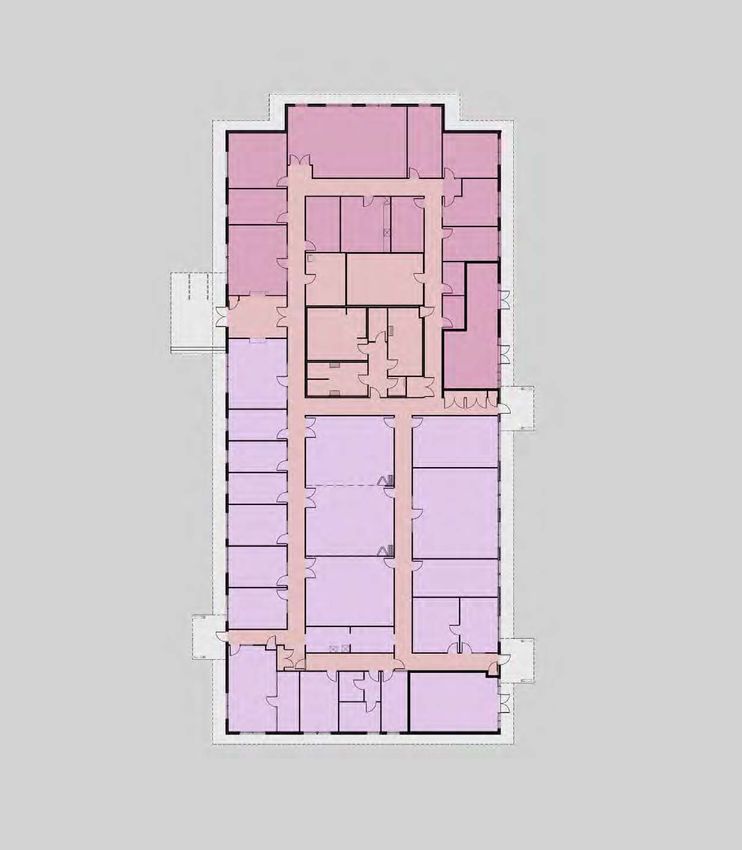
i

TABLE OF CONTENTS

THE ADF PRESENCE AT RMAF BUTTERWORTH.................................................1
Location and History ...........................................................................................................1
Australia’s Defence Objectives ...........................................................................................1
Operations and Deployments ..............................................................................................2
Roles of ADF Units at RMAF Butterworth ........................................................................3
Facilities Allocated to the ADF...........................................................................................3
Planning for ADF Facilities.................................................................................................4
IDENTIFICATION OF THE NEED...............................................................................5
Project Objectives................................................................................................................5
     The Need for the Work................................................................................................5
     Administrative Facilities .............................................................................................6
     Logistic Facilities ........................................................................................................6
     Domestic Facilities ......................................................................................................7
     Training and Physical Fitness Facilities ......................................................................8
Description of Proposal .......................................................................................................9
Options and Reasons for Adopting the Proposed Course of Action ...................................9
Environmental Impact Assessment ...................................................................................10
Heritage Considerations ....................................................................................................10
Consultation with Stakeholders.........................................................................................11
Revenue .............................................................................................................................11
TECHNICAL INFORMATION ....................................................................................12
Project Location.................................................................................................................12
Project Scope .....................................................................................................................12
Details of Site Selection ....................................................................................................13
Site Description .................................................................................................................14
Zoning and Approvals .......................................................................................................14
Land Acquisition ...............................................................................................................14
Applicable Codes and Standards .......................................................................................14
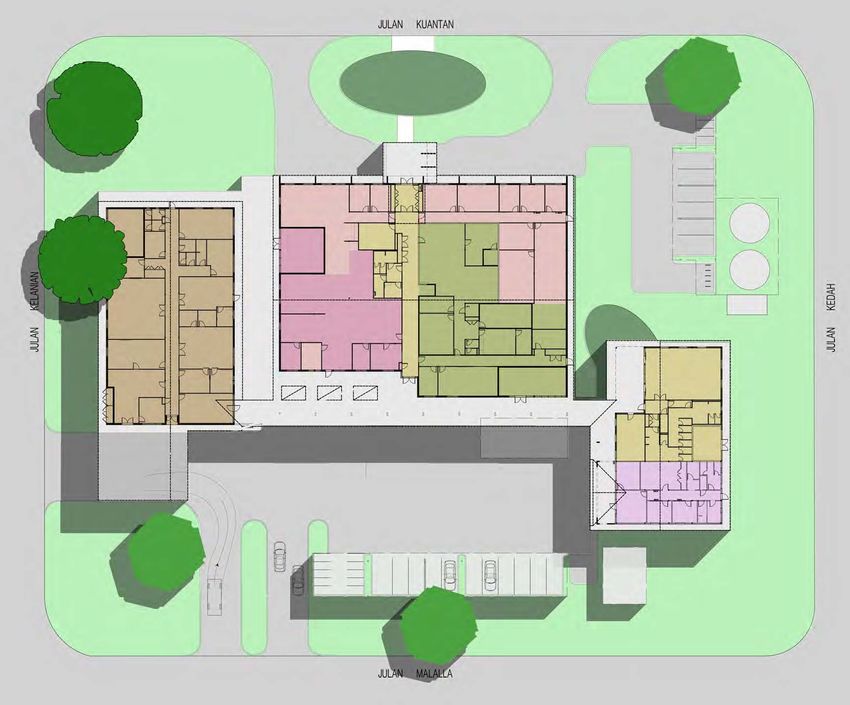
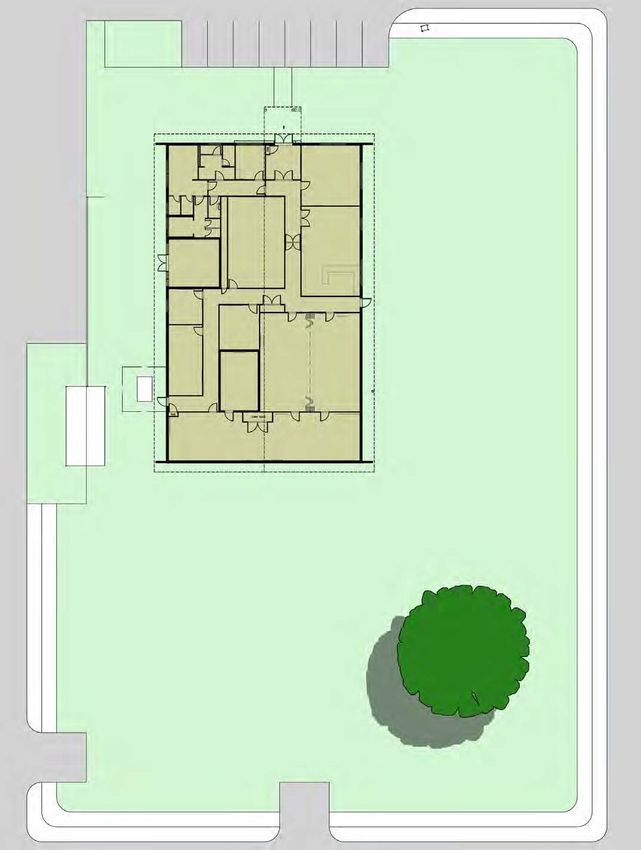
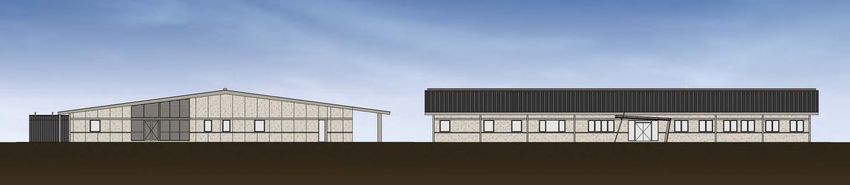
Planning and Design Issues. ..............................................................................................14
Acoustics ...........................................................................................................................16
Water and Energy Conservation Measures .......................................................................17
Master Planning.................................................................................................................17
Earlier and Future Works. .................................................................................................18
Access for the Disabled .....................................................................................................18
Child Care..........................................................................................................................18
Fire Protection ...................................................................................................................18
Security..............................................................................................................................19
Communications................................................................................................................19
Occupational, Health and Safety .......................................................................................20
Landscaping.......................................................................................................................20
Asbestos and Contamination Removal..............................................................................20
Furniture and Fittings ........................................................................................................20
Consultation with Relevant Authorities. ...........................................................................21
Impact on Local Community.............................................................................................21
Project Costs......................................................................................................................21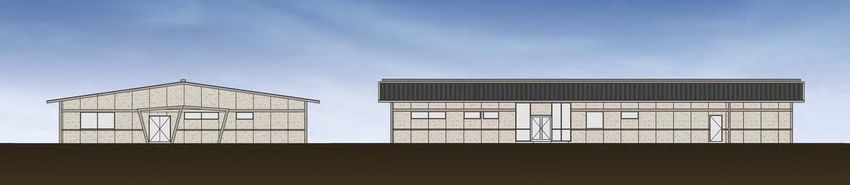
ii

Project Delivery System ....................................................................................................22
Project Schedule ................................................................................................................22

ANNEXES
A.      Regional Location Plan
B.      ADF Facilities Development Plan
C.      Facilities Allocated to the ADF
D.      Sketch Plans of Proposed Works
1

THE ADF PRESENCE AT RMAF BUTTERWORTH

Location and History

1.    Royal Malaysian Air Force Base Butterworth (RMAF Butterworth) is located on
the north-west coast of Malaysia, adjacent to the island of Penang (see Location Plan at
Annex A). The base has been of strategic importance since World War II, during which
it was initially occupied by Royal Air Force (RAF) and Royal Australian Air Force
(RAAF) units, and subsequently by Japanese forces. RMAF Butterworth was used for
RAF and RAAF activity against the Communist insurgency between 1950 and 1963 and
was placed under RAAF control in 1958 as part of the Commonwealth Strategic
Reserve. No 3 and No 77 Squadrons were based there during the 1960s period of
confrontation with Indonesia, providing a vital level of security.

2.    The base was formally transferred to the Malaysian Government in 1970
following Malaysian independence. As the RMAF was in its infancy and not in a
position to fully take over an air defence role, two RAAF fighter squadrons were based
at RMAF Butterworth until 1988.

3.    An Australian Army Rifle Company has been stationed at RMAF Butterworth on
a rotational basis since the early 1970s. While it’s initial focus was protection of the
base, its emphasis has shifted to training and bilateral exercises in Malaysia, Singapore
and Thailand.

4.    RMAF Butterworth routinely supports deployments of aircraft from the RAAF’s
Air Combat, Air Lift and Aerospace Operational Support Group.

Australia’s Defence Objectives

5.    The Government’s White Paper on Defence, Defence 2000: Our Future Defence
Force, outlines the basis for Australia’s defence relationship with Malaysia.        The
guidance in that document remains current:

      “5.37 Australia and Malaysia have a long history of military cooperation,
      demonstrated over the years by Australia’s support of the territorial integrity of
      Malaysia in earlier crises and through the ongoing ADF presence at Butterworth.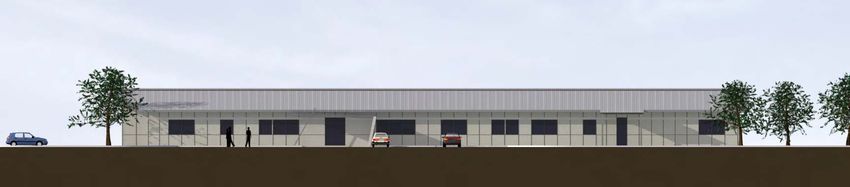
2

        A wide range of practical bilateral cooperation underlines the durability of our
        shared interests in regional security.

        5.38 Australia’s membership of the Five Power Defence Arrangements (FPDA)
        commits Australia, along with New Zealand and the United Kingdom, to assist
        Malaysia and Singapore against external aggression. Membership of the FPDA
        serves enduring Australian interests in the security of maritime Southeast Asia,
        and complements our bilateral relationships in the region.………”

6.      The ADF presence and level of operational activity at RMAF Butterworth is a
consequence of the FPDA. The Arrangements provided a basis for planning a response
to an attack on either Malaysia or Singapore, but has increasingly provided a framework
within which to advance the interoperability of member countries’ armed forces. The
FPDA has recently expanded its activities to counter non-conventional threats, initially
focusing on maritime security. In 2006, the Ministers agreed that the FPDA would
explore avenues for regional humanitarian assistance and disaster relief.

7.      Established in 1992, the Malaysia-Australia Joint Defence Program provides a
framework for defence activities from high-level policy talks to individual training
programs. A Status of Forces Agreement, which took effect in 1999, set up standard
conditions for the presence of visiting forces of either country on issues such as
jurisdiction, claims, immigration, and customs.

8.      The Defence International Engagement Plan 2006-2009 reaffirms Australia’s
commitment to the FPDA and underpins a commitment to a continuing ADF presence
at RMAF Butterworth at the current level of manning.

9.      More information on Australia’s relations with Malaysia is contained in
Defence’s submission to the Inquiry into Australia’s Relations with Malaysia by the
Joint Standing Committee on Foreign Affairs, Defence and Trade, held in October
2006.

Operations and Deployments

10.     The ADF participates in and supports a range of operational activity from RMAF
Butterworth, including the rotational deployments of Rifle Company Butterworth,
regular deployments of Maritime Patrol Aircraft, and involvement in several
multinational exercises each year.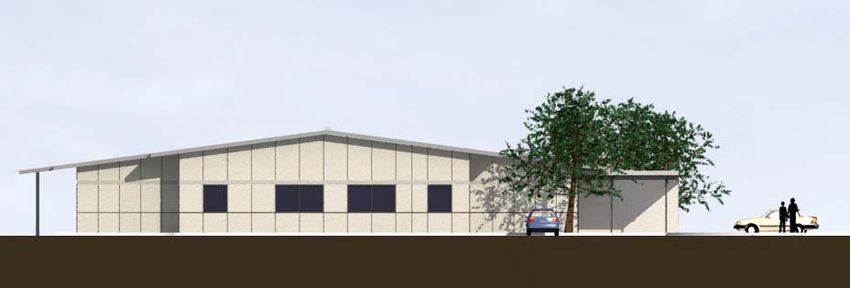
3

11.       Unscheduled peaks in aircraft activity generate heavy demands on cargo handling,
meals and accommodation at RMAF Butterworth, such as occurred after the 2004
tsunami.

12.       While future ADF activities at RMAF Butterworth are likely to be influenced by
unforeseeable events such as the tsunami of 2004, planning must ensure a capacity to
respond to credible contingencies.

Roles of ADF Units at RMAF Butterworth

13.       The ADF elements based at RMAF Butterworth are shown in Table 1.

                                             Table 1

     ADF Unit                                  Role                              Composition
 324 Combat               Provides administrative, health, domestic,       34 RAAF, 1 Australian
 Support Squadron         information, logistic and security police        Public Service and 75
                          services to ADF personnel based at deployed      locally employed
                          to, and transiting RMAF Butterworth.             civilians
 92 Wing                  Provides operational planning, execution         6 RAAF personnel
 Detachment A             and review support for RAAF Surveillance
                          and Response Group deployments.
 Land Command             Provides domestic, administrative and            6 Australian Army
 Liaison Section          logistic support and continuity to the           personnel
                          rotations of Rifle Company Butterworth.
 Rifle Company            Training and exercises with Malaysian and        120 Australian Army
 Butterworth              Singaporean armies.                              personnel

14.       The number of ADF personnel deployed, on exercises, or transiting through
RMAF Butterworth can total up to 700.

Facilities Allocated to the ADF

15.       The arrangement for the ADF’s use of facilities at RMAF Butterworth is set out in
a 1988 exchange of letters between the Malaysian and Australian Ministers for Defence.
The essential features of the agreement are:

      •    the nomination of facilities to be made available for ADF;
      •    the arrangements for payment by Australia for use of the facilities, repairs,
           maintenance and refurbishments;
      •    the requirement to seek consent from the Malaysian Government for the
           construction of new facilities or the altering existing facilities used by the ADF;
4
• the arrangement for payment for the provision of infrastructure services; and
• the agreement to transfer all ADF facilities to the Malaysian Government when
the ADF withdraws from the base.
Planning for ADF Facilities
16. The RMAF has not developed a master plan for the base. It has carried out a
number of redevelopment works based largely on the extant zoning of existing facilities
and there is no indication that the RMAF will seek to vary the sites allocated to the
ADF under the 1988 agreement.
17. Based on the expectation that there will be no change in the current level of ADF
activity at RMAF Butterworth, Defence has prepared a Development Plan for the ADF
facilities. This plan is at Annex B. The key features of this plan are that it:
• confirms the appropriateness of the location of the key flight line,
administrative, logistic and domestic facilities currently in use;
• distinguishes between those facilities suitable for retention, those which require
refurbishment, and those needing replacement; and
• identifies those facilities which, subject to approval of this proposal, may be
returned to the RMAF.5
IDENTIFICATION OF THE NEED
Project Objectives
18. This statement of evidence presents a proposal for the replacement and
refurbishment of ADF facilities at RMAF Butterworth. The project has two principal
objectives:
• to provide fit for purpose working and living accommodation for ADF personnel
by addressing the current deficiencies in ADF working and transit living
accommodation, in terms of compliance with legislative requirements, eg
Occupational Health and Safety (OH&S) and the Building Code of Australia,
thereby improving the ADF’s capacity to meet its responsibilities to its
personnel; and
• to rationalise ADF facilities on the base, improve the functionality and security
of the facilities the ADF is to use into the future, and provide the opportunity to
return some facilities to the RMAF.
19. Collectively, the works proposed will improve the capacity of the resident ADF
units to provide the support required by ADF elements deployed to and operating from
or through RMAF Butterworth.
The Need for the Work
20. The facilities allocated to the ADF under the 1988 arrangements and their
functions are listed at Annex C and identified on the plan at Annex B. These facilities
were built in the 1940s and 1950s. Some of them, in particular the flight-line aircraft
hangars and the recently upgraded fuel farm, are in good condition, and are suitable for
continued use under normal maintenance arrangements.
21. Facilities in the administrative, logistic, domestic and domestic support categories
however, have deteriorated over the years to inefficient, insecure, and in some cases
unsafe levels. Some facilities have been abandoned and temporary accommodation
arrangements have been made. The initial building allocations have resulted in an
inefficient dispersal of RAAF administrative functions among a variety of buildings.
Materials are not appropriately fire rated in some cases, asbestos roofing is in use on
some buildings, and from time to time sewer drains overflow inside accommodation6 ablution blocks. While a range of repairs and improvements have been carried out over the years in attempts to comply with Australian OH&S and Building Code standards, significant improvements are now required to meet those standards. In the case of the administrative buildings, replacement is proposed. Administrative Facilities 22. 324 Combat Support Squadron Headquarters. The headquarters is currently operating from temporary accommodation in an aircraft hangar (Hangar 50). Relocation was required following the structural failure of the former headquarters (Building 57), as a consequence of age, the prevailing tropical conditions and a significant termite problem. The dispersal of the health services, communications centre and Private Automatic Branch Exchange (PABX) functions in buildings away from the headquarters generates inefficiencies. The collocation of these functions would facilitate the return of Buildings 58E and 54 (part) to the RMAF. 23. Land Command Liaison Section and Rifle Company (LCLS) Butterworth. The partial structural failure of the current LCLS headquarters (Building 55) has reduced the office and lecture room capacity in the building. 24. 92 Wing Detachment A. The Detachment currently uses Building 56, which is suffering from structural deficiencies and, in common with the other facilities of its age on the base, has inadequate environmental control, lighting, data services and acoustic insulation. Logistic Facilities 25. Army Quartermaster Stores. These buildings, Building 55E and 55F, have deteriorated over the years. They do not provide suitable office accommodation, nor adequate and efficient racking and shelving for stores. A weatherproof “Receipts and Issues” area, improved and expanded pallet racking areas, and some increase in air conditioned office spaces is needed. 26. While the building fabric is in poor condition, and the asbestos roofing requires replacement, the buildings are structurally sound, and can be cost effectively upgraded to meet requirements.
7

27.       Armoury.        The RAAF and Army currently have separate weapons storage
arrangements. Army’s armoury requires a compliance waiver and permanent guarding
of the weapons which is an inefficient use of scarce personnel. A new armoury is
required which is designed to meet ADF small arms security standards and consolidates
the storage and management of small arms for all ADF elements on the base.

28.       Vehicle Compound. Most ADF vehicles on the base are commercial vehicles
which are serviced by local contractors. The on-base facilities used for this purpose and
the repair of other military vehicles have significant deficiencies against the Building
Code of Australia and OH&S standards. The main needs are the:

      •    replacement of asbestos and other roofing;
      •    installation of improved lighting, power, ventilation and fire protection;
      •    replacement of in-ground service pits with a vehicle hoist;
      •    laying of new concrete flooring;
      •    provision of improved office, stores, amenities and battery charging facilities;
           and
      •    remediation of an area contaminated with waste lubricants.

Domestic Facilities

29.       All-Ranks Mess. The existing facility (Building 40) is in reasonable condition,
and a number of improvements have been carried out to upgrade the kitchen and dining
room functionality and to comply with OH&S requirements. The following additional
requirements have been identified to address demand, functionality and Defence
standards:

      •    an improved capacity to handle surge dining requirements;
      •    a larger, more effective ration and bedding storage;
      •    an appropriate garbage storage facilities;
      •    a new female toilet facility;
      •    a new water filtration system; and
      •    other general refurbishments, including, relocation of ancillary equipment and
           re-painting.
8 30. Transit Accommodation. Permanent ADF staff at RMAF Butterworth live at Georgetown on Penang Island while deployed personnel, including the members of Rifle Company Butterworth, live in transit accommodation on the base. Some improvements have been carried out to the transit accommodation in recent years (mainly air conditioning, and re-roofing). The on-base accommodation requires fire rated ceilings with extensions and reconfiguration changes to meet OH&S requirements. Additional accommodation is provided for Officers and Senior Non- Commissioned Officers. There are security and safety risks arising from the use of the Non-Commissioned Officers’ and Officers’ accommodation which are located outside the secure perimeter of the base. The changes will allow for the accommodation of Officers and Senior Non-Commissioned Officers within the base secure area and provide an integrated accommodation solution to meet the needs of the Rifle Company. 31. Sewage Treatment. The RMAF Butterworth sewage treatment plant is inoperative. From time to time, sewerage over-flows inside the accommodation ablution area creating a health hazard and unnecessary inconvenience for those affected. Upgrading of the base system is planned by the RMAF, but the timing and extent of work has not been confirmed. Training and Physical Fitness Facilities 32. Gymnasium. Personnel based at or deployed to RMAF Butterworth currently use a storage shed in the vehicle compound as a gymnasium. It can accommodate only some of the usual gymnasium functions. Because of its location, the building would be more effectively used to meet transport administration requirements. 33. The gymnasium requirements range from small areas for cardio and weights training to facilities to allow undercover unit exercising and training. A capacity to handle groups of up to 30 (i.e. a platoon) is desirable. 34. Outdoor Fitness Training. There is a requirement for outdoor, all-weather training facilities, preferably close to the Army and RAAF allocated transit accommodation buildings.
9

Description of Proposal

35.       To address the deficiencies identified in the ADF facilities at RMAF Butterworth,
Defence has examined options for each functional category and has developed preferred
solutions, which are outlined as follows:

      •    the provision of three new headquarters buildings for RAAF and Australian
           Army elements based at RMAF Butterworth, to meet current standards of
           functionality, security, and OH&S, and to increase the operational effectiveness
           of the units concerned;

           -   three existing buildings will be demolished to enable the construction of
               three new headquarters buildings on the existing building sites. These sites
               are identified at Annex B.

      •    the refurbishment and upgrading of existing transit accommodation, messing
           buildings, stores, vehicle workshops and ancillary facilities, to ensure
           compliance with building codes and OH&S requirements, to increase capability,
           and replace non-functional services;

           -   the preferred solution involves a range of renovations, improvements to
               services, some building extensions, a new package sewage treatment plant,
               and general repairs and repainting.

      •    the construction of a new combined armoury adjoining the Rifle Company
           Butterworth (RCB) Quartermaster Store (Building 55F).

Options and Reasons for Adopting the Proposed Course of Action

36.       The ADF is committed to a continuing presence at RMAF Butterworth at the
current levels of manning and operational activity.           The feasible options for the
provision of appropriate facilities to support that commitment reduce to either, replacing
all facilities or a mix of replacement and refurbishment. After careful consideration of
the options, a mix of replacement and refurbishment was considered to be the most
viable and cost effective. New construction has been restricted to the replacement of
facilities which have been condemned, are uneconomical to upgrade or extend, or pose
health risks to ADF personnel.              For the remaining facilities, refurbishment was
considered to be suitable.
10
37. Collocation of all administrative and Headquarters elements on one site was
considered in view of the economies that may be accrued. While this may be feasible
on the largest site, (Site A), issues which were taken into account were:
• A single large building accommodating all ADF requirements on one site would
be inconsistent with the heritage and landscaping of the precinct. It would
dominate other nearby buildings and was considered to be inappropriate given
ADF’s role and status on the base.
• The operating advantages inherent with 92 Wing Detachment A and Army
elements being close to their functional areas, i.e. Hangar 51, Hangar 50, the
Quartermaster stores and armoury respectively.
38. Refurbishment of the existing administrative buildings was considered but
rejected because:
• the poor condition of the existing structures meant that there would be little
difference in cost between refurbishment and replacement;
• refurbishment would limit the functionality of outcomes, in view of the shape,
size and layout of existing buildings.
39. The conclusion from this consideration was that the optimum approach would be
to construct new facilities on each of the three available sites. This option would keep
the ADF facilities in proportion to its presence within RMAF Butterworth while
meeting the disparate needs of the units.
Environmental Impact Assessment
40. An environmental assessment of the project has determined that there are no
environmental impacts which would require referral under the “Environment Protection
and Biodiversity Conservation Act 1999”. An Environmental Clearance Certificate has
been issued by Defence and the project will be managed according to a Construction
Environment Management Plan which will be required of the construction contractor.
Heritage Considerations
41. A Heritage Impact Assessment in relation to the proposed new headquarters
buildings was undertaken in 2005. It concluded that the proposed demolition of the
existing structures would not fundamentally affect any of the identified Commonwealth
heritage values of RMAF Butterworth and recommended that a photographic record be11
taken during the course of the project. The proposed new structures are being designed
in sympathy with the historic and aesthetic values of the site. Extensions of existing
facilities will be designed and constructed so as to match the style and finish of existing
buildings.
Consultation with Stakeholders
42. The 1988 Ministerial agreement for ADF use of facilities at RMAF Butterworth
requires Malaysian Government consent before the construction of new facilities or the
alteration of existing facilities. Consent was provided on the 28th March 2007.
43. Authorities consulted included the:
• Malaysian Secretary General of Defence;
• Malaysian Ministry of Defence officials;
• Malaysian Military representatives on RMAF Butterworth;
• Malaysian Defence Attaché, Malaysian High Commission, Canberra;
• Australian Department of Foreign Affairs and Trade;
• Australian High Commission to Malaysia;
• Malaysian Industry Development Authority (Malaysian Consulate, Sydney); and
• Australian Greenhouse Office.
Revenue
44. As the proposed facilities will be constructed for use by the ADF, there are no
revenue implications associated with this project.12
TECHNICAL INFORMATION
Project Location
45. The work proposed in this submission will be carried out on the RMAF Base at
Butterworth which is located on the north western coast of Malaysia. See Location Plan
at Annex A.
Project Scope
46. The locations of the proposed work are identified on the ADF Facilities
Development Plan at Annex B. Floor plans, typical elevations and sections of the
proposed new facilities and representative sketches of the proposed refurbishments are
at Annex D.
47. The following works are proposed to meet the needs of the sponsors:
• 324 Combat Support Squadron Headquarters – Site A. Demolition of
existing Buildings 57 and 57A and the construction of new facilities co-located
on that site. The development of three adjacent structures on that site include: a
Health Services facility (630m2), which requires particular construction and
safety standards, the main administration building, which will collocate the
Headquarters, Personnel Services and Information Services functions (1,310m2),
and a Security Police amenities facilities (385m2).
• 92 Wing Detachment A Headquarters – Site B. Demolition of existing
Buildings 56 and 56A and the construction of a new facility of some 638m2 on
that site. The site is immediately to the west of the hangar and parking apron
which accommodates deployed aircraft. It will provide facilities for operations,
intelligence, photography and mission preparation, as well as administration
functions.
• Land Command Liaison Section and Rifle Company Butterworth
Headquarters – Site C. Demolition of existing Building 55 and construction of
a new facility of some 1,408m2 on that site. The new building will
accommodate the functions carried out by the resident Liaison Section and the
Rifle Company. It will provide facilities for training, briefing, planning,
communications and administration.13
• Army Quartermaster Stores. Upgrading of existing Buildings 55E and 55F to
provide improved storage, receipt and dispatch arrangements.
• Armoury. Construction of a new facility of some 128m2, to be integrated with
the upgraded Army Quartermaster-stores. The new armoury will consolidate the
storage and management of all ADF small arms on the base.
• Vehicle Compound. The scope includes upgrading lighting, power, ventilation,
fire detection and protection in the workshop area, the filling-in of servicing pits,
provision of new concrete floors to workshop areas, installation of a new 2-
tonne vehicle hoist and the remediation of an area of oil contaminated ground.
Asbestos roofs will be replaced with colorbond metal roofing and the office and
amenities areas will be refurbished.
• All-Ranks Mess. Work includes additions and alterations to the existing mess
to provide a new ration store, bedding store, female ablutions and garbage
handling arrangements. The old ration store will be refurbished to increase
surge dining capacity.
• Transit Accommodation. Additions and alterations to existing accommodation
buildings to improve amenity and standards for up to 332 transit personnel.
• Sewage Treatment Plant. Installation of a 750 person package sewage
treatment plant which services ADF accommodation, messing and vehicle
compound facilities is proposed.
• Gymnasium. The scope of work includes re-roofing and reconfiguration of
Buildings 41 and 42F to provide adequate physical fitness facilities and toilets.
Enclosure of part of the veranda of Building 41 for storage of sporting
equipment will also be undertaken.
• Outdoor Fitness Training Shelters. Work includes the construction of seven
open shelters adjacent to the transit accommodation, to provide an area suitable
for all weather fitness training.
Details of Site Selection
48. The siting of ADF facilities is specified in arrangements agreed in 1988. The
proposed facilities will be located on existing ADF building sites.14
Site Description
49. RMAF Butterworth is on the North West coast of Malaysia, opposite the island of
Penang. The primary runway runs north-south, parallel to the shoreline, and the
western boundary of the base is only some two hundred metres from the shoreline. The
main built up area of the base, including the ADF facilities, lies between the main
runway and the western boundary. The topography is generally flat, with a slight
grading towards the sea.
Zoning and Approvals
50. The site is an RMAF base. Zoning and approval issues will be addressed between
the ADF and Malaysian Governments.
Land Acquisition
51. No land acquisition is required.
Applicable Codes and Standards
52. Subject to the limitations imposed by the designs of the existing structures which
are to be refurbished, it is intended that the design of both new and upgraded facilities
will conform to the relevant sections of appropriate codes and standards, including:
• the Building Code of Australia,
• the Defence Manual of Fire Protection Engineering,
• the Defence Safety Manuals,
• applicable OH&S standards,
• ADF standards for physical and electronic security, and
• relevant Malaysian building statutes, codes and standards.
Planning and Design Issues.
53. Design Philosophy. The design philosophy adopted for the new buildings
ensures that the:
• buildings operate in a manner reflecting the purposes for which they were
designed;15
• designs provide flexibility by using steel framed structural systems and
lightweight internal partitions in suitable areas to provide open office spaces and
the flexibility to rearrange the offices at minimal cost;
• designs are sympathetic with the colonial style used in tropical climates, a style
which has been commonly used on the base;
• designs respond to local climatic conditions;
• siting, design, structure, and servicing will provide the flexibility for future
expansion (noting that no future expansion is anticipated or planned);
• selection of materials takes life cycle costs into account; and
• design incorporates environmentally sustainable features where practicable.
54. Architectural. The architectural style of the new buildings will be a reflection of
the current building style and fabric used on the base, and has been selected for its
simplicity in construction. Buildings will be in rendered block work with metal clad
roofing and aluminium framed windows.
55. New buildings will be low-rise, braced steel-framed structures with reinforced
concrete floor slabs. Existing and past endemic termite infestation has influenced the
choice of materials, which avoids the use of timber. Perimeter walls will generally be
solid masonry or masonry veneer construction for enhanced security. Areas which
perform functions requiring extra security will be enclosed with reinforced concrete
floors, walls and ceilings.
56. The structural form of buildings being refurbished will not be changed. Existing
corrugated asbestos and tiled roofing will be replaced with pre-coloured zinc/aluminium
steel sheeting, with insulation and vapour barrier treatment where air conditioning is to
be installed.
57. Mechanical. The new buildings will be served by air-cooled direct expansion
refrigeration packaged air conditioning units or split systems. Telephone switching,
uninterruptible power supply and high security server areas will be provided with
individual wall mounted split, packaged units for 24 hours operation. For secure
network server areas, wall mounted units will be provided, with each unit capable of
meeting 75% of the total cooling requirements as backup. Small, split systems will be
used in the accommodation buildings.16 58. Water Supply. Water from the existing supply system on the base is below Australian potable water standards. Reverse osmosis water treatment will be used to purify water for personal use. New filtration and purification systems will be installed in the sleeping accommodation area and hot water will be supplied from roof mounted solar systems. Untreated water will be used for toilet flushing, mechanical plant and garden watering. 59. Sewerage. The precinct is served by a network of sewer drainage systems with ejector pumps used as a means of conveying sewage across the base. The new headquarters buildings will be connected by gravity feed sewer lines to collection pits and pumping to ejector stations. To optimise integration of new ADF sewage work with the proposed RMAF base upgrade close liaison will occur between the ADF and Malaysian authorities. Installation of the new ADF treatment system to serve the messing and accommodation area will involve cutting and sealing existing sewer lines, installation of new mains and, the supply and installation of a packaged 750 person capacity sewer effluent treatment plant including aeration modules, pumps and dosing system. 60. Electrical. New underground mains power will be provided to each of the new headquarters. Surge protection will be provided on the main switchboards to mitigate the effects of lightning strikes. 61. Standby emergency power generators and an uninterrupted power supply will be provided for the Defence Restricted, Secret and Top Secret Network communications rooms. 62. Lightning Protection. An integrated Faraday Cage utilising the buildings’ structural elements will provide lightning protection for new buildings. Acoustics 63. Construction of the new buildings will accord with the indoor design sound levels appropriate to aircraft noise, detailed within AS2021-2000. Building plant and services noise and road traffic noise will be within the requirements of the applicable Australian Standards.
17

64.       The 2004 Australia Noise Exposure Forecast for RMAF Butterworth shows that
the transit living accommodation facilities are in the 20 to 30 zonal band. Occupation
will be of short duration (less than one month continuous) by personnel transiting
RMAF Butterworth. Attenuation will be provided based on AS2021-2000 and current
industry best practices.

Water and Energy Conservation Measures

65.       The proposed design complies with the Commonwealth Energy Policy - Energy
Efficiency in Government Operations (EEGO) Policy. Following consultation with the
Australian Greenhouse Office, the design of the new buildings will aim to achieve a
20% improvement on the minimum energy efficiency performance requirements for a
Class 5 building using either one of the Verification Methods described in Volume One
of the BCA. Design criteria will also reflect:

      • a maximum lighting intensity of 10 W/m2;

      • the use of zoned lighting controls with zones every 100 m2; and

      • separate digital metering of tenancy, central services and computer centres.

66.       Environmentally sustainable design features which have been considered in the
design of the new facilities include:

      •    decreasing energy usage through passive design, energy efficient building
           systems and lighting, smart equipment selection, and alternative energy sources,
           with consequent reductions in greenhouse gas emissions;

      •    conserving water and reducing stormwater/sewage outflows through efficient
           tap ware selection and swales;

      •    selection of materials to minimise off-gassing, reduce natural resource
           consumption and minimise waste; and

      •    maximising the potential for day lighting to improve indoor environment
           quality, and providing user control and management of the indoor environment.

Master Planning

67.       In the absence of a RMAF master plan for the base, an ADF Facilities
Development Plan has been prepared which is the basis for the rationalisation of ADF
18 facilities proposed in this submission. This plan is at Annex B. Discussion at paragraphs 16 and 17 also refer to master planning issues at RMAF Butterworth. Earlier and Future Works. 68. Earlier ADF works have largely been repairs and maintenance. Recently, an upgrading of the aviation fuel farm has been undertaken, and a range of repair and rehabilitation works have been carried out on accommodation buildings and the combined mess. These works were predominantly related to the age and condition of the facilities, and in the case of the combined mess, followed its partial closure following OH&S concerns. 69. Resurfacing of the aircraft hard standing used by the ADF is planned during 2007. This is expected to cost in the order of A$1m. This work is required by the RAAF to be completed before the commencement of this project. No other major works are planned. Access for the Disabled 70. Access and facilities for disabled persons will be provided in the new headquarters buildings in accordance with the Building Code of Australia. It is impracticable to meet these standards in the existing messing and sleeping quarters. Personnel using the mess and accommodation quarters are members of the ADF and due to the condition of their employment, disabled persons access is not required. Child Care 71. Permanent staff reside off-base in the Penang area. Families of ADF members make their own arrangements for child care on Penang Island. There is no change to personnel numbers relating to this project. Fire Protection 72. All construction and fire protection requirements will, as a minimum, be in accordance with the provisions of the Building Code of Australia (BCA), the Defence Manual of Fire Protection Engineering (MFPE) and all other applicable Codes and Standards. The MFPE details Defence fire protection policy for asset protection and building function protection.
19

73.   Defence will require certification from a suitably qualified and accredited
building surveyor that the design and construction meet the requirements of the BCA,
the MFPE, relevant codes and standards and any additional State or Local Government
and Malaysian requirements.

74.   The local Malaysian Fire Brigade will be invited to comment on the project, visit
the site and offer comment throughout the construction phase to ensure that the
brigade’s operational requirements are met.

75.   Any recommended departures from the BCA requirements in relation to the
project will be technically assessed by Defence specialist fire protection staff and where
the scope of the departure warrants, by a suitably qualified and experienced fire
engineer.   Agreed departures (ensuring an equivalent or higher level of protection
requirements than BCA requirements) will require written approval from the Defence
delegate.

76.   Successful tenderers will be required to produce a Quality Assurance Plan to
clearly show how BCA, Australian Standards, Defence and any additional Malaysian
Defence requirements in relation to fire protection/fire safety will be met and the
required standards for construction/installation maintained.

Security

77.   New buildings will be constructed to a physical security level agreed with ASIO
to avoid the need for perimeter fences around each site. Security will incorporate fixed
glazing, solid doors, external walls in masonry/brick veneer to underside of roof, metal
roof sheeting with secure fixing, and F81 mesh below to provide additional intruder
delay. No external unsecured openings will be incorporated in the design. The main
headquarters buildings will be provided with an appropriate high security intruder alarm
system and a card based electronic access control system. Close Circuit Television
monitoring of the hangars will be undertaken from the new Communications and
Information Systems Centre.

Communications.

78.   The communications objective is to provide a secure system to new buildings to a
physical security level of “Secret”. The existing Communications and Information
Systems Centre in the Control Tower will be relocated to the new 324 Combat Support
20

Squadron Headquarters, along with the relocated ADF PABX. Within buildings, data
services will be provided to work stations for secure network services.

79.   Microwave connections from the Control Tower to several remote locations will
be relocated to the central communications building.

Occupational, Health and Safety

80.   A key requirement of the project is to redress current OH&S deficiencies. New
construction will remedy the structural deficiencies in the administrative areas.
Hazardous electrical wiring in the workshops will be replaced, inadequately fire rated
materials in sleeping quarters will be upgraded, asbestos roofing will be replaced, and
provision will be made for the augmentation of the sub-standard sewage and drainage
system in the accommodation and messing zone.

Landscaping

81.   A limited planting of shade trees and other landscaping in the vicinity of the
transit accommodation will be undertaken. The sewage treatment plant will include a
90,000 litre tank for holding treated water before leaving the plant. It is proposed to
utilise this suitably conditioned water for the irrigation of these plantings.

Asbestos and Contamination Removal

82.   Contaminated soil in the vehicle compound will be removed and disposed of as
directed by local authorities and in keeping with Australian and Malaysian
requirements. The asbestos roofing materials in the Army Quartermaster stores and
vehicle workshops will be removed and disposed of in accordance with the regulations
of either the Northern Territory of Australia or Malaysia, whichever is the higher.

Furniture and Fittings

83.   For the new buildings, and for the refurbished facilities where required,
workstations, tables, chairs and the normal range of furniture and fittings, including for
tea preparation and amenity areas will be included in the project. Much of the existing
furniture is in sound condition, and where possible will be reused.              Telephone,
computing, printing, and other Information Communication Technology equipment in
current use will be reused.
21

Consultation with Relevant Authorities.

84.    A Managing Contractor form of delivery is planned for this project. The majority
of any liaison necessary with Malaysian authorities external to the base is anticipated to
be undertaken by Defence’s Managing Contractor, with the Malaysian Ministry of
Defence offering assistance or guidance as required.

Impact on Local Community

85.    As the proposed work will be conducted on the RMAF Butterworth base, it is
unlikely that there will be any adverse impact on the local community. The Managing
Contractor will be responsible for ensuring compliance with local authority
requirements – such as controls over construction traffic – which the project might
generate in the vicinity of the base. The Managing Contractor will be required to reflect
these concerns and their mitigating processes within their Construction Environmental
Management Plan.

86.    The proposed work is expected to benefit the local Malaysian economy through
employment of construction workers and the supply of goods and services.             It is
estimated that up to 100 local workers will be employed over the course of the project.

Project Costs

87.    Capital Cost.   The estimated out-turn cost of the works is A$23.6m.          This
includes design and construction costs, Managing Contractor and consultant fees and
charges, an escalation factor through to anticipated project completion, and project
contingency.    GST/VAT taxes do not currently apply to construction projects in
Malaysia.

88.    Operating Cost.    Under the agreement for ADF use of facilities at RMAF
Butterworth, the ADF pays site lease and building rental charges. Utilities and garrison
support services are charged as a share of total base costs. Repairs and maintenance for
dedicated facilities are funded directly by the ADF. Operating costs are not expected to
change as a result of the proposed developments.

89.    The facilities affected by the project will be under the exclusive control of the
ADF.
22

Project Delivery System

90.   A Managing Contractor form of delivery is currently proposed for this project.
Consideration of the various delivery methods indicates that this is the preferred method
of developing and managing the risks associated with an overseas project of this type.
An independent on-site Project Manager is to be appointed to oversee the project,
particularly with respect to cost, quality and schedule.

Project Schedule

91.   Subject to Parliamentary clearance, a Managing Contractor is expected to be
appointed in late 2007 following a two stage tender process.         Commencement of
construction is anticipated in early 2008. The new build elements of the project will be
phased to allow for the temporary relocation of some functions during the demolition
and reconstruction period. It is expected that the refurbishment elements of the project
could be undertaken concurrently. Completion of works is anticipated by December
2009. Works will be scheduled to minimise the impact of construction activity on both
the ADF and RMAF operations.
BUTTERWORTH

                                                               RMAF BUTTERWORTH, MALAYSIA
                                                                                                      ANNEX A

LOCATION PLAN
                                                                                        N
                              ADF Facilities Rationalisation
                              RMAF Butterworth, Malaysia                                      DRAWING S-1
                                    February 2007                                           LOCATION PLAN
ANNEX C
RMAF Butterworth Facilities in Current Use by the ADF
Function Facilities
Flightline Hangars 50 and 51 and associated aircraft parking aprons. Hangar 51 is
predominantly used by the regular deployments of maritime patrol aircraft,
and by 92 Wing Detachment A, which supports these deployments.
Hangar 50 is normally used by other deployed and transiting aircraft but is
currently also providing temporary administrative accommodation for 324
Combat Support Squadron.
Both hangars are suitable for continued use.
Administrative Site A. Buildings 57, 57A – 324 Combat Support Squadron headquarters and
administrative functions; abandoned due to roof collapse.
Site B Buildings 56, 56B – 92 Wing Detachment A administrative, briefing
functions; 324 Combat Support Squadron medical and security police.
Buildings 54, 58E – 324 Combat Support Squadron communications centre
(collocated with RMAF), PABX equipment.
Site C Building 55 – Land Command Liaison Section and Rifle Company
Butterworth headquarters, administration, training, briefing and security
police functions; termite infestation has resulted in structural failures which
have reduced office and lecture room capacity.
Logistic Buildings 55E, 55F, 55L – Army Quartermaster stores and battery store.
Buildings 43, 43A, 43B, 44 – vehicle maintenance functions.
Building 41 – bedding store.
Buildings 47A to 48C – Aviation Fuel Farm – recently upgraded.
ADF hazardous goods storage.
Communications Maintenance Section.
Domestic Building 40 – all ranks kitchen and dining facility.
Buildings 25, 26, 36, 37, 38, 39 – Army and RAAF transit accommodation.
Buildings 4 to 4C and 8 to 8C, off-base buildings used for Officer and
Senior NCO transit accommodation.
Buildings 89E to 89H - ADF recreation facilities.
The sewage treatment plant servicing domestic zone is in poor condition.
Training and Building 55 – includes lecture rooms for Rifle Company Butterworth.
Physical Building 43 – storage building in vehicle maintenance compound converted
Fitness to provide limited gym facilities.ANNEX D
RMAF BUTTERWORTH – FLOOR PLANS AND ELEVATIONS
Drawing Title
A-1 Floor Plan – 324 Combat Support Squadron Headquarters
A-2 Elevation – 324 Combat Support Squadron Headquarters
B-1 Floor Plan – 92 Wing Detachment A Headquarters
B-2 Elevation – 92 Wing Detachment A Headquarters
C-1 Floor Plan – Land Command Liaison Section/Rifle Company Butterworth Headquarters
C-2 Elevation – Land Command Liaison Section/Rifle Company Butterworth Headquarters
R1 Floor Plan – Accommodation Building 39
R2 Floor Plan – Building 40
R3 Floor Plan – Buildings 43A and 43B
R4 Site Plan – Buildings 43A and 43B
R5 Floor Plan – Building 55E and 55F
R6 Floor Plan – Building 41HEADQUARTERS
1. PORTE-COCHERE
JALAN KUANTAN 2. OPEN OFFICE
3. OICTSF
4. BM
5. SECURE LOBBY
6. XO
7. CO
8. LEGAL OFFICE
9. INTERVIEW
10. CHAPLAIN
11. FOYER
12. CORRIDOR
13. PLANT ROOM
14. OPEN OFFICE
15. UNCLASSIFIED CONFERENCE
1 HEADQUARTERS 16. COMMUNICATION CENTRE
17. COMMSEC
HEALTH SERVICES 18. OPERATIONS + CONFERENCE
19. PBAC / ORDERLY ROOM
2 3 4 5 6 7 8 9 10 20. WASTE
21. BISC
11 12 22. OPERATIONS + CONFERENCE
35 36 23. PBAC / ORDERLY ROOM
15 17 24. COMCEN SYSTEMS
37 38
14 25. DSN SERVER ROOM
39 13 16 26. OICPSF
20 18
27. CIVIL ADMIN
40 22 28. CASHIER
19 21
42 29. REGISTRY/POST OFFICE
30. RECREATION
KELANIAN
41 25 31. WASTE
23 32. SNCOICCISS
43 44 45 24
POLICE BUILDING 33. WORKSHOP / PABX
24 30 31 34. PLANT ROOM #2
JALAN
47
JALAN KEDAH
46 26 27 28 29 HEALTH SERVICES
55 56 35. PLANT
32 33 34 36. ENVIRONMENTAL HEALTH OFFICE
48 49 50 37. INTERVIEW
38. SLIT ROOM
51 52 39. FOOD PREP.
57 40. CORRIDOR
53 41. WARD
58 42. PHYSIOTHERAPY
60 43. EXAM ROOM 1
59 44. EXAM ROOM 2
54 63 45. WARD
61 62 46. PHARMACY
47. TREATMENT
64 65 48. BULK STORE
49. MO #1
66 67 68 50. SGT MEDASST
51. CHEMICAL STORE
52. RECEPTION WAITING
53. AMBULANCE ENTRY
54. AMBULANCE BAY
SECURITY POLICE
55. OUTDOOR EATING
56. LUNCH
57. MALE
58. E2 KITTING STORE
59. FEMALE
60. PLANT ROOM
61. INTERVIEW
62. ALARM / CCTV MONITORING
63. STORE
ANNEX D
JALAN 64. RECEPTION
65. CORRIDOR #1
66. WAITING
67. OIC FP
68. SEPCOL SNCO
SITE A - PLAN
SITE A
ADF Facilities Rationalisation
DRAWING A-1
RMAF Butterworth, Malaysia 324 COMBAT SUPPORT SQUADRON HEADQUARTERS,
N
April 2007 HEALTH SERVICES FACILITIES + SECURE POLICE BUILDSSITE A - ELEVATION A SITE A - ELEVATION B
COMSEN COMMUNICATION
SNCOICCISS
SYSTEMS CENTRE
SITE A - SECTION
ANNEX D
SITE A
DRAWING A-2
ADF Facilities Rationalisation
RMAF Butterworth, Malaysia
324 COMBAT SUPPORT SQUADRON HEADQUARTERS,
April 2007 HEALTH SERVICES FACILITIES + SECURE POLICE BUILDS1
2 3
4
5 6
7 8
HEADQUARTERS
HEADQUARTERS
1. ADMINISTRATION
2. SECURE BRIEF
3. PLANT
4. CREW ROOM
ANNEX D
5. MISSION PREPARATION #1
6. MISSION PREPARATION #2
7. OPSO / INTEL COMP. ROOM
8. OPSO / INTEL COMP. ROOM
SITE B - PLAN
SITE B
ADF Facilities Rationalisation
DRAWING B-1
RMAF Butterworth, Malaysia 92 WING DETACHMENT A
N
April 2007 HEADQUARTERSSITE B - ELEVATION A SITE B - ELEVATION B
OPSO / INTEL
MISSION
COMP ROOM
PREPARATION # 2 CREW ROOM ADMIN
ANNEX D
SITE B - SECTION
SITE B
ADF Facilities Rationalisation
DRAWING B-2
RMAF Butterworth, Malaysia 92 WING DETACHMENT A
April 2007 HEADQUARTERS1
2
3
4
5 HEADQUARTERS
1. OPS CONFERENCE / BRIEFING
7 8 9 2. OC OFFICE
10 3. MP DET OFFICE
6 4. OPS W/O OFFICE
11 12 13
5. MP SIB OFFICE
6. ORDERLY ROOM
7. STATIONARY STORE
8. BREW ROOM
17
14
9. LIBRARY
15 10. SIB INTERVIEW ROOM
11. REPO ROOM
16
20
12. SECURE COMMS ROOM
13. SIB EVIDENCE STORE
18
14. LOBBY
15. MALE
16. FEMALE
19
17. SIB FOUND PROP STORE
21 18. ORDERLY OFFICE
19. CORRIDOR
24
20. PLANT
22
23 21. 2IC OFFICE
22. OC OFFICE
25
23. SYNDICATE OFFICE 1
24. TRG CELLS / PLANS OFFICE
25. CSM OFFICE
27
26 26. SYNDICATE OFFICE 2
28
27. SECTION PREP OFFICE
28. PLATOON OFFICE 1
29. PLATOON OFFICE 2
29 30. PLATOON OFFICE 3
32
31. SYNDICATE OFFICE 3
32. STORE
31
33. TREATMENT ROOM
30
34. MEDICS OFFICE
33 34
35. GUARD DUTY ROOM
36. OBSERVATION ROOM
37. PLANT
35 36 37
HEADQUARTERS
ANNEX D
SITE C - PLAN
SITE C
ADF Facilities Rationalisation
DRAWING C-1
RMAF Butterworth, Malaysia LAND COMMAND LIAISON SECTION
N
April 2007 RIFLE COMPANY BUTTERWORTH HEADQUARTERSSITE C - ELEVATION A
SITE C - ELEVATION B
ANNEX D
SITE C - SECTION
SITE C
ADF Facilities Rationalisation
DRAWING C-2
RMAF Butterworth, Malaysia LAND COMMAND LIAISON SECTION
April 2007 RIFLE COMPANY BUTTERWORTH HEADQUARTERSYou can also read


