RURAL ECONOMIC DEVELOPMENT ACTION PLAN - An economic pathway for rural Alberta
←
→
Page content transcription
If your browser does not render page correctly, please read the page content below
RURAL ECONOMIC
DEVELOPMENT ACTION PLAN

An economic pathway for rural Alberta
MINISTER’S MESSAGE

Alberta’s rural history is inextricably tied to pioneers.
They are the men and women who founded farms,
built businesses and put their hearts and souls into
communities for the promise of prosperity and quality
of life unequalled in other frontiers.

Today, that spirit remains. We see the advent of new-
age pioneers who look beyond our borders for markets,
look outside the conventional for enterprises and look
inside their communities for strength of purpose.

Our much-lauded entrepreneurial nature is exploring
business and industry opportunities never imagined in
recent decades. It is tackling the challenge of bolstering
community services and economic infrastructure. It is
shaping value-added opportunities for markets at home
and abroad. And, it is exploring ways to attract workers
and capital to Alberta’s rural communities.

With such a driving force of development underway, it is incumbent upon the Government of Alberta and its partners
to tackle the barriers that are holding back this new generation of pioneers. We need to make doubly sure the right
programs and services are in place and working efficiently. Rural Alberta is building success stories every day; the
Rural Economic Development Action Plan will help turn the page on the next chapter.

Hands down, Alberta is the best place in Canada to live, work and raise a family. We continue to be a magnet for
the ambitious, the hard-working and the talented. That is why Alberta always has been, and always will be, a province
of opportunity.

The Honourable Verlyn Olson, Q.C.
Alberta Minister of Agriculture and Rural Development
Member of the Legislative Assembly of Alberta, Wetaskiwin-Camrose

                                                                           Hands down,
                                                              Alberta is the best place in Canada to
                                                                   live, work and raise a family.
                                                                       The Honourable Verlyn Olson, Q.C.

RURAL ECONOMIC DEVELOPMENT ACTION PLAN                                                                            1
INTRODUCTION AND EXECUTIVE SUMMARY

A strong rural economy means a strong Alberta.
Rural Alberta leaves a $77-billion economic footprint in this province and across Canada, benefitting every man,
woman and child who calls Alberta their home. While our rural economy is strong, there is always room for
improvement. As the province prepares to welcome another million new Albertans in the next decade, maintaining a
thriving rural economy is vital.

The Government of Alberta, seeking       entertainment as contributors to        • outline how provincial ministries
ways to ensure our rural economy         quality of life. They readily see the     can better work together to
continues to flourish, created a Rural   interconnection between developing        reduce duplication and improve
Economic Development Task Force          the economy and ensuring                  the quality of service for
in early 2014, chaired by the Minister   communities have the social support       stakeholders; and
of Agriculture and Rural Development     and infrastructure base for continued
                                                                                 • identify new and innovative ways
and supported by a team of rural         success.
                                                                                   to address common challenges,
MLAs. The task force held eight
                                         Stakeholders also noted that              including regional approaches
in-person roundtable discussions in
                                         some rural communities face               and partnerships.
Athabasca, Fairview, Edson, Olds,
Medicine Hat, Lethbridge, Vermilion      unique circumstances in terms of        This Rural Economic
and Camrose. The engagement              remoteness, transportation and          Development Action Plan focuses
sessions were attended by more           infrastructure issues, limited access   on areas outside of Calgary and
than 230 participants, representing      to regional economic development        Edmonton, primarily in communities
a variety of stakeholders such as        opportunities and limited information   with populations less than 25,000
municipalities, post-secondary           about government programs and           people. While Alberta’s urban centres
institutions, chambers of commerce,      services. This plan recognizes that     are key drivers of economic growth
regional development entities and        some of these communities may           across Alberta, including outlying
industry associations. Stakeholders      require additional strategies to        rural communities, the specific
were asked for their input on rural      facilitate economic development.        actions detailed here focus on how
economic development strategies,                                                 to grow and develop rural regions
conditions for success and their         A Path for Rural Alberta                and communities.
ideas for innovation.                    The Rural Economic
                                                                                 A solid base of programs and
                                         Development Action Plan – an
They spoke, we listened.                                                         services already exists to support
                                         economic pathway for rural
                                                                                 rural economic development, and the
Stakeholders stressed the                Alberta outlines the steps that
                                                                                 action plan intends to leverage and
importance of governments,               governments, industries, businesses
                                                                                 enhance that work. Complementing
industries and communities working       and communities can take to
                                                                                 the action plan are a number of
together to make sure the right          increase economic development
                                                                                 government initiatives and strategies
programs and services are in place       capacity, improve on the current
                                                                                 that will help support the plan’s
to strengthen rural economic vitality.   suite of initiatives and orchestrate
                                                                                 successful delivery. These are listed
Stakeholders also said they want         new opportunities to enable rural
                                                                                 in the appendix of this document.
the plan to recognize the unique         Alberta’s continued success.
character and circumstance of                                                    Building on these initiatives, the
                                         The action plan is intended to:
different regions across the province.                                           Rural Economic Development
                                         • identify key opportunities to         Action Plan sets out five Areas of
Stakeholders were clear that                                                     Focus to further advance the health
                                           improve the Government of
economic development alone                                                       of economies and the sustainability
                                           Alberta’s current programs and
does not create sustainable and                                                  of communities in rural Alberta.
                                           services in response to evolving
vibrant communities. They pointed
                                           rural and Aboriginal communities;
to key social infrastructure such
as hospitals, schools, culture and

 2                                                                   RURAL ECONOMIC DEVELOPMENT ACTION PLAN
Guiding these five Areas of Focus are   The Rural Economic
three principles:                       Development Action Plan is
                                        not intended to capture the entire
1. Empowering: Sustained rural          spectrum of services provided by the
   economic development has             Government of Alberta that enable
   to be driven at the grassroots       strong economic development in
   level. Our role together is to       rural Alberta; rather, it identifies
   empower, connect and create          priorities. The following Areas of
   a positive environment for rural     Focus and accompanying strategies
   businesses and communities to        were validated by stakeholders as
   be successful.                       priority areas to pursue to further
2. Regional: Actions need to            advance economic development in
   recognize the unique needs           rural Alberta.
   and characteristics of different
   regions of the province and
   should be coordinated at local
   and regional levels to
                                         Building
   exponentially increase results.       on our entrepreneurial
3. Collaborative: Actions must
   be based on cooperation and
                                         spirit.
   partnership among communities,
   regions, non-profit organizations
   and across all levels of
   government to take advantage of
   existing experience and ensure
   effective delivery of services to
   clients.

RURAL ECONOMIC DEVELOPMENT ACTION PLAN                                         3
AREAS OF FOCUS

1. Industry and Business Development
    • Enhance the capacity in rural Alberta to establish and grow innovative, next-generation and
      value-added industries.
    • Assist rural businesses with capitalizing on opportunities in new local, domestic and international markets.
    • Increase tourism and culture-based business opportunities in rural communities.

2. Financial and Capital Access
    • Improve access to capital for rural entrepreneurs and businesses.

3. Attraction, Retention and Entrepreneurial Development
    • Implement policies and programs that attract and retain families, skilled workers, new graduates,
      immigrants and Aboriginal people to rural Alberta.
    • Expand business coaching services that help connect emerging and established entrepreneurs
      and business leaders through mentorship, leadership and skill development programs.

4. Rural Business Infrastructure Capacity
    • Increase the capacity of industry to efficiently capitalize on value-added processing and
      manufacturing opportunities.
    • Enhance innovation and technology infrastructure to ensure rural businesses are positioned to be effective,
      efficient and competitive.
    • Create alignment with the Water for Life Action Plan for a sustainable water supply to support economic
      activity.

5. Regional and Cross-Regional Collaboration
    • Enable collaboration within and between regions in Alberta to better focus planning, service delivery
      and project development.

4                                                                    RURAL ECONOMIC DEVELOPMENT ACTION PLAN
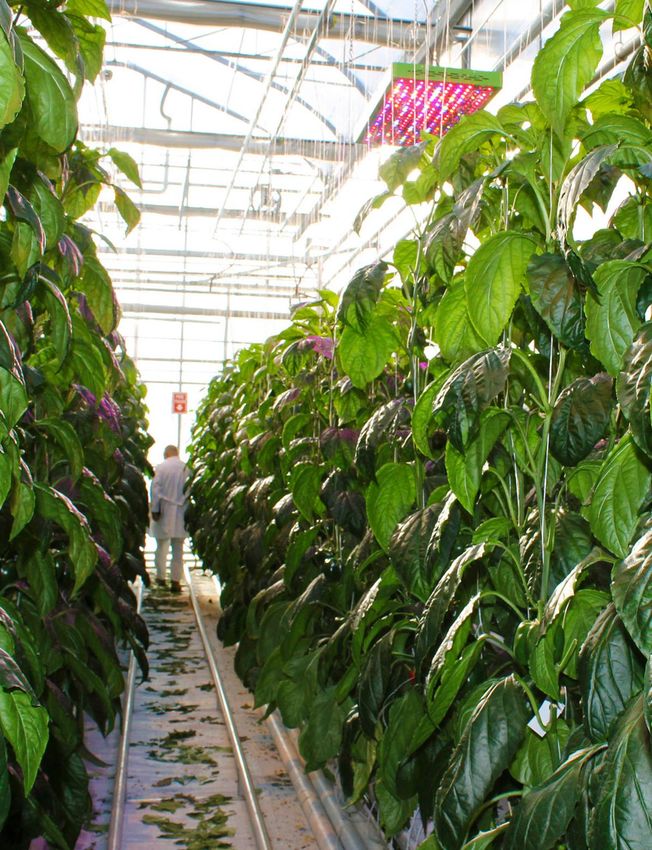
Developing
 new food and
 industrial crop options.
RURAL ECONOMIC DEVELOPMENT ACTION PLAN   5

THE PLAN

Area of Focus 1: Industry and Business Development
The spirit of entrepreneurship runs deep in the province. Albertans are innovators who love the work they do and love
to work hard at it. The Alberta government’s role in industry and business development is a unique one. The province
aims to support the ‘can do’ attitude of new business developers and owners of already thriving industries to grow
and prosper in rural Alberta.

Strategy 1.1: Enhance                      Actions:
the capacity in rural                      • Develop options for planting,
Alberta to establish and                     storing, processing and
                                             transporting new food and
grow innovative, next-                       industrial crops.
generation and value-
                                           • Pinpoint regulatory barriers that
added industries.                            inhibit economic diversity in rural
Alberta’s rural economy has                  Alberta and implement ways to
traditionally focused on the                 reduce or eliminate those barriers.
production of natural resource
                                           • Empower environmental
commodities. Transitioning to a
                                             entrepreneurship by enabling
broader economic base will require
                                             commercialization of “green”
strategies to spark and fuel diversity.
                                             technologies and implementing
The province will support Alberta
                                             improved waste-management
entrepreneurs to explore next-
                                             practices.
generation industries. It will help
clear the clutter of regulatory barriers   • Partner with post-secondary
that threaten to slow the growth of          institutions to develop
economic diversity.                          skilled business leaders and
                                             entrepreneurs in emerging
                                             industries.

                                              “While Morinville may be home base for Champion
                                                   Petfoods, our marketplace is the world,”
                                               Peter Muhlenfeld, Champion Petfoods, www.championpetfoods.com

                                                             “Rather than commodities,
                                                            we now raise and grow food.”
                                                        Don Ruzicka, Sunrise Farm, www.sunrisefarm.com

  6                                                                   RURAL ECONOMIC DEVELOPMENT ACTION PLAN
GROWING VALUE-ADDED INDUSTRIES

Morinville pet food company markets to the world
Peter Muhlenfeld points to the world           Today, one in six people living and working in
map dominating his office wall.
“We sell a third in Canada, a third in        Morinville goes to work for Champion Petfoods.
the U.S. and a third overseas.”              As the largest private sector employer in the town,
While Morinville, AB may be home                  the company’s direct economic impact is
base for Champion Petfoods, its
marketplace is the world. It’s a
                                                 tens of millions of dollars to Morinville and
shining example of what a value-               hundreds of millions to the Alberta economy.
added industry focused on local
agricultural inputs can accomplish       out to regions such as the west          impact is tens of millions of dollars
when combined with a penchant            coast for salmon and flounder,           to Morinville and hundreds of
for international niche marketing.       the Okanagan for fruit or northern       millions to the Alberta economy.
Key to its success is the ability        Canada for walleye and Northern
to understand what it is…and             Pike.                                    Muhlenfeld says the company’s
what it isn’t.                                                                    overseas success is due in no
                                         “We’re a niche player…but a niche        small part to the image of Canada.
“We’re focused on developing             player with scale,” says Muhlenfeld.     “There are lots of pet food
innovative foods that lead our           “The big pet food companies can’t        manufacturers in Europe. But we
industry and command a top price         do what we do. We are the maker          aren’t selling a commodity; we’re
in the market,” says Muhlenfeld. “We     of unconventional and authentic          building authentic brands that are
are passionate about our foods, so       foods in the pet food industry.”         trusted by pet lovers worldwide.”
we never outsource. We don’t make
food for anyone else and they don’t      The company specifically chose the       Canada is regarded as clean and
make it for us.”                         Town of Morinville as the location       pure, modern and regulated, with
                                         for its ‘kitchen’. Muhlenfeld said the   the capability to produce high-quality
Champion makes pet food that is          small town of 8,600 people had           food that is safe and trusted.
biologically appropriate – how nature    the industrial area it needed and
intended dogs and cats to be fully       the labour force and community           Understanding the customer base
nourished before humans came             supports that Champion requires.         is also critical, says Muhlenfeld.
along. The company is stridently                                                  “We aren’t in the business of making
regional in its ingredient list: fresh   Today, one in six people living and      commodity foods…we’re in the
bison from Trochu; fresh wild boar       working in Morinville goes to work for   business of building trust with pet
from Mayerthorpe; or fresh laid eggs     Champion Petfoods. As the largest        lovers worldwide.”
from Camrose. If items can’t be          private sector employer in the town,
sourced locally, Champion branches       the company’s direct economic

 7
RURAL ECONOMIC DEVELOPMENT ACTION PLAN                                                                    7
                                                                      RURAL ECONOMIC DEVELOPMENT ACTION PLAN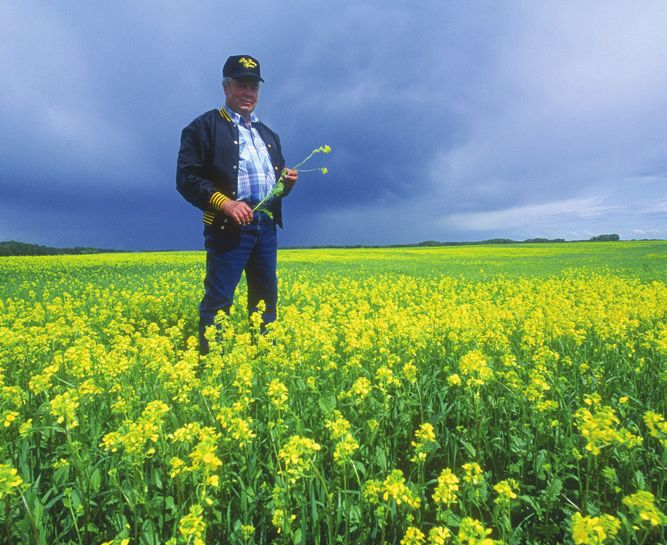
Strategy 1.2: Assist rural                rural Alberta abroad and ensure       owned and operated. Other
                                          strategic business information        businesses in the food and
businesses in capitalizing                gets to rural businesses on a         beverage, lodging and retail sectors
on opportunities in new                   regular basis.                        count on welcoming visitors as part
local, domestic and                    • Work with partners to develop          of their revenue stream.
international markets.                   and implement strategies that
                                                                                Many rural communities see the
The provincial and federal               address rural transportation
                                                                                potential to grow tourism to help
governments, working with business       needs and the timely and efficient
                                                                                diversify their local economy.
and industry, have seen recent           transport of goods by rail and
                                                                                Festivals and events, ag-tourism
successes on the trade front.            other means to domestic
                                                                                and nature-based tourism offer great
Impending new trade agreements,          and international markets.
                                                                                potential to not only attract visitors,
like the Canada-European Union         • Increase awareness and promote         but also to bring new residents to
Comprehensive Economic and               the opportunities to invest            rural regions.
Trade Agreement (CETA), the              and partner with Aboriginal
Trans-Pacific Partnership (TPP),         communities by international           Actions:
as well as the development of            investment interests.
interprovincial networks, such as                                               • Develop and implement integrated
the New West Partnership among                                                    regional destination management
Alberta, Saskatchewan and British
                                       Strategy 1.3: Increase                     plans that coordinate planning,
Columbia, present a widening           tourism and culture-                       development, marketing and
window of opportunity for Alberta      based business                             investment at a regional and
producers to explore the global                                                   sectorial level.
                                       opportunities in rural
marketplace. Closer to home, local                                              • Spark tourism-focused
markets are also expanding, keeping
                                       communities.                               development and marketing,
local producers agile as they scan     Alberta’s tourism industry boasts          including new tourism
the horizon of market prospects and    multi-billion dollar revenues and          experiences and products.
adjust to meet demand.                 creates jobs for people province-
                                                                                • Support economic opportunities
                                       wide. It tallies more than 35 million
                                                                                  resulting from cultural industries
The province will augment a strong     visits a year from people all over the
                                                                                  such as film and television, arts,
suite of services to help businesses   world who revel in our natural beauty
                                                                                  festivals and heritage facilities.
capture the potential of expanded      and enjoy our cultural offerings.
trade networks.                                                                 • Support Aboriginal communities
                                       A significant number of Alberta’s          in developing cultural and
Actions:                               tourism operators are small and            tourism-related businesses
• Implement programs to coach          medium-sized. Many are family              and projects.
  companies on business acumen,
  awareness of global markets, risk
  management and revenue growth
  to better prepare organizations to            “The Town of Cochrane and surrounding
  capitalize on new opportunities.
                                                  area has built and marketed a cluster
• Support business development
  and expansion to new markets                  of businesses, heritage sites and cultural
  by developing key relationships,            amenities to make a half-hour ice cream stop
  securing agreements and
  ensuring proper assurance                        stretch into a day-long adventure.”
  systems are in place.
                                                             Meghan Tayfel, MacKay’s Ice Cream
• Leverage government                                           www.mackaysicecream.com
  organizations and partners, such
  as the Small Medium Enterprise
  (SME) Export Council and the
  Asia Advisory Council, to promote

  8                                                                RURAL ECONOMIC DEVELOPMENT ACTION PLAN
CAPITALIZING ON NEW MARKETS

Sunrise Farm couple nurture their land while they raise and grow food
Don Ruzicka admits he’s in a love            But Ruzicka says he soon realized their operation
triangle. And his wife condones it.
                                             needed to shift from primary production to niche
“I truly believe the new model of
agriculture is based on a three-way
                                            marketing. “We were turning the whole idea of how
relationship,” says Ruzicka, a third-            we eat and how we farm upside down.”
generation farmer near Killam, AB.
“There’s the farmer. There’s the land.   land to feed their chickens and hogs     “These wetlands and sloughs are
And there’s the consumer.”               as well as milling the flour for their   important habitats as food for
                                         own consumption.                         wildlife, but also for pollinators like
Ruzicka and his wife, Marie, morph
                                                                                  honeybees, bumble bees, beetles,
theory into practice at Sunrise Farm,    But Ruzicka says he soon realized        butterflies and moths,” says Ruzicka.
an 800-acre holistic operation that      their operation needed to shift          “It is a very interesting journey, trying
includes 200 acres of native prairie,    from primary production to niche         to understand nature and to bring
wetlands, sloughs trees and bush.        marketing. “We were turning the          back a partnership with her.”
They nurture the land as much as         whole idea of how we eat and how
their livestock….as concerned with       we farm upside down.”                    They have planted over 60,000 trees
the health of the dragonfly population                                            of 16 different species to increase
and the quality of their water as they   That meant establishing relationships    the diversity of their flora and fauna.
are with the chickens and cattle they    with the consumers who were
raise and sell.                          buying their products so they, too,      The Ruzickas are happy to share
                                         could learn the story behind how         their story. In fact, they insist on it if
“Rather than commodities, we now         their food was grown and produced.       you are buying their products. They
raise and grow ‘food’,” says Ruzicka.                                             want consumers to understand how
                                         It also developed into a passion for     the chicken on their Sunday dinner
It was a course in 1995 that             biodiversity on the Sunrise Farm. For    table was fed and housed. They
turned Ruzicka’s mind from               instance, Ruzicka says they wanted       proudly point out their certification of
industrial agriculture to holistic       to nurture the bird population, so       Animal Welfare Approved Grassfed
farm management. Health issues           he installed 30 bird houses on each      – the first food label in Canada that
had challenged him to eat more           quarter section of land.                 guarantees animals are fed 100 per
wholesome foods. At the same
                                                                                  cent grass and forage and are raised
time, the couple’s farming operation     The Ruzicka’s also turned their
                                                                                  outdoors on pasture or range for
was $250,000 in debt with no             attention to their water supplies and
                                                                                  their entire lives.
change in sight.                         the riparian areas bordering them.
                                         They built 10 dugouts and fenced         They host 150 to 200 people a
The Ruzickas started their journey       them off from their cattle to improve    year from as far away as Australia,
with a small organic operation.          the quality and quantity of water.       Pakistan, Mexico and China to see
                                         Vegetation such as cattails, grasses,    their operation and admire the solar-
“I found I was already dabbling in
                                         shrubs and trees began sprouting         powered portable water pumping
organics,” Ruzicka says. “Like many
                                         up and soon the Ruzicka’s noticed        system. Along with that, they have
farmers, I was intent on clearing
                                         a huge increase in the dragonfly         delivered hundreds of presentations
more land for production and I had
                                         population, helping control pests        on their farming methods and
ploughed under seven acres of
                                         such as grasshoppers.                    experience.
native prairie.” They began using
grain from that untainted piece of
                                                                                  “I sincerely believe our health and
                                                                                  happiness depends on the food we
          “Rather than commodities, we now raise                                  eat and how the land is cared for,”
              and grow ‘food’,” says Ruzicka.                                     says Ruzicka.

 9
RURAL ECONOMIC DEVELOPMENT ACTION PLAN                                                                   9
                                                                     RURAL ECONOMIC DEVELOPMENT ACTION PLAN
AREA OF FOCUS 2:
FINANCIAL AND CAPITAL ACCESS
Albertans’ entrepreneurial spirit and innovative outlook is a major chapter in the economic success story of the
province. However, spirit and drive alone do not translate to strong, thriving business and industry development. Rural
Alberta requires reliable and efficient access to capital through financial institutions or community-driven initiatives.
Increased capital translates to greater innovation, productivity and prosperity at the local, regional and provincial levels.
Strategy 2.1: Improve Actions: • Improve existing programs
to support the next generation
access to capital for • Increase existing AFSC lending
of entrants into agriculture.
rural entrepreneurs and limits to allow greater investment
and, in turn, increase the ability • Increase individual loan limits
businesses. to leverage additional investment to address the new price
The Agriculture Financial Services from other sources. advancements in the feeder
Corporation (AFSC) provides a cattle market.
• Improve existing programs to
wide variety of risk management
reduce barriers to accessing • Support new and enhance
products and financial services to
capital for rural Albertans. existing lending, debt capital
fit the business needs of the
and venture capital programs for
agriculture industry and commercial • Strengthen access to capital for
Aboriginal communities.
enterprises in Alberta. Improving rural entrepreneurs from domestic
access to capital and financial and international investors.
services can enable new businesses
• Examine how to expand
to emerge and help existing
community-driven funding
businesses to flourish.
models, which pool local funds
to finance community
or entrepreneurial projects.
“New industries are being created in rural Alberta,
but not without some difficulties. Initiatives outside
of the resource sector can mean risky research and
development costs, which are difficult to finance.”
Diane Szumlas, Community Future East Parkland
www.eastparkland.albertacf.com
10 RURAL ECONOMIC DEVELOPMENT ACTION PLANAREA OF FOCUS 3: ATTRACTION, RETENTION
AND ENTREPRENEURIAL DEVELOPMENT
Rural Albertans work hard. But there are not enough workers to meet job demand and not enough workers with the
right skills in rural Alberta.
Qualified, talented workers and their families are key to ensuring rural Alberta is a first-rate place to live, invest and
do business. The Alberta government, working with provincial and federal counterparts, will focus on strategies for
attracting, developing and retaining this workforce.
Strategy 3.1: Implement Actions: • Develop and implement targeted
entrepreneurial and small
policies and programs • Provide incentives, such as
business workforce programs
that attract and retain scholarships and bursaries, to
tailored to rural communities and
youth and new graduates to bring
families, skilled workers, their skills to rural communities.
underrepresented populations.
new graduates, • Encourage municipalities to
• Increase coordination of labour
immigrants and attraction programs and initiatives
implement initiatives to welcome
Aboriginal people to and include Aboriginals and
to more effectively promote
newcomers from diverse ethnic
rural Alberta. opportunities across Alberta.
and cultural backgrounds to
Alberta’s rural population has • Provide information and tools for their communities.
continued to grow, reaching more employers in rural regions to help
• Work with municipalities,
than 615,000 people in 2011. address labour requirements.
regions and Aboriginal
However, the population has not
• Increase employer engagement communities to increase
grown in all communities and
and investment in workplace- housing in growing areas.
regions. And rural population growth
based training through developing
continues to be outpaced by growth
new government-sponsored
in urban centres. As a result, the
training programs.
percentage of rural Albertans as a
share of the total Alberta population
continues to trend downward. As
well, rural Alberta is proportionally
older on average than urban Alberta
and struggles to attract immigrants.
The Alberta government will explore
policies and programs focused
on attracting and retaining youth,
families and industry leaders to rural
Alberta to support community-based
approaches that increase the vitality
and economic sustainability of rural
Attracting
communities. families to
rural Alberta.
RURAL ECONOMIC DEVELOPMENT ACTION PLAN 11
1
1Strategy 3.2: Expand Actions: • Establish a one-window service
provider network connecting
business coaching • Strengthen connections among
entrepreneurs and business
services that help existing mentorship networks
leaders to development services
and enable the establishment
connect emerging of additional mentoring
for their individual needs.
and established opportunities for small • Expand targeted entrepreneurial
entrepreneurs and businesses in rural Alberta. and training programs for First
business leaders through Nations and Metis youth in rural
• Foster collaboration among
regions.
mentorship, leadership regional businesses by enabling
and skill development the creation of matchmaking
forums and leadership groups.
programs.
4-H. Junior Achievement. Business
Link. Community Futures. FarmOn.
Green Hectares. University of
Alberta Centre for Entrepreneurship
“The real opportunity in rural Alberta is for new-age
and Family Enterprise. These are pioneers who live local and think global.”
a few of the organizations that
provide expertise in connecting Christie Dick, Return to Rural
www.returntorural.ca
entrepreneurs with mentorship and
leadership programs. Many financial
institutions also support business
start-ups with information.
Encouraging networking among
these organizations would ensure
all players know what each
offers – from services for youth
and new entrepreneurs to those
contemplating expansion – and allow
simplified access for clients.
12 RURAL ECONOMIC DEVELOPMENT ACTION PLANEXPANDING BUSINESS COACHING SERVICES
Rural development initiative builds ‘the new rural’ in southeastern Alberta
They’re turning the ‘wild west’ into Their welcome mats suddenly grew shopping.
the ‘wired west’ in southeastern a whole lot bigger.
Alberta. Closing the digital divide between
That’s an extreme advantage for urban and rural is critical, says
“It’s the new rural,” says Christie young, savvy entrepreneurs who Andrea Thornton, R2R Project
Dick, Project Manager of Return want to grow a traditional business Coordinator. So R2R has offered
to Rural. or germinate a new one, says Larae training sessions for community
Pierson, R2R’s Special Media leaders to become comfortable
“We’re telling young people they Manager. “We want them to think with new technologies and take
can have it all – live local and think about mapping out their future in the advantage of tools that can close
global.” new rural frontier.” the gap between large rural
distances.
“Sharing what we have learned is a
“We’re telling young people they can really big part of what we do,” adds
have it all – live local and think global.” Thornton.
“We have touched base with tons of
Dick is a major force behind Return Using social media tools – communities in rural Alberta as well
to Rural (R2R), a one-of-a-kind rural Facebook, Twitter, YouTube – R2R as presented at conferences and
development strategy that sets its targets well-educated young people community meetings and continue
sights on young Albertans, enticing from 21 to 45 years of age. There’s to develop toolkits, models and best
them to migrate back to their roots, even a #WorkWednesday hashtag practices.”
set up shop and build their lives in a that offers new career postings.
group of communities in the Special Dick adds that the collaboration of
Areas region. It’s helping stem the But R2R support doesn’t end there. the communities involved in R2R
demographic tide of rural Alberta, Backstopping new or expanding is essential, pulling the project in
growing greyer as youth seek ventures is a whole range of group the same direction. The partnership
post-secondary education in larger or one-on-one sessions on business has meant access to government
centres and never look back. R2R tools or social media marketing. This funding and successes that
wants to turn them around. support has: helped build a new would not be possible without the
web page for a local photographer collaborative regional approach.
“The real opportunity is for new-age to expand her business; provided
pioneers,” says Dick. Enhanced assistance with a business plan “We’re all on board with the
broadband technology in the to help an aspiring auto body message that living in rural Alberta
Special Areas and MD of Acadia No. shop owner return home to their doesn’t mean you can’t reach
34 region has brought the world to community; and helped an Oyen out to larger markets because of
the front doors of local businesses. clothing store venture into online technology,” she says.
13 ECONOMIC DEVELOPMENT ACTION PLAN
RURAL 1
RURAL ECONOMIC DEVELOPMENT ACTION PLAN
3AREA OF FOCUS 4:
RURAL BUSINESS INFRASTRUCTURE CAPACITY
Give Albertans the right tools to work with and they will be the architects and builders of their own success. Enabling
business development and the sustainability of commerce in rural communities relies on the province’s commitment
to increase the infrastructure capacity of value-added processing and manufacturing, innovation and technology, as
well as water storage. These building blocks will give entrepreneurs the basics they need to turn their ingenuity into
products and merchandise that can reach untold markets and achieve new levels of competitiveness, locally and
beyond.
Strategy 4.1: Increase Strategy 4.2: Actions:
the capacity of industry Enhance innovation • Identify and reduce constraints to
to efficiently capitalize on and technology rural Internet speed and capacity.
value-added processing infrastructure to ensure • Approve additional projects
and manufacturing rural businesses are through the Final Mile program
to further expand connectivity in
opportunities. positioned to be rural areas.
Value-added processing and effective, efficient
• Negotiate a new SuperNet
manufacturing gives Alberta and competitive. contract upon expiration in
producers and agri-businesses
Advanced information and 2018 to ensure the appropriate
exponential benefit from the raw
telecommunications infrastructure broadband services continue to
products and services they produce.
has brought rural Albertans closer be available to rural businesses
With the right production capacity,
to people around the world and and communities and that
more value-added products can be
markets never before imagined. the SuperNet can further
introduced in the marketplace and
However, a digital divide between enhance community broadband
more quickly, too. Encouraging
rural and urban continues to infrastructure, with approval from
and supporting rural businesses to
disconnect entrepreneurs, Service Alberta.
develop and augment their capacity
businesses and rural residents
to manage, market and access • Advocate federal regulators for
from technological applications
capital will position them to capitalize increased cellular coverage and
and information communications
on new opportunities. capacity in rural areas, reducing
technologies that would
the number of areas where
increase their productivity and
Actions: service is unavailable.
competitiveness in a connected
• Increase capacity at the Food world.
Processing Development Centre
in Leduc and expand operations
into non-food value-added
processing.
• Expand opportunities for
entrepreneurs to use established
facilities for value-added
processing.
• Increase research and innovation
to support commercialization and
development of new products
and solutions.
14 RURAL ECONOMIC DEVELOPMENT ACTION PLANENHANCING RURAL TECHNOLOGY
INFRASTRUCTURE
O-NET brings fast times to Olds
It’s a fast crowd in Olds. Ten times in the community to bring a bundle “We’re trying to take
faster than the rest of Canada, of services to residents, businesses
in fact. or institutions. the barriers away.”
That’s because of O-NET, the For an educational institute like Olds Institute for Community & Regional
community-owned fibre optic College, it has meant an exponential Development to complete the
network providing up to one increase in speed for uploading or short hook-ups to each home and
gigabit per second of bandwidth downloading files, allowing for video three remaining service areas. The
to businesses, organizations and streaming and distance learning. Institute is a partnership among the
residents across the community. Businesses enjoy uploading files of Town of Olds, Olds College, Olds
The service is symmetrical, meaning information rather than couriering and District Chamber of Commerce
upload speeds are the same as chips of data. A denturist, for and the Olds Regional Exhibition
download speeds. instance, can take an impression and is the only shareholder of Olds
of a mouth, upload the data to Fibre Ltd.
Why is this town of 8,500 leading the a lab in another location where
bandwagon on high-speed Internet? dentures can be built. Residents That governance model has been
It’s all about rural development, can take advantage of a package extremely effective, he says.
says Joe Gustafson, Chair of Olds of TV, Internet and phone from
Fibre Ltd., which operates as “We’ve had conversations with other
one provider.
O-N ET. In 2003, the town saw some communities interested in doing
businesses struggling from lack of “We’re trying to take the barriers something similar,” he says. “We
bandwidth and began exploring how away,” says Gustafson. “There were always tell them as a starting point,
to hook on to the Alberta SuperNet, limits before on how much data you you need a governance process in
the ultra high-speed broadband could convey and when. A good place that actually works.”
network connecting government, comparison would be if Highway 2
Gustafson describes himself has
learning, health, library and were a two-lane highway – you’d
“consciously incompetent” when it
municipal locations. have to decide when traffic was
comes to technology.
the lowest so you could travel to
“In our naivety, we imagined some Calgary. It would likely be 3 a.m.” “You just have to be aware of what
kind of giant extension cord to
you don’t know and surround
plug into the SuperNet,” laughs One of the stumbling blocks along
yourself with knowledgeable people
Gustafson. Many years later, what the way has been access to capital.
with the technical skills to get the
emerged was a fibre optic network Olds town council recently agreed
job done.”
that can connect to every property to loan up to $8 million to the Olds
15 ECONOMIC DEVELOPMENT ACTION PLAN
RURAL 1
RURAL ECONOMIC DEVELOPMENT ACTION PLAN
5Strategy 4.3: Create Maintaining strong partnerships • Empower collaborative planning
with landowners, farmers, ranchers, for improved stability and
alignment with the Water as well as local and regional predictability in response to water
for Life Action Plan for a organizations, is key to sustaining shortages such as droughts.
sustainable water supply our rural economy.
• Continue to improve productivity
to support economic and efficiency of irrigation
Actions:
activity. infrastructure to support
• Enable partnerships, regional- additional economic activity
Water is an essential resource for
based solutions and information without increased water
the economic development of
sharing to enhance effective consumption.
rural communities. The continuous
water management practices and
improvement of water management
promote long-term sustainable
practices and technologies can help
water supplies.
ensure the availability of reliable,
quality water supplies over time.
Ensuring
sustainable
water supply.
16 RURAL ECONOMIC DEVELOPMENT ACTION PLANAREA OF FOCUS 5:
REGIONAL AND CROSS-REGIONAL COLLABORATION
Regional economic development entities are located across the province to help position regions to compete more
effectively in a global marketplace and improve investment attraction in rural Alberta. The province will help improve
coordination and cooperation of those entities to share the knowledge of available programs, services and initiatives
to further strengthen economic opportunities in rural communities.
Supporting collaborative planning and projects within and between different regions will lead to more economically
diverse and sustainable rural communities. Seeking opportunities to partner not only within Alberta, but also with
other jurisdictions, will further enable government to ensure the best programs and services are available for rural
communities.
Strategy 5.1: Enable Actions: • Support increased collaboration
between Aboriginal communities
collaboration within • Increase coordination and
and neighbouring counties and
and between regions in support in regional economic
municipalities.
development planning, programs
Alberta to better focus and services by clarifying roles, • Identify and pursue options for
planning, service delivery reducing existing inefficiencies Rural Electrification Associations
and project development. and focusing on outcomes. to diversify their business model
and enterprise portfolios to
Rural regions that work together • Create greater awareness of
improve their economic viability
under an economic development existing regional economic
and long-term sustainability in
banner are magnets for investment development entities and the
rural areas.
attraction and global market access. services they provide.
Through successful cooperation • Create opportunities for
• Encourage and recognize
between economic development discussion among economic
partnerships between
entities, non-profit organizations, development stakeholders to
municipalities that collaboratively
municipalities and government, rural build relationships, encourage
address regional needs.
communities and businesses will be collaboration and share ideas.
better positioned to succeed.
Exploring
regional
partnerships.
RURAL ECONOMIC DEVELOPMENT ACTION PLAN 17Growing innovative industries. 18 RURAL ECONOMIC DEVELOPMENT ACTION PLAN
CONCLUSION

The Rural Economic Development Action Plan provides strategies that will help rural communities continue to
build on their economic development success, both in the near future and years down the road. Stakeholders were
engaged to identify challenges and areas where the Government of Alberta could help rural Alberta flourish and grow.
They identified several key issues for ongoing rural economic development:
• There are barriers to development      • There are infrastructure               a shared commitment between all
  for next-generation, value-added         challenges such as technological       stakeholders, the Rural Economic
  enterprises to capitalize on             connectivity and value-added           Development Action Plan will
  new markets and new growth               processing capacity.                   support rural Alberta as it continues
  opportunities.                                                                  down the path to a sustainable and
                                         • There is a need for regional and
                                                                                  vibrant future.
• There are financial obstacles            government coordination and
  for those businesses seeking             cooperation to make effective use
  capital for new and expanding            of resources.
  enterprises.
                                         The actions laid out in the Rural
• There are demographic realities.       Economic Development Action
  The rural population is greying        Plan directly respond to these
  as youth migrate to larger city        barriers, and outline practical steps
  centres. Attracting skilled workers    the Government of Alberta, in
  and their families is a hurdle faced   partnership with communities, can
  by rural industries and businesses     take to ensure rural Alberta continues
  across Alberta.                        to thrive. Through collaboration and

   Supporting
   rural
   Alberta.

RURAL ECONOMIC DEVELOPMENT ACTION PLAN                                                                              19
APPENDIX Government of Alberta Initiatives A solid base of programs and services already exists or are currently being developed to support rural economic development, and the action plan intends to leverage that work. The following strategies and frameworks complement the Rural Economic Development Action Plan. These will help support the plan’s successful delivery. Economic Development Framework: Building on Alberta’s Strengths This framework was developed across government and identifies strategic goals, outcomes and performance measures for economic development in the province. Alberta’s Transportation Strategy This 50-year strategy outlines the overarching vision for Alberta’s transportation system, including all forms of transportation that ensure the safe and efficient movement of people, goods and services. For rural communities, a proper transportation system is key for economic diversification and success. Alberta’s Tourism Framework: A Pathway to Growth This framework creates a common vision to grow Alberta’s tourism industry and communicate the goals and priorities that will position Alberta for success. Rural Alberta has great potential to enhance tourism opportunities and grow its economic base. Alberta’s Small Business Strategy This strategy acknowledges and responds to the needs of Alberta’s small businesses and entrepreneurs. Rural Alberta has a strong foundation of small and medium-sized businesses that are prepared for growth and diversification. Alberta’s International Strategy This strategy was developed to bolster market access for Alberta products, strengthen the province’s reputation abroad and position Alberta as a safe and strong place for international investment. Alberta’s Plan for Parks This plan introduces short- and long-term activities and a framework for decision-making to enable Alberta’s parks to inspire people to discover, value, protect and enjoy the natural world and the benefits it provides for current and future generations. Rural regions are able to realize increased economic opportunities through tourism to Alberta parks. Alberta Research and Innovation Plan This plan reflects the role of research and innovation in advancing the Government of Alberta’s long-term vision of focusing on families and communities, securing Alberta’s future and advancing world-leading resource stewardship. Aboriginal Economic Partnerships Program The Aboriginal Economic Partnerships Program provides funds for economic development and capacity building in Aboriginal communities while building partnerships between First Nations, Métis settlements and organizations, governments (federal, provincial and municipal), industry and other stakeholders. 20 RURAL ECONOMIC DEVELOPMENT ACTION PLAN
Economic Opportunities Initiative
   This initiative is intended to increase Aboriginal participation in the economy and includes: preparing youth
   to participate in the economy; increasing the participation of Aboriginal women; promoting entrepreneurial
   participation; reducing social barriers to participation; and building organizational capacity to support
   economic participation.

Social Policy Framework
   Alberta’s Social Policy Framework provides broad, overall direction for social policy in Alberta, including housing,
   employment, safety, and child care. It is intended to guide collective efforts to meet the growing and diverse
   needs of Albertans, and it provides a common foundation to evaluate, measure, and report progress on achieving
   desired outcomes.

Water for Life
   The Water for Life Action Plan addresses the management of the province’s resources for the benefit of all
   Albertans. The action plan’s three main goals include safe, secure drinking water; healthy aquatic ecosystems; and
   reliable, quality water supplies for a sustainable economy.

Other initiatives intended to support the continued vitality of rural Alberta include: a review of the Municipal
Government Act, Alberta’s Cultural Policy, and Workforce Partnerships Program, among others.

RURAL ECONOMIC DEVELOPMENT ACTION PLAN                                                                              21
20 RURAL ECONOMIC DEVELOPMENT ACTION PLAN
You can also read


