Sustainable Rural Communities - Rural Strategy & Action Plan 2016 2020 - The Housing ...
←
→
Page content transcription
If your browser does not render page correctly, please read the page content below
Sustainable Rural Communities
Rural Strategy & Action Plan
2016 - 2020
Sustainable
Rural Communities
Rural Strategy & Action Plan
2016 - 2020
1.0   Chairman’s Foreword................................................................ 1
2.0   Introduction – Strategy Background....................................... 3
3.0   Strategic Context...................................................................... 5
4.0   What do we mean by ‘rural’?................................................... 7
5.0   Strategy Framework................................................................. 9
6.0   Monitoring & Communication............................................... 33
7.0   Rural Action Plan..................................................................... 35
8.0   Glossary................................................................................... 41

Gort Beag, Rathlin Island (Pic courtesy of Apex Housing Association)
“We recognise the
growing pressures from
rural communities for
local, affordable homes”

1.0 Chairman’s Foreword

1.1   The Northern Ireland countryside                    Regional Development Strategy and the
      provides environmental, social and                  Sustainable Development Strategy for
      economic benefits to all dwellers, both             NI. It reflects recent, comprehensive
      urban and rural. It is our greatest asset           structural changes, including the Reform
      and should be enjoyed, promoted,                    of Local Government, the emergence
      protected and enhanced. However, for                of the 11 new councils and the revised
      the rural population who live in, work and          administrative structure of the Housing
      maintain this asset, basic services are             Executive in line with the Social Housing
      often less accessible and housing more              Reform Programme.
      unaffordable. When considering rural
      sustainable development it is important       1.4   Perhaps most importantly though, the
      to recognise that achieving a healthy rural         launch of our Rural Housing Strategy is
      environment is inextricably linked with             timely given the pending introduction
      sustaining our rural communities who are            of the Rural Needs Bill which places a
      essential to supporting and maintaining a           statutory requirement on all public bodies
      vibrant rural economy.                              and councils to consider the needs of
                                                          rural communities in policies and services
1.2   This Rural Housing Strategy & Action                and to demonstrate how they have
      Plan sets out the Housing Executive’s               achieved this. This primary legislation is
      contribution to sustaining our rural                welcomed and endorsed by the Housing
      communities. We have reaffirmed our                 Executive. It provides an opportunity to
      commitment to addressing the housing                refresh our rural proofing guidance, to
      needs of rural residents and renewed our            promote the innovative programme of
      specific rural housing approach which               work set out in our Rural Action Plan and
      has evolved significantly since it was              to work in collaboration with other public
      first introduced in 1991. We recognise              bodies and councils to deliver investment
      the growing pressures from rural                    and support to enable vibrant and
      communities for local, affordable homes,            sustainable rural communities.
      the need to address increasing levels of
      unfitness and fuel poverty in rural areas
      and the national recognition that there is
      a need to support an ageing population,
      especially in isolated rural areas.

1.3   ‘Sustainable Rural Communities’ has
      been prepared following a full review of
      the outgoing ‘Rural Homes and People’
      Strategy during 2015 and eight weeks
      of public consultation at the beginning
      of 2016. We would like to take this
      opportunity to thank those individuals and
      organisations who took the time to attend
      consultation events and who provided a
      wide range of detailed and informative
      consultation responses which have been
      afforded full consideration. The strategy
      has also been prepared in line with the

                                                                                                       1
Jenny Irvine, Arc Healthy Living Centre at stakeholder consultation event in February, 2016.

                                                                                     David Quinney Mee, Rathlin Development
                                                                                     & Community Association.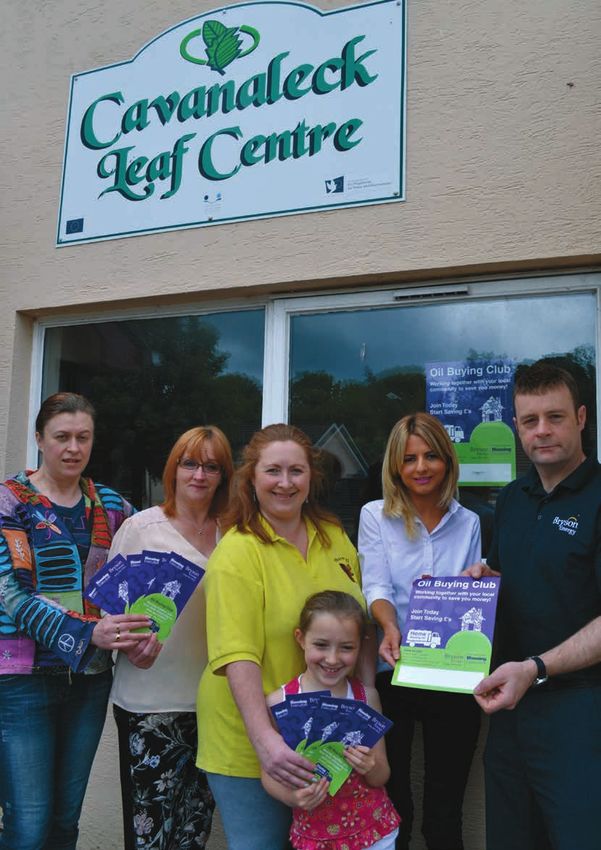
2.0 Introduction – Strategy Background

2.1   The Housing Executive has a statutory               and economic factors impacting on
      responsibility under the 1981 Housing               rural communities. The preparation and
      Act to assess housing needs, research               implementation of the Rural Strategy
      housing conditions and to ensure                    is included as a priority in the Housing
      programmes are in place to meet                     Executive’s Corporate & Business Plan
      identified needs. This applies equally to           under Regional Services Objective 5 –
      urban and rural areas across Northern               Enabling sustainable neighbourhoods
      Ireland.                                            and regeneration. Just as important
                                                          however, is the added recognition that
2.2   However in 1991, the Housing Executive              the Rural Strategy encompasses all
      focused on developing the first specific            areas of Housing Executive responsibility
      rural housing policy in response to the             and fundamental to its success is a
      findings of two key publications:                   commitment from internal departments
      1. The 1988 Commission of the                       to deliver on each individual aspect of the
           European Communities’ publication              cross-divisional action plan.
           ‘The Future of Rural Society’ cited
           that the largest problem facing rural    2.5   The 2016-2020 Rural Strategy & Action
           areas was the ‘provision of affordable         Plan - ‘Sustainable Rural Communities’
           housing for local communities’; and            has been shaped by:
      2. The 1987 House Condition Survey                  a) The recommendations from the
           demonstrated the widening                          review of the outgoing ‘Rural Homes
           gap between rural and urban                        and People’ strategy which took
           house conditions with increasing                   place during 2015 in consultation
           concentration of unfitness in more                 with internal representatives,
           isolated rural areas.                              external rural stakeholders, service
                                                              providers and the Rural Residents’
2.3   It was determined that the Housing                      Forum; and
      Executive’s first rural housing policy ‘The         b) The numerous responses to the
      Way Ahead’ should consider all aspects                  draft Rural Strategy which were
      of rural housing activity, encompassing                 received during eight weeks of public
      issues such as housing conditions,                      consultation in early 2016.
      housing need and supply, affordability
      and care in the community. Most               2.6   It is hoped that this strategy will ensure
      significantly, the policy highlighted that          that the momentum gained in addressing
      rural circumstances were different from             rural housing inequalities over the last
      urban and recognised that in order for              25 years is maintained. The Housing
      the Housing Executive to deliver on its             Executive must take full advantage of the
      statutory responsibilities in an equitable          fresh opportunities for rural communities
      manner, a specific rural approach was               presented through increased collaborative
      required.                                           working both with other government
                                                          departments in the reformed structure
2.4   Since 1991, this specific rural approach            and with the newly formed councils as
      has evolved through three consecutive               part of the Community Planning process.
      rural housing policies/strategies in the
      context of changing governmental
      and organisational priorities and taking
      account of other environmental, social

                                                                                                        3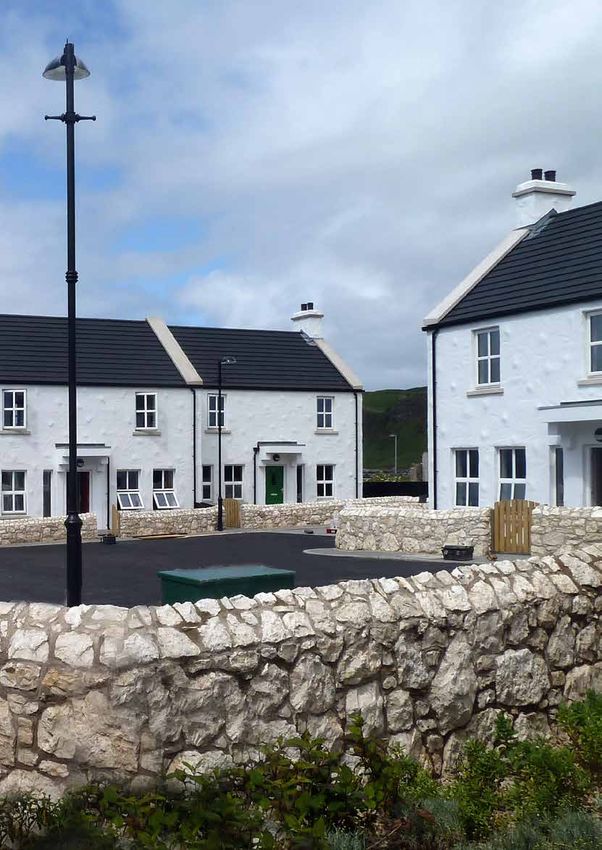
“Every government
                      department has a
                      responsibility in respect
                      of rural areas”

Upperlands, Maghera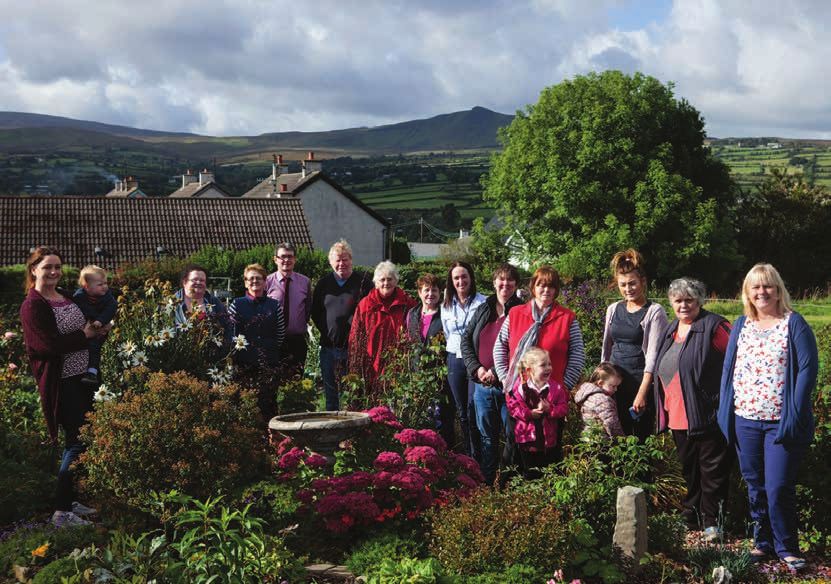
3.0 Strategic Context

3.1    The context for the development of rural                     to the newly formed local councils, on
       policies and strategies in Northern Ireland                  9th November 2015 the DARD minister
       has changed considerably since the last                      introduced the ‘Rural Needs Bill’ into the
       review in 2007. Most notably, there has                      Assembly. The Bill passed its final stage
       been substantial progress in raising the                     in March 2016 and was granted Royal
       profile of rural issues at ministerial level.                Assent on 9th May 2016. This primary
                                                                    legislation not only places a statutory duty
3.2    Firstly, the Programme for Government                        on all central government departments
       (PfG) 2008-2011 recognised that                              and local councils to pay due regard
       while the Department of Agriculture                          to rural needs when developing and
       and Rural Development (DARD)1 has                            implementing government policies and
       responsibility for rural development,                        strategies and delivering public services,
       every government department has a                            but also requires them to compile, and
       responsibility in respect of rural areas                     make available in an open and transparent
       and therefore all departments must                           manner, information on how they have
       contribute to the development of a                           met that duty.
       Rural White Paper. Following intensive
       cross-departmental engagement, the                     3.5   The Housing Executive has endorsed
       NI Executive’s first Rural White Paper                       and implemented rural proofing since
       Action Plan was developed and rolled                         it was first introduced in 2002. The
       out for implementation in 2012. Under                        procedures are in place to rural proof all
       the theme of ‘Rural Communities’ the                         new and revised corporate strategies and
       action plan required the Department of                       policies and a training programme has
       Social Development (DSD)2 to progress                        been developed and delivered to ensure
       a number of housing-related actions                          that policy owners are aware of their
       and made specific reference to the                           responsibility to consider whether a new
       progression of the Housing Executive’s                       policy will have a disproportionate impact
       Rural Action Plan.                                           on rural customers. The introduction
3.3    The 2008-2011 PfG also reaffirmed                            of the Rural Needs Bill provides the
       the responsibility of DARD to provide a                      legislative basis for this work and an
       support and advice service to government                     opportunity for the Housing Executive to
       departments on the rural proofing process                    reinforce our commitment to addressing
       which had previously been introduced by                      the needs of rural communities.
       the NI Executive in 2002. Rural proofing
       is the process by which all policies and
       strategies are assessed to determine
       whether they have a differential impact
       on rural areas and, where appropriate,
       adjustments are made to take account of
       particular rural circumstances.

3.4    In order to further enhance the rural
       proofing process and to extend the duty

1 DARD was replaced with the Department of the Environment,
Agriculture and Rural Affairs in May 2016
2 DSD was replaced with the Department for Communities in
May 2016

                                                                                                                   5
“all settlements with
a population less than
5,000 are considered to
be rural ”
4.0 What do we mean by ‘rural’?
4.1   There is not currently a standardised           4.4     During the review of the outgoing ‘Rural
      definition of ‘rural’ in Northern Ireland and           Homes and People’ policy in 2015, an
      the term can have different meanings                    examination of rural demographics,
      across government departments                           social and economic trends and urban-
      and between service providers. The                      rural variations, particularly in relation
      Housing Executive has adopted the                       to housing, identified the following key
      most widely accepted urban/rural default                statistics for rural areas1:
      definition as recommended by the                        a) Between NI Census’ in 2001
      Northern Ireland Statistical Research                        and 2011, the rural population
      Agency (NISRA) in the ‘Review of the                         increased by 15%, the urban
      Statistical Classification and Delineation                   population increased by 7%;
      of Settlements’ which was published in                  b) The age profile of Northern Ireland
      March 2015.                                                  is increasing, between 2001 and
                                                                   2011 the number of people aged 65
4.2   NISRA classify every settlement as                           and over increased by 18% and the
      defined in extant Area Plans, based                          number of people aged 85 and over
      on their population size in the 2011                         increased by 35%;
      Census. All settlements included                        c) Average weekly incomes are
      within population bands A-E (greater                         on average lower in rural areas,
      than 5,000) are considered to be urban                       particularly in the west of the
      and all settlements included within                          province where almost 24% of
      population bands F-H (less than 5,000) are                   individuals with low income (average
      considered to be rural.                                      weekly income below £264) reside;
                                                              d) There has been a dramatic decrease
4.3   Based on this definition, there are 596                      in owner-occupation in rural areas
      adopted rural settlements located within                     from 76% in 2006 to 67% in 2011
      an extensive rural hinterland which                          and an increase in the private rented
      accounts for approximately 75% of the                        sector from 9% in 2006 to 13% in
      total land mass of Northern Ireland. In                      2011;
      2011, 667,000 people (37% of the total                  e) At March 2016, approximately 13.5%
      population of Northern Ireland) resided in                   of those on the waiting list for
      rural areas.                                                 social housing and 11% of those
                                                                   who were registered as homeless,
                                                                   wished to be housed in a rural area;
                                                              f) The proportion of social housing
                                                                   stock in rural areas (7%) remains
                                                                   significantly lower than in urban areas
                                                                   (18%);
                                                              g) There was a significant rise in
                                                                   unfitness in private sector housing
                                                                   stock in rural areas from 4% in
                                                                   2006 to 9% in 2011 and 5% to 14%
                                                                   in isolated rural areas;
                                                              h) Fuel poverty is higher in rural
                                                                   areas (44%) than in urban areas
                                                                   (41%) and 50% of those living in
                                                                   isolated rural areas are faced with
      Urban/Rural NI: NISRA March 2015                             fuel poverty.
         Rural (Settlements and
         open countryside population 5,000)   data, the Housing Executive’s 2011 House Condition Survey and
                                                      2015-2018 Northern Ireland Housing Market Review & Perspective
                                                      and also the Family Resources Survey (FRS) urban/rural publication
                                                      produced by DSD IN 2013.
                                                                                                                           7
Carnlough Community Association make use of Housing Executive community grant.
5.0 Strategy Framework

5.1   The Housing Executive believes that           9)     Opportunities should be availed of to test
      the Rural Strategy should contribute to              new approaches, learning from policy and
      the following overarching vision for rural           best practice elsewhere.
      housing:
                                                    Sustainable rural communities
      ‘Vibrant, shared, healthy and
      sustainable rural communities where           5.3    In line with these principles and reflecting
      everyone has access to decent and                    the aims of the Regional Development
      affordable housing’.                                 Strategy (RDS) 2035, sustainable
                                                           communities are at the core of this
5.2   The principles which were agreed                     strategy. The RDS recognises that ‘the
      through intensive consultation for the               rural community is the custodian of our
      first rural policy have been enshrined in            exceptional natural and built environment’
      the development of the subsequent rural              and aims to sustain the overall strength of
      policies/strategies, ‘Places for People’             the rural community living in small towns,
      (2000-2006) and ‘Rural Homes and                     villages, small rural settlements and the
      People’ (2007-2015). During preparation              open countryside. In order to achieve
      and pre-consultation for ‘Sustainable Rural          this, new development and employment
      Communities’, stakeholders agreed that               opportunities are required which
      these principles are still appropriate and           respect local, social and environmental
      should continue to shape the approach                circumstances. This is also reflected in
      moving forward.                                      the Strategic Planning Policy Statement
                                                           for Northern Ireland (SPPS) which
Principles                                                 seeks to ‘manage growth to achieve
                                                           appropriate and sustainable patterns of
1)    The Rural Strategy should contribute                 development which supports a vibrant
      towards rural development objectives,                rural community’.
      within a framework of sustainable
      development;                                  5.4     The Housing Executive recognises
2)    A rural approach is necessary not a                   the importance of contributing to the
      revised urban approach;                               creation of sustainable and balanced
3)    Partnership with others is critical for               rural communities, ‘places where
      success;                                              people want to live and work, now
4)    Tailoring to local circumstances is                   and in the future’2. Based on the
      necessary in recognition of the diverse               eight characteristics of a sustainable
      nature and sense of place existing in rural           community recommended in the 2005
      Northern Ireland;                                     Bristol Accord which are reflected within
5)    Working with rural communities is                     the Northern Ireland Executive’s 2010
      essential for effective rural development;            Sustainable Development Strategy, the
6)    Affordability and accessibility are at the            Housing Executive recognises that in
      core of potential housing solutions;                  order to be sustainable, a rural community
7)    Investment and resources must be                      should be:
      directed to where they are most needed               • Active, inclusive and safe;
      and to those who need them most;                         All residents should have access to
8)    The Rural Strategy should be mindful of                  a decent, accessible and affordable
      Section 75 Equality Legislation, with the
      emphasis on promotion of equality of
                                                    2 Bristol Accord – Conclusions of Ministerial Informal on
      opportunity in rural areas; and               Sustainable Communities in Europe, UK Presidency 2005

                                                                                                                9
home within a safe, fair, tolerant and 5.5 The Housing Executive delivers a range
cohesive neighbourhood where there of housing services which contribute
is a positive sense of community. to the achievement of each of these
• Well run; components and also to place making
There should be effective and inclusive which brings them together into
participation, representation and holistic and people focused plans and
leadership. programmes for an area. As partners
• Well connected; in the community planning process
Accessible by transport links (especially and statutory consultees in the local
public transport), have access to development plan process, the Housing
broadband and incorporate facilities Executive have an opportunity to actively
which encourage safe walking and contribute to collaborative place making
cycling. through which a common vision for a
• Well served; place can be agreed and realised. Based
All residents should have access to on this and considering the overarching
a range of services including public, principles and the main issues affecting
private, community and voluntary rural communities, the following 5
services which are accessible, strategic objectives provide the direction
promote health and well-being, reduce for the Rural Strategy over the next 4
deprivation, social exclusion and years:
poverty and increase opportunities for
all. 1. To plan for and enable the
• Environmentally sensitive; provision of affordable homes
Existing housing stock should benefit which meet rural housing needs;
from energy efficiency measures and 2. To improve the condition of rural
new housing should be developed housing stock and reduce fuel
in line with European sustainability poverty;
standards enabling a lifestyle that 3. To provide housing support to
minimises negative environmental vulnerable people in rural areas;
impacts. 4. To contribute to the development
• Thriving; of safe, cohesive and engaged
Attractive and accessible rural areas rural neighbourhoods; and
which can or have attracted private 5. To work in partnership with others
sector investment, enabling a diverse to assist in rural development.
and innovative local economy and
securing training and employment 5.6 The delivery of each of these objectives
opportunities for local people. is supported by a range of short and
• Well designed and built; and medium term actions supported by a
A quality built and natural environment number of specific rural policies and
which includes housing which is procedures. The 2016-2020 Rural
sensitively designed to reflect local Action Plan (section 7) comprises all of
character and setting and incorporating these supporting actions as well as the
a range of house types and tenures to outcomes by which the progress of each
address housing needs and support action can be measured on a quarterly
balanced communities. basis and long term impacts which
• Fair for everyone. reflect the Housing Executive’s vision for
Facilities and services should be rural housing and our contribution to the
accessible for all residents as well as enabling and support of sustainable rural
those from other areas and different communities.
community backgrounds, both now
and in the future.
10Housing development in Charlemont (Pic courtesy of Choice Housing Association)
5.8 In March 2016, rural applicants made up
Objective 1: To plan 13.5% of the total waiting list for social
housing and 12% of the total applicants
for and enable the who are deemed as being in housing
provision of affordable stress which highlights the need to
continue to increase the number of new
homes which meet rural social units in rural areas. Based on trends
housing needs. of rural housing stress, the Housing
Executive’s Strategic Guidelines sets
a percentage target for rural schemes
5.7 The Housing Executive considers
on the Social Housing Development
‘affordable housing’ to be both social
Programme. However, there are two
rented housing (housing provided
key factors impacting on the provision
at an affordable rent by a registered
of social homes in those rural locations
housing association to households in
where they are most required:
housing need) and intermediate housing
• The identification of social housing
(Shared ownership housing provided
need: The Housing Executive
by a registered housing association
recognises that because there is less
to households who can afford a small
existing social housing located in rural
mortgage but are not able to own the
areas and/or a large proportion of stock
property outright). The provision of
has been sold, people living in these
decent and affordable homes (for sale
areas are less likely to come forward
and rent) is critical in sustaining vibrant
and register on the social housing
rural communities and improving social,
waiting list or will register for the
environmental and economic well-being.
nearest town or city where they have
a more realistic chance of achieving a
home to meet their needs. Economies
11Shared housing development in Saintfield (Pic courtesy of Choice Housing Association) Housing development in Forkhill (Pic courtesy of Fold Housing Association)
of scale can deter housing providers        5.11 The Housing Executive will work with
        from developing rural schemes where              local communities to identify hidden
        the waiting list would demonstrate only          or ‘latent’ housing need in selected
        a marginal need whilst local people and          rural settlements. Previous testing has
        public representatives may feel that             mainly taken place in locations where
        people would come forward if new                 the Housing Executive is in ownership
        homes were provided.                             of undeveloped land or in a number of
      • The identification of land which is              cases where a public representative
        suitable and available for housing               has requested a test on behalf of a
        development: It is becoming                      rural community but where no land
        increasingly difficult for housing               has been identified. This process has
        associations to source development               been successful in enabling many rural
        sites in rural locations for the delivery        new build schemes but has been most
        of rural housing schemes. Historically,          effective in areas where a site had been
        housing associations have found                  earmarked (i.e. people came forward
        difficulty in competing with the private         when it seemed realistic that a scheme
        sector in acquiring sites for social             would be delivered).
        housing within the restricted Housing
        Association Grant funding regime.           5.12 The current policy and procedures
                                                         for rural housing needs surveys will
5.9   In order to address this and to promote            be reviewed during 2016, examining
      and contribute to sustainable rural                the potential to increase housing
      communities which are ‘active and                  association involvement in the process
      inclusive, well connected and well                 and to broaden the scope to include an
      designed and built’, the Housing                   examination of the demand for affordable/
      Executive will continue to provide a rural         mixed tenure housing.
      housing enabler service, assisting rural
      communities who wish to examine the           Action 2: Examine the potential
      provision of affordable housing in their
                                                    to capture information from rural
      locality. This service will incorporate the
      assessment of rural housing need, the         housing applicants which may help
      identification of potential development       determine where housing shortages
      sites, engagement with housing                exist in rural areas.
      associations and local councils and the
      examination of the potential to facilitate    5.13 In 2014, the Housing Executive embarked
      mixed tenure schemes.                              upon a Transformation programme, the
                                                         role of which is to examine, redesign
5.10 The following actions have been identified          and improve the quality and efficiency of
     to support the delivery of Objective 1 over         front-line housing services and to increase
     the next four years:                                our focus on customer service. With an
                                                         emphasis on providing comprehensive
Action 1: Review the current policy                      housing advice to rural customers,
and procedures for examining rural                       frontend Housing Executive staff are
                                                         developing an awareness of all housing
housing need during 2016 and
                                                         options in the rural locality as well as the
thereafter undertake an annual                           capacity to signpost to other tenures
programme of rural housing needs                         where there may be a more suitable
surveys in approximately five rural                      housing solution.
locations.

                                                                                                        13
5.14 The new approach presents an Action 4: Based on levels of rural
opportunity to capture information from housing need, set and monitor
new and existing customers as to what
their housing aspirations are, regarding
a strategic target for delivery of
both location and tenure and to monitor the Social Housing Development
how they have been ‘helped to solve Programme in rural areas and seek
their housing problem’. This information to ensure sufficient rural schemes
may be useful in determining where
are included to meet this target.
rural housing shortages exist and what
the barriers/opportunities are for rural
5.16 The Housing Executive’s Strategic
housing which inevitably will enable us to
Guidelines will include a percentage
plan more effectively and to encourage
target for the Social Housing
housing association delivery in rural
Development Programme for rural
locations.
new build schemes which is based
on analysis of housing need in rural
Action 3: Ensure rural need for areas - this is usually around 10%. The
affordable housing is highlighted to Housing Executive will liaise with housing
local councils in the annual Housing associations to ensure that sufficient
schemes are included on the programme
Needs Assessment and in the
to address rural housing need. Transfer
Housing Market Analysis. schemes (Housing Executive land) will
be facilitated wherever possible and
5.15 Under the new two-tier planning system Existing Satisfactory Purchases (existing
each of the 11 councils will now prepare properties on the open market) and
new Local Development Plans (LDPs) Off the Shelf units (private new build
which will provide certainty regarding the properties) will be supported where need
supply of land required to meet affordable is marginal.
housing need. Each LDP will zone land,
set key site requirements, include a
development management policy and
Action 5: Highlight to housing
could potentially include a developer providers in the Housing Executive’s
contribution policy to encourage the Commissioning Prospectus those
delivery of affordable housing. The rural locations where social/
Housing Executive’s Housing Need
affordable housing is required.
Assessment and Housing Market
Analysis will provide the evidence base
5.17 The Housing Executive’s commissioning
for social and intermediate housing
prospectus for each council area will set
needs and will assist local council’s in the
out localised rural housing need based
identification of sites to meet this need.
on the Housing Need Assessment and
It will be crucial to highlight rural housing
Strategic Guidelines. The commissioning
need based on local waiting lists for
prospectus will be used by the Housing
social housing and taking account of the
Executive’s Regional Place-shapers to
outcomes of rural housing need surveys
guide housing associations to seek sites
(discussed above) to ensure that land is
both where unmet need exists and
made available in rural settlements for
where hidden demand is suspected.
future housing development.
Subsequently if and when sites are
identified for a potential scheme the
Housing Executive will provide support by
carrying out a rural housing needs survey.
14Action 6: Undertake a programme of those who could not otherwise afford to
site identification studies to support build their own home.
and encourage the provision of 5.20 Working in partnership with delivery
housing in rural areas where unmet agents as well as local communities will
need has been identified. be essential in establishing support for
this type of initiative which could assist
5.18 Housing Executive planners will in increasing housing supply and also in
assist housing providers in seeking developing local skills.
development sites by preparing detailed
site identification studies which examine
all opportunities for housing schemes
within and around rural settlements
which have been highlighted in the
commissioning prospectus. Priority will
be given to sites which are still within
Housing Executive ownership as well as
any other available surplus public sector
lands.
Action 7: Examine the potential to
pilot a rural mixed tenure scheme
based on other examples of best
practice including community self-
build.
5.19 The Housing Executive supports the Children from St Paul’s Primary School Irvinestown who
participated in a ‘Draw Your Dream Home’ competition this year
development of balanced communities, a with Area Manager, Eddie Doherty.
principle of both the RDS and SPPS. The
SPPS states that “good quality housing
offering a variety of house types, sizes
and tenures is fundamental to the building
of balanced communities, allowing
people from different backgrounds to
live together, strengthening economic
sustainability, community cohesion,
reducing social division and exclusion
and increasing well-being”. The Housing
Executive will continue to encourage the
development of mixed tenure housing
schemes which will provide a more
diverse range of housing options for rural
dwellers and which may also improve
economies of scale for housing providers.
We will also examine the potential for
other models of housing development
such as community self-build which may
be an attractive low cost alternative for
15Niall Fitzpatrick, from the Housing Executive’s Downpatrick office, showing Ms Ross from Drumaness the new new heating control.
Objective 2: To improve Ireland (approximately 14,000
dwellings), there is a duty to maintain
the condition of rural a decent standard of social housing
housing stock and stock which is accessible, affordable
and meets the needs of rural tenants;
reduce fuel poverty 2. The Private Sector Home
Improvement Grants programme
5.21 The most recent House Condition Survey offers support through the Disabled
(2011) attributes increasing rates of Facilities Grant to rural owner
house unfitness in rural areas over the occupiers and private tenants who
period 2009-2011, to the ageing stock, require adaptations to meet their
higher vacancy rates, lower disposable individual needs. Discretionary grants
income and the reduced availability of (renovation and replacement grants)
home improvement grants. For many are also available in exceptional
rural people, living in sub-standard and circumstances;
deteriorating conditions and paying an 3. As the Home Energy Conservation
excessive amount for household energy Authority in Northern Ireland the
bills could have direct consequences for Housing Executive also has a key
their health and wellbeing. role in identifying, promoting and
monitoring progress of energy
5.22 The Housing Executive has three key efficiency throughout all tenures in
roles in contributing to the improvement the residential sector in Northern
of the condition of rural housing stock and Ireland.
delivering and promoting measures which
will help to reduce levels of fuel poverty:
1. As a major landlord in rural Northern
165.23 In order to contribute to sustainable rural contributed to a lack of investment in
communities which are ‘well served older, private sector housing stock in
and environmentally sensitive’, the rural areas and especially in isolated
following policy actions have been rural areas where unfitness has now
identified to support the delivery of Policy risen to approximately 14%. However,
Objective 2 over the next four years: although they are only awarded in very
restricted numbers certain discretionary
Action 8: Ensure that Housing grants (renovation and replacement
grants) are still available when the owner
Executive planned maintenance
occupier can demonstrate exceptional
programmes deliver investment to circumstances, such as a risk to health
rural housing stock in accordance and safety. These grants could enable
with the new Asset Management necessary improvement works to rural
Strategy. homes in a poor state of repair and
therefore it will be important to ensure
that an equitable share is directed
5.24 Savills PLC carried out a condition
towards rural areas.
survey of the Housing Executive’s stock
between August 2014 and January
5.26 Disabled Facilities Grants (DFGs) and
2015 and found that although the
Repair Grants for landlords are both
stock meets the minimum standards
mandatory grants which are available
for housing as set out in the Fitness
on the same basis as before. The DFG
Standard and Decent Homes standard,
is crucial in enabling the adaptation
major investment is needed to achieve
of properties to a standard which is
and maintain a modern housing standard
accessible for elderly and disabled owner
for the stock over the next 30 years.
occupiers and it will be important to
An initial analysis of the data suggests
highlight the continued availability of this
that there is no significant differential
grant, particularly in rural areas where
between the condition and investment
there may often be less alternative
requirements of our rural and urban stock.
housing options for less mobile rural
A new Asset Management Strategy has
dwellers.
been prepared that determines how
we will target investment activity in the
future and this will be followed by a new Action 10: Promote any new and
10 Year Investment Plan that will set out existing Private Sector Improvement
where and in what we will invest during Grants which could improve the
that period. Both the Asset Management
fabric of housing in rural locations.
Strategy and the 10 Year Investment Plan
will pay due regard to the needs of our
5.27 The Housing Executive will continue to
rural stock.
promote available private sector grants in
rural areas, in particular through our local
Action 9: Monitor the uptake of offices, through our rural publications and
Private Sector Improvement Grants rural information seminars and with rural
in rural areas to ensure that rural community groups primarily through the
home owners receive an appropriate Rural Residents’ Forum.
share of grant aid.
5.25 The reduction of the private sector grants
budget has been one factor which has
17Cavanaleck Oil Buying Club in Fermanagh.
Action 11: Monitor the uptake of                   Action 13: Register and renew
the Affordable Warmth and Boiler                   registrations of Houses of Multiple
Replacement schemes in rural areas.                Occupation (HMO) identified in rural
                                                   areas as required.
5.28 Measures which are currently available to
     owner occupiers to improve the thermal        5.30 Until the function is transferred to the
     efficiency of their homes include the              councils in 2017, the Housing Executive
     Affordable Warmth scheme which is                  will continue to implement a statutory
     administered by the Housing Executive              registration scheme for HMOs which also
     together with the Boiler Replacement               requires these properties to comply with
     Scheme which has been extended until               set physical and management standards.
     March 2017. The Affordable Warmth                  It is important that relevant standards are
     scheme is an initiative targeted at areas          rolled out for HMOs in rural areas.
     with high levels of fuel poverty where
     there has been low uptake of assistance
                                                   Action 14: Monitor uptake of the
     through self-referral. The scheme offers
     funding for a range of works including        Housing Executive/Bryson Energy
     the installation/replacement of heating       Oil Buying Clubs scheme in rural
     installations, insulation measures and        areas.
     the replacement of defective windows.
     Eligibility is based on the income of the     5.31 Following a Rural Energy seminar in
     household. The Boiler Replacement                  2013 which focused on minimising fuel
     Allowance is available to owner occupiers          costs, an Oil Buying Clubs Scheme was
     with a boiler that is over 15 years old            developed in partnership with Bryson
     below certain income thresholds.                   Energy. To date 27 community oil-
     Both of these schemes contribute to                buying clubs have been set up which
     alleviating fuel poverty in rural areas and        have enabled members to pool their oil
     the Housing Executive will continue to             purchases and order smaller amounts on
     monitor and report on uptake on an urban/          a monthly basis resulting in considerable
     rural basis.                                       savings. This is an effective and
                                                        worthwhile initiative which will be further
Action 12: Contribute to the DfC                        promoted in rural areas in order to expand
policy review on support for repair                     membership of existing clubs, 80% of
                                                        which are currently located in rural areas.
and improvement in the private
sector and any revised scheme of                   Action 15: Ensure that rural areas are
assistance which emerges from the                  included in the Housing Executive’s
review.                                            energy efficiency promotional
5.29 A project board including the DfC and         activities including a target of 35%
     Housing Executive are reviewing the           of the schools programme in rural
     current home improvement grants               schools.
     scheme and associated legislation.
     The outcomes of this review will be           5.32 As the Home Energy Conservation
     particularly important for rural owner             Authority in Northern Ireland the Housing
     occupiers given that housing unfitness is          Executive manages an annual energy
     approximately 9% in rural areas compared           efficiency marketing campaign which
     to the Northern Ireland average of 5%.             includes promoting available grant aid,
                                                        raising awareness and providing advice

                                                                                                      19
and assistance on behavioural changes Action 17: Consider alternative
that will help householders make savings sources of energy and innovative
and reduce energy consumption. In this
capacity, the Housing Executive works in
technologies which could improve
partnership with agencies such as: the energy efficiency of Housing
• Bryson Energy - to promote the use Executive stock in rural areas.
of energy saving technologies in the
private sector; and 5.35 The Housing Executive will continue to
• The Department for the Economy consider the benefits of using alternative
(DfE) - who are currently seeking to energy sources as well as piloting new
introduce the EnergyWise initiative technologies which could bring down
which will provide much needed energy and maintenance costs for our
investment in the energy services own stock, e.g. new types of electric
sector and target support for low heating systems. The accessibility of
income households not eligible for such pilot schemes in rural areas will be
DfC’s Affordable Warmth scheme. fully considered in each case.
5.33 It is essential that the availability of 5.36 In 2014, the Enterprise Minister
energy advice and financial incentives announced plans to introduce a gas
will be promoted in rural areas through pipeline to the west of Northern Ireland
the schools programme, through rural which will serve approximately 40,000
publications, events and seminars and new customers. Gas is a greener, more
with our Rural Residents’ Forum and efficient alternative to oil and coal which
external rural agencies. will also enable easier budgeting of
energy costs. Whilst the planned route of
Action 16: Target at least 15% of the network is through urban settlements
in Tyrone, Fermanagh and Derry, many
the Housing Executive’s Solar
rural households who reside in villages
Photovoltaic (PV) programme in along the main pipeline route will also
rural areas. benefit from the initiative.
5.34 Following a successful pilot to install Solar 5.37 Other potential, alternative energy
PV panels on 1,000 Housing Executive sources include:
properties in 2015/16, Landlord Services a) Geothermal energy - the potential
are proposing to expand the programme for this in Northern Ireland was
to include a further 2,000 Housing highlighted following the discovery
Executive properties as well as offices of a large reserve of geothermal
and commercial properties. 30% of the energy (subterranean water source)
properties included in the pilot were in Antrim in 2007;
located in rural areas but a target of 15% b) Wind energy - Communities in
appropriately reflects the proportion of Scotland enjoy huge community
rural Housing Executive stock. benefits through attracting wind
energy companies to make use of
available land in the Highlands and
Islands; and
c) Anaerobic digesters – the Housing
Executive are examining proposals to
take surplus heat and hot water from
anaerobic digester plants outside
Cookstown and Irvinestown to heat
nearby housing (both tenanted and
owner occupied).
20Objective 3: To provide 5.39 The Housing Executive recognises that
the population is ageing and there is
housing support to an increasing need to provide housing
vulnerable people in support services which are flexible and
sustainable and also to facilitate housing
rural areas. which is suitable for current needs but
which is also adaptable to meet the future
5.38 For people who are vulnerable, in need accessible needs of rural dwellers.
of additional support or have specific
care needs, living in a small and/or 5.40 In order to contribute to sustainable
dispersed rural community may increase rural communities which are ‘inclusive,
feelings of loneliness, helplessness and well served and fair for everyone’,
isolation. When examining the processes the following policy actions have been
for assisting vulnerable rural people in identified to support the delivery of Policy
achieving a suitable housing solution Objective 3 over the next four years:
or providing tailored housing support,
the Housing Executive acknowledges Action 18: Measure and monitor the
that the urban approach may not always extent of homeless applicants who
work in the rural context. For example,
in rural areas there are often higher
wish to be housed in a rural location
concentrations of owner occupiers and in order to inform the review of the
elderly people and therefore, there will be Homelessness Strategy and to assist
increasing demand for tailored services in ongoing strategic planning of
such as floating support, which enable
services.
people to maintain independence in their
home.
215.41 The common waiting list for social 5.44 Analysis of the current waiting list
housing includes applicants who are would indicate that the main cause
assessed as being homeless (Full Duty of homelessness in rural areas is
Applicants). It is possible therefore to ‘unreasonable accommodation’ i.e. a
determine the number of homeless home that does not adequately meet the
applicants who wish to be housed in needs of the occupant. This scenario may
rural locations and to monitor this on be the result of a number of different
a quarterly basis in order to determine factors and every case requires a different
trends. solution. In rural areas in particular, where
there is generally a lack of social housing
5.42 The Housing Executive’s Homelessness and indeed a lack of available housing
Strategy will be reviewed in 2016/17 for any tenure, some customers would
with a new homelessness strategy being rather stay in inadequate accommodation
published in April 2017. The strategy than move to another location away
will have to take account of the extent from their family/support network.
and nature of rural homelessness. A flexible approach is required, with
Subsequently each of the 13 Area the examination the following four
Homeless Action Plans should identify key housing options available to new
and set out measures to address applicants:
rural homelessness at a local level. 1. Stay in their existing home;
Temporary accommodation can be a 2. Stay in their existing home with
particular problem for those faced with support;
homelessness in a rural area and options 3. Move (social, private, temporary
to deal with any potential issues/gaps in accommodation);or
provision should be explored. 4. Move with support.
Action 19: Ensure that the ‘housing 5.45 It will be important to ensure that the
housing options approach is fully rural
options’ approach including the new
proofed at the outset in order to ensure
policy, procedures and associated that there will not be a disproportionate
training take account of housing impact for rural customers and/or that any
support issues which are specific to impact will be mitigated.
rural areas.
Action 20: Promote the availability
5.43 With the introduction of the Housing of homelessness advice and support
Executive’s housing options approach services in rural areas.
in pilot areas, staff have been given the
opportunity to apply both innovation and 5.46 Homelessness is an issue which can be
flexibility when dealing with customers hidden in rural areas as rural dwellers are
which has enabled them to find housing often unaware of existing homelessness
solutions which are shaped to meet the services and/or know that there is limited
specific needs of the individual. One of temporary accommodation available
the main benefits of this new approach outside of urban settlements for those
is housing staff’s increased awareness who do present as homeless. It is vital
of local housing support services and the to promote awareness of our services in
capacity to draw on these services to rural areas through our rural publications,
provide long term, sustainable solutions website and social media as well as
for customers. linking in with other rural organisations to
signpost people to local district offices for
housing advice & support.
22Action 21: Carry out an exercise Action 23: Examine the potential
to gather information on existing to fund a rural community based
Supporting People services by client service aimed at older people.
group so as to identify potential
5.49 Many rural communities have concerns
gaps in rural areas and examine best
about the social isolation and more limited
practice elsewhere to address these. access to services experienced by older
rural dwellers. Fold HA and Shelter NI
5.47 The Housing Executive’s Supporting both receive Supporting People funding
People programme provides housing- to deliver a ‘handyman’ service targeted
related advice and funding for support at vulnerable households providing
services to help make it easier for weather-proofing and safety and security
vulnerable people to live independently. checks for a nominal charge. Services of
Services are tailored to meet the needs this nature would have particular benefits
of a range of groups including older in rural areas and the potential for the
people, those who are homeless, at Housing Executive to fund at least one
risk of domestic violence or people future rural community based service will
with addiction problems. Whilst support be explored.
services are widely available across
Northern Ireland, it will be useful to map
Action 24: Monitor assessment and
the location of service users in order to
determine the uptake in rural areas and provision of housing for wheelchair
where gaps in provision may exist. This needs and provision for complex
in turn will help inform the development needs on a rural-urban basis.
of the Housing Executive’s Strategic
Needs Assessment and associated 5.50 In order to meet the needs of an
Commissioning Plans which will set ageing population, housing providers
out how and where Supporting People will increasingly have to consider the
resources will be allocated. provision of homes which are accessible
for both wheelchair users and people
Action 22: Develop Outcomes who have a range of other complex
Framework for all Supporting People needs. At March 2016, there were 86
wheelchair applicants and 535 complex
services to include an update on
needs applicants on the waiting list for
rural dwellers where appropriate. social housing in rural areas. The Housing
Executive are also considering how
5.48 The Outcomes Framework will provide housing providers can be encouraged to
an insight into the customer’s experience deliver housing which meets the current
of housing support services including needs of local applicants but which may
how accessible the service was, how also be adaptable to wheelchair standards
the service addressed their needs should this be required in the future. This
and any skills developed as a result. will be specifically pertinent in rural areas,
These experiences could inform the where there tends to be a lower turnover
commissioning of services helping to of housing stock and a reluctance to
ensure that future programmes are both move away from the community.
responsive to need and an efficient use of
resources. 5.51 The Accessible Housing Register is an
information tool which has now been
developed by the Housing Executive
23to enable housing authorities (Housing Action 26: Monitor the development
Executive and other housing associations) of pending welfare changes
to identify specific properties that may
meet the needs of a particular group of
and mitigations on Housing
applicants on the social housing waiting Executive activities to determine
list. Many of the properties which have if any changes are required as a
already been identified are located in rural consequence.
areas. The availability of this information
to frontline staff could potentially have 5.53 The implications of Welfare Reform for
huge benefits for rural applicants, helping rural householders could be significant
to ensure that adapted properties are and will be determined by the mitigation
reserved for those who require them. measures currently being developed as a
result of the ‘Fresh Start’ agreement. The
Action 25: Enable cross- Housing Executive will therefore monitor
representation between the the impact of pending welfare changes
and mitigations on its housing activities to
Rural Residents Forum and the
determine if any changes are required as
Disability Forum to ensure that the a consequence.
particular challenges facing people
with disabilities in rural areas are
considered when scrutinising new
policies and services.
5.52 Both rural residents and residents with
disabilities are currently represented
as ‘hard to reach groups’ within the
Housing Executive’s Housing Forum
structure. However, rural residents with
disabilities face their own particular set of
challenges in terms of accessing services
and community based facilities which
can often lead to social exclusion and
isolation. It is important therefore, to have
a representative who can review Housing
Executive policies, strategies and services
from this perspective. Margaret in Castlehill House, Lisnaskea.
24Pictured at the opening of the new sculpture at Carrosyl are from left, Maree Hensey and Mark Ryan, Sculptures; Sean Keenan, Arts
Council; Kathleen Breen, Carrosyl Community Association and Stephanie Kenny Quinn, Artist Facilitator.
Objective 4: communities that are faced with issues
such as anti-social behaviour. For the
To contribute to the most vulnerable rural residents, such
development of safe, issues can increase feelings of fear,
loneliness and isolation. The Housing
cohesive and engaged Executive’s Communities Department
is dedicated to working with our social
rural neighbourhoods. housing communities in both urban
and rural areas, offering them the tools
5.54 Some of the poorest and most deprived they need to create safe and inclusive
people in Northern Ireland currently neighbourhoods and improve outlook and
reside in social housing, much of which quality of life.
is located within Housing Executive
estates in both urban and rural areas. 5.56 In order to create sustainable rural
In our capacity as landlord, the Housing communities which are ‘active,
Executive is often presented with a inclusive, safe, well run and fair for
range of issues which may not always be everyone’, the Housing Executive has
physical and/or easily rectifiable. Social teams dedicated to:
issues are much more complex and there a) Community Cohesion;
is not always a quick fix solution but b) Community Safety; and
instead a need for intervention, building c) Community Involvement.
relationships and capacity building.
5.55 In rural areas, where housing estates
are generally smaller and tend to be
more settled with a lower turnover
of properties, there are still some
255.57 The following policy actions have been communicate information on available
identified to support the delivery of Policy Housing Executive funding/support and
Action 4 over the next four years: any initiatives/opportunities which could
make a difference in rural areas.
Action 27: Promote and develop the
5.61 However they also produce their own
role of the Rural Residents’ Forum in annual action plan in which they set out
the rural proofing of new and revised their agreed objectives and associated
Housing Executive policies and range of work activities for the year
strategies. based on issues and concerns raised by
members. This will include the scrutiny
of housing related services and the
5.58 Introduced in 2009, the Rural Residents’
provision of rural responses to relevant
Forum is coordinated by Rural Community
departmental consultation papers but will
Network and serves as a focus group
also highlight at least one area that they
where housing issues can be discussed
think would benefit from further research.
and rural views heard. The forum is
The Housing Executive will support this
embedded within the community
project wherever possible and will ensure
involvement structure. Representatives
that any findings recommendations are
participate in scrutiny panels and inter-
directed to the appropriate department.
agency groups at area level as well as
the Central Housing Forum. This allows
for rural issues to be raised at a number Action 29: Ensure that at least one
of levels and also for members to bring young person from a rural area is
updates back to their respective rural included in the shadow housing
communities.
forum.
5.59 The role of the Rural Residents’ Forum
5.62 The Housing Executive has a long
has gained momentum in recent years
established mechanism for engagement
and is now critical within the Housing
with our tenants who are actively
Executive’s rural proofing process.
involved in shaping corporate policies and
Both internal and external policies and
procedures. However, in order to ensure
strategies are discussed with the group
that the needs of young people are fully
to examine the potential implications
represented, the Housing Executive
for rural communities once a policy is
are currently working with the NI Youth
adopted and enforced. The importance of
Forum in order to develop a ‘shadow
this role will be reinforced when the Rural
housing forum’ who will be trained and
Needs Bill takes full effect in 2018.
mentored to scrutinise housing and
housing support services. It is envisaged
Action 28: Undertake at least one that in time, members of the shadow
rural research project a year with the forum will graduate to the central housing
Rural Residents’ Forum and Rural forum. It will be important to ensure that
Community Network. at least one young person from a rural
area is considered for this initiative.
5.60 The Rural Residents’ Forum has an
important role in the delivery of the Rural
Strategy and Action Plan. They provide
a link to rural residents and community
groups and are therefore well placed to
26Action 30: Ensure that rural areas addressing the specific needs and issues
are considered for funding/support affecting Travellers and Black and Ethnic
minority (BME) communities including
programmes stemming from the migrant workers in rural areas.
Housing Executive’s Community
Cohesion Strategy including: Action 31: Consider how the Housing
• At least 4 rural estates in the BRIC Executive can provide support
2 programme; to agencies and departments in
• At least 10 rural projects the delivery of ‘contested space’
considered for Estate Based Strategy interventions in a rural context.
funding.
5.65 Whilst divisions between people of
5.63 The Housing Executive’s Community different community backgrounds and
Cohesion Strategy 2015-2020, which traditions are often clearly defined in
was developed in line with OFM/DFM’s urban areas, in the rural context, invisible
‘Together: Building a United Community’ divisions can run between towns,
(TBUC) Strategy reflects the commitment villages and small settlements. People
of the NI Executive to ‘improve will worship and socialise in different
community relations and continue the ways, participate in different sports
journey towards a more united and and/or attend different schools. These
shared society’. Based on the evolvement invisible divisions may limit access to
of work and achievements from previous services for residents of some areas or
years, the strategy focuses on 5 key create duplication of services in others.
areas: Ultimately, this may have detrimental
1. Segregation/Integration consequences for the sustainability of
2. Race Relations some small rural communities.
3. Communities in Transition
4. Interface Areas 5.66 The Housing Executive will continue to
5. Flags, Emblems and Sectional engage with a range of partners including
Symbols the Rural Community Network and the
Community Relations Council through
5.64 The various funding/support programmes forums such as ‘Beyond Belfast’ and
associated with the strategy will be the Inter-Community Network which will
delivered by 6 area based Good Relations examine how community divisions can be
Officers, a Race Relations Officer, a addressed and will consider the particular
TBUC Shared Housing Officer, a TBUC challenges for rural areas.
Interface Officer and promoted through
the Housing Community Network. A Action 32: Ensure that rural housing
number of opportunities will be presented
schemes are considered for the
for rural communities particularly
through programmes such as Building TBUC shared new build programme,
Relationships in Communities (BRIC) subject to eligibility criteria.
2 and with Housing Executive’s Estate
Based Strategy Funding. Such initiatives 5.67 The Housing Executive work with the DfC
are driven by area based needs and it will and housing associations to deliver the
be important to ensure that the needs TBUC shared new build programme of
of rural communities are highlighted at a social/affordable housing. Mixed housing
local level. This will include identifying and schemes are encouraged and facilitated
27You can also read


